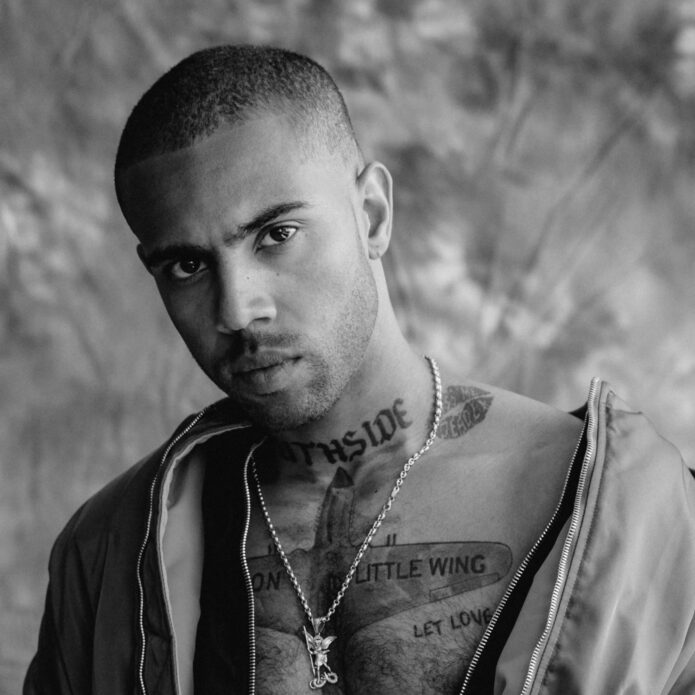
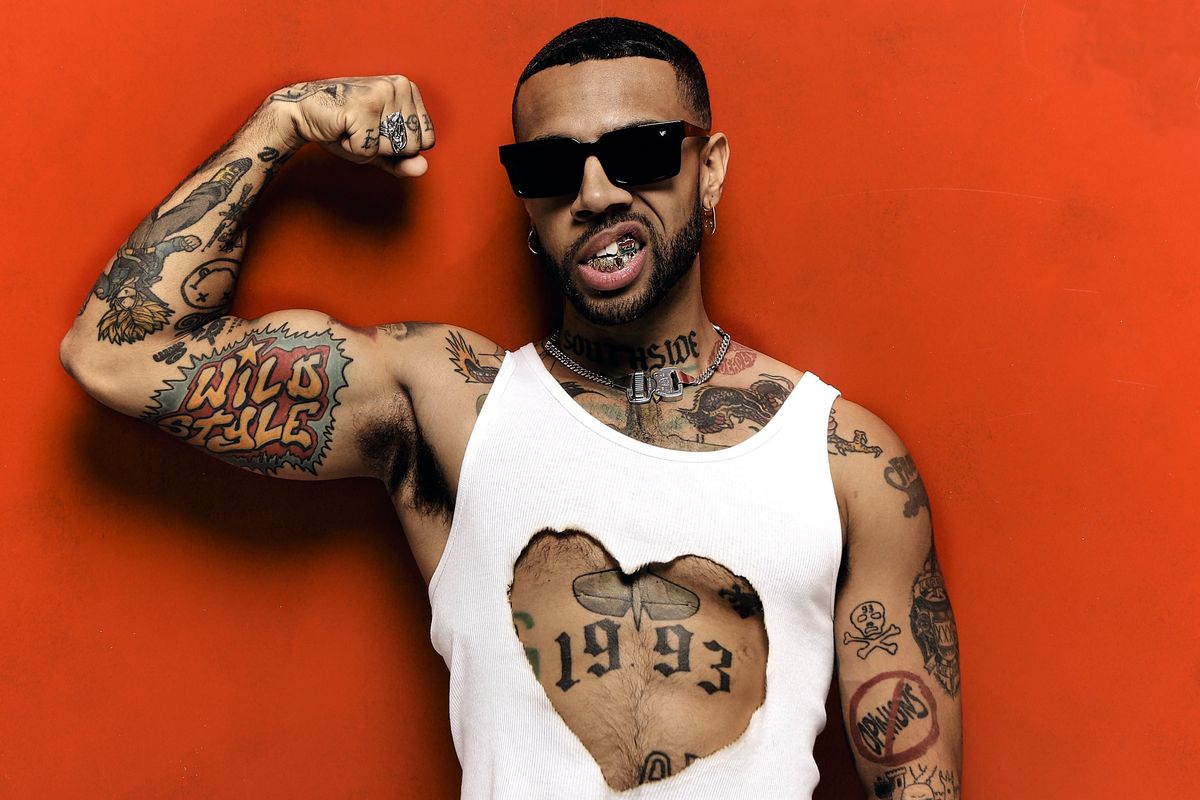
Vic Mensa’s tattoos move between personal memories and public references. In a GQ Tattoo Tour, he says he sketches ideas in Photoshop and often gets tattooed while touring. Chicago, family, music, survival and Ghanaian heritage recur across the collection. The photographs show different views of the ink, not five separate sets of designs.
Free Huey tattoo and the first piece
Mensa has said his first tattoo came when he was 16: a Black Panther image connected with Huey P. Newton and the Free Huey movement. The reference ties the piece to Black history and his South Side roots. It’s more than a striking animal design; the history behind the image is part of what he chose to carry.
Disrupt tattoo and the electric-shock story
When Mensa was 17, he survived an accident involving roughly 15,000 volts. He has linked a side tattoo to that experience: the word “Disrupt,” crash-like imagery and a message that he was fine and people shouldn’t call the police. The blunt lettering turns a frightening event into a record of survival.
Dare memorial tattoo
The word “Dare” honors Mensa’s brother, who was killed by gun violence. The lettering is simple, but the memorial is direct: it keeps his brother’s name close without trying to tell his whole story in one image.
Slave tattoo, Prince and artistic control
Mensa has discussed his “Slave” tattoo in connection with Prince’s fight with his record label over artistic control. It’s an intentionally uncomfortable word. His explanation places it in a conversation about ownership and the limits a contract can put on an artist, rather than treating it as shock for its own sake.
South Side chest tattoo, 1993 and the lettering
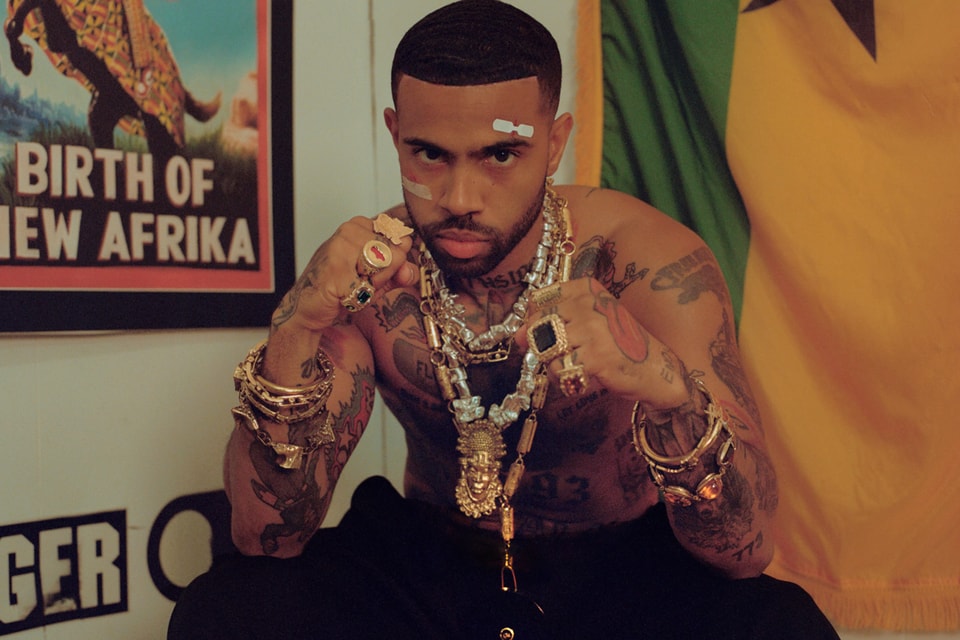
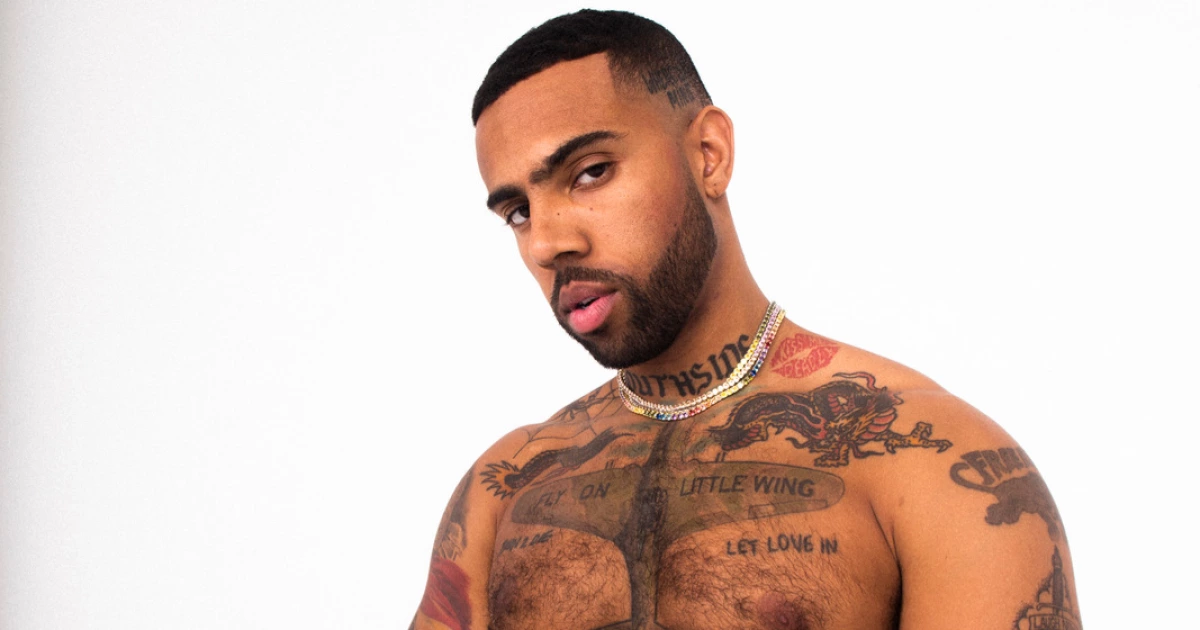
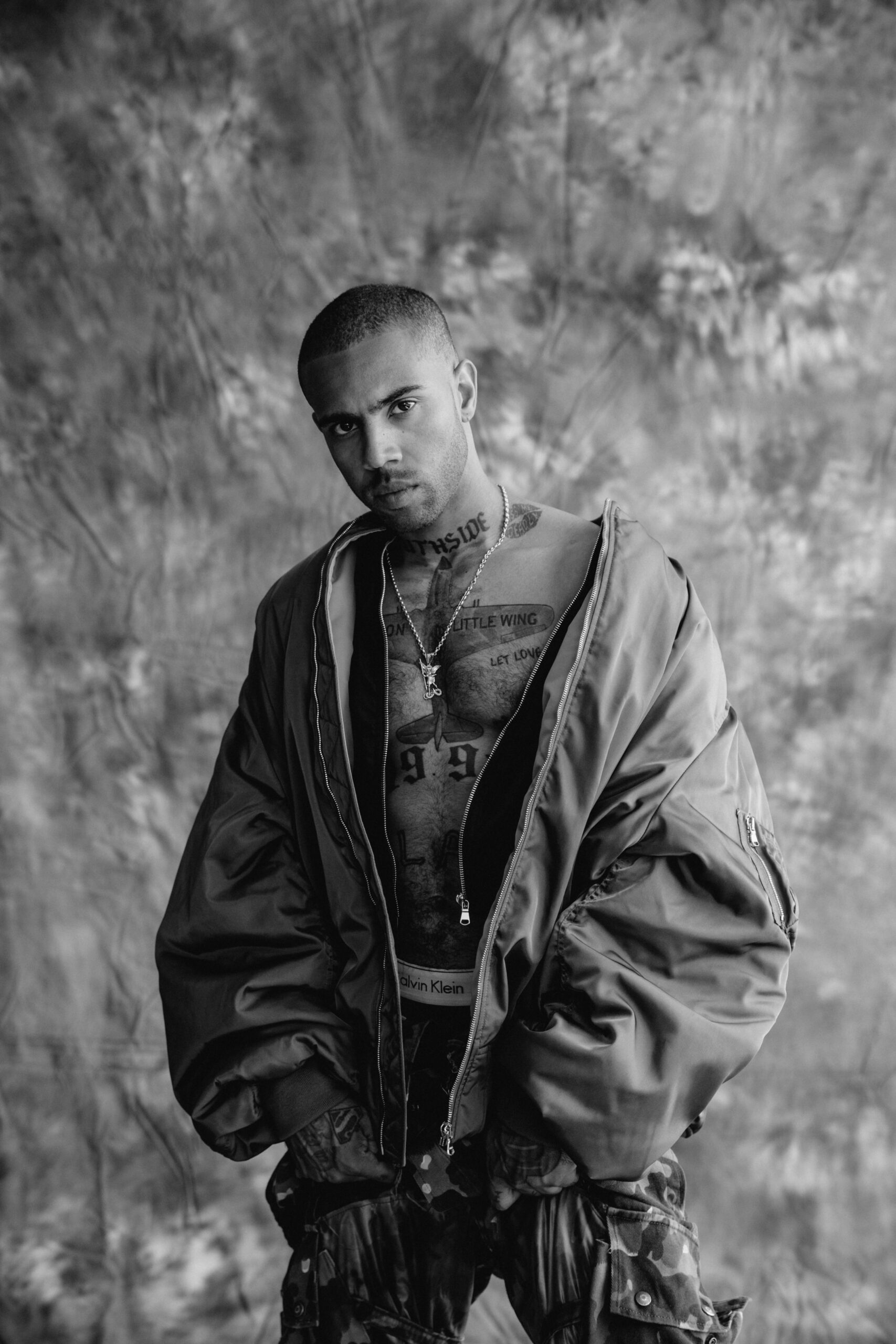
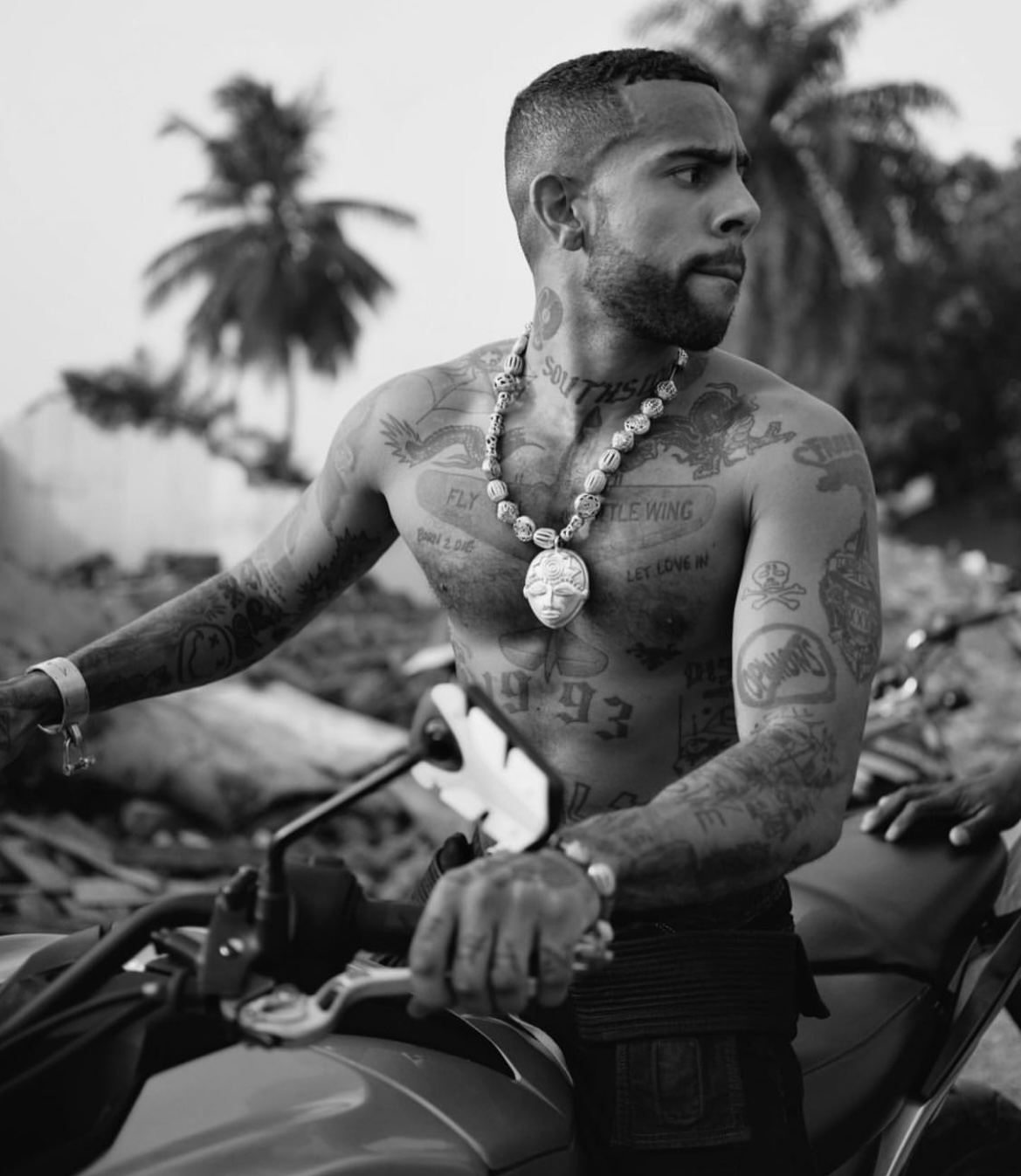
Photos show phrases across Mensa’s chest and neck, including “South Side,” “Little Wing” and “Let Love In,” along with the number 1993, commonly identified as his birth year. The lettering ranges from blocky to more delicate, and a chain or open jacket can hide parts of it in some shots.
“Save Money” and the 773 area code point to Chicago and the creative collective associated with Chance the Rapper and other artists. Mensa has also spoken about his Ghanaian family background and an Adinkra symbol associated with interconnectedness. The references come from different parts of his life, but they sit within the same collection.
He has said he lets his tattoos age naturally. The photographs show the ink in different settings and from different distances; what’s clearly documented is the placement and the stories he has shared. Smaller marks without a public explanation are best left open.