Musicians

Tattoo guides for singers, rappers, DJs and musicians, with photographs, documented meanings and the stories behind their designs.

Pardison Fontaine Tattoos: 10 Designs and the Stories Behind Them

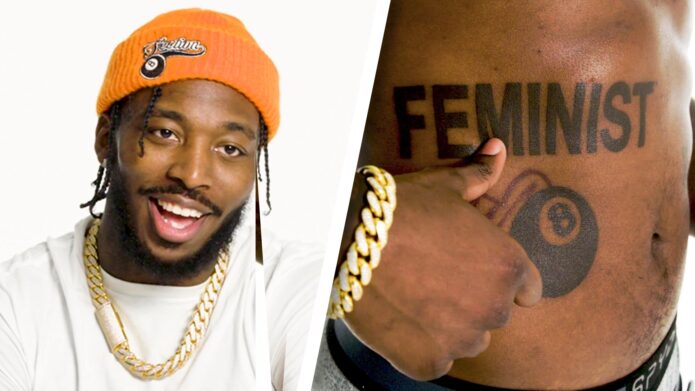
Pardison Fontaine’s tattoos cover his arms, chest and back. In GQ’s Tattoo Tour, he explains pieces tied to Newburgh, his daughter, feminism, African heritage and the pressure he has felt. That makes the collection easier to read than a set of stage photos alone.

Some motifs return across different areas; others are portraits, lettering or family references. Here are the designs he has discussed and the details visible in the photos.

The chest lettering and broken heart
Chest tattoos including the broken heart design

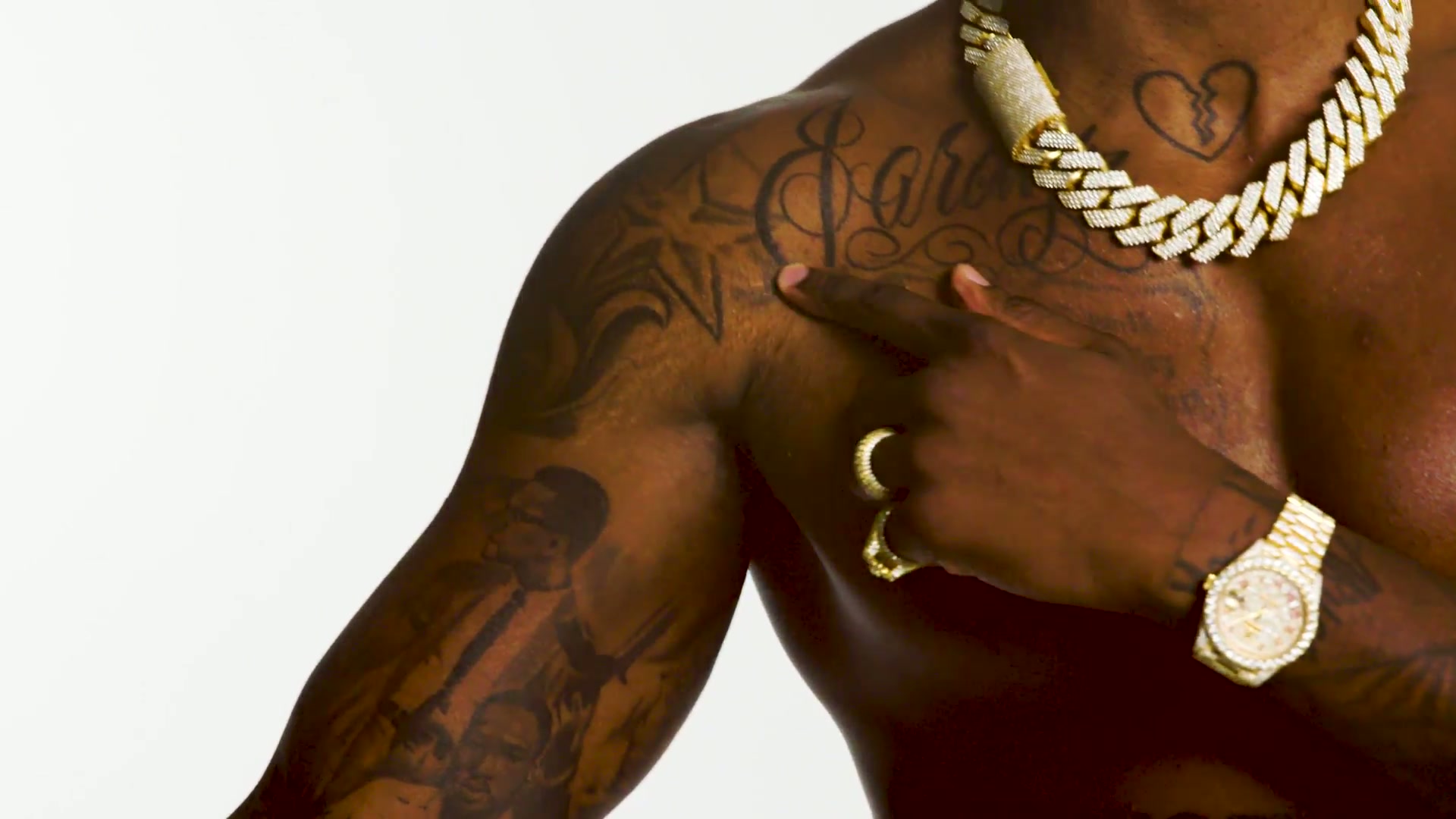
Fontaine’s chest has large script, portrait work and a broken heart near the collarbone. The tattoos overlap, but the separate images still read as distinct pieces rather than one matching panel.

The broken heart is smaller than the lettering and portraits around it. Its high placement keeps it visible when he wears a shirt, and the simpler outline gives the chest a different shape among the denser work.

The FEMINIST ribcage tattoo
The FEMINIST and eight ball ribcage tattoo

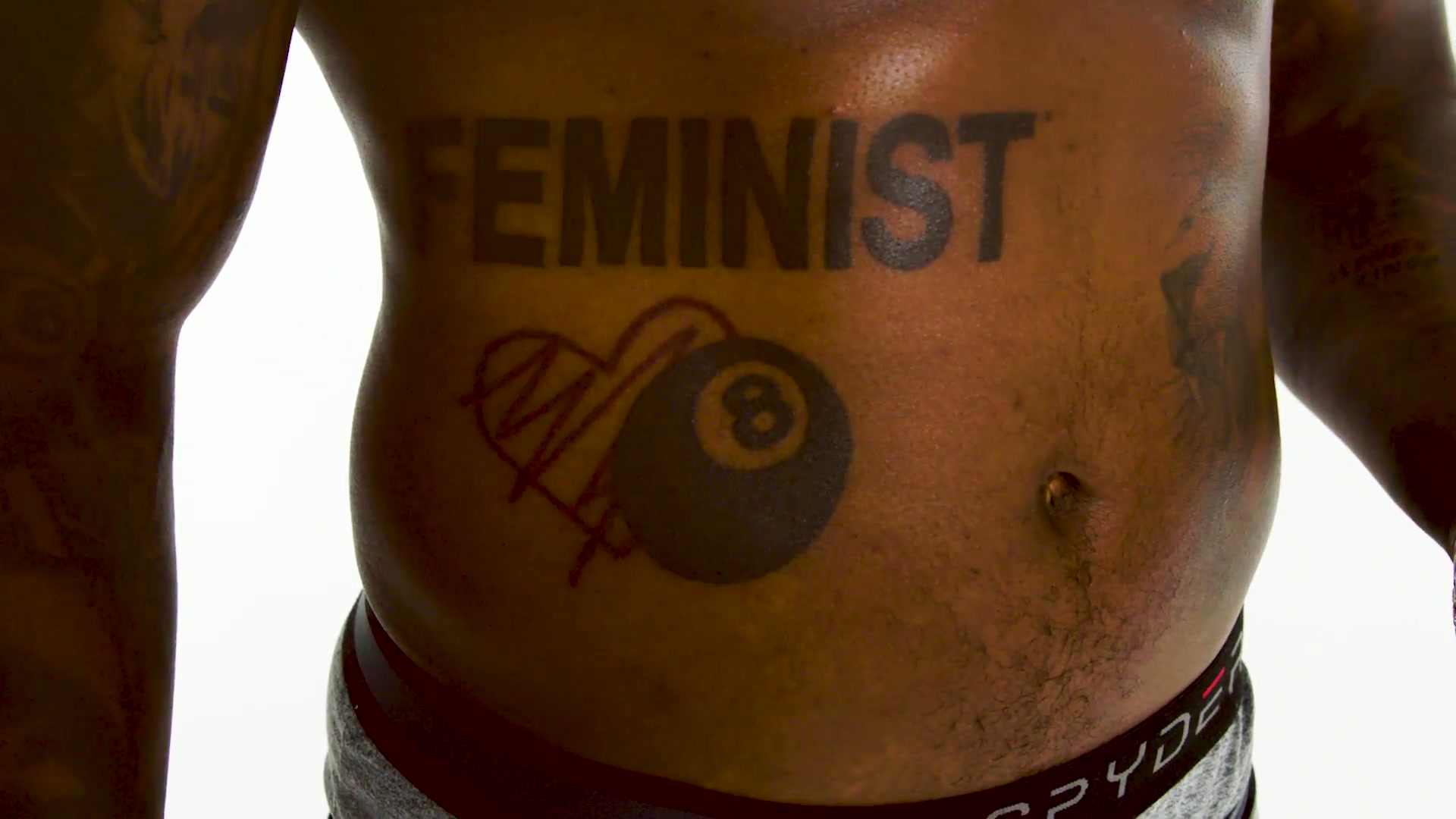
The FEMINIST tattoo runs across Fontaine’s upper ribcage in block letters. Below it are a heart crossed by a line and a large eight ball. The lettering is direct and easy to read.

Fontaine has said the tattoo is about standing up for women and human rights. He also called it one of his most painful tattoos. The rib placement and broad lettering cover a large area.

Thick letters contrast with the round eight ball and the looser heart shape. The message is the first thing you notice; the other forms sit around it.

Why the eight ball keeps coming back
The eight ball and Section 8 tattoo details

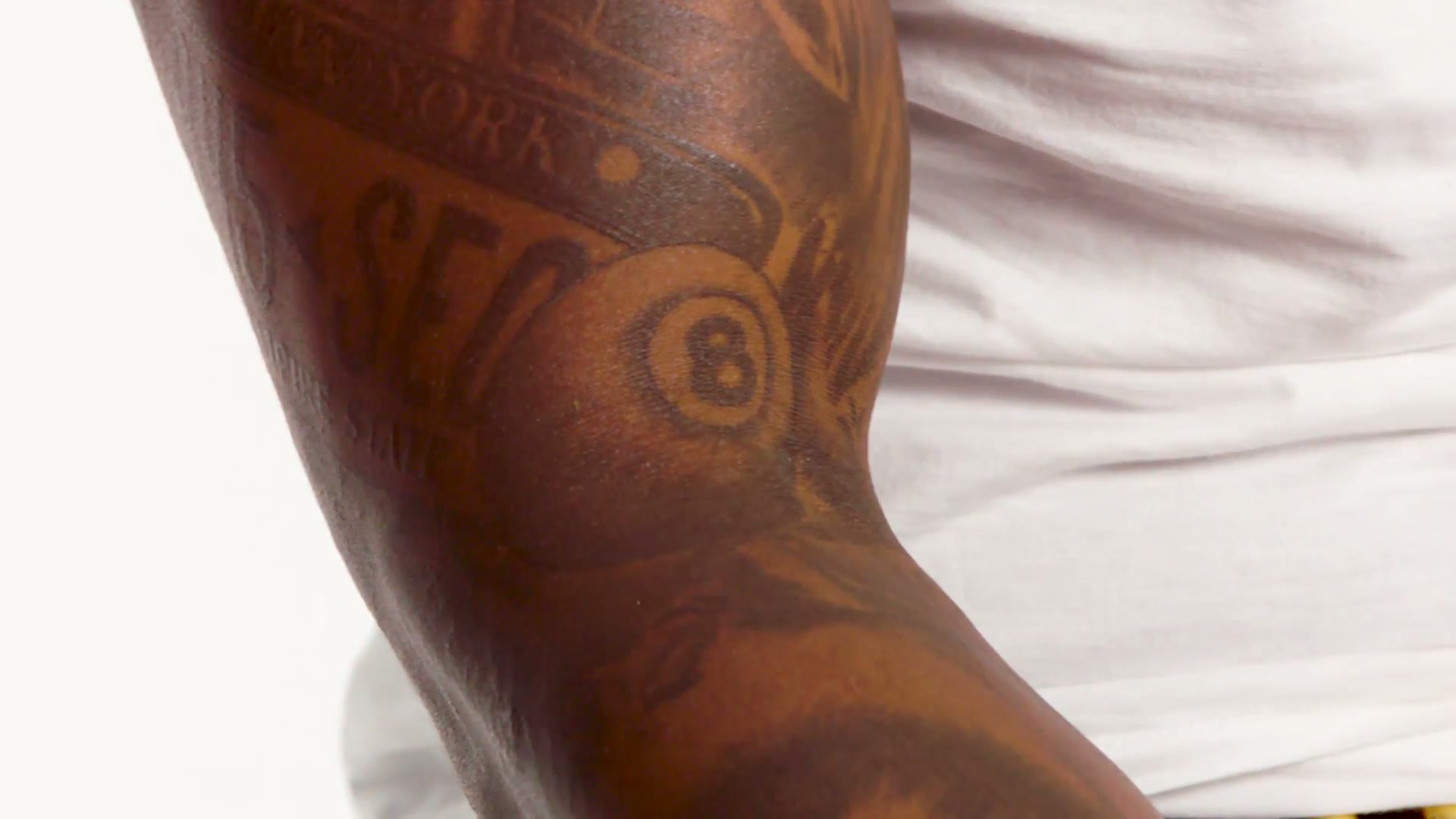
Fontaine has linked the eight ball to Section 8, the phrase “behind the eight ball,” and feeling under pressure. In his account, it carries more than a pool reference.

The symbol appears on his ribs and back, as well as elsewhere in the collection. Seeing it in more than one place connects those areas even when the surrounding tattoos differ.

The Section 8 back tattoo
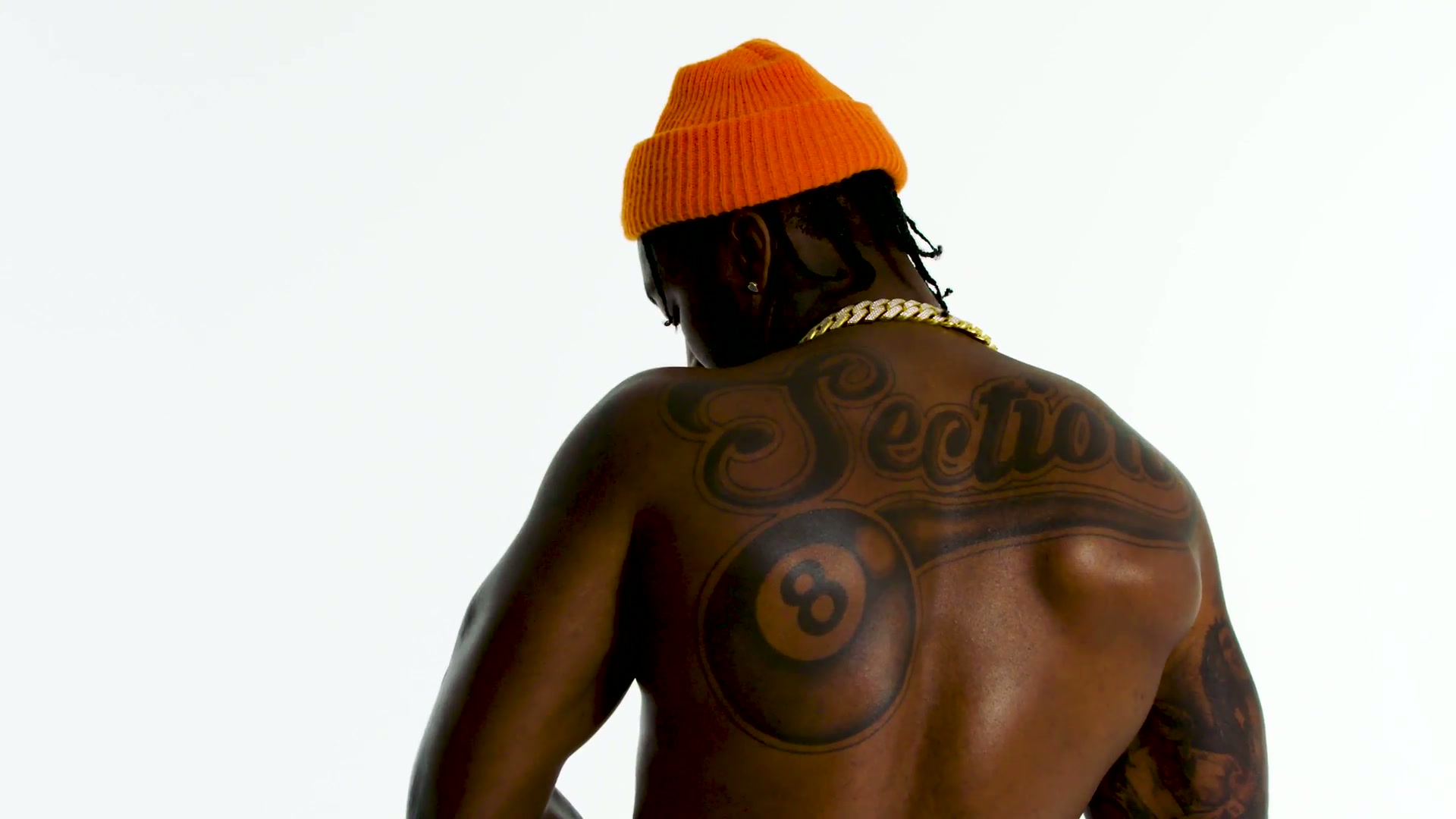
The large Section 8 back tattoo

“Section” stretches across Fontaine’s upper back, with a large eight ball below it. The scale makes the design read like a sign across the back rather than a small hidden piece.

Fontaine has connected it to the pressure and instability associated with Section 8 housing, as well as the idea of being behind the eight ball. It is one of several references to where he came from, and it is drawn to be read from a distance.

Portrait tattoos across the upper arm
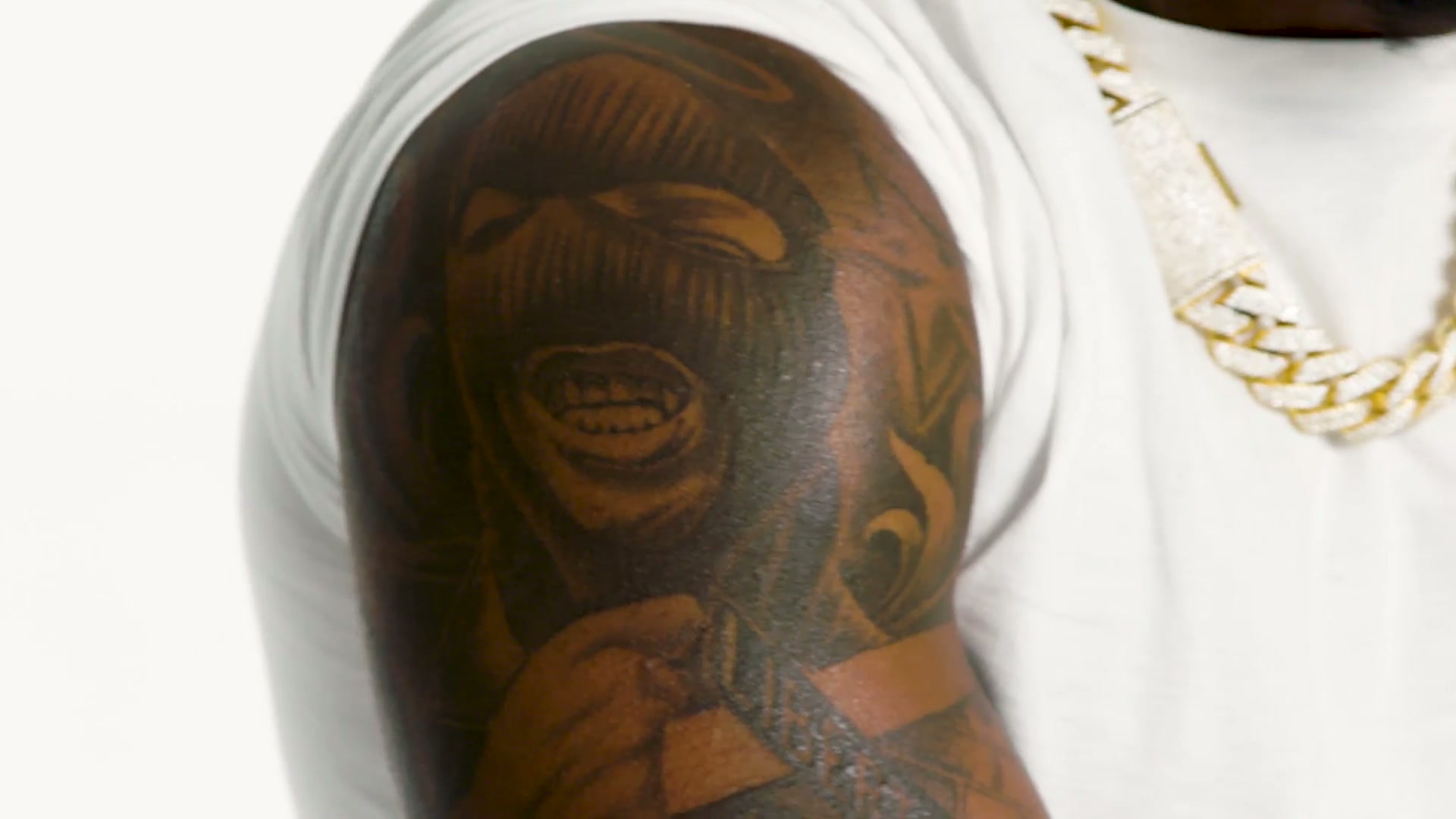
Portrait work across the upper arm

Fontaine points out portraits of Malcolm X, Martin Luther King Jr. and Tupac in GQ’s tattoo tour; Nipsey Hussle is represented in the same general area. The faces and shaded forms give the upper arm a mural-like look.

A close photo shows how the portraits sit together better than a wide stage shot. The shading is dark, so contrast carries the expressions more than colour does.

The 845 and SEC forearm lettering
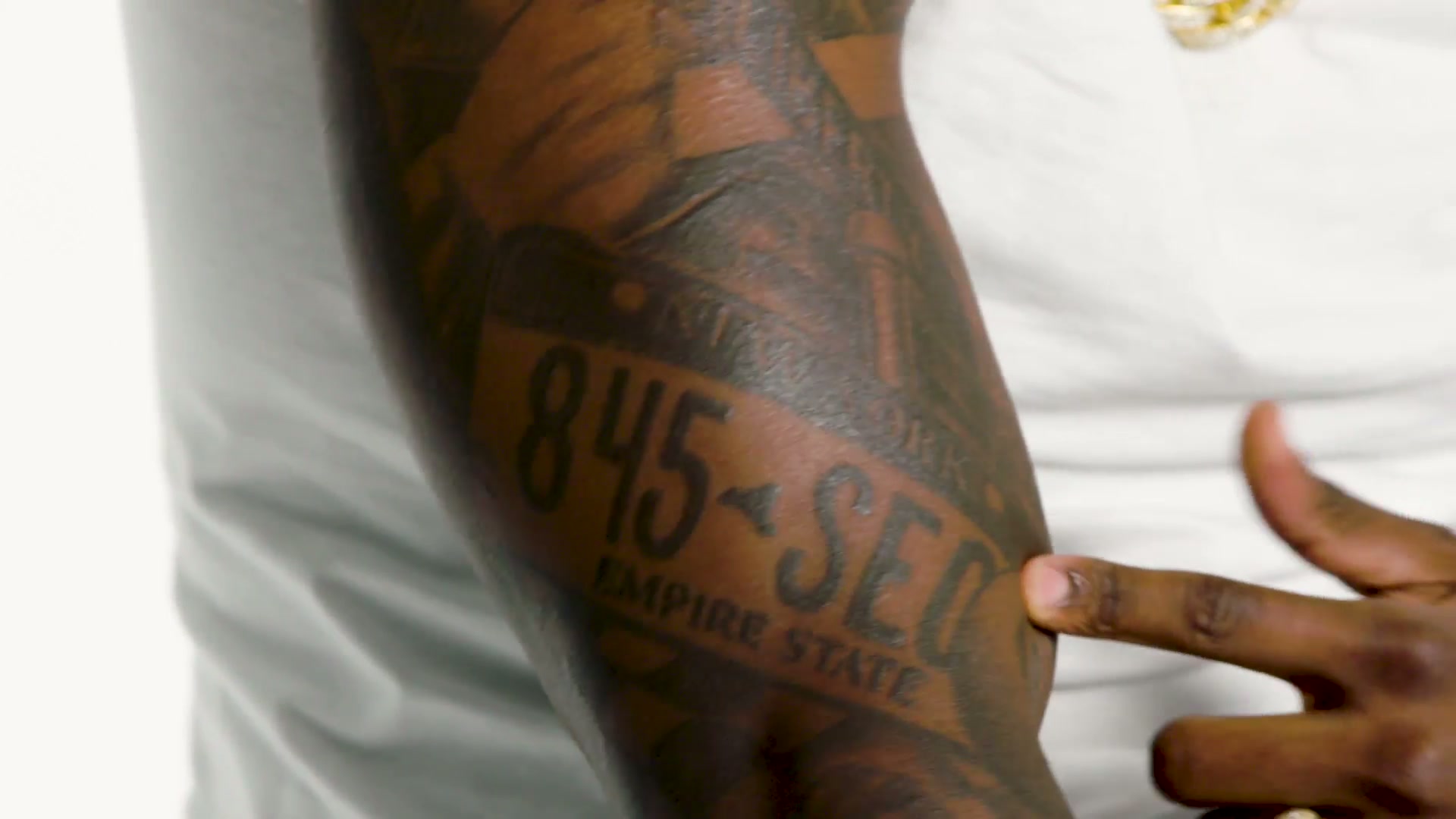
The 845 and SEC lettering on the forearm

The 845 and SEC lettering ties the forearm tattoos to place and identity. The 845 is the area code for the Hudson Valley, including Newburgh. Fontaine has described the SEC lettering as part of that local story.

The numbers and letters make a different kind of mark from the portraits on his upper arm. They name a place rather than a person, and sit beside the other references he has discussed.

The Nefertiti and Africa-inspired arm tattoo
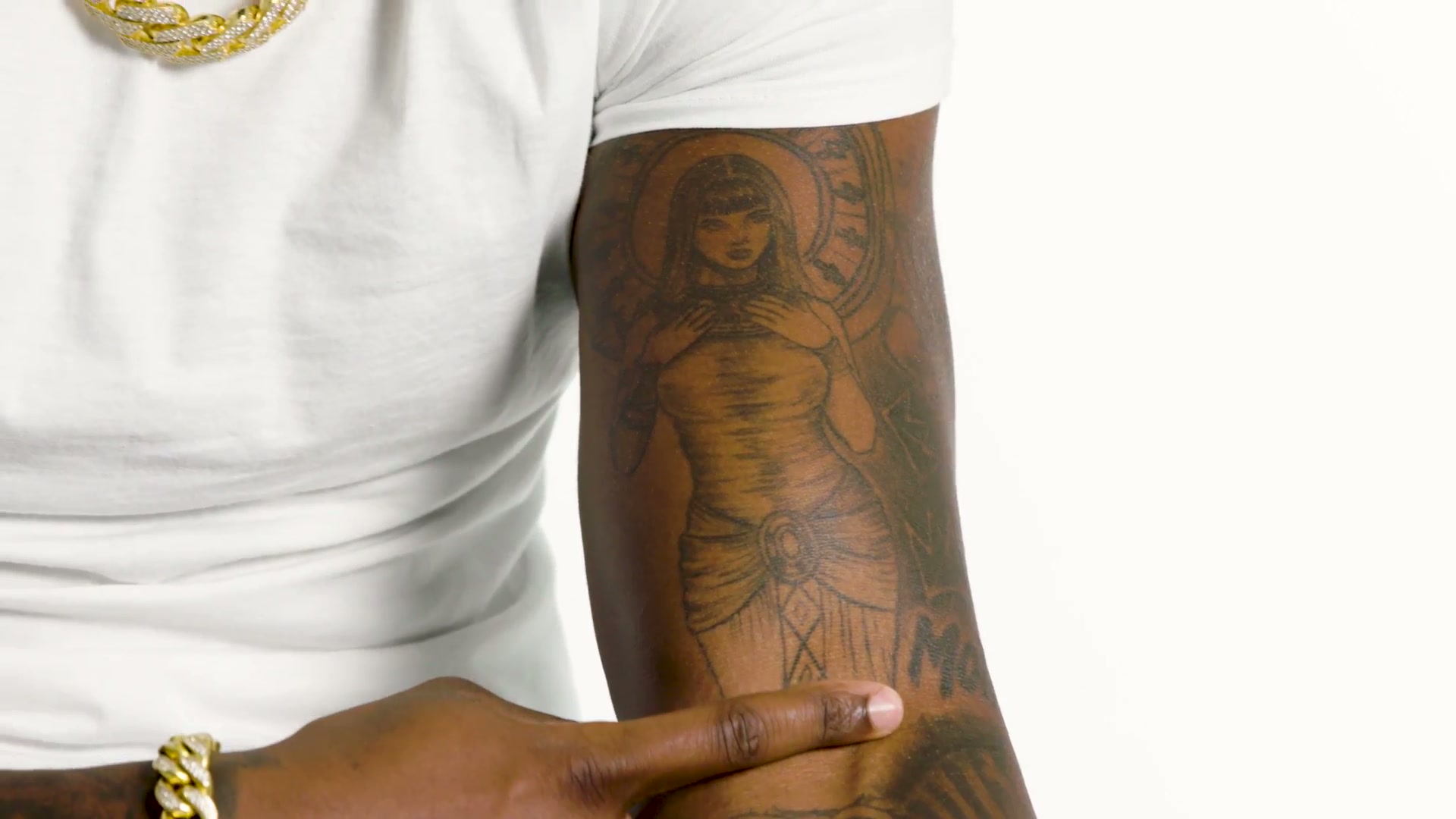
The Nefertiti and Africa-inspired arm tattoo

Fontaine has described one arm as a place for his African heritage. The tattoo includes a woman with a crown-like headdress that he identifies as Nefertiti, surrounded by ornamental lines and shaded forms.

The face gives the design a quiet centre, while the surrounding lines fill the arm. Its look is different from the block lettering and eight-ball imagery elsewhere in the collection.

The lower arm is a full collage
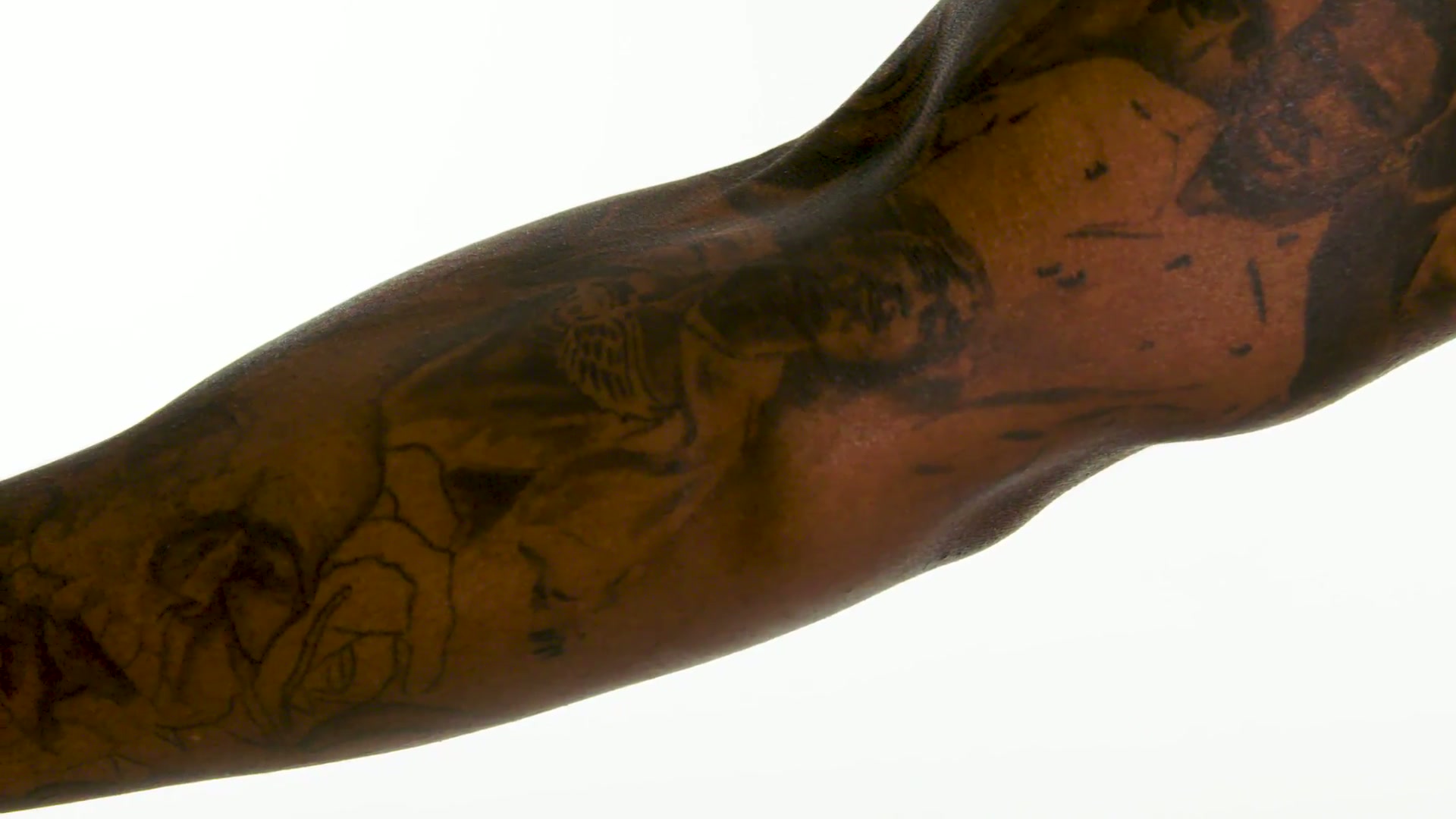
Detailed linework across the lower arm

Fontaine’s lower arms bring together faces, script, small symbols and shaded sections. Some details show more clearly than others, especially in photos of tattoos added at different times.

He has said he prefers adding around existing tattoos instead of covering everything or forcing his body into one style. That leaves older pieces visible as the sleeve fills in.

Lettering, portraits and the family side of the sleeve
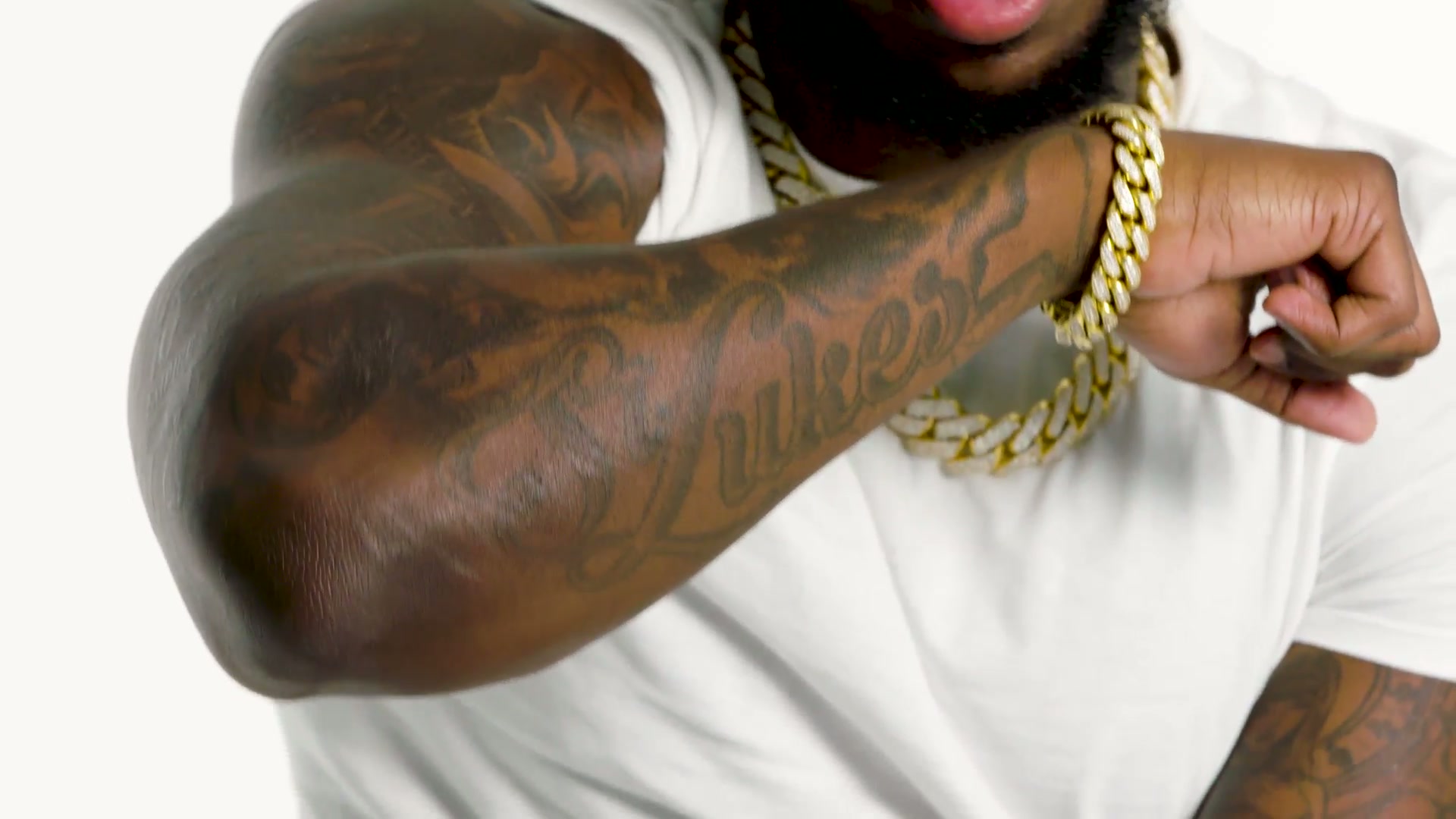
Lettering and portrait work on the forearm

Close views show script and block lettering alongside portrait work on Fontaine’s forearm. His daughter’s name and other family references sit among the larger public symbols.

The portraits point to people he respects; the numbers refer to home; and the words carry beliefs or family names. Those are different kinds of reference, even where the tattoos sit close together.

The layered upper-arm work
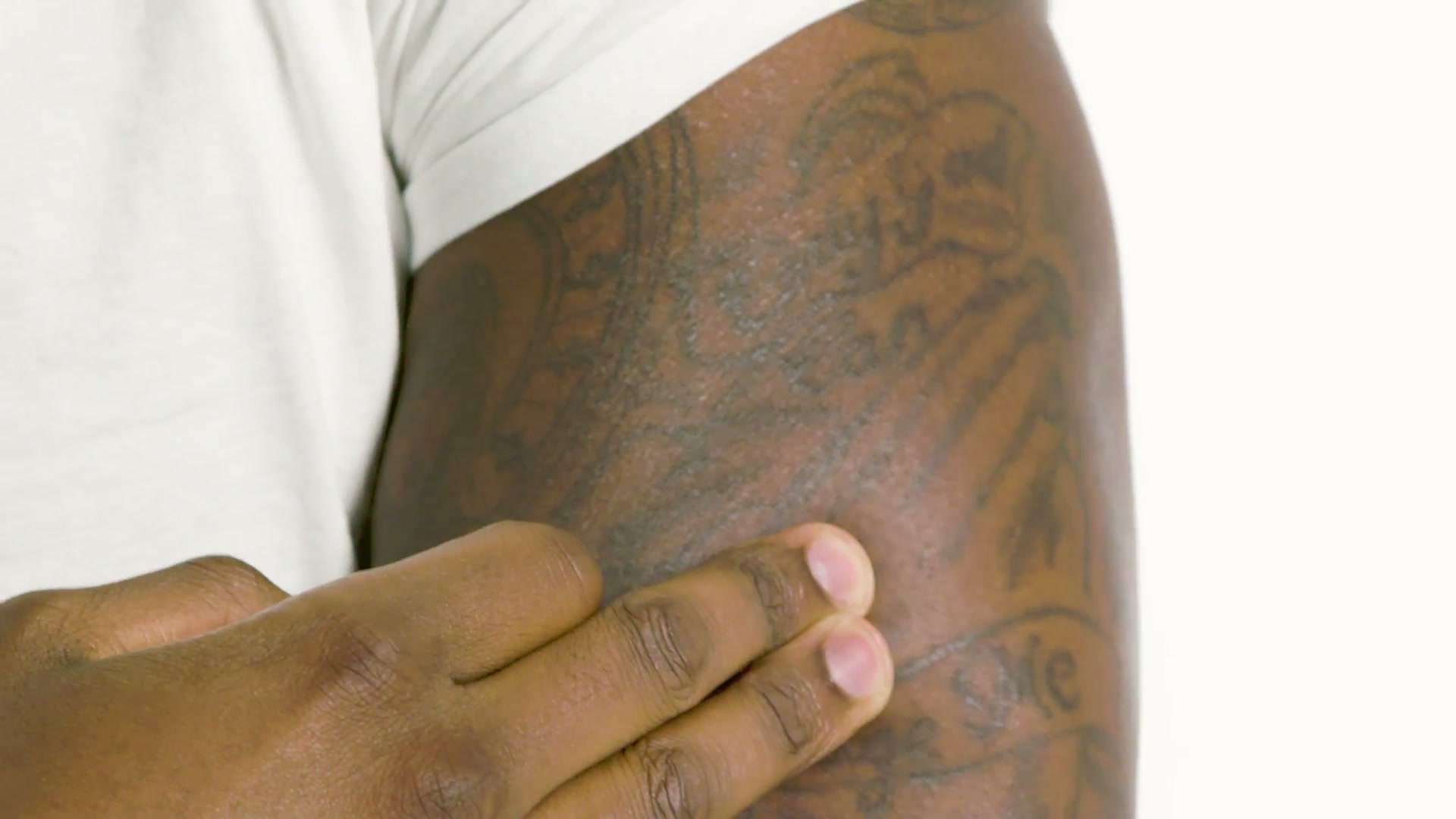
Close-up of the layered upper-arm tattoos

The upper-arm close-up shows older and newer tattoos side by side. Some outlines have softened, but the pieces still share the same dark weight.

Fontaine has described tattooing as therapeutic. He talks about leaving room and adding to the collection over time, rather than trying to finish it in one session.

What makes Pardison Fontaine’s tattoos stand out

Several ideas recur for a reason. Fontaine has linked the eight ball to pressure and Section 8; portraits honour people he admires; and the 845 and SEC lettering refer to home. The FEMINIST tattoo states a belief, while other pieces refer to family.

He has also said that not every early tattoo is a favourite. Rather than hide all of them, he builds around the existing work, leaves some areas open and adds pieces when he has a new idea.

If you are looking at the collection for inspiration, notice how the pieces connect to specific people, places and ideas. A mix of portraits, dates, lettering and symbols needs a reason for each piece to feel like a collection.

Watch Pardison Fontaine explain his tattoos

Fontaine discusses the FEMINIST tattoo, the eight ball designs, his back and the portraits in GQ’s Tattoo Tour.
Future Tattoos: Dungeon Family, Family Names and Ink Across His Arms

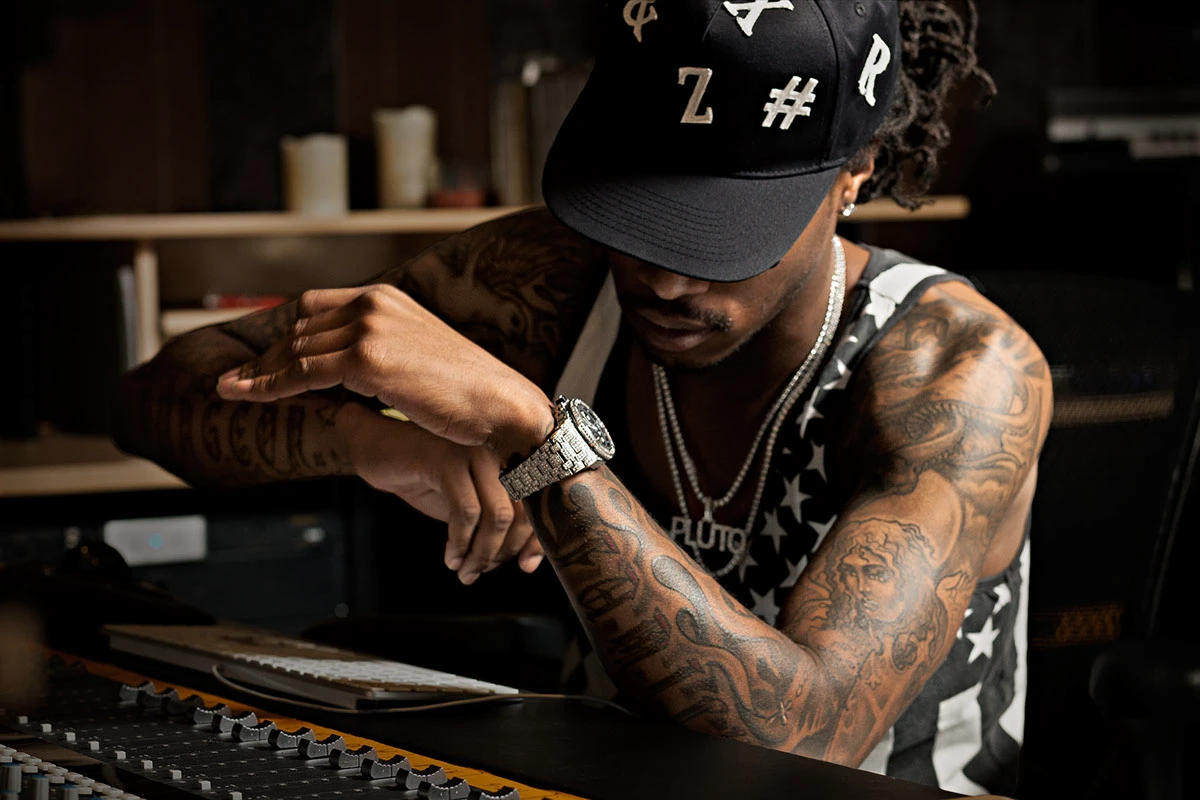
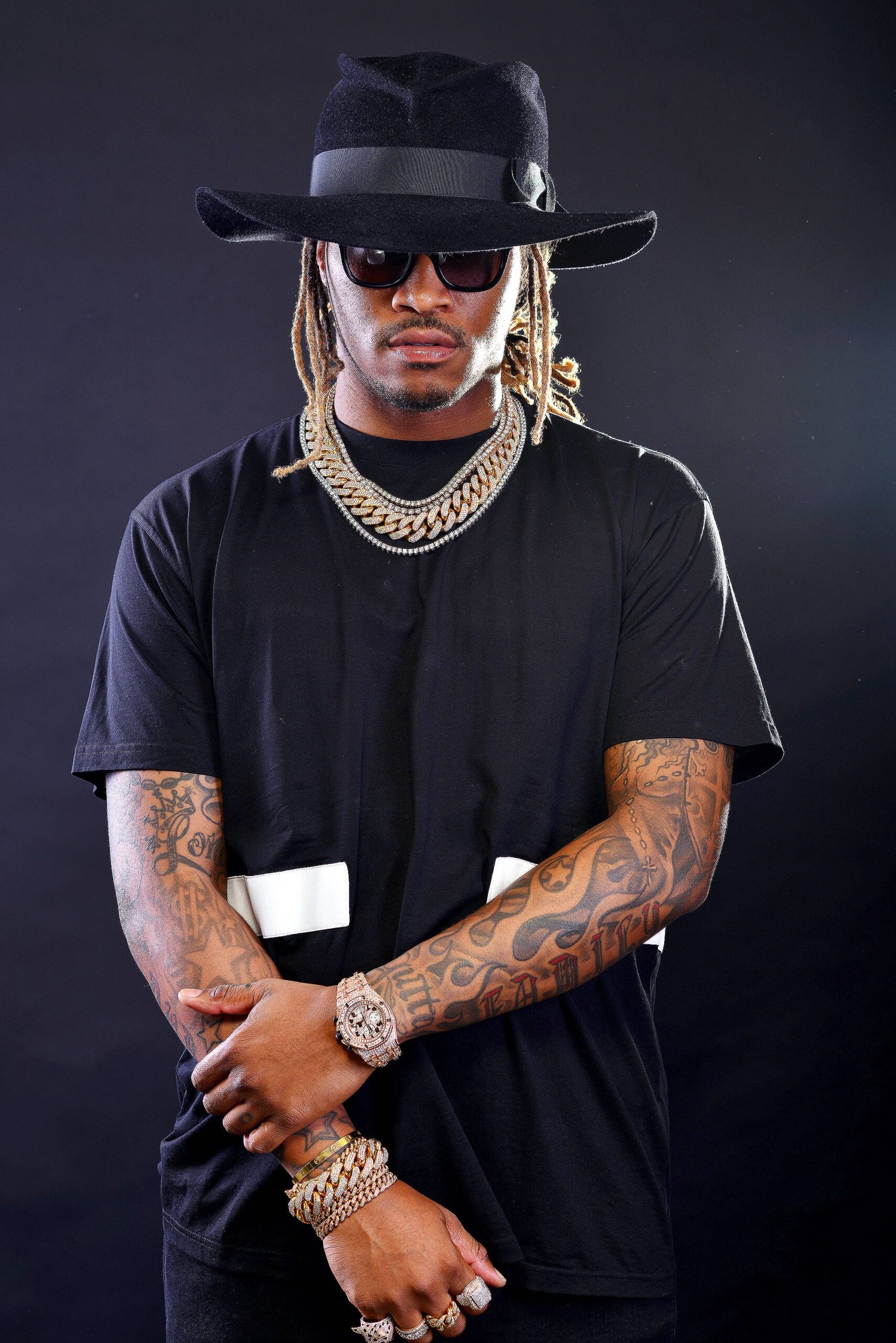
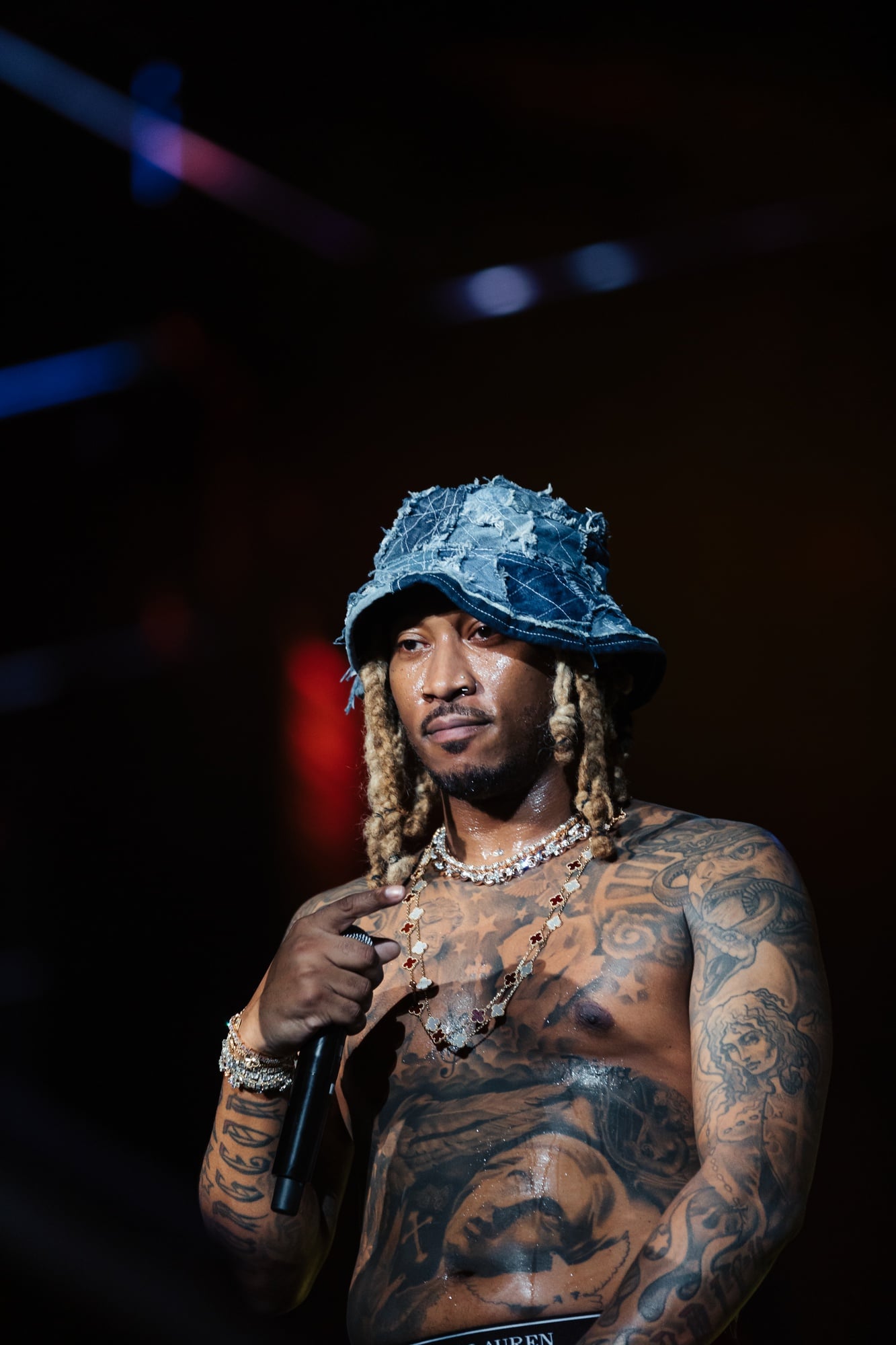
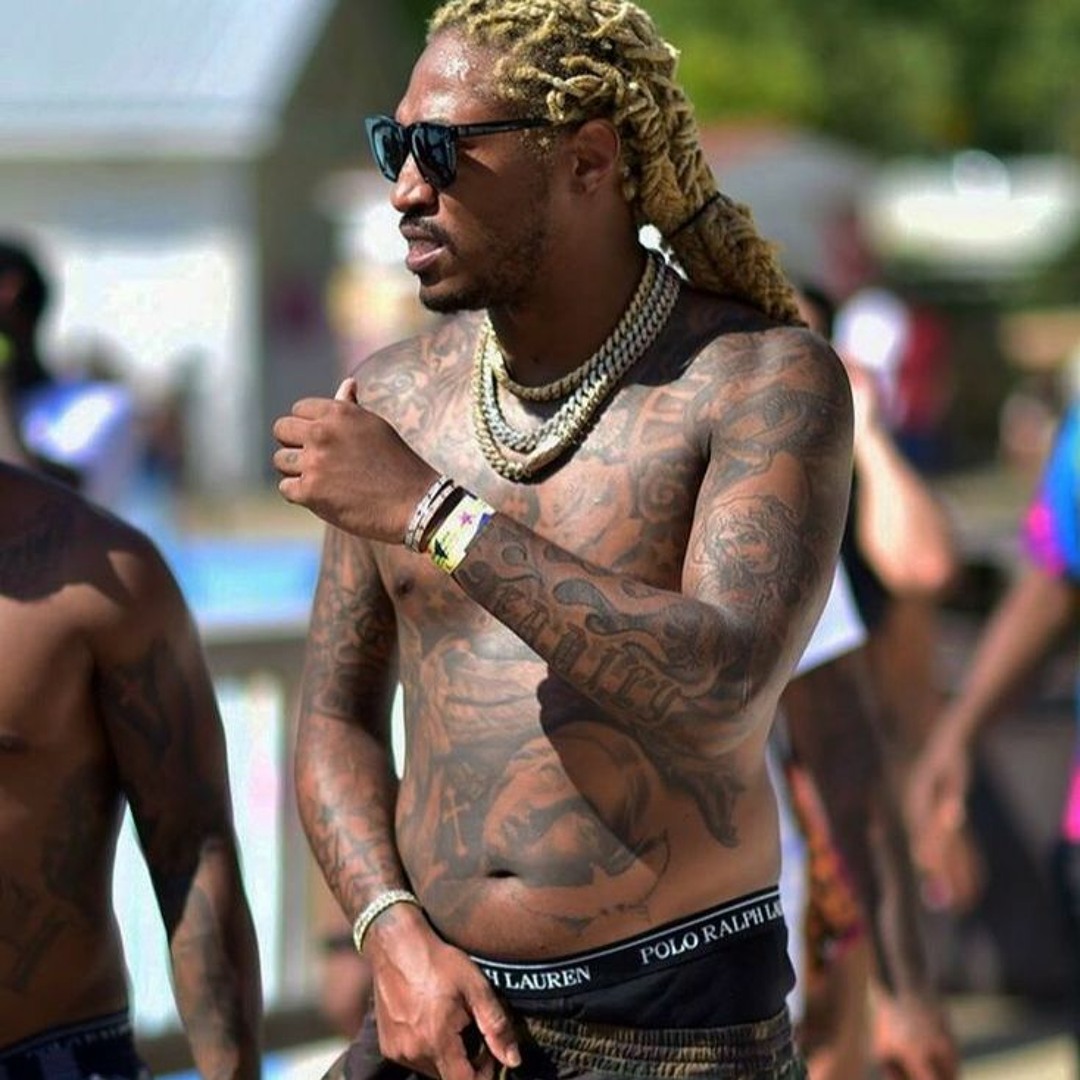
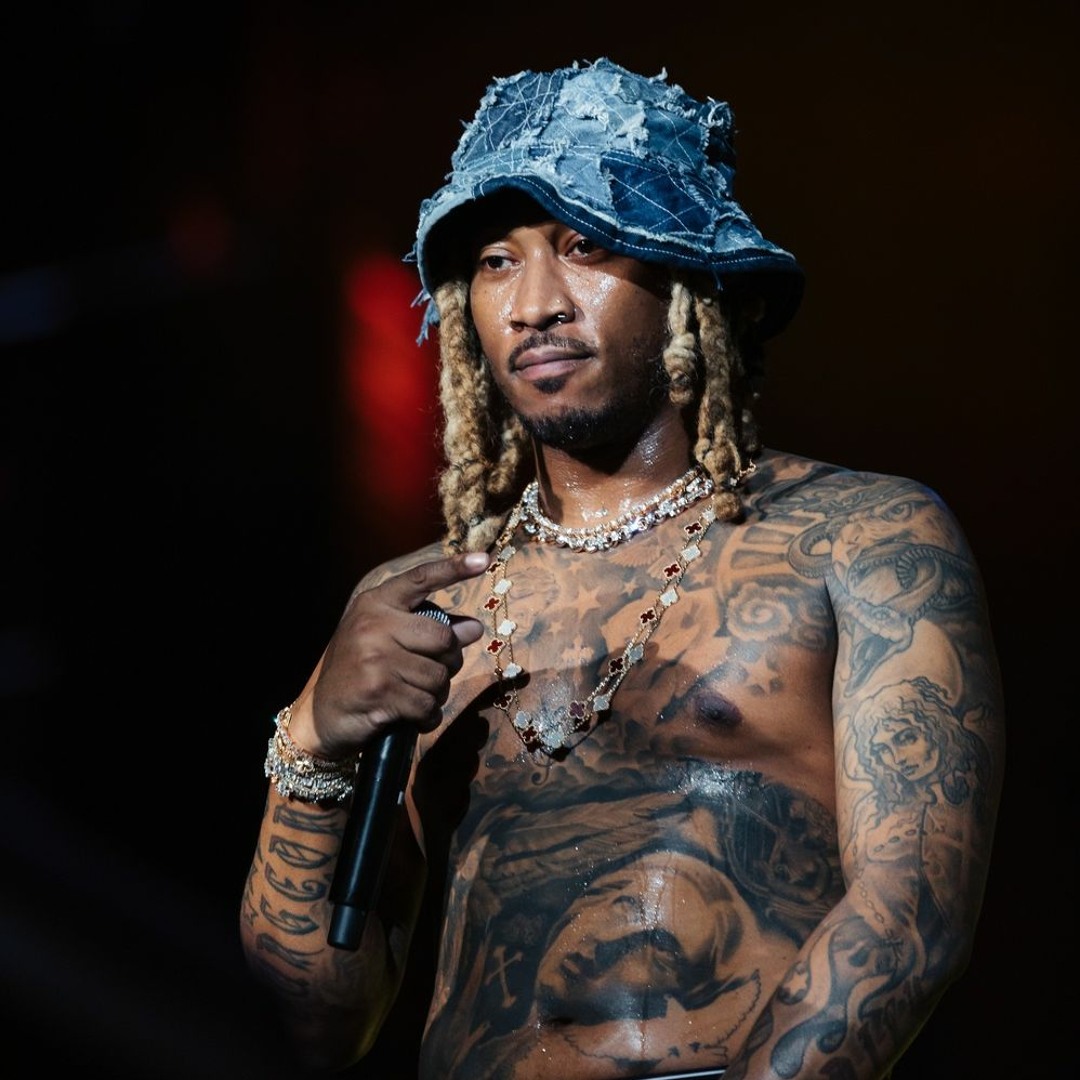
Future’s tattoos cover his chest, arms and back. Stage photos show broad black-and-grey work, lettering and portraits, while other pieces appear only when his clothes or chains move out of the way. The collection includes family names, music references, stars, birds and smaller symbols.

Some of the designs are easier to place than others. The sections below focus on the tattoos visible in clear photos and the references Future has discussed.

Future’s tattooed chest: portraits, symbols and layered blackwork

Future tattoos: chest portraits and layered blackwork

In shirtless performance photos, Future’s chest reads as a broad area of black and grey work rather than one centerpiece. Larger shaded forms sit beside smaller symbols, following the shape of his pectorals.

Portrait-style tattoos soften the heavier areas, while stars, crosses and dark shading add contrast. Open skin between the images helps separate them, even when the chest is viewed from a distance.

A chest design can use several medium-sized pieces instead of one large image. Choose the main piece first, then plan how other symbols fit around the sternum, pectorals and upper ribs.

Lighting changes what shows in a photo. Stage light can flatten grey shading; daylight may reveal softer gradients and fine lines. A clear, well-lit view gives a better sense of the chest layout than a crop covered by a chain or necklace. Chest placement needs a clear focal point.

The Dungeon Family ink on Future’s forearms

Future tattoos: Dungeon Family lettering and forearm ink

The Dungeon Family lettering on Future’s forearms connects the tattoo to Atlanta’s music history and the artists who shaped his early career. It is an identity reference as well as script.

A forearm gives lettering a long surface. Smaller stars and symbols sit near the wrist and elbow, while other tattoos keep the words from looking separate from the rest of the arm.

For a name or phrase, decide on the letter style and orientation before settling on size. Words that look right facing the wearer may appear upside down to others; some people prefer that private position.

In the photo, patches of open skin leave room around the lettering. That spacing helps each mark stay readable as more tattoos are added.

Strong lettering needs space around it. A useful reference shows the words, nearby symbols and the direction of the arm, so an artist can plan them together.

Lettering, stars and Freebandz energy across the arms

Future tattoos: lettering, stars and arm symbols

A close view shows words, stars, shaded forms and smaller marks sharing space on Future’s arm. Some lines are crisp; others have softened, giving the sleeve the look of work added over time.

Stars can fill narrow spaces near an elbow or between larger pieces. Used this way, they connect tattoos rather than compete with them.

Short phrases and names add another line through the arm. Before adding them, map the whole limb; a phrase that fits the inner forearm may crowd the outer side if the nearby designs are ignored.

Most visible pieces use black and grey, with open skin separating one mark from another. A colour accent could be added, but the layout still depends on the contrast between ink and skin. Black-and-grey shading keeps the dense areas readable.

Arm position changes how the tattoos look. A bent elbow compresses the skin and makes lettering seem shorter; a straight arm gives a clearer view of the scale. Future’s photos show both.

The large shoulder and upper-arm pieces

Future tattoos: shoulder portraits and upper-arm shading

Larger tattoos follow the curve of Future’s shoulder and continue down his upper arm. Portrait details, dark shading and curved lines keep the pieces connected when he raises or relaxes his arm.

The rounded shoulder gives a face, animal or larger symbol room, while lettering and smaller marks can continue toward the bicep and forearm. That makes the largest design the first thing the eye catches.

Clear lighting shows the grey shading and edges more accurately than a cropped or heavily edited photo. A reference that includes the whole shoulder also shows how the tattoo wraps around the arm.

Check the design from the front, side and back. A shoulder piece may look strong straight on but lose its shape when the arm turns if the layout does not follow the body. The angle changes the picture.

From a distance, the upper arm reads as a dark sleeve; close up, smaller symbols and lines come into view. The design has a clear outline and details that show when you look closer.

How Future’s tattoo style comes together

Future tattoos: full torso layout and mixed tattoo scale

The collection repeats a few visual choices: black-and-grey shading, script, stars and smaller symbols around portrait or figure tattoos. The subjects vary, but those choices give the pieces a shared look.

Family names, music references, crew ties and protective symbols sit beside other imagery. Together they read more like separate chapters than one uniform sleeve, and new tattoos can fit alongside older ones.

Before choosing images, decide which people, places or ideas matter most. A name may need clear lettering; a memory may suit a portrait; a symbol can stand in for a period of change. The largest placements should go to the designs that matter most to you.

A few consistent choices can tie separate tattoos together. Line weight, shading, spacing or colour can repeat without making every piece identical. Consistency does not require matching designs.

Leave room for later additions. Negative space gives the larger images room, while smaller marks can connect sections as the collection grows.

For another full-sleeve musician reference, see the Travis Barker tattoo guide. Future’s layout is more mixed and open, but both collections show how placement shapes the overall look.

Randy Blythe Tattoos: Arm Ink, Leg Pieces and the Misfits Story

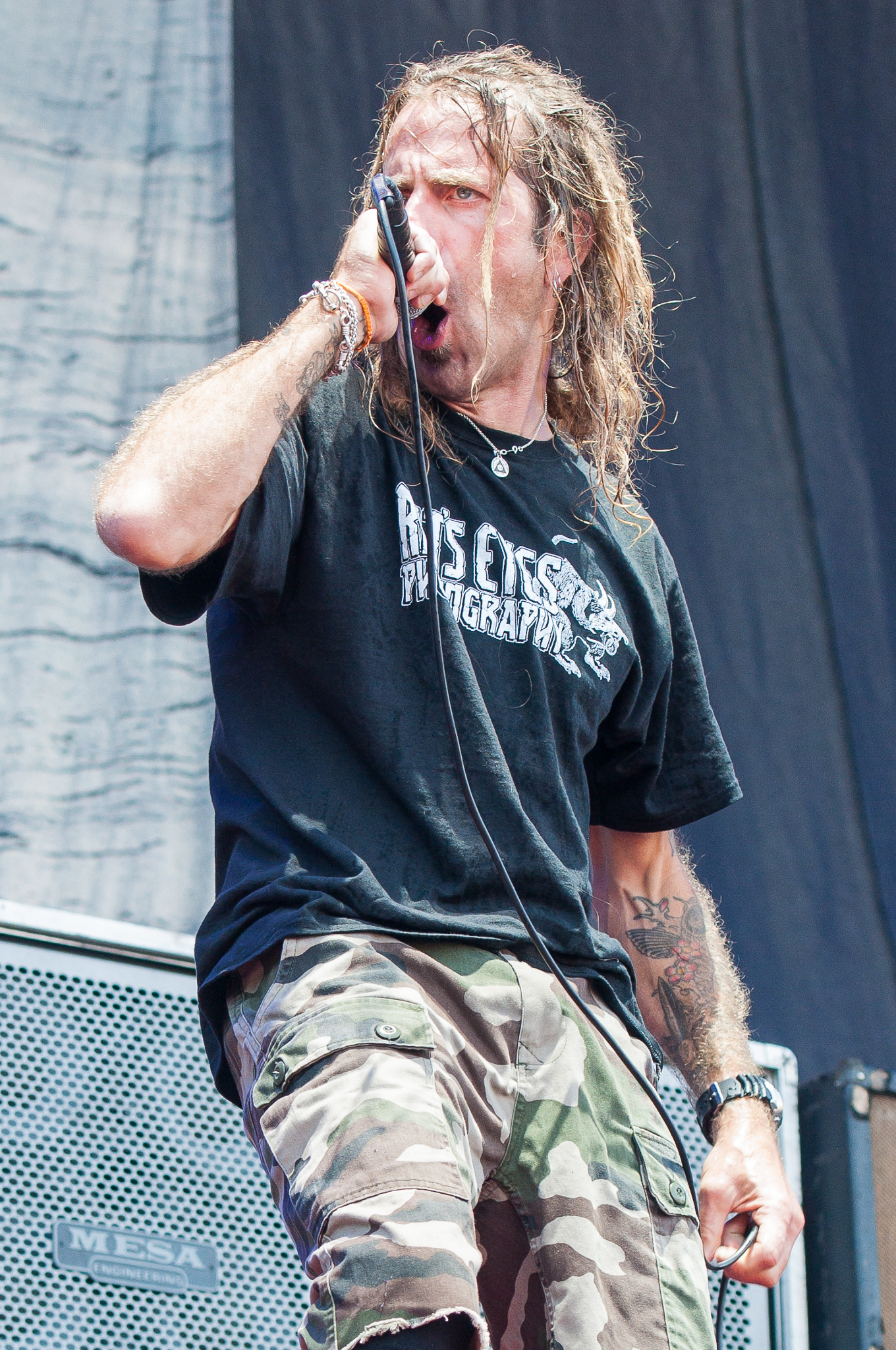
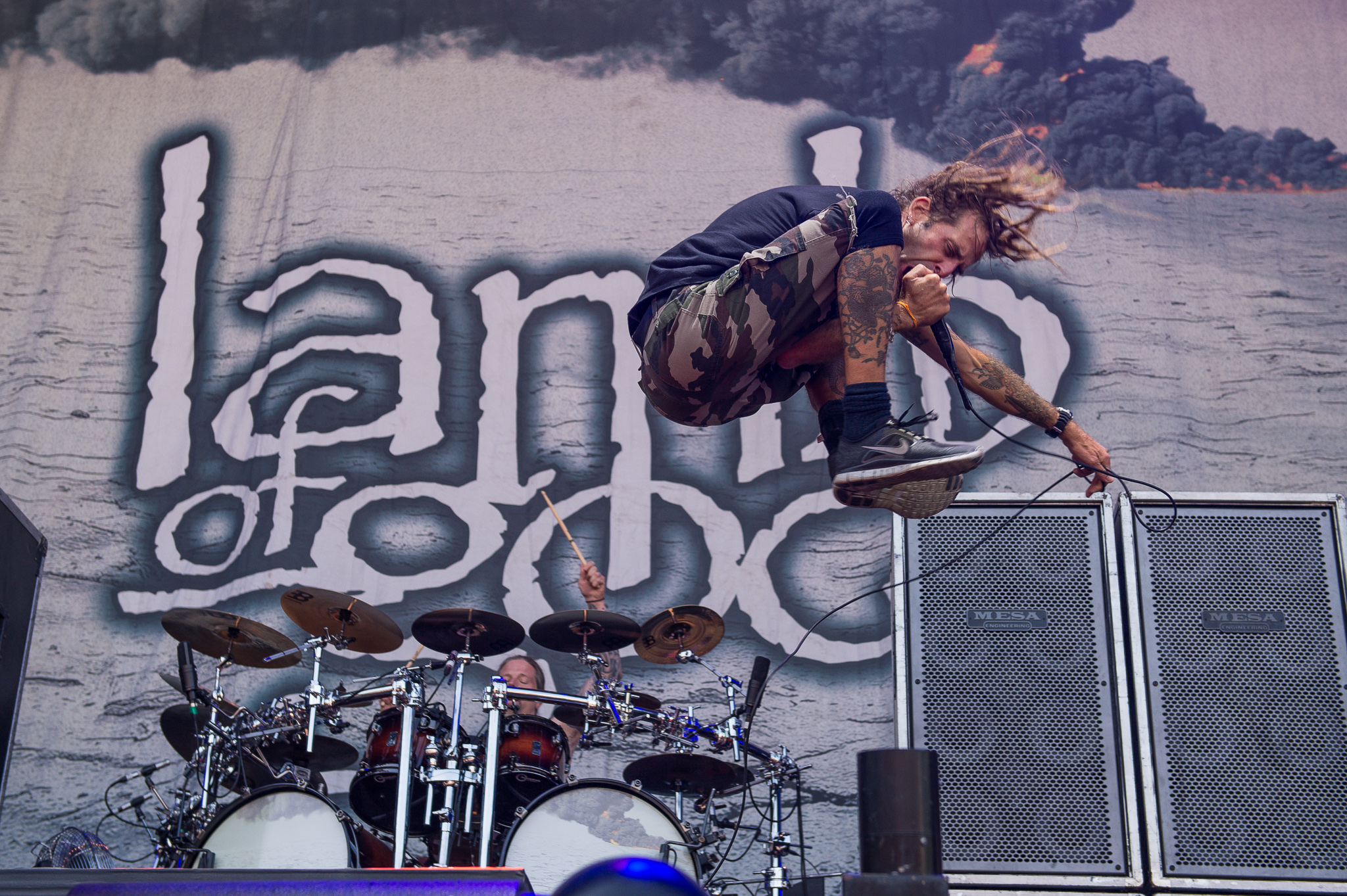
Randy Blythe’s tattoos are easiest to see in concert photos. The Lamb of God singer has ink on both arms and legs, but the pictures catch it under stage lights and in motion, not laid out for a close look.

His arms have the most visible coverage; shorts make the leg pieces easier to spot. One small thigh tattoo has a documented Misfits story. The rest of his collection is less clearly explained.

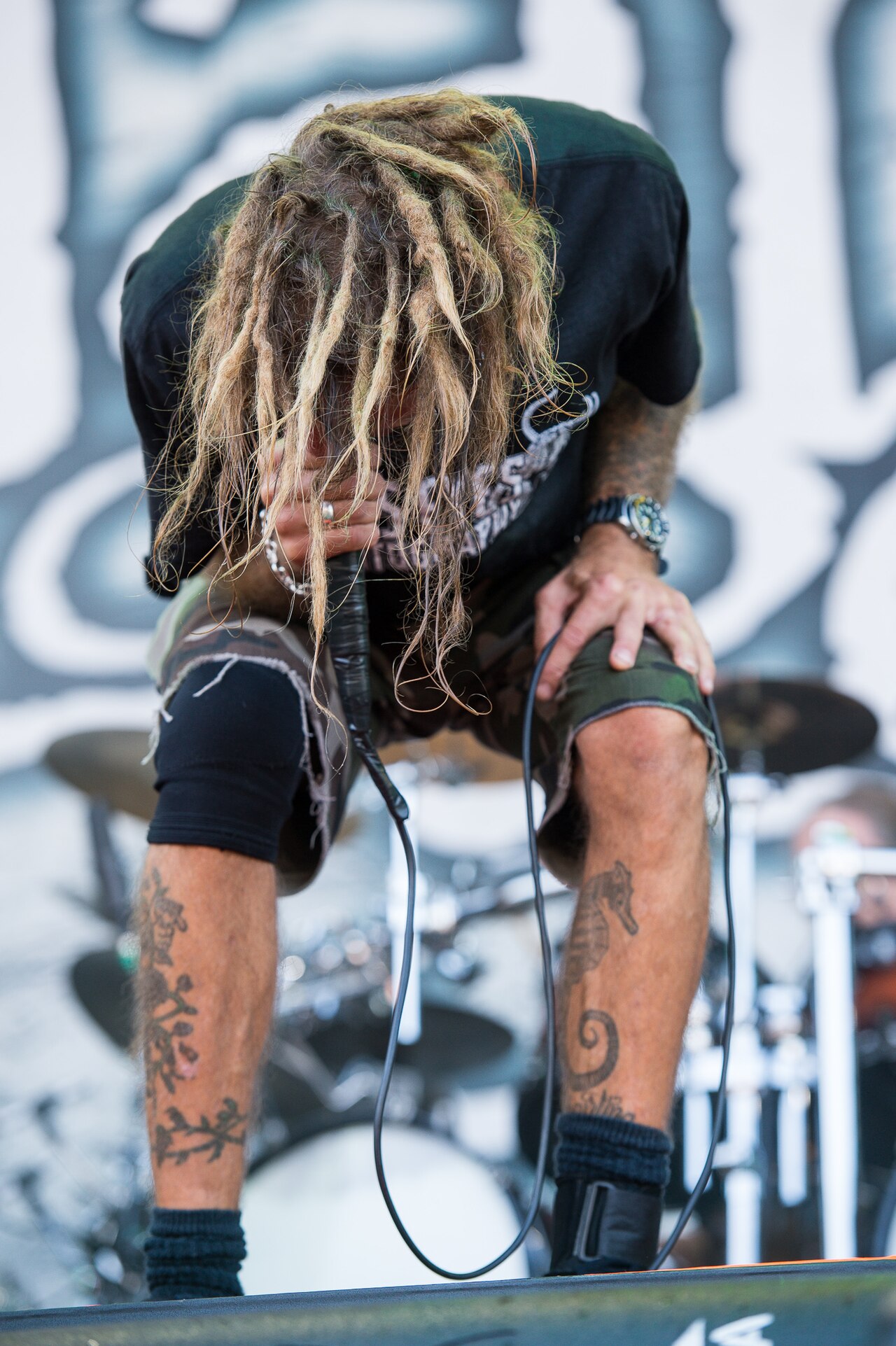
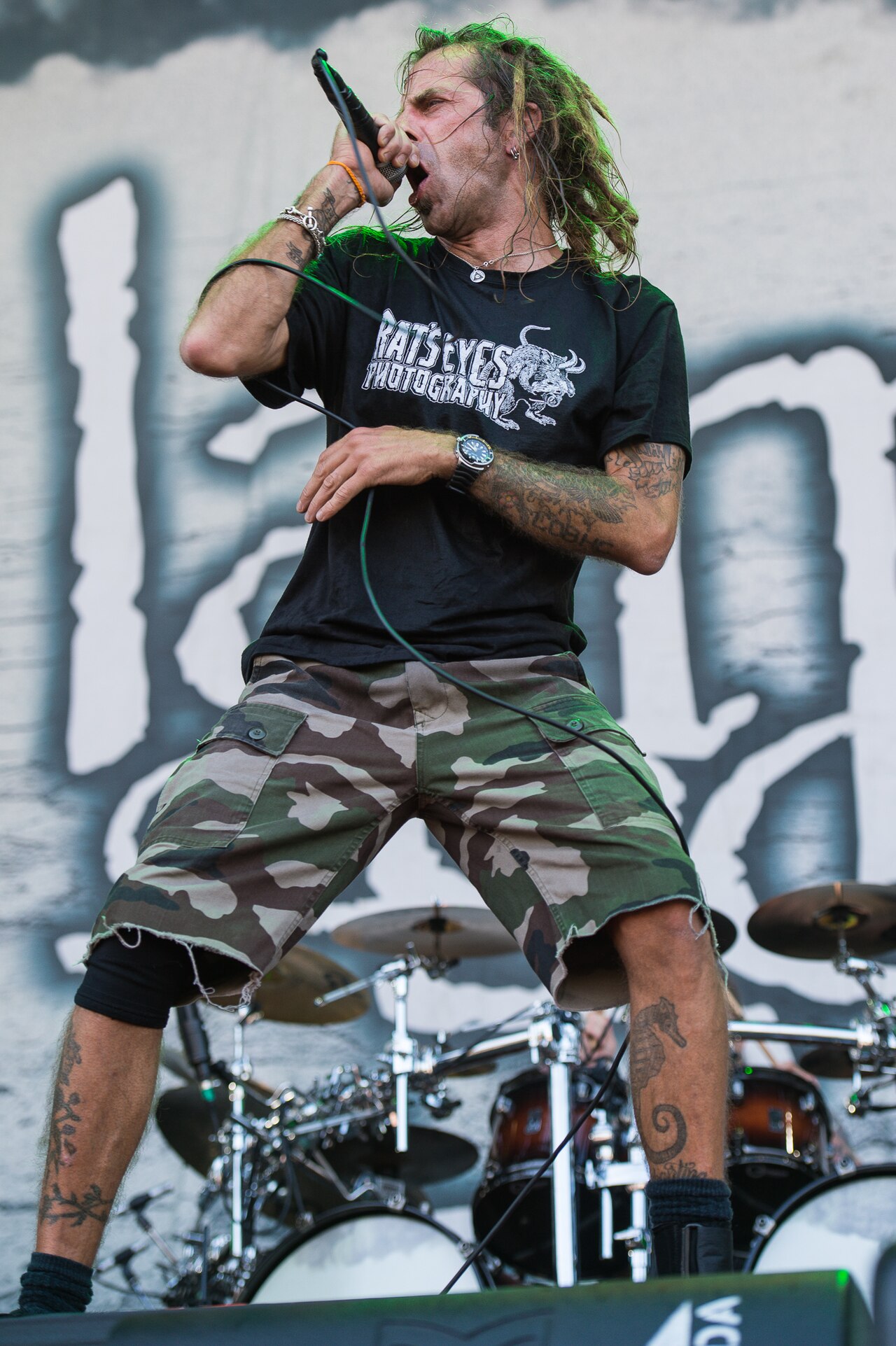
Randy Blythe’s arm and leg tattoos in one view

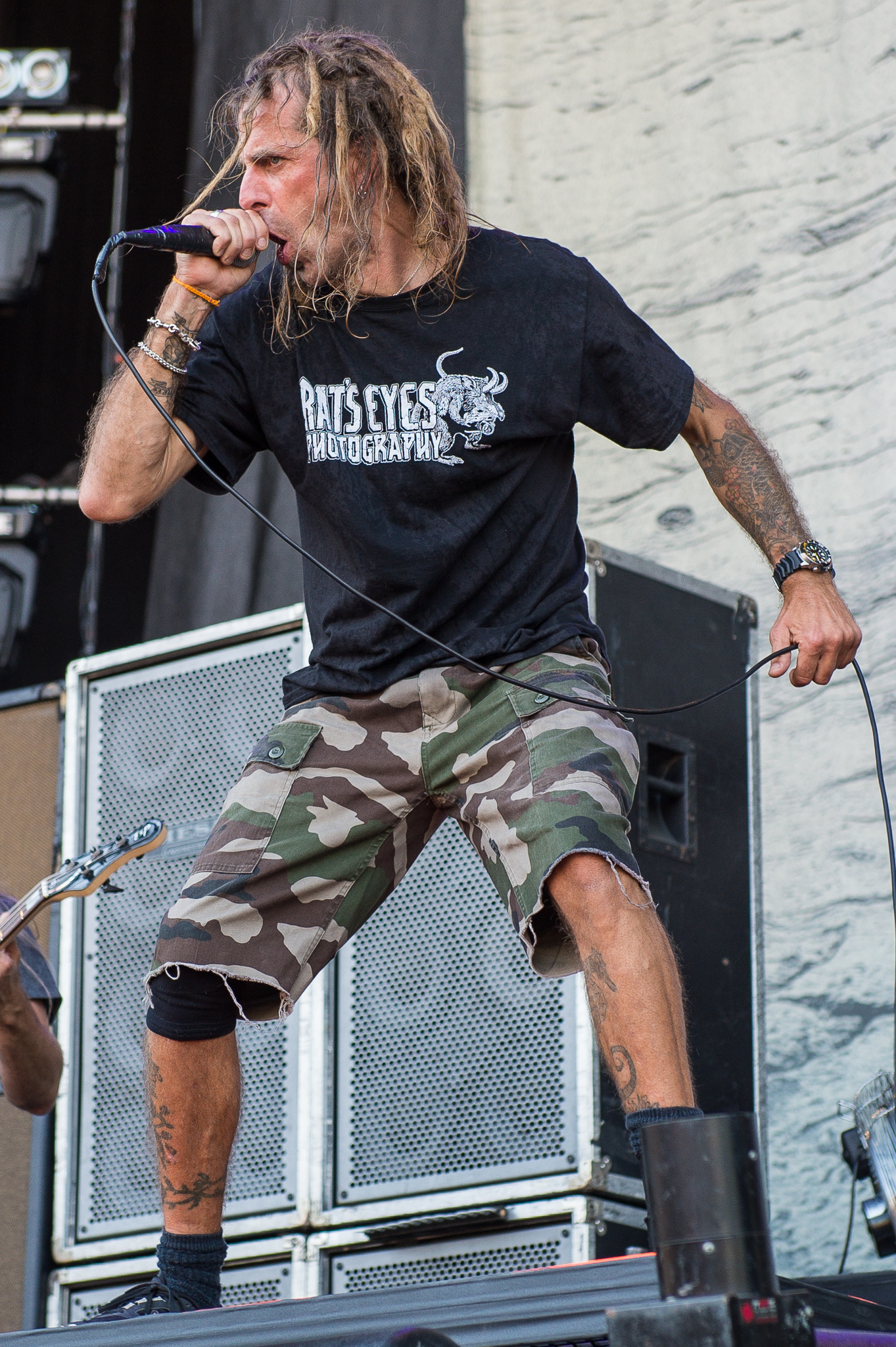
A 2015 performance shot shows several areas at once: a densely tattooed forearm, linework that reaches the hand, and separate pieces on the lower leg. Together, they look like tattoos added over time, not one continuous sleeve.

Randy Blythe arm and leg tattoos 2015
Randy Blythe showing visible arm and leg tattoos during a 2015 performance.

Stage movement, bracelets, microphones, and hard lighting obscure the outlines. The ink is visible, but this photo doesn’t let us identify every image or say what each one means.

The arm tattoos are the clearest part of the collection

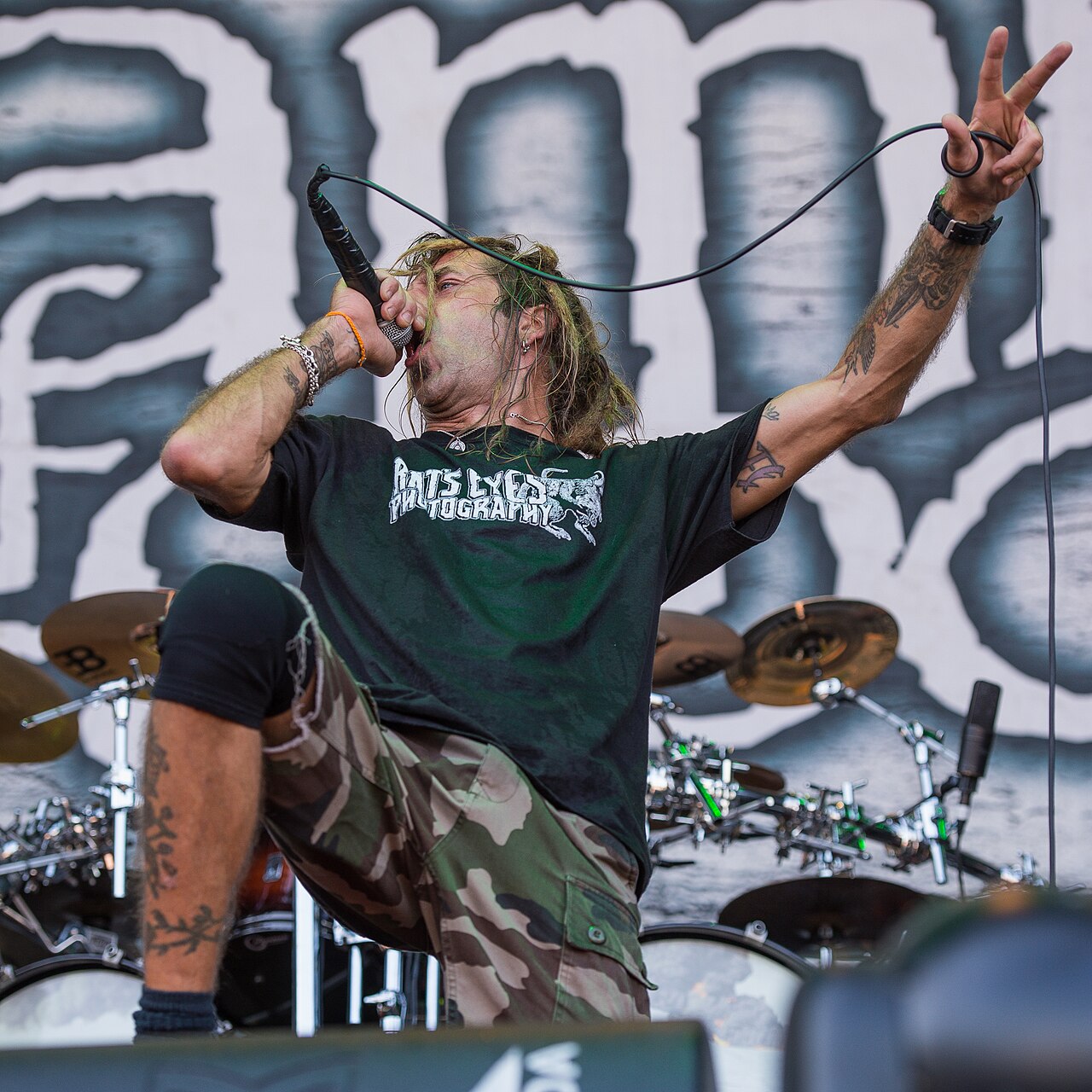
Public photos most often show Blythe’s forearms. Both arms have dark patches and illustrated shapes, and more of the work appears when his sleeves are pushed up. The coverage is heavy, though it doesn’t read as one even, continuous sleeve.

Randy Blythe both arm and leg tattoos 2015
A wider 2015 view of Randy Blythe’s tattooed forearms and legs.

From another angle, the arm work looks denser. The tattoos run from the wrist toward the elbow, and the change in light separates individual designs from what can look like one dark mass.

Randy Blythe full arm tattoos 2015
Randy Blythe’s arm tattoos remain visible across both forearms in this wide performance view.

One concert photo can make the arm look like a solid sleeve; another separates the designs. It’s safer to describe the visible coverage than to name symbols the photos don’t show clearly.

The leg tattoos stand out when he wears shorts

The 2015 photos make Blythe’s lower-leg tattoos easier to see because his camouflage shorts leave them uncovered. Dark linework and larger shapes appear on both legs, though the busy stage setting still hides some detail.

Randy Blythe leg tattoos close view
A close view of the tattoos on Randy Blythe’s lower legs.

The closer view brings the tattoos into frame, but it isn’t a posed portrait. You still see them in the setting most fans do: amid a loud, moving show.

Randy Blythe forearm and leg tattoos onstage
Randy Blythe showing tattooed forearms and legs onstage.

The famous Misfits tattoo has the clearest backstory

The small thigh piece linked to the Misfits is the tattoo with the clearest reported backstory. Loudwire’s tattoo feature says Blythe tried to tattoo the Misfits logo on himself while drunk, fell asleep, and ended up with a botched result. That account is firmer than fan guesses based on a design glimpsed for a second in a concert photo.

The story is usually told as a mishap, not as a polished piece of band merchandise. The Misfits connection is documented; the names and meanings people assign to many of his other tattoos are harder to confirm.

Different angles reveal more arm detail

A closer concert frame shows more of the tattoos around Blythe’s wrists and forearms. His watch, bracelets, and microphone block parts of the view, but the amount of ink is clear. The photo adds detail without making the rest of the collection easier to identify than it is.

Randy Blythe arm tattoos with microphone
A closer performance view of Randy Blythe’s visible arm tattoos.

Across these photos, the same details keep showing: substantial arm coverage, separate pieces on the legs, and plenty the pictures can’t settle. They show where the ink is, but not each symbol, date, or meaning.

What Randy Blythe’s tattoos actually tell us

The documented Misfits story connects one tattoo to a band Blythe has spoken about. That doesn’t make the rest of his ink a guide to his personality. Until he has described more of it himself, placement and appearance are the clearest things we can say.

The clearest picture is straightforward: the arms have the most visible coverage, shorts show more of the legs, and the Misfits tattoo has a public origin story. Other designs are visible, but their meanings aren’t established here.

Watch Randy Blythe talk about the life around his music

The interview below isn’t a tattoo tour. It gives a fuller sense of Blythe talking about photography, creative work, and personal subjects.
More musician tattoo guides

Myles Kennedy Tattoos: Dragon, Koi, Octopus and Elephant Ink

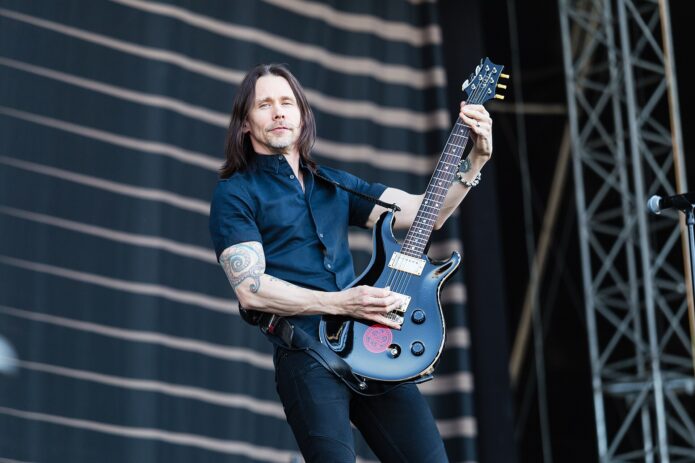
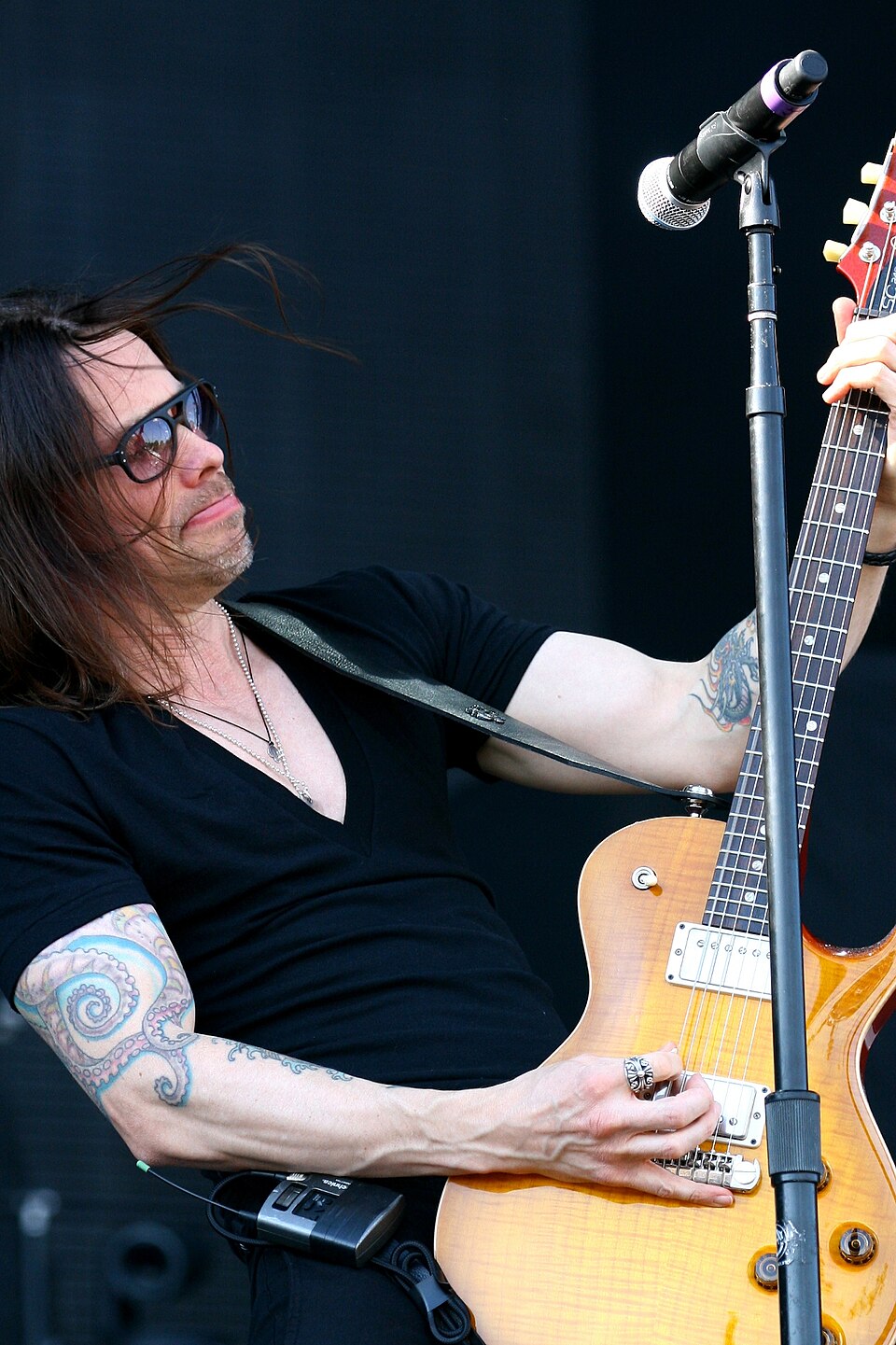
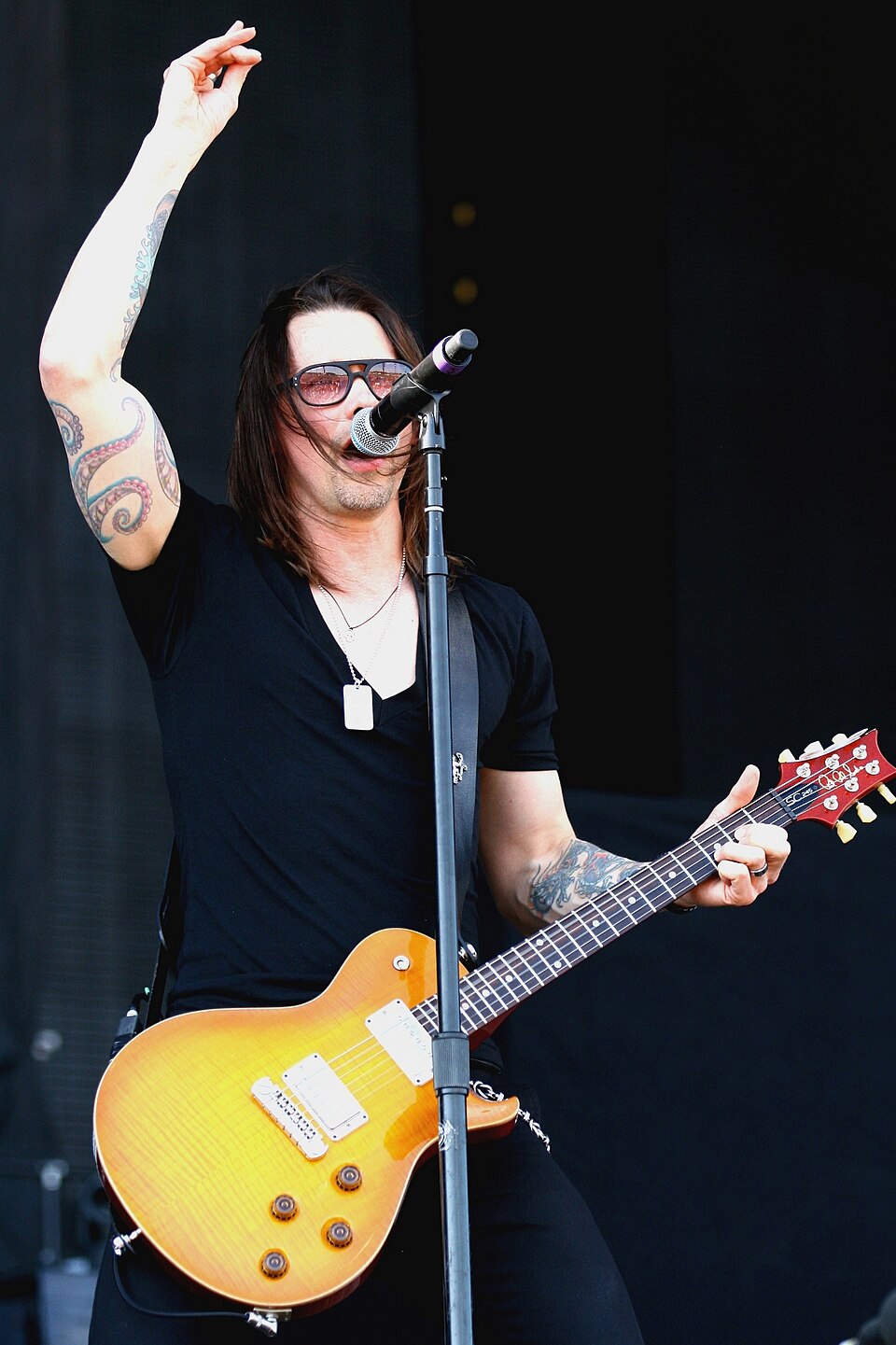
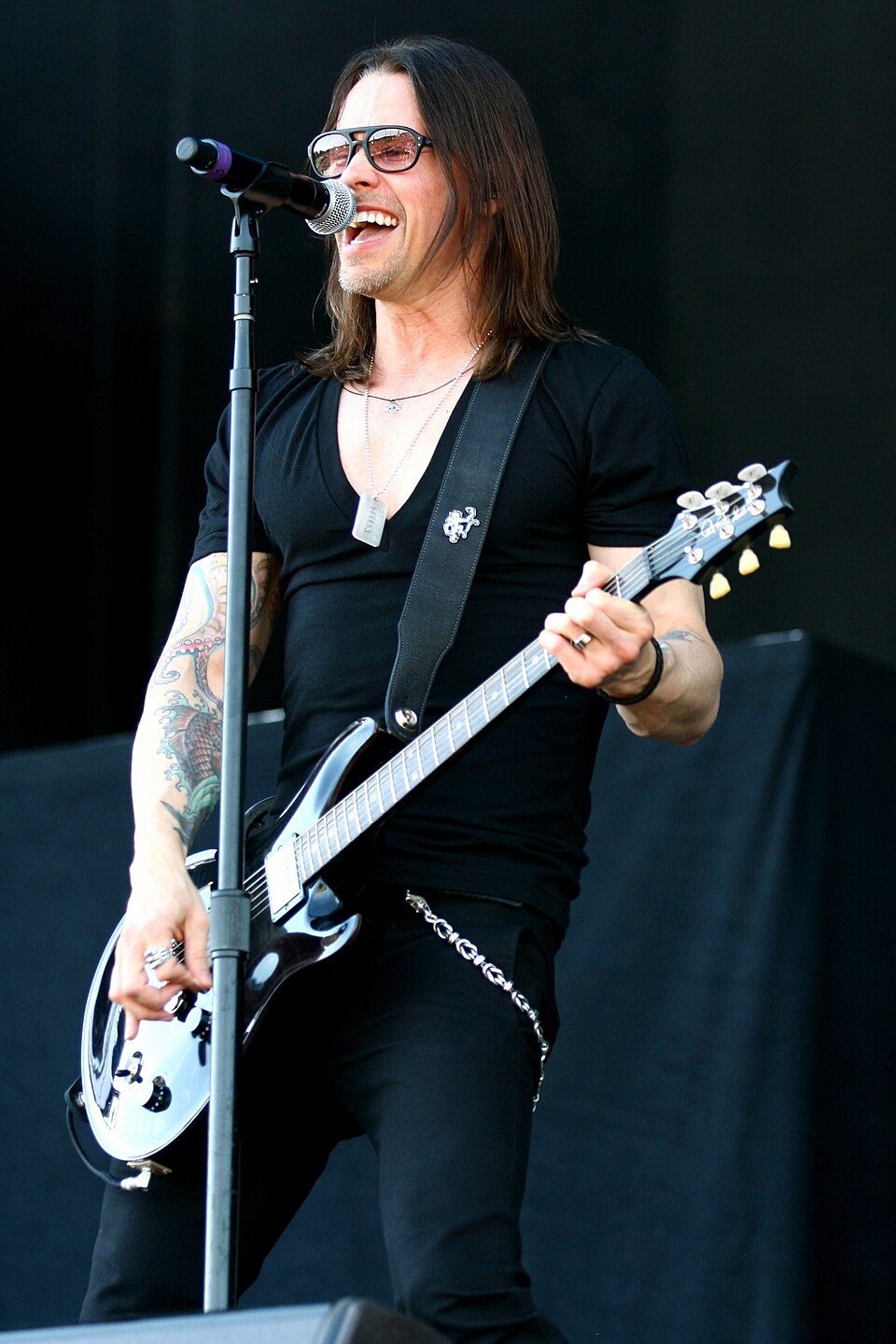
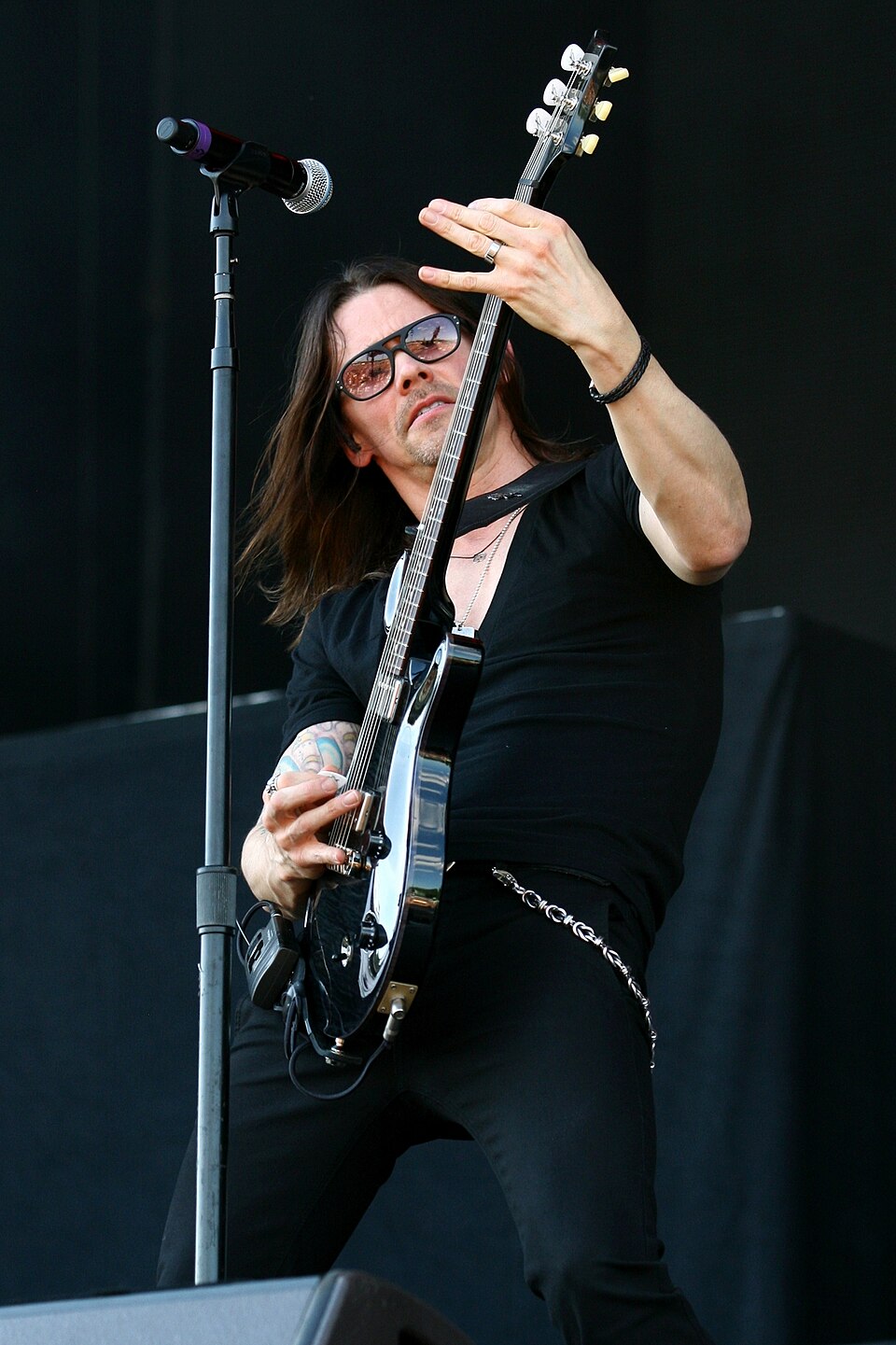
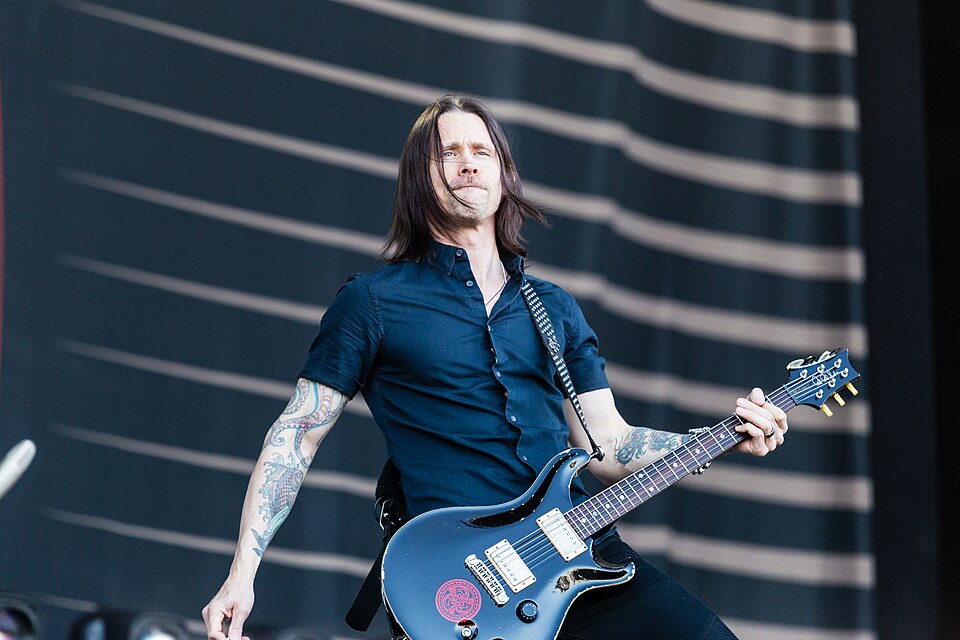
Myles Kennedy tattoos are easy to miss when he’s in a jacket or moving across a stage with a guitar. In a sleeveless shirt, the work on both arms is easier to see. The designs lean toward animals and curved forms, with space around each one.

The best-known pieces are a dragon on his left forearm, a koi on his right, an octopus higher on his right arm, and two elephant heads on his chest. Kennedy has connected the dragon and koi to Asian stories and imagery. He says the octopus is there because he likes the animal.

What tattoos does Myles Kennedy have?

Four subjects make up the set most often described: a dragon, a koi, an octopus, and a pair of elephant heads. Concert photos can blur small features, but the broad shapes on his arms are clear in closer views.

Kennedy often appears in stage photos through his work with Slash and the Conspirators. His arm tattoos stay visible as he plays, as they do in our Slash tattoos guide.

The dragon and koi are the clearest pair. In interviews about his ink, Kennedy has discussed the story of a koi swimming up the Yellow River and becoming a dragon. Loudwire’s tattoo reveal covers the background and how he relates it to the designs.

Myles Kennedy left arm tattoos
Myles Kennedy’s tattooed arm during an Alter Bridge performance.

The dragon and koi tattoos

The dragon sits on Kennedy’s left forearm and the koi on his right. Related designs on opposite arms make a balanced pair; shared shading or line weight can link them while each animal faces the direction that suits its side.

The dragon’s sharper lines and scales contrast with the koi’s fins and long, curved body. They share a visual link without becoming the same image. Kennedy’s photos also show why an artist should plan how a design wraps around the arm, not just how it looks flat.

Myles Kennedy right arm tattoos
A clear view of the ink running along Kennedy’s right arm.

The octopus arm tattoo

His octopus sits higher on the right arm, adding a different shape to the group. Its tentacles curve around the arm, so the design shifts as he moves. It can read from a distance and still hold detail up close.

To adapt an octopus design, ask the artist to place the head first and map the tentacles around the arm. Fine lines can blur, especially inside the elbow. Strong outlines and open skin leave the main shape easier to read than packing in every detail from a reference photo.

Myles Kennedy sleeve tattoos
The curved forms of Kennedy’s arm tattoos are easy to see in this close stage view.

The elephant tattoos on his chest

The two elephant heads on his chest are harder to see because clothes usually cover them. They also balance a collection that is otherwise concentrated on the arms. Paired faces can angle toward each other; separate pieces can still feel related through their shading.

Elephant faces need room for the ears, eyes, and trunks to remain clear. If the piece has to be small, a simpler outline will hold up better than squeezing in every detail. An artist can help decide which features matter most.

Myles Kennedy forearm tattoos
Another close look at the forearm artwork that makes up the most visible part of Kennedy’s collection.

What makes Myles Kennedy’s tattoos work?

The animals give Myles Kennedy’s tattoos a shared feel, but each piece still reads on its own. The shapes suit a stage performance too: forearm designs remain visible when Kennedy is holding a microphone or guitar.

There’s no need to fill every gap. A few larger pieces can be easier to read than a set of small symbols if they have room around them. Start with images you still like, then work with the artist to fit them to your body.

Myles Kennedy both arm tattoos
Kennedy’s arm tattoos are visible from both sides in this Nova Rock performance photo.

Ideas to take from the collection

Fans can borrow the layout without copying Kennedy’s designs: choose two animals with a shared reference, put a flowing piece on one arm, and save another idea for a shoulder, chest, or upper arm. Similar shapes can work in blackwork or color.

Bring reference images for mood, not one picture for the artist to trace. Talk through size, placement, movement when your arm bends, and how much detail will stay readable on your skin.

How to plan a tattoo with this kind of movement

In the concert photos, the lines follow Kennedy’s arms instead of sitting like decals. Heavier areas give the eye a focus while the lines bend around the muscles. Ask your artist to check how the stencil sits on your arm; a design may need to open up or turn once it’s placed.

His tattoos can disappear under sleeves and take focus when he wears a vest. Placement matters if you want to cover the work sometimes: forearm and upper-arm pieces are easier to hide than hand or neck tattoos. You can still choose a large animal design without making all of it visible every day.

Decide early whether you want color. A limited palette can keep an animal design clear, while black and gray can give it an illustrated look. Bring examples of both to the consultation and ask how each might heal on your skin.

Give the tattoo time to heal before judging the final look. Fresh ink can appear brighter, and swelling can distort the shape for a while. Follow the artist’s aftercare instructions, and take clear healed photos if you may add to the design later. Kennedy’s set has developed across several pieces.

Watch Myles Kennedy talk music and performance

The video below is an interview about touring, songwriting, and playing with Alter Bridge and Slash; it shows Kennedy beyond his stage photos.

https://www.youtube.com/watch?v=68p98mriWiQ

Blac Chyna’s Tattoos Trace Her Biggest Changes

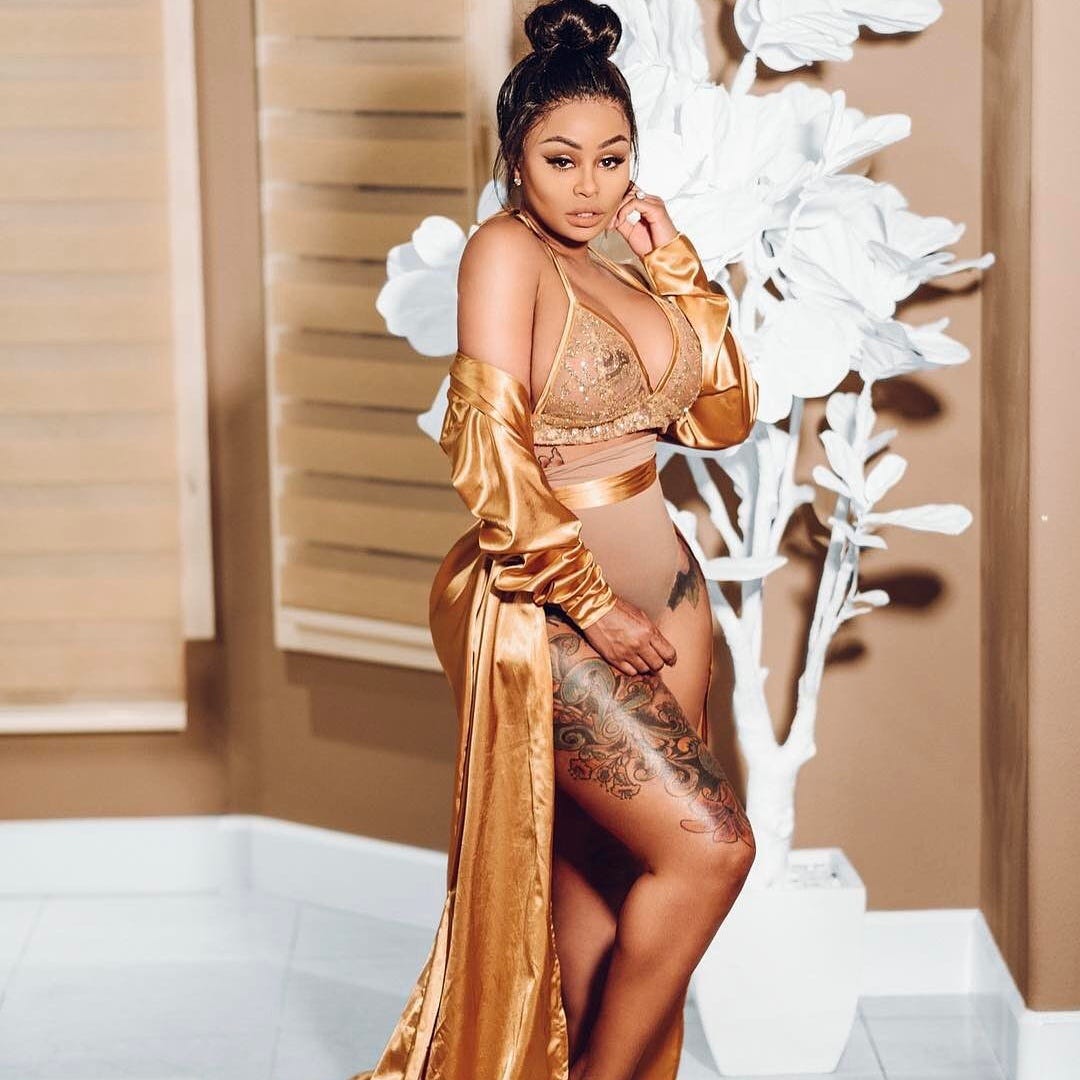
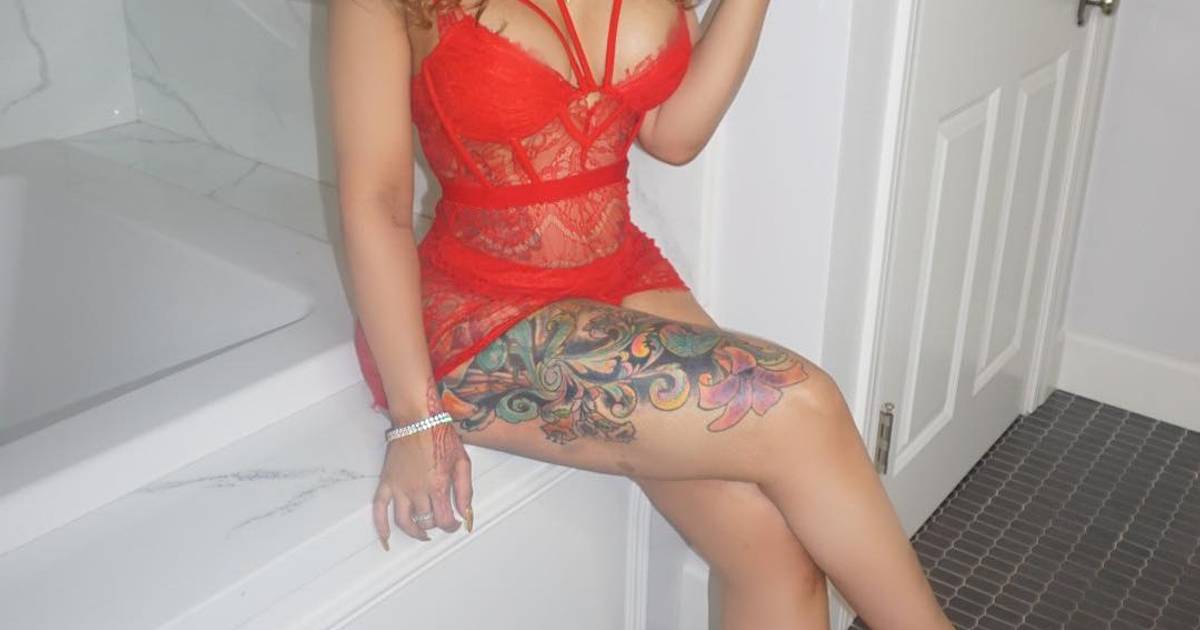
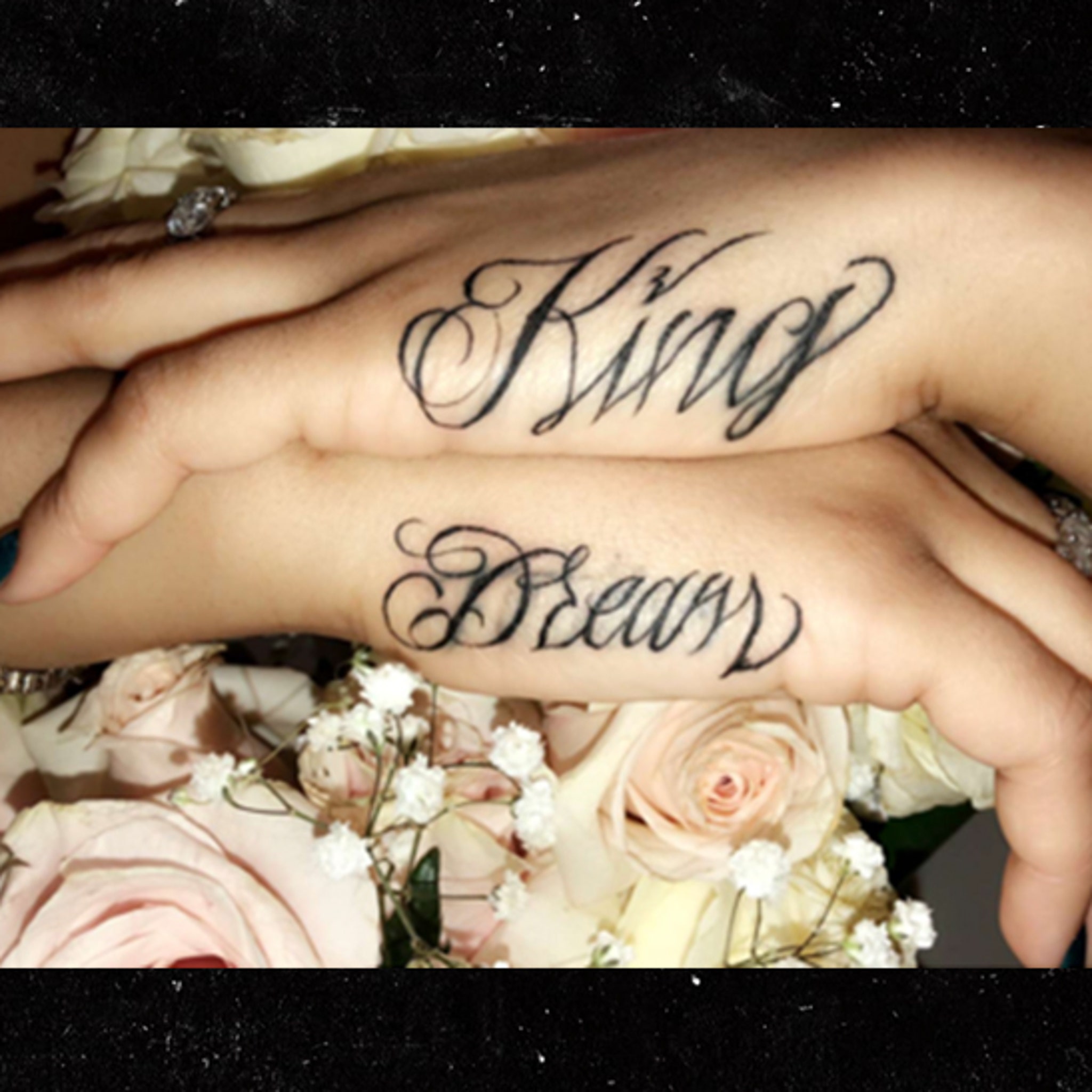
Blac Chyna’s tattoos have changed along with her public image. She has large pieces, smaller lettering, cover-ups, and a face tattoo she later began removing while speaking about faith and a change in direction. The collection has a history you can follow through photos and her own comments.

Some pieces are easy to recognize in photos. The large phoenix across her back stands out first, with arm and chest tattoos filling in the rest. Others are known for their backstory: a hand tattoo linked to Future, and a face tattoo she described as demonic before deciding to remove it.

The backstory matters, but not every photo tells us what a tattoo means. Chyna has explained some of her decisions; other designs are only visible in pictures. It helps to keep her own explanations separate from what we can simply see.

The phoenix is her biggest tattoo statement

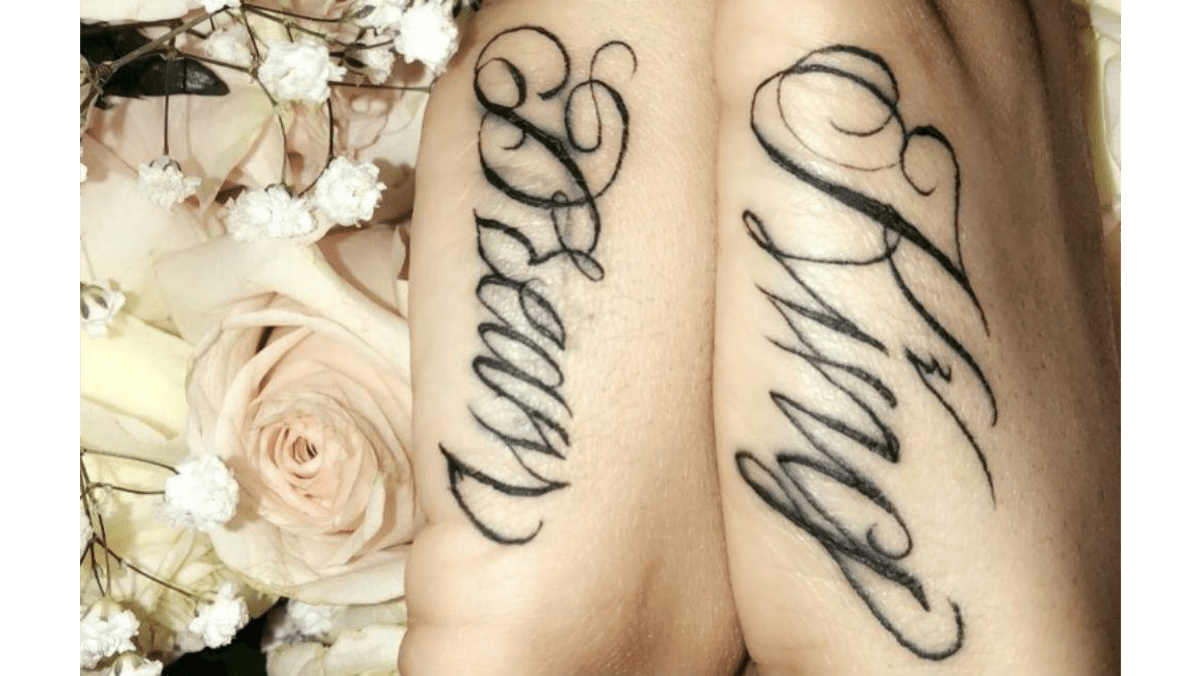
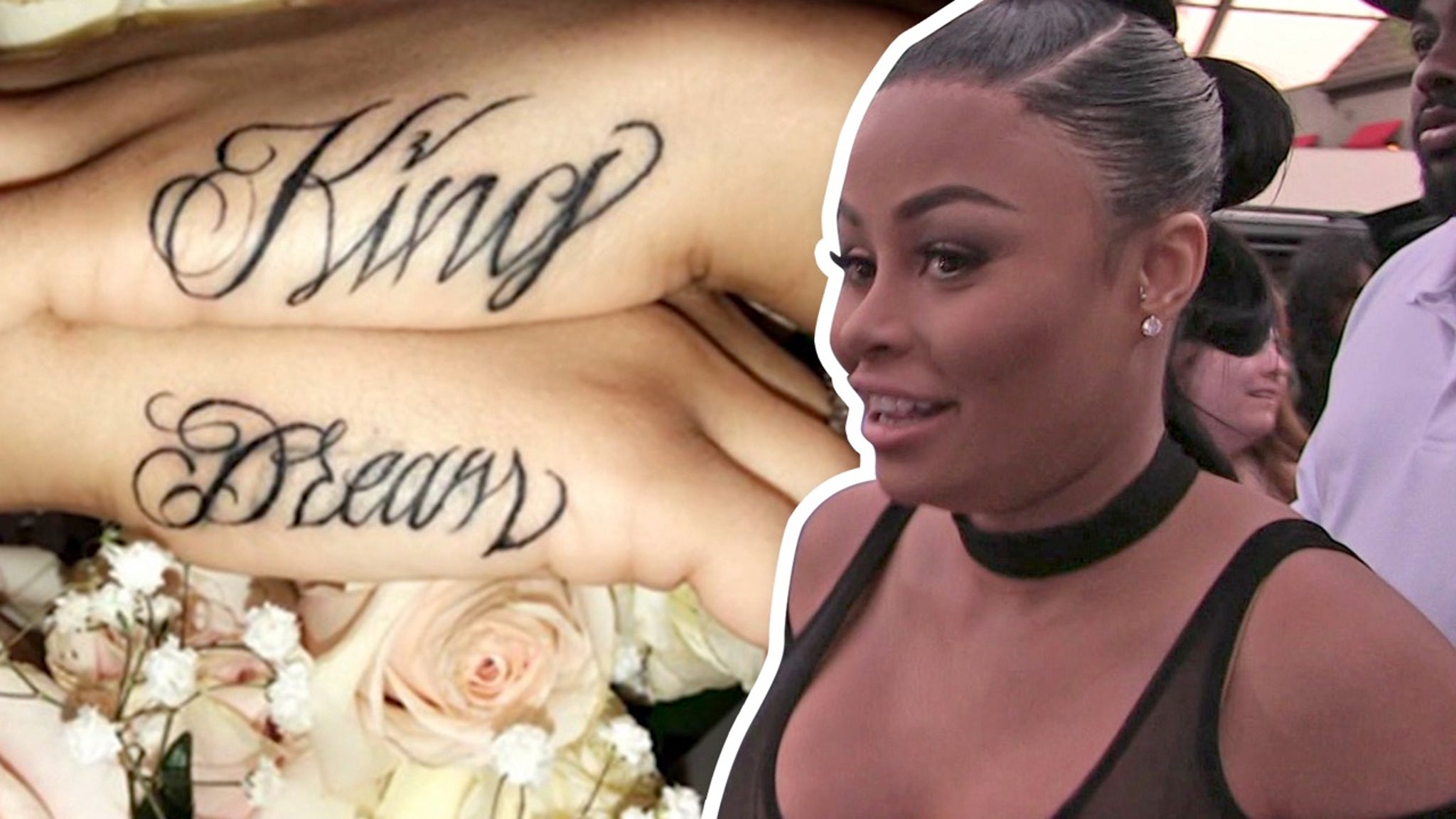
Blac Chyna kids names forearm tattoos
Blac Chyna King Dream forearm tattoos
Blac Chyna floral thigh tattoo

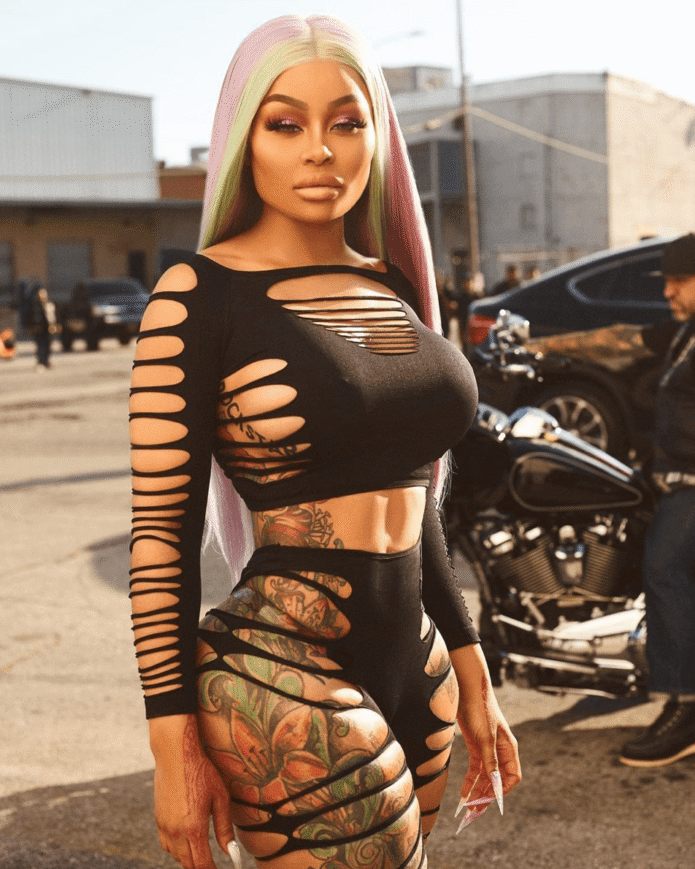
The largest piece is the colorful phoenix covering much of her back. A photo taken while Chyna was lying down for the session shows its scale more clearly than a red-carpet shot. The bird spans her upper and middle back, with red, orange, and green color set off by dark outlines.

Phoenixes are often associated with rebirth, but Chyna has not publicly explained every detail of this design. Its size and placement make it one of her most visible tattoos; it is hard to miss or cover.

The warm colors set it apart from her black-and-grey work. Feathers and body lines are closely packed, with floral and ornamental shapes around the bird. Together they fill the back as a larger composition.

The phoenix and the face tattoo have different stories. The back piece remains part of her collection; the face tattoo was removed after Chyna described a change in her beliefs. One stayed, while the other was taken away.

Her back also carries a large floral design

Another close-up shows a large floral tattoo on Chyna’s back, with layered leaves, petals, and dark outlines. It is a substantial piece in its own right. Saturated greens and reds give it a traditional tattoo look.

A single count can make this work sound simpler than it looks. The back image includes several flowers, leaves, and other details. There isn’t a clear record of whether Chyna got it in one session or over time, so the photo tells us more than a guessed timeline would.

The floral piece contrasts with the phoenix. The phoenix stretches across the back; the flowers and leaves form a denser, more vertical design. Both take up a large area, but their shapes read differently.

Color runs through several of Chyna’s larger tattoos. Bright fills make them stand out, and dark outlines keep the shapes distinct. The look is bolder than fine-line work.

Blac Chyna colorful thigh tattoo

Her chest tattoo is part of the older visual identity

Photos show another colorful tattoo near the center of Chyna’s chest, with a portrait-style face and lettering. It is harder to describe than the phoenix because the available close-ups are cropped, and some appear in comparison images.

The chest piece adds to the larger body work but is easy to cover. It appears with low-cut or open clothing and disappears under a regular top, unlike the face tattoo she later removed.

Saturated colors and dark lines give the design more contrast than soft shading would. It has something in common with the phoenix and floral work: each uses large shapes that stay clear in photos.

The chest piece is easy to treat as part of an outfit, but a photo only shows its placement and appearance. It can’t tell us why Chyna chose it or what it means to her.

The hand name tattoo became an internet story

One of the most discussed tattoos in Chyna’s past was the Future name on her hand. The timing drew attention, and Future’s online response quickly turned it into a celebrity news story.

A hand tattoo is hard to hide. A name there shows whenever someone reaches for a phone, holds a microphone, or poses for a photo. That visibility helped make this smaller tattoo memorable.

A name tattoo can mean something different after a relationship changes. Chyna has covered or changed other tattoos, too, so the old designs have not all stayed untouched.

The phoenix is much larger, but the hand tattoo drew attention because of its story. Size alone doesn’t determine which tattoo people remember.

The face tattoo was removed as her outlook changed

Chyna later began removing a face tattoo she associated with demonic or Baphomet imagery. She described the decision as part of a change in faith and direction. Because the tattoo was on her face, documenting the process made the change public.

The close-up photos show a process, not a single appointment for new ink. Tattoo removal takes time, and the result can be less predictable than getting a tattoo. Chyna presented it as a decision to move away from an image she no longer wanted on her face.

Calling the old tattoo a mistake would flatten the story. People change, and a design that once felt right may not later. Chyna gave her own reason for removing it.

Photos of the face tattoo need to show the ink clearly. Without it, an image of Chyna’s face doesn’t tell readers which design the section is about.

Blac Chyna King Dream hand tattoos

The armpit lettering is blunt by design

Chyna has also shown a blunt armpit tattoo reading “FUCK”. It stays hidden under most clothes and appears when she raises an arm or wears an open outfit. The lettering is direct and easy to read.

The placement adds a joke: the word is usually out of sight, then suddenly visible. That is different from face or hand tattoos, which are harder to keep private.

Not every tattoo has to mark a belief or relationship. Sometimes the wearer simply likes the design or its attitude. Chyna’s collection includes both kinds.

What her tattoos say about change

Chyna has added large tattoos to her back and chest, and smaller relationship-related pieces became part of her public story. She later began removing the face tattoo after describing a change in her beliefs and priorities.

The collection has changed over time. Some tattoos remain, while others have been covered or removed as Chyna’s choices changed.

Chyna has also used the name Angela White publicly and spoken about sobriety and faith. These are parts of the same period in her life, but they don’t reduce to a before-and-after slogan. A person is more than the tattoos they keep or remove.

The phoenix and floral work remain her largest, most colorful pieces. The chest and armpit tattoos are smaller and more direct. The removed face tattoo adds another point in the collection’s timeline.

A careful inventory of the tattoos documented in public

The pieces that are clearest in public photos and accounts include:

  • Large phoenix: a back tattoo with red, orange, and green color and dark outlines.
  • Floral back tattoo: flowers, leaves, and ornamental details in a dense design.
  • Chest portrait and lettering: colorful work visible in cropped close-ups.
  • Future hand tattoo: a name that drew attention because of its timing and online response.
  • Armpit lettering: a word that appears when Chyna raises her arm.
  • Former face tattoo: imagery Chyna linked to demonic or Baphomet themes, which she later began removing.
  • Additional arm and body pieces: smaller designs in wider photos that aren’t always clear enough to identify.

This is a snapshot of what can be identified publicly, not a full count. Chyna may cover, lighten, or add tattoos between appearances. The listed designs are easier to verify than guesses about private meanings.

Watch Blac Chyna reveal her latest tattoo

In the video below, Chyna talks about a new tattoo and visible body art.

More musician tattoo guides

Max Cavalera’s Ink Came From the Darkest Corner of Metal

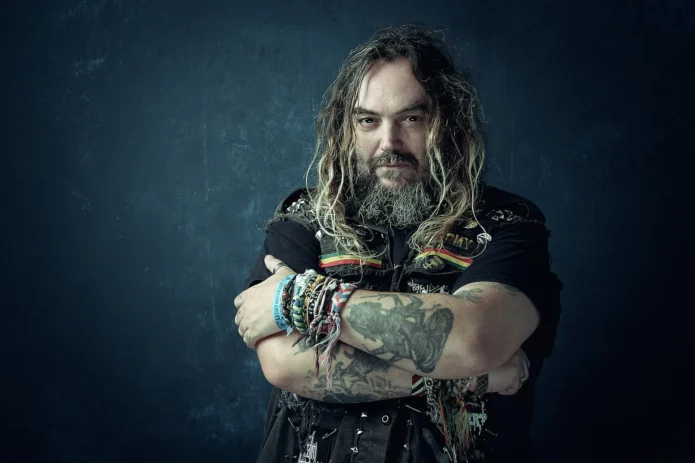
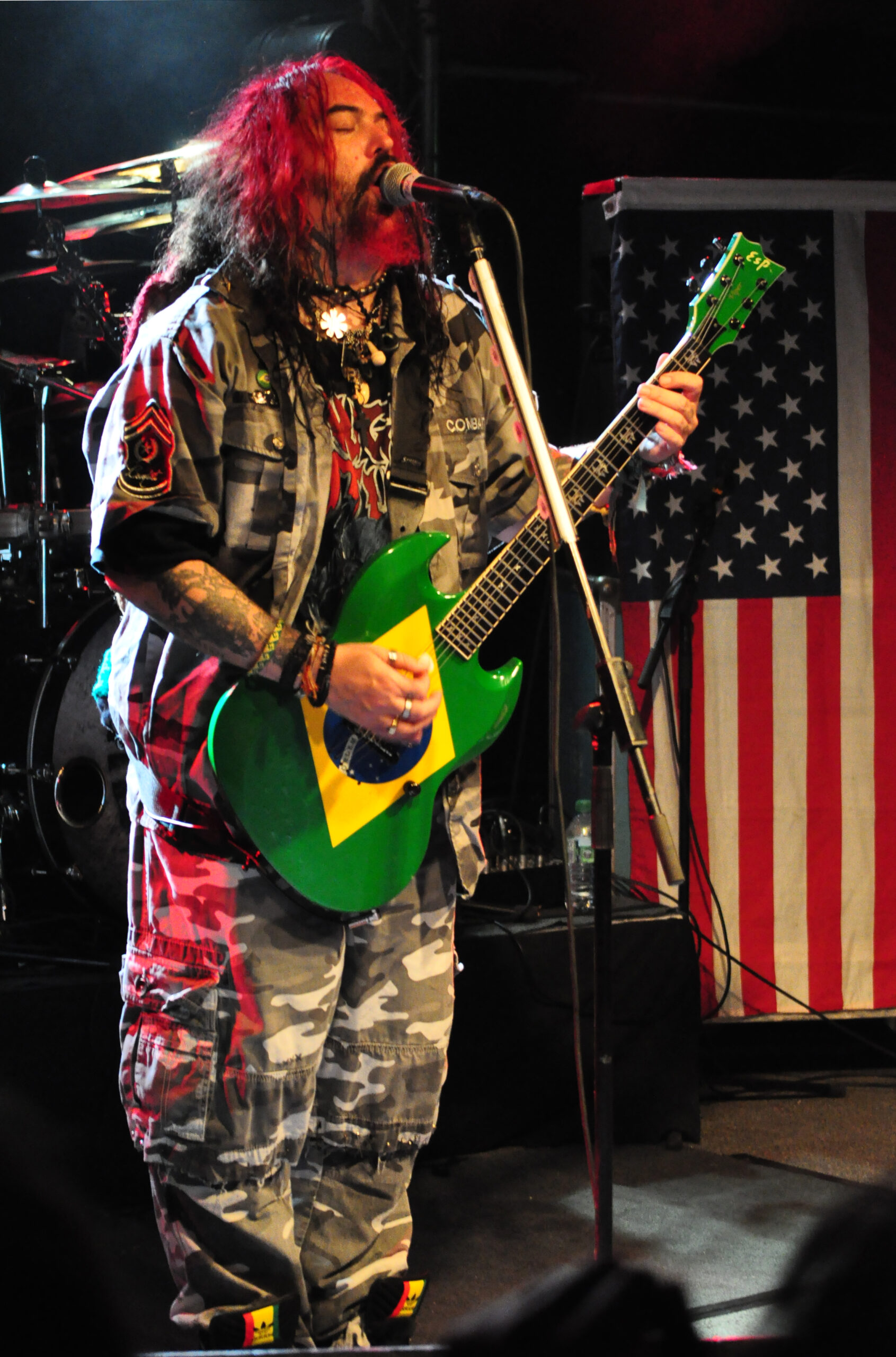
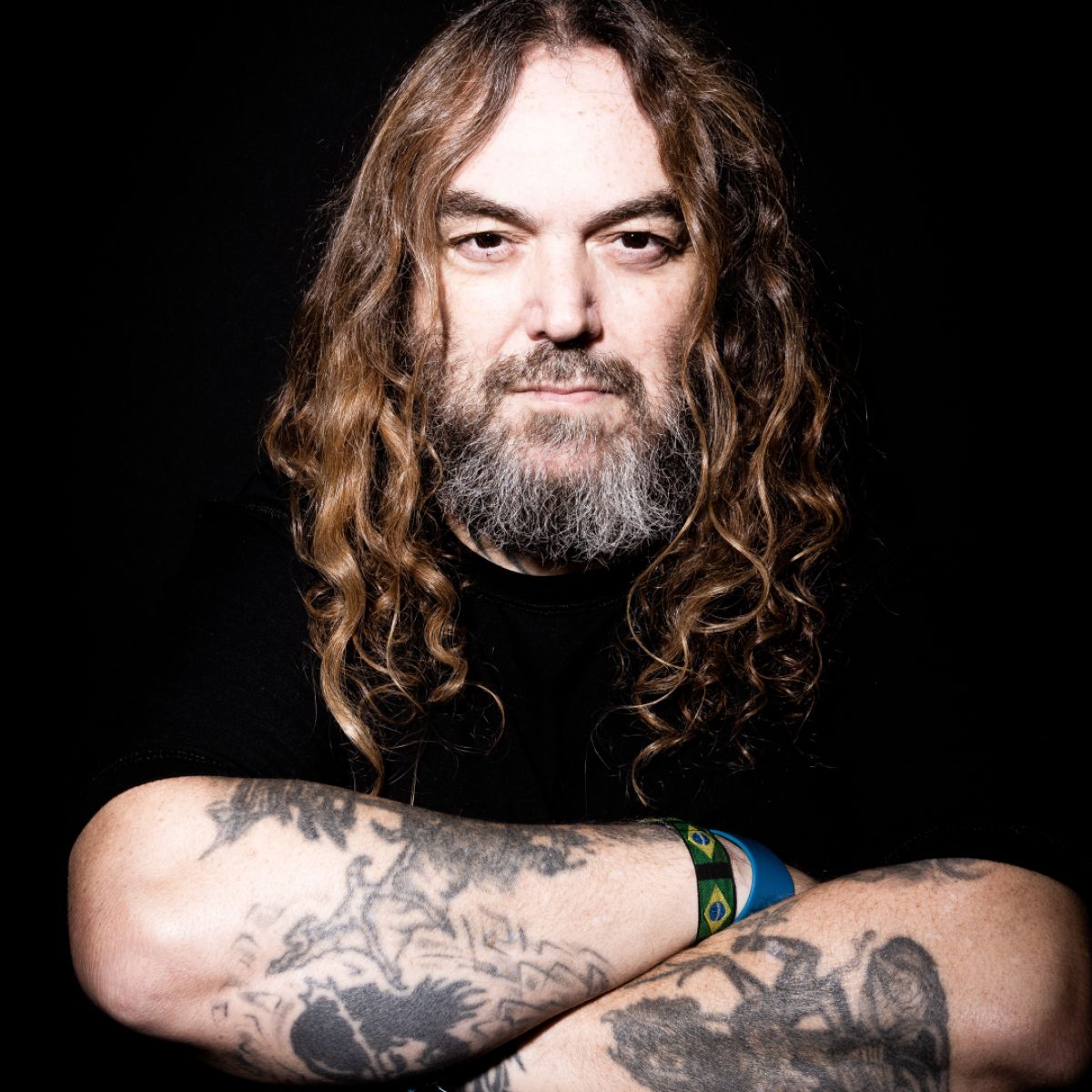
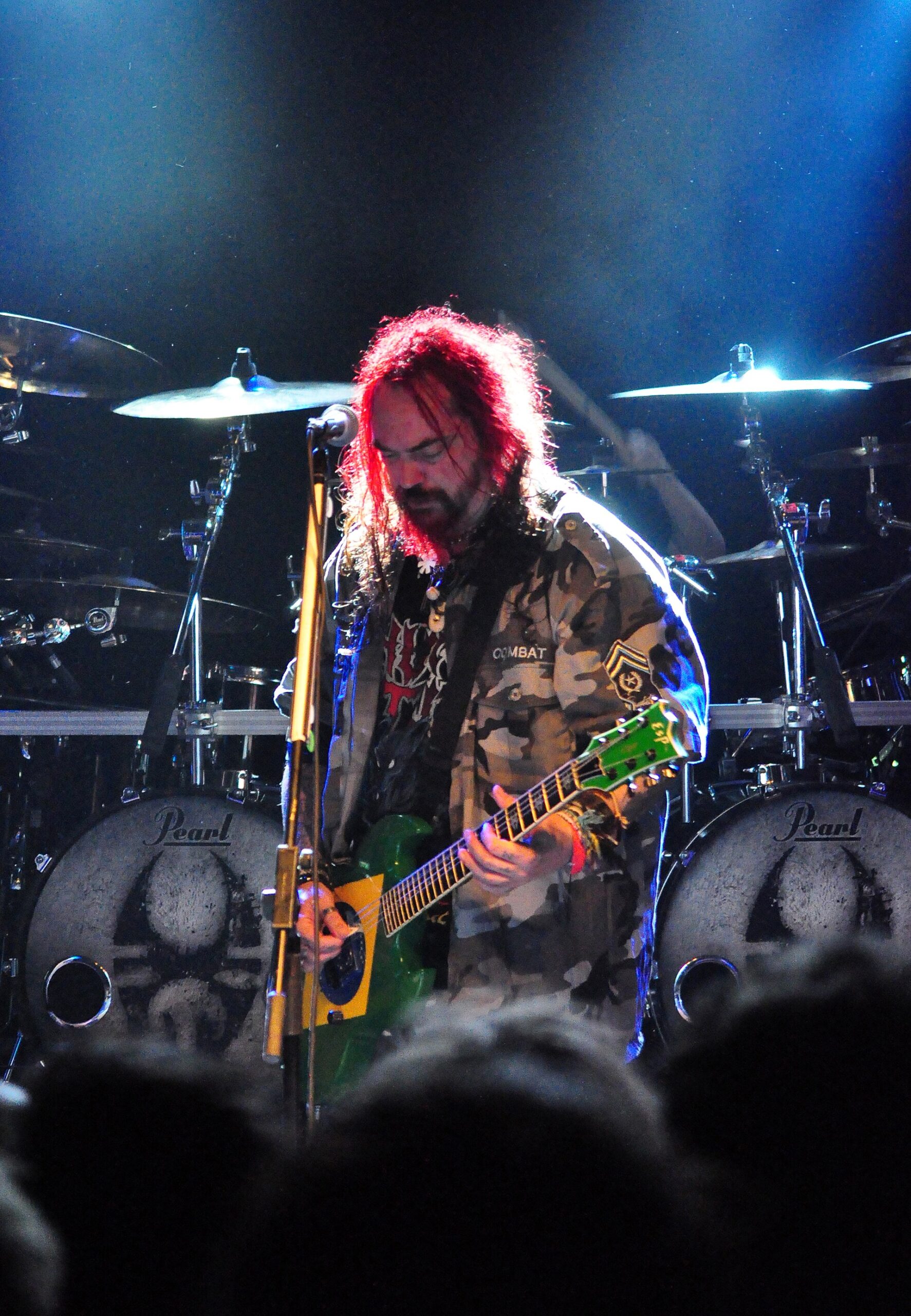
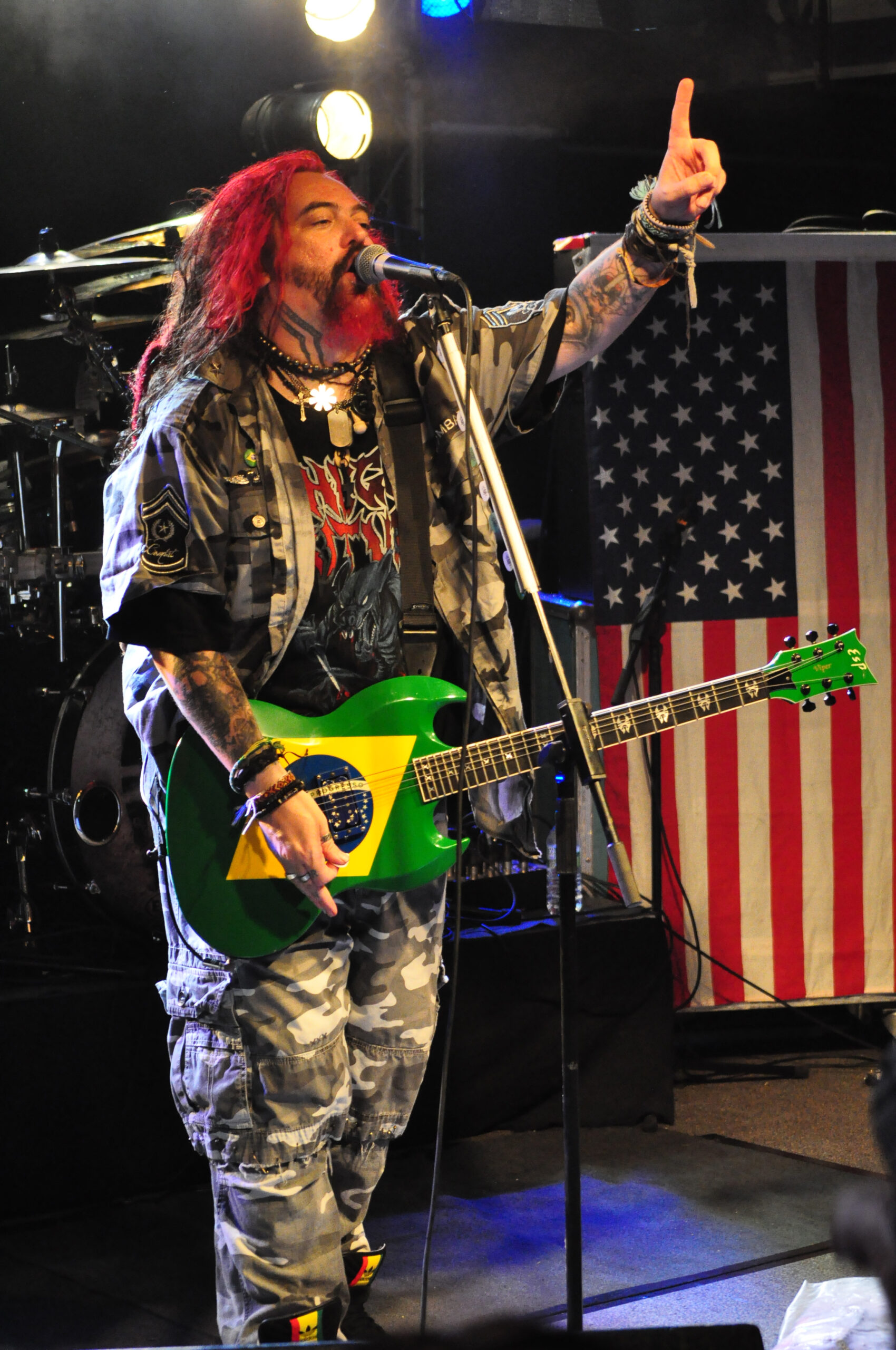
Max Cavalera’s tattoos are hard to miss in photos of the Sepultura and Soulfly frontman. His collection brings together tribal neck work, horror imagery, family symbols and Paul Booth’s black-and-grey surrealism.

The pieces that stand out first are the neck design made from four upside-down crucifixes, eyes at the elbows, and a large chest image described in interviews as a gargoyle or protective figure. Older arm work and smaller marks fill out the collection. Photos from different years show how it has grown; it isn’t one planned sleeve.

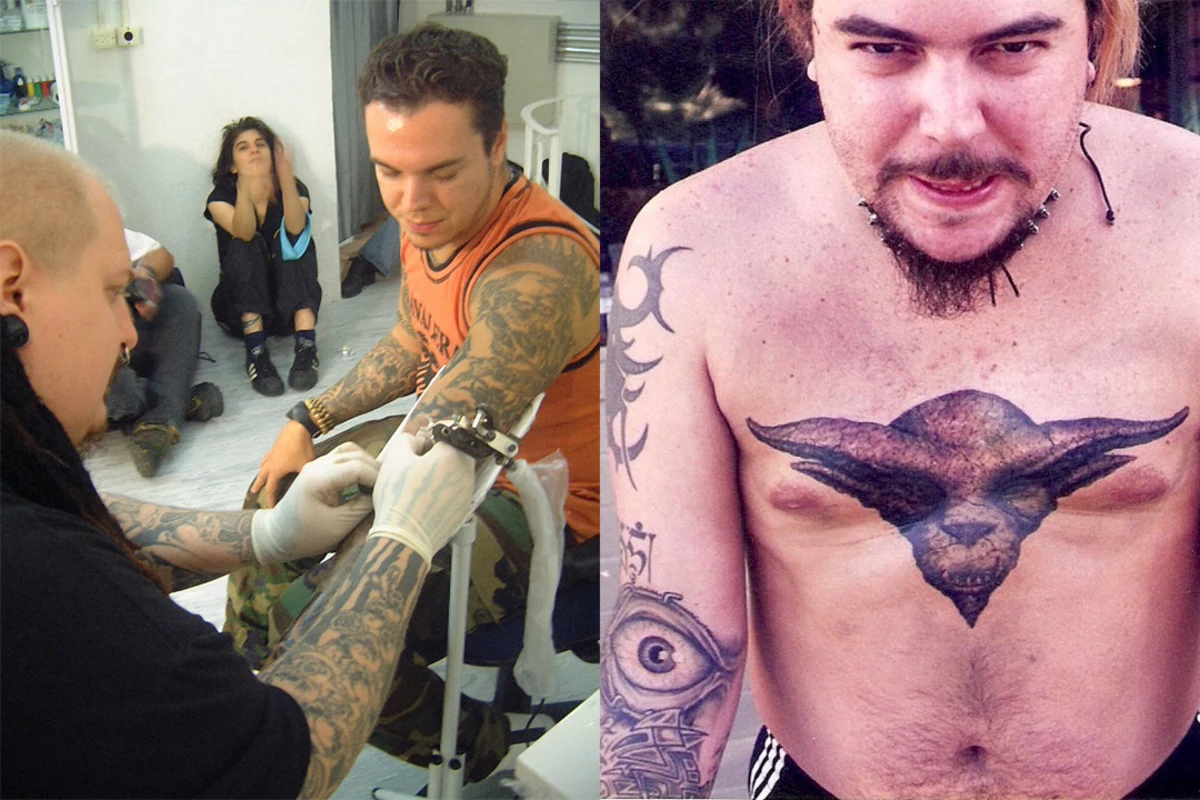
Max has credited much of this work to Paul Booth, the New York artist known for dark, surreal black-and-grey tattoos. A 2006 Metal Hammer guide and later Loudwire coverage link key designs to Booth; his Last Rites feature also revisits the Cavalera brothers’ tattoos. Those accounts connect several pieces to a particular artist and period.

The upside-down crucifixes that form his neck tattoo

Max Cavalera neck and arm tattoos on stage
Max Cavalera performs with his neck and arm tattoos visible.

The neck piece is usually described as four upside-down crucifixes arranged into an M-shaped tribal design. It sits high, close to his face, and remains visible in older concert photos. It’s not a design that disappears under a collar.

The design has been linked to Sepultura’s Roots period and Max’s interest in Indigenous Brazilian imagery. It isn’t a band logo: the crucifix shapes are worked into a rough pattern that can look almost architectural from a distance. That treatment fits Booth’s darker style.

The lighting changes how the neck tattoo reads. Onstage, the black shapes can blur together; closer portraits show the separate forms wrapping around the sides of his neck. Even grainy live photos make the overall silhouette easy to recognize.

The eyes in his elbows are straight out of a horror film

Max Cavalera chest and eye tattoos
Max Cavalera shows the demonic chest piece and eye tattoo on his arm.

The elbow pieces are often described as eyes placed in the elbow ditches, with a concept linked to the unsettling imagery of A Clockwork Orange. They aren’t ordinary portrait eyes. Their position makes the design change as Max bends his arms.

Elbows crease and move, so a design there can distort as the arm bends. Max’s eyes change with that movement: they may be hidden while he plays, then show again when he reaches for the guitar neck or raises an arm.

Photos show dense black-and-grey work on the forearms and upper arms, with older linework beside darker shaded pieces. Not every mark has a public explanation. The recurring look is dark contrast, faces or eyes, rough edges and macabre imagery, rather than clean decorative realism.

Guitars, sleeves, and stage lights often hide parts of the tattoos in performance photos. Some images show the details; others catch only a piece of an arm or neck. That’s the context in which fans usually see this work.

The forearms carry the older, rougher layers

Max Cavalera tattooed arms close-up
Max Cavalera shows the tattoos covering both forearms.

The forearms show how the collection has changed. Across photos from Soulfly and Cavalera Conspiracy periods, you can see broad dark shapes, smaller symbols, and shading that reaches toward the wrists. The pieces don’t all have the same look.

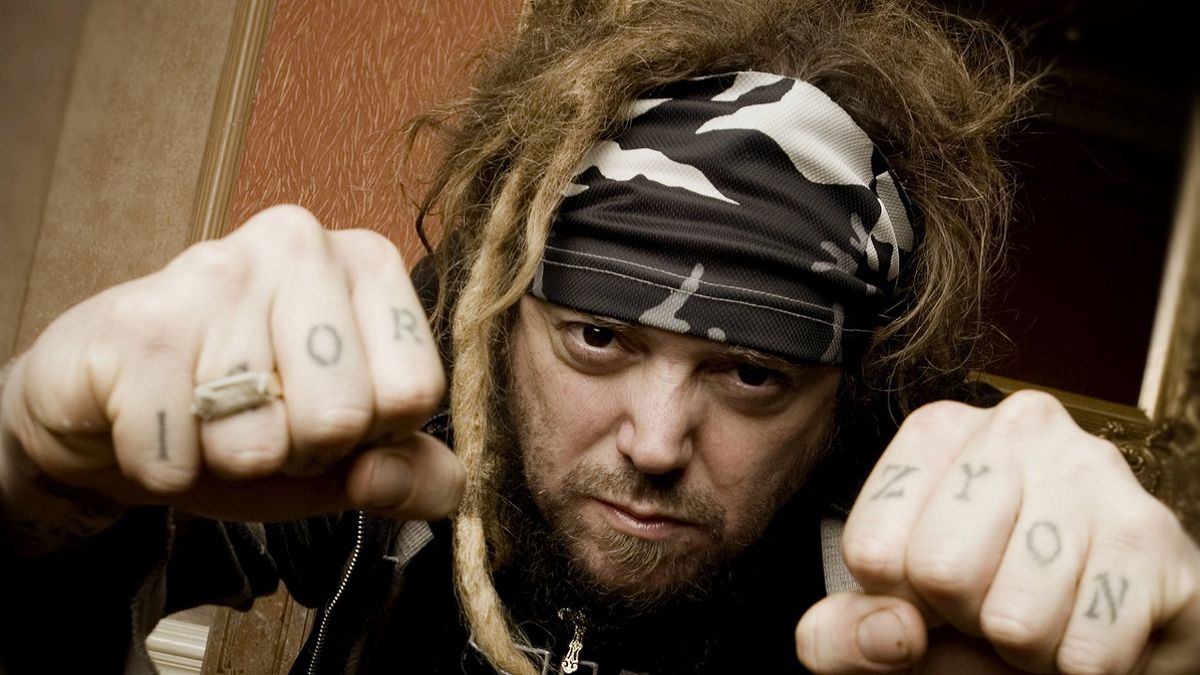
Some later photos also show tattoos on his hands and fingers. The details aren’t always clear enough to identify, so additional hand and forearm ink is the most accurate description. A blurry concert photo doesn’t support a more exact inventory.

Photos from the Sepultura years, Soulfly, and later Cavalera projects show the same arms carrying tattoos through each period. The designs overlap rather than falling into neat, separate chapters.

Camouflage, black denim, sleeveless shirts, and military-inspired clothes often appear alongside the tattoos in photos. The clothes frame the ink, but they don’t tell us why Max chose each piece.

Paul Booth’s shadow hangs over the whole collection

Max Cavalera knuckle tattoos
Max Cavalera shows the tattooed letters on his knuckles.

Paul Booth connects several of the best-known pieces: the neck tattoo, elbow eyes, and darker body imagery. Max has said Booth’s work matters to him. The artist’s black-and-grey, horror-leaning and dark-surreal style gives the scattered tattoos a recognizable thread.

Booth also tattooed Max’s brother Igor, so the history connects the artist with both brothers. Their tattoos came out of the same heavy-music and tattoo circles as their bands.

The site’s Corey Taylor tattoos article offers a related example: another heavy-music figure whose tattoos are closely tied to his band’s look and era. Their designs are different, but both collections sit alongside the music.

The collection feels rougher than a carefully arranged gallery. Its dark designs carry more weight than a set of polished, social-media-ready images would. The roughness is part of the look.

What the tattoos say about Max Cavalera’s timeline

Max Cavalera face and arm tattoos on stage
Max Cavalera performs with his face and shoulder tattoos visible.
Max Cavalera forearm tattoos on stage
Max Cavalera raises his tattooed forearm during a performance.

It’s easier to follow Max’s tattoos across photos and eras than to treat them as a checklist. The neck design has been linked to the Sepultura years and Roots; the elbow eyes draw on film imagery and Booth’s surreal style. Later photos show the heavier arm coverage.

Not every small mark has a documented meaning. The clearest points are the four-crucifix neck piece, the elbow eyes, the dark chest tattoo, the arm and forearm work, and Max’s connection to Paul Booth.

The photos show which tattoos are visible at a given moment, how clothes or hair sit around the neck design, and how the arm pieces look in different years. The collection remains recognizable as it changes.

Max’s tattoos and music share a dark, heavy visual language. Several key pieces trace back to Paul Booth, while older and newer photos show how the collection has changed over the years.

Performance photos show the tattoos where fans usually see them: on Max’s neck, arms, and hands as he plays. The ink changes with the light and his movement. It stays connected to the person and the music rather than reading like a separate list of designs.

Watch the story behind Max Cavalera’s tattoos

Maren Morris Keeps Her Best Stories Close to the Skin

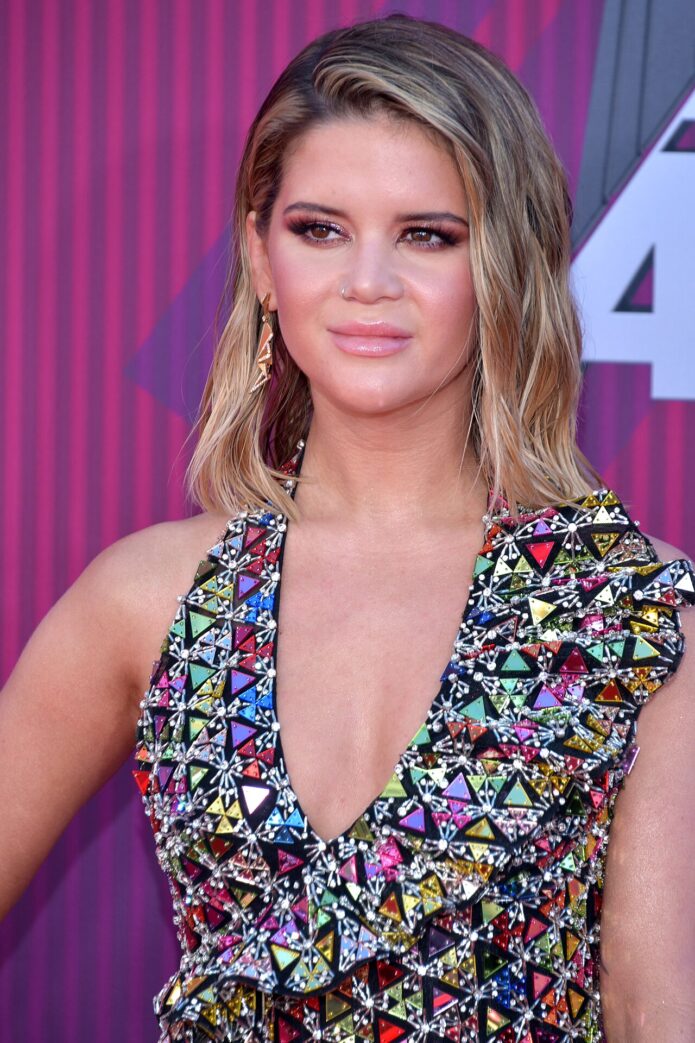
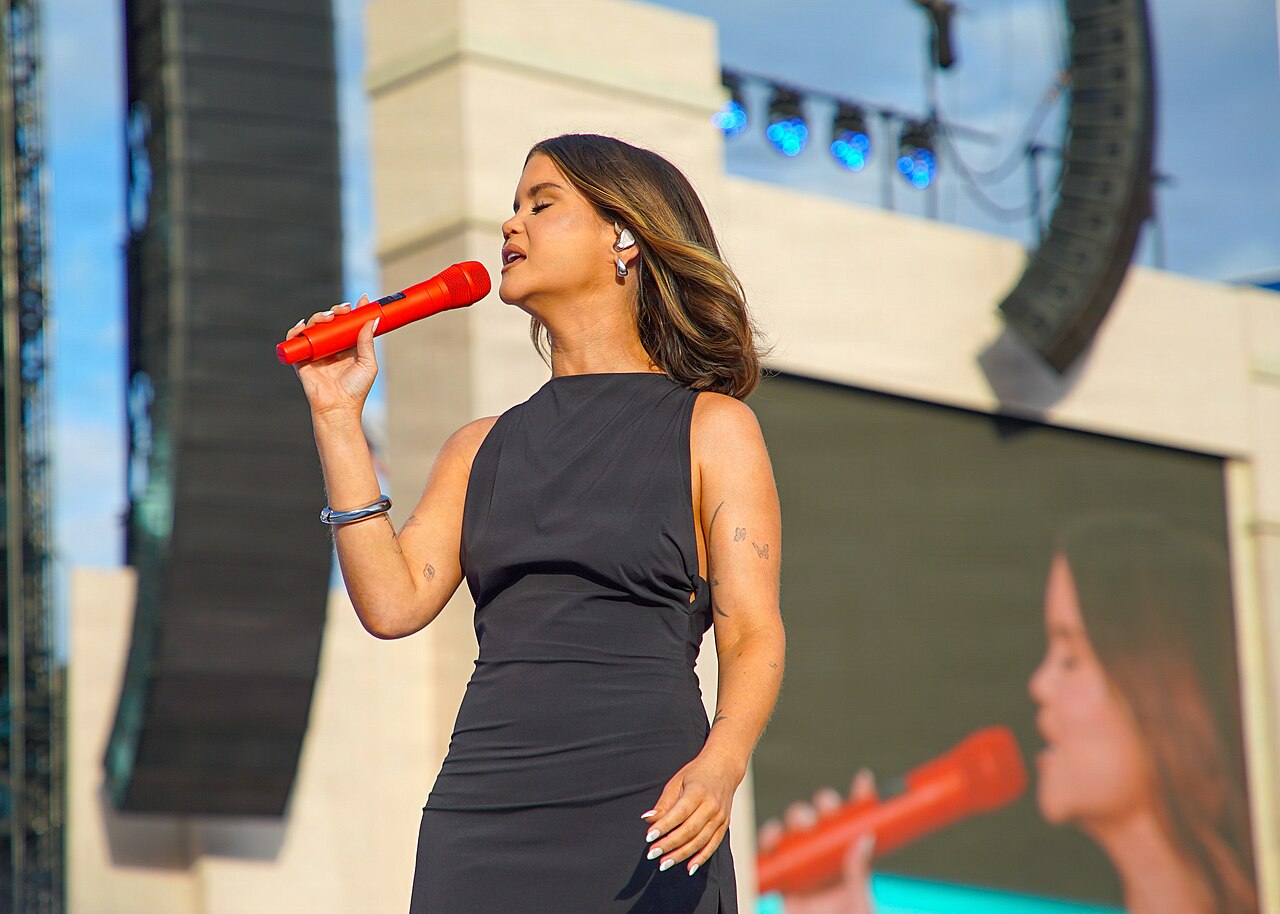
Maren Morris’s tattoos are easy to miss in red-carpet photos. Most are small, and their placement becomes clearer in close views. A watercolor hummingbird on her inner left forearm is one of the best-known pieces; script and animal-like designs appear elsewhere on her arms.

Morris has also talked about getting tattoos with friends and other artists. Close-up photos show some designs clearly, while online descriptions of others vary. Here, Maren Morris’s documented tattoos are described by what can be seen and what she has said.

The hummingbird on her inner forearm

Maren Morris wrist and arm tattoos on stage
Maren Morris performs with smaller wrist and arm tattoos visible.

The clearest piece is a small watercolor-style hummingbird on the inside of Morris’s left forearm. Its loose color and soft edges give it a painterly look, rather than the weight of a dark outline.

Morris has connected the hummingbird with music and with how a song can move from one place to another. It also fits the placement: the small design disappears under a sleeve and stands out when she wears a tank top onstage.

The inner forearm is visible to Morris as she sings or plays, but it can be covered by a sleeve. The hummingbird isn’t only visible to an audience; she can see it too.

Script and lettering along the arm

Maren Morris script tattoo Toronto
Maren Morris turns to reveal the script tattoo along her back.

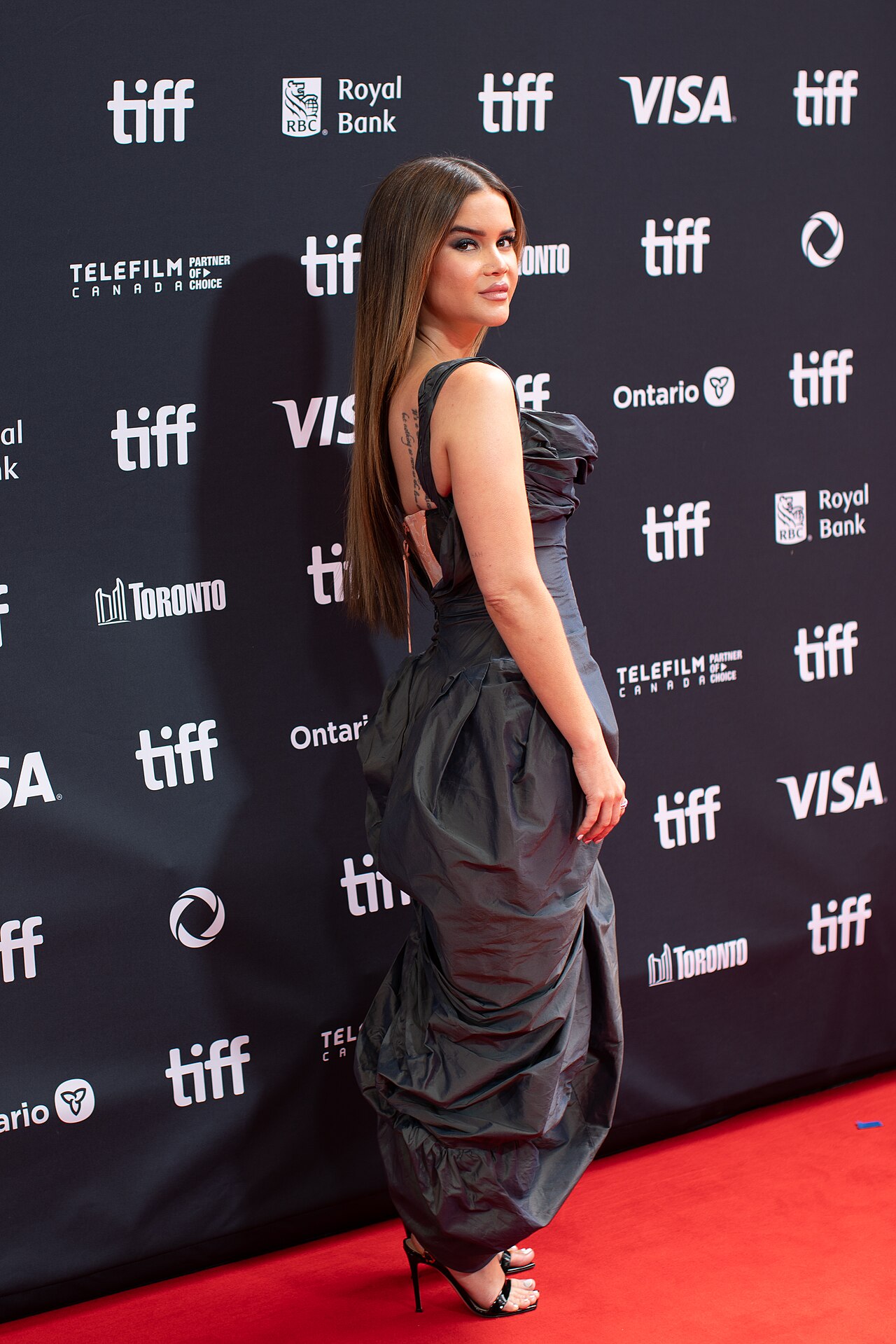
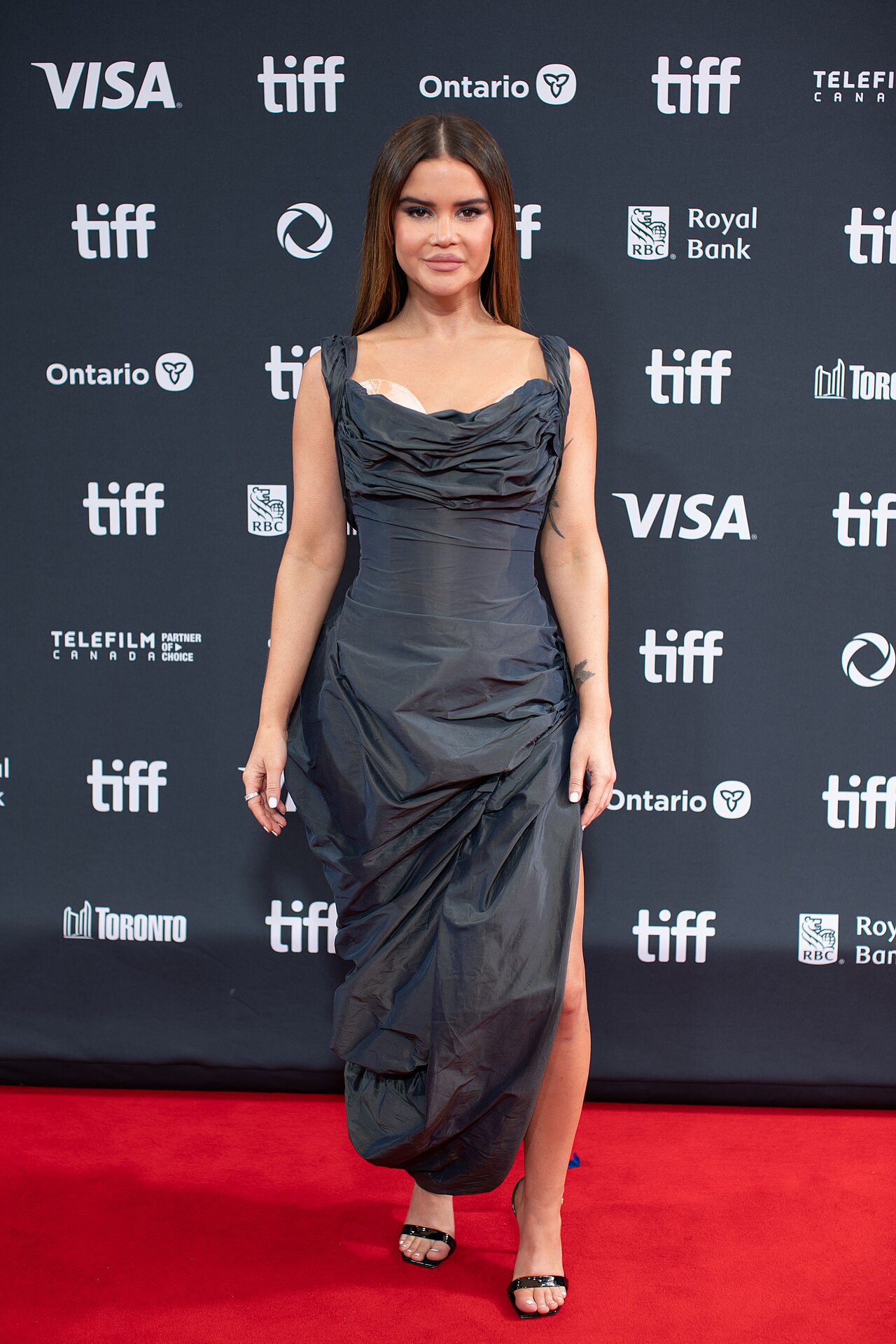
Side-on photos from the Toronto International Film Festival show vertical script along the upper back and side of the arm. The narrow, dark letters follow the body and can disappear beneath a dress strap until Morris turns.

Some online descriptions combine all the lettering into one tattoo. Photos instead suggest a longer line near the shoulder and smaller marks lower on the arm. Since the script is fine, lighting can make separate pieces look connected. It’s more accurate to describe several script tattoos than to name a quote the photos don’t clearly show.

The script suits a songwriter, but that doesn’t tell us what the words say. Like the rest of the collection, it’s small enough to miss at first. The lettering’s placement is clear even when its message isn’t.

The small marks on her wrists and forearms

Maren Morris wrist tattoo Toronto
Maren Morris shows a small wrist tattoo at the Toronto premiere.

Full-length photos show small tattoos around Morris’s wrists and lower forearms. One dark mark sits close to the wrist and another higher on the arm. They are separate fine-line pieces, not one continuous sleeve.

The front-facing Toronto photo shows how easily the small marks blend into shadows, jewelry, and styling. A closer crop makes the wrist tattoo easier to see. The two kinds of photos reveal different parts of the collection.

Fans have read the small symbols as music references or decoration, but those meanings remain guesses unless Morris has explained them. What the photos do show is that her wrist tattoos are small, separate, and understated.

The animal-like design on her upper arm

Maren Morris upper arm tattoo
Maren Morris shows the larger tattoo on her upper arm.

Live photos give the clearest view of the higher tattoo on Morris’s arm. It has an animal- or bird-like shape, with a darker line through the center and lighter shading around it. Sleeves and movement often hide part of the design, but it appears in more than one performance photo.

The photos don’t make it clear enough to call this another hummingbird. It’s better to describe an upper-arm animal or bird motif and keep it separate from the watercolor hummingbird on her inner forearm.

The lower-arm hummingbird, upper script, and small wrist marks are spread out rather than joined into a single sleeve. Together they mix text and natural shapes, with space between each piece.

Her side tattoo and the pieces that appear in red-carpet photos

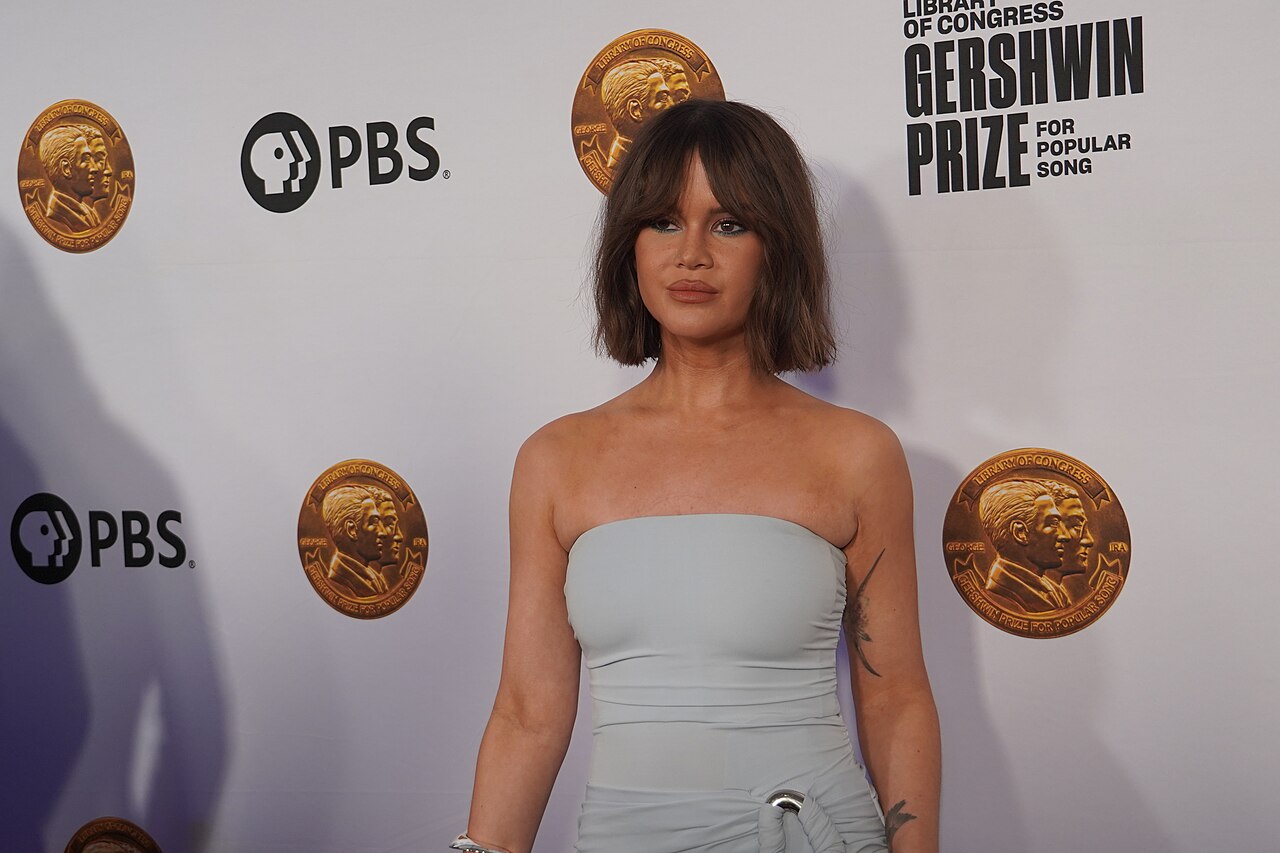
Maren Morris arm tattoo Gershwin Prize
Maren Morris shows the arm tattoo visible at the Gershwin Prize.

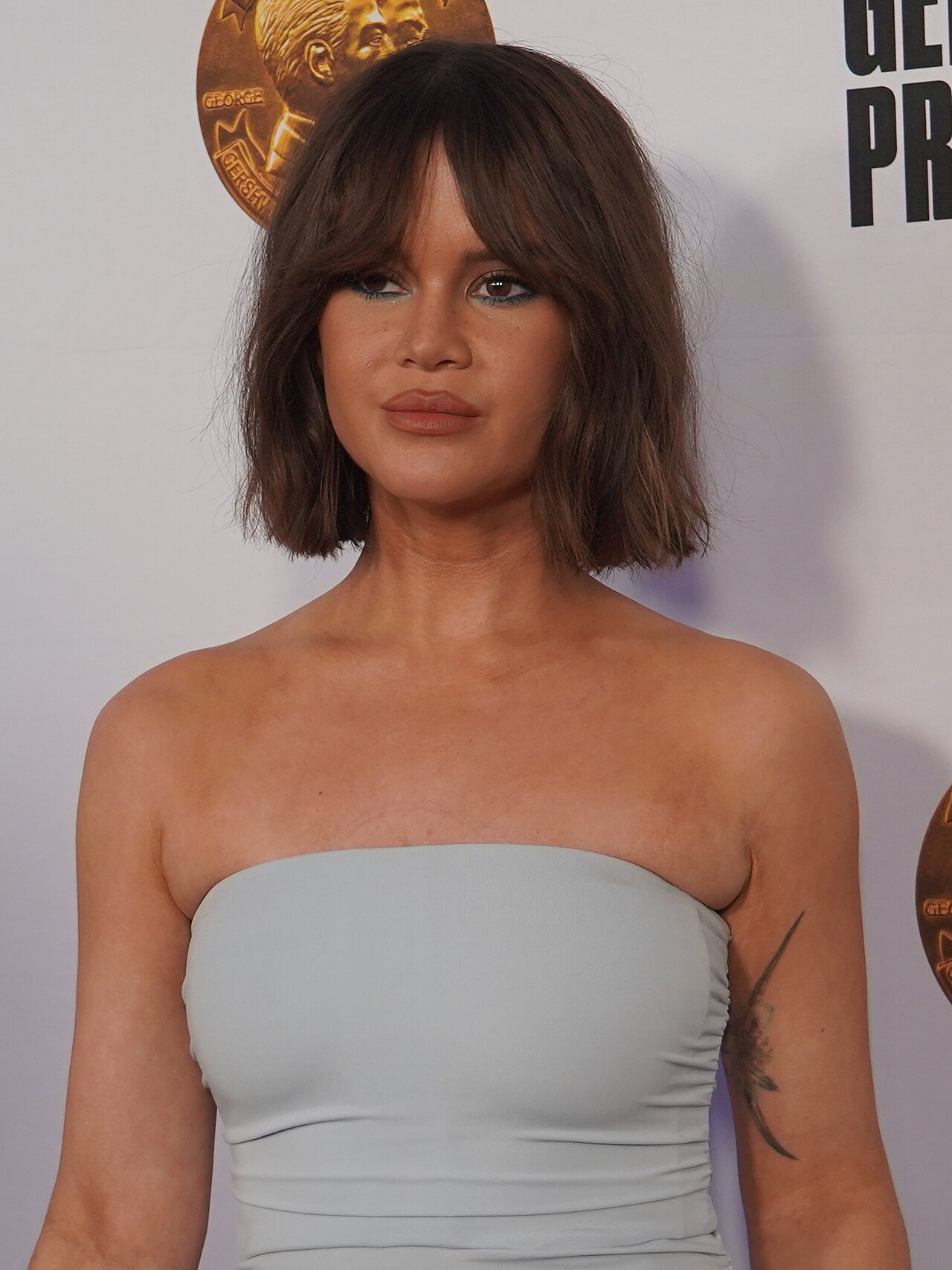
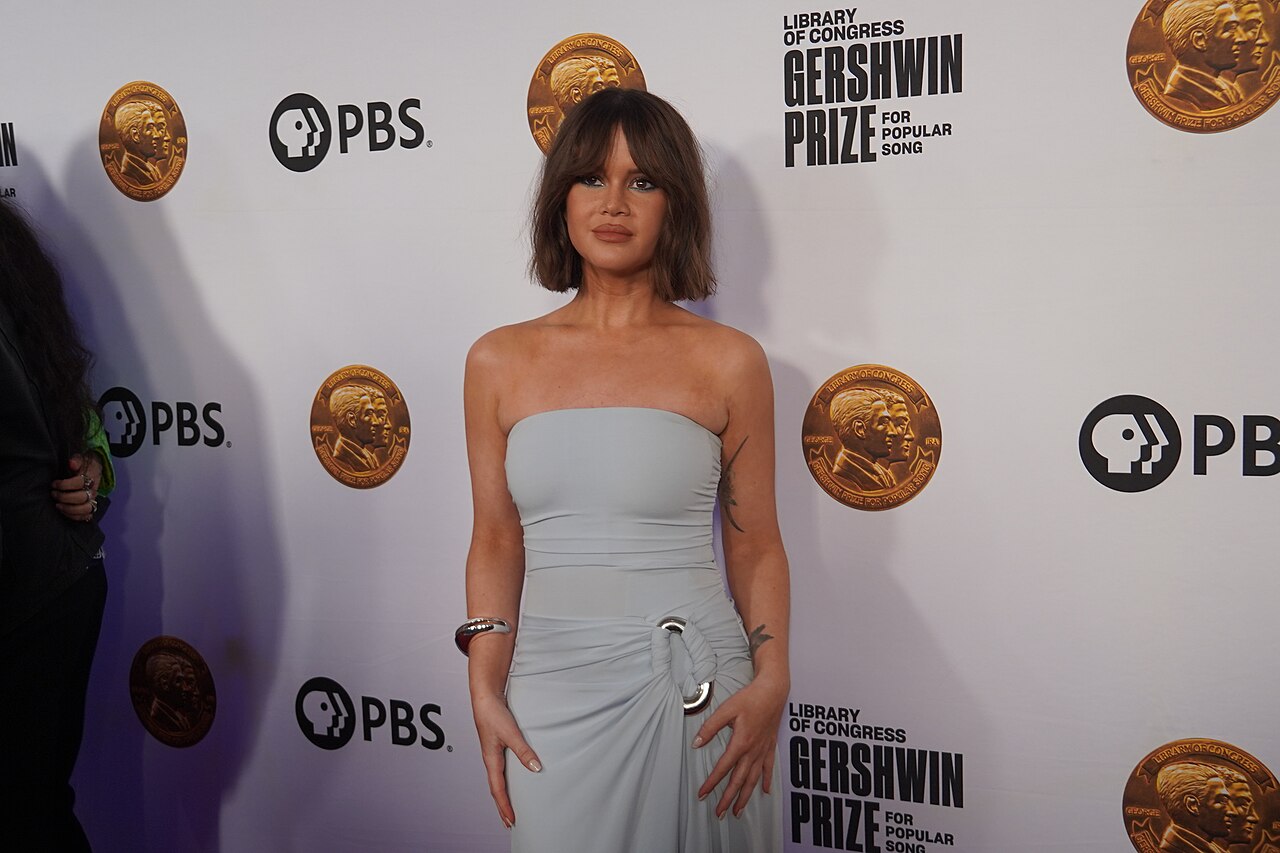
The 2024 Gershwin Prize photos show more of the tattoo on Morris’s upper arm and side. A larger dark-and-light design curves beside the arm, with a fine line and softer shading below it. Its shape looks botanical or feathered, but public photos don’t make the exact subject clear.

The placement is clear: the design sits high on the arm and shows when Morris wears a strapless or sleeveless outfit. Formal-event photos sometimes reveal it even when performance shots don’t, especially when she’s photographed from the side.

Some lists call the piece a rose, feather, or bird. The photos don’t support choosing one label with confidence. It’s safer to describe the organic linework than to assign a meaning Morris hasn’t given it.

How the tattoos fit her timeline

Maren Morris wrist tattoo Gershwin Prize
Maren Morris shows the smaller wrist tattoo at the Gershwin Prize.

The tattoos vary in size and placement. Earlier pieces are often described as small additions from the years when Morris was building her career; later photos show more arm ink, but not a full sleeve. The pieces remain spaced apart.

The designs aren’t joined by filler or large shaded areas. The hummingbird, script, wrist marks, and upper-arm piece each keep their own space. Morris leaves room between the tattoos, so the smaller ones remain visible beside the larger design.

Older photos can hide a tattoo because of a hairstyle, dress, or camera angle; a later image may show it clearly for the first time. Counts also vary depending on whether tiny marks are listed separately. This guide treats distinct visible designs as separate without claiming an exact total.

What is confirmed and what remains uncertain

The clearest details are the watercolor hummingbird on the inner forearm, script along the upper arm and back-side placement, small wrist and forearm marks, and a larger organic design high on the arm. They appear in photos from more than one year and setting.

The exact script, tiny symbols, and upper-arm design are harder to identify. Repeated descriptions online don’t make an interpretation confirmed. The photos are enough to describe placement and style without guessing at a backstory.

Most of the tattoos are easy to cover and easy to miss until a photo catches them. The hummingbird and upper-arm designs still stand out when visible. The collection doesn’t need to take over the outfit to be recognizable.

Watch Maren Morris talk about her tattoos

In the interview below, Morris talks about music, touring, and tattoos.

More musician tattoo guides

Nikki Sixx Wears His Life Across Both Sleeves

Nikki Sixx’s arms are covered in color, lettering, and old-school designs. His back tattoo is harder to see under clothes, so it draws questions too. Photos and interviews show a collection that has changed over the years he has played with Mötley Crüe and Sixx:A.M.

Some details are confirmed in interviews, including the 1958 tattoo and the existence of a back piece. Many sleeve designs are hard to name from stage photos, and Sixx hasn’t published a full list. This guide sticks to what’s visible and marks fan interpretations as uncertain.

The colourful sleeves that define his look

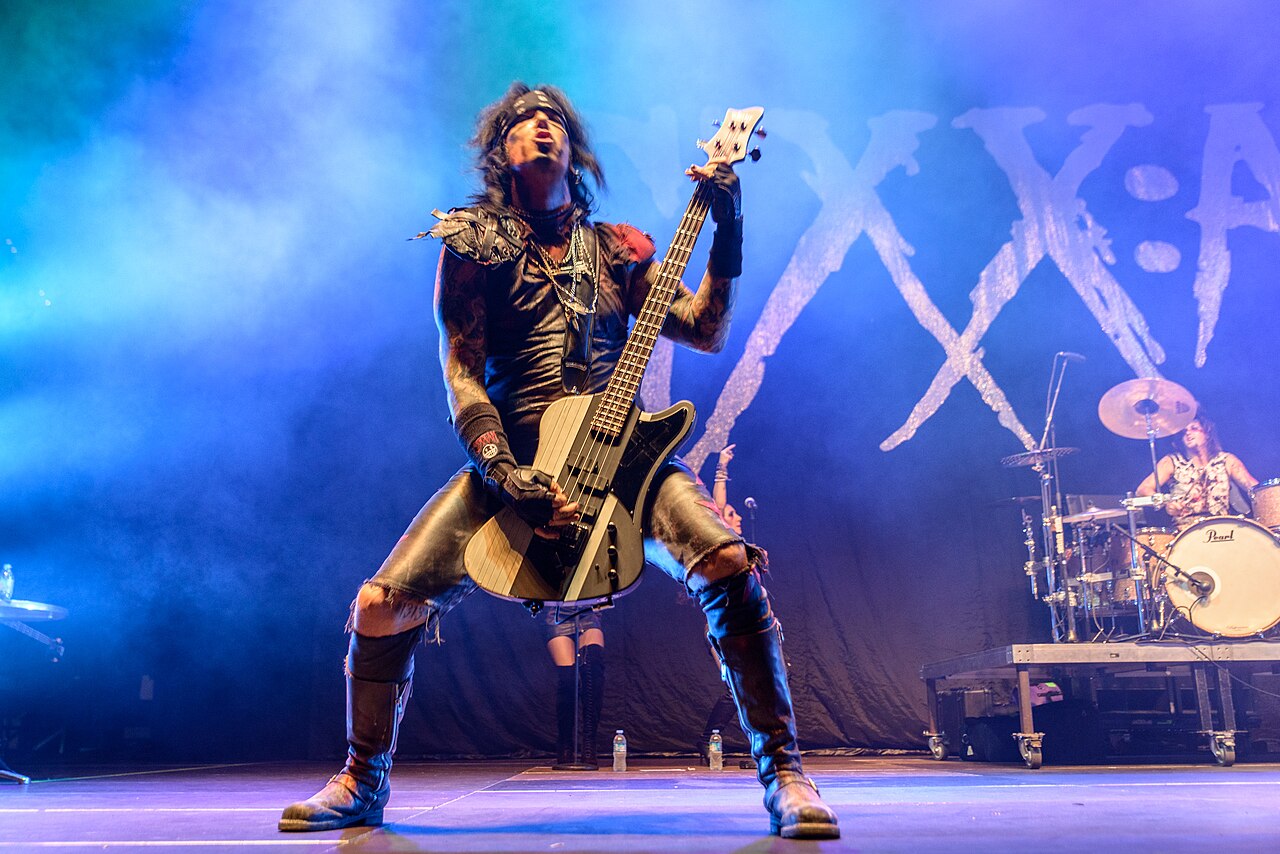
Nikki Sixx sleeve tattoos at Hellfest
Nikki Sixx sleeve tattoos at Hellfest.

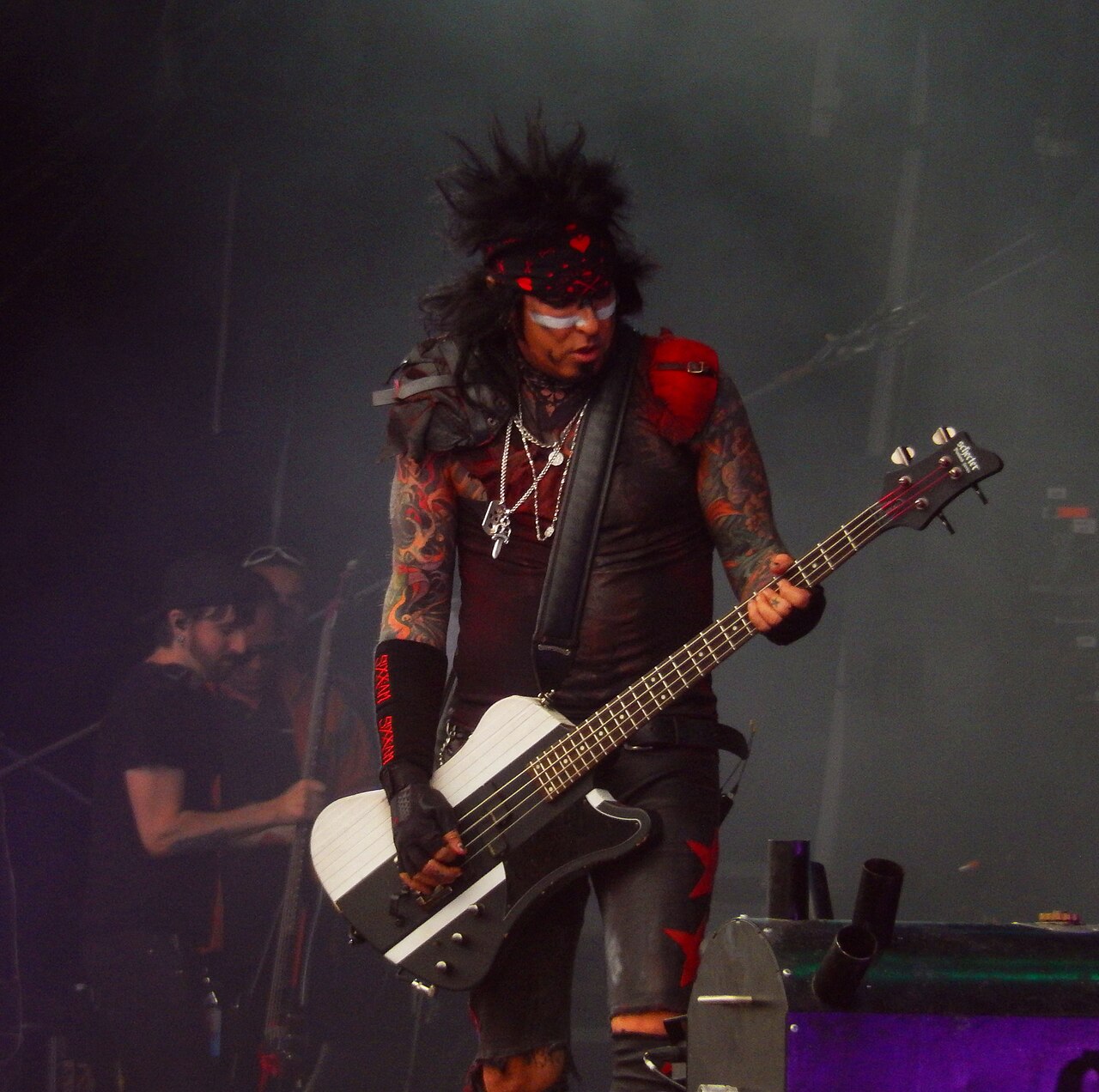
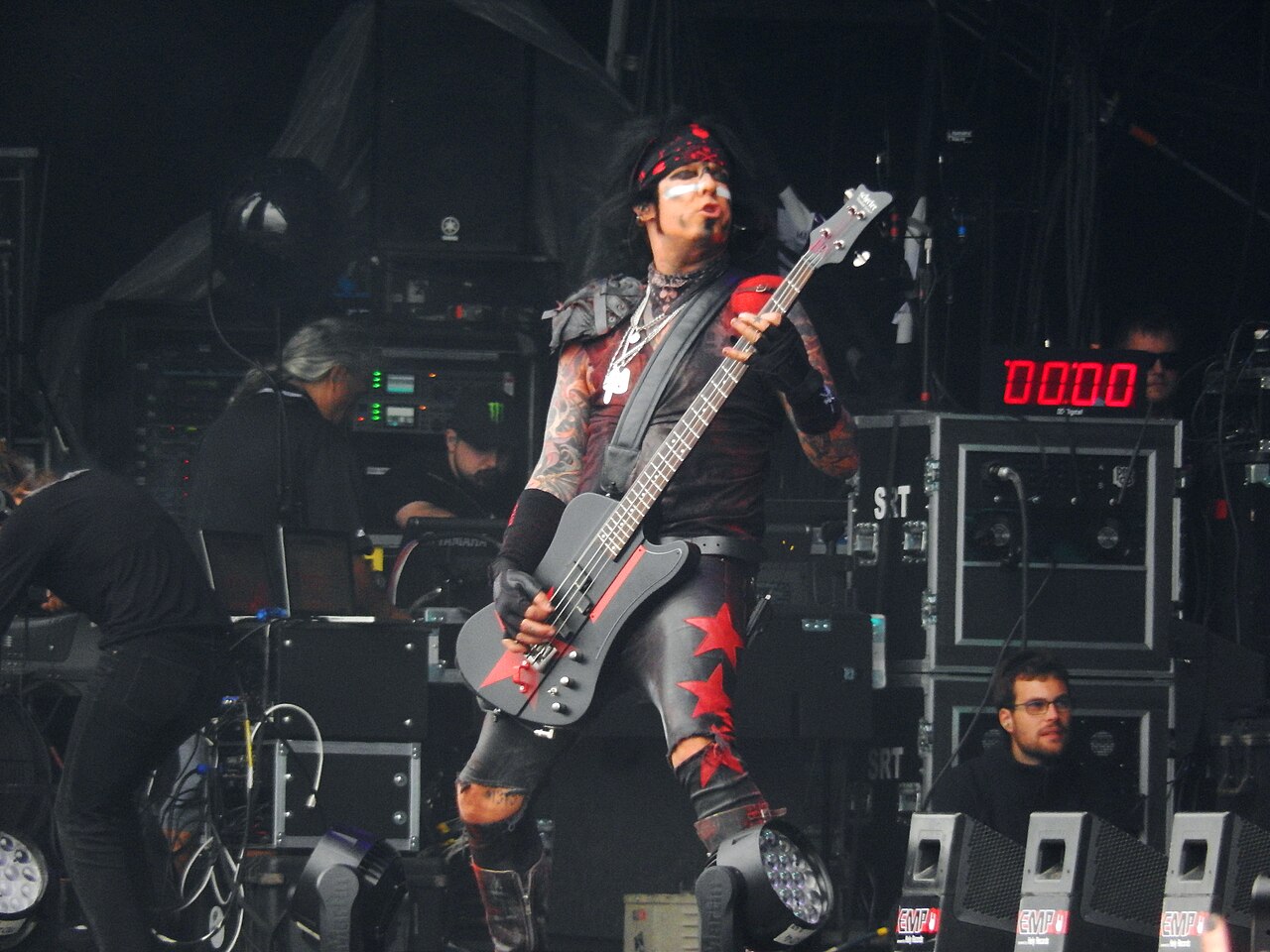
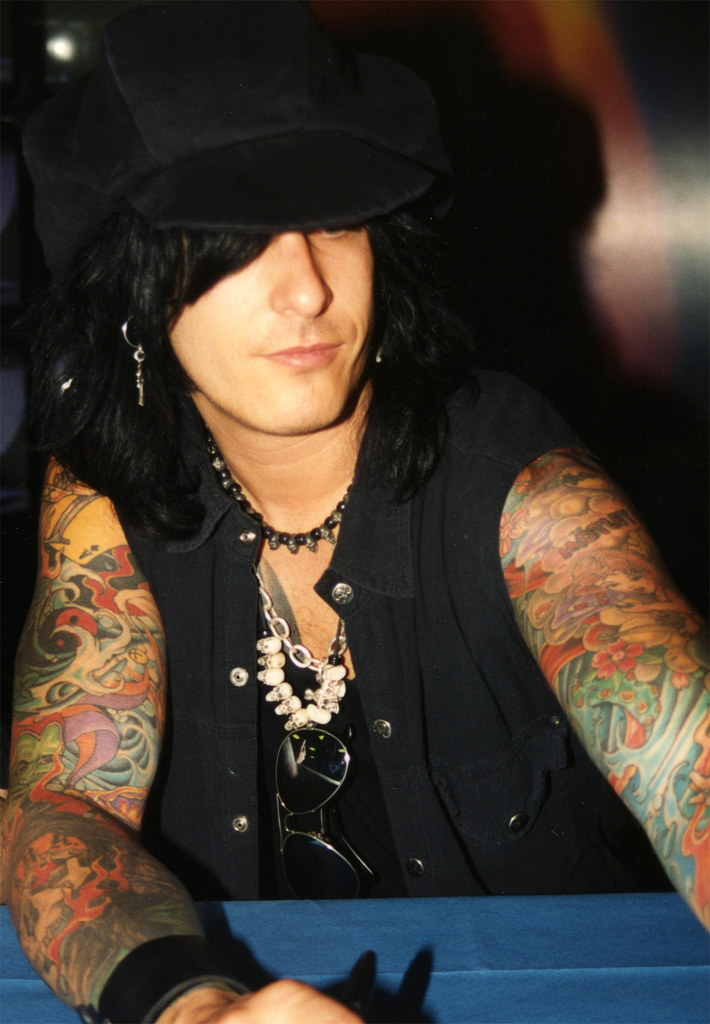
The most visible feature is the pair of dense sleeves from shoulder to wrist. They combine red, blue, green, and black traditional-style color with faces, lettering, skull-like shapes, and filler. Clothing can hide some of the edges, but the full coverage is clear.

Stage photos show several designs across each sleeve: a portrait beside a skull, with smaller marks around the elbow. His leather, chains, patches, and hardware add to the busy look.

Sixx has talked about tattoos as part of his personal history. The sleeves appear in photos from the Mötley Crüe years and later Sixx:A.M. performances. The designs have accumulated across different periods of his life.

The 1958 tattoo and the meaning fans can actually confirm

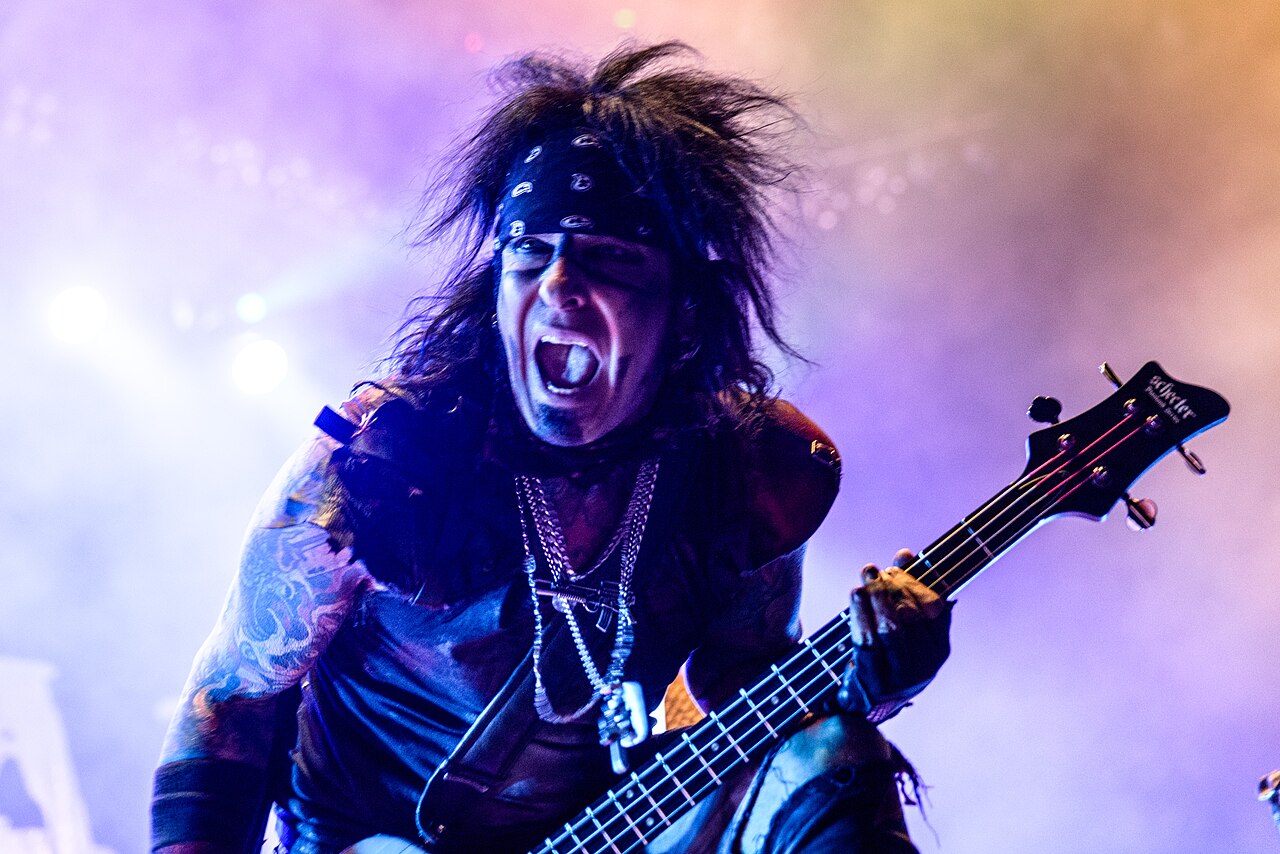
Nikki Sixx Sixx A.M. arm tattoos
Nikki Sixx Sixx A.M. arm tattoos.

One tattoo repeatedly identified in coverage is 1958, Sixx’s birth year. The numerals can be easy to miss among the sleeve designs, but close photos show them clearly.

The date is straightforward, unlike some of the surrounding images. It refers to Sixx himself, without needing a more complicated explanation.

A clear date is easier to identify than a shape half-hidden by stage lights. The 1958 tattoo is one of the details that can be included with confidence.

The skulls, faces and traditional flash imagery

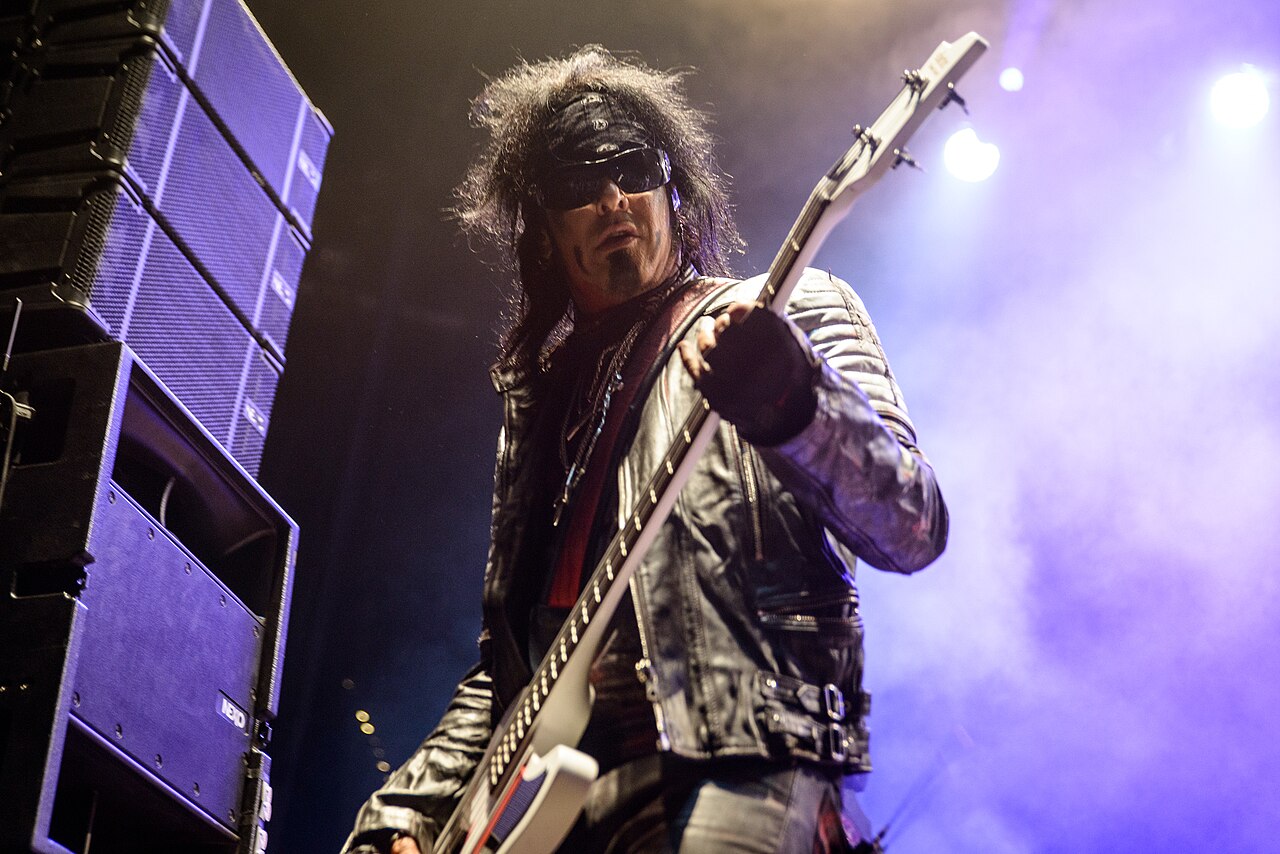
Nikki Sixx Rock im Park sleeve tattoos
Nikki Sixx Rock im Park sleeve tattoos.

Skulls and faces recur across the sleeves. Some photos show rounded skull shapes, others portrait-like faces, and some designs have a theatrical look. Stage lighting can change their color; daylight reveals blue and green shading that gets lost in a club.

It’s more accurate to describe the overall mix than to name every panel: skulls, faces, lettering, and saturated traditional color. Sixx hasn’t published a full catalogue of the designs.

The skulls, faces, and bold color fit Mötley Crüe’s glam-and-horror image. The sleeves also appear in interviews and everyday photos, not only onstage.

The hidden back piece

Nikki Sixx Rock im Park arm ink
Nikki Sixx Rock im Park arm ink.

Sixx has pointed out that many people never see his back tattoo. Sleeveless stage clothes reveal his arms but usually leave the back covered. Some photos show an edge of the design; a complete view is rare.

Public photos suggest a large design in the same dark, illustrative style as the sleeves, but they don’t show the full image clearly. Fans have called it a skull wave or gothic scene; those are interpretations, not confirmed titles.

The sleeves are part of Sixx’s stage look; the back piece stays mostly covered and appears less often. It is seen on his terms.

How the tattoos look during a Mötley Crüe set

Nikki Sixx forearm tattoos at Rock im Park
Nikki Sixx forearm tattoos at Rock im Park.

Different live photos reveal different parts of the tattoos. His bass may cover his torso while the sleeves are visible; a close crop can show lettering lost in a full-body shot.

Wristbands, gloves, straps, and the bass can cover parts of his lower arms. A different outfit doesn’t mean a new tattoo has appeared; it may simply reveal a section that was hidden before.

The coverage stays dense. Both arms read as full sleeves, with little bare skin in the visible sections. Older concert photos still show the contrast between dark outlines and red and blue color.

Sixx:A.M. photos reveal different details

Nikki Sixx colourful sleeve tattoos
Nikki Sixx colourful sleeve tattoos.

Sixx:A.M. photos show the same sleeves in a different setting. The camera often gets closer, making the lower arms easier to see. The designs aren’t new; the angle just reveals more of them.

Closer views reveal smaller symbols and narrow lettering between the larger color panels. They could be dates, words, or decoration. Unless Sixx has explained a mark, its shape and placement are all we can identify.

The photos also show that the tattoos stayed with Sixx across bands and decades. They are part of his look beyond Mötley Crüe.

What the interviews add to the picture

In the Billboard interview, Sixx and his Sixx:A.M. bandmates talk about choosing tattoos and how childhood, identity, and difficult periods can shape what people keep.

The interview offers context for why a sleeve can mix bold images with smaller personal references. The 1958 is clear; the back design remains harder to identify. Not every tattoo is explained publicly.

Fan tattoos also appear in searches for Sixx’s ink. Those tributes aren’t part of his collection. It’s important to distinguish the musician’s tattoos from designs fans have copied.

What is confirmed and what is still uncertain

The visible sleeves, the 1958 date, skull and face imagery, and a substantial back tattoo are well supported. The names of every sleeve panel, the full back design, and many small symbols remain uncertain.

Photos from different years show the sleeves as a dense, colorful part of Sixx’s life in music. Where a design’s meaning isn’t documented, its appearance is still clear.

The tattoos continue to change, and each photo shows a different section. Together, the sleeves show the music and style Sixx has carried across his career.

Watch Sixx:A.M. talk tattoos

In this Billboard interview, Nikki Sixx discusses his tattoos with his Sixx:A.M. bandmates.

More musician tattoo guides

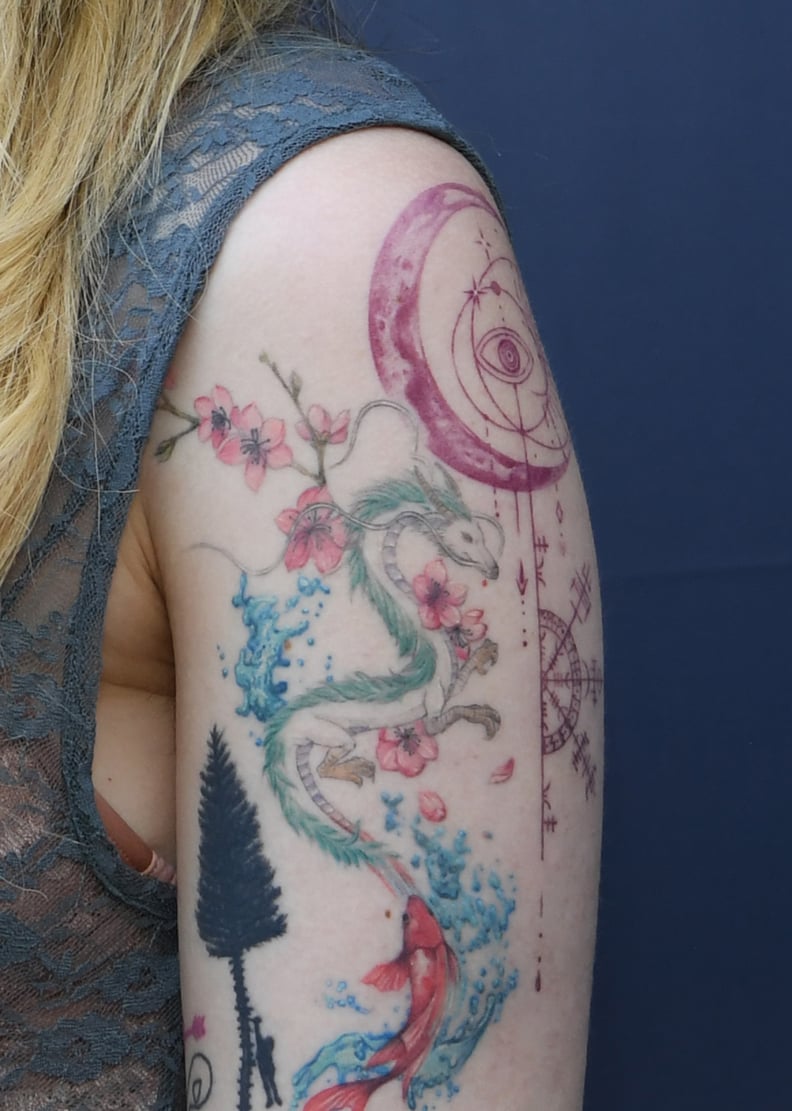
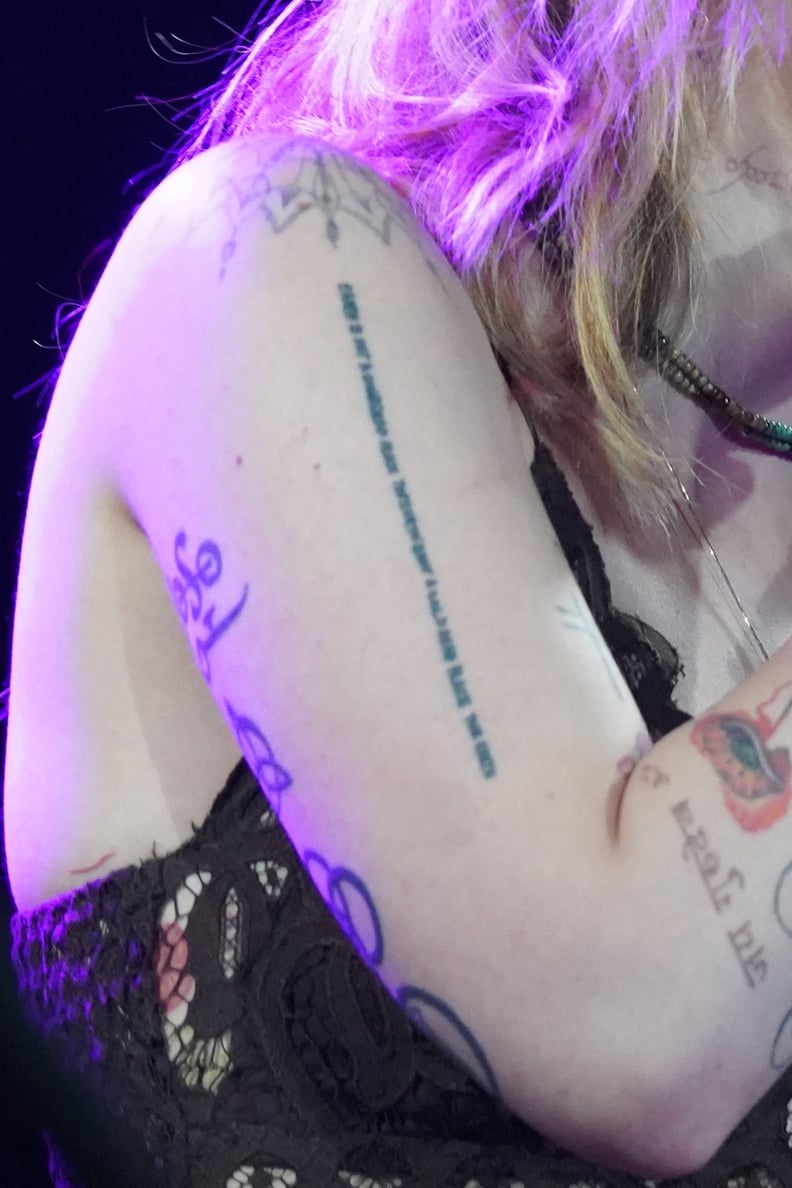
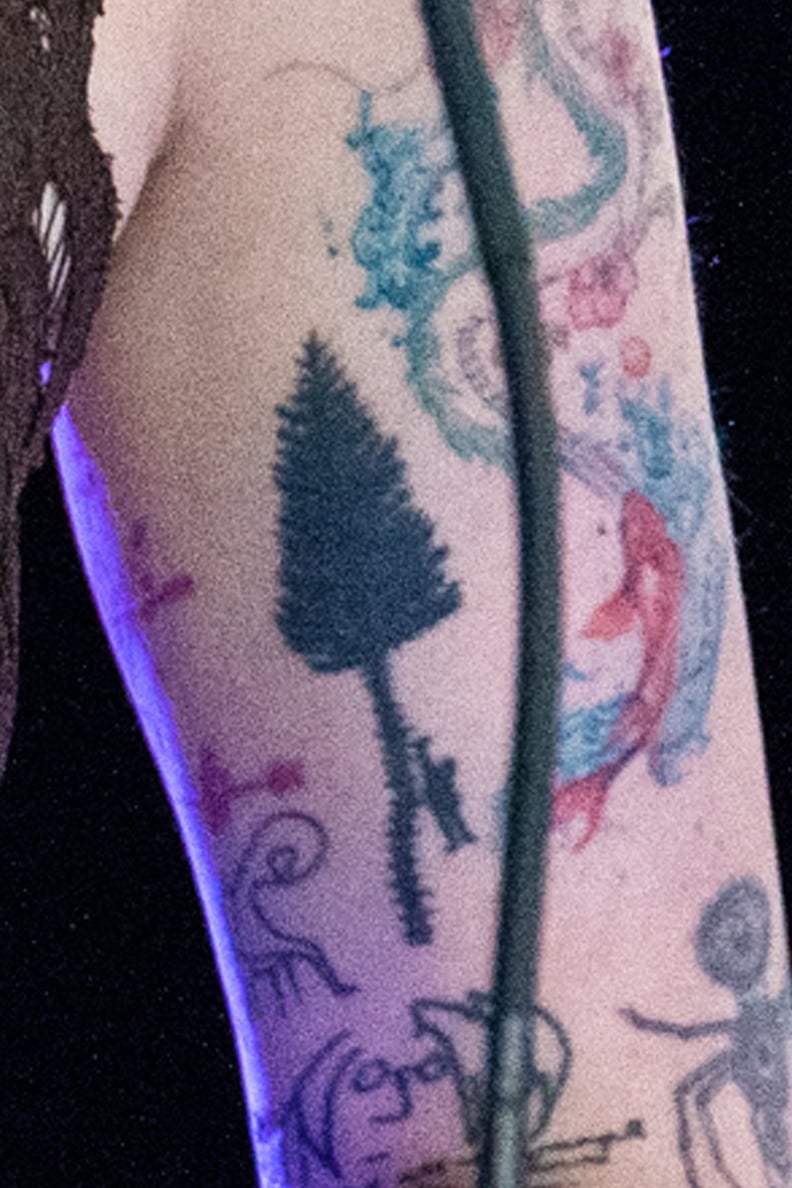
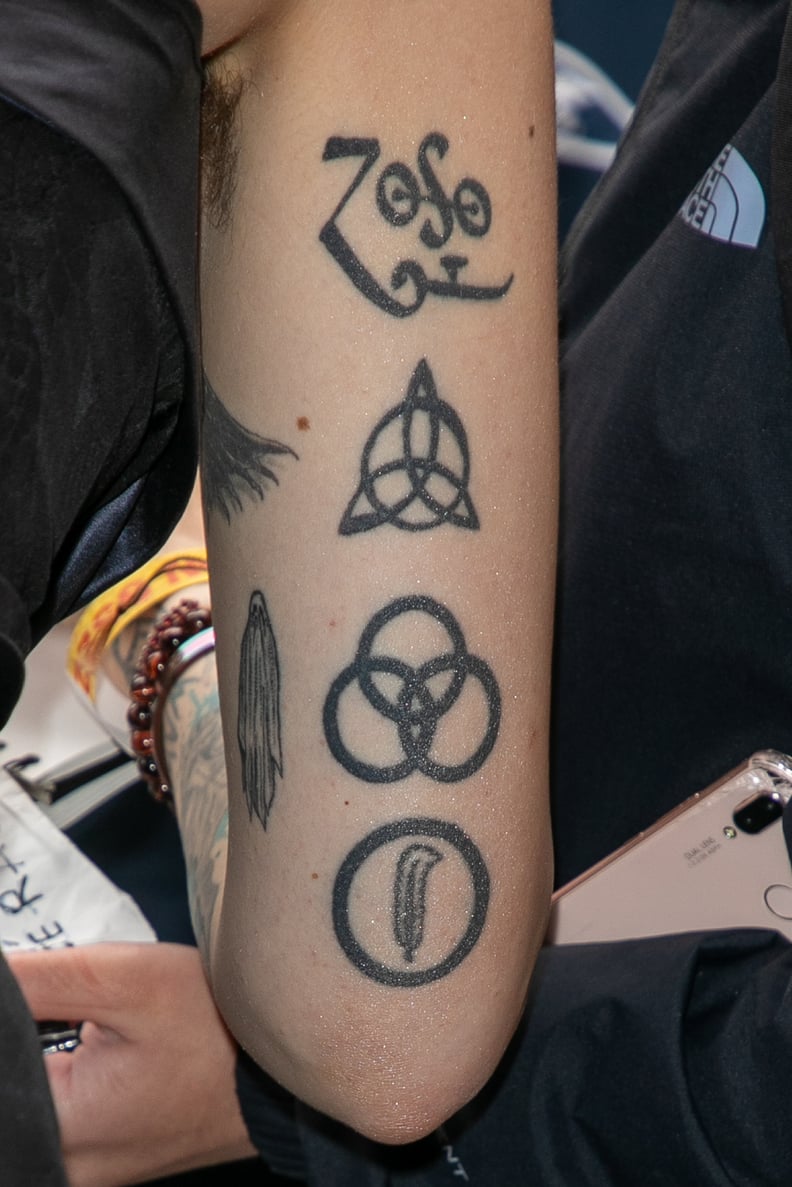
Paris Jackson’s Tattoo Collection Has Its Own Family Album

Paris Jackson’s tattoos connect to family, friends, music, and faith; others appear to be designs she simply liked. When she covered her tattoos for the Grammys, reports counted more than 80 across her body. The collection has changed as she has.

The number sounds large, but the tattoos aren’t one blur. Photos show fine-line drawings, black symbols, colorful arm pieces, lettering, and small designs on her feet. Jackson has also added, covered, and concealed pieces over time.
There’s no definitive list of every tattoo or its meaning. Jackson has discussed some pieces and shown others, but the public record is made up of individual photos and interviews. A tattoo can be visible while its story stays private.

More than 80 tattoos changed the way people saw her

Paris Jackson arm tattoo collection

Many of Jackson’s tattoos are visible in photos. Her arms carry layered designs, centered symbols appear on her chest, and smaller pieces show up on her legs, feet, hands, and torso. A sleeveless outfit can reveal several styles at once, though the pieces were added at different times.

Jackson has talked about getting tattoos with friends and about why she has so many. She has also shown new pieces, including work from the period when many people were staying home. Older photos don’t show the full current collection.

For the Grammys, Jackson covered every visible tattoo. The change made the scale of the collection obvious. She later said she likes switching things up; the tattoos matter to her, but she doesn’t treat them as a permanent styling rule.

She can show a colorful, layered collection one day and cover it the next. Jackson chooses how much of the ink is visible.

Family tattoos sit at the heart of the collection

Paris Jackson Vodou arm tattoo

Family is one of the clearest themes in Jackson’s tattoos. She has ink connected to her father, Michael Jackson, and has discussed pieces tied to people close to her. Not every design looks like a traditional memorial; some read as private references unless she explains them.
A tattoo connected to her father has appeared in photos and has since been covered or changed. A design can change without erasing the relationship it once represented.

Photos show family-related symbols and lettering among the tattoos on her arms, alongside music references, drawings, and small linework. They’re part of the wider collection, not a separate memorial display.

Jackson has also talked about getting matching or friendship tattoos with people close to her. Some mark a shared moment rather than a public milestone. The connection matters even when the tattoo is small.
Paris Jackson faith trust and pixie dust collarbone tattoo

Friendship ink gives the collection a softer side

Paris Jackson crescent moon and dragon shoulder tattoos

A small matching symbol can hold more history than a large decorative piece. Jackson has discussed friendship tattoos in interviews as part of her wider collection.

Matching tattoos can use related shapes or the same phrase without being identical. Some designs only make sense as a pair, and small marks can be hard to spot in red-carpet photos.

A friendship tattoo can mark a moment and stay meaningful as life changes. The people who were there may be the ones who understand it best.

Smaller designs sit beside the heavier black work on her arms. A tribute, a funny symbol, and a colorful illustration can share the same space without needing to match.

Her faith symbols are placed with intention

Paris Jackson mandala shoulder tattoo

Some of Jackson’s tattoos relate to faith or spirituality. Close-up photos show stacked circular symbols at the center of her chest, along with smaller marks on her arms.

Symbols can have several meanings, and photos alone rarely settle which one applies. Unless Jackson has named a design, it’s better to describe what it looks like and where it sits than assign it a specific religious meaning.

Some of these tattoos are visible at her neckline or on her arms. Their placement is public, but that doesn’t mean Jackson has explained what every symbol means.

Jackson talks openly about tattoos, but not every piece comes with an explanation. Visible doesn’t mean fully explained.

Music shows up in more than one form

Paris Jackson Manchester Orchestra arm tattoo
Music appears in Jackson’s tattoo story in several ways. Some references are direct; others sit among the drawings and symbols on her arms. Music-related ink can point to lyrics, records, collaborators, or a particular period, not just notes and microphones.

The tattoos appear in photos of Jackson’s music career, but that doesn’t make them promotional. The collection has grown over time, rather than being built around one album era.

Newer pieces sit beside older ones from different periods of her life. The designs show their different moments rather than being made to match.

The arm work mixes color, linework and tiny details

Paris Jackson Led Zeppelin and ghost arm tattoos

Most of the visible work is on Jackson’s arms. Close photos show fine-line drawings, darker shapes, flowers, lettering, and small marks in between.

Some designs use fine lines and open space; others have heavier outlines. Lighting affects how they read: delicate work can disappear in a phone photo while darker pieces remain visible.

The arms aren’t perfectly balanced. One may have denser work while the other leaves more room for smaller pieces.

Small tattoos on the hands and feet are easy to cover. Jackson has shown herself tattooing her foot at home, giving a glimpse of the process as well as the finished mark.

The foot tattoo story shows how hands on she can be

Paris Jackson cactus ankle tattoo
During social distancing, Jackson shared footage of tattooing her foot at home. It was a casual moment, not a formal studio appointment, and showed her taking part in the process herself.

That doesn’t mean she did all her tattoos herself. It does show that she has shared the process, not only the finished designs.

A foot tattoo is easy to hide under shoes and doesn’t often appear in fashion photos. It’s a placement that doesn’t need to be part of a public image every day.

The tattoo is small; the at-home footage is what makes this piece stand out.

She has changed the collection when the moment called for it

Paris Jackson light from the shadows neck tattoo
The Grammys look showed that Jackson can cover more than 80 tattoos and still look like herself. Makeup and body coverage changed the visible styling for the night.

Jackson has also discussed covering a tattoo connected to her father. A tattoo can honor a relationship and later be changed; the decision doesn’t have to erase what it once meant.

Cover-ups and changes are part of how a collection develops. Jackson has said she likes switching things up, and some of her choices reflect that.

A careful inventory of the tattoos seen in public photos

Paris Jackson finger tattoos
There are too many small marks to count with certainty, but photos and interviews show these recurring groups:

  • More than 80 tattoos: the reported count mentioned in coverage of her collection and Grammys look.
  • Family tributes: tattoos connected to her father, Michael Jackson, and family history.
  • Friendship tattoos: small shared designs connected to friends and loved ones.
  • Faith-related symbols: centered chest designs and smaller pieces with spiritual associations.
  • Music-related designs: tattoos connected to her work as a musician.
  • Colorful arm tattoos: illustrated and floral work alongside darker linework.
  • Foot tattoo: shown in footage from an at-home tattooing moment during social distancing.
  • Hand and wrist designs: small marks visible in close-ups and casual photos.
  • Cover-ups and changes: older tattoos that have been concealed or reworked.

This list stays specific where photos or interviews support it. Jackson may add or change tattoos, so a complete inventory is always tied to a date.

Watch Paris Jackson explain why she has so many tattoos

In the interview below, Jackson explains why she has so many tattoos and what they mean to her.

More musician tattoo guides

YUNGBLUD’s Tattoos Wear Their Stories on the Surface

YUNGBLUD’s tattoos range from song references to marks connected with people, jokes, or particular periods of his life. They sit alongside the noise and emotion of the music. Many of the stories are worn where people can see them.

YUNGBLUD has explained some tattoos in interviews; fans have spotted others in photos. It helps to keep his own explanations separate from guesses. The visible designs include horns, hearts, ghosts, words, and portraits across his neck, hands, arms, and torso.

The tattoos don’t follow one minimalist style. Some are linked to songs or relationships; others relate to people in his life. They’ve accumulated over time rather than being planned as one set.

Horns on the back of his neck

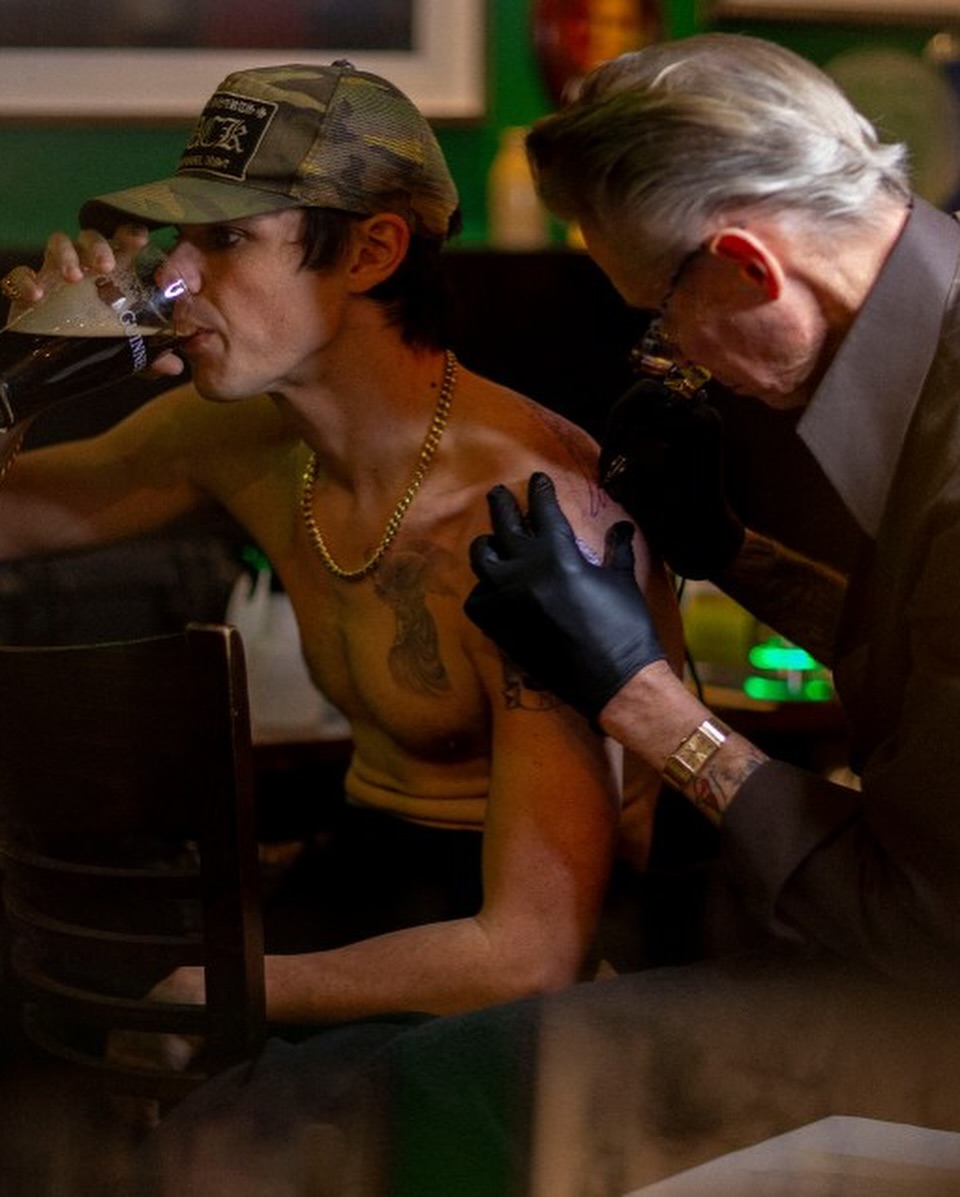
YUNGBLUD shoulder tattoo session

One of the clearest stories concerns the horn tattoo on the back of YUNGBLUD’s neck. Fan references connect it with “Lowlife,” a song that marked an important period in his career. Those accounts describe the horns as a sign of how far he had come.

The back of the neck shows when his hair is pulled back or he turns onstage, and stays covered at other times. The tattoo can be part of the look without being visible all day.

The horns fit the contrast in YUNGBLUD’s public image: vulnerable in one moment, confrontational in another. Fan accounts connect the design with the difficult periods he has described.

If the neck tattoo is connected to “Lowlife,” it carries that period beyond the song and its tour. The mark stays as his music moves into new eras.

Heart tattoos on his ring fingers

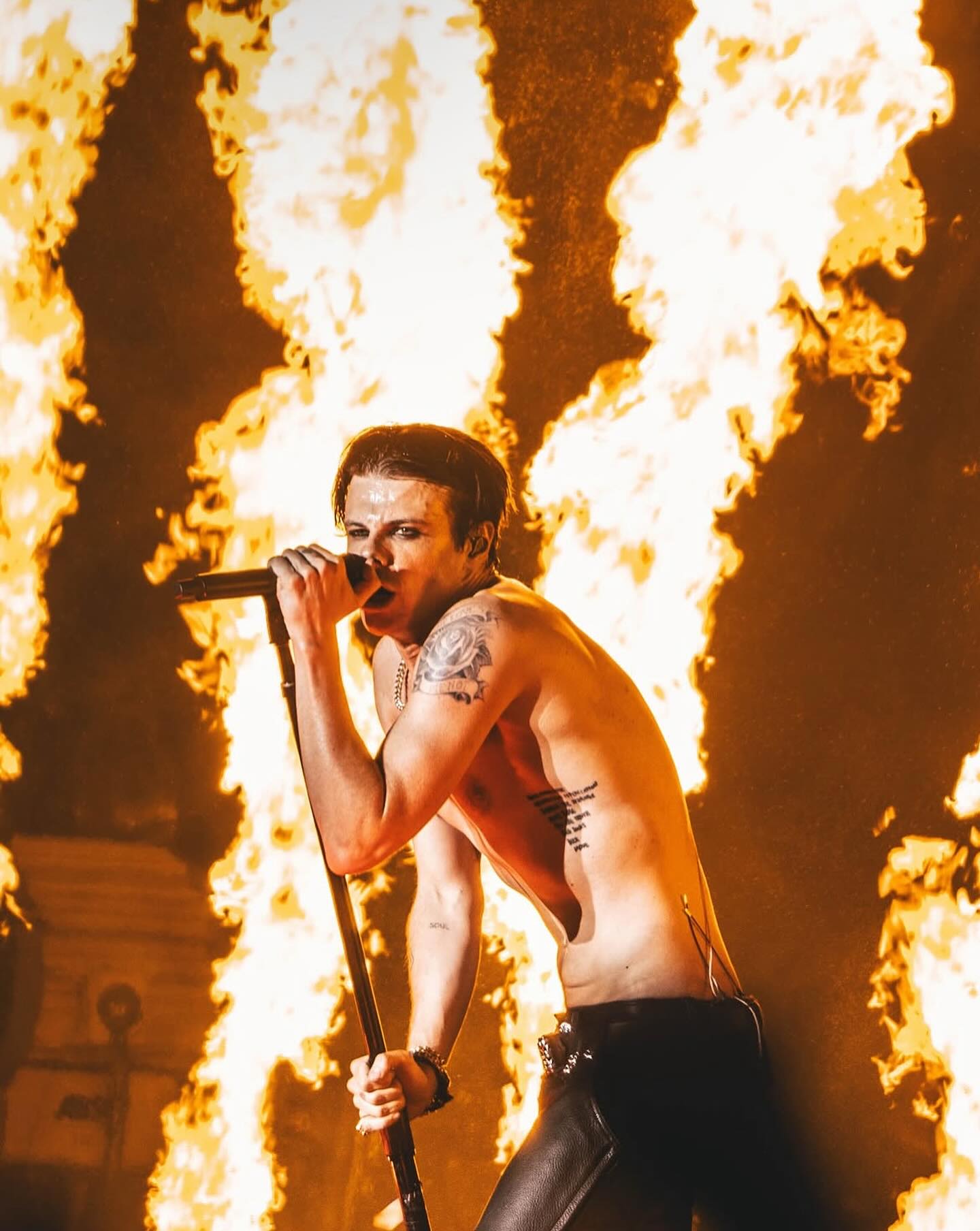
YUNGBLUD chest and heart tattoos

Close-up photos show heart tattoos on both ring fingers. The placement makes the small designs easy to notice and brings familiar associations with love or commitment.

Finger tattoos get frequent wear, and fine lines can soften over time. The hearts sit comfortably with the less polished look of YUNGBLUD’s other ink.

The hearts could refer to romantic love, friends, family, or something else. YUNGBLUD hasn’t given a single public explanation for every small mark, so their meaning remains open.

When he holds a microphone or reaches toward the crowd, the hearts are visible. The small tattoos become part of the gesture.

The rib cage piece and his favourite things

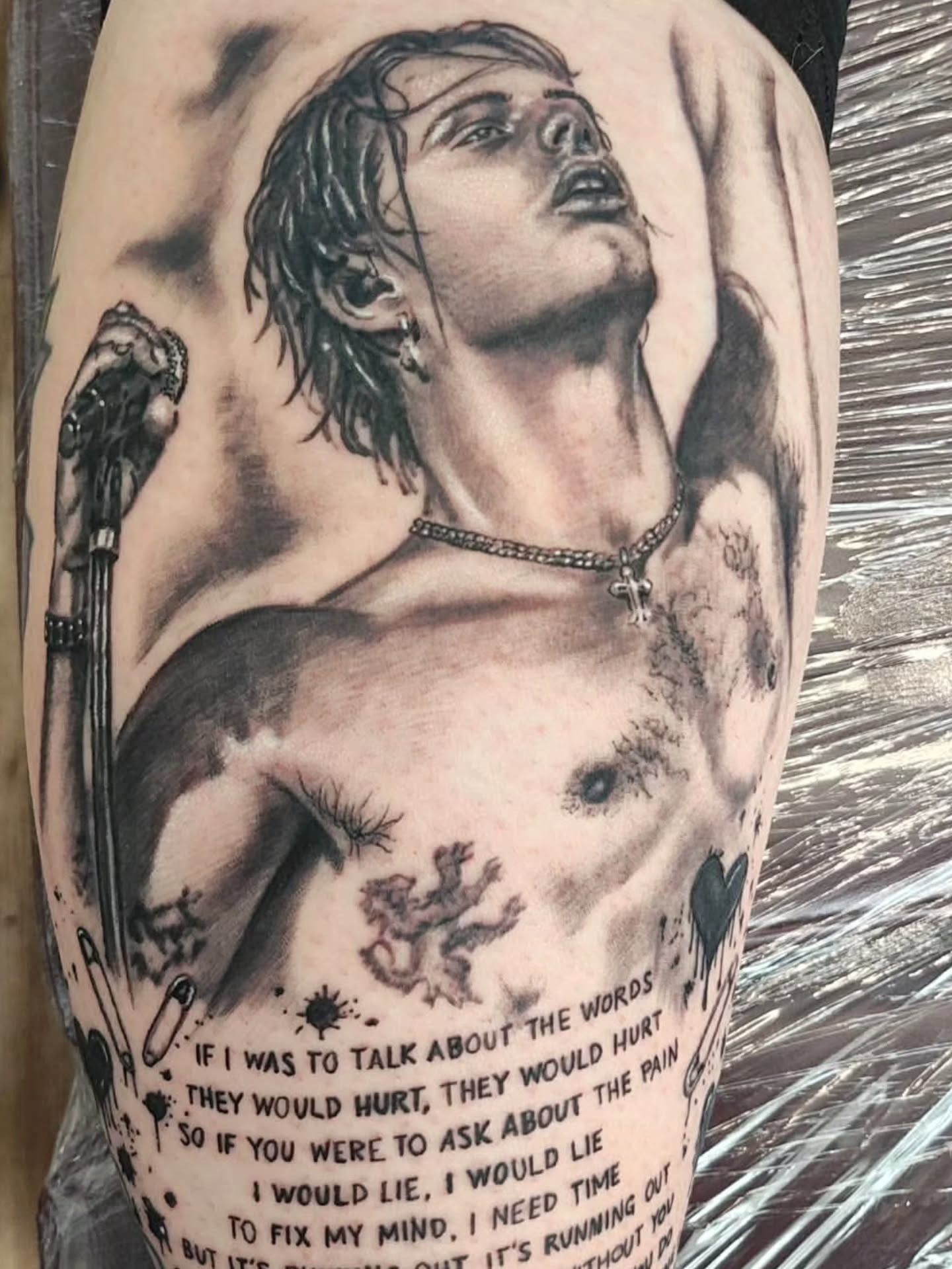
YUNGBLUD shoulder and rib tattoos

A larger design sits around YUNGBLUD’s rib cage. Fans have described it as a collection of his favorite things; it appears in shirtless performance photos and a tattoo-focused clip. The photos show its placement, though not every detail.

The rib piece is usually under clothing, unlike tattoos on his neck or hands. It appears in some photos rather than becoming part of every outfit.

“Favorite things” leaves room for the design to gather smaller interests instead of carrying one grand meaning. The rib tattoo reads more like a collection than a logo.

A collection of favorite objects, song references, jokes, and memories doesn’t need one visual system. Some of it may make sense only to the person wearing it.

Ghosts, words and the rougher little pieces

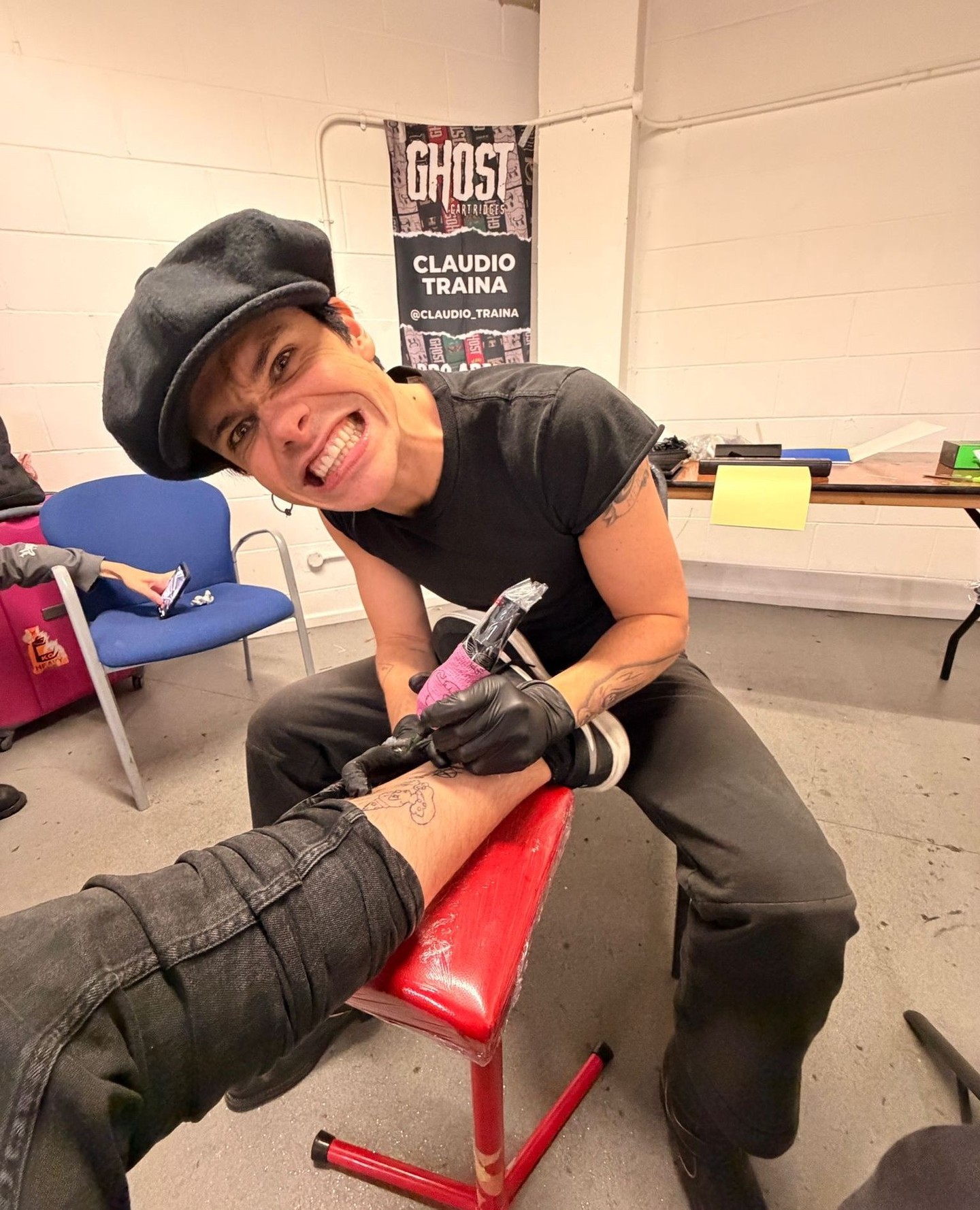
YUNGBLUD tattoo tour and visible body tattoos

Other designs associated with YUNGBLUD include a ghost on his forearm and a tattoo featuring the word “weep.” They don’t have the same reported story as the neck horns. The word is direct; the photos don’t establish what either design means to him.

A word tattoo is easy to read and hard to look past. “Weep” makes its point without a complicated image.

The smaller marks suggest a collection added over time, but they don’t tell us when or why each was chosen. A small tattoo can be as personal as a full sleeve.

Some details come from fan pages and social posts, not a direct explanation from YUNGBLUD. The designs are visible; their personal meaning may not be.

Relationship ink and the risk of permanent memories

In an interview clip, YUNGBLUD discussed the idea of tattooing an ex-partner on his arm and the love story behind it. Names and portraits can feel right at one point and complicated later.

YUNGBLUD has spoken about mistakes, change, and growing up in public. An old tattoo can record who he was, even if he’d choose differently now.

A relationship tattoo can outlast the relationship itself. It can record how someone felt at a particular time, even if they later move on.

An arm tattoo is easy to see during a performance. YUNGBLUD can cover it or show it, but people may still read a private mark through his public image.

Ink, identity and the Black Hearts Club

Fans often connect YUNGBLUD’s music with acceptance, mental health, and self-expression. His tattoos enter that conversation when a symbol or phrase appears at shows or is copied by fans.

Not every tattoo is a message to fans. Some may have started as personal choices before fans began copying or discussing them.

The tattoos can be personal to YUNGBLUD and still give fans an image they recognize. Some fans see parts of themselves in the marks he shares.

The collection may keep changing: new tattoos appear, and fans may read older designs differently. A past tattoo tour can still show what was visible at the time.

Why YUNGBLUD’s tattoos feel so personal

The collection mixes hearts, horns, words, a ghost, rib-cage imagery, and relationship references. The designs don’t follow one polished style.

The designs range from soft to harsh: a heart beside a blunt word, or a playful image beside a memory. Some tattoos are linked to songs or periods in his life.

Some designs are crisp, others have softened, and a few appear only briefly under stage lights. The collection looks lived in, not arranged for a portfolio.

The bottom line on YUNGBLUD’s ink

YUNGBLUD’s tattoos include neck horns linked by fans to “Lowlife,” hearts on his ring fingers, a rib-cage design described as favorite things, a ghost, and the word “weep.” The meanings of some pieces remain uncertain.

Some details haven’t been explained publicly. The visible tattoos still show how closely his ink sits alongside the music and public image. The tattoos are part of the picture fans see with the songs.

Watch YUNGBLUD talk about his tattoos

More musician tattoo guides