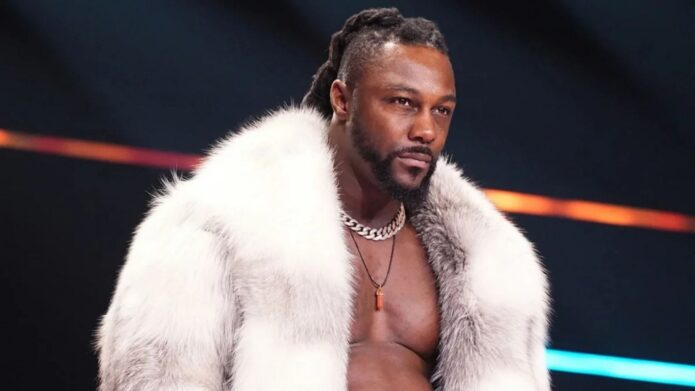
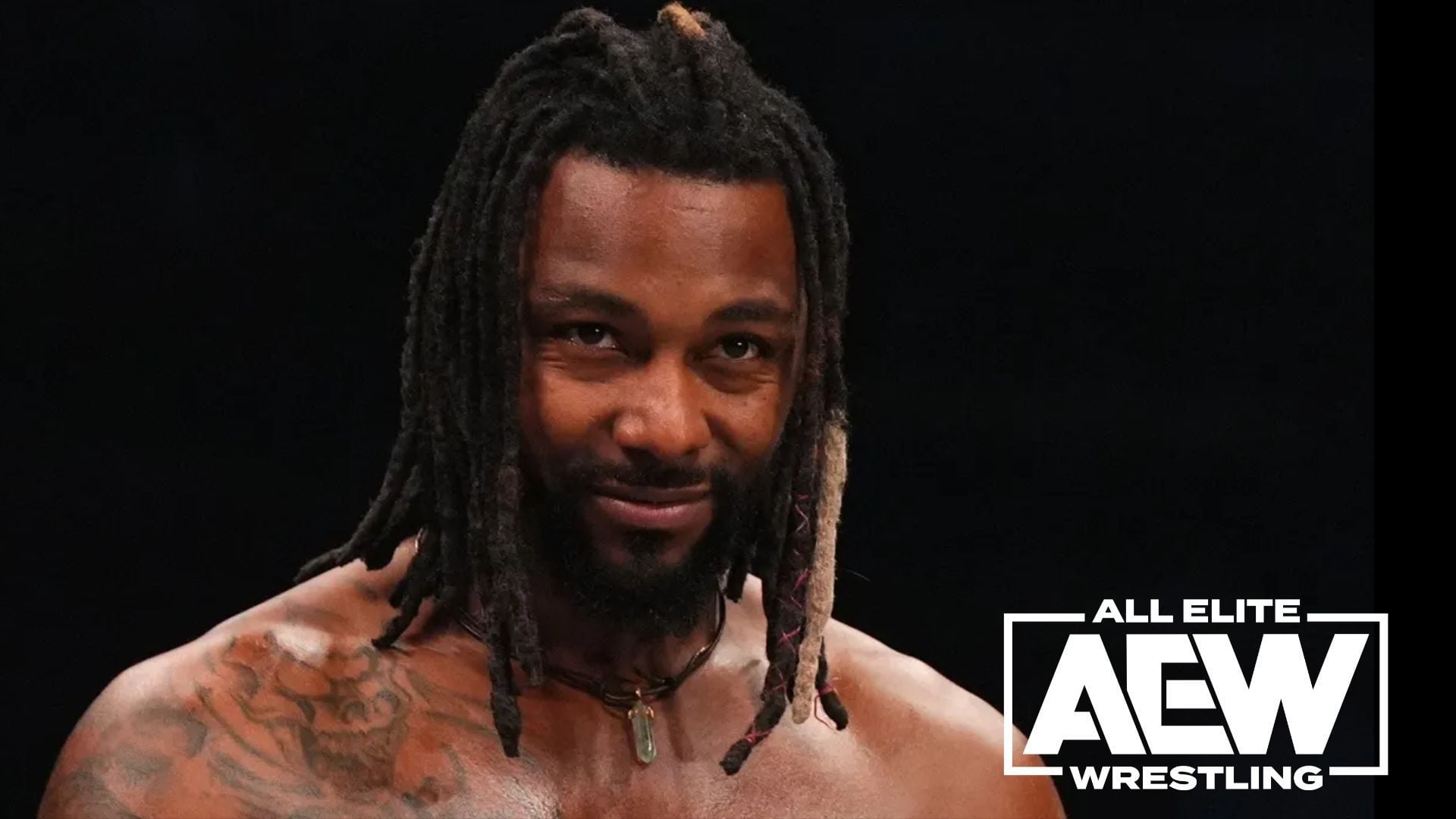
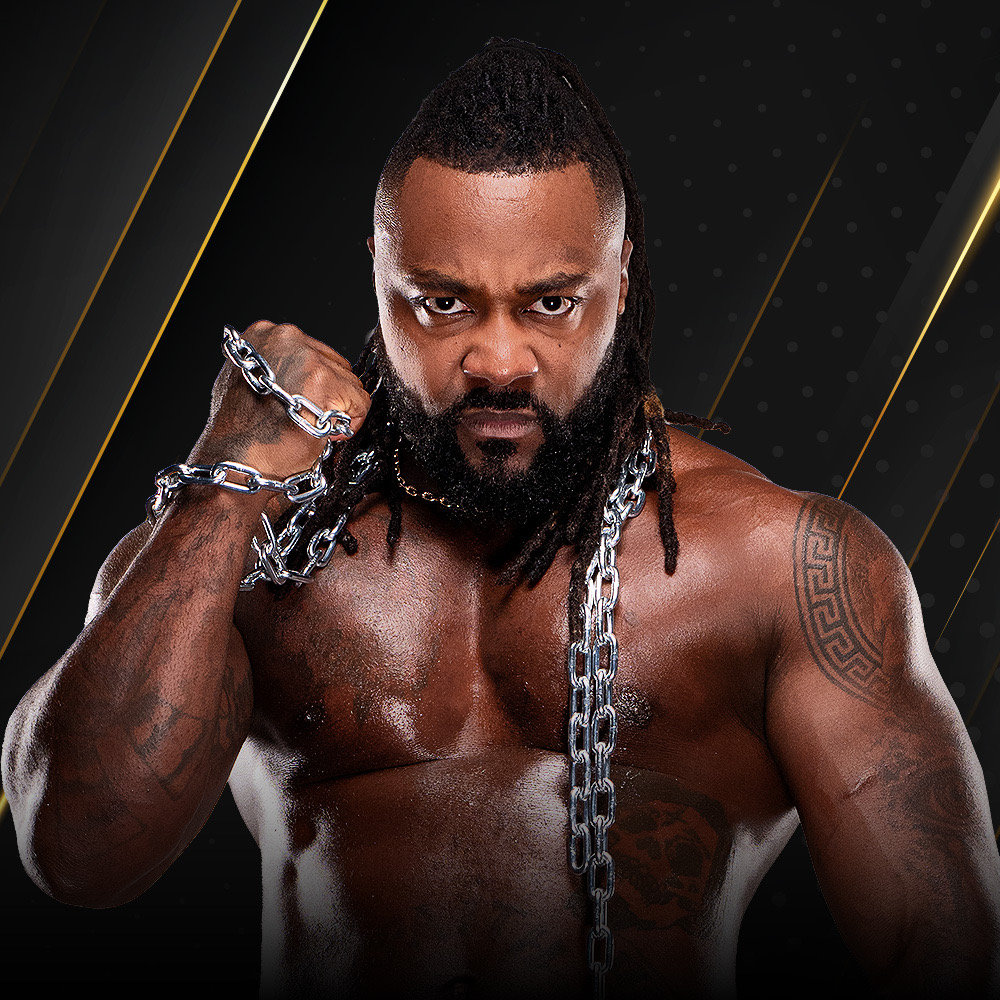
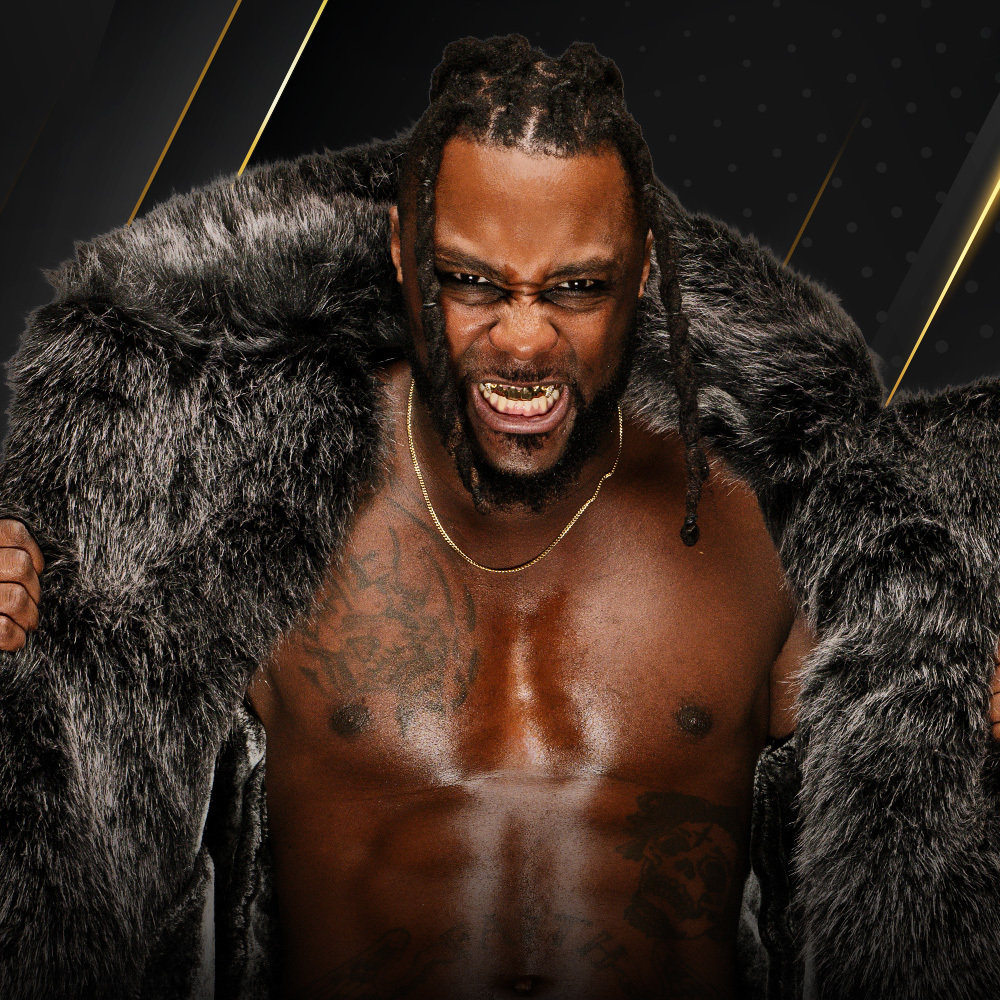
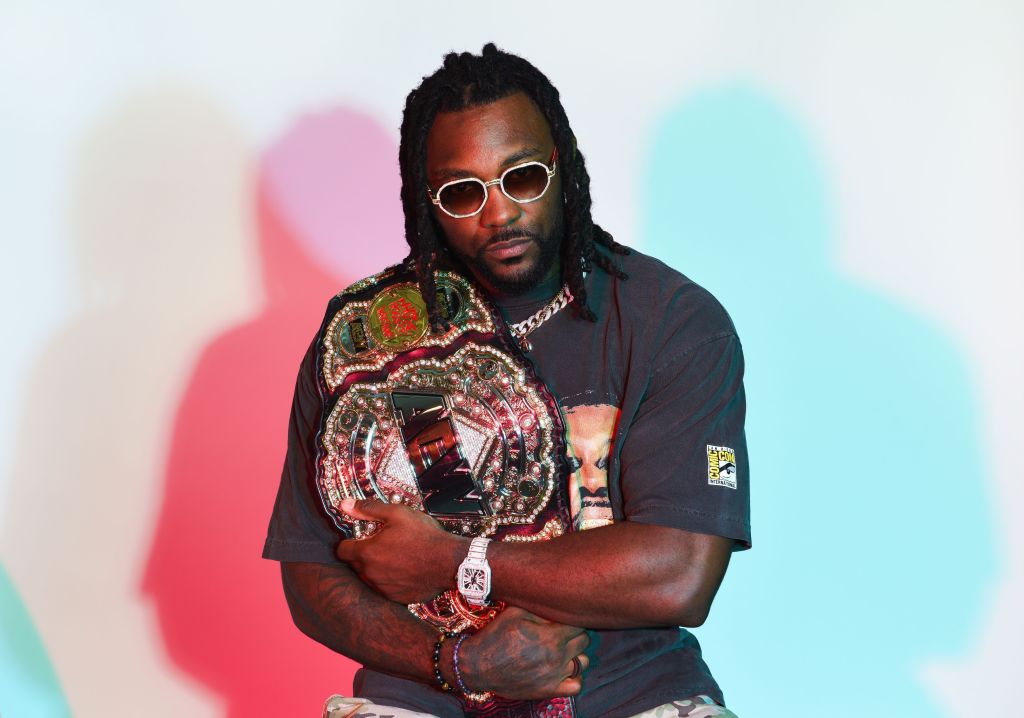
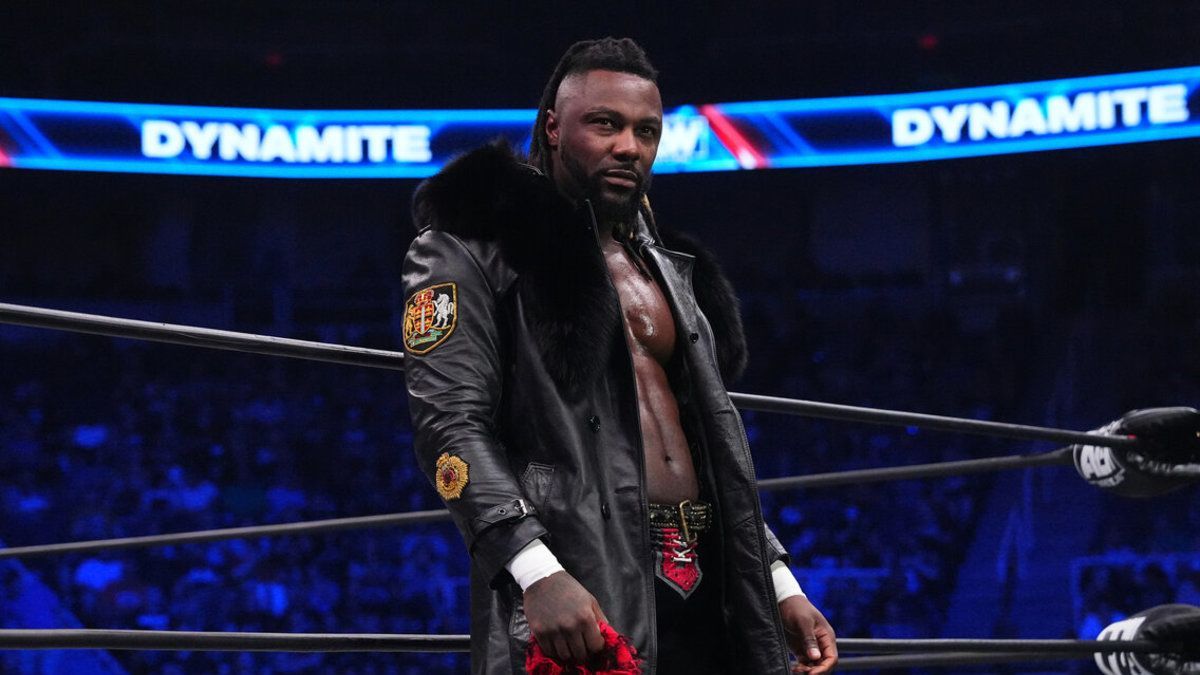
In AEW portraits, Swerve Strickland’s tattoos show across his shoulder, chest and arms. Separate coverage documented a neck-tattoo session in 2024 and a new back piece in 2025. The five photos below focus on ring and promotional looks, so they don’t show either piece clearly.
Swerve Strickland’s shoulder and chest tattoos
The shirtless photo shows black-and-grey ink across his shoulder and upper chest. From this distance, it reads as one dense composition, though the individual motifs aren’t clear enough to identify.
The arm work in his official AEW portrait
The AEW portrait shows tattoos along both arms. A geometric band stands out on the right; the left has darker, less regular shapes. The two sides don’t look mirrored.
Chains and studio lighting make the dark ink stand out, but the image doesn’t identify symbols or explain their meaning.
A second look at the chest and upper-arm ink
In this photo, Strickland wears an open fur coat, leaving part of the shoulder and chest visible. The warmer light softens the contrast. It appears to show the same area as the previous portrait; a change in lighting alone doesn’t establish a new tattoo.
The forearm tattoos in the championship portrait
Here he is dressed and holding the championship title across his chest. His forearms remain visible, though the belt and sleeves hide some detail. This view shows where the tattoos sit in a public portrait, not the designs close up.
Swerve in the ring, away from close-ups
The wide entrance shot shows Strickland in a long coat with the arena screens behind him. At this distance, the photo gives a sense of the full ring look, but not enough detail to identify individual tattoos.
Together, the closer portraits show how the ink reads under studio, entrance and championship lighting. They give a useful view of placement, but don’t explain what each tattoo means to Strickland.
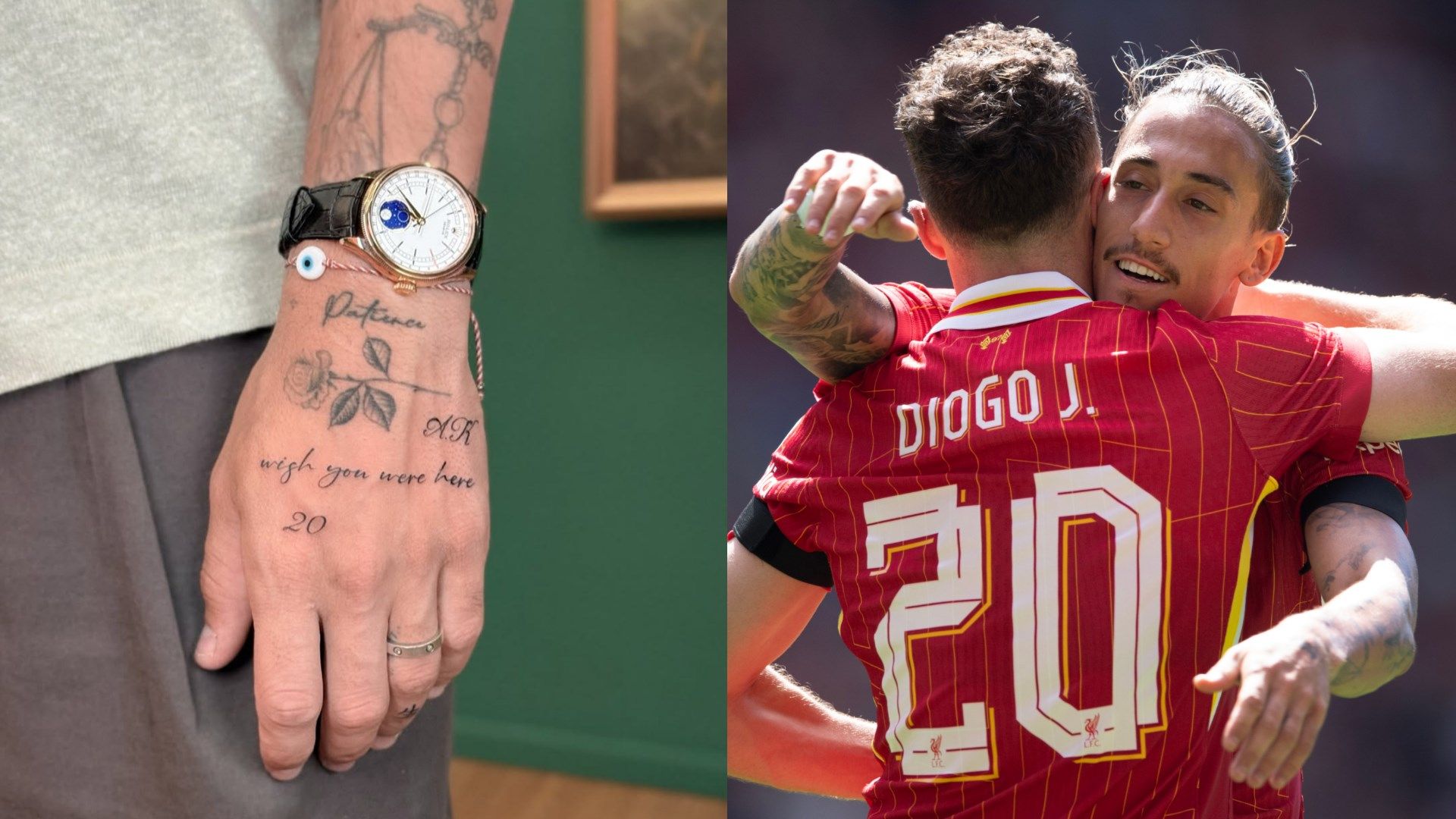
Konstantinos Tsimikas’ tattoos include an image of his 2022 FA Cup moment, portraits of his dogs and a reported tribute to Diogo Jota. Photos show more work across his hand, arms and leg, though not every design has a public explanation.
Konstantinos Tsimikas beyond the match
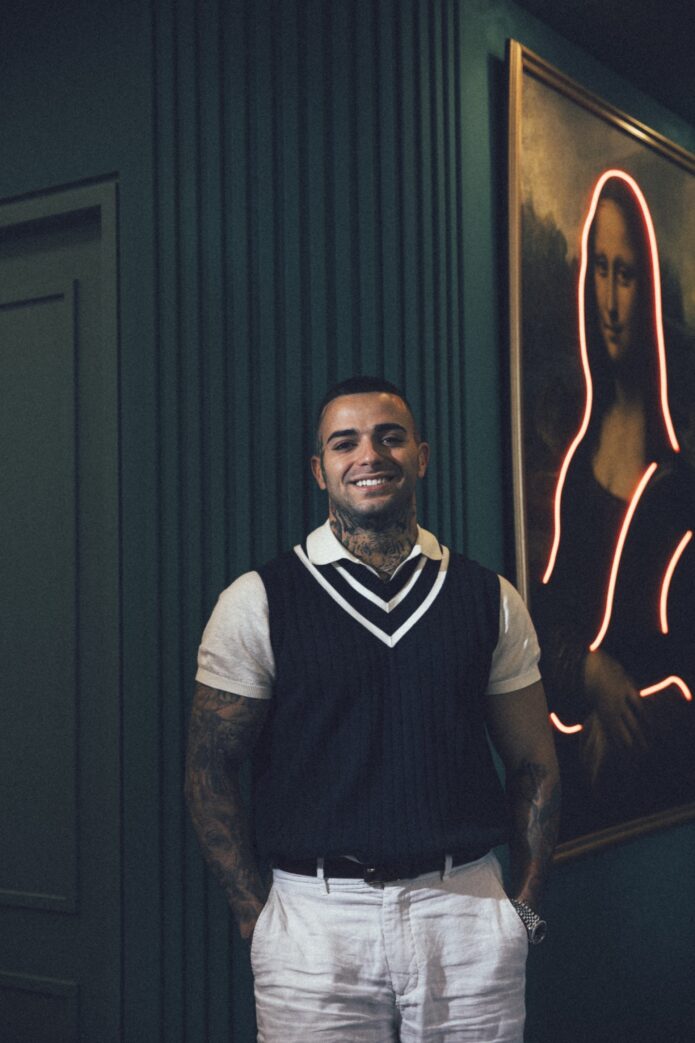
Born in Thessaloniki, Tsimikas played for Olympiacos before joining Liverpool in 2020. The studio and portrait photos here show more of his tattoos than match shots usually do.
The hand and arm ink people actually see
In July 2025, Gazzetta reported that Tsimikas had a hand tattoo reading “Wish you were here” above the number 20, in tribute to Diogo Jota. The report noted that Tsimikas had not confirmed the wording himself, so it is best treated as a reported description.
L’Équipe covered a separate tattoo on his left arm in May 2025. It uses a newspaper-page design to show Tsimikas lifting a trophy after Liverpool’s 2022 FA Cup win. He scored the deciding penalty in the shootout against Chelsea.
The earlier leg tattoo and the dog photo
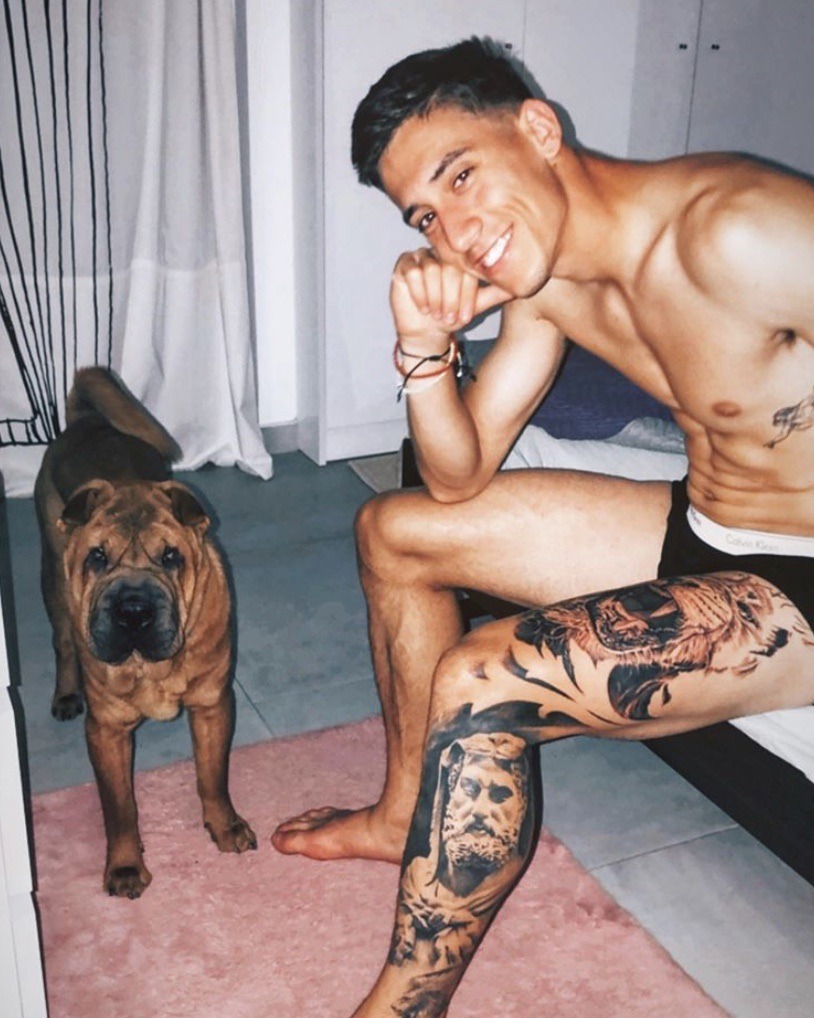
This relaxed photo shows Tsimikas with a dog and a large black-and-grey tattoo on his leg. The image gives a clear look at the placement, but not a reliable explanation for every shape.
The dog portraits are on his right arm. In.gr reported in 2022 that tattoo artist Michalis Christodoulou travelled from Crete to Liverpool to work on the design of Tsimikas’ two dogs.
At Puerto Ink Athens
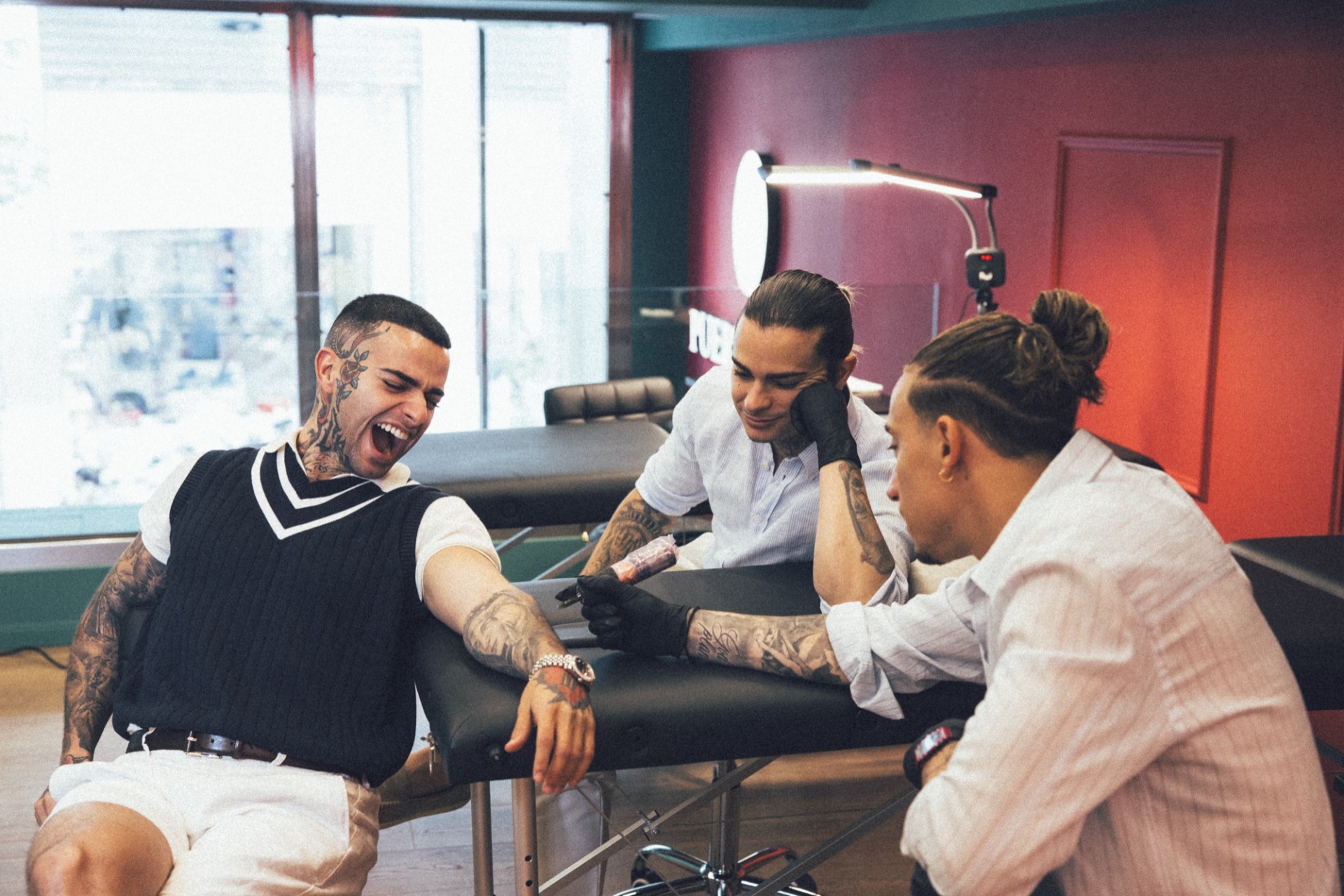
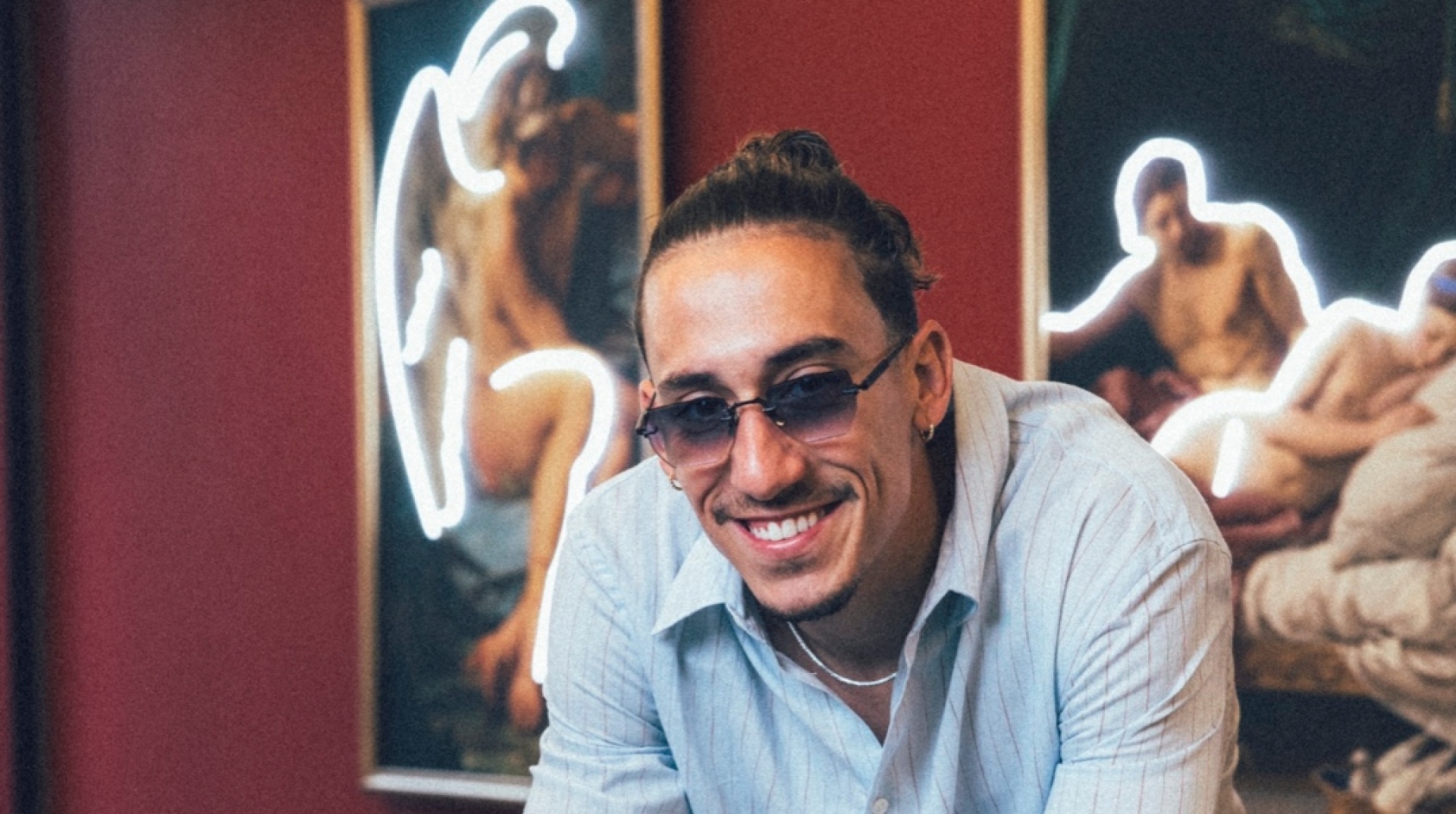
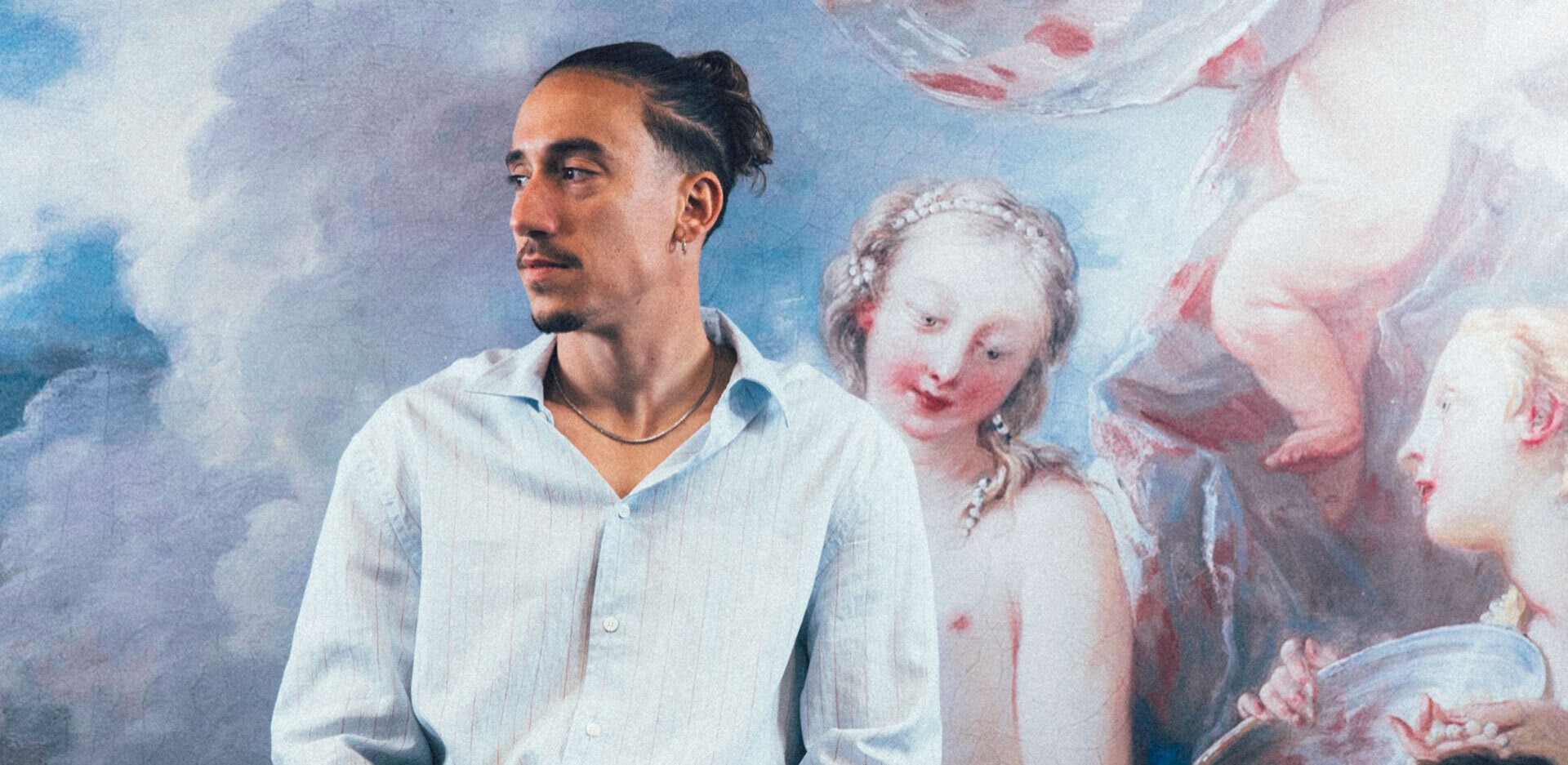
Athens Voice’s 2025 feature on Tsimikas and Puerto Ink includes studio portraits with his forearms and neck visible. They make the placement easier to see than match photos, but they don’t explain every design.
The photo trail
Angles, clothing and light change how much ink appears in a photo, so a darker patch doesn’t by itself mean a tattoo is new. These portraits show placement and scale, but they don’t identify every mark.
Why the subject fits him
The confirmed stories point to specific parts of Tsimikas’ life: a cup final, his dogs and a tribute reported after Jota’s death. The other images show how the tattoos sit across his body, while their personal meanings remain his to explain.
Joe Hart’s collection uses heavy blackwork, from a broad shoulder piece to bands on his arms and legs.
The shoulder armour: a bold piece that follows the body
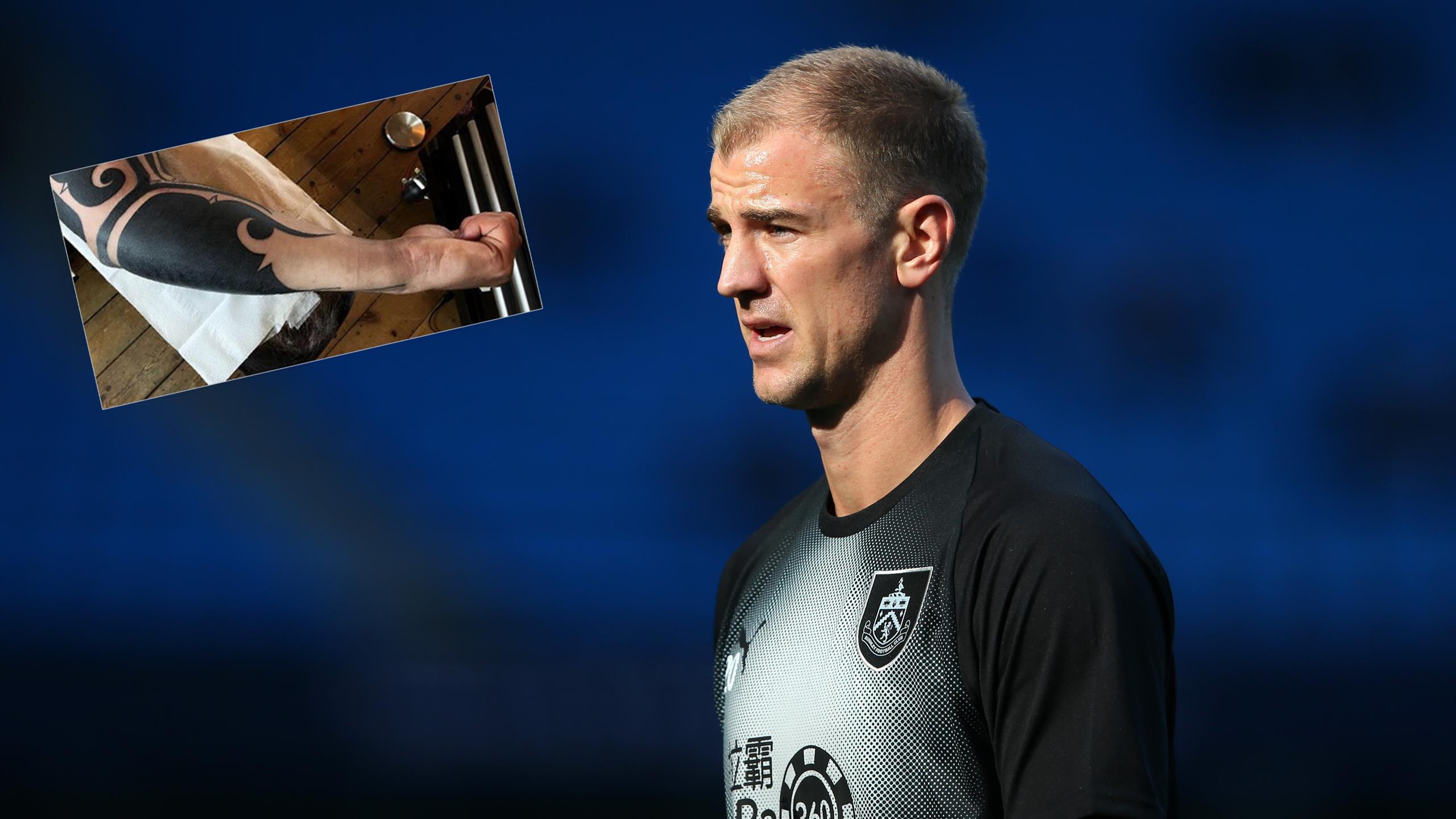
In 2019, Hart thanked tattoo artist Hanumantra for the large black piece over his right shoulder. He wrote that it represented him, even if it wasn’t everyone’s taste. Photos show dense fill following the shoulder toward his upper arm, with curves and gaps breaking up the black. It reads like a shield rather than a small standalone motif.
Black bands, a forearm and a matching leg detail
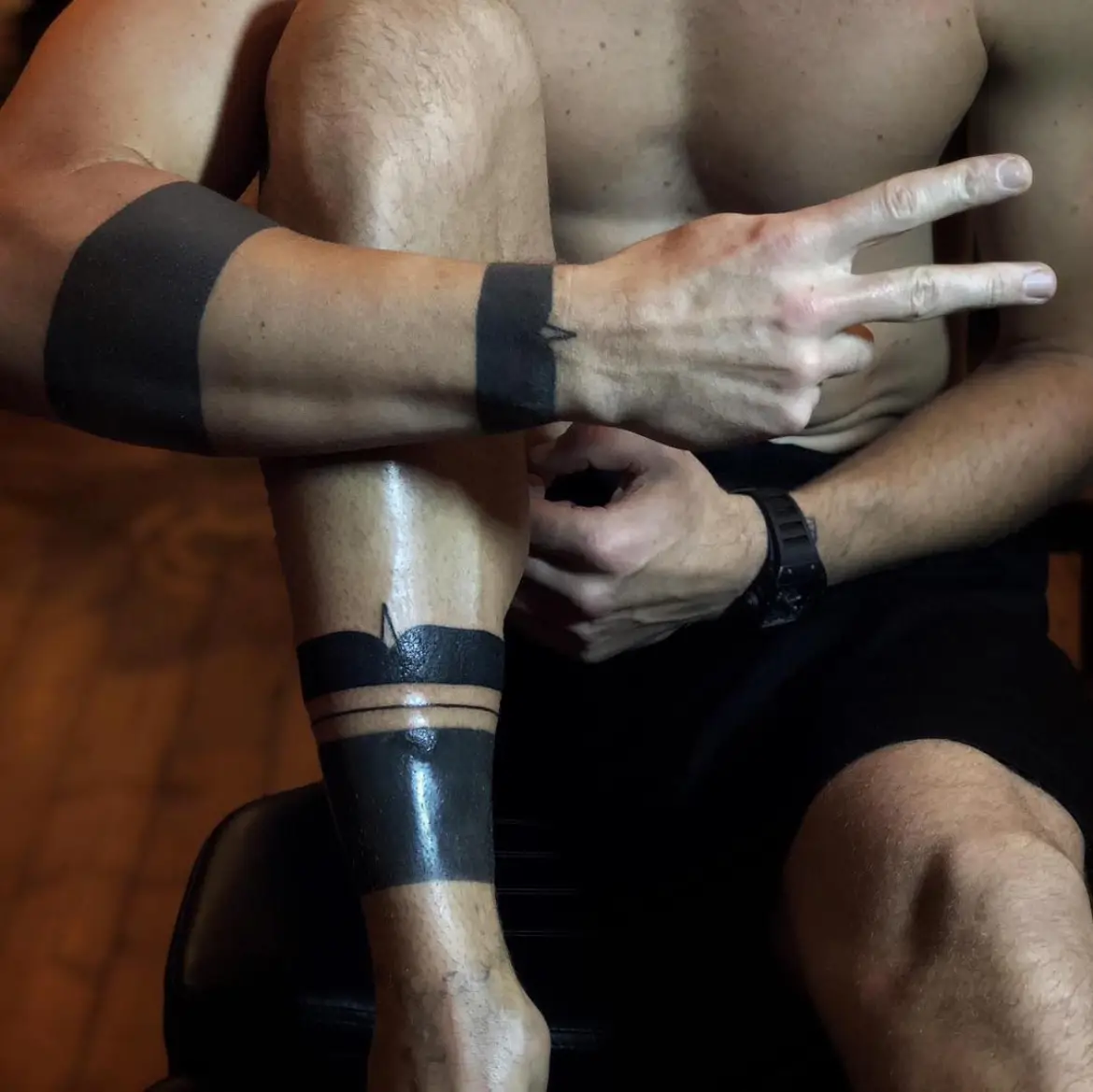
Hart’s other visible tattoos include solid bands on his arm and a matching dark design on his leg. Speaking to SPORTbible, he said his first tattoo was a thin band. After moving to Italy, he saw bandwork and blackwork he liked; later, a friend in Shrewsbury did more work for him. Hart eventually matched the blackwork on his upper body with his leg.
He says the blackwork itself “doesn’t actually mean anything” as one symbol. He likes wearing it and says it encourages him to stay fit, healthy and strong. Hart describes his right side as more aggressive, while the left has more meaningful family-related tattoos. He has shared that distinction broadly, without assigning a meaning to every visible band.
A career built on preparation, not just the highlight reel
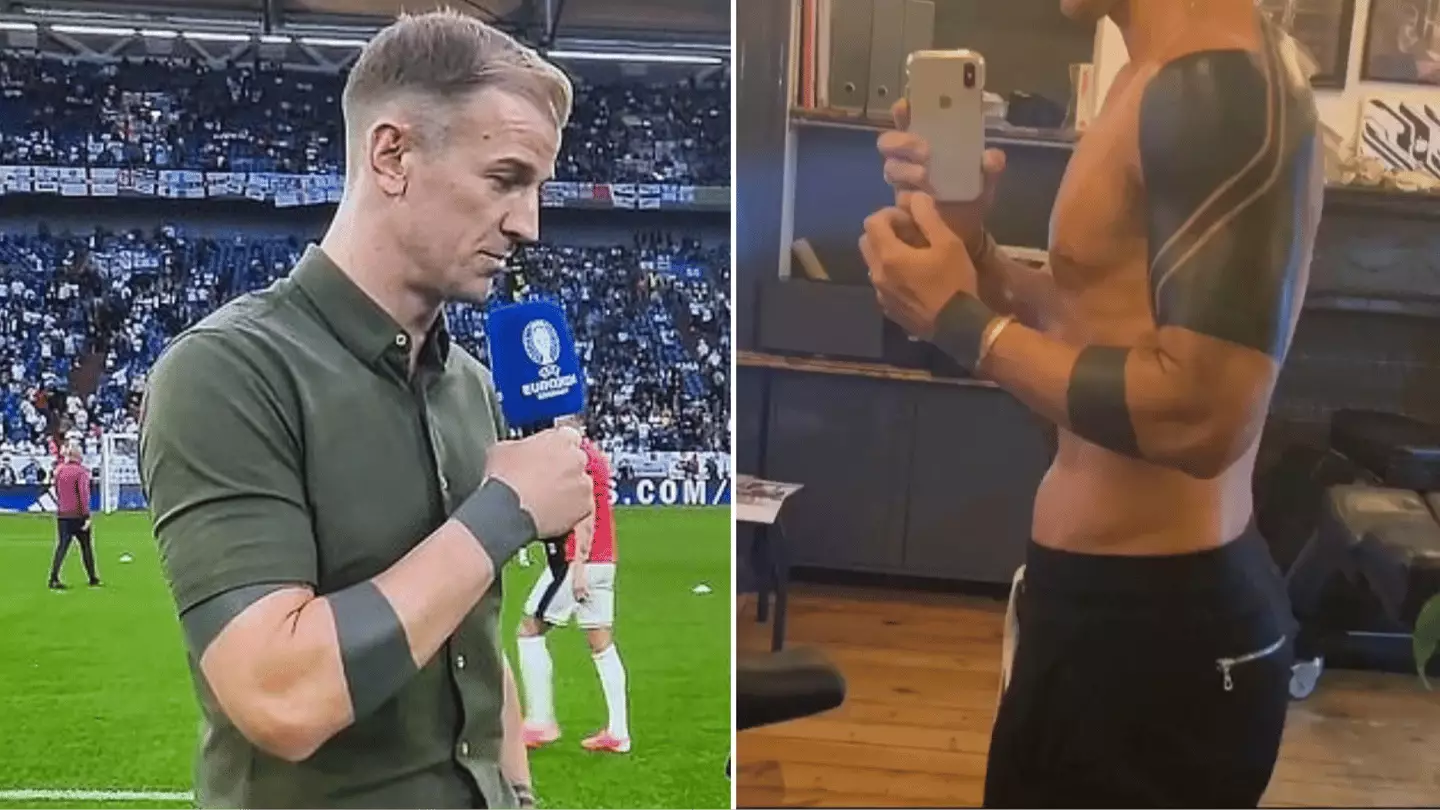
Hart spent years in goalkeeper kit for Manchester City and England before retiring at the end of the 2023–24 season. His Euro 2024 pundit work put him on screen in short sleeves, where the tattoos were easier to see. The photos below show football and broadcast settings, not additional tattoo details.
The interview below covers a possible tattoo if Celtic won the treble.
Kyle Chalmers’s collection ranges from small Olympic marks to a winged crown across his chest, with designs linked to Port Lincoln, family and his health.
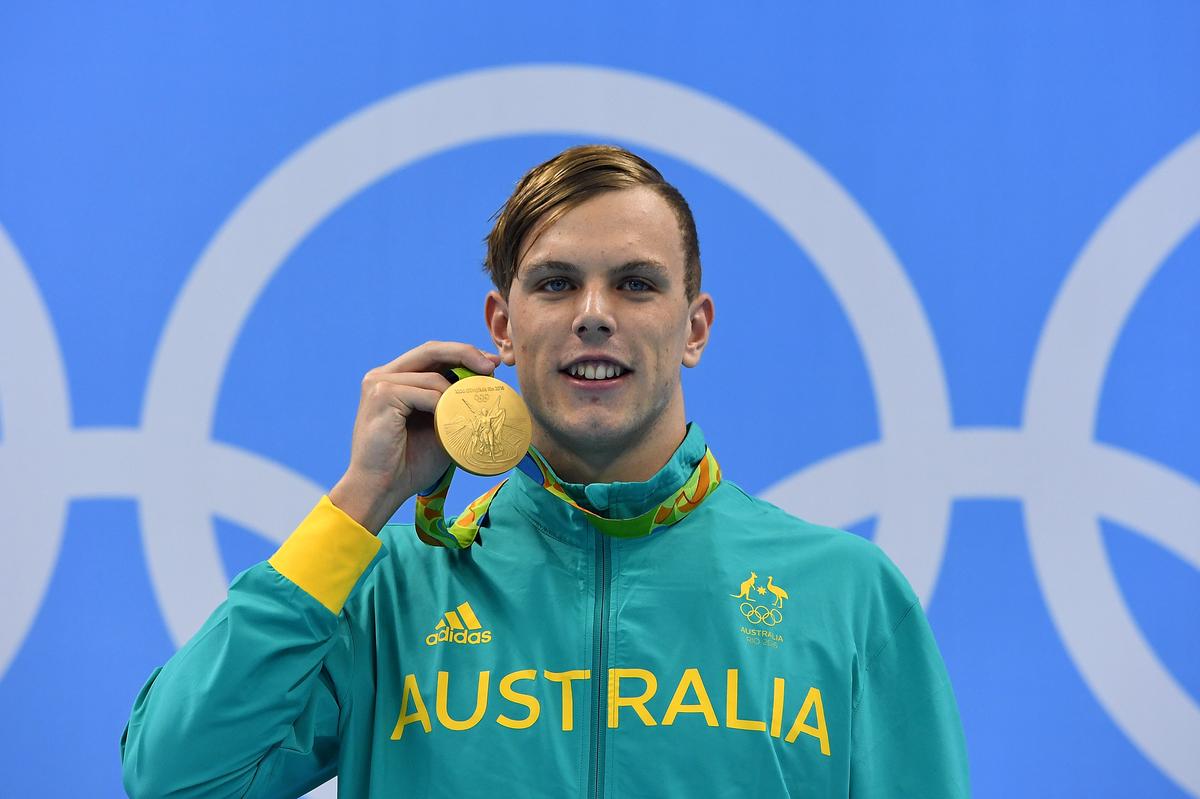
A gold-medal moment
At 18, Chalmers won the 100-metre freestyle at his first Olympic Games in Rio. The photograph here shows that career moment, not his tattoos.
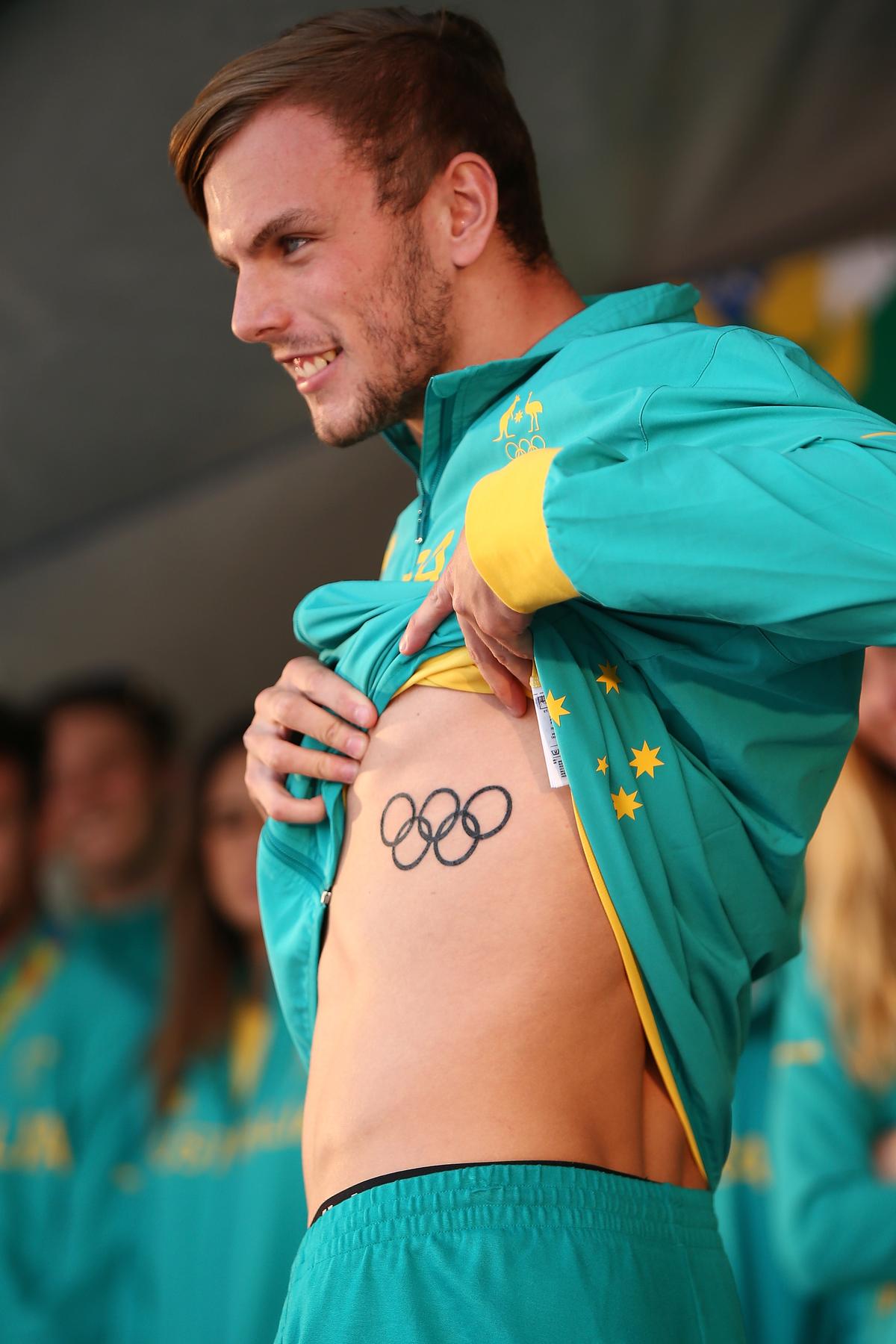
The Rio Olympic rings tattoo
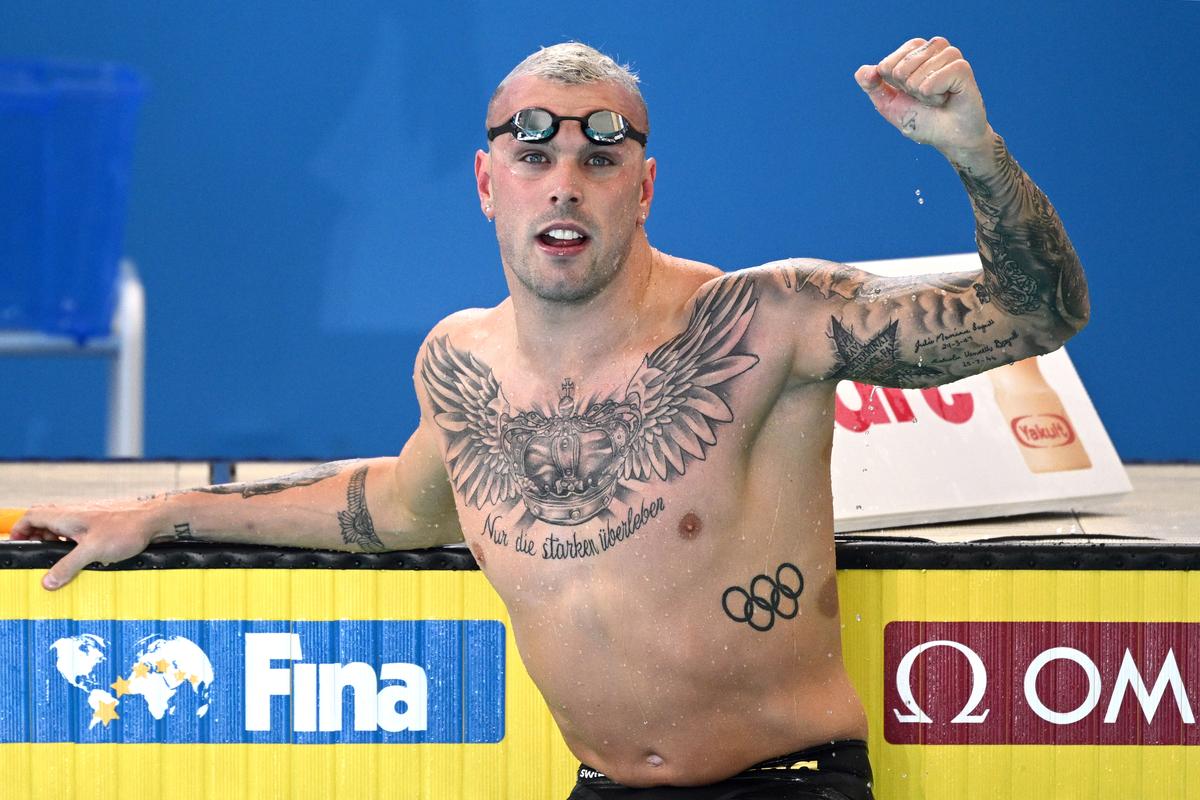
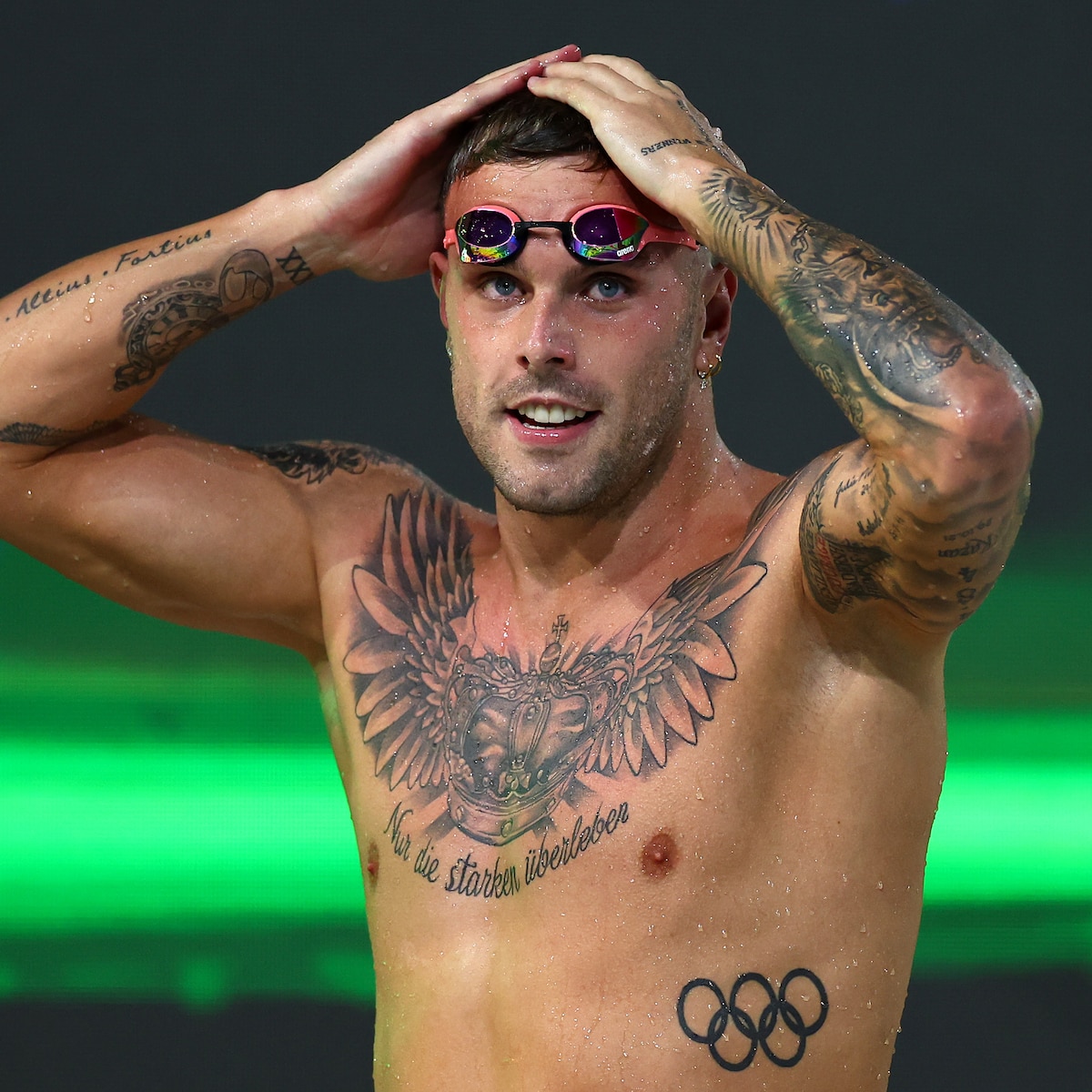
At 16, Chalmers’s first tattoo was the number 761 in Roman numerals on his wrist, his Dolphins swimming number. After Rio, he told Adelaide radio that he had the Olympic rings tattooed on his ribs, XXXI on his right wrist for the 31st Games, and the Olympic motto on his right forearm: “Citius, Altius, Fortius” (“Faster, Higher, Stronger”).
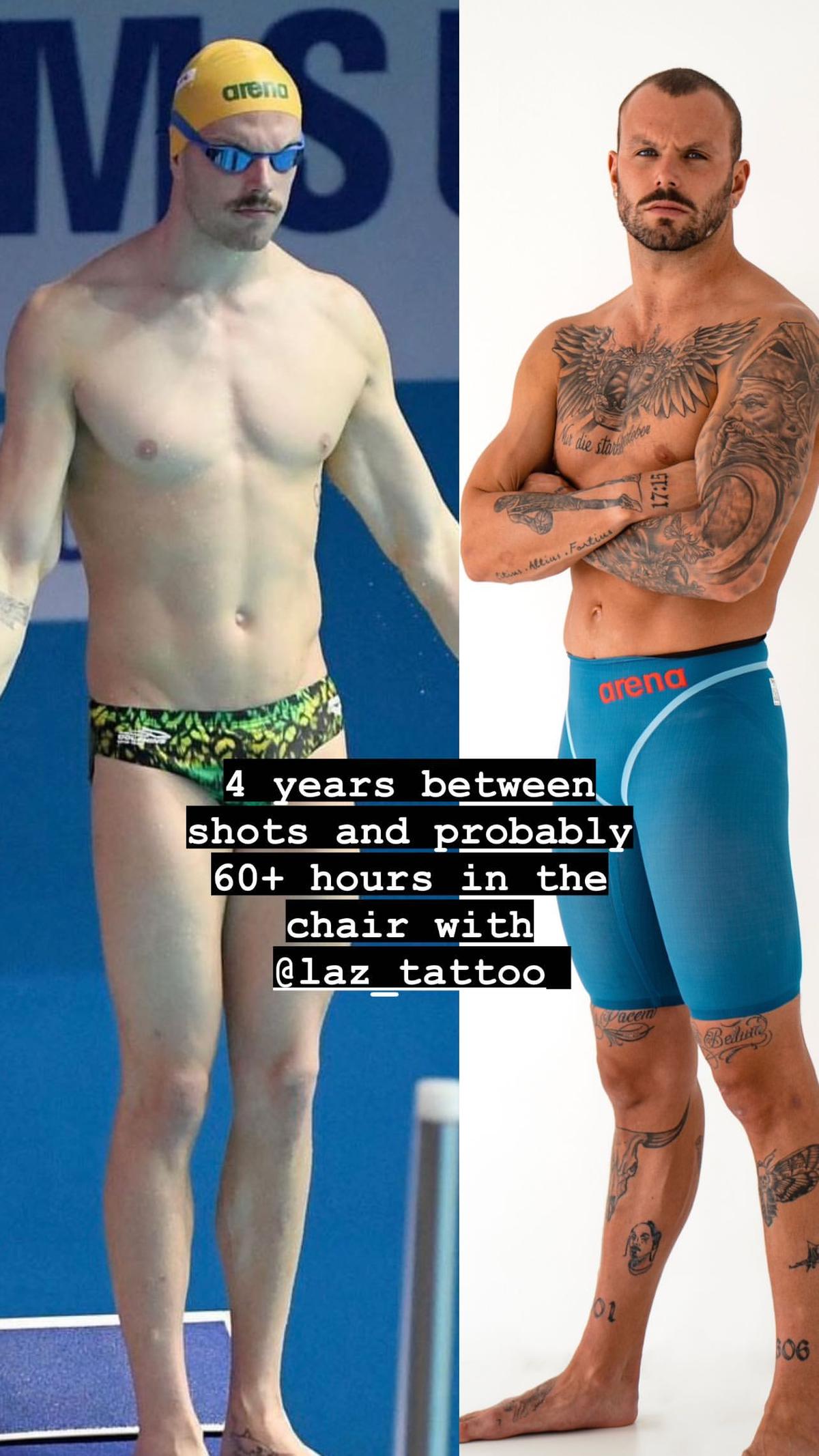
How the tattoo collection grew
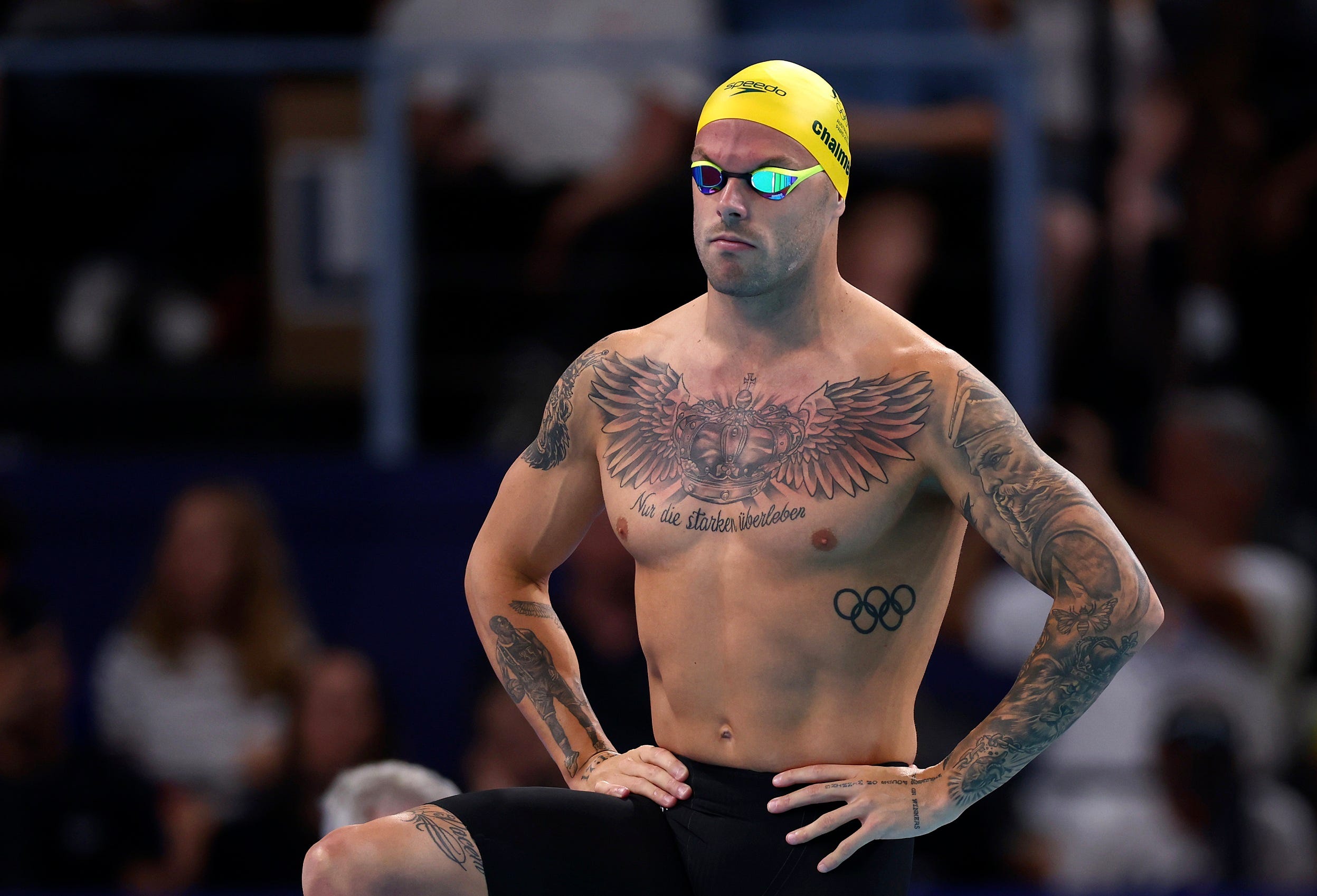
The comparison spans four years. Chalmers said he spent more than 60 hours in the chair with Adelaide artist Nick Lazaris, known as Laz. His tattooing picked up after the 2019 World Championships and again after the Tokyo Olympics in 2021. Laz’s name is also inked on Chalmers’s arm.
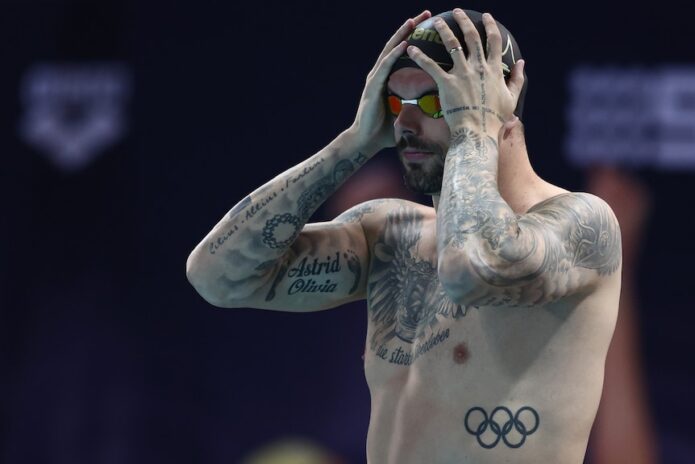
The winged crown tattoo and the German words on his chest
The large chest piece is a winged crown above “Nur die Starken überleben,” German for “Only the strong survive.” Chalmers has said German was his favourite subject at school and that he continued studying it afterwards. The words connect the design to an interest he had before the tattoo.
On his left forearm, a lion and heart are joined by a broken chain. Chalmers said the heart represented the supraventricular tachycardia he had lived with; after three surgeries fixed the problem, he saw the broken chain as the heart no longer holding him back. He described himself as the lion. He has also called the lion-and-heart piece his favourite tattoo because it means the most to him.
Port Lincoln, family and the smaller details
A shark on Chalmers’s foot represents Port Lincoln, the South Australian town where he grew up. He has also said coordinates on his body point to a Pet Barn in town. He joked that he copied them from Wikipedia without checking where they led.
His arm includes the Chalmers family crest and a map of Australia. Other pieces include a hawk on his forearm, a cow’s skull on his shin (which he described as his most painful tattoo), and a butterfly-bee design based on Muhammad Ali’s famous line about floating like a butterfly and stinging like a bee.
The bigger picture
Chalmers has said his tattoos tell his story. The pieces he has explained link Olympic milestones with home, family and a difficult health period; there’s no need to attach a backstory to every other image.
Watch Kyle Chalmers discuss swimming
In the World Aquatics interview below, Chalmers talks about his swimming career and goals.
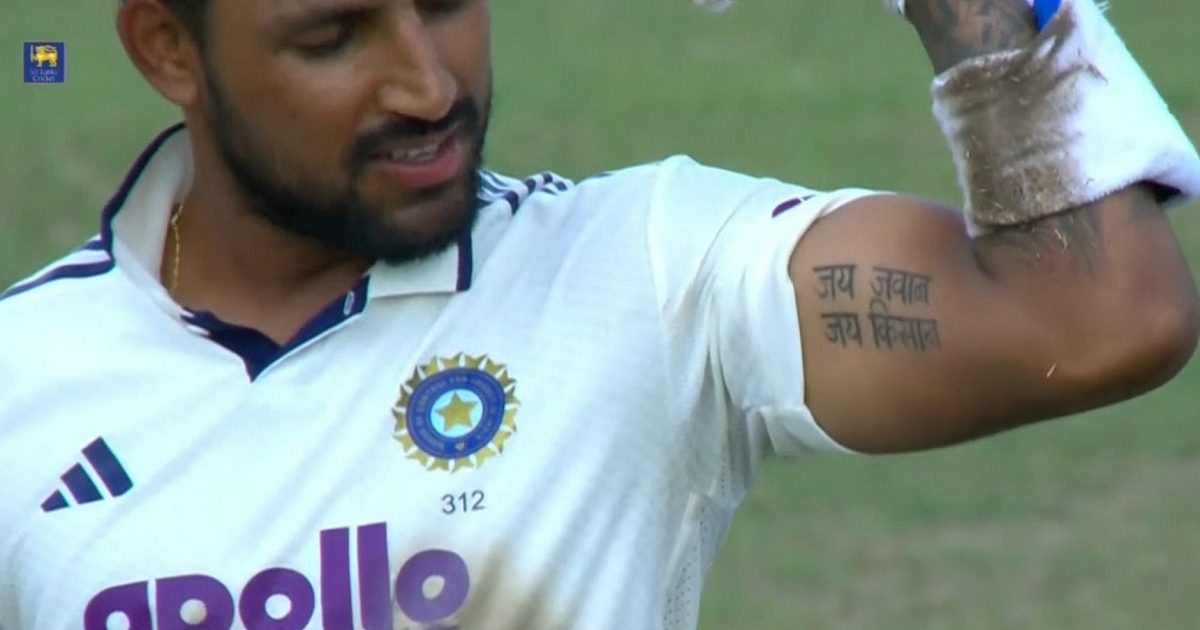
Dhruv Jurel’s left-bicep tattoo is a short line of Devanagari script. It drew wider attention after he raised his arm during a Test celebration in Colombo.
The Jai Jawan, Jai Kisaan tattoo on Dhruv Jurel’s left bicep
The close-up shows two lines of dark lettering on Jurel’s left bicep. The design is compact and text-only.
The phrase and Jurel’s family
“Jai Jawan, Jai Kisaan” is a familiar phrase honouring soldiers and farmers. Jurel said his grandfather was a farmer and his father a soldier, making the words a tribute to both.
A public moment after a big hundred
Jurel scored an unbeaten 115 in Colombo against Sri Lanka. When he raised his arm in celebration, the tattoo came into view. That was when many people first noticed it; the moment doesn’t tell us when he got it.
Why the phrase feels personal
The inscription is personal, but it is not always on view. Its place on the upper arm keeps it under a cricket-shirt sleeve during play; a raised arm can bring it into sight.
Jurel’s path to the India side
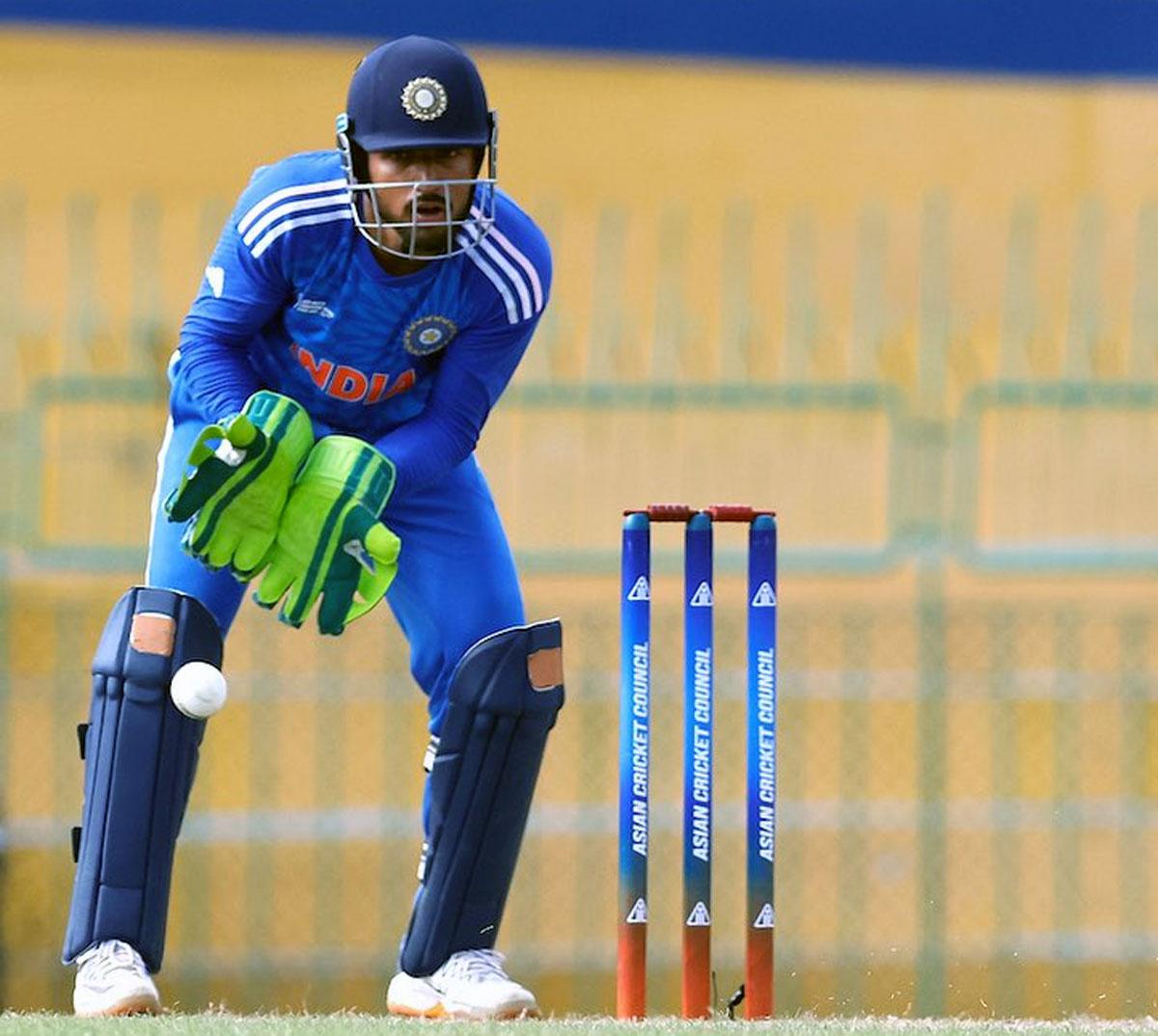
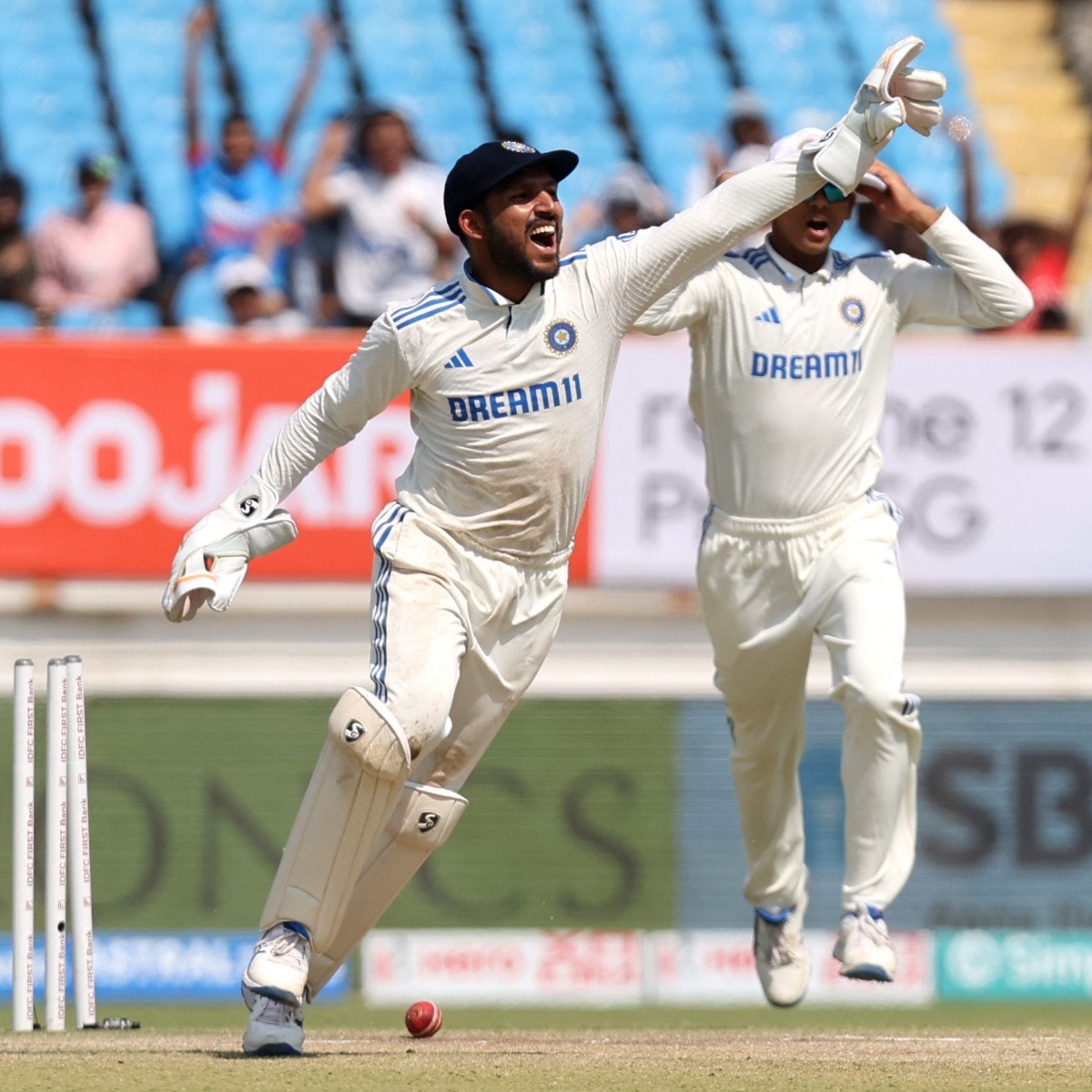
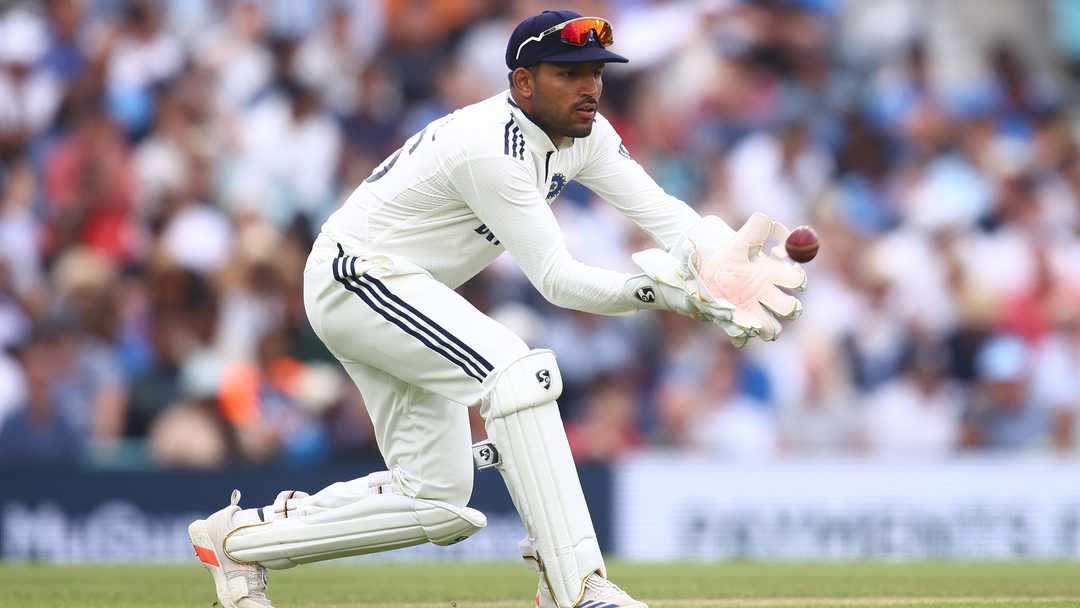
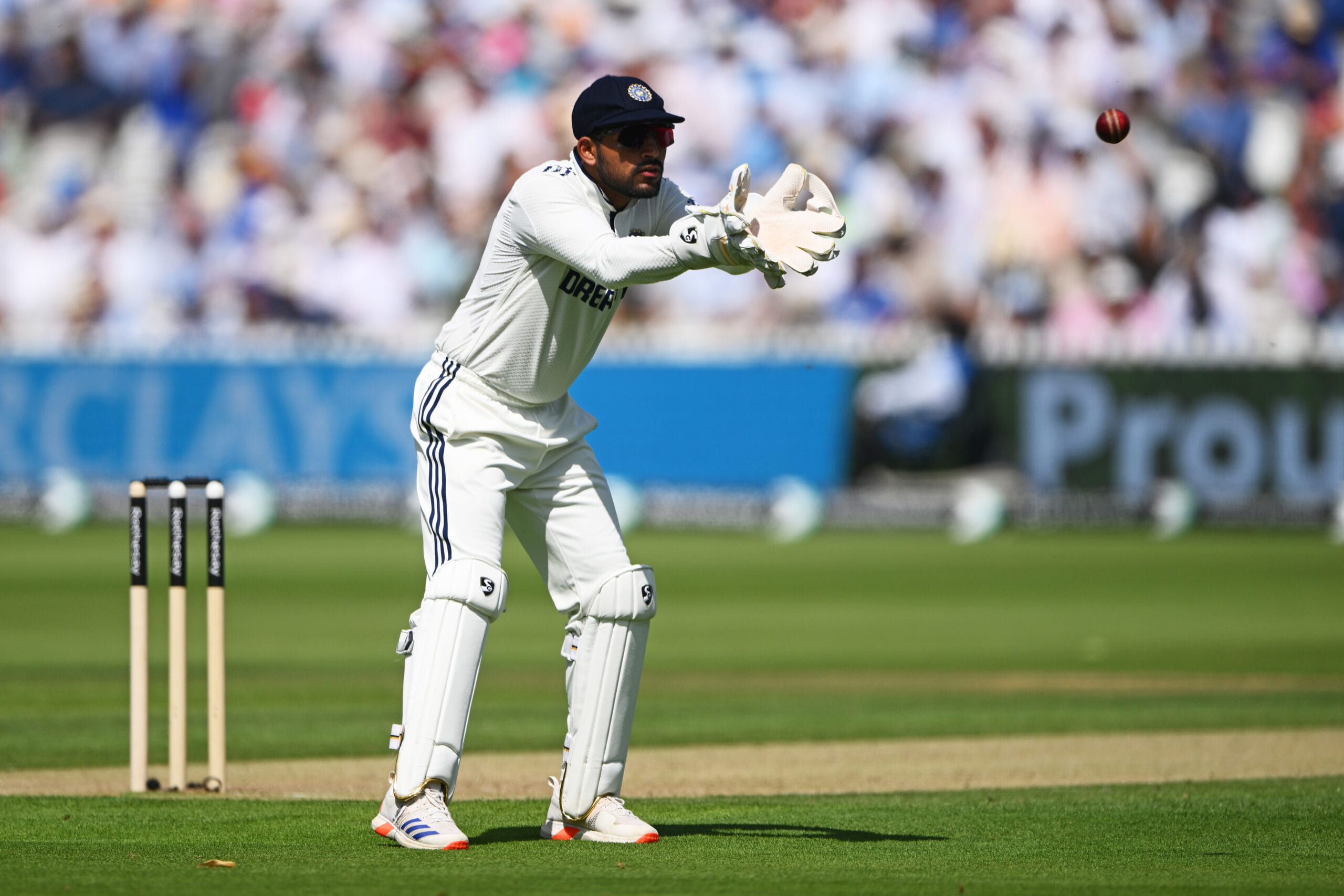
Born in Agra, Jurel made his Test debut against England in Rajkot in February 2024. In his second Test, in Ranchi, he scored 90 and 39 not out and was named Player of the Match. The other images here show him wicketkeeping and fielding, adding cricket context to the tattoo story.
A careful account of what is known
The left-bicep close-up is the clear evidence of the tattoo. The remaining photographs show match action, not additional body art, so this account sticks to the single piece Jurel has explained.
A family phrase with a clear connection
Jurel’s explanation gives the brief inscription its context: it honours his farmer grandfather and soldier father.
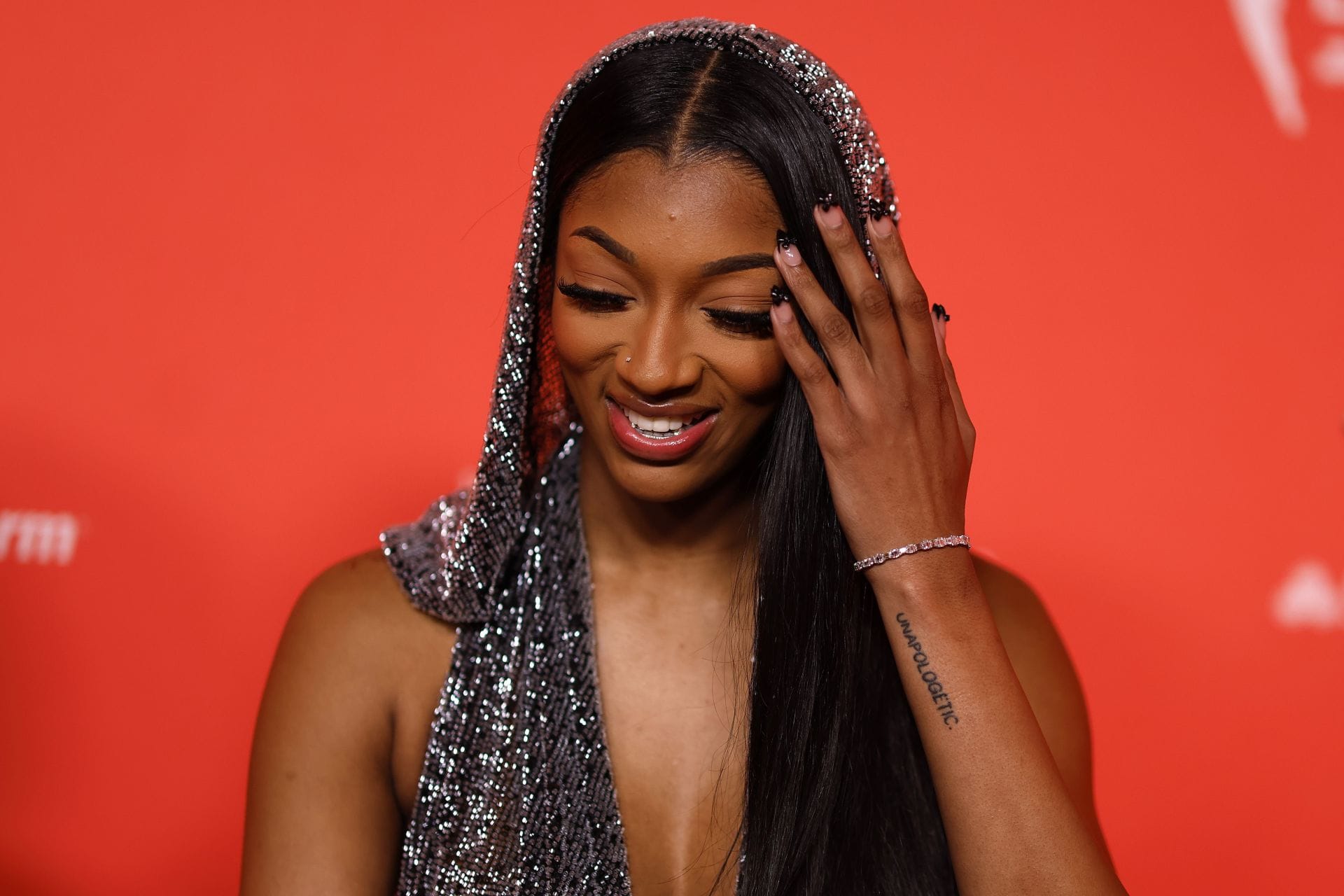
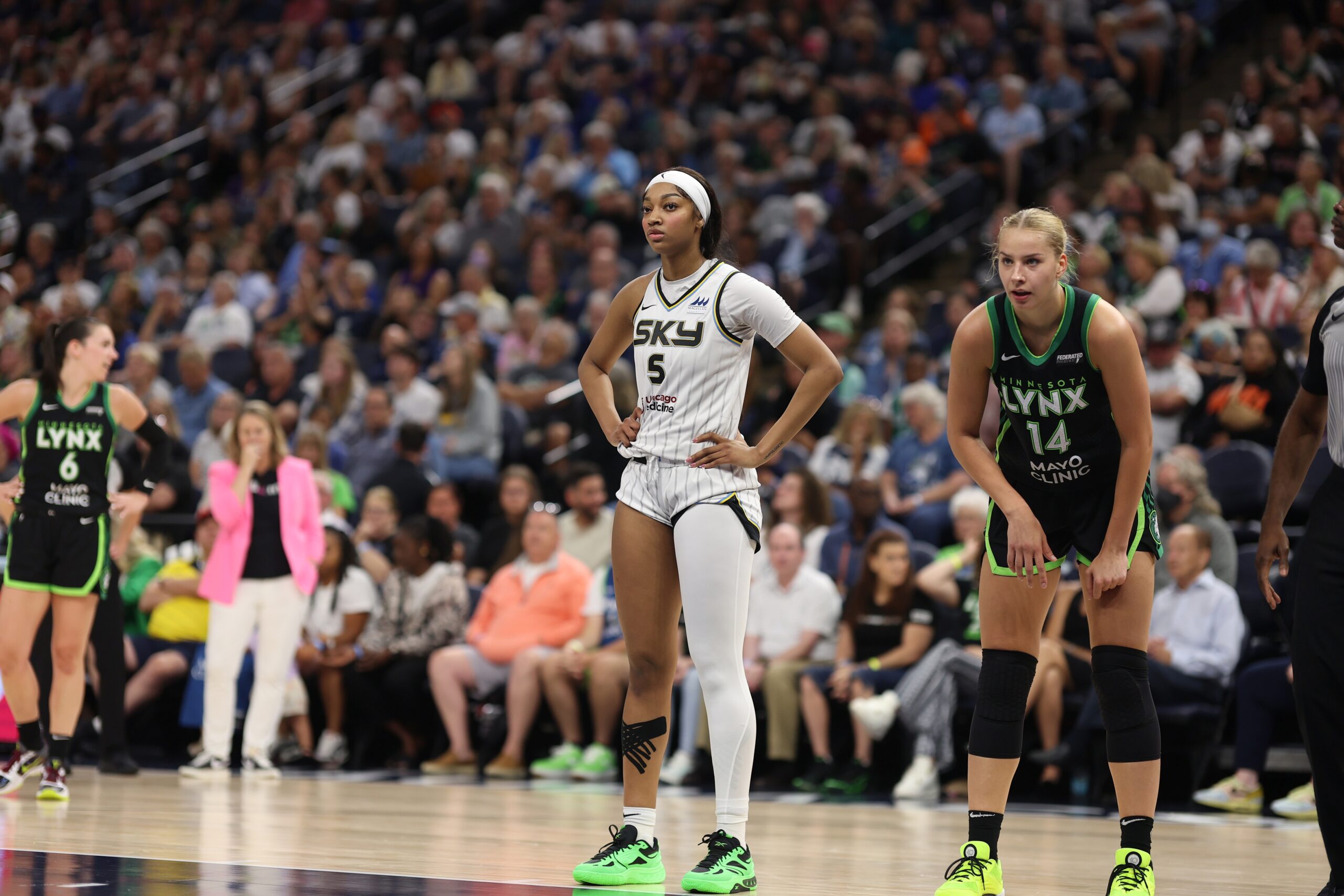
Angel Reese has a dark, uppercase word tattoo near her wrist: UNAPOLOGETIC. A clear event photo shows the lettering, and she has also shared it on social media.
The UNAPOLOGETIC forearm lettering
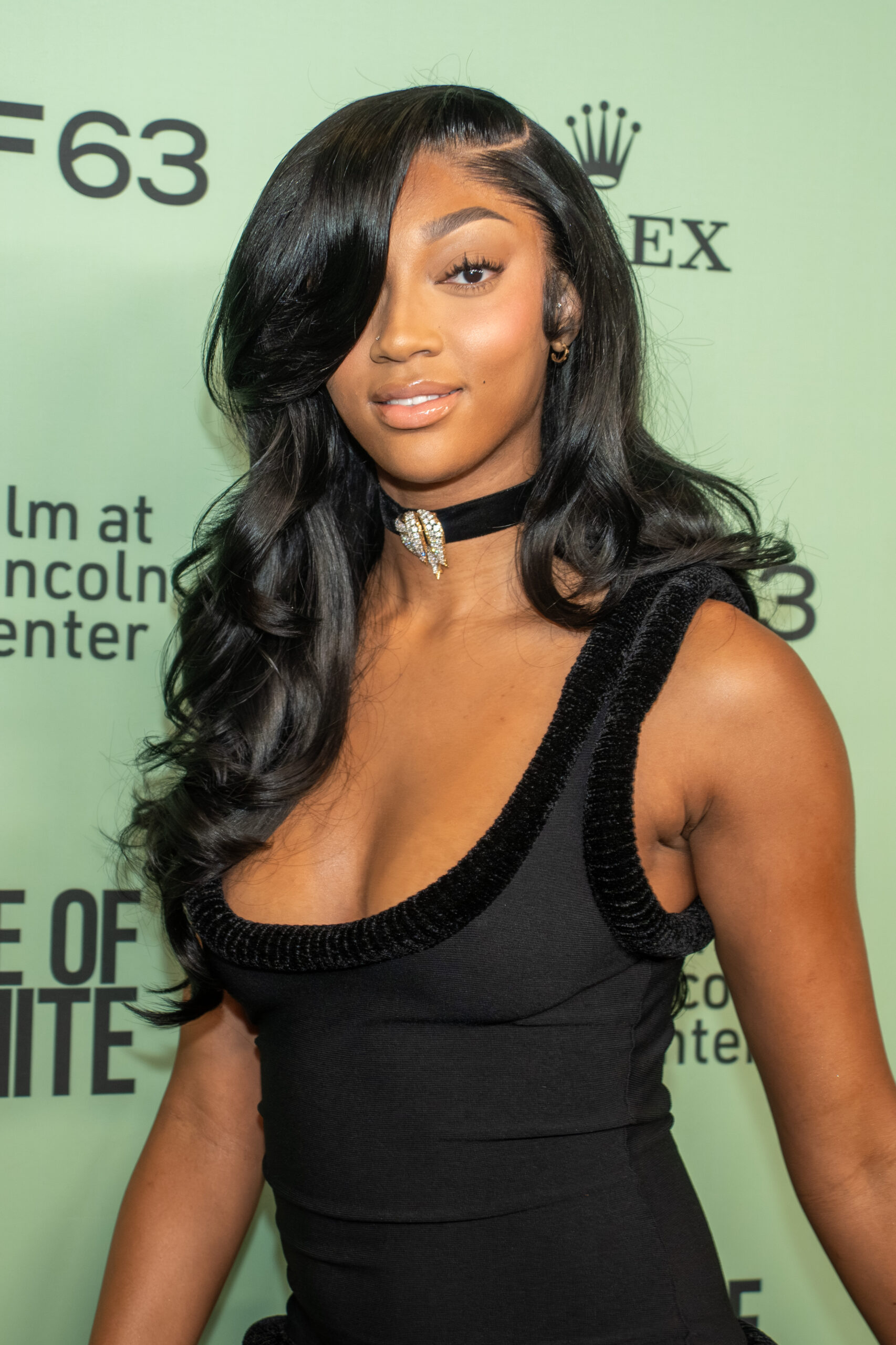
The letters sit on the lower forearm, close to the wrist. Reese raises her hand near her face in this event photo, and the word reads left to right rather than reversed. There’s no image or symbol around it. Some accounts call it a forearm tattoo and others a wrist tattoo; “lower forearm near the wrist” is the clearest description. The available views don’t establish the exact side of her arm.
Confidence in the public eye
Reese’s game, interviews and personal style have all drawn public attention. Coverage often links the word on her arm to the confidence and directness she shows. That’s an outside reading of the tattoo, not a full explanation from Reese.
The college years that shaped her public profile
Reese began her college career at Maryland, then transferred to LSU. In 2023, LSU won the national championship, and Reese was named the tournament’s Most Outstanding Player. The title brought attention well beyond basketball. She has also spoken about the scrutiny women athletes face, particularly Black women, and her refusal to fit expectations that she be agreeable at all times. Her comments on scrutiny are part of her public career, but they don’t show that the tattoo refers to any one incident.
Reese’s move into the WNBA
Reese was the seventh pick in the 2024 WNBA draft. In her rookie season, she averaged 13.1 rebounds per game and set records for that average and for 15 consecutive double-doubles. After two seasons with Chicago, she joined the Atlanta Dream in 2026. The tattoo has appeared through those career changes, but there’s no reported link between the word and a particular team or season.
The physical style of Reese’s game
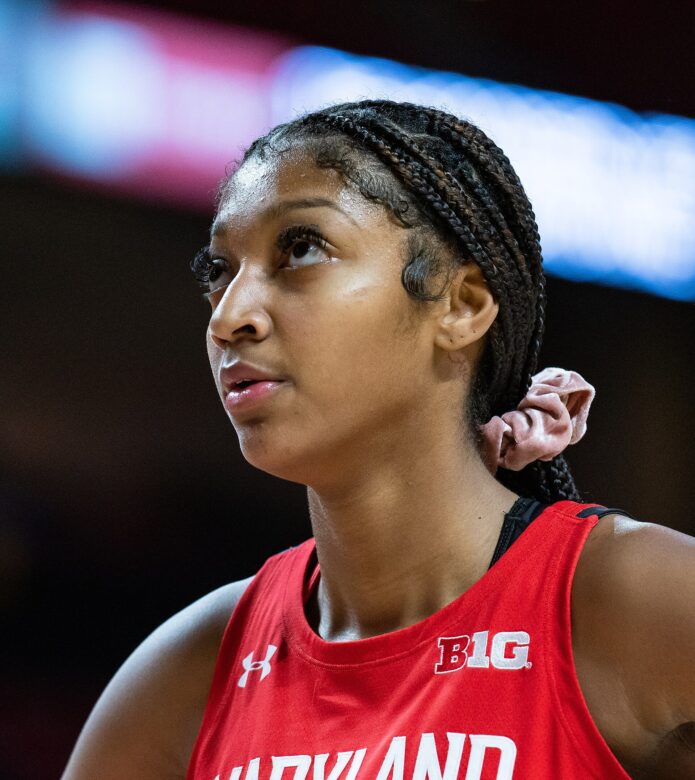
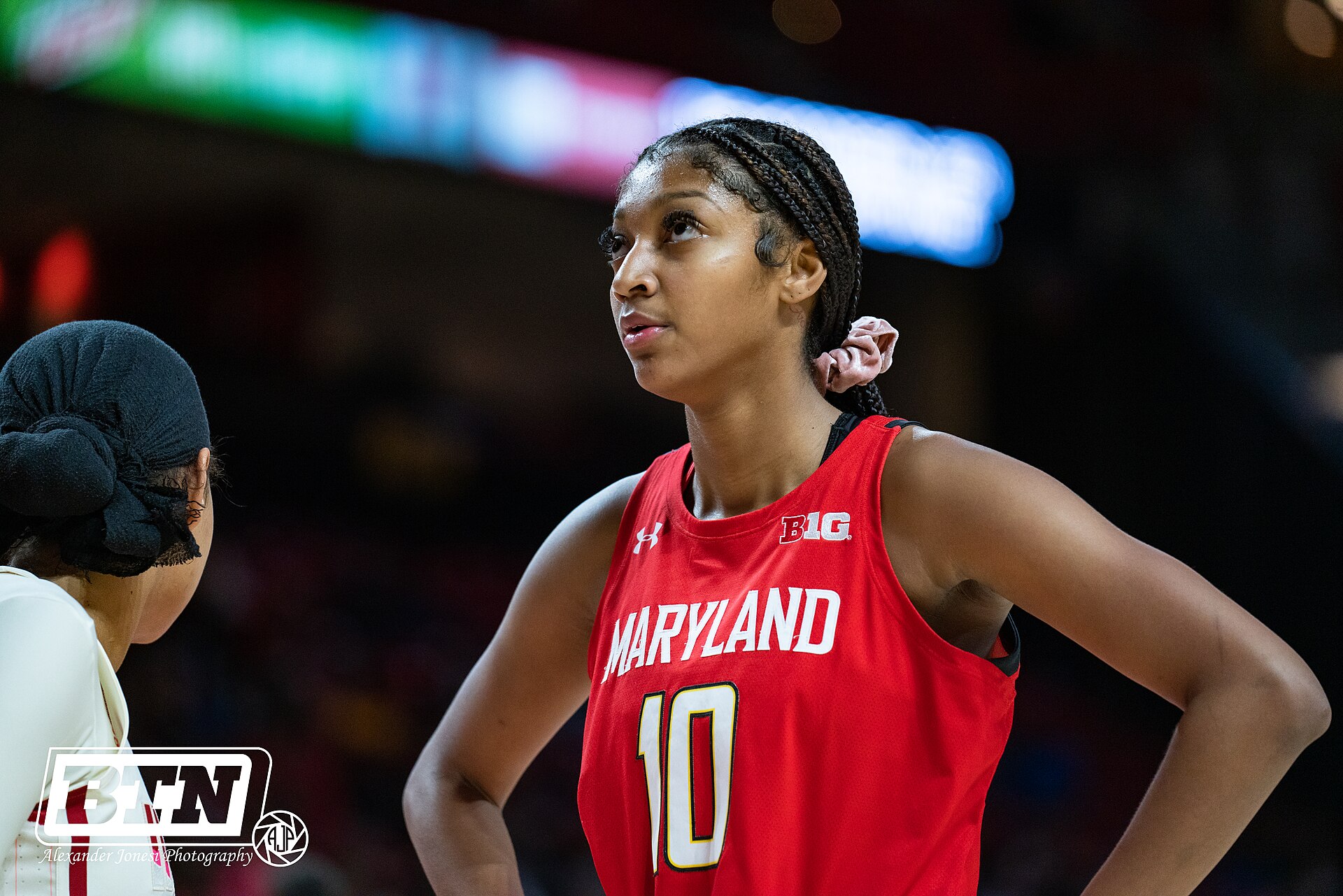
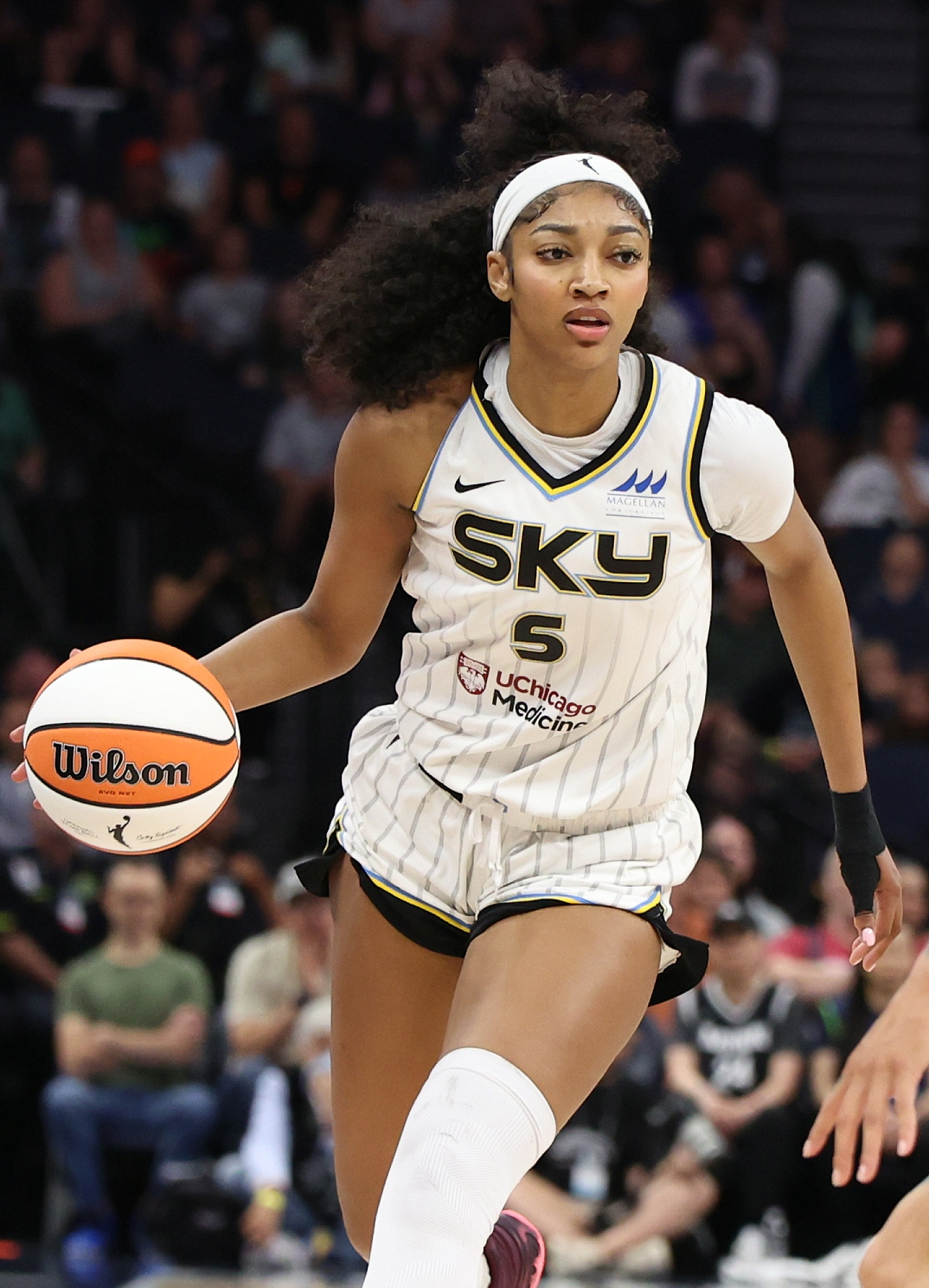
Reese’s game is known for her work on the boards. Rebounding takes more than height or effort: players have to read the shot, find position and keep competing through contact. This game photo shows that side of her public profile; it isn’t a clear view of the tattoo.
Her growing presence beyond basketball
Reese has also built a podcast, worked with brands and brought her interest in fashion to a wider audience. She walked in the 2025 Victoria’s Secret Fashion Show, another public setting in a career that began in basketball.
Clarity over spectacle
The design is a single word, without a larger image around it. Its dark uppercase lettering stays easy to read, even in a small photo. If you’re considering lettering, check how it reads at the size and placement you want, including in ordinary poses.
The short version
The coverage and photos here document one clear tattoo: UNAPOLOGETIC on Reese’s lower forearm near the wrist. We can describe the word and its placement; its full personal meaning belongs to her.
The Unapologetically Angel podcast is below.
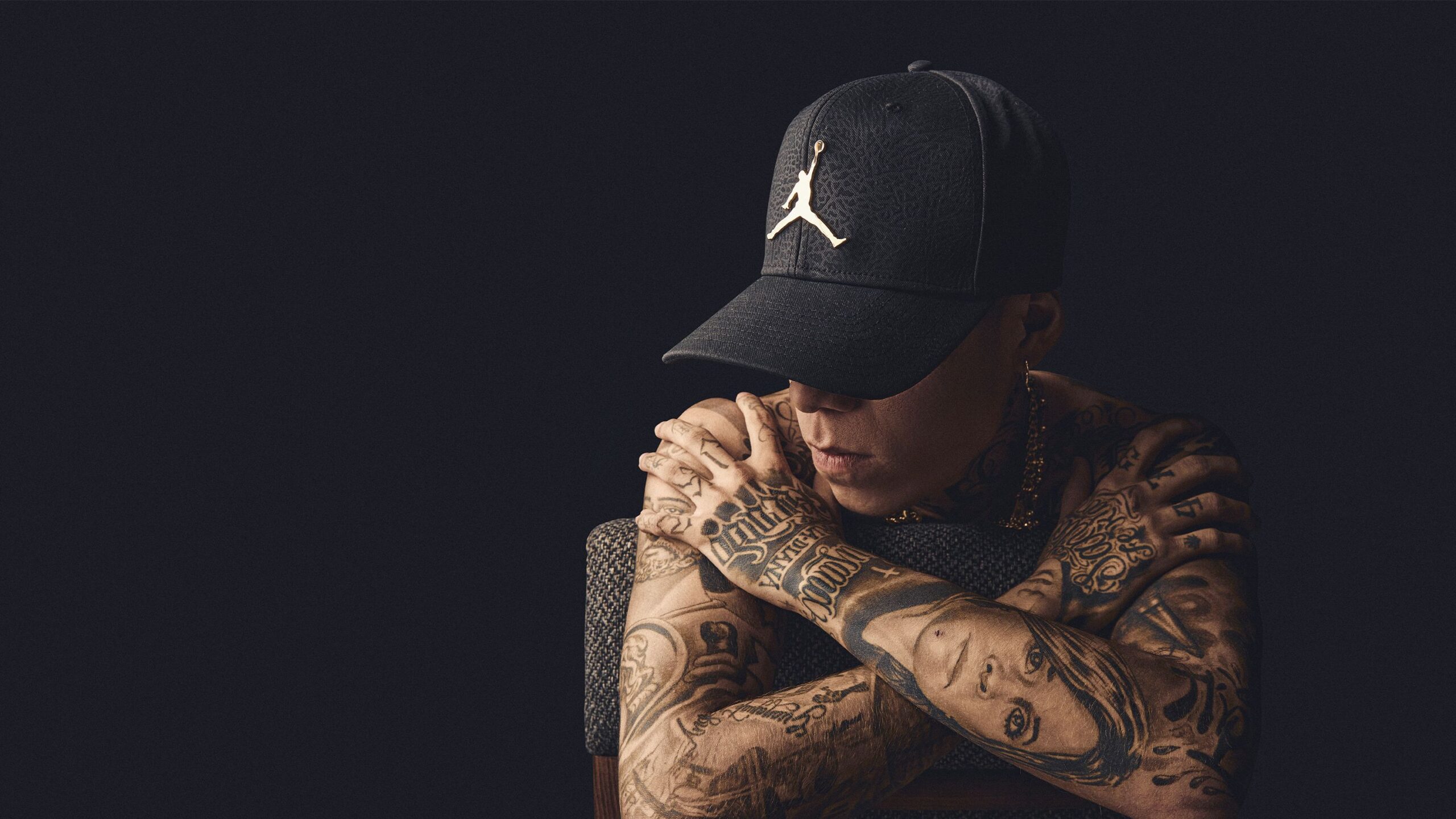
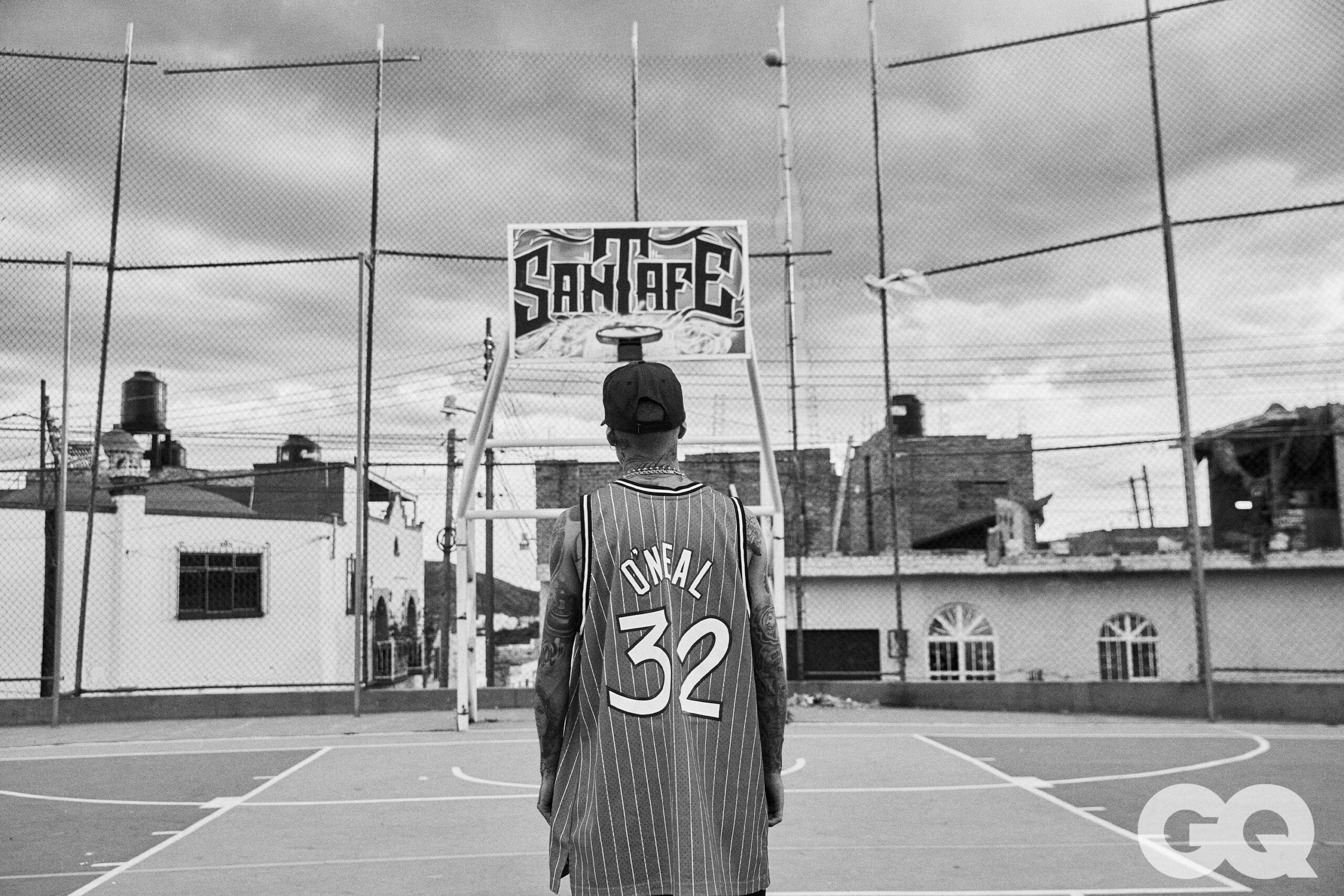
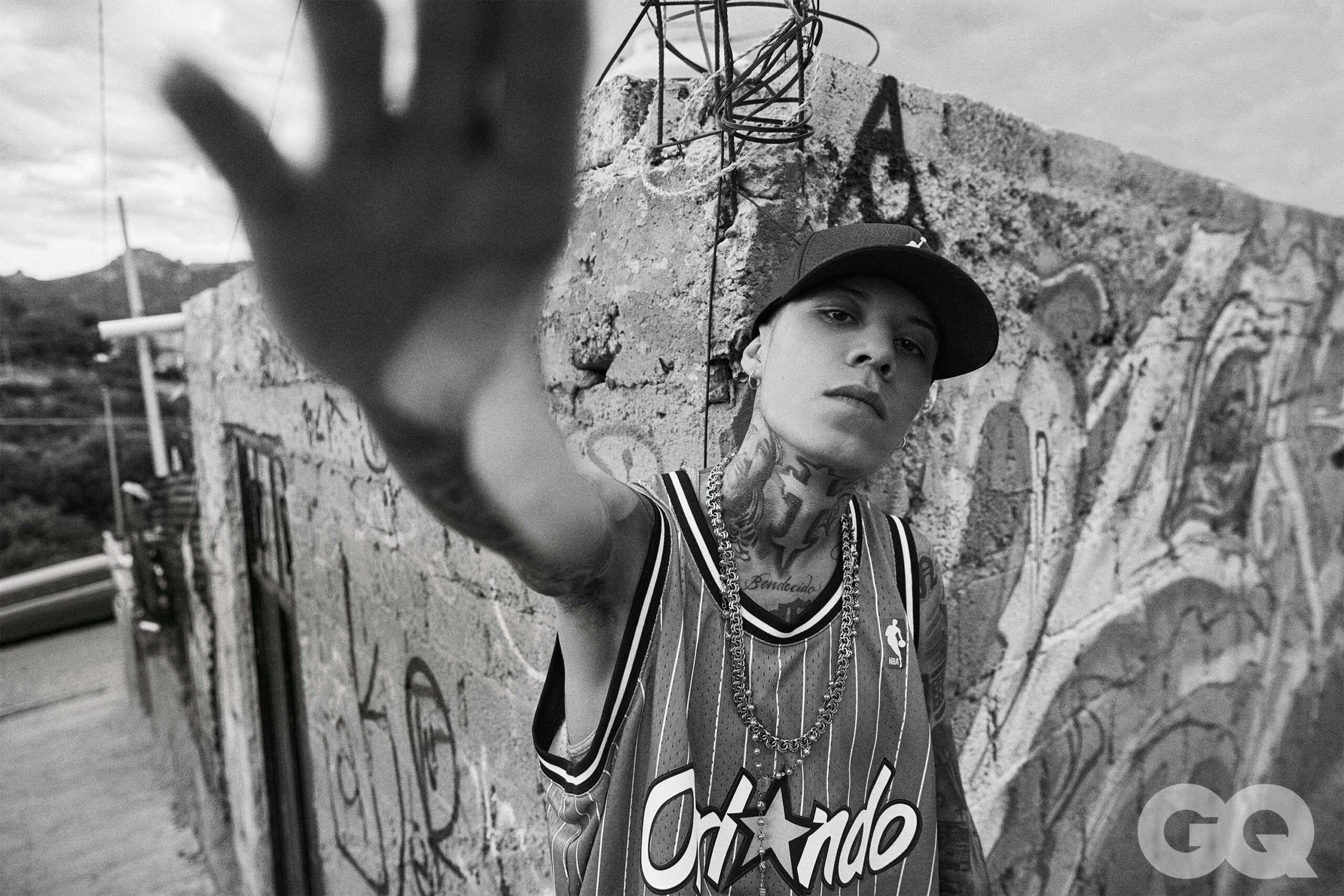
Santa Fe Klan has described his tattoos as markers of the people, places and stages that shaped his life. In a GQ México tattoo tour, he talks about the collection through his ties to Guanajuato and the Santa Fe neighborhood where he grew up.
Some pieces have explanations he’s shared publicly; others are best left as what the photos show.
Neck lettering and the Bendecido chest work
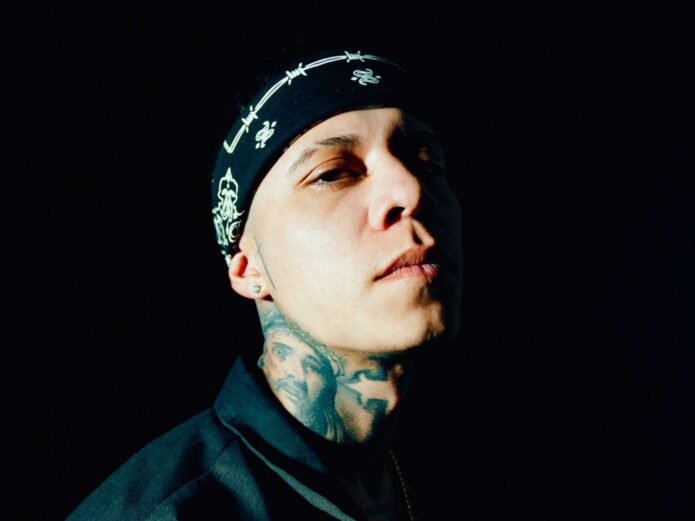
The neck lettering and “Bendecido” chest work sit alongside older black-and-gray tattoos, portraits and other lettering. The photos show how the pieces fit together; the GQ tour offers context for the place and experiences behind his ink without explaining every design.
The 473 numbers on his knuckles
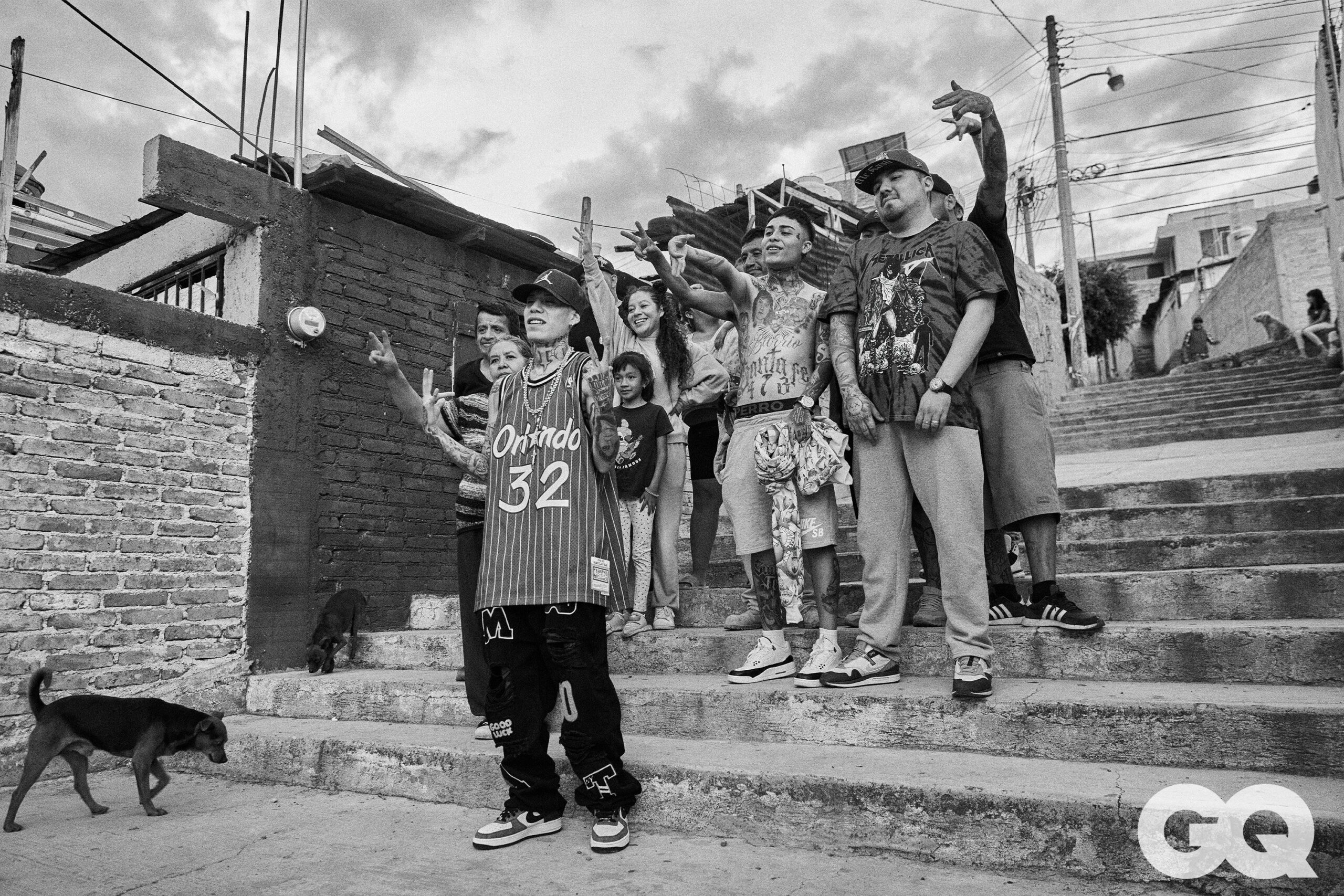
Telediario reports that the 473 on his knuckles is Guanajuato’s telephone area code. The number also appears in 473 Music, the project he started to make music and support new talent. It connects a small, visible design to both his hometown and his work.
Portraits of family and people close to him
Univision and Diario del Istmo have identified portraits of his parents, José Alfredo Jiménez, Chalino Sánchez and Maya Nazor among the tattoos he has shown. The collection brings family and musical influences into the same frame, though the public explanations don’t cover every portrait in equal detail.
Religious imagery across the collection
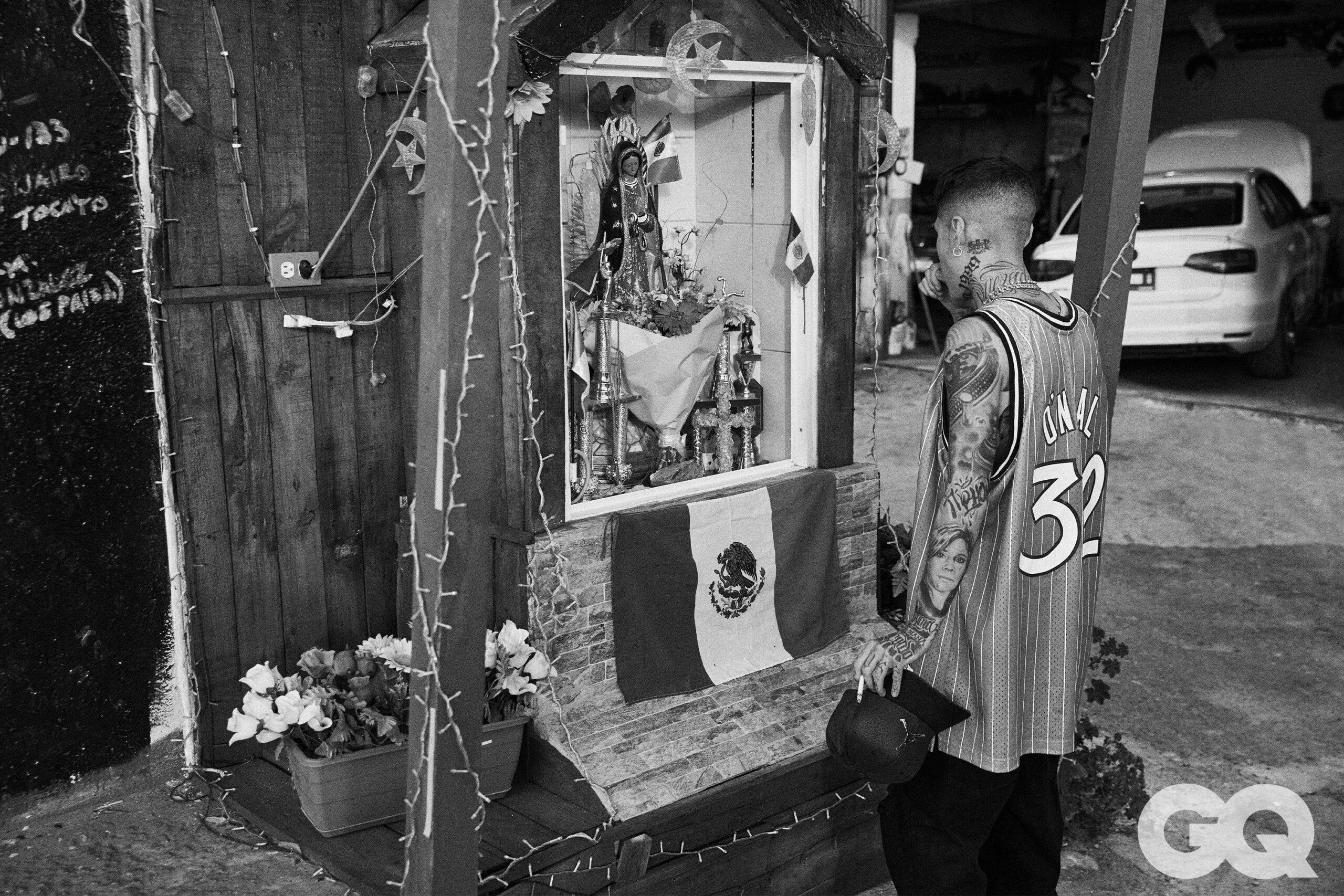
Mexican entertainment coverage identifies a Cristo on his neck, a Virgen on his leg and a San Judas on his arm. Their placement is visible in the GQ photo set. Those details support describing the imagery, but they don’t tell us more about his private beliefs than he has chosen to share.
The barrio map and early-life lettering
One design resembles a map of the streets and courts around his neighborhood. Santa Fe Klan has connected this kind of imagery with home, memory and the places where he grew up. He has also said some of his first tattoos were done when he was young, and that he later covered or reworked pieces he no longer liked.
The collection has changed over time: portraits, religious images, lettering and neighborhood references sit beside one another, and the photos vary in what they make easy to see. Close views bring out the small marks; wider shots show how the larger pieces sit across his neck, chest and arms. For designs without a clear public explanation, the image can speak for itself.
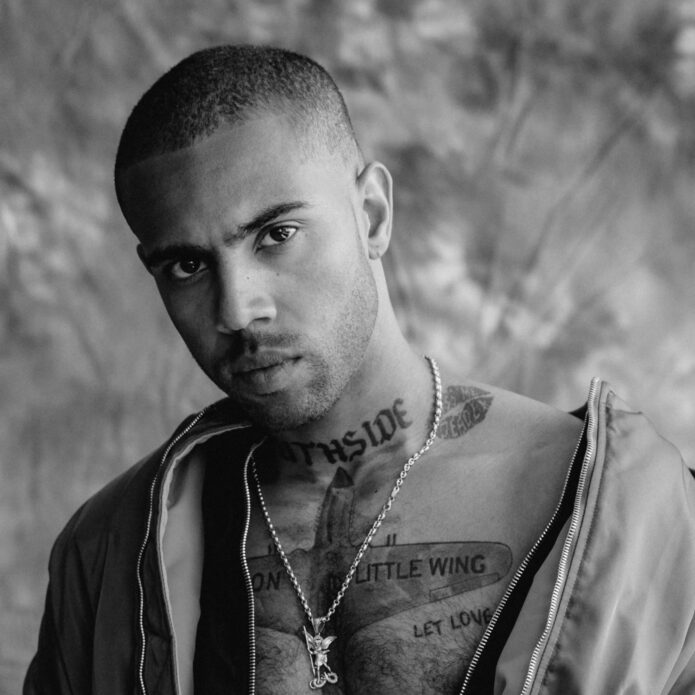
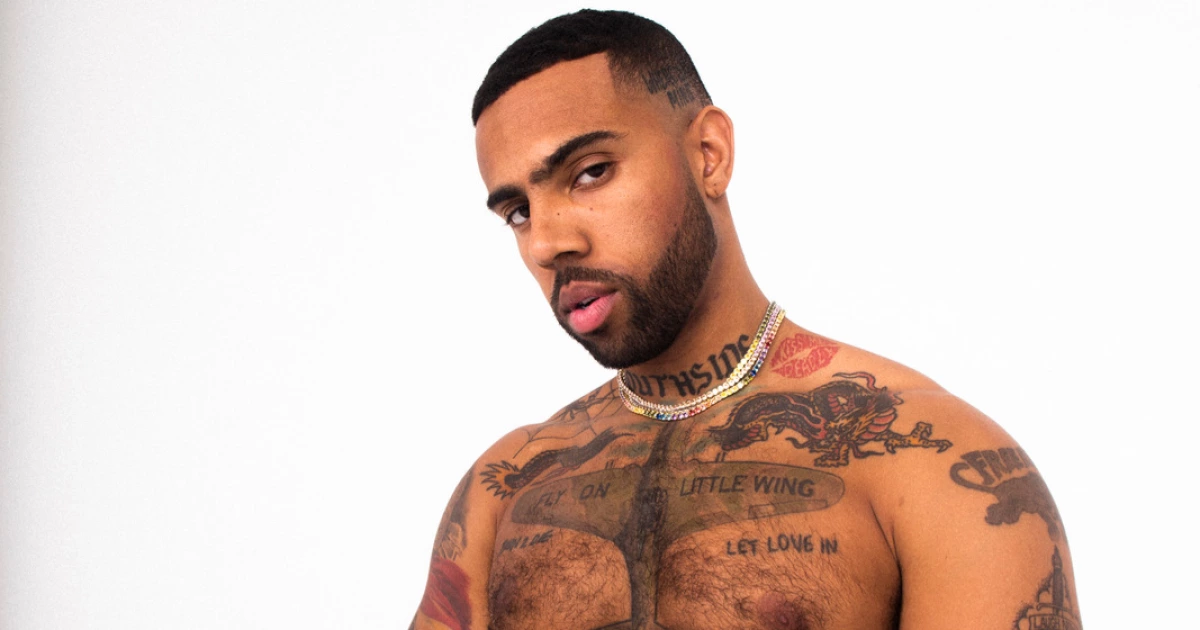
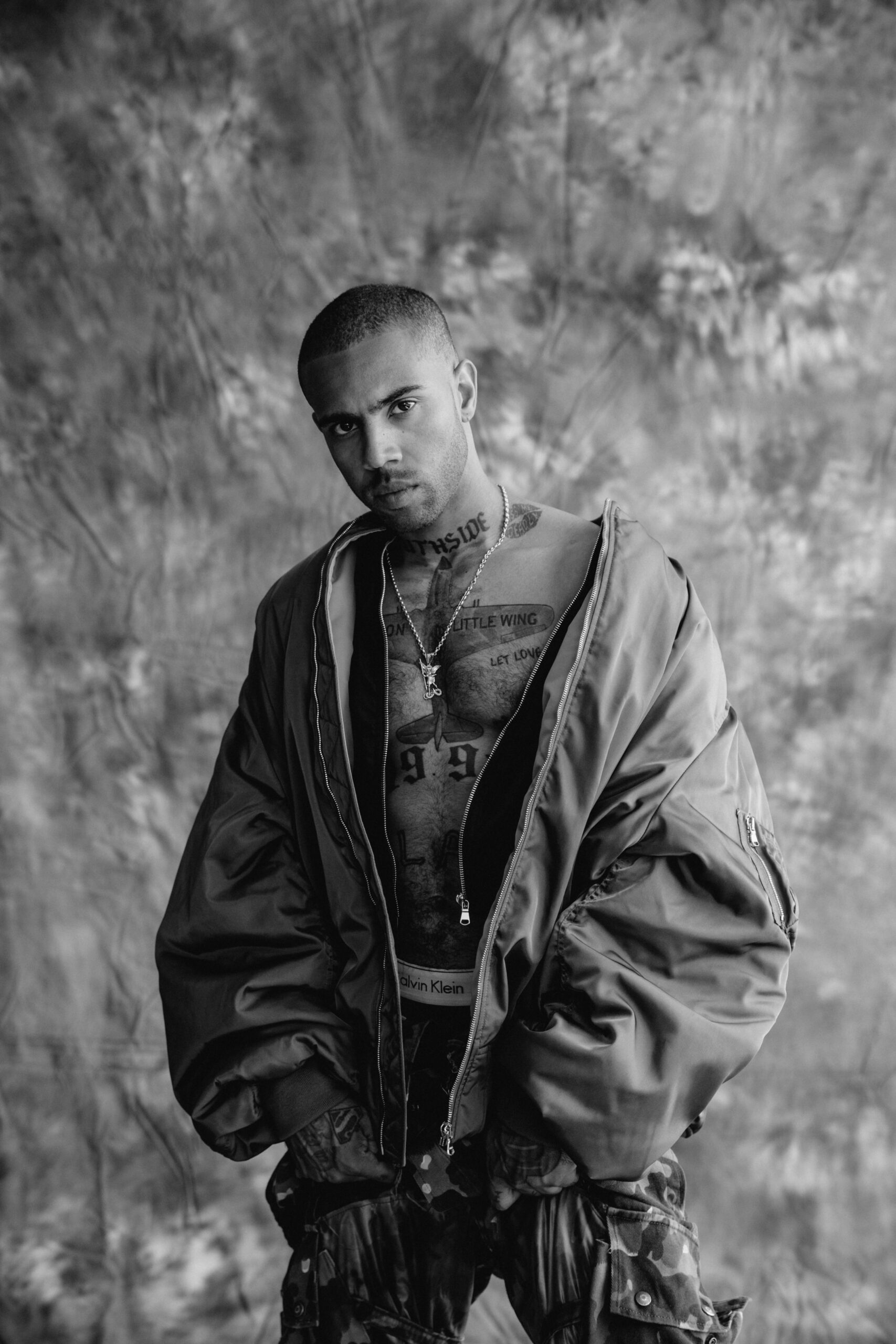
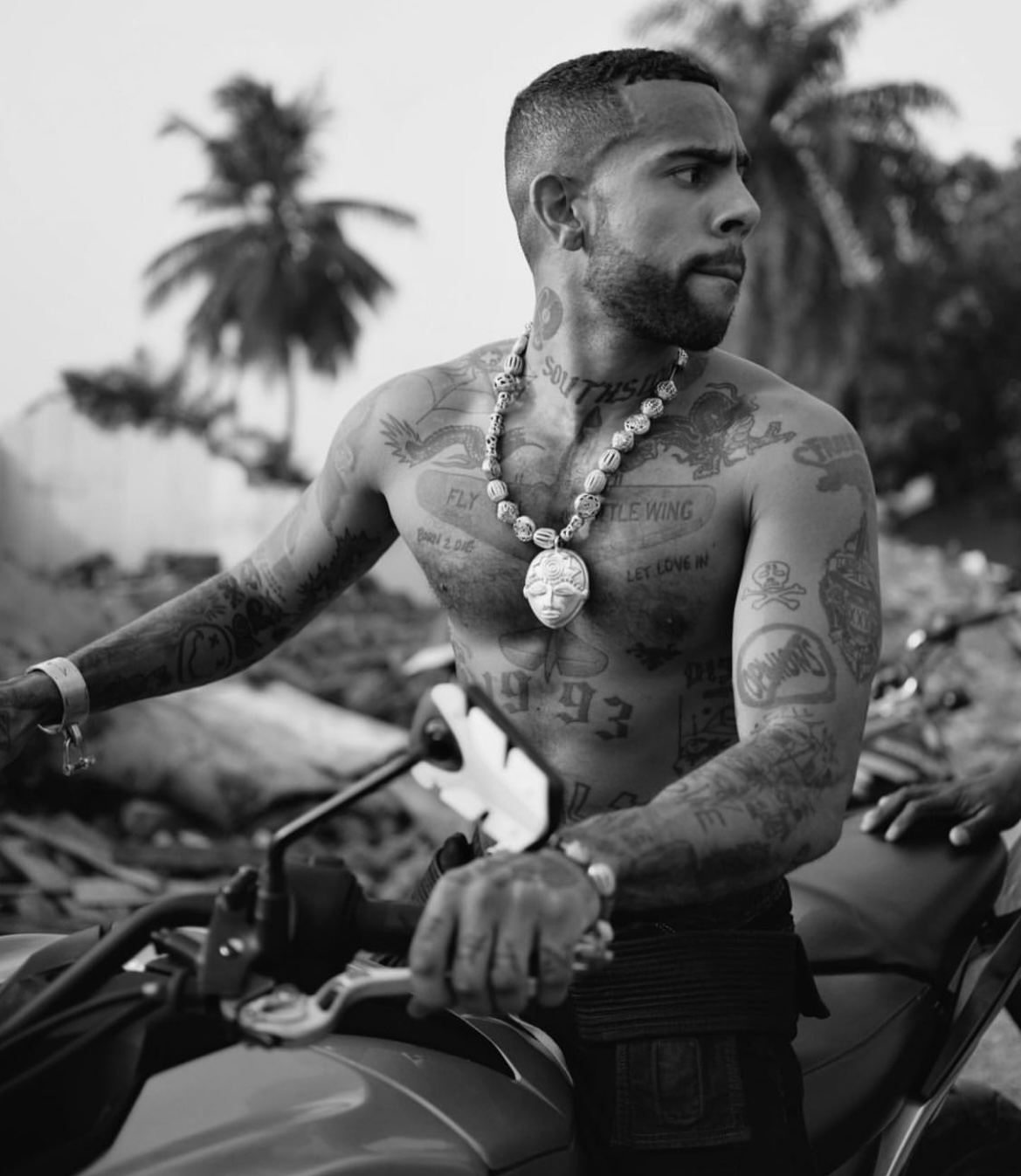
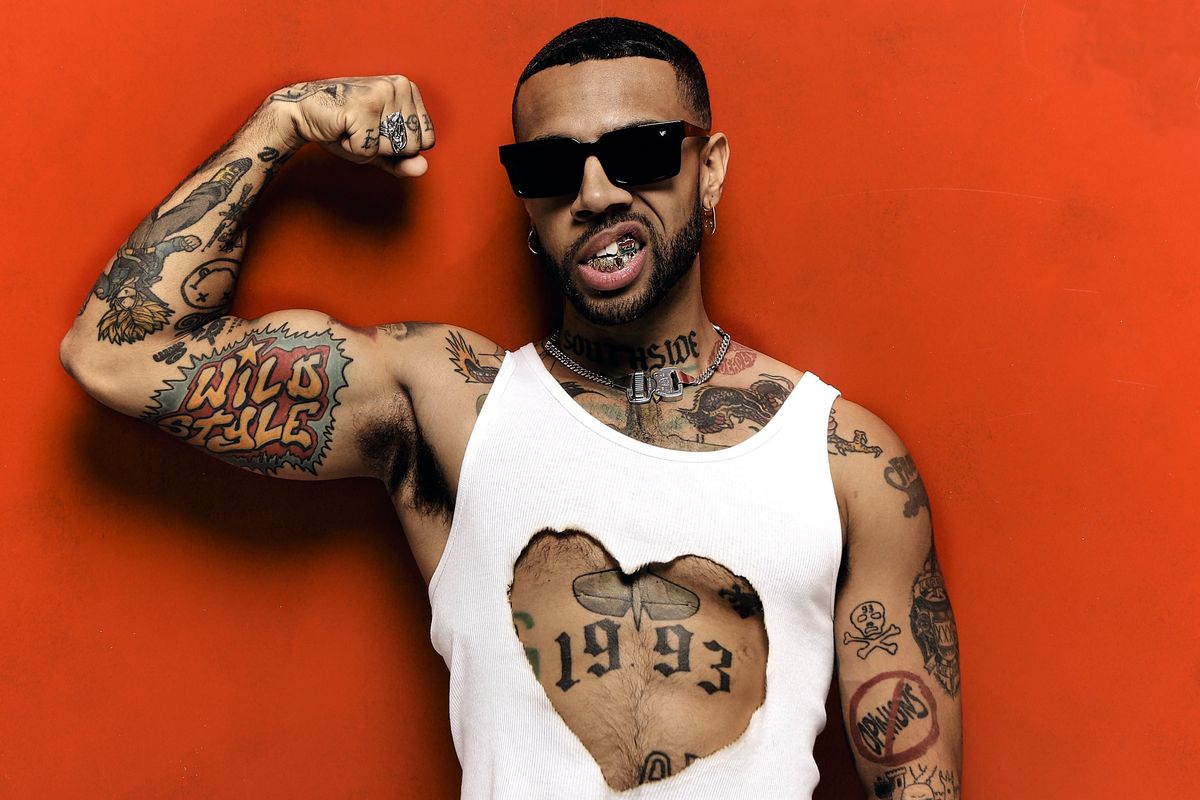
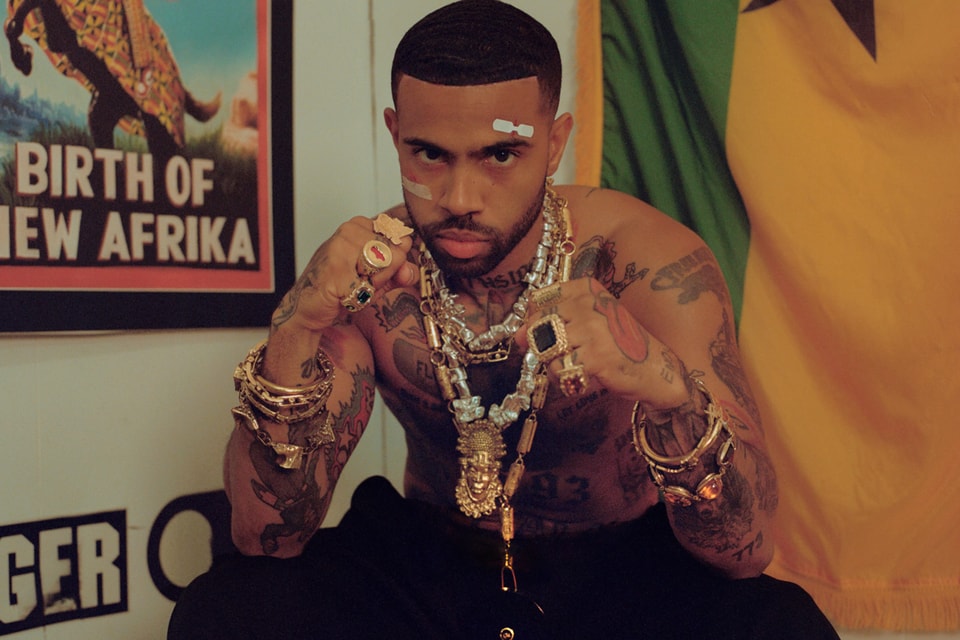
Vic Mensa’s tattoos move between personal memories and public references. In a GQ Tattoo Tour, he says he sketches ideas in Photoshop and often gets tattooed while touring. Chicago, family, music, survival and Ghanaian heritage recur across the collection. The photographs show different views of the ink, not five separate sets of designs.
Free Huey tattoo and the first piece
Mensa has said his first tattoo came when he was 16: a Black Panther image connected with Huey P. Newton and the Free Huey movement. The reference ties the piece to Black history and his South Side roots. It’s more than a striking animal design; the history behind the image is part of what he chose to carry.
Disrupt tattoo and the electric-shock story
When Mensa was 17, he survived an accident involving roughly 15,000 volts. He has linked a side tattoo to that experience: the word “Disrupt,” crash-like imagery and a message that he was fine and people shouldn’t call the police. The blunt lettering turns a frightening event into a record of survival.
Dare memorial tattoo
The word “Dare” honors Mensa’s brother, who was killed by gun violence. The lettering is simple, but the memorial is direct: it keeps his brother’s name close without trying to tell his whole story in one image.
Slave tattoo, Prince and artistic control
Mensa has discussed his “Slave” tattoo in connection with Prince’s fight with his record label over artistic control. It’s an intentionally uncomfortable word. His explanation places it in a conversation about ownership and the limits a contract can put on an artist, rather than treating it as shock for its own sake.
South Side chest tattoo, 1993 and the lettering
Photos show phrases across Mensa’s chest and neck, including “South Side,” “Little Wing” and “Let Love In,” along with the number 1993, commonly identified as his birth year. The lettering ranges from blocky to more delicate, and a chain or open jacket can hide parts of it in some shots.
“Save Money” and the 773 area code point to Chicago and the creative collective associated with Chance the Rapper and other artists. Mensa has also spoken about his Ghanaian family background and an Adinkra symbol associated with interconnectedness. The references come from different parts of his life, but they sit within the same collection.
He has said he lets his tattoos age naturally. The photographs show the ink in different settings and from different distances; what’s clearly documented is the placement and the stories he has shared. Smaller marks without a public explanation are best left open.
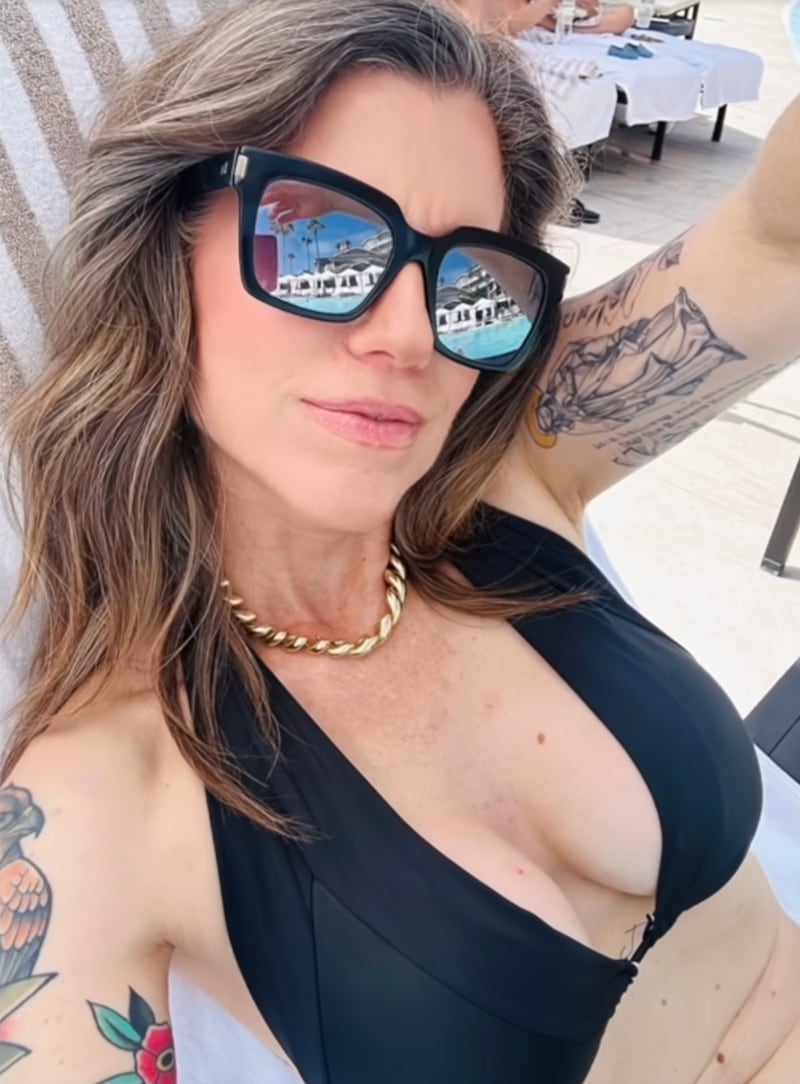
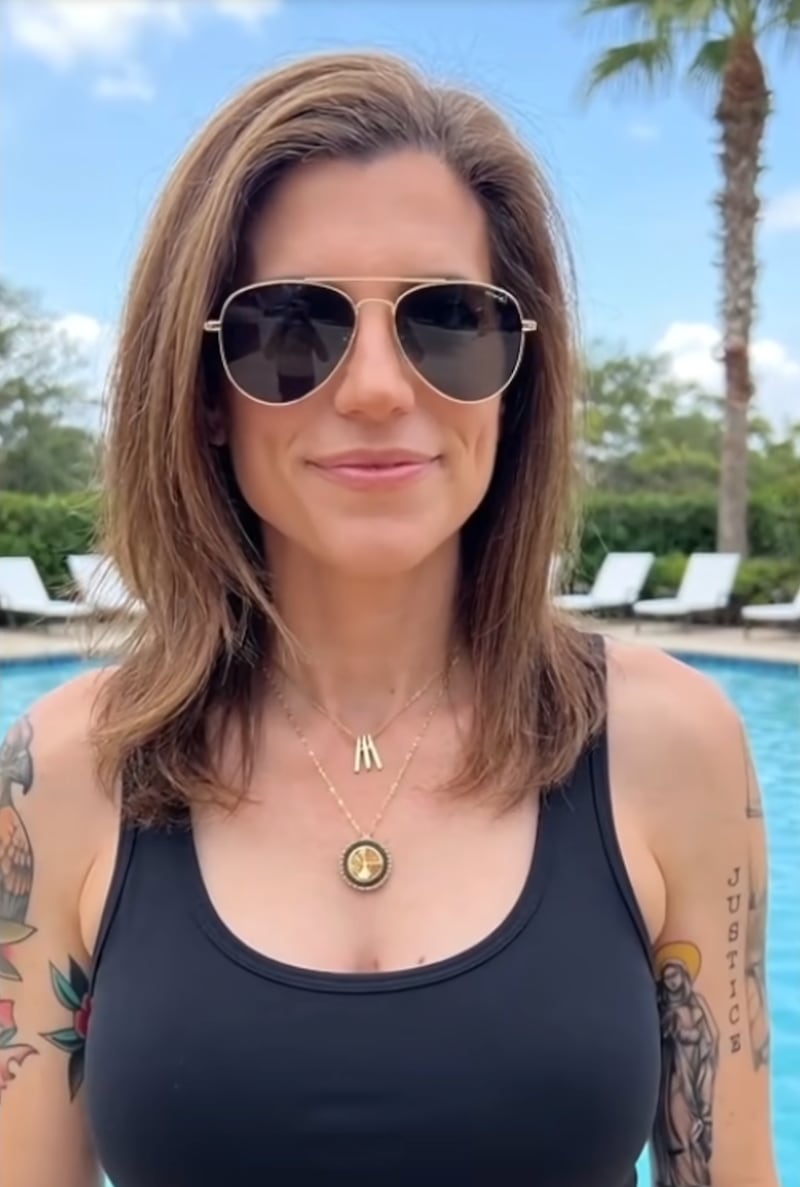
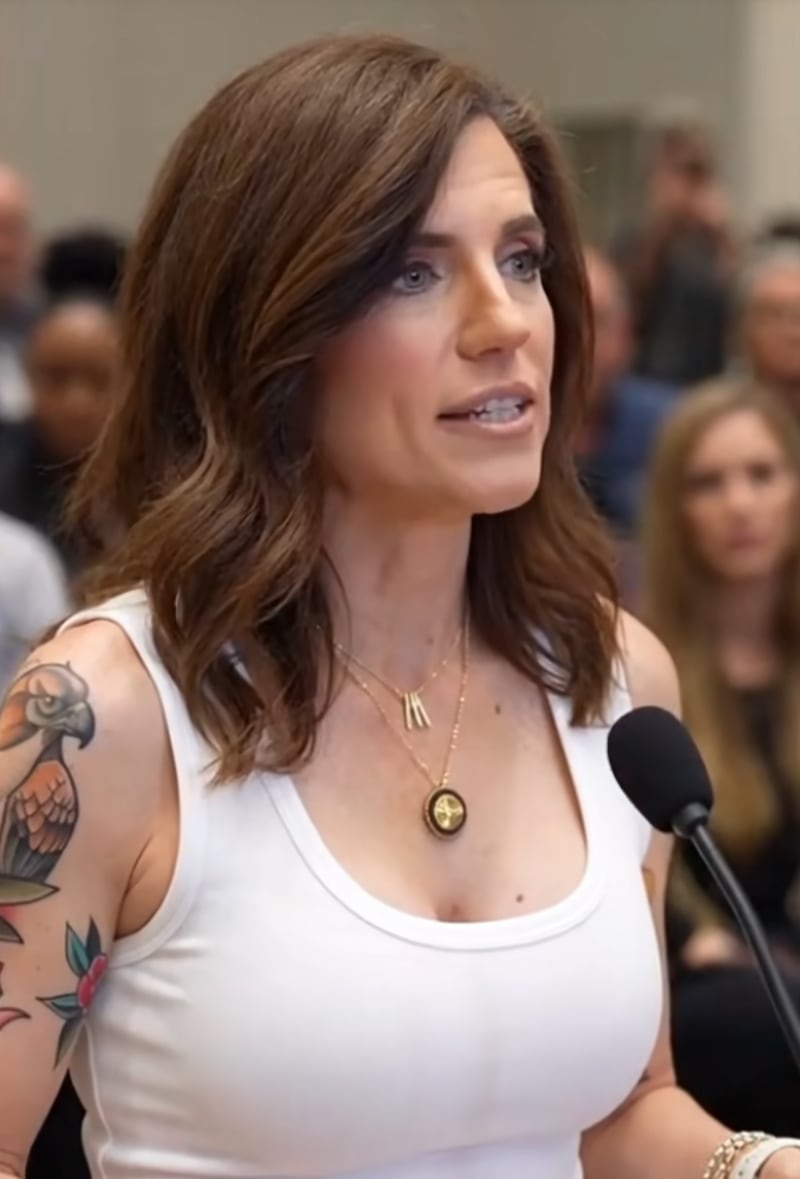
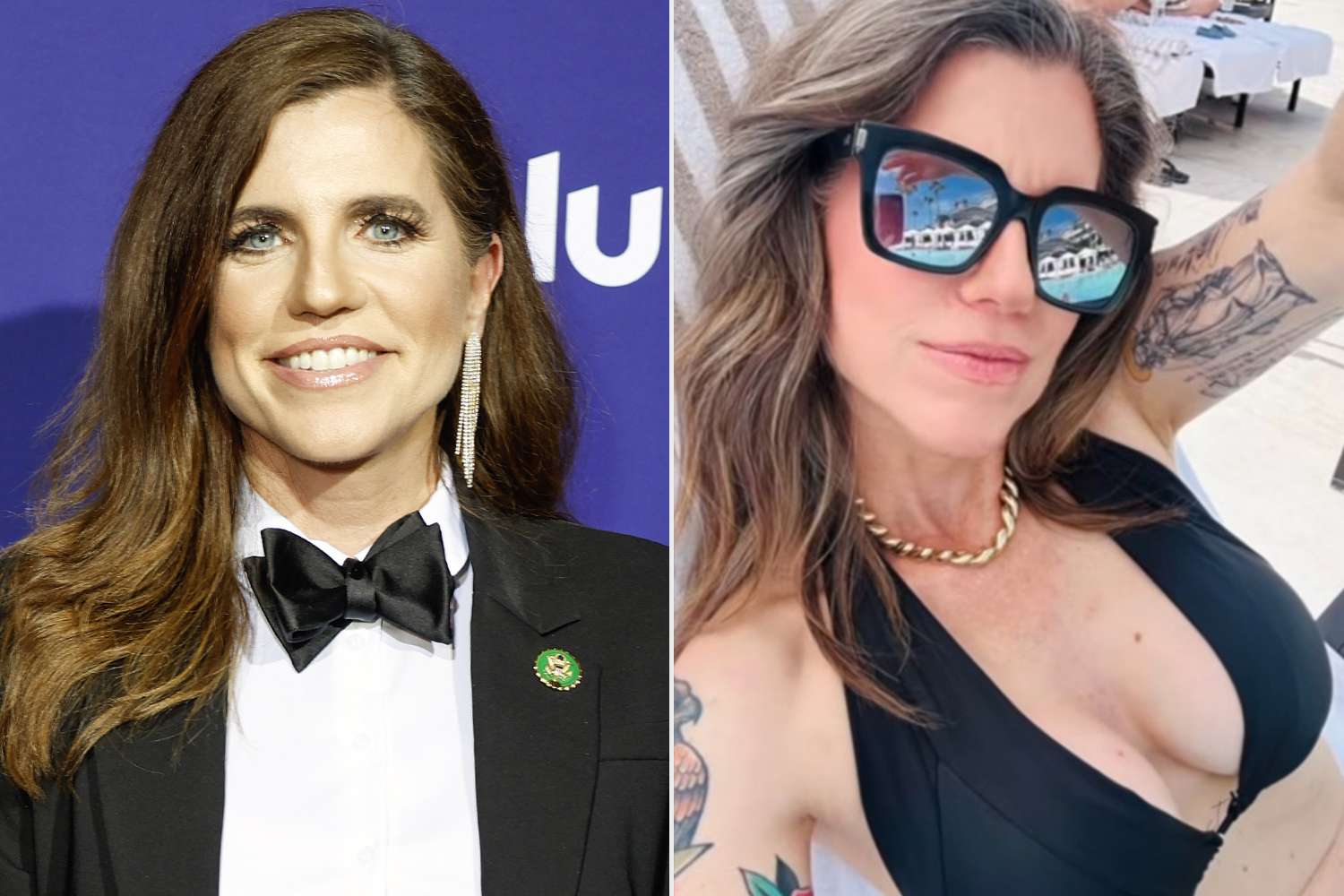
Nancy Mace’s tattoo reveal showed a large collection at once. In a sleeveless top, she displayed both arms: colorful flowers, a bird, a religious figure, lettering and a line from Virginia Woolf. Reports counted nine tattoos, though not every design has been named or explained. The visible details are clearer than the meaning behind each one, so it helps to keep those separate.
The tattoos don’t form one carefully matched sleeve. Color, black linework and text share the same space, giving the collection a layered look that seems to have come together over time.
The flowers and bird that anchor the arm designs
The clearest focal point is a large bird surrounded by bright flowers. Its dark outline gives the figure a strong shape, while red petals and green leaves soften the area around it. Together, they make a design that reads clearly from a distance but has finer details to look at up close.
Bird tattoos can carry ideas about freedom, travel or change, but Mace hasn’t said that those meanings apply here. The photograph supports a more straightforward description: a prominent bird, vivid floral color and a composition that follows the curve of her arm. The flowers also help connect this centerpiece with nearby pieces, so it reads as part of a larger collection rather than a standalone stamp.
How the tattoos read together across both arms
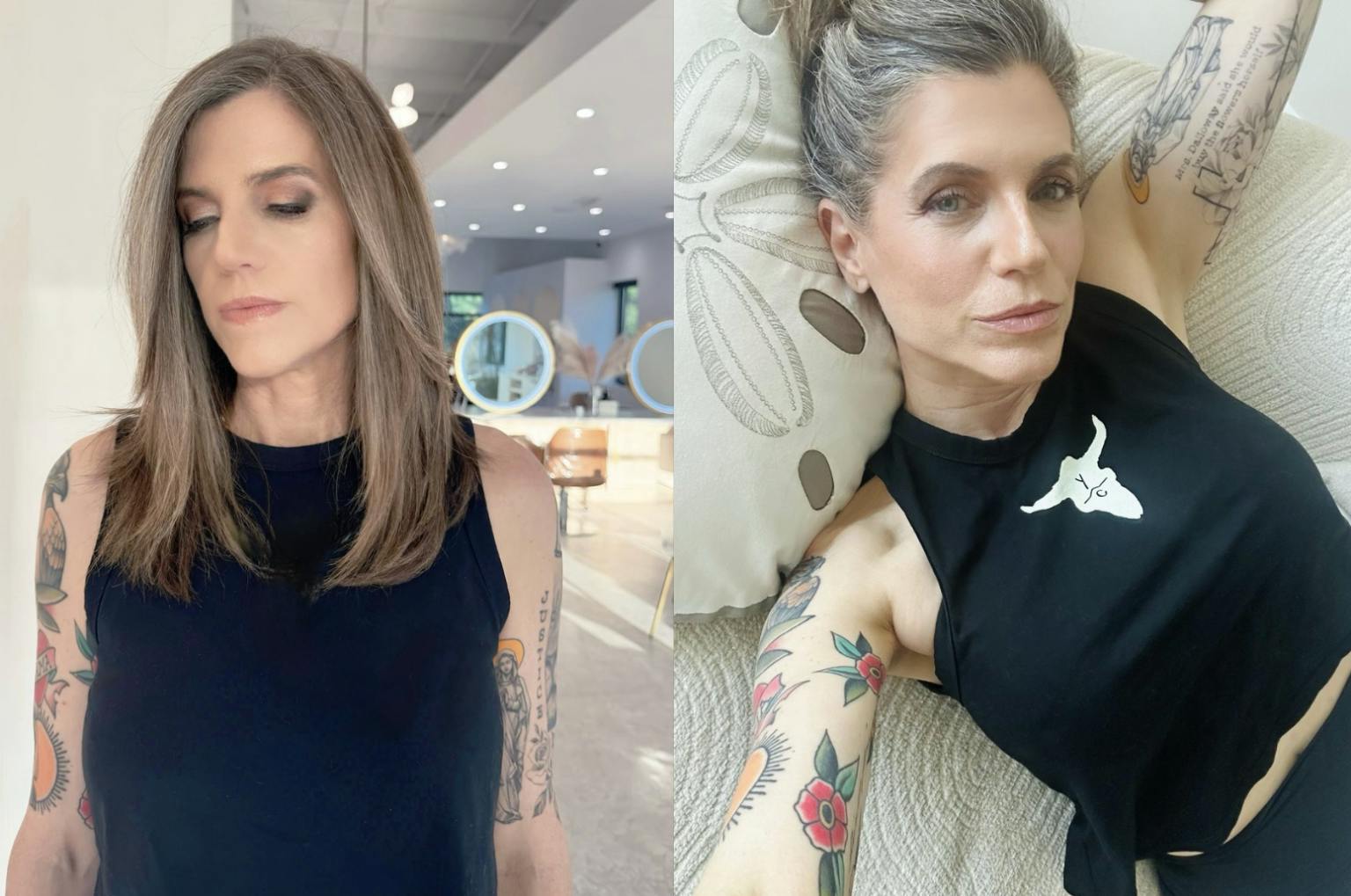
A wider view shows how the pieces sit across both arms. Colorful images appear beside black outlines and lettering, without a repeated border or pattern tying everything together. The arm provides the common frame; the designs themselves keep their own styles.
Mace’s tattoos drew wider attention when she showed them together. Earlier public appearances often showed her in sleeves, so people saw the collection all at once instead of gradually. That change prompted discussion about her appearance, but it doesn’t establish a story of reinvention. The simplest account is that she chose to wear a sleeveless top and make the tattoos visible.
A closer look at the arm tattoos
Another prominent piece is a detailed religious figure, shown beside floral work. The face and clothing give it a portrait-like focus, different from the bird’s bolder outline. Mace hasn’t publicly assigned a specific meaning to this design. Faith, family, memory and visual appeal can all shape someone’s choice, but without her explanation, those possibilities should remain possibilities.
Some of the smaller marks are difficult to identify in the available photographs. A wide shot, a crop or a change in lighting can hide details, and a brief glimpse isn’t enough to name a tattoo confidently. The clearest views show the bird, flowers, religious figure and lettering; this guide sticks to those rather than guessing at the rest of the reported nine.
The literary line and the word justice
One visible text tattoo quotes the opening line of Virginia Woolf’s Mrs. Dalloway: “Mrs. Dalloway said she would buy the flowers herself.” It’s an ordinary thought delivered with quiet decisiveness, not a grand declaration. The line’s meaning for Mace is personal, even for readers who recognize the novel.
Mace has described getting tattooed during a difficult period and reporting has connected the collection with her effort to reclaim a sense of ownership over her body. That context helps explain why the quote may feel intimate, but it doesn’t reveal every reason she chose it. The literary reference is identifiable; its private associations are hers.
The word “justice” is another visible design. It reads more directly than the longer quote and has an obvious connection to Mace’s public life as a politician and lawyer. Still, a photograph can’t tell us whether that public connection is the whole reason she chose the word. Beside the images and literary line, it gives the collection a different kind of emphasis.
Why the reveal felt like a change in style
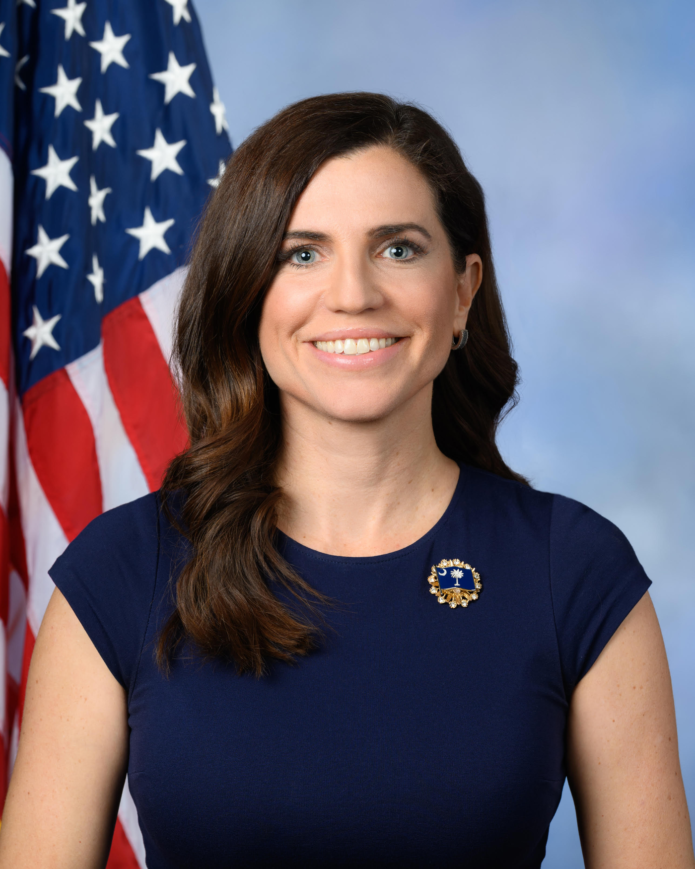
This formal portrait is included for context; it doesn’t show tattoo evidence. It contrasts with the sleeveless photos that brought the designs into view and with the campaign and hearing images many people already knew. The change in setting helped turn the reveal into a conversation about public image and what counts as “professional” for a woman in politics.
Tattoos on women in public life can draw attention that the same designs might not get elsewhere. People had strong reactions to Mace’s pictures, but the basic point is uncomplicated: they are her tattoos, and she chose to show them. Whether someone likes the look is a separate question from her right to wear it.
Different angles also make the collection easier to understand. Lighting can shift the color, a pose can stretch the skin, and a crop can hide where one piece ends. Anyone considering a similar mix of color, text and blackwork can use photos as references, then talk with a tattoo artist about scale, spacing and how the colors may age.
What the reveal leaves us with
The collection brings together bright color, blackwork, pictures and words. Mace has described tattooing as part of a personal effort to reclaim her body during a difficult period; the meaning behind each mark remains hers to explain. The designs can stand as art without forcing them into one story.
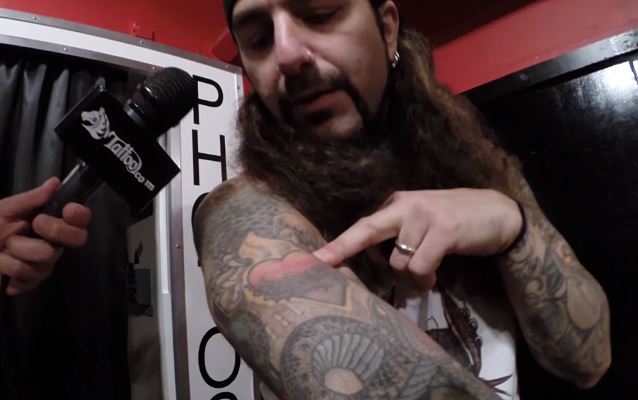
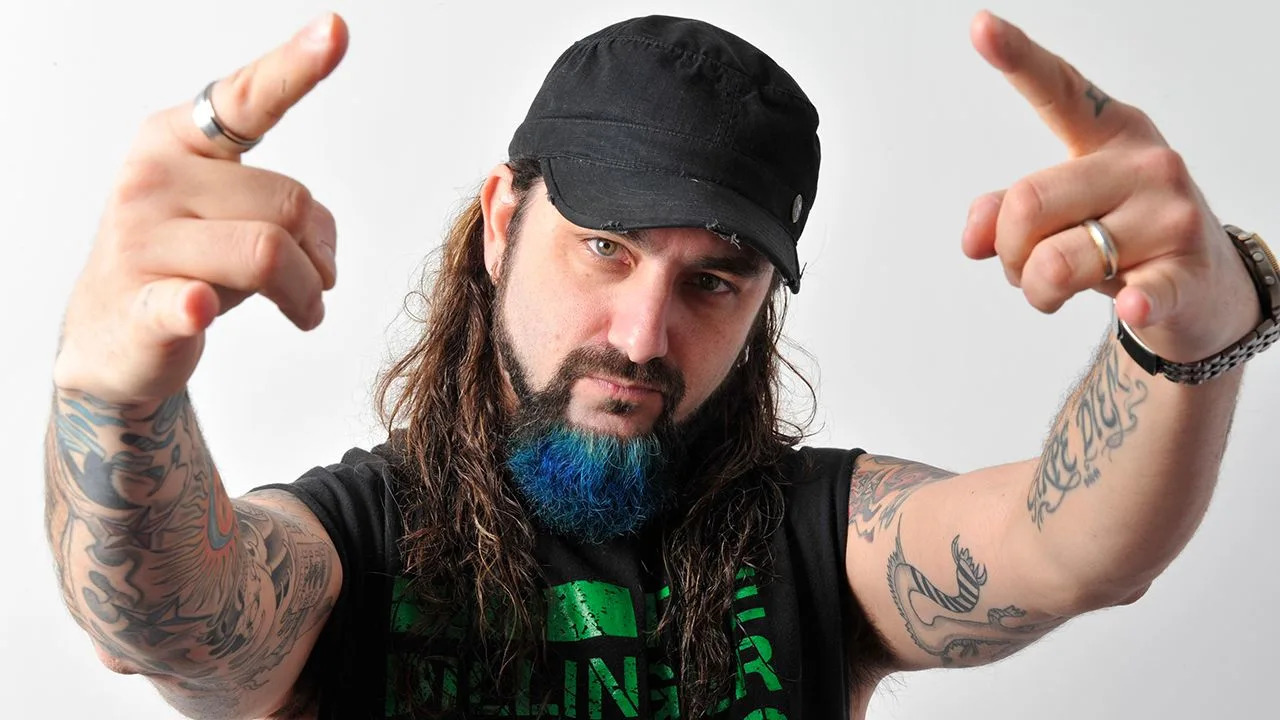
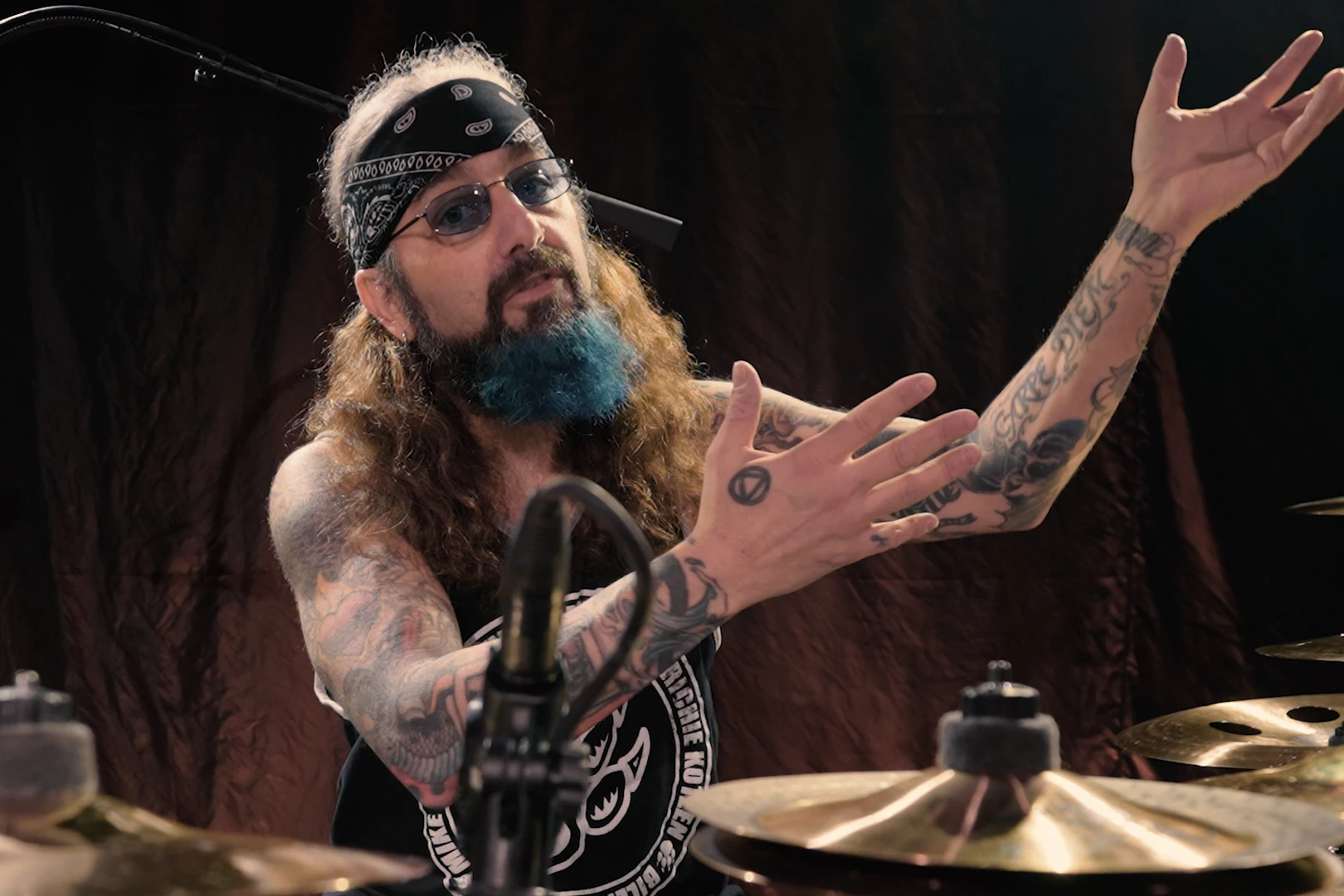
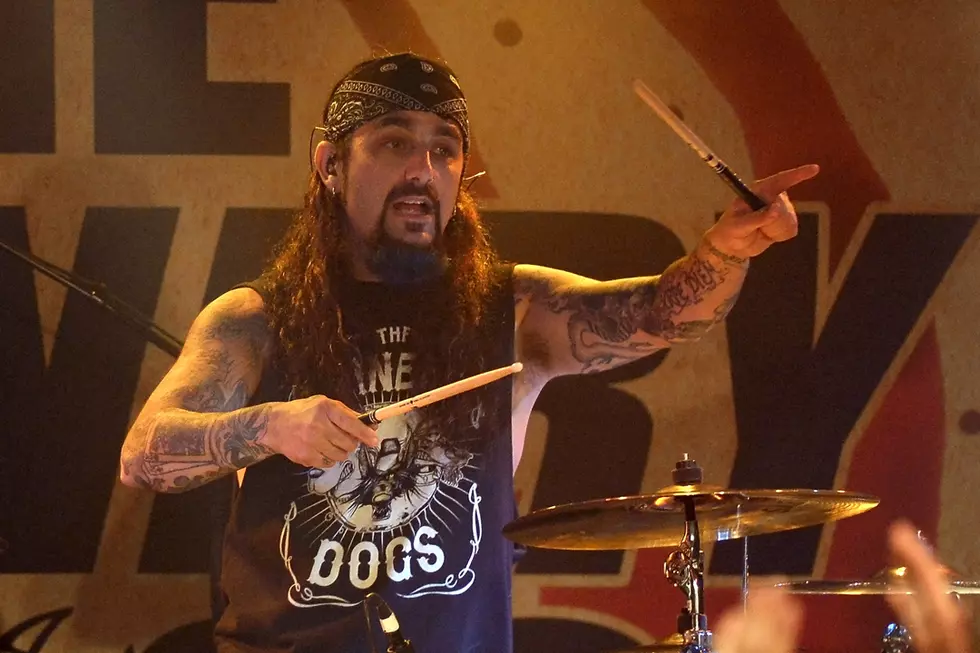
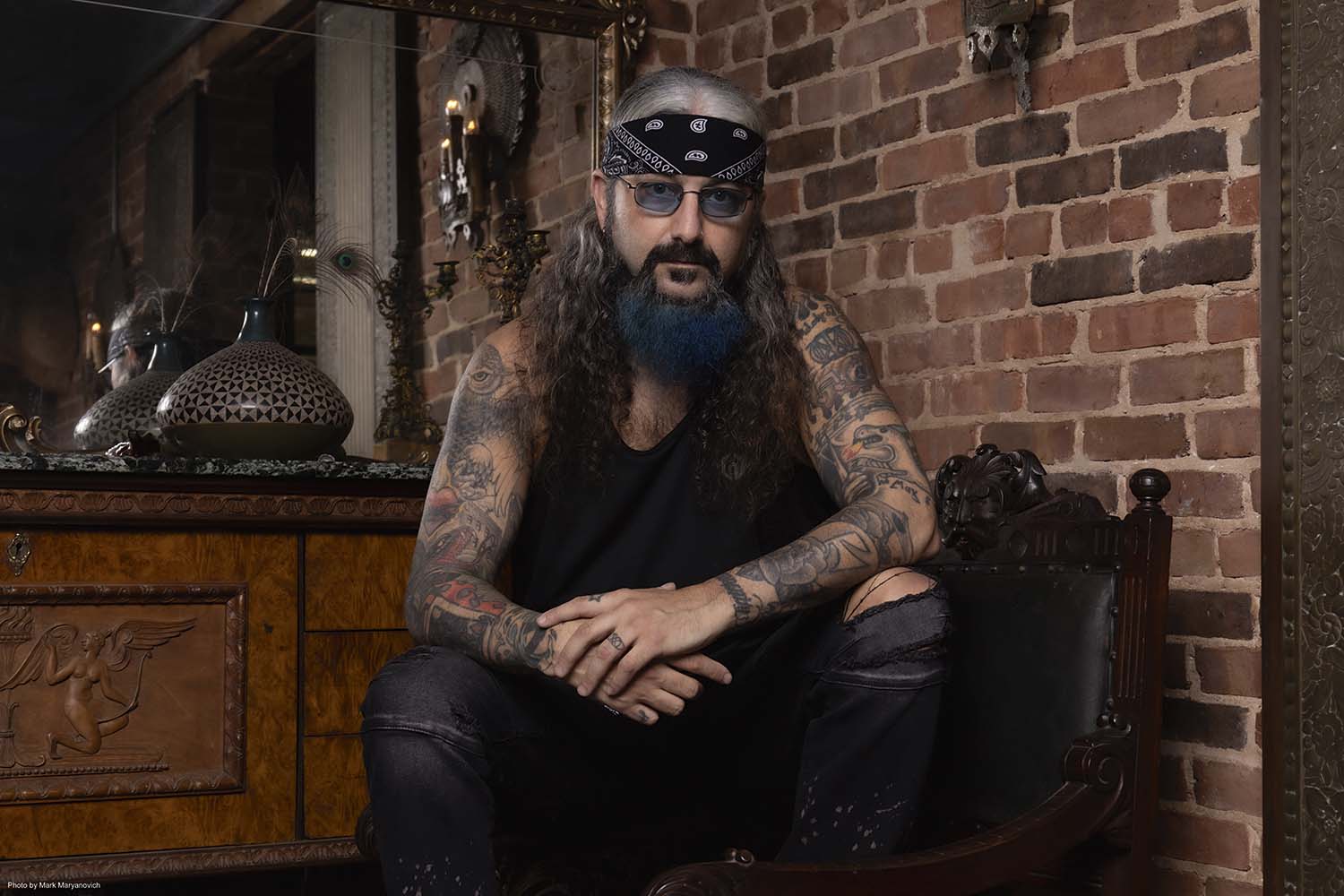
Mike Portnoy’s tattoos connect with his years in progressive metal, touring and recovery. He has talked about some of the designs in interviews, including the Tattoo.com video on this page. The five photographs show different views of his ink; they are not five separate tattoos.
He has explained selected pieces, but the available accounts don’t give a complete inventory of every mark. The clearest stories are the hand tattoo, the Deathbat, “No Regrets” and the art he links with the 12-Step Suite.
The hand tattoo and the interview
Portnoy has spoken about his tattoos in interviews, pointing to particular pieces and explaining why they stayed with him. He has also said that he got a hand tattoo during Gigantour in New Jersey. Hand ink is hard to keep out of view, especially for a drummer whose hands are constantly in motion onstage.
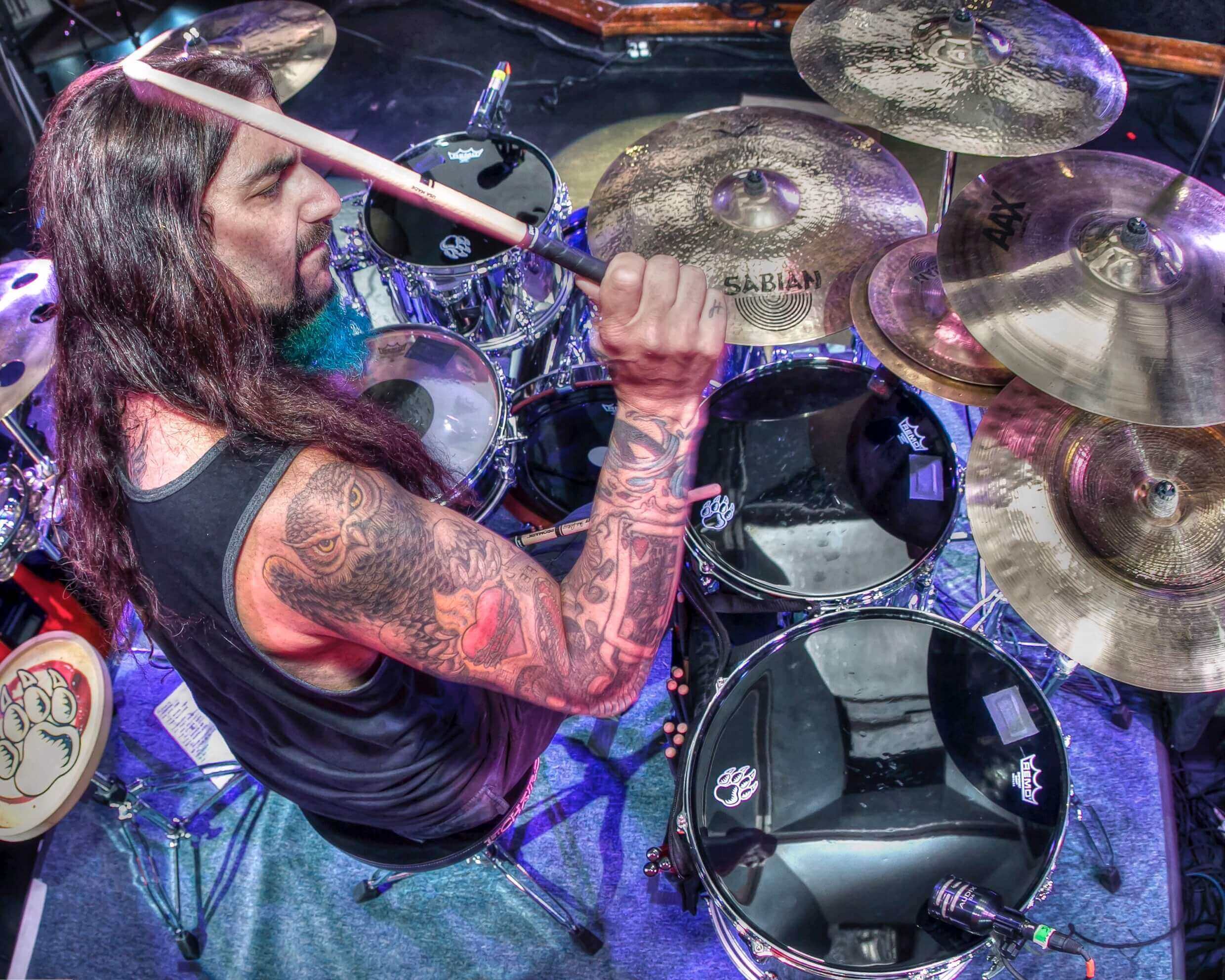
The photos here show the collection in several settings, from portraits to performances. A sleeve can look quite different when he turns his arm toward the camera or part of it disappears behind the kit. The images help show the scale of the work, while his interviews are the best guide to meanings he has chosen to discuss.
The Deathbat tattoo and Avenged Sevenfold
Portnoy has described the Deathbat as a way to mark his time with Avenged Sevenfold and the bond he felt with the band. He joined after drummer Jimmy Sullivan, known as The Rev, died. Portnoy stepped into a difficult role during a painful moment for the group, and the symbol records that chapter of his career.
For fans, the Deathbat is immediately recognizable as Avenged Sevenfold’s emblem. For Portnoy, getting it was also about being part of the band’s circle. Those meanings overlap, but the tattoo doesn’t need to be read as a simple career souvenir.
No Regrets tattoo and choosing a direction
Portnoy has explained “No Regrets” as a reminder that he followed his heart and doesn’t want to spend his life replaying decisions. It isn’t a claim that every choice was easy. The phrase points instead to accepting a direction and continuing forward.
That idea fits a career that has moved through Dream Theater, Avenged Sevenfold, The Winery Dogs, Sons of Apollo and other projects. The words are brief, but they hold a personal view of change: choices matter, and so does what you do next.
The 12-Step Suite tattoo story and recovery
Portnoy has connected tattoos on his arms with the 12-Step Suite, the group of songs he wrote about alcoholism and recovery. The music was among the most personal work in his catalogue, and it gives the ink a place within a larger story of struggle and change.
Not every skull, letter or shaded figure in a photograph has a public explanation. It’s better to leave those details open than assign each one a meaning. The documented pieces point to music, memory and recovery, even though the sleeves don’t follow one uniform visual style.
Artist tribute tattoos, family and the full sleeves
Portnoy’s career references reach beyond one band. Dream Theater remains central, while the Deathbat marks another chapter. His sleeves also draw on the visual language around heavy music, horror art and theatrical performance. The available interviews explain some designs, but they don’t identify every skull, symbol or portrait as a specific family or artist tribute.
A collection built over years can mix lettering, portraits, symbols, color and shading without looking like one planned set. Continuity can come from what the pieces mean to the person wearing them, rather than one palette or artist. Planning still matters when new work has to fit around older tattoos, but the varied textures are part of what makes Portnoy’s sleeves feel lived in.
The photographs also show how ink changes with time and distance. Some lines soften, colors settle, and separate shapes can merge in a wide stage shot. Behind a drum kit, his arms turn and cross, revealing parts of a sleeve that a straight portrait hides. The images offer different glimpses, not a complete record of everything he has had tattooed; Portnoy has also mentioned ink on his legs.
Taken together, the pieces he has explained mark touring, a band he joined at a difficult time, a personal philosophy and recovery. Other parts remain artwork without a published story attached. That mix is enough to give the collection a point of view without pretending every detail is known.