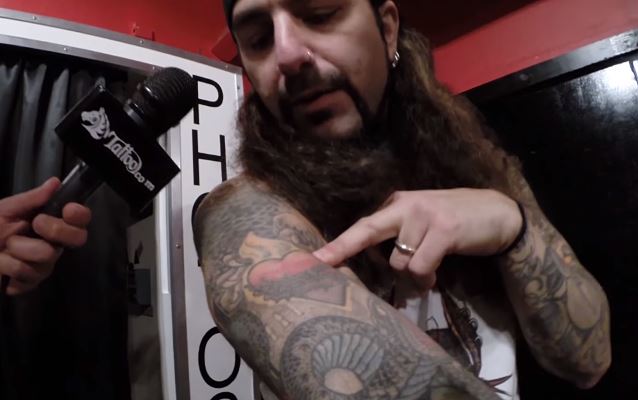
Mike Portnoy’s tattoos connect with his years in progressive metal, touring and recovery. He has talked about some of the designs in interviews, including the Tattoo.com video on this page. The five photographs show different views of his ink; they are not five separate tattoos.
He has explained selected pieces, but the available accounts don’t give a complete inventory of every mark. The clearest stories are the hand tattoo, the Deathbat, “No Regrets” and the art he links with the 12-Step Suite.
The hand tattoo and the interview
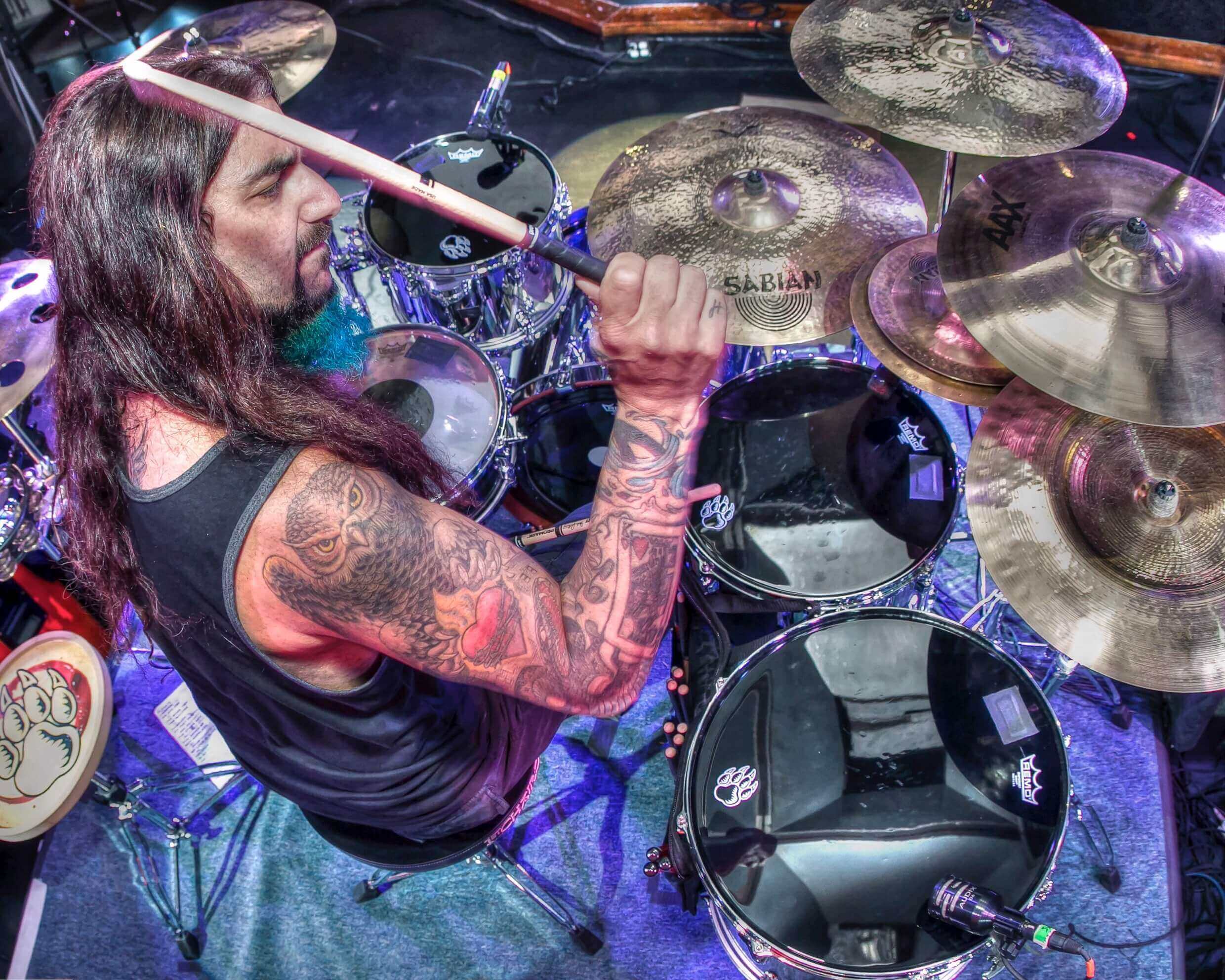
Portnoy has spoken about his tattoos in interviews, pointing to particular pieces and explaining why they stayed with him. He has also said that he got a hand tattoo during Gigantour in New Jersey. Hand ink is hard to keep out of view, especially for a drummer whose hands are constantly in motion onstage.
The photos here show the collection in several settings, from portraits to performances. A sleeve can look quite different when he turns his arm toward the camera or part of it disappears behind the kit. The images help show the scale of the work, while his interviews are the best guide to meanings he has chosen to discuss.
The Deathbat tattoo and Avenged Sevenfold
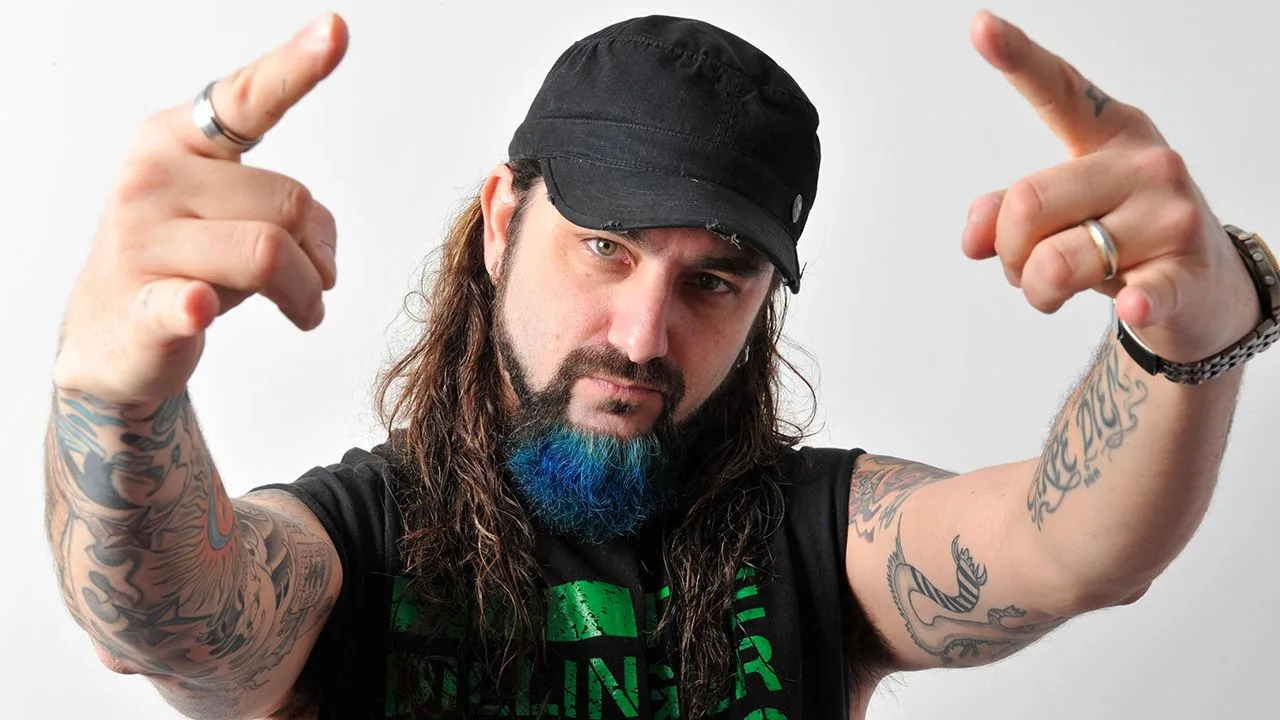
Portnoy has described the Deathbat as a way to mark his time with Avenged Sevenfold and the bond he felt with the band. He joined after drummer Jimmy Sullivan, known as The Rev, died. Portnoy stepped into a difficult role during a painful moment for the group, and the symbol records that chapter of his career.
For fans, the Deathbat is immediately recognizable as Avenged Sevenfold’s emblem. For Portnoy, getting it was also about being part of the band’s circle. Those meanings overlap, but the tattoo doesn’t need to be read as a simple career souvenir.
No Regrets tattoo and choosing a direction
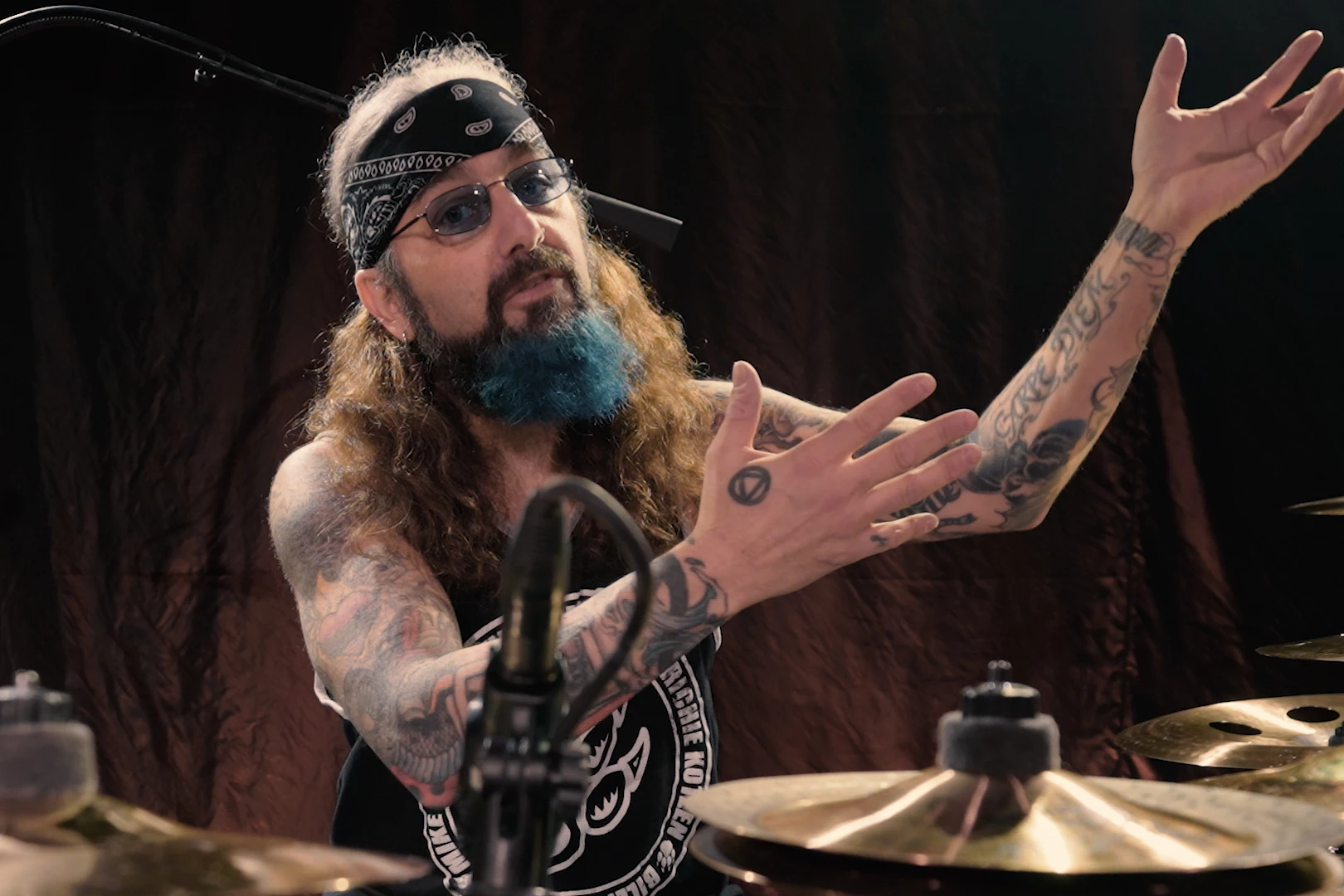
Portnoy has explained “No Regrets” as a reminder that he followed his heart and doesn’t want to spend his life replaying decisions. It isn’t a claim that every choice was easy. The phrase points instead to accepting a direction and continuing forward.
That idea fits a career that has moved through Dream Theater, Avenged Sevenfold, The Winery Dogs, Sons of Apollo and other projects. The words are brief, but they hold a personal view of change: choices matter, and so does what you do next.
The 12-Step Suite tattoo story and recovery
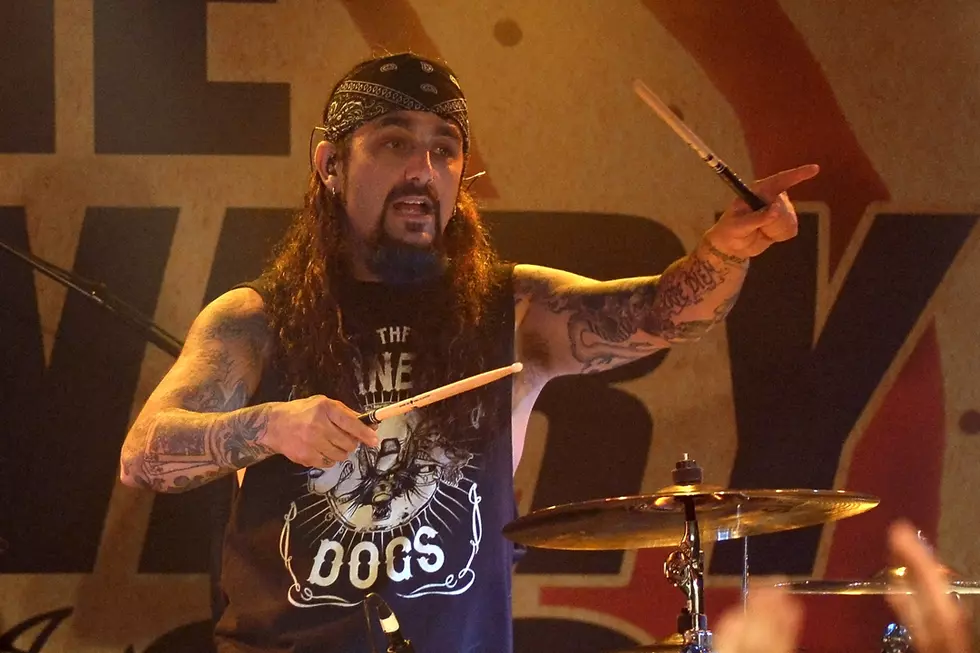
Portnoy has connected tattoos on his arms with the 12-Step Suite, the group of songs he wrote about alcoholism and recovery. The music was among the most personal work in his catalogue, and it gives the ink a place within a larger story of struggle and change.
Not every skull, letter or shaded figure in a photograph has a public explanation. It’s better to leave those details open than assign each one a meaning. The documented pieces point to music, memory and recovery, even though the sleeves don’t follow one uniform visual style.
Artist tribute tattoos, family and the full sleeves
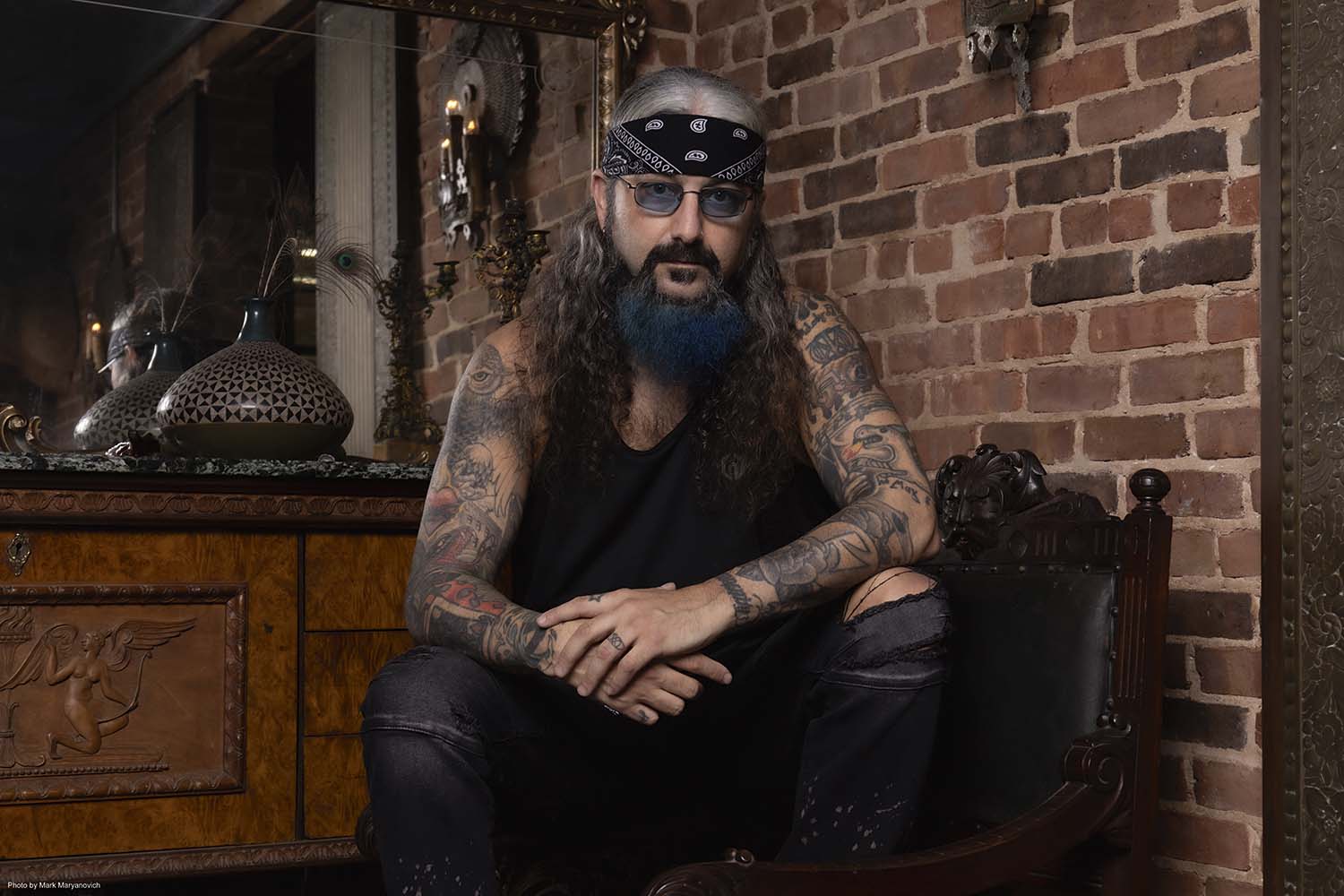
Portnoy’s career references reach beyond one band. Dream Theater remains central, while the Deathbat marks another chapter. His sleeves also draw on the visual language around heavy music, horror art and theatrical performance. The available interviews explain some designs, but they don’t identify every skull, symbol or portrait as a specific family or artist tribute.
A collection built over years can mix lettering, portraits, symbols, color and shading without looking like one planned set. Continuity can come from what the pieces mean to the person wearing them, rather than one palette or artist. Planning still matters when new work has to fit around older tattoos, but the varied textures are part of what makes Portnoy’s sleeves feel lived in.
The photographs also show how ink changes with time and distance. Some lines soften, colors settle, and separate shapes can merge in a wide stage shot. Behind a drum kit, his arms turn and cross, revealing parts of a sleeve that a straight portrait hides. The images offer different glimpses, not a complete record of everything he has had tattooed; Portnoy has also mentioned ink on his legs.
Taken together, the pieces he has explained mark touring, a band he joined at a difficult time, a personal philosophy and recovery. Other parts remain artwork without a published story attached. That mix is enough to give the collection a point of view without pretending every detail is known.
Watch Mike discuss his tattoos: