Musicians

Tattoo guides for singers, rappers, DJs and musicians, with photographs, documented meanings and the stories behind their designs.

Nick Jonas Tattoos Pair Small Symbols with a Few Big Sentiments

Nick Jonas’s collection is small: a cursive word, a statement of faith, matching arrows with his brother Joe, and the check-and-box design he shares with Priyanka Chopra Jonas. Most are easy to miss in full-length photos; up close, each points to a particular moment.

Nick and Priyanka have explained some tattoos themselves. Photos show the marks and where they sit; interviews supply the meaning when either has spoken about it. For the rest, the images are enough to describe what’s there.

Mercy, with its long infinity-like tail
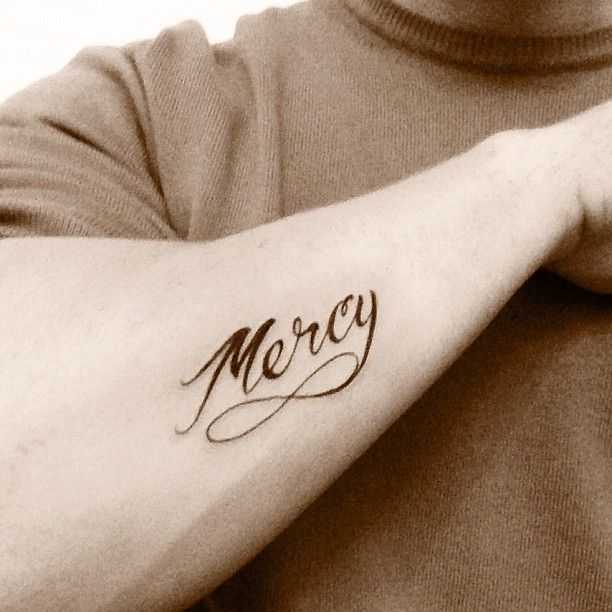
Close-up of Nick Jonas’s cursive Mercy tattoo with an infinity-shaped flourish on his forearm

The word Mercy sits in fine cursive along Nick’s forearm. The letters slant forward, and the final stroke runs beneath the word in a long loop that can look like a separate infinity symbol. In the photo, it continues from the word as one flourish.

Nick posted a photo of the tattoo in 2012 with the caption “Mercy Forever.” Some articles link Mercy to biblical language about enduring mercy, which fits his public faith, but Nick hasn’t said what prompted it. The word and caption are the details he has shared.

A bent wrist, sleeve or microphone can break up the line in performance photos. A close-up shows the flourish running horizontally beneath the word, giving it more reach without making the tattoo large. Its fine cursive stands apart from the sharper symbols on Nick’s other arm.

The compact code for faith’s highs and lows
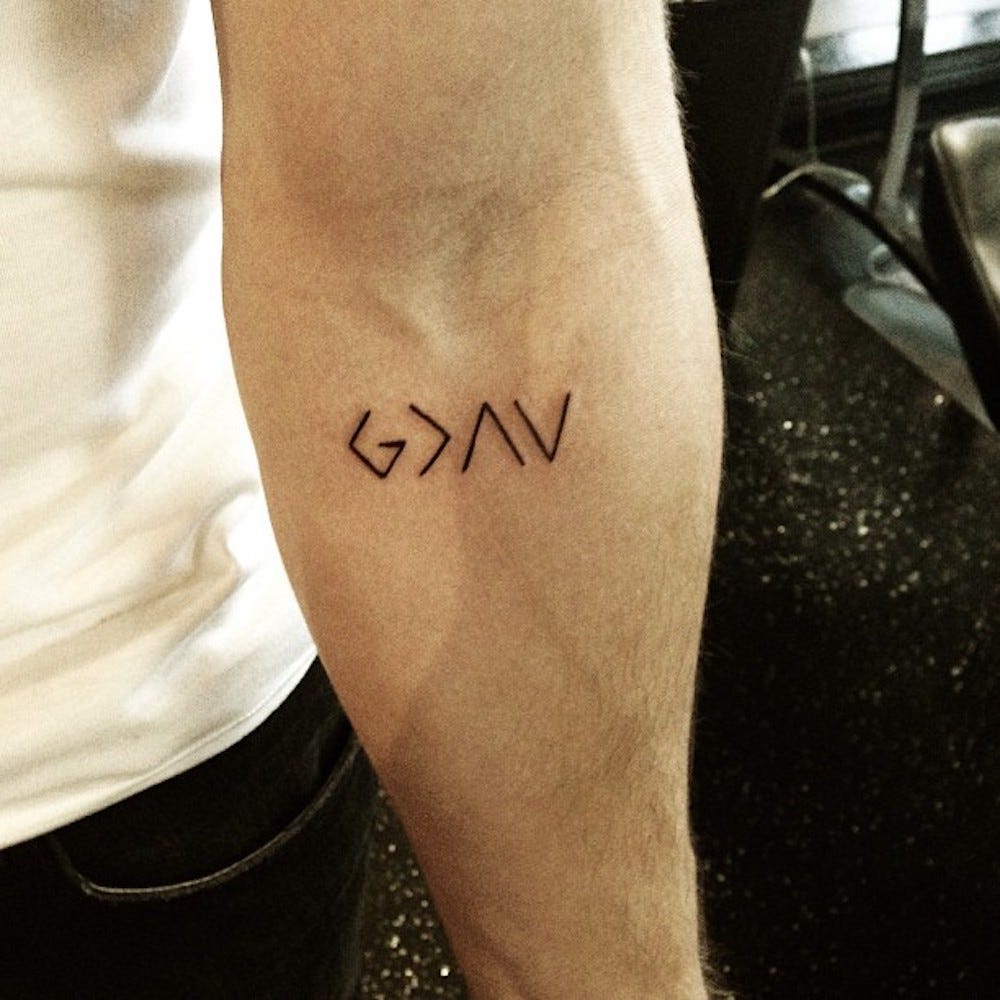
Nick Jonas’s geometric G, greater-than sign, peak and valley tattoo on his inner forearm

On his inner left forearm, Nick has G > ^ V: a G and a greater-than sign followed by two sharp, mountain-like strokes above a thin line. It looks more like a small diagram than a written sentence.

In a 2017 WIRED interview, Nick explained it: “God is greater than the highs and lows.” The greater-than sign carries the sentence; the caret and V suggest its highs and lows. The symbols form a compact diagram rather than a detailed mountain scene.

The photo shows the symbols’ spacing and placement; Nick’s quote gives their meaning. At a distance, the small marks blur together, but a close-up makes each one legible. Unlike Mercy, which is fine script, this tattoo is a row of geometric signs.

Nick’s explanation is specific, so there’s no need to add another Bible verse or a personal story he hasn’t shared.

Matching arrows point between Nick and Joe
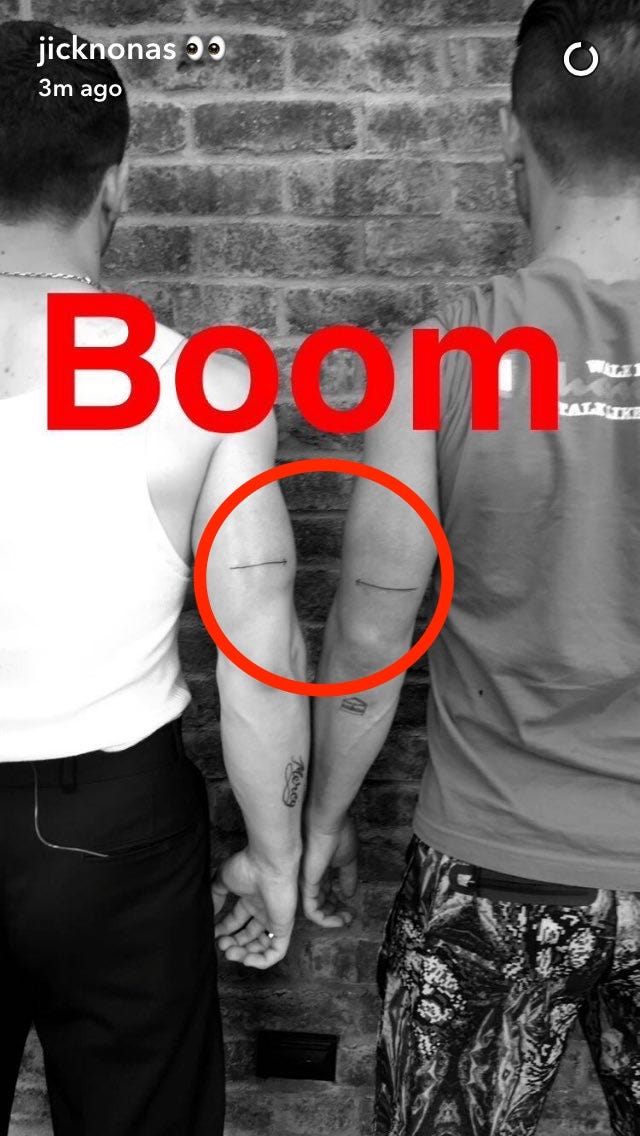
Nick and Joe Jonas showing their matching horizontal arrow tattoos on the backs of their upper arms

Nick and Joe got matching thin, horizontal arrows just before the 2016 MTV Video Music Awards. They sit on the backs of their upper arms and point toward one another, facing inward when the brothers stand together.

Joe posted that he was getting tattooed before the VMAs, and Nick shared photos of the process and finished arrows. They were both getting ready for the same award-show night. One old social-media photo has a large “Boom” graphic over it; that’s an overlay, not part of the tattoo.

The drawing is simple: a narrow shaft and a small point, with no shading or decorative fill. From behind, the direction is clear; when the brothers face the camera or wear sleeves, it’s easy to miss. The arrow does the work.

In WIRED, Nick said the arrows represent having each other’s backs. That’s the meaning he gave them. The photo shows their placement and direction; his explanation gives the sibling connection.

A check and an empty box keep Priyanka’s proposal story close
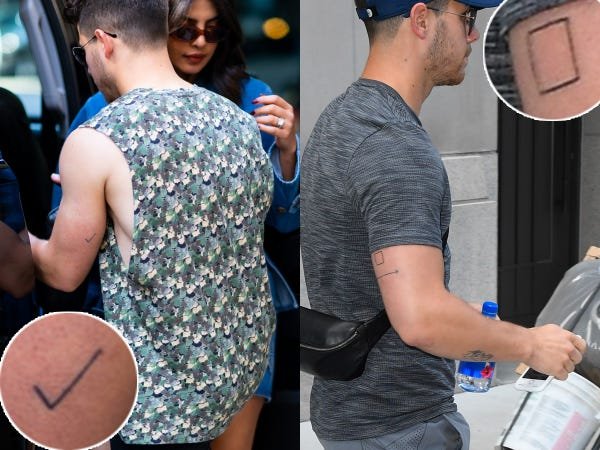
Nick Jonas’s matching checkmark and empty-box tattoos on the backs of his arms

The design Nick and Priyanka share pairs a checkmark with an empty box. His are on the backs of his arms; hers are behind her ears. One box is checked, the other left open, with no extra decoration.

Priyanka told British Vogue that the tattoos came from Nick’s proposal. He said she had checked all his boxes, then asked if she would check one more when he proposed. They turned the line into two small tattoos.

The tattoos match in design, not location. Nick wears his on his arms and Priyanka behind her ears. A photo of one arm may show only the check or the open box; seeing both marks makes the joke clear.

The couple have explained the proposal reference, but not when they got the tattoos. Some accounts place them on the first anniversary of their engagement, but neither Nick nor Priyanka confirmed that date.

Four designs, each with its own evidence

Nick’s four documented designs point to different stories. Mercy has a sweeping flourish and the caption he shared; the forearm symbols carry his faith message; the arrows mark his bond with Joe; and the checkboxes recall his proposal to Priyanka.

The collection is small but varied: flowing script, a faith statement, a sibling pair and a proposal joke. Photos show how the designs look; Nick and Priyanka have explained the meanings they wanted to share.
More musician tattoo guides

Lenny Kravitz's Tattoos Move Between Faith, Family and Rock Theatre

Lenny Kravitz’s tattoos range from a large dragon across his chest and arm to an arrow cross he has explained through his faith, a forearm inscription and smaller marks on his hands and arms. Some are clear in portraits; others appear mainly in tattoo inventories. Kravitz has explained the arrow cross, but not every design.

The dragon follows the shape of Kravitz’s chest and left arm

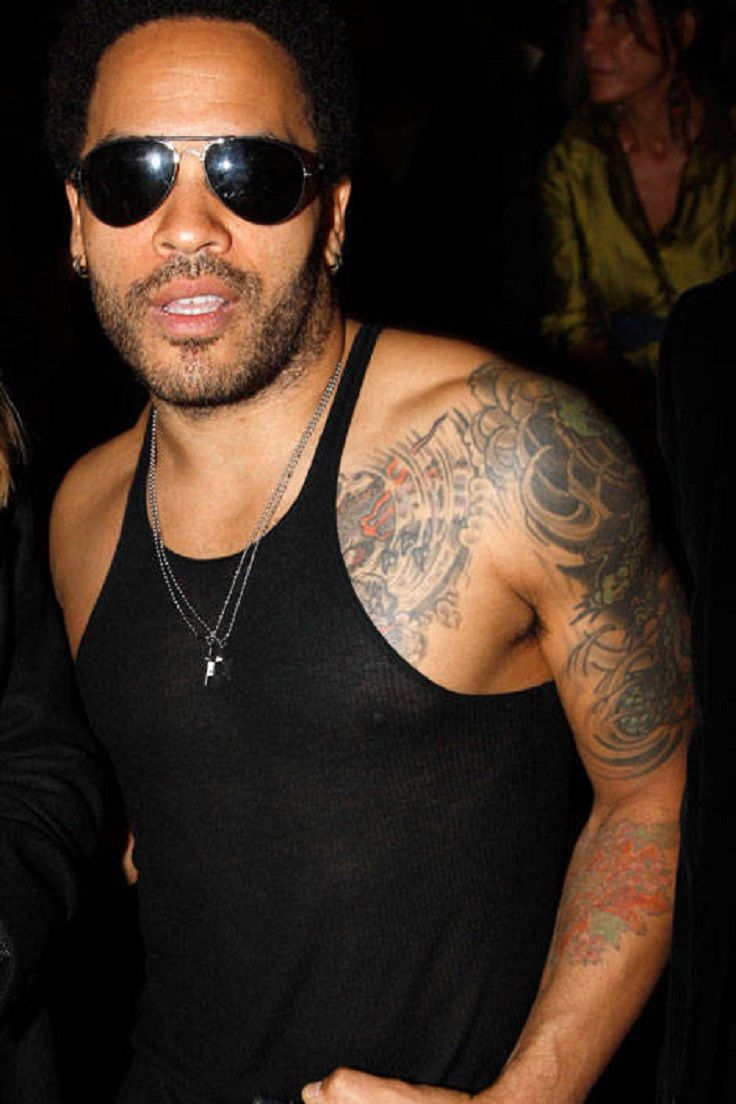
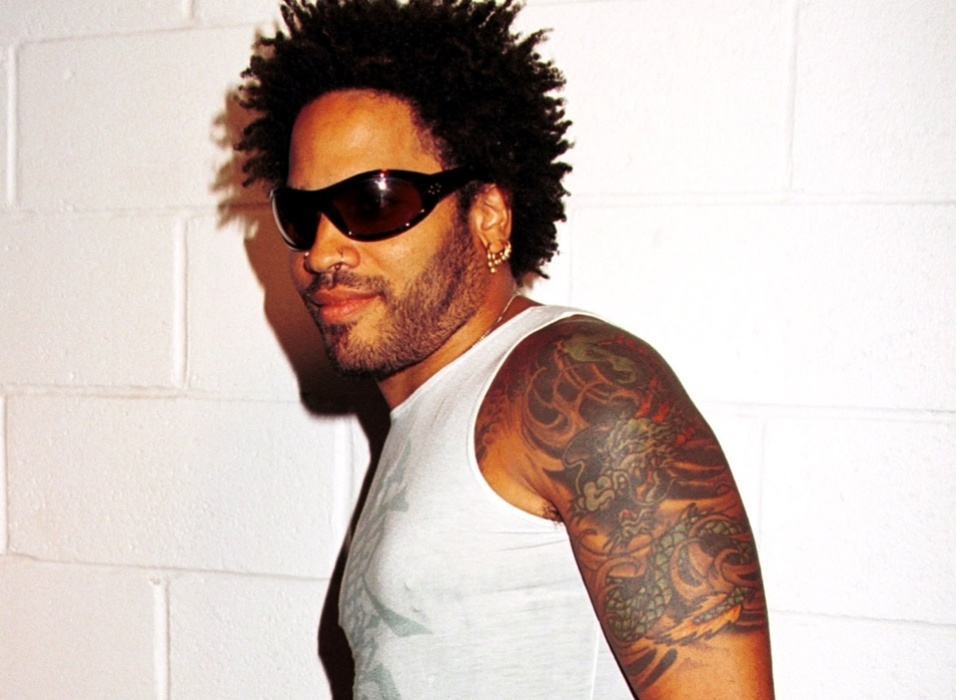
Lenny Kravitz showing the large dragon tattoo across his chest, shoulder and upper left arm

The largest tattoo in published inventories is a dragon extending across the left side of his chest, shoulder and upper arm. It follows the shape of his upper body, and narrow crops can break it into fragments. A wider portrait shows the dragon running from chest to arm. Stage clothing and straps often hide part of it.

Close-ups show a black-and-grey dragon with touches of red and surrounding shapes that could be wind, clouds, water or smoke. Some catalogues call it “Japanese-inspired,” but Kravitz hasn’t confirmed that style label. The photos show the placement and broad design, not what it means to him.

Inventories also mention another dragon motif near the chest. Without a photo linking it to the larger design, it’s best to treat it separately. Kravitz hasn’t explained every part of the dragon work; its size, line and placement are clearer than claims about protection, ancestry or symbolism.

A colourful flower grouping on the inside of his left forearm also appears in tattoo inventories. Some sources identify lilies and daisies, though broad portraits don’t show every bloom clearly. The flowers form a separate patch of colour, easier to see when Kravitz turns his arm toward the camera. Stage lighting can flatten the colour and blur the petals. The patch stands out against the dragon’s dark lines, but Kravitz hasn’t given a specific meaning for each flower.

The arrow cross grew from a drawing and a conversation about faith

Lenny Kravitz upper-arm tattoo detail associated with the arrow-cross design

Kravitz has given a first-person account of the arrow cross. In a Robb Report interview, he recalled sketching it on a paper plate and thinking it might make a good tattoo. He connected the arrows, which point outward in different directions, with Christ consciousness moving in all directions. The interview doesn’t say exactly when the tattoo was completed or who applied it.

Kravitz’s account gives the arrow cross a specific meaning. Another catalogue describes a black-and-grey cross made from small triangular shapes near the right upper arm. The available accounts don’t show whether that is the same piece, so the two descriptions should stay separate.

The arrow cross is one part of a collection that also includes a dragon, flowers, lettering and smaller hand tattoos. Kravitz’s explanation applies to that design, not automatically to the others.

“Free at Last” stands out for its plain, readable lettering

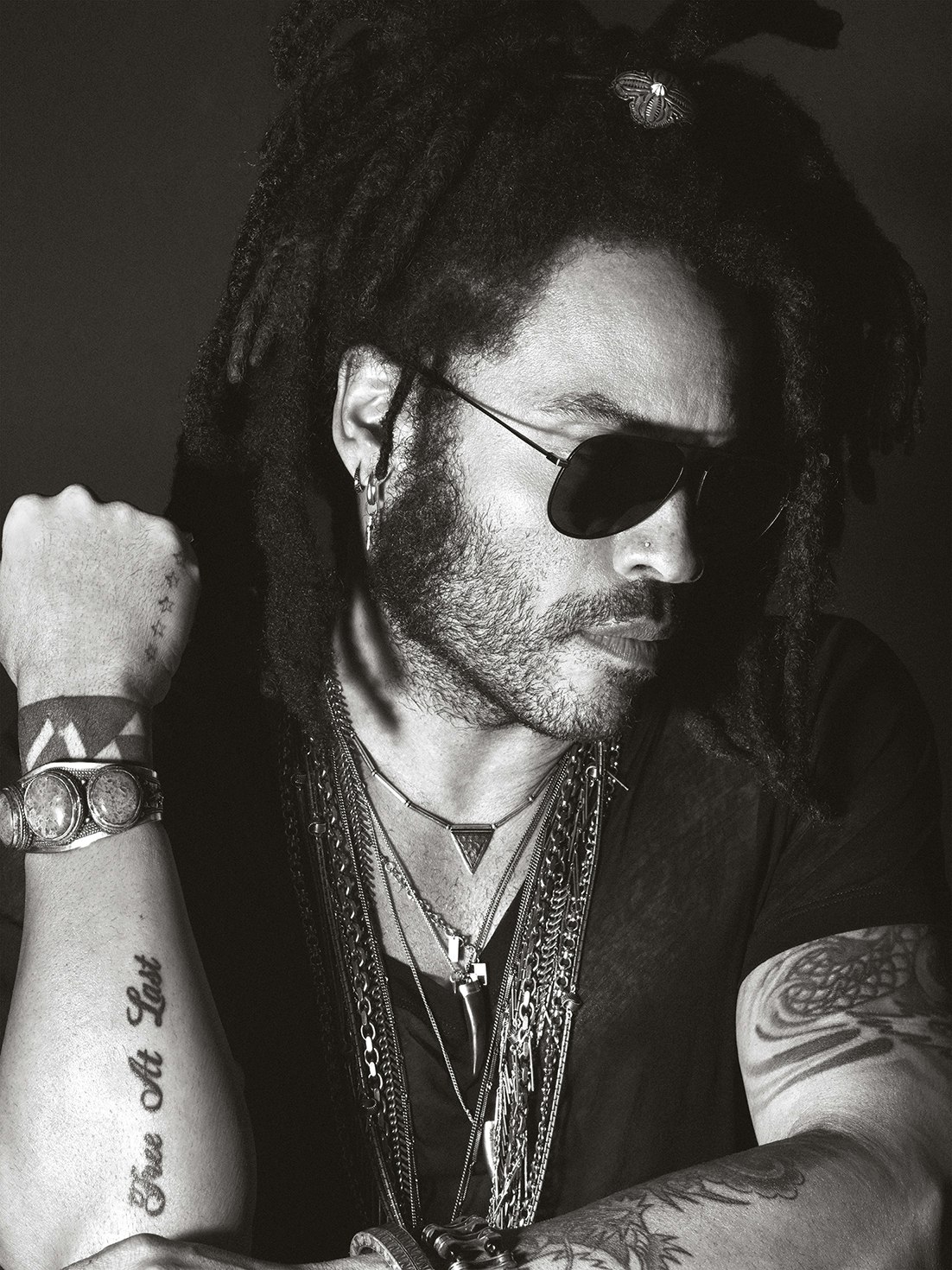
Lenny Kravitz portrait clearly showing the Free at Last lettering tattoo on his forearm

The forearm script Free at Last is one of the easiest tattoos to read in portraits of Kravitz. It shows when he holds a microphone or wears sleeveless clothes. The short line of text needs little space; as he turns his arm, the phrase faces the camera.

Kravitz hasn’t publicly tied “Free at Last” to a particular event. In portraits, the words are clear, but no verified backstory accompanies them. The lettering is readable on the open stretch of forearm; that is what the photos establish.

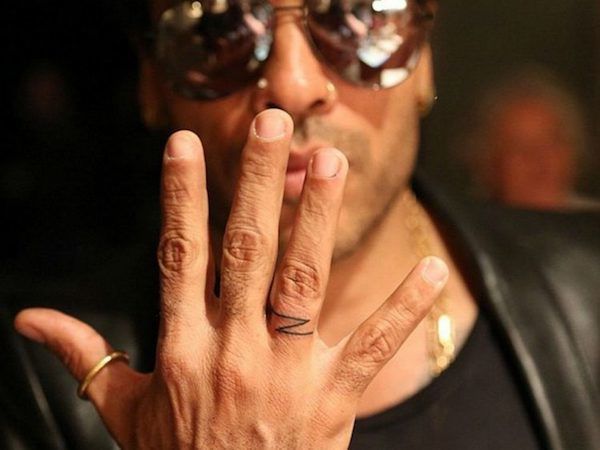
Inventories also list a “Z” on a finger of his right hand, commonly identified as the initial of his daughter, Zoë. The small letter can disappear when Kravitz curls his fingers around a microphone. Sources widely report the family connection.

Lenny Kravitz raising his right hand to show the small Z tattoo on his ring finger

Other catalogues list stars across both hands and a band around the right wrist. The stars are small and hard to count in wide performance photos. The wrist band is a narrow cuff of ink. Inventories support their presence, but the images don’t confirm an exact number or every detail.

One inventory also records a face on the right forearm. A reader comment guesses it may show Kravitz’s mother, Roxie Roker, but he hasn’t confirmed the identity. Resemblance alone isn’t proof. The catalogue also lists a small cross and triangle; its shape and placement are reported, but its meaning is unknown.

Back lettering is reported, but few clear photos are available

Several accounts report a large inscription across Kravitz’s back: My Heart Belongs to Jesus Christ. Written sources connect it with his Christian faith, but there is no clear, verifiable photo in the material reviewed here. Its lettering style, size and exact span on his back remain unknown. Kravitz has explained the arrow cross, but not the circumstances behind this inscription.

The dragon dominates by size, the flowers add colour, and “Free at Last” is easy to read. Kravitz’s arrow cross has the clearest first-person explanation. Other small marks and the back inscription are known mainly through inventories, so their appearance and meanings are less certain.

More musician tattoo guides

Flea’s Tattoos, from Hendrix to the Bear on His Chest

Flea’s tattoos have changed over the years, from the Jimi Hendrix portrait he got in 1981 to the black bear on his chest added decades later. He also has a large back design, a spiral and elephants along one arm. Flea has spoken about the bear and Hendrix; photos show the other pieces.

Flea has explained what his chest bear means

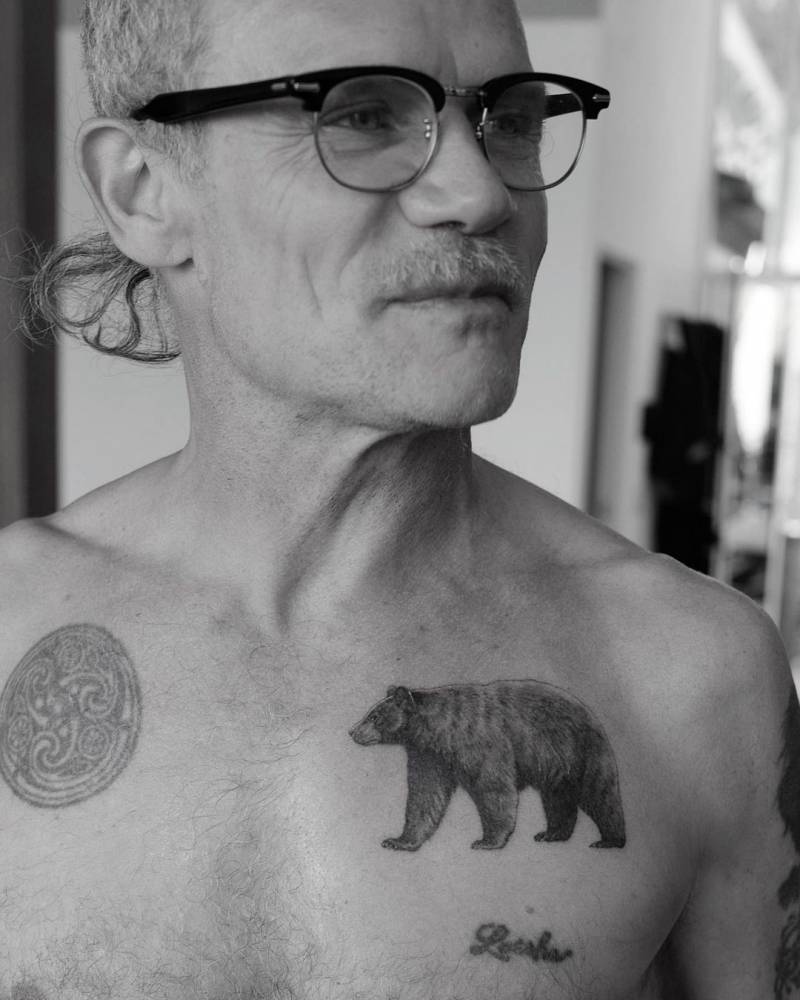
Flea’s black bear chest tattoo, tattooed by Dr. Woo

Flea unveiled the black bear on his chest in June 2021 and credited tattoo artist Dr. Woo. The close-up shows the bear’s fine shading; it takes up only a small part of his chest.

In a post covered by Hauraki, Flea said bears had always been around him. He connected them with “bravery, strength and protection”, as well as defending personal boundaries, and also linked them to the forest and the earth.

Flea also mentioned people close to him with Bear in their names, another personal connection behind the tattoo. He hasn’t said that any one association is the whole story.

Unlike many of Flea’s older tattoos, the bear has a named artist and an explanation from him. For several earlier pieces, there is little beyond a photograph or a short catalogue description.

Flea got the Jimi Hendrix portrait on his left arm in 1981

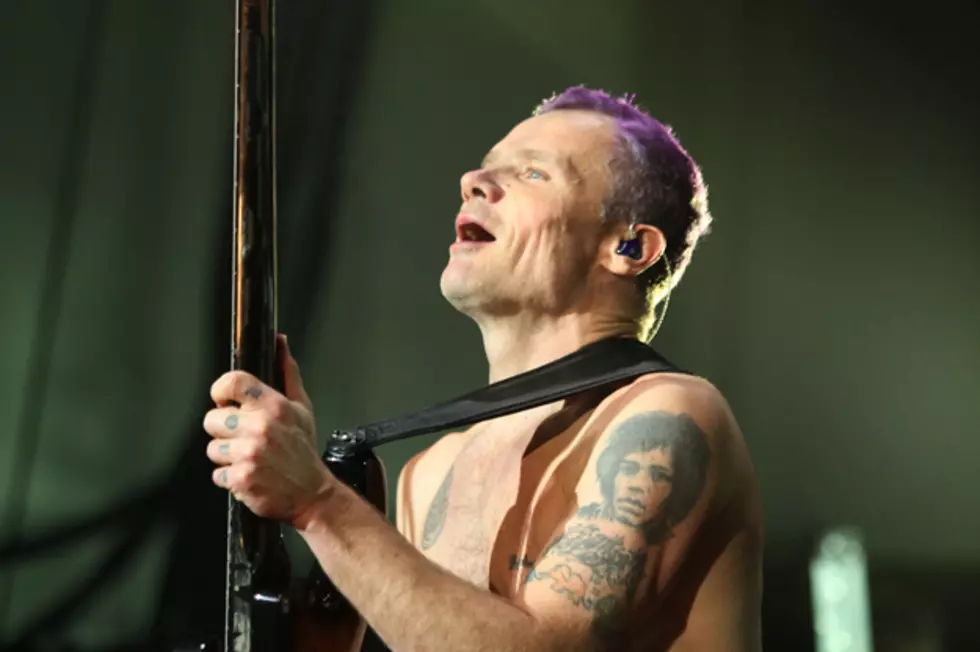
Flea showing the Jimi Hendrix portrait tattoo on his left upper arm

Flea got the Hendrix portrait on his left upper arm in 1981, when he was 19. In a Rolling Stone interview, later excerpted by Ultimate Classic Rock, Flea recalled hearing about a talented tattooist in town, deciding he wanted Hendrix’s face and going for it. It was a quick decision, not a design he had planned for years.

Flea recalled that his mother or stepfather asked him to consider the lasting psychological effects of getting a tattoo. Still, he went ahead with a portrait of a musician whose playing meant a great deal to him.

An old Getty Images caption places Hendrix above a line of elephants on Flea’s left arm. The portrait and elephants sit close together, so they can look like one design in photographs, but they are separate pieces.

Flea got the portrait before the Chili Peppers formed in 1982. It predates the band’s first album and his later fame, and began as a tribute to a musician whose playing he admired.

A large design covers Flea’s upper back

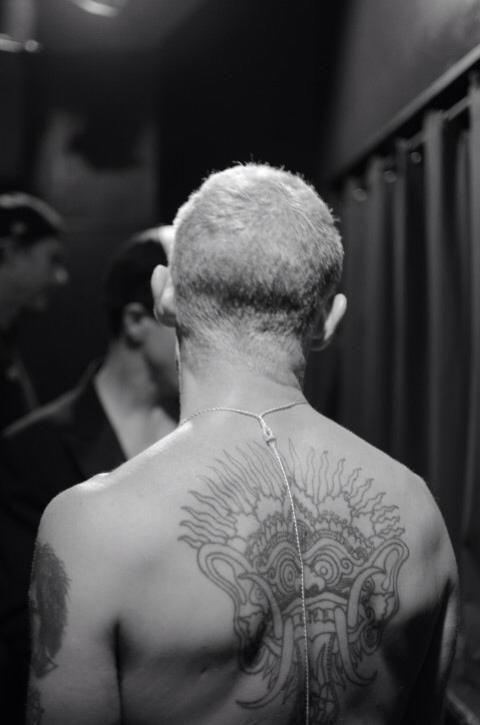
Flea’s large radiating design across his upper back

A broad, dark design covers the upper part of Flea’s back, between the shoulder blades. Its face-like center is surrounded by layered shapes and lines that fan outward. It takes up much more space than the bear on his chest. The monochrome photograph shows the outline clearly, though some of the shading is hard to make out.

No reliable first-person account explains who designed the back tattoo, when Flea got it or what it means. Its face-like center and radiating lines may invite guesses, but the design alone can’t tell us his intent.

Performance photos rarely show Flea’s back; he is usually seen from the front or side with a bass. Lighting can flatten the design or make it look darker, so a clear view from behind gives a better sense of its size and layout.

The spreading lines give the large back piece a bolder look than Flea’s smaller chest tattoos.

Flea also has a chest spiral and elephant tattoos

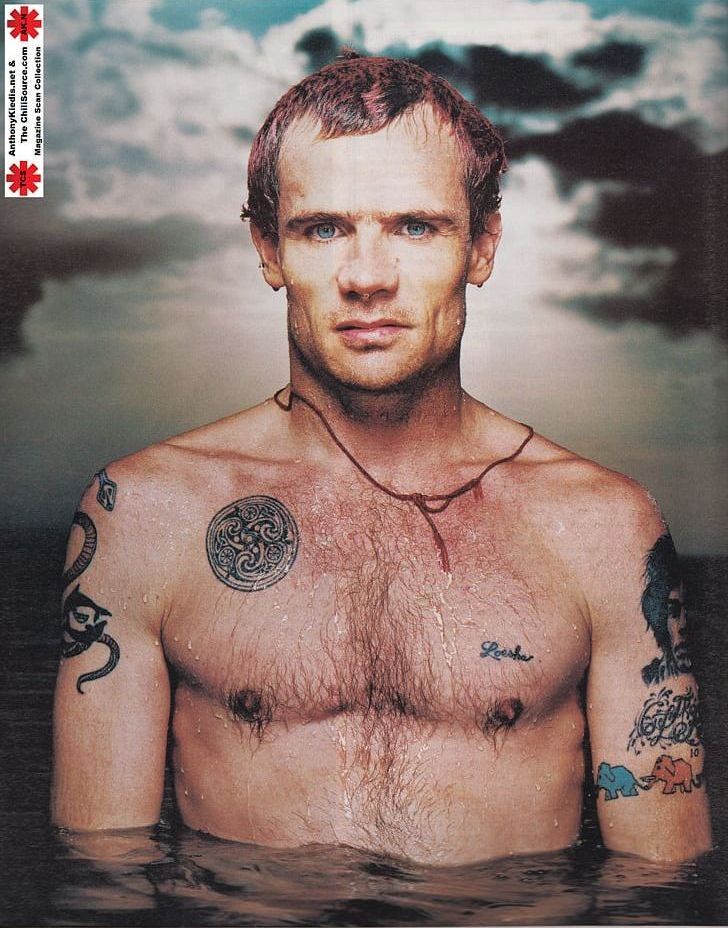
Flea’s Celtic-style chest spiral and elephant tattoos on his arm

A separate portrait shows a Celtic-style spiral on Flea’s right chest and small, colourful elephants on his left arm. The spiral is a tight circular pattern, while the elephants are compact figures that follow his arm. A portrait published by Composers Breakfast Club shows the chest and arm together.

Getty’s older caption for the Hendrix portrait also mentions the elephants around it on Flea’s arm, showing they were already there in photographs from his early years.

The spiral’s curves give it a Celtic-inspired look, but Flea hasn’t said why he chose it or tied it to his heritage or beliefs. He hasn’t explained what the elephants mean to him either.

The spiral and elephant line add more pattern to a collection that also includes portraits, animals and the large back design.

The stories Flea has shared

Flea got the Hendrix portrait at 19, before the Chili Peppers formed, and decades later had Dr. Woo tattoo the bear on his chest. He has spoken about why both designs matter to him. The back design, spiral and elephants round out a collection that spans portraits, animals and abstract patterns.

More musician tattoo guides

Inside Anuel AA’s Tattoo Map: Dragon Ball, Faith and Family Ink

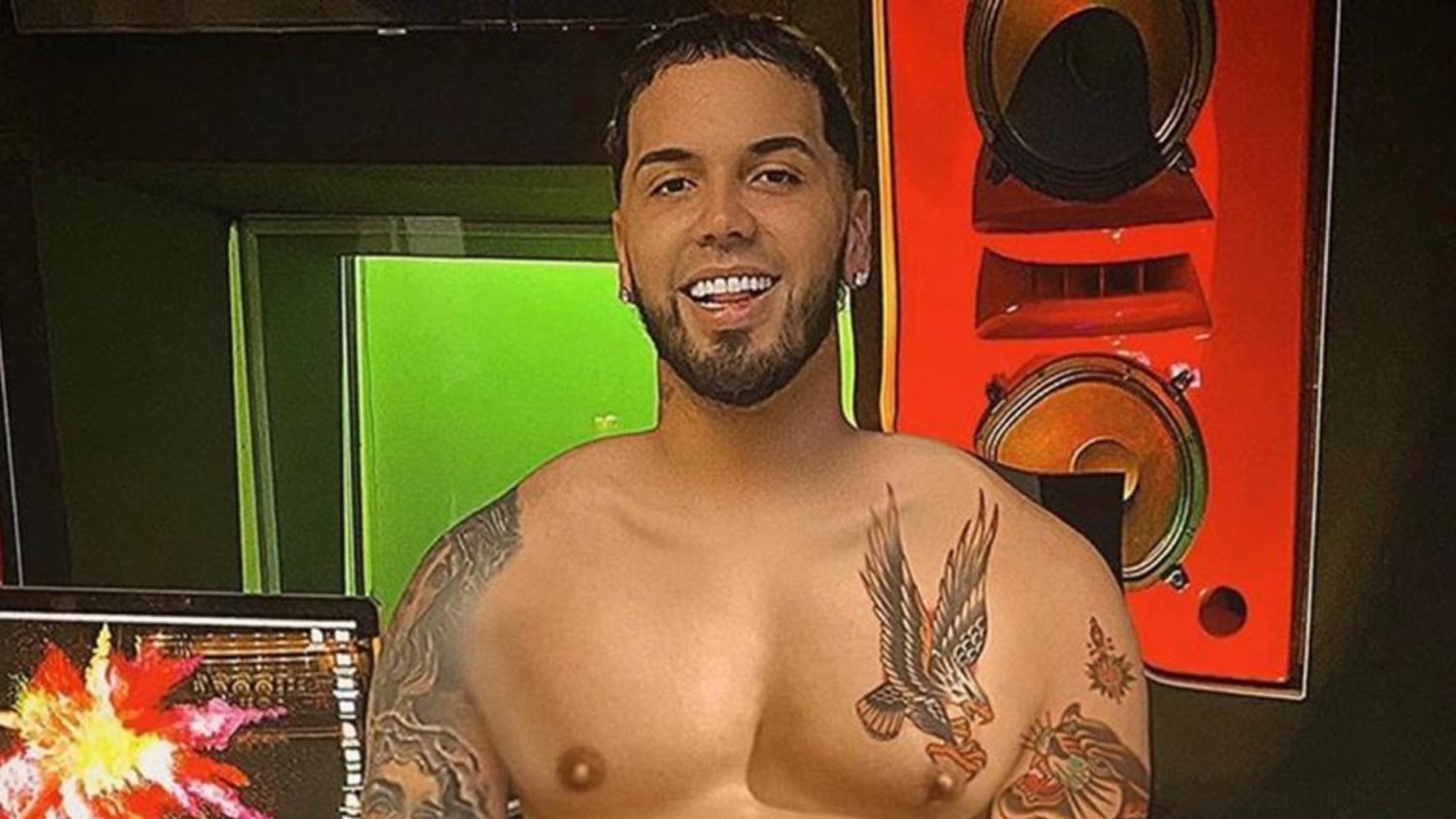
Anuel AA’s tattoos read as a series of memories: childhood anime, family, faith, career and relationships. In GQ’s Tattoo Tour, he explains much of the collection himself. It includes a Dragon Ball Z arm sleeve, an elephant, religious portraits, hand lettering and later cover-ups.

His comments explain what the elephant and many personal marks mean; photographs show where they sit. Small or blurry designs are harder to identify.

Dragon Ball Z turns Anuel’s arm into a record of his younger self

Anuel AA's Goku and Vegeta Dragon Ball Z tattoos
Anuel AA showing his Dragon Ball Z arm tattoos

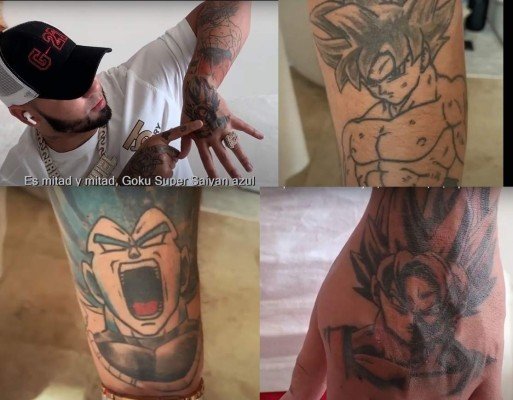
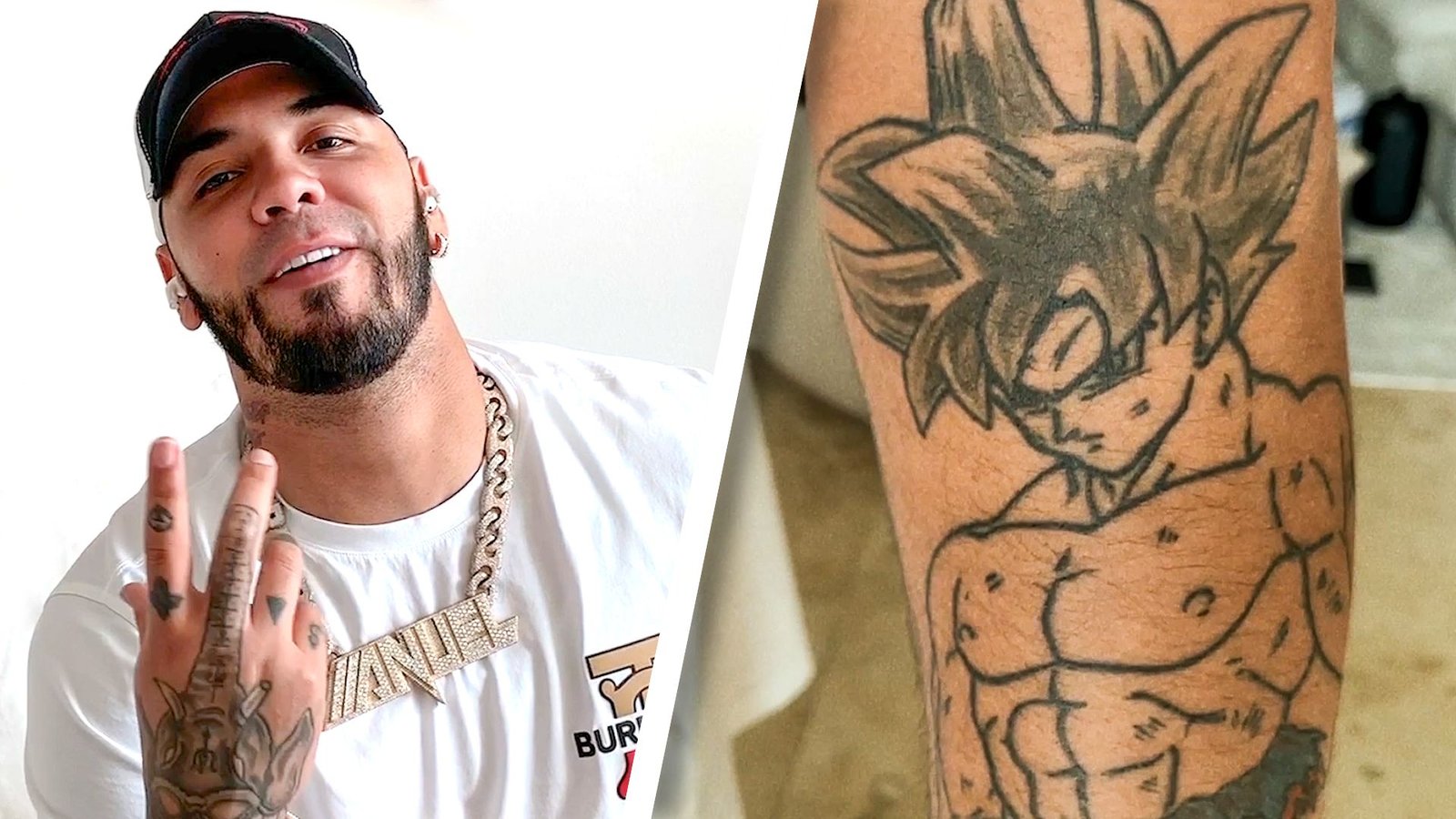
GQ’s Tattoo Tour shows Goku, Vegeta and a blue Super Saiyan across Anuel’s arm, which was still being filled in during filming. The sleeve was still developing, and the characters occupy separate sections, mixing black-and-gray line work with colour and shading.

Anuel connects the anime images to his infantil, or childlike, side and to the cartoons he watched before fame. The detailed portraits give the sleeve room to dominate the forearm without turning it into one oversized logo.

He also talked about continuing the work across his back and arm. The tattoo tour captures one stage; later photographs may show added shading or characters.

The elephant is an early symbol tied to fame and fortune

Anuel AA showing the elephant tattoo on his hand

Anuel identifies an elephant among his early tattoos and connects it with fame and fortune. The elephant is more than an animal in the inventory; it marks an ambition he has described himself. His collection includes much more than animal imagery.

Its place in the timeline matters. Early designs can remain visible beneath later work, and the elephant points to a period before the Dragon Ball sleeve, faith imagery and relationship names became part of the collection.

The fame-and-fortune meaning is the one Anuel has shared. He has not assigned a separate meaning to every part of the elephant image or called it a universal symbol of ambition.

Faith, family and memory sit close to the chest

Anuel AA showing the eagle and other chest tattoos.

GQ’s tattoo tour shows religious imagery, portraits and symbols around Anuel’s chest and torso, including designs tied to family and memory. He connects some religious tattoos with his spiritual journey and the period he spent in prison.

A photograph can identify a face or cross; Anuel’s comments give context for why he chose it. The image and the interview fill in different parts of the story.

He also discusses tattoos honouring relatives and people close to him, including his son, his mother and a late friend. The portraits are visible, but their identities and messages depend on what he has said about them.

Hand and neck cover-ups show that the tattoo map can change

Anuel AA's hand and neck cover-up tattoos

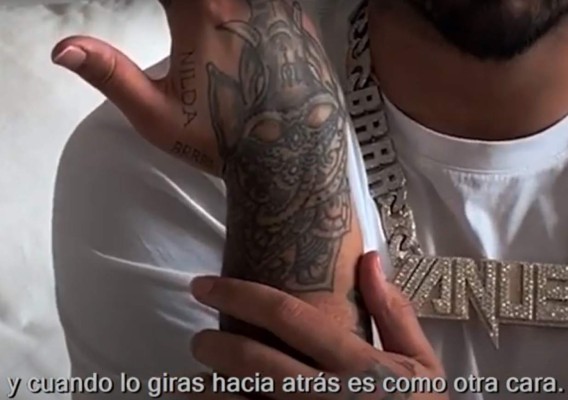
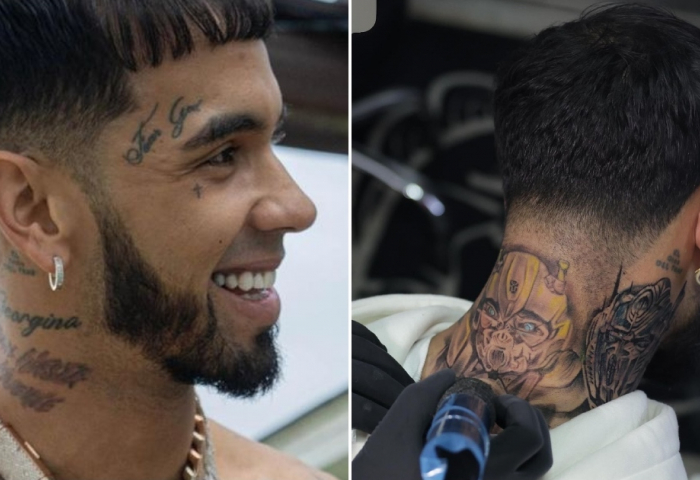
CiberCuba reported in 2024 that Anuel covered names associated with former relationships. The report shows a Batman silhouette replacing a name on his hand and a portrait covering a name on his neck, with studio photographs documenting the work.

Cover-ups have to absorb the old lettering, so the new shapes do more than add another picture. Dark contours and faces can hide the earlier design while giving the area a new look.

Dates matter here: an older photo and a photo after the cover-up can both be accurate while showing different tattoos in the same place. Anuel’s hand and neck designs changed, and the photographs show the sequence.

What Anuel has explained and what photographs show

Anuel has enough public tattoo material for a detailed record, but no single image shows all 27 at once. GQ’s tour pairs close photographs with his explanations; La Prensa offers another view of the Dragon Ball designs, and CiberCuba documents a later cover-up. Together they support an inventory without decoding every small symbol.

The collection moves between childhood fandom, ambition, faith, family and changing relationships. The anime sleeve is its visual centre; the elephant marks an early career idea, while religious and family tattoos add memories. The cover-ups show that visible ink can change.

For anyone looking at Anuel’s tattoos as design, the scale and placement matter as much as the subject. Character work needs space for facial detail; cover-ups need shapes that can hide old lettering; religious portraits rely on contrast and a clear focal point. The reported meanings help, but the designs can still be read on their own.

More musician tattoo guides

A$AP Rocky’s Ink: A$AP LIFE, 1988 and the ANARCHY Knee Tattoo

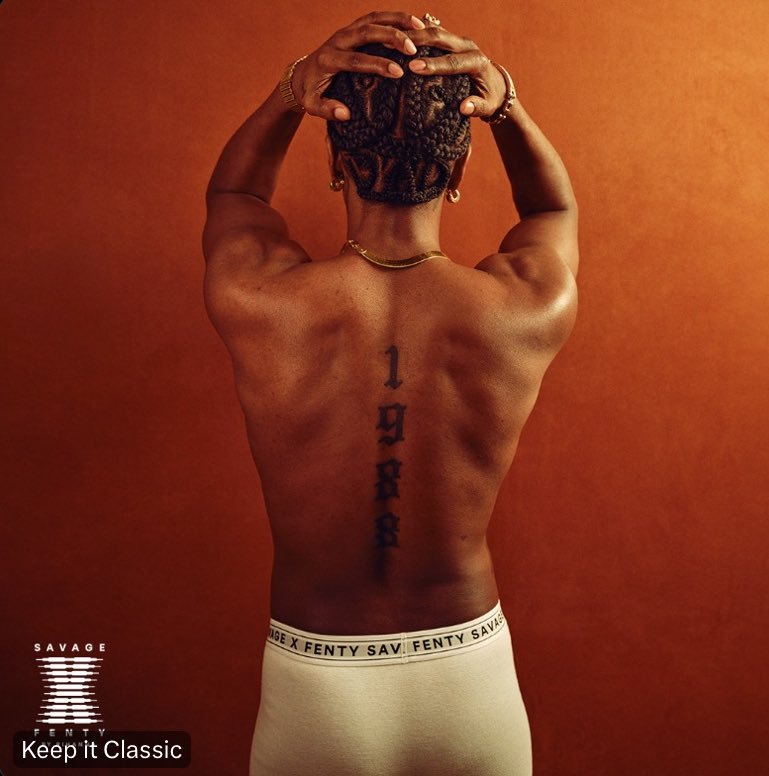
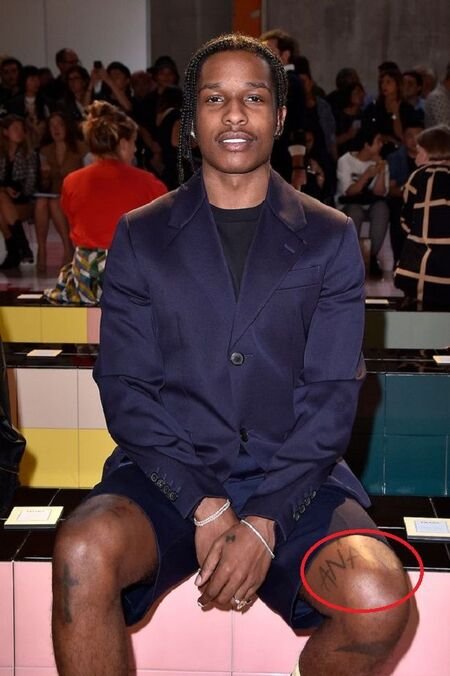
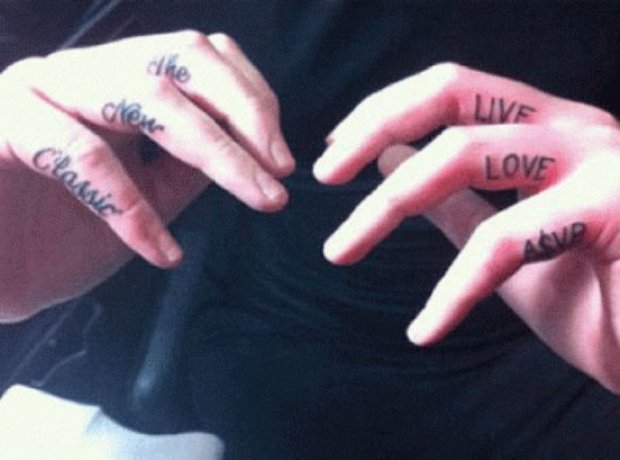
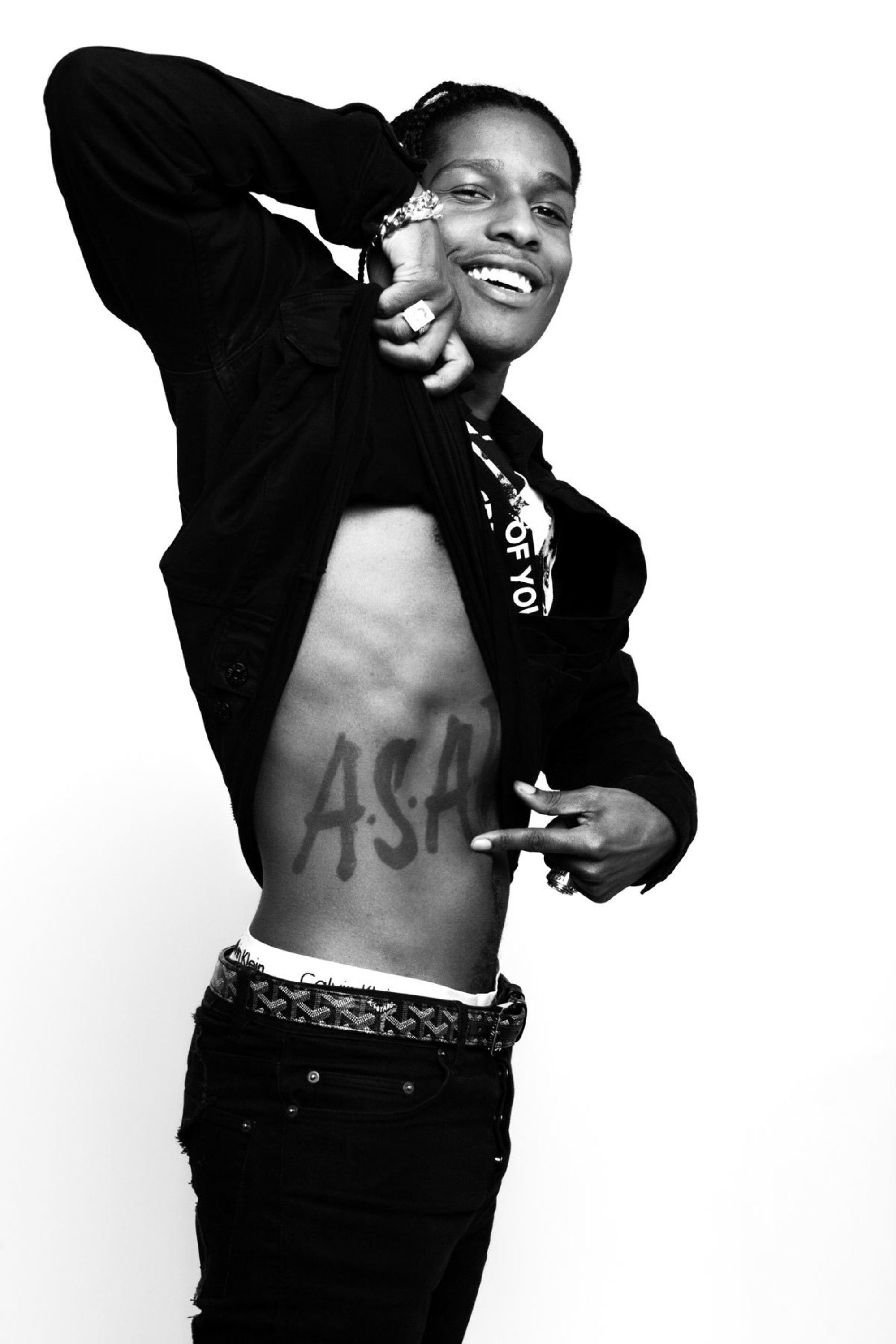
Rocky’s tattoos don’t come with an official checklist. A few are easy to identify: A$AP LIFE across his stomach, 1988 down his spine, ANARCHY above his knee and lettering on his fingers. Photos show plenty of other ink, but these have the clearest reporting behind them. When a picture doesn’t show a mark clearly, there’s no point guessing at a secret meaning.

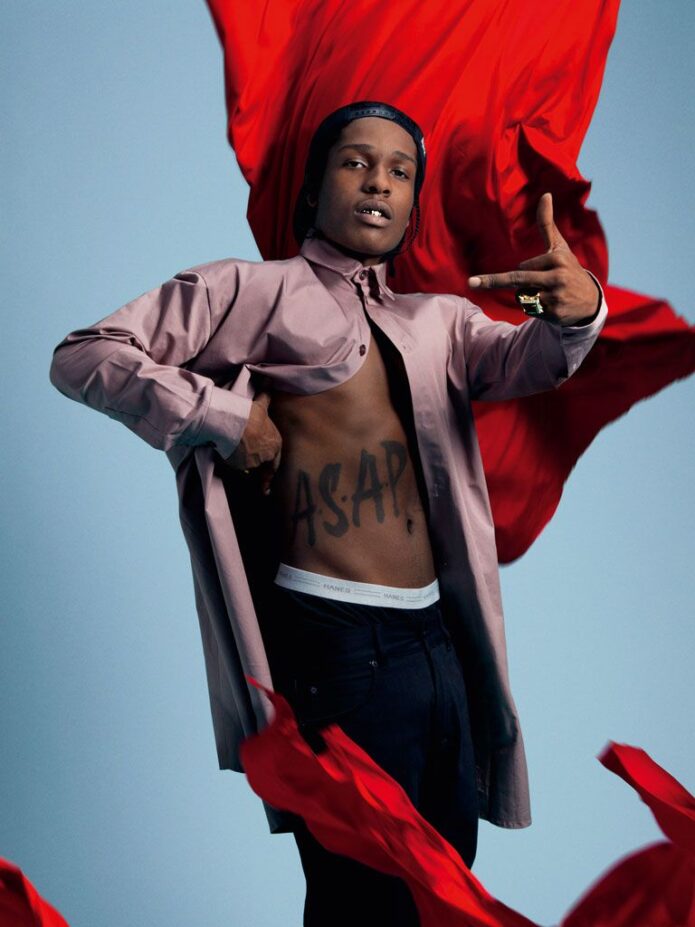
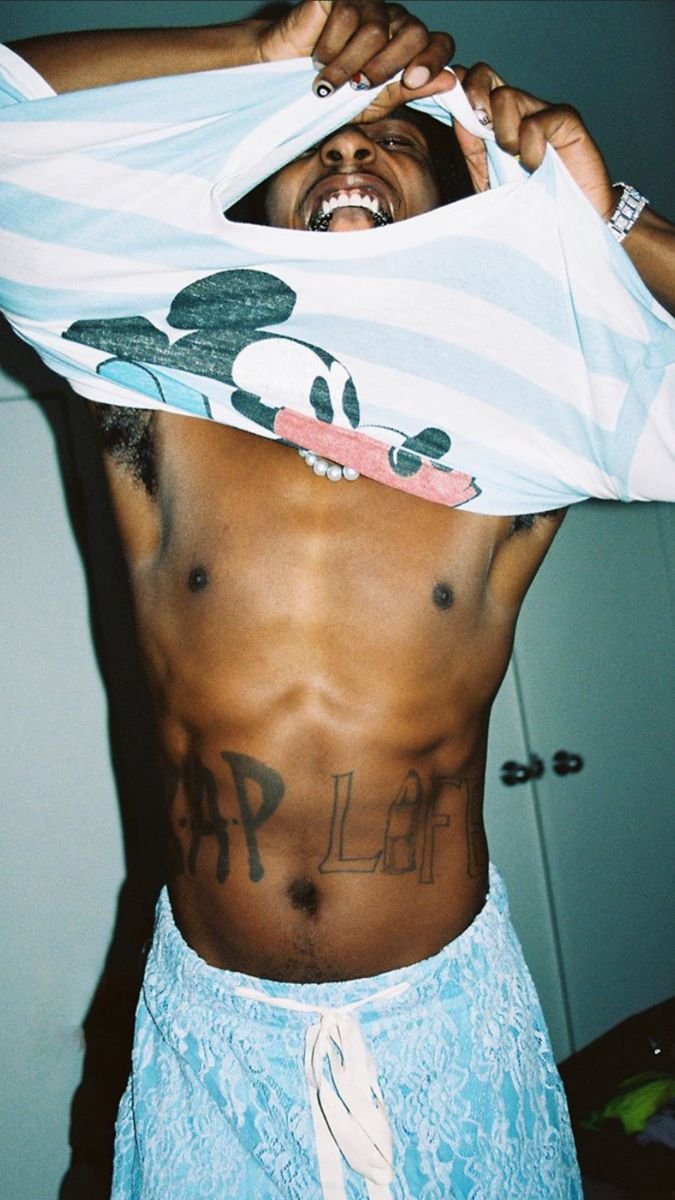
A$AP LIFE is the big stomach statement

A$AP Rocky showing the A$AP LIFE abdomen tattoo

Rocky has talked about this one himself. The words A$AP LIFE stretch across his lower stomach, reworking the idea of Tupac’s “THUG LIFE” into a statement about Rocky and his crew. It’s blunt and personal, joining hip-hop history to his own identity.

The tattoo is easy to miss under clothes. A shirtless photo brings the words straight into view, and a close-up shows their spacing and placement. A distant event shot might show there’s ink on his stomach, but not much about the design.

There are other marks around his torso, but they don’t automatically belong to the A$AP LIFE story. Rocky has publicly connected this piece to Tupac’s influence and his crew. Anything more personal would need to come from Rocky himself, not a guess based on a photograph.

The 1988 spine tattoo is a shared birth-year marker

A$AP Rocky showing the vertical 1988 spine tattoo

Rocky and Rihanna were both born in 1988, which gives the vertical number on his spine a clear context. Vogue and Hot 97 reported in 2024 that the couple had matching tattoos. Rocky’s runs down his back; Rihanna’s is in a different spot.

The tattoos aren’t exact copies. Rocky’s follows the centre line of his back, making the placement part of the design. A shirt hides it completely, while a sharp campaign photo shows its direction and scale.

The shared birth year and relationship have been reported; the private story behind the decision hasn’t. There’s no sourced account of a proposal, secret message or exact timeline. What’s clear is a shared year, worn in very different places.

ANARCHY is meant to read quickly

A$AP Rocky showing the ANARCHY knee tattoo

The word ANARCHY sits in large letters above Rocky’s left knee. It shows when he wears shorts, and it fits the anti-authoritarian side of his public image. The message is plain even without a long explanation from Rocky: he chose a word that people will notice.

Trousers hide the tattoo; sitting down or posing in shorts brings it back into view. That gives it an on-off quality. A close photo keeps the lettering sharp, while a wide portrait can leave the word hard to read.

“Rebellious” is a fair description, but one word can’t stand in for Rocky’s whole politics or private life. The contrast with 1988 is clearer: one is a personal number running down his back, the other a blunt word above his knee.

Rocky’s finger lettering is much easier to misread

A$AP Rocky showing documented finger lettering tattoos

Older photos connected with Iggy Azalea show lettering across Rocky’s fingers. Hand tattoos are hard to read in ordinary pictures: fingers bend, rings cover letters and compressed images blur the details. A dated close-up tells more than a confident list of guessed letters.

The close-up shows actual lettering, though it doesn’t prove every mark stayed the same over time. Hands fade, pick up new ink and look different from one camera angle to another. This is a record of what appeared in those older photos.

The finger lettering has a quieter effect than the stomach and knee pieces. Those announce themselves; the hand marks make people look twice. Rocky can wear a blunt statement alongside a small detail without either one losing its impact.

Other torso ink shows up, but the details need care

Photos show other marks around the main pieces, including bold A$AP lettering in older fashion and music shots. They make clear that Rocky has more ink across his torso, though some of the smaller symbols are too blurry to identify.

No single portrait captures all of it: the stomach lettering needs a front view, the spine number a back view, and the knee and fingers their own close-ups. A wider torso photo adds context, but it can’t identify a mark it barely shows.

What the photos and reporting actually establish

The clearest records point to four details: Rocky has explained A$AP LIFE and its Tupac connection; the 1988 design runs down his spine and is shared with Rihanna; ANARCHY sits above his left knee; and older photos associated with Iggy Azalea show the finger lettering. Other torso marks appear in pictures, but their names and meanings are less certain.

That’s a distinctive collection already. The tattoos don’t need an invented story for every line; the words, placement and context give them plenty of character.

Dates help make sense of the photos. A tattoo may be there years before a clear picture appears, and a new campaign can make older work look recent. Rocky’s ink turns up in music coverage, fashion shoots and relationship stories, so each design makes more sense alongside the image that actually shows it.

A$AP Rocky showing the large A$AP torso tattoo

Why the placement matters as much as the wording

A$AP LIFE sits low on the stomach, 1988 follows the spine, ANARCHY is above the knee and the finger lettering fits a much smaller space. The placements change how the tattoos appear in photos: some stay under clothes, one shows when Rocky turns around, and the smallest marks need a sharp image to be read.

A single wide portrait can’t show every design well. The stomach lettering ties into Rocky’s crew and music; the spine number marks a shared year; the knee word reads like a declaration; the finger pieces are easy to miss.

Rocky’s tattoos work best as separate personal codes

Some tattoos are obvious straight away; others only show up when the photo is close. The stomach lettering reads like a headline, the number stays hidden until Rocky turns around, the knee word looks like a sign, and the finger marks sit among everyday gestures. Together they feel like separate choices, not one fixed brand image.

The timeline matters too: a 2024 back photo tells a different story from an older hand close-up. Fashion campaigns may show the torso in perfect light; a candid shot may catch a small mark while hiding the larger ones.
Rocky’s ink isn’t one sleeve or one theme. It mixes crew language, a birth year, a defiant word and smaller hand marks, and the pieces sit together without needing a grand explanation.

“ANARCHY” is easy to read, but it doesn’t explain the other tattoos. A$AP LIFE points to Rocky’s crew and music, not every private thought. The words matter, but they don’t have to explain his whole collection.

The photos show where each design sits; interviews and reporting add context to a few of them. Beyond that, the meaning belongs to Rocky. The appeal is in the mix of crew pride, memory and provocation, not in a hidden code that explains every mark.

The Tattoos Karol G Chose to Keep Close

Karol G has talked about some of her tattoos in interviews; others are known only from photographs and coverage. She has explained the thorn-wrapped heart herself, and photos identify three portraits on her forearm. Older reports document lettering, roses and smaller pieces, though their meanings and current status aren’t all equally clear.

The thorn-wrapped heart came from a personal turning point

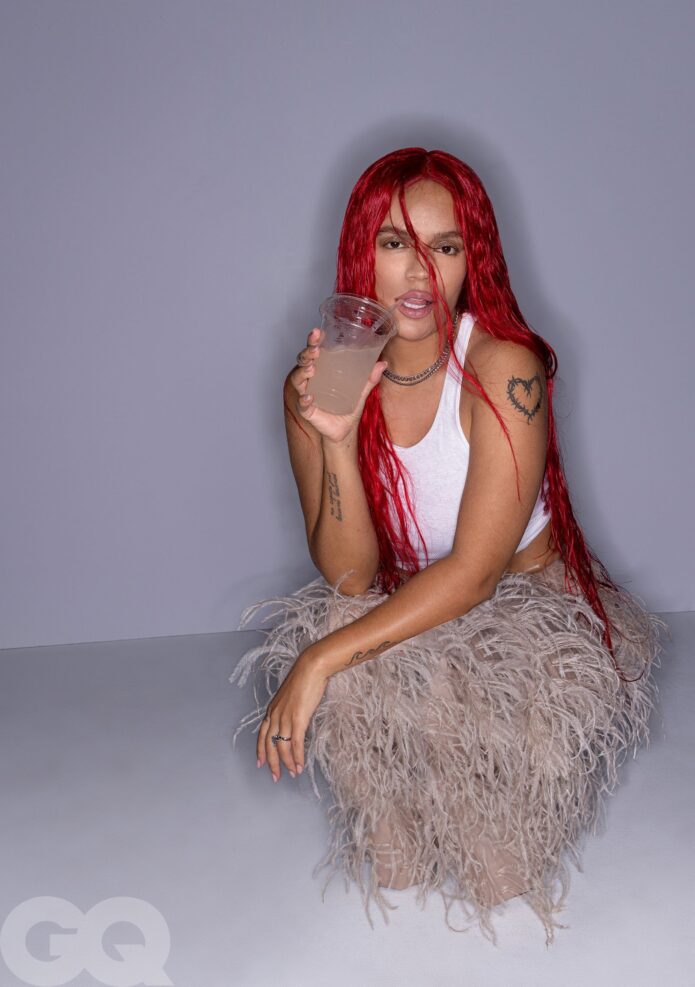
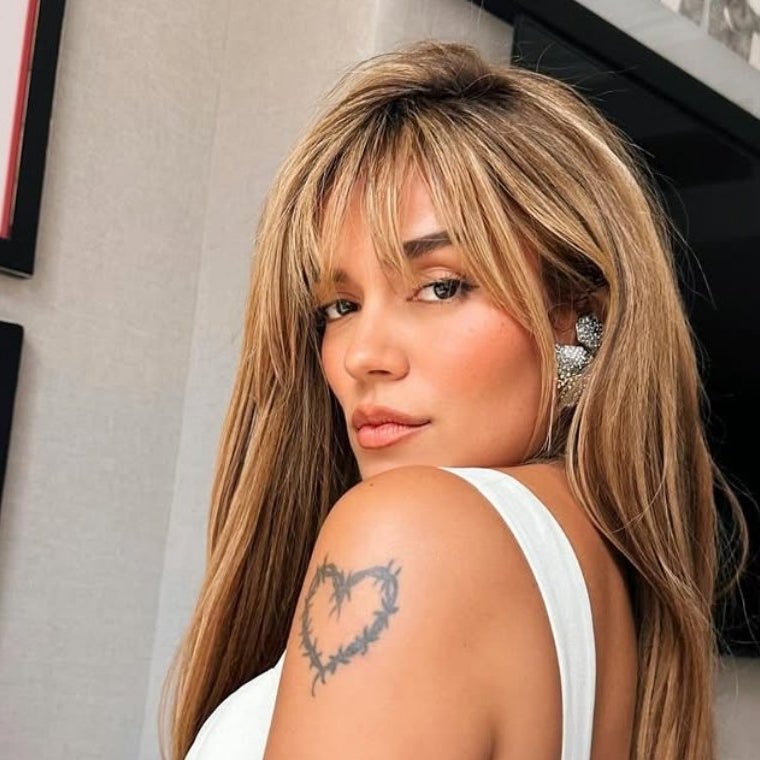
Karol G’s thorn-wrapped heart tattoo on her upper arm

The heart crossed by thorns is one of Karol G’s most recognizable tattoos. It sits high on her arm and appears in sleeveless looks and portraits. In an interview, she connected the tattoo to a difficult period of self-questioning and personal change, and to the start of her KG0516 album era. She described it as belonging to Carolina, the person behind the stage name, rather than as a career logo.

That account gives the heart a more specific meaning than the guesses strangers might make. The thorns give the image a sharp edge, but Karol hasn’t described it simply as a breakup tattoo. Her tattoo marks a complicated stretch in her life. The image may suggest a heart under pressure; the personal history is what she has confirmed in her own words.

The tattoo appears in fashion photos and portraits from the album era, so it is easy to spot across different looks. The photos show the design; Karol’s interview explains why it mattered to her.

Three forearm portraits honor artists she admires

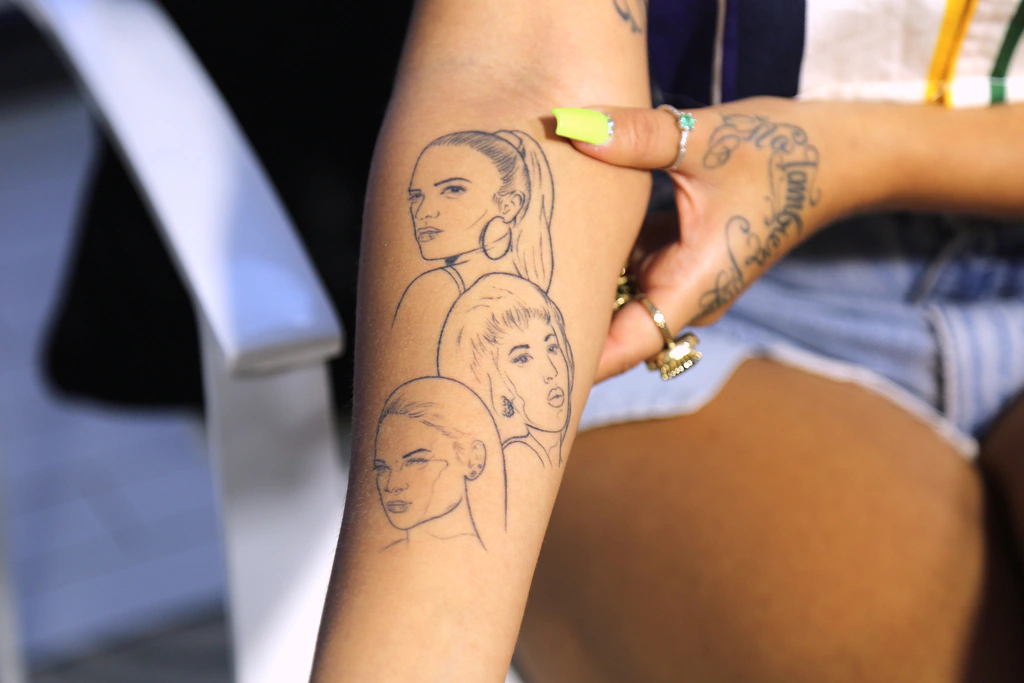
Karol G’s forearm tattoo with portraits of Rihanna, Selena Quintanilla and Karol G

The three fine-line portraits on Karol’s forearm are Rihanna, Selena Quintanilla and Karol herself, stacked vertically. Their clean outlines keep the faces clear without the heavy shading of a photorealistic sleeve. Interviews and contemporary coverage identify all three.

Karol said she chose women she admires. Selena has a particular resonance for a Colombian singer in Latin music; Rihanna’s influence crosses genres. Karol included her own face, too, describing it as recognition of the work and difficult experiences she knows best, not a claim that she ranks above her influences.

The portraits were reported around 2018. Together, they speak to admiration and self-recognition. The sources identify who is pictured and give Karol’s broad reason for choosing them, but not a separate private story for each face.

A butterfly sits beside the dates and numbers on her hand

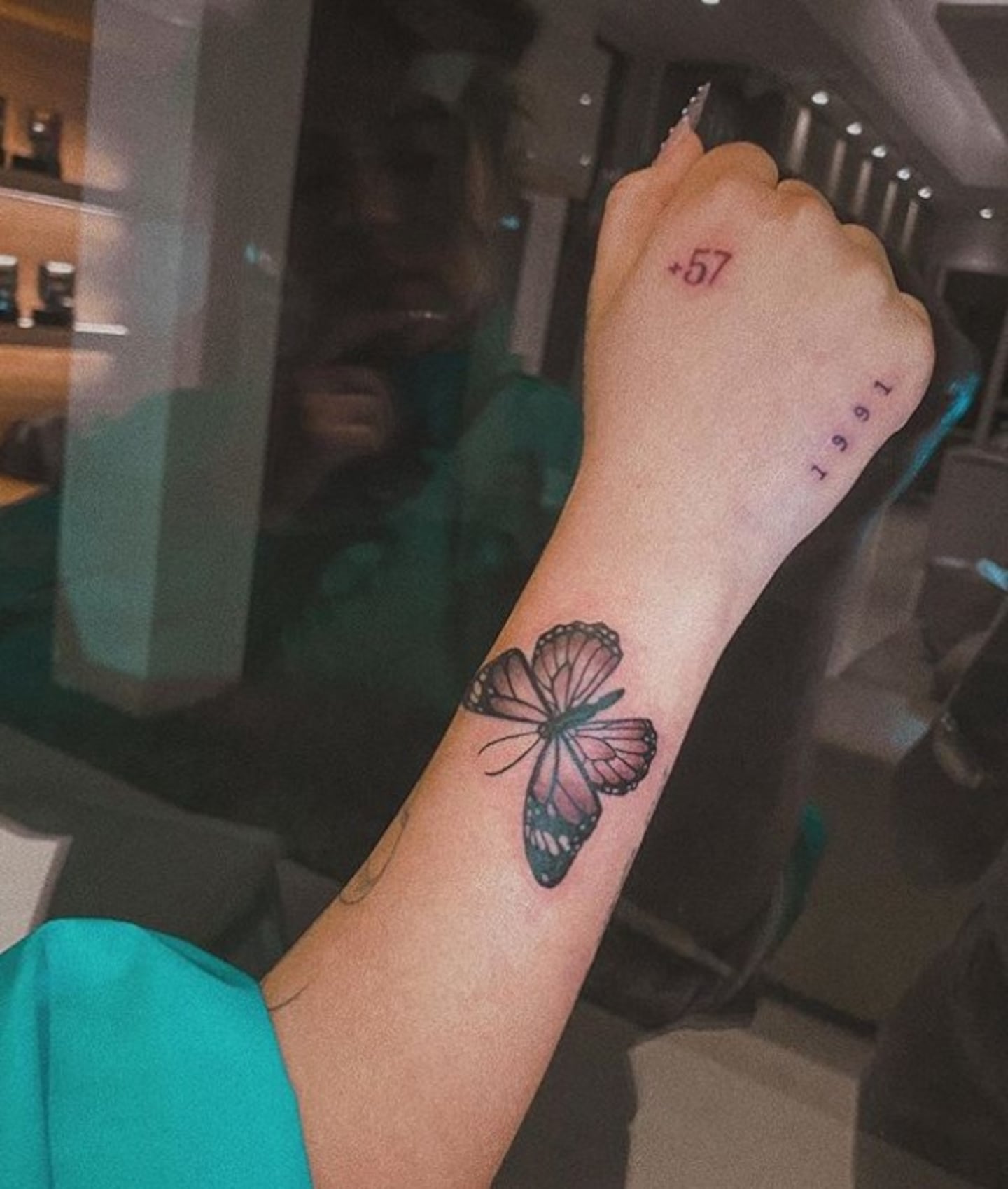
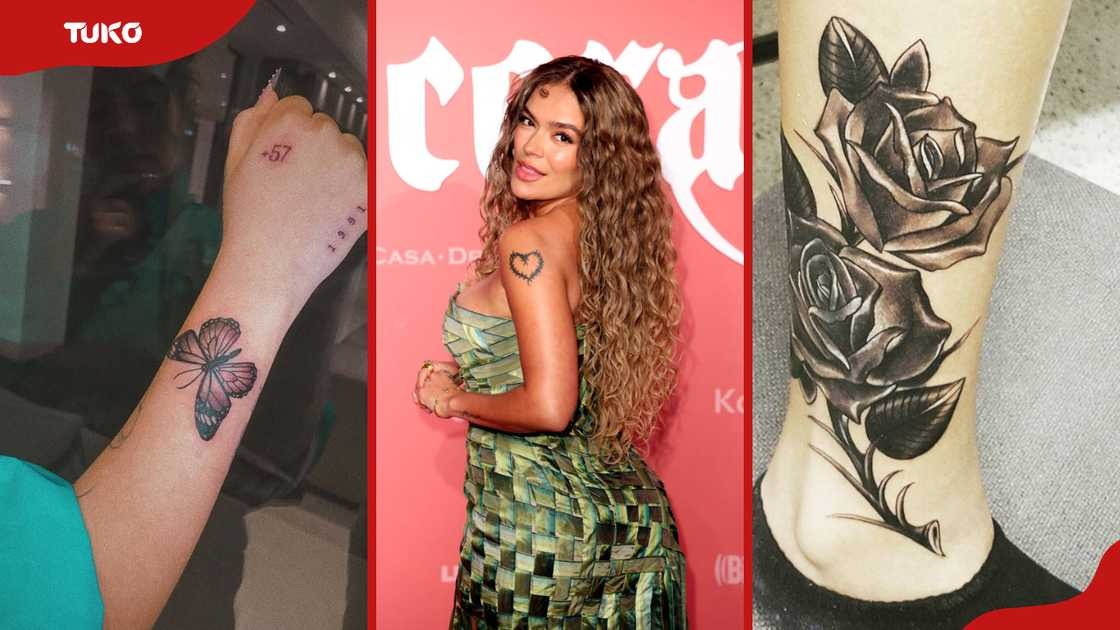
Close-up of Karol G’s butterfly, 1991 and +57 tattoos

A butterfly on her forearm sits beside two small hand tattoos: 1991, her birth year, and +57, Colombia’s calling code. Both can disappear in a wide concert or red-carpet shot, which is why the close-up helps.

The butterfly is its own tattoo, not decoration around the numbers. Some coverage reads it as a symbol of change, but Karol hasn’t clearly explained it in the sources reviewed. That familiar association shouldn’t be presented as her own statement.

Taken at face value, the details give us a birth-year reference, a Colombian calling code and a butterfly whose private meaning remains unclear.

Dark roses add a different kind of detail

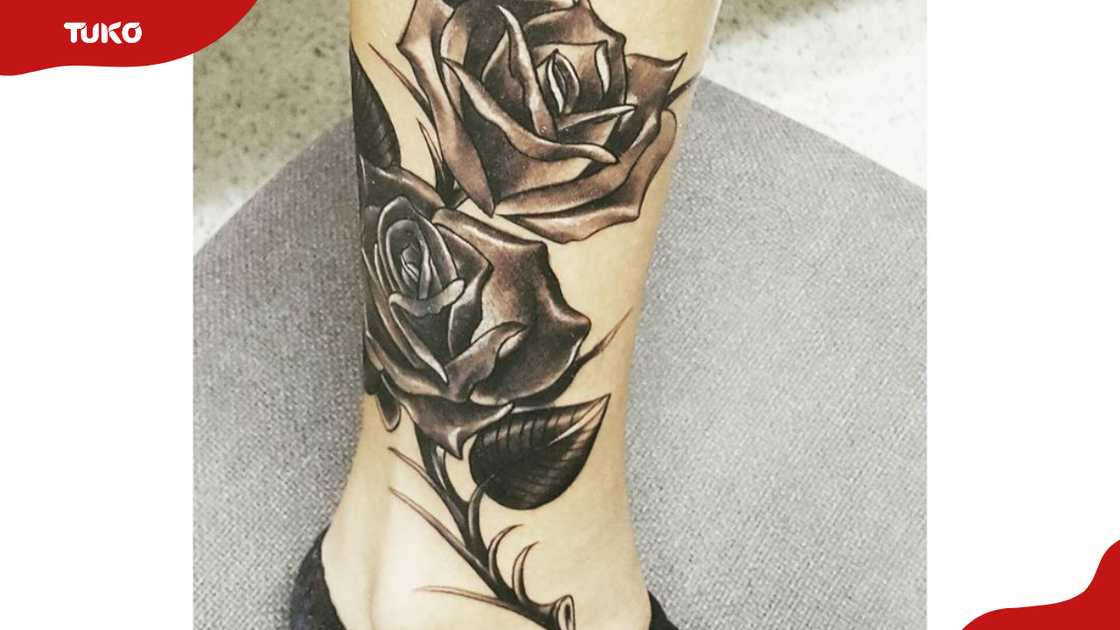
Close view of Karol G’s black rose tattoo on her lower leg

Photos also show black roses on Karol’s lower leg. Shaded petals and dark leaves give the flowers a heavier look than the fine-line portraits. They remain easy to recognize even in a wider photo.

Older roundups disagree about the exact side, while the close image supports only a lower-leg placement. There’s no reliable first-person explanation for the flowers. A rose by itself doesn’t establish heartbreak, resilience or any other stock meaning.

The dark, traditional-looking flowers add a different style beside the numbers, script and delicate portraits.

Her lettering mixes self-talk with a message of hope

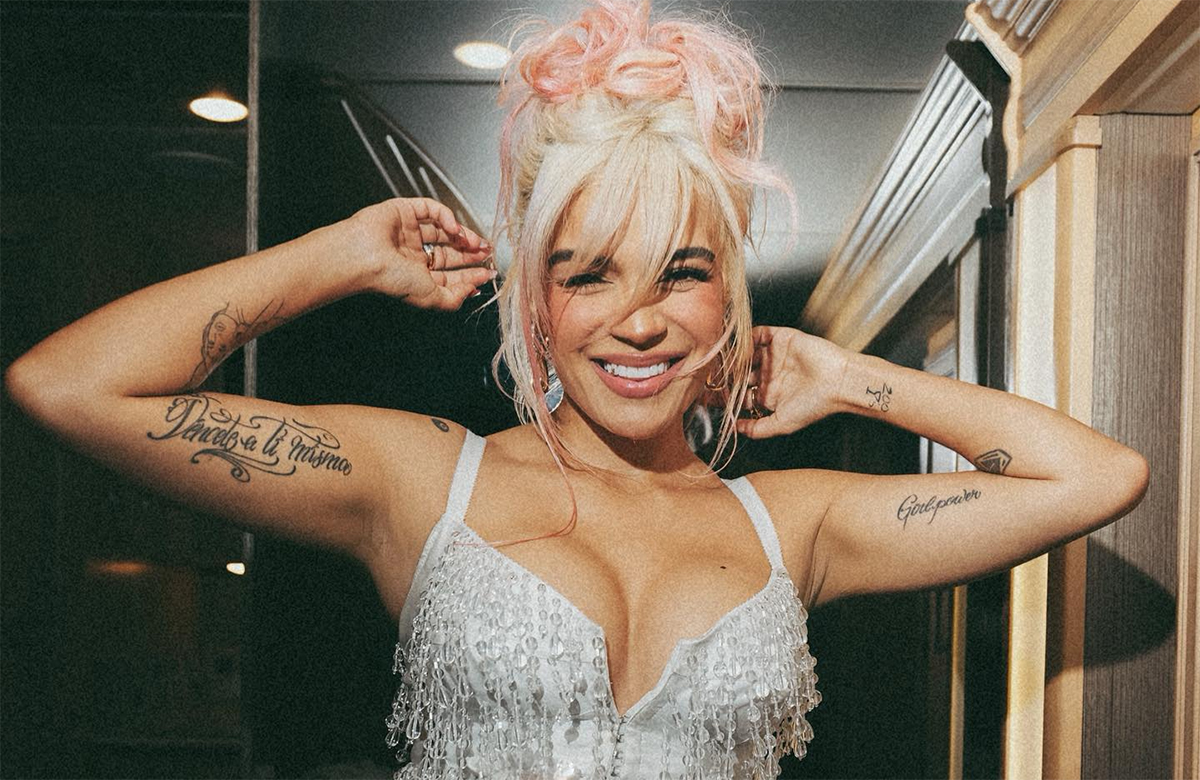
Karol G’s arm lettering, including Girl Power and Spanish script tattoos

Among the word tattoos, photos and reporting identify “Girl Power” and the Spanish phrases “Esto también pasará” (“This too shall pass”), “Véncete a ti misma” (“Conquer yourself”) and “No hay remordimientos, solo lecciones aprendidas” (“No regrets, only lessons learned”). They read like messages she chose to keep close, though the sources don’t date or fully explain every phrase.

“Girl Power” is often described as a statement of confidence in a male-dominated music business. That fits Karol’s public comments about building a career in reggaetón, but one phrase can’t stand in for her whole outlook. The other lines mention change, discipline and learning without needing a hidden explanation.

Small script can be hard to read when her arm turns or a photo is compressed. This close-up makes the words easier to identify than a standard portrait. Where the letters aren’t legible, there’s no reason to guess.

“Hope” is a single word with a clear placement

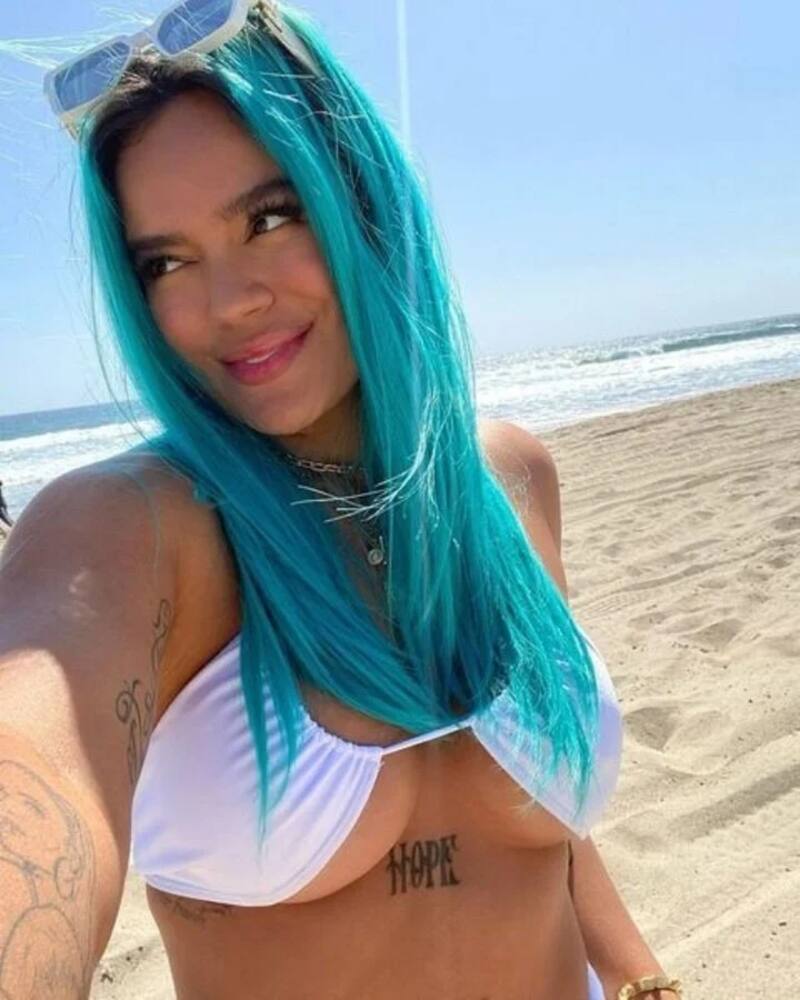
Karol G’s HOPE tattoo beneath her chest

The word “Hope” sits beneath Karol’s chest and appears clearly in summer and performance photos. The lettering is plain, with no frame around it, so it looks different from the thorned heart and shaded roses.

Photos establish the word and its placement, but not the private moment behind it. Unless Karol has supplied that story, the description can stay simple: “Hope” tattooed low on her chest.

A former partner’s name belongs to the history, not the current inventory

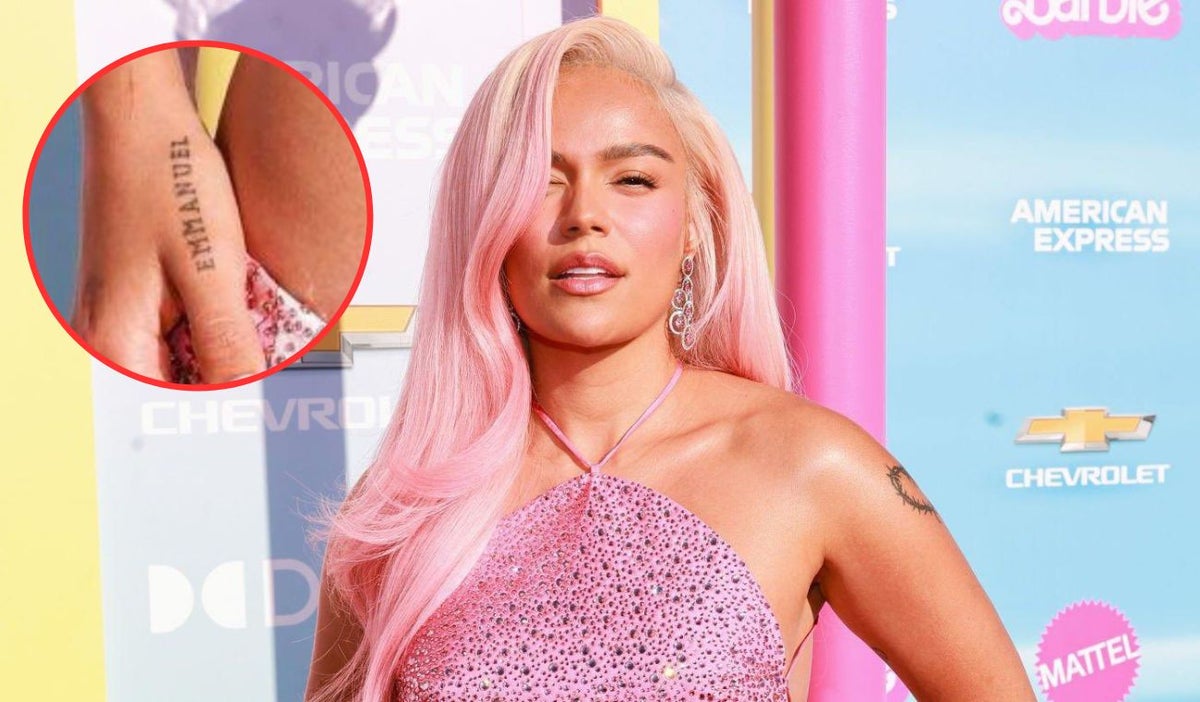
Archived photo detail of Karol G’s former Emmanuel name tattoo

Older coverage also records the name Emmanuel. A tattoo of the name is tied to Karol’s former relationship with Anuel AA, whose given name is Emmanuel. Later reports say the lettering was removed or covered after the relationship ended. It belongs in the timeline, not among the tattoos she still wears.

Celebrity tattoo lists can outlast a design that has been changed, covered or removed. A dated photo shows it existed then, not whether it is still there. Here, older coverage connects the name to the relationship and later reports describe its changed status. The dates matter.

What can be said with confidence

Karol G showing several documented tattoos

Karol G’s collection includes a heart she has explained as a turning point, portraits of artists she admires, numbers tied to Colombia and her birth year, dark roses, a butterfly and several phrases. Some meanings come from Karol; others are descriptions based on photos. Keeping those apart gives a fuller inventory without filling in the blanks.

The heart has the clearest account because Karol has described it. The portraits have known subjects and a broad explanation. The butterfly, roses and most phrases can be described without guessing at a personal confession. The Emmanuel lettering remains part of her tattoo history, even if later coverage says it was removed or covered. That history includes both the designs she wears and those she has changed.