Actors

Tattoo guides for actors, with photographs of their real tattoos and clear distinctions between personal ink and designs created for screen roles.

Jay Baruchel’s tattoos put Canada and family close to the skin

Jay Baruchel’s tattoos do not need a long list padded with designs no one has confirmed. The pieces he has described are few and personal: a red maple leaf over his heart, Rodell on his right forearm, and a Celtic cross on his upper right arm. They look different, but each connects to something close to him: Canada, his mother’s family and his Irish roots.

That is what makes Baruchel’s ink worth a closer look. He has explained the tattoos himself, and their stories are refreshingly direct. The maple leaf came from missing home while he was working in California; Rodell is his mother’s maiden name; and the cross recognises the Irish side of his family. There is enough here for a useful guide without filling gaps with speculation.

The maple leaf, Rodell and Celtic cross tell one family story
Jay Baruchel red maple leaf tattoo over his heart

The most recognisable piece is the red maple leaf on his left pectoral, just over his heart. Some viewers thought it was a film prop when it appeared in movies such as Knocked Up. Baruchel later said it was real and that he got it in California during a stretch when he was especially homesick. That detail gives the tattoo its meaning: it is a reminder of Canada he kept close while working away from home.

Its placement makes the simple design feel personal. A maple leaf on the chest could read as a bold patriotic display, but over the heart it comes across as something more private. There is no date or banner around it, and nothing else competes with the leaf. The red ink stands out when his chest is visible, while the small scale keeps it from becoming a full chest piece.

Baruchel’s own account is more useful than a symbolic guess. He has not said that every part of the leaf stands for a different memory, so there is no reason to assign it one. The straightforward story is enough: he missed Canada, was in California, and chose to put the leaf over his heart. The design, placement and explanation all fit.

The tattoo also has an amusing screen history. People first noticed it in film scenes, where it was easy to assume the production had added it for a character. In fact, the movie had simply revealed a tattoo Baruchel already had. That mix-up helped keep the maple leaf in interviews and profiles.

The next confirmed piece is the forearm lettering, “Rodell”. Baruchel told CinemaBlend that it is his mother’s maiden name. She is one of eight siblings, most of them daughters, and he wanted to honour the family line tied to his grandfather’s surname. It is a direct tribute: a family name on his arm, with no hidden code to decode.

Rodell is a family tribute first and lettering second. The style matters to how it looks, but Baruchel’s reason for choosing the name is what gives it weight. He wanted that side of the family to remain present. He described it as a tribute, rather than a surname he chose simply because he liked its appearance.

The right forearm is a practical spot for lettering like this. A sleeve can cover it, but it shows when he wears a short-sleeved shirt or gestures in an interview. That also explains why some photos catch only part of the word: a turned wrist, bent arm or sleeve can hide it. It is best to stick to the name Baruchel identified instead of claiming every image shows the lettering clearly.

He has also joked that his mother was not always pleased when he got another tattoo. It adds a little humour without changing what this one means. Rodell is a family tribute, but not a grand public monument; the story feels affectionate, slightly cheeky and grounded in a real family connection.

The third documented design is the Celtic cross on his upper right arm. Baruchel said it represents his mother’s Irish family. It sits naturally alongside Rodell, since he discussed the two tattoos together: one keeps a family name close, while the other points to the Irish branch of that family.

There is no need to push his explanation further. The cross can be called a heritage tattoo, but the interview does not turn it into a full statement about religion or belief. Baruchel has described himself publicly as probably agnostic; the clearest account is the one he gave, that the cross honours his mother’s Irish family. That connection stands on its own.

The cross is harder to document in photos than the maple leaf because it sits high on the arm. A jacket or T-shirt sleeve can cover it, and a front-facing image may show only part of the area. That makes his interview especially useful: a photograph helps place the tattoo, while his own words explain the family link.

Taken together, the three tattoos make a small family map. The maple leaf stands for Canada and home; Rodell keeps his mother’s family name on his forearm; and the Celtic cross recognises the Irish side of that same family. The designs differ, but the shared themes are place, parents and ancestry.

That does not mean every photo will show all three. Clothing can hide tattoos, old images can blur their details, and designs can change over time. Nor should every rumoured mark be added to the list. There is a difference between a tattoo Baruchel has named and a shape someone thinks they can make out in a distant photograph.

The maple leaf is the easiest tattoo to identify visually because it has been photographed clearly and Baruchel has explained it himself. The arm pieces are documented more through his interview and descriptions of where they sit. Those are different kinds of evidence, and keeping that distinction clear makes the account more dependable.

His collection makes more sense as a set of personal markers than as a showy catalogue. The chest piece recalls home, the forearm lettering keeps a family name in view, and the upper-arm cross points to his Irish roots. None needs an elaborate invented backstory; the explanations he has given are specific enough.

The maple leaf is more visible than the quieter arm tattoos. Films brought it into view and made it part of his screen image, while Rodell and the cross usually take a closer photo or an interview to spot. That difference affects how often each tattoo comes up, but it does not change what they mean.

For a list of Jay Baruchel’s confirmed tattoos, start with the three he has discussed: the red maple leaf over his heart, Rodell on his right forearm and the Celtic cross on his upper right arm. Together, they connect Canada, family and Irish heritage through a few simple designs. The collection is small, but the details behind it are personal.

Keeping the list focused also helps avoid a common problem with celebrity tattoo pages: mistaking a shadow, crease or bit of costume ink for a confirmed design. In Baruchel’s case, the strongest sources name the pieces directly. He has explained the maple leaf, identified Rodell while discussing his forearm, and tied the cross to his mother’s family. That is a firmer basis than a gallery of uncertain screenshots.

Timing matters, too. The interviews that explain these tattoos came while Baruchel was promoting films and speaking about how much Canada meant to him. A later photo with different clothes, lighting or body position does not show that the tattoos have vanished. Without clear evidence of removal or a cover-up, it is safest to say these are the designs he has publicly described.

For anyone checking older movie stills, the maple leaf is the easiest place to start. Look on the left side of his chest, bearing in mind that a camera can reverse the image. The forearm lettering needs a closer look because a turned wrist can make the word seem shorter, and the upper-arm cross is often hidden by sleeves. Those details help separate a reliable identification from a guess.

What stands out is how closely Baruchel’s tattoos follow people and places he already cared about. They do not read as a shock-value collection or a passing fashion phase. They are quiet reminders that come into view in the right photo or interview, which is all the more reason to describe the three confirmed designs carefully instead of inflating the count.
More actor tattoo guides

Channing Tatum’s Tattoos: Tribal Ink, Family Symbols and the Side by Side Script

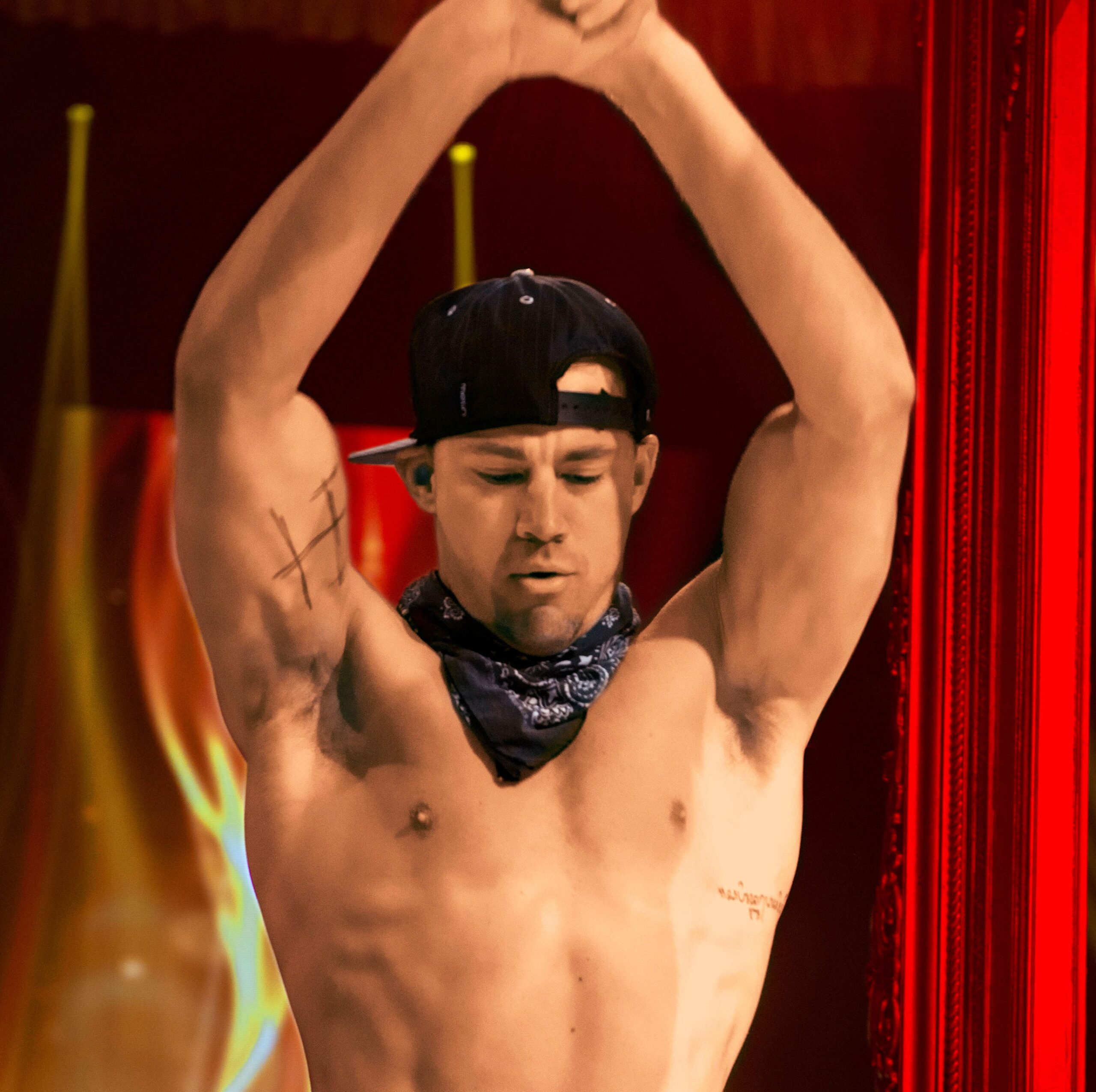
Channing Tatum’s tattoos can be easy to miss because photos often focus on something else: a red carpet suit, a film still covered in temporary ink, or a sleeveless portrait that shows one shoulder and leaves the rest in shadow. The designs are there, but they do not always get a close-up.

His collection mixes older and newer work: tribal-style arm pieces, a chest heart, small linework and a phrase from his honeymoon. More recent reports also point to new leg ink. Dates matter, since an early-career photograph should not be treated as a full picture of what he has today.

The tribal arm work gives Channing’s collection its strongest shape

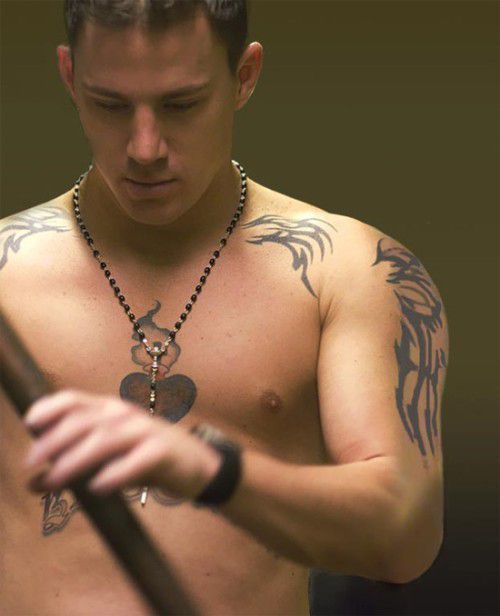
Channing Tatum tattoos: Tribal shoulder, arm and chest tattoo layout

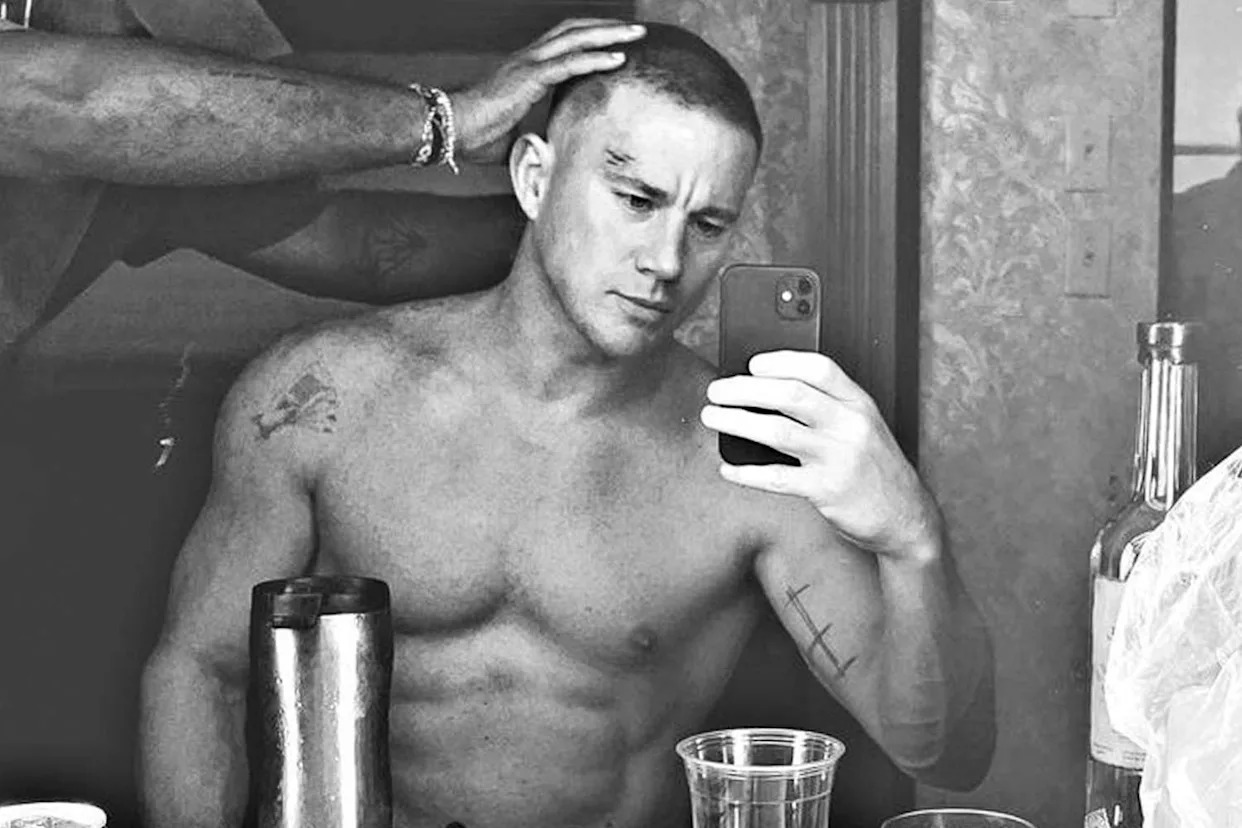
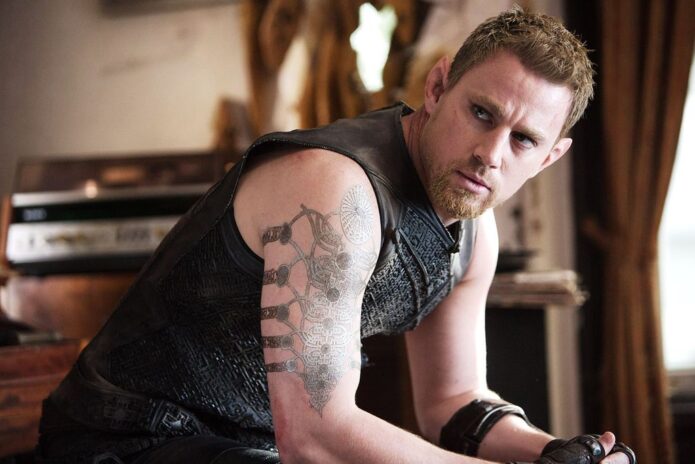
The most recognisable part of Channing’s collection is the dark tribal-style work around his shoulders and upper arms. Broad, graphic curves and pointed sections follow the muscles instead of sitting like small stickers. In a shirtless photo, the arm pieces help frame his chest and make the upper body feel more connected.

Older tattoo coverage links one bicep design to Channing’s uncle and an Alabama ranch. It is a useful detail, but should not be stretched to cover every mark on both shoulders. The photo shows several related-looking pieces; it does not prove they were planned together or that each curve refers to the ranch.

The shapes look different from one angle to another. A dark band may seem narrow when the arm turns and much wider when the elbow lifts. Part of a shoulder tattoo can vanish around the side of the arm, so it is worth checking the pose before deciding a piece has changed or disappeared.

The bold upper-arm designs contrast with Channing’s smaller symbols. The tribal work reads from a distance; the chest heart and small cross need a closer look. That mix keeps the collection from feeling like one uniform sleeve. Some pieces rely on shape and movement, others on a phrase, date or personal association.

A clear photo matters here. A low-resolution event shot can merge the dark shapes into a blur, while a sharper portrait shows the edges, gaps and way the lines follow the muscle. The image establishes the layout, not a meaning Channing has never publicly explained.

It is tempting to treat all tribal-style tattoos as symbolic, but that does not tell readers much. The useful description is direct: dark curved bands on the upper arms, strong contrast and lines that wrap around the body. A ranch or family connection can be included beside the piece the source identifies; the rest should stay visual.

Side by Side rib script is the clearest story in the collection

Channing Tatum tattoos: Side by Side rib lettering

Side by Side is one of Channing’s most clearly documented tattoos. The script sits along his ribs, usually hidden by a shirt but easy to see in a shirtless photo. Compared with the dark arm pieces, its simple lettering stands out when his body is shown from the side.

The phrase is linked to Channing’s honeymoon in Bali with Jenna Dewan. It was a matching or relationship-linked design, and the words are plain enough that they need little interpretation. They state closeness directly, which is why the design and reported story fit without an elaborate explanation.

The tattoo belongs to a particular point in Channing’s timeline. Since it was connected with his marriage, later coverage should be careful with tense: it is accurate to say what it meant then and why it was chosen, but less accurate to present it as a current statement about a relationship after circumstances changed.

Rib tattoos are difficult to photograph well. The skin curves around the body, so a straight-on portrait may show only part of the lettering. An arm’s shadow can also split the phrase visually. A side angle shows the words as one line and gives a better sense of their length.

The script suits the collection because not every tattoo does the same job. The tribal work fills space and frames the body; Side by Side is private text that appears when Channing is shirtless or wearing an open shirt. That difference between bold design and hidden message gives the tattoos their character.

There is no need to add another meaning to the phrase. The honeymoon connection is enough: the words are readable, the placement is clear and the timing belongs to that relationship period. It is a strong tattoo entry when the account stays close to the source.

Small cross and linework show why close-ups matter

Channing Tatum tattoos: Inner arm cross and linework

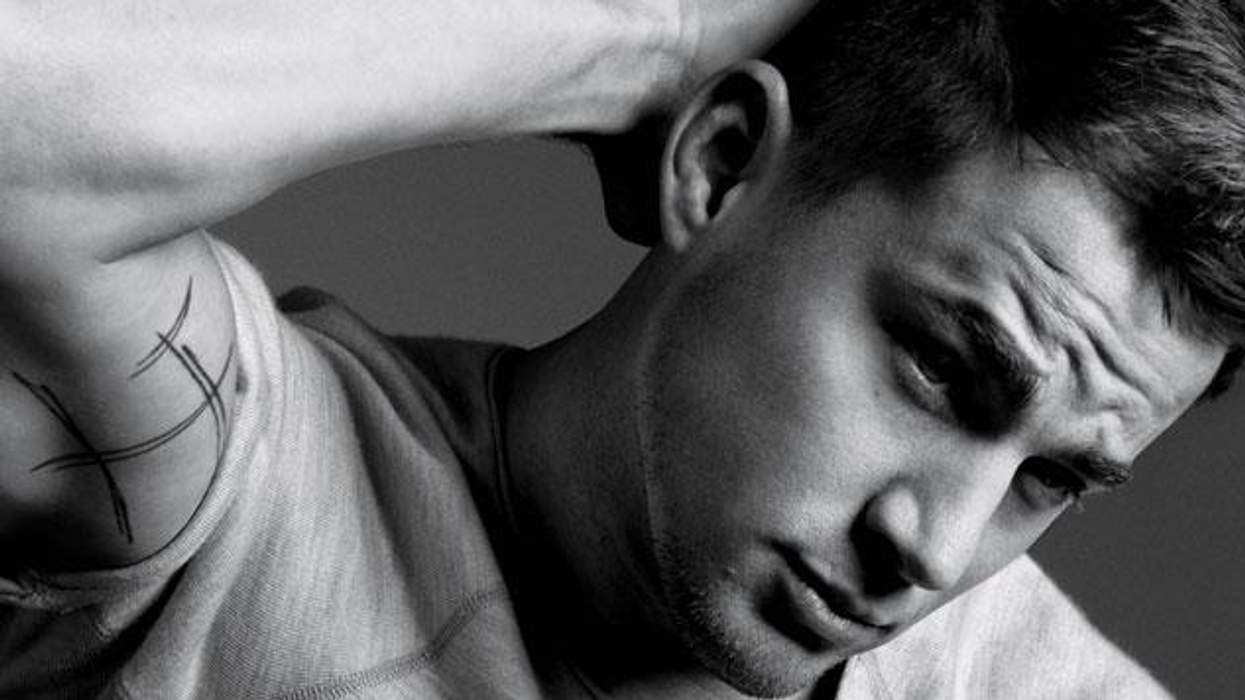
Channing also has smaller tattoos that can vanish in a standard red-carpet photo. A cross has been seen on his inner arm, and close portraits show simple intersecting lines beneath the upper arm. These are less prominent than the tribal work, but they show why one full-body photograph cannot cover the entire collection.

A cross is a familiar shape, but that does not reveal Channing’s personal reason for choosing it. It may have religious or family meaning, or it may simply be a design he liked. Unless he has explained this particular piece, the reliable description is visual: a small cross on the inner arm, photographed with his arm raised.

The lines beneath the arm are even easier to miss. They sit in a shaded area, and the crease can make them look like folds in the skin. A sharp black-and-white portrait separates the ink from the shadow. The image lets readers check the location rather than relying on a vague description.

These small marks give the collection a different rhythm. A tribal band announces itself; a cross or line drawing rewards a closer look. Channing’s public image often centres on his build and film roles, leaving the smaller tattoos out of view until a photographer catches the right angle.

The cross and lines should also stay separate from the chest heart. Their locations differ, and the sources do not give them one shared story. Keeping the entries distinct makes the inventory clearer: upper-arm linework, inner-arm cross and centre-chest heart are separate designs, even if a shirtless photo shows them together.

That approach works across the rest of the collection. When a photo shows a shape but no source names it, describe the shape and placement. When Channing has explained the meaning, include it. When a mark is hidden or too soft to identify, leave the guess out.

The newer leg ink shows the collection is still changing

Channing Tatum tattoos: Newer lower-leg tattoo coverage

More recent coverage has pointed to tattoos on Channing’s lower leg, including a compact mark reported as L333 beneath the back of his knee. Trousers hide the placement, and a full-body photo can miss it. The reported leg work also shows that the collection continued after the older chest and arm pieces.

There have been reports of Channing getting newer tattoos with friends from his fitness circle. That story differs from the Bali phrase: it appears to be about a shared moment or friendship, rather than a public relationship inscription. Sources have not explained every new mark in the same detail, so the wording should stay measured.

The leg gives him space away from his already busy shoulder and chest. It also keeps a tattoo private when he is dressed for ordinary public appearances: shorts or athletic clothes may show it, while trousers or a suit cover the area.

This calf photo is evidence of newer body art, not a complete current inventory. Tattoo images may come from film preparation, fitness shoots or social posts, and temporary makeup can be used for roles. Real ink and production makeup can appear in the same set of pictures, so the source and date should stay attached to the claim.

That changing timeline is what makes Channing Tatum’s tattoos more than a quick list. The older pieces feel different from the newer additions: broad dark arm work, a readable rib phrase, a small cross that is easy to miss and leg marks that extend the collection more quietly.

The featured portrait is separate from the tattoo images. It gives readers a clear view of Channing’s face, while the four article images show the shoulder, ribs, inner arm and lower leg. A headshot is not tattoo evidence, and a close-up of ink should not be the page’s only portrait.

Overall, Channing’s tattoos balance bold shapes and private words. The tribal pieces create the strongest visual identity; Side by Side carries the clearest personal story. The cross, heart and linework fill in the picture, while newer leg ink shows the map is still changing. A careful guide keeps the entries separate, dates relationship-linked designs where useful, and lets photos show what he has not explained.

More actor tattoo guides

Harris Dickinson’s Tattoos Turn Film History Into Body Art

Harris Dickinson’s tattoos sit close to his interests as an actor and filmmaker. Reports connect some designs to films and directors that have shaped him, while other marks are visible without a public explanation. At Cannes, he mentioned a small tattoo linked to Donnie Darko, a larger Kes reference on his arm, and more ink on his legs that he could not bring to mind at the time.

That comment is a reminder that no public list is likely to be complete. Dickinson has enough tattoos for individual details to disappear inside a broader collection that separate photographs show different parts of the collection. His arms, chest, neck and torso rarely appear together in one frame. A useful guide can name the tattoos identified by reliable sources and leave the rest open.

The studio photograph shows the scale of Dickinson’s tattoo work

Harris Dickinson tattoos: Harris Dickinson tattoo session with chest and shoulder designs

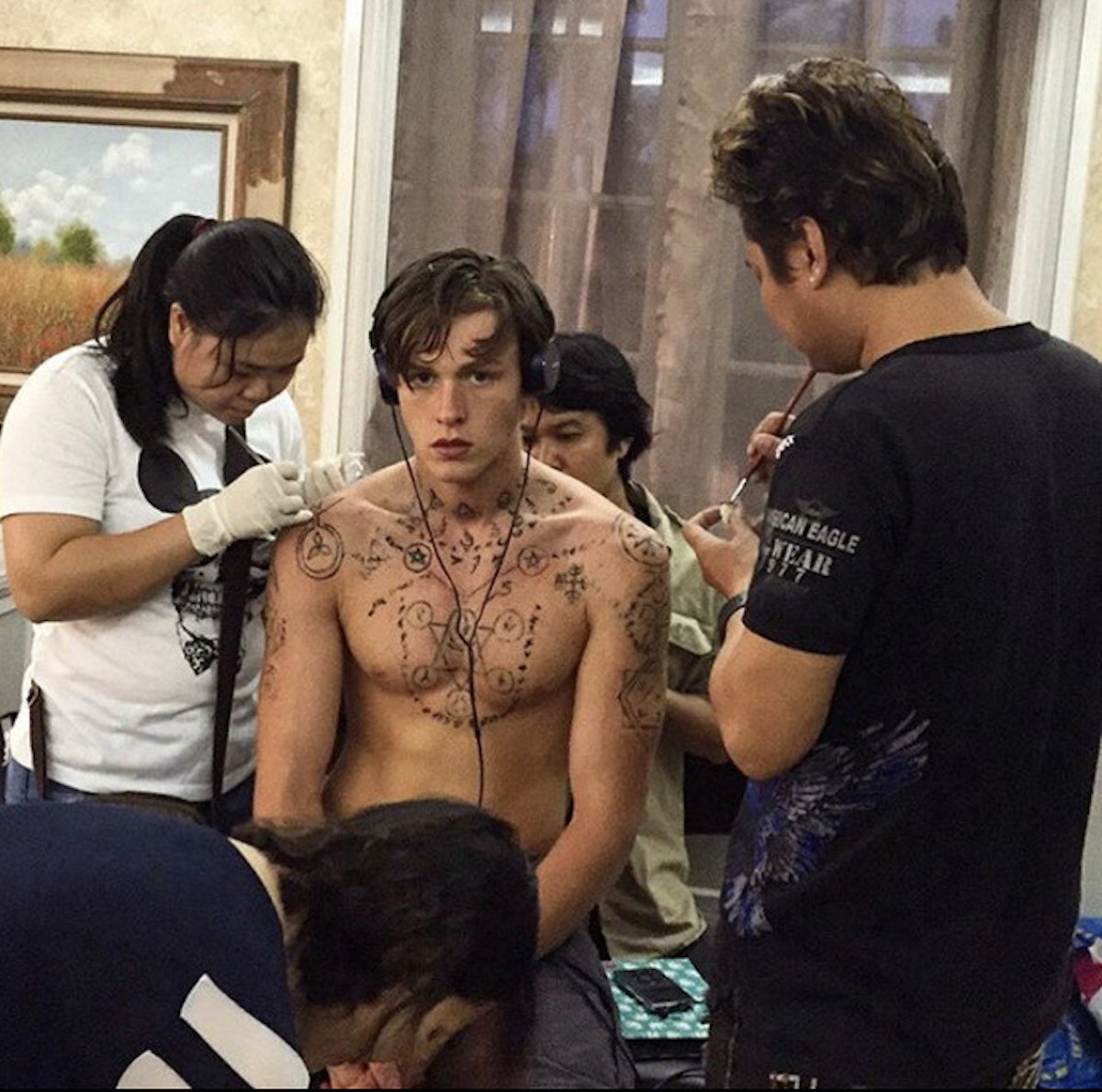
The tattoo-session photograph gives the clearest sense of how much work Dickinson has had done. He is shirtless in a studio as artists work across his chest and shoulders. The image shows geometric patterns, darker patches and smaller symbolic marks, as well as the process of building the designs. It helps establish both their placement and their scale.

A session photo can be hard to read in detail. Fresh ink may be covered with ointment, still partly outlined or blocked by an artist’s hands. A design that looks whole in a later portrait may appear in fragments during the appointment. The photograph shows that Dickinson’s tattoos cover a substantial area, but it cannot explain every shape.

The work has a loose visual rhythm. Some pieces are compact and dark, while others use finer lines and geometric forms, with open skin between them. That spacing makes the collection feel like it grew over time rather than being planned as one continuous design. It also fits with the way Dickinson has described separate tattoos tied to films and influences.

It is important to distinguish real tattoos from the temporary ink. Dickinson has played characters with extensive body art, and promotional pictures do not always make clear what is temporary. The session image shows him outside a role, giving a useful point of reference for the personal tattoos that now span several parts of his body.

The small arm and neck marks are easiest to misread

Harris Dickinson tattoos: Harris Dickinson forearm lettering and small neck symbols

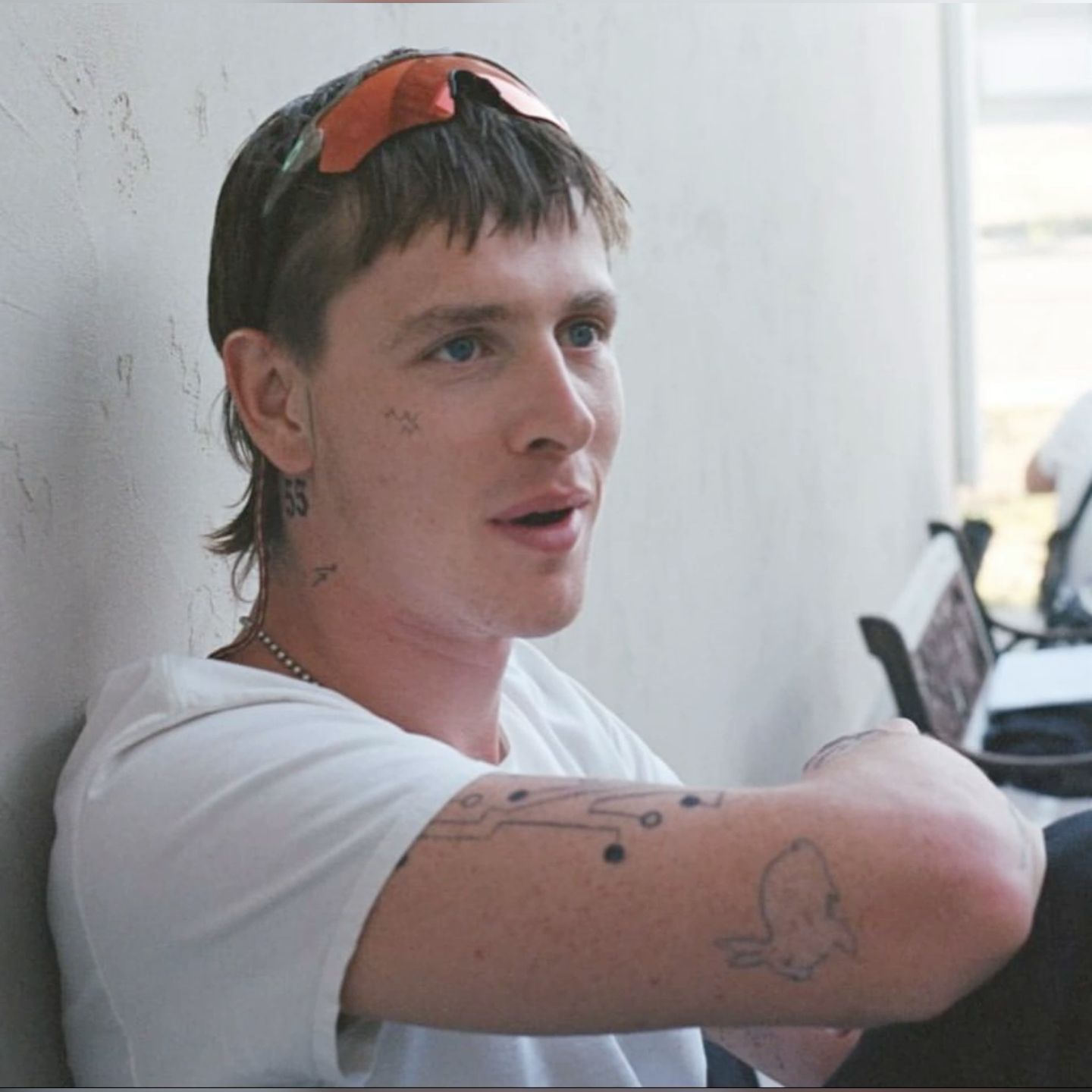
Close-up portraits show small tattoos on Dickinson’s forearm and neck. One line of lettering has been read as I want to; nearby linework and small symbols are harder to identify from the available images. The visible words can be noted, but a partial phrase should not be extended into a quote without stronger evidence.

The marks on his neck are easy to misread. Hair, skin folds, collars and shadows can interrupt a symbol, making one design look like several or the other way around. It is safer to describe what can actually be seen and leave the personal meaning unstated unless Dickinson has explained it.

The forearm tattoos sit near the reported Kes reference, but that does not make every neighbouring mark part of the same design. A tattoo inventory should avoid transferring the meaning of one confirmed piece onto the tattoos around it. The arm may hold film references, private symbols and designs chosen for their shape at the same time.

These smaller tattoos belong in the picture too. They show how a collection appears in everyday life, beyond the dramatic studio shot. A mark on the forearm or neck can become part of someone’s familiar gestures and appearance, the details readers notice in interviews, portraits and red-carpet photographs.

Size alone does not tell us how important a tattoo is to its wearer. A few words may have a private association, just as a large geometric piece may simply appeal visually. Without a first-person explanation, the clearest account is still a visual one: small lettering, linework and symbols on Dickinson’s arm and neck, with their personal stories left private.

My Brother’s Keeper is the clearest chest lettering reference

Harris Dickinson tattoos: Harris Dickinson My Brother's Keeper chest tattoo

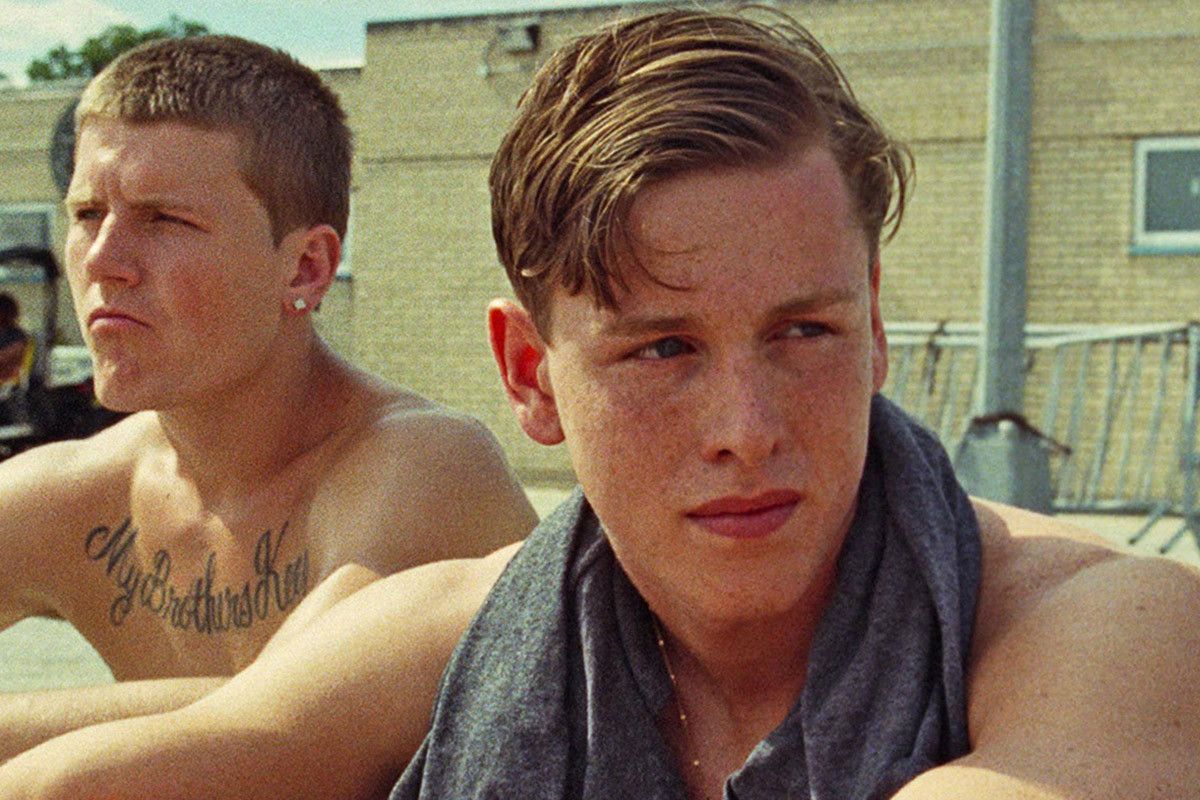
The chest photograph makes the phrase My Brother’s Keeper easy to read and shows where it sits. It is one of the clearest tattoos in the available photographs. The words sound protective, but the image does not tell us which brother, friend or personal experience inspired them. The wording can stand on its own without adding a backstory.

This lettering has a different feel from the film references. Kes points to a director and a movie, while My Brother’s Keeper reads like a message about a relationship. The sources here do not identify the person or event behind it. That mix of movie references and personal-sounding words gives Dickinson’s collection its range.

The setting of the photograph helps, too. Dickinson is shirtless outdoors, so the lettering is not hidden by a costume or shown mid-session. The phrase runs across his chest, and the image gives a better sense of its size than a tightly cropped portrait. It clearly shows the words and their placement.

The image supports those details without telling us when the tattoo was done or what prompted it. Ink and skin can look different across photos, but there is no need to guess at a date or explanation. The readable phrase and its position already make this a striking piece of lettering.

Film-reference tattoos such as Kes and Donnie Darko explain the collection’s theme

Harris Dickinson tattoos: Harris Dickinson film-inspired tattoo context

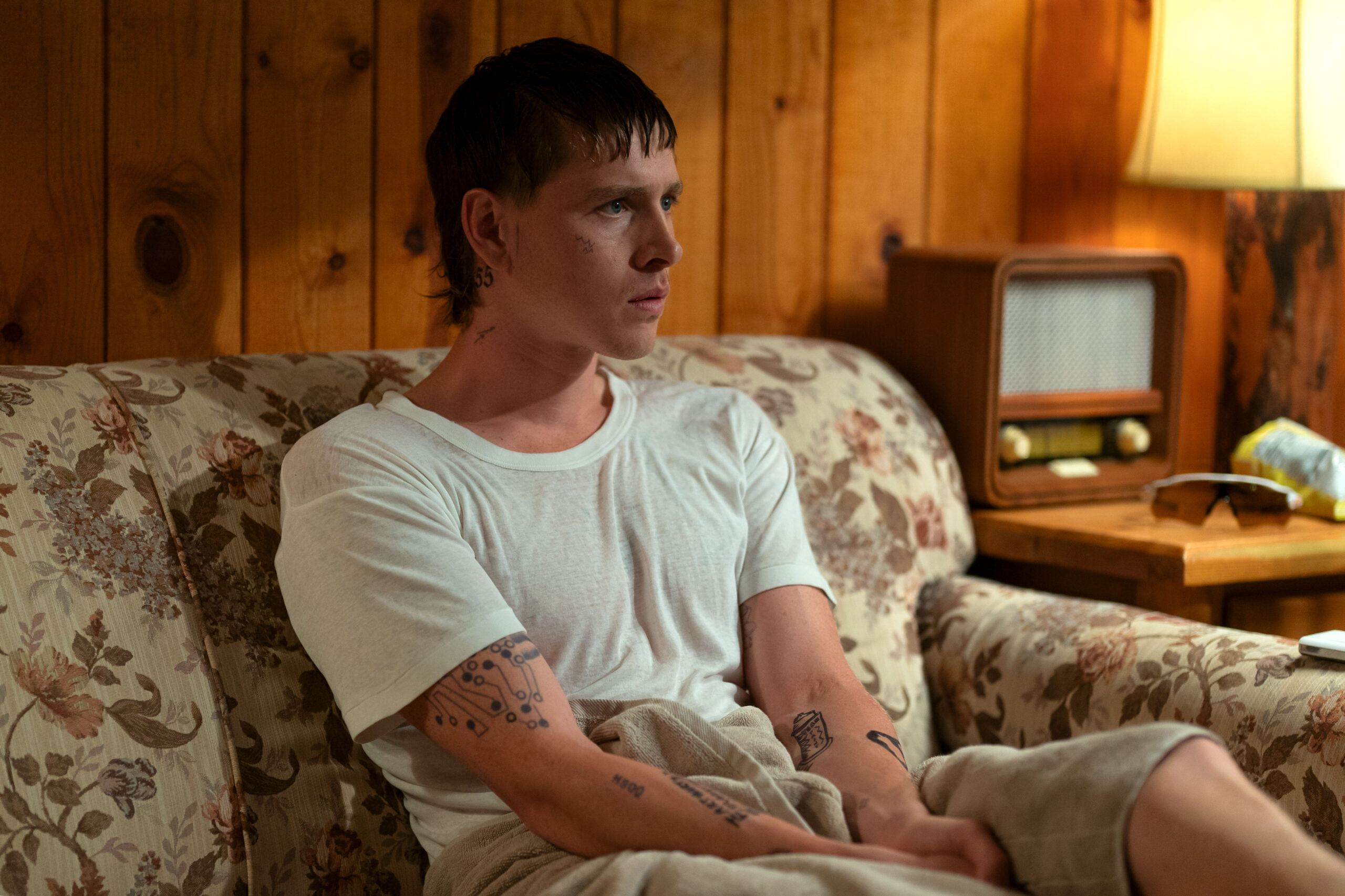
The best documented stories in Dickinson’s collection are the film references. The Associated Press reported a small tattoo tied to Donnie Darko and a larger tattoo on his arm connected with Ken Loach’s Kes. Dickinson has spoken warmly about Loach, and Spanish coverage also points to the Kes reference when he lifts his sleeve. These connections come from reporting, not guesses based on his filmography.

The Kes tattoo links Dickinson’s ink to both a movie and its director. Loach’s work has influenced Dickinson’s interest in socially grounded stories, an influence that carries into his own move behind the camera. The tattoo refers to the specific 1969 film while also marking a wider artistic connection.

The smaller Donnie Darko tattoo is less visible in published photos, but it belongs in the record because Dickinson identified it himself. A reference does not need to take up much space to matter. It also points to a film he values as a viewer and artist, rather than one associated with a role he played.

Dazed describes another distinctive design: an AK-47-wielding cherub in a balaclava. That specific description makes the tattoo recognizable; calling it simply an angel would lose the details that set it apart. It is a good example of why written reporting can clarify what a photograph alone might leave uncertain.

There may be more tattoos on Dickinson’s legs and elsewhere. He said he was sure there were additional leg pieces, so the available coverage should be treated as a record of what has been identified, not a final count. More interviews or clearer photographs may add to it over time. For now, the sources support the film references, chest lettering, cherub and visible arm work described here.
The clearest summary may be this: tattoos form a portrait of an actor who carries his influences with him. Kes connects him to Loach, and Donnie Darko records another film he admires. The lettering and cherub make the collection feel more personal and unexpected than a list of career references. Photographs show placement, while interviews give the strongest available account of meaning.

Dickinson’s tattoos are best read as an evolving collection: some honour films, some use words, and others remain visible without a public explanation. There is already more to the story than a quick list can capture, while some details remain unknown. One clear phrase, a named film or an unusual figure is more useful than a confident interpretation of a blurry image.

More actor tattoo guides

Chris Hemsworth’s Tattoos Remember Family, Friendship and a Favorite Story

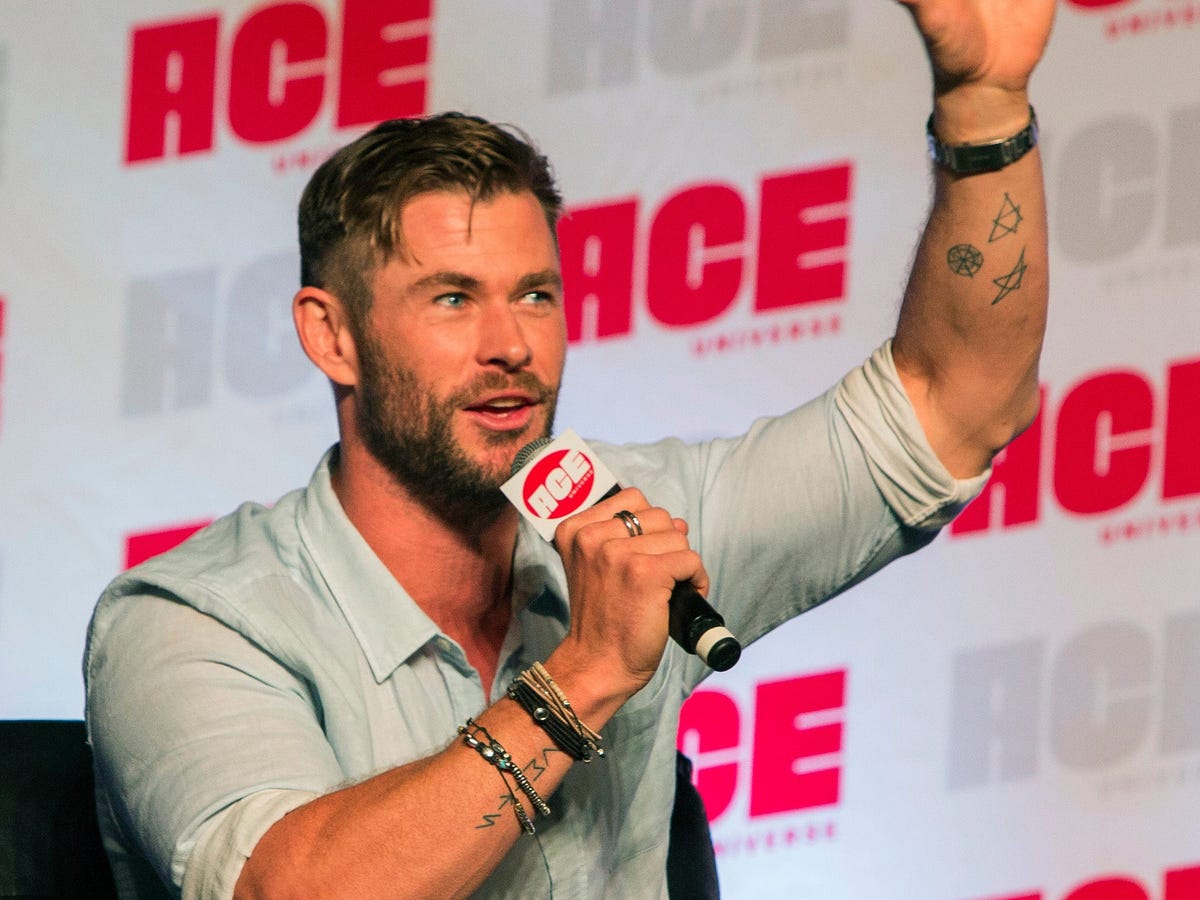
Chris Hemsworth’s tattoos are easiest to read one at a time, using the story he has actually shared about each design. Some mark his family, one connects him with the original Avengers cast, and two grew out of time with his daughter India. Photos catch the collection at different points, so an older, darker image does not prove that a tattoo still looks the same today.

There is no complete public inventory of every mark on his body. What is available is a set of identifiable designs with reported locations and personal context. The sections below stick to what can be described with confidence and leave open the parts the sources do not settle.

The five family initials on his right forearm

Chris Hemsworth’s C E I T S family-initial tattoo on his forearm

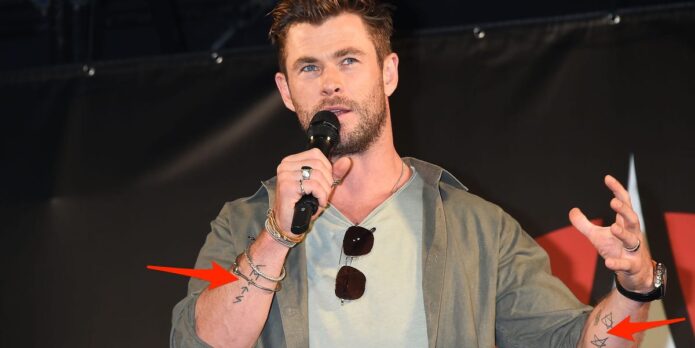
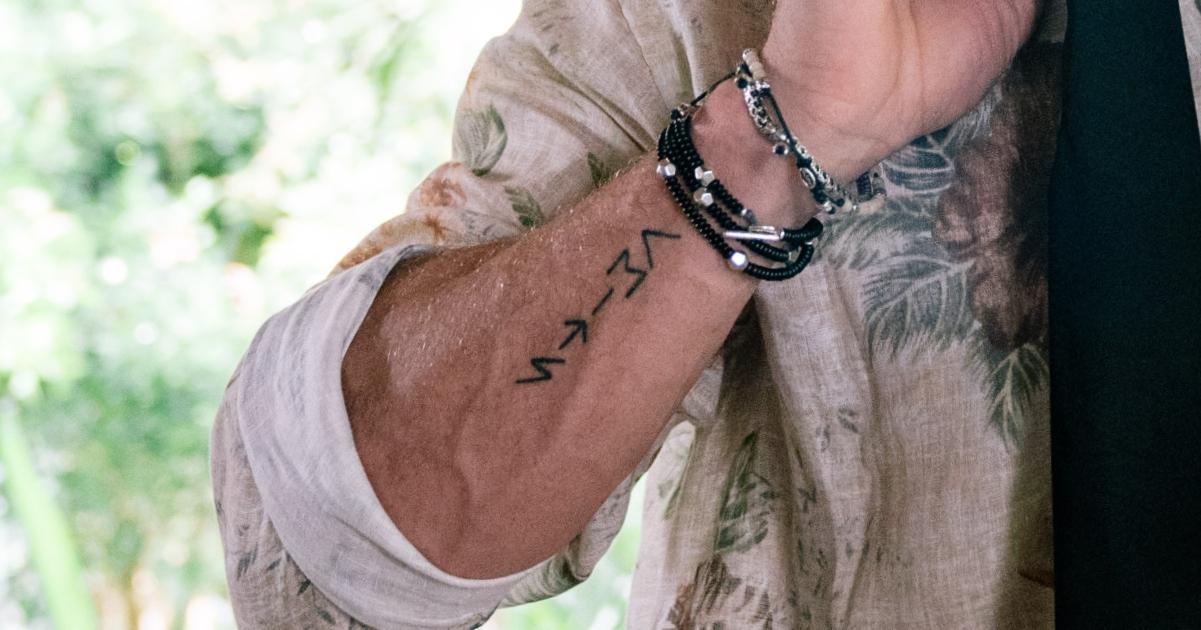
The vertical initials C, E, I, T and S stand for Chris, his wife Elsa Pataky and their children India, Tristan and Sasha. Hemsworth has described them as a family design. Pataky has the same letters on her left arm, making them a shared mark. Reports place his version on the outside of his right forearm.

It is a simple design: five letters stacked one above another. The meaning comes from the people they represent, not from a complicated image or hidden code. A sharp forearm photo helps because a distant red-carpet image may show the ink without making the letters or their order clear.

Calling it a family tattoo is well supported because Hemsworth has explained the initials. Giving the typography a separate symbolic meaning would go beyond what he has said. His direct account is enough: the letters keep Pataky and their three children close in a design both parents wear.

The Avengers tattoo links him to the original cast

The original Avengers cast with a close view of the matching tattoo design

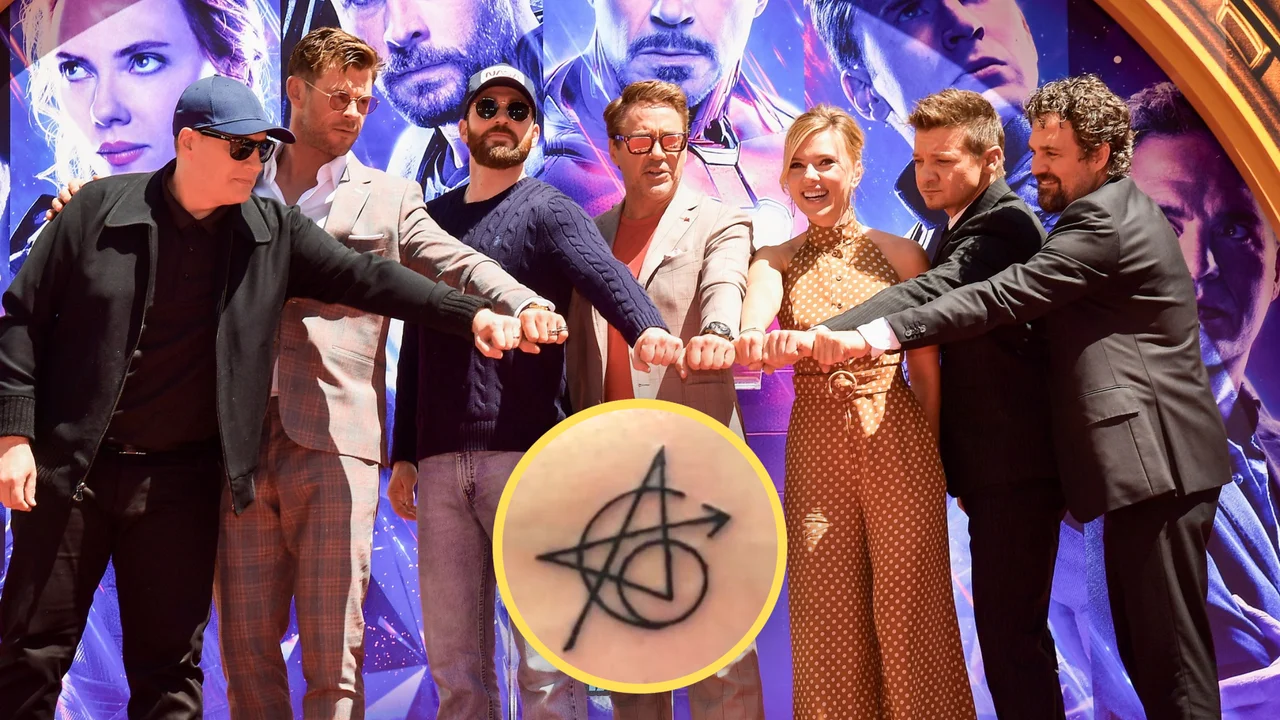
In 2018, Hemsworth joined Robert Downey Jr., Chris Evans, Scarlett Johansson and Jeremy Renner in getting a matching tattoo tied to their work as the original Avengers. Mark Ruffalo chose not to take part. The design is reported on Hemsworth’s right torso, where an ordinary portrait is less likely to show it than a forearm tattoo.

Tattoo artist Josh Lord worked with the actors on a design that combines an A, references to the six original heroes and individual marks associated with their characters. Accounts describe Iron Man’s reactor, Captain America’s star, Thor’s weapon, Hulk’s gamma symbol, Black Widow’s hourglass and Hawkeye’s arrow. The actors share the idea, but their placement and body shape mean the finished tattoos are not exact copies.

This is a keepsake from the original cast, not a general superhero emblem. It recalls the films and the close group the performers formed during that run. Its story is about that collaboration, not every later Marvel project or every character Hemsworth has played.

The Dr. Seuss character began with a book he read to India

Chris Hemsworth showing the Dr. Seuss character tattoo on his upper arm

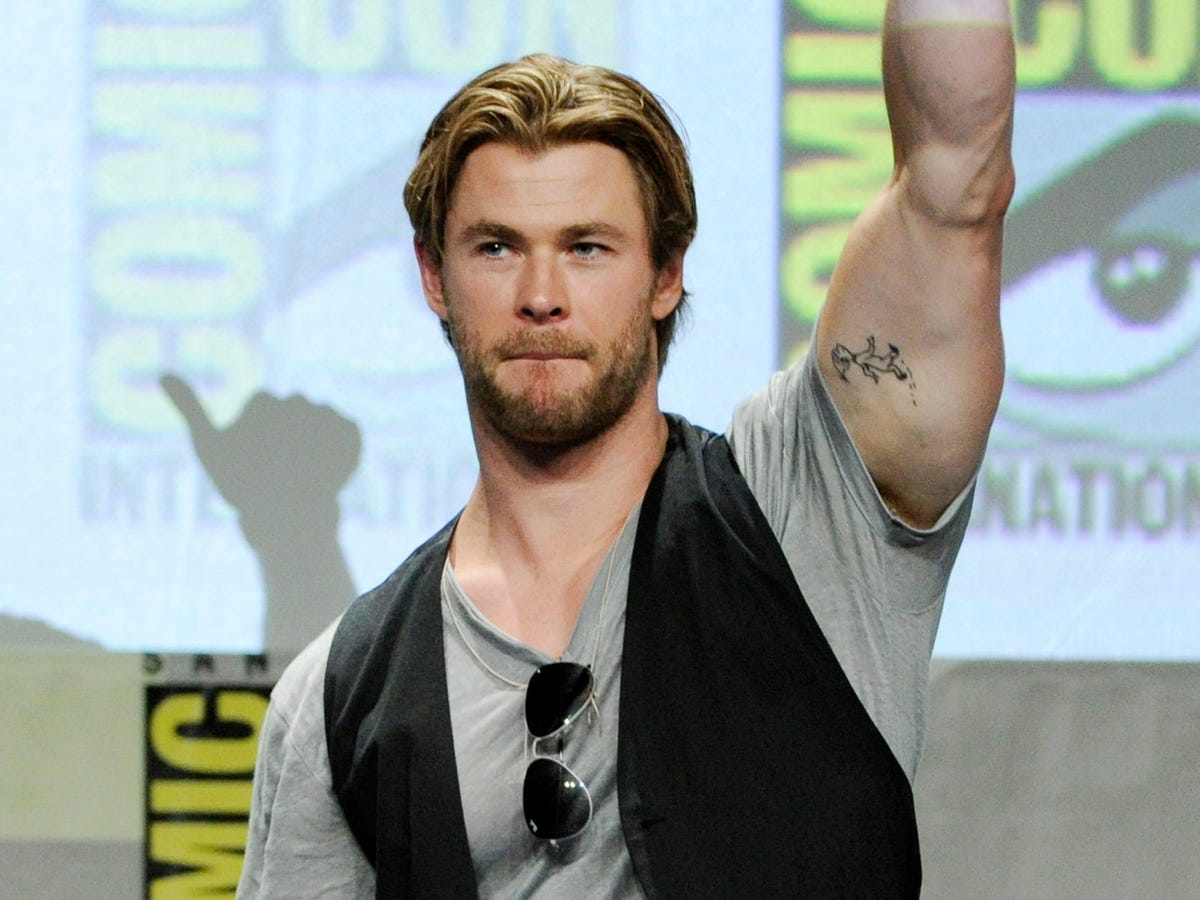
On his left bicep, Hemsworth has a small tattoo inspired by Oh, the Places You’ll Go! He has said it was one of India’s favourite books and that he used to read it to her. The design shows a character from the story, giving it a personal connection rather than making it simply a Dr. Seuss fan tattoo.

Hemsworth grew tired of the tattoo and tried laser removal, but stopped after one session. India noticed that it was fading and told him she loved it, so he decided to leave it. He has described the design as partly faded. That explains why older pictures may show darker ink than newer ones; it does not necessarily mean the tattoo was replaced.

The story is tender because India’s reaction changed what he planned to do. The account supports a clear point: the book was part of their time together, and her affection for the tattoo persuaded him to stop removing it. There is no need to add a broader meaning to the character.

India’s own drawings became small tattoos

Chris Hemsworth’s inner-arm tattoos based on drawings by his daughter India

Hemsworth has also said that several small tattoos came from drawings India made when she was young. During a late-night session, the artist was preparing other ideas when India came in and drew a few pictures. The artist preferred her sketches, and Hemsworth had those drawings tattooed instead.

One identifiable design is a wheel of Dharma, described in the conversation as having eight parts associated with the eight steps to enlightenment. The small group also includes a five-pointed star and other childlike marks. They appear as fine lines on his forearm, though low-resolution images can make their exact shapes and placement difficult to judge.

These sketches are different from the larger sacred-geometry piece discussed next. Hemsworth directly tied the small designs to India; that does not make every geometric shape on his arm one of her drawings. The appeal is the simple handoff from a child’s sketch to permanent ink, kept as drawn instead of polished into a conventional design.

Dillon Forte’s sacred geometry is a separate forearm piece

Close view of Chris Hemsworth’s completed sacred geometry forearm tattoo

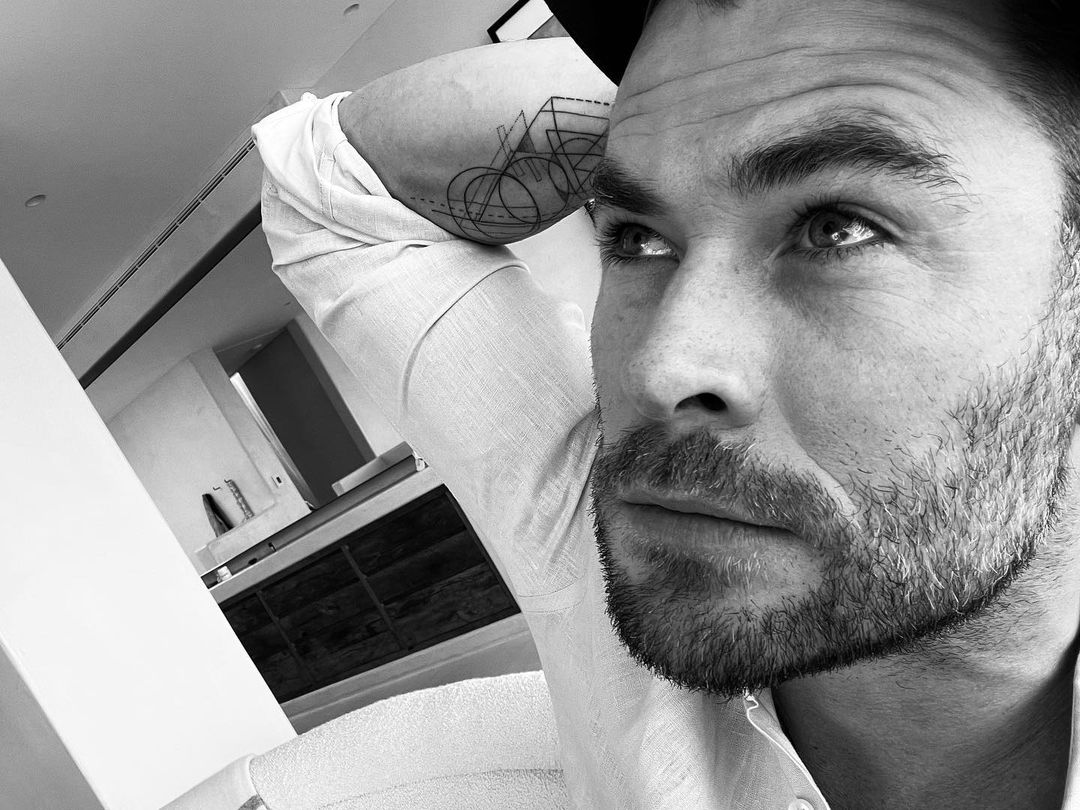
Hemsworth showed a separate forearm tattoo in 2022, made by Austin-based artist Dillon Forte. It is a compact black composition built from interlocking forms and repeated lines. Forte often works with sacred geometry, but the design can be described visually without assigning it a spiritual message Hemsworth has not claimed.

Hemsworth called the image “trippy sacred geometry” and said people might see different meanings in it, while he simply thought it looked cool. That puts a clear limit on interpretation. He identified the visual style but did not say the tattoo represents a particular belief, formula or life event.

This piece is also separate from India’s small drawings. It is easy to blur them when several forearm tattoos close together in the same photo. One group is a set of sketches tied to his daughter; the other is a finished geometric design credited to Forte. Keeping them apart preserves both the artist’s role and Hemsworth’s account.
Family is a strong thread, but not a meaning for every design

Family is a clear thread through some of Hemsworth’s tattoos: the initials name Pataky and the children, the Dr. Seuss character recalls a book he read with India, and her own pictures became ink. The Avengers design belongs to a different circle, the actors who played the original team. Forte’s geometry has a separate and simpler explanation: Hemsworth liked how it looked.

That variety is more interesting than forcing everything into one theme. The tattoos point to different relationships and moments, and their stories are not all equally detailed. A careful guide can describe each design, its reported location and what Hemsworth has said without inventing a hidden meaning for every line.

Which artists are identified with Hemsworth’s tattoos?

Josh Lord is identified with the Avengers cast tattoo, and Dillon Forte with the 2022 sacred-geometry forearm piece. The available accounts do not consistently name the artists behind the family initials, Dr. Seuss character or India’s drawings. Those credits are best left open rather than assigned to one studio.

The artists matter because these are different kinds of work: a group tattoo made with fellow actors, a child’s drawing, and Forte’s precise geometric design. Hemsworth’s ink has accumulated over the years with different collaborators and different reasons behind each piece.

Taken together, the initials, book character, children’s drawings and Avengers design give a grounded picture of Hemsworth’s collection. Some tattoos have a clear story; others are best recognised by their appearance. They make the most sense when each piece is considered on its own.

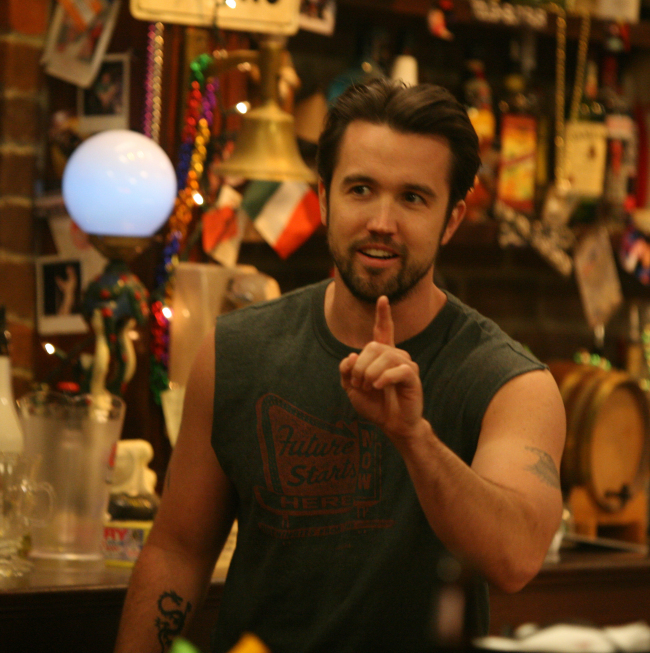
Rob McElhenney’s tattoos are more interesting than Mac’s joke suggests

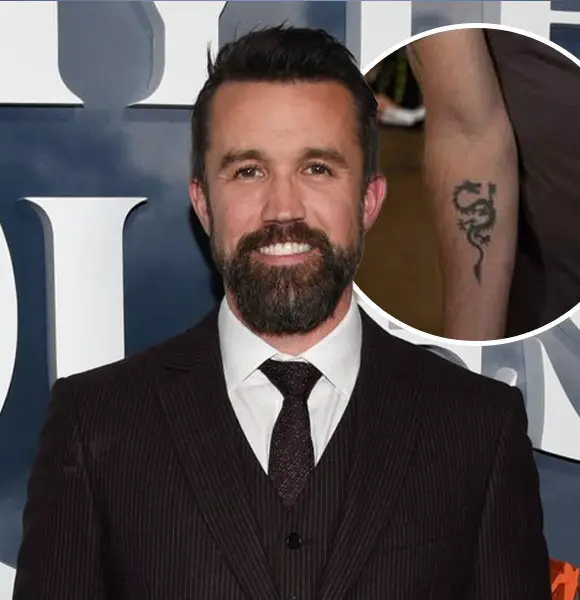
On It’s Always Sunny in Philadelphia, Rob McElhenney’s real tattoos helped sell Mac’s swagger. Older photos show a dragon on the right forearm, a feather on the right bicep and an eagle on the left bicep. The ink later faded as he went through laser removal. He has given no public explanation for a private meaning behind the designs.
The sitcom also played with fake ink, which makes the Conan clip easy to confuse with McElhenney’s real pieces. The three arm tattoos came first; his later comments confirm he had them removed. Keeping the joke separate keeps the famous Conan gag out of the permanent tattoo count.
The dragon on Rob McElhenney’s right forearm

Rob McElhenney's dragon tattoo on his right forearm

In older photos, the dragon on the right forearm is the easiest design to see. It is a small black dragon running down his forearm. That fit Mac’s act: he carried himself as if every physical detail were proof of his greatness, even if the design itself was unassuming.
The dragon sat on the forearm, where a tattoo is visible when the wearer rolls up a sleeve or wears a short-sleeved shirt. It shows in early Sunny photos. The feather and eagle were higher up, so sleeves often covered them. From a distance, the dragon can look like a dark smudge; closer shots bring out its outline.
Searches for dragon tattoos often return the same symbolic list: strength, danger, independence, transformation. McElhenney has not said those ideas inspired his design. In older photos, the dragon is clear on his right forearm; later it fades. Anything beyond that is speculation.
McElhenney joked that the tattoo was fading by “laser beams.” It was a quick line, but it confirms he had the design removed. He never gave a clear public reason. Regret, embarrassment or a change in identity would be guesses.

The feather on the right bicep and eagle on the left

Rob McElhenney's older feather and eagle tattoos on his upper arms

Higher on the arms were two more designs: a feather on the right bicep and an eagle on the left bicep. Together, they balanced across the upper arms. The feather has a lighter, narrower outline; the eagle is broader. McElhenney has not given a reliable first-person explanation for either, so claims about freedom or patriotism are speculation.
Sleeveless shirts let the tattoos show beside Mac’s oversized muscles, making them part of his attempt to look intimidating. A regular T-shirt covered them. The wardrobe let Mac flash the designs while flexing; his exaggerated confidence supplied the joke.
Online accounts disagree about which tattoo lingered longest: some mention the eagle, others the dragon. Lighting, camera angle and the stage of laser removal all change what shows in a photo, so a recent image cannot recreate the earlier look. Older shots place an eagle on his left upper arm and a feather on his right. They do not establish when either piece was done, or say anything about the tattoo or a private meaning beyond its appearance.
Laser removal can take time, so old outlines may linger from one photo to the next. The change was noticeable because the tattoos were so closely tied to Mac’s look. It prompted questions about whether the marks were makeup, props or real tattoos. They were real; later photos show them fading after treatment.
What the Conan “tattoo” was really showing
At a 2015 Conan appearance with the Sunny cast, McElhenney showed a deliberately terrible temporary tattoo of Bill Cosby. He added a moustache and changed a letter to pass it off as David Crosby. It was a quick gag, and reports at the time described it as temporary. The image sometimes circulates alongside his real tattoos, but it was never a fourth piece of permanent ink.
The list is short: a dragon, a feather and an eagle. All three were real tattoos, and McElhenney later had them lightened with laser treatment. The bad image from Conan was a temporary joke. Mac made the original designs memorable by showing them off with absurd confidence.
More actor tattoo guides

David Harbour’s Red Guardian Tattoos, Design by Design

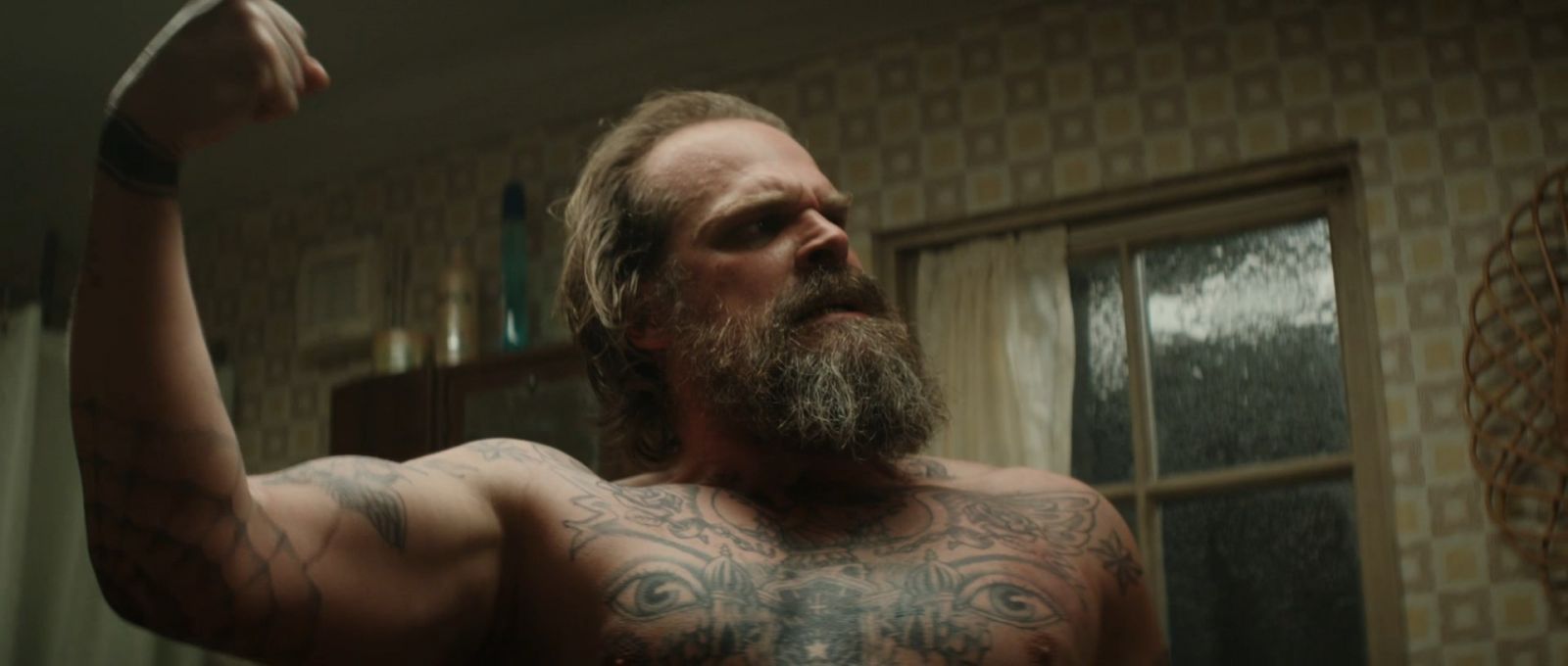
David Harbour’s most detailed tattoo story belongs to Alexei Shostakov, the Red Guardian he plays in Black Widow. The designs were created for the character, and Harbour has discussed several in interviews. They are screen tattoos, not evidence that he wears the same ink in his everyday life.
Alexei’s ink tells you who he is before he opens his mouth: a Soviet super-soldier who spent years in prison and still claims Natasha and Yelena as his daughters, though the family began as a cover. The artists put that history on his skin through names, portraits, political figures and prison-style decoration.

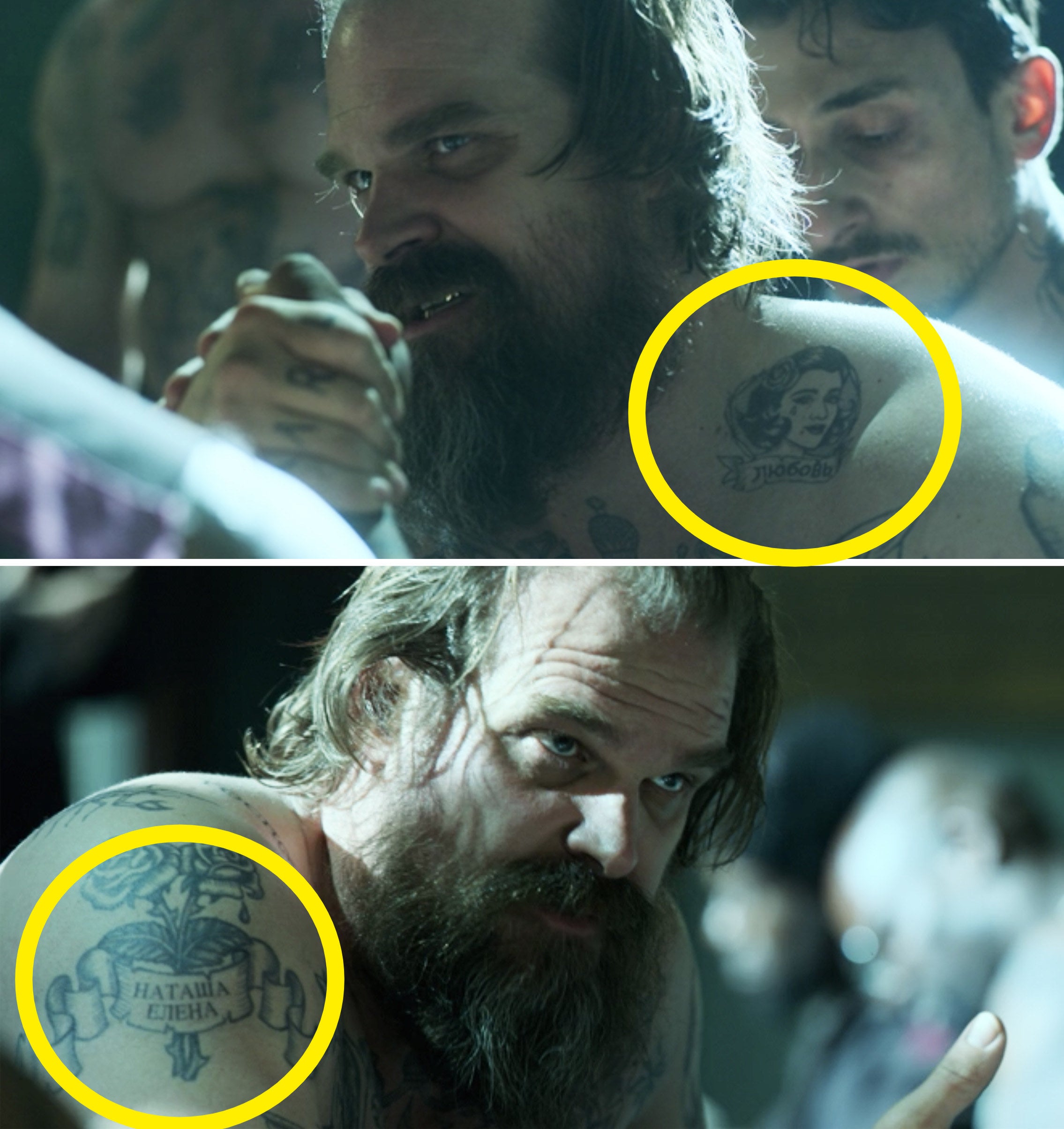
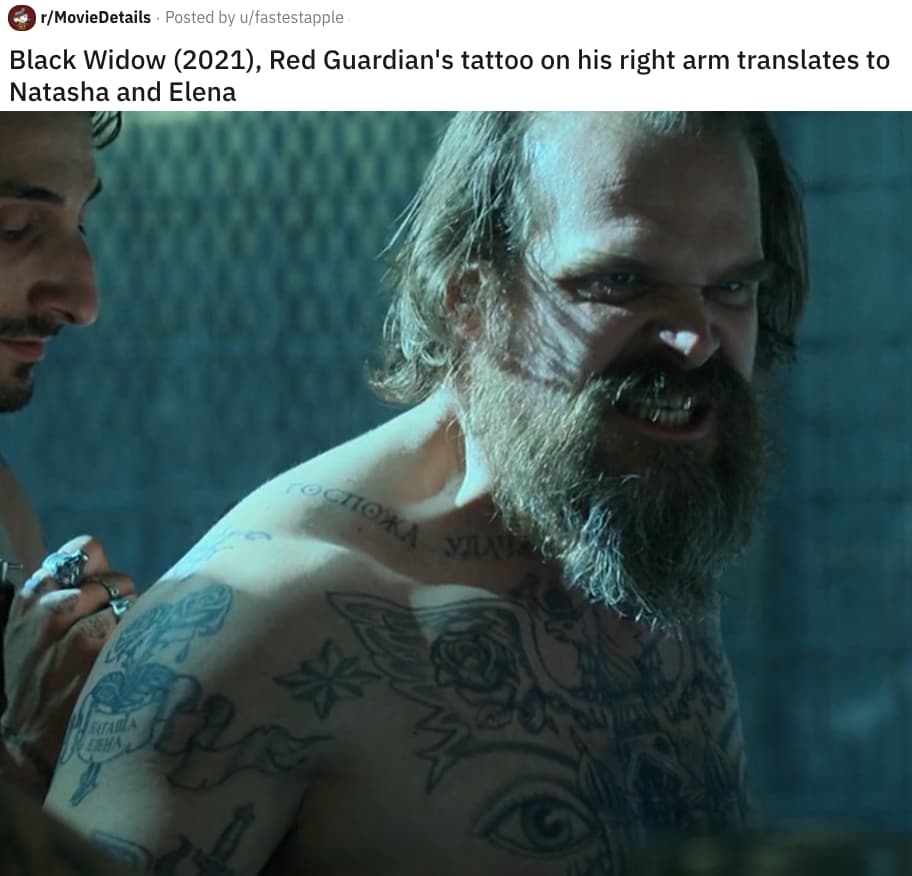
Natasha and Yelena are named beside Melina’s portrait

Red Guardian Natasha and Yelena tattoo with Melina portrait
On Alexei’s upper arm and shoulder, the family tribute pairs a portrait of Melina (played by Rachel Weisz) with Natasha and Yelena’s names in Cyrillic nearby. The image and lettering say what a line of dialogue might not: Alexei still considers the people he treated as family part of his life.
Harbour said the portrait uses a younger image of Weisz and named it his favourite tattoo. The reference is specific to Alexei’s story: Melina was his wife in the undercover cover story and part of the family the four agents built together.
The names are more than decoration around a rose. They identify Natasha and Yelena, making Alexei’s attachment to them explicit. In a wide shot the Cyrillic can blend into a dark band; a close-up separates the words from the portrait.

KARL MARX and the knuckle lettering make the politics impossible to miss

Red Guardian Karl Marx knuckle tattoo
The words KARL and MARX run across Alexei’s knuckles. Harbour called them one of his favourite details: blunt, funny and impossible to hide when Alexei raises his hands. Instead of the familiar “love” and “hate” prison lettering, he wears the name of the communist philosopher.
The English lettering is deliberate: Alexei is Soviet, but the audience can read KARL MARX at a glance. The words are also visible in close-up. Whenever he gestures, his politics arrive before his speech about Captain America or the Soviet glory days.
Harbour has discussed the knuckles in interviews, so both the placement and the joke are clear. The other marks on Alexei’s body are different: buildings, symbols and ornament rather than readable words.

Lenin’s portrait turns the abdomen into a Soviet political panel

David Harbour Red Guardian chest and arm tattoos
Lenin’s portrait takes up space on Alexei’s abdomen. Harbour identified him in interviews, and the scale gives the Soviet leader more weight than a small political emblem. It sits among chest decoration and dense prison-style marks, adding to the character’s Soviet identity.
The Red Guardian suit hides the portrait; prison scenes and shirtless shots reveal it. Against the surrounding ink, Lenin stands out as a deliberate image, matching Alexei’s old-fashioned politics and theatrical belief that he should be remembered as a national hero.
Harbour has discussed the design, but it belongs to Alexei on screen. That interview does not turn the fictional Lenin tattoo into part of Harbour’s permanent collection.

The Melina neck portrait is a separate tattoo from the family names

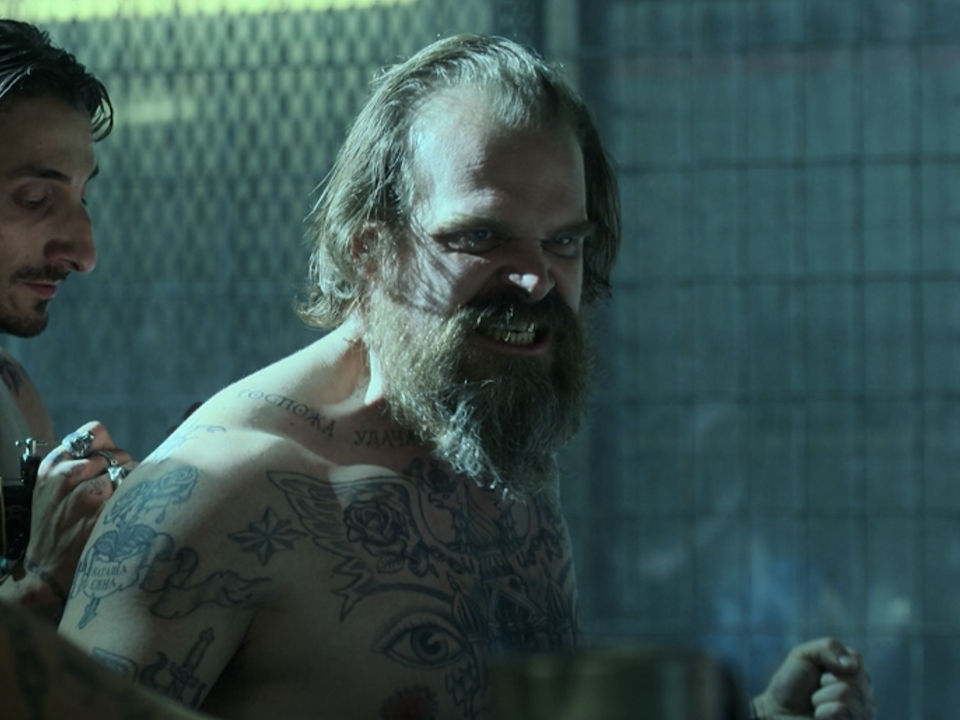
David Harbour Red Guardian prison tattoos and Melina neck portrait
On Alexei’s neck, another portrait shows Melina’s face with Melina written below. Harbour said it was based on a younger photo of Rachel Weisz. Set beside his face, it is easy to catch in profile and feels more intimate than the Soviet imagery across his chest.
The neck portrait and the shoulder tribute are two different designs. One names Melina; the other pairs her face with Natasha and Yelena’s names. Together they show the family Alexei loved and the daughters he kept claiming.
The close production shot catches details a headshot cannot: the tattoo is small, and beard shadow and lighting can hide its edge. The angle helps separate Melina’s face and name from the prison-style markings around it.
Prison and Russian gang symbols fill the spaces between the named tattoos
The portraits sit among layers of Russian prison-style artwork: buildings, lettering, crests, birds and decorative shapes. Harbour said the design team researched Russian gang tattoos, then adjusted some imagery so it would not read as a Nazi eagle. Small fortress-like details gave Alexei’s ink its own visual language.
The surrounding markings do not share a single meaning. Some suggest status, ideology or confinement; others make Alexei’s skin look lived-in. Production notes explain the research behind the designs, but not what every individual symbol is meant to signify.
In some frames, a falcon-like tattoo and a large double-headed eagle or crest appear across the arms and chest. These are details of Alexei’s character, not signs of Harbour’s own politics or prison history. Beside the named tattoos, they make his body look like a record of Soviet power and years behind bars.
Alexei boasts about the Soviet Union as if it might restore his old status. The family tattoos show what matters after that status fades: Natasha, Yelena and Melina. The knuckle lettering is loud and ideological; the names and faces are quieter and more personal. That contrast gives the makeup its weight.
The placement lets the film reveal each detail in motion. Karl Marx appears when Alexei gestures; the abdomen shows when the prison scenes remove his suit; Melina appears in profile; and the shoulder tribute comes into view when he wrestles or lifts an arm. The tattoos tell parts of his story without stopping the film to explain them.
On screen, the references are clear: Karl Marx, Lenin, Melina, Natasha and Yelena are all identified through Harbour’s comments or production accounts. The prison-style marks draw on research, but their individual symbols do not all have a confirmed translation. Together, the pieces make Alexei’s body part of the story, not just a collection of fake tattoos.

More actor tattoo guides

The story behind Ben Affleck’s enormous phoenix tattoo

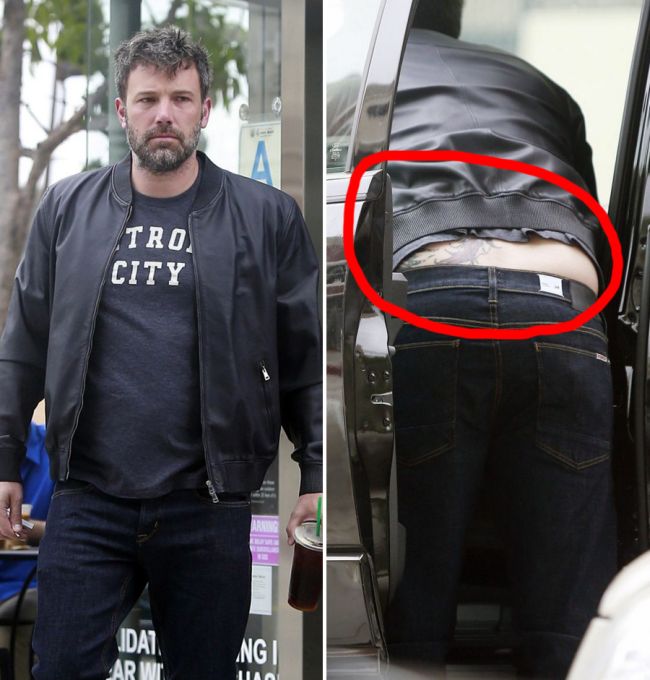
Affleck’s huge phoenix tattoo came into public view gradually. Early photos raised questions; set images made it harder to dismiss as temporary, and he eventually discussed it openly on television. That long reveal became part of the tattoo’s public story.
Affleck has said the tattoo is personal and that he likes it, but he has not explained every feather and colour. The design and its existence are easy to establish; the private symbolism is less clear.

The phoenix fills Ben Affleck’s back

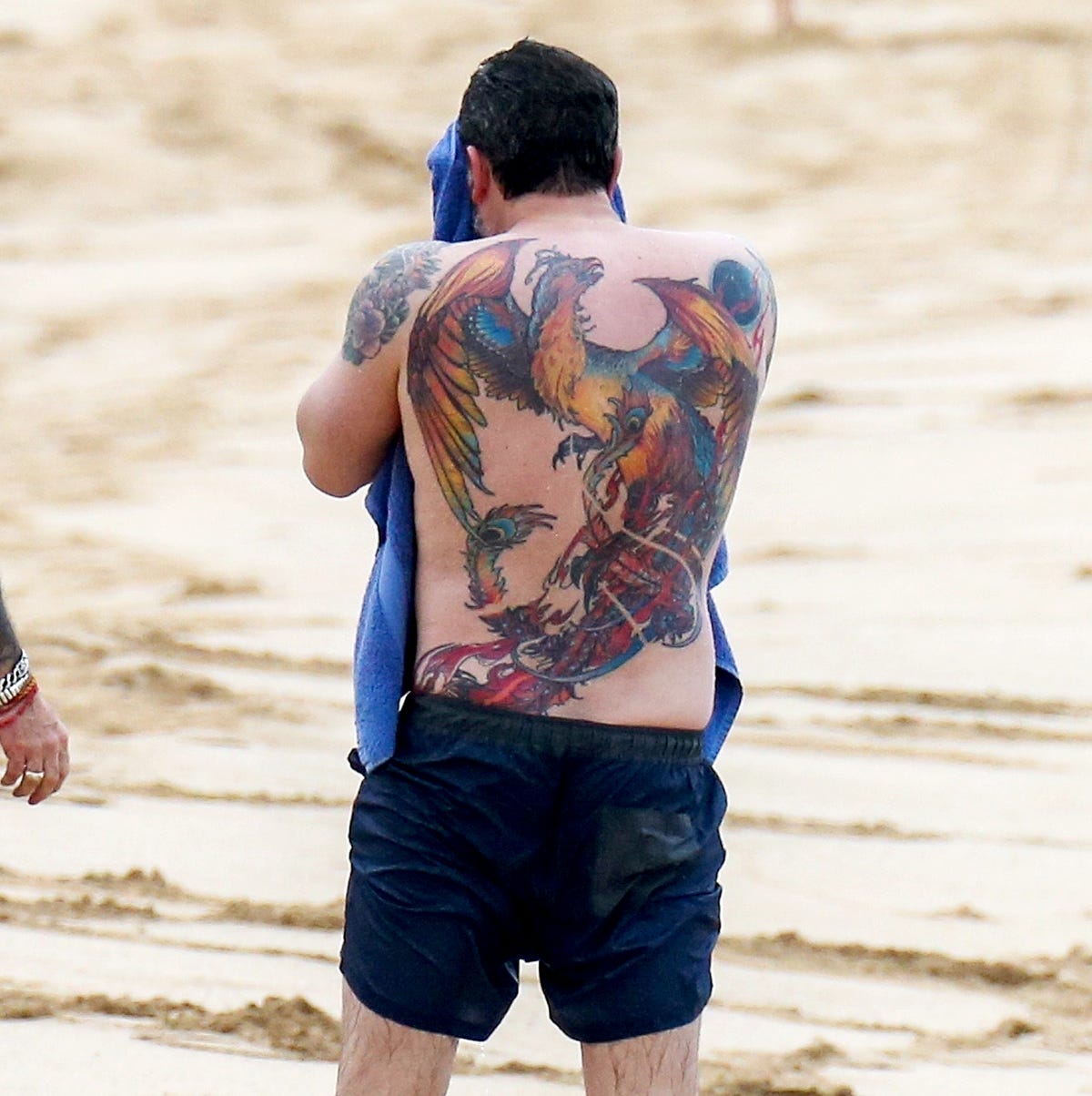
Ben Affleck’s full-back phoenix tattoo

Photos show a multicolour phoenix with wings spanning the shoulders and a long tail running toward the lower back. Orange, red, blue and yellow give it a louder presence than the black-line tattoos usually discussed in celebrity tattoo guides. Its scale is the first thing you notice: this is a full-back composition, not a small emblem.
Cropped photos make it easy to lose part of the design. One may show the head and wings but miss the tail; another catches the lower feathers while a towel or shoulder hides the top. Those differences come from angle, distance and clothing—not proof that the tattoo changed.
A full-back photo shows the phoenix in one piece, from the spread of its wings to the falling tail. Whenever Affleck’s back is uncovered, the tattoo fills most of the frame.

The outstretched wings give the tattoo its width

The phoenix’s wings fan out from the shoulders in layers of feathers. They make the bird look as though it is moving rather than sitting like a crest. Close photos show dark outlines, warm highlights and repeated feather edges beneath the colour.
The wing tattoo is not separate from the phoenix; the layered feathers make up its upper half. They set the composition’s width and make it look different in a mirror, a beach photo or a straight-on shot.
That scale helps explain the mixed reaction: the tattoo is theatrical by design, bright and large enough to register at a glance. Affleck later defended it as a finished work of art, not a tiny mark.

The lower tail feathers complete the phoenix shape

The lower tail of Ben Affleck’s phoenix tattoo

The tail runs down the lower half of Affleck’s back, extending the design below the shoulders. Some photos show the feathers sweeping toward his left side. Their exact edge is hard to judge in every frame, but the tail clearly carries the phoenix down the length of his back.
In a cropped photo, the tail can disappear and make the tattoo seem to stop at the shoulders. A wider view shows how it balances the head and wings, turning the phoenix into a vertical back piece rather than a logo between the shoulder blades.
Published coverage does not identify each colour or feather as a separate symbol. The lower section is part of the same phoenix, carrying the design from mid-back toward the lower back.

Why the tattoo was first treated as a mystery

When the phoenix first appeared in photos, Affleck had called it temporary makeup connected with a film. That explanation shaped early stories and became a running joke. Later images and his own comments made clear the ink was permanent. Time and Esquire covered the shift.
The comments belonged to different moments: at first he called the image temporary; years later he discussed it as a permanent tattoo. A movie shoot can involve temporary body art, while another photo may show lasting ink. The dates explain why early coverage and later accounts sound different.
By 2019, on The Ellen DeGeneres Show, Affleck was defending the tattoo rather than calling it temporary. He said he loves it and described it as meaningful, while keeping the personal details to himself.

What Ben Affleck has actually confirmed

Affleck has said the tattoo is real and spoken positively about it. Photos show the phoenix, its approximate placement and its bright colours. They do not give an exact appointment date or explain what every feather means to him.
A phoenix is commonly used as an image of renewal, but that association does not tell us why Affleck chose it. A design can suggest something visually and still carry a private meaning its owner never shares.
The image is straightforward even if the personal story is not: a bright, detailed phoenix across Affleck’s back. He once called it temporary and later said he was happy with it. Anything beyond that is his to keep private.

More actor tattoo guides

Shia LaBeouf’s tattoos mix private marks with a film-era chest piece

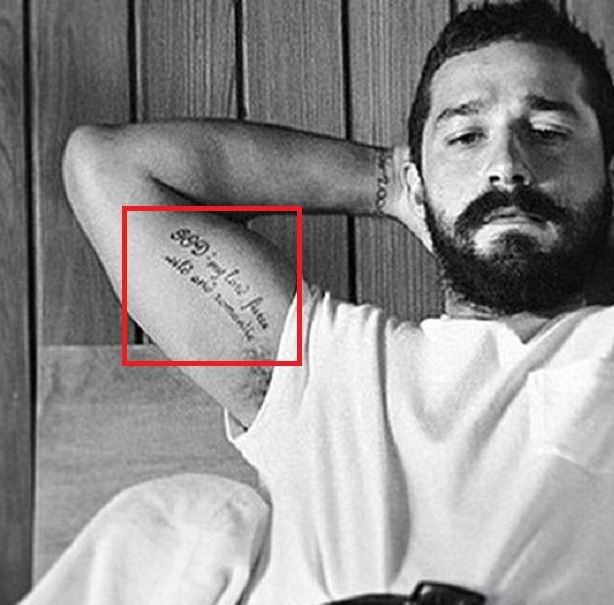
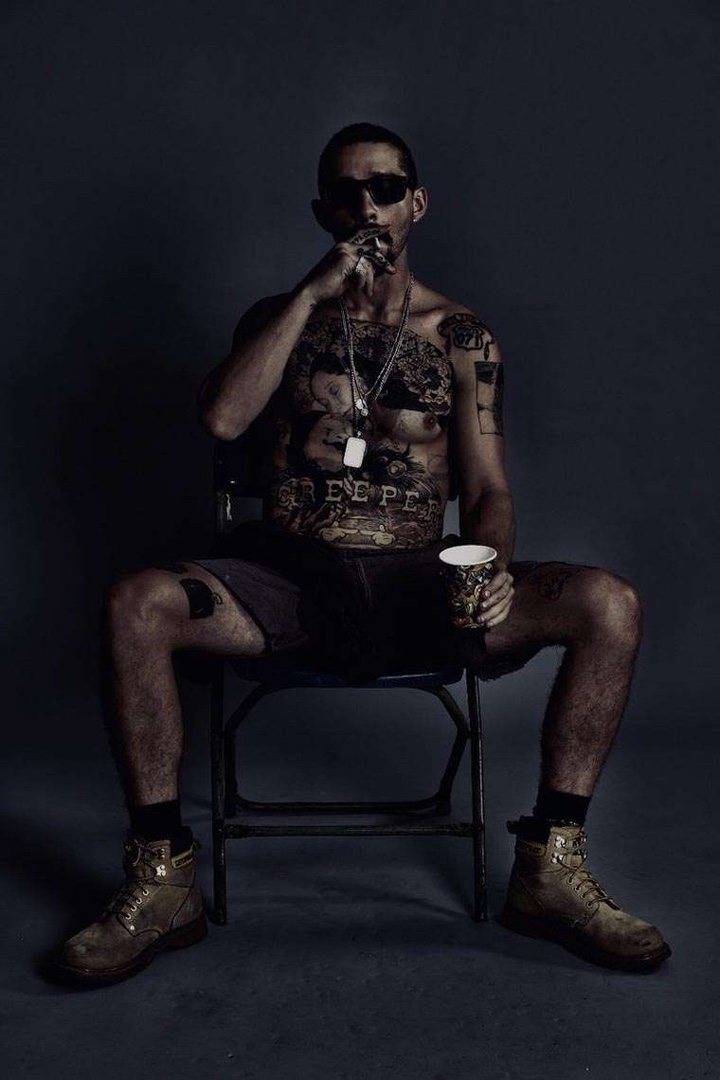
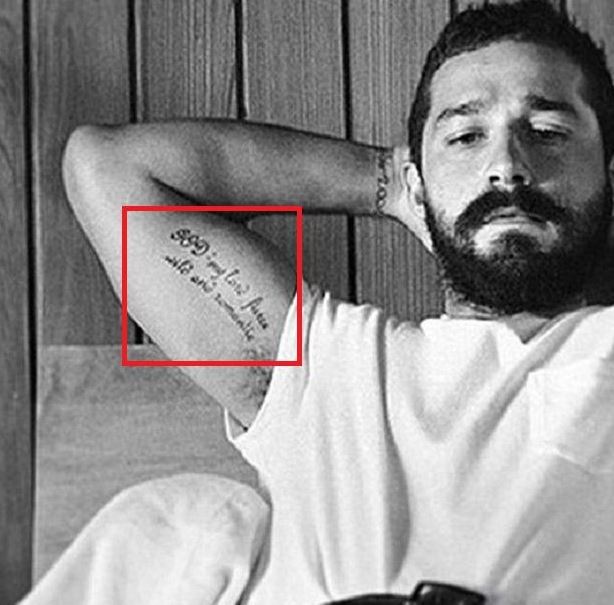
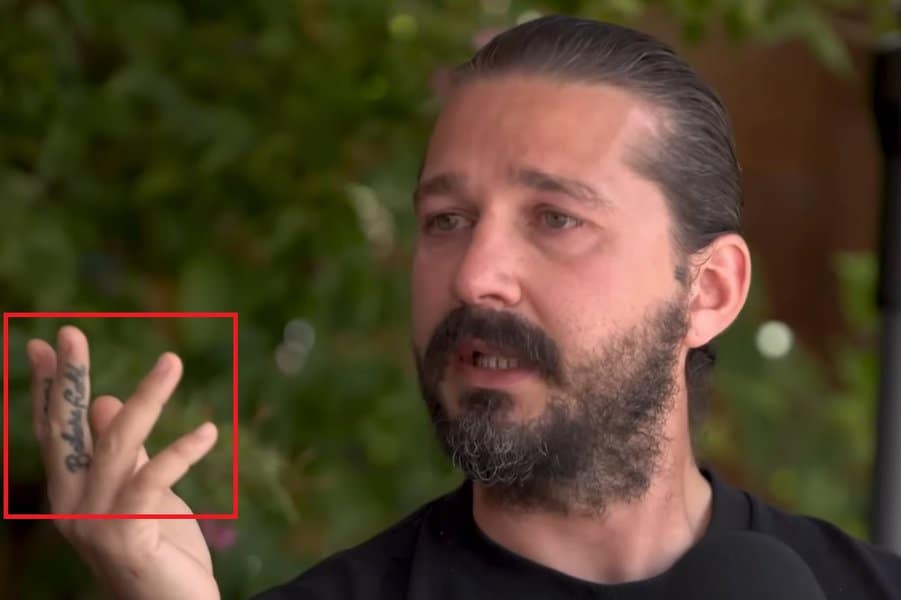
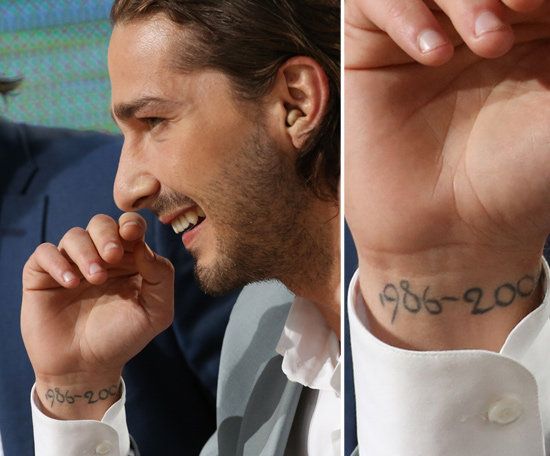
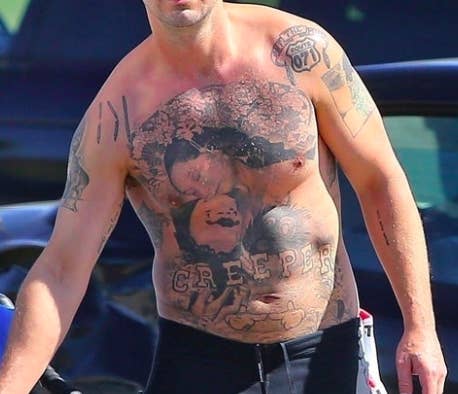
Shia LaBeouf’s tattoos range from small personal marks to the huge chest piece he got for The Tax Collector. Photos also catch script inside one arm, Bakersfield across a finger and smaller designs near his wrist and hand. The film tattoo gets the headlines, but there is more to his collection than that.

Some of the smaller pieces are harder to date or make out in photos. The inner-bicep script spells out GOD, and the finger reads Bakersfield. Older profiles mention a date on his wrist as well, though it is not as clear in every picture.

The Creeper tattoo covers the chest and abdomen

Shia LaBeouf showing the Creeper chest tattoo

The largest piece stretches across LaBeouf’s chest and abdomen. It was tattooed for The Tax Collector, rather than painted on as temporary makeup, and the word Creeper stands out near the bottom. In photos, it takes over his torso.

The film tells us when the tattoo was made, but not what every figure means to LaBeouf. Reports described it as a real tattoo, a permanent change to his body rather than makeup for the role.

From a distance, the portrait-like shapes blur into the dark field around them. Up close, the lettering and figures are easier to pick out. There is no missing the scale of the piece.

GOD is a long script tattoo on the inner bicep

Shia LaBeouf showing the GOD script bicep tattoo

Another photo shows a long line of script along LaBeouf’s inner bicep. The words are usually given as GOD: My Lord, Fierce, Wild, and Romantic. The phrase is distinctive, but the image alone cannot tell us when he got it or how he interprets each word.

The narrow lettering looks more like a short passage than a bold emblem. Its inner-arm placement makes it easy to miss unless his sleeve is rolled up. Ruby Rose has a similar tattoo that can be hidden by a short sleeve.

The words may invite guesses about LaBeouf’s faith or personal beliefs, but the tattoo itself does not answer those questions. The photograph makes the wording and placement clear; anything beyond that would be a guess.

Bakersfield is written across a finger

Shia LaBeouf’s Bakersfield finger tattoo

When the photo is close enough, Bakersfield is easy to read across one finger. In a wider shot, the lettering can disappear against his hand.

The Bakersfield lettering is a place name, so it is natural to wonder why he chose it. Available coverage does not give a confirmed story behind the word; the compass and other little marks nearby are separate designs.

The contrast with Creeper is striking: one fills the torso, while this one is only a few fine letters across a finger. It takes a much closer look to catch it.

The wrist date belongs to an earlier layer of the collection

Shia LaBeouf 1986 to 2004 wrist date tattoo

Older biographies have described 1986-2004 on LaBeouf’s inner wrist, tied to an earlier period of his life. Unlike the newer images of his chest tattoo, photos of the date are harder to read and less consistent.

A wrist turns away from the camera easily, and a watch, bracelet or sleeve can cover the area. That makes this mark harder to spot in photos than the bold chest piece.

Beside Creeper, the date is understated: a few numbers on the wrist, linked in older coverage to an earlier part of his life. The two tattoos differ in size and in how clearly they have been photographed.

Why the film tattoo should not erase the smaller designs

Shia LaBeouf’s tattooed torso and Creeper chest piece

The chest tattoo drew attention because it was impossible to miss and tied to a film role. The quieter pieces are easy to overlook beside it: the GOD script, Bakersfield on a finger and the wrist date, each taking up only a small patch of skin.

LaBeouf’s tattoos do not seem to follow one obvious theme. The chest piece is dramatic, the bicep carries a full phrase, the finger has a place name and the wrist shows a date. Each has its own look and scale.

They are easy to miss when looking only at wide shots. The chest comes into view first, while the inner-arm script, finger lettering and wrist numbers need closer photographs. Together, those images fill out the picture.

What the sources can and cannot establish

Photos show the Creeper chest tattoo, inner-bicep script and Bakersfield lettering, and older biographies mention the wrist date. They do not give a complete tattoo count or verified meanings for every mark. Some small tattoos can be hard to keep track of when designs are covered, changed or added later.

Even tattoo records can be incomplete over the years. Skin changes, roles come and go, and tattoos can be covered or reworked; one photo from a film set is only a snapshot.

LaBeouf’s collection mixes career-related tattoos with smaller, more personal marks. The chest piece explains why his ink drew headlines, while the script, finger lettering and wrist date give the collection more texture.

Alan Ritchson’s Matching Tattoo, Rib Number and Forearm Work

In GQ’s tattoo tour, Alan Ritchson said he had 23 tattoos and talked through several of them. The first was a matching piece with his wife Catherine; later additions include “81” on his ribs and a large forearm project. He has also explained tattoos for his children, though not every mark has a public story.

What the GQ tattoo tour documents about Alan Ritchson’s tattoos

GQ places the first tattoo in Ritchson’s tattoo history, early in his relationship with Catherine; they got matching designs together. It was a shared decision, not a tattoo for a film role. His later work grew larger, but the matching piece still marks the start of the collection.

Reports confirm the matching origin, but do not describe every line or give a private meaning. A symbolic reading beyond what Ritchson has said would be guesswork. Photos show the size and placement; the GQ account explains why it was his first tattoo.

The matching piece began the collection. Ritchson later added larger designs, turning a shared tattoo into the first point in a much broader story.

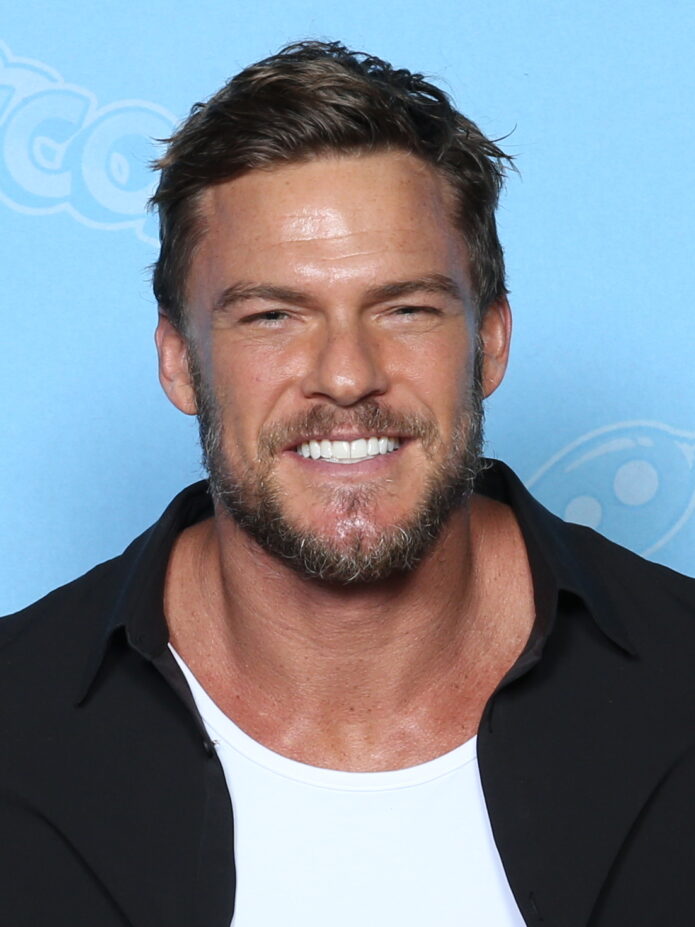
Forearm lettering and the matching Hachiko tattoo

Alan Ritchson’s forearm lettering and cross tattoos shown during GQ Tattoo Tour.

GQ identifies tiny Japanese characters as Ritchson’s first tattoo, a matching Hachiko design he shares with Catherine. He connects Hachiko with loyalty and lasting love. The tour also shows a cross and nearby handwriting, which he reads as “boundaries, devotion and winter storms.” The photo gives a close view of the lettering, though not every mark is legible.

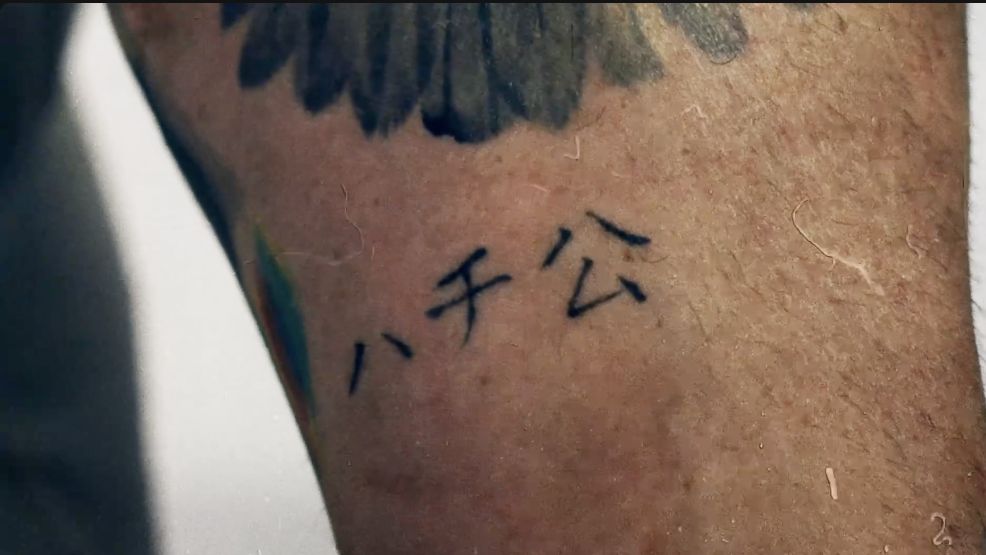
Dove, flame and shield designs honour his sons

Close views of Alan Ritchson’s dove and sword-and-shield family tattoos, alongside a photo of the actor showing his arm.

The family tattoos include a dove for his eldest son, Calem; an abstract flame for Edan; and a sword-and-shield crest for Amory. Ritchson explains the dove and flame in GQ, while People identifies the crest as a tribute to Amory. Each design has a specific connection to one of his sons.

The “81” on Ritchson’s ribs

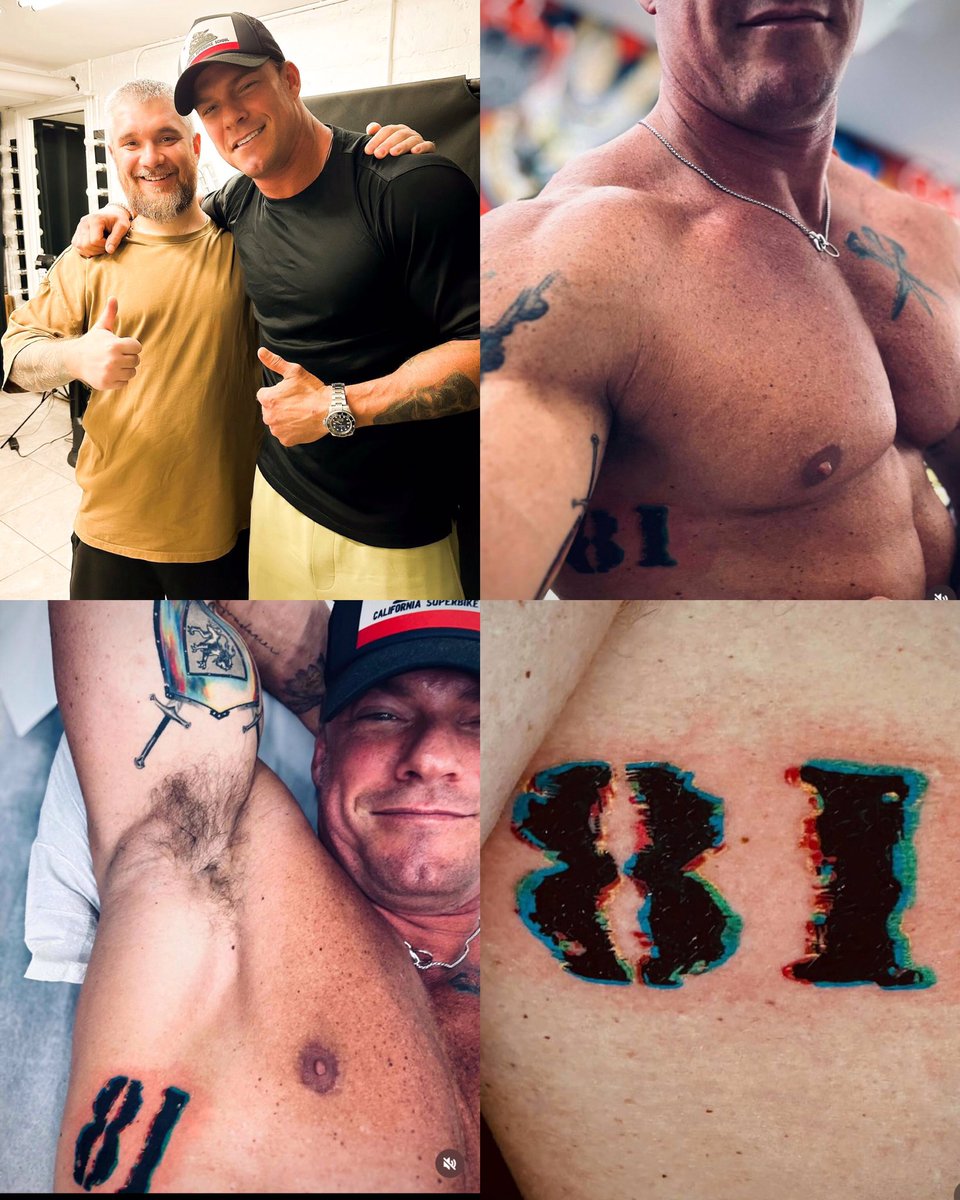
A multi-panel view of Alan Ritchson’s tattoo work, including the 81 numerals and arm designs.

Coverage also documents a separate tattoo: “81” on Ritchson’s ribs, a piece he added after the matching design. The number appears in later discussions of his collection, though older photos often hide the ribs under clothing.

Earlier coverage identified the number and its placement without a clear explanation. Ritchson later discussed the tattoo tour and tied “81” to a film project. A close-up shows the marking, but the GQ interview supplies the context.

On its own, “81” could be a date or a private reference. Ritchson’s explanation connects it to the film War Machine and the character he played, rather than to an address or a birthday.
GQ connects the number to the making of War Machine: Ritchson says the story moved him enough to mark 81 on his ribs, and he wanted to embody the character.

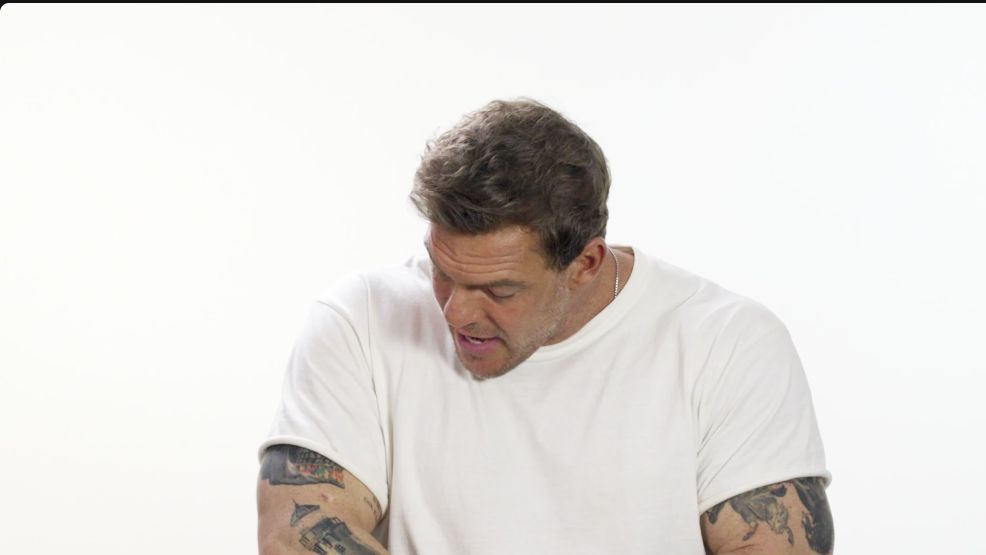
The large forearm project and the tattoo-tour era

Alan Ritchson showing tattoos across both arms during GQ Tattoo Tour.

Ritchson’s forearm became the largest visible expansion of his collection. British GQ and other coverage say the artist spent about 16 hours on the work. He also had to let it heal before filming a demanding water sequence for Reacher, tying the tattoo to a particular production period.

The 16 hours describe the size and process, not a single named design. Photos show black-and-grey work and lettering across the forearm, but they do not identify who created every part or what each mark means.

Photos can show different stages of the forearm work. While it healed, wardrobe or bandages may have hidden it; later images reveal more of the finished piece. GQ gives Ritchson’s account, while production coverage explains why the timing mattered on set.
GQ points out a lighthouse on the arm and describes the unfinished forearm as Zeus throwing a lightning bolt. A mountain and horses were still to be added. The feature says Pasha Ink did most of Ritchson’s tattoos.

How the documented tattoos fit together

Alan Ritchson with tattoos visible on both forearms, showing the collection discussed across the article.

The timeline starts with the matching Hachiko tattoo, then moves to “81” and the forearm work around the Reacher filming period. That sequence helps make sense of photographs taken at different stages.

Ritchson’s total of 23 comes from his own tattoo-tour conversation. The feature does not identify every one with the same precision: some are small or private, and others disappear in event photos. The number is his estimate, not a complete visual inventory.

The dates help separate the designs. The matching tattoo belongs to the early part of his relationship with Catherine; the rib number and large forearm project came later. A recent close-up should not be mistaken for proof that every part was present in earlier photos.

A count and a design-by-design list are different things. Ritchson gave a total, but only some tattoos have a clear name, location and explanation. The documented pieces make a useful record without filling in what the interviews leave out.

What remains unconfirmed

The reports do not identify every meaning, artist or location in Ritchson’s collection. A dark shape in a distant photograph is not automatically a named tattoo. The clearest entries are the matching Hachiko, the “81” rib tattoo and the forearm project; a future interview or sharper image may add more.

More actor tattoo guides

Inside Zac Efron’s Tattoo Collection

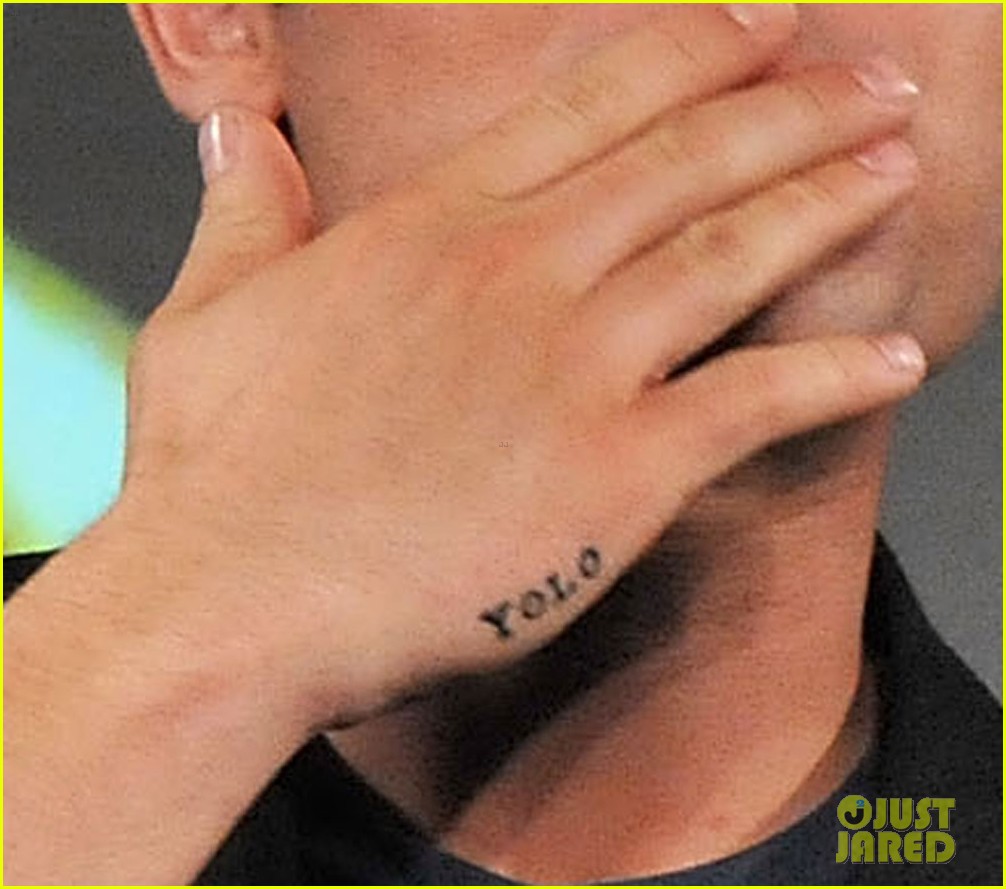
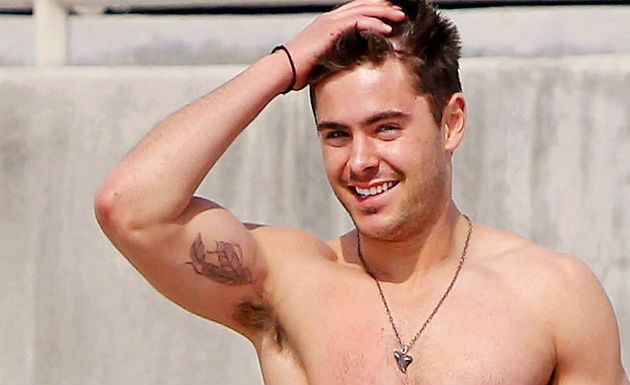
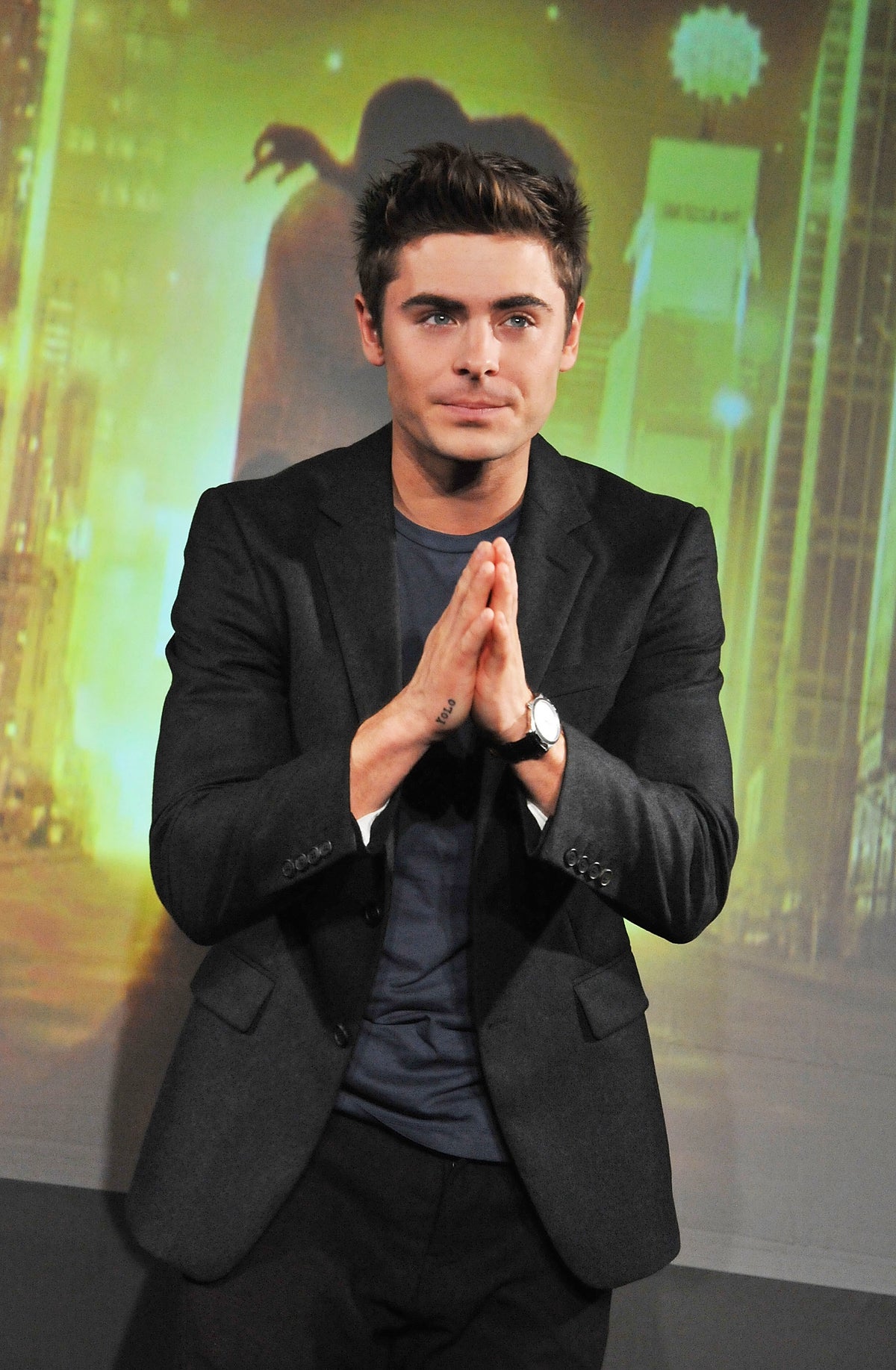
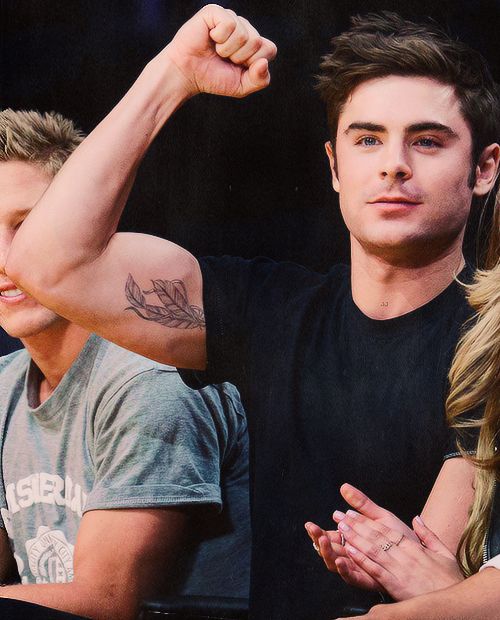
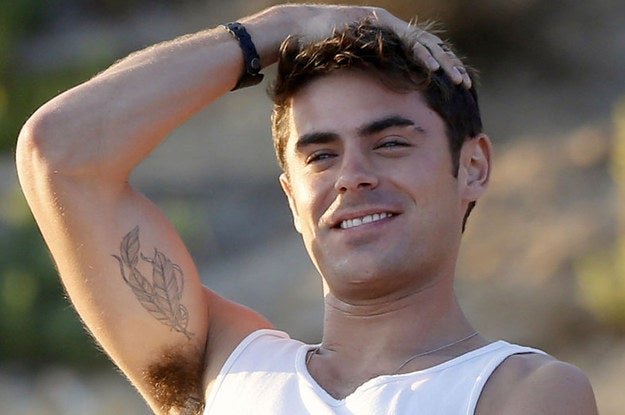
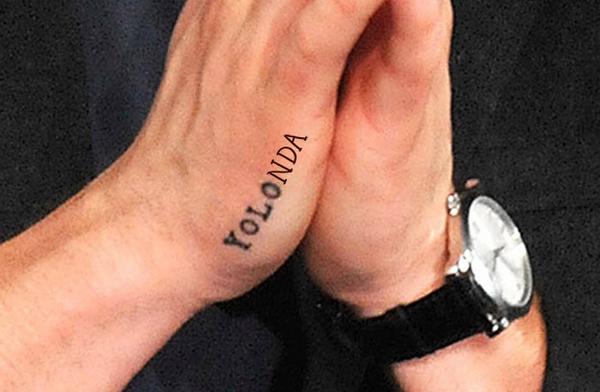
Zac Efron’s tattoo collection is small: the word YOLO on his right hand and a pair of feathers on his inner right bicep are the two designs most consistently documented. Both have appeared in public photos, though the explanations behind them are limited. Efron has reportedly said he wanted the YOLO lettering, while the feather tattoo’s meaning has not been confirmed.

How many tattoos does Zac Efron have?

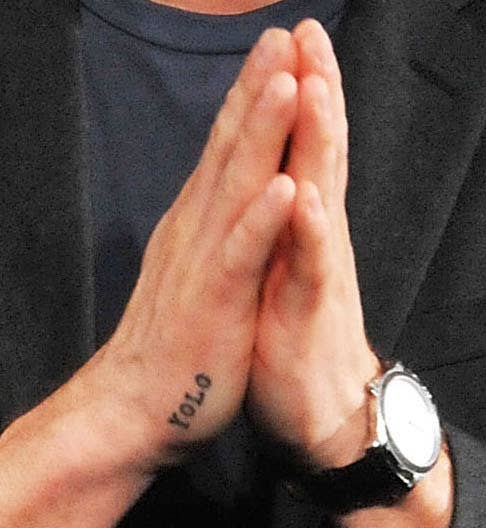
Zac Efron’s YOLO tattoo on his right hand

Efron has not published an official count of his tattoos. Body Art Guru lists two permanent designs and separates them from temporary ink he has worn for appearances or film roles. That distinction matters: makeup and promotional styling can make a temporary mark look permanent in a photo.

Those two designs have the clearest record. Some online lists add marks on his neck, wrist or arm, but without a dated photo or a direct source it is hard to tell what they show. A picture can confirm that a mark was visible on one day; it cannot tell us when it was done, whether it later changed or what Efron intended it to mean.

The YOLO hand tattoo

Close view of Zac Efron’s YOLO tattoo on his right hand

Efron’s best-known tattoo is “YOLO”—short for “you only live once”—on his right hand. Body Art Guru says he revealed the tattoo while promoting New Year’s Eve in 2011 and wanted the words without giving them a deeper meaning. The phrase invites big interpretations, but his reported explanation was straightforward: he liked the lettering.

The hand placement makes even a small tattoo easy to spot in interviews, photographs and red-carpet appearances. Its plain lettering also makes it easy to recognize in pictures from around 2011. There is no clear close-up that establishes a particular font, so “simple lettering” is the safest description.

Later entertainment stories have raised questions about whether the hand tattoo was covered, changed or recreated temporarily. They do not provide a full account of any treatment. In public photos, its appearance has varied; without a direct explanation from Efron or a tattoo professional, the reason is unclear.

The double-feather bicep tattoo

Zac Efron’s double-feather tattoo on the inside of his right bicep

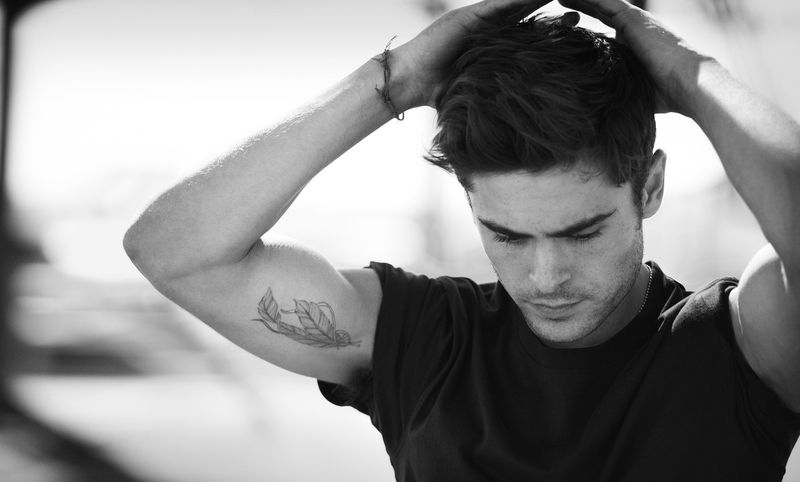
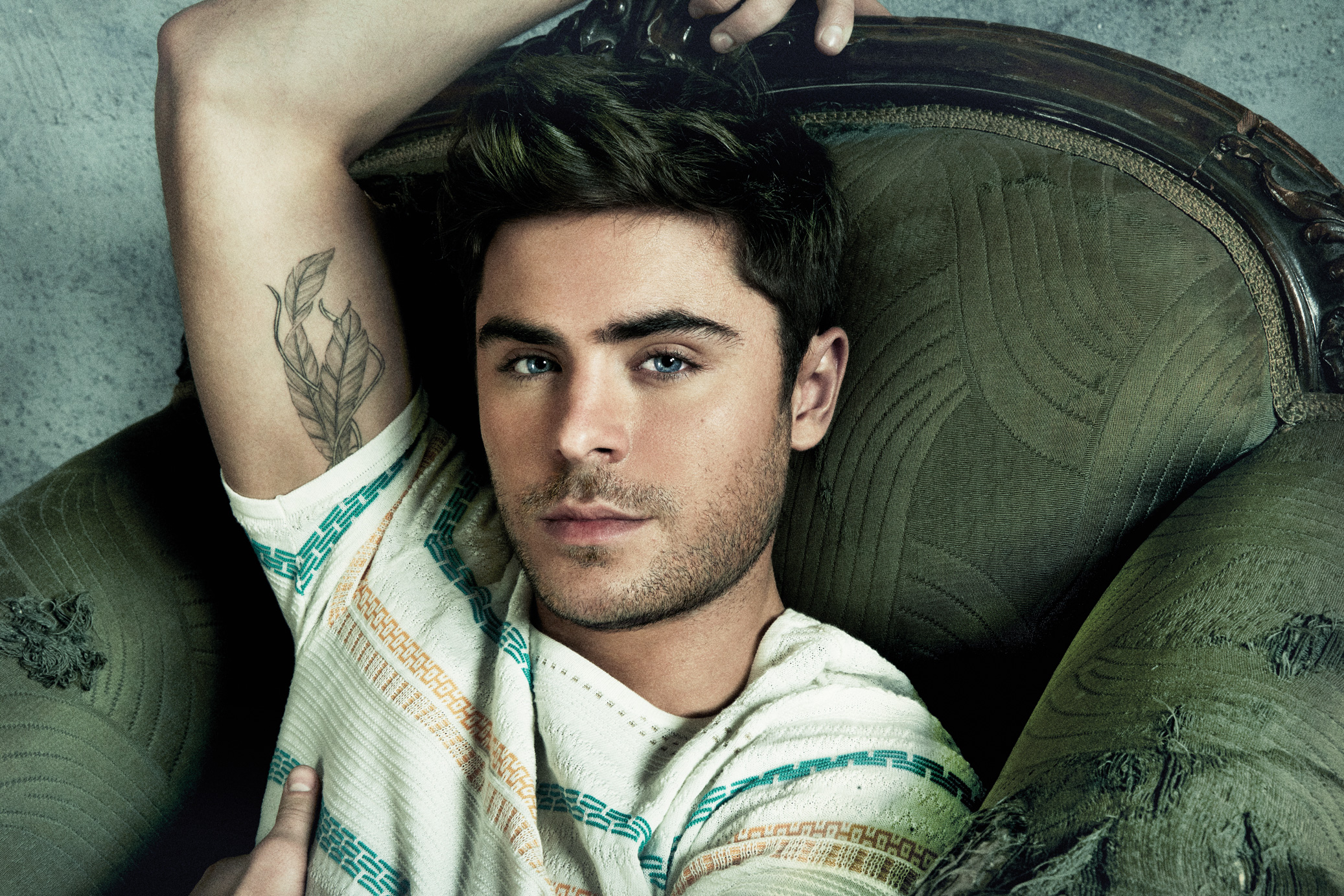
The other consistently documented design is a pair of feathers on the inside of Efron’s right bicep. Body Art Guru says it was first seen on the cover of Men’s Health in 2012. The placement helps explain why it appears in some photos and not others: a short sleeve can cover it, while a raised arm reveals it.

Feathers are often associated with freedom or travel, but Efron has not confirmed either as the tattoo’s meaning. The reference says he has not publicly discussed the tattoo’s meaning, so its subject and placement are known while his reason for choosing it remains private.

Some photos show only part of the feather design. An arm turned away from the camera, a tight crop or poor lighting can hide the rest. A clear view of the inner right bicep is more useful than a distant red-carpet shot where the tattoo is only suggested by a dark mark.

What the 2012 photographs show

Zac Efron raising his arm with the feather tattoo visible

Some of the clearest public views of the bicep tattoo date from 2012. Licensed event photos from that period show its placement and approximate size, but they cannot tell us who did the work or how it was planned. They document what was visible at the event.

The date matters. A photo labeled 2012 shows how the tattoo looked then, not necessarily how it looks now. Ink can soften over time, and a single image may not show a later change or cover-up.

Are there other Zac Efron tattoos?

Online searches turn up other supposed tattoos, but some marks may be temporary, part of a film’s makeup or too blurry to identify. Efron has appeared in productions that use body makeup and character styling, so an on-screen mark is not automatically a personal tattoo.

In some photos, necklaces, shadows, clothing seams or body hair can look like small symbols. Without a reliable source, they should not be counted as confirmed tattoos. The hand lettering is linked to his 2011 New Year’s Eve promotion, and the feathers were photographed around his 2012 Men’s Health cover.

Who tattooed Zac Efron?

The sources used here do not name the tattoo artist behind either design. Artist credits appear often in celebrity coverage, but there is no reason to guess when no source connects a particular artist to Efron’s tattoos.

The visible styles are simple lettering on the hand and a feather design on the inner arm. Photos support those descriptions, but they do not show whether the two tattoos were planned together or tied to a particular tattoo tradition.

What do Zac Efron’s tattoos mean?

Zac Efron showing his feather tattoo

Body Art Guru reports that Efron wanted the YOLO phrase and did not attach special importance to it. The feathers have no confirmed public explanation. Freedom, movement and resilience are common readings of feather imagery, but they are interpretations rather than statements from Efron.

The two tattoos can be described clearly even where their personal significance is unknown. Keeping the visible details separate from guesses gives readers a more reliable picture of the designs and their placement.

Frequently asked questions

Does Zac Efron have a YOLO tattoo?

Zac Efron’s right-hand YOLO lettering in a promotional photograph

Yes. The widely documented design is YOLO on his right hand. It came to public attention around 2011, during promotion for New Year’s Eve.

Where is Zac Efron’s feather tattoo?

Zac Efron displaying the feather tattoo on his inner right bicep

The double-feather tattoo is on the inside of his right bicep. It was widely seen around his 2012 Men’s Health cover appearance.

What does the feather tattoo mean?

Close photograph of Zac Efron’s feather tattoo

Efron has not publicly explained the feather tattoo in the sources reviewed. Freedom is a common interpretation, but it has not been confirmed by him.

Does Zac Efron have temporary tattoos?

Zac Efron’s hand tattoo in close view

He has appeared with temporary or role-related body designs. Without separate evidence, those marks should not be counted as permanent personal tattoos.

Efron’s documented collection centers on two designs: YOLO on his right hand and a pair of feathers on his inner right bicep. Dated photos and repeated descriptions support both. Other marks are harder to verify, so the public record remains a short one.

More actor tattoo guides