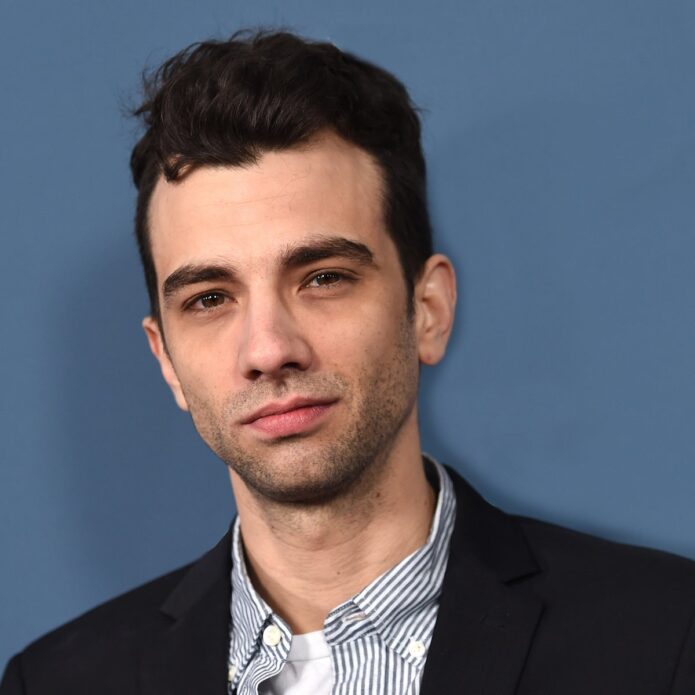
Jay Baruchel’s tattoos do not need a long list padded with designs no one has confirmed. The pieces he has described are few and personal: a red maple leaf over his heart, Rodell on his right forearm, and a Celtic cross on his upper right arm. They look different, but each connects to something close to him: Canada, his mother’s family and his Irish roots.
That is what makes Baruchel’s ink worth a closer look. He has explained the tattoos himself, and their stories are refreshingly direct. The maple leaf came from missing home while he was working in California; Rodell is his mother’s maiden name; and the cross recognises the Irish side of his family. There is enough here for a useful guide without filling gaps with speculation.
The maple leaf, Rodell and Celtic cross tell one family story
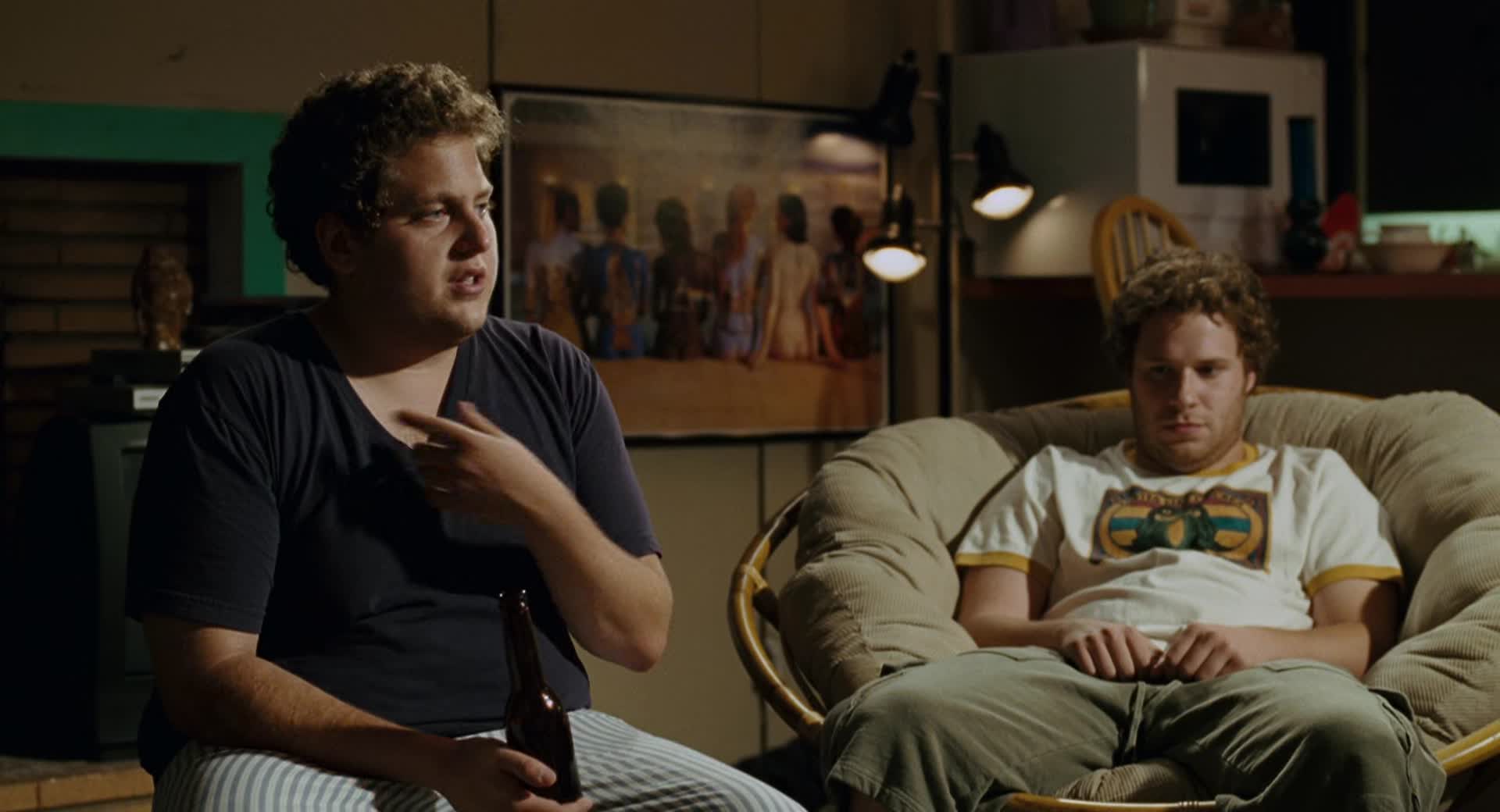
The most recognisable piece is the red maple leaf on his left pectoral, just over his heart. Some viewers thought it was a film prop when it appeared in movies such as Knocked Up. Baruchel later said it was real and that he got it in California during a stretch when he was especially homesick. That detail gives the tattoo its meaning: it is a reminder of Canada he kept close while working away from home.
Its placement makes the simple design feel personal. A maple leaf on the chest could read as a bold patriotic display, but over the heart it comes across as something more private. There is no date or banner around it, and nothing else competes with the leaf. The red ink stands out when his chest is visible, while the small scale keeps it from becoming a full chest piece.
Baruchel’s own account is more useful than a symbolic guess. He has not said that every part of the leaf stands for a different memory, so there is no reason to assign it one. The straightforward story is enough: he missed Canada, was in California, and chose to put the leaf over his heart. The design, placement and explanation all fit.
The tattoo also has an amusing screen history. People first noticed it in film scenes, where it was easy to assume the production had added it for a character. In fact, the movie had simply revealed a tattoo Baruchel already had. That mix-up helped keep the maple leaf in interviews and profiles.
The next confirmed piece is the forearm lettering, “Rodell”. Baruchel told CinemaBlend that it is his mother’s maiden name. She is one of eight siblings, most of them daughters, and he wanted to honour the family line tied to his grandfather’s surname. It is a direct tribute: a family name on his arm, with no hidden code to decode.
Rodell is a family tribute first and lettering second. The style matters to how it looks, but Baruchel’s reason for choosing the name is what gives it weight. He wanted that side of the family to remain present. He described it as a tribute, rather than a surname he chose simply because he liked its appearance.
The right forearm is a practical spot for lettering like this. A sleeve can cover it, but it shows when he wears a short-sleeved shirt or gestures in an interview. That also explains why some photos catch only part of the word: a turned wrist, bent arm or sleeve can hide it. It is best to stick to the name Baruchel identified instead of claiming every image shows the lettering clearly.
He has also joked that his mother was not always pleased when he got another tattoo. It adds a little humour without changing what this one means. Rodell is a family tribute, but not a grand public monument; the story feels affectionate, slightly cheeky and grounded in a real family connection.
The third documented design is the Celtic cross on his upper right arm. Baruchel said it represents his mother’s Irish family. It sits naturally alongside Rodell, since he discussed the two tattoos together: one keeps a family name close, while the other points to the Irish branch of that family.
There is no need to push his explanation further. The cross can be called a heritage tattoo, but the interview does not turn it into a full statement about religion or belief. Baruchel has described himself publicly as probably agnostic; the clearest account is the one he gave, that the cross honours his mother’s Irish family. That connection stands on its own.
The cross is harder to document in photos than the maple leaf because it sits high on the arm. A jacket or T-shirt sleeve can cover it, and a front-facing image may show only part of the area. That makes his interview especially useful: a photograph helps place the tattoo, while his own words explain the family link.
Taken together, the three tattoos make a small family map. The maple leaf stands for Canada and home; Rodell keeps his mother’s family name on his forearm; and the Celtic cross recognises the Irish side of that same family. The designs differ, but the shared themes are place, parents and ancestry.
That does not mean every photo will show all three. Clothing can hide tattoos, old images can blur their details, and designs can change over time. Nor should every rumoured mark be added to the list. There is a difference between a tattoo Baruchel has named and a shape someone thinks they can make out in a distant photograph.
The maple leaf is the easiest tattoo to identify visually because it has been photographed clearly and Baruchel has explained it himself. The arm pieces are documented more through his interview and descriptions of where they sit. Those are different kinds of evidence, and keeping that distinction clear makes the account more dependable.
His collection makes more sense as a set of personal markers than as a showy catalogue. The chest piece recalls home, the forearm lettering keeps a family name in view, and the upper-arm cross points to his Irish roots. None needs an elaborate invented backstory; the explanations he has given are specific enough.
The maple leaf is more visible than the quieter arm tattoos. Films brought it into view and made it part of his screen image, while Rodell and the cross usually take a closer photo or an interview to spot. That difference affects how often each tattoo comes up, but it does not change what they mean.
For a list of Jay Baruchel’s confirmed tattoos, start with the three he has discussed: the red maple leaf over his heart, Rodell on his right forearm and the Celtic cross on his upper right arm. Together, they connect Canada, family and Irish heritage through a few simple designs. The collection is small, but the details behind it are personal.
Keeping the list focused also helps avoid a common problem with celebrity tattoo pages: mistaking a shadow, crease or bit of costume ink for a confirmed design. In Baruchel’s case, the strongest sources name the pieces directly. He has explained the maple leaf, identified Rodell while discussing his forearm, and tied the cross to his mother’s family. That is a firmer basis than a gallery of uncertain screenshots.
Timing matters, too. The interviews that explain these tattoos came while Baruchel was promoting films and speaking about how much Canada meant to him. A later photo with different clothes, lighting or body position does not show that the tattoos have vanished. Without clear evidence of removal or a cover-up, it is safest to say these are the designs he has publicly described.
For anyone checking older movie stills, the maple leaf is the easiest place to start. Look on the left side of his chest, bearing in mind that a camera can reverse the image. The forearm lettering needs a closer look because a turned wrist can make the word seem shorter, and the upper-arm cross is often hidden by sleeves. Those details help separate a reliable identification from a guess.
What stands out is how closely Baruchel’s tattoos follow people and places he already cared about. They do not read as a shock-value collection or a passing fashion phase. They are quiet reminders that come into view in the right photo or interview, which is all the more reason to describe the three confirmed designs carefully instead of inflating the count.
2 thoughts on “Jay Baruchel’s tattoos put Canada and family close to the skin”