codex

Tom Rasmussen Tattoos: Blue Diamond Ink and a Bold Visual Style

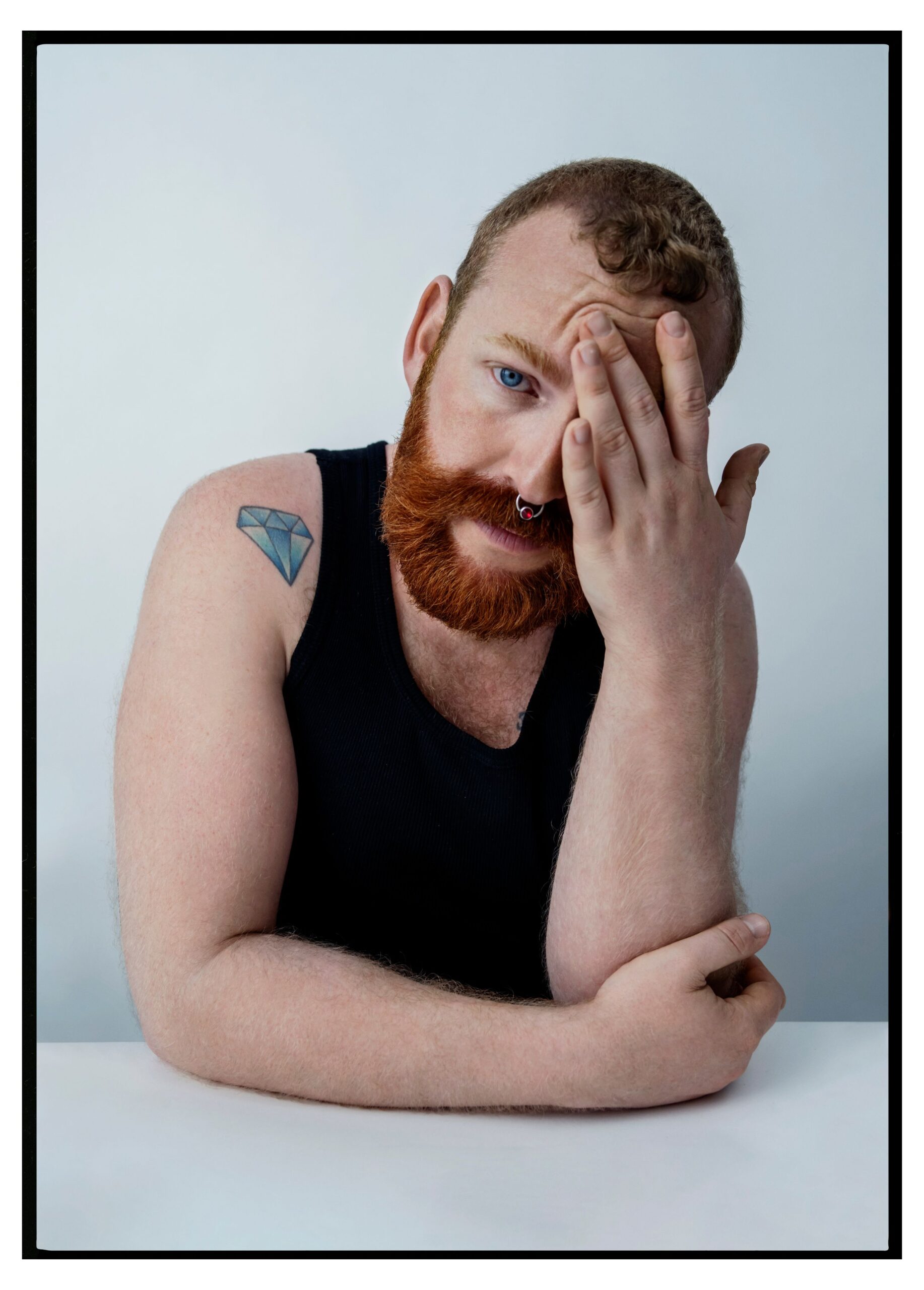
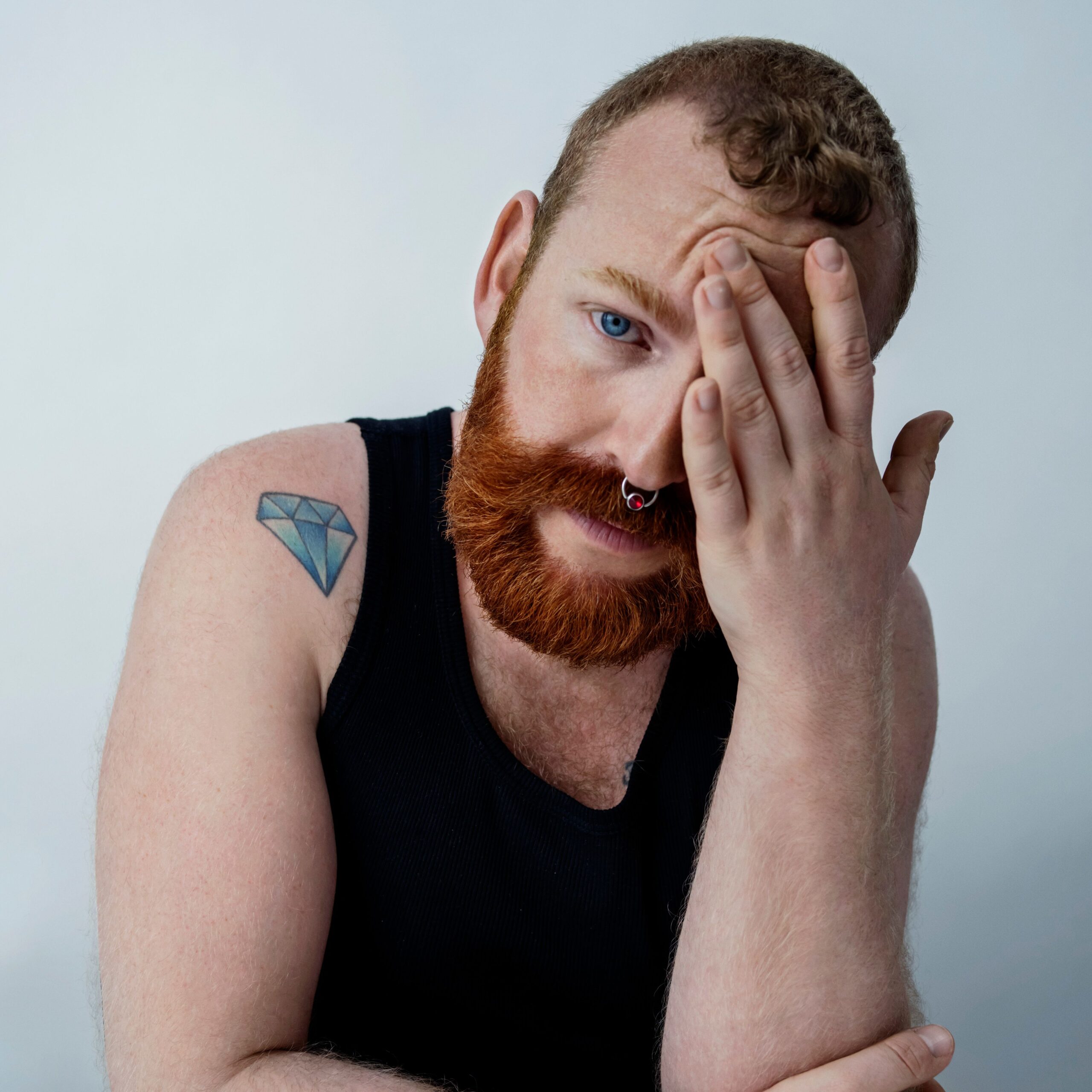
Tom Rasmussen has one especially clear tattoo in public photos: a bright blue diamond high on the left shoulder. It appears in a Tim Walker portrait for Vogue.

The photograph shows the design’s shape and placement, but not what it means. Tom hasn’t publicly explained it, and a second tattoo story is harder to verify.

The blue diamond on Tom Rasmussen’s shoulder

The diamond sits where the left shoulder meets the upper arm. In the Vogue portrait, its saturated blue and clean outline stand out against the skin and elaborate styling. It is geometric, with no visible lettering or illustration. Tom hasn’t shared a specific meaning for it, so the image gives us its appearance, not its story.
Tom Rasmussen tattoos: inline

The shoulder lets the design disappear under a T-shirt or show with an open top. The curve of the arm also changes how the diamond looks as Tom turns; in a flat image it reads like a crisp shape, while on the body it follows the shoulder.

One tattoo, three different readings

The same Tim Walker portrait appears in wide, square and tall crops. The wide frame places the diamond among the full styling, while the square crop brings Tom’s face, hand and shoulder closer together. The tall portrait gives the tattoo more room without losing the pose around it.
Tom Rasmussen tattoos: inline

In the square crop, Tom’s hand partly covers their face and the red beard becomes a strong patch of color. The diamond is only one part of the image. It stays easy to spot because its silhouette and blue color hold up across the different crops.

The Celine Dion detail

A Dazed search result about Tom’s earlier drag persona, Crystal Rasmussen, quotes a story about a Celine Dion name tattoo on their bum. The original page wasn’t available to check in full, and there is no clear image confirming the placement, so this remains a reported detail rather than something we can verify visually.

If the account is accurate, it has a different feel from the blue diamond: private, playful and deliberately unexpected. The two stories don’t need to point to one fixed theme. A tattoo collection can include a clean graphic shape and a joke chosen for its own sake.

Tom Rasmussen’s sculptural visual language

Tom is a nonbinary musician who previously performed as Crystal Rasmussen. Interviews around Body Building and Live Wire return to visibility, vulnerability, joy and the body. Clothing, pose and color are part of that public work too.
Tom Rasmussen in a contextual photograph: inline; not tattoo evidence

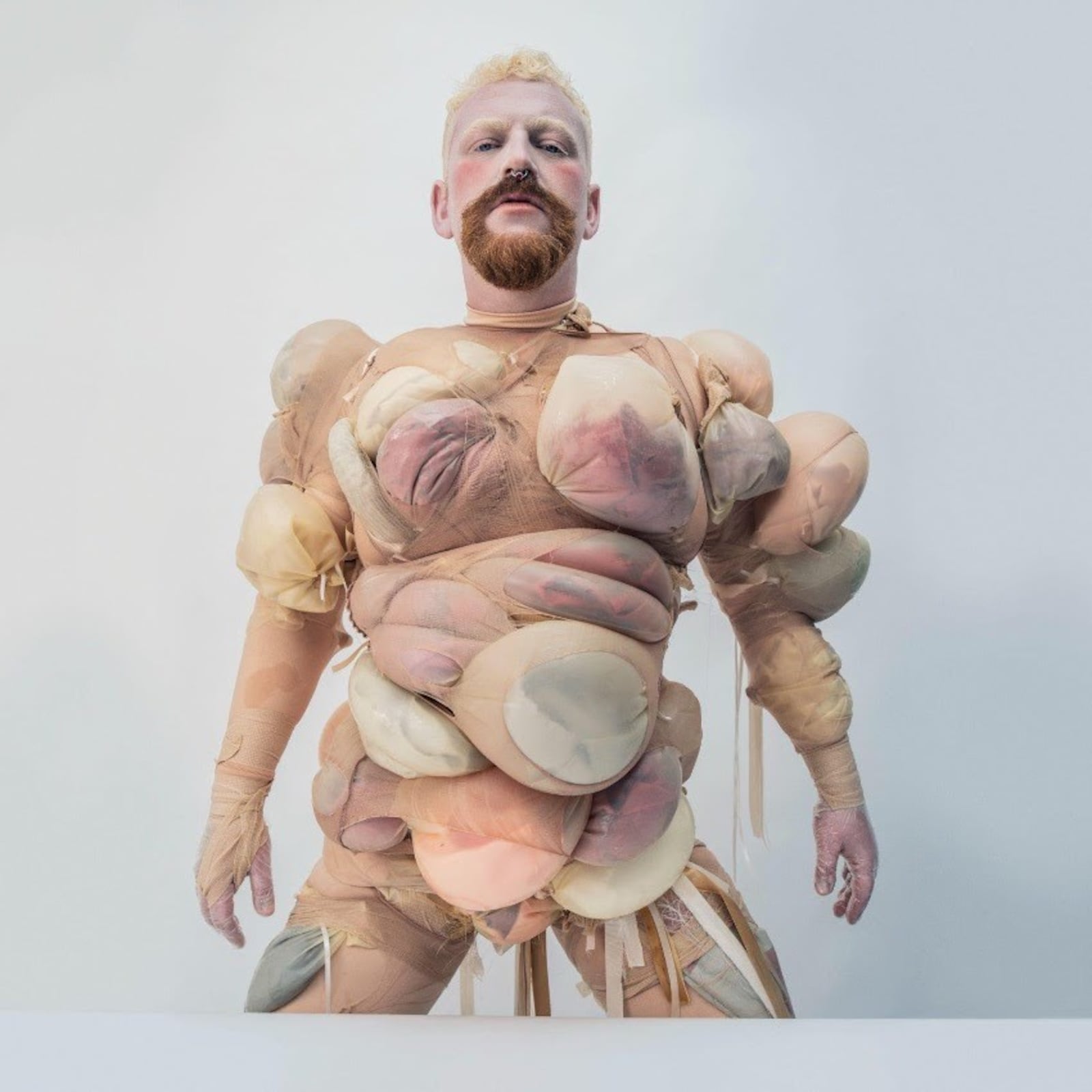
This AnOther portrait shows Tom in a padded, flesh-toned sculptural costume. It doesn’t confirm a tattoo detail, but it gives context for the diamond: a simple geometric mark can sit alongside elaborate, almost architectural styling without trying to compete with it.

The pop-world around the records

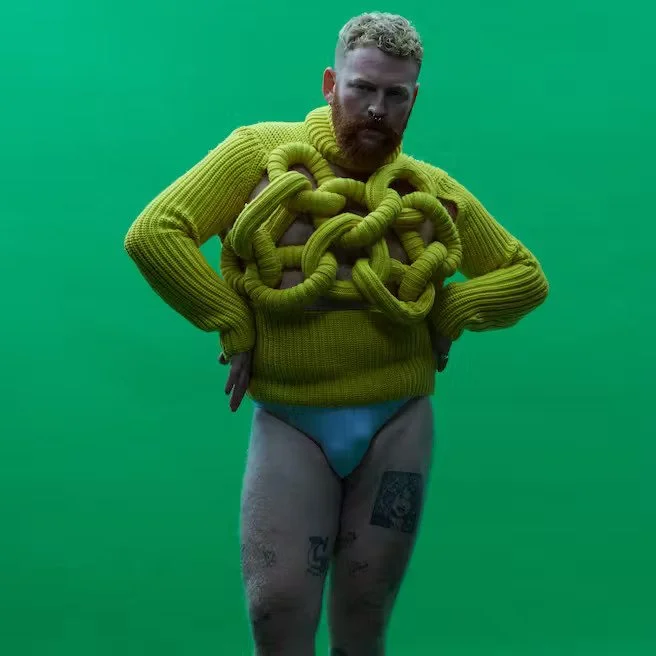
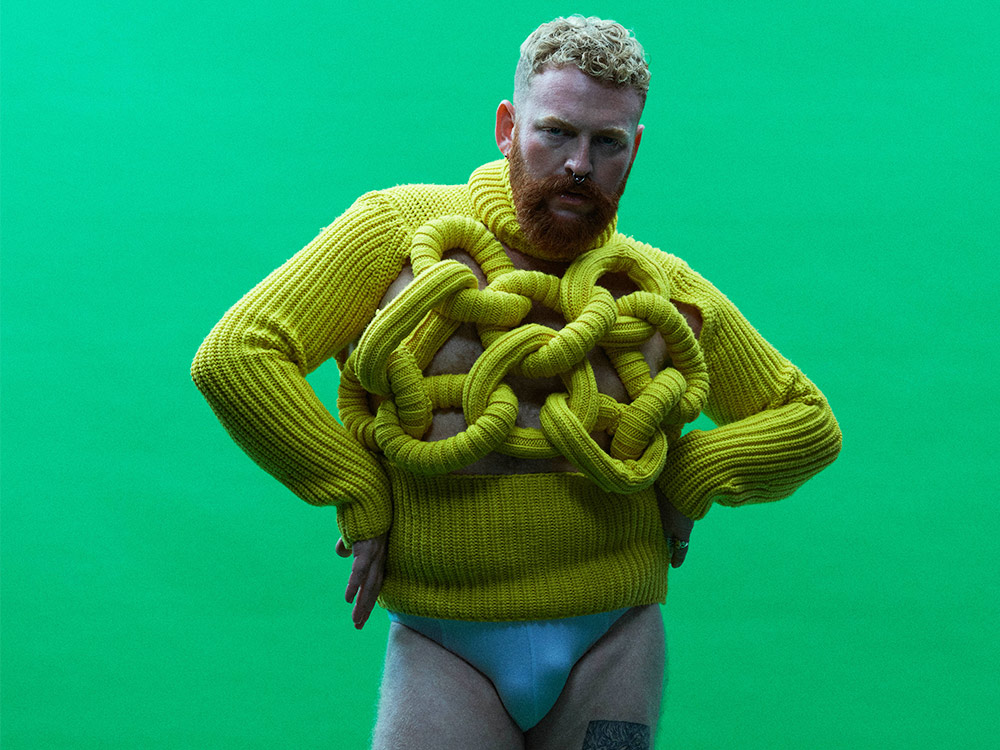
A portrait from the Institute of Contemporary Arts puts Tom in bright yellow and green. It isn’t evidence of another tattoo; it shows how much the surrounding colors and clothes can change the feel of a portrait. The blue diamond belongs to the same visual world, even when the rest of the image takes a different direction.
Tom Rasmussen in a contextual photograph: inline; not tattoo evidence

Interviews about the records also touch on vulnerability, visibility and making room for joy. That context doesn’t explain what the diamond means. It does leave space for the ink to be one part of Tom’s work, rather than a symbol expected to explain all of it.

What to take from Tom Rasmussen’s style

If you’re drawn to the blue diamond, consider its simple geometry, saturated color and shoulder placement. Compare the portrait crops to see how the design reads from different angles. For blue ink, healed examples give a better sense of the finished shade than a fresh tattoo, since the color can soften as it heals.

For a closer look at Tom’s sound and the world around Live Wire, here is the official “Never Look Back” video with Romy.
More musician tattoo guides

Erika Eleniak Tattoos: Colorful Sleeves, Personal Meaning and a Big Change in Style

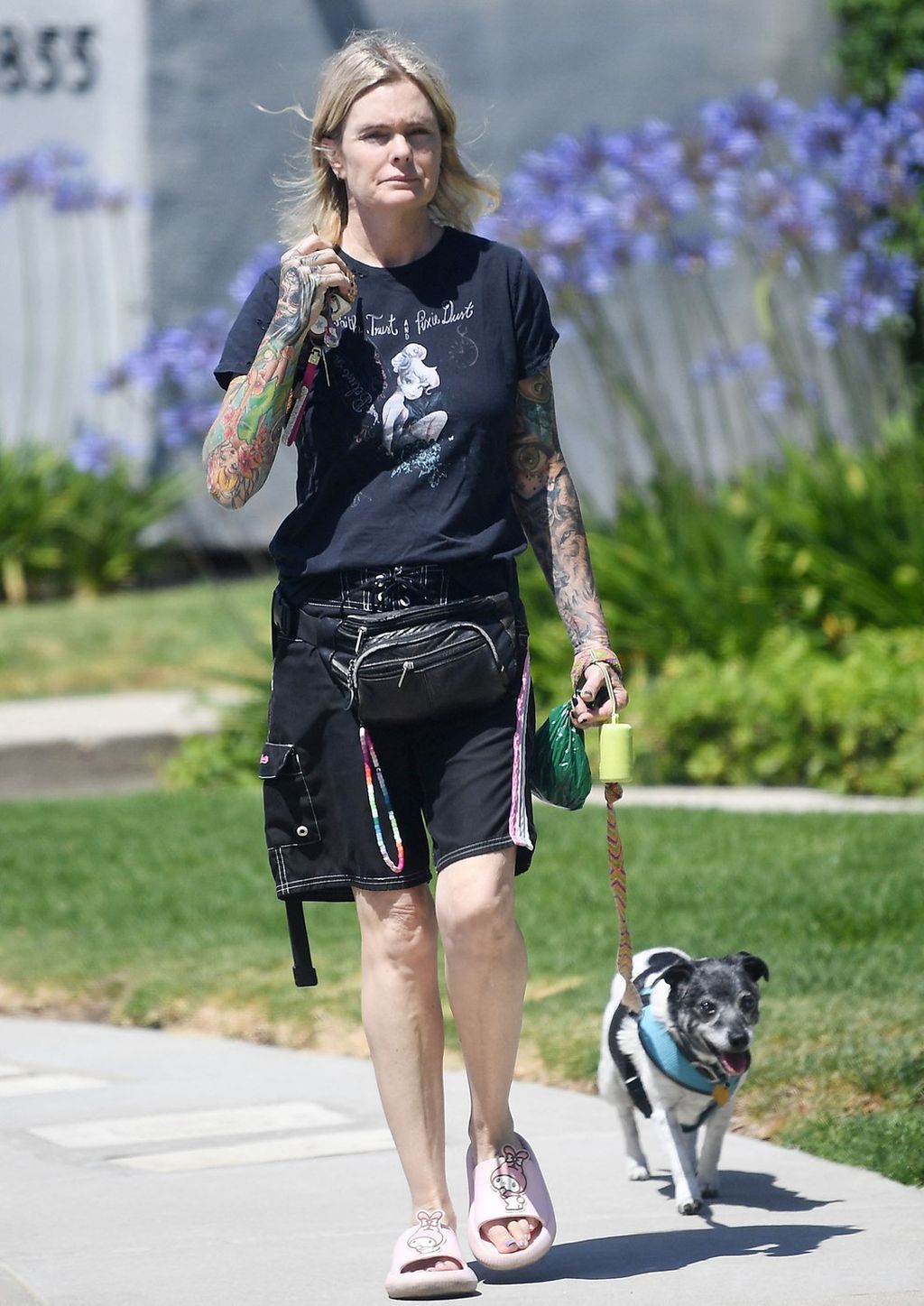
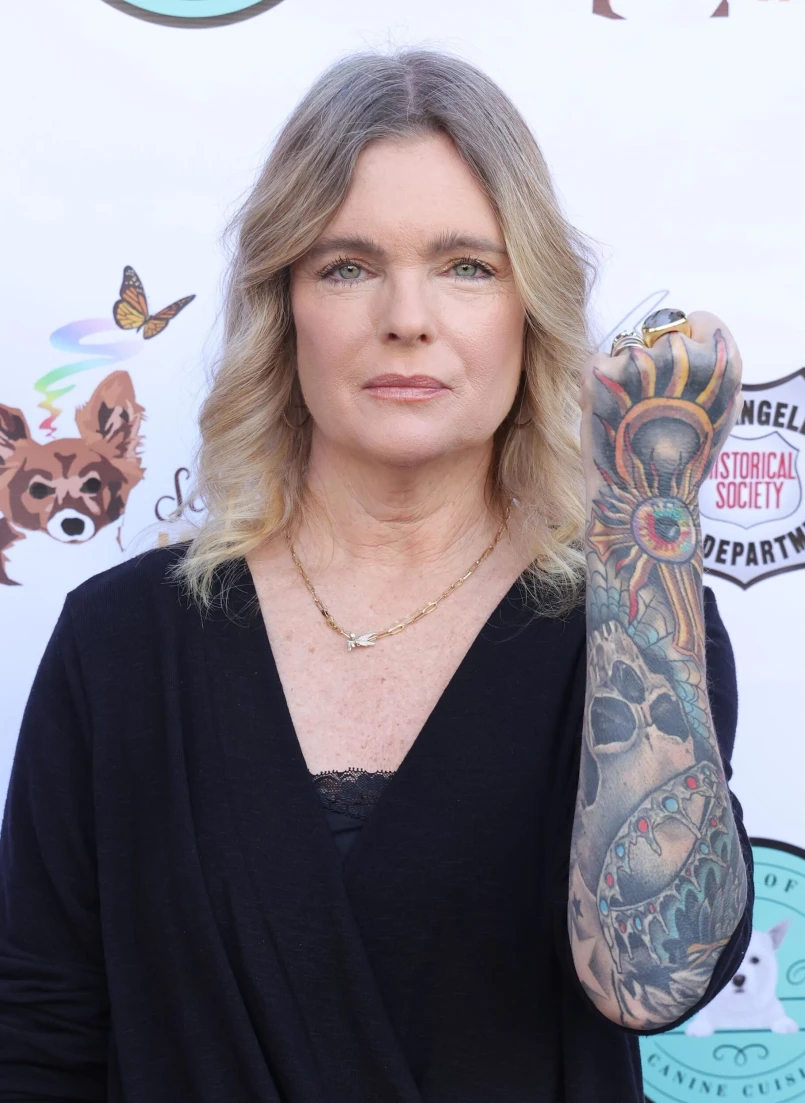
Erika Eleniak is still widely remembered as Shauni McClain on Baywatch. Photos from recent years show a different look: colorful tattoos across both arms, with flowers, skull imagery, dark shading and smaller pieces that reach onto her hands and fingers.

The designs don’t follow one theme. They look like a collection added over time, with bright colors beside darker illustrative work. For more examples from other public figures, browse our celebrity tattoo archive.

Erika Eleniak’s full-sleeve tattoo reveal

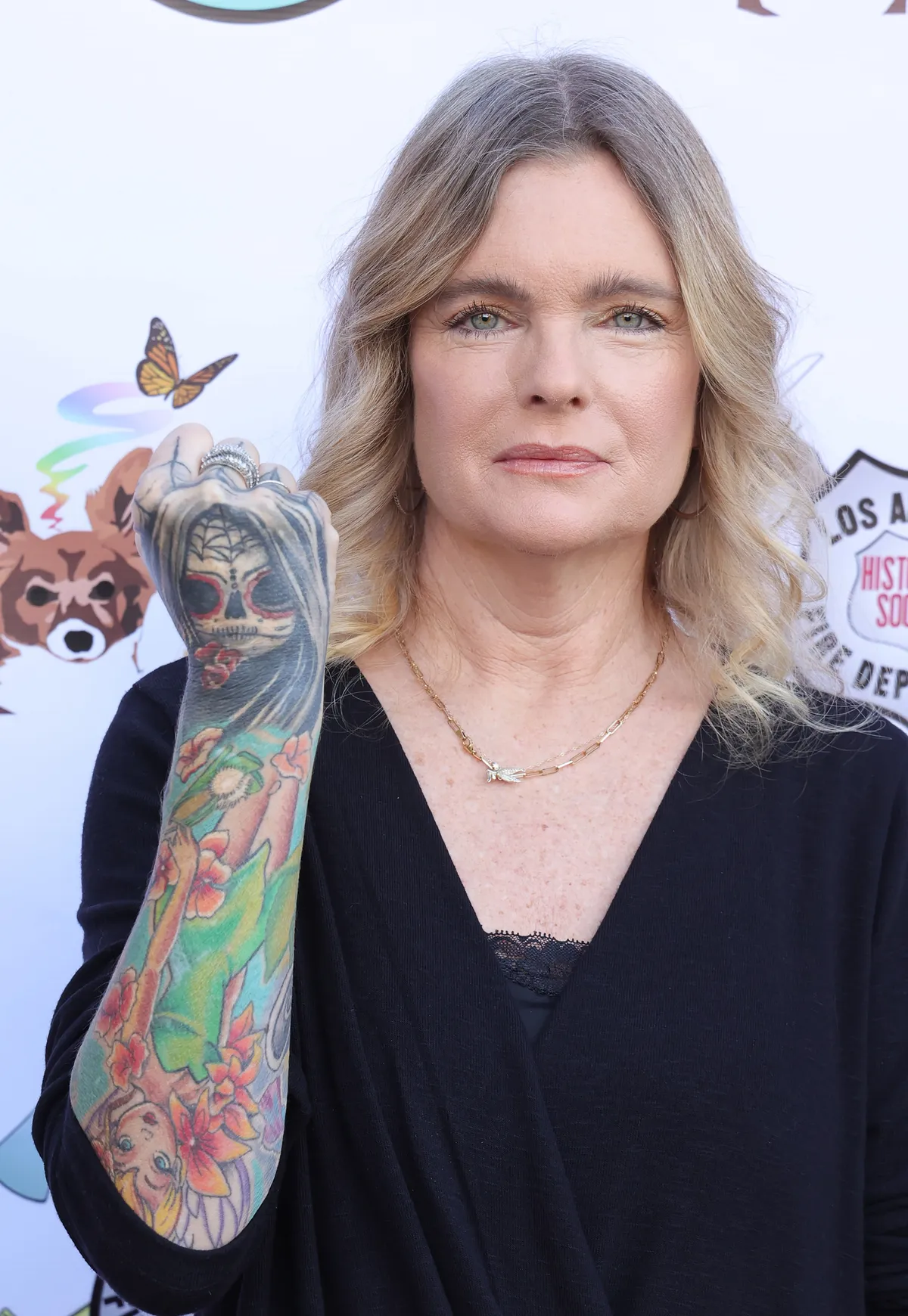
Erika Eleniak tattoos: Close view of the raised arm, eye-like design, skull, flowers and colorful sleeve

One close photo shows her arm raised beside her face. An eye-like ornamental design sits high on the arm in yellow, orange and muted red. Farther down, darker illustrated work gives way to green, blue and floral shapes. The upper part of the sleeve disappears beneath her black top, while smaller marks reach onto her hand and fingers.

A skull sits within the sleeve rather than by itself, surrounded by black and gray shading and red accents. The mix of dense linework and brighter, more open patches keeps the different subjects from reading as one solid block.

Erika Eleniak’s tattooed arms in everyday life

Erika Eleniak tattoos: Candid dog-walking photograph showing both sleeves in a natural pose

A candid dog-walking photo gives a less posed view. Eleniak wears a black T-shirt and shorts and carries a leash, with both sleeves visible. One arm has brighter color and larger flowers running toward the wrist; the other looks darker, with shaded designs and smaller pieces between larger images.

The hand tattoos are too small in this photo to identify with confidence. It does show how the ink sits while her arms hang naturally: color remains visible at a distance, and open patches and dark outlines keep the sleeves from blending into one block.

Erika Eleniak’s colorful sleeve style

Erika Eleniak tattoos: Wide outing photograph showing the color balance and overall sleeve rhythm

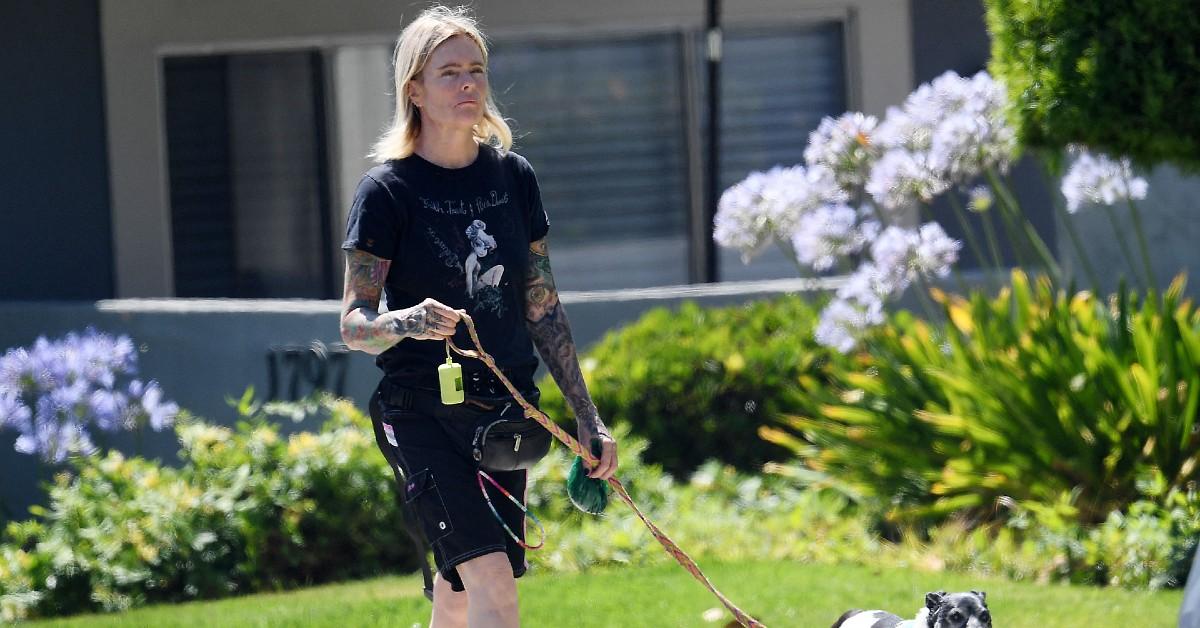
Another outing photo shows her arms at her sides. Green, yellow and orange stand out on one arm, among flowers and curved forms. The other appears more shadowed, with black-and-gray work mixed with warmer details.

The sleeves aren’t bright everywhere. Vivid areas sit beside black linework, charcoal shading and patches of open skin, which lets the stronger colors stand out. In this photo, saturated greens, yellows and oranges contrast with the darker work on the other arm.

Erika Eleniak’s floral and skull sleeve

Erika Eleniak tattoos: Close event photograph showing the skull, flowers and bright lower-arm color

An Origo event photo brings the skull and flowers into closer view. The skull near her raised hand has gray and black shading with red accents; farther down, green, orange and pink brighten the sleeve. Small illustrated details near the lower arm aren’t sharp enough to identify.
Erika Eleniak’s tattoo collection in one frame

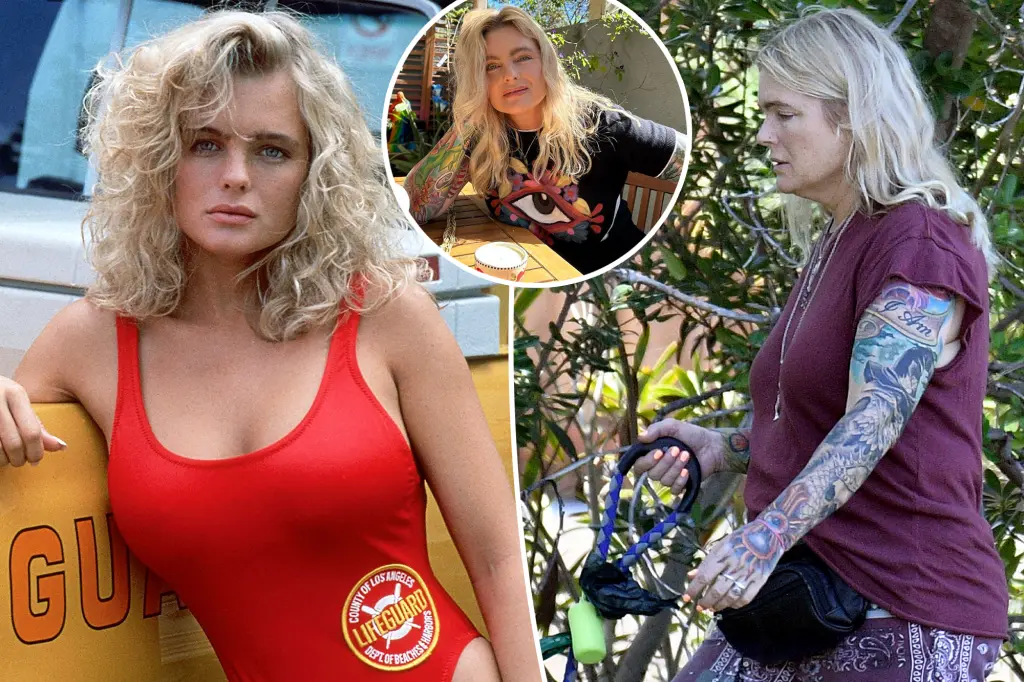
Erika Eleniak tattoos: Collage showing an earlier Baywatch-era image beside a later tattooed-arm view

A collage places an early Baywatch-era photo beside a later side view of her arms. No sleeve is visible in the older image; the newer one shows pale gray shading, larger flowers and how the ink wraps around the arm. It makes the change in coverage clear without showing every individual piece.
Why Erika Eleniak’s collection feels personal

In a Still Here Hollywood conversation, Eleniak said her first tattoo was on her back, in her late twenties, and that each tattoo was significant to her in some way. She hasn’t publicly explained every design, so the photos show what the ink looks like and where it sits, but not the private reason behind each mark.

Photos can be a useful reference for color and placement, but they aren’t a template. Skin tone, body shape, age, movement and the size of the reference all affect how a sleeve will read on someone else. An artist can help adapt an idea to the person wearing it.

Explore more celebrity tattoo photos and stories.

More actor tattoo guides

Carlos Prates Tattoos: Muay Thai Chest Script, Neck and Arm Ink

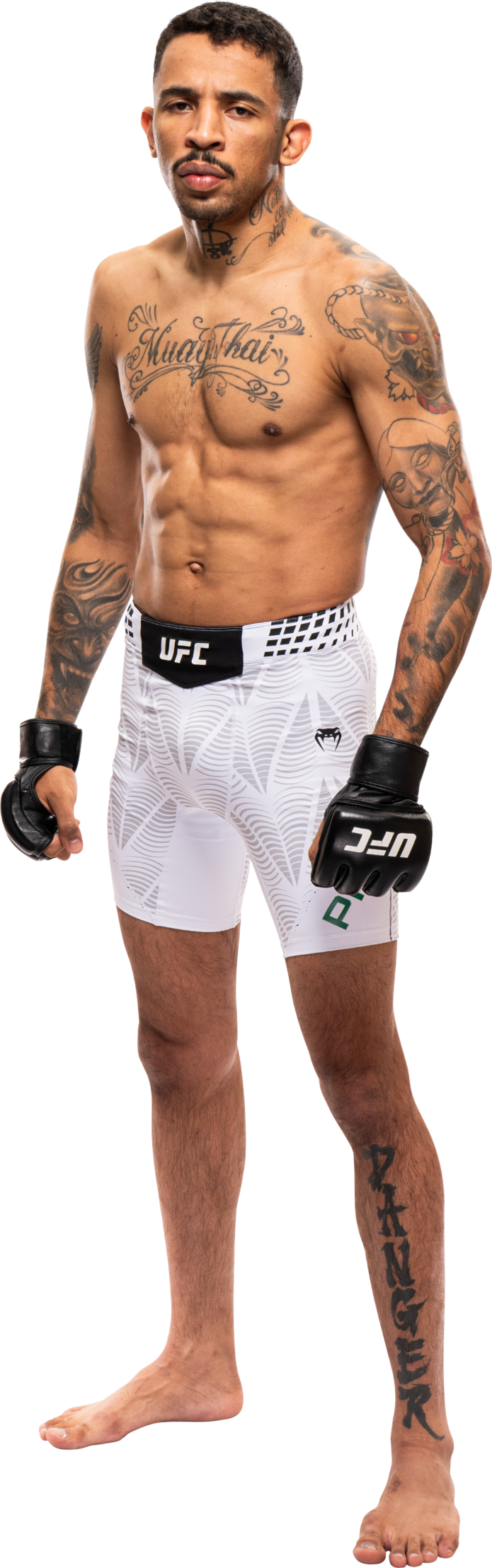
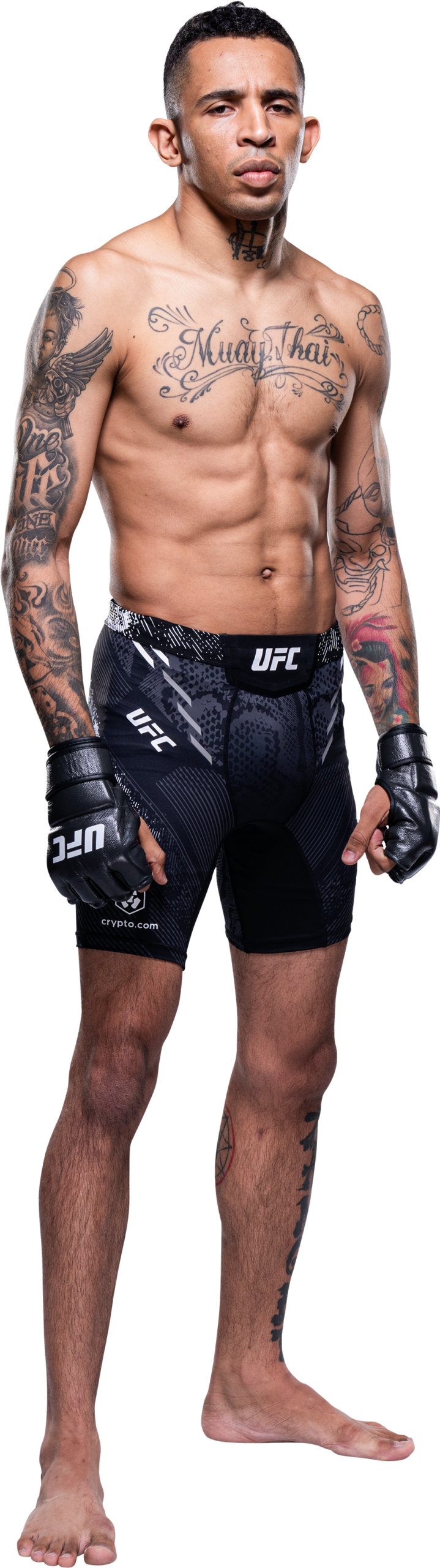
Carlos Prates wears his Muay Thai background across his chest. The two words sit in large, flowing script, framed by curled lines. In fight photos, that lettering is usually the first piece of ink you see.

The rest of the collection is less uniform. His neck and head carry more lettering, while his arms mix shaded figures, outlines and darker shapes. Photos show the designs and their placement, but don’t explain every choice behind them.

Prates has lived and trained in Thailand, and striking is a central part of his fighting career. That context fits the chest phrase. It doesn’t identify the people or ideas behind the smaller portraits and symbols.

Carlos Prates’ Muay Thai Chest Tattoo

Carlos Prates tattoos: inline

The chest piece reads “Muay Thai.” Its long strokes and ornament spread the short phrase across the upper chest, while leaving the stomach mostly clear. A front-facing portrait shows the letters clearly; the design also holds its shape in a fight photo.

The lettering follows the curve of his chest instead of sitting in a box. The flourishes give it a wider outline, but the words remain easy to pick out. Prates hasn’t publicly detailed when he got it, who tattooed him or whether it refers to a particular gym or teacher.

Neck and Head Tattoos

Carlos Prates tattoos: inline

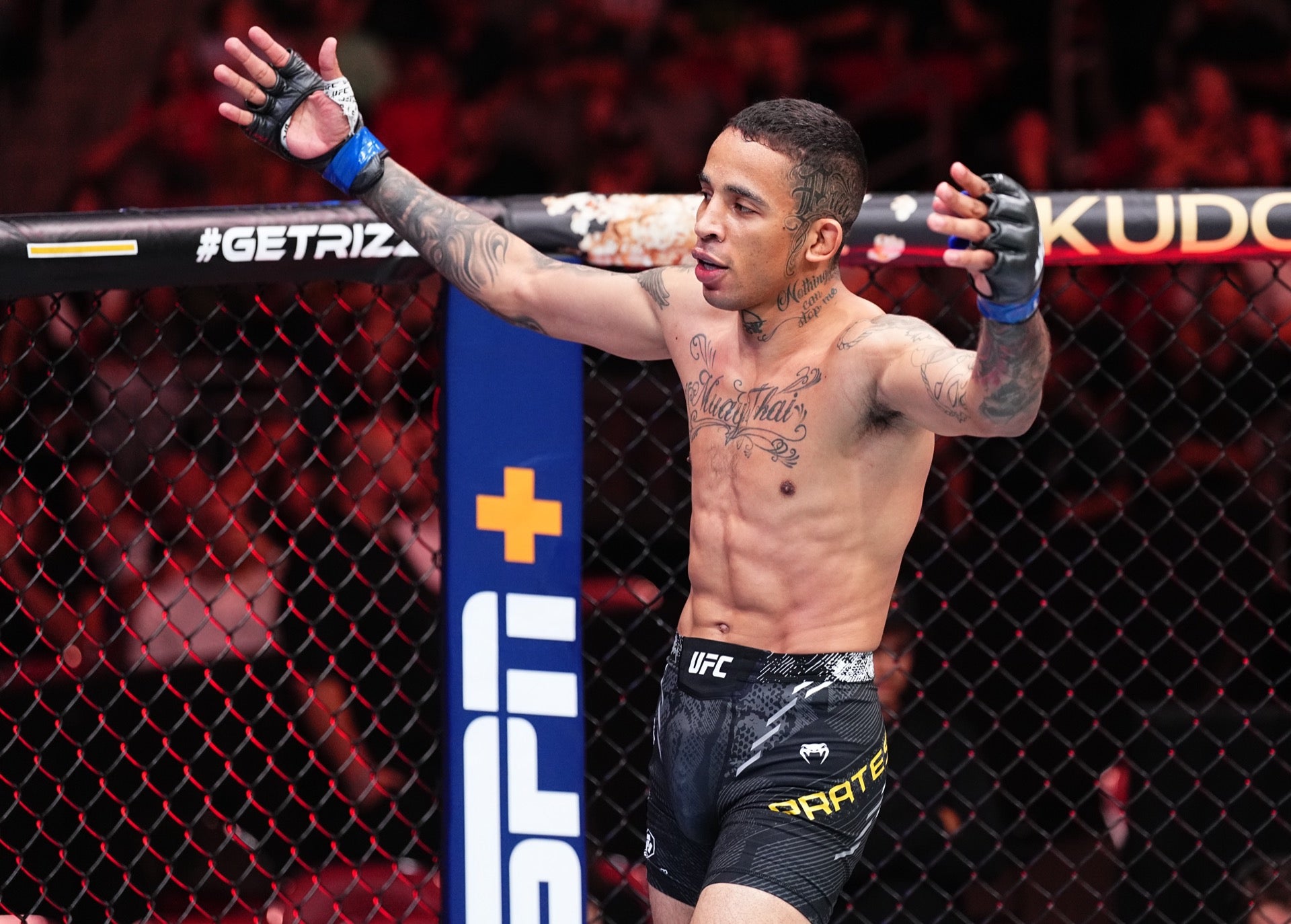
From the side, the neck phrase reads “Nothing can stop me.” Larger ornamental lettering covers part of the head around the ear and temple. A smaller dark mark is visible at the front of his throat, though the available photos don’t show enough detail to identify it.

The head lettering is harder to transcribe, so its shape is clearer than its exact wording. The neck phrase is legible, but Prates hasn’t explained what prompted it.

Arm Tattoos and Contrasting Styles

Carlos Prates tattoos: inline

The arms bring together different styles. One upper arm has a shaded figure or portrait with wing-like details and larger lettering lower down. The other combines outlined imagery, darker sections and touches of red. They aren’t matching sleeves, and the photos don’t establish who the figures represent.

Fight and celebration photos show different surfaces as Prates moves his arms. The close views also reveal gaps between the pieces, so the darker areas don’t read as one solid covering.

The Chest Lettering in Motion

Carlos Prates tattoos: inline

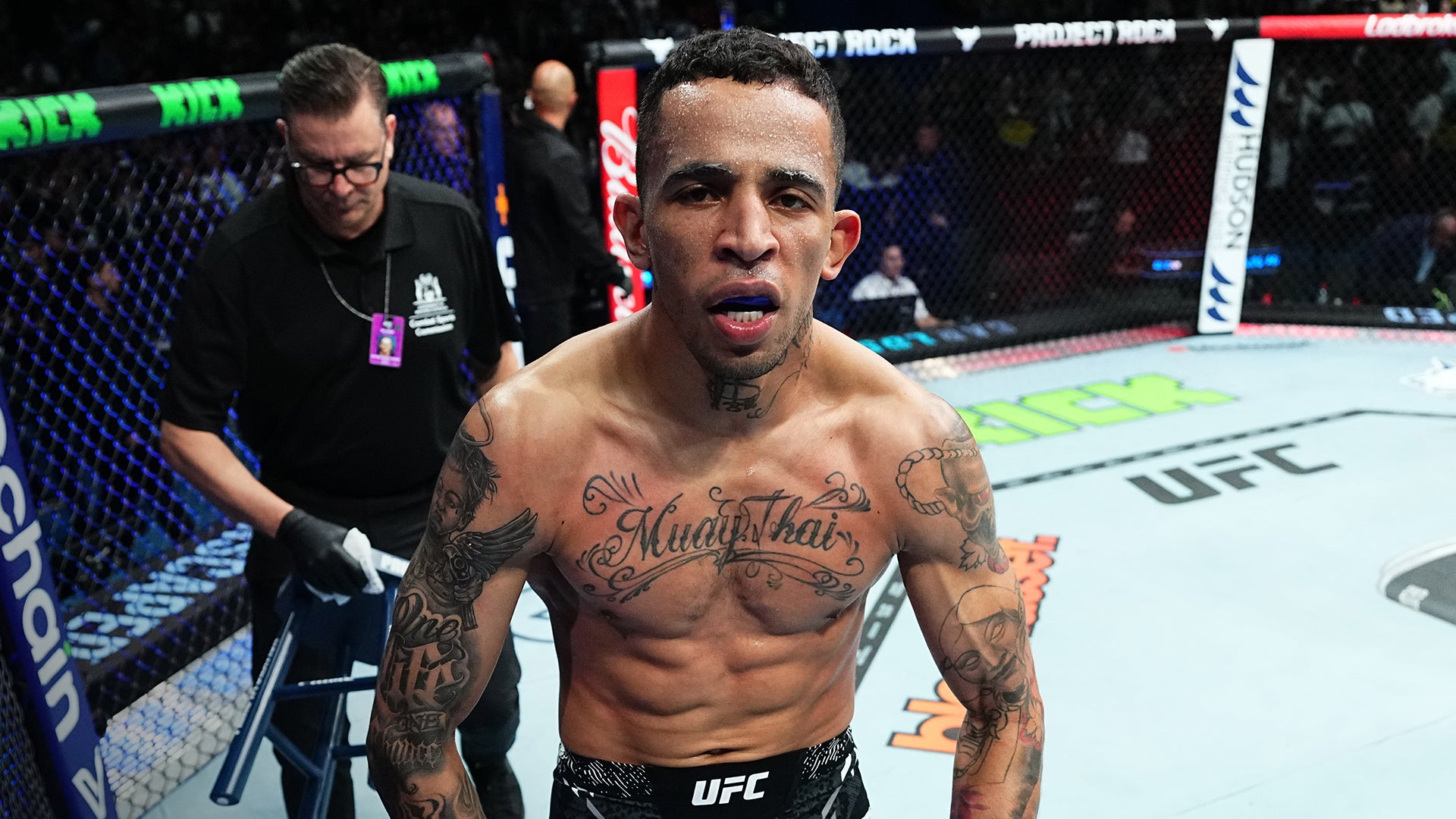
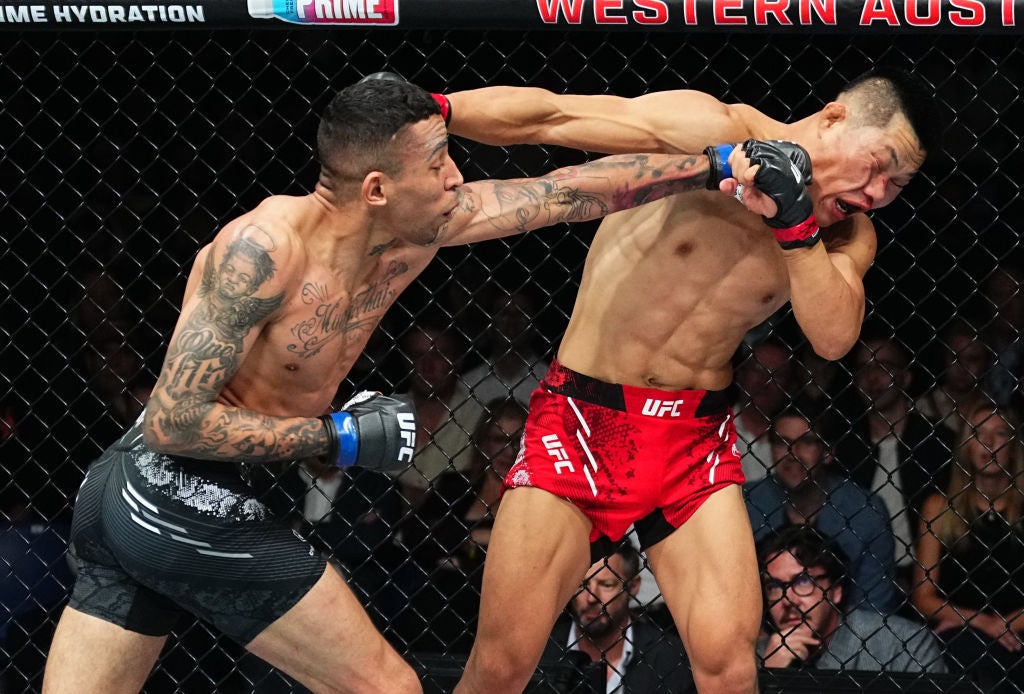
In the fight photo against Li Jingliang, Prates is on the left in black shorts, throwing a punch. His torso is turned, but the “Muay Thai” script is still readable. It’s a useful view of how the design sits on a moving body, alongside the front-facing portrait.

UFC coverage has described Prates living in Thailand and developing his striking there. He has also spoken about enjoying jiu-jitsu while preferring striking in MMA. That background makes the phrase a clear fit, but it doesn’t tell us the specific story behind the tattoo.

The Fighter Behind the Photos

Carlos Prates in a contextual photograph: inline; not tattoo evidence

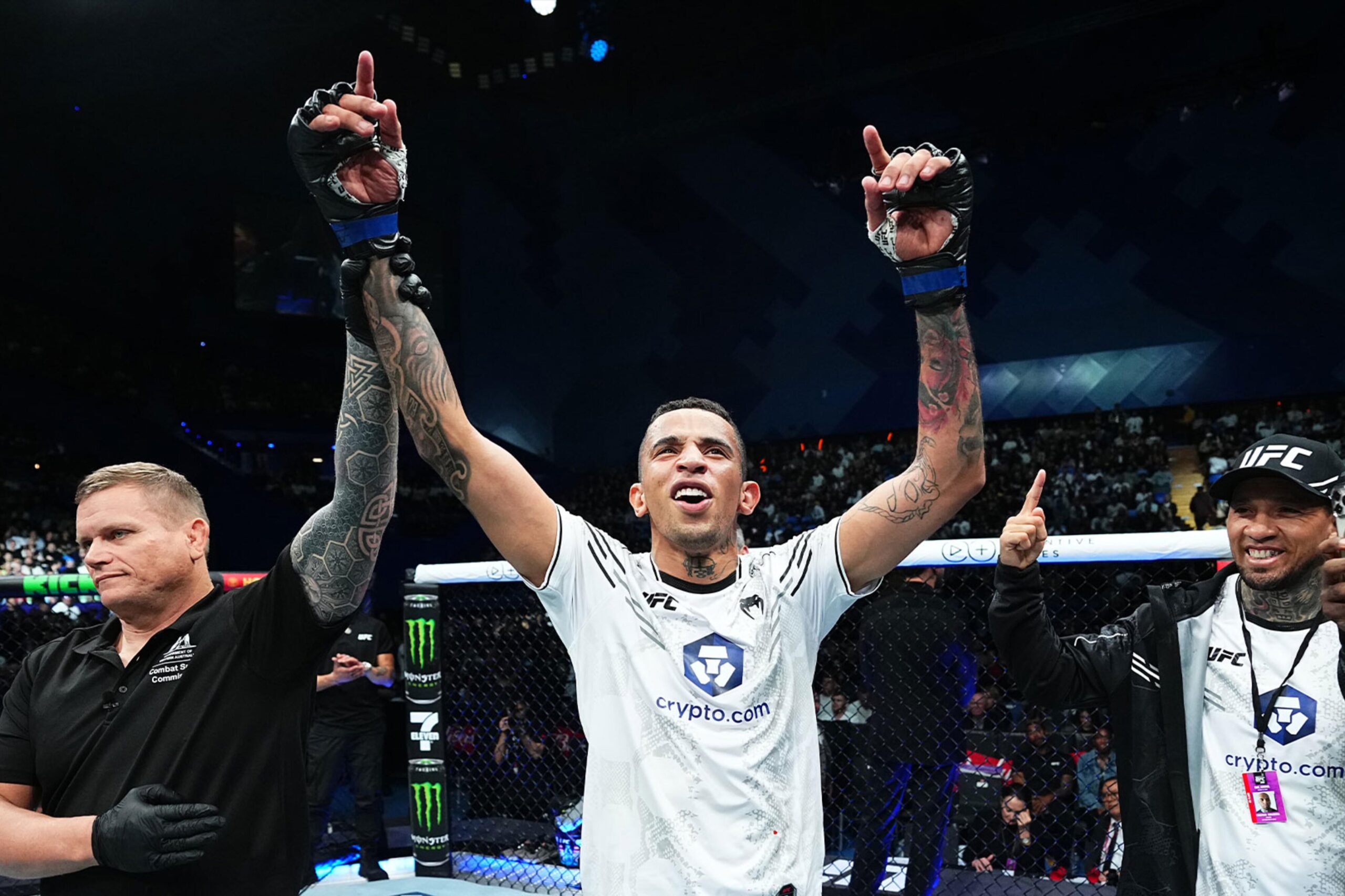
The final photo shows Prates after a fight in a white UFC shirt, with his hands raised and event staff nearby. His chest tattoo is covered; the image gives event context rather than evidence about a particular design.

In a 2024 UFC interview, he discussed his quick rise in the promotion, the people who helped him and time with his daughter in Australia. Those details tell us more about his life around fighting, not the meanings of his tattoos.

The chest phrase and neck lettering are readable. The other photos show a mix of head and arm work, but their subjects and stories remain his to explain.

Prates discusses his fighting background and experiences in the interview below.

More athlete tattoo guides

Anthony Hernandez Tattoos: Owl Chest Piece, Roses and Arm Ink

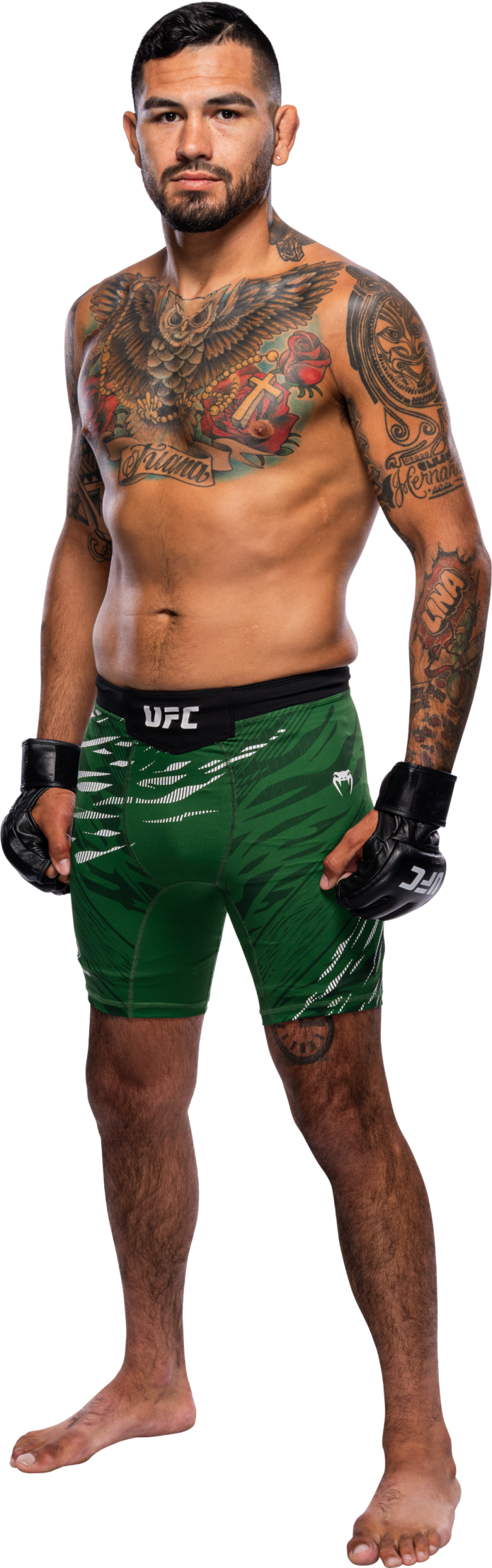
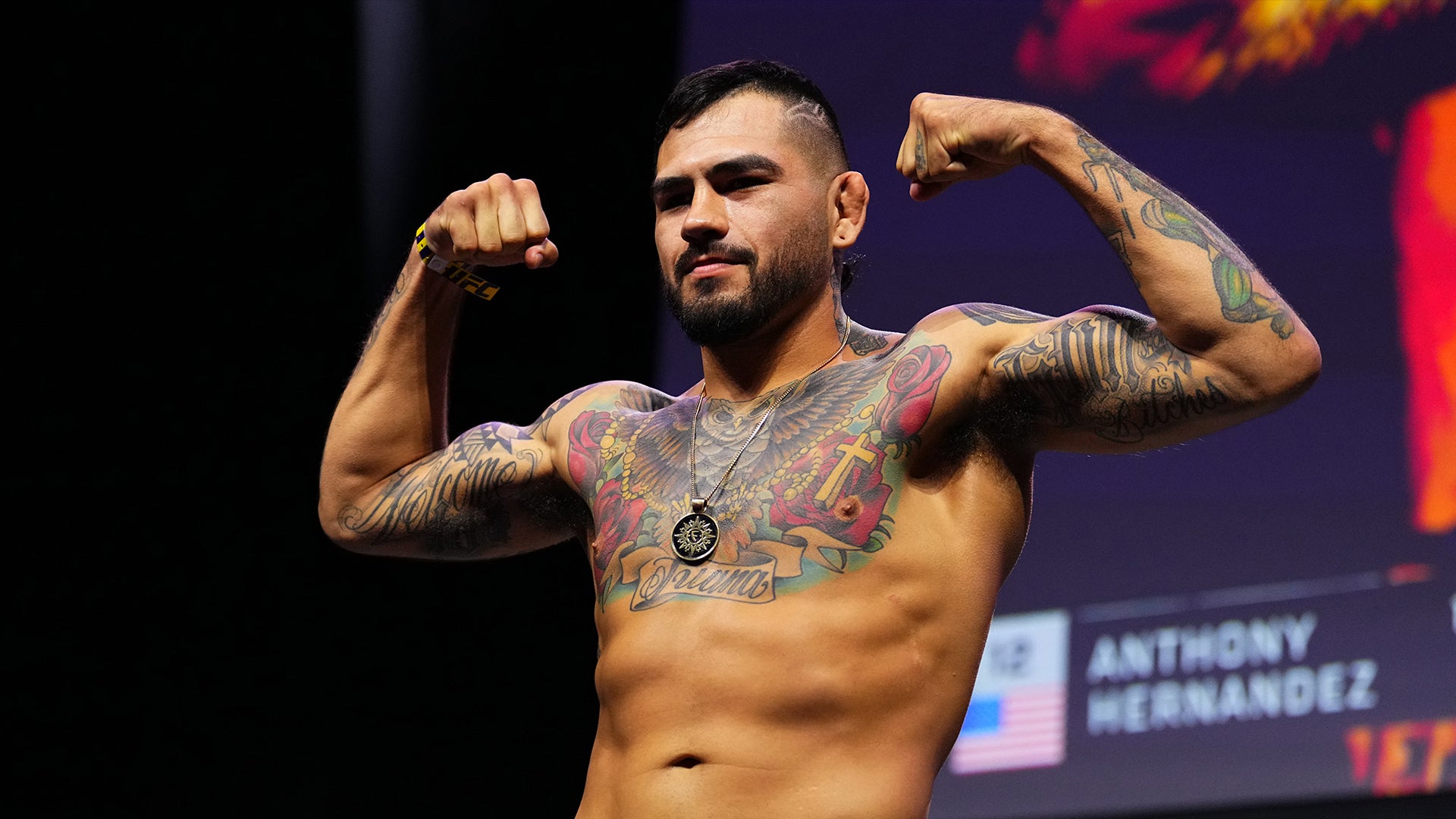
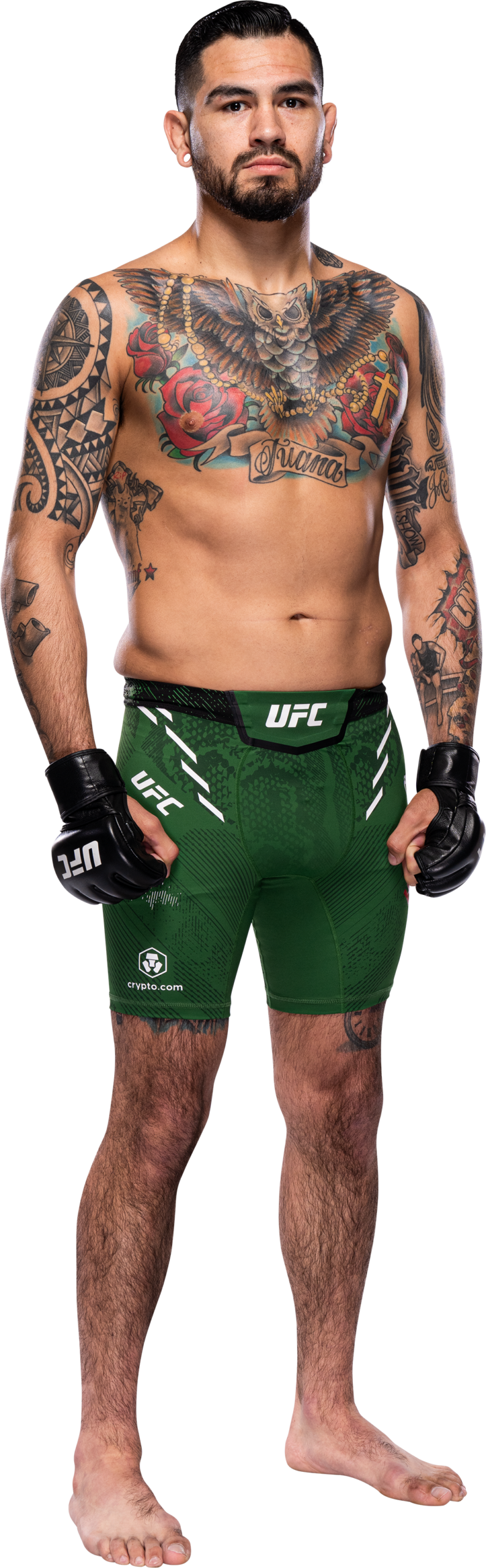
Anthony Hernandez’s chest tattoo centers on a large owl, with red roses, a cross and gold-colored beads around it. A ribbon across the lower edge carries the name Juana. His arms add a different mix: geometric patterns on one side, lettering and shaded figures on the other.

The photos show where the designs sit and how they look, but they don’t explain every personal choice. The UFC says Hernandez’s nickname, Fluffy, came from carrying extra weight as a child. That is part of his public story; the meaning of the tattoos remains his to explain.

The Owl Chest Tattoo

Anthony Hernandez tattoos: inline

The owl sits high on Hernandez’s chest, its head near the center and its wings reaching toward both shoulders. Layered feathers keep the bird’s shape readable, with darker shading inside the wings and lighter edges around them.

The spread wings set the width of the piece. The owl’s face anchors the middle, while the roses and bead shapes fill out the space around it. An angled portrait shows the design wrapping across his chest; the smaller details are harder to see, but the owl remains clear.

There’s no confirmed personal explanation for the owl. The design can be described without assigning it a meaning such as wisdom, protection or a family tribute.

Roses, Beads and the Cross

Anthony Hernandez tattoos: inline

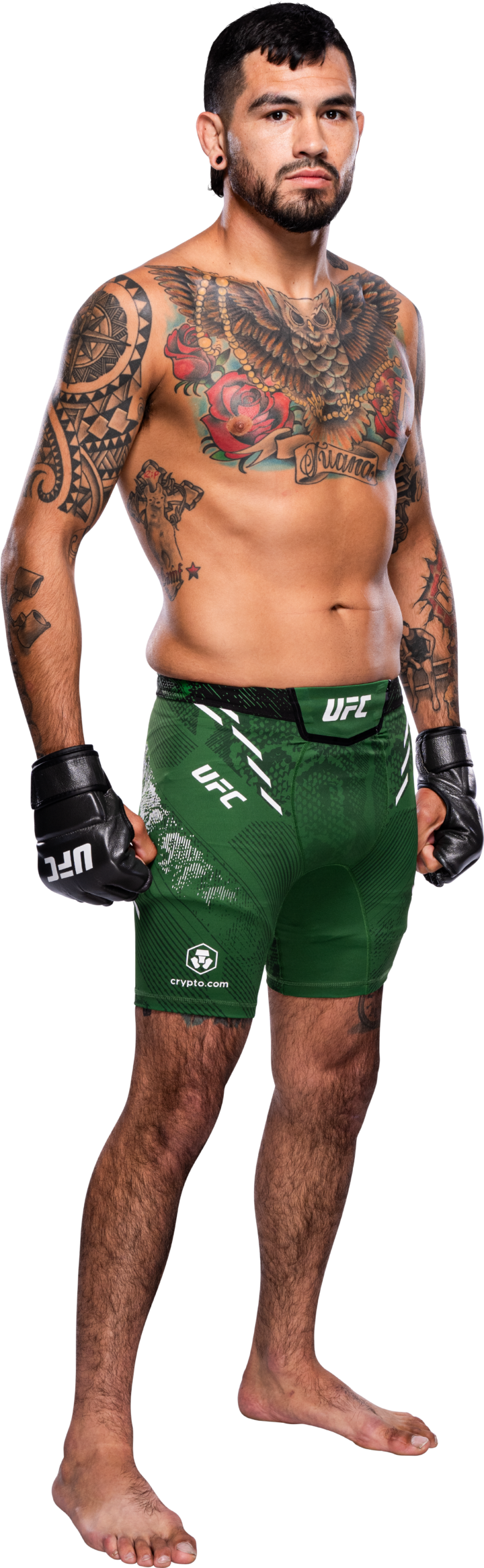
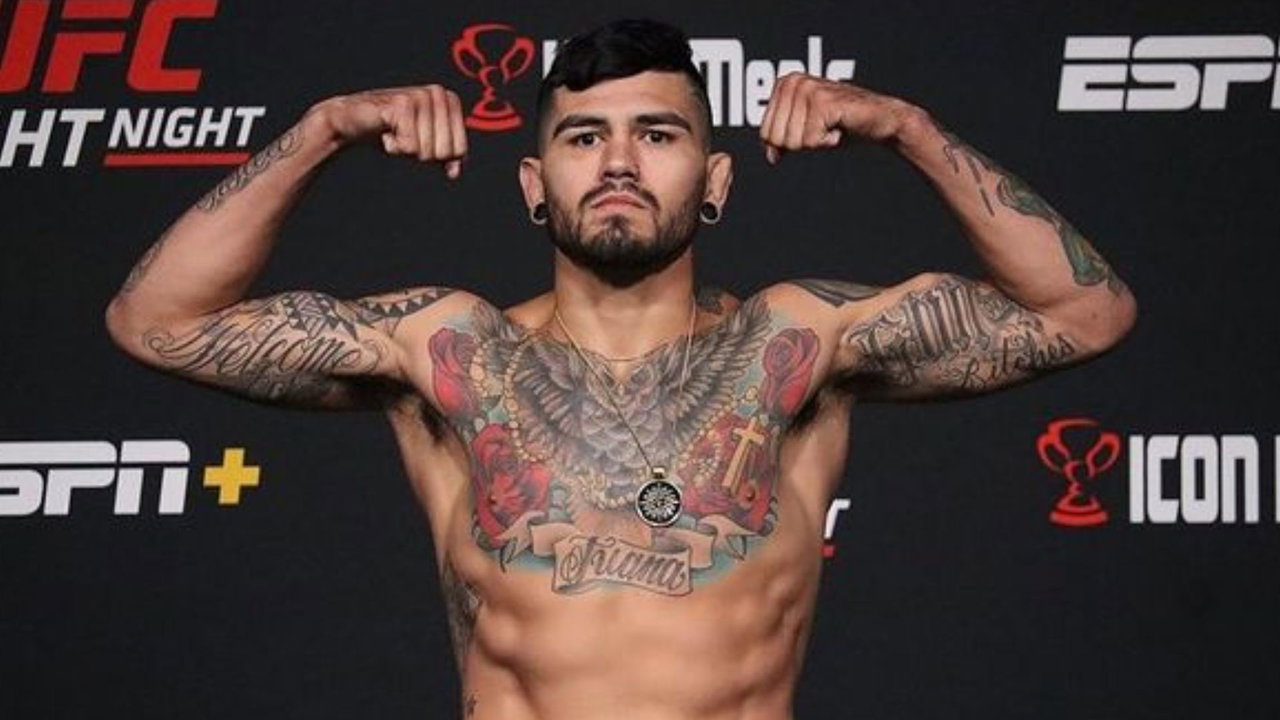
Red roses and green leaves brighten the darker feather work. A cross sits among the flowers, and gold-colored beads link the forms together. In one weigh-in photo, a real necklace falls over the tattoo, so it helps to distinguish the jewelry from the inked beads.

The ribbon beneath the owl reads “Juana.” The name is visible, but the photos don’t identify who it refers to. The ribbon gives the chest design a clear lower edge and keeps the lettering separate from the denser color above.

Geometric Arm Tattoos

Anthony Hernandez tattoos: inline

Hernandez’s right upper arm has a round directional design surrounded by triangles, repeated bands and dark blocks. The pattern follows the shoulder and continues down the arm. Its sharper lines contrast with the feathers and flowers on his chest.

A front-facing portrait helps separate the arm work from the nearby chest piece. Some areas are filled dark; others leave skin between the outlines. The design also changes with the angle of his shoulder, so one photograph won’t show every part at once.

The other arm has a different mix of lettering, shaded figures and smaller images. The available photos don’t establish the figures’ identities or a specific cultural origin for the geometry.

Lettering Across the Collection

Anthony Hernandez tattoos: inline

When Hernandez raises his arms, large decorative lettering becomes visible along the inside of both upper arms. Long strokes and curls follow the available space. The text is less obvious in relaxed poses, which reflects the angle of the photo rather than a change to the tattoos.

The name Juana on the chest ribbon is the clearest readable text in these images. It sits in a contained banner; the inner-arm lettering stretches along the skin. The two placements use script in different ways.

The Chest Piece from Another Angle

Anthony Hernandez tattoos: inline

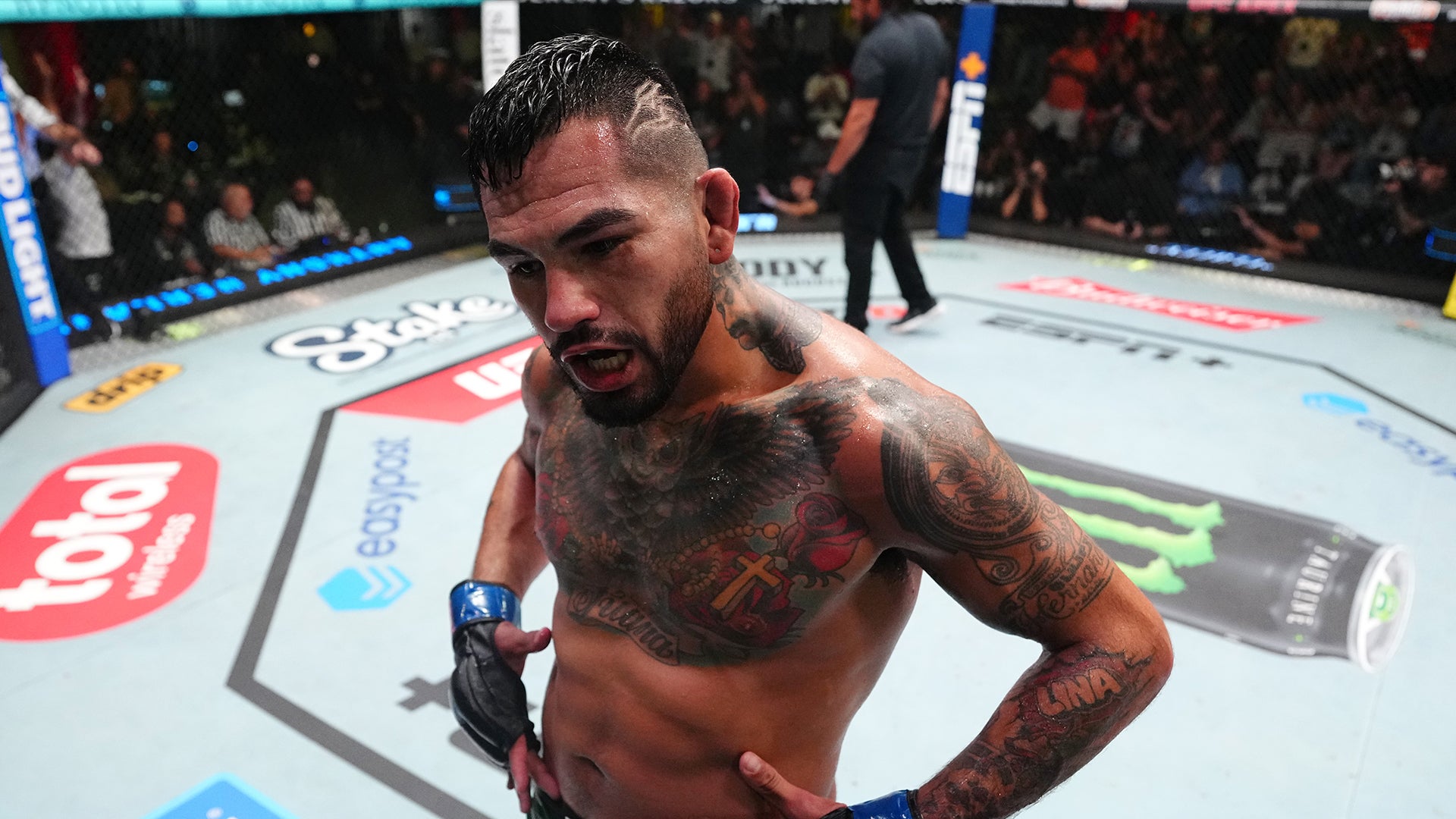
In the close event photo, Hernandez’s shoulders are angled and the lighting is uneven. The owl, roses and cross remain recognizable, though some small lines are less sharp than in the promotional portrait. The same image shows shaded work on the side of his neck and a face-like design on the nearer upper arm; it doesn’t identify either one.

Across the images, the chest piece stays centered on the owl, while the arms show geometric linework and lettering. UFC interviews add context about Hernandez’s fighting career and family, but they don’t supply a backstory for each tattoo.

Hernandez talks about his background and life outside competition in the interview below.

More athlete tattoo guides

Lerone Murphy Tattoos: Chest Quote, Clock and Forearm Ink

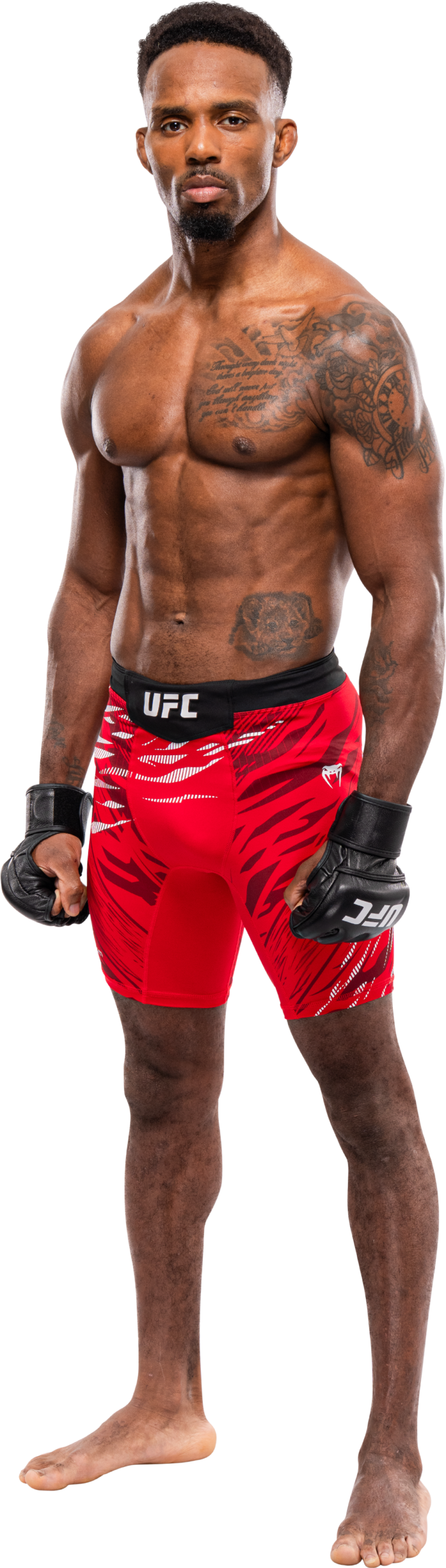
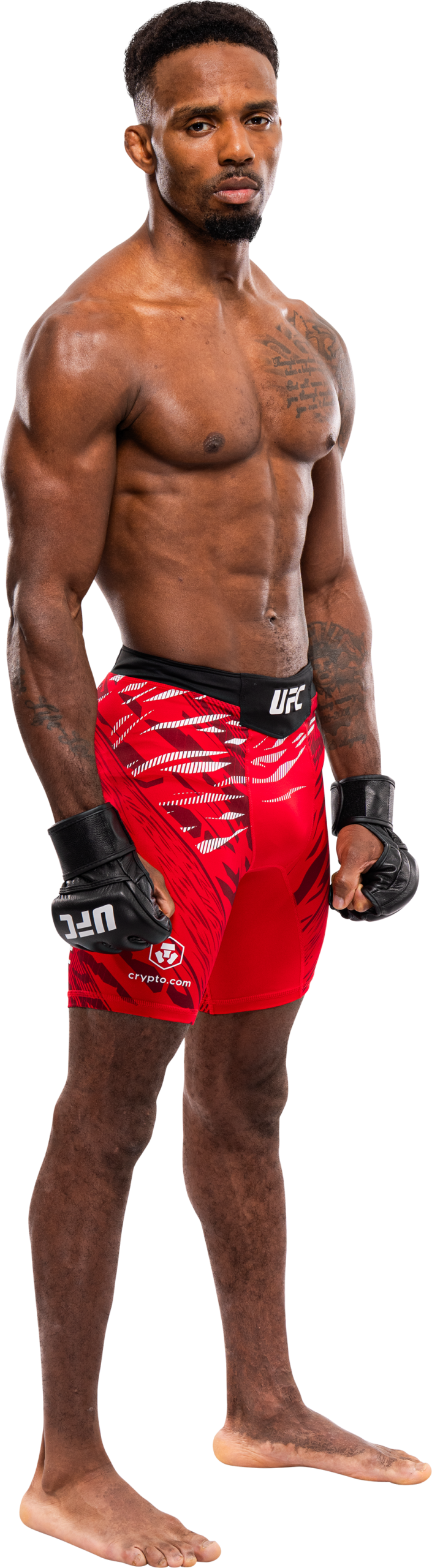
Lerone Murphy has said the chest quote is his favorite tattoo. It sits on the left side of his chest beneath darker shapes near the shoulder. The rest of the collection includes a clock on the left shoulder, shaded forearm work and smaller script near the right wrist.

Murphy, a Manchester featherweight, is known as The Miracle. His story gives context to the quote he has discussed, but not to every design visible in the photos.

His Favorite Chest Quote

Lerone Murphy tattoos: inline

The chest tattoo is several lines of script on the left pectoral, with darker shapes reaching toward the collarbone. Murphy explained that it reflects his belief that God won’t give him more than he can endure and that better days follow difficult ones. He said it’s a belief he lives by.

One line reads, “Through every dark night, there’s a brighter day.” The lettering follows the curve of his chest; heavier shading above it gives the quote a distinct background. Murphy has called this the tattoo that matters most to him.

The Clock and Shoulder Work

Lerone Murphy tattoos: inline

A round clock face sits among shaded, curved forms across Murphy’s left shoulder and upper arm. The clock gives the piece a clear focal point, while the surrounding work follows the changing shape of the shoulder.

The photos don’t provide a confirmed story for the clock. Its face is too small to read a time reliably, and Murphy hasn’t explained whether it refers to a date or event.

Forearm Ink and Wrist Lettering

Lerone Murphy tattoos: inline

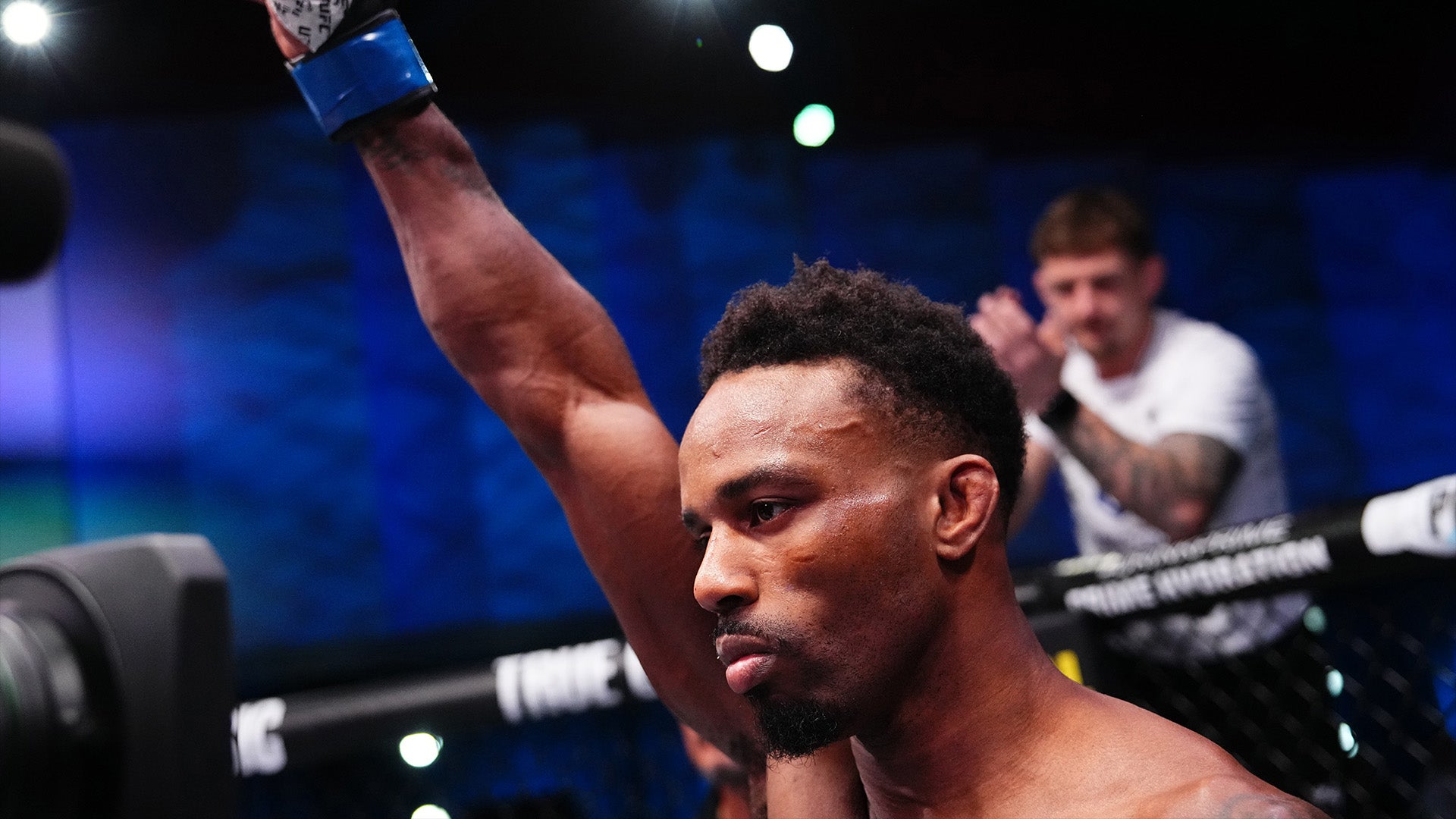
A raised-arm photograph shows darker, shaded work on Murphy’s left forearm and smaller lettering near his right wrist. The two sides aren’t mirror images: one has a denser arrangement, while the other leaves more open skin around the script. Gloves and tape cover the lowest parts of the arms.

Murphy has spoken about his first tattoo, “Live life and love life,” and said he later felt embarrassed by it. That phrase is confirmed; the smaller writing in the photo isn’t clear enough to transcribe.

Tattoo Placement in Motion

Lerone Murphy tattoos: inline

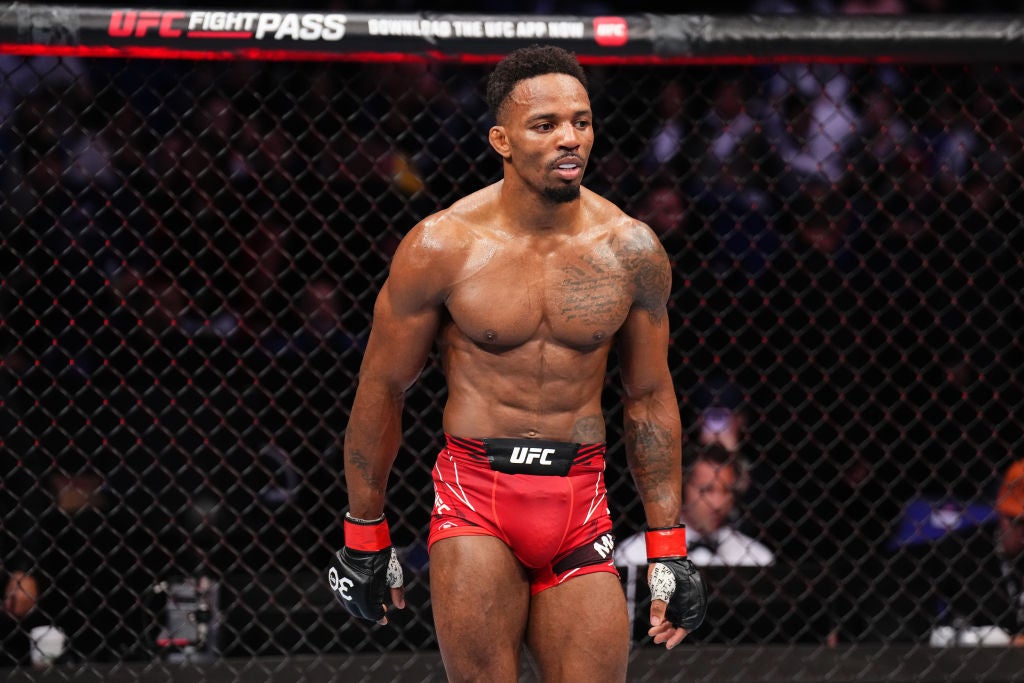
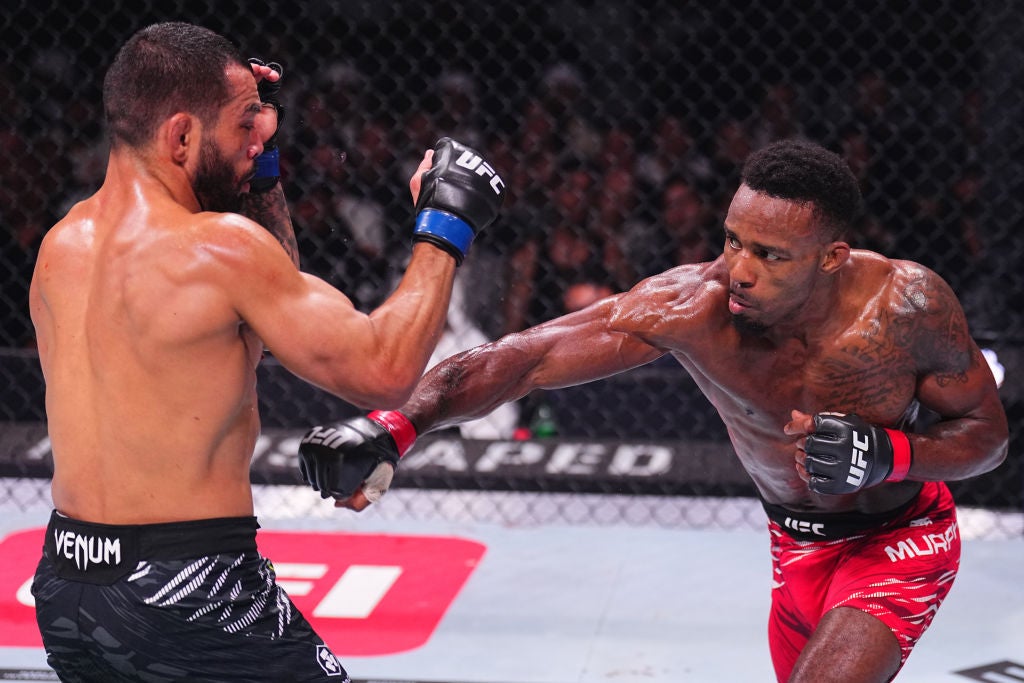
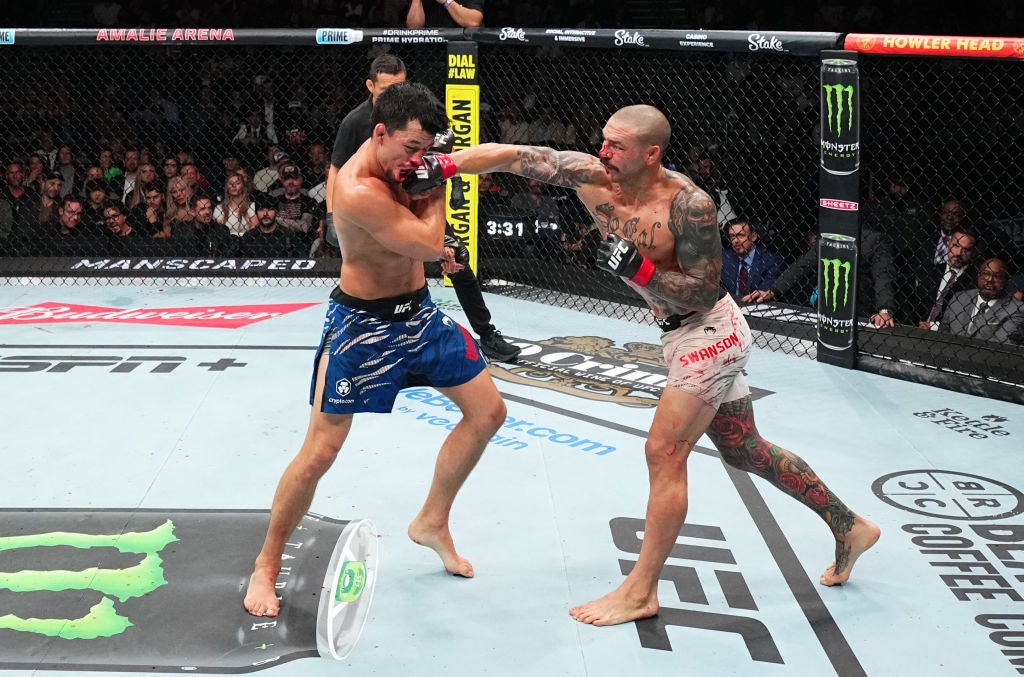
In the action photo against Dan Ige, Murphy is punching with his torso angled forward. His chest quote still reads as stacked script, though the twist of his body changes how the lines appear. The shoulder design turns toward the camera, while parts of the chest become harder to see.

A posed portrait separates the fine lettering more clearly. This fight image shows the same work as he moves; the change in angle and arena light makes some sections look darker or narrower.

The Person Behind The Miracle

Lerone Murphy in a contextual photograph: inline; not tattoo evidence

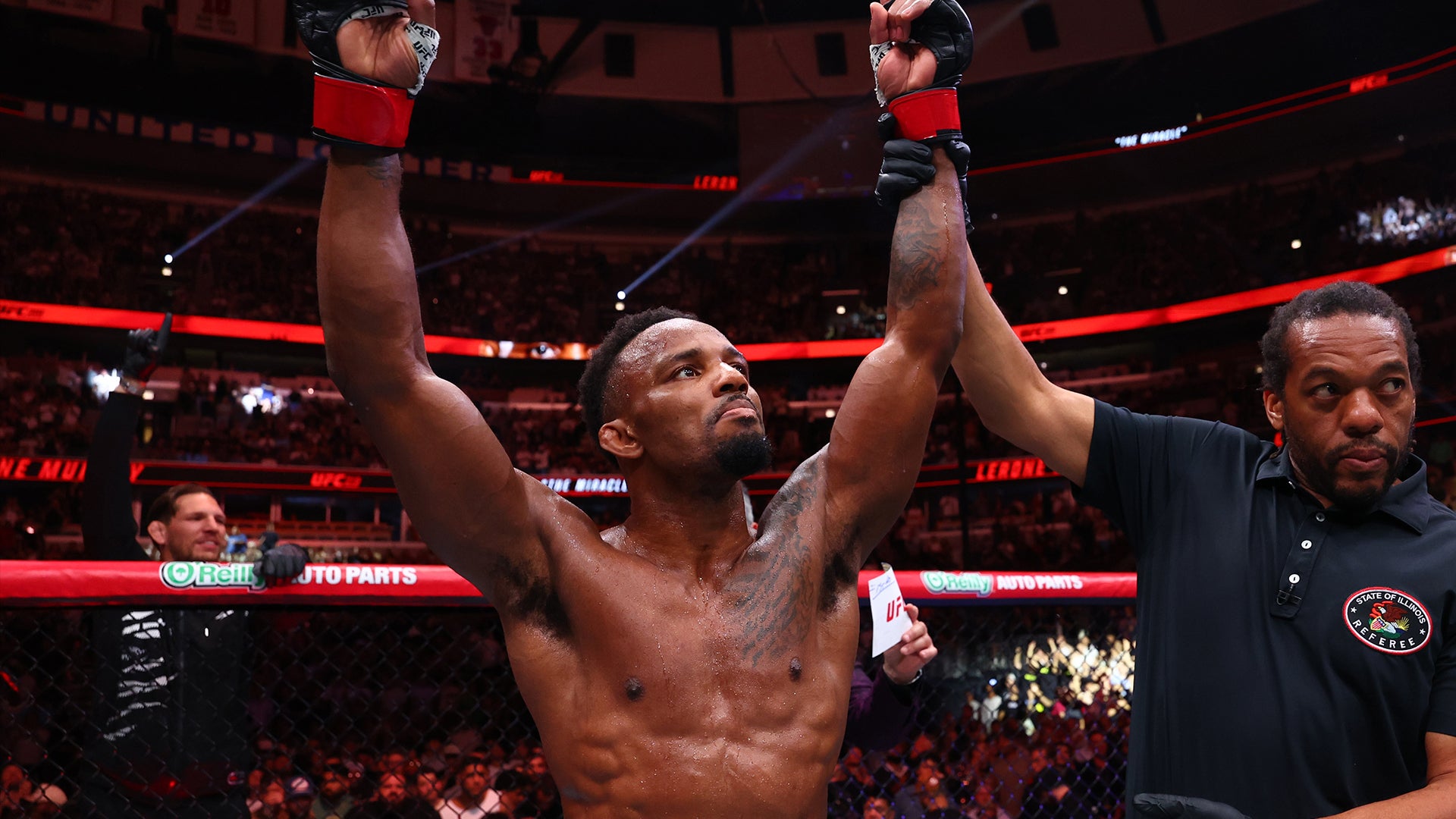
The final image is event context rather than a close-up of Murphy’s tattoos. UFC has reported that he survived a shooting in Manchester at 21 and later moved into mixed martial arts; the promotion connects that experience with his nickname, The Miracle.

His account of the chest quote is a personal belief he chose to share. The clock and smaller designs remain unexplained in the material used here, so their meanings shouldn’t be guessed. The interview below captures Murphy speaking after UFC 319.

Brandon Royval Tattoos: Arm Portrait, Skull and Dark Sleeves

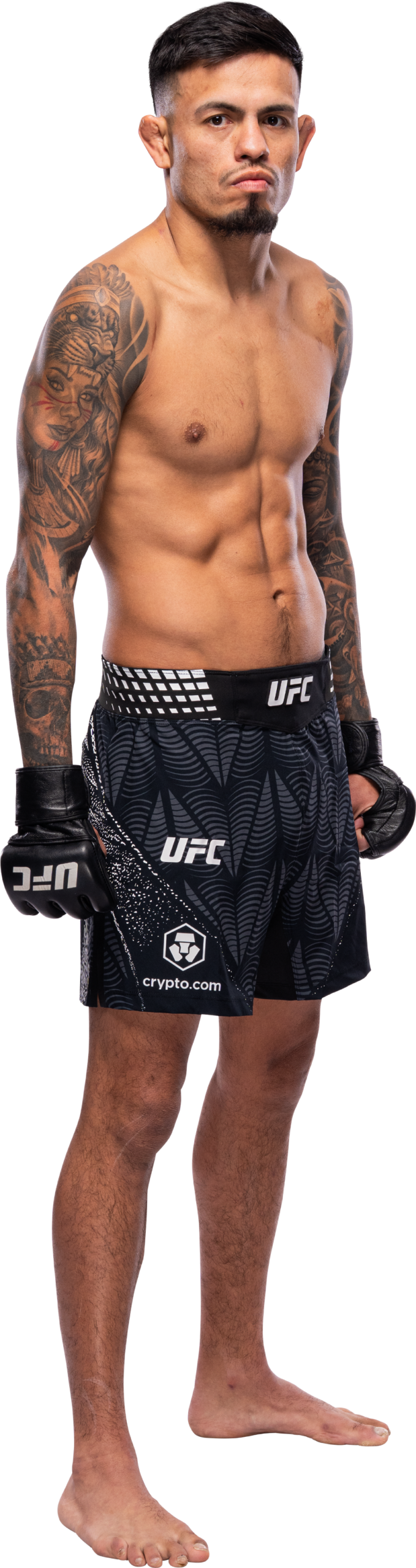
Brandon Royval’s tattoos are concentrated on his arms. A portrait and a skull stand out on the right; the left sleeve uses broader black curves and shaded shapes. The chest and stomach remain mostly open.

The two sleeves have different looks. The photos show where the ink sits, but don’t explain who the portraits represent or what every shape means.

The Portrait on His Right Upper Arm

Brandon Royval tattoos: inline

On Royval’s right upper arm, a woman’s face sits below a larger tiger-like head. Small red marks add color around the portrait, while dark shapes sweep over the shoulder and shaded lines continue toward the elbow. In an angled portrait, both faces are easy to make out.

The red stays in a few spots; most of the sleeve is black and gray. The available image doesn’t identify the woman or explain why Royval chose the portrait.

The Dark Patterns in His Left Sleeve

Brandon Royval tattoos: inline

Royval’s left sleeve has larger, darker forms. Curves bend into spirals and connect to shaded work higher on the shoulder. Lighter strips between the black areas keep the pattern from reading as a solid band.

With both forearms raised, the difference between the sleeves is clear: this side relies on broad shapes, while the right includes more recognizable faces. The left arm turns around the body, and gloves and tape cover part of the wrist, so one photo can’t show its full outline.

Some shapes look creature-like, but the images don’t confirm a specific mythological figure or cultural reference.

Skull Imagery and Forearm Shading

Brandon Royval tattoos: inline

A skull is visible on Royval’s right forearm below denser shading. Its dark eye sockets and rounded outline are easier to see in the official portrait; another event photo shows the arm turned toward the camera. The glove hides the end of the tattoo.

In a December 2022 interview with BJPenn.com, Royval mentioned the ink around his wrist while discussing a broken wrist. He didn’t say the tattoos were caused by, or connected to, that injury. The conversation confirms the ink was there; it doesn’t explain the skull.

How Both Sleeves Look in Motion

Brandon Royval tattoos: inline

Against Matheus Nicolau, Royval has one arm extended and the other near his face. The turning torso exposes different parts of each sleeve: the left forearm’s dark curves stay visible, while the right arm shows another strip of shaded work.

The action shot also makes the open chest and abdomen easy to see. The sleeves come close to the torso at the shoulders but don’t join into a large chest piece. Pose and lighting change how much detail shows, especially in the finer gray shading.

Royval Outside the Fight Photos

Brandon Royval in a contextual photograph: inline; not tattoo evidence

The final photo shows Royval training at the UFC Performance Institute, in a shirt that covers much of his arm ink. It adds context about the person wearing the tattoos, rather than a close view of them.

Ahead of UFC 329, Royval talked about trying to stay composed in exchanges and choosing when to answer a strike. That interview speaks to his approach in the cage; it doesn’t provide a full tattoo inventory. The portrait, skull and broad left-arm patterns are clear in other photos, while their personal meanings remain unexplained.

The interview below shows Royval speaking after a fight.

Marvin Vettori Tattoos: Samurai Chest Piece, Tiger and Sleeve

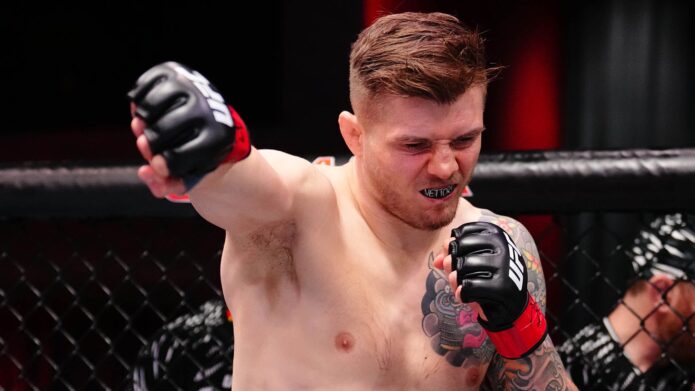
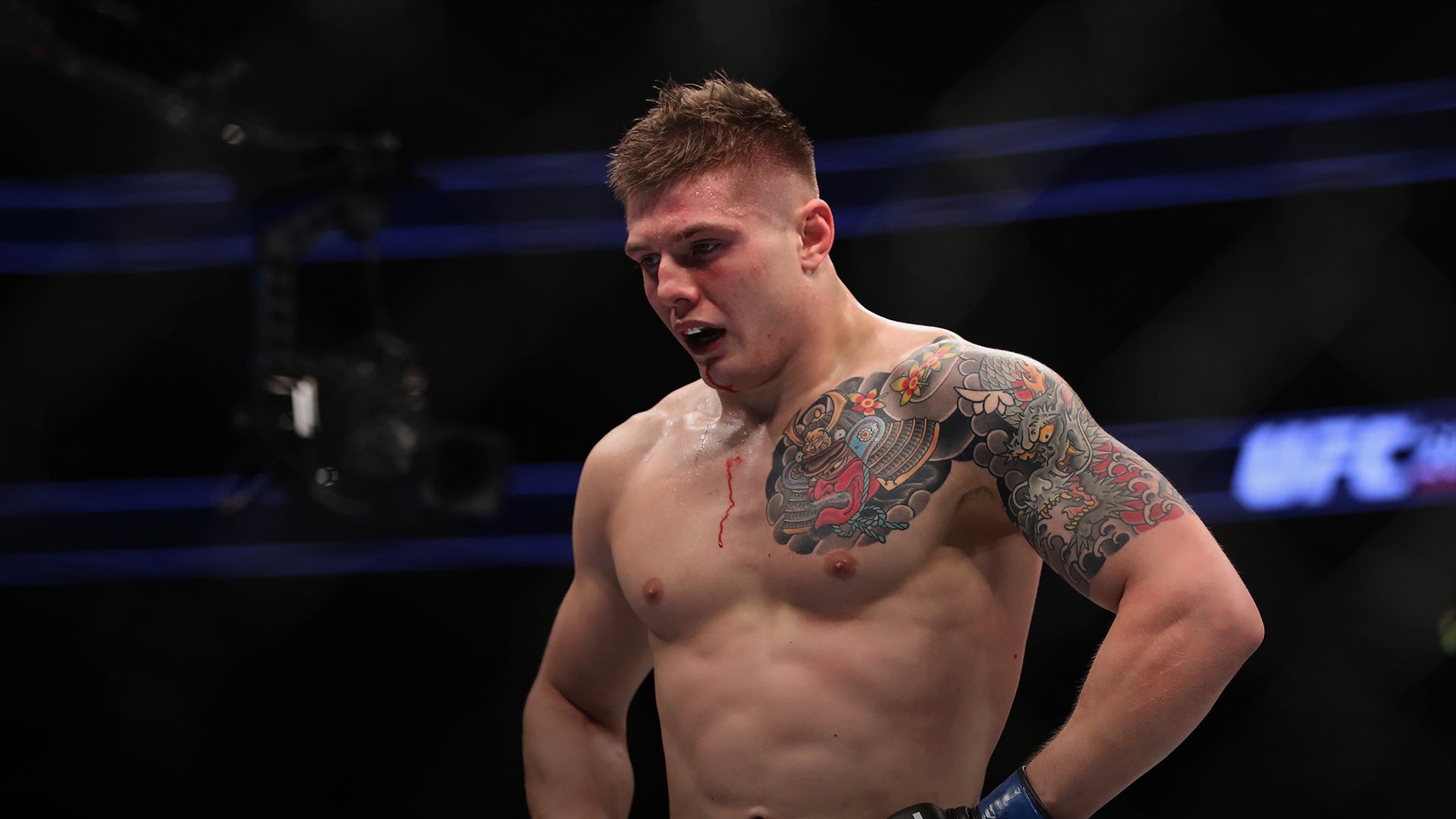
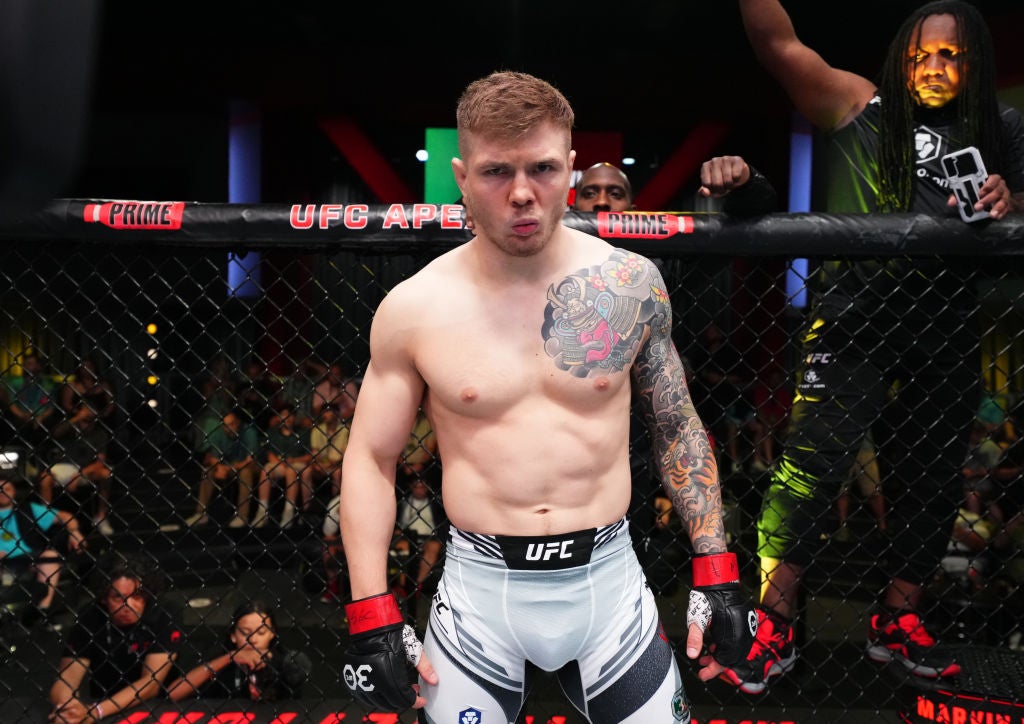
Marvin Vettori’s left-side tattoos form a connected chest-and-arm piece. A red samurai face sits on the chest, while a dragon, waves, flowers and an orange tiger continue down the sleeve. Most of the background is black and gray, with small areas of color picking out the main figures.

Tattoo coverage has described the work as Japanese-inspired and named Lorenzo Casarin as the artist. Vettori hasn’t given a personal explanation for every animal, flower or wave in the photos.

The Samurai Chest Tattoo

Marvin Vettori tattoos: inline

The samurai face sits on Vettori’s left pectoral beneath an elaborate helmet. Red fills much of the face; gold lines separate darker armor, with blue-green details near the sides. Curved, cloud-like shapes form an edge around the image and lead toward the shoulder.

The face and helmet remain clear in an event photo, even though the smaller armor lines need a closer look. Vettori hasn’t explained a specific memory or idea behind the samurai. The design’s subject is visible; a more personal story isn’t established in the material used here.

The Tiger on His Left Forearm

Marvin Vettori tattoos: inline

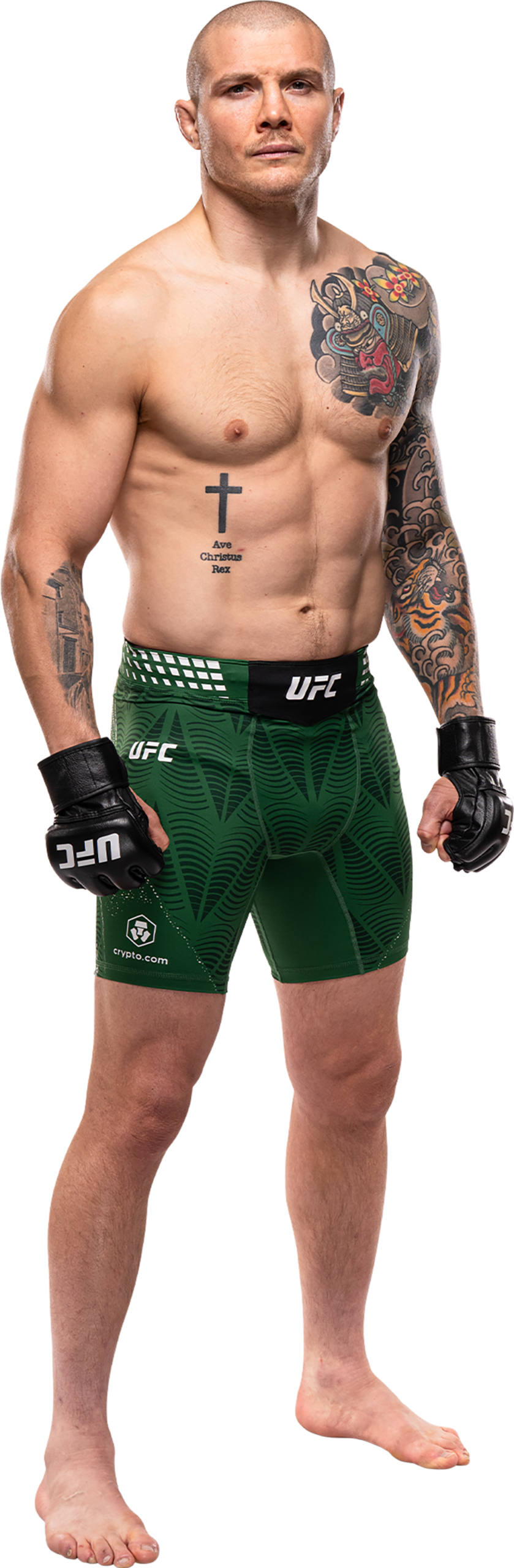
An orange tiger with black stripes and an open mouth stands out on Vettori’s left forearm. Gray-and-black waves curve around the animal and connect it to the darker work above. The glove hides the lowest part of the arm, so the photo doesn’t show where every line ends.

A newer official portrait also shows a separate black cross and the words “Ave Christus Rex” on the right side of his abdomen. The images don’t establish the timing or personal significance of those marks.

Waves, Flowers and the Dragon

Marvin Vettori tattoos: inline

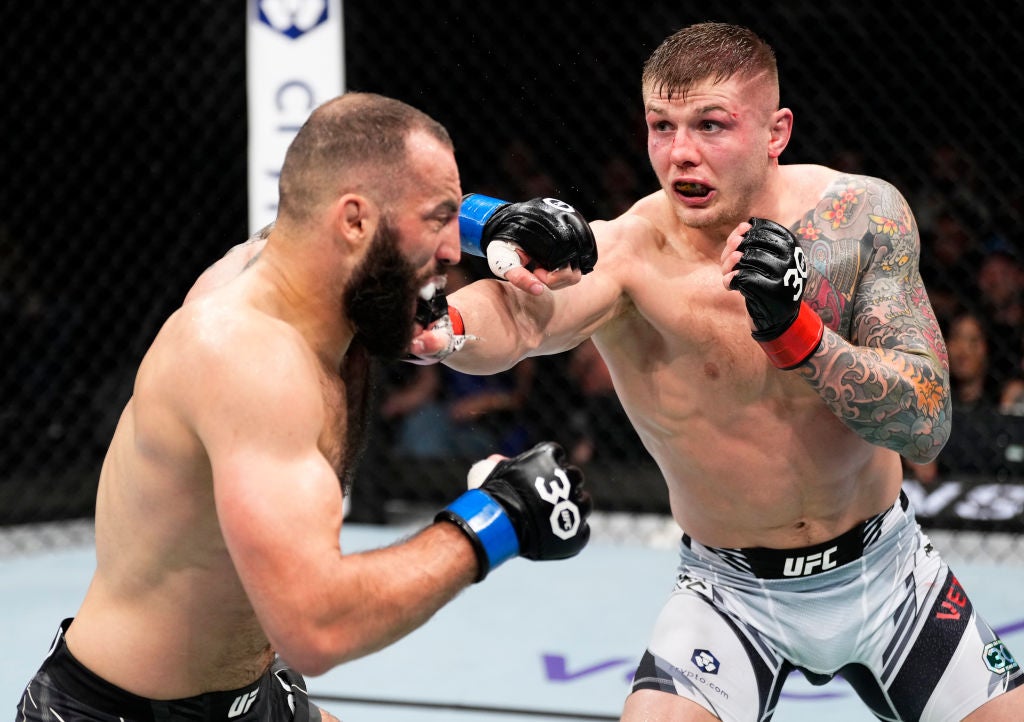
In the fight photo against Roman Dolidze, Vettori’s left arm is raised, exposing more of the sleeve. Yellow-and-red flowers sit near the shoulder, with green details lower down. The dragon appears high on the arm; its long snout, open mouth and scales are clearer in a turned pose than in a front-facing shot.

The waves repeat rounded curves around the chest and arm images. The flowers interrupt that darker background, while the red samurai and orange tiger give the eye two distinct points of color. These details help the varied subjects read as one composition.

How the Chest Piece Joins the Sleeve

Marvin Vettori tattoos: inline

An older front-facing cage photo shows the left-side piece running from chest over shoulder and down toward the wrist. The clouds and flowers fill the transition from the samurai to the upper-arm dragon. The opposite chest remains mostly open in that image.

Different poses show different surfaces: the samurai faces the camera more directly here, while the tiger is easier to see when the forearm turns outward. A newer portrait reveals right-side abdominal ink that isn’t visible in these older photos, so the earlier shots aren’t a full inventory of Vettori’s current tattoos.

The Italian Dream Behind the Photos

Marvin Vettori in a contextual photograph: inline; not tattoo evidence

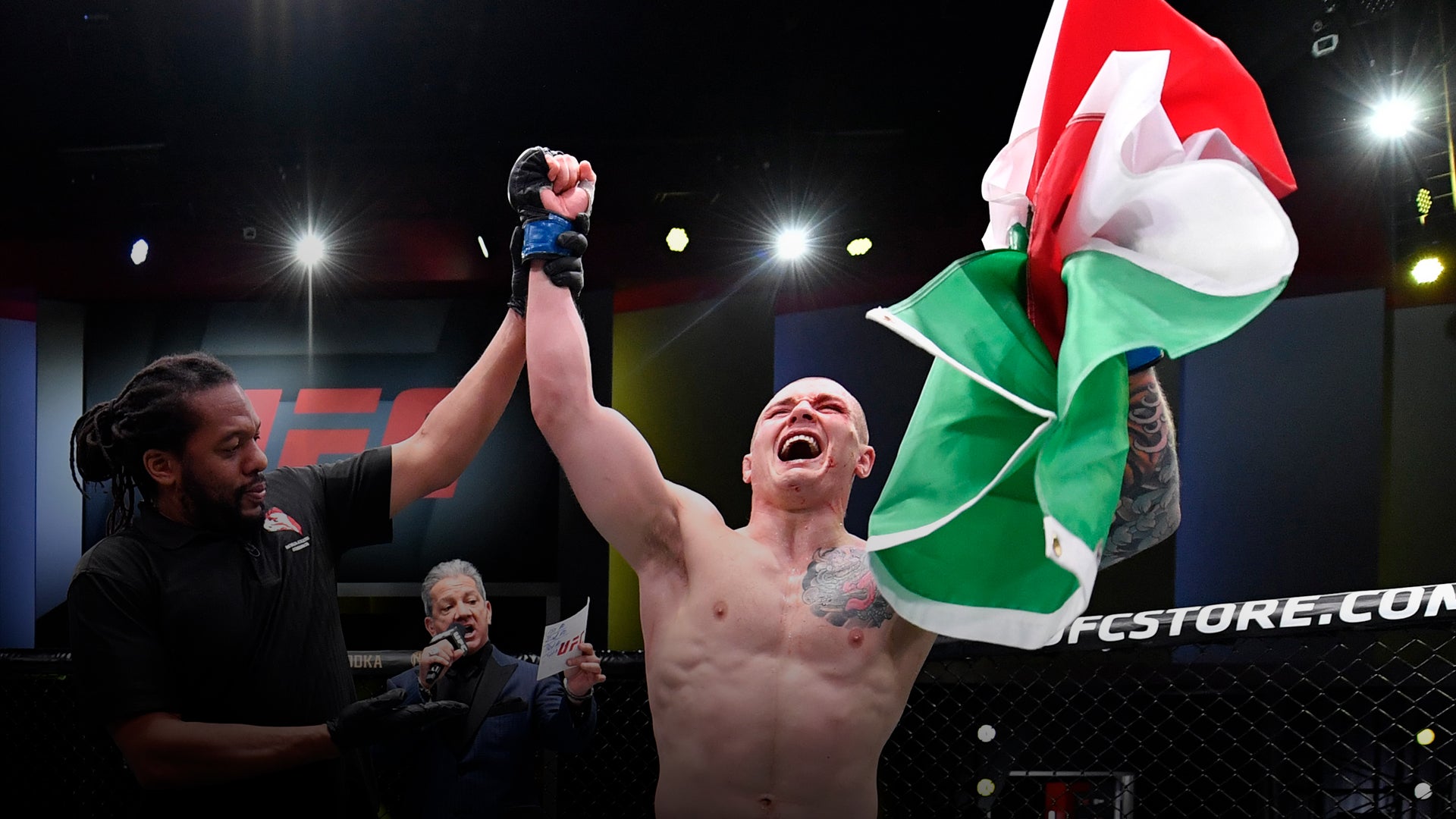
In the celebration photo, Vettori raises both arms while holding an Italian flag; the referee stands beside him. The flag covers part of the sleeve, so this image gives event context rather than a close view of the ink.

Vettori has competed in the UFC since 2016 and is known as The Italian Dream. The UFC 286 interview below follows his decision win over Roman Dolidze. It gives a view of the fighter outside the posed tattoo photos, without adding a backstory to designs he hasn’t discussed.

More athlete tattoo guides

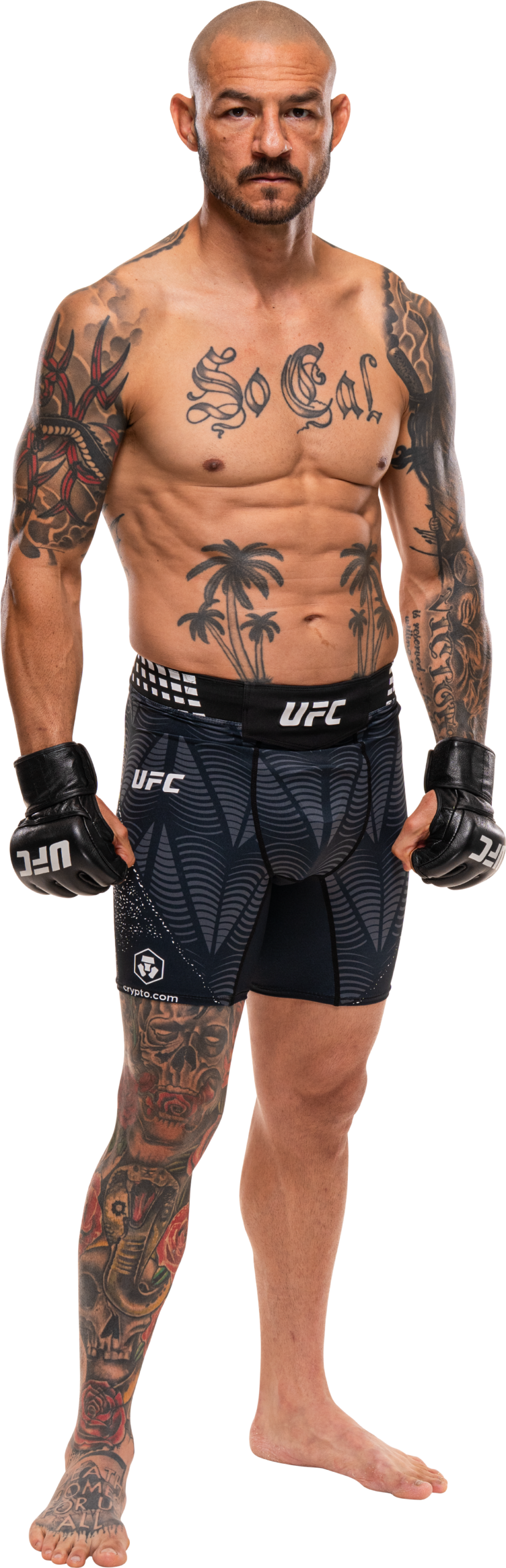
Cub Swanson Tattoos: So Cal, Palm Trees and Leg Ink

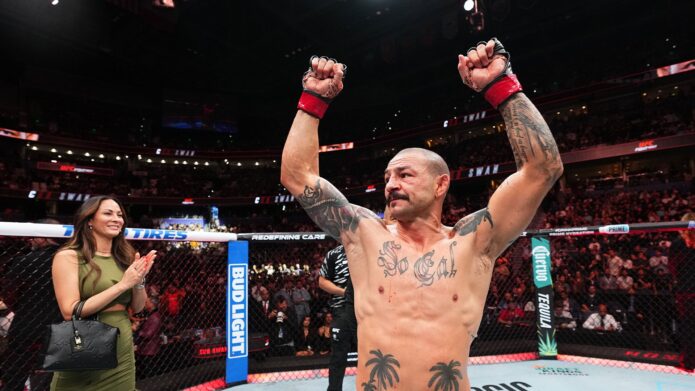
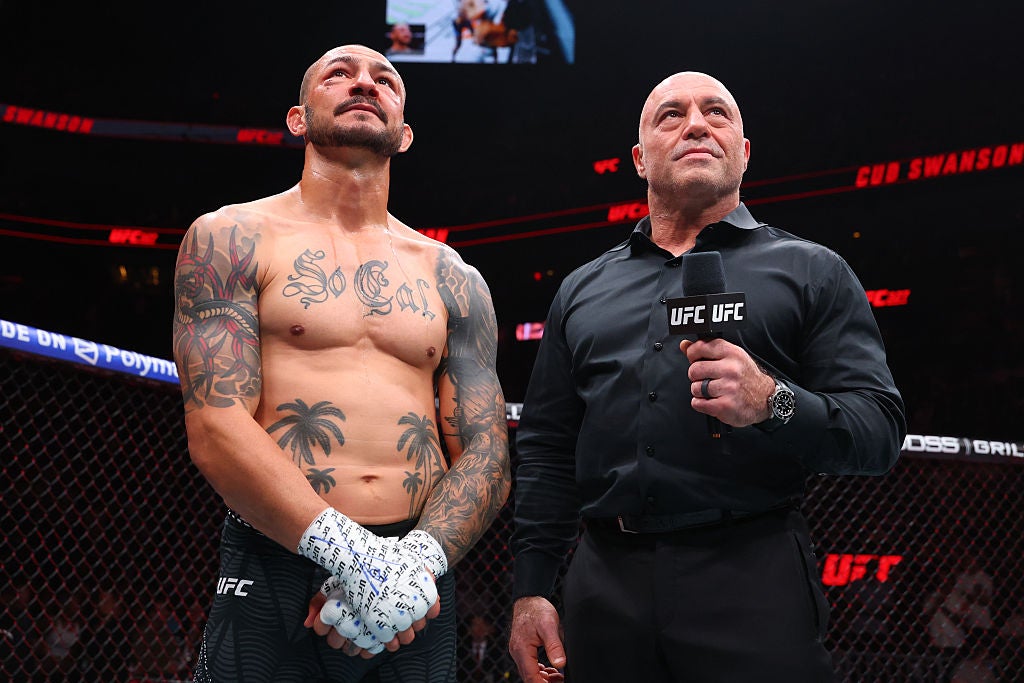
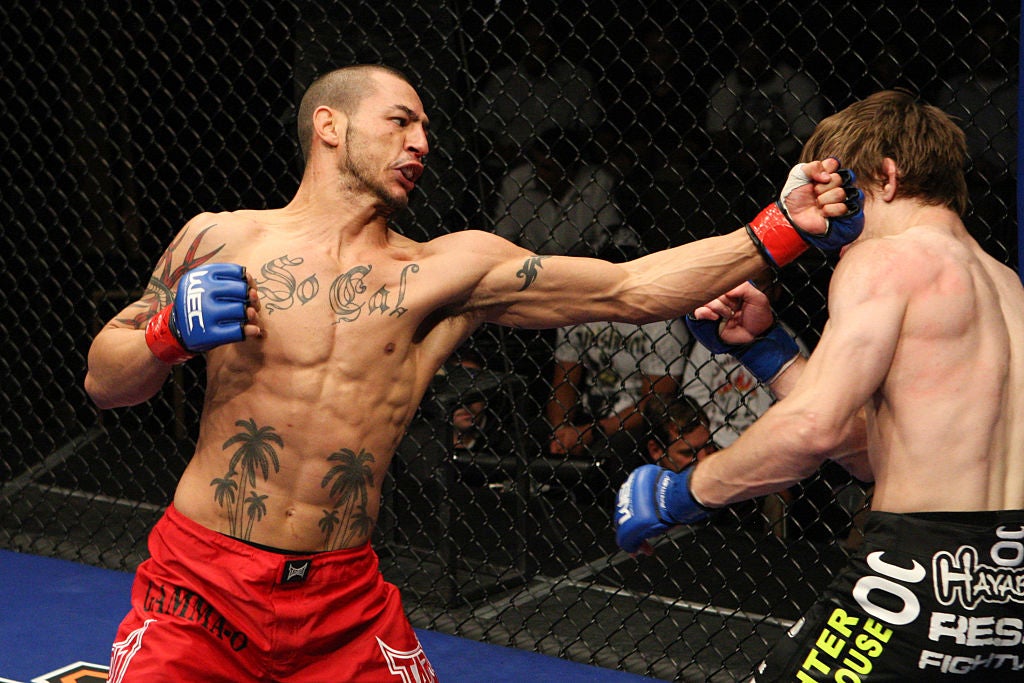
Cub Swanson’s most recognizable tattoos are the “So Cal” lettering across his chest and palm trees on his stomach. His arms and right leg carry denser designs, with dark shading and red accents. Swanson has also explained the palms through a story about fans in China calling him the Coconut King because he’s from Palm Springs.

The So Cal Chest Lettering

Cub Swanson tattoos: inline

The words “So Cal” run across Swanson’s upper chest in ornate, shaded lettering. “So” sits on his right side and “Cal” on his left. A photo beside Joe Rogan shows the curled capitals and long finishing stroke clearly.
There’s open skin between the lettering and the palm trees below, so the two designs stay distinct. Swanson has connected the palms to Palm Springs, but he hasn’t explained the lettering’s exact timing or personal meaning.

Palm Trees Across the Stomach

Cub Swanson tattoos: inline

Groups of palm trees sit on either side of Swanson’s lower abdomen. The taller trunks rise from his waistband, with smaller trees around them; their dark fronds spread outward while the center of his stomach remains mostly bare.
An older WEC action photo gives a clear view of both groups. Swanson has said fans in China called him the Coconut King because of the palms, and he pointed out that Palm Springs is known for date palms rather than coconuts. It’s a lighthearted explanation tied to his hometown and a recognizable part of his image.

The Arm Tattoos

Cub Swanson tattoos: inline

Swanson’s arms are more densely tattooed than his torso. His left arm has dark work down toward the wrist, while red shapes stand out on his right upper arm. In the standing portrait, the right forearm appears more open, so the two sides don’t form matching sleeves.
The action photo shows how the designs wrap around his shoulders and change as his arms bend. Some small lettering is hard to make out in the available views, so its wording and meaning are unclear.

The Right Leg Tattoo

Cub Swanson tattoos: inline

A large colored piece covers Swanson’s right leg from beneath his shorts toward the ankle. The visible subjects include skulls, red roses and a cobra-like snake. In the full-length portrait, the mostly bare opposite leg makes the coverage on the right especially clear.
Red petals break up the gray skulls and dark shading, and the snake’s raised head stands out near the knee. Lettering crosses the top of the foot, though the photograph doesn’t make it readable. The images show the design and placement; they don’t establish a personal meaning for each subject.

Away From Competition

Cub Swanson in a contextual photograph: inline; not tattoo evidence

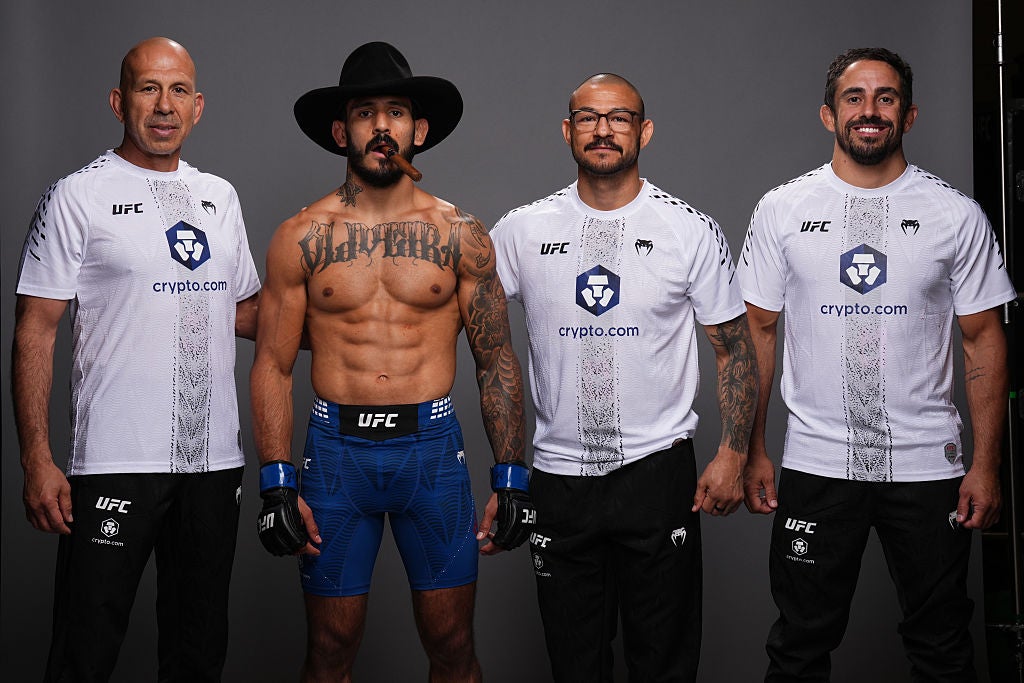
The team photograph shows Swanson with other people during fight week, but his shirt covers the tattoos. It gives context about him, not evidence of what the ink looks like. The shirtless portrait and fight photos above are more useful for that.
The UFC Tampa interview below is a post-fight conversation, not a walkthrough of his tattoos. It keeps the focus on Swanson while the photographs show the designs.

More athlete tattoo guides

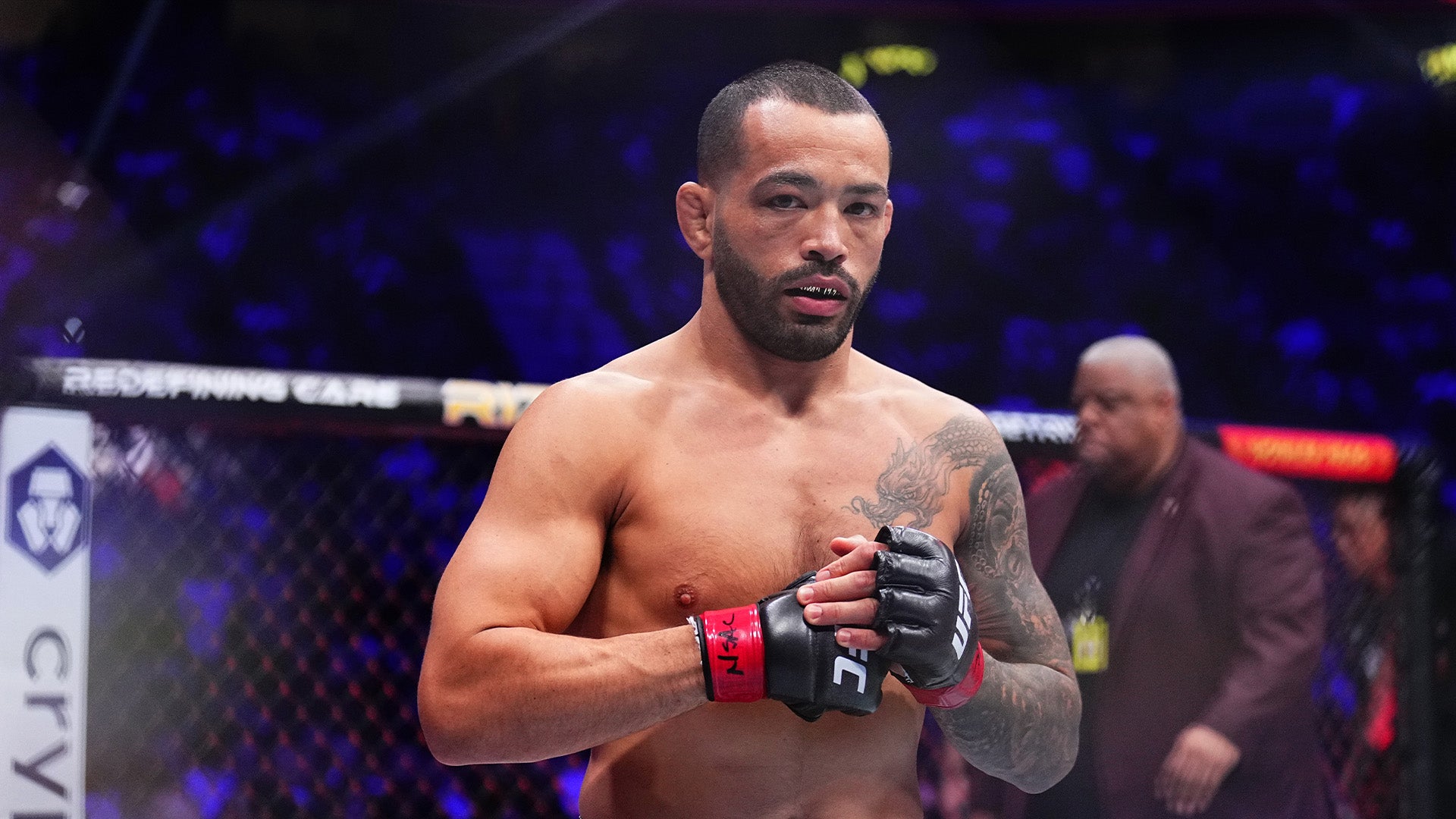
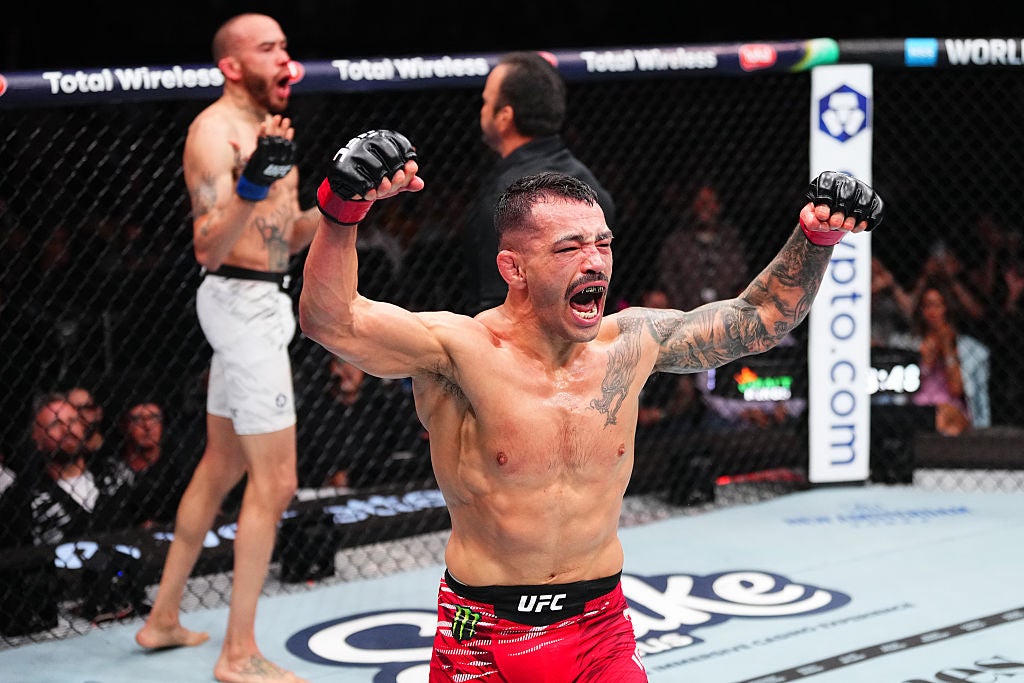
Dan Ige Tattoos: Chest Dragon, Forearm Portrait and Leg Design

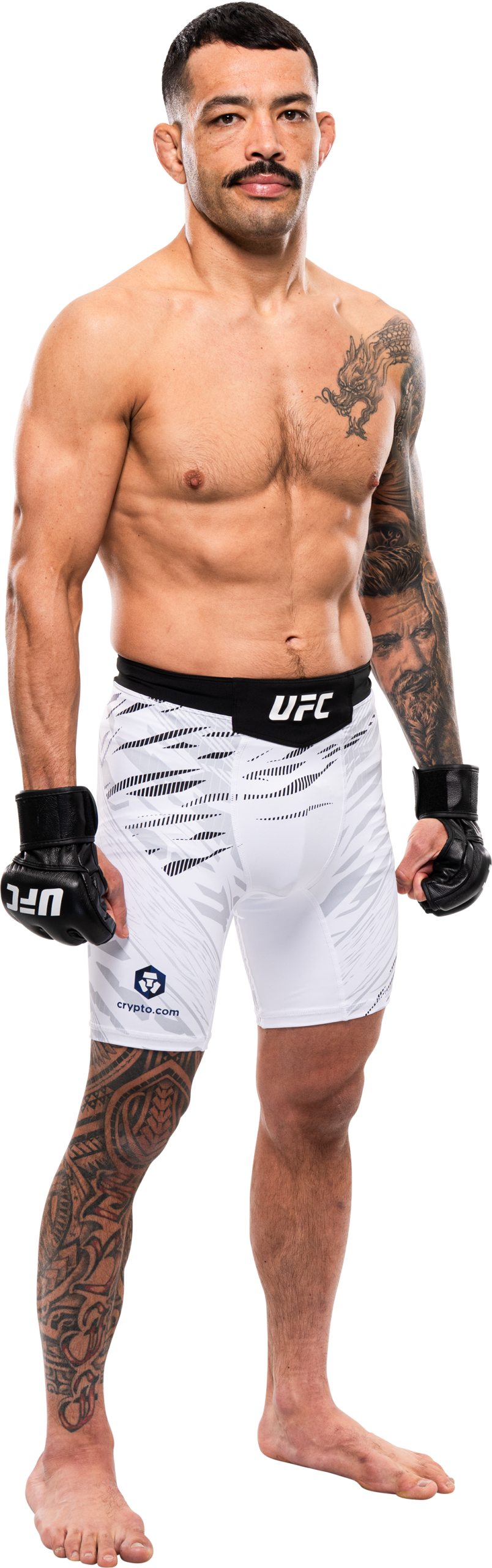
Dan Ige’s tattoos sit unevenly across his body: a gray dragon crosses his left chest and shoulder, a bearded portrait covers much of his left forearm, and bold geometric work runs down his right leg. The photographs show the designs clearly, though they don’t explain every choice behind them.

The Dragon Across His Chest and Shoulder

Dan Ige tattoos: inline

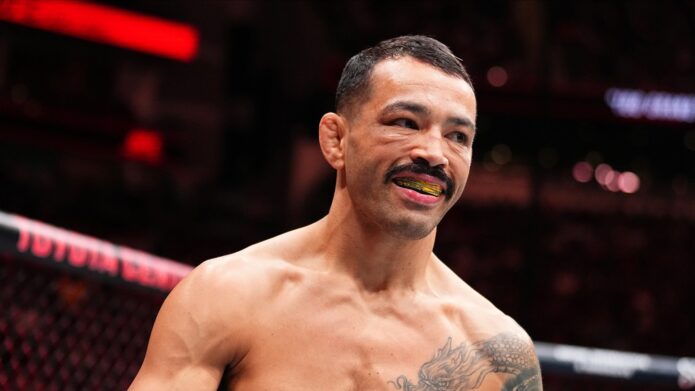
The dragon’s head sits high on Ige’s left chest, with a long snout and fine lines around its mouth. Its scaled body curves over the shoulder. One event photo shows the head clearly; a side view makes the rest of the body easier to follow.
His right chest and much of his stomach remain bare, leaving space around the piece. The design uses outlines and gray shading rather than bright color. The photos support calling it a dragon, but they don’t establish a personal meaning for it.

The Left Forearm Portrait

Dan Ige tattoos: inline

A large bearded face fills Ige’s left forearm. The beard is heavily shaded, while the face has softer details. In the celebration photo, his raised arm turns the portrait toward the camera; the glove covers his hand.
EssentiallySports has described the figure as Odin-like, but Ige’s own explanation would be needed to confirm its identity or meaning. Flowing shapes and layered shading continue over the upper arm, giving the sleeve a different look from the portrait below.

The Geometric Right Leg Tattoo

Dan Ige tattoos: inline

Black geometric work covers Ige’s right leg from beneath his shorts toward the ankle. The official standing portrait shows it beside a mostly bare left leg. Bands, pointed forms and rounded shapes repeat down the shin, with bare-skin gaps separating the darker sections.
The pattern changes with the leg’s shape: wider forms sit around the knee, and narrower lines continue toward the ankle. It may resemble Polynesian tattoo styles, but the photographs don’t confirm a specific cultural origin. The foot is mostly clear, while the shorts hide the tattoo’s upper edge.

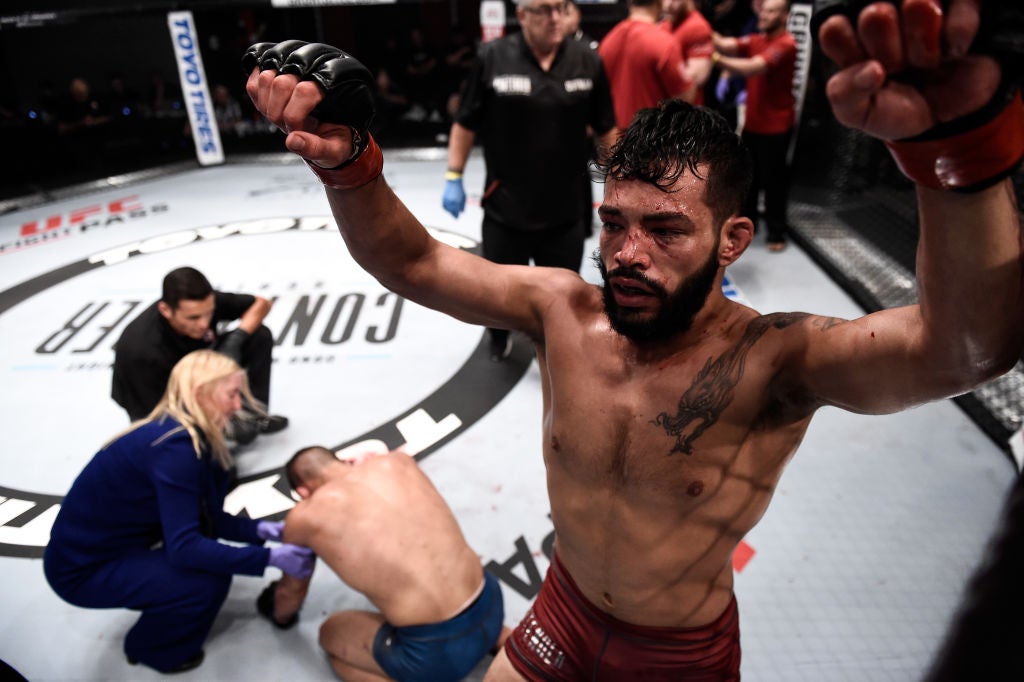
The Dragon Tattoo in Earlier Photographs

Dan Ige tattoos: inline

An earlier cage photo shows the chest dragon already in place. Ige has a fuller beard, and the visible arm work looks less extensive than in the later standing portrait. The dragon’s position on the left pectoral is a useful landmark across both images.
The photos don’t establish when the forearm portrait was added, how many sessions it took or who tattooed him. A turned arm, glove, lighting or pose can hide details, so an area that looks bare in one frame isn’t proof that the ink came later.

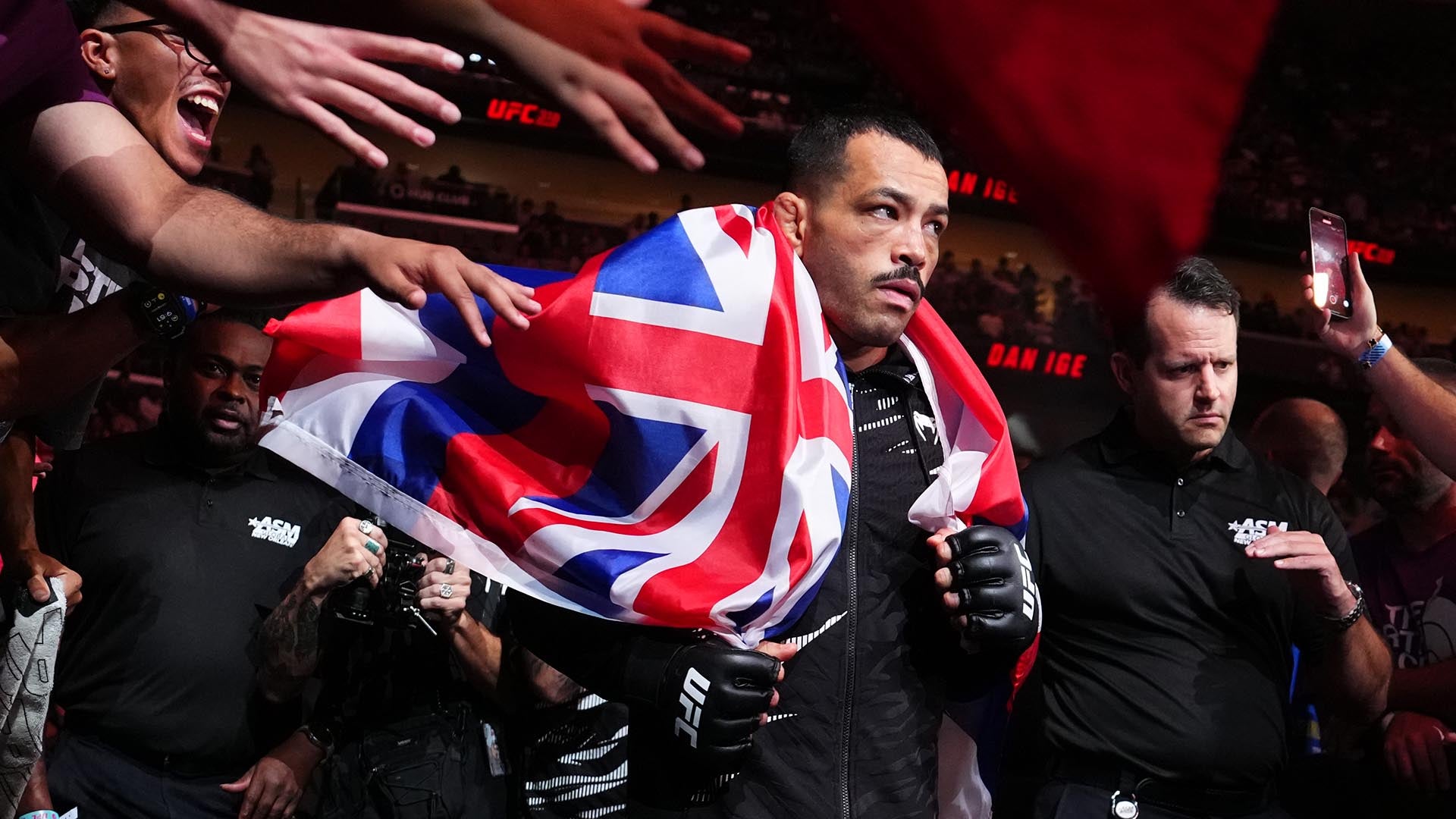
The Hawaii Walkout

Dan Ige in a contextual photograph: inline; not tattoo evidence

In the walkout photo, Ige wears a Hawaii flag around his shoulders as fans reach toward him. His black top and the flag cover the tattoos, so the picture gives fight-night context rather than a close view of the designs.
The Octagon interview below was filmed after UFC 314; it’s a post-fight conversation, not a tattoo tour. The images above show the ink, while the video captures Ige in the moment after competing.

More athlete tattoo guides

Nate Landwehr Tattoos: The Train Chest Script and FAITH Lettering

Nate Landwehr’s tattoos are mostly lettering: “The Train” sits high on his left chest, and a larger “FAITH” design runs across his lower abdomen. The first phrase matches his fight nickname; he hasn’t publicly explained the personal meaning behind FAITH.

The Train Chest Tattoo

Nate Landwehr tattoos: inline

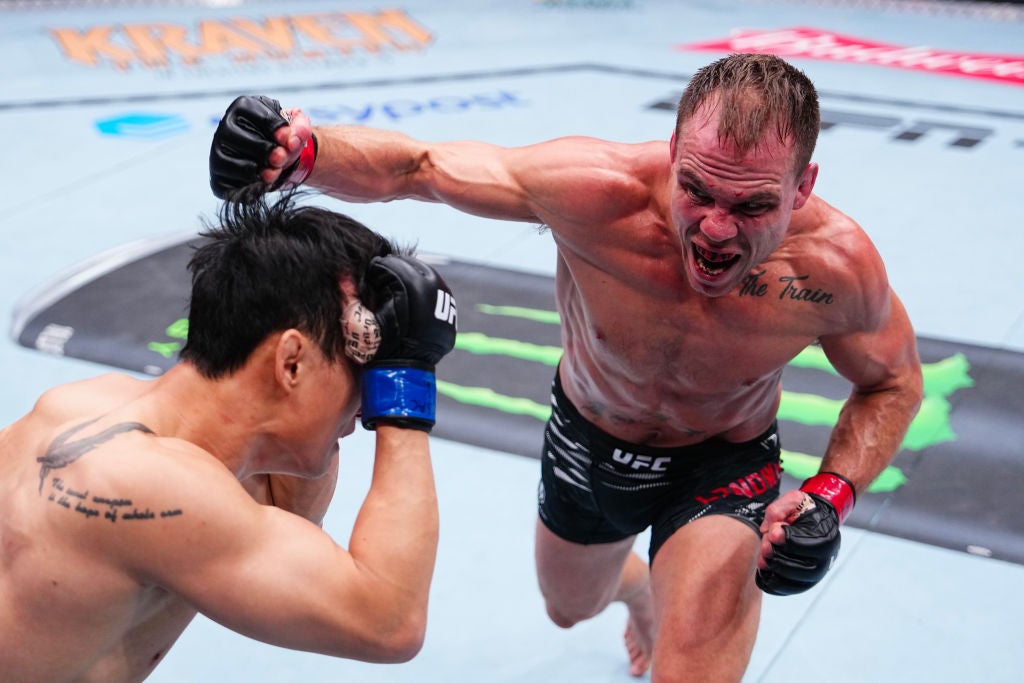
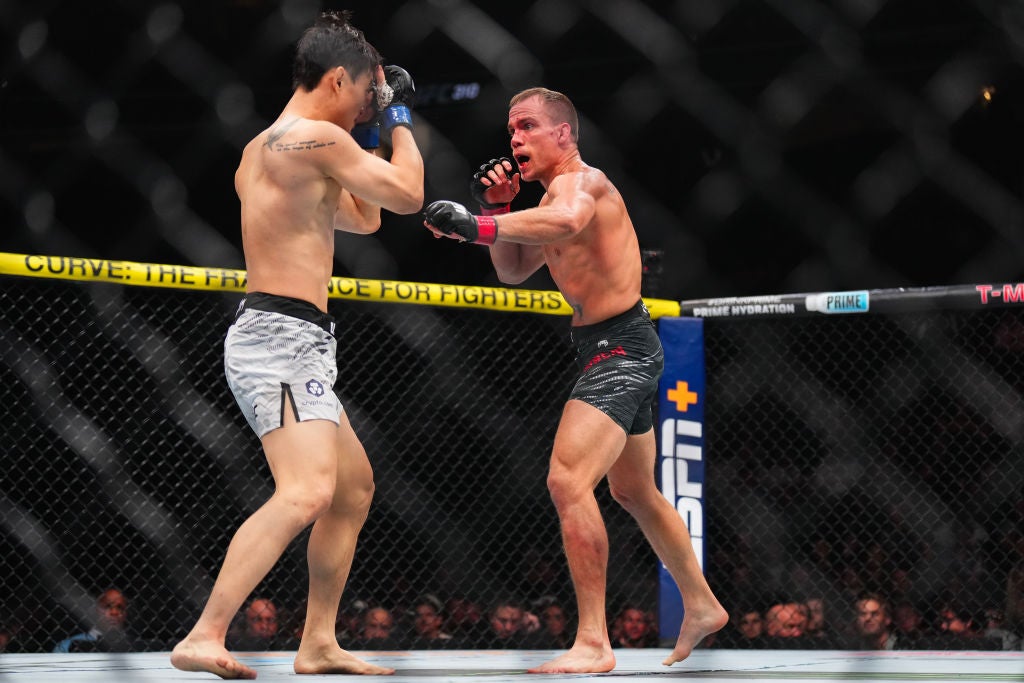
“The Train” is written in loose, connected script just below Landwehr’s left collarbone. Its long capital strokes follow the line of his chest. In an action photo, the lettering stays visible as he punches Dooho Choi, though Choi’s own back tattoos belong to the other fighter.
Landwehr competes under The Train nickname, which links the phrase to his public identity. It isn’t a picture of a locomotive, and the available photos don’t show when or why he chose this placement.

The FAITH Abdomen Lettering

Nate Landwehr tattoos: inline

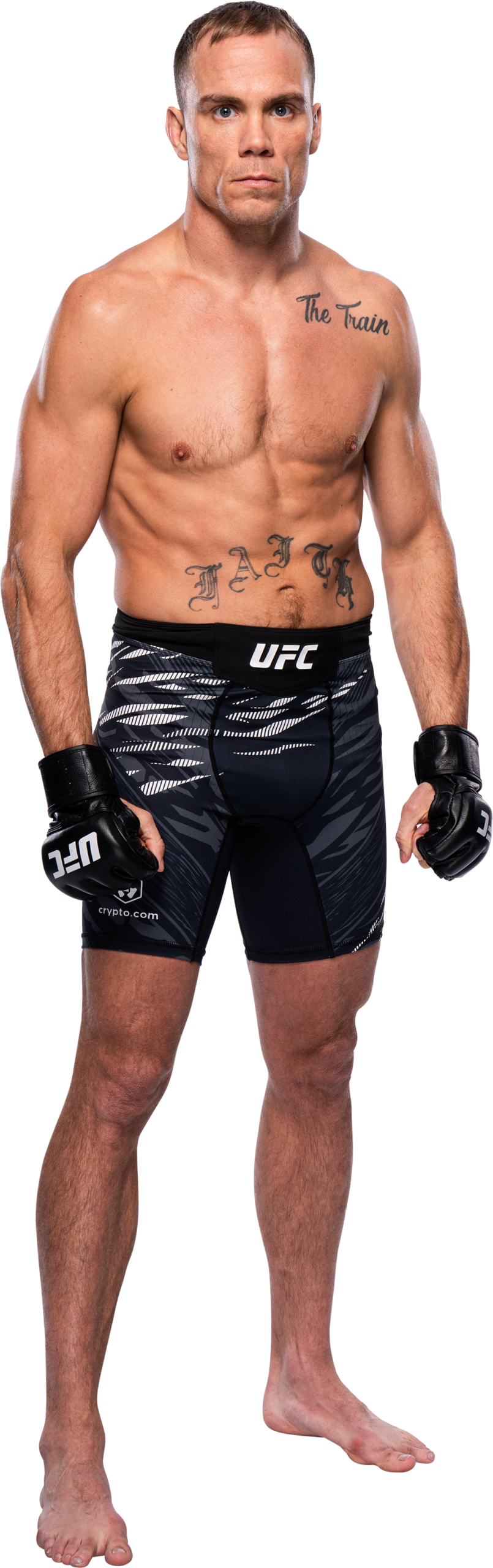
The word FAITH appears in ornate capitals across Landwehr’s lower stomach. The letters arc above the waistband, with the navel left visible. Curled strokes and changes in line weight make this a more elaborate design than the smaller chest script.
The photograph establishes the word, but not a specific religious affiliation or personal story. Shorts can cover the lowest strokes, so the standing portrait gives a clearer view than a fight image.

Two Different Lettering Styles

Nate Landwehr tattoos: inline

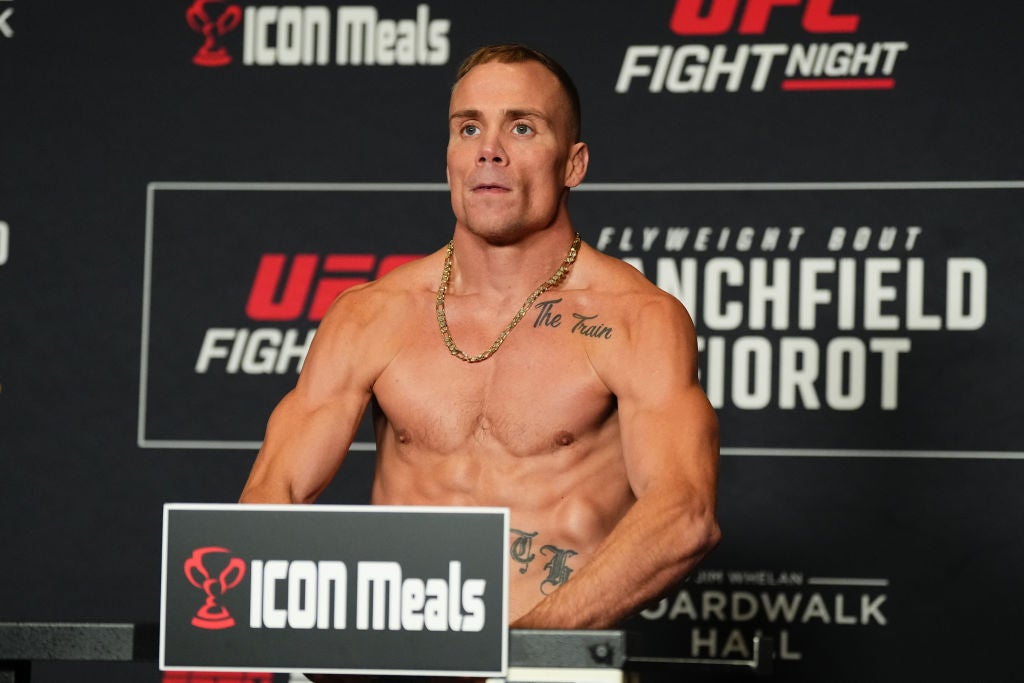
A weigh-in photo shows the contrast between the two styles: The Train flows as connected writing, while FAITH is made of separate, decorated capitals. The scale sign hides part of the abdomen tattoo, and Landwehr’s chain crosses his chest; neither is part of the ink.
The larger word takes more space, but bare skin remains between the letters and between the two tattoos. There’s no illustrated border or background joining them into one piece.

The Tattoos in a Wider View

Nate Landwehr tattoos: inline

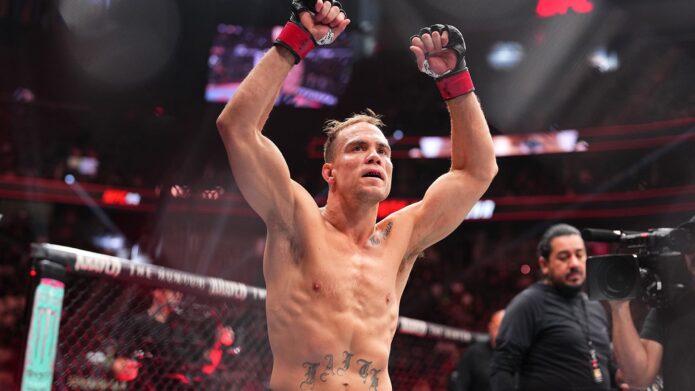
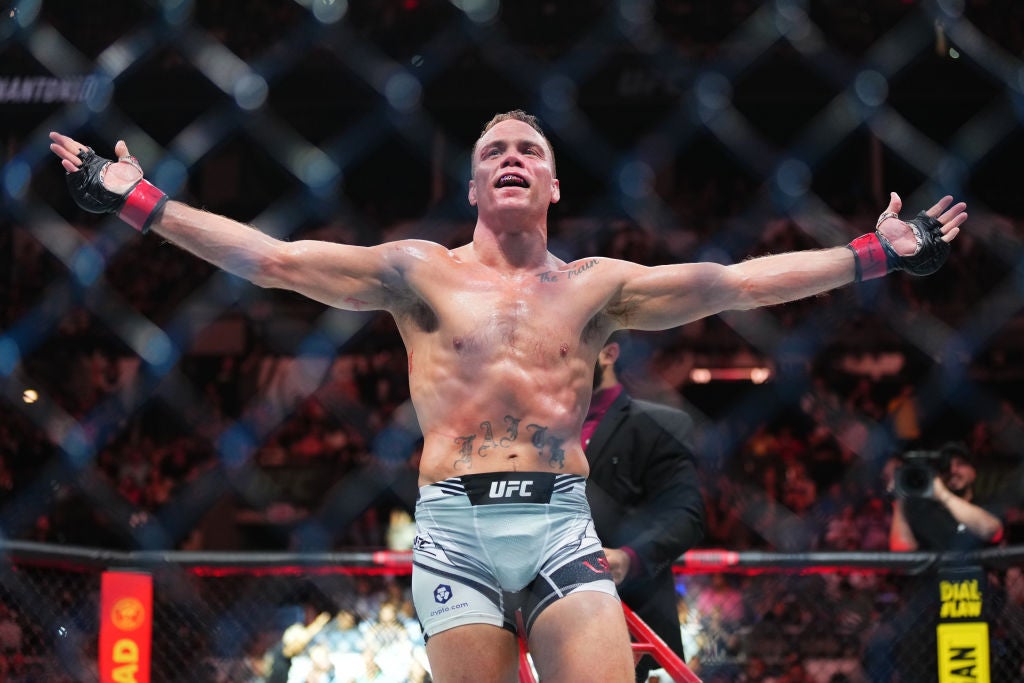
In a celebration photo, Landwehr stands with his arms spread and both inscriptions visible. The pose changes the curve of his chest and stomach, but the placement remains the same: the nickname high on the left, FAITH low across the abdomen.
This wider view shows how the lettering sits on his torso; the standing portrait is better for reading the strokes. The photographs here focus on his front, so they don’t establish whether he has other tattoos elsewhere.

Inside the Octagon

Nate Landwehr in a contextual photograph: inline; not tattoo evidence

The fight photo places Landwehr on the right and Choi on the left inside the cage. Landwehr’s torso is turned, so this image gives competition context rather than a clear look at the lettering.
The interview below is a conversation with James Lynch about fighting, Landwehr’s contract and fatherhood. It doesn’t explain the tattoos; their visible wording can stand on its own without assigning them a story the interview doesn’t provide.

More athlete tattoo guides