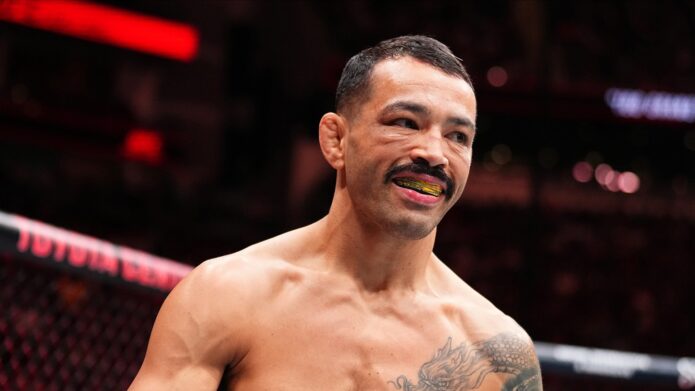
Dan Ige’s tattoos sit unevenly across his body: a gray dragon crosses his left chest and shoulder, a bearded portrait covers much of his left forearm, and bold geometric work runs down his right leg. The photographs show the designs clearly, though they don’t explain every choice behind them.
The Dragon Across His Chest and Shoulder
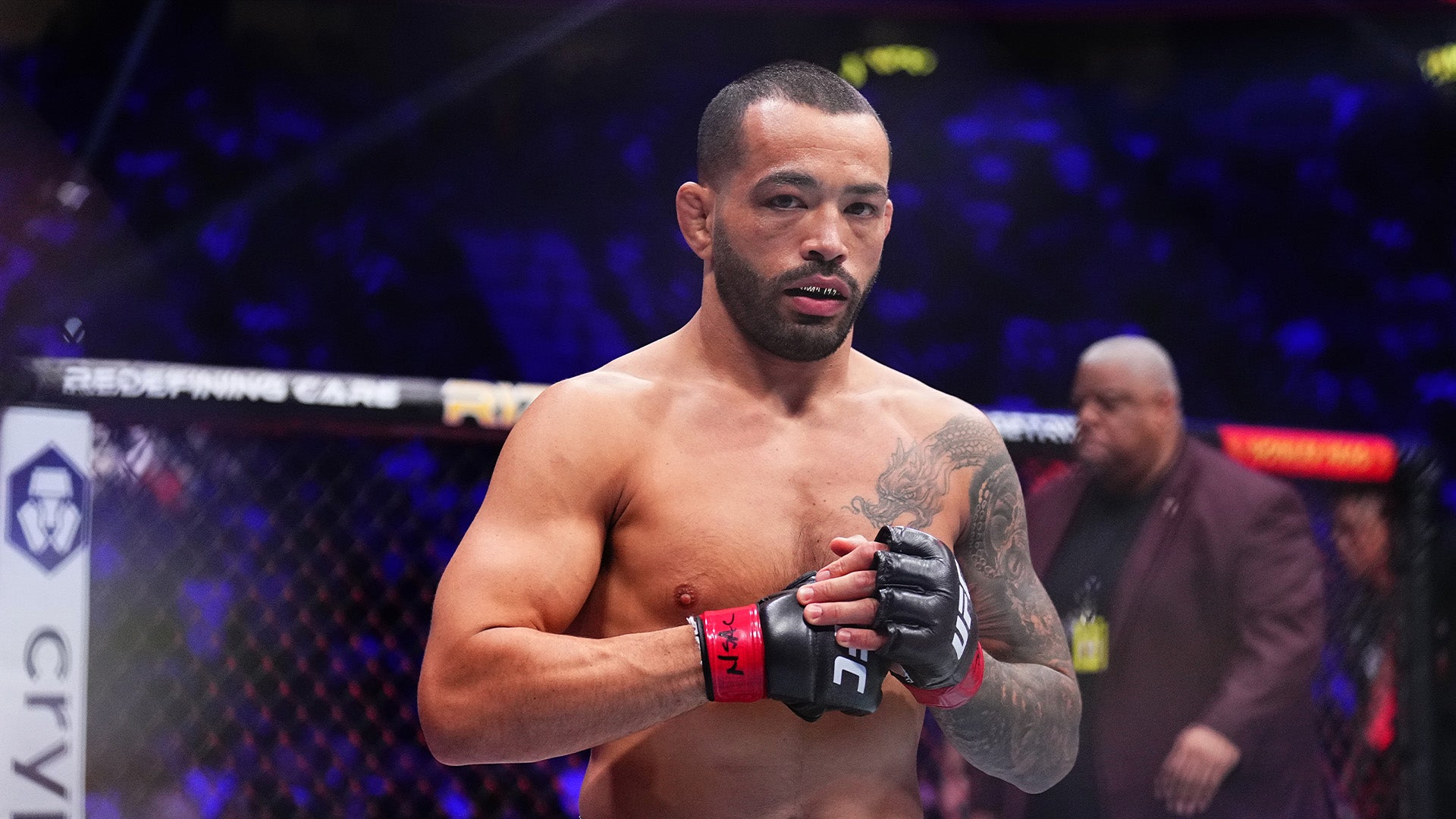
The dragon’s head sits high on Ige’s left chest, with a long snout and fine lines around its mouth. Its scaled body curves over the shoulder. One event photo shows the head clearly; a side view makes the rest of the body easier to follow.
His right chest and much of his stomach remain bare, leaving space around the piece. The design uses outlines and gray shading rather than bright color. The photos support calling it a dragon, but they don’t establish a personal meaning for it.
The Left Forearm Portrait
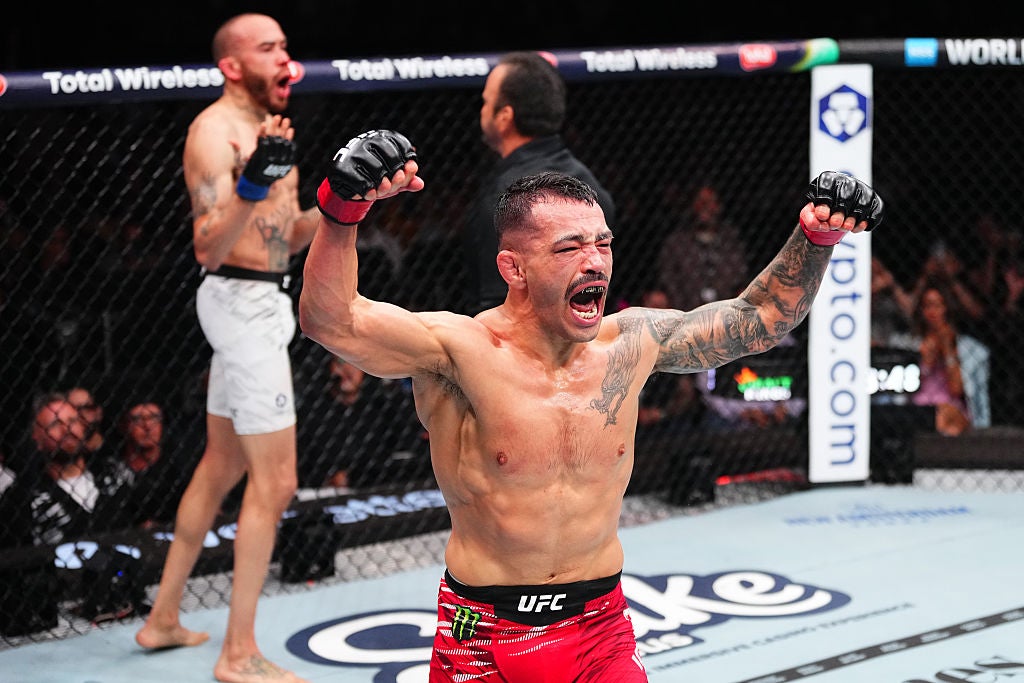
A large bearded face fills Ige’s left forearm. The beard is heavily shaded, while the face has softer details. In the celebration photo, his raised arm turns the portrait toward the camera; the glove covers his hand.
EssentiallySports has described the figure as Odin-like, but Ige’s own explanation would be needed to confirm its identity or meaning. Flowing shapes and layered shading continue over the upper arm, giving the sleeve a different look from the portrait below.
The Geometric Right Leg Tattoo
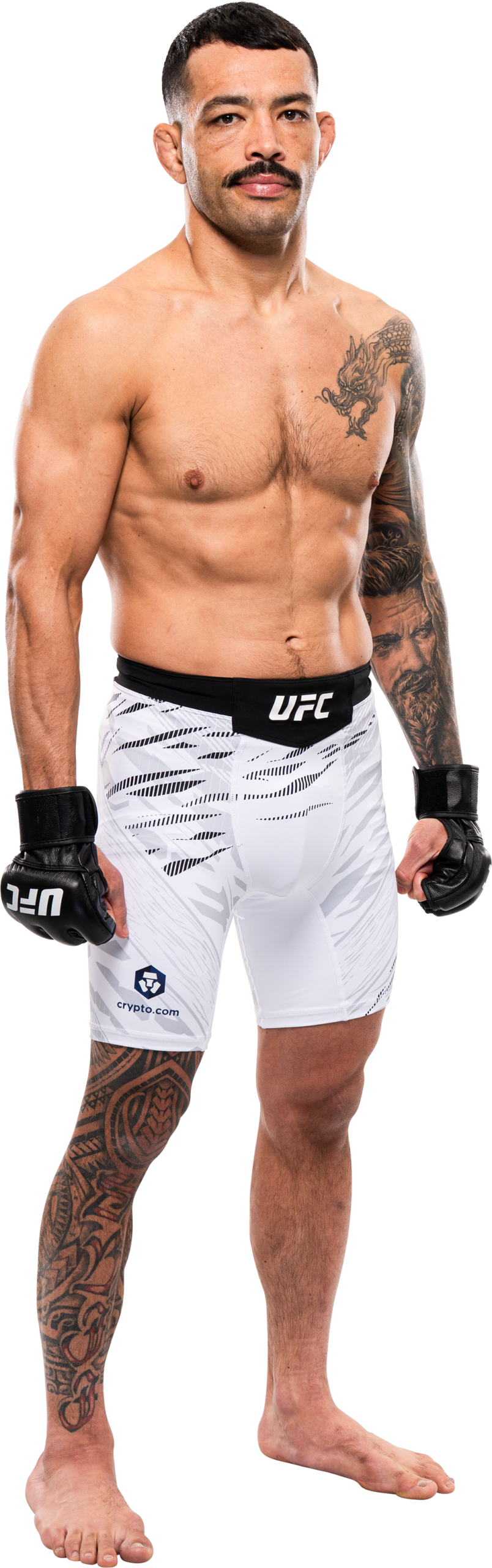
Black geometric work covers Ige’s right leg from beneath his shorts toward the ankle. The official standing portrait shows it beside a mostly bare left leg. Bands, pointed forms and rounded shapes repeat down the shin, with bare-skin gaps separating the darker sections.
The pattern changes with the leg’s shape: wider forms sit around the knee, and narrower lines continue toward the ankle. It may resemble Polynesian tattoo styles, but the photographs don’t confirm a specific cultural origin. The foot is mostly clear, while the shorts hide the tattoo’s upper edge.
The Dragon Tattoo in Earlier Photographs
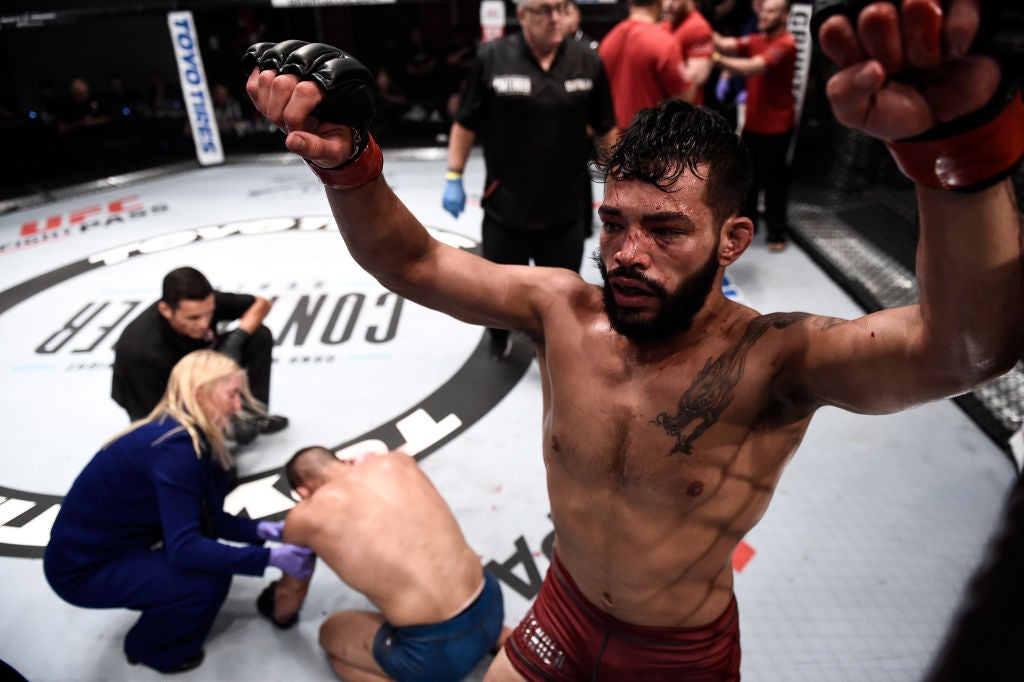
An earlier cage photo shows the chest dragon already in place. Ige has a fuller beard, and the visible arm work looks less extensive than in the later standing portrait. The dragon’s position on the left pectoral is a useful landmark across both images.
The photos don’t establish when the forearm portrait was added, how many sessions it took or who tattooed him. A turned arm, glove, lighting or pose can hide details, so an area that looks bare in one frame isn’t proof that the ink came later.
The Hawaii Walkout
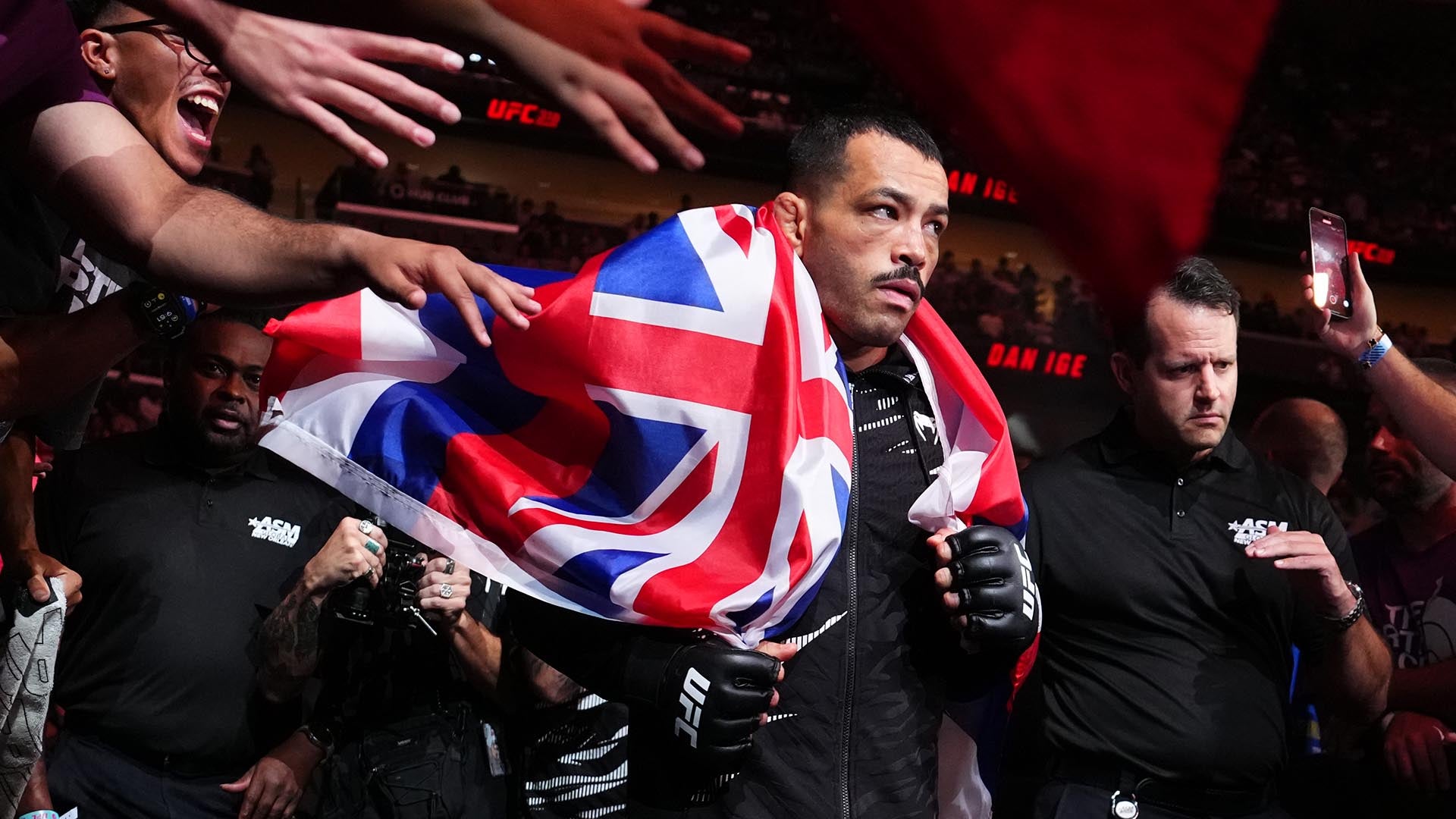
In the walkout photo, Ige wears a Hawaii flag around his shoulders as fans reach toward him. His black top and the flag cover the tattoos, so the picture gives fight-night context rather than a close view of the designs.
The Octagon interview below was filmed after UFC 314; it’s a post-fight conversation, not a tattoo tour. The images above show the ink, while the video captures Ige in the moment after competing.