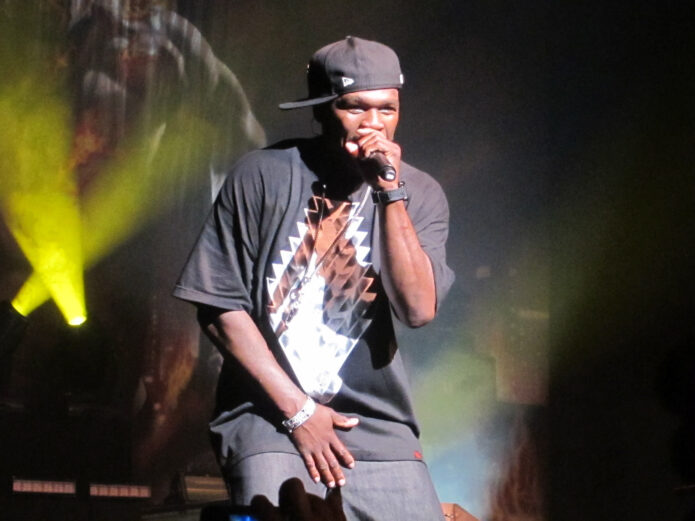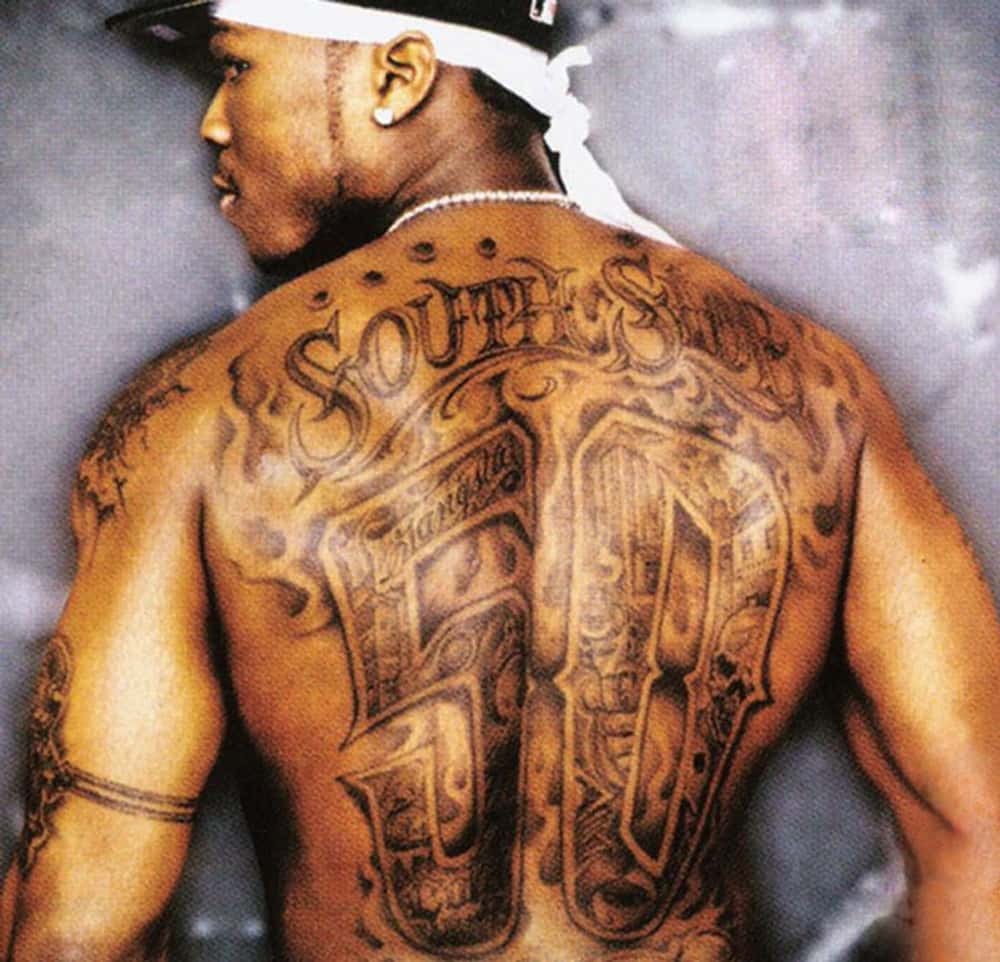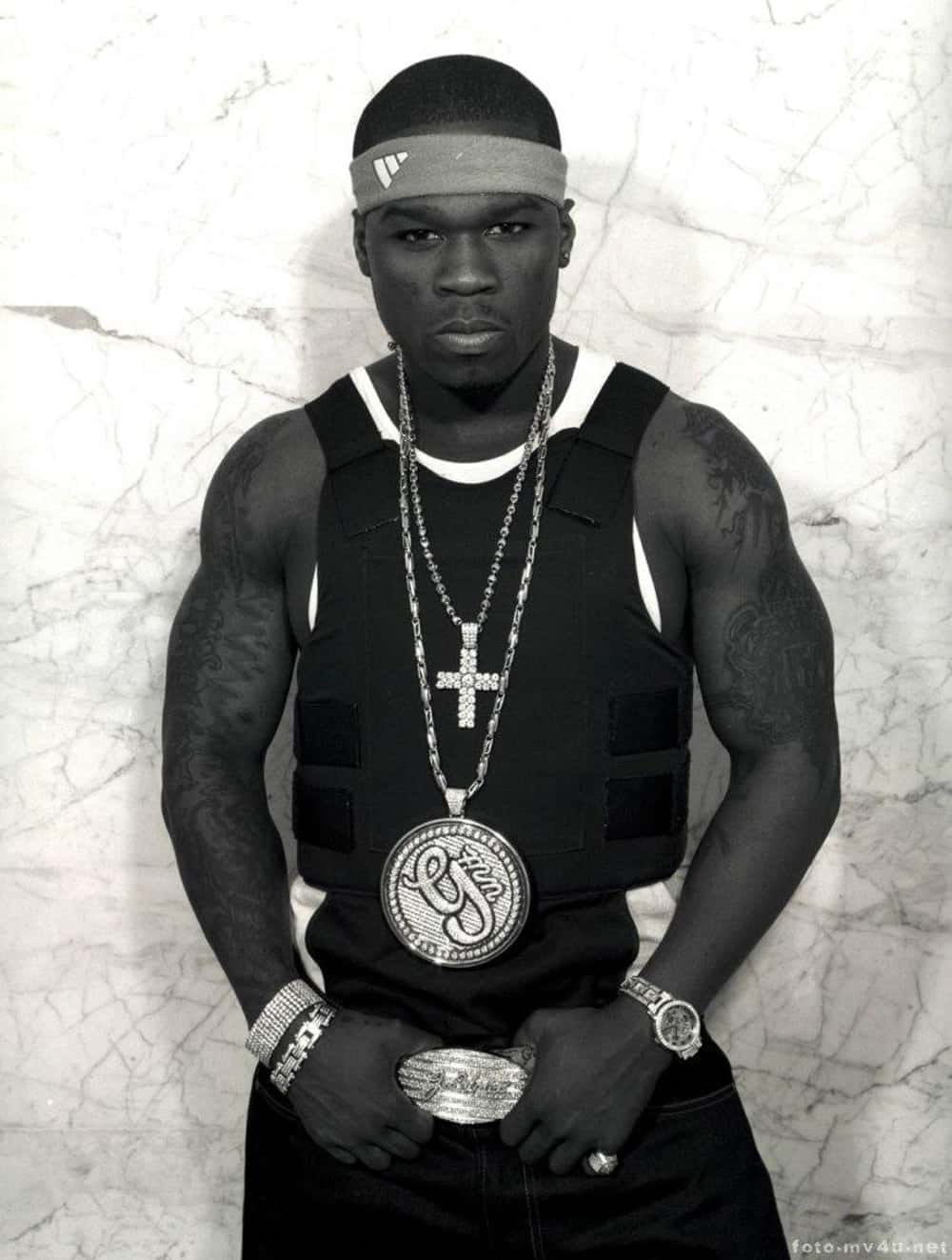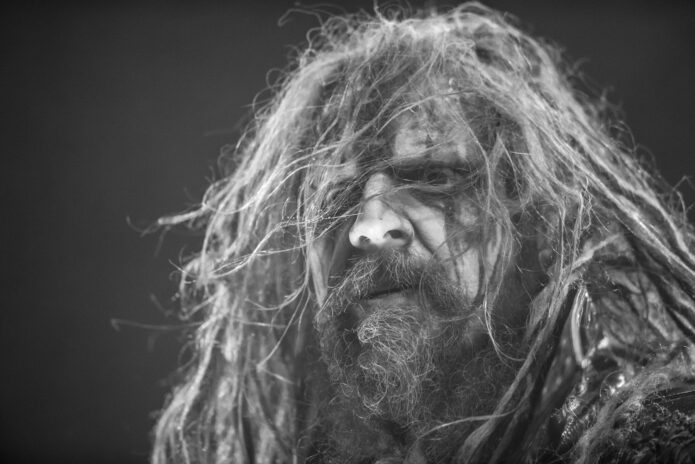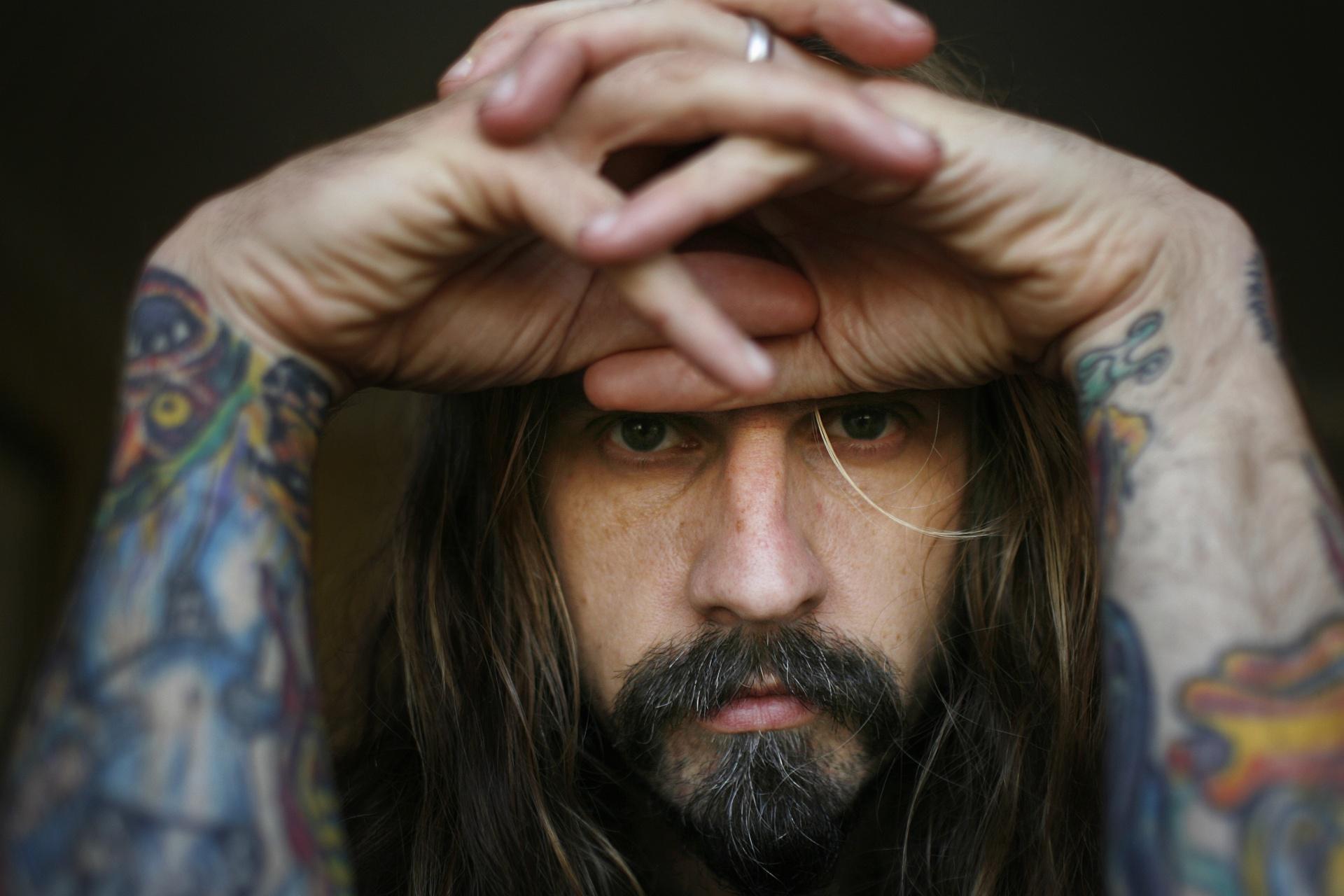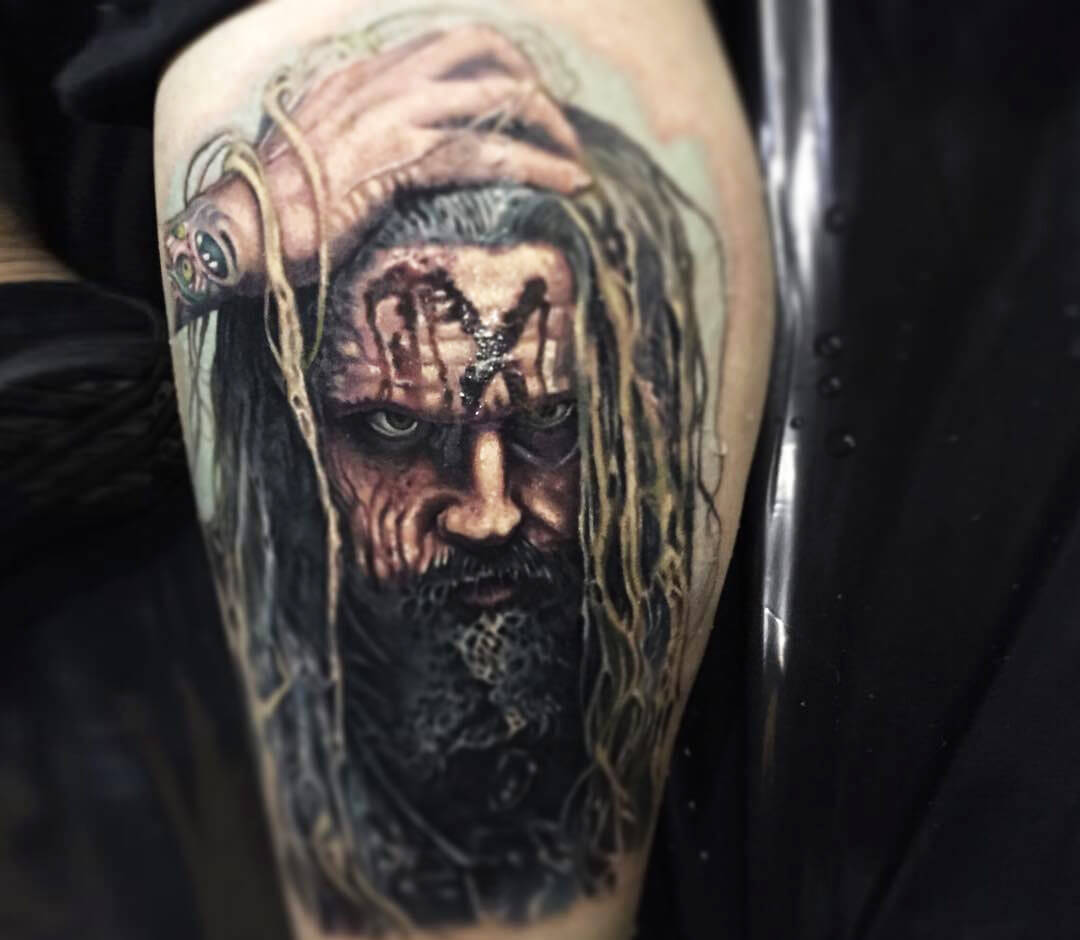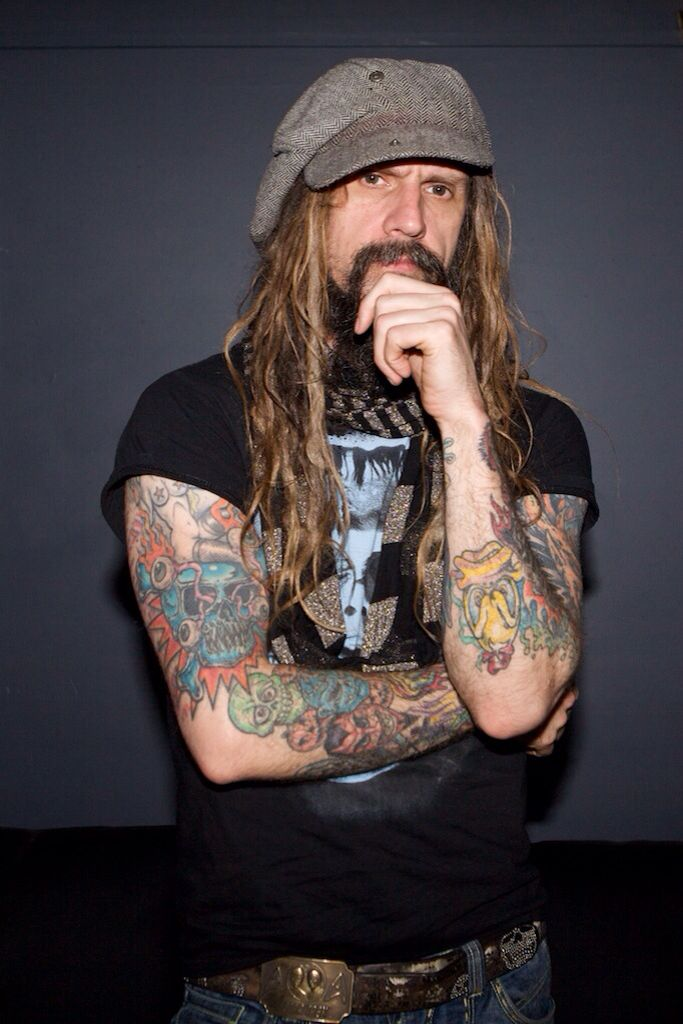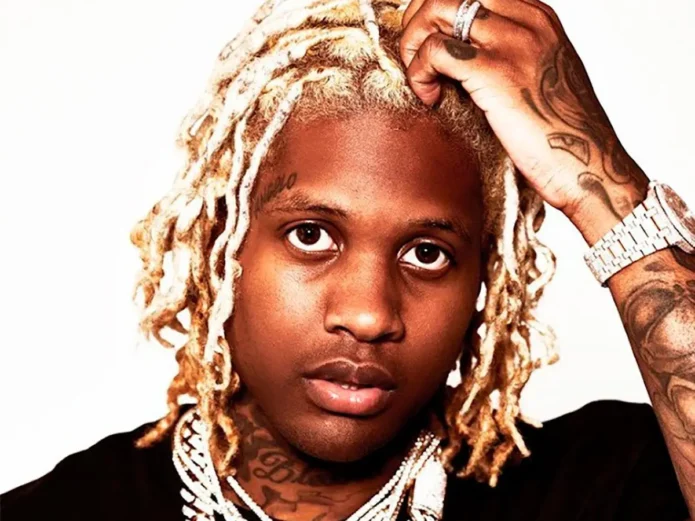
Lil Durk’s tattoos cover his face, hands, arms and back. Some refer to Only the Family (OTF), while others are connected in public accounts to people he has lost or to his career. Interviews and tattoo videos explain a few designs; many others are visible in photos without a clear account of what they mean. The collection has changed over time, too, with newer large-scale work appearing alongside older lettering. This guide sticks to repeated or well-documented details and leaves uncertain shapes and meanings unnamed. The clearest themes are OTF lettering, memorials, names and the large back tattoo.
OTF is the collection’s clearest visual thread
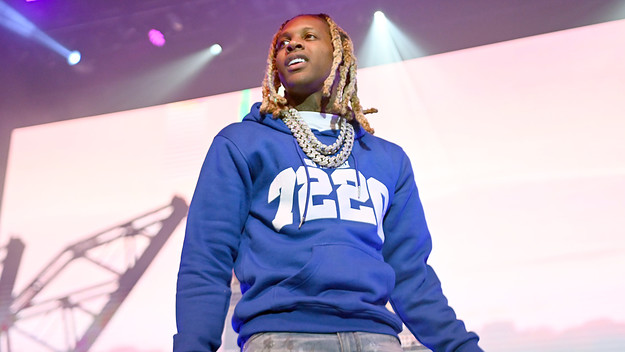 The letters OTF refer to Only the Family, the collective and label associated with Durk’s career. Photos show the initials on his body, though their placement and style vary. Other designs are sometimes labeled OTF by fans; a blurry crop may not be enough to confirm the lettering. It’s better to name the initials only when the image or a reliable account supports them. OTF is a recurring public reference, but that doesn’t establish the meaning of every tattoo near it.
His face tattoos make the message public
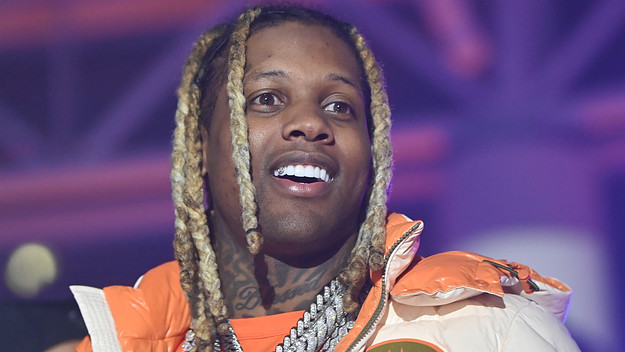
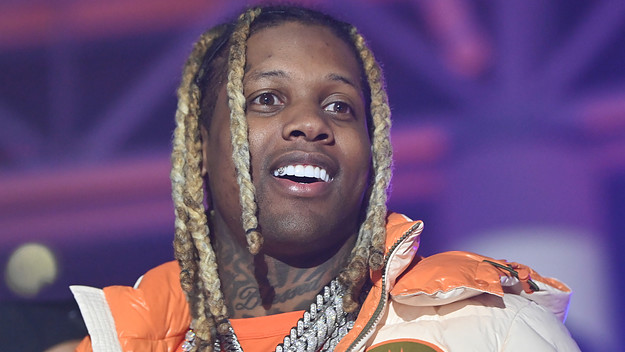 Face tattoos stay visible in portraits, unlike arm designs that can disappear under clothing. Photos show small marks around Durk’s eyes, cheeks and forehead, along with lettering that is easier to read in close-ups. Some pieces have been associated with names, phrases, street identity or people he has lost, but each connection needs its own support. Visibility is part of the public image. It still doesn’t give us the full story behind a tattoo.
Memorial ink sits beside the career symbols
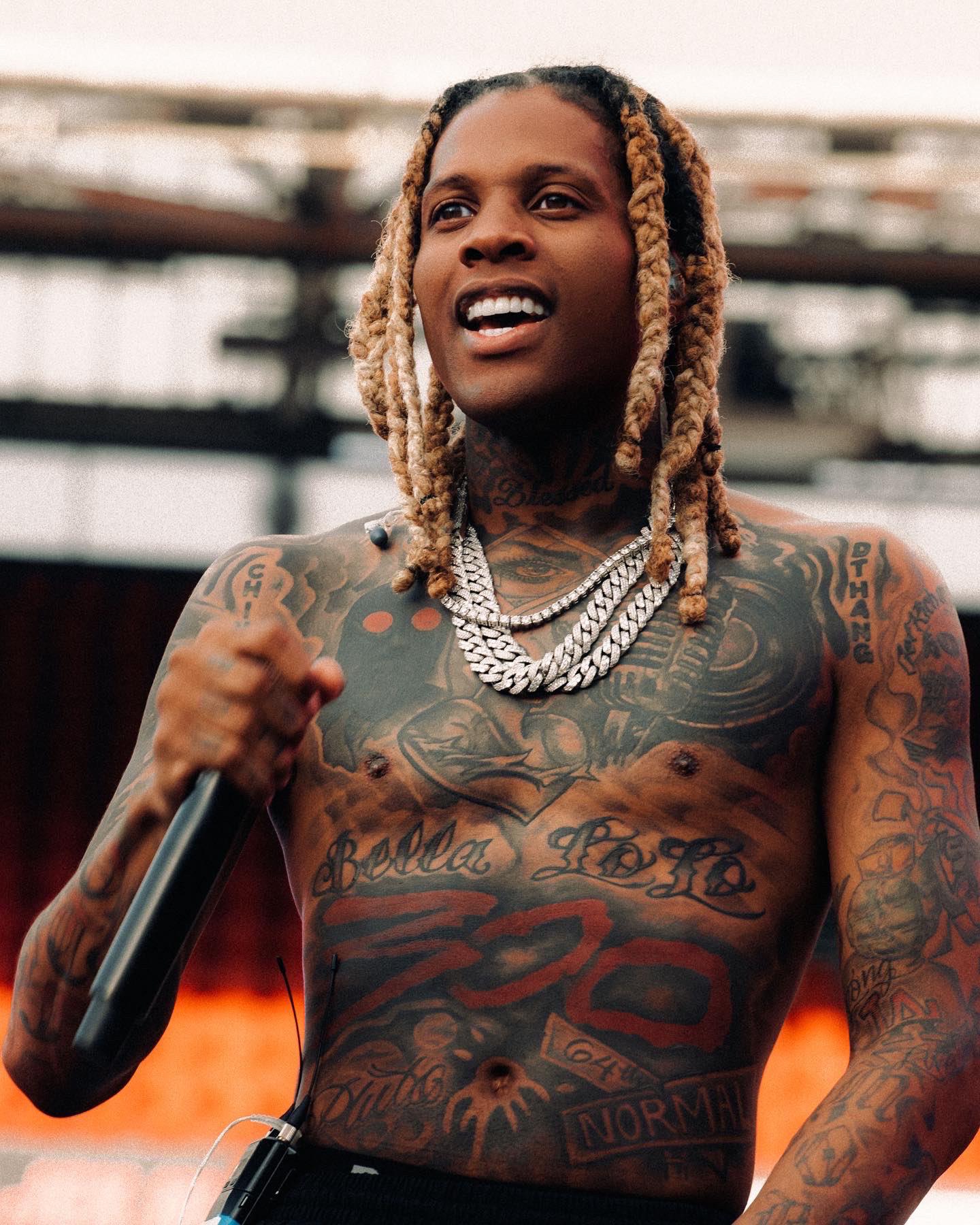 Names, portraits and symbols connected to friends or family appear in coverage alongside OTF designs. Public accounts don’t always identify the person or story behind each piece, so it’s better not to call every image a memorial without a source. Where a reliable account names the connection, that detail can be included; otherwise, describe what is visible and leave the rest open. Online captions can be incomplete or repeated without a source. The photos show the ink, but the person or meaning behind some marks may remain private.
The large back tattoo changed the scale of the collection
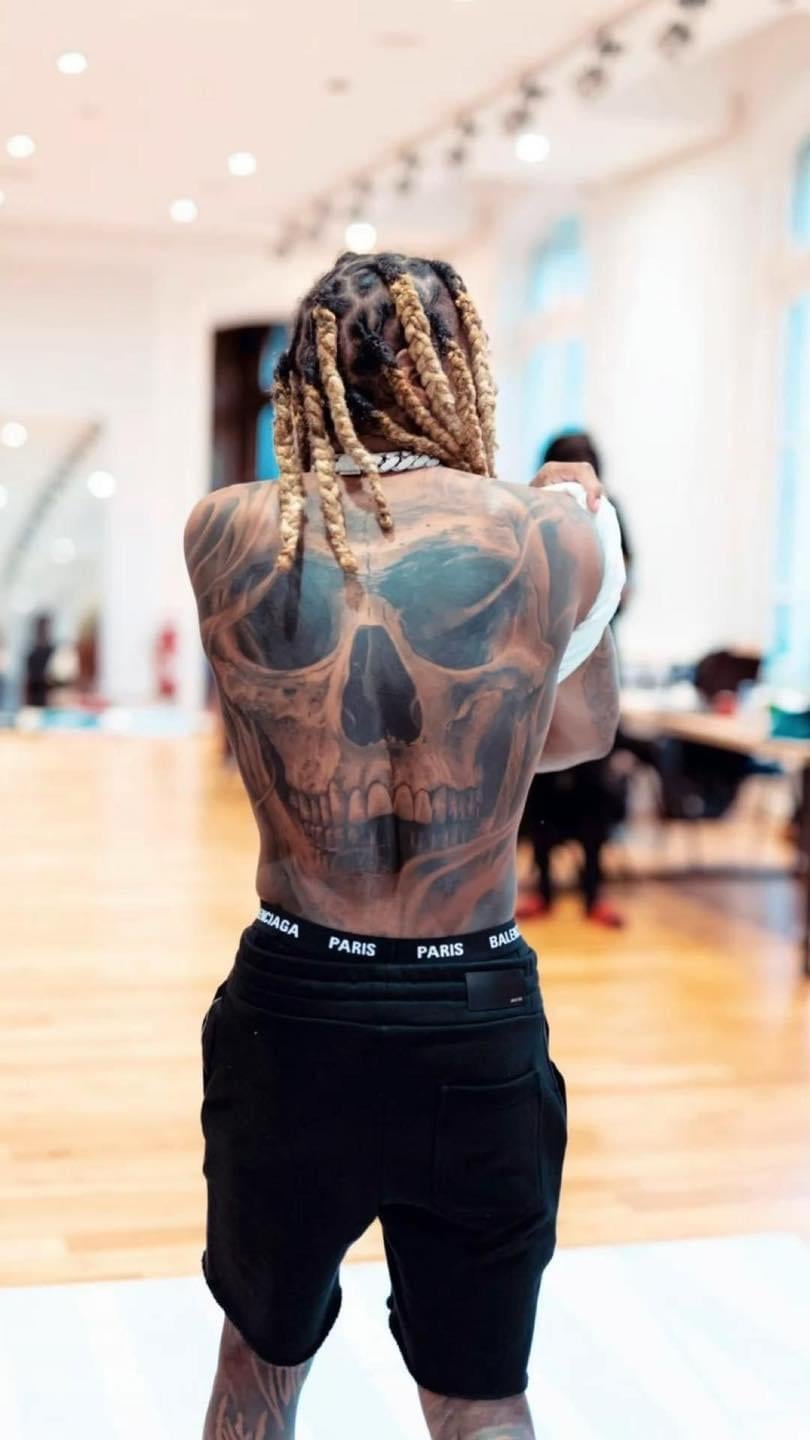
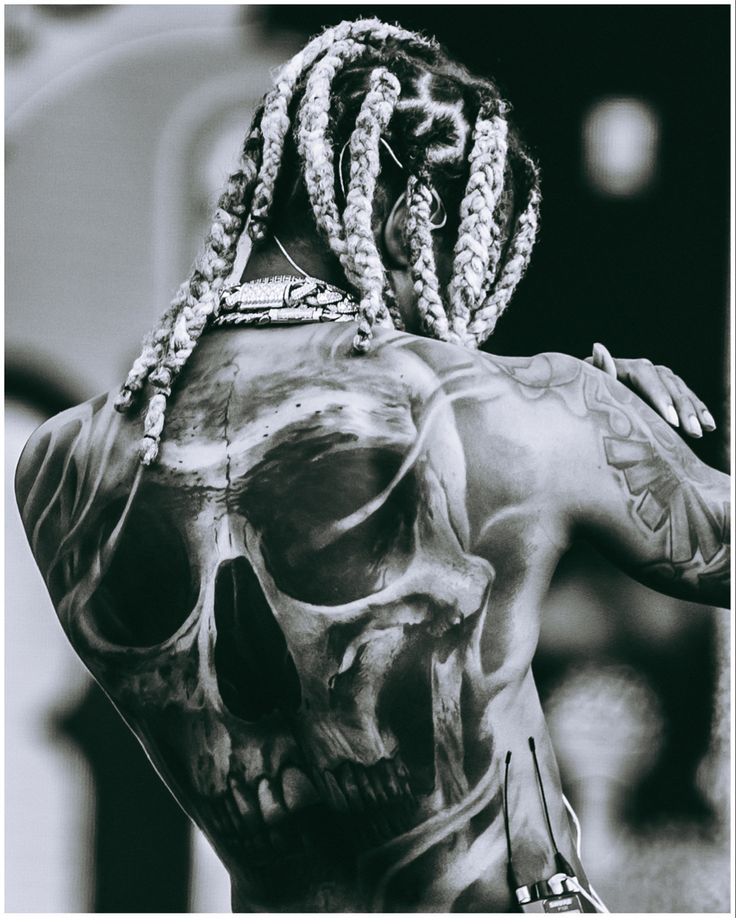
 Recent photos and posts brought a large tattoo across Durk’s back into view. Coverage describes an extensive full-back session, but the cost and every symbol’s meaning aren’t established by the images alone. When visible, the work takes up most of his back and reads as one composition, unlike the smaller face, hand and arm pieces. Some viewers identify skulls and crossed-out symbols; those are visual readings unless Durk or a reliable report confirms them. The photographs tell us more about size and placement than about private meaning.
Hands and arms keep the ink in motion
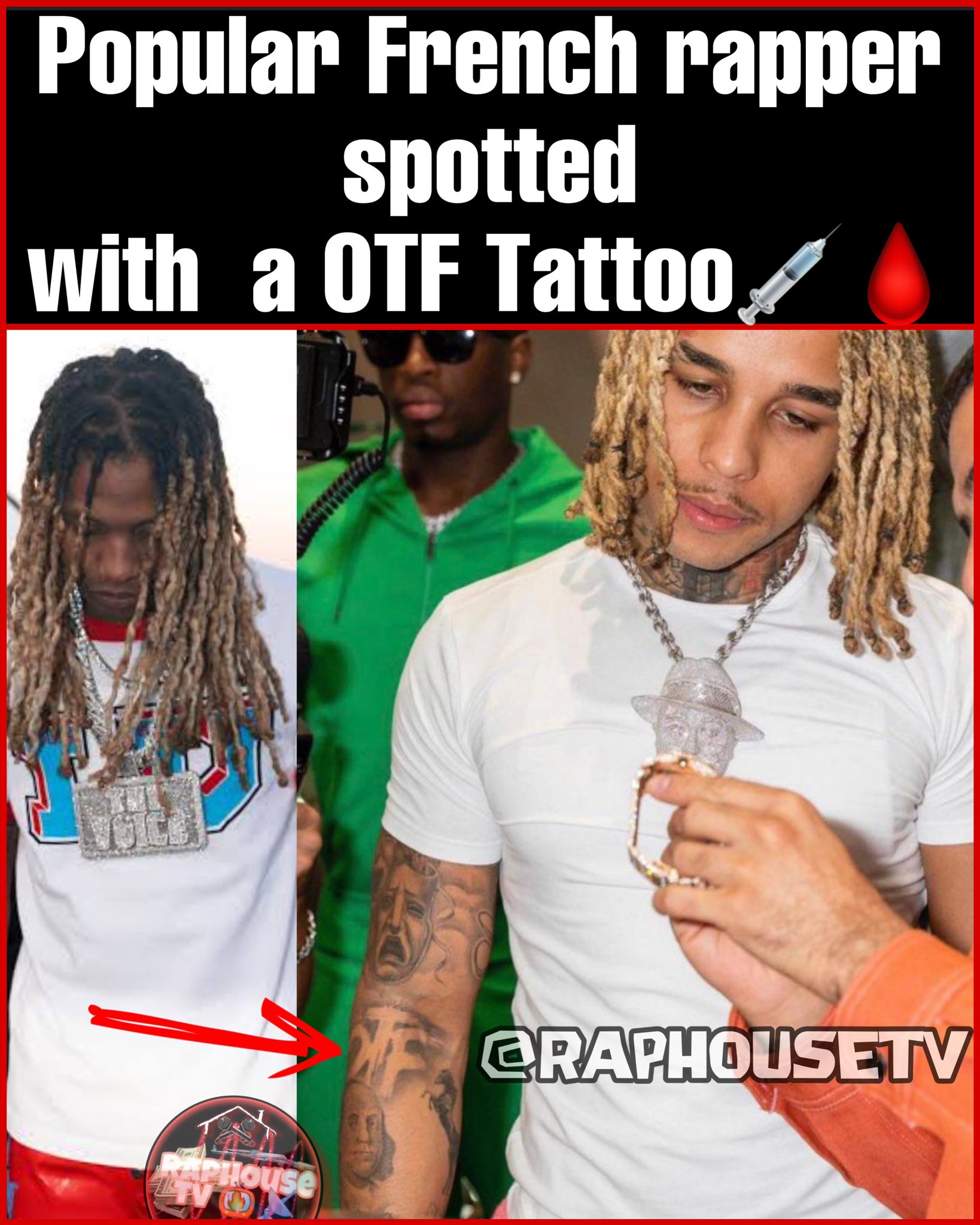 Performance photos often show Durk’s hands and arms, but motion can make the smaller designs hard to identify. A raised hand, microphone, sleeve or change in angle can reveal one mark and hide another. Photos from different years show lettering and symbols added in layers, without giving a complete timeline. A mark that looks like a number in one frame may be lettering in another. A careful inventory names designs that recur clearly or that Durk has identified, and leaves one-off guesses out.
Names and words do more work than decoration
Lettering includes OTF initials, names and short phrases. A tattoo can refer to a person, a group or a promise, but words on skin aren’t automatically illustrations of lyrics. A tattoo is a permanent reference; its link to a song needs separate confirmation. Cropped photos may show only part of a word. It’s more accurate to describe partial lettering than to finish a phrase from memory. Close-ups help read the words; wider photos show how each piece sits beside the rest, but neither view reveals a private meaning.
A careful inventory of Lil Durk’s documented tattoos
The clearest categories are OTF lettering; face marks, including names and symbols; hand and arm tattoos; memorial pieces identified by reliable sources; and the large back tattoo shown in recent coverage. Body Art Guru’s older catalogue lists many designs, while later photos show additions and changes. Counts depend on when an inventory was made. Any tattoo count needs a date and a source. A visible design and its assigned meaning are different things. A confirmed initial can be named; a shape in shadow should stay unidentified. That leaves room to update the record as clearer photos appear.
Why his tattoos feel like a timeline
The collection brings together OTF lettering, memorials and newer large-scale work. Photos don’t give us a full chronology, but they show a mix built up over time. New pieces sit beside old names and symbols; one doesn’t erase the other. The tattoos can be read as a record of loyalty, loss and ambition, but that framing doesn’t explain every mark. The public story changes as Durk’s career moves forward, while the meaning of each specific piece remains his to share.
Watch Lil Durk’s tattoo story unfold
The video below covers Durk’s newer tattoos and the large back piece that drew attention online.
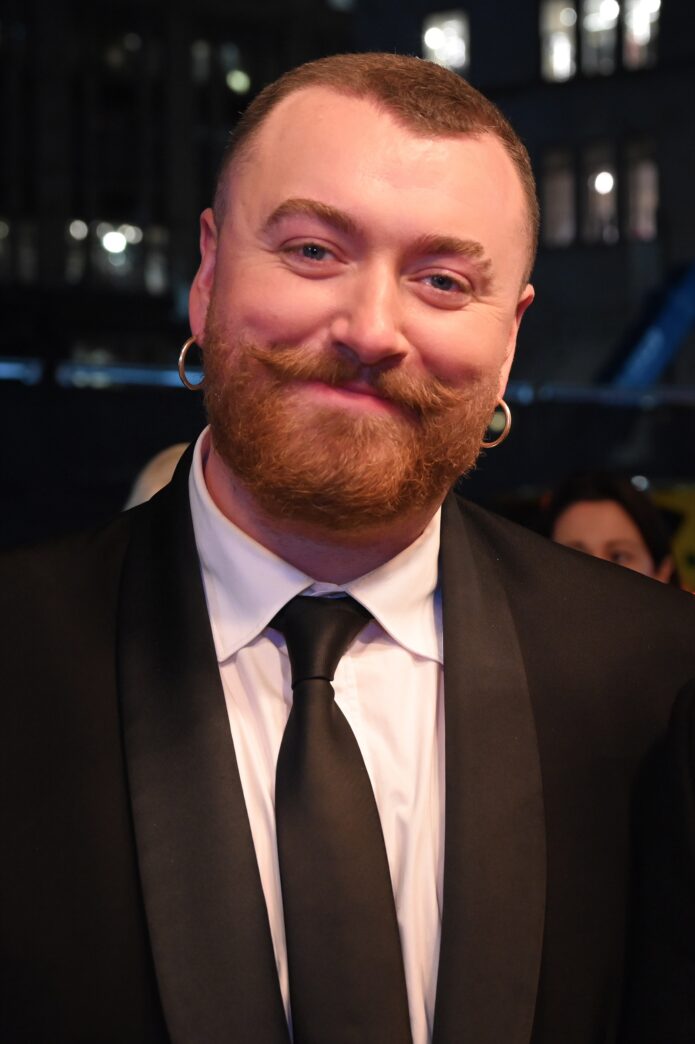
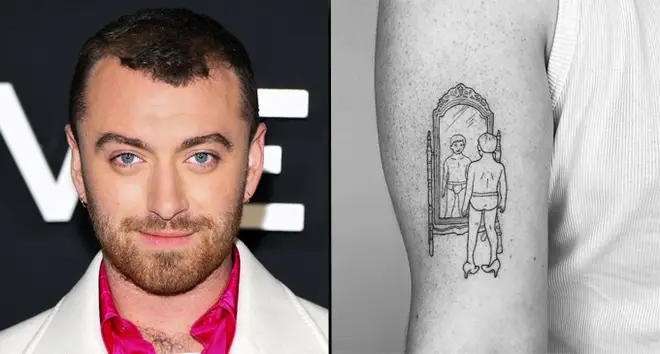 One of Smith’s best-known designs is the equality sign on their wedding finger. Smith described it as a statement about marriage equality and the right to love openly. The placement keeps it visible in ordinary gestures, but the public message is the part Smith has shared; the private meaning beyond that is theirs to explain. It’s a small mark with a clear stated message. The rest of the collection moves between text, rough lines and simple symbols rather than one coordinated style.
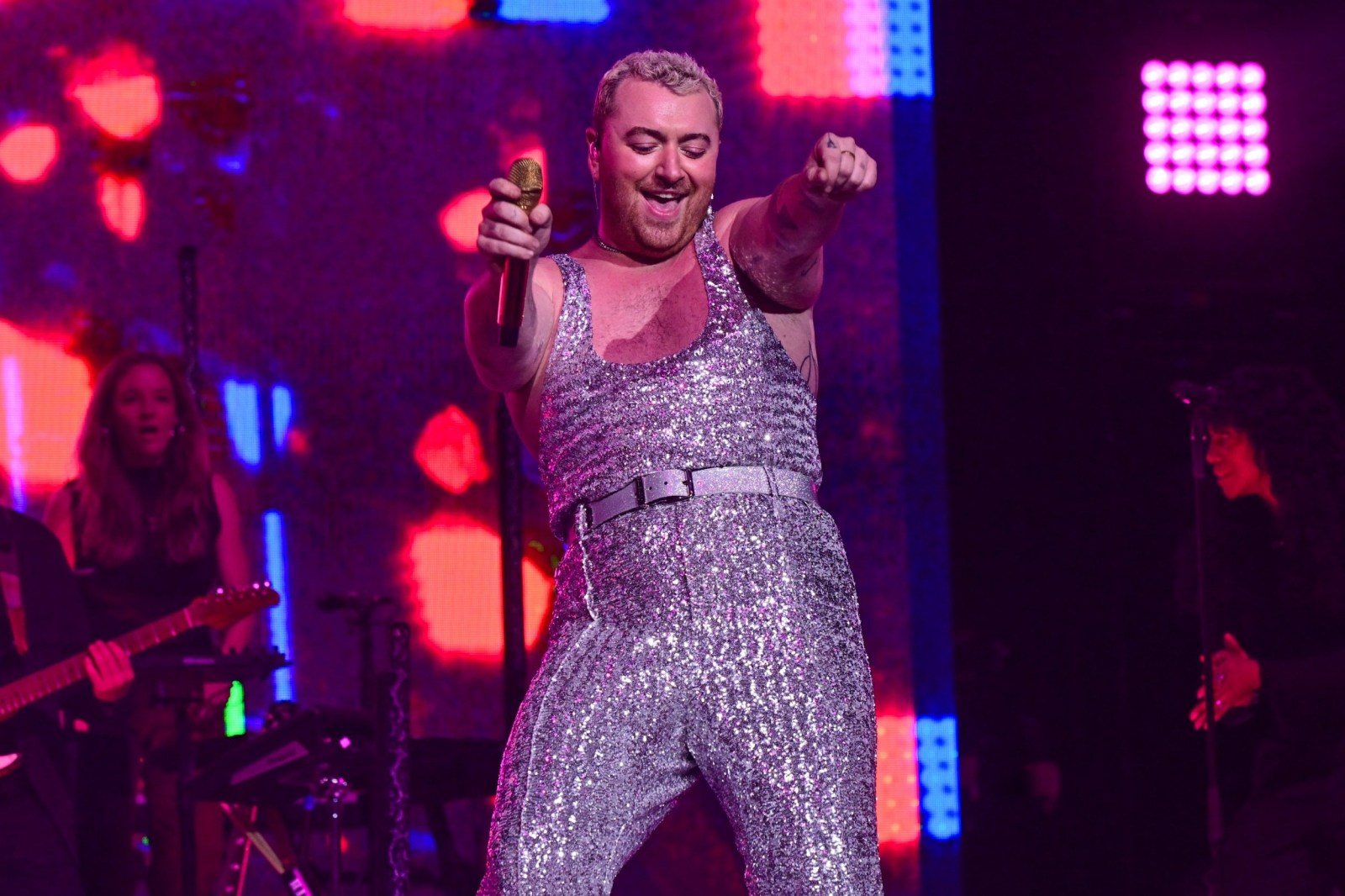 In 2015, Smith showed two new words on their arms: “honesty” and “alone”. The designs are plain enough to read at a glance. Smith was also speaking publicly about loneliness and love, which gives the words some context without turning them into a diagnosis. “Honesty” is direct; “alone” is more exposed. People can keep a tattoo after the feeling behind it has changed. The ink records a state of mind, not a permanent diagnosis. These words add a personal note to a collection that also includes symbols and music references.
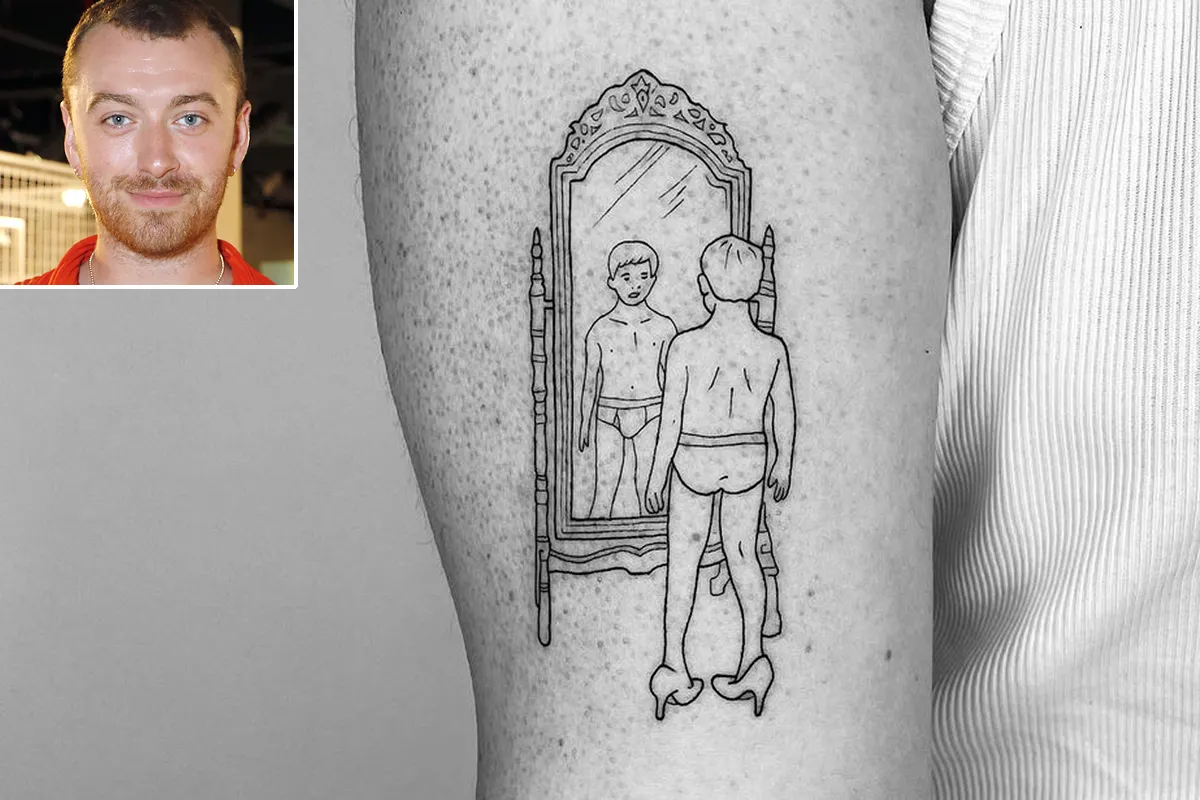 Smith has described one tattoo as inspired by the markings found on the Iceman, a preserved body with some of the oldest known tattoo marks. Accounts differ on how to describe every line in Smith’s design, so the clearest point is the ancient reference Smith has shared. It adds a historical note to a collection better known for personal words and music references. The connection reaches beyond celebrity culture: people have marked their skin for thousands of years. It is a small design tied to Smith’s interest in tattoo history.
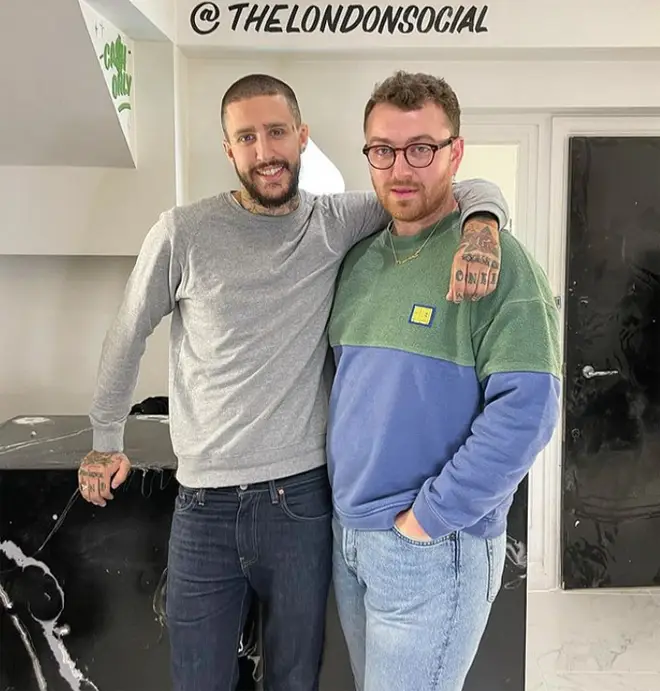 Smith has many small tattoos on their hands and fingers, including a Venus symbol, Roman-numeral-style marks, crosses and other simple shapes. One story that comes up often is the matching matchstick tattoos Smith got with fans. They have described the matchstick as a sign of potential: something that could be lit or started. The shared design gave fans a small mark connected to the music. Finger tattoos can be hard to document; hands move, and fine lines look different from one photo to another. The hand collection is extensive, but not every mark has a confirmed name or meaning. That is one reason different guides reach different counts.
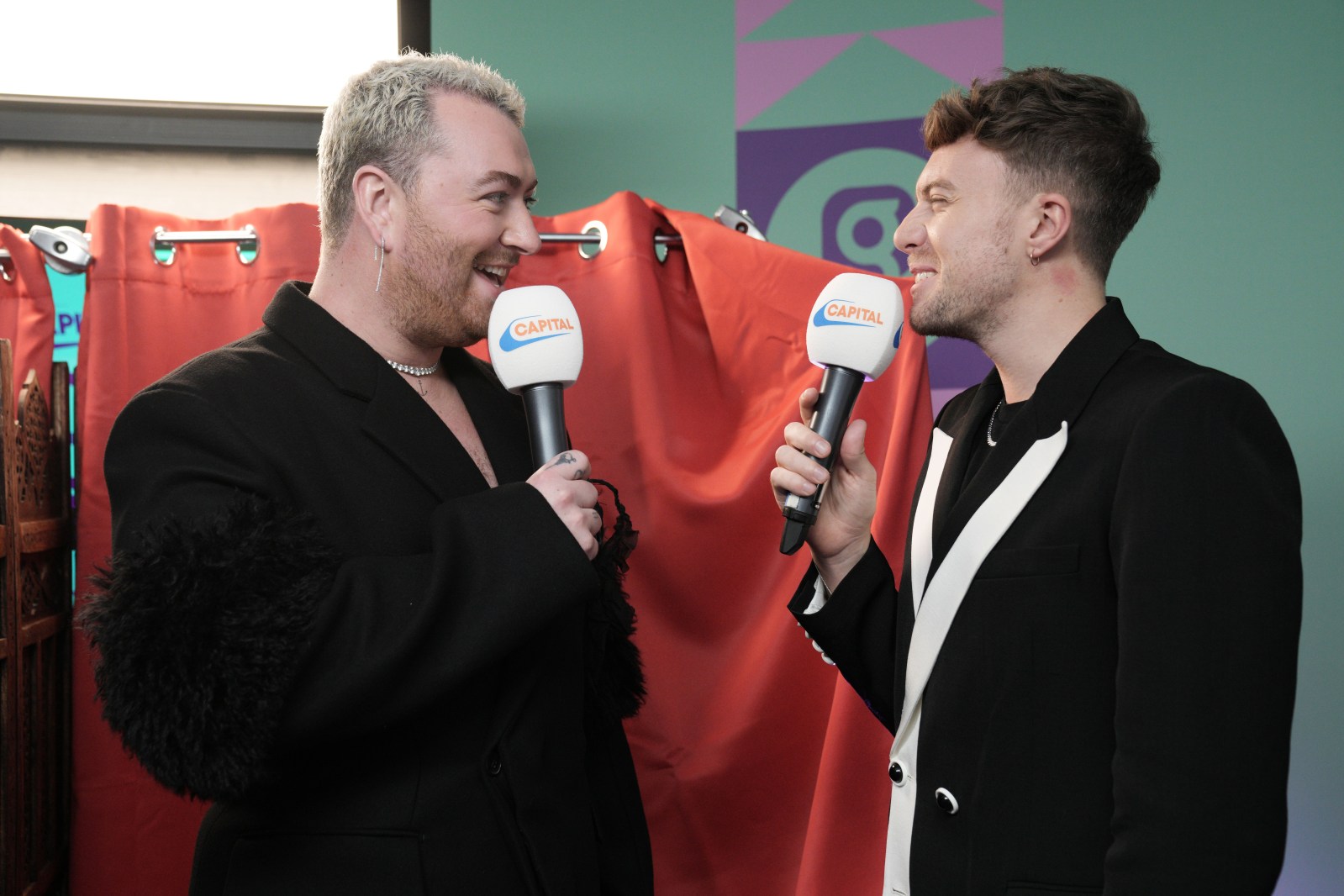 Coverage also identifies a Nirvana reference among Smith’s tattoos. It may be a tribute, or simply a design Smith liked. Without a direct explanation, the reference is clear but its private meaning is not. Smith’s collection includes personal words as well as music symbols. Not every tattoo has an official caption. A design can be visible and still mean something private to the person wearing it.
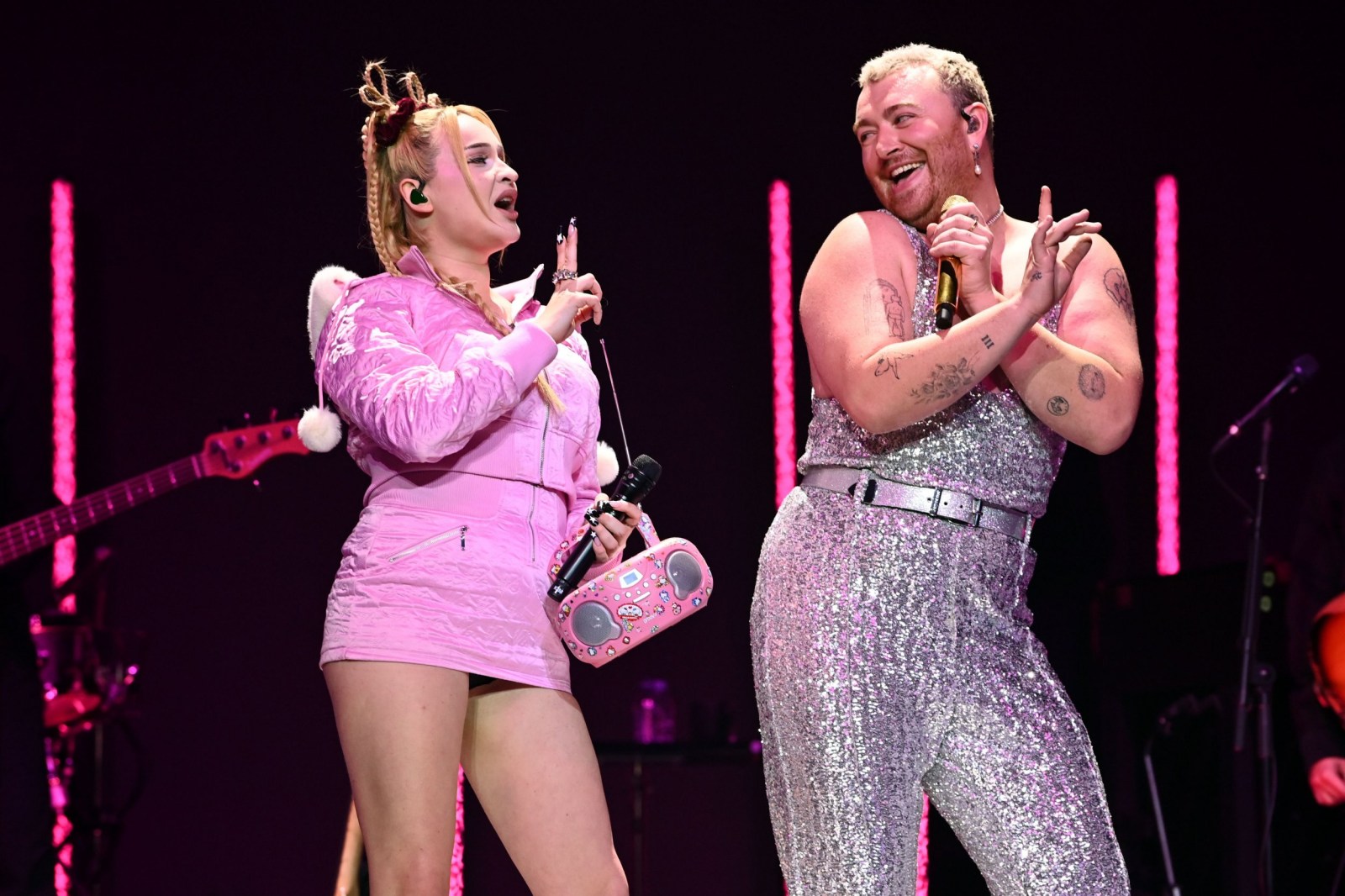 Public photos show a mix of identity-related symbols, text and music references, but they don’t give a complete chronology. “Alone” can preserve a feeling without defining Smith; the equality sign can express a value without summing up their life. Each tattoo is a marker, not a complete biography. New pieces sit beside older ones, adding to the collection without erasing what came before.
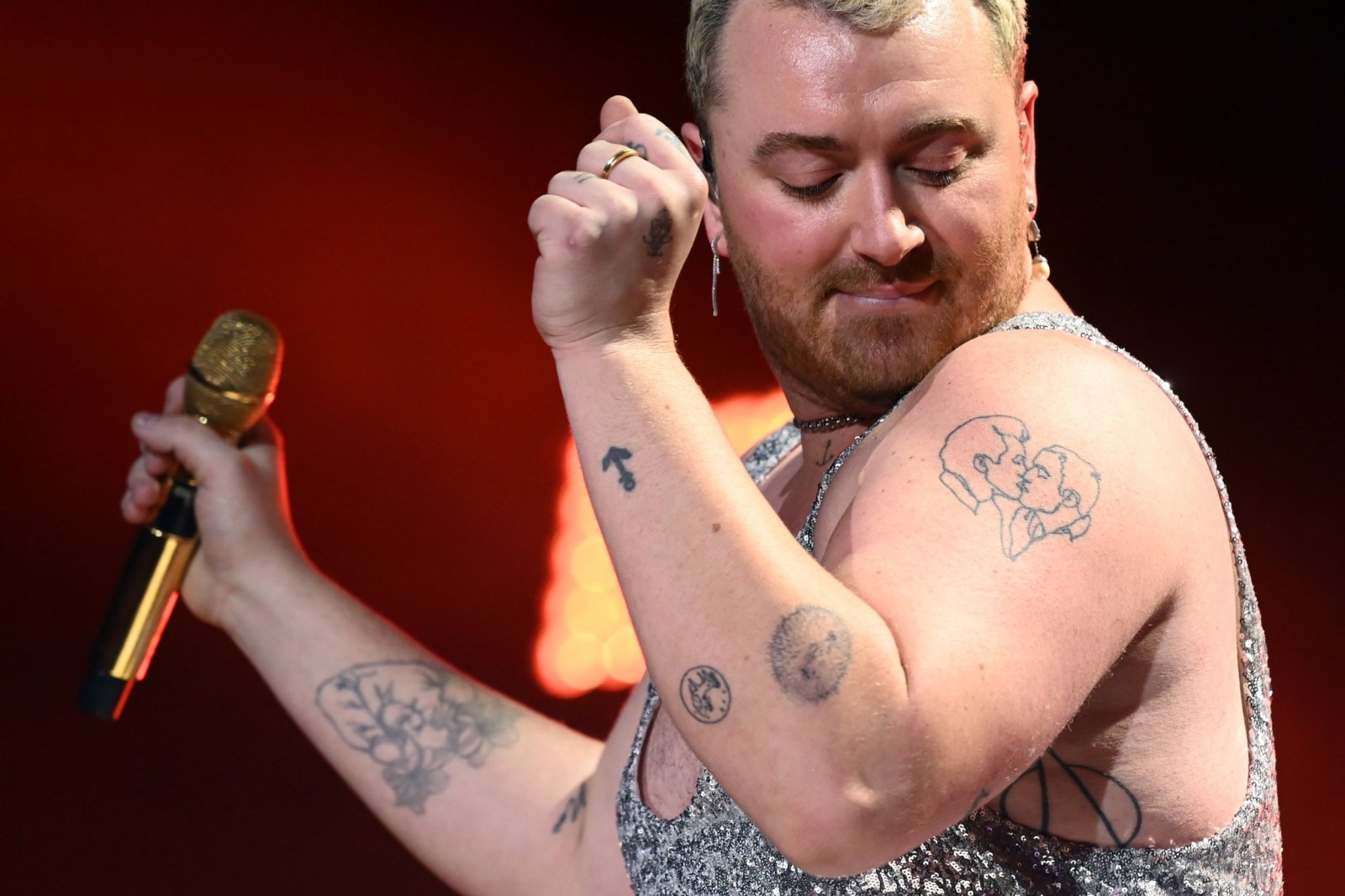 Public accounts clearly identify the equality sign on Smith’s wedding finger; “honesty” and “alone” on their arms; the ancient-tattoo-inspired design; small Venus and other symbols on their hands; matching matchsticks with fans; and a Nirvana reference. Older guides count more than thirty tattoos, though they differ in how they list the smallest marks. No single photograph shows the full collection. A useful inventory can be detailed without claiming to know what Smith has kept private. The designs range from words to music to small hand symbols; some meanings have been shared, others haven’t. Smith’s description of tattoos as stamps fits the way they talk about the collection: a mark can record a moment even if its meaning shifts later. The images show both rough lines and neater pieces, but not whether each choice was quick or considered. The two styles sit side by side. That mix is the thread running through the collection.
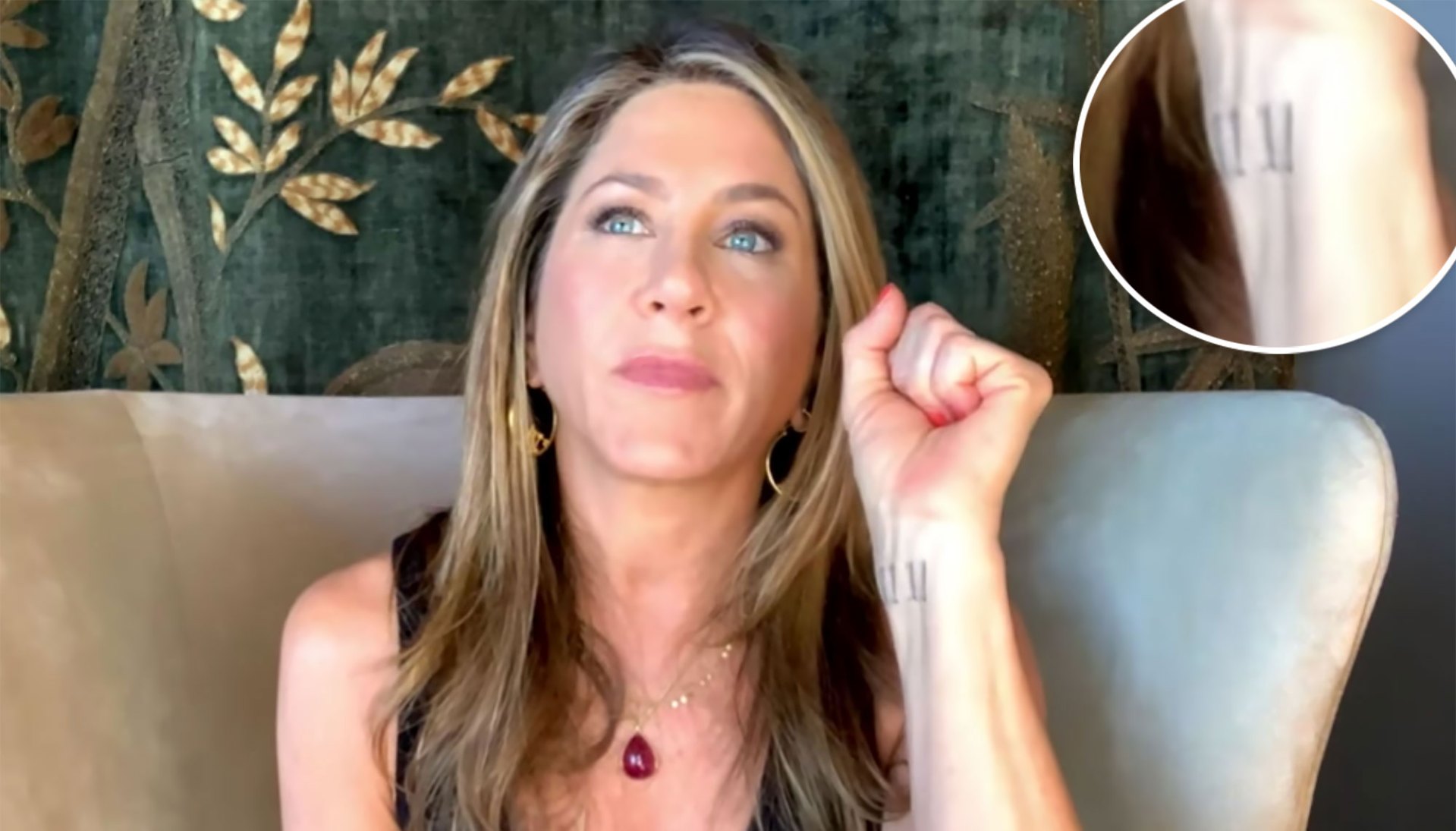 Aniston’s most visible design is the “11 11” wrist tattoo. In 2021, coverage of an interview with her friend Andrea Bendewald connected the matching numbers to their long friendship and to the spiritual significance the number holds for them. Earlier guesses about birthdays or luck were just that: guesses. The tattoo is small and easy to spot when Aniston waves or rests her hand during an interview. The shared design matters as much as the number itself. It is a mark the friends chose together, not just a lucky charm. It works as a quiet reminder that can also show up in a photograph.
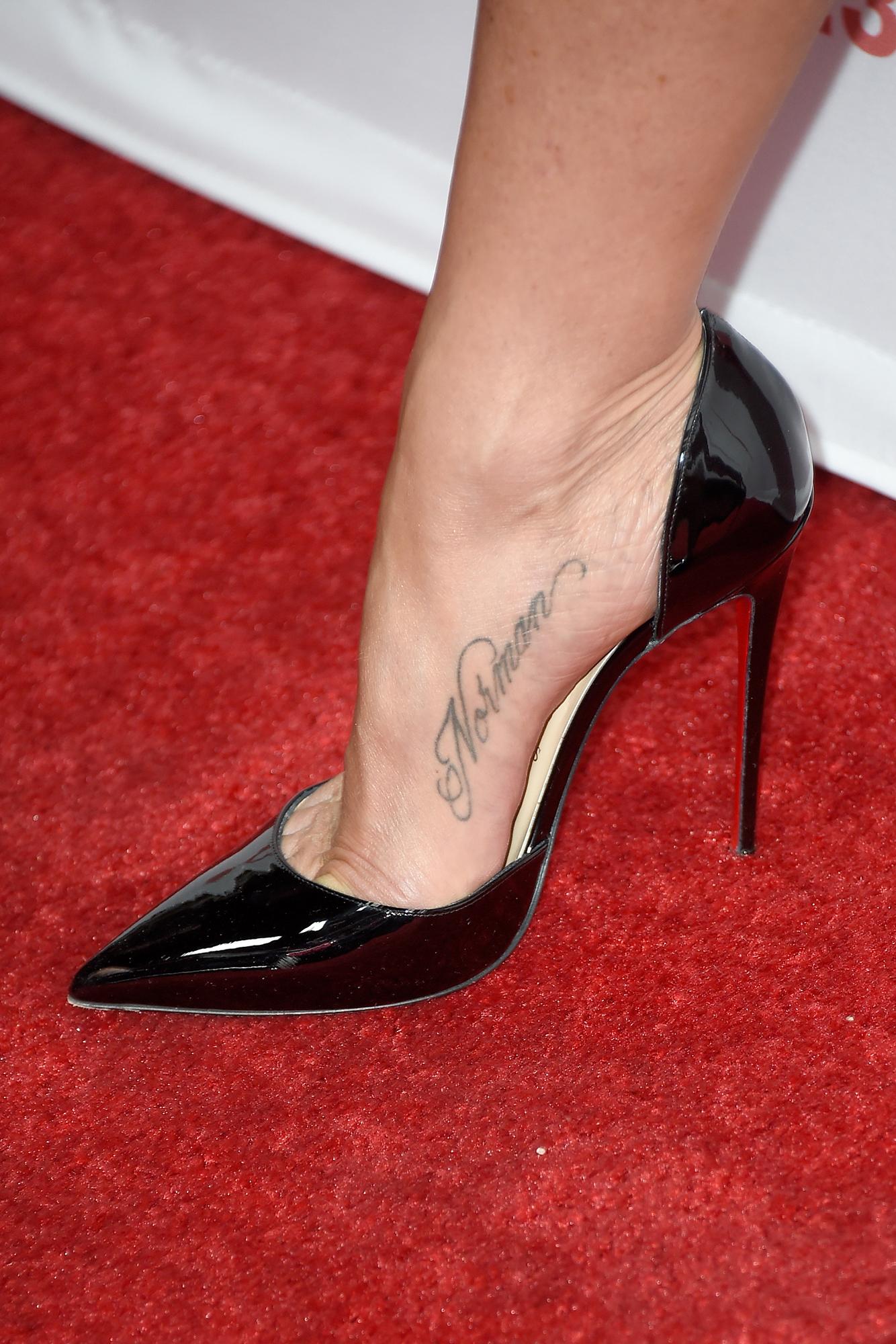 Aniston has the name “Norman” tattooed on her right foot. The Welsh corgi-terrier mix died in 2011, aged fifteen. Aniston has spoken warmly about him, and the tattoo is a memorial. The lettering is larger than the tiny wrist numbers but still simple. Shoes usually hide the foot tattoo; it shows in barefoot or open-shoe photos. Her dog’s name is the most direct example of a memory turned into a tattoo.
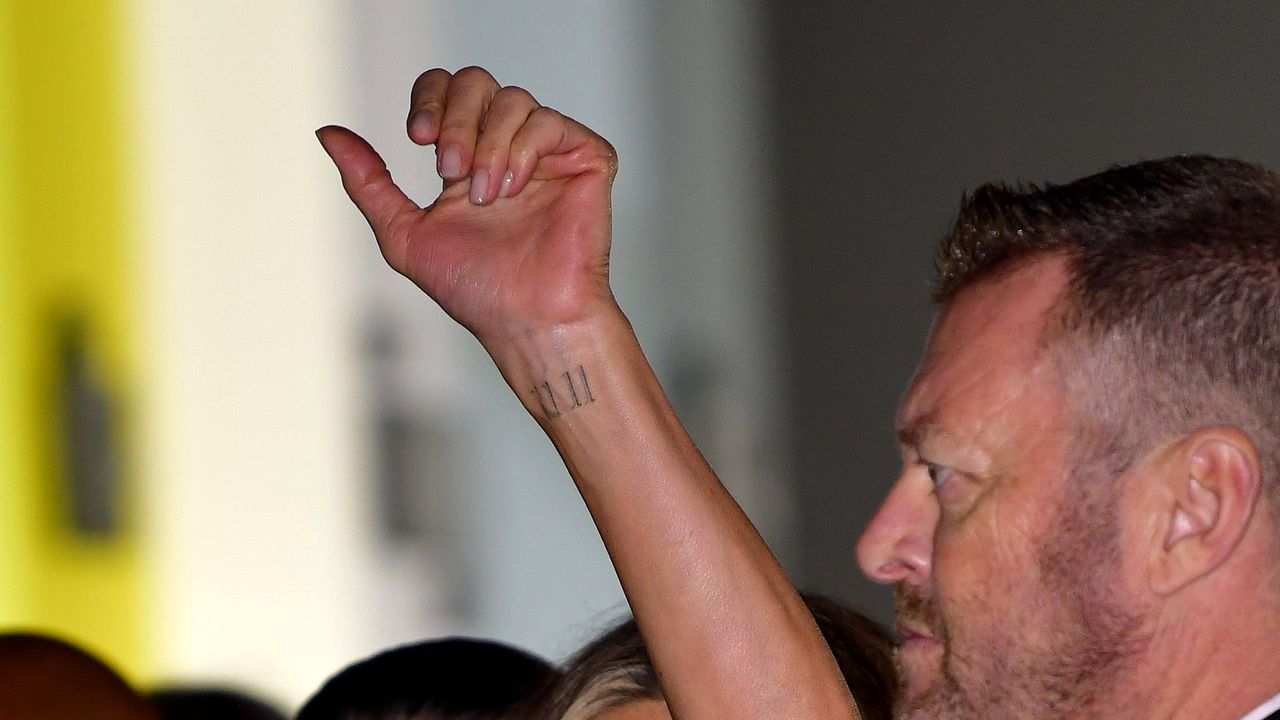 Aniston and Bendewald have been friends since their teenage years. Their matching “11 11” tattoos are a small, visible sign of that history. Some accounts also connect the number to angel-number symbolism, but the clearest reported meaning is the friendship and the significance they give the number themselves. It’s a small mark shared by two friends who have known each other for decades. The design can sit quietly on the wrist; it doesn’t need to be a large illustration to mean something to the people wearing it.
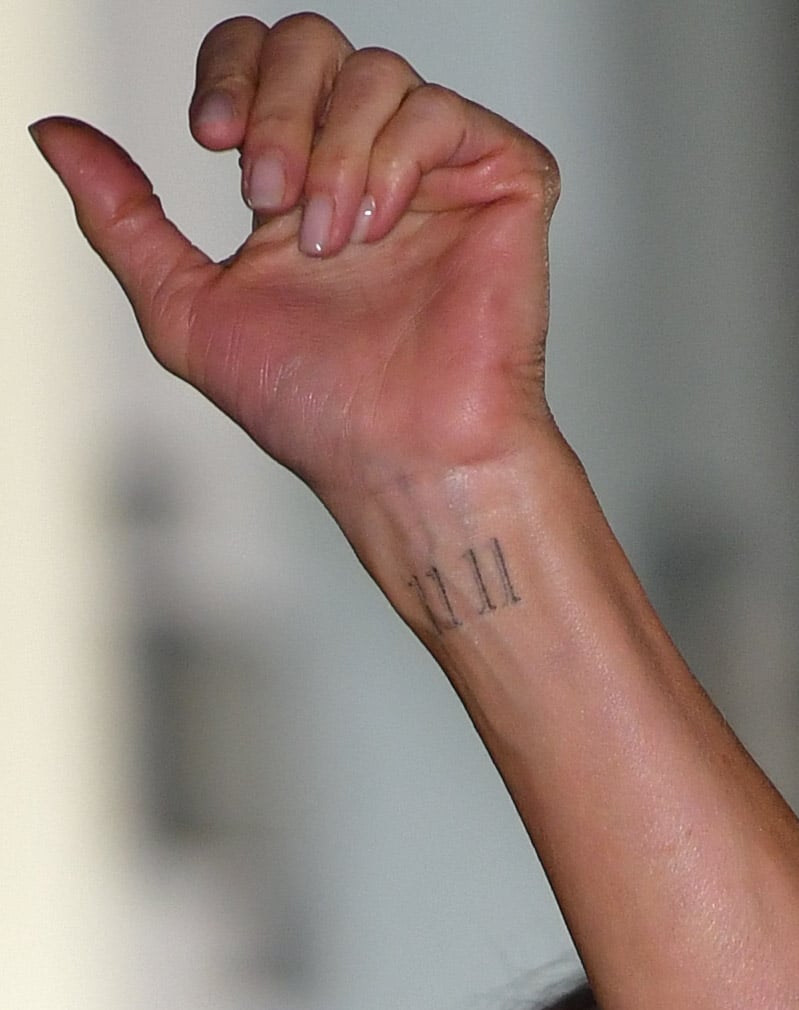 Older tattoo roundups mention tiny symbols and possible initials, but lists vary. Some include only the Norman memorial and “11 11”; others count smaller marks that are difficult to verify. The wrist tattoo also appears in many photographs, and the same design can be counted more than once when pictures are treated as separate evidence. Different photographs do not automatically mean different tattoos. The most reliable inventory stays with the two designs Aniston has shown and discussed clearly. Extra marks are better labelled uncertain unless she identifies them herself.
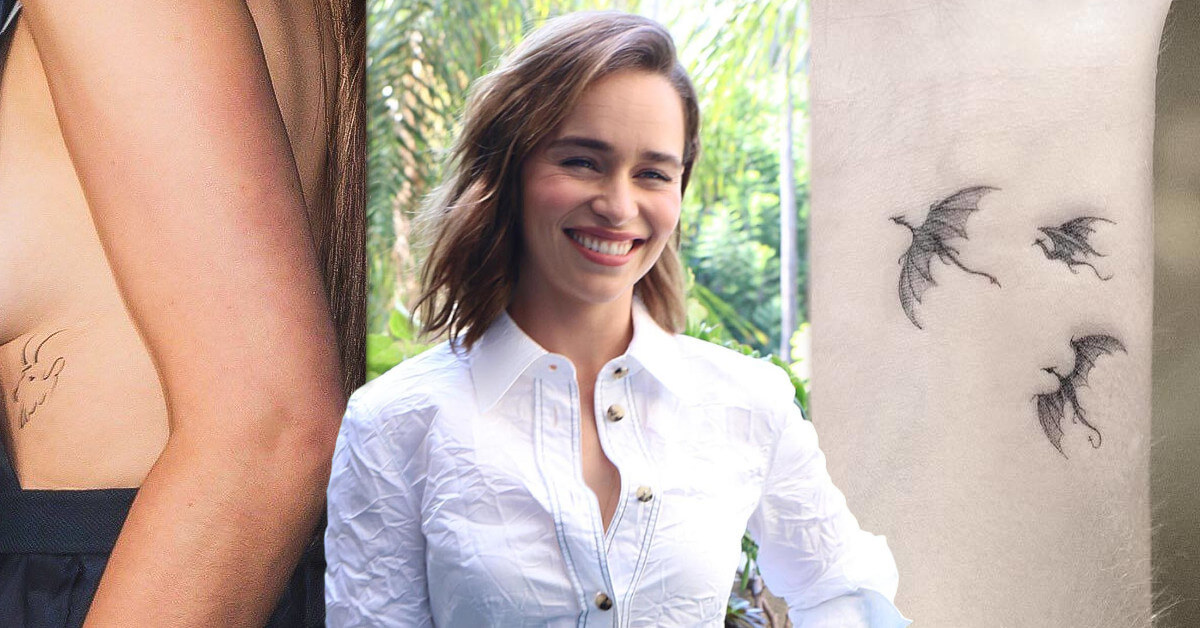
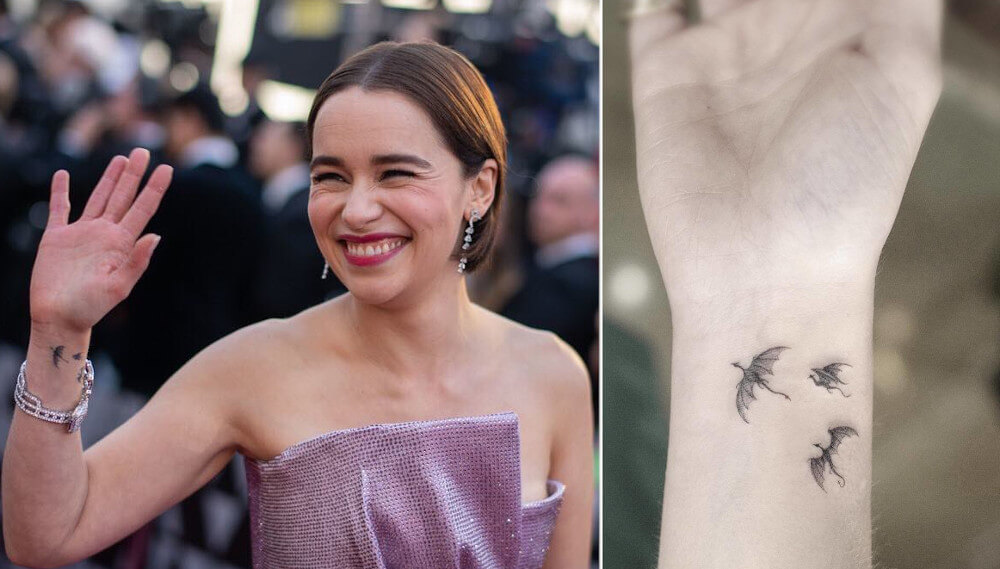 Clarke got the small dragon tattoo on her wrist after her run as Daenerys Targaryen on Game of Thrones. It is a fine-lined tribute to the role, rather than a large fantasy illustration. Clarke has spoken warmly about the tattoo and what the character meant to her. It marks the role, and the end of that chapter. The wrist makes the design easy to see when she gestures and easy to cover with a sleeve or watch. It stays close without taking over the rest of her look.
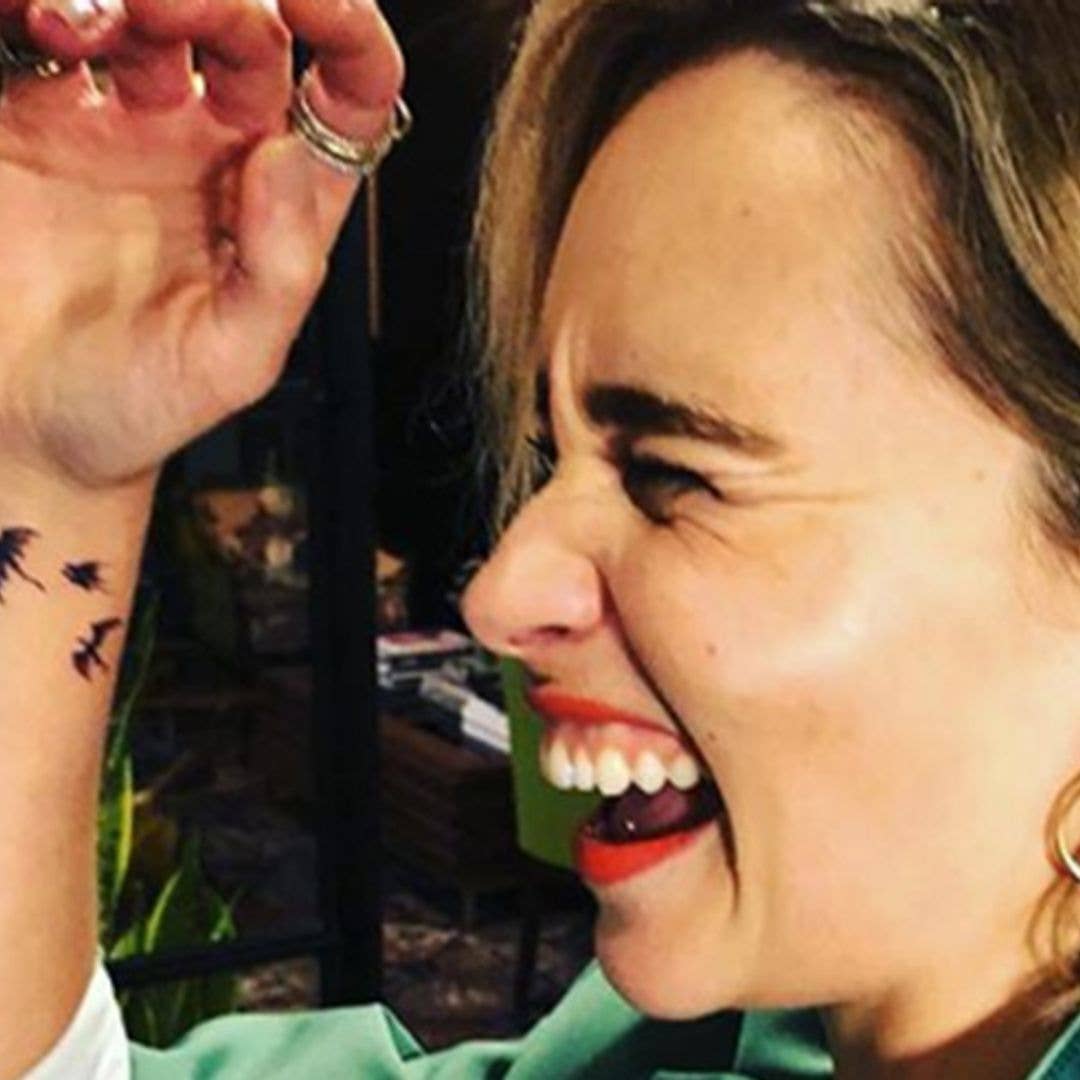 Clarke later added three small dragons for Daenerys’s children: Drogon, Rhaegal and Viserion. The silhouettes are usually shown together, which is why some lists count them as one group. They are three separate designs. A close-up may show only one or two, depending on the angle. The wrist dragon recalls the role as a whole; this trio refers to a specific part of Daenerys’s story. One design remembers the character; the three smaller ones name her dragons.
 Clarke has a bumblebee tattoo on her little finger connected to Me Before You. She has explained that she got it to remember the film and the experience of making it. Finger tattoos are easy to miss in a full-length photo; a close-up shows the design more clearly. The bee has a specific link to a film she has discussed, so there is no need to assign it a broader symbolism. It is a small mark tied to one particular chapter of Clarke’s career.
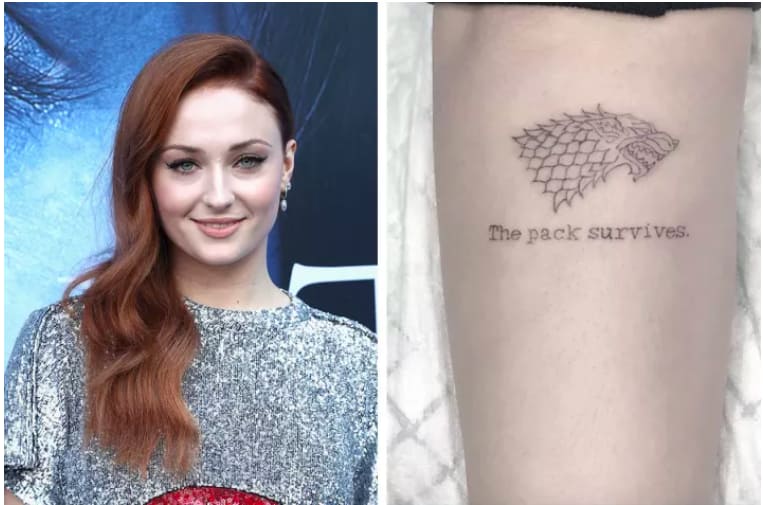 Tattoo roundups mention other small marks on Clarke’s hands and fingers, but they are not always clear in the available photos. One cropped image is not enough to establish that a shadow or partial line is a separate tattoo, especially when the same picture is reposted with a different crop or contrast. The clearest set remains the wrist dragon, the three-dragon group and the bumblebee. Additional designs should stay labelled as possible unless Clarke identifies them. Clarke does not need twenty tattoos for the story to feel complete. The three confirmed designs already connect her to a long-running role and a separate film.
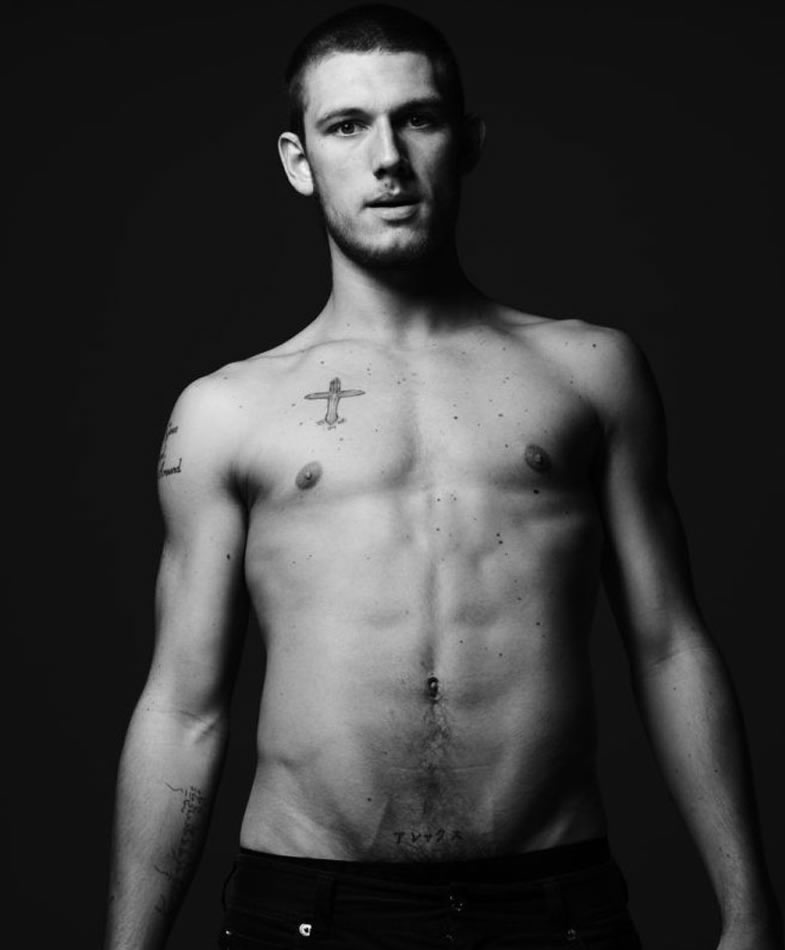
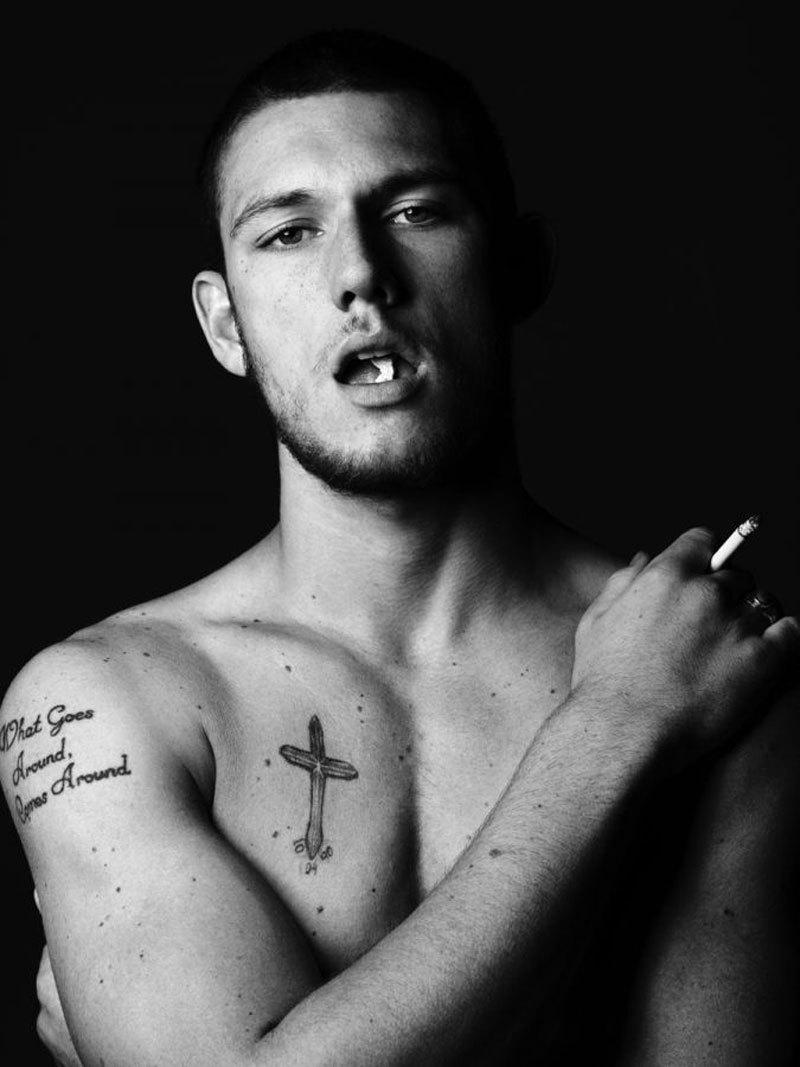
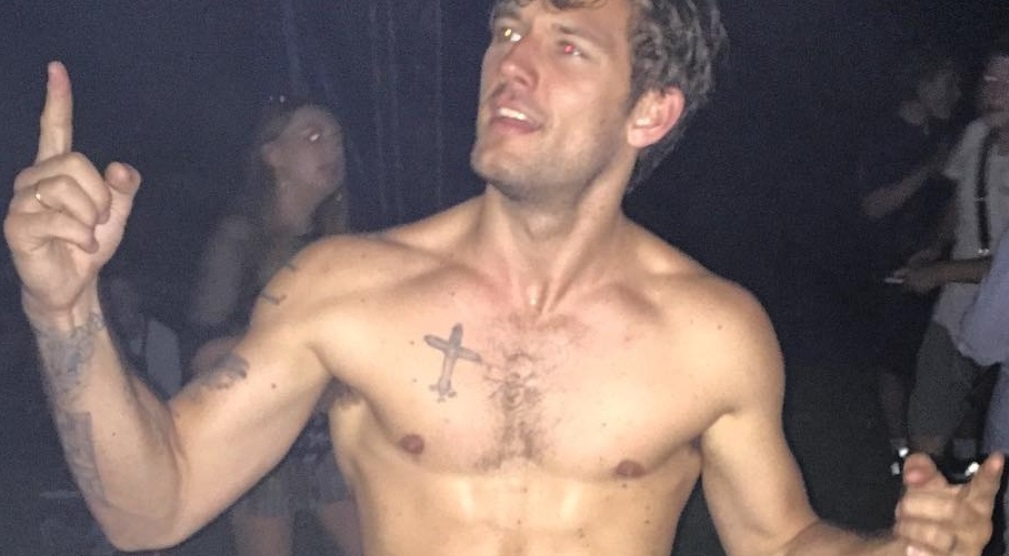
 Us Weekly included the quote in a 2011 roundup of his tattoos, which makes it one of the better-documented pieces in the collection.
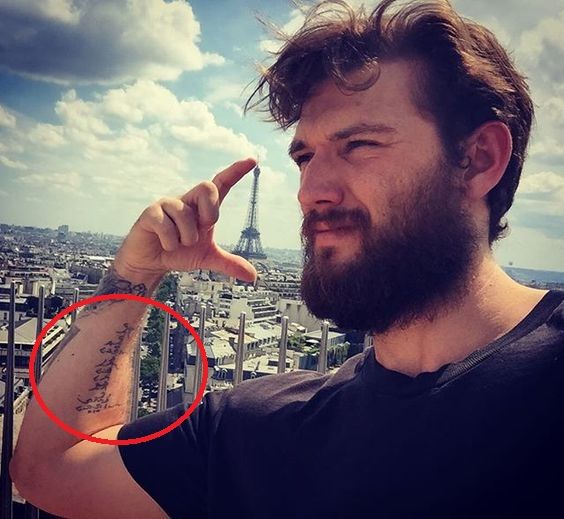
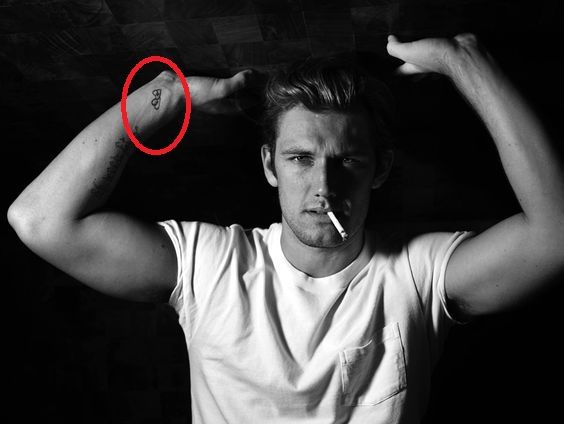
 In those accounts, Elizabeth Royal refers to Queen Elizabeth II. Pettyfer reportedly said he wanted a reminder of home after moving to California. That explanation comes from older celebrity-tattoo references, not a recent interview. The hearts and letters are visible; the story behind them should stay attributed to those reports.