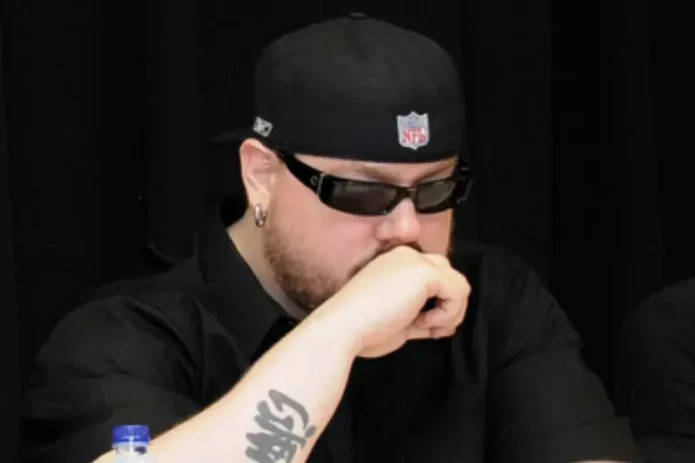
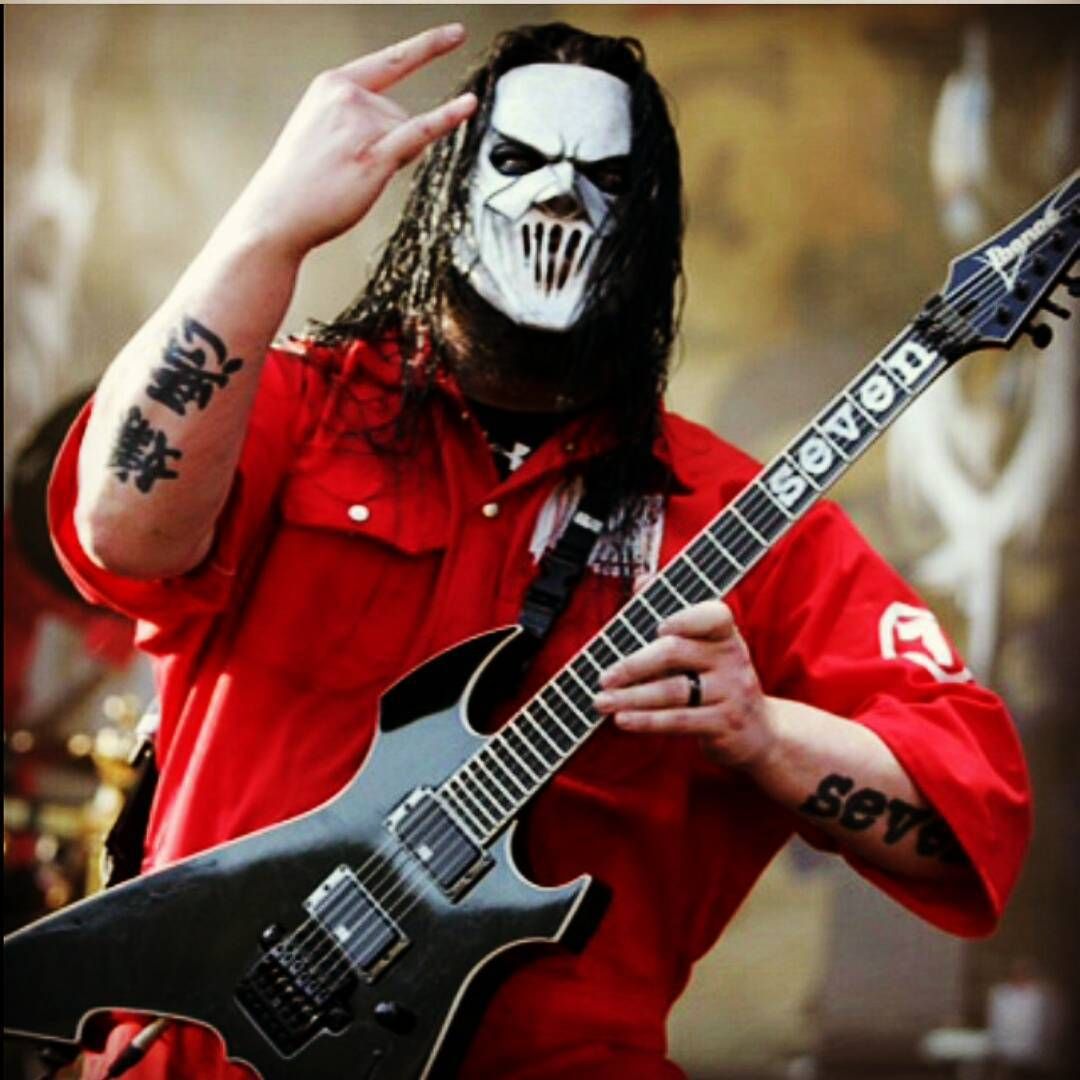
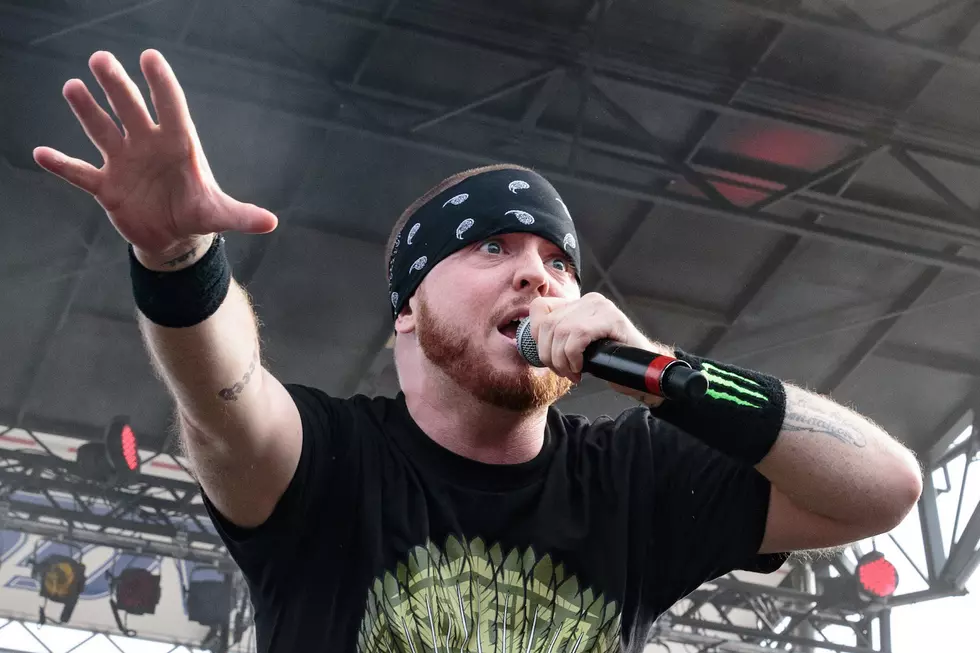
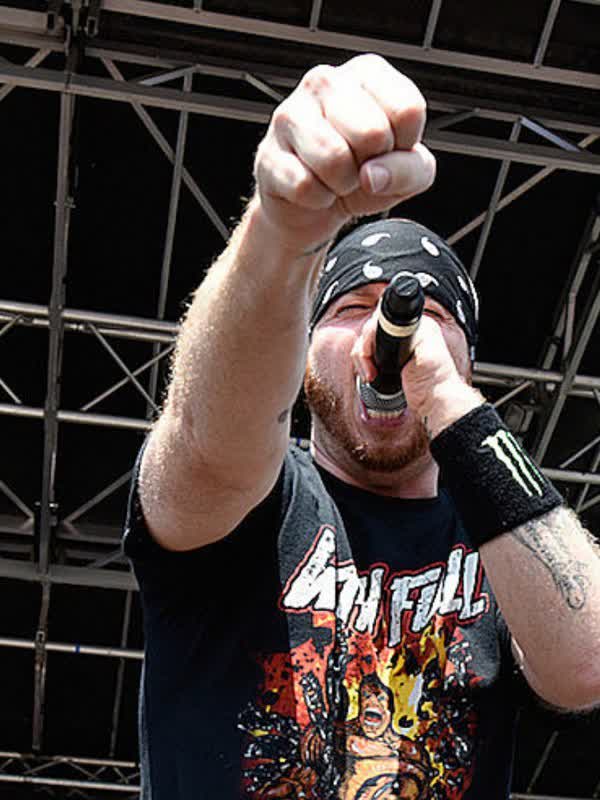
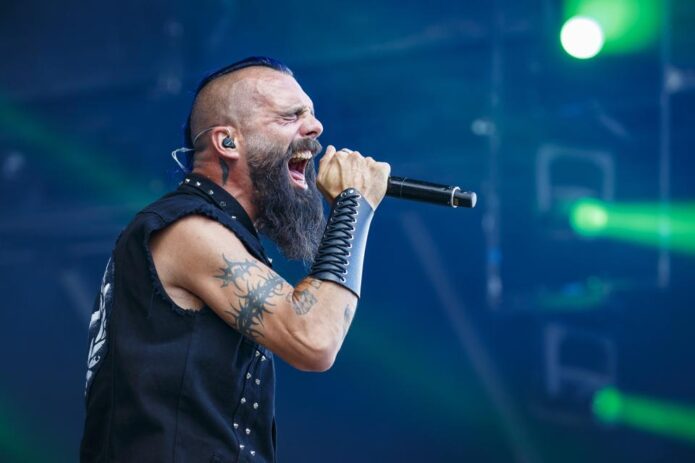
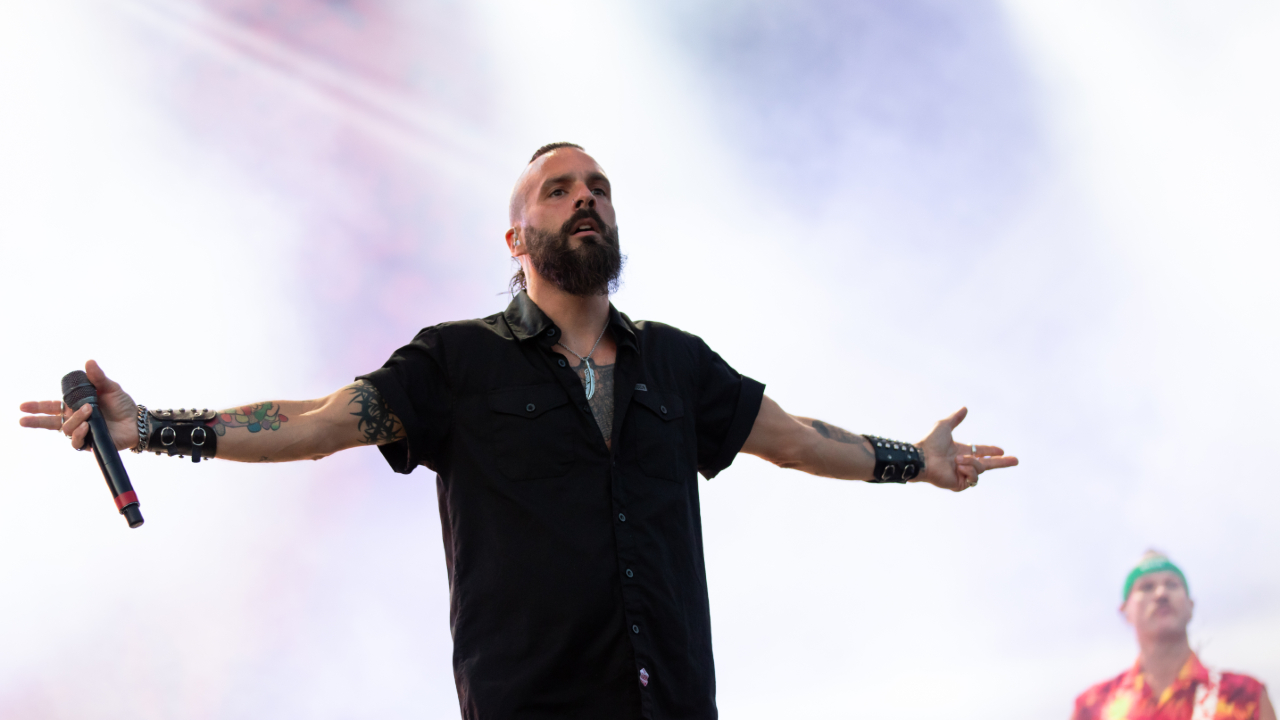
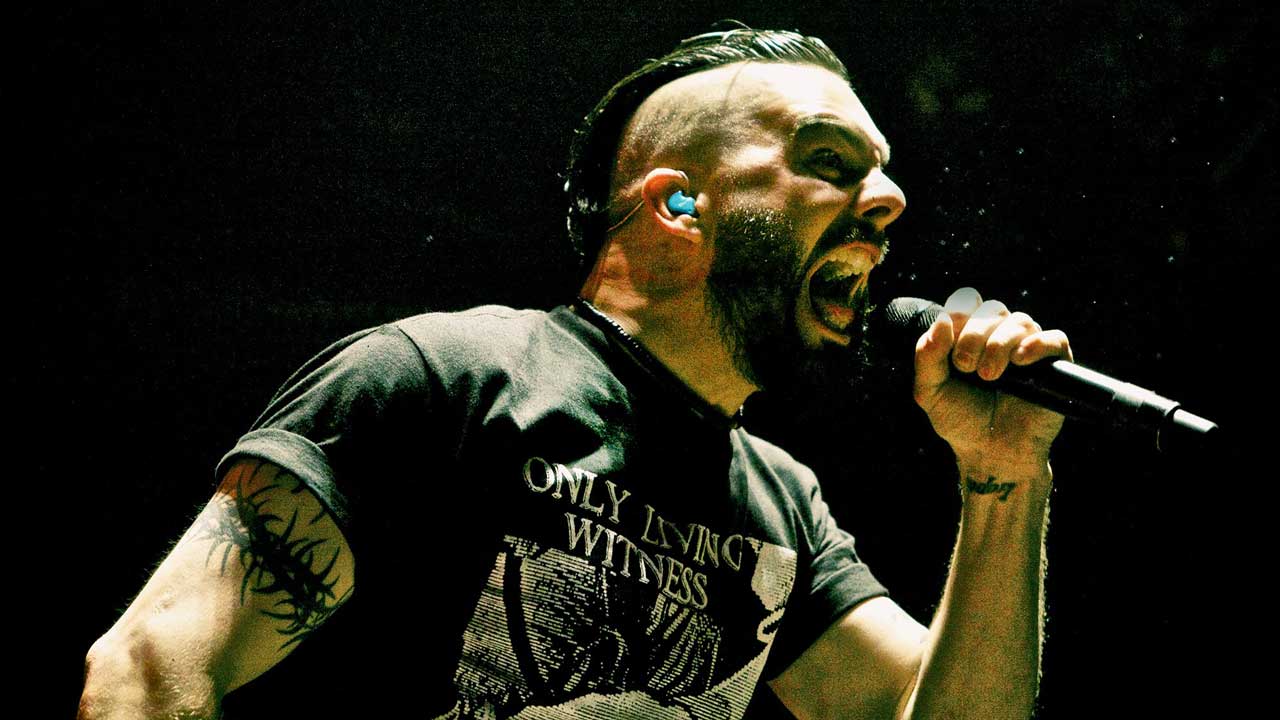
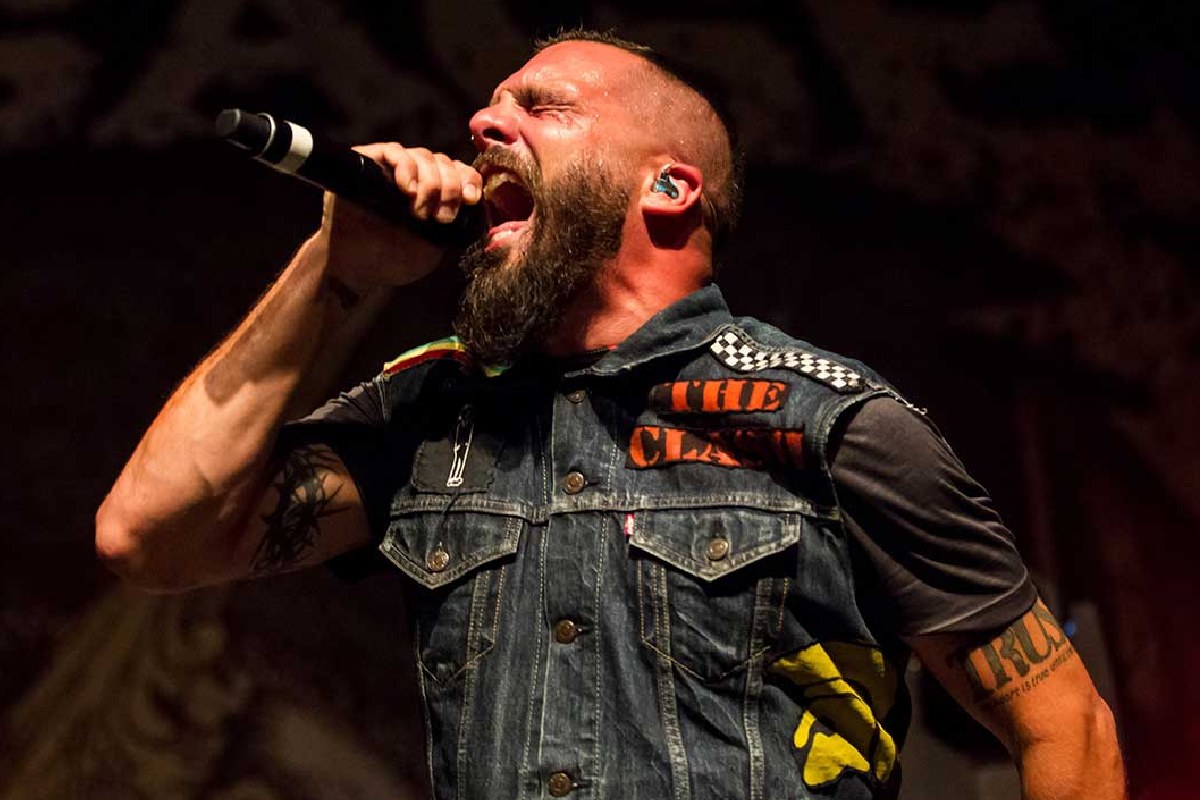
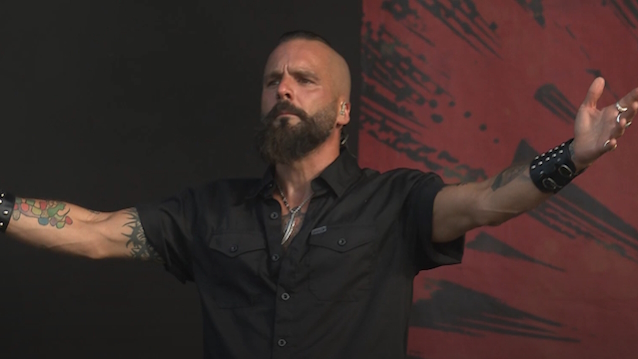
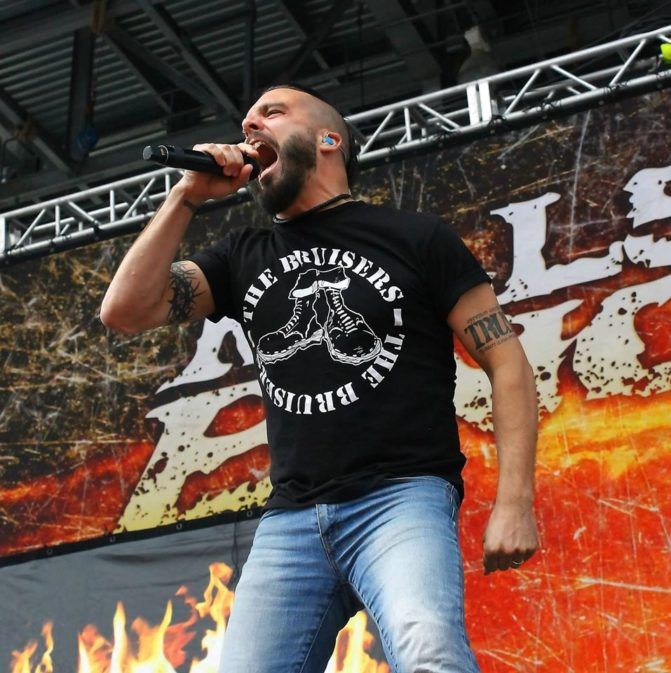
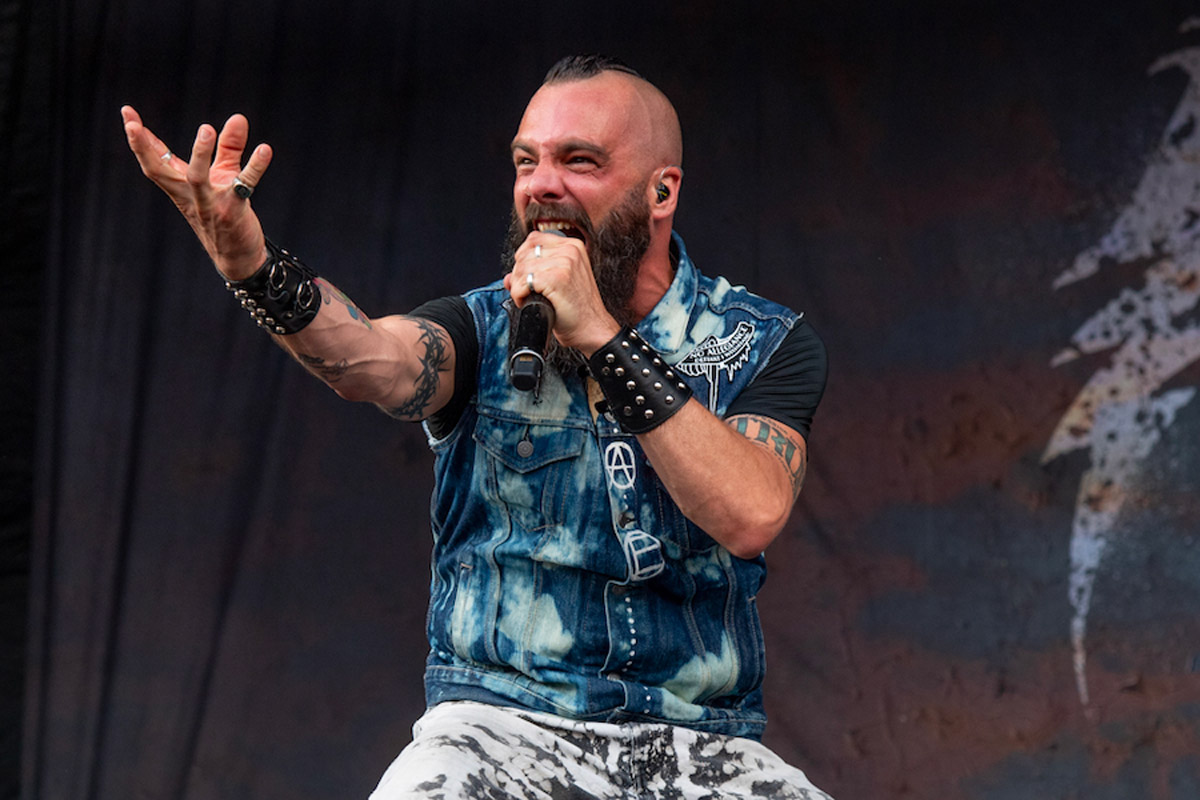
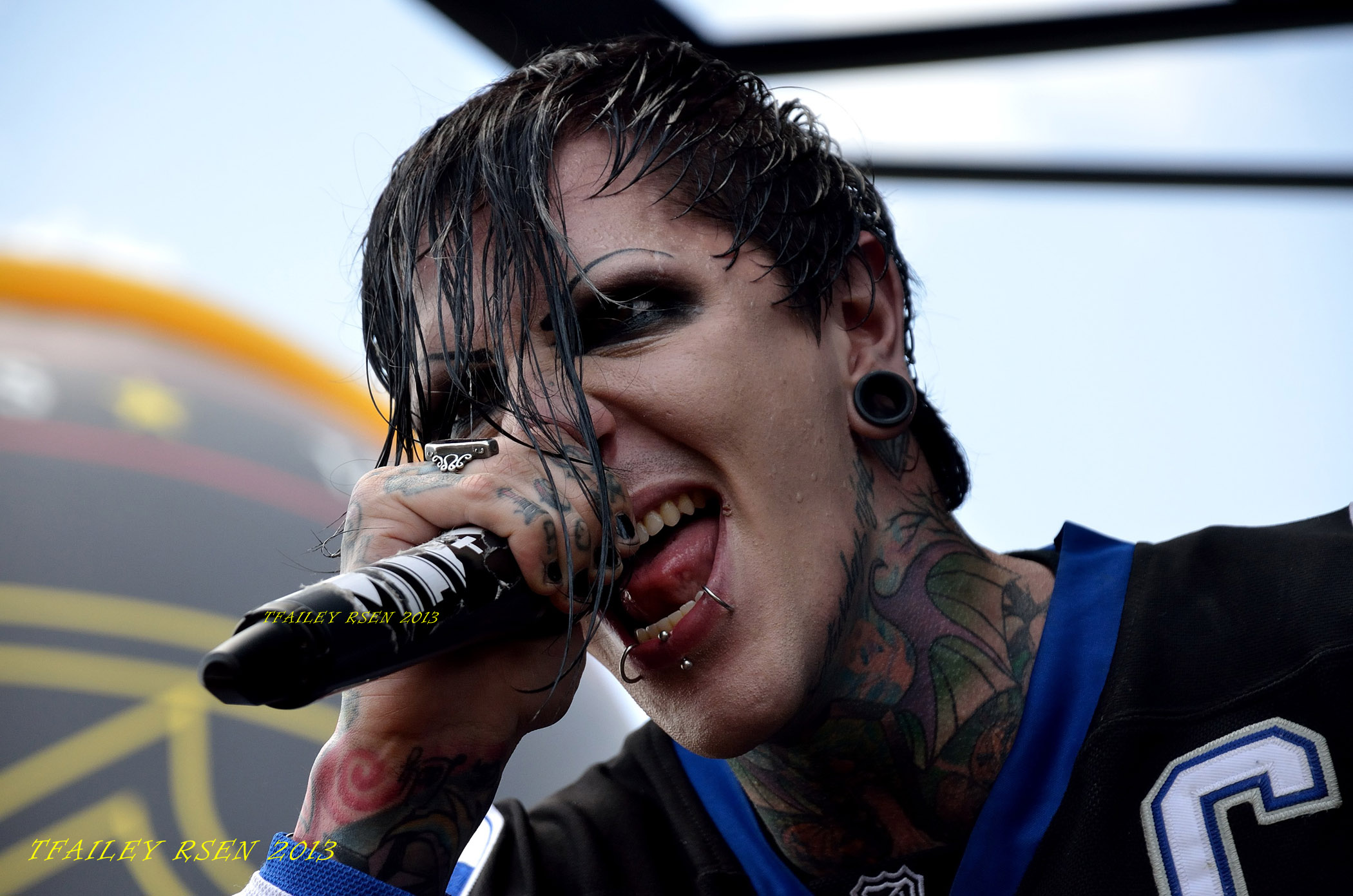
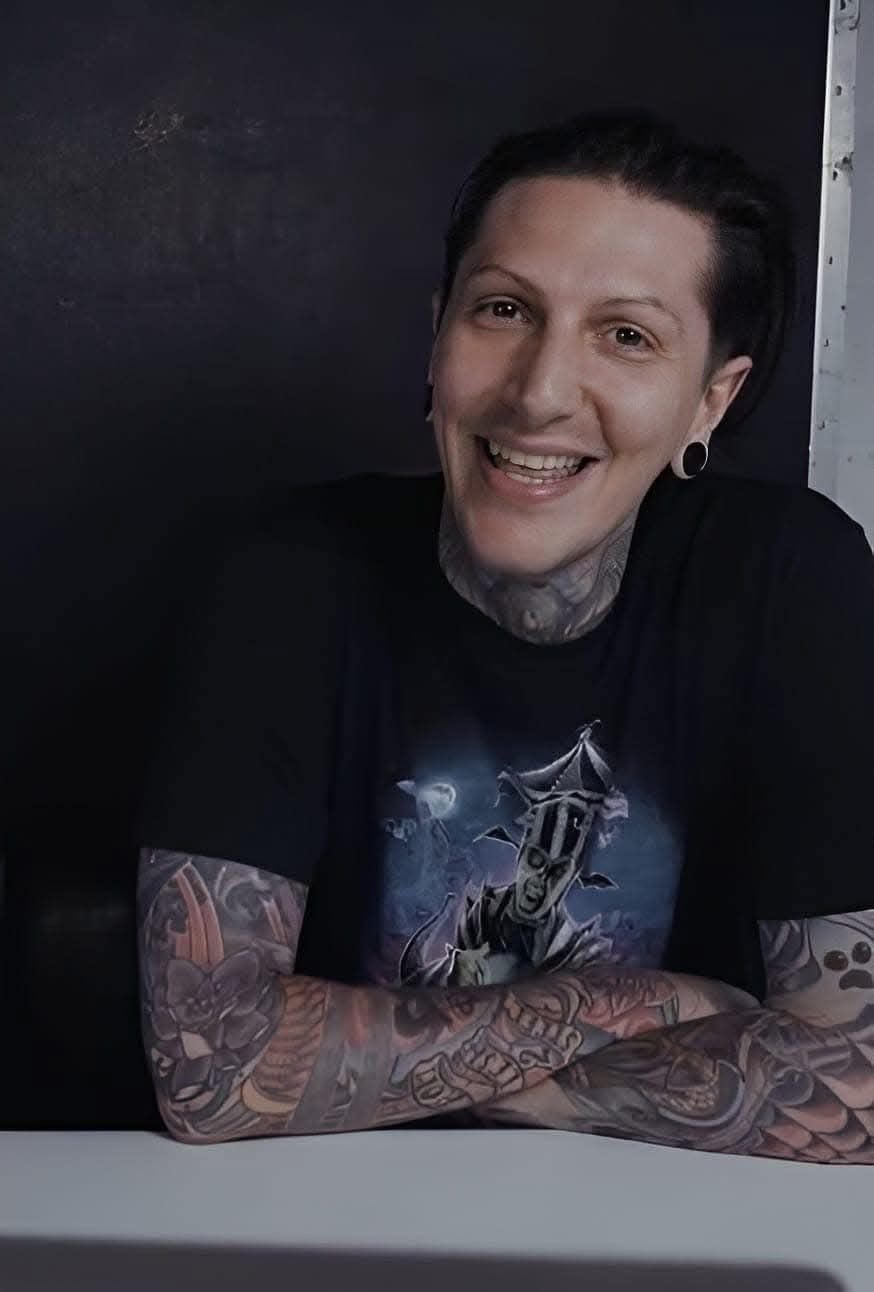
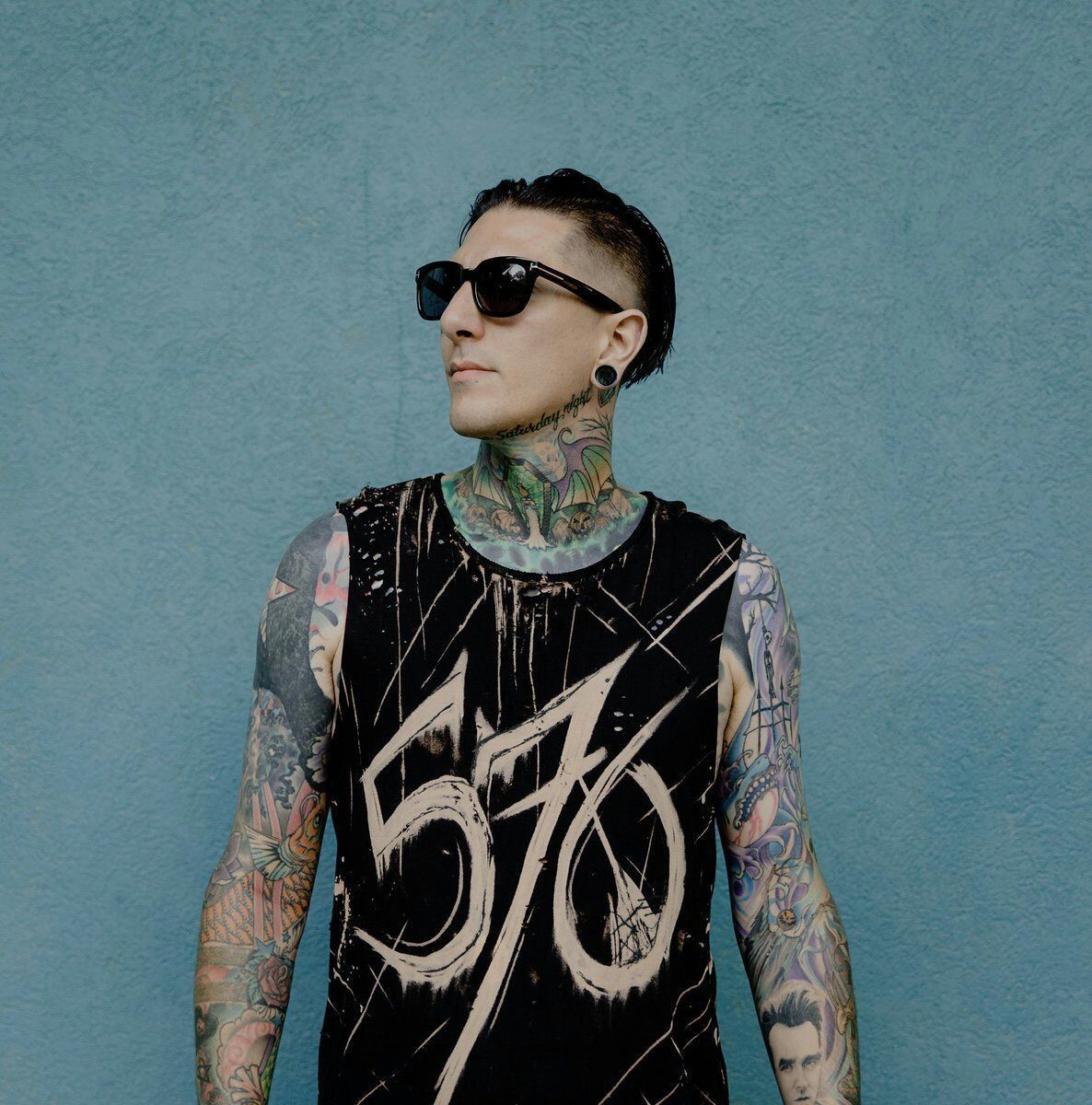
Slipknot guitarist Mick Thomson’s tattoos are easiest to see in photos where his arms are uncovered. In a fan Q&A, he said the Japanese character on his arm means “hate.” The number 7 is also visible in photographs and connects to his role as #7 in the band.
Masks, gloves and stage clothes hide much of the rest, and many older photos are grainy. The clearest record is Thomson’s answer about the character, the number tied to his band identity and other dark ink whose details remain unclear.
The Japanese character on his arm

A fan asked Thomson about the character on his arm, and he answered that it means “hate” in Japanese. It is the clearest first-hand explanation of one of his tattoos.
The mark appears in older photos of Thomson playing guitar. His answer gives its translation, without adding a broader explanation.
The number seven
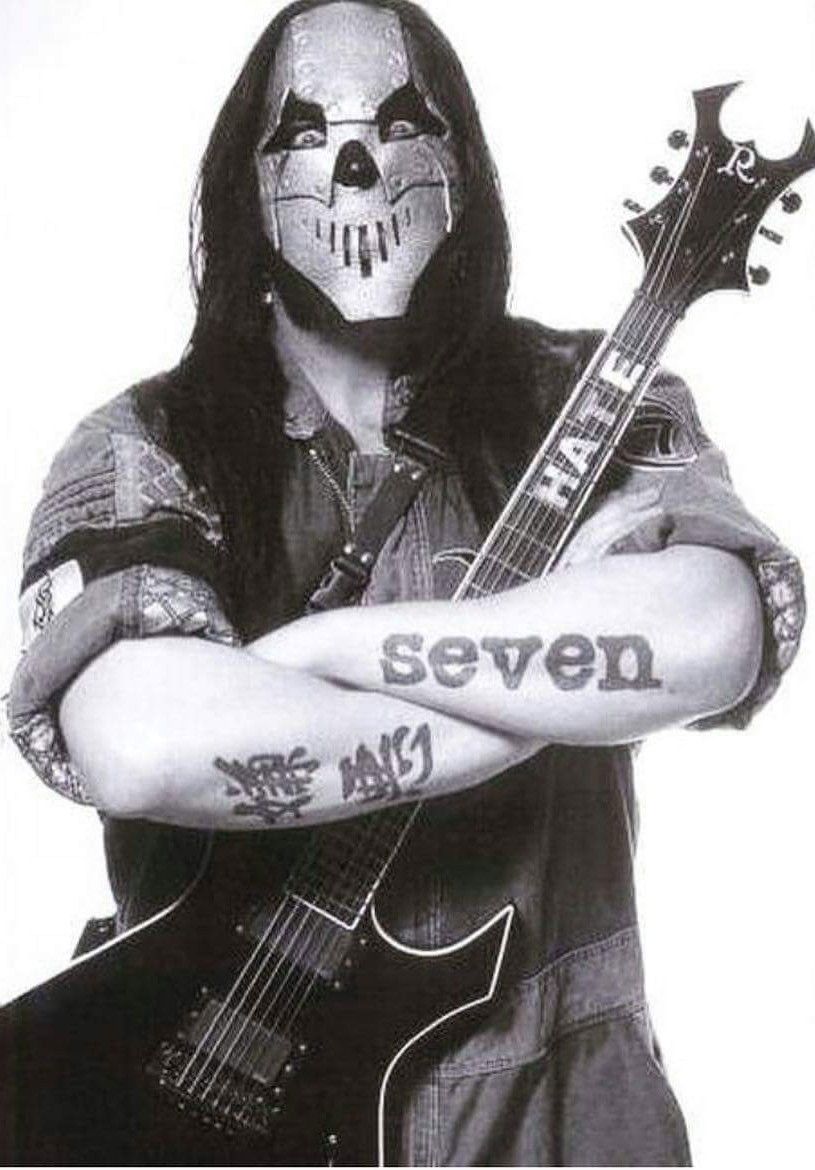
The number 7 is tied to Thomson’s place in Slipknot, where he is known as #7. Photos show the number among his arm tattoos.
The tattoo links back to the number fans know him by in Slipknot.
How the ink works with his masked image
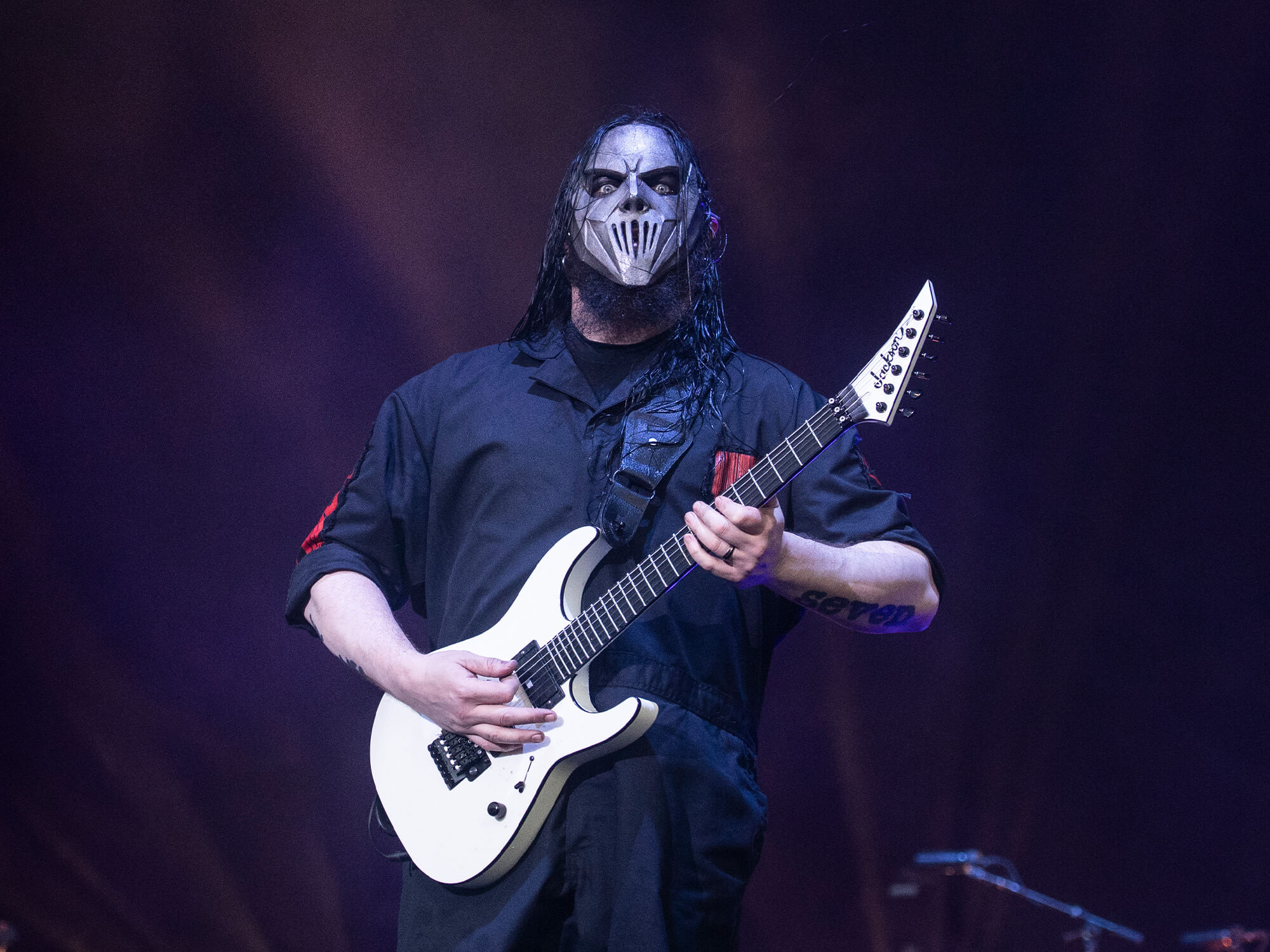
Thomson’s mask, long sleeves and stage clothing hide much of his body. A wrist or forearm may come into view as he moves, while a guitar or strap covers other areas.
The photographs show the tattoos in fragments. The character and number offer two clear reference points; the other dark work is harder to map from concert images alone.
Older photographs and the limits of identification
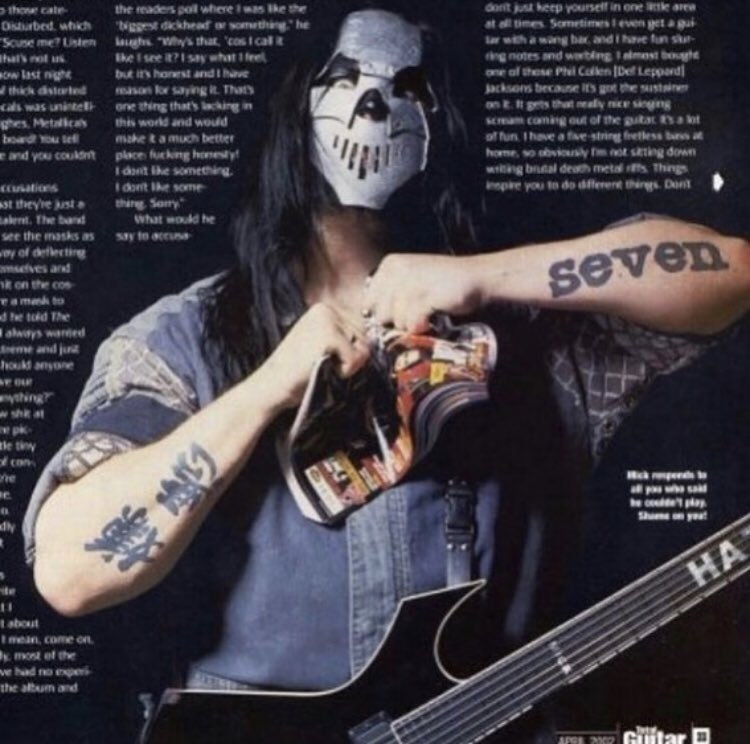
Some older photographs show more dark designs on Thomson’s arms. Their quality varies: low light can merge several lines into one shape, and clothing can obscure the edges.
Those pictures support the presence of additional ink, but they don’t give every piece a reliable name or meaning.
The meaning of hate in context
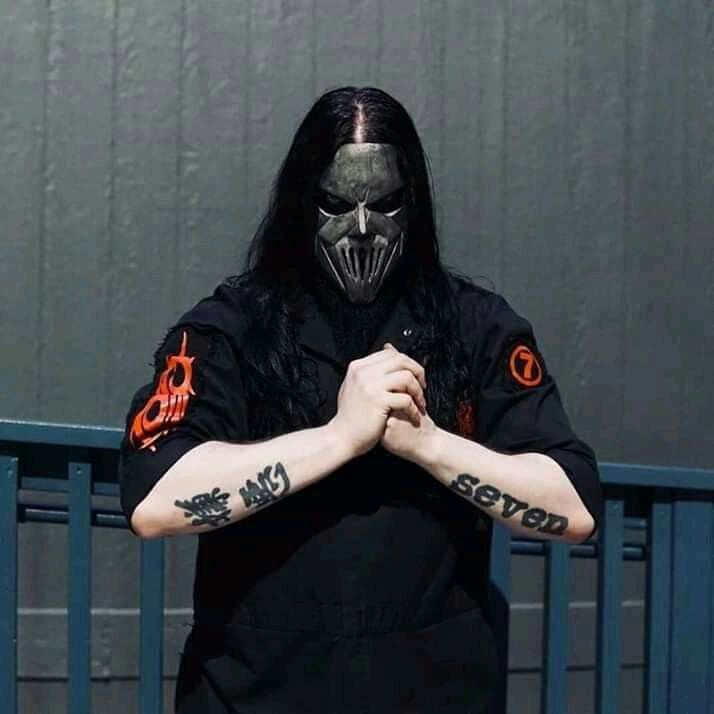
Thomson gave the translation “hate” in response to a direct question about one character. That answer explains the design; it isn’t a general statement about how he sees himself.
The number seven as a band identity
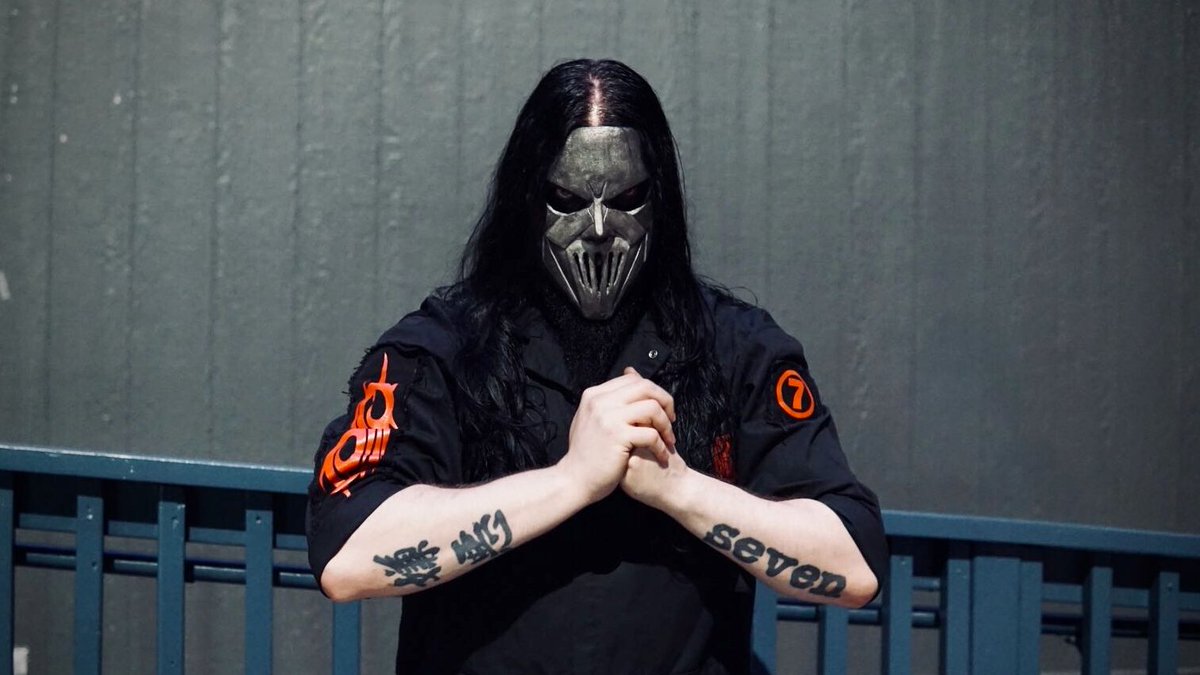
Slipknot’s members are associated with numbers as well as masks. The number helps distinguish Thomson as #7 within the group, and it appears in photographs of his tattoos.
What the photos can and cannot prove
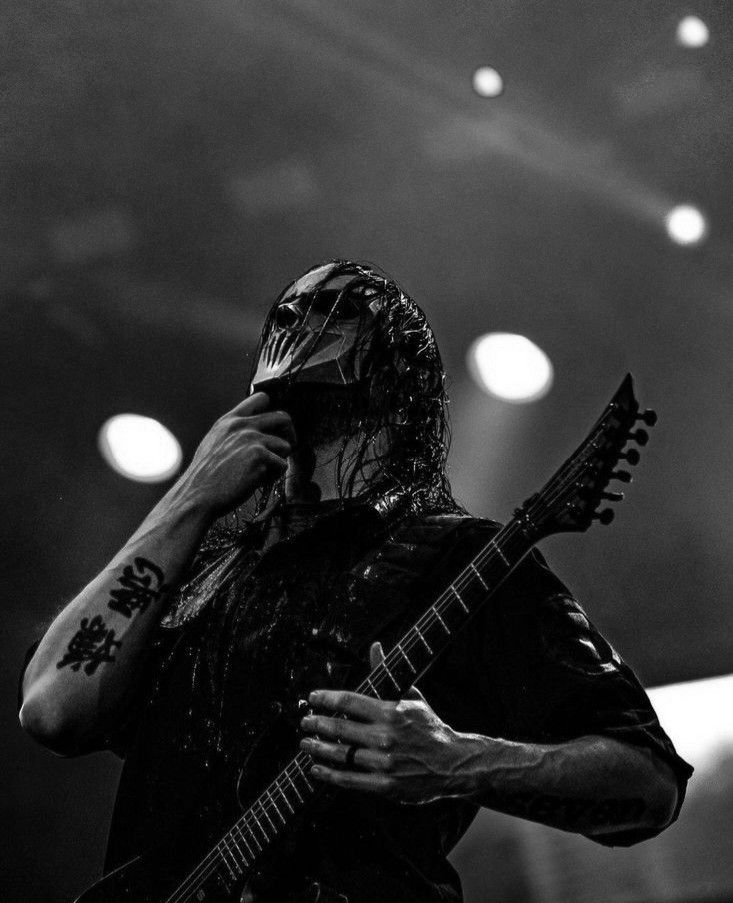
Photos show where the ink sits on Thomson’s arm, but they don’t always make clear whether nearby marks are one design or several. They also can’t supply a meaning without an interview or another reliable source.
The Japanese character has a first-hand explanation. The number connects to #7. Smaller details should be described only as far as the images allow.
A concise inventory of Mick Thomson’s tattoos
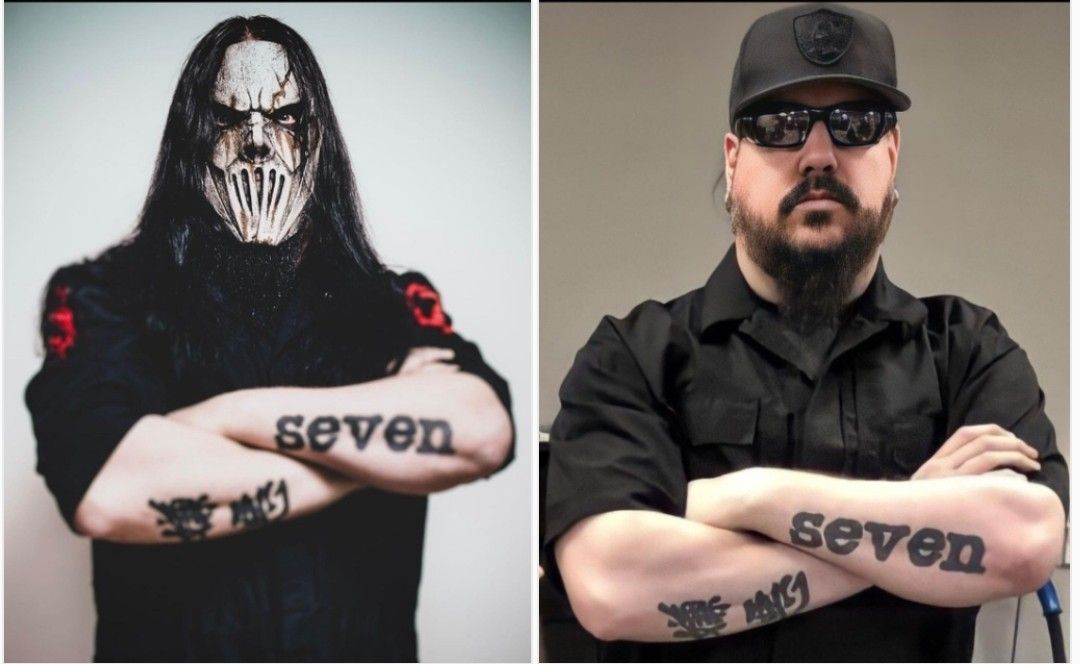
The documented inventory includes the Japanese character on Thomson’s arm that he said means hate, the number 7 tied to his Slipknot identity and additional dark arm work visible in photographs. The names and meanings of smaller pieces aren’t consistently documented.
The tattoo’s place in Slipknot history
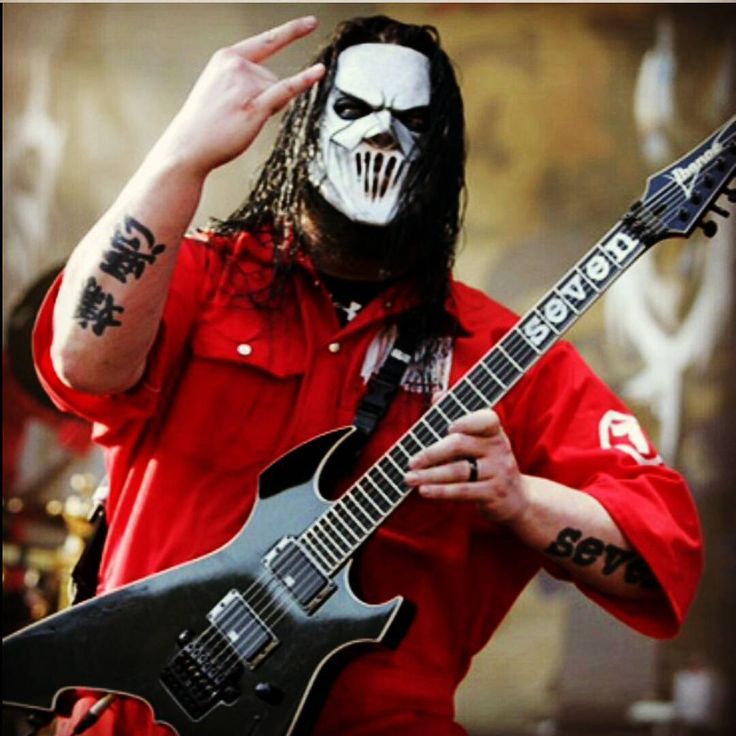
Slipknot’s masks create a shared stage identity, while the member numbers help fans tell the musicians apart. For Thomson, #7 links the tattoo to his place in the band.
The Japanese character adds a separate reference with a meaning he has explained himself. Together, the two details show how his tattoos sit alongside the band’s visual history.
Why the arm mark stands out in photographs
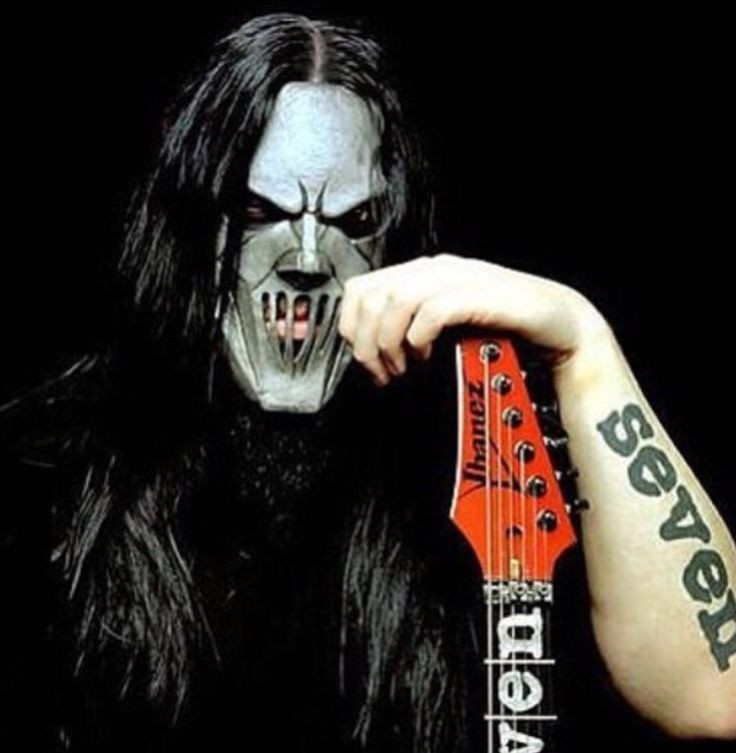
Thomson’s arms are visible when he plays, but the view changes as he moves. A guitar strap, sleeve or glove can cover a tattoo in one frame and reveal it in another.
A close-up makes the character or number easier to see; a live shot shows how they appear with his instrument and stage clothing.
The number seven and fan tributes
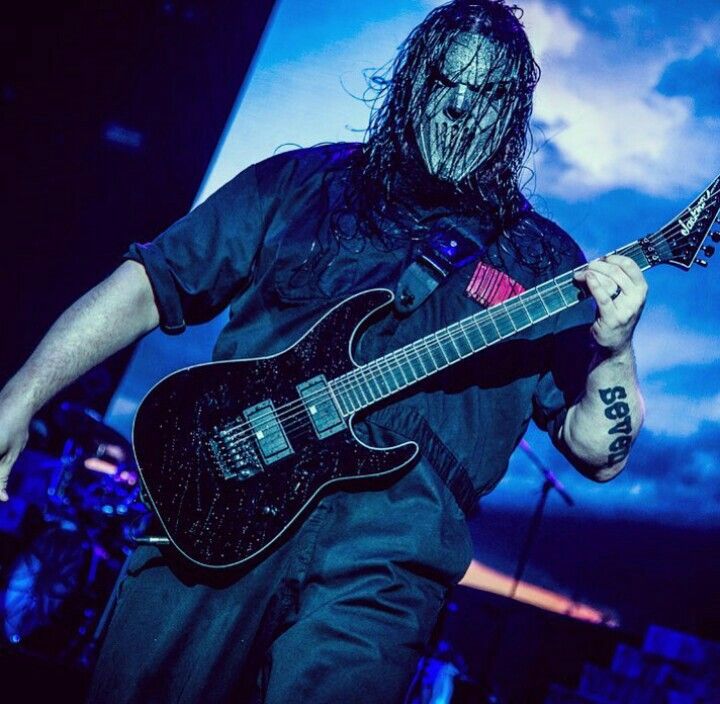
Fans have used the number 7 in tattoos, clothing and artwork to show their connection to Slipknot. Their versions are tributes; they aren’t necessarily copies of Thomson’s own tattoo.
For him, the number identifies his role in the band. For fans, it can point to years of albums, tours and memories tied to Slipknot.
What remains undocumented
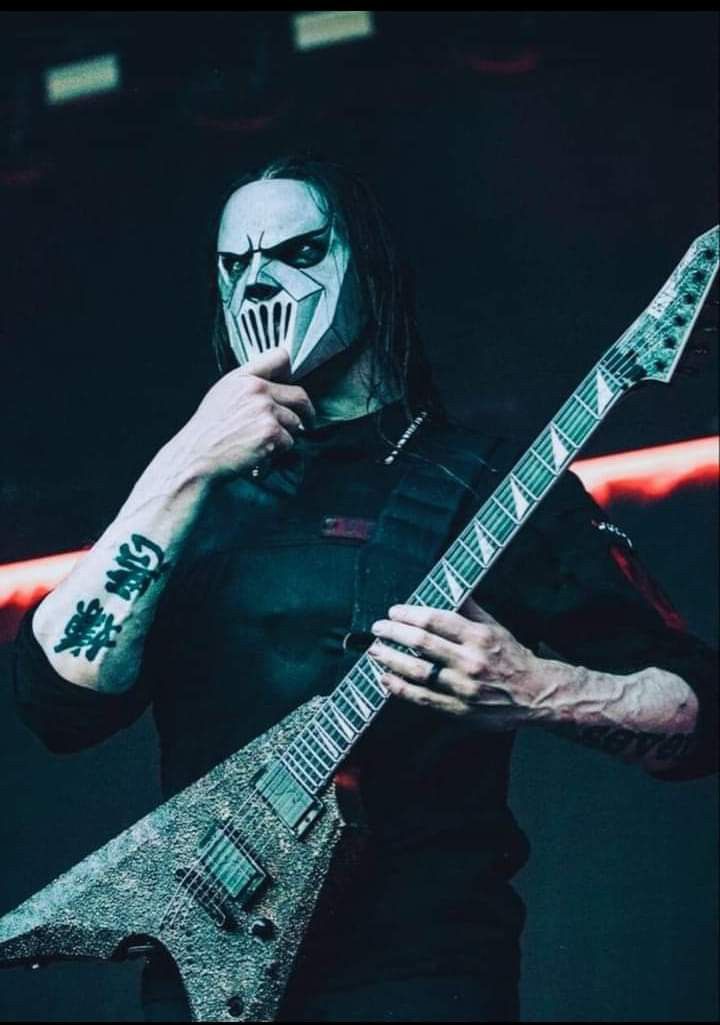
Photographs suggest Thomson has more ink than the two best-known references, but the sources don’t identify every piece consistently. Some designs disappear beneath sleeves or gloves, and older pictures vary in quality.
No other design has a comparable first-hand explanation in the available sources.
Watch Mick Thomson answer fan questions
In this interview clip, Thomson answers questions about his tattoos and his Slipknot identity.


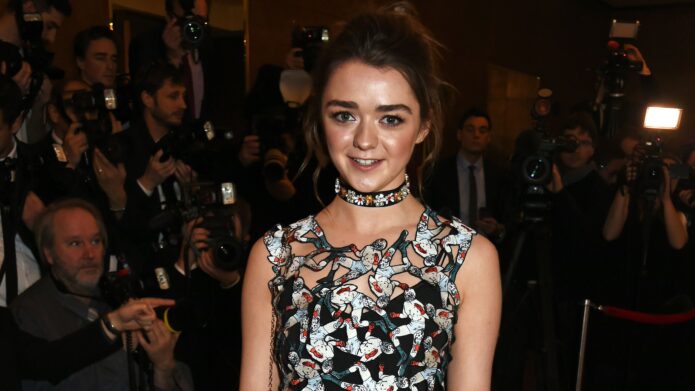
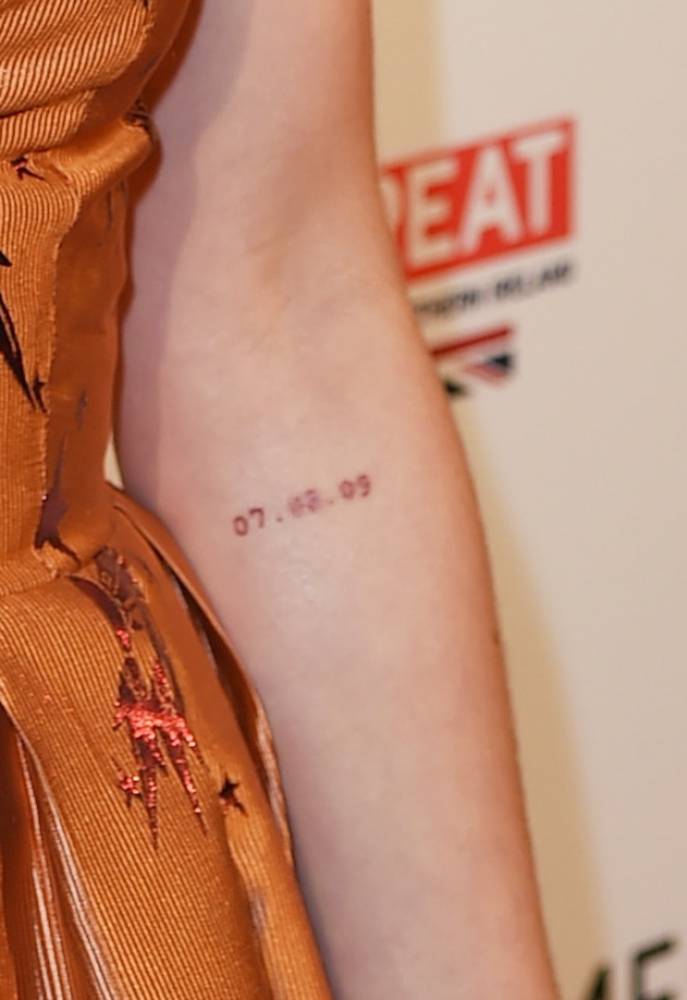 One of the clearest pieces is the matching date tattoo Williams shares with Sophie Turner. It marks the first day they worked on the Game of Thrones set, when they were playing Arya and Sansa. The date remembers when they met, not a character or logo. Turner has talked about the matching ink in interviews, and the two have joked about their friendship becoming public as the show grew. Williams also has the words “No One” on her upper back. Arya learns the phrase while training with the Faceless Men, and it became one of her defining storylines. For Williams, it is both a keepsake of the role and a reference to Arya’s arc. Reports place the lettering high on her back, where it is easy to cover. It is a compact reference, not a large show logo. A second Arya-related piece is often reported as “Not today,” the phrase Arya uses when facing fear and death. Photos place it around Williams’s ribs, though early accounts differ on the exact wording and position. She did not announce the tattoo formally, so the clearest description is a small quote tied to Arya, with the lettering left qualified.
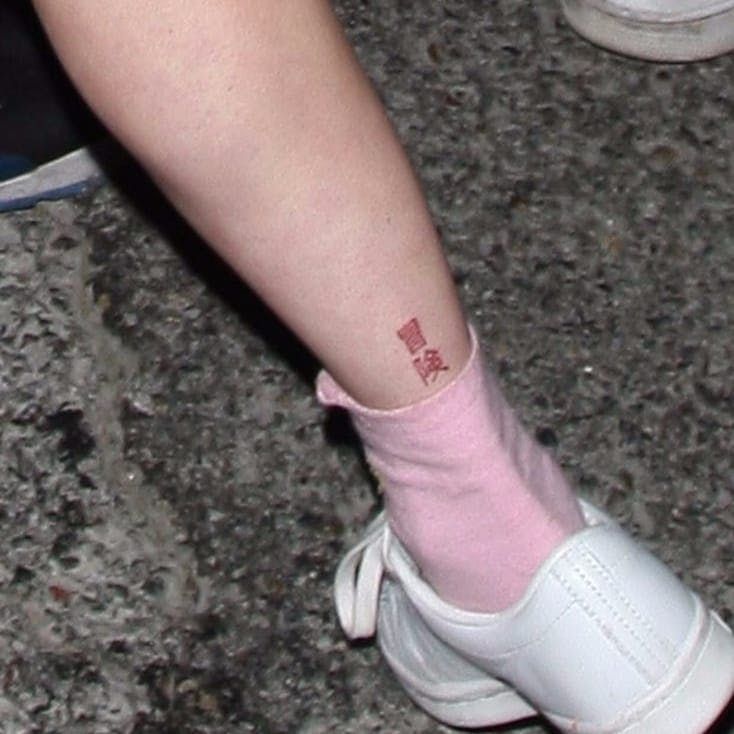 Williams has also shown an ikigai tattoo on her ribcage. She teased it in a social post and used the word herself when discussing its meaning. Ikigai is commonly explained as a reason for being or a reason to get up in the morning, so this one is better documented than designs that appear only in fan roundups. The placement keeps it under ordinary clothes; it shows in a cropped photo, then disappears again. It reads like a private reminder, not something chosen to dominate a red-carpet look. That quiet placement suits the way many of her tattoos are seen: the meaning can be personal even when the tattoo is rarely on display.
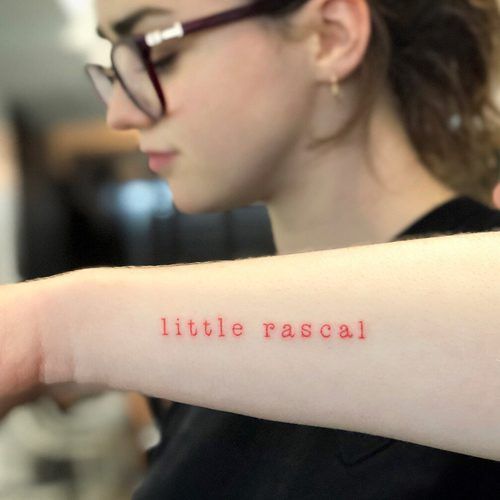
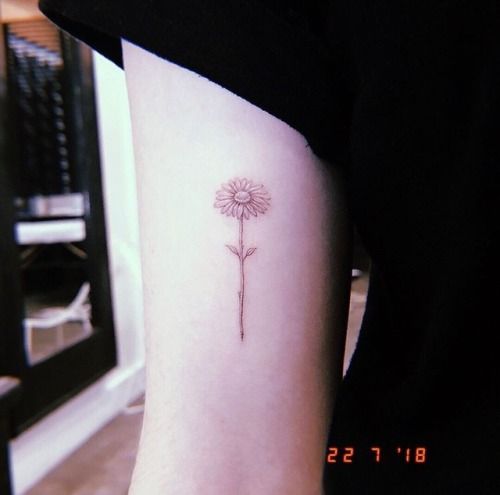 Tattoo roundups also list a few smaller designs on Williams’s arms and torso. One is a flower tattoo that has appeared in close-up photos of her arm. Another is the phrase “Little Rascal”, though public images do not always make its placement clear. A small text tattoo is usually read as “Mr K”. Fans have speculated about the letters, but Williams has not explained them, so it is safest to describe only what is visible. Lettering can be stylized or photographed at an angle; a repeated guess does not make it a fact. Williams has shared some meanings, but she has not published a complete catalogue confirming every tattoo’s size, location, or date. The mix of serious, sentimental and playful designs keeps the collection from looking like a single theme. It moves from show references and personal words to smaller details with no public backstory.
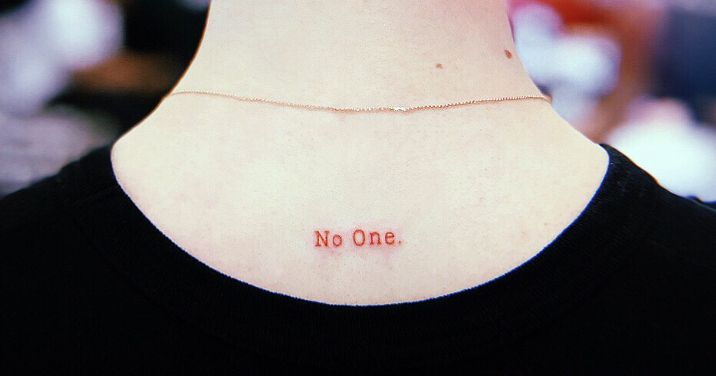 The Game of Thrones pieces are the easiest part of Williams’s tattoo story to place. She played Arya from childhood into adulthood, and the role shaped much of her public life. “No One” and the quote usually reported as “Not today” recall Arya’s story. They may also remind Williams of the years she spent making the show, though she has not said that is what they mean to her. The date she shares with Turner has a different story: it marks when two young performers began their friendship, not a fictional sisterhood. The design is simple; most of its meaning sits in the date and the memory attached to it. A matching tattoo does not need an elaborate design to hold a shared memory. The ikigai tattoo points away from the show. The word is about purpose, but it does not prove anything about Williams’s private philosophy. She has worked across acting, producing, fashion, and other creative projects; the tattoo is one idea she has chosen to carry. Taken together, the pieces point to different parts of her life rather than one visual style.
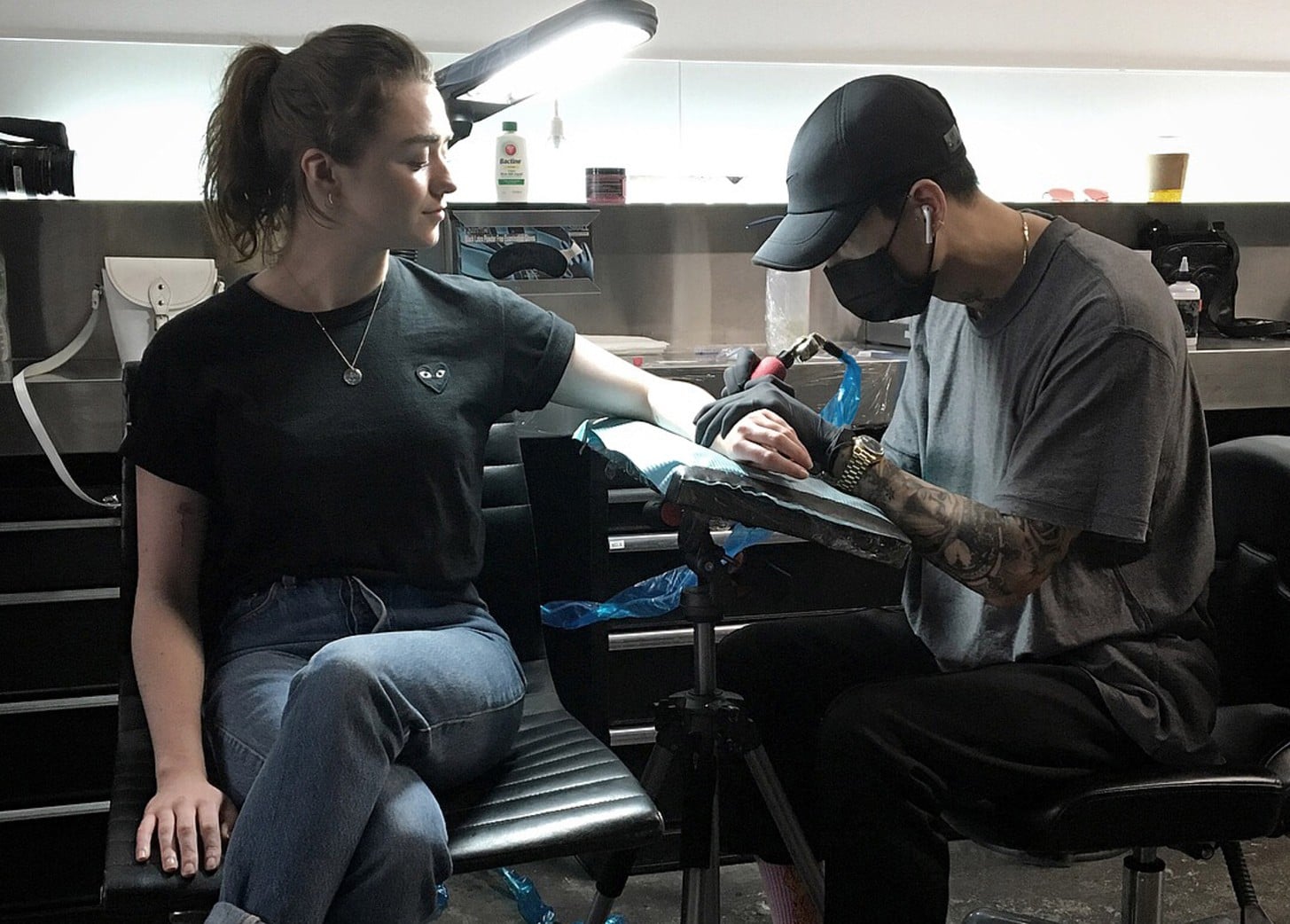 Photos and tattoo coverage place Williams’s ink on her back, ribs, arms, and other small areas. The back lettering is easier to see when she shows it, while rib tattoos tend to stay covered. Arm designs appear in more casual photos. There is no complete public inventory: some tattoos may not have been photographed clearly, and older articles sometimes describe the same small design in different ways. A repost or a new crop is not evidence of another tattoo. A letter can look different in a blurry photo; a Japanese word may have more than one English gloss; and a rib tattoo can seem higher when Williams twists for the camera. When the evidence is uncertain, the description should say so. That keeps the confirmed pieces clear without making the list sound more complete than it is.
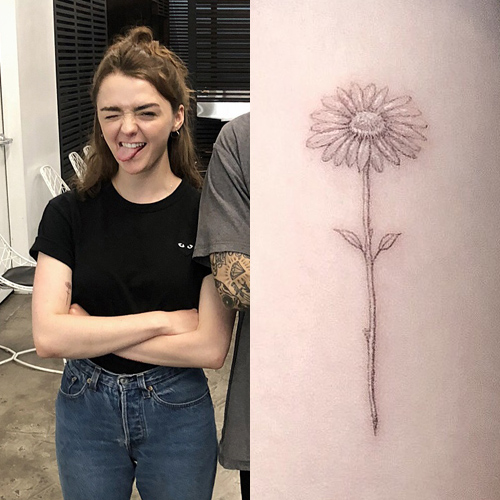 The designs covered here are the matching date with Sophie Turner; “No One” on Williams’s back; the Arya-related quote often reported as “Not today”; ikigai on her ribs; a flower tattoo on her arm; “Little Rascal”; and the small “Mr K” text design. Some guides list six pieces, while others list seven because they group the Game of Thrones references differently or count small text tattoos separately. The difference does not necessarily mean one list is wrong. There is no single style tying these designs together. A few point to the show, one marks a friendship, ikigai gives her a word about purpose, and the smaller tattoos leave room for play. Most are compact and easy to cover, which fits a life spent in front of cameras. Not every tattoo has to become part of a public image. The full inventory remains uncertain, but the tattoos she has discussed point to people, work, and ideas from different parts of her life.
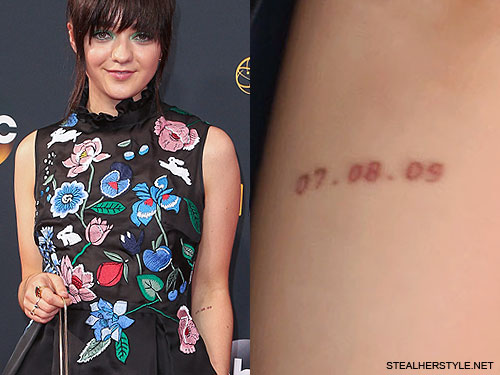 In the interview below, Williams talks about her first tattoo and answers questions about her ink. Her own account adds context to details that otherwise come from photos and tattoo coverage.
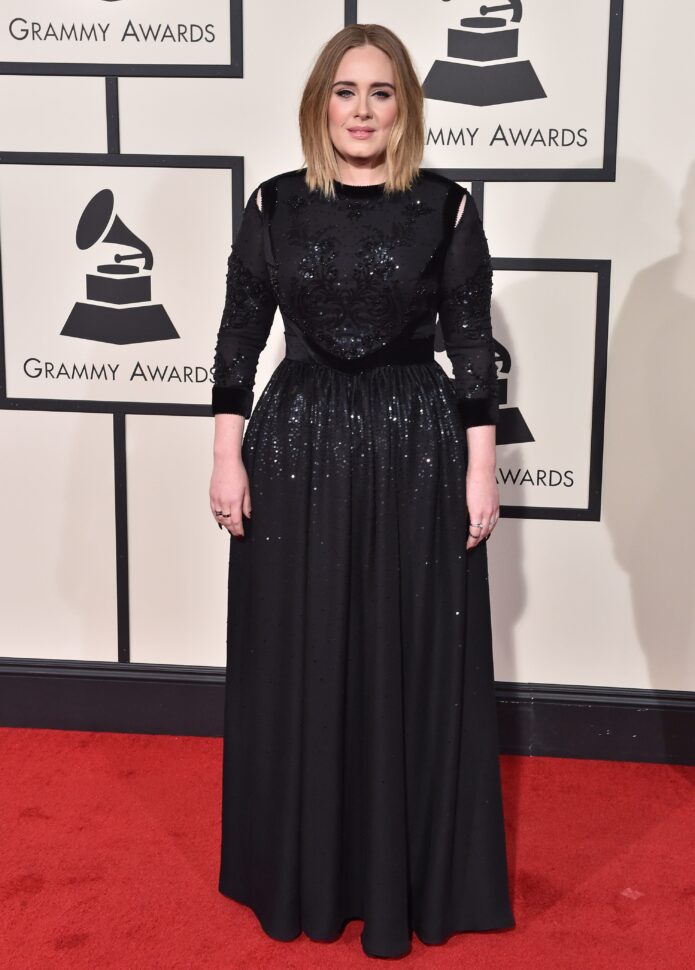
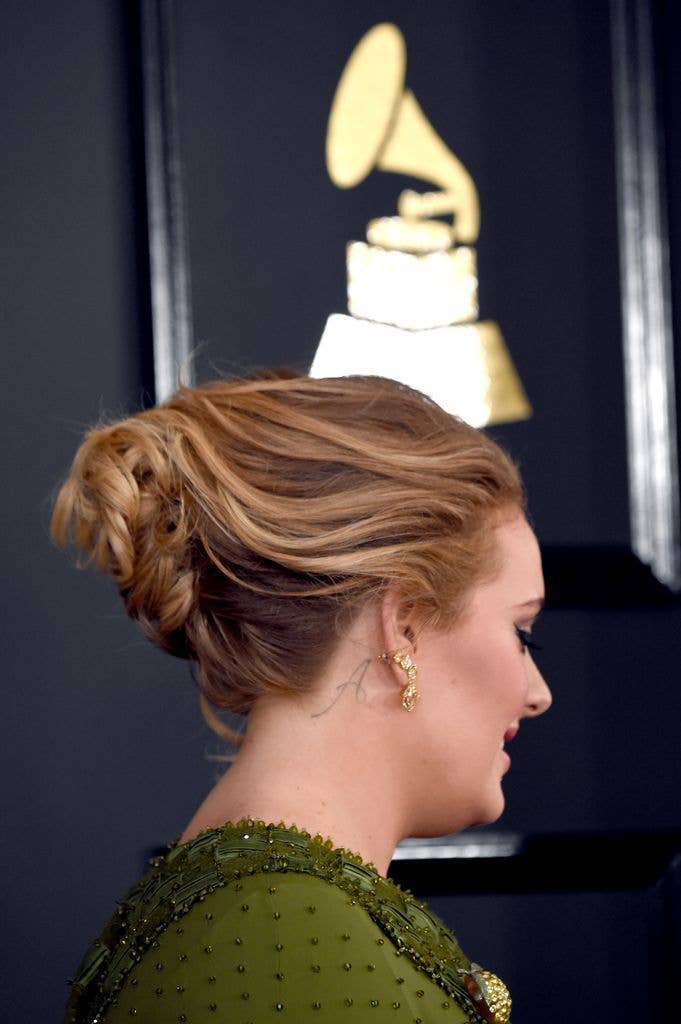 Adele’s best-known tattoos are linked to her son, Angelo. One hand carries the name “Angelo”, while another design is usually described as the letter “A.” She has talked about the tattoos while discussing motherhood, saying they keep her son close and mark how much her life changed when she became a parent. The hand placement means they often show when she is performing or going about her day. She has described the name as a reminder of Angelo, not a fashion detail. There is also a tiny smiley face associated with him. Accounts differ on exactly when it appeared, but the family connection recurs in mainstream coverage. The family link is clearer than the exact count.
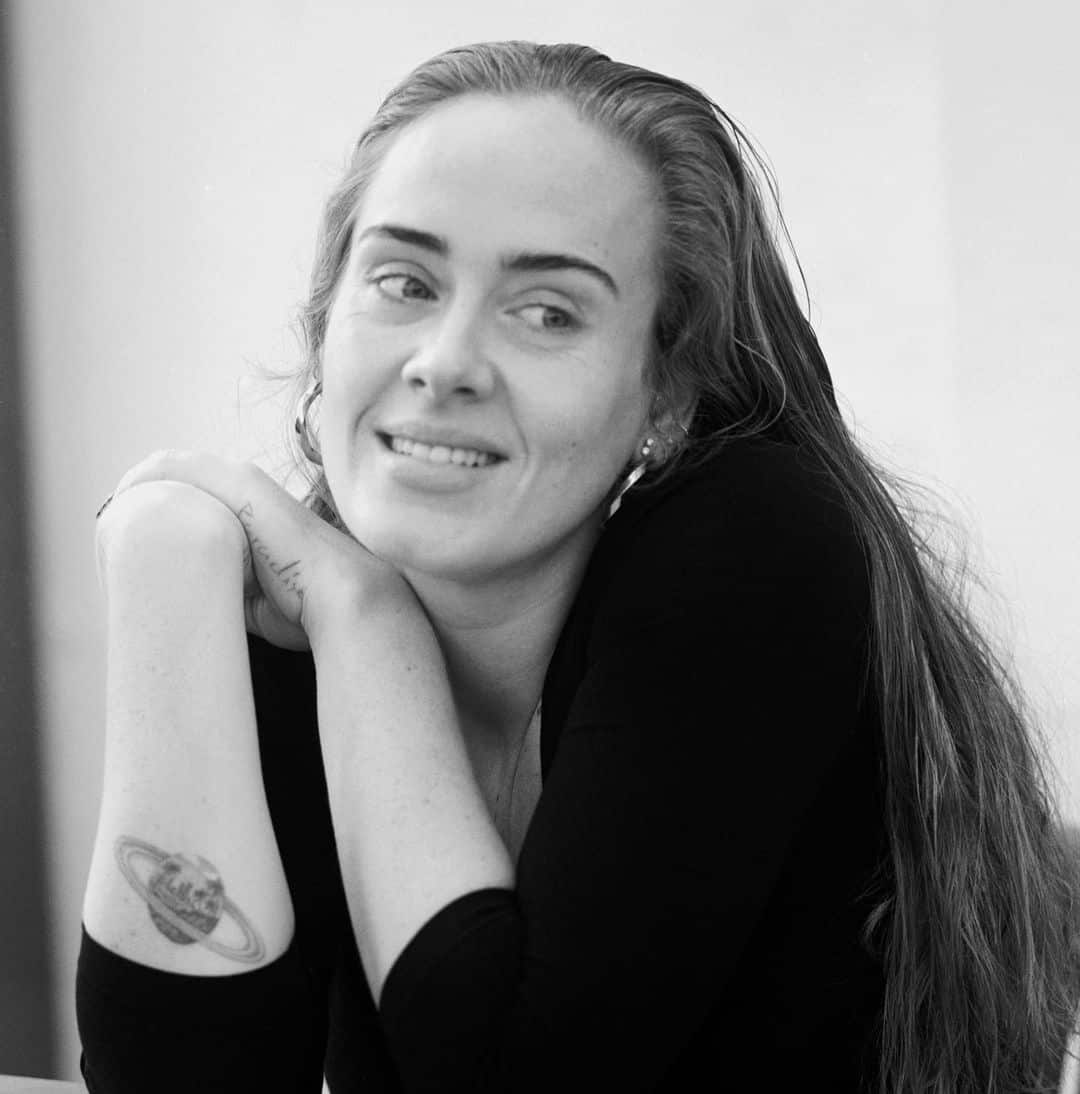 In 2021, Adele showed a Saturn tattoo on her arm. It appeared around the time she was talking about change, adulthood, and the end of a difficult stretch. Some coverage connected it to her son’s age and to the Saturn return, an astrological period that comes roughly every twenty-nine years and is often linked with reassessment. Adele’s own explanation was more direct: the tattoo reminds her that life has ups and downs. That gives the planet a personal meaning; it need not be read as a prediction. The forearm placement keeps it in view without a mirror, which suits a reminder meant for her as much as for anyone looking at a photo. It is one of the clearest tattoos whose meaning Adele has explained, and it is now the design most associated with her later collection.
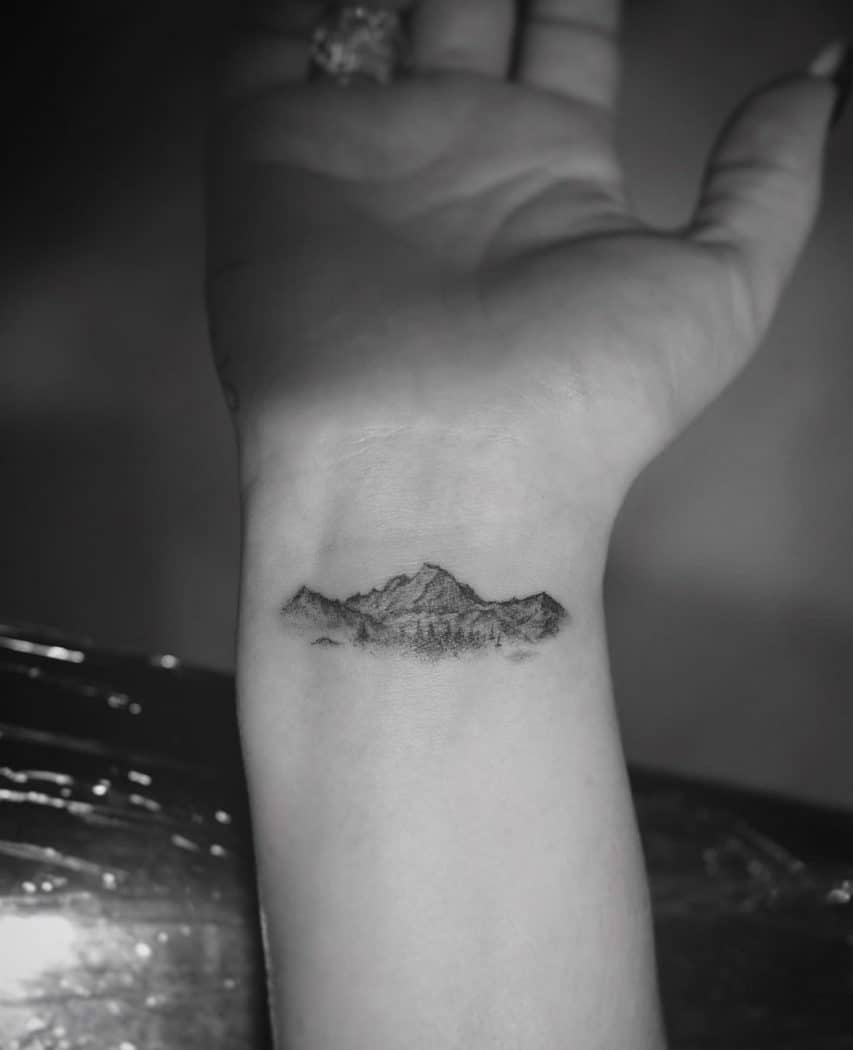 Adele has also been photographed with a mountain tattoo on her wrist or lower arm. She has described it as a symbol of perspective. In interviews, she has talked about looking at a mountain and thinking about life’s climbs, drops, and changing horizons. The image can carry more than one idea without needing a long explanation. Saturn and the mountain make a loose pair: one looks up to the sky, the other to a landscape. Adele has not said she planned them as a matching set. The planet suggests time and cycles; the mountain gives shape to effort and distance. Both connect to keeping going when the view is difficult. Photos differ in the exact outline, so small visual details are hard to pin down. The mountain shape, its wrist or arm placement, and Adele’s explanation are the parts that stay consistent. It is a small tattoo, but she has given it a specific meaning.
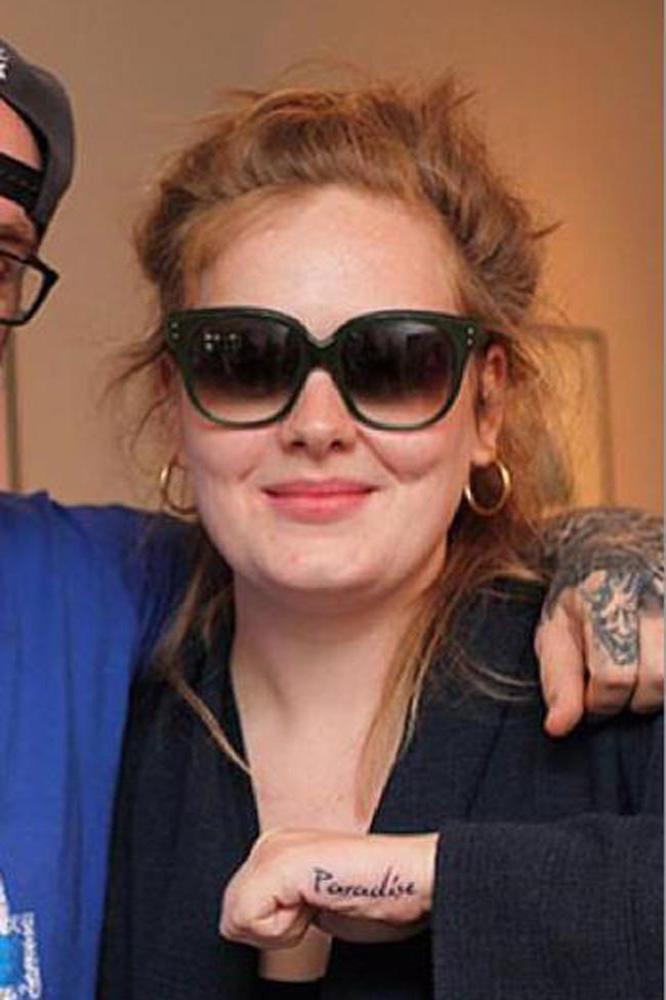 Adele’s known ink also includes the word “Paradise”, which appears in older tattoo roundups. It is usually placed on the side of her hand or arm, though the exact spot is not clear in every photo. The word fits the emotional language around her music, but she has not given one definitive explanation for it. Other lists mention tiny symbols or lettering that can be difficult to distinguish from temporary marks, jewellery shadows, or stage makeup. Adele changes her styling, and a single close-up can be reposted until it looks like several separate pieces of evidence. The more consistent accounts stick to the Angelo lettering, the family-related A, Saturn, the mountain, and Paradise. Some guides count five tattoos; broader lists count more by separating the hand designs or adding small symbols. Different totals do not always mean that someone invented a tattoo; they can reflect different ways of grouping a small collection.
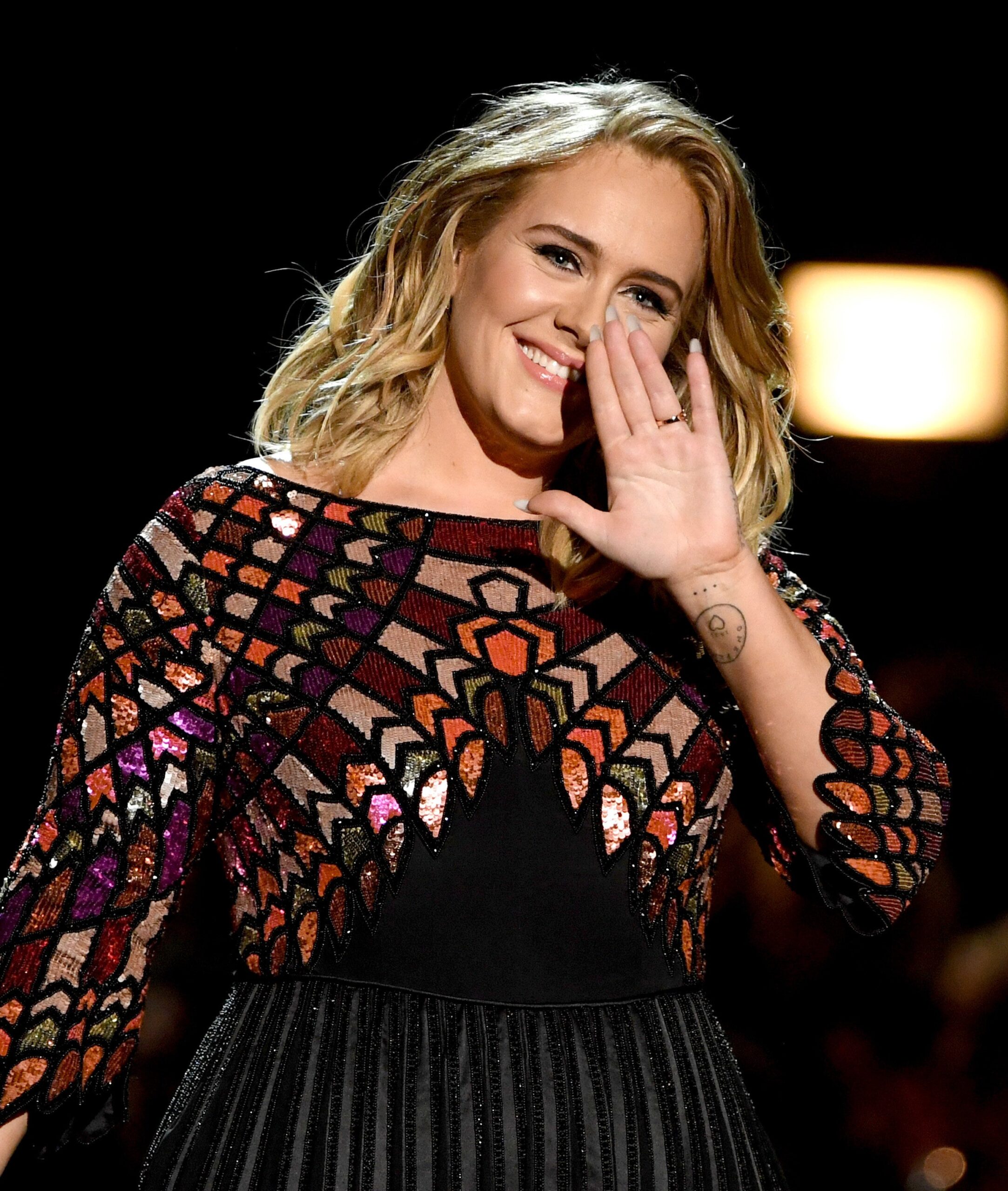 Most of the reported pieces sit on Adele’s hands, wrists, or lower arms. The family lettering is on her hands, the mountain is around her wrist or lower arm, Saturn is on her forearm, and Paradise is also associated with the hand or arm area. These placements make the tattoos visible in ordinary gestures and easy to cover when she wants a clean look. As a pianist and performer, Adele uses her hands and arms onstage, so the ink can show without changing the outfit. The collection is made up of separate small pieces rather than one large design. The hand tattoos are closest to family; the mountain and Saturn carry the explanations she has shared; Paradise remains less defined. They read first as reminders, then as decoration.
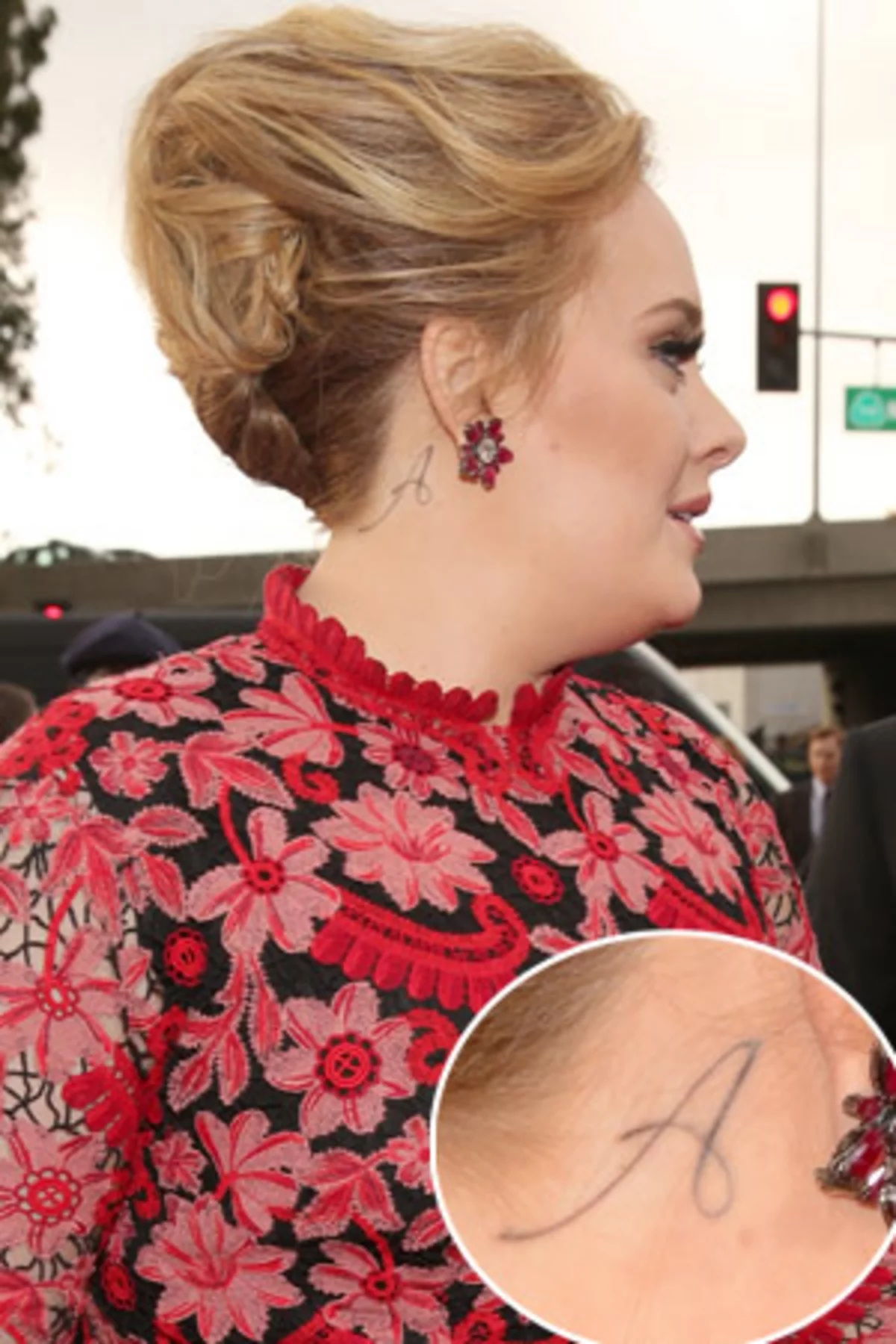
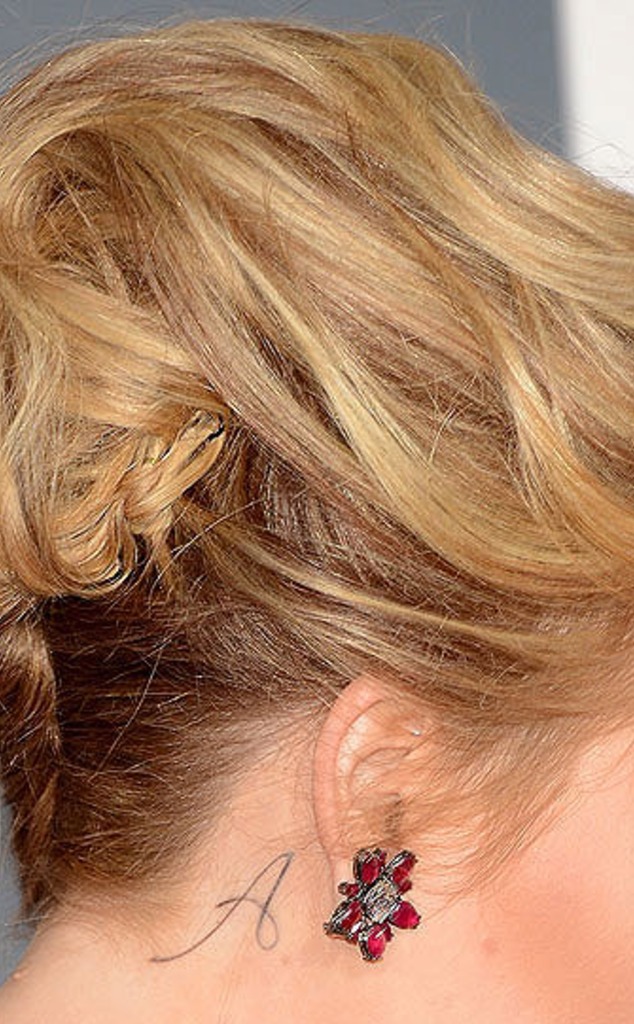 Adele has explained the meaning behind the Saturn tattoo and the family connection behind the Angelo pieces. The mountain has been photographed and discussed as a personal symbol, and Paradise appears consistently in older tattoo coverage. Those details are well enough supported to include. The exact total is harder to settle. The hand designs can be photographed separately, and one close-up may be cropped several ways. A small letter might count as its own tattoo in one guide and be grouped with the name in another. Adele may also have pieces that have never been shown clearly. That is a limit of the public record, not proof that every broader list is wrong. The Angelo name needs no extra backstory; Adele has explained the family connection. She has also given the Saturn and mountain tattoos meanings of their own, while Paradise can remain unexplained. The list should stop where the evidence stops.
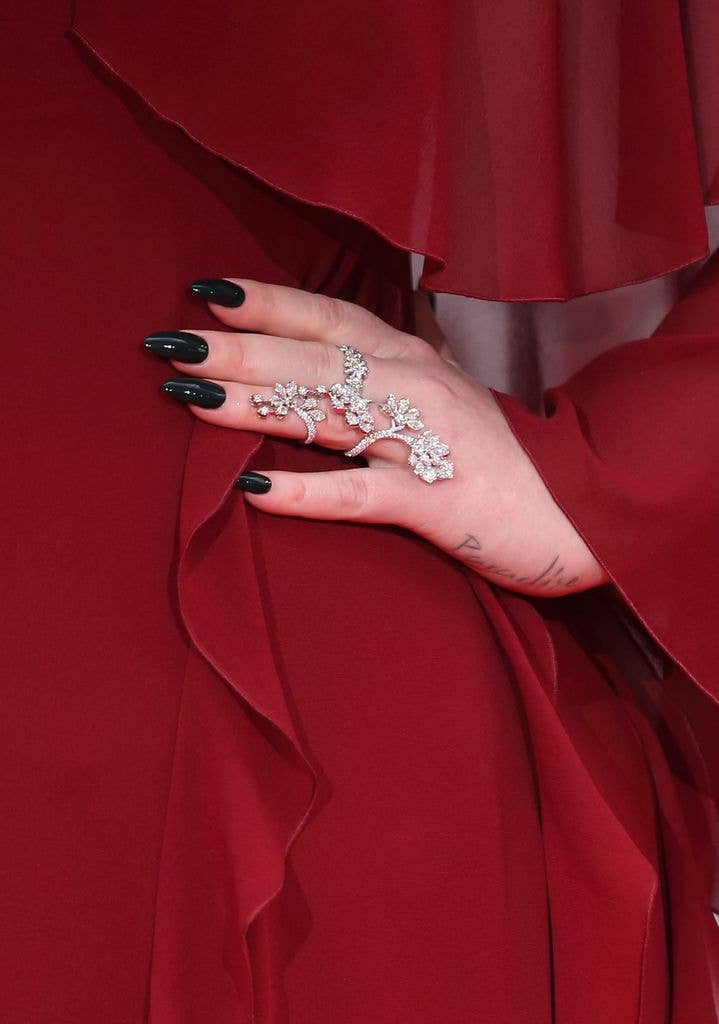 The documented pieces include the name “Angelo,” a small A connected to her son, a tiny family-related smiley face, Saturn on her forearm, a mountain on or near her wrist, and the word “Paradise” around the hand or arm. Depending on how the small designs are counted, articles put the total at five, seven, or roughly ten. The more stable list is shorter than the largest counts suggest. The tattoos point to family, perspective, time, and getting through difficult periods. They are not all tied to one album or designed as a matching set. The hand lettering is connected to motherhood; Saturn marks a period of change; the mountain is about perspective; Paradise is a softer, less explained detail. The tattoos are small, but their meanings do not depend on size. Taken together, they follow Adele through different parts of her life without turning into a single visual statement.
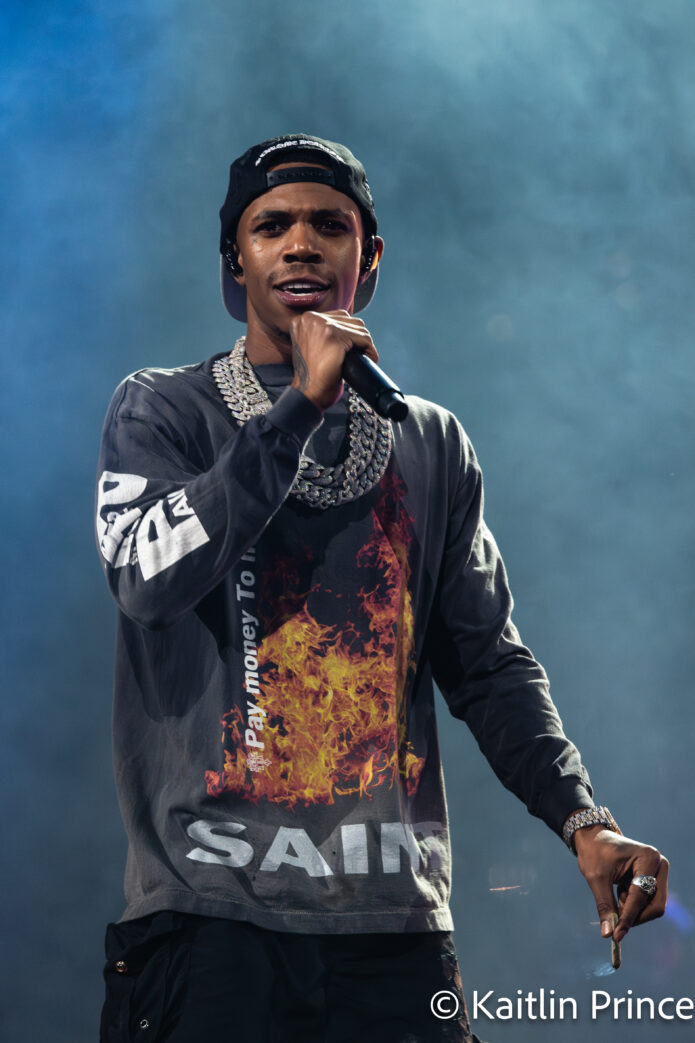
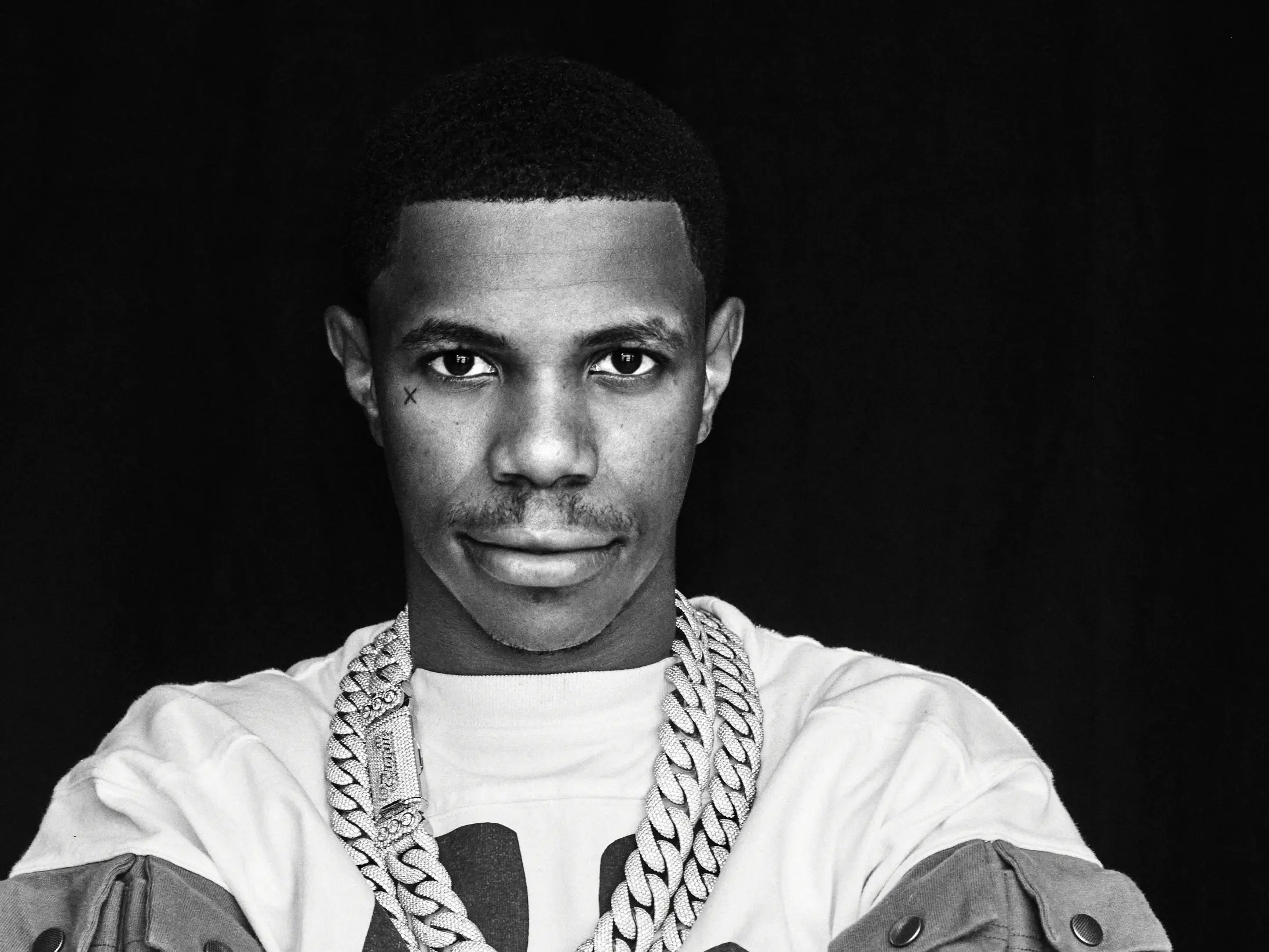 The crying-eye tattoo on A Boogie’s hand is the clearest piece in the available photos. The tear makes the design easy to read, but it does not tell us exactly what he meant by it. An eye like this can suggest sadness or pressure; it may also be a style he liked. Without a direct explanation, the safest description is the image itself. The hand placement keeps it in view when A Boogie performs, points to the crowd, or holds a microphone. It appears and disappears as he moves, unlike a chest or back tattoo usually seen only in a shirtless photo. The image suggests an emotion without telling the viewer exactly what it is.
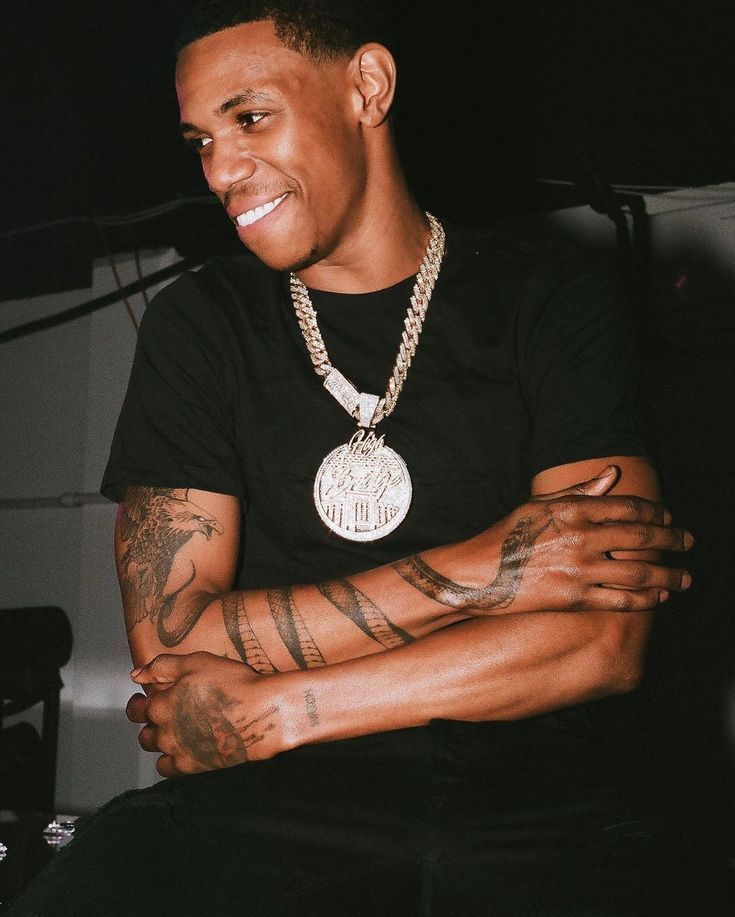 A Boogie’s arm tattoos include lettering, symbols, and larger images spread across both arms. The photos do not make them look like one planned sleeve; they show separate designs added over time. Older and newer pieces sit together, and not all of them share the same style. A jacket can hide most of the arm. Stage lighting can flatten black ink into a shadow, while a close portrait may reveal small marks that disappear in a video. Placement is easier to verify than a final number. The available photos show what is there, but they do not provide a full timeline or a complete count.
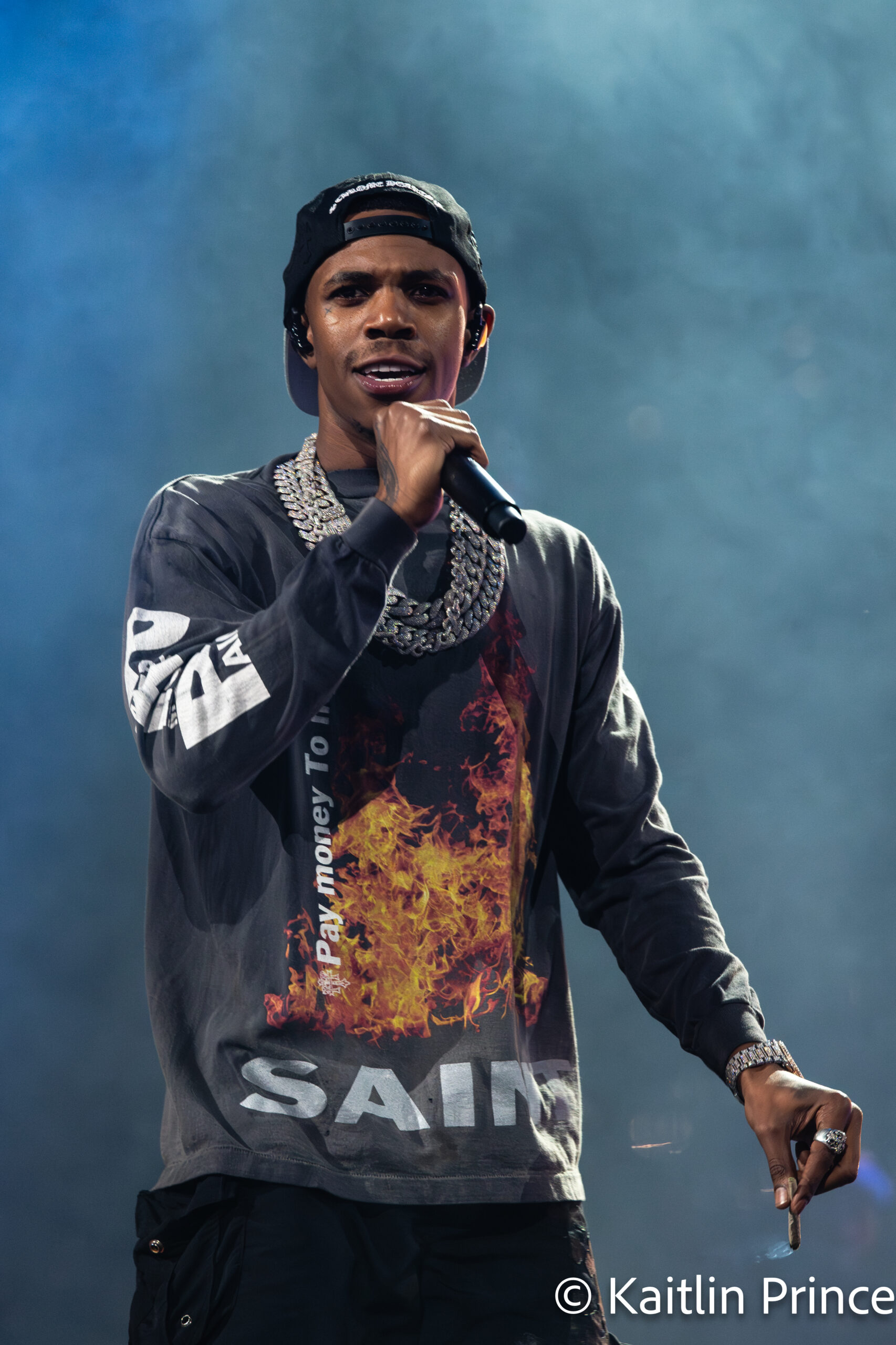 A Boogie’s tattoos are not all memorials or serious statements. Some look cartoonish, with unexpected placement. That lighter side fits his public style, which moves between romantic songs, humor, and swagger. A funny image may be an inside joke or a favorite character, but he has not explained every design. Some tattoos can simply be funny. The playful pieces sit alongside more polished looks without needing to match them. A striking mark might show when he reaches for a microphone, even if it is not part of the outfit or performance concept.
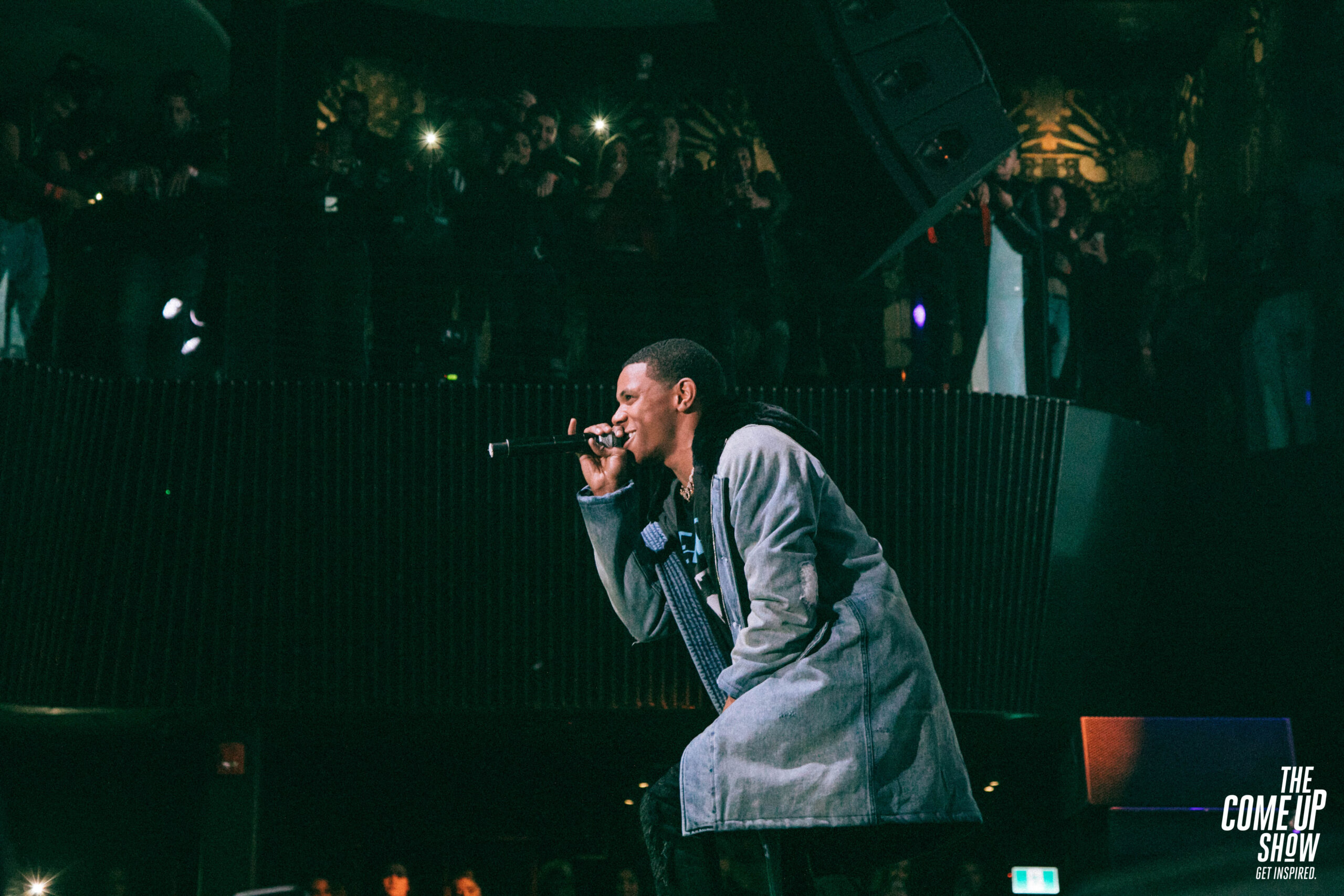 Hand and finger tattoos move with the performance. A symbol may flash into view and disappear with the next gesture. Rings can cover a finger, and a palm often faces away from the camera. Even the crying eye may be clear in one photo while the rest of the hand is out of frame. It takes several images to see more than one part of the collection. The ink moves with his gestures. Lettering appears across A Boogie’s tattoos, but a crop can make a few letters hard to read. Text might be a name, phrase, place, or reminder; it is not necessarily a lyric or song title. Partial lettering is easy to misread. If a source does not show the whole word, it is better to describe “dark lettering along the arm” than to guess at a name. He writes and performs music, but that alone does not make every tattoo a reference to a song. It is better to leave an unclear word unfinished than to guess. What the available photos show clearly. The pictures document the crying-eye hand tattoo, several arm tattoos with lettering and symbols, smaller hand and finger pieces, and playful designs in portraits and stage photos. A Boogie has also discussed a favorite tattoo in an interview. That is a useful inventory, but not a complete map of his body. New photos can show details that older ones miss. An exact count needs clear, current photos of every tattoo. Fan pages and tattoo-inspired artwork add another complication: a design based on one of A Boogie’s songs or photos is not automatically ink on his own skin.
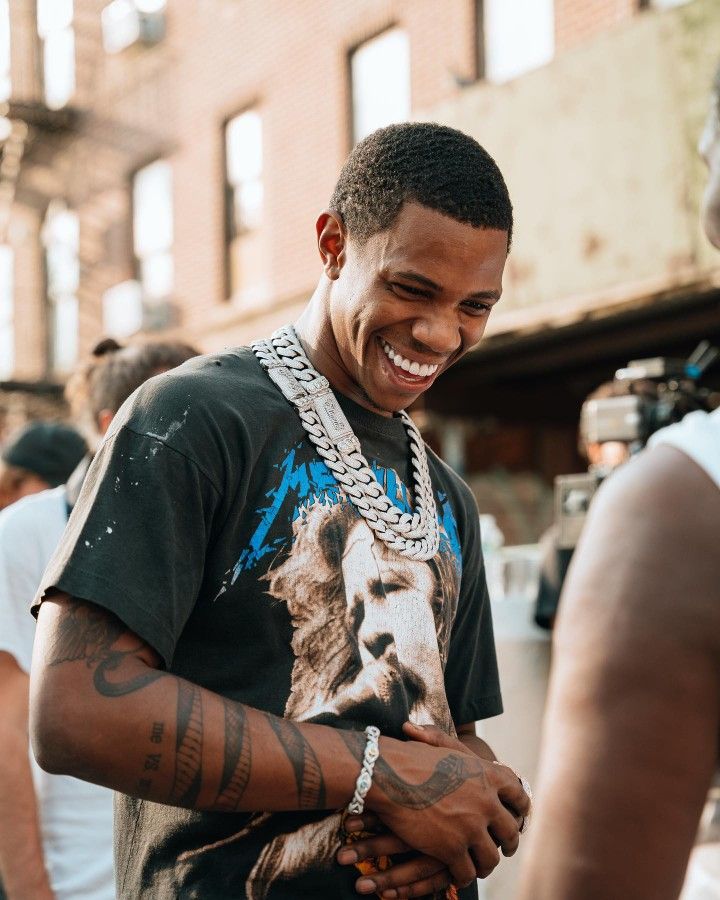 What makes the collection feel personal. His tattoos are recognizable without looking like one coordinated design. The crying eye has an open expression, the arm pieces bring together different lettering and symbols, and the playful marks leave room for humor. Some meanings are public; others are not. Not every mark needs a public explanation. New tattoos can change how the collection looks. A small hand piece may become visible in a live clip; a close-up can draw attention to a detail that was hard to see before. Photos show separate marks as well as how they sit together. This is not a finished sleeve or a single theme, and it is safer to describe the images than to guess at each one’s meaning. Stick to what is visible. The tattoos are part of A Boogie’s public image, but the meaning of a specific symbol belongs to him.
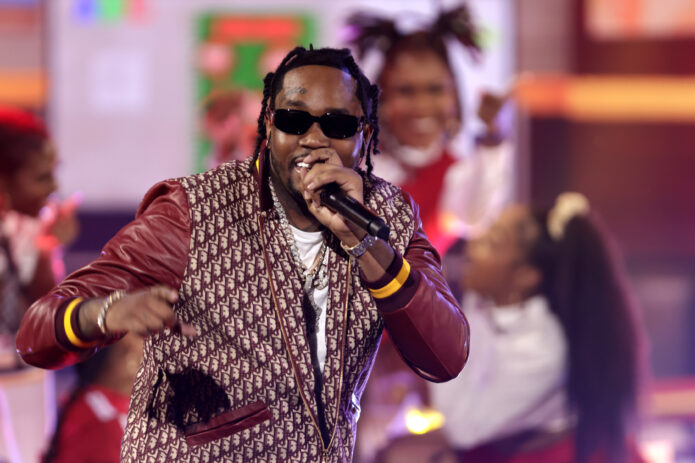
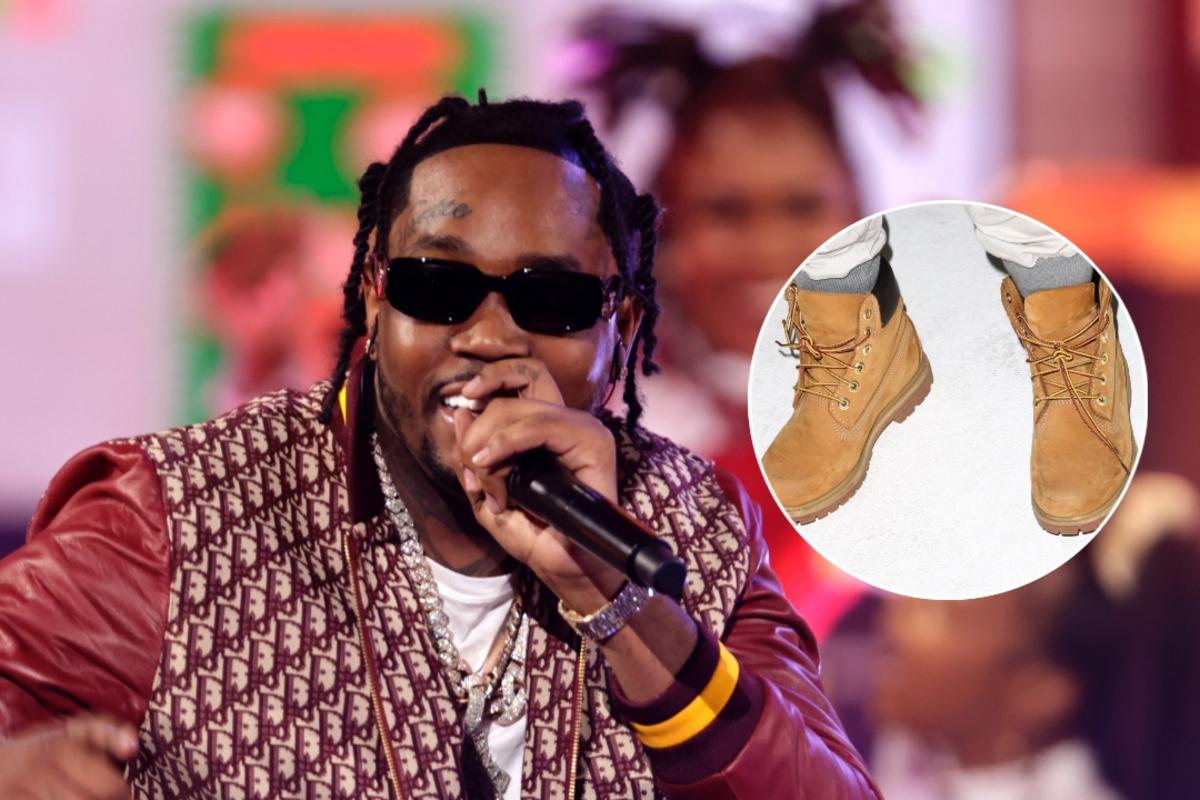 In October 2024, Fivio Foreign showed a Timberland boot tattoo. Complex, HOT 97, and other outlets described it as a nod to a New York icon and the city’s fashion culture. He had it done in London, taking that local reference overseas. Timberlands have been part of New York streetwear, especially in hip-hop, for years; the tattoo makes the connection literal. Reactions online were mixed. Some people joked about the boot, while others understood the reference. Fivio’s answer was that tattoos are for the person wearing them, not everyone else’s approval: people get tattoos for themselves, not for everybody else to like. That is a useful way to read this piece. It can mean something to him without winning over every viewer.
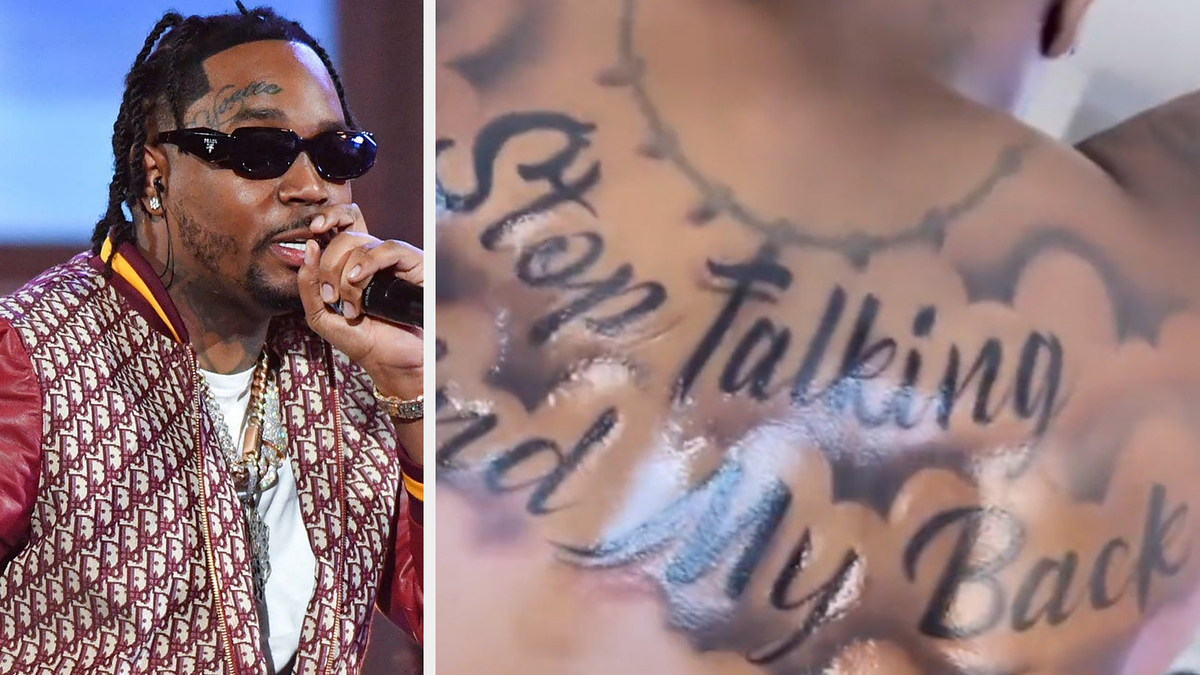 Fivio showed the back tattoo in 2023. It reads “Stop Talking Behind My Back.” HotNewHipHop and Complex reported it as a response to people discussing him when he was not there. The placement gives the words a visual joke, though they can also read as a serious boundary. The sentence needs no guide or close comparison to understand. The lettering carries the meaning. Instead of posting a long explanation, Fivio let the message sit on his back.
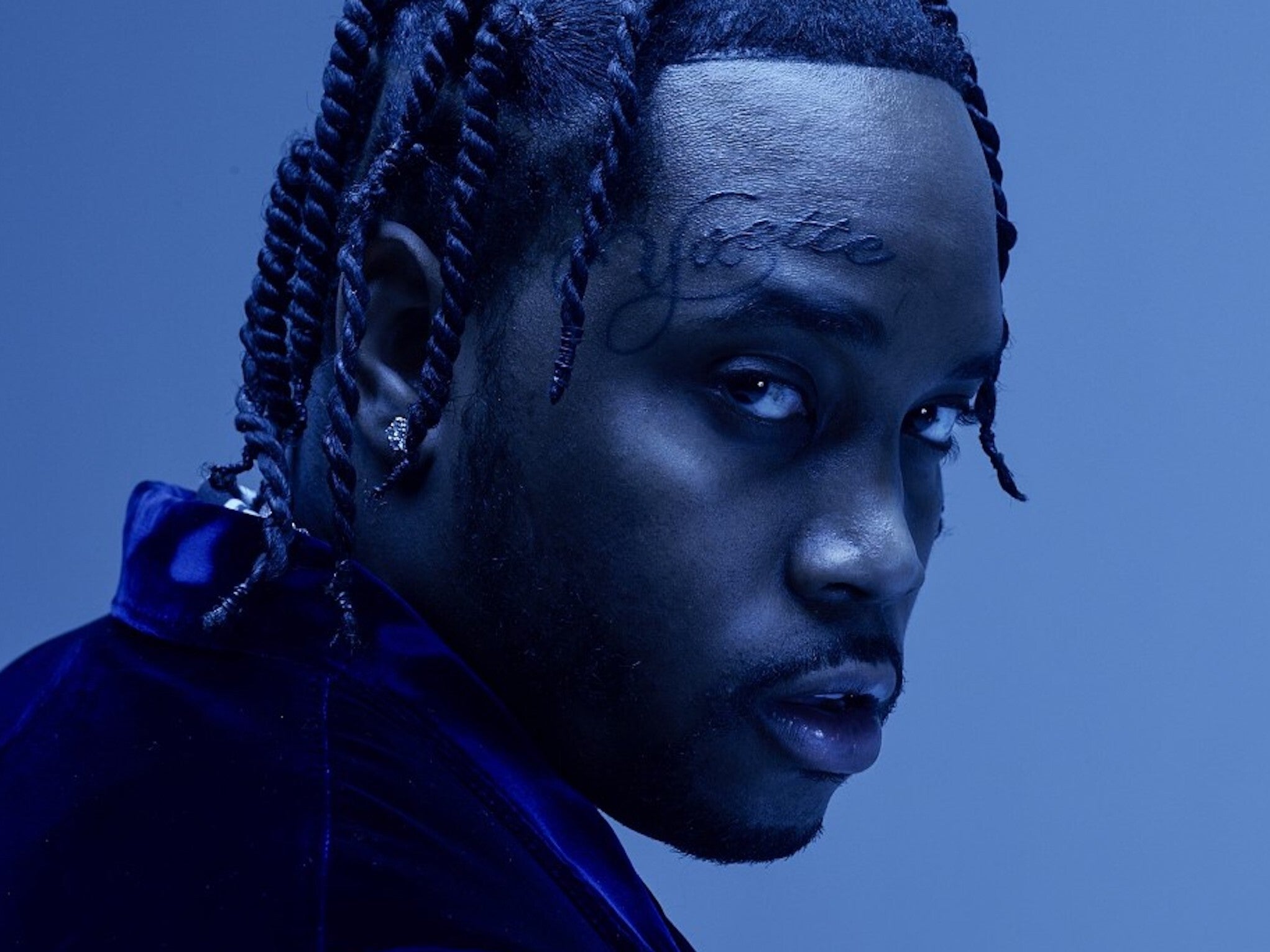 Before the boot and back phrase became headlines, Fivio already had visible tattoos across his face and upper body. Close portraits show compact lettering and dark marks, but older photos vary in lighting, crop, and resolution. Face tattoos also stay visible in interviews and music videos, unlike a back design that a jacket can cover. That visibility shapes a first impression, but it does not reveal what each mark means. Some may connect to people, places, or beliefs; a photo alone cannot establish which. Describe the design before guessing at its meaning.
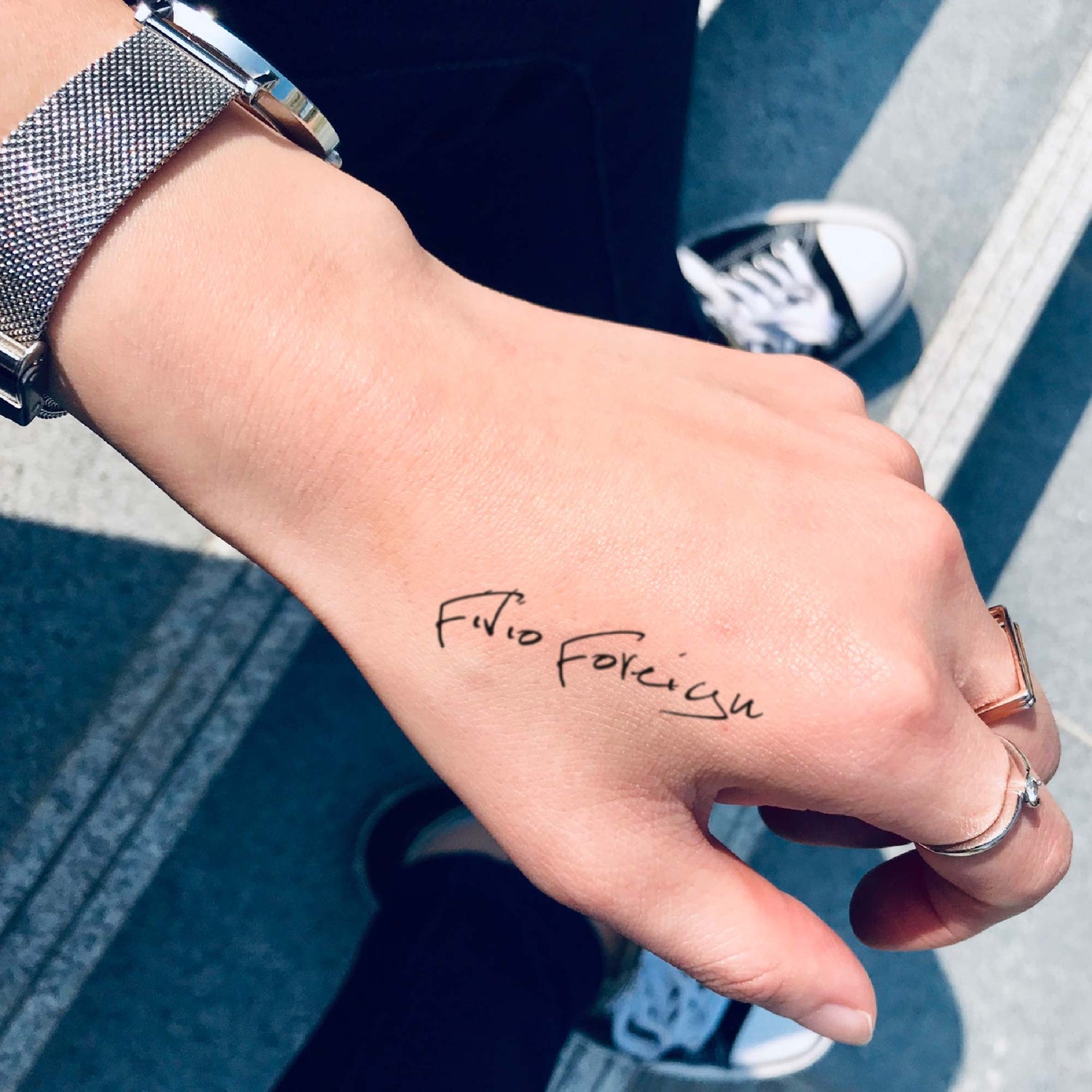 Fivio’s visible ink includes both words and symbols. The back sentence can be quoted, and a clear New York reference is easier to identify than a dark shape in a cropped portrait. A symbol might be a logo, a personal sign, or simply part of the design; without an explanation, it is hard to say. They do not need to share one meaning just because they sit on the same body. Fan pages often assign familiar meanings to crosses, numbers, or other common symbols, but Fivio may use them differently. A design can carry local history that a general tattoo guide would miss. Without his account, leave that possibility open.
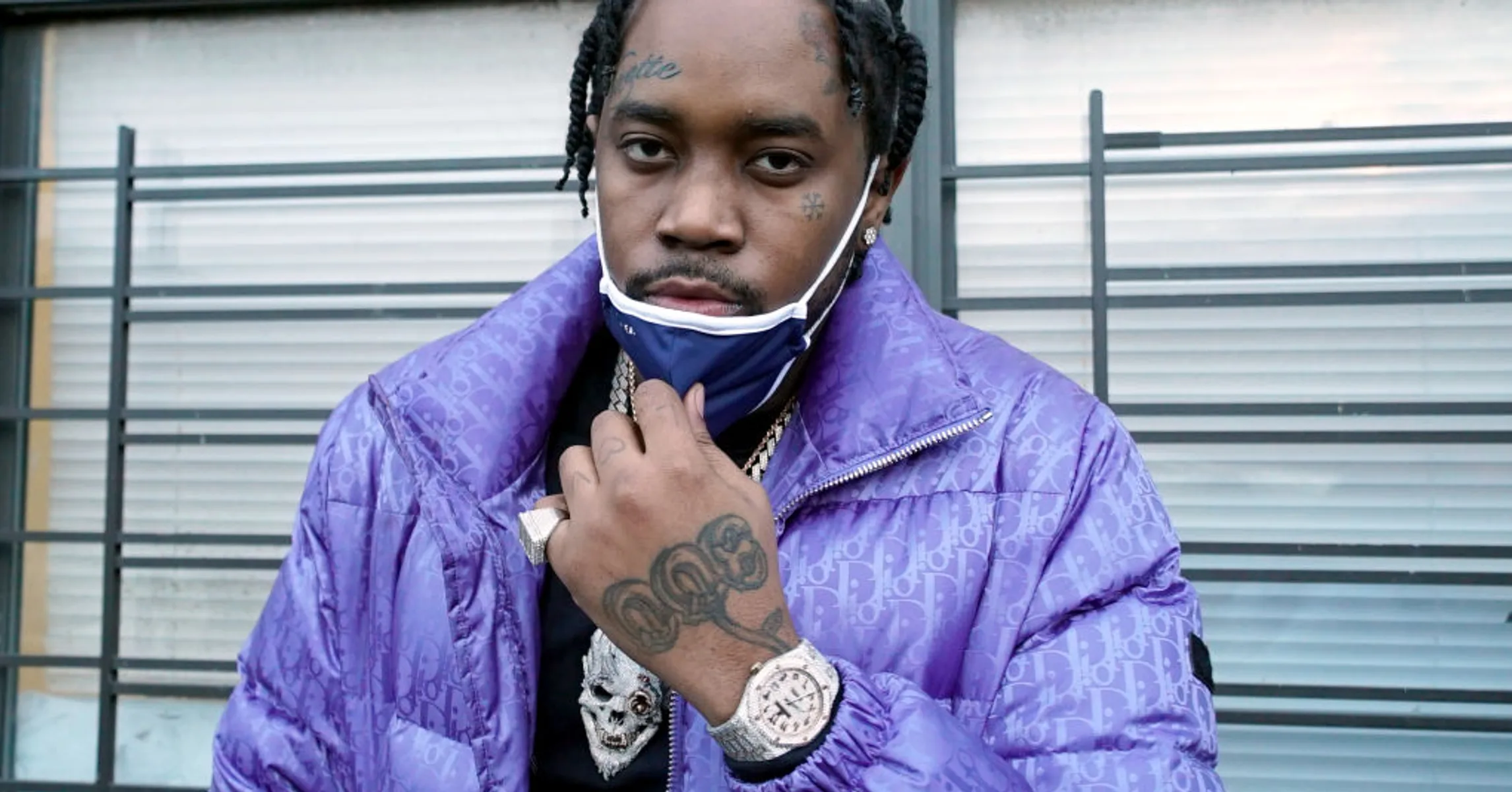 The back piece and Timberland boot changed the scale of Fivio Foreign’s public tattoo story. His face and arm tattoos were already part of his look, but the newer pieces became news because one carries a full sentence and the other is instantly recognizable. They also change how a photograph frames him. A close portrait can show his expression and face ink; the back design needs a wider view, sometimes with the studio or clothing in frame. A shirt can hide that piece, while a stage photo catches his hands and arms in motion. A photo catches one part at a time, not the whole collection.