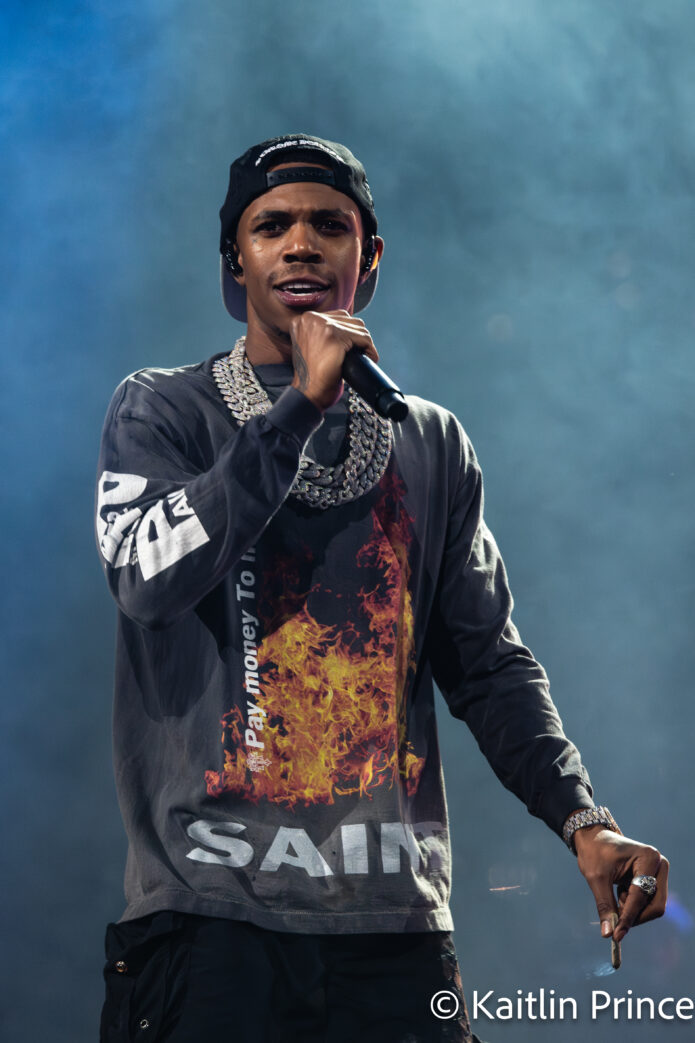
A Boogie wit da Hoodie’s tattoos cover his hands and arms, with lettering, symbols, and a few playful designs. Some pieces have a story he has shared; others are easiest to describe from photos. In a MuchMusic interview, he talked about a favorite tattoo and the memory behind it. That detail puts memory ahead of decoration. Photos also show a crying-eye hand tattoo, bold arm work, and smaller marks that appear when he performs. There is no complete public catalogue, so this guide separates what is visible from what A Boogie has explained.
The crying eye tattoo brings emotion to the hand
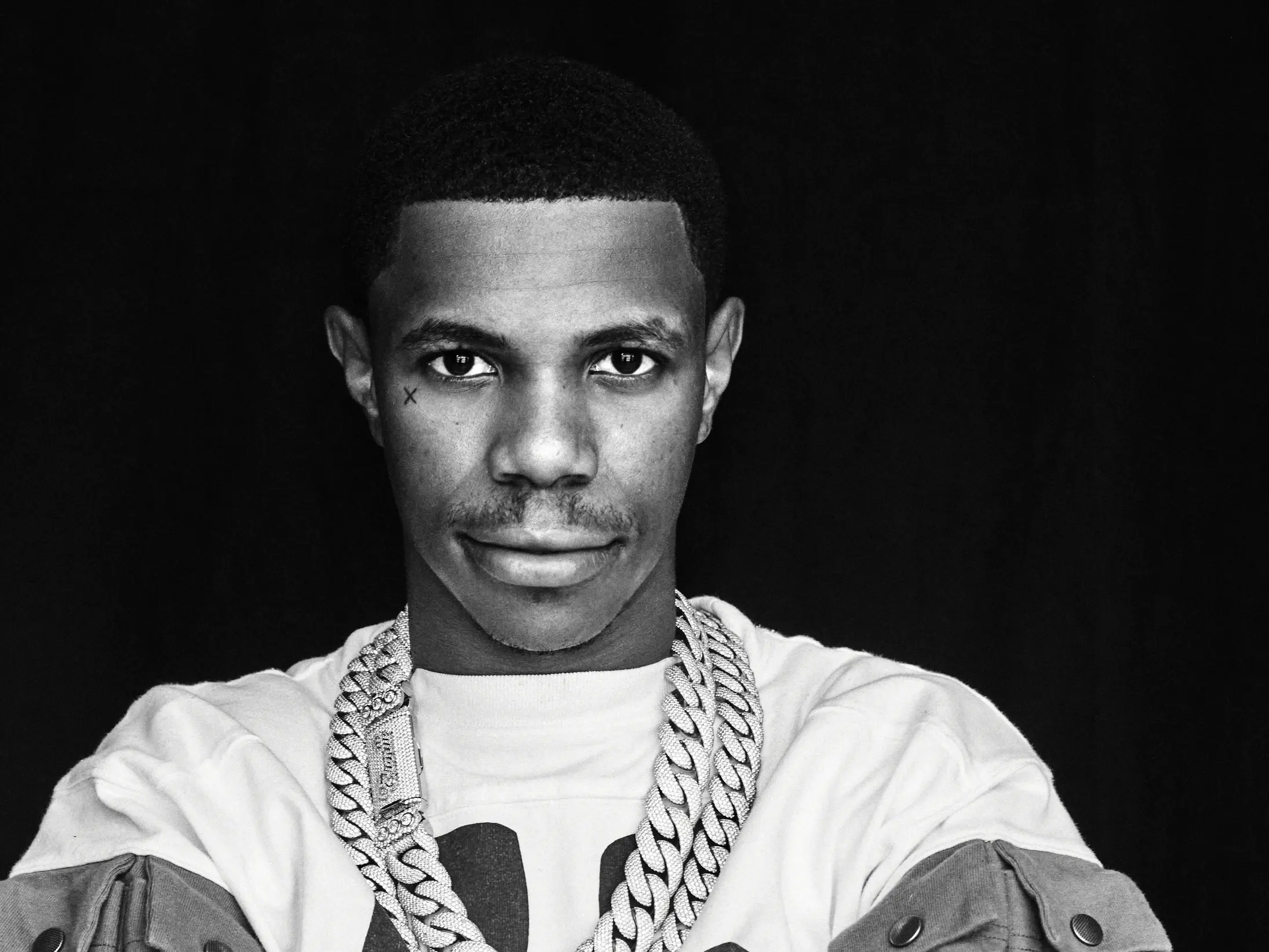 The crying-eye tattoo on A Boogie’s hand is the clearest piece in the available photos. The tear makes the design easy to read, but it does not tell us exactly what he meant by it. An eye like this can suggest sadness or pressure; it may also be a style he liked. Without a direct explanation, the safest description is the image itself. The hand placement keeps it in view when A Boogie performs, points to the crowd, or holds a microphone. It appears and disappears as he moves, unlike a chest or back tattoo usually seen only in a shirtless photo. The image suggests an emotion without telling the viewer exactly what it is.
His arm tattoos have room for different chapters
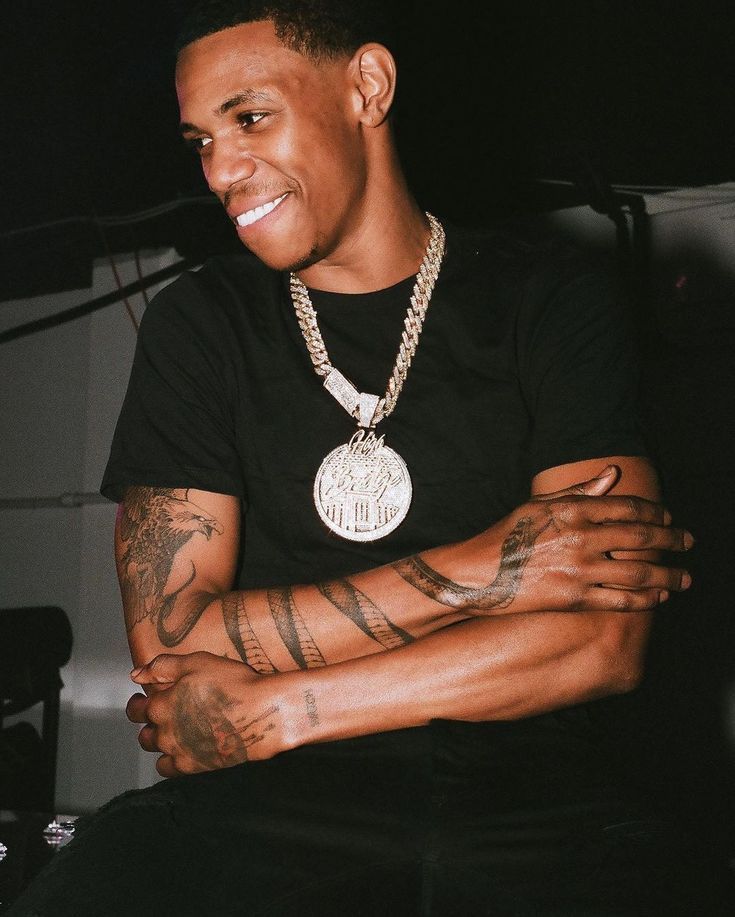 A Boogie’s arm tattoos include lettering, symbols, and larger images spread across both arms. The photos do not make them look like one planned sleeve; they show separate designs added over time. Older and newer pieces sit together, and not all of them share the same style. A jacket can hide most of the arm. Stage lighting can flatten black ink into a shadow, while a close portrait may reveal small marks that disappear in a video. Placement is easier to verify than a final number. The available photos show what is there, but they do not provide a full timeline or a complete count.
Some tattoos are built for a story, not a trend
A MuchMusic interview gives A Boogie’s own account of one of his favorite tattoos and the memory behind it. That makes the clip useful alongside the photos: it connects a design to something he has chosen to share. A small tattoo can matter as much as a large one. Its meaning may come from who suggested it, when he got it, or what it brings back. The interview does not turn the rest of the collection into a list of confirmed stories, but it shows that appearance is only part of the picture. A design can look funny or exaggerated to someone else and still hold a private memory for the person wearing it.
The collection has a playful side
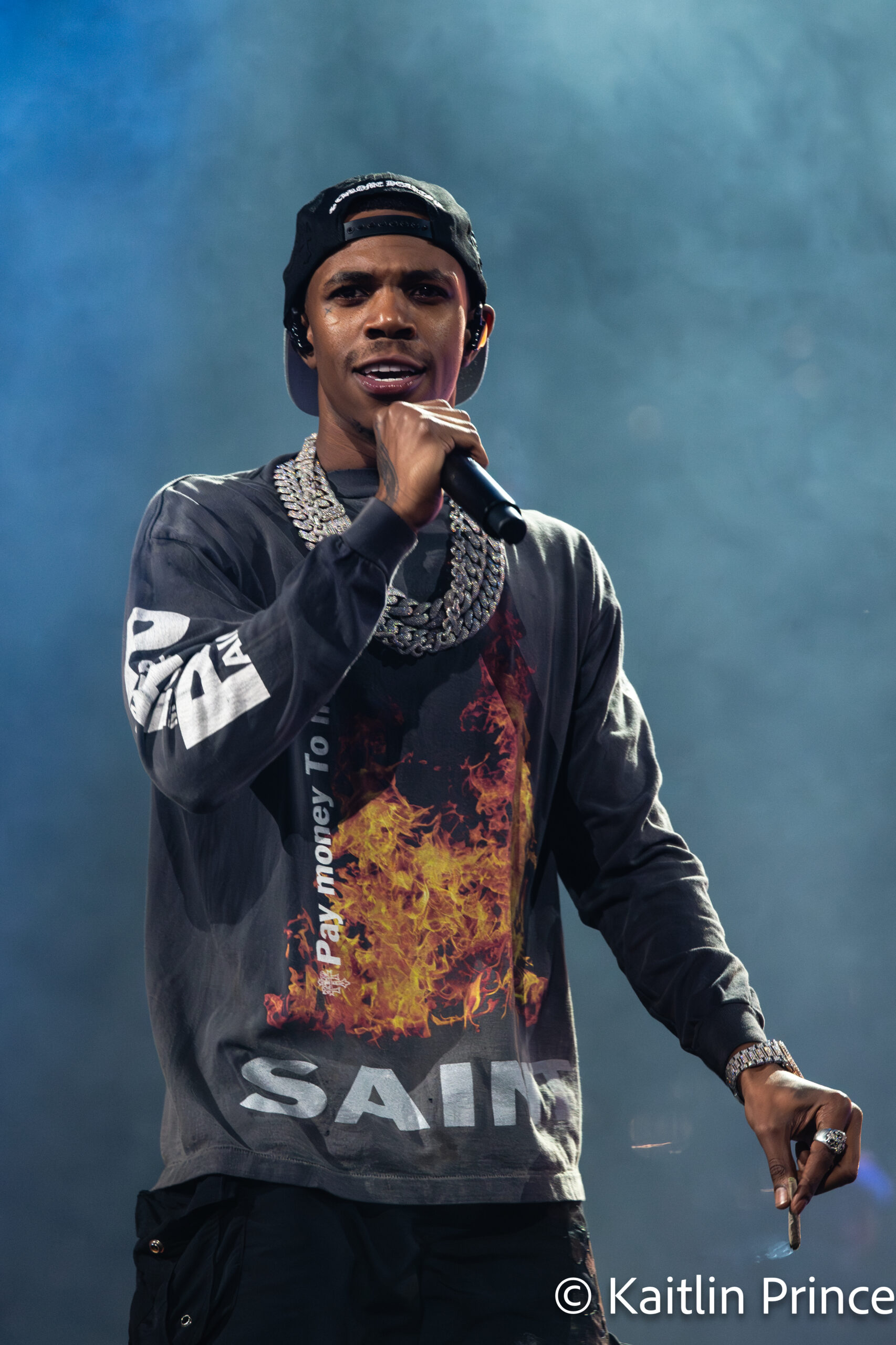 A Boogie’s tattoos are not all memorials or serious statements. Some look cartoonish, with unexpected placement. That lighter side fits his public style, which moves between romantic songs, humor, and swagger. A funny image may be an inside joke or a favorite character, but he has not explained every design. Some tattoos can simply be funny. The playful pieces sit alongside more polished looks without needing to match them. A striking mark might show when he reaches for a microphone, even if it is not part of the outfit or performance concept.
Hands and fingers make the ink part of performance
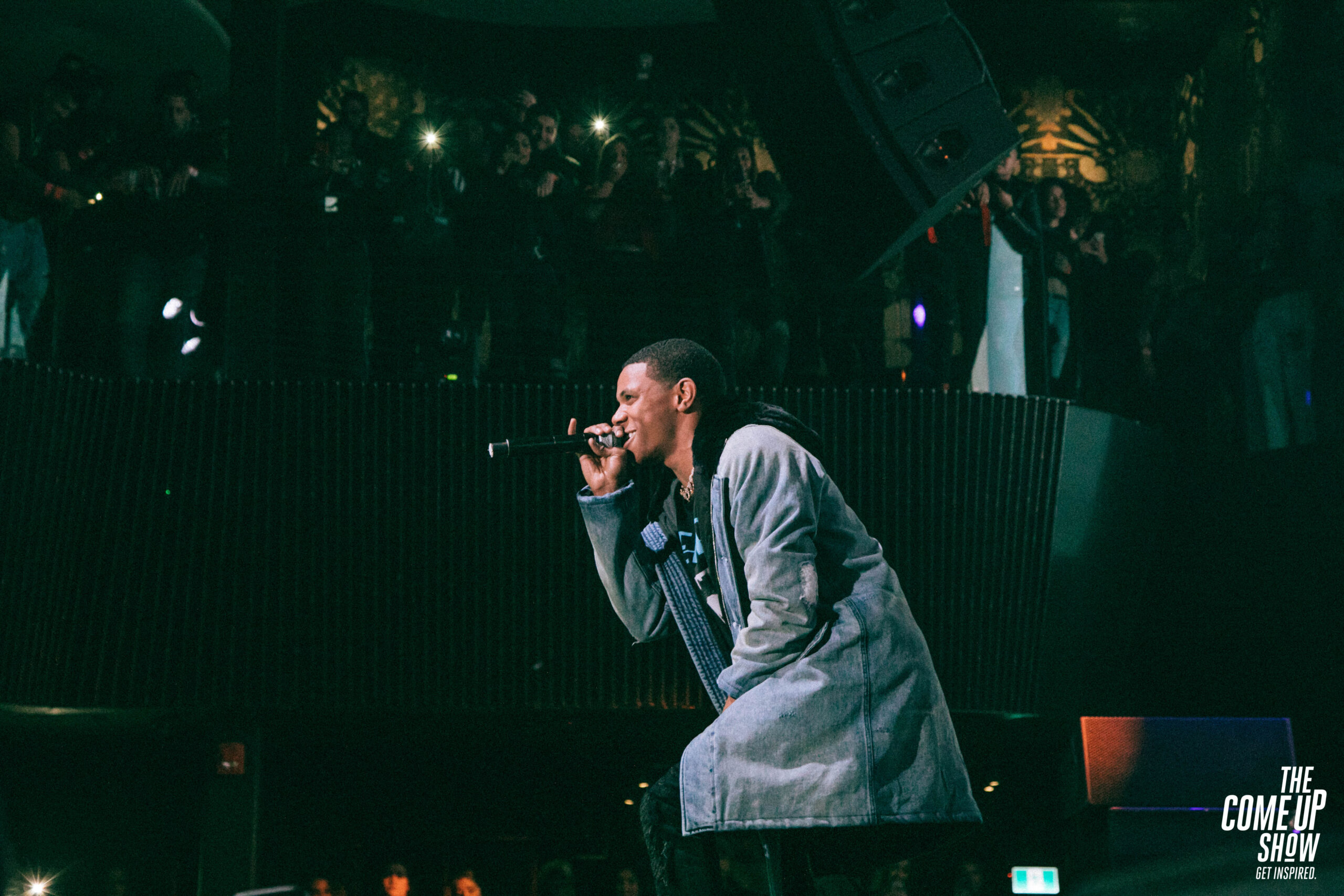 Hand and finger tattoos move with the performance. A symbol may flash into view and disappear with the next gesture. Rings can cover a finger, and a palm often faces away from the camera. Even the crying eye may be clear in one photo while the rest of the hand is out of frame. It takes several images to see more than one part of the collection. The ink moves with his gestures. Lettering appears across A Boogie’s tattoos, but a crop can make a few letters hard to read. Text might be a name, phrase, place, or reminder; it is not necessarily a lyric or song title. Partial lettering is easy to misread. If a source does not show the whole word, it is better to describe “dark lettering along the arm” than to guess at a name. He writes and performs music, but that alone does not make every tattoo a reference to a song. It is better to leave an unclear word unfinished than to guess. What the available photos show clearly. The pictures document the crying-eye hand tattoo, several arm tattoos with lettering and symbols, smaller hand and finger pieces, and playful designs in portraits and stage photos. A Boogie has also discussed a favorite tattoo in an interview. That is a useful inventory, but not a complete map of his body. New photos can show details that older ones miss. An exact count needs clear, current photos of every tattoo. Fan pages and tattoo-inspired artwork add another complication: a design based on one of A Boogie’s songs or photos is not automatically ink on his own skin.
 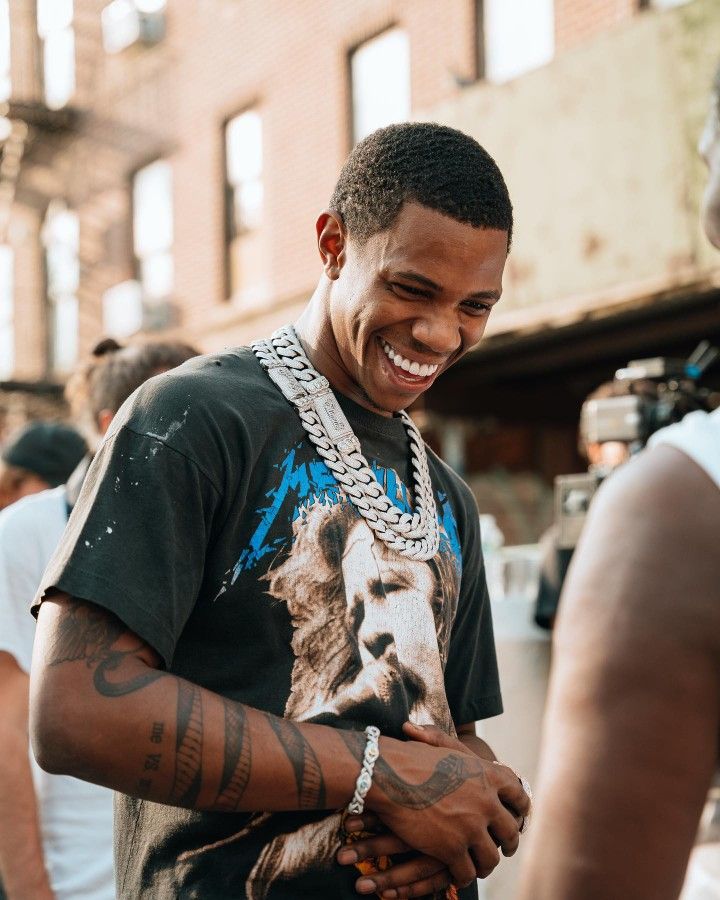 What makes the collection feel personal. His tattoos are recognizable without looking like one coordinated design. The crying eye has an open expression, the arm pieces bring together different lettering and symbols, and the playful marks leave room for humor. Some meanings are public; others are not. Not every mark needs a public explanation. New tattoos can change how the collection looks. A small hand piece may become visible in a live clip; a close-up can draw attention to a detail that was hard to see before. Photos show separate marks as well as how they sit together. This is not a finished sleeve or a single theme, and it is safer to describe the images than to guess at each one’s meaning. Stick to what is visible. The tattoos are part of A Boogie’s public image, but the meaning of a specific symbol belongs to him.
Watch A Boogie talk about one of his favourite tattoos
The MuchMusic interview below is not a full tattoo tour. It is a clip of A Boogie discussing one favorite piece and the story behind it, a useful bit of context after the visual inventory.