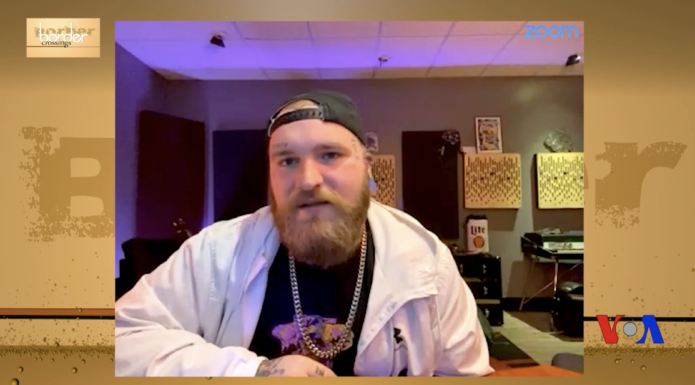
Teddy Swims has far more tattoos than face photos suggest. His ink runs from his scalp, eyelids and cheeks to his neck, hands, arms, legs, torso and back. The collection mixes large portraits, tiny lettering and designs still in progress. It has grown as he has toured, recorded music and met artists along the way.
Different sources fill in different parts of the picture. Inked has identified several film and television tributes, while interviews and a Capital Breakfast session cover the face tattoos and more personal designs. Photos show placement, but not always meaning.
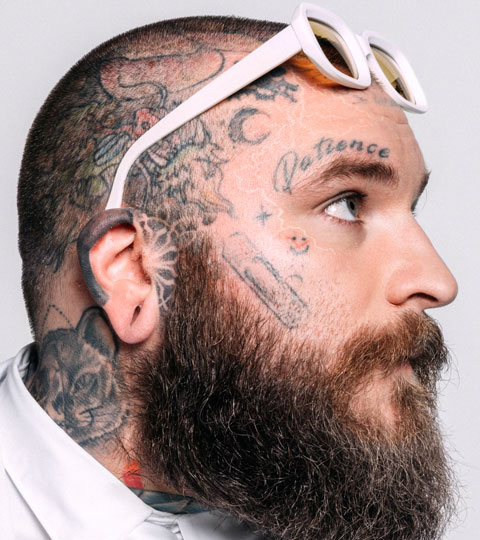
Patience sits above the eye and sets the tone for the face ink
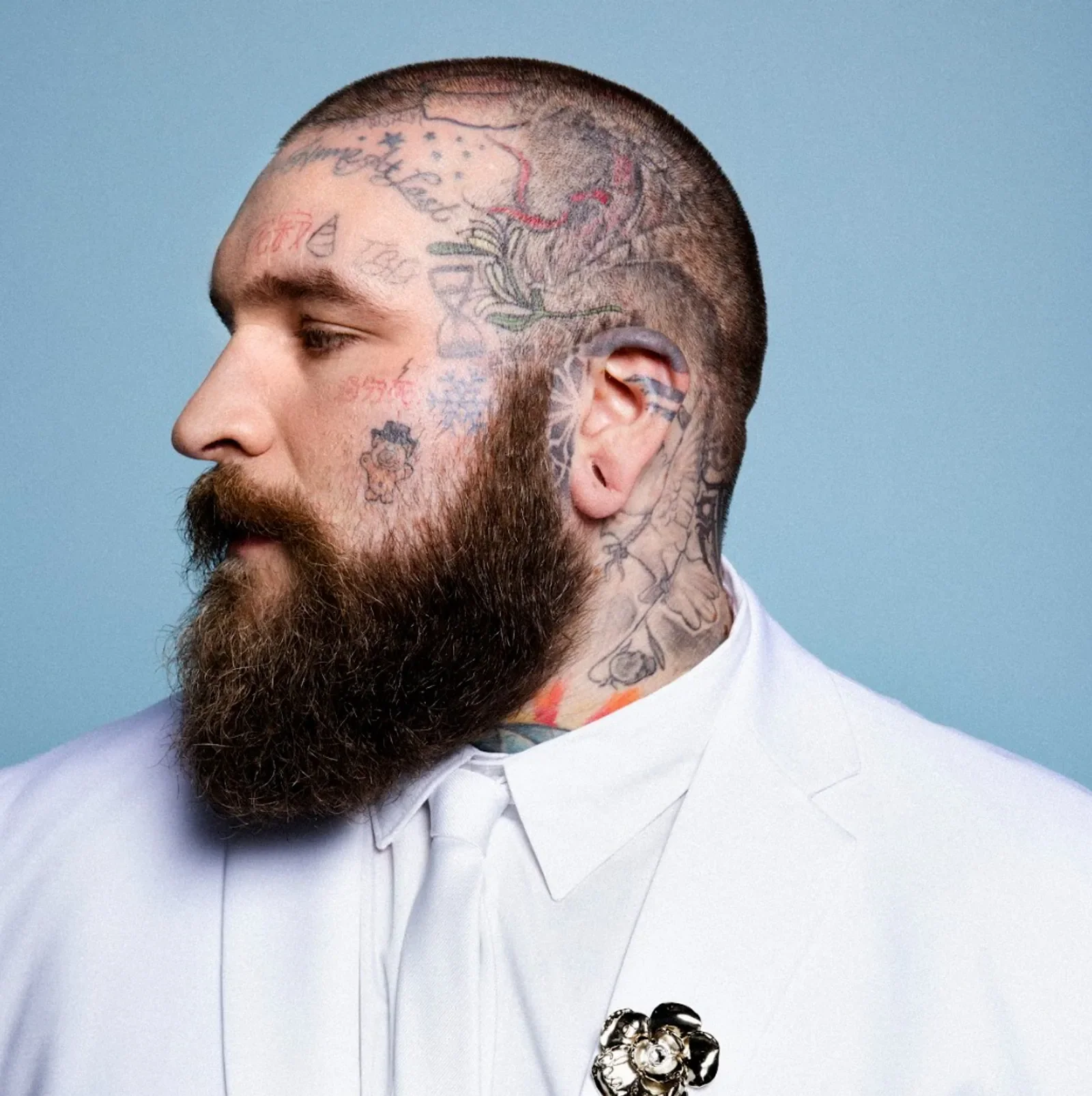
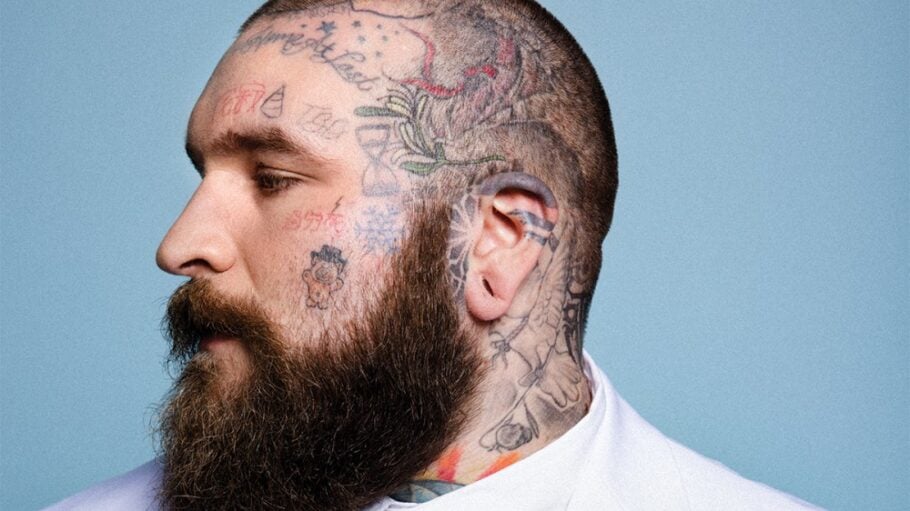
The word Patience above Swims’s eye is one of his most recognizable tattoos. In an Inked interview, he said patience is something he has struggled with, giving the word a direct personal connection. Its lettering can look different in photos depending on the angle and his shaved head.
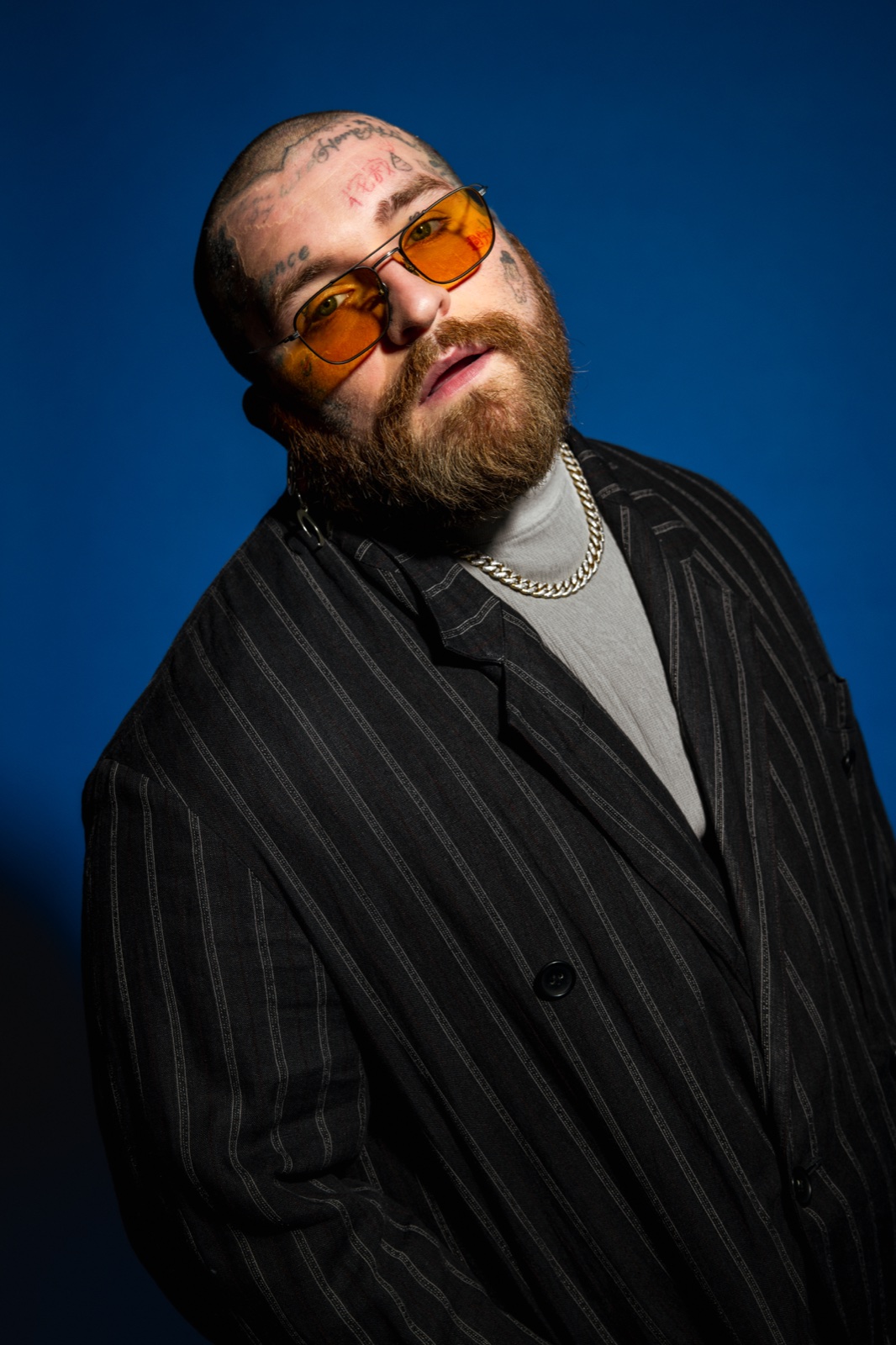
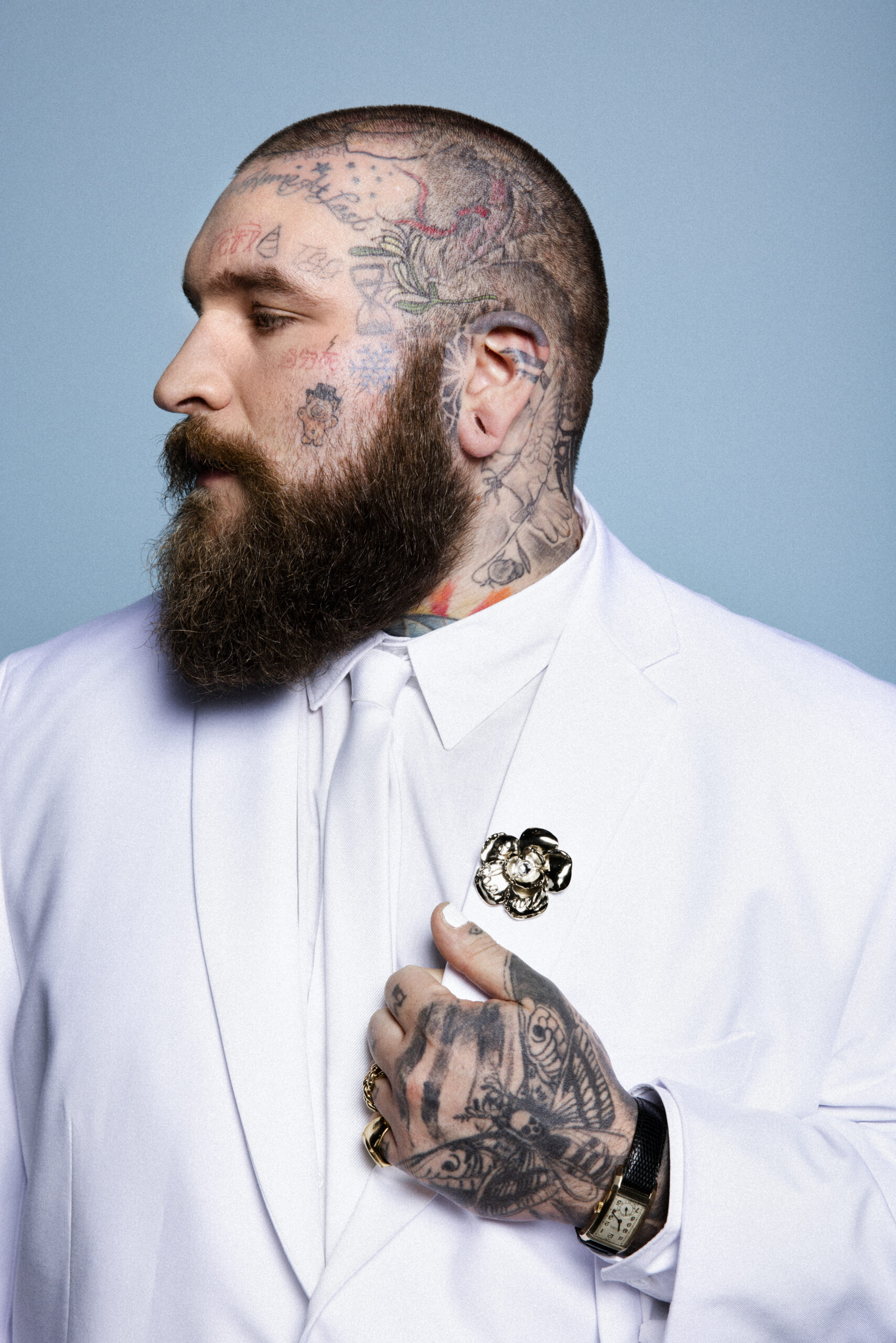
The rest of Swims’s face is much more densely tattooed, with script, small words, red marks, symbols and lines across his forehead, cheeks and temples. Some designs are clear in close photos; others blend into the hairline or beard. A close face shot shows more than a distant performance photo, which can turn the whole area into a blur.
The face tattoos were added over time, not as one design in a single session. Older writing sits beside newer marks, some added while Swims was touring or working with artists he met on the road. The result is busy, but each addition belongs to a different moment in the collection.
The eyelid lettering came from his love of Lil Wayne
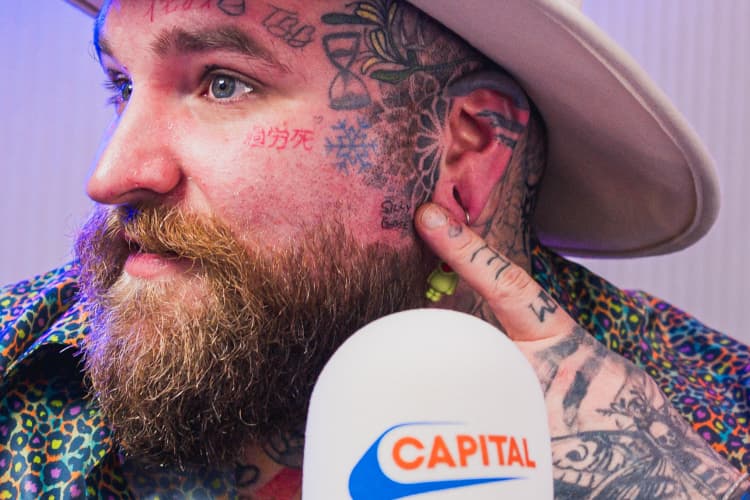
Swims has linked the small lettering around his eyelids to Lil Wayne, whose face tattoos inspired him. The marks are easy to see up close but nearly disappear in a distant photo, making them some of the harder pieces to document.
The word above the eye and the smaller marks around it are separate tattoos. Photos show different colors, scripts and symbols beside one another, but a faint mark is not automatically a confirmed design just because it appears near a more recognizable one.
Swims has also talked about his grandfather warning him against face tattoos. That family story gives the decision context, but it does not make every mark on his forehead a tribute to his grandfather. The designs need to be considered individually.
Face ink changes how every other tattoo reads: even a small word stands out beside the eye. Close photos make the linework easier to see than generic headshots of Swims.
Chris Farley appears as Han Solo on one of the legs
One of Swims’s more specific tributes is a portrait of Chris Farley dressed as Han Solo. Inked identifies it as a tribute to Farley, not simply a Star Wars tattoo. Han Solo gives the portrait its visual frame; Farley is the person Swims chose to honor.
An interview places the Han Solo portrait on one of Swims’s shins. That lower-leg work is easy to miss in red-carpet photos and music interviews, where trousers usually cover it.
The photo helps show the portrait’s placement and overall look; Inked supplies the Chris Farley connection. Without that context, it could be mistaken for a Star Wars-only design.
The Farley portrait has a playful side, but it is also a clear tribute. Swims’s collection holds serious family memories alongside favorite performers and characters that make him laugh.
Chubbs Peterson gives the other film tribute its own identity
Inked also names Carl Weathers as Chubbs Peterson from Happy Gilmore. It is another portrait tied to a particular character and performance, rather than a generic image of an actor.
Chubbs takes up less space in the collection than the face lettering, but it shows how Swims keeps favorite performers and fictional characters close.
The reports do not specify the portrait’s size, date or artist. They identify its subject and film connection, which is enough to place it among the many personal and pop-culture tattoos Swims has collected.
“Chris Farley tattoo” and “Carl Weathers tattoo” are short labels for very specific images. Naming the character and the role gives a clearer idea of what Swims has on his body.
Simba sits on the right bicep while an angel rests under the arm
Inked places a Simba tattoo on Swims’s right bicep and links it to The Lion King. The interview does not give a more personal explanation, so the film reference is the clearest description.
The bicep gives the character enough room to read, but a sleeve can hide it. A performance photo may catch only an edge; a sleeveless image shows the reference more clearly.
Inked also identifies an angel under the left armpit. Clothing hides this piece in most public photos, and the profile does not give a personal story behind it.
Simba and the angel show the range of Swims’s larger tattoos: one is a bright character on his upper arm, the other is usually hidden under his left arm. Photos that show the body area are more useful for these pieces than another headshot.
Words such as Home at Last and Patience make the body read like a notebook
Swims has plenty of lettering alongside the portraits. Inked lists Home at Last, while Patience is the face tattoo with the clearest explanation from him. Other words appear across his body, but their meanings have not all been published.
The phrases are scattered through the collection like notes in a sketchbook. Some are easy to read; others disappear beneath hair, beard or overlapping tattoos. Their emotional tone alone does not tell us why Swims chose them.
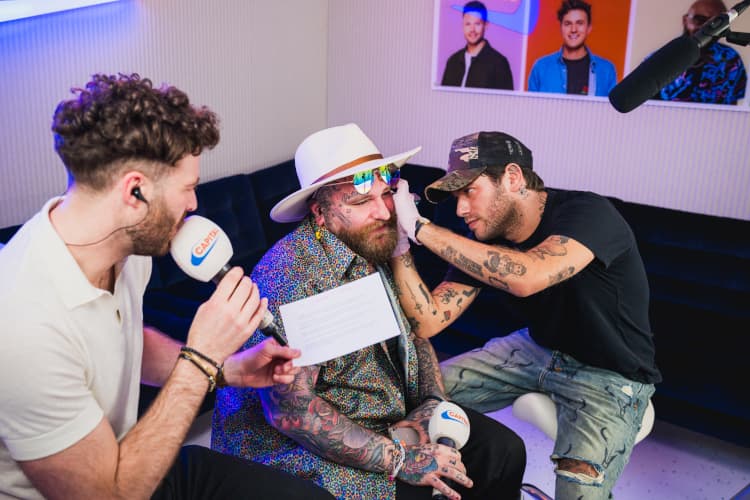
Swims has said that artists sometimes sign his skin when he meets them while traveling. Those small signatures record places and working relationships as well as designs. They help explain why new tour photos can show details that were not visible earlier.
Session photos show new tattoos beside older ones, with open skin still visible before the next appointment. The collection looks less like a finished mural than work that is still being added to.
The unfinished back piece and newer family ink show the collection is still changing
Swims has a large back tattoo based on an internet meme, and the session remains unfinished because it was painful. PEOPLE reported that he believed many hours of work were still left. The incomplete state is part of the tattoo’s history.
Back tattoos are hard to follow under clothing. A shirtless photo may show only one section, while a stage image may show none of it. Swims’s interview documents the piece even though there is no clear photo of the full back, and it should still be described as unfinished.
Recent reports describe tattoos connected with Swims’s son, Rambo, and his wish to leave room for future children. These belong to a later chapter than the film portraits and the Lil Wayne-inspired face work. Reports mention the family connection, but do not map every design or placement.
A soft photo cannot show whether a mark is new, old, covered or hidden by shadow. Swims’s collection is still changing, so a date matters when comparing images.
What the full Teddy Swims tattoo map actually shows
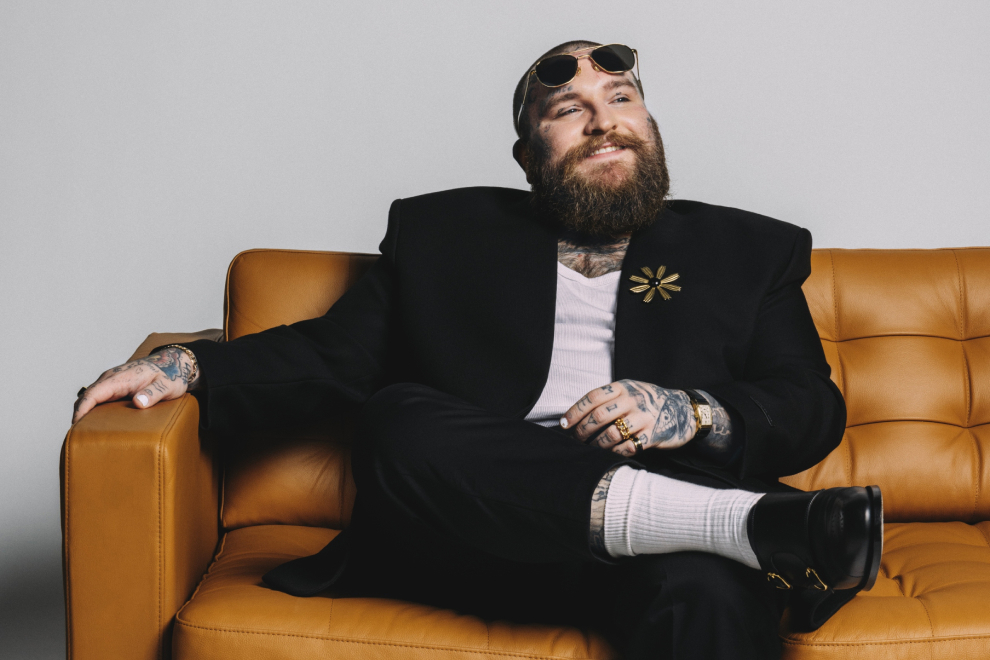
The collection extends well beyond Swims’s face: Patience above the eye, eyelid lettering inspired by Lil Wayne, portraits of Chris Farley as Han Solo and Carl Weathers as Chubbs Peterson, Simba on the right bicep, an angel under the left arm, Home at Last, artist signatures, family references and an unfinished back piece.
Each group calls for a different photo. Close portraits show the face tattoos; arm and torso shots locate Simba and the angel; leg photos place the Chris Farley and Carl Weathers portraits. Dated session pictures help track the unfinished back work.
The collection keeps growing as Swims tours and meets tattoo artists in different places. Some pieces remain unfinished, and old lists will not give a final count. The clearest accounts name a design and location, then separate his stated meaning from what a photo alone can show.
Swims’s tattoos are part tribute wall, part travel record and part work in progress. Face tattoos get the quickest attention because they are hard to hide, but his arms, legs, torso and back hold just as much of the story.
2 thoughts on “Teddy Swims Has Far More Than Face Tattoos”