admin

Andy Biersack Tattoos: Chest, Neck and Black Veil Brides Ink

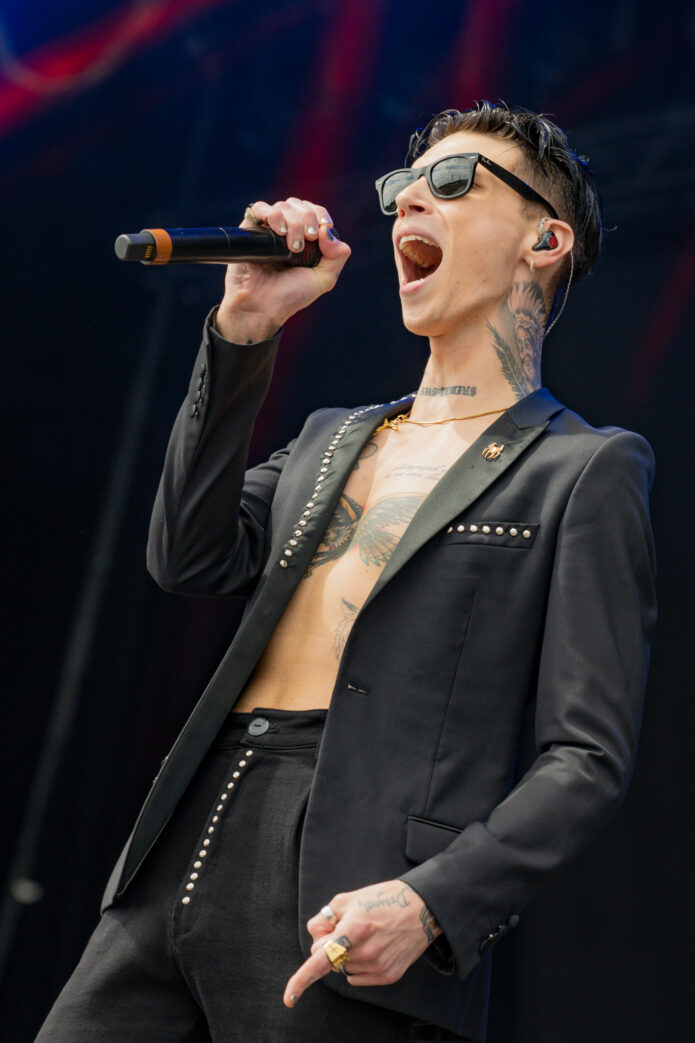
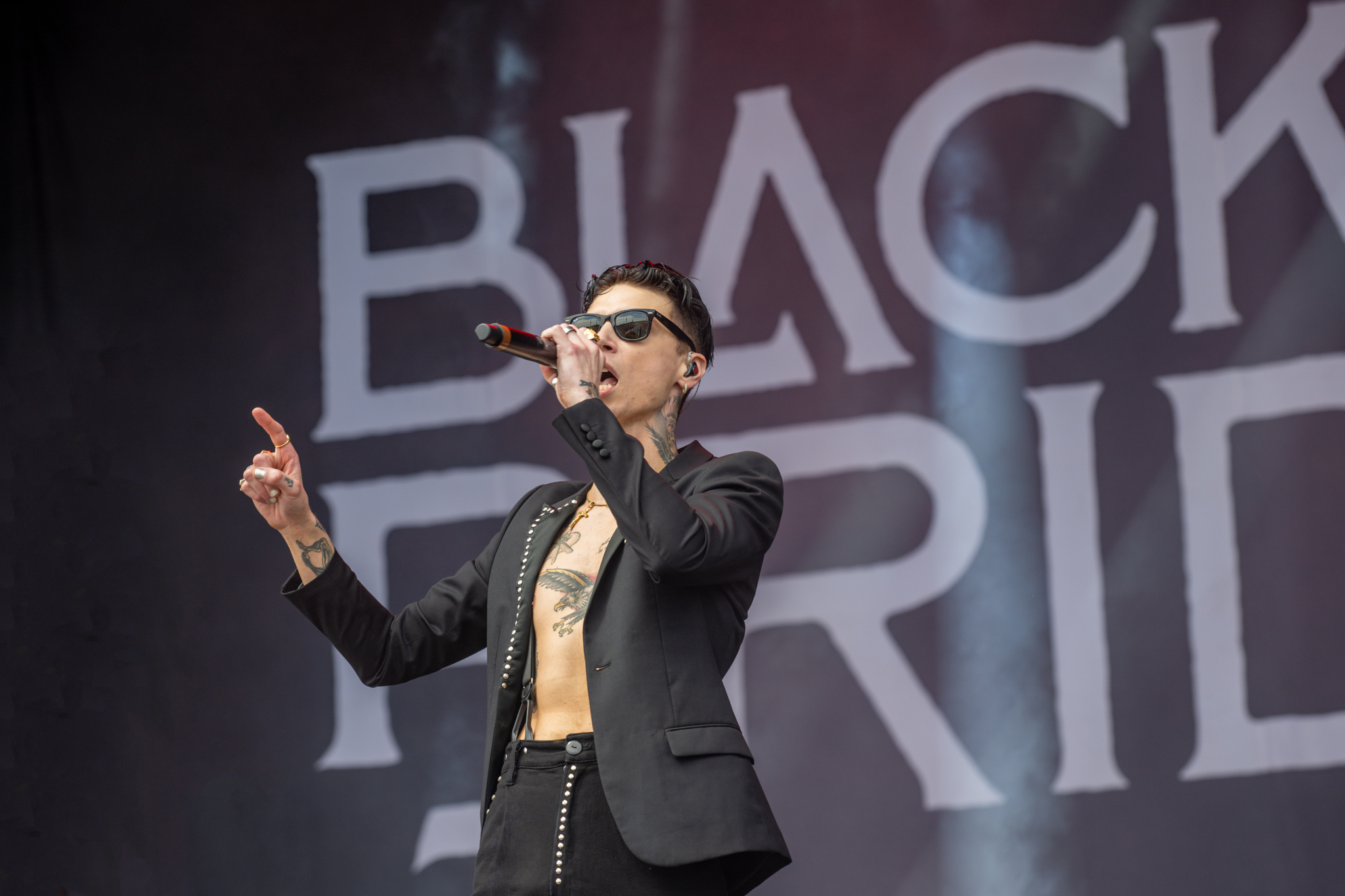
Andy Biersack has spent much of his career performing with his ink in view. As the Black Veil Brides frontman, he often wears dark shirts and open jackets under dramatic lights. Clear stage photos show ink across his chest and neck, down his arms and onto his hands.

The designs have a dark, theatrical look that fits the stage style he uses as Andy Biersack and Andy Black. Some pieces are visible across a venue; others show up when he reaches for the microphone or turns his head.

The descriptions here stick to tattoos visible in clear photos and details Andy has discussed publicly. Where he hasn’t explained a symbol, its meaning stays open.

Andy Biersack’s chest tattoos make the biggest first impression
Andy Biersack chest and hand tattoos

The chest is central to the front view. Dark ink runs across the upper chest and toward the neck, following the line of his clothes. An open jacket or sleeveless top leaves more of the design visible.

Solid black sections sit beside finer line work. Together they give the chest a broad shape, while close photos show the smaller edges and gaps in the ink.

His stage clothes are often black and white, so the tattoos add texture without competing with bright colors or busy patterns. A shirt or open coat also changes how much of the chest piece shows.

The neck tattoo is the part everyone notices
Andy Biersack neck and chest tattoos

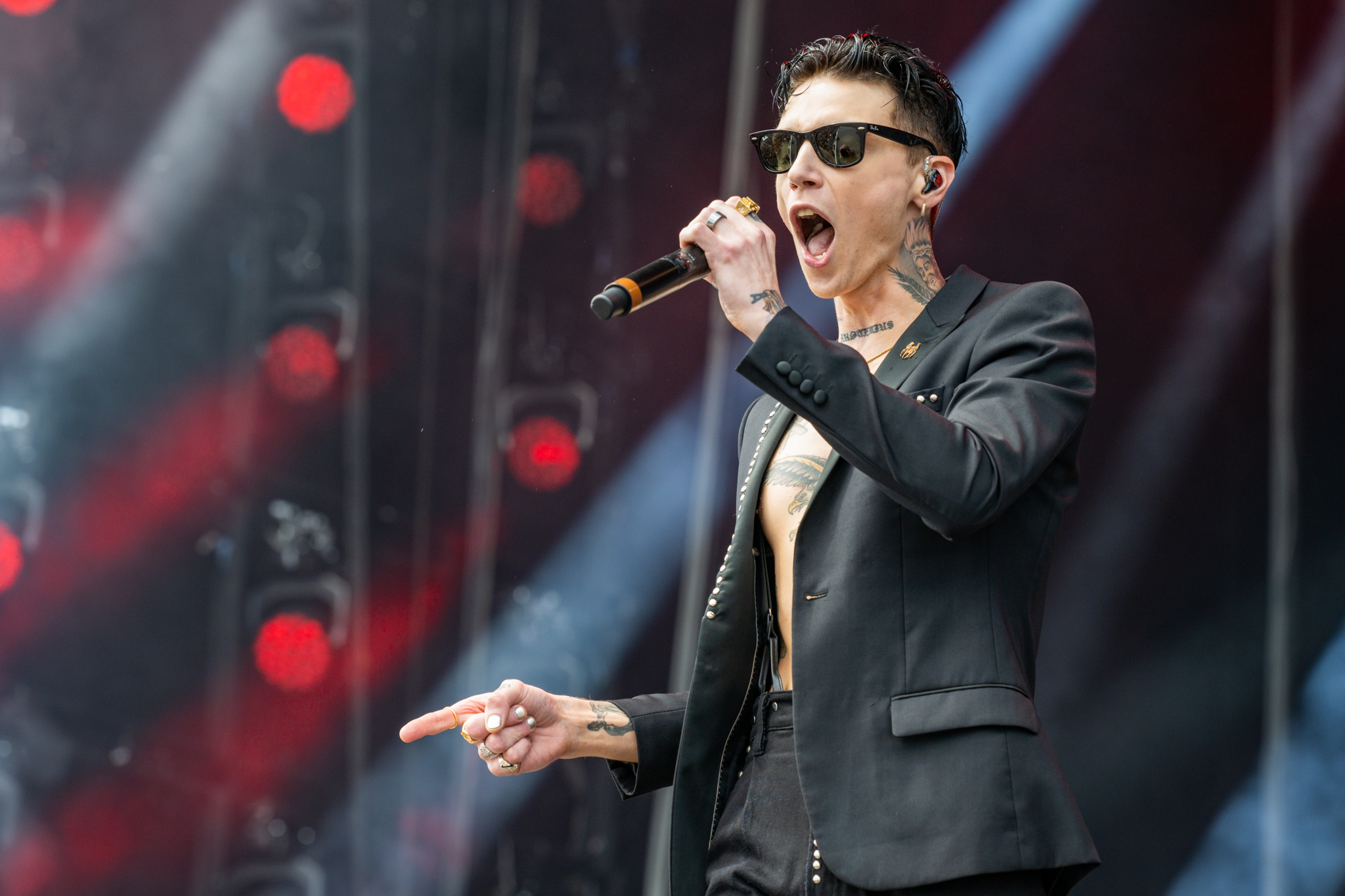
The neck tattoo sits between his face, collar and chest. It remains visible when clothing covers much of his body, and a close photo shows its dark lines meeting the larger work below.

In photos, the neck piece doesn’t end at a sharp border. Its lines appear to continue into the chest design, especially in side views that show his neck, shoulder and chest together.

When Biersack sings, speaks into the microphone or turns toward the crowd, the neck tattoo frames his face from different angles. It needs little color to stand out against his skin and clothes.

His hands and fingers add smaller details
Andy Biersack side neck and torso tattoos

The hand and finger tattoos are easy to miss in a wide shot. They show when he grips the microphone, raises a hand or reaches toward the audience, extending the ink to the parts of him that move most onstage.

Hand tattoos are difficult to photograph: stage lights wash out fine lines, and motion can blur a design. This side-stage photo gives a clearer view of the hand ink beside the larger work on his neck and torso.

The chest and neck form the larger shape; the hands add smaller details. In close photos, those marks are easier to spot as part of the same collection.

The chest piece works with the stage clothes
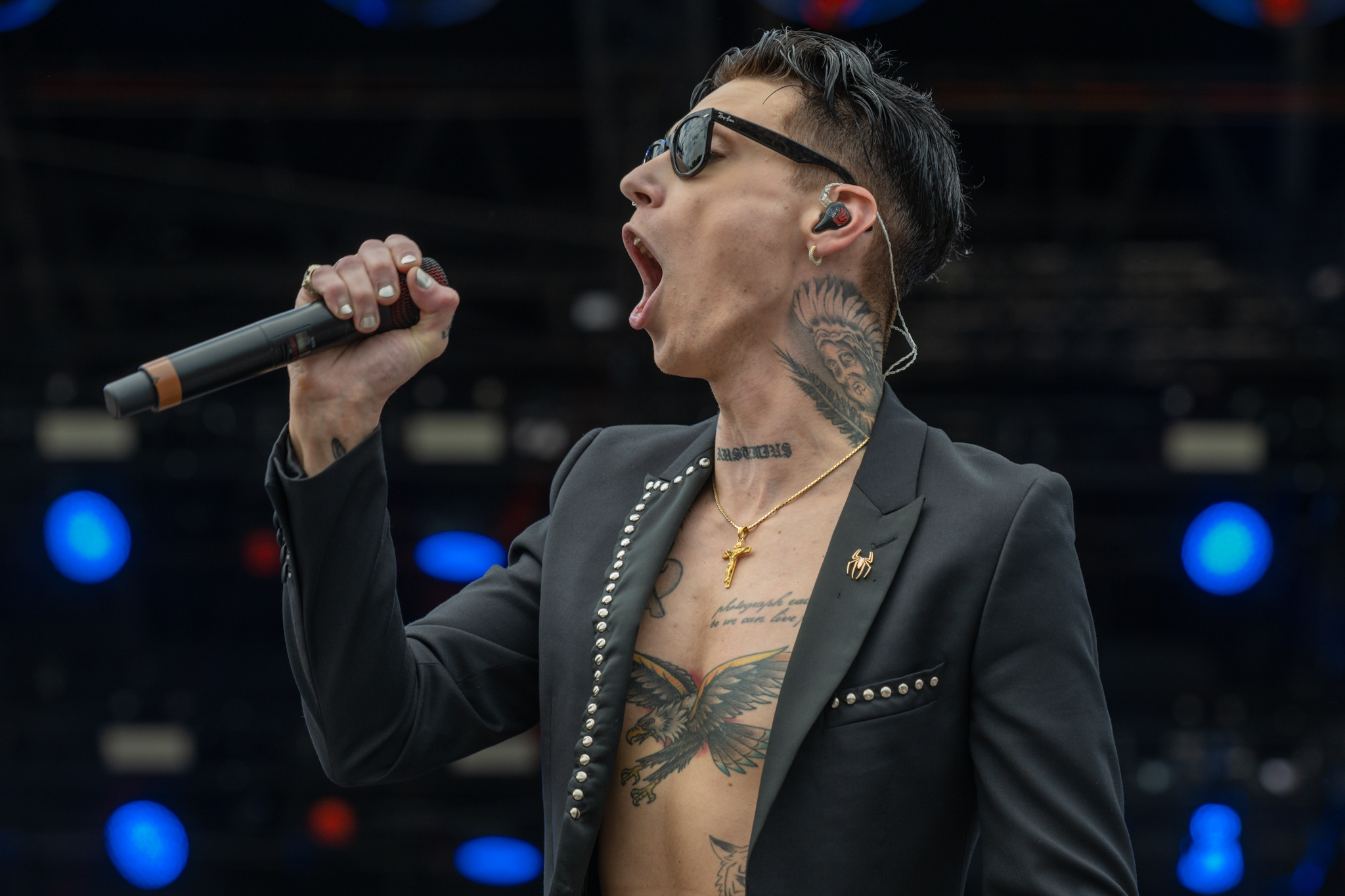
Andy Biersack hand and chest tattoo details

His wardrobe changes how much of the ink shows. Black jackets, fitted shirts and open collars reveal parts of the chest and neck as he moves.

This close view shows the ink’s texture and the chest design behind his hand. It also catches the tattoos during a performance, as he sings, reaches for the crowd or leans toward the microphone.

The chest piece is large enough to remain visible under stage lights. Close to the camera, finer lines and smaller marks are easier to pick out.

The older designs still show around the newer ink
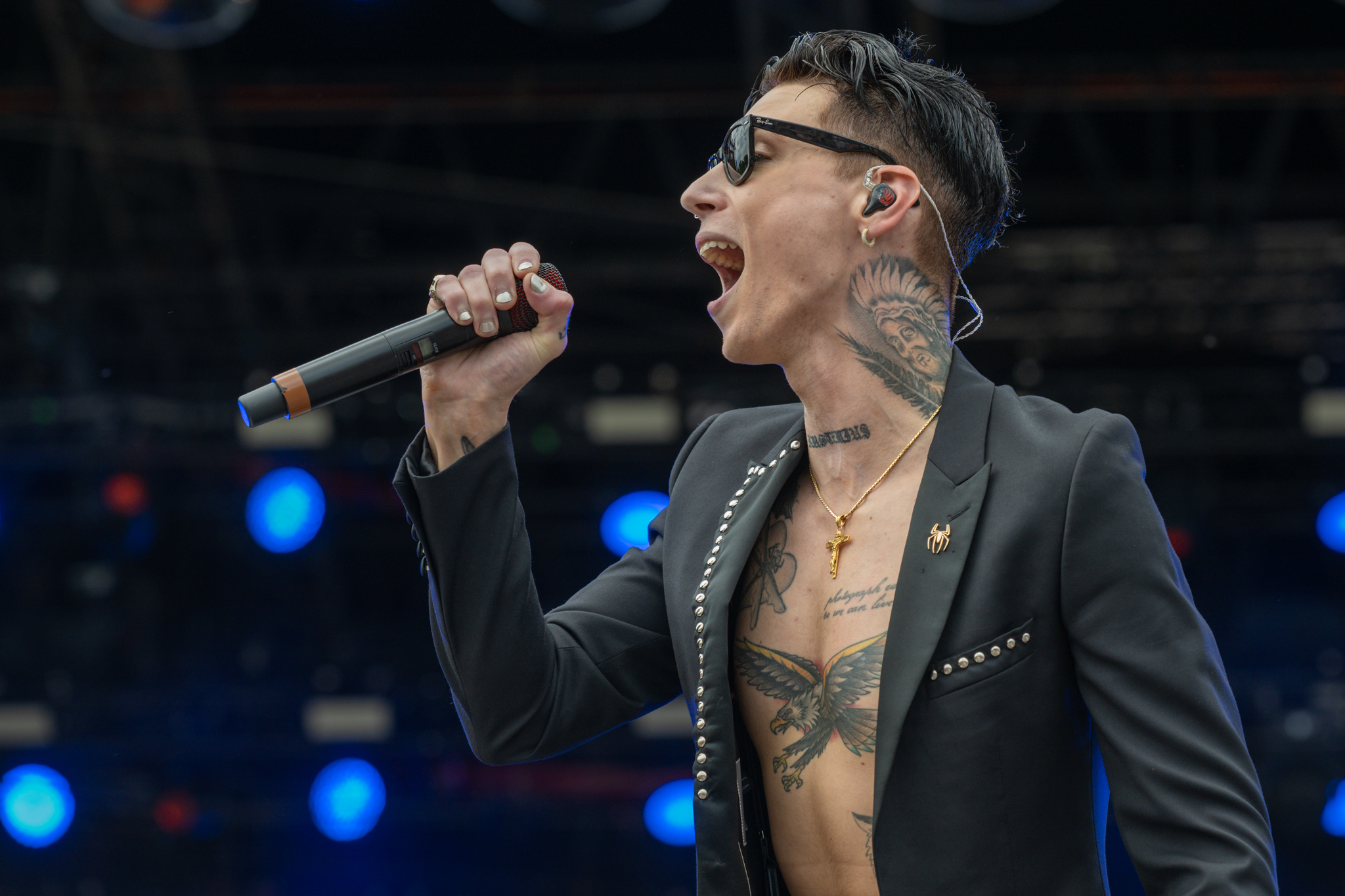
Andy Biersack neck tattoo close view

Andy’s collection has changed over the years. Photos show newer work beside older designs, and a different angle can bring out pieces that were hidden before. The close neck view shows how the ink has built up.

The tattoos aren’t symmetrical. Strong shapes stand out first; the full layout only comes together after you see several photos. That unevenness fits the mix of polish and roughness in his stage image.

Light and movement change what a photo can show. Ink may look softer, darker or partly hidden by clothing, so a blurry image isn’t enough to identify every design.

Different angles reveal how the tattoos sit together
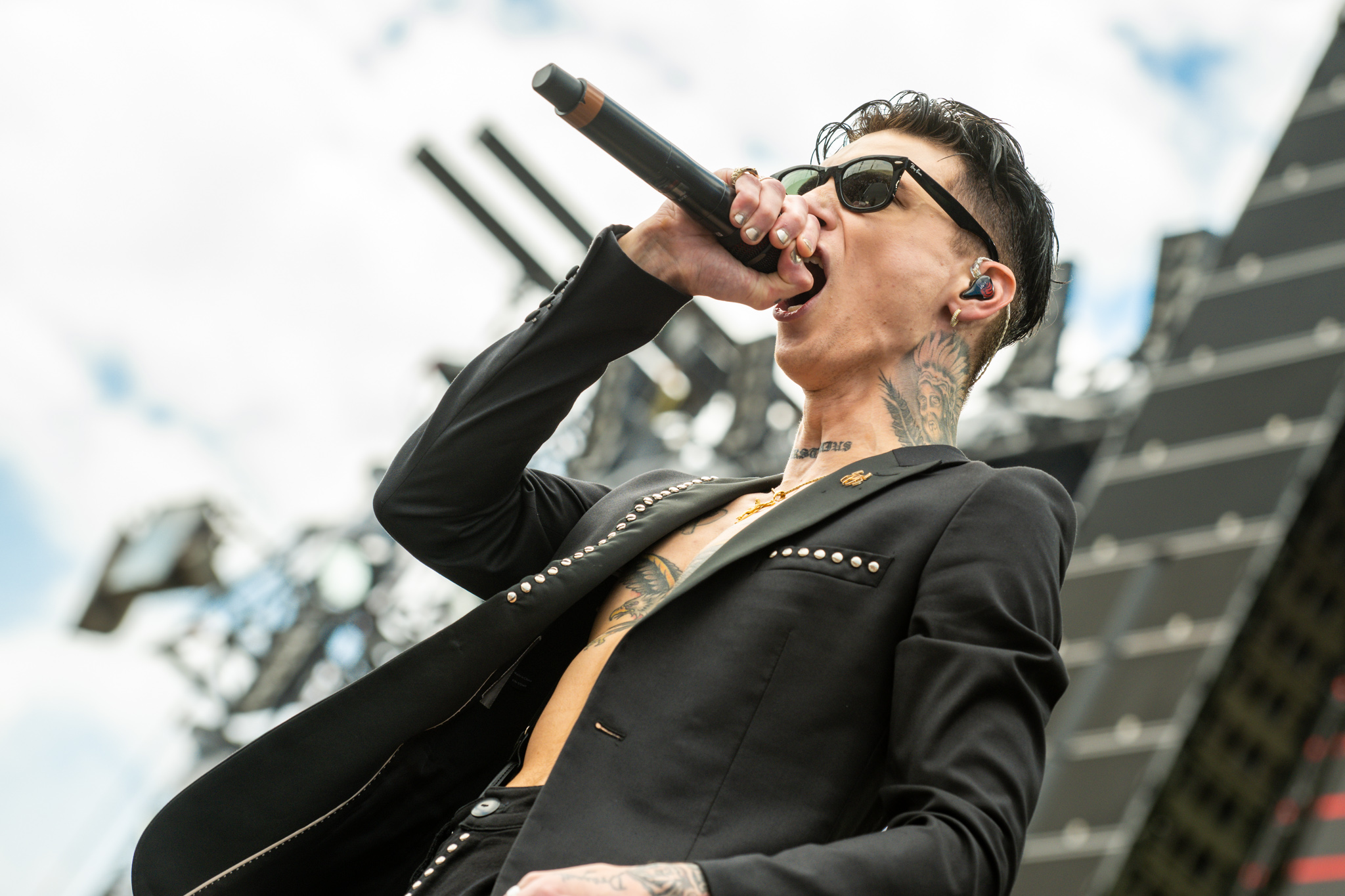
Andy Biersack torso and neck tattoos on stage

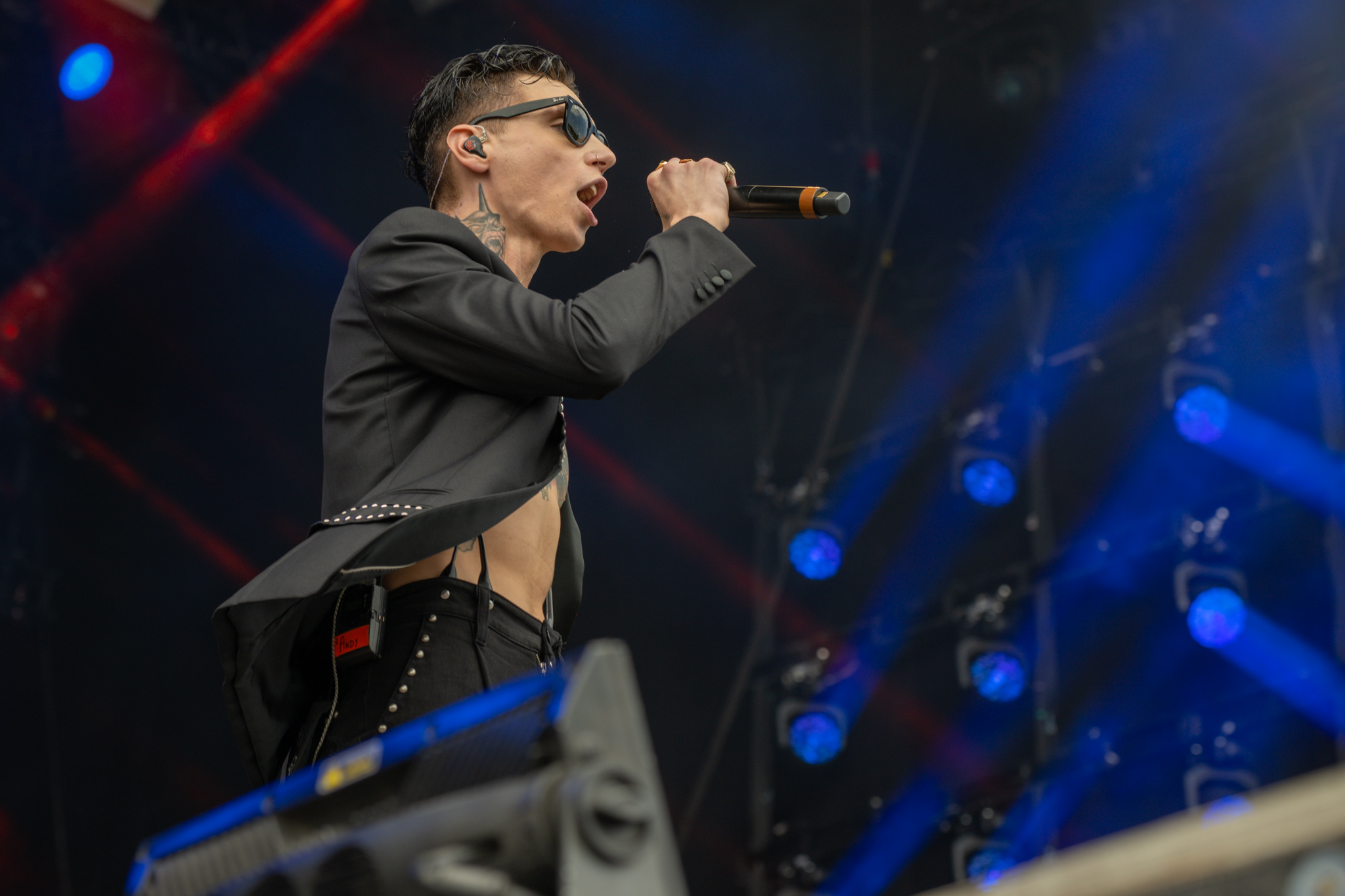
A side view shows the neck, shoulder and upper torso at once. It reveals where the ink continues, where skin is left open and how the lines wrap around his body.

Biersack turns and leans across the stage, so the tattoos are often seen while he’s moving. The lines follow his body and remain connected from a side view.

From this angle, the neck piece is visible on its own, but it sits above a much larger area of chest ink. The photos show connected sections, with detail changing as the camera moves closer.

What Andy has said about the designs

Andy has discussed getting tattooed and particular designs in video features with Fuse and Inked. He has also talked about inverted-cross imagery connected with his look, while leaving some of its meaning open.

Those interviews give context for the pieces Andy has discussed; they don’t assign an official meaning to every symbol. Some tattoos may be personal, while others may be choices he liked visually. Without his explanation, it’s better to stay with what the photos show.

For another rock musician with extensive tattoos, see our Frank Iero tattoos feature. The styles differ, but both collections extend from the arms to the hands.

Why the look fits Black Veil Brides

Black Veil Brides use dark contrast in their makeup, clothes, album art and live shows. Andy’s tattoos fit that stage look, and they remain part of his appearance beyond a single outfit.

Much of Andy’s chest and neck work is visible during a show when he wears an open collar. Its placement has become part of the look people recognize.

These stage photos show the tattoos while Andy is moving, not just in a posed portrait. The clear views make it easier to compare the ink across his chest, neck, hands and torso.

The short version

A wide shot shows the tattoos across his chest and neck; close-ups bring out the smaller hand and finger details. Their placement makes the ink part of his Black Veil Brides image.

Clear photos make it possible to follow how the chest, neck and torso pieces sit together. A portrait that leaves those areas covered doesn’t show much of the collection.

Andy talks about his tattoos in the Fuse Tattoo Stories feature below. It adds his own comments to the photos, while leaving room for designs he hasn’t explained publicly.
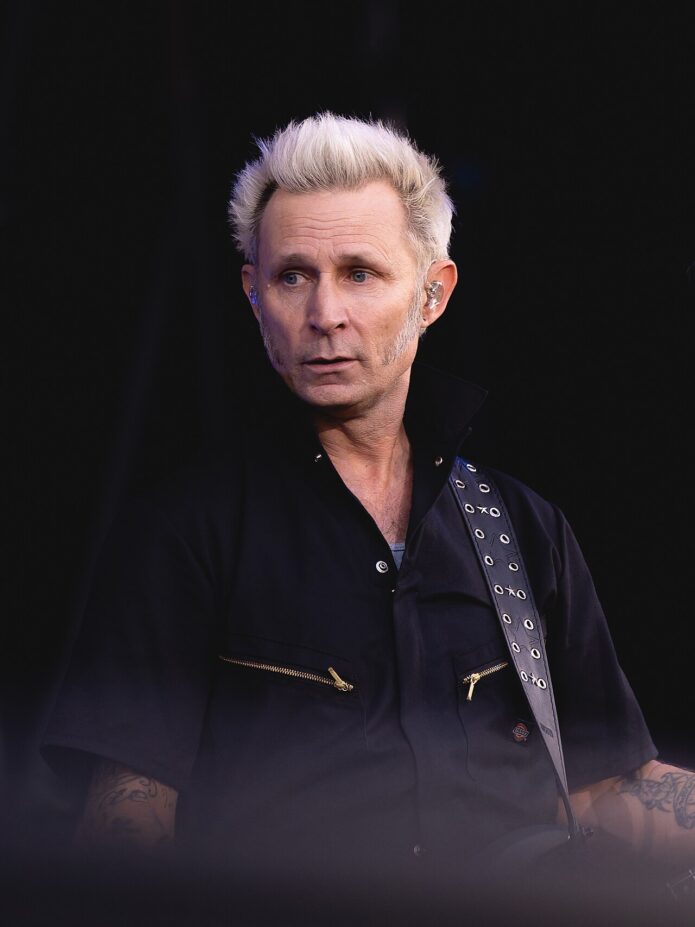
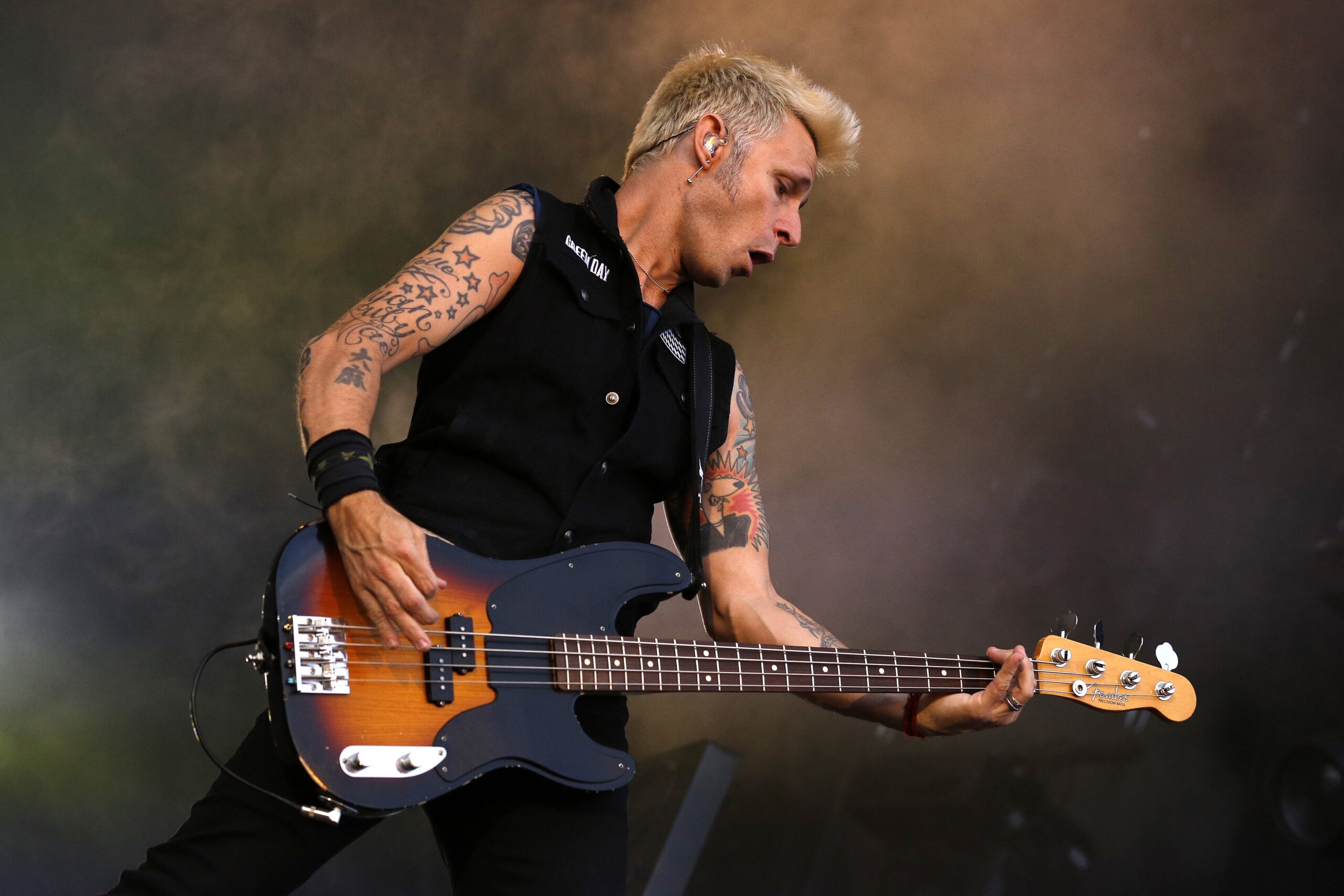
Mike Dirnt Tattoos: Green Day Stars, Script and Sleeve Ink

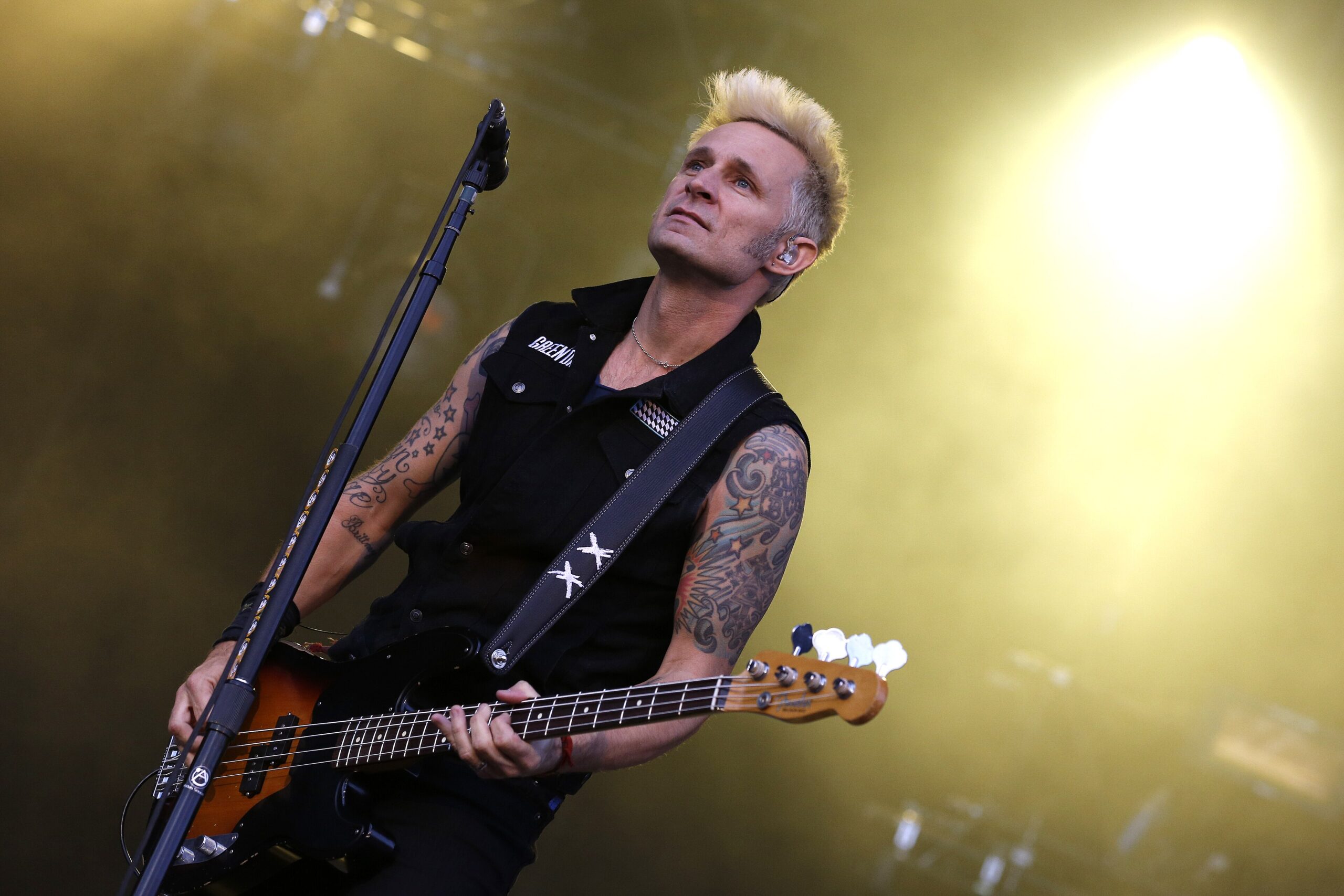
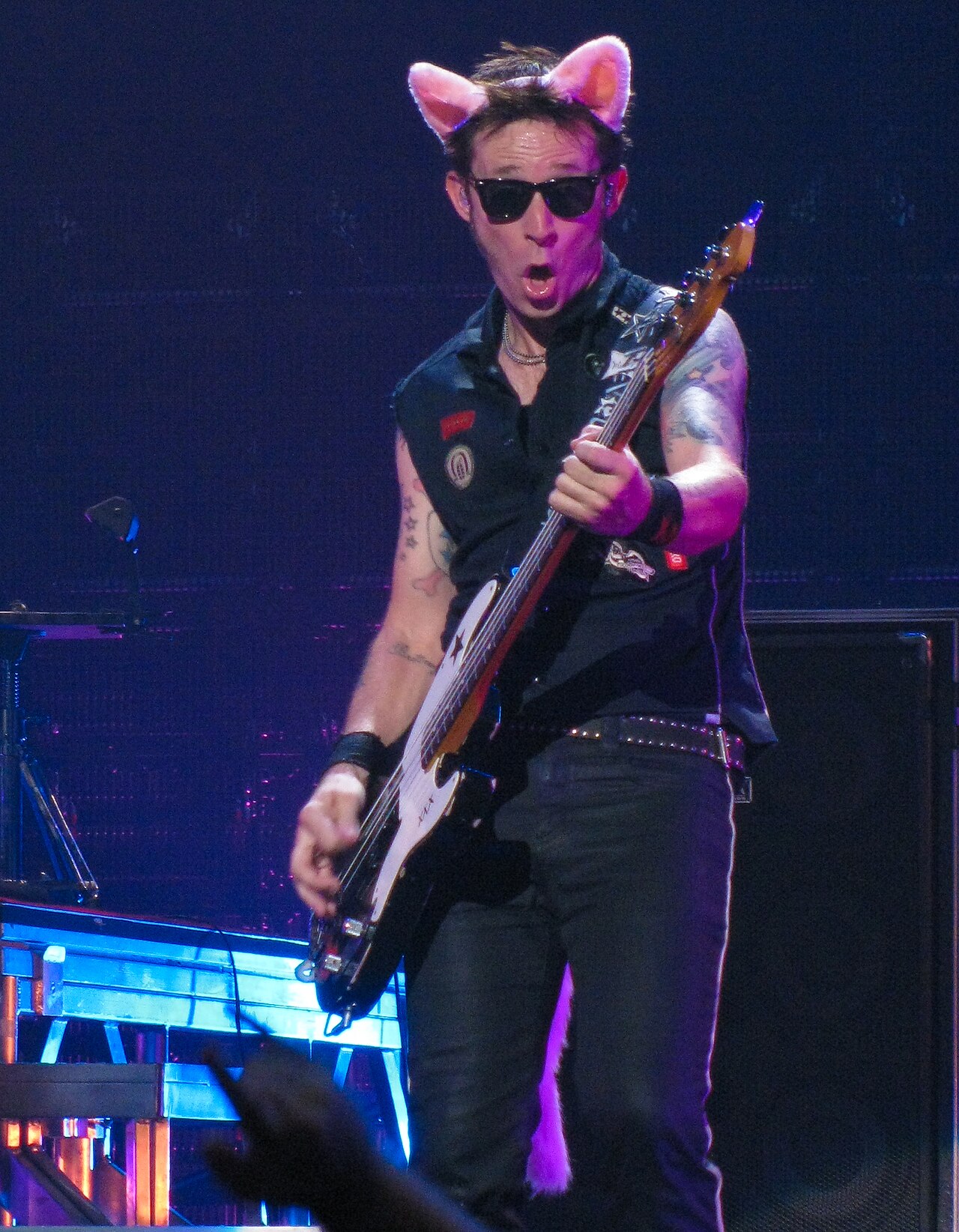
Mike Dirnt’s arms have collected different kinds of ink over the years. When he plays with Green Day, the bass and his movement can hide some of it. Clearer photos show stars, script, symbols and color; the pieces aren’t a matching set.

In a quick concert photo, Mike Dirnt’s tattoos can blur into one dark patch. Clearer images separate pieces added over time. A bass, wristband or shirt can still hide part of the design, so it’s best to stick to details the photo shows.

Mike Dirnt star and script tattoos on both arms

These photos focus on tattoos that are easy to see. Open skin and smaller shapes break up the darker sleeves.

What is the overall style of Mike Dirnt’s tattoos?

Both arms mix bold outlines, stars, lettering, smaller symbols and patches of color. The sleeves appear to have grown over time rather than follow one plan from the start.

His arms don’t mirror each other. One often shows more stars and script; the other has larger shaded areas and brighter color. The difference lets each piece stand on its own.

The stars and script are the easiest pieces to read

Stars appear in scattered and larger designs across his arms. They might suggest luck, direction or a love of old-school flash, but unless Dirnt has explained a particular one, those are possibilities, not confirmed meanings.

Mike Dirnt right arm script and star tattoos

In close-ups, the script curves around his arm and breaks up the solid black areas. The lettering has a looser line than the stars and shaded shapes around it.

Some smaller marks sit between the larger pieces. Not every letter is clear in these photos, but the balance of thin writing, heavy outlines and open skin is visible.

His colorful sleeve work keeps the black ink from taking over

The sleeves use color as well as black and grey. Photos show red, orange, yellow and blue, especially around the upper arms. Stage lighting brings out those patches against the darker ink.

Mike Dirnt colorful arm tattoos while playing bass

In this Montreal performance photo, both arms are visible while Dirnt plays bass. The instrument covers part of his body, but the exposed sections show stars, curves and shaded shapes wrapping from the upper arm toward the forearm.

If you’re planning a colorful sleeve, the contrast is worth noticing. Bright sections stand out beside black lettering and open skin; filling every inch with color isn’t necessary.

The Japanese symbols need a little care

Fan write-ups have described Japanese symbols on Dirnt’s right arm, including one associated with marijuana and another translated as “big” or “potent.” These accounts are secondhand, and tattoo translations can be misread. They’re reports about the symbols, not a verified quote from Dirnt.

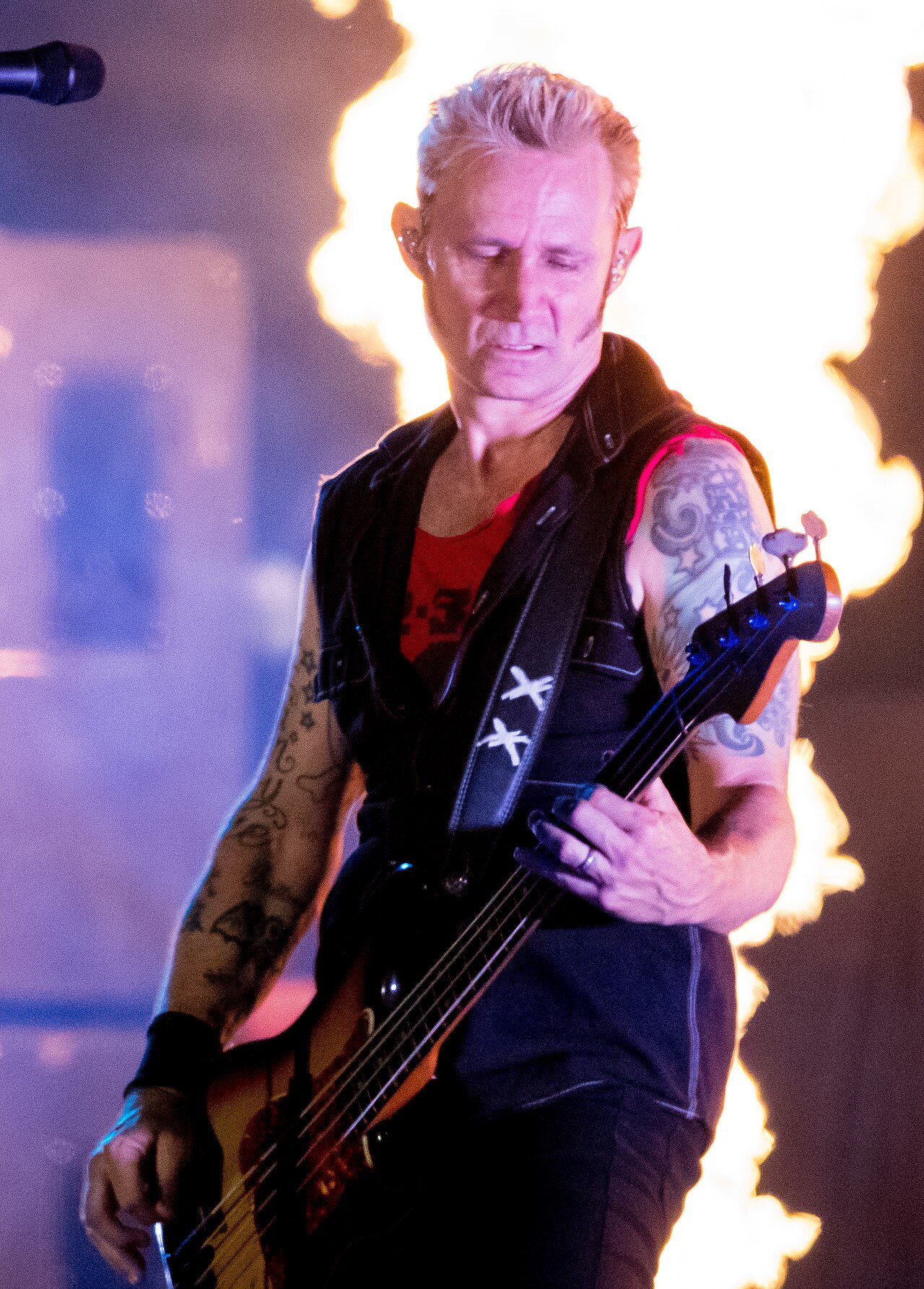
Mike Dirnt flame lit arm tattoos during a Green Day show

The Japanese characters sit beside stars and script, adding another style to the arm. The different designs don’t appear to follow one theme.

If you’re considering lettering or a foreign-language tattoo, check the spelling, translation and direction with a qualified artist or fluent speaker. A copied image or an unverified online list can be wrong.

Newer photos show how the sleeves have settled in

Ink changes as it ages. Colors soften and fine lines can spread, while separate pieces may begin to look more connected. Later photos show that worn look on Dirnt’s arms.

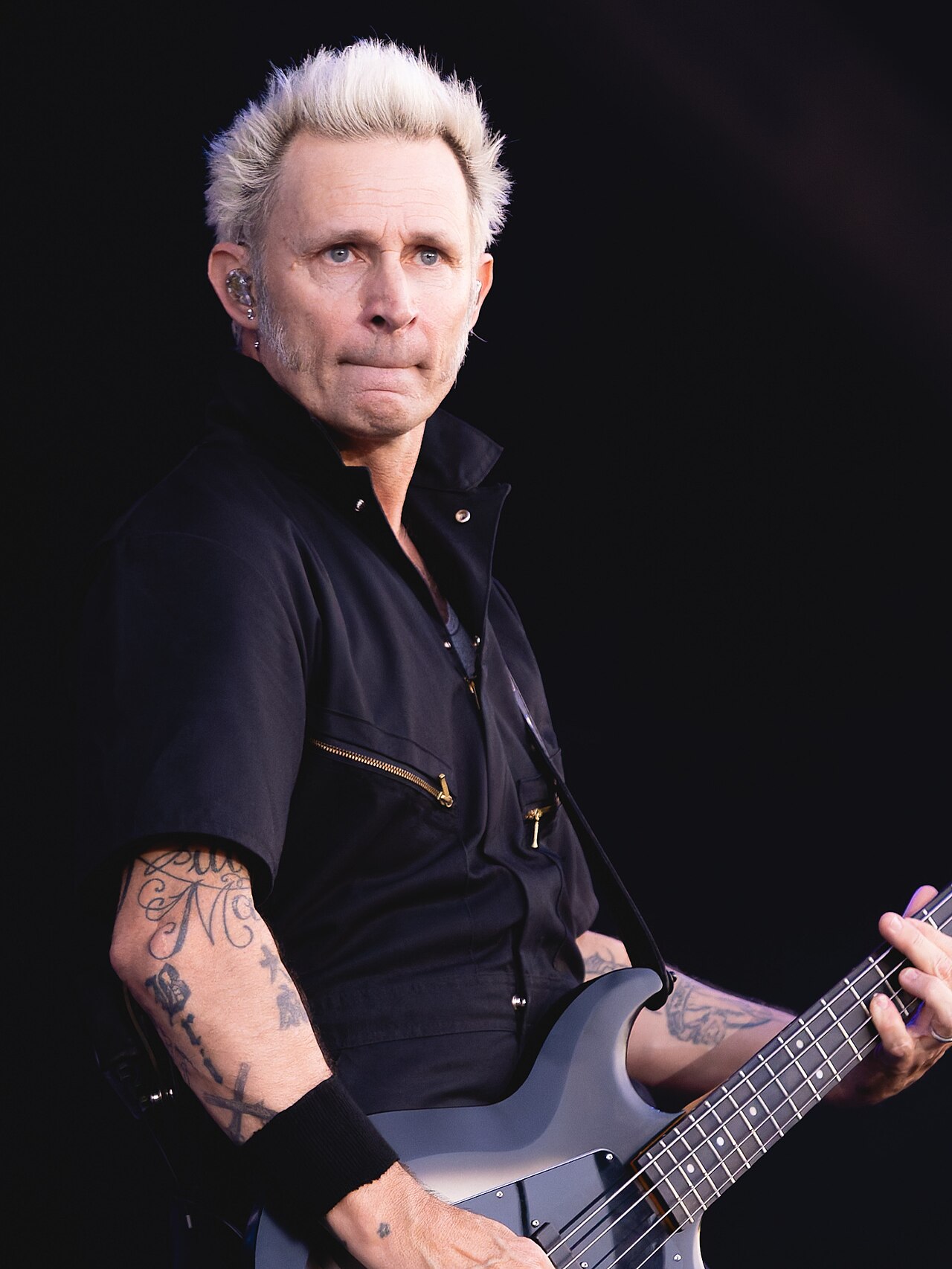
Mike Dirnt tattooed arms in a close-up performance photo

This close-up shows the script and shaded shapes clearly enough to follow their placement. A portrait might identify Dirnt, but the arm details are what make this photo useful for a tattoo feature.

This more recent view keeps Dirnt’s face in the frame and brings his lower arms into view. It doesn’t show every design clearly, but it shows how far the tattoos continue toward his wrists.

What do Mike Dirnt’s tattoos mean?

Fan descriptions connect some symbols to Green Day history or personal jokes. The marijuana-related Japanese character appears in those accounts, while the stars and script are easier to see than to explain. Their exact meanings aren’t established by a reliable first-person interview.

The designs can still be appreciated without a story for every one. A photo shows placement, shape and color; it can’t tell us why Dirnt chose a piece. Some reported details have context, while many are best described by what’s visible.

Why the collection still feels connected

Stars repeat across the sleeves, script curves between the darker areas, and color breaks up the black outlines. The pieces don’t need to match for the arms to hold together as a collection.

If you don’t want a fully planned sleeve, Dirnt’s photos show how different pieces can build over time. It still helps to think about where a new tattoo will sit beside existing work; an artist can plan for the lines to flow.

How his ink compares with other rock tattoos

For another bassist with visible ink, see Tim Commerford’s tattoos. Oli Sykes tattoos take a darker, more graphic direction, while Fred Durst’s tattoos include portraits and personal tributes.

Compared with those examples, Dirnt’s sleeves combine color and dense shading with enough open skin for individual pieces to stand out.

Mike Dirnt tattoo FAQ

Does Mike Dirnt have tattoos on both arms?

Yes. Clear performance photos show extensive tattoos on both arms, including stars, lettering, shaded shapes and color.

What is the most recognizable Mike Dirnt tattoo?

Stars and script are among the easiest details to recognize. The meaning of many smaller marks hasn’t been documented publicly, so a visual description is more reliable than a guess.

Are Mike Dirnt’s tattoos colorful?

Yes. Some sections use bright color alongside black outlines and lettering, especially on the upper arms.

Did he get all of his tattoos at once?

The photos show different styles, placements and signs of age. The collection appears to have developed over time rather than all at once.

Watch Mike Dirnt in action

This Green Day performance shows Dirnt playing bass with his arm tattoos in view:

Dirnt’s sleeves bring together stars, script, symbols, color and older ink. The photos show how those pieces sit on his arms; the meaning of every mark isn’t publicly documented.

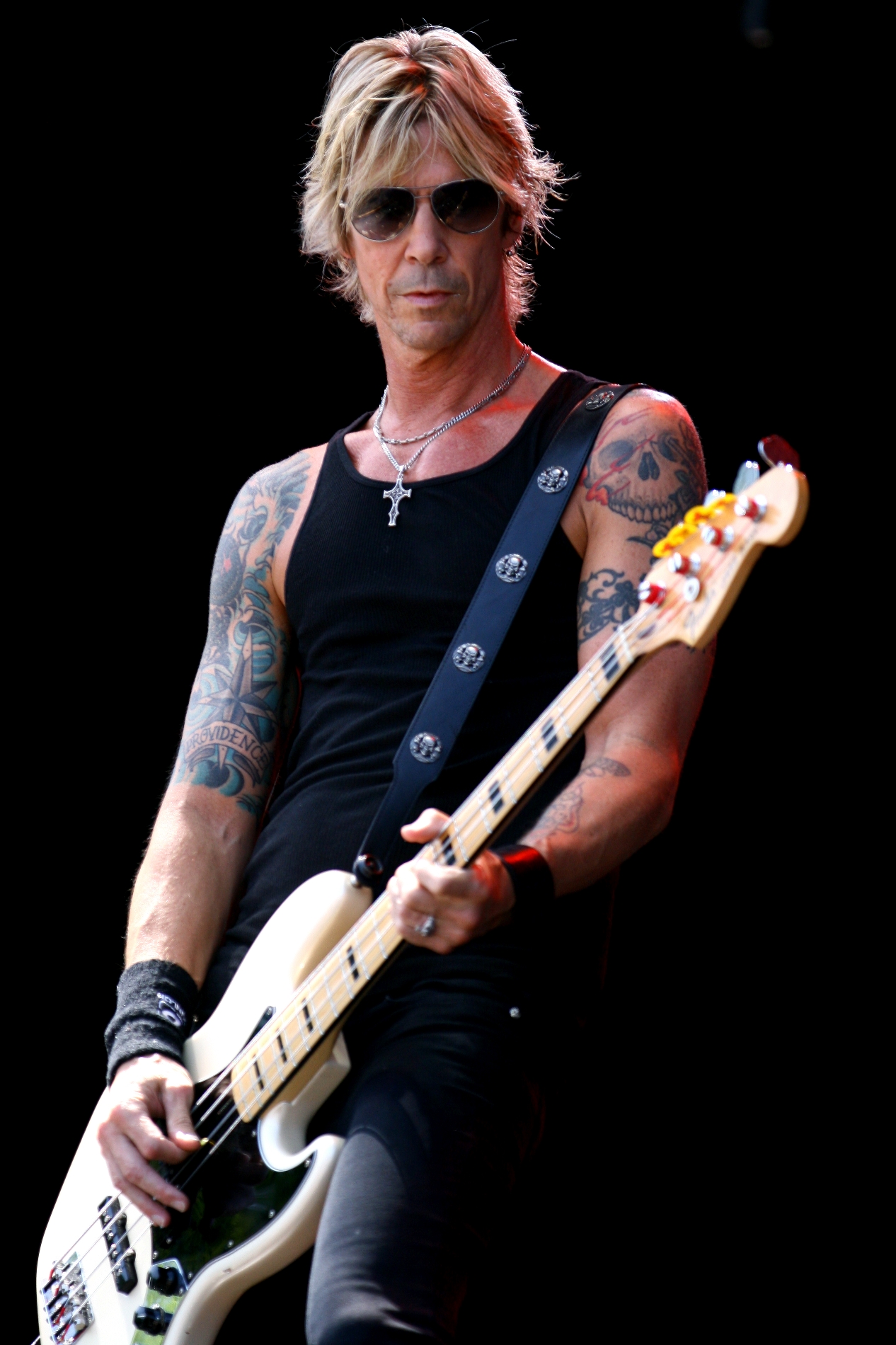
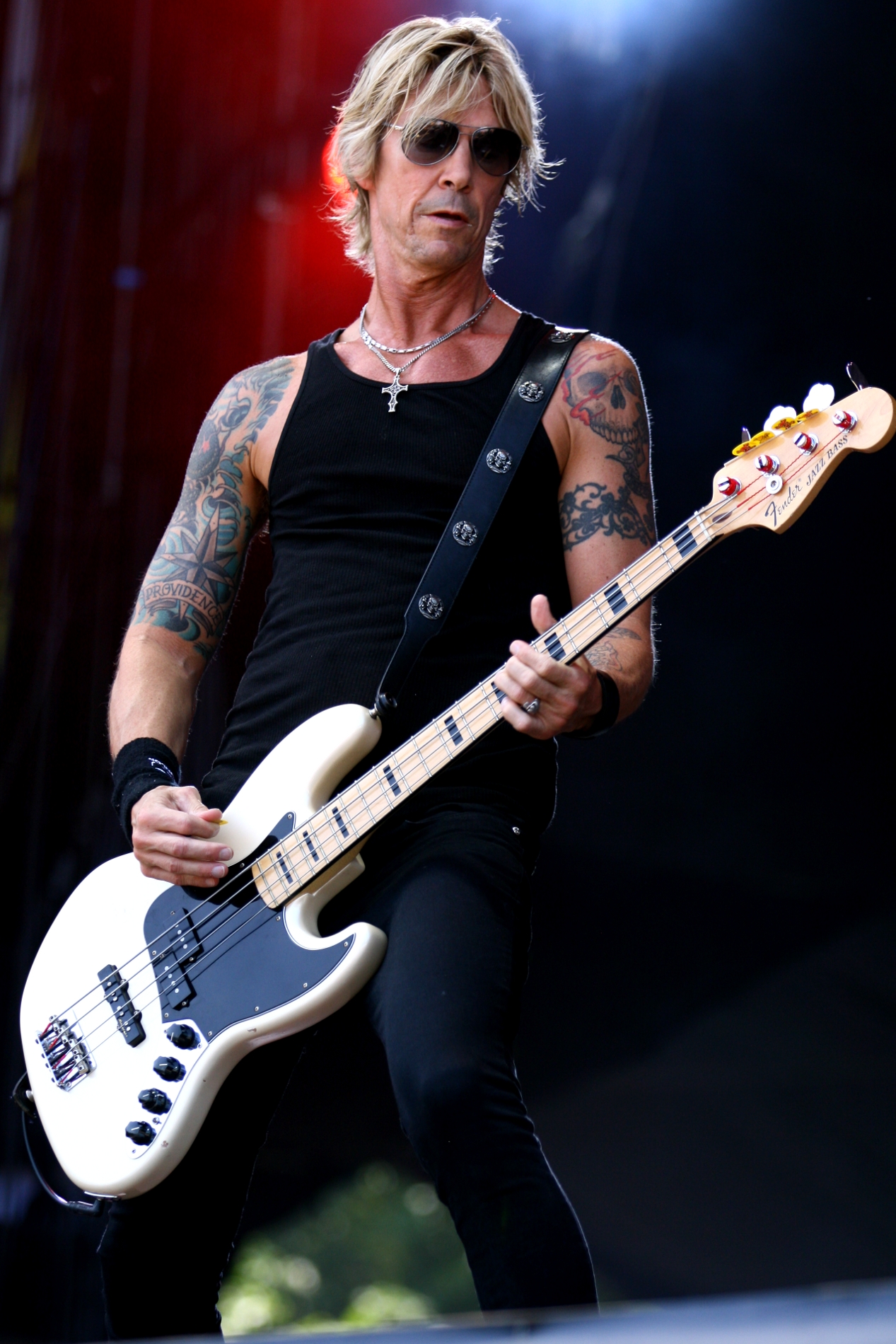
Duff McKagan Tattoos: Skulls, Sleeves and Rocker Ink

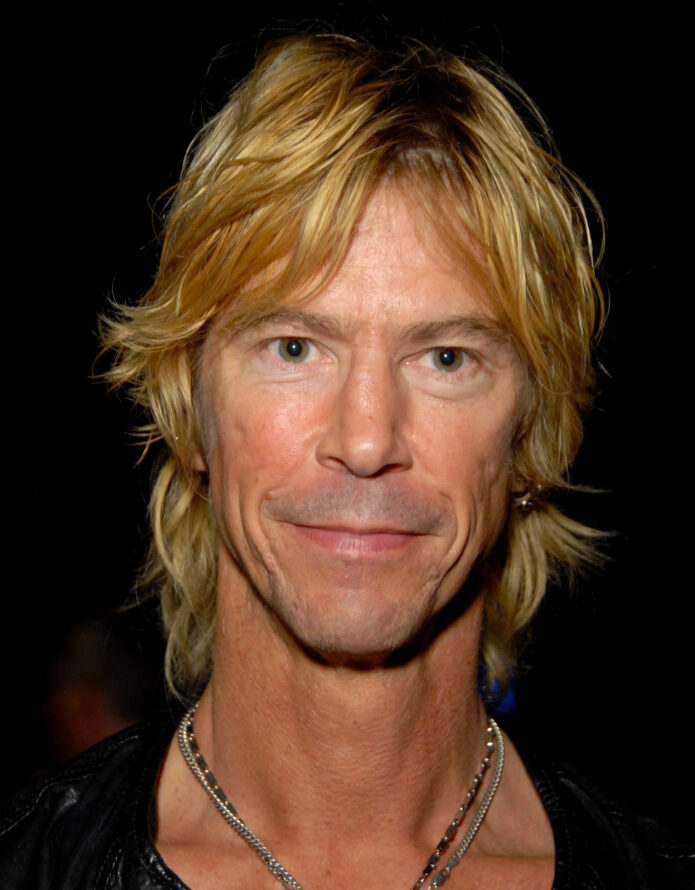
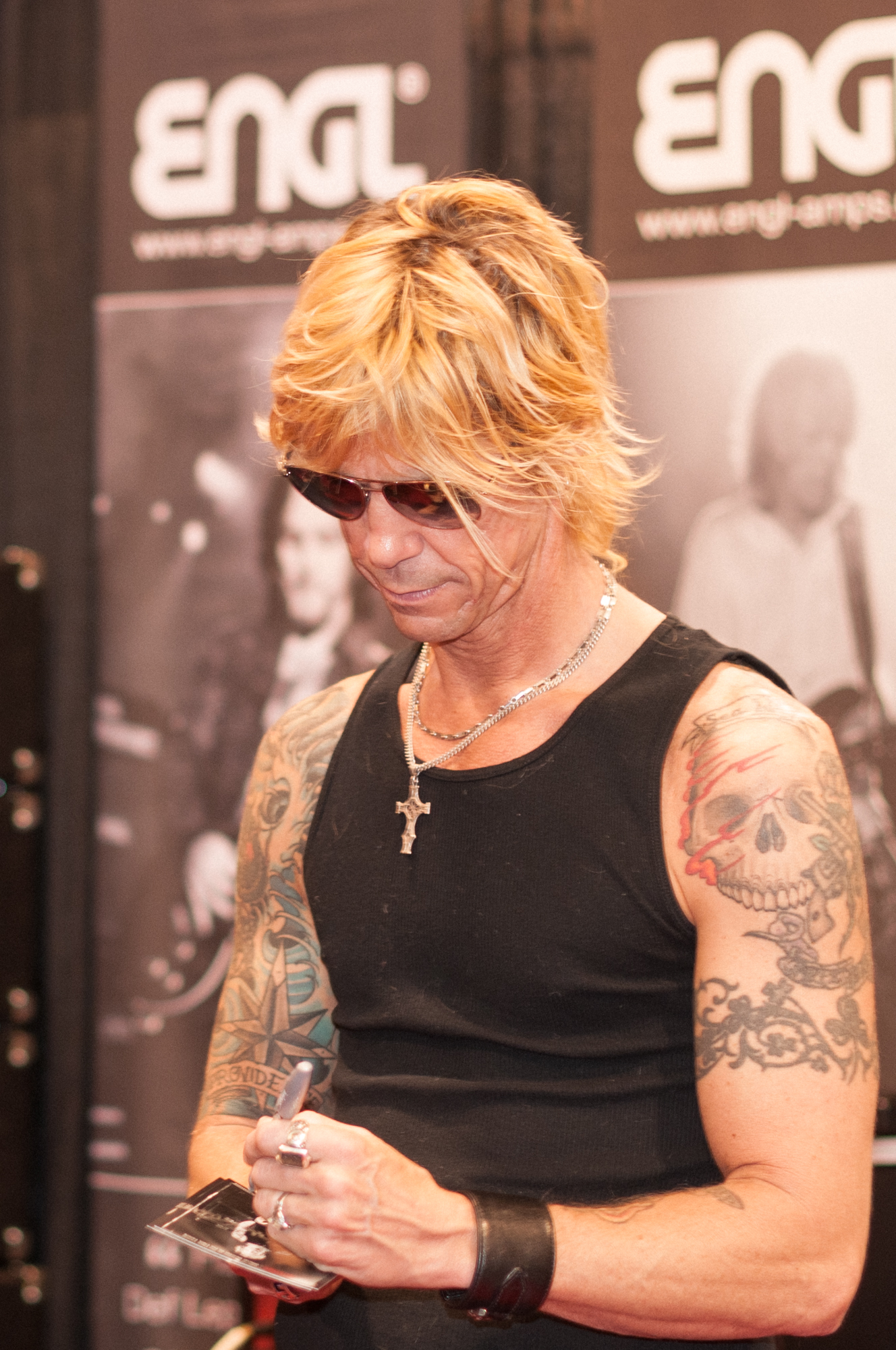
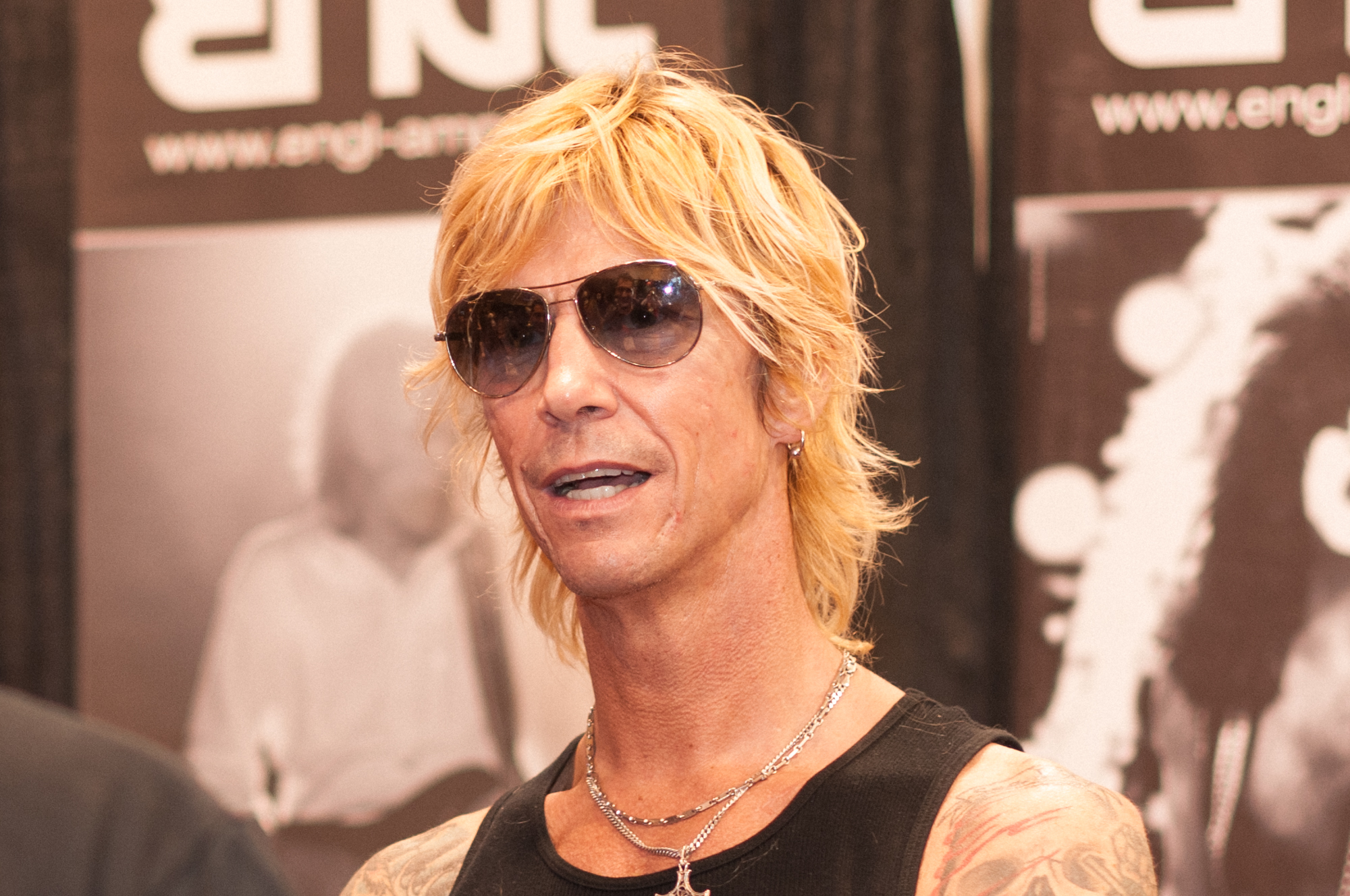
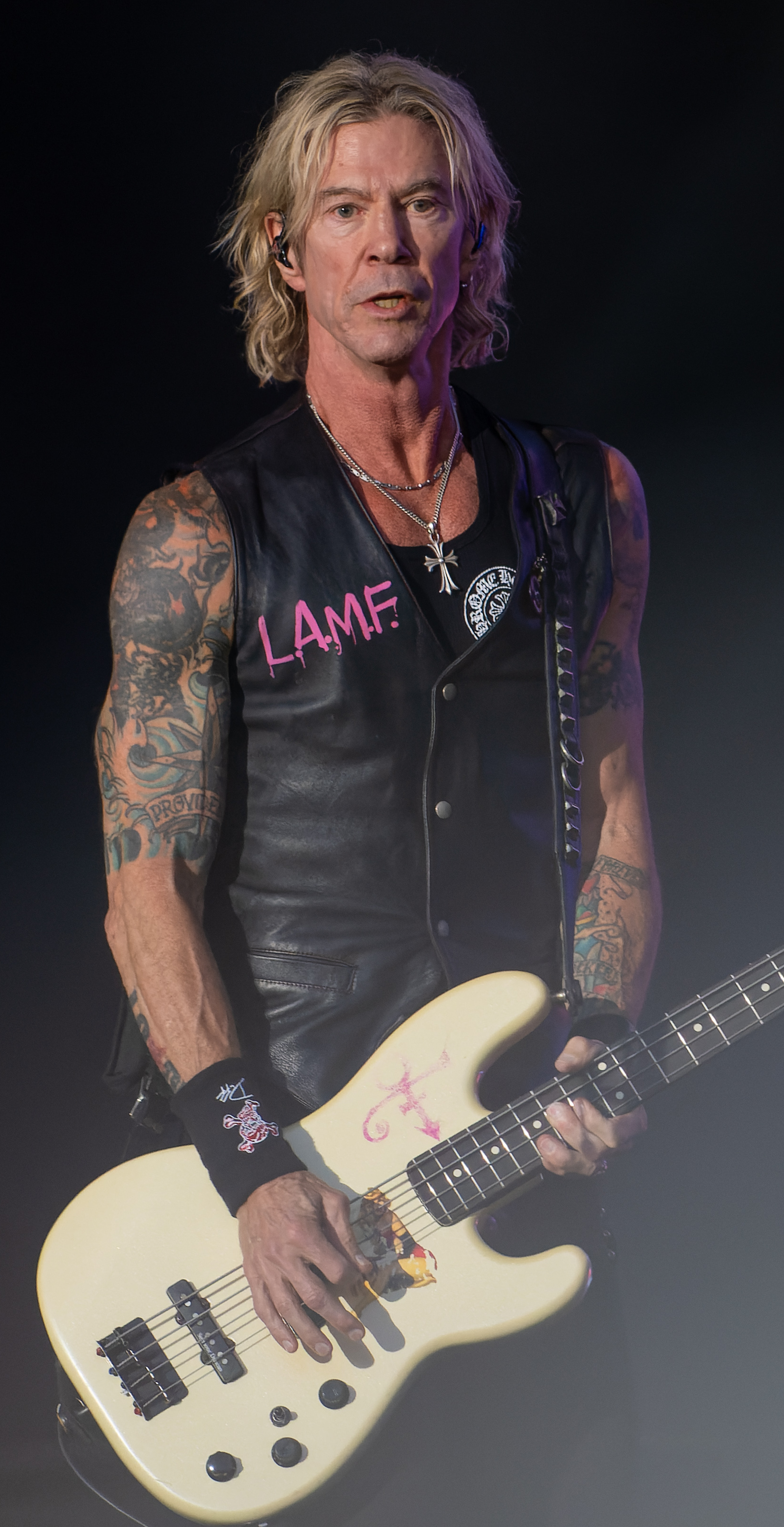
Duff McKagan’s onstage look is familiar: a bass, long blond hair and leather. His tattoos are easiest to see when he plays in a vest with both arms uncovered.

Duff McKagan’s tattoos lean on traditional shapes: skulls, stars, banners and colour. The arms look like a collection built up over years, with some open skin and dark clothing helping the designs stay distinct.

Duff McKagan tattoos at a glance

  • Main tattoo areas: upper arms, forearms, wrists and hands.
  • Most recognisable details: skulls, stars, banners and traditional colour.
  • Overall feel: bold outlines and shapes that read clearly from a stage.
  • Best reference photos: close concert shots show the arm work better than distant group photos.
Duff McKagan left arm tattoos

The left arm has the clearest old-school flow

In the clearest stage photos, Duff’s left arm has large traditional-style designs. Strong outlines and curved leaves frame a central image that runs from the upper arm toward the forearm. The shapes are large enough to make out while he plays bass.

The arm mixes colour with black shading. Warm tones stand out on the upper arm against a black tank top; lower down, darker fill and heavier outlines take over. Open skin keeps the sleeve from reading as one solid block.

Duff McKagan sleeve tattoos on stage

Skulls, stars, and bold colour

The skulls are among the easiest pieces to spot. One arm has a large skull with red accents and dark lines, surrounded by smaller shapes. Even in a moving performance photo, the expression and heavier black areas are visible.

Stars appear between larger designs. They are small, simple shapes that can fill a gap without competing with the main tattoo. That can be useful when a sleeve grows over time.

Duff McKagan tattoos on both arms

Both arms are covered, but they are not identical

The two arms look related, but they aren’t mirror images. Each has its own mix of shapes and spacing: one shows a skull and stars, while the other has larger forms nearer the shoulder and upper arm.

The different layouts give each side a distinct look while keeping the same rock and traditional style. You can build two related sleeves without repeating the same design on both arms.

Forearm and wrist tattoos that show while he plays

His forearms are in view when he holds the bass. They move as he plays, so the ink catches the stage lights from different angles. Close photos show dark bands, small marks and lines below the larger upper-arm pieces.

The wrists and hands are easier to miss, but the ink continues toward the cuffs and fingers. A small dark detail can still show when a strap or instrument covers part of the larger sleeve.

Duff McKagan bass arm tattoos

Why the tattoos work so well with his stage clothes

Duff often wears black sleeveless tops or leather. Those clothes leave his upper arms visible and give the tattoo colours a dark background; the chest and shoulders are framed by the same outfit.

The bass strap crosses his chest and shoulder, covering some areas while leaving others open. In performance photos, you can see how the tattoos and clothing sit around the instrument.

Duff McKagan stage sleeve tattoos

What you can borrow from Duff McKagan’s ink

Scale is one thing to consider when placing a tattoo on an arm that moves a lot. Larger, simpler shapes can be easier to read at a distance than very small details. A skull, star, banner or traditional flower leaves room for the outline to show.

Duff uses colour alongside black shading. Warm reds and muted greens repeat across the sleeves, which helps the separate pieces sit together. A limited palette can do the same for a sleeve added over several appointments.

Think about how a tattoo will sit with your usual clothes. Duff’s arm pieces remain visible with tanks, jackets and stage straps because of where they are placed. You can plan for that without making every design match.

How Duff’s look compares with other musician tattoos

Duff’s arms pair bold motifs with open skin. Mike Dirnt’s tattoo style offers another example of how bass straps and stage clothes affect what an audience can see. Frank Carter’s tattoos extend farther across the neck, chest, hands and face.

Musician tattoos take different forms. Some use bright traditional designs; others use blackwork or small symbols. Duff’s photos show how clear placement and readable shapes can work without following every trend.

Watch Duff McKagan with Guns N’ Roses

The Guns N’ Roses performance below shows Duff onstage with the arm tattoos in motion.

For more examples, compare Duff’s placement with Brantley Gilbert and Andy Biersack. Their coverage differs, but all three show how tattoos can become part of a musician’s stage image.

Lars Frederiksen Tattoos: Punk Ink, SKUNX and Full Sleeves

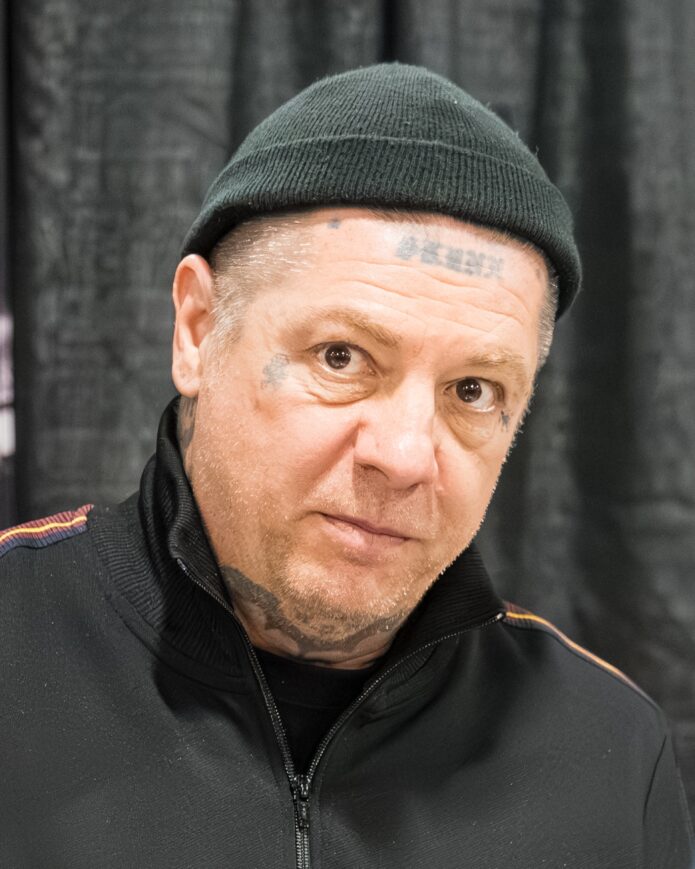
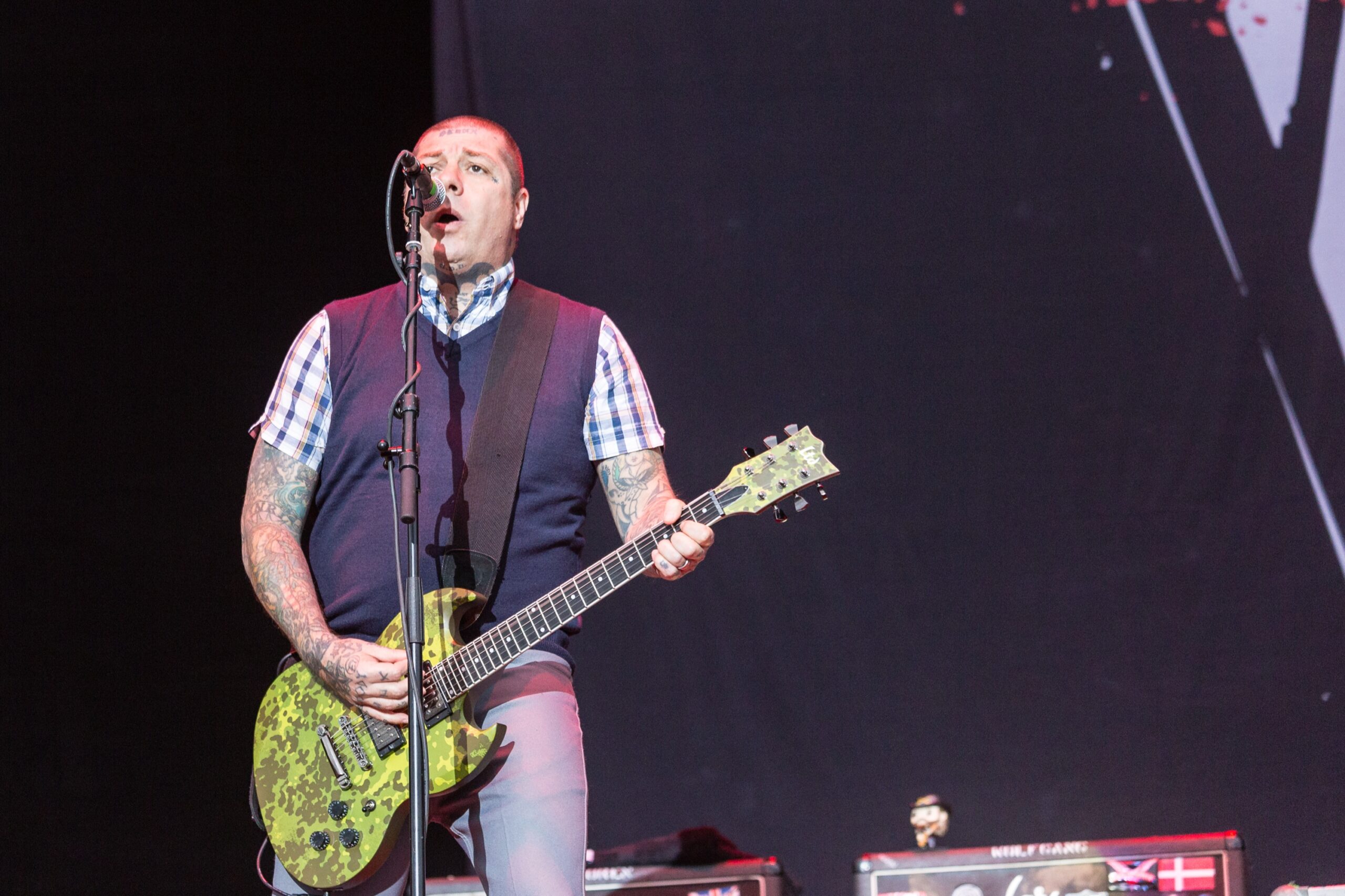
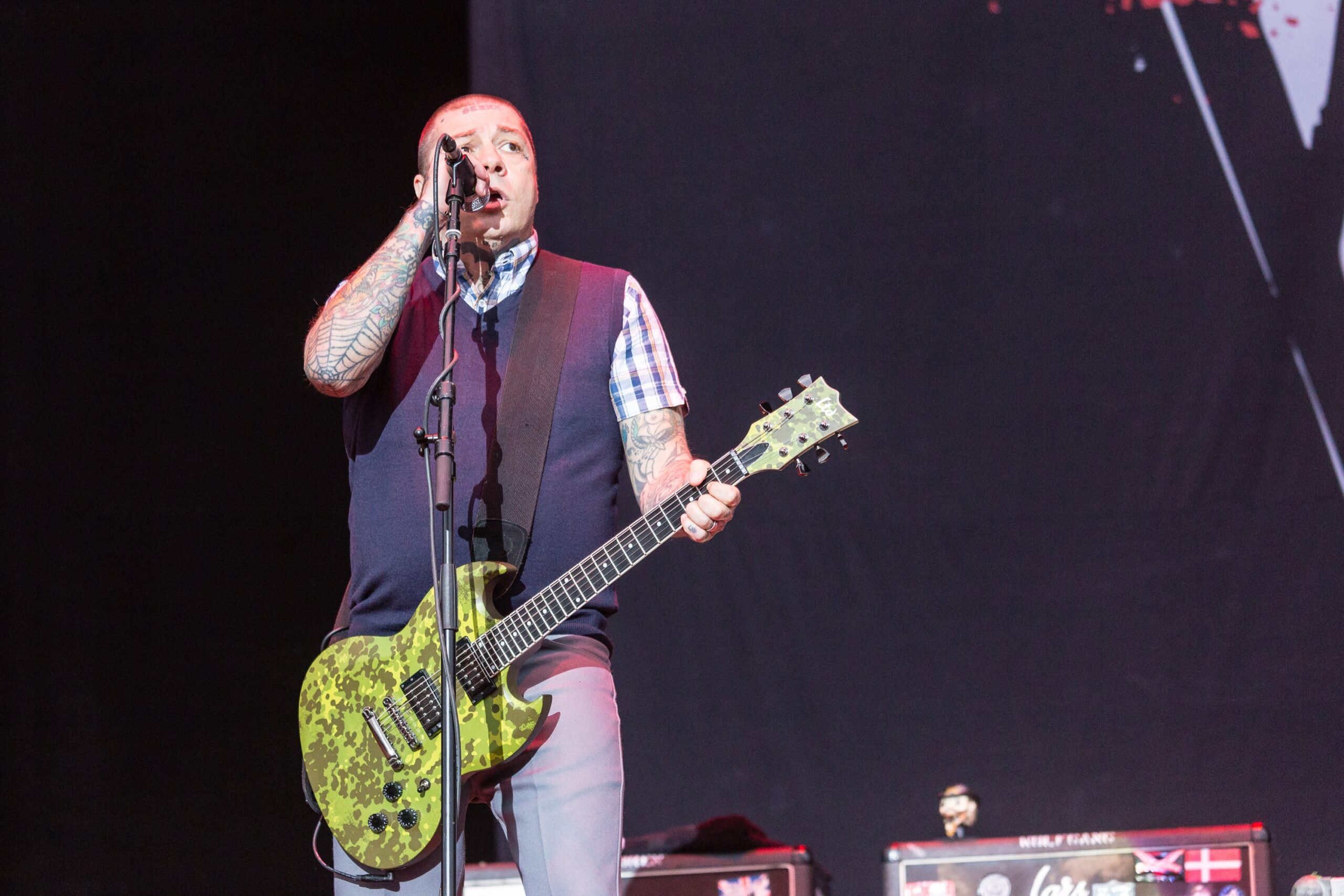
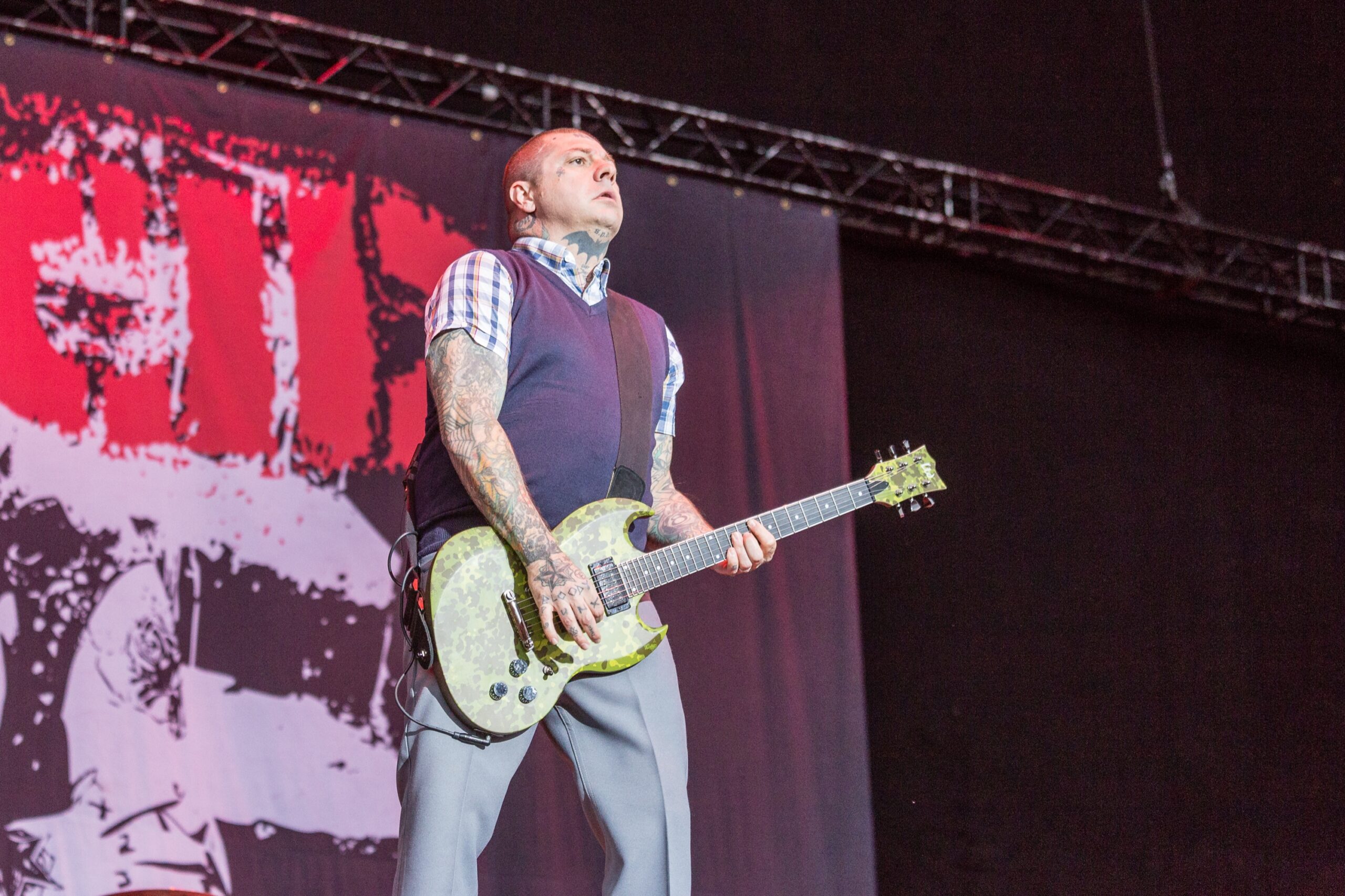
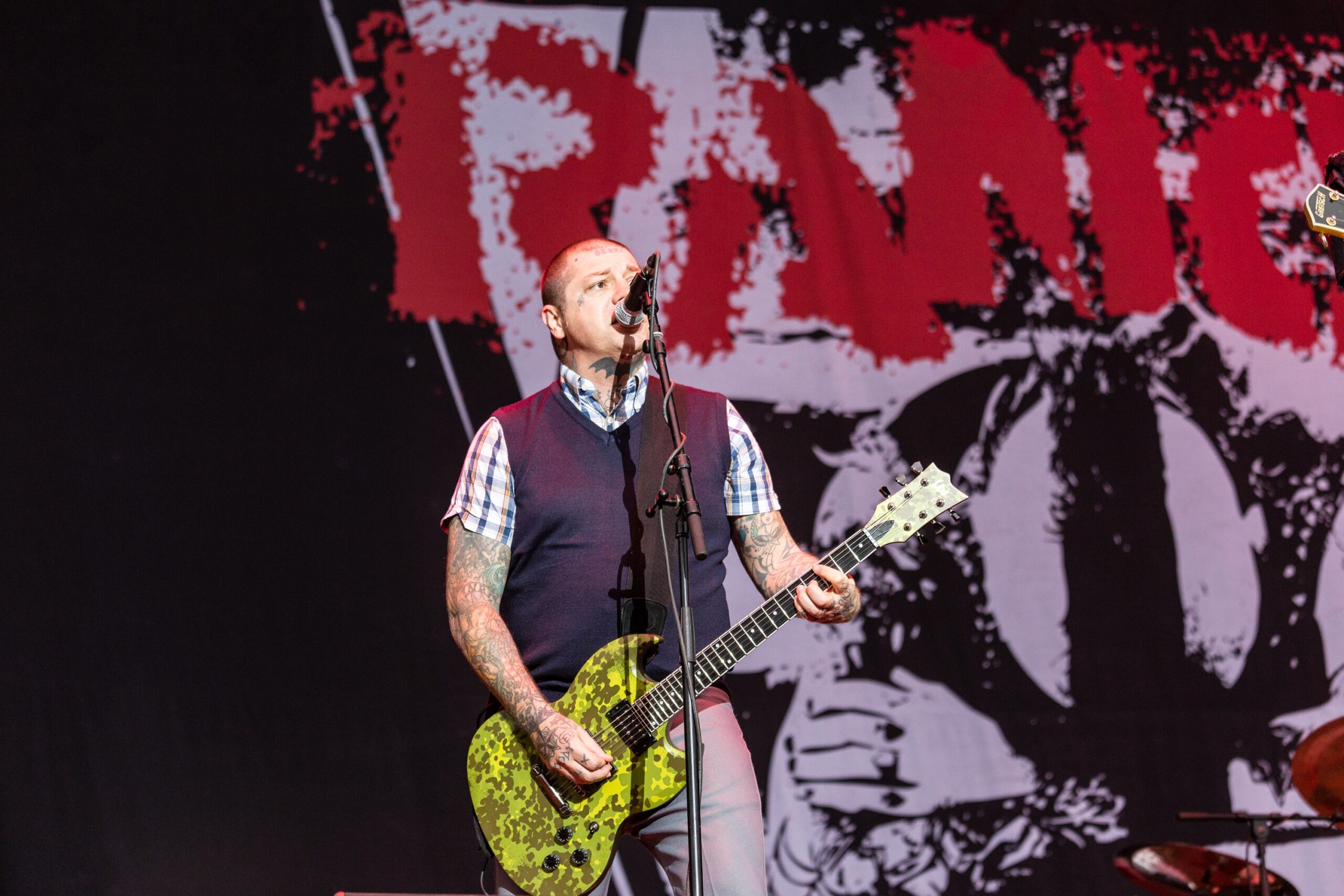
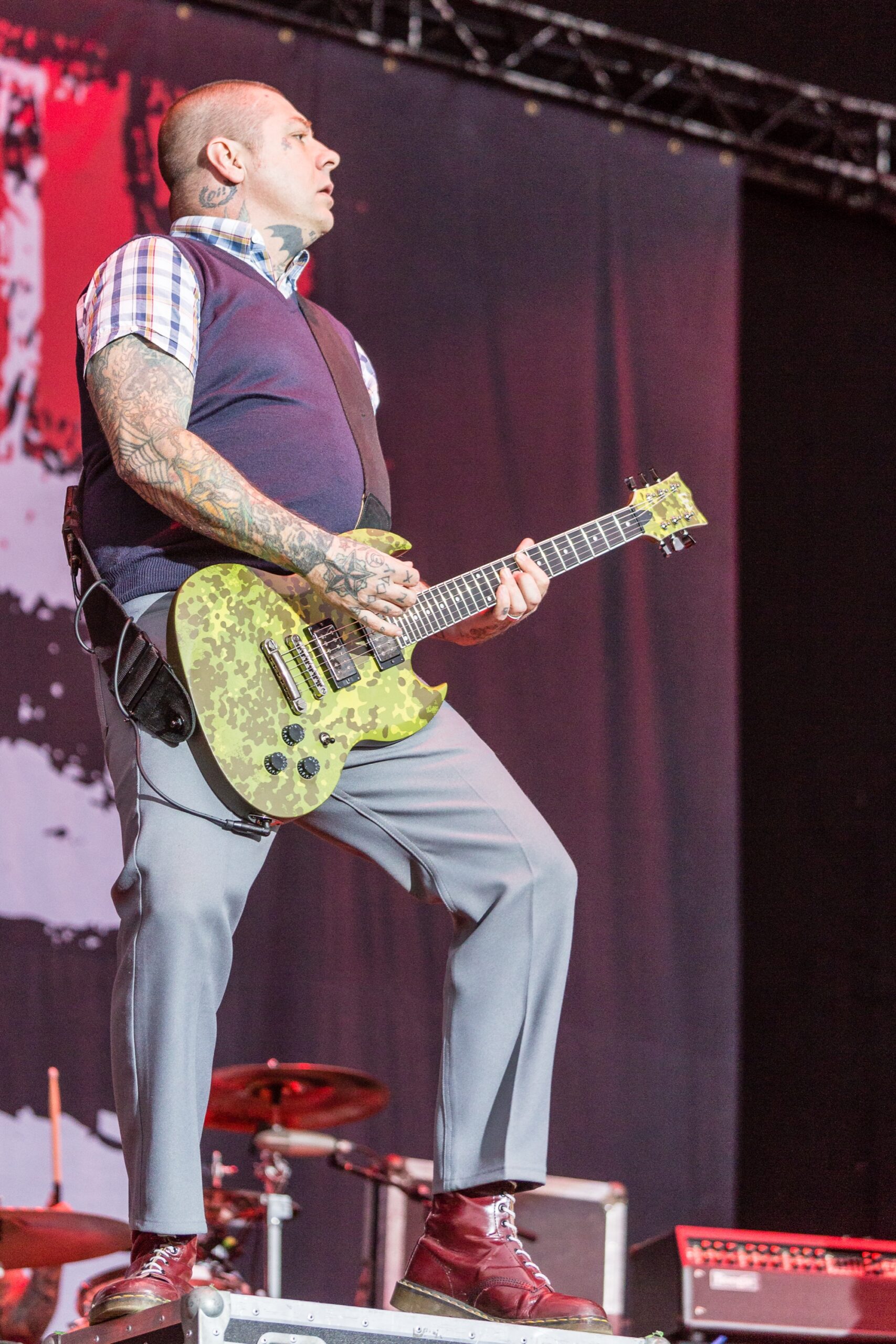
Lars Frederiksen’s tattoos are hard to miss. The Rancid guitarist and vocalist has ink across his arms, hands, neck and face. SKUNX, written across his forehead, is the mark people tend to recognize first; the collection fits the punk look he’s worn for years.

The photos show both sleeves from different angles, along with the lettering on his hands and neck and smaller marks on his face. A separate portrait gives you a clear look at Lars, so the featured image isn’t a repeat of one of the tattoo shots.

Lars Frederiksen tattoos at a glance

His tattoos have grown into a dense collection rather than a matched sleeve. Heavy outlines, dark shading, lettering and traditional-style images sit close together across both arms, then continue over his hands and up his neck. There’s also a small mark near his eye, easy to miss beside the larger pieces.

The pieces don’t read like one planned design. They look like tattoos added over time, in the familiar shop style of bold lines, shading and separate images. That gives the sleeves a worn-in feel; they aren’t color-matched or arranged like a polished social media reveal.

Lars Frederiksen left arm tattoos

The SKUNX forehead tattoo

The large block letters run across his forehead, making SKUNX one of the first details you notice in interviews, portraits and concert photos.

The word is tied to his punk and skinhead roots. In an interview about music and tattoos, Lars said “skunx” made sense for his crew because it brought skins and punks together. The name reflects the mix of people around him at the time.

Getting words tattooed on your face takes a lot of thought. In Lars’s case, SKUNX connects to his music and the culture he came from. Copying the placement alone would leave out that history.

Lars Frederiksen right arm tattoos

Face and neck tattoos

Smaller marks sit near his eyes and along the side of his face, while larger shapes and lettering cover his neck down toward the collar. The face pieces are less obvious at a distance; the neck ink shows more clearly in close concert photos, especially when he’s not wearing a jacket.

The Nova Rock photos show how much the view can change with the angle. Under his jaw, the tattoo reads as a dark band; along the side of his neck, more of the design is visible. Looking at more than one view helps when sketching a neck piece, since a shape that seems simple from the front can wrap around in a less obvious way.

Lars Frederiksen neck and arm tattoos

The full-arm sleeves

Both arms are covered from upper arm to wrist. The photos show bold color, black shading and old-school images packed together. The left sleeve has dense outlines; the right is just as full, but the shapes come into view differently as he turns.

When he plays, the designs move with his forearms as they bend around the guitar. That’s useful to keep in mind when planning a sleeve: it has to work on a moving arm, not only on a flat sheet. Lars’s larger shapes stay legible from a distance, and the smaller details reward a closer look.

Black and grey shading keeps the crowded sleeve readable. Dark areas separate the images, and lighter patches stop the arm from becoming one solid block. There isn’t much bright color, so the contrast matters under concert lights.

Lars Frederiksen forearm tattoos

Hand tattoos and smaller details

Lettering and small symbols cover his fingers and the backs of his hands. They show whenever he holds a microphone or guitar. Hand tattoos tend to blur and fade sooner than ink on the upper arm, so the bold lines and simple shapes remain legible even in motion.

A closer look turns up more small designs around the arms. Some resemble traditional flash; others look more personal. The sleeve feels collected over time, with the different pieces keeping their own character.

Lars Frederiksen hand and arm tattoos

What Lars has said about his ink

In the interview below, Lars says his first tattoo was an “Oi” tattoo, which he got at 11. That’s an early start, and the design already points to the punk scene that runs through the rest of his collection.

In the video, he talks about that first tattoo, tattoos fans have gotten for him and his newer work. He also answers what he would say if one of his sons wanted a tattoo. It’s a chance to hear him explain those choices in his own words.

The older pieces look softer and more worn; newer work has darker edges and stronger contrast. The difference makes it clear this collection took shape over years.

Lars Frederiksen side arm tattoos

The punk and Oi! thread

Rancid’s mix of punk, street punk, reggae and rockabilly gives some context for the tattoos. The SKUNX lettering, Oi! reference and heavy sleeves share that old-school edge without turning the collection into a matching set.

The photos can give you ideas for placement and style, but copying a whole sleeve would miss what makes his ink personal. Build yours around music, people, places or memories that matter to you. For two other rock looks, compare the darker shapes in Duff McKagan’s tattoos or the bold coverage in Frank Carter’s tattoos.

How to borrow the look without copying it

A punk-inspired sleeve can use thick outlines, limited color and lettering, but choose subjects with a tie to your own life. Keep the larger shapes clear, leave room between pieces and watch what happens to the design when your arm bends.

Face and neck work takes extra thought; both spots are difficult to hide or cover later. A small symbol that means something to you may age better than a large word picked because it looks tough in a photo. Lars’s SKUNX has a history for him; your choice needs its own.

For more lettering and symbols, look at the collections of Andy Biersack’s tattoos, Corey Taylor’s tattoos and Scott Ian’s tattoos. They show different ways lettering and symbols can sit within a larger collection.

Final take on Lars Frederiksen’s tattoos

The SKUNX lettering is the most obvious piece; the sleeves, hands, neck and marks around his eyes make the collection more than one tattoo. Across the photos, it has a worn-in punk look.

If you’re drawn to the style, use the photos to study where the ink sits, how much space separates designs, the line weight and the way a sleeve follows the arm. Then shape your own design around what matters to you. For another approach, see Chad Smith’s tattoos, Maggie Lindemann’s tattoos and Brantley Gilbert’s tattoos.

Watch Lars talk about his tattoos

The interview below gives a little more context: Lars talks about his first tattoo, fan tattoos and newer pieces.

Phil Anselmo Tattoos: Sleeves, Head Ink and Pantera Energy

Phil Anselmo has tattoos on both arms and visible ink on his head. The sleeves run from his upper arms toward his wrists, where dark shading gives them a heavy look onstage.

In the photos, his tattoos sit alongside the black T-shirts, shorts and boots he usually wears. The sleeves are crowded with heavy shading and old-school imagery, rather than spaced like small, separate stickers. Here’s a closer look at Phil Anselmo’s tattoos, using the clearest performance and backstage shots available.

Phil Anselmo’s tattoo style at a glance

These are the tattoos that show up most clearly in the photos.

The clearest feature is the amount of coverage. Both arms are covered with large shaded designs and strong outlines, packed close together. The photos don’t show every image clearly, so it’s safer to describe what’s visible than to assign a meaning to each shape.

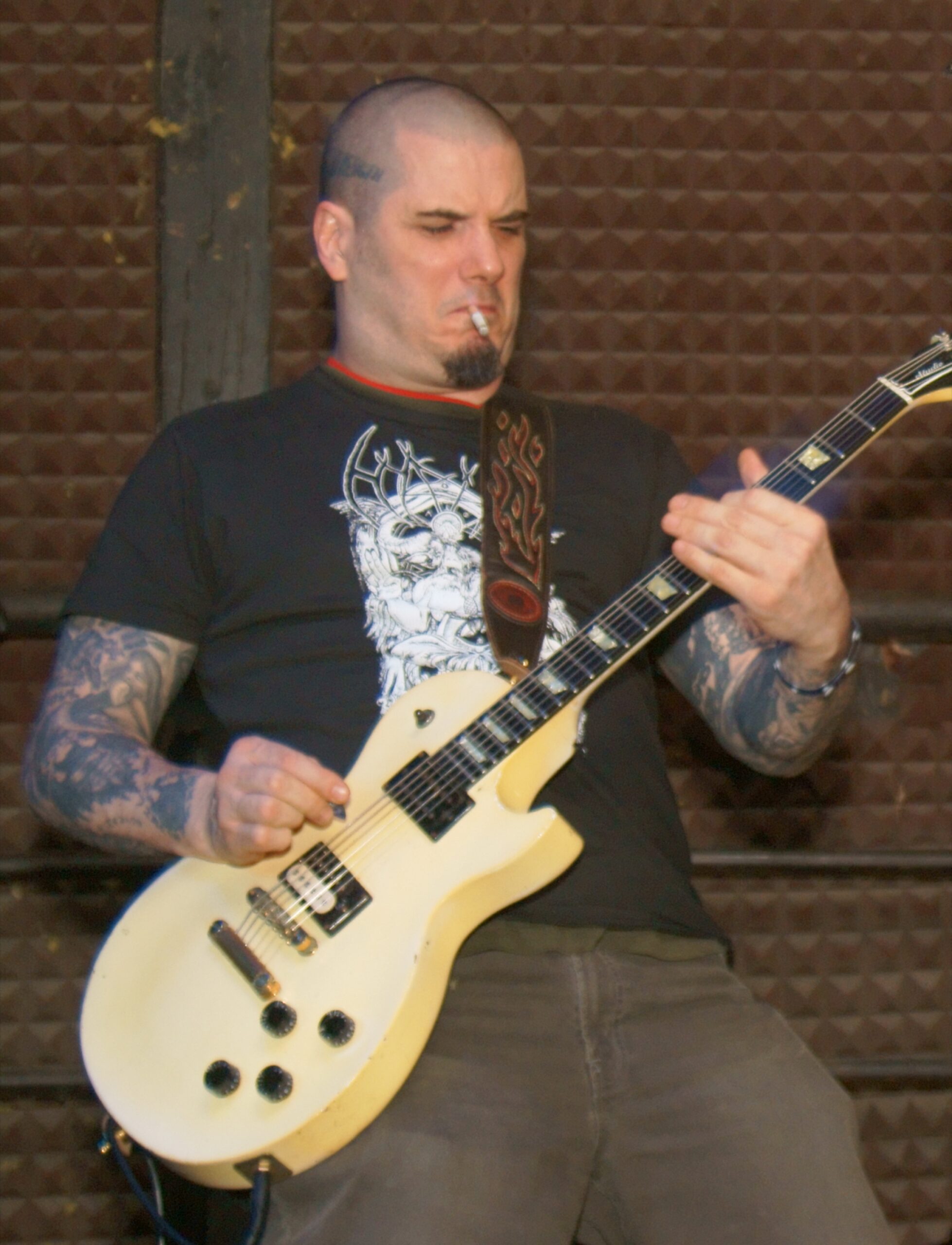
The ink runs over both forearms toward his hands, and dark shading makes the sleeves stand out under stage lights. A few pictures also show a small head tattoo near the side of his scalp. It’s easier to see with his head shaved or closely cropped.

Phil Anselmo tattoo sleeves while playing guitar

His packed arm sleeves

This performance shot gives a clear view of both sleeves. His guitar crosses the frame, but the tattoos remain visible on either side. Light gray patches, darker pockets and what seem to be separate images sit within the black shading.

The sleeves look like a collection built up over time, with the pieces brought together gradually. The lettering and shaded images give them a traditional, biker-bar feel. For someone planning a sleeve, the photo shows how separate medium and large pieces can eventually cover the arm as one design.
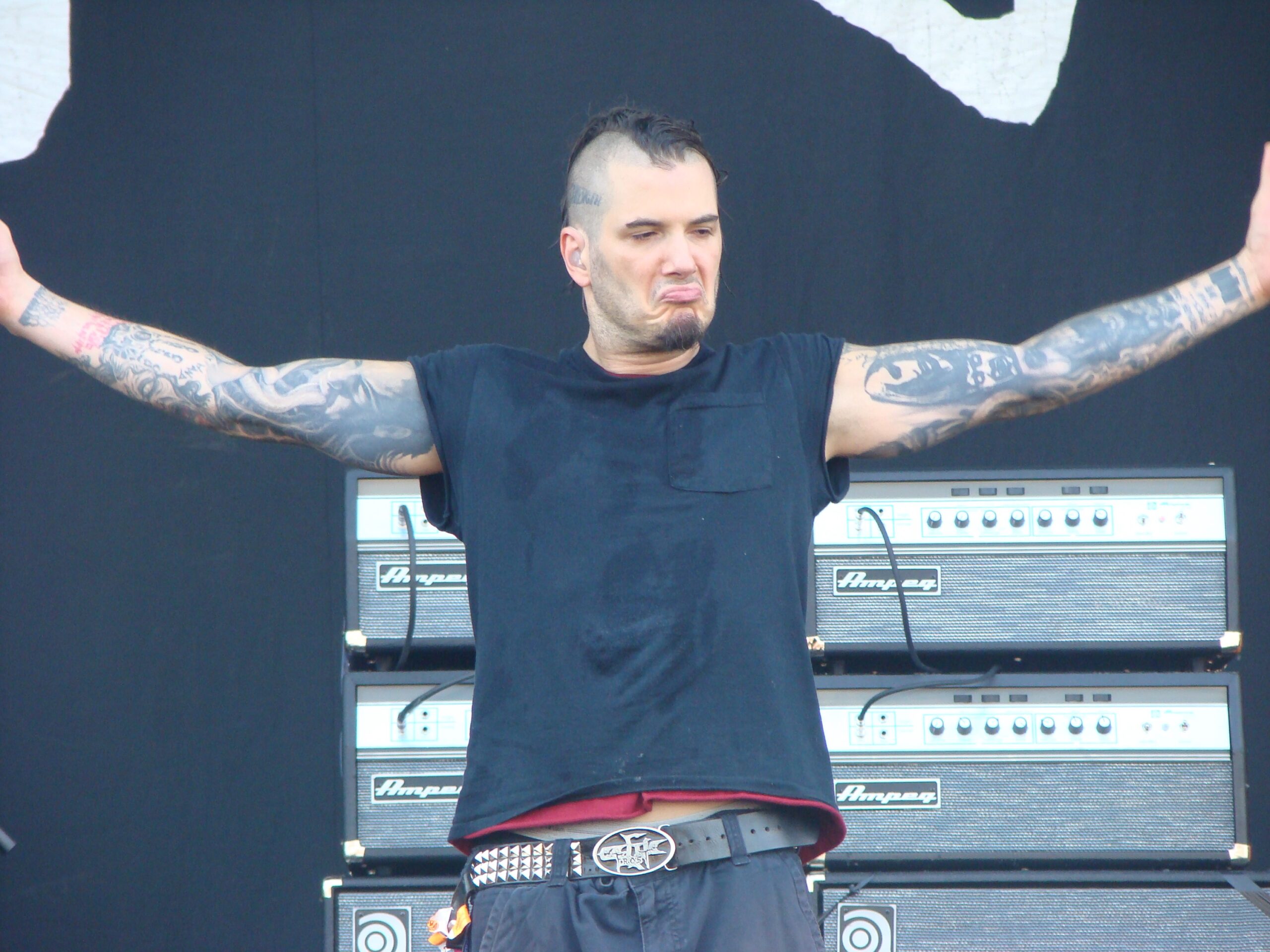
Phil Anselmo full sleeve tattoos with both arms raised

The arm tattoos are the main event

With both arms raised, you can see how far the tattoos extend. Lighter shapes stand out on the left arm, while the right looks darker and more crowded. The ink reaches above the elbows and down toward the wrists, so it remains visible even when he turns away from the camera.

The outer arm catches the light here while the inner arm sits in shadow. A sleeve that looks almost solid in one photo can reveal more shapes or lettering from another angle. That contrast stands out against black clothing and concert lighting.

Phil Anselmo upper arm and head tattoo

Head ink and the upper-arm lettering

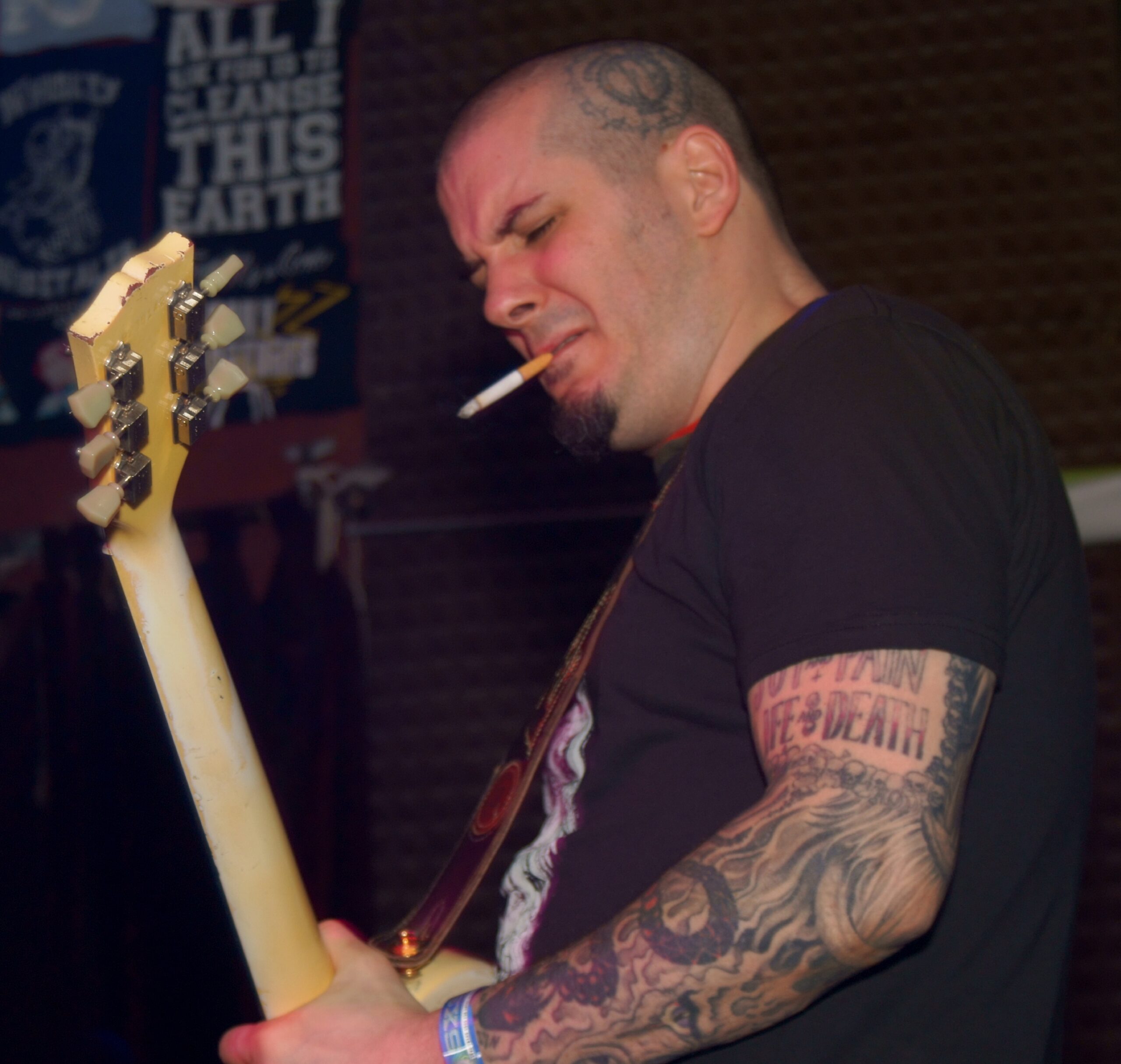
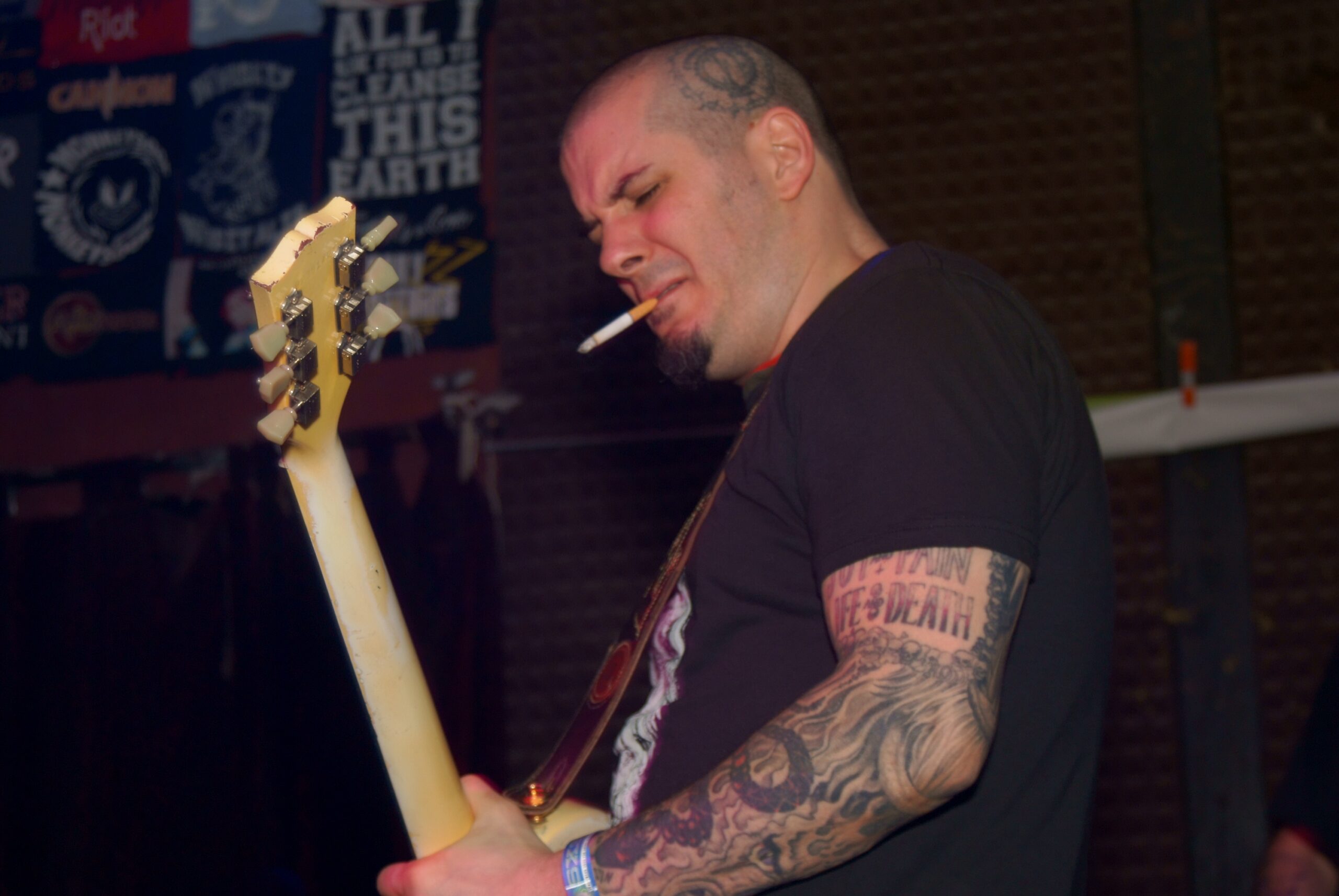
This closer photo shows the small tattoo near his scalp and the lettering across his upper arm. The head piece sits above the ear and is easier to see with his short haircut. It’s smaller than the sleeves but sits high enough to change the line of his profile.

The upper-arm letters stand out above a tightly packed group of images. They read as part of the sleeve, not a separate strip of text. The surrounding shading gives them a banded outline. If you want lettering in a sleeve, this shows one way to keep it readable as the space around it fills in.

Some of the lettering is too blurred in these photos to read with confidence. It’s better to leave a word unidentified than guess and get it wrong.

Phil Anselmo tattooed arm and hand tattoos close up

Forearm and hand details

The close side view shows the forearm more clearly: dark shapes and lighter areas continue almost to the wrist. There’s visible ink on the hand too, so the coverage carries past the usual sleeve endpoint.

The head tattoo appears in this shot too, just above the ear and beside the bare scalp. At a distance, the sleeves form a dark outline; up close, the lighter details are easier to pick out. The combination makes his profile recognizable and fits the rough, worn-in look he had onstage with Pantera.

A sleeve that reaches onto the hand stays visible past the wrist. That placement also needs to work when the fingers move, so it takes planning. In these photos, the arm and hand ink read as a continuous piece.

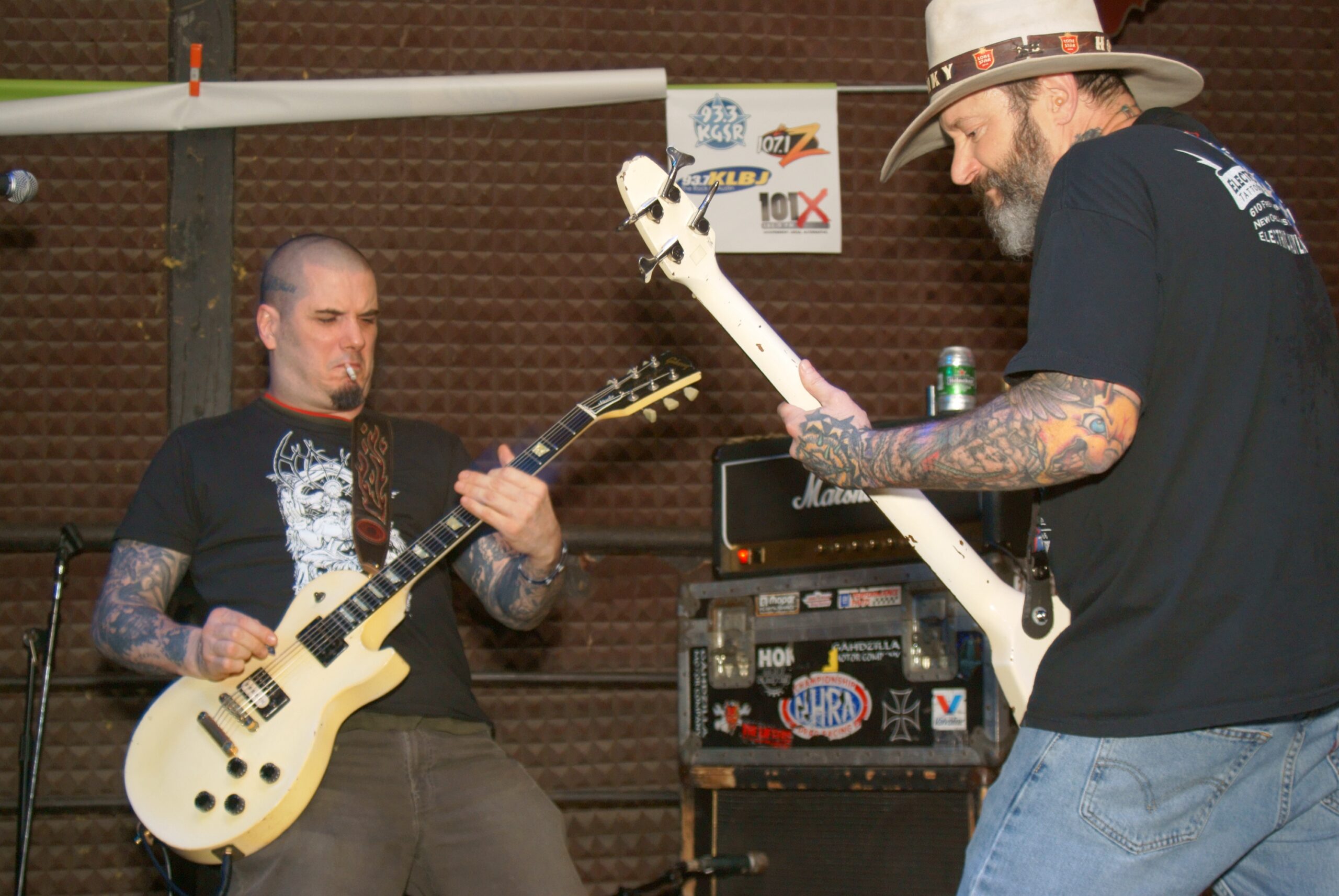
Phil Anselmo tattoo sleeves during a rehearsal photo

How the tattoos look offstage

This rehearsal photo has softer light than a festival stage, but the coverage on both arms is still clear. The colors look warmer here. You don’t need colored lights to see the heavy outlines and full sleeves; they stand out even in a casual room.

Anselmo often wears short sleeves, leaving the tattoos visible whether he’s performing, rehearsing or speaking with other musicians. The ink is part of his usual appearance rather than something tied to one tour or photo shoot.

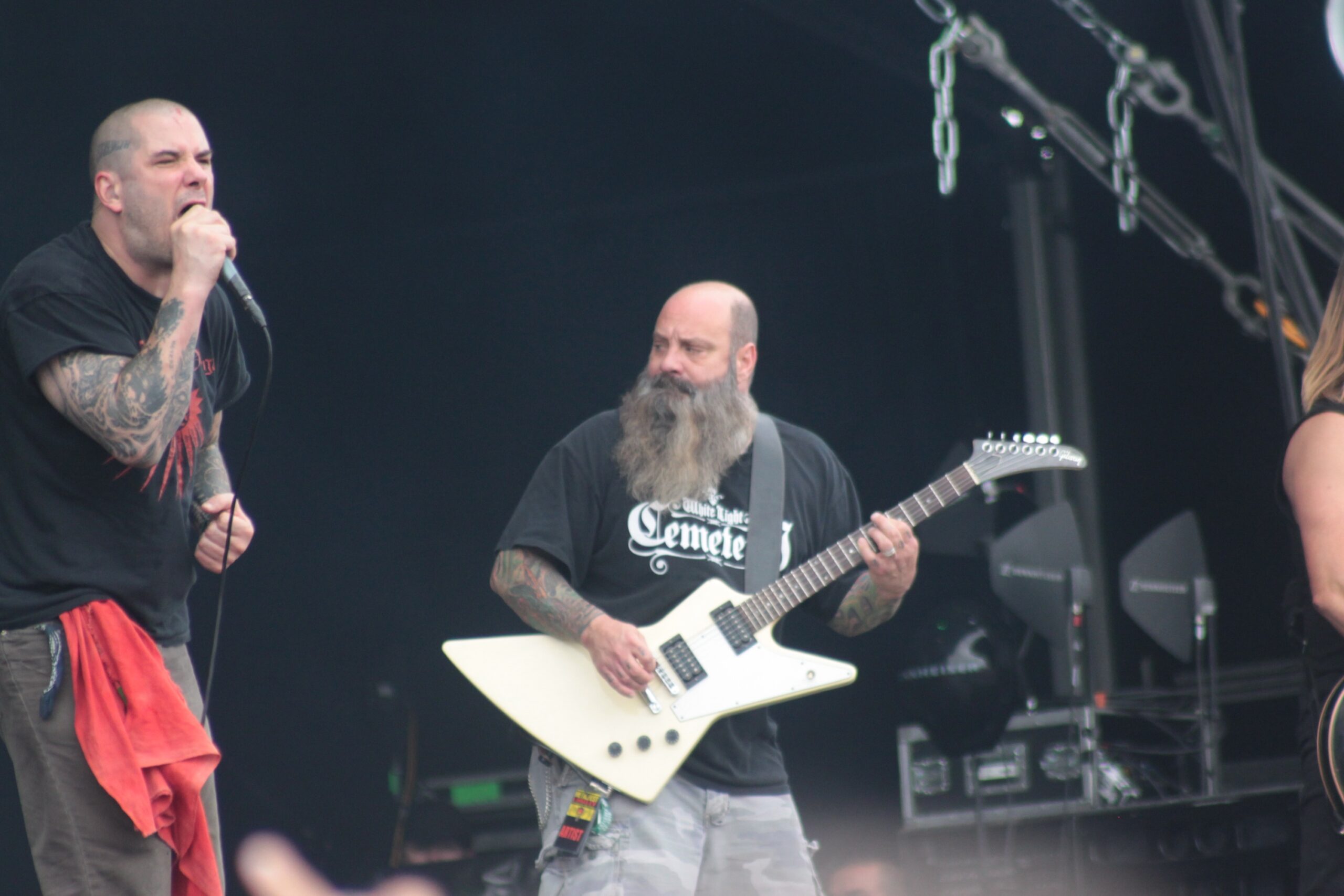
Phil Anselmo sleeve tattoos onstage with Down

The sleeves under festival lights

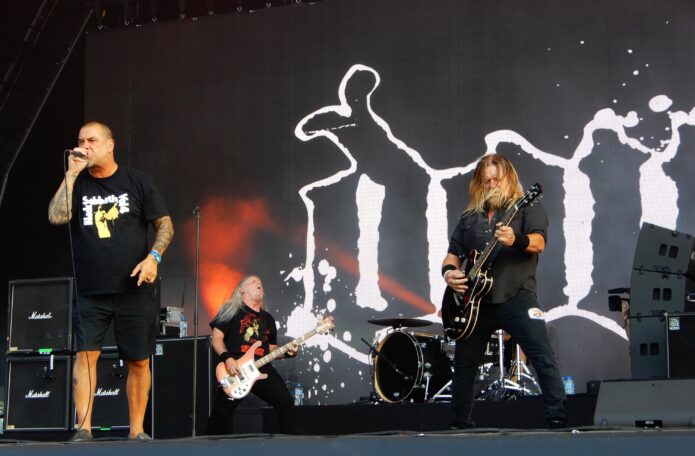
In this Down performance shot, Phil stands on the left side of the frame, singing with tattoos visible on both forearms. The view is wider than the rehearsal photos, so smaller details are harder to make out, but it shows how much of each arm is covered.

Close-ups help with individual shapes; wider shots show how the sleeves read from the crowd. Here, the contrast keeps his arms visible among the microphones, instruments, stage lights and backdrop.

What the ink says about his rock style

That dense, dark look fits the heavy music Anselmo has made for decades. The tattoos feel accumulated over time, rather than styled for a fashion shoot.

The same visual language appears in Pantera and Down: black shirts, loud guitars and hard contrast. His tattoos add detail to the simple wardrobe, and their look shifts as he holds a microphone, plays guitar or raises his arms.

For more heavy-music tattoo references, compare this sleeve-first approach with the sharper blackwork in Rob Zombie’s tattoos or the more openly personal pieces in Jamey Jasta’s tattoos. Fans of classic metal imagery may also like the old-school feel in Dimebag Darrell’s tattoos.

Are all of Phil Anselmo’s tattoos documented?

No. There are plenty of performance photos, but most were taken from the crowd or in difficult light. They show the coverage and placement more clearly than every individual design. Some also show opposite sides of the same arm, which can make one tattoo seem like two.

Across the photos, some details stay clear: full coverage on both arms, heavy shading, ink at the wrists and hands, upper-arm lettering and a small scalp tattoo. Anything more specific about a symbol or line of script would be a guess unless Anselmo has explained it.

The same caution helps with any tattoo reference. Look for a sharp photo, a second angle and enough resolution to see the lines. A portrait of a tattooed musician won’t always give you a useful reference.

Why Phil Anselmo’s tattoos still stand out

His sleeves are the most obvious part of the collection, with the small head tattoo drawing the eye and the upper-arm lettering breaking up the shaded designs. The ink reads clearly as he moves onstage.

The tattoos sit alongside his short hair and everyday stage clothes. They show up in rehearsal photos as well as under concert lights, so they feel like part of his usual look.

If you want a similar metal look, begin with subjects that matter to you. Leave space for an artist to connect separate pieces over time, and choose someone who can work with a full sleeve. Anselmo’s photos show how those choices can grow into one collection.

Watch Pantera in action

The official video for Pantera’s “Walk” pairs the song with the same black-and-white stage look seen throughout Anselmo’s photos.

Frank Carter Tattoos: Neck Ink, Sleeves and Chest Art

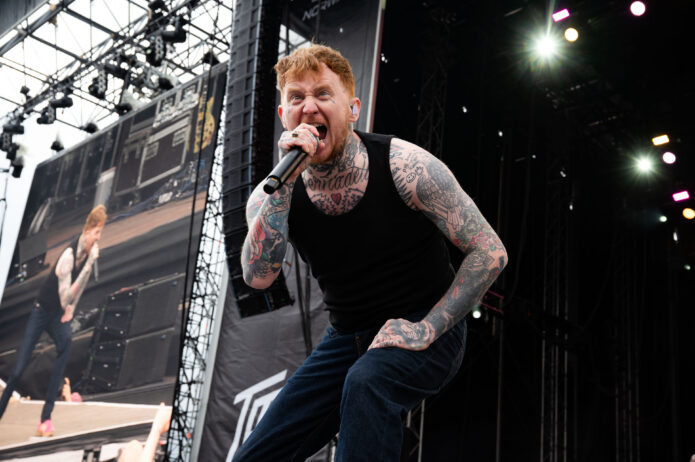
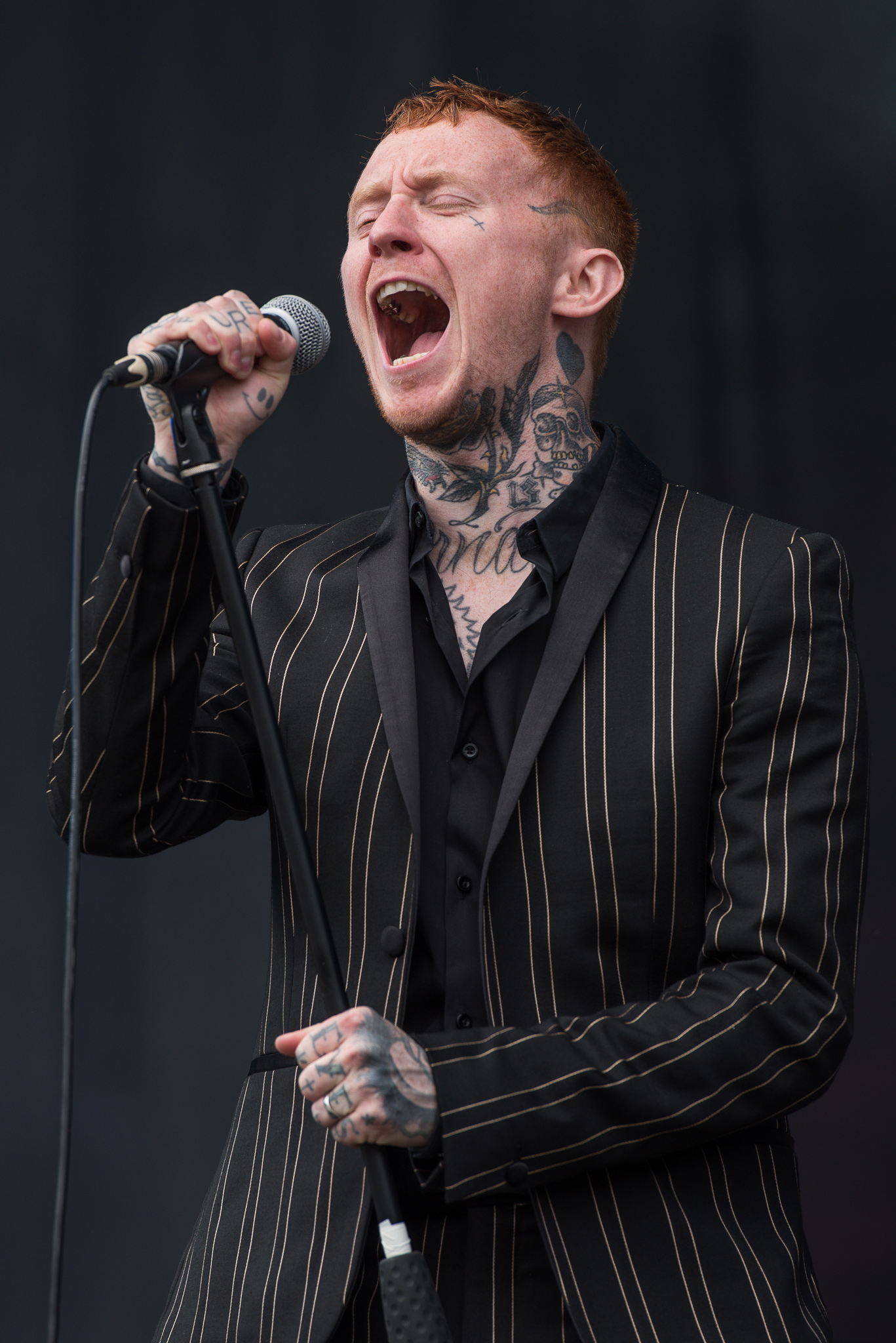
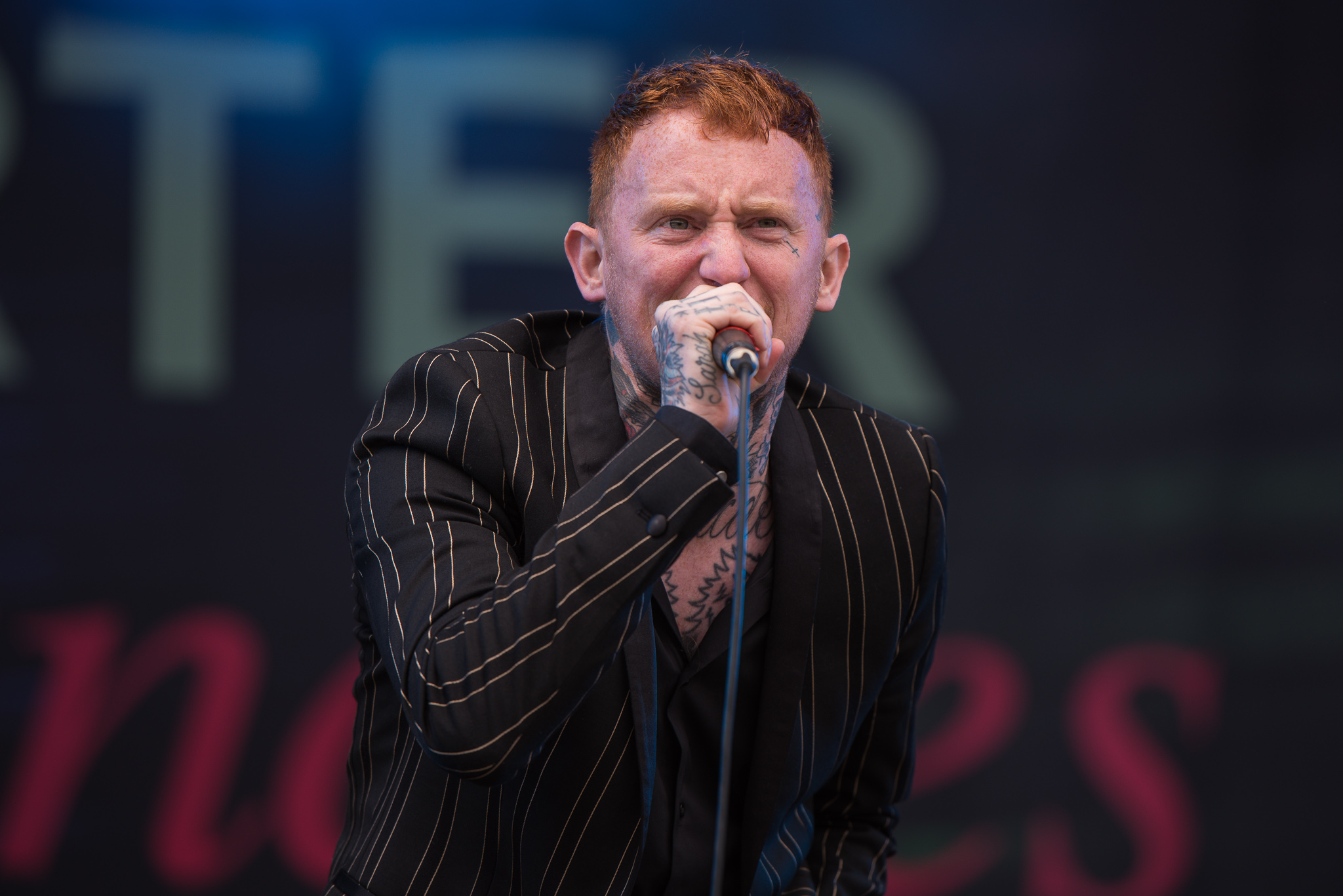
His red hair, animated delivery and black suit make Frank Carter easy to spot onstage. Tattoos cover his neck, chest, hands, arms and face, so even a quick concert photo offers several details to pick out.

There’s plenty of variety in the Frank Carter tattoos featured here: some pieces are packed with detail, while others are tiny marks you only see up close. They look like a collection that grew over time, with a rough punk feel rather than a matched sleeve.

Frank Carter tattoos at a glance

  • Most visible areas: neck, upper chest, both arms, hands, and the side of his face.
  • Standout look: dense black and grey work mixed with bright colour on the sleeves.
  • Style note: the tattoos read clearly from the crowd, but the small hand and face marks reward a closer look.
  • Best reference: the close stage photos below show the ink far better than a tiny social media crop.
Frank Carter neck and hand tattoos

The neck tattoo is the first thing you notice

The neck has some of the darkest work: shaded shapes, lettering and a skull-like figure tucked under his jaw. From the front, the design climbs above his open collar; from the side, you can see it wrap around his neck.

Short hair leaves his neck in full view, and a dark shirt makes the lines stand out. The tattoo doesn’t cover a large area, but its placement keeps it visible.

Frank Carter face and neck tattoos on stage

Small face marks with a punk edge

There are a few smaller marks on his face. The cross near his eye is clearest in the photos; other lines by his temple and hairline are harder to identify from a distance. It’s better to leave those unnamed unless a sharper photo confirms what they are.

The cross is small and easy to miss until you see a close shot. It gives the upper part of his face a clear point of focus beside the denser neck and chest tattoos.

Frank Carter hand and neck tattoos while singing

Hand tattoos that stay visible while he performs

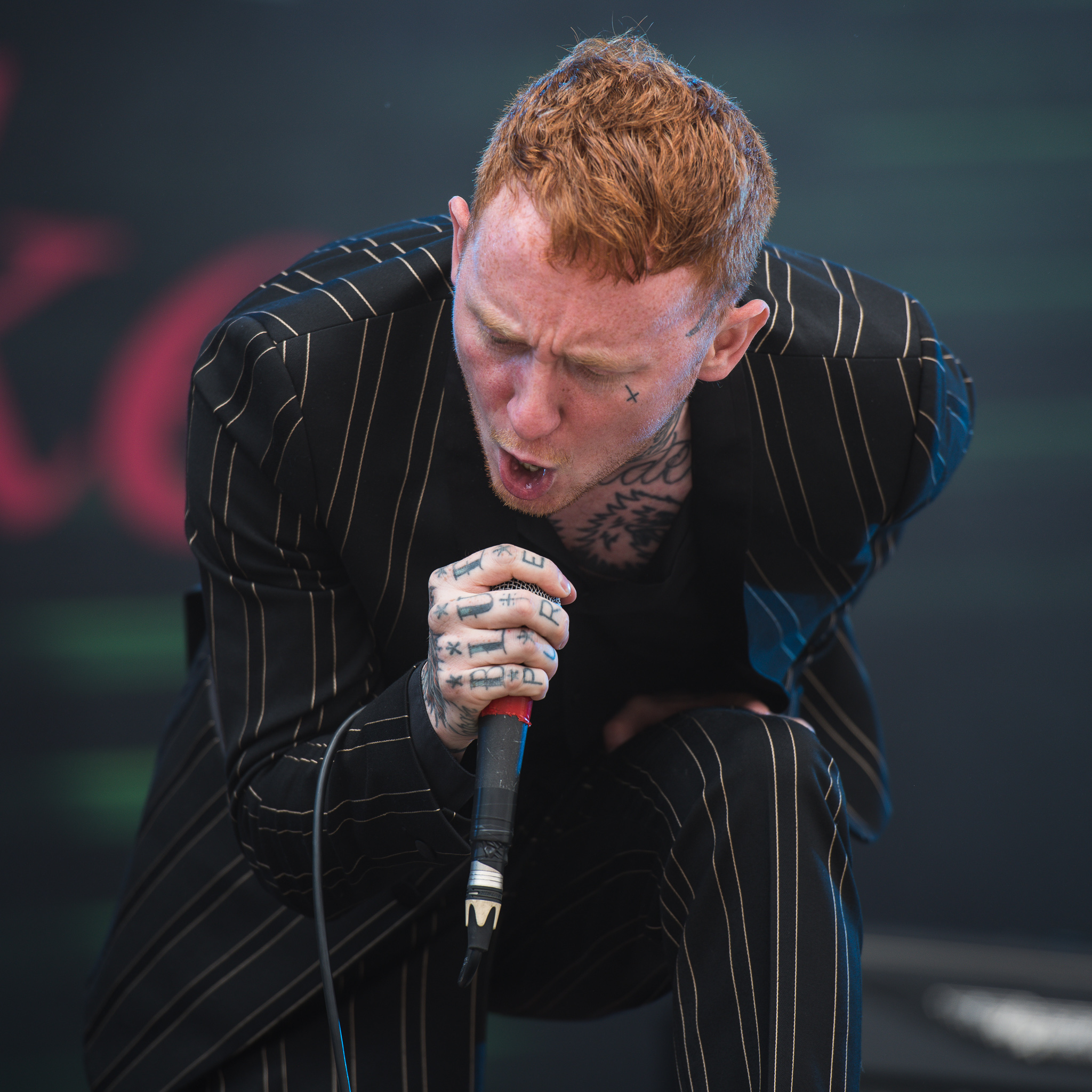
Lettering and small symbols run across his fingers and the backs of his hands. Carter grips the microphone, points and throws his arms around while performing, so the tattoos show whenever he gestures.

Close photos separate the block letters, little crosses and dark shading around his fingers. The hand looks like several small tattoos gathered over time, giving it a raw, personal feel instead of one continuous glove design.

Chest lettering and the open-collar look

With a vest or open shirt, the upper-chest lettering comes into view. Large script stretches across the area, with darker artwork around it. The heavy lines keep the chest from reading as one solid patch of black.

The chest design changes with his posture and the light. Onstage, folds in the skin and shadows can hide parts of it. Straight-on photos show the script best; a side view makes it easier to see where the chest and neck tattoos meet.

Frank Carter chest lettering and neck tattoos

The sleeves mix bold colour with heavy black work

Both arms are densely tattooed, with traditional-style shapes, flowers, faces and darker filler layered together. The close-ups also show red, blue and green, so the sleeves use color as well as black and grey.
Some sections have bright color and clear outlines; others fade into heavy black shading. That shift gives the sleeves depth. If you’re planning a mixed-style sleeve, the photos show how different designs can sit beside each other without using the same treatment.
Frank Carter colourful sleeve tattoos
Frank Carter arm tattoos while performing

How the full look comes together

The tattoos connect across his body: the face mark leads to the neck, the neck opens into the chest, then the arms carry the ink down to his hands. That flow is easy to follow in a stage photo, where his gestures bring the hand tattoos into view around the microphone.

Black jackets and vests leave his hands, neck and chest exposed, framing the ink. If you’re collecting Andy Biersack tattoo ideas or looking at Scott Ian’s ink, Frank’s tattoos play a similar role in defining his overall look.

Frank Carter tattoo ideas worth borrowing

You can borrow details without copying the whole collection. A small face or hand tattoo catches the eye; a neck or chest piece creates a broader focal area. His sleeves pair bright traditional colors with black shading, while the neck work gets its texture from a darker palette.

Think about how the placements will meet, especially if a chest tattoo may later extend to the neck. Choose an artist familiar with the style you want; bold outlines, readable lettering and saturated color each call for different skills.

Watch Frank Carter perform

The official Frank Carter and the Rattlesnakes video below shows how the hand and neck tattoos move during a performance, something a still photo can’t capture.

For more musician tattoo looks, see Maggie Lindemann, Brantley Gilbert and Ashnikko. Their collections use placement, color and personal symbols in different ways.

Christina Ricci Tattoos: Lions, Birds and Personal Ink

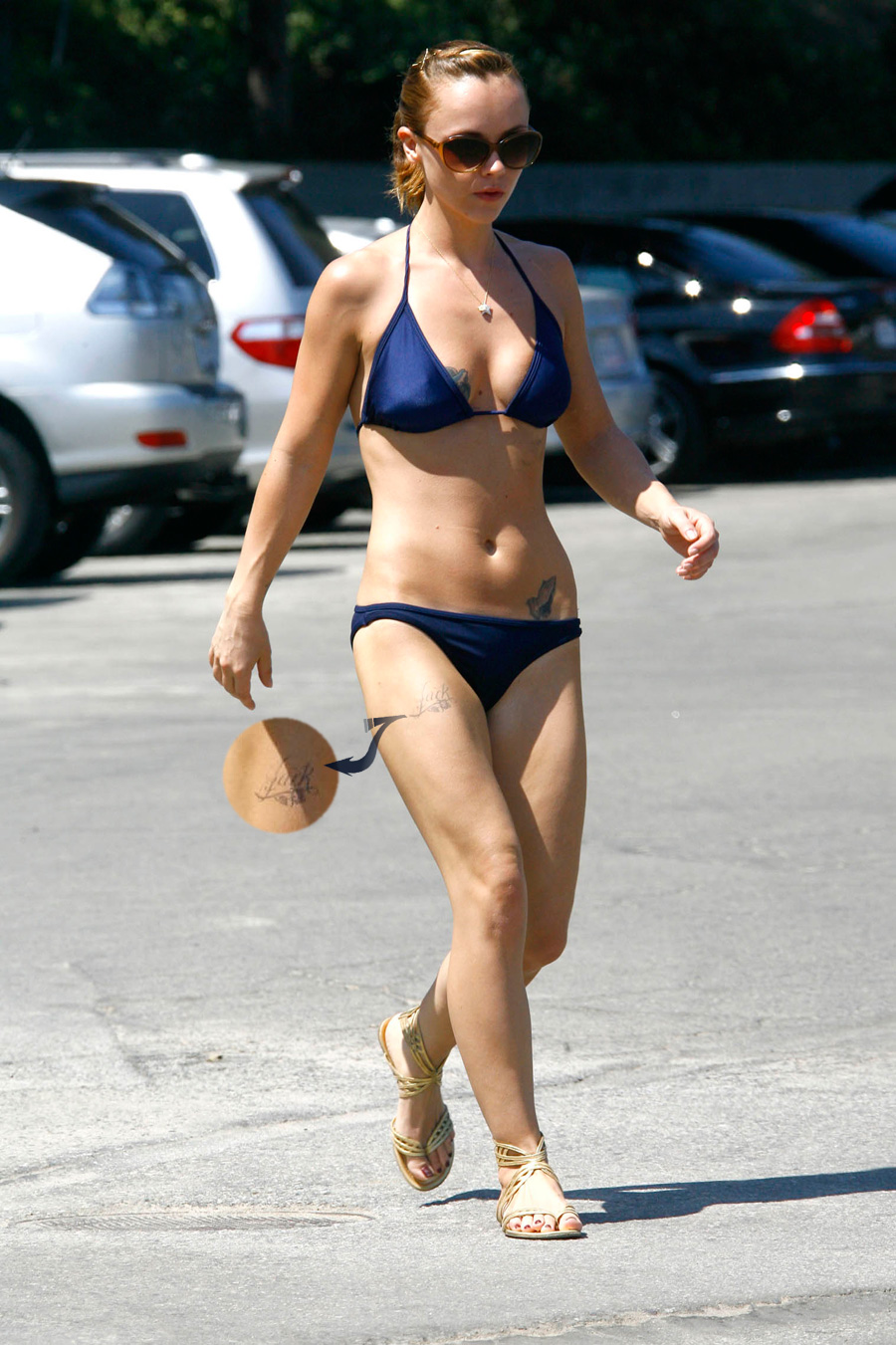
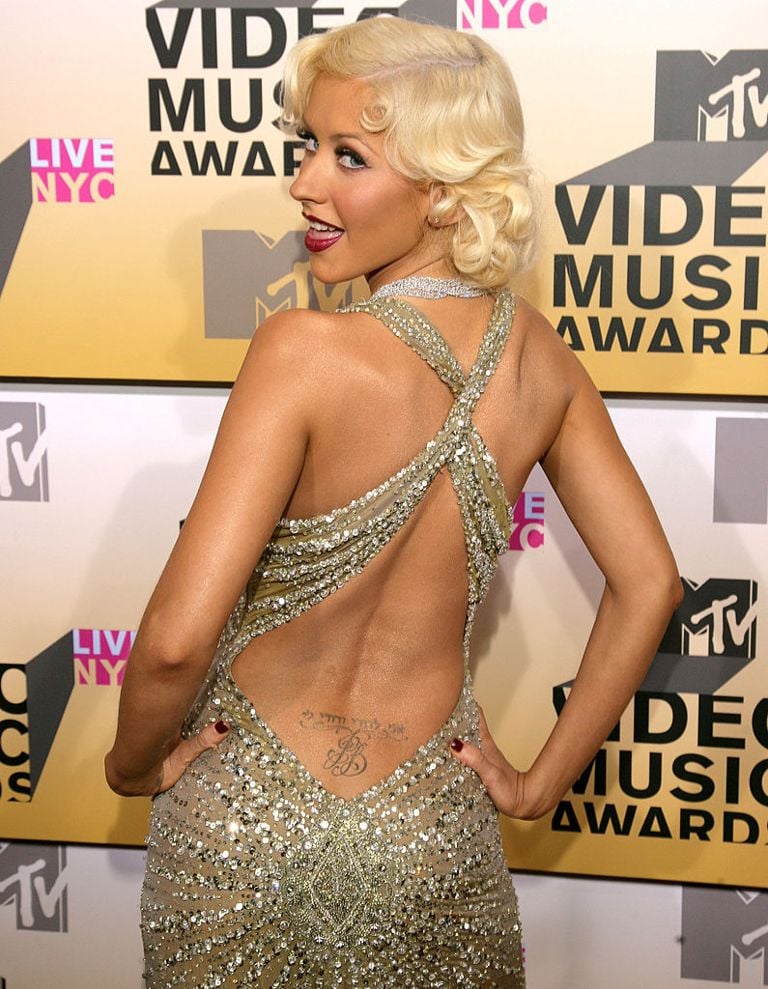
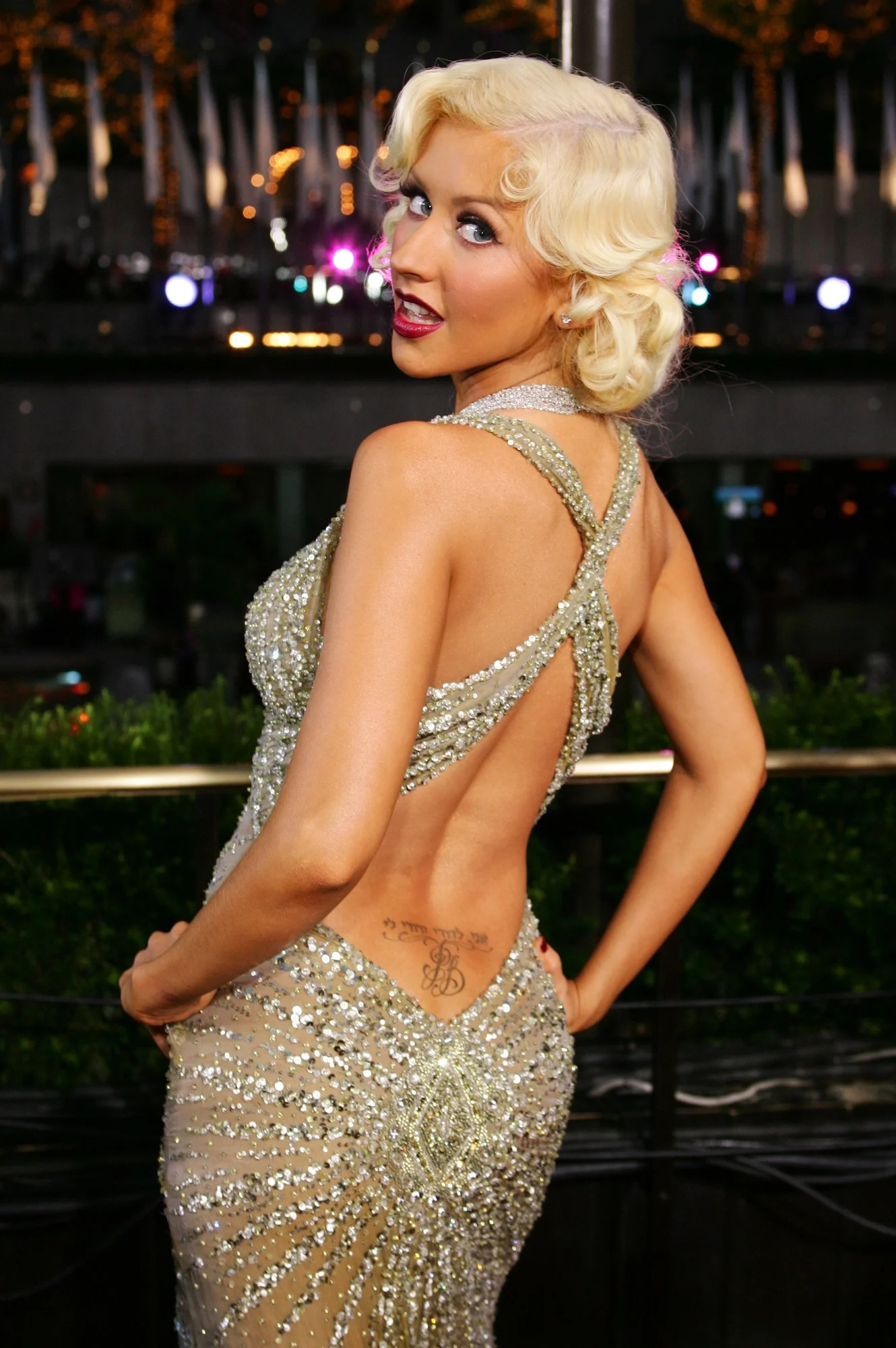
Christina Ricci’s tattoos suit the offbeat roles she has often played. She has a lion, a floral piece on her lower back, a small “Jack” tribute, birds, a mermaid and a handful of smaller designs. Most show when she wears an open-back or sleeveless outfit.

Her collection has stayed much the same for years, so older photos help. They show the ink clearly and make it easier to distinguish her tattoos from temporary designs used for film and TV roles.

The lion tattoo on her shoulder blade

Christina Ricci lion tattoo on her back

One of Ricci’s most recognizable tattoos is a lion high on her back, near the shoulder blade. It shows in beach photos and dresses with open backs. She has connected the design to The Lion, the Witch and the Wardrobe, a childhood favorite she has mentioned.

The lion is large enough to see in a full photo, but its placement keeps it mostly out of view day to day. That suits Ricci, whose tattoos aren’t a regular part of her red-carpet look.

The floral lower-back tattoo

Christina Ricci floral lower-back tattoo

Ricci also has a floral tattoo low on her back. Older event and beach photos show it above low-rise clothes; more recent red-carpet shots bring it into view with open-backed gowns.

The tattoo can look different from one photo to another because of the lighting and angle. It’s easiest to see when Ricci turns away from the camera. The flowers have a softer look than some of the more unusual designs elsewhere in her collection.

The “Jack” tattoo for her dog

Christina Ricci Jack tattoo on her thigh

One of Ricci’s more personal tattoos is the name “Jack” on her thigh. It was for a dog she loved. The short inscription says little on its own, but Ricci’s reason for getting it is clear.

Ricci has shown the tattoo in older photos. Its small scale gives it the feel of a quiet memorial, not a design meant to draw attention.

The praying hands and other small designs

Christina Ricci arm and chest tattoos

Ricci has smaller tattoos across her arms, chest and sides. Photos show a pair of praying hands, birds and other small symbols. She has also changed or covered some pieces, so lists of her tattoos don’t always match.

The smaller pieces don’t draw the eye the way the lion does, but together they give her collection a patchwork feel. Close-ups show the detail, especially when a dress or jacket covers most of the ink.

Other small tattoos around her body

Christina Ricci smaller tattoos in red carpet photo

The documented collection also includes designs on Ricci’s ankle, chest and sides. Some appear only in older photos; others show when she wears an open-backed dress. Taken together, they make clear that her tattoos don’t follow one theme.

Her tattoos include storybook images, memorial pieces and straightforward decoration. They look as if they were added at different times for different reasons, not planned as one large project.

Why her tattoos still stand out

Ricci’s tattoos don’t need a full sleeve or face ink to stand out. The lion is easy to recognize, the “Jack” tribute has a clear story, and the smaller pieces turn up in photos often enough to keep the collection familiar. Not every visible tattoo comes with a public explanation.

Some meanings are known, others are suggested, and some haven’t been made public. Clear photos show where the tattoos are and what they look like; the rest is Ricci’s to explain, if she chooses.

Watch more celebrity tattoo stories

The video below looks at celebrity tattoos and the stories people connect to them.

More actor tattoo guides

Ghostemane Tattoos: His Face, Neck, Chest and Hands

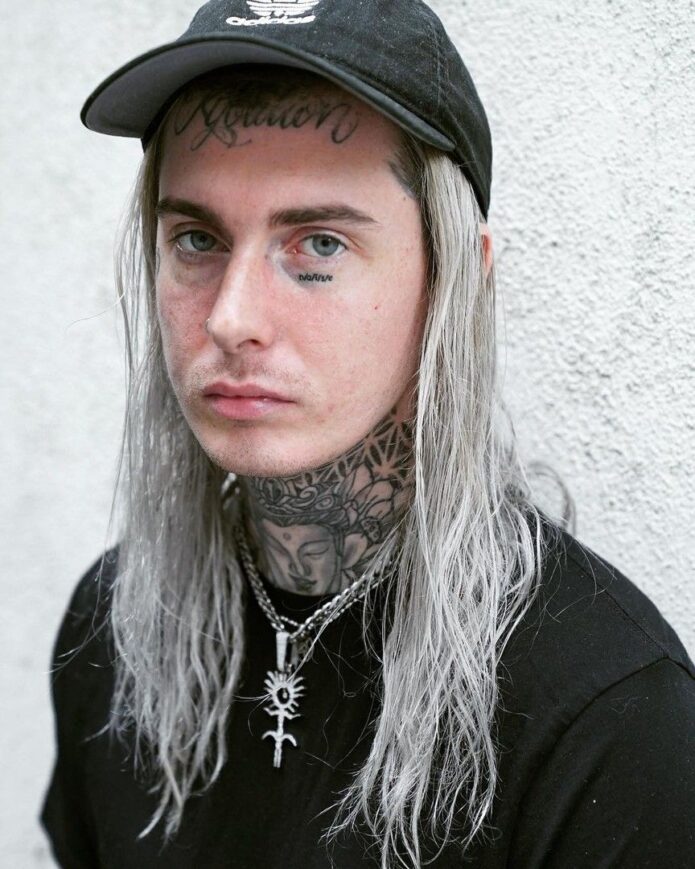
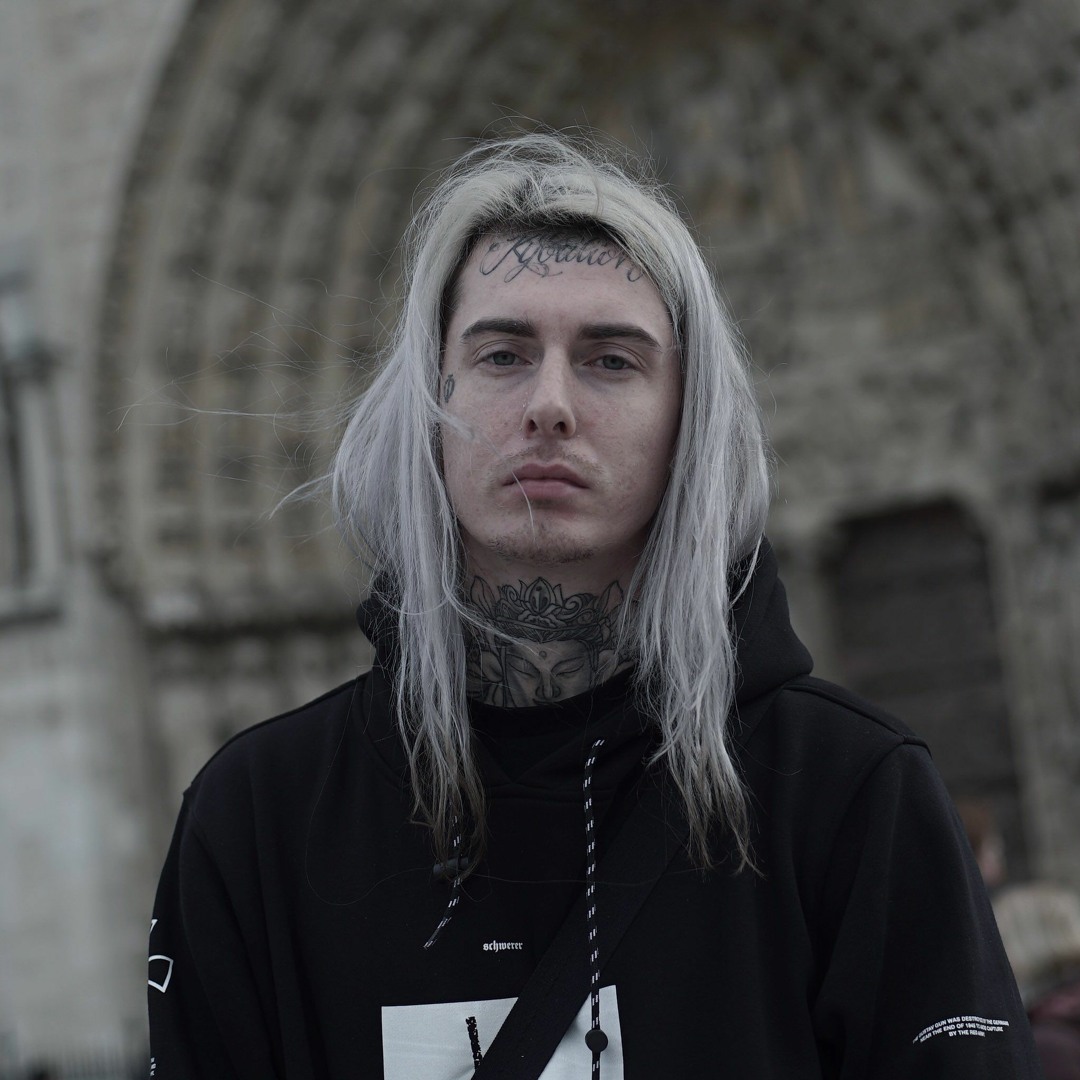
Ghostemane’s tattoos cover his face, neck, chest, arms and hands. The rapper, singer and producer has a lot of black ink, along with lettering, religious imagery, skulls, symbols, flowers and designs linked to his music.

His tattoos have changed over time, so photos from different years don’t always match. This article sticks to designs that show clearly in photos and details discussed in tattoo coverage. Meanings Ghostemane hasn’t confirmed are described as interpretations.

Photos can be hard to compare because Ghostemane has changed his hair, makeup, clothes and stage look over the years. Lighting and costumes can hide the ink too. A close-up is more useful than a small concert image, especially for lettering or a tiny symbol.

The large ram skull on his chest

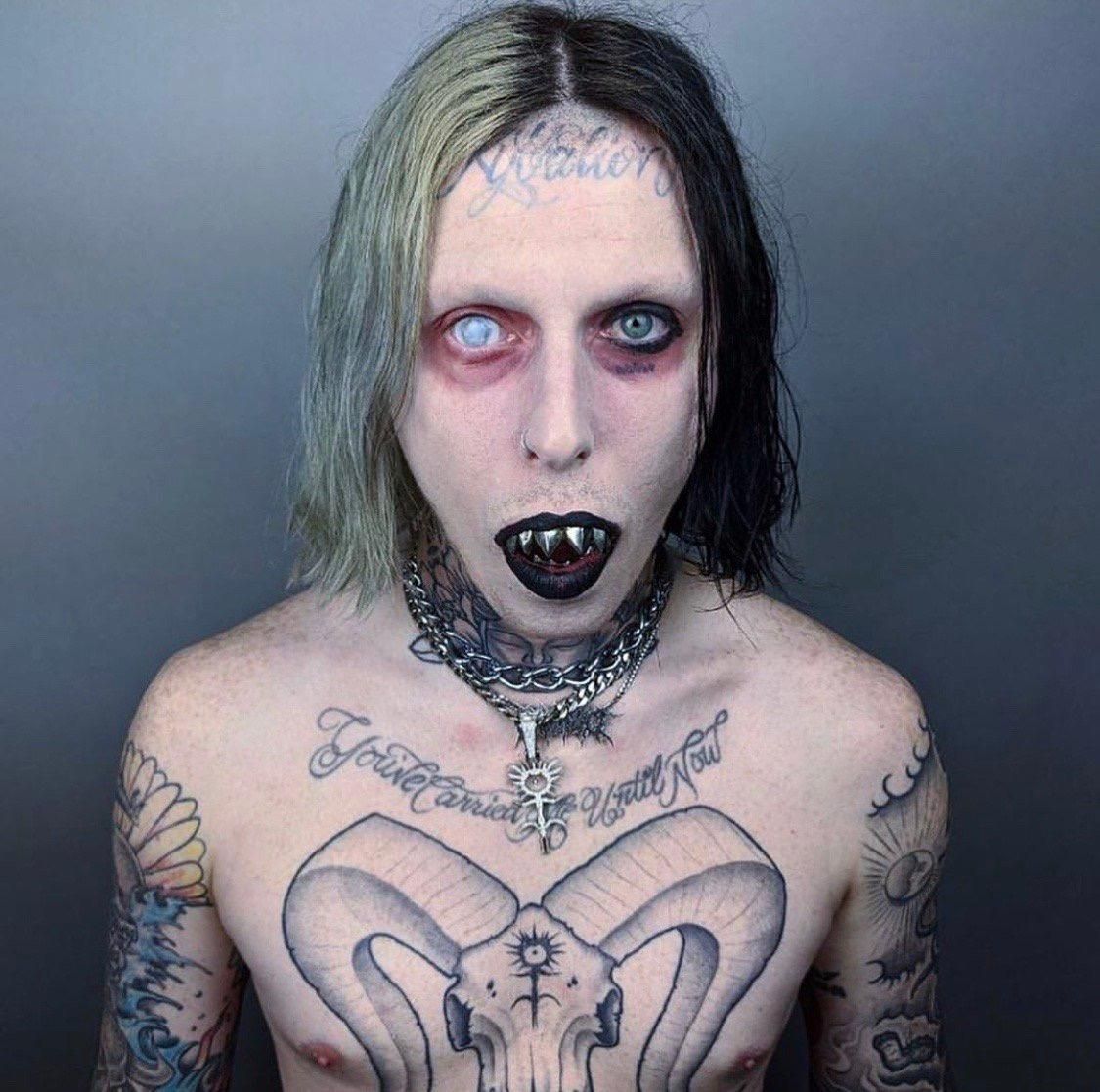
A large ram skull sits across Ghostemane’s chest, with its horns spreading over his torso and smaller designs around it. It’s one of his most recognizable tattoos, and it fits the darker mood of his music.

Ghostemane ram skull chest tattoo

Photos show the skull beside script and other black-and-gray work. The chest, neck and arm tattoos connect, so the skull reads as part of a larger collection.

Ghostemane’s neck and Buddha tattoo

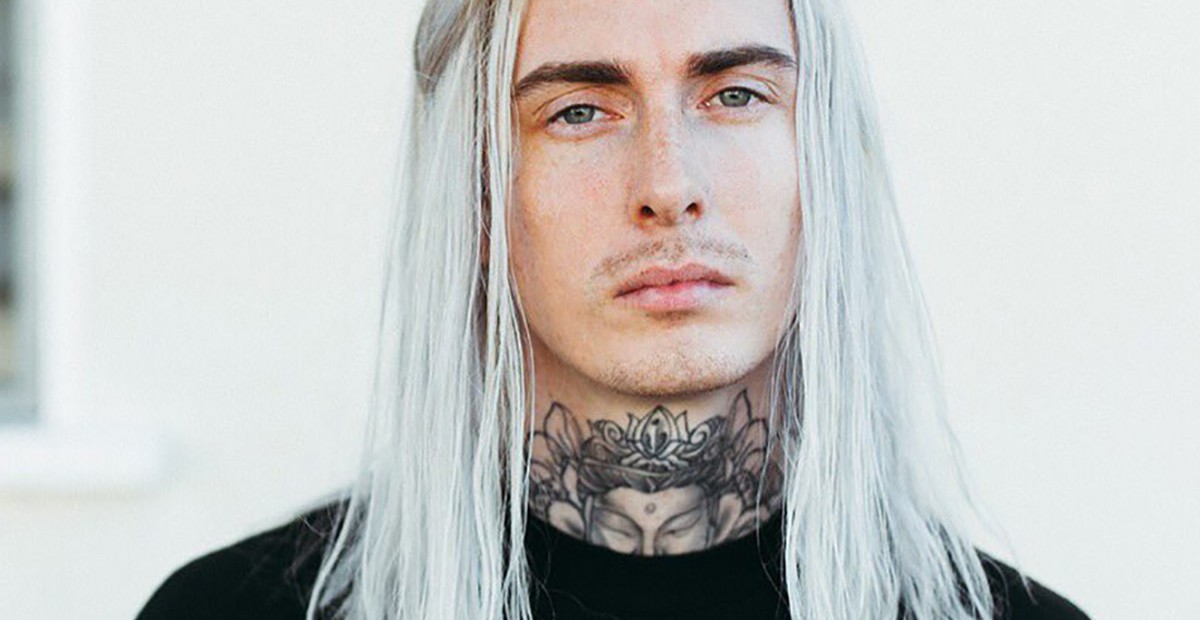
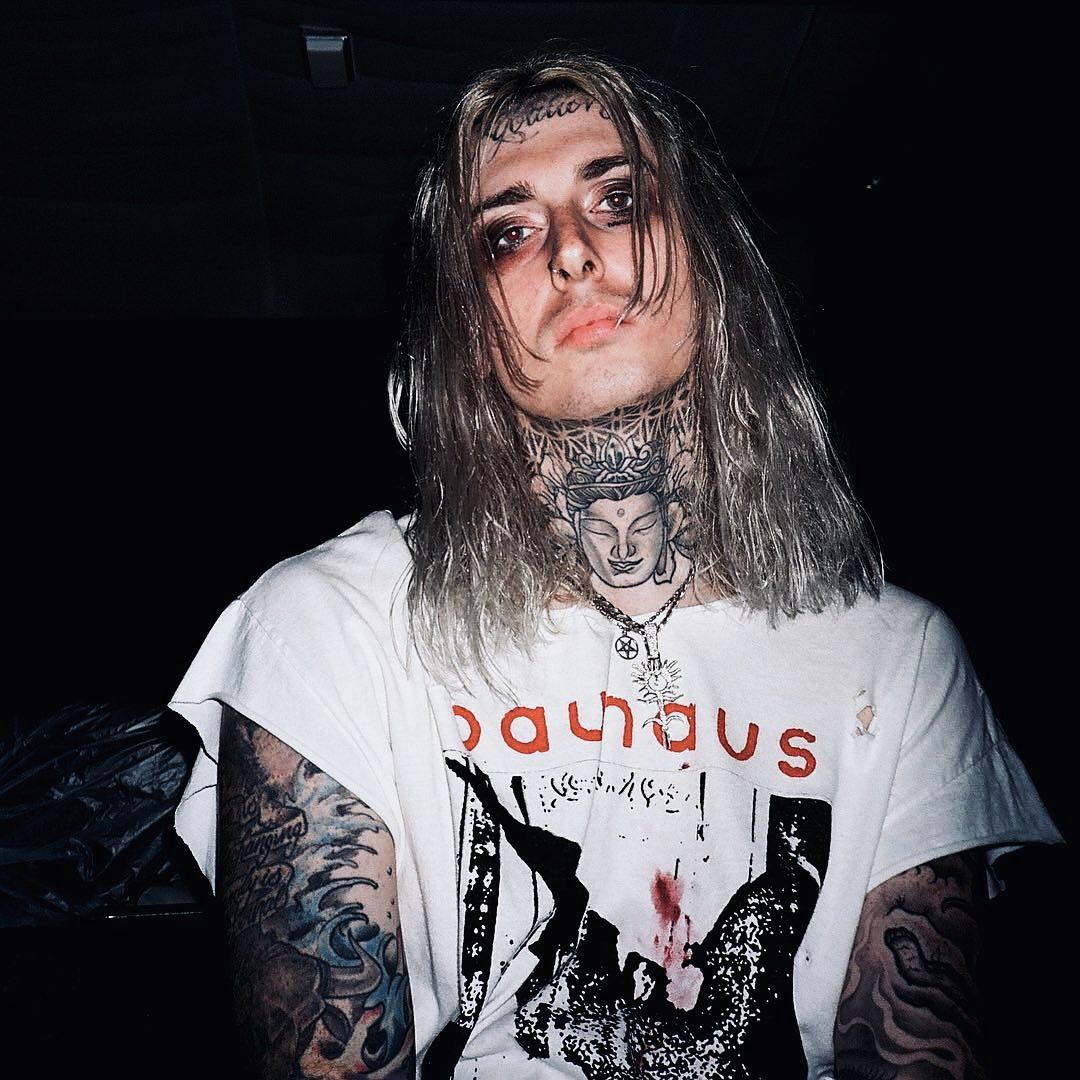
His neck is covered with detailed ink, including a Buddha image and lotus-like shapes. The design sits under his jaw and continues toward his collarbone, so it shows even when he wears a shirt. Its line work is finer than the simple symbols on some of his fingers.

Ghostemane Buddha neck tattoo

People often read the Buddha and lotus imagery as a sign of peace, growth or a search for balance. Ghostemane hasn’t explained every part of the tattoo in public, so those are possible readings, not confirmed meanings.

Face tattoos and forehead writing

Ghostemane has writing across his forehead, smaller marks near his eyes and script along his cheeks. The placement gives the tattoos a rough, handwritten look rather than making his face resemble one portrait or logo.

Ghostemane face and forehead tattoos

Lighting changes how the face tattoos look. From a distance, some lettering blurs; sharper portraits make the lines easier to see. Low-quality reposts can lead to mistakes about what the tattoos say.

Arm sleeves and larger designs

Both arms have large designs, combining traditional shapes, dark shading and patches of color. In performance photos, the sleeves often draw the eye after the chest skull. The tattoos sit close together, with little bare skin between them.

Ghostemane arm sleeve tattoos

The sleeves include flowers and darker figures, with designs that echo the gothic style of the chest and neck tattoos. It’s hard to identify every small image, but the overall effect is a crowded mix across both arms.

The arm tattoos don’t all match, but they sit together. Some use soft shading, others heavy black lines, with patches of bare skin between them. That mix gives the sleeves a rougher look than one planned design.

Hand and finger tattoos

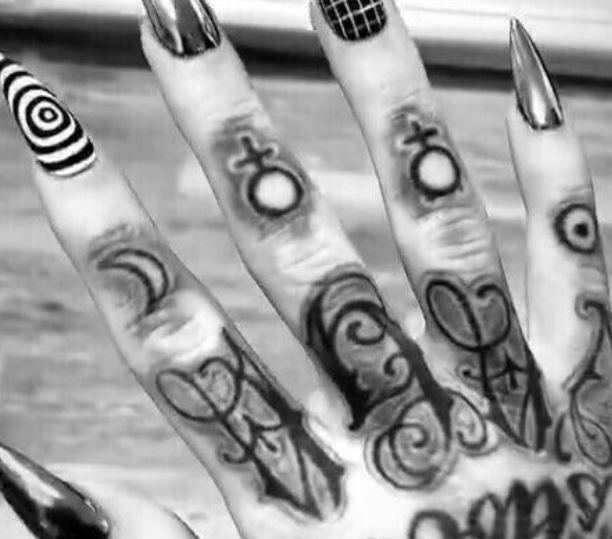
Ghostemane has tattoos on his hands and fingers. Small letters and symbols cross his fingers, while larger designs cover the backs of his hands.

Ghostemane right hand and finger tattoos

Some of the finger lettering looks personal, though Ghostemane hasn’t explained every mark. Hand tattoos can fade quickly, and later photos show some ink changed or darkened. A tattoo list needs a date to say what was visible at a given point.

The hand tattoos turn up in nearly every performance photo. A shot of him with a microphone can show several marks at once, even when attention is on the chest skull.

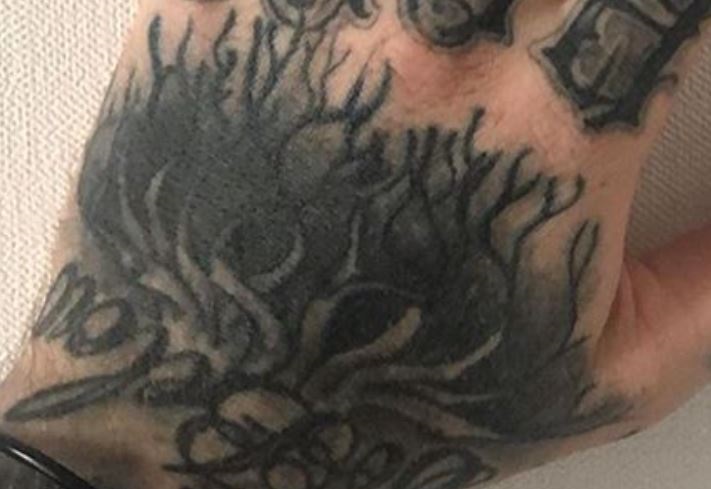
Ghostemane left hand tattoo

The other hand shows a different mix of sizes. Some areas have dense shading, while smaller marks sit in the spaces between his fingers. The photos don’t establish a meaning for every symbol, but they show that this is part of his tattoo collection, not stage makeup or a one-off look.

Symbols, words, and music references

He also has smaller words and symbols across his body. Some appear related to his stage identity or albums; others may be personal, though he hasn’t explained them. Short text and rough drawings sit alongside the larger pieces.

Not every tattoo has a confirmed meaning. Fans offer theories, but those aren’t the same as an explanation from Ghostemane. It’s best to describe what a tattoo looks like and add a meaning only when there’s a reliable source.

Ghostemane tattoos in a nutshell

The most visible pieces are the ram skull on his chest, the Buddha and lotus work on his neck, forehead writing, face lettering, arm sleeves, and tattoos on his hands and fingers. Together they give him a dark, crowded look that’s part of his public image.

The video below takes a closer look at his tattoos and how the designs fit together.

More musician tattoo guides

Fred Durst Tattoos: Elvis, Kurt Cobain and His Sleeves

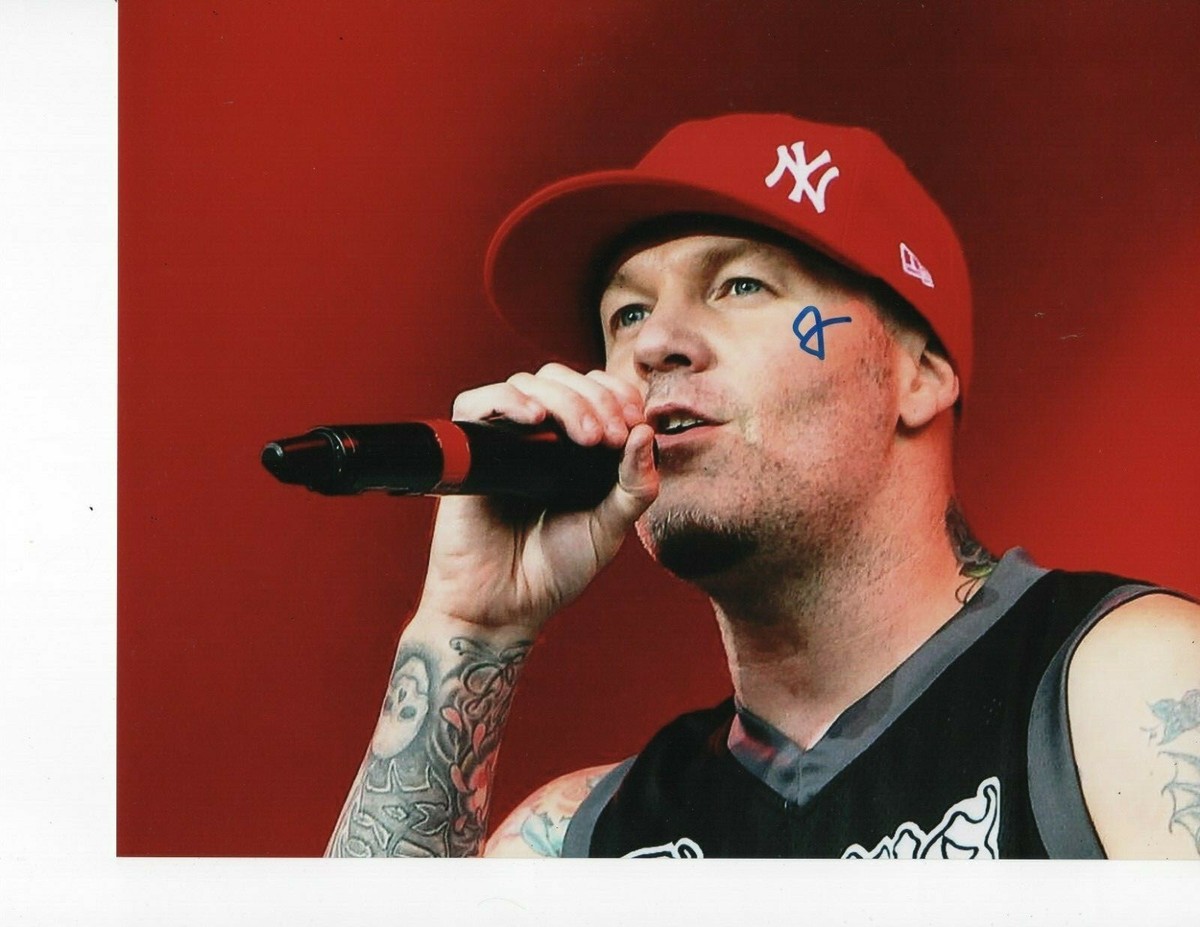
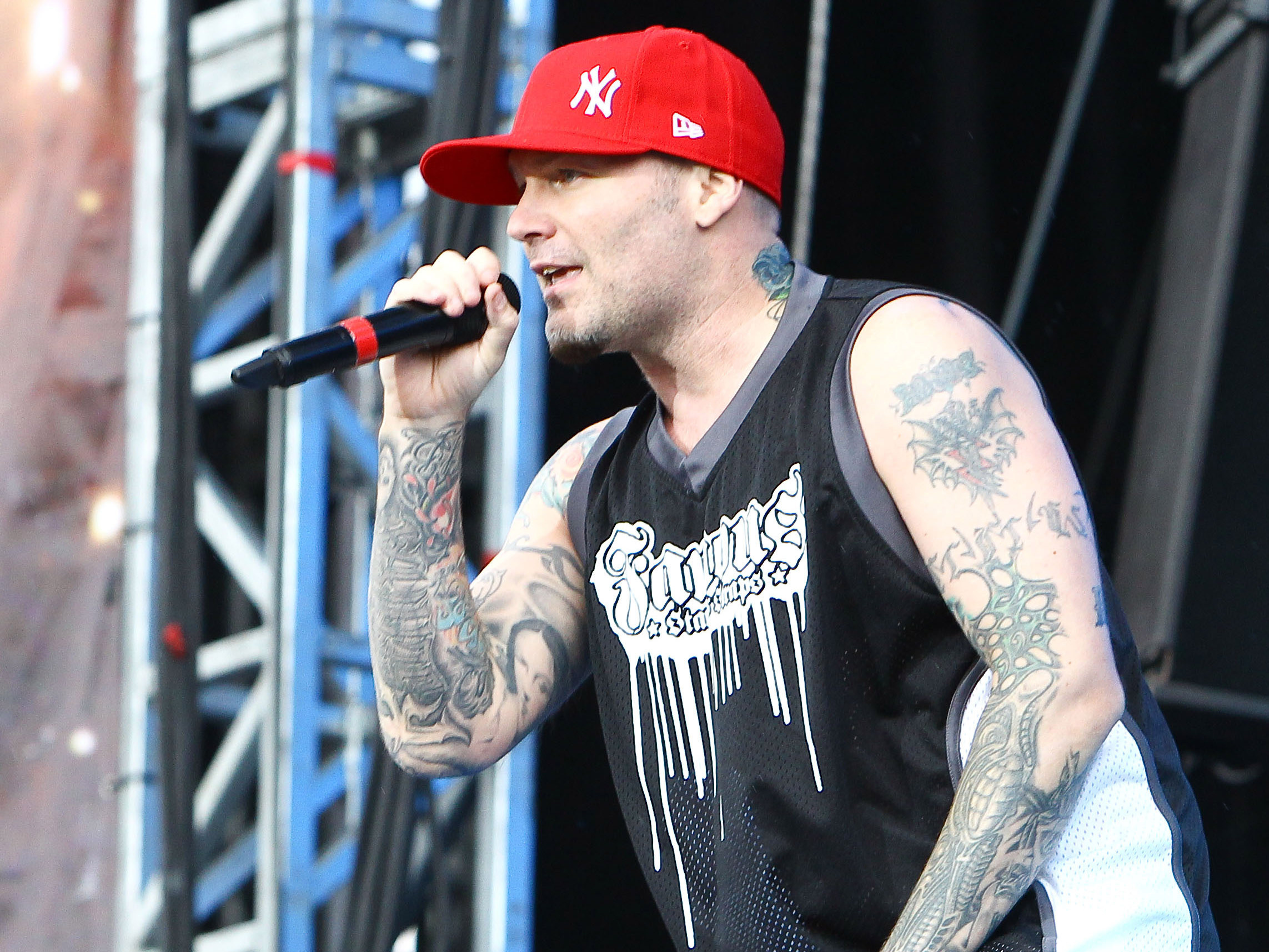
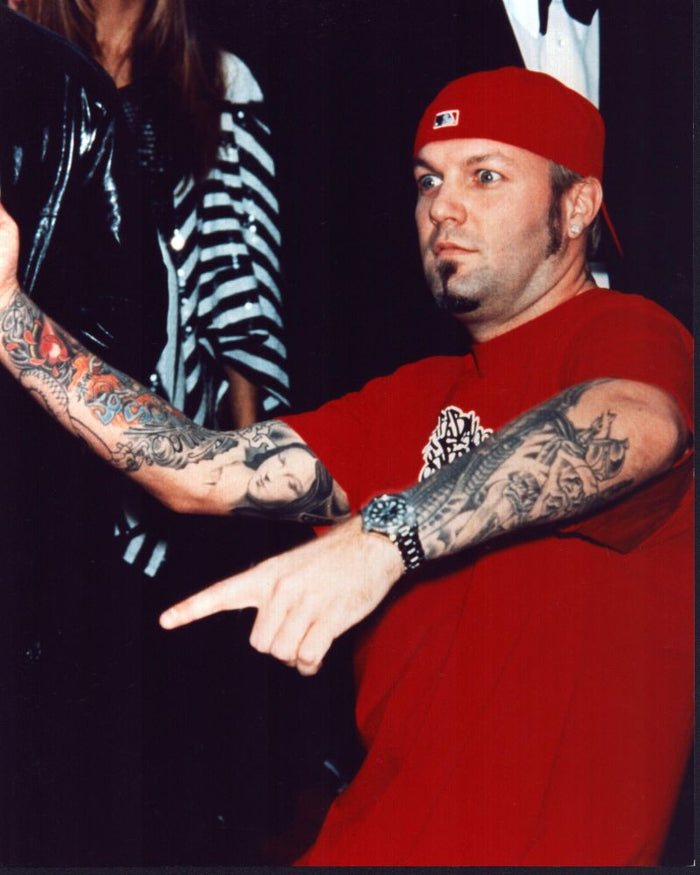
Fred Durst’s tattoos are part of the old-school Limp Bizkit look. The red cap may get more attention, but the ink is just as recognizable. He has chest portraits, dense sleeves, lettering and smaller pieces that show when his arms are uncovered or he reaches for a microphone.

His collection has changed over the years, so photos from the early Limp Bizkit days don’t always match newer ones. Some designs look softer now; others are easier to make out in a close-up than onstage. This article focuses on tattoos that show clearly in photos.

A close shot of Fred’s chest or arms makes it easier to distinguish tattoo details from shadows, shirt folds and stage lighting. It keeps the focus on his ink, not a wider Limp Bizkit photo gallery.

The Elvis Presley and Kurt Cobain chest portraits

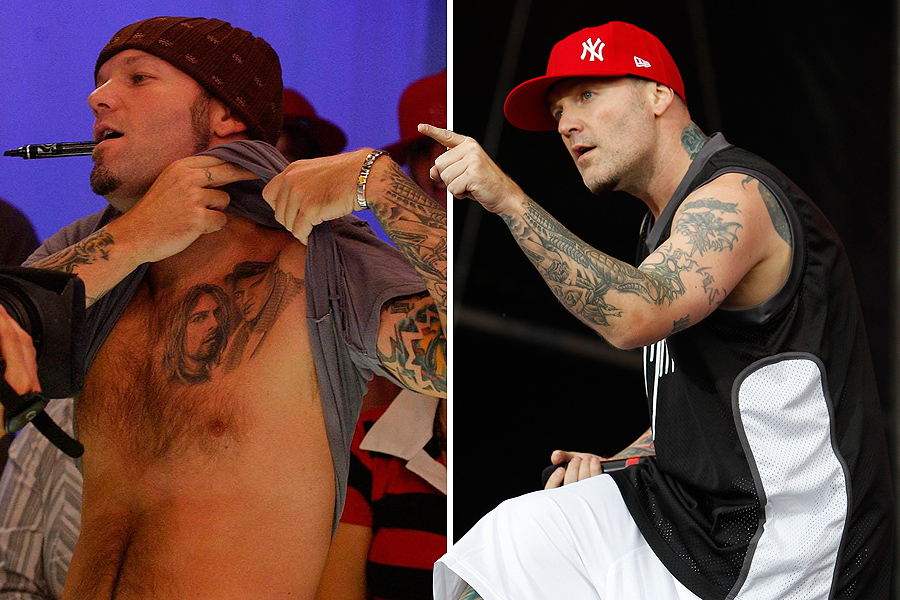
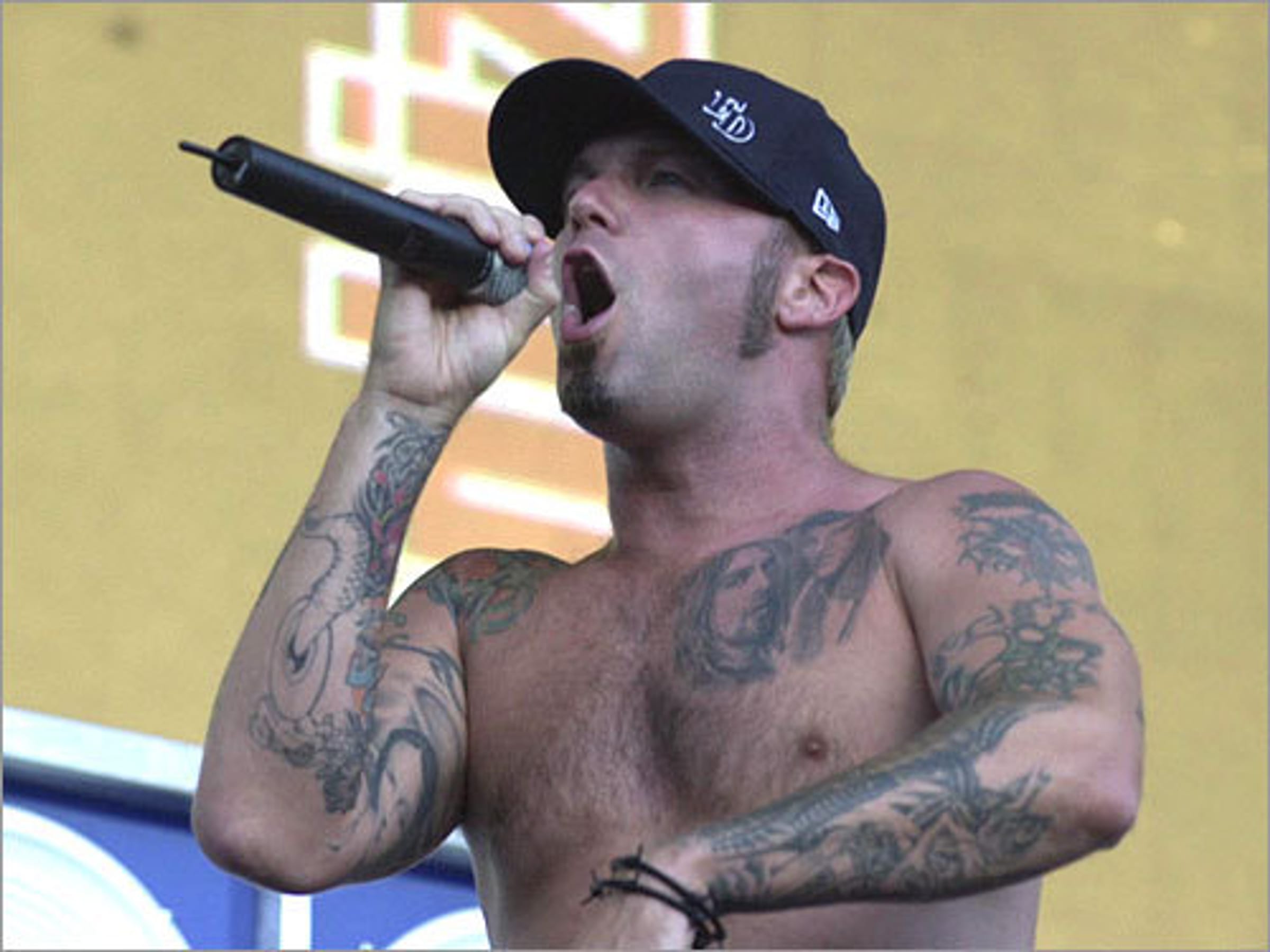
The best-known chest pieces are portraits of Elvis Presley and Kurt Cobain. They sit high on his chest and show clearly when he performs shirtless or lifts his shirt. The portraits nod to two musicians who shaped different sides of his musical world.

Fred Durst Elvis and Kurt Cobain tattoos

Darker outlines and other shapes surround the portraits, so they read as part of a larger chest piece. A tight crop may show only one face; a wider photo reveals more of the design.

His forearms are packed with separate designs

His forearms carry portraits, symbols and black-and-gray work. The tattoos sit close together but use different styles: some have color, while others rely on dark line work. They appear to have been added at different times.

Fred Durst forearm and chest tattoos

The mix gives his arms a worn-in look. In small concert photos the details blur together; a sharp image shows faces, outlines and patches of lighter skin between the larger designs.

Tribute ink and the stories behind it

The Elvis and Kurt Cobain portraits are the clearest tributes to musicians. Other tattoos add faces and ideas, but the meaning of every smaller piece isn’t public.

Fred Durst Limp Bizkit arm tattoos

Photos show the subjects, placement and color, but they can’t confirm the story behind every small mark. Meanings beyond what’s visible should come from Fred himself, not fan guesses.

Before Limp Bizkit became huge, Fred worked as a tattoo artist and met musicians through that work, including members of Korn. That background may help explain why his own collection feels more like an artist’s scrapbook than a matching set. It grew with his music career, as new ideas and different eras showed up.

Older chest work and the way his tattoos have aged

Older photos show the chest and arm work differently from newer ones. Large tattoos soften over time: lines blur, colors fade and the skin changes. Lighting can make those differences look stronger.

Fred Durst chest and arm tattoos

A full performance photo can show the chest portraits, the sleeves on both arms and smaller tattoos that disappear under a shirt. Seeing them together also helps explain why articles sometimes describe the same tattoo differently.

Red cap era tattoos and the visible arm ink

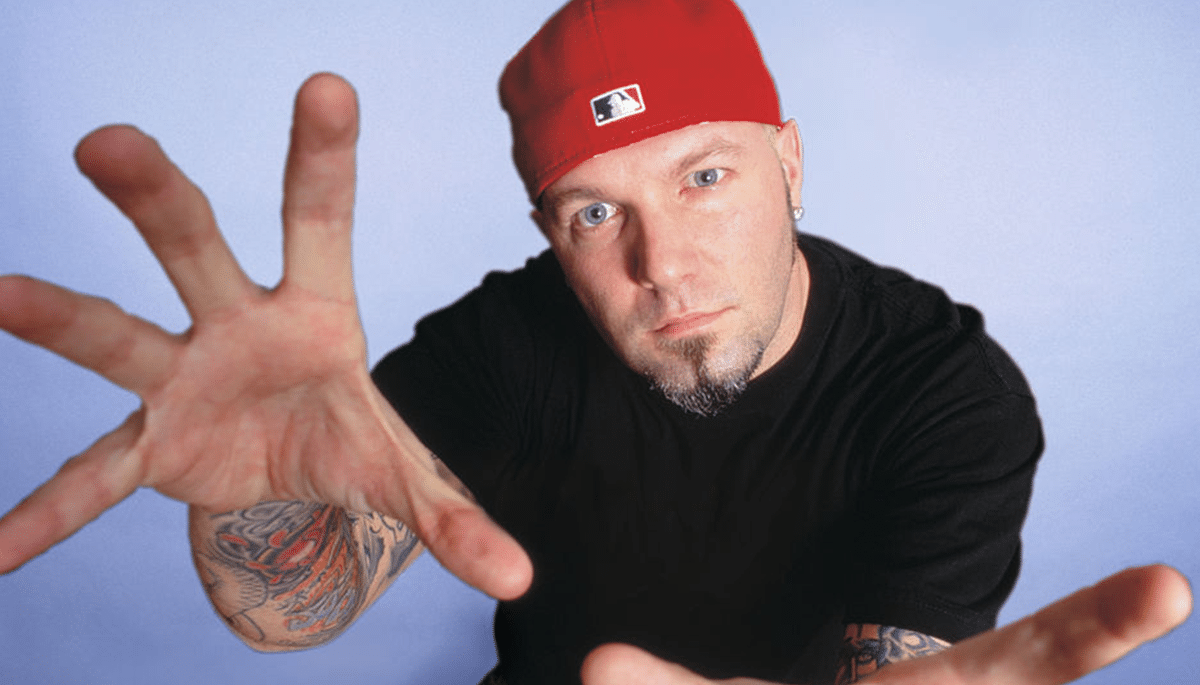
The red cap is the image many people remember from Fred’s early Limp Bizkit years. He performed in sleeveless shirts or lifted his top, putting the chest and arm tattoos in view. The ink became part of the stage look, along with the cap, goatee and loose clothes.

Fred Durst red hat tattooed portrait

In this photo, the separate designs are clear. A blurry live shot can turn a sleeve into one dark patch. To identify a particular tattoo, a sharp image with the whole arm in frame is more useful than a small crop.

Small marks, neck ink, and the details people miss

Fred also has smaller tattoos on his neck, hands and lower arms. A jacket or microphone can hide them; relaxed portraits tend to show more than wide stage shots.

Fred Durst forearm tattooed portrait

Not every small tattoo has a confirmed public meaning. Older celebrity tattoo lists often repeat guesses as if they were facts. When Fred hasn’t explained a mark, describe its design and location and leave its meaning open.

Fred Durst tattoos in a nutshell

His best-known tattoos are the Elvis and Kurt Cobain portraits on his chest, colorful sleeves, heavy forearm work and smaller marks on his neck and upper body. They fit the loud, scrappy look Limp Bizkit built in the late 1990s and early 2000s. The portraits and sleeves still stand out on their own.

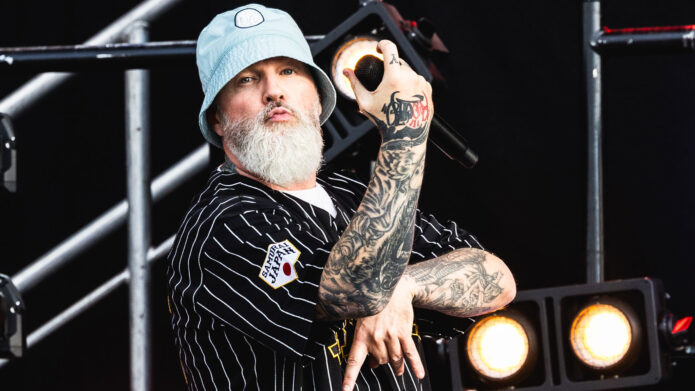
The live clip below shows Fred’s tattooed arms during a performance.

More musician tattoo guides

Tim Commerford Tattoos: Huge Chest and Blackwork

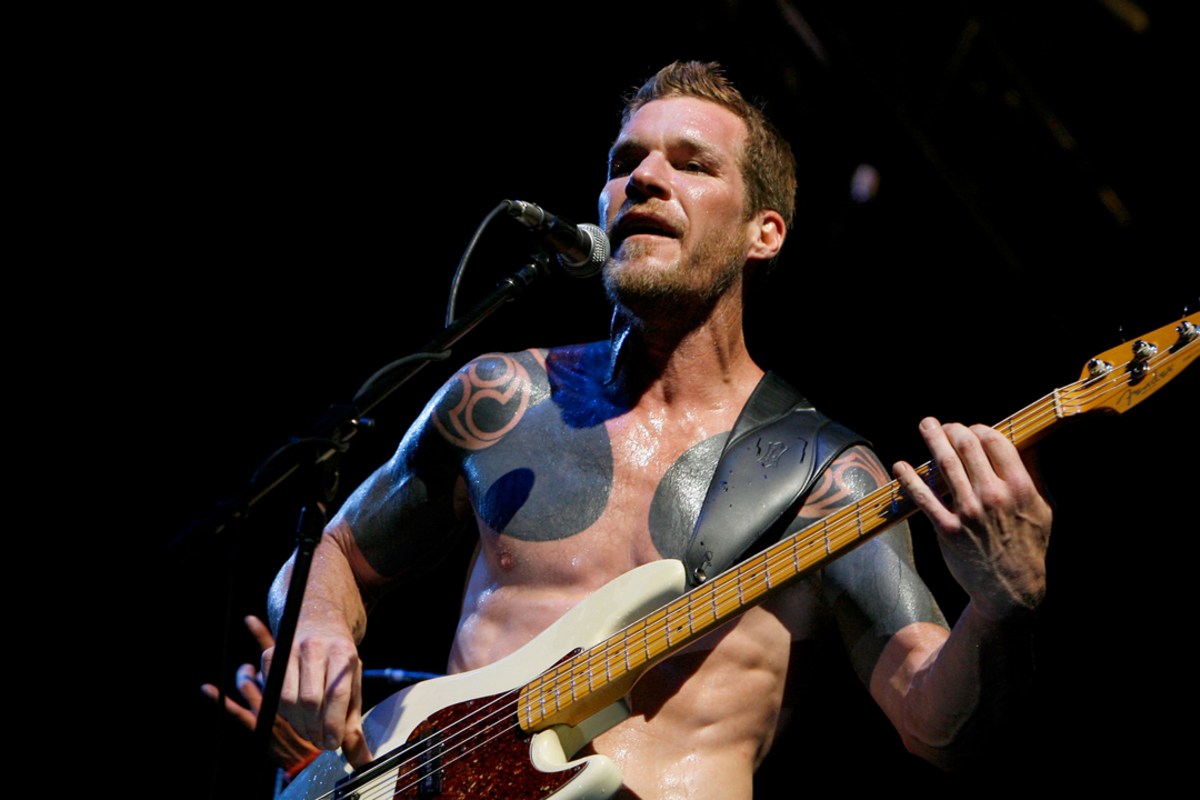
Tim Commerford’s tattoos are hard to miss. When he plays shirtless, the black shapes across his chest and shoulders stand out first. He also has extensive ink on his arms and back, plus a large design on his left leg. Together, the tattoos can look like one connected collection.

Photos from the Rage Against the Machine and Audioslave years vary. Lighting, aging ink and the bass can change or hide what you see. This article focuses on details that show clearly, and treats stories repeated without strong evidence with care.

The huge black shapes across his chest

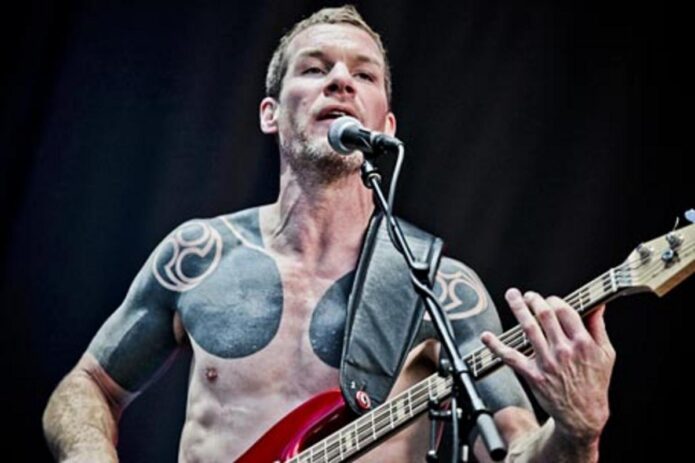
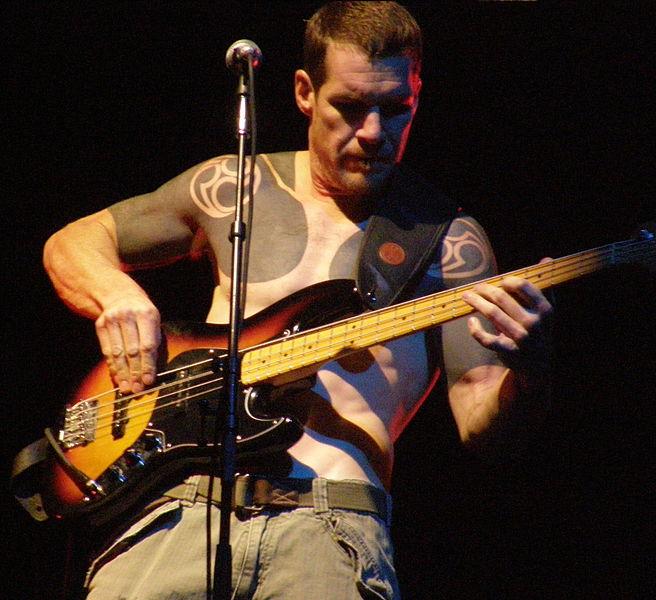
Two large rounded shapes cover Tim’s chest, with lighter lines and curved details around his shoulders. The design has a tribal or Polynesian-inspired look, though the photos don’t identify a more specific style. It covers a broad area and shifts as he moves, so it doesn’t read like a small, separate flash tattoo.

Tim Commerford tribal chest tattoos

Stage lights can make the chest ink look silver, while a darker image can turn it into one black block. The main pattern remains clear: a broad chest design with matching details over the shoulders.

Shoulder bands, arms, and the early ink

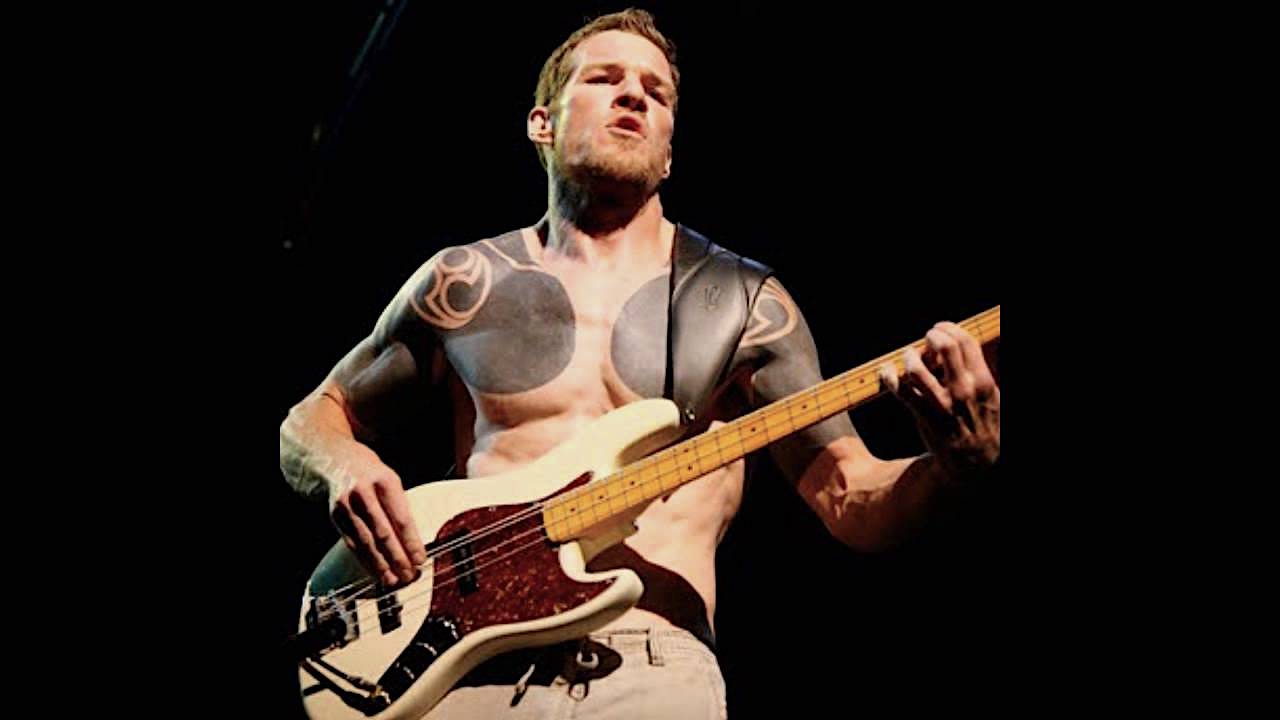
Tim’s arms use the same rounded shapes as his chest. The shoulder pieces are easy to spot, and dark bands run along parts of his upper arms. Several public biographies report that one black band was a tribute to his mother; the meaning of his later designs is harder to confirm.

Tim Commerford blackwork chest tattoos

The arms aren’t covered by one solid sleeve. Gaps, curved lines and lighter sections break up the blackwork. From a distance it can look as if both arms are painted black, but close-up photos show separate shapes and their edges.

The large shapes read clearly from across a festival crowd, while closer photos show the smaller breaks inside the blackwork. Tim doesn’t rely on a bright logo or lettering for the tattoos to stand out.

How the tattoos look onstage

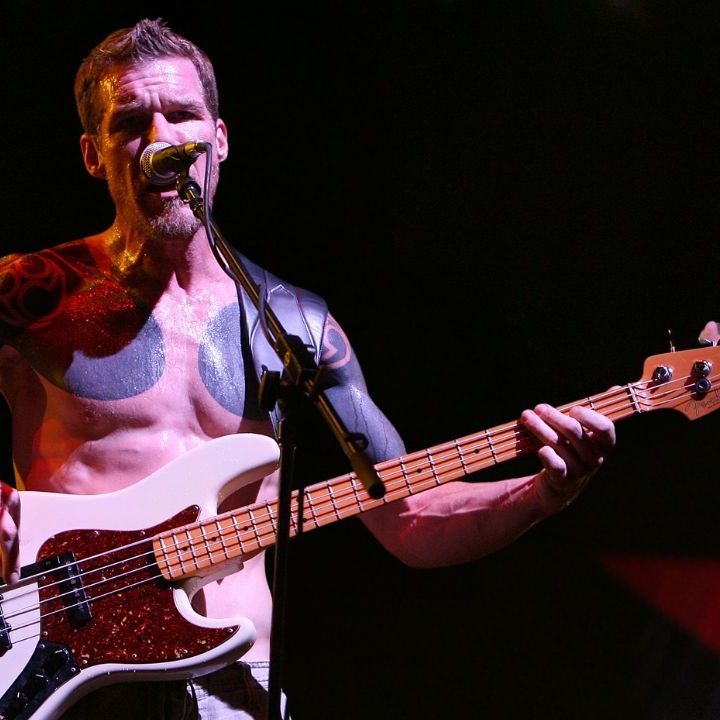
Tim often played in a tank top or shirtless, so live photos catch the tattoos as he leans into the bass or stands at the microphone. His pose can make his chest look wider, and the bass strap may cover a section. One concert photo rarely shows the full layout.

Tim Commerford arm and shoulder tattoos

This older performance shot shows the rounded shoulder designs above the chest panels, with ink continuing down both arms. The microphone, bass strap and stage lights can create shadows that look like tattoo edges. Comparing more than one photo helps separate the ink from those shadows.

The back and leg work people don’t always see

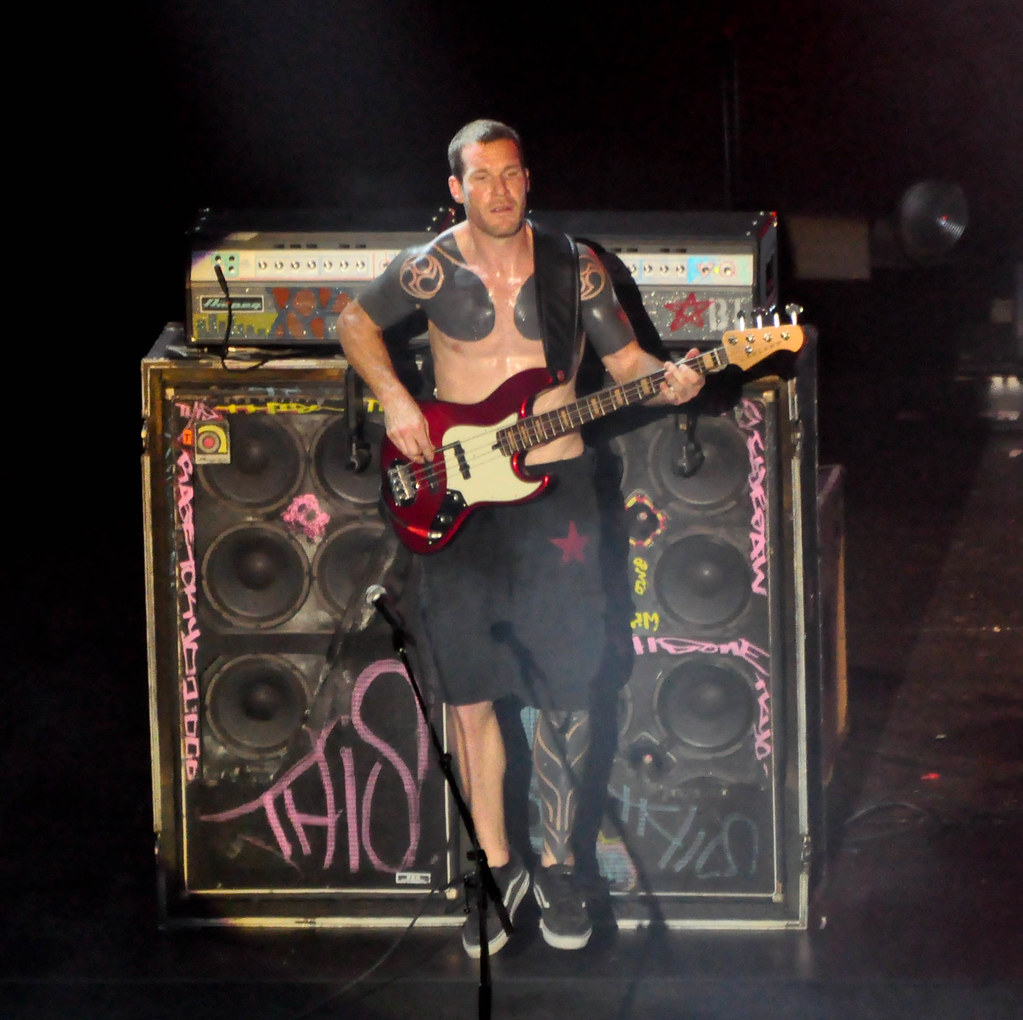
His tattoos extend beyond his chest and arms. Public descriptions mention work on his back and a large design on his left leg. Waist-up music photos often miss those areas; shorts and a sleeveless top show more of the full-body layout.

Tim Commerford full body tattoos

A full-body photo makes the scale easier to see. The tattoos continue over his arms and leg, with dark sections broken by open skin and curved lines; other descriptions also mention work on his back. Online guesses about meaning are common, but the photos show broad blackwork and rounded motifs.

The ink has changed with each era

Photos from the early Rage Against the Machine years, Audioslave and later returns show Tim at different points. The blackwork remains recognizable, though age, lighting and later additions change how it looks. Sharp edges can soften, and separate tattoos may blend into the larger pattern.

Tim Commerford stage chest tattoos

His tattoos weren’t built around one small symbol. They grew into a large blackwork design, and photos capture that process in pieces. The chest is the anchor; the arms, back and leg carry the work farther.

Old music photos can change how the ink’s color appears. Warm stage lights may make black tattoos look brown, while flash can bring out gray shading that’s hard to see in normal light. The same shoulder design can look softer or sharper from one photo to another without any new work.

Photos and public profiles consistently show large black tattoos across his chest, shoulders and both arms, with additional work reported on his back and left leg. Many biographies also repeat that an early black armband was a tribute to his mother.

The meaning of individual curves and shapes is less certain. Fans have attached explanations to them, but not every guess comes from Tim. The visible details are enough to describe the collection without repeating speculation as fact.

Describe what the photo shows and leave the rest open unless Tim has explained it himself.

The short video below looks back at Tim’s career and the Rage Against the Machine years, when his tattoos were a familiar part of his stage look.

More musician tattoo guides