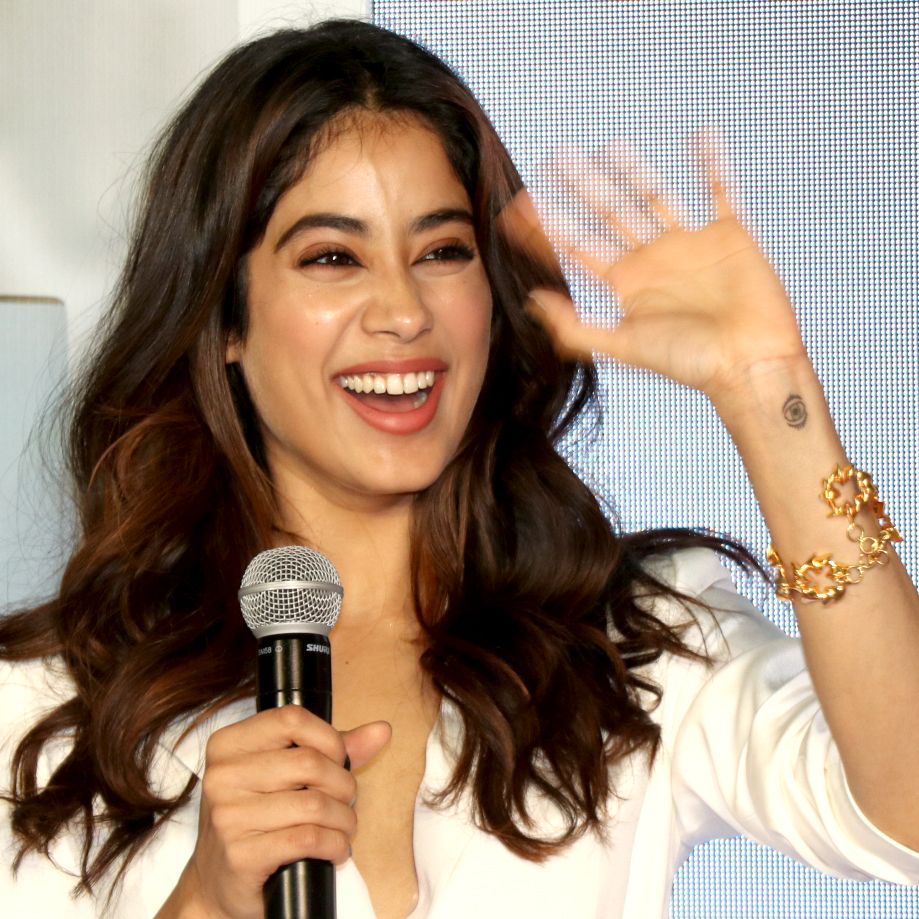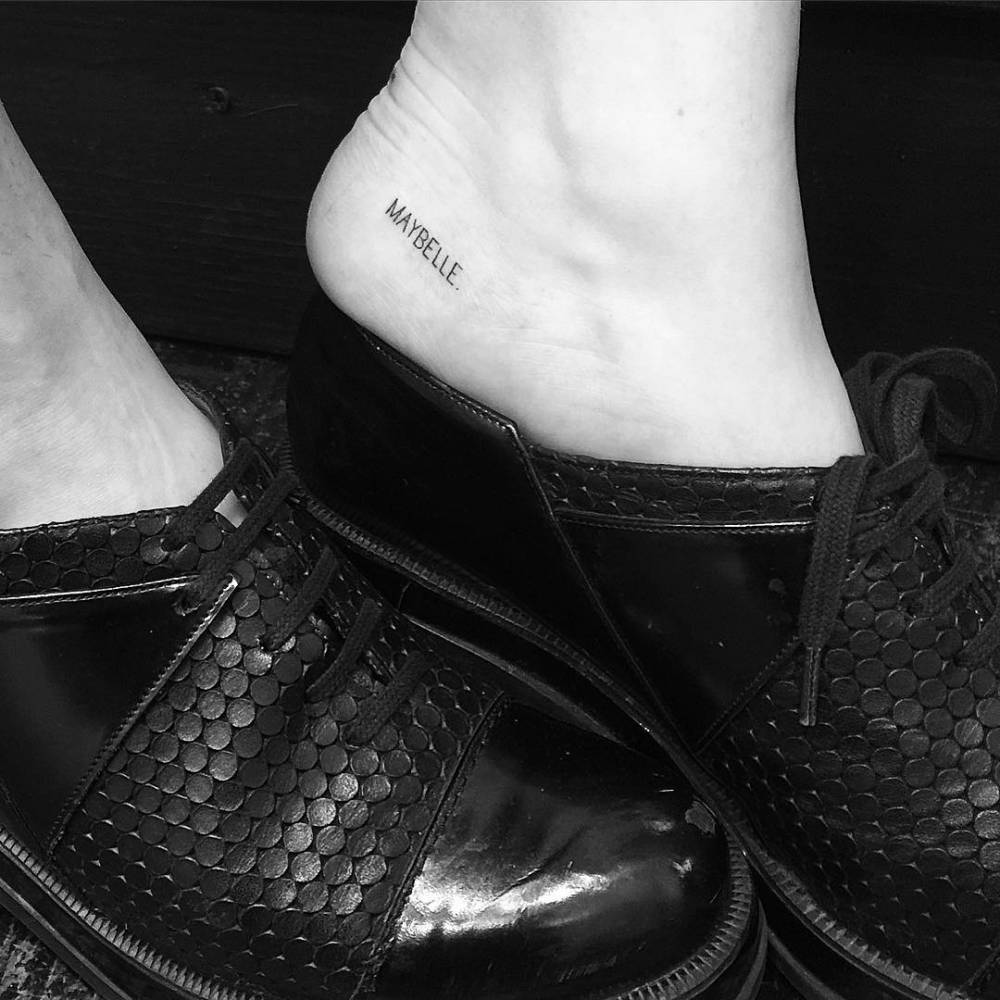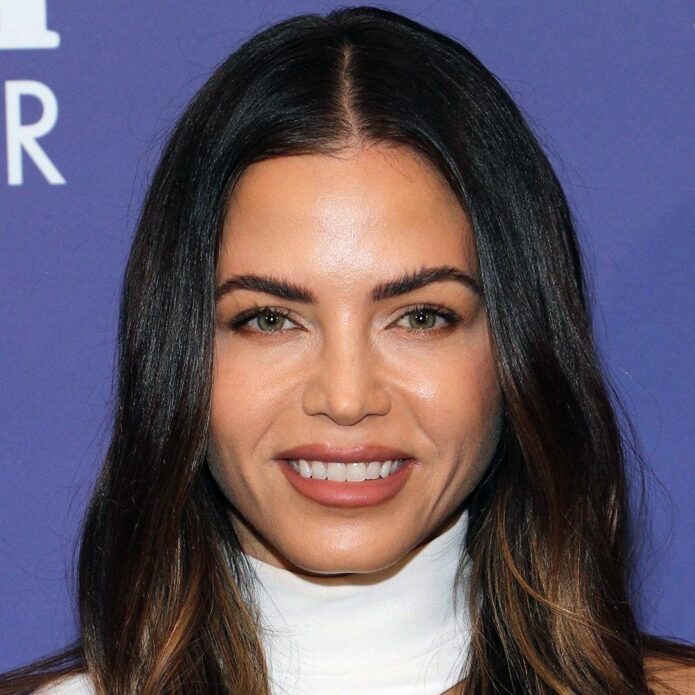
Jenna Dewan has two small tattoos that are well documented: matching “Side by Side” script on her left foot and a pair of outline wings high on her back. SELF reported that she and Channing Tatum got the matching phrase during their 2009 honeymoon in Bali. The wings appear in photos too, though Dewan hasn’t given a definitive explanation for them.
The tattoos differ in placement and story. The foot lettering was part of a shared vow; the wings are a quieter design whose meaning is her own.
The Side by Side foot tattoo
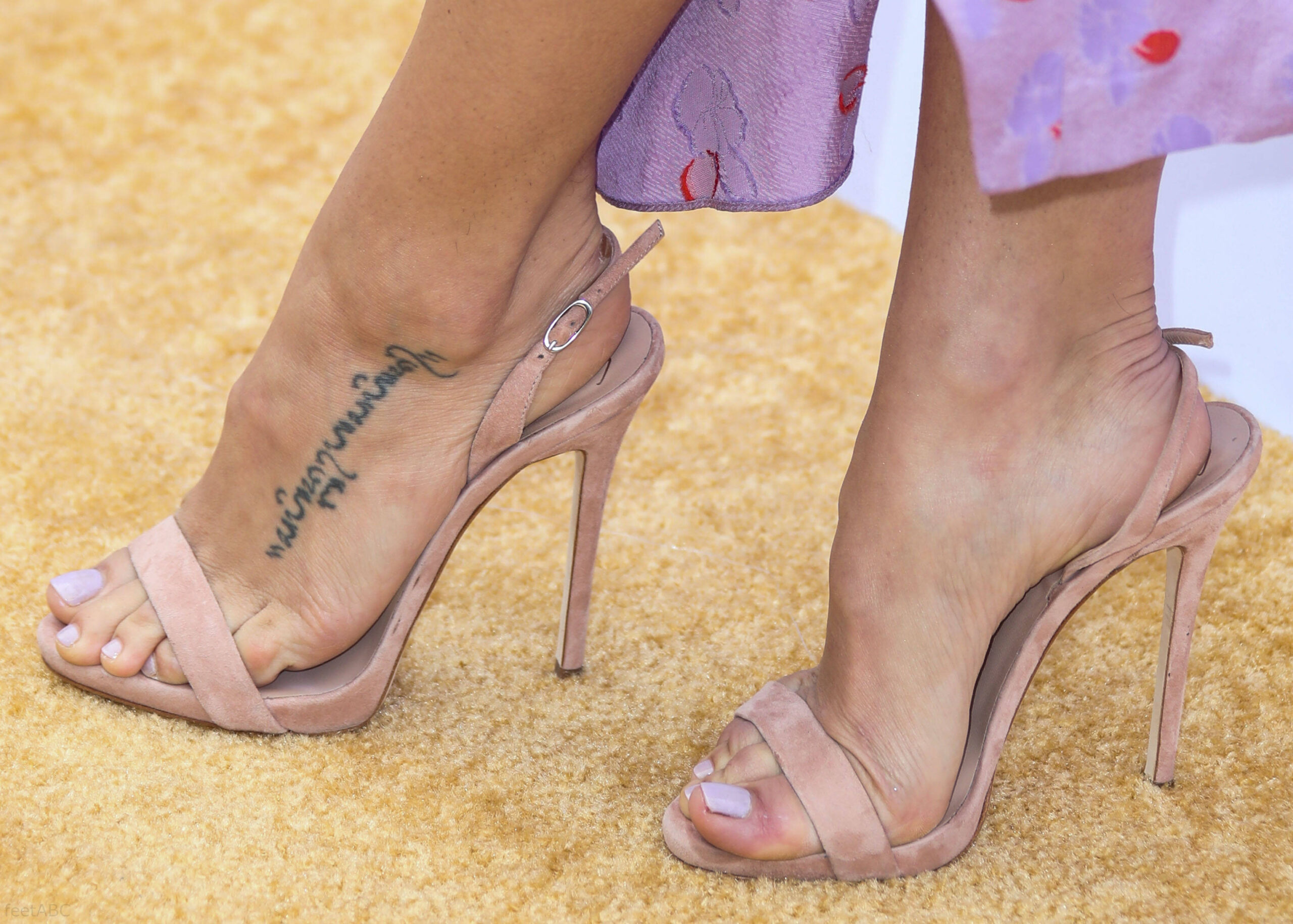
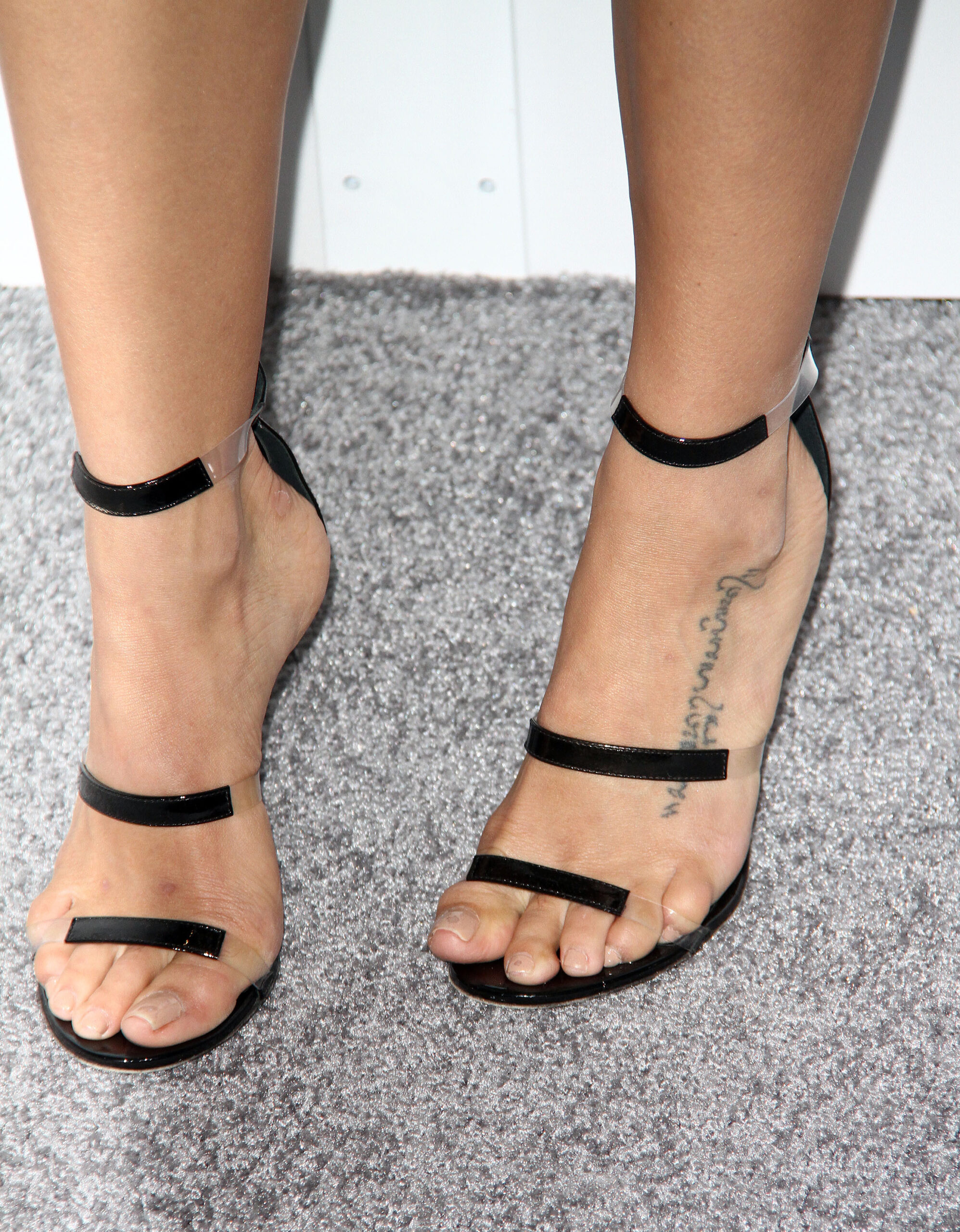
The script runs along the top of Dewan’s left foot, just above the toes. It follows the length of the foot and is easy to cover with shoes, though sandals and barefoot photos show it clearly.
SELF reported that Dewan and Tatum got matching tattoos on their Bali honeymoon in 2009. Their phrase is commonly described as the Balinese or Bahasa wording for “side by side.” Dewan placed hers on her foot; Tatum’s is on his ribcage. The lettering is simple black script, without color, shading or extra symbols.
The short phrase came from the vows they shared. A line can hold a specific memory without spelling out a name, date or portrait, and the words can mean more to the wearer than the photo reveals.
A second design in the collection
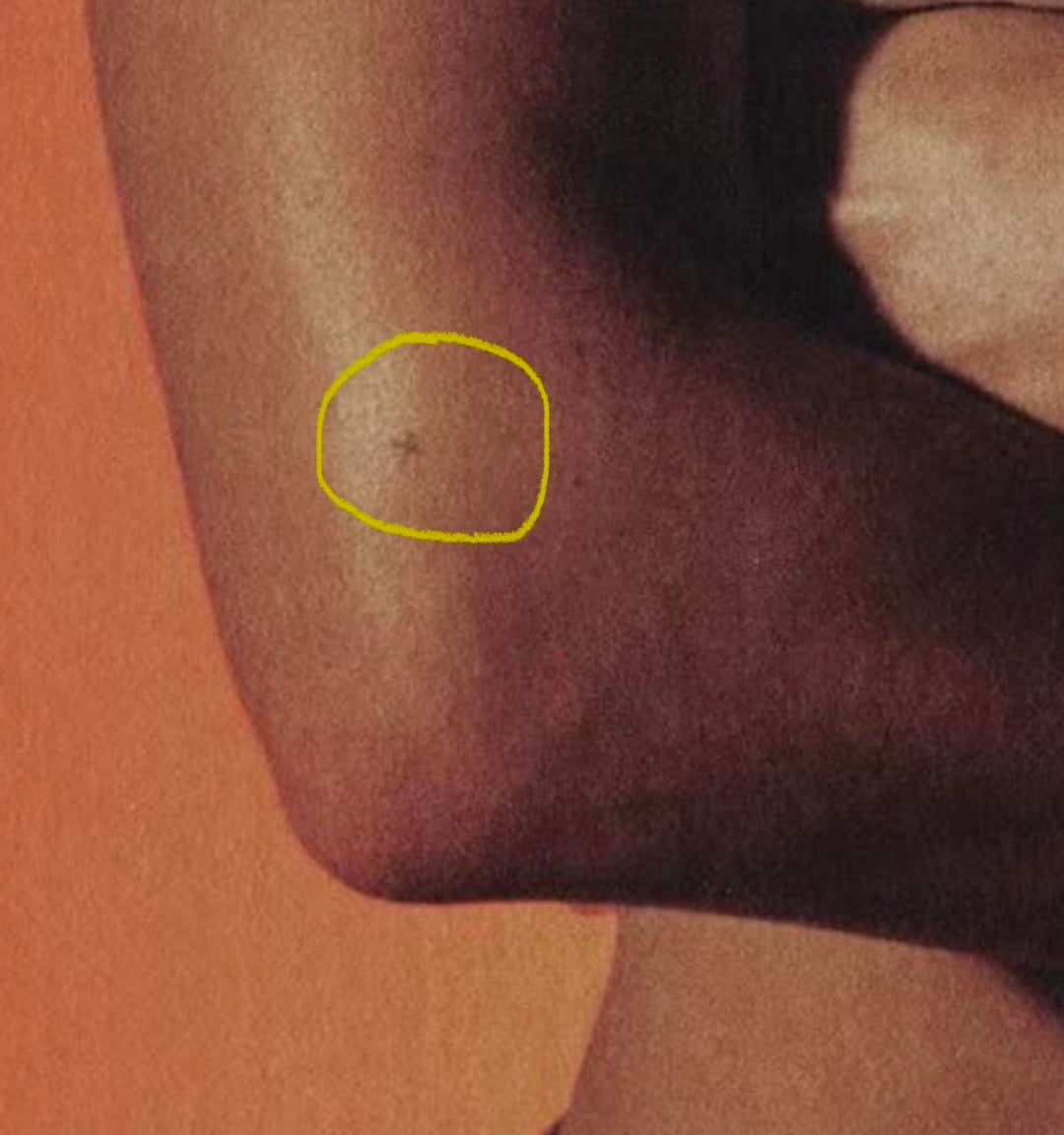
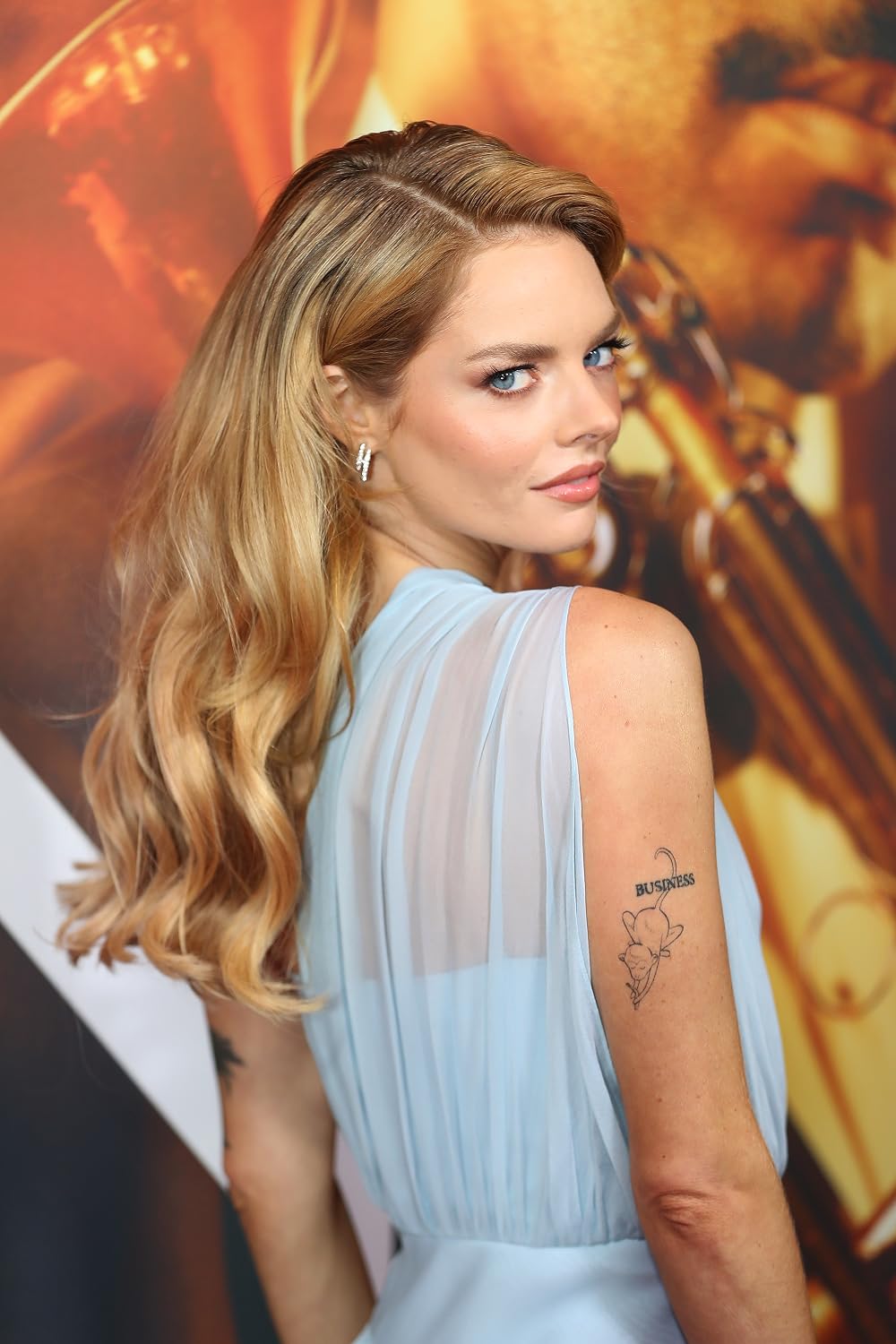
Dewan also has a small pair of outline wings high on her upper back. The available crop shows mirrored wings with a narrow space between them and fine black lines. The sources identify the design and placement, but don’t give a confirmed meaning. There’s no need to assign wings a story about freedom or protection without her saying so.
The open outline keeps a familiar motif light. If you’re considering a similar design, scale and line weight matter more than adding a banner or background.
Why the foot design feels so personal
A photo shows the lettering, but the honeymoon and vows explain how the phrase became a matching tattoo. Dewan’s foot version and Tatum’s ribcage version aren’t usually shown together; the connection comes from the reporting.
The body in motion

Dewan’s dance career makes movement a useful part of looking at these placements, though there’s no claim that the tattoos were designed as choreography. The script follows the foot, which changes shape as she walks. The wings sit where the shoulders and back frame them.
If a tattoo will sit on a part of the body that bends or moves, check the stencil while standing, sitting and moving naturally. Script that looks clear on a screen can feel cramped on skin, especially on a small, high-friction area like the foot.
A personal choice
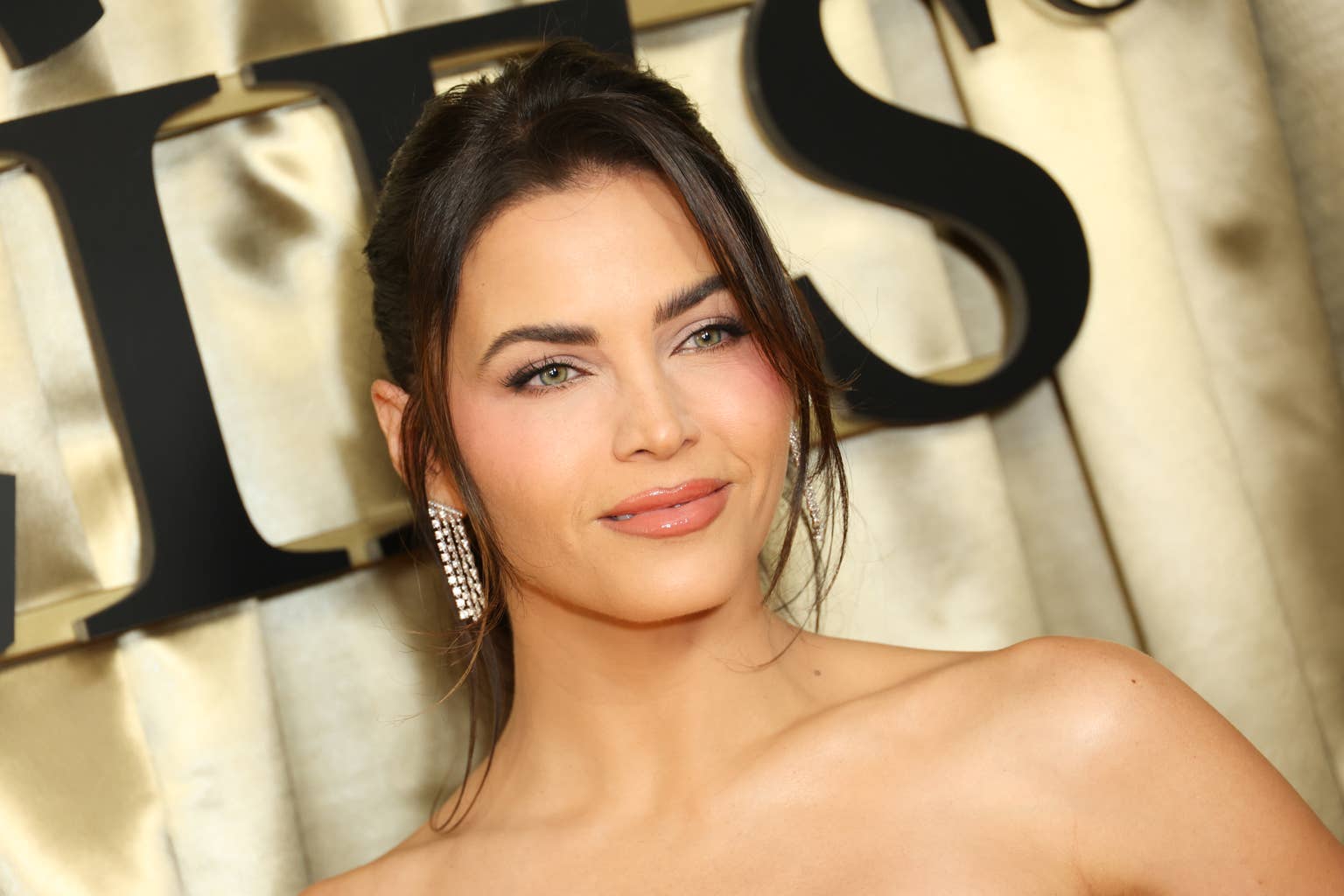
The foot tattoo has appeared in public photos for years without taking over Dewan’s look. It can show in sandals or barefoot shots and disappear in most shoes. The wings are covered by everyday clothes but can show with an open-back outfit. Both placements let the wearer choose when the tattoos are visible.
How to borrow the idea without copying it
Treat the tattoos as references for scale and placement, not designs to trace. For a matching tattoo, choose a short phrase that already matters to both people. Keep enough space for the script to remain legible, especially on the foot, where shoes can rub against it.
For wings, decide which part you like—the outline, symmetry or open space—and ask an artist to draw a new version for you. Think about how the area moves, how clothing covers it and whether you want the tattoo visible at work.
Why this small collection sticks
The foot phrase has a documented story; the wings have a clear shape and placement but no confirmed explanation. That difference is a useful reminder when looking at celebrity tattoos: a photograph can show the ink, while the meaning belongs to the person wearing it.