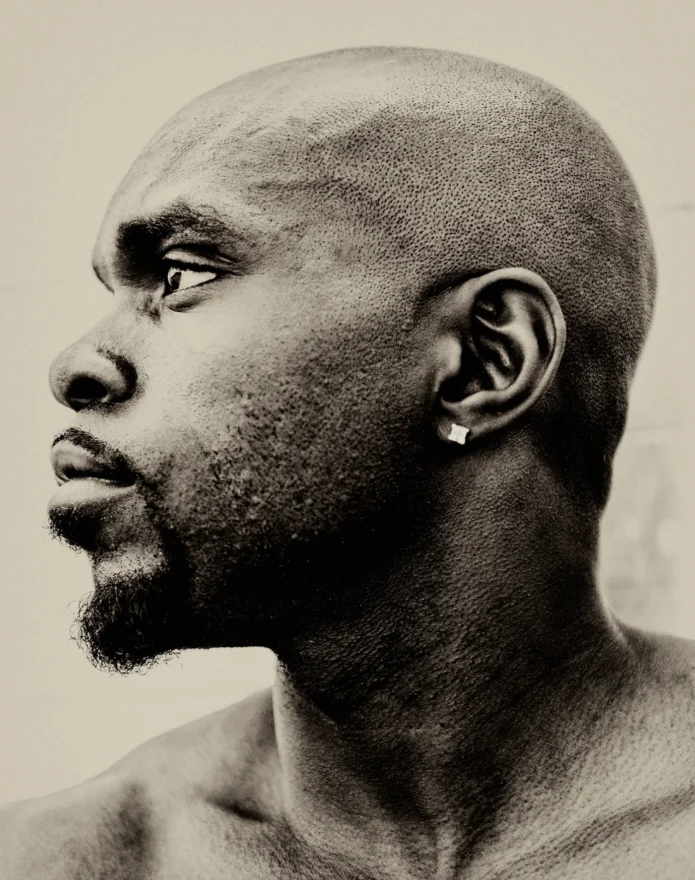
Churandy Martina’s tattoos have the feel of someone who has spent a long time moving forward. The Curaçao-born sprinter has ink across his chest and arms, including Olympic rings, a clock, wings and other bold pieces that show in race photos and shirtless portraits.
There isn’t an official guide explaining every line, so it would be pointless to invent one. The clearest documented designs mark athletic milestones or stand out consistently in photos. The biggest story is the Olympic rings with the years of his Games. Martina has competed at six Olympics, and after Paris the tattoo was so full that he asked the public for ideas for what to add next.
That says a lot about how he uses ink. The tattoos aren’t just there to make a portrait look dramatic. They hold dates and memories, the physical record of a career that has stretched over more than two decades.
The Olympic rings carry his whole career
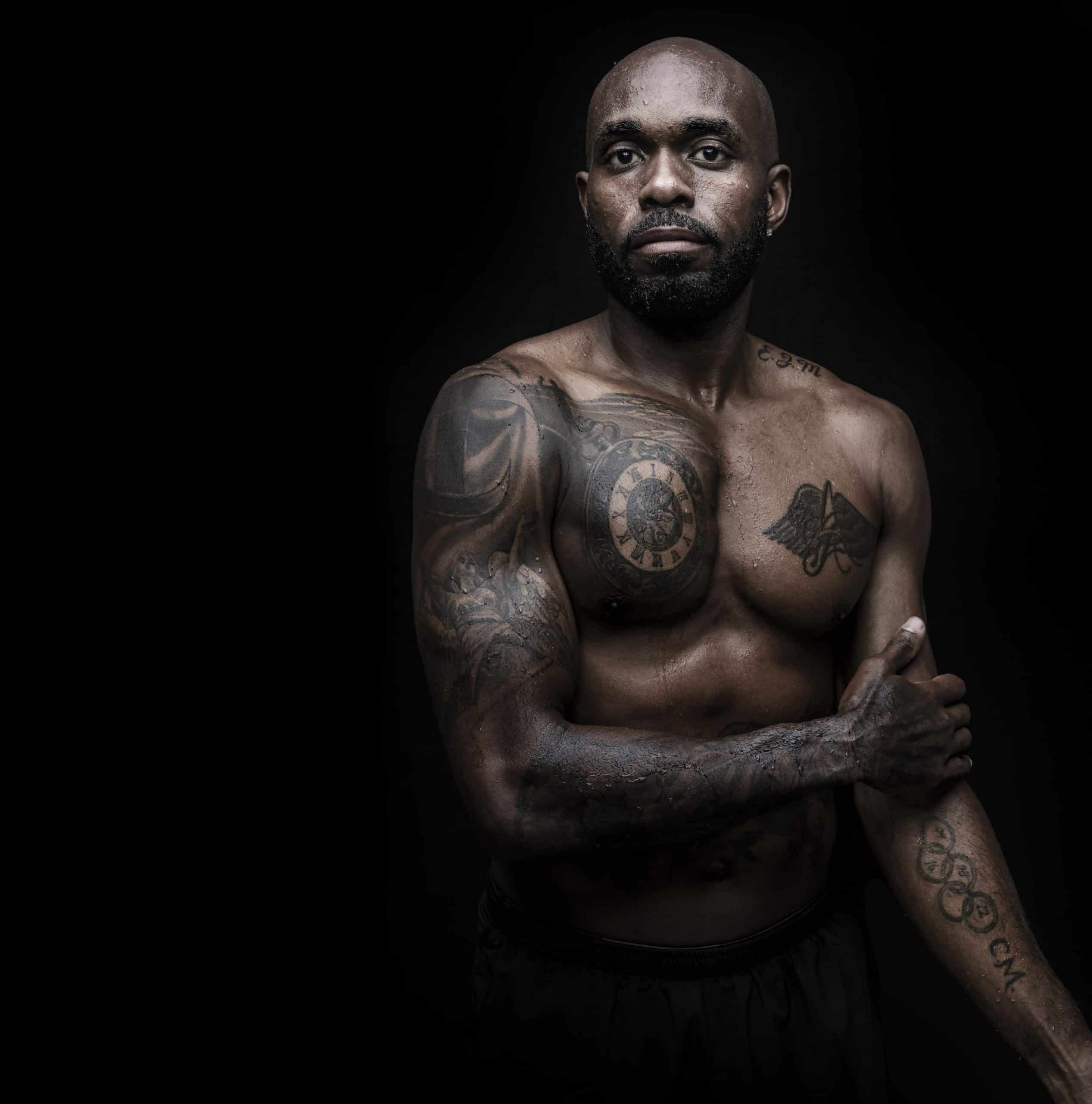
The most significant design in Martina’s collection is the five Olympic rings on his body, marked with the years he competed. By his sixth Games in Paris, he had used up the space he’d set aside for them.
That’s different from getting the rings once and leaving the meaning there. Martina’s version works like a career timeline, with a place for each Games. Athens, Beijing, London, Rio, Tokyo and Paris aren’t just stops on a results page; each is a chapter in his life.
In 2024, he joked that the tattoo had become a problem because there was no obvious room for another year. In an interview, he asked fans to send suggestions through social media and said he would choose the best one. That leaves the story open-ended: the original design may be full, but the tattoo doesn’t feel finished emotionally.
Many athletes get the rings to mark one huge achievement. Martina’s design shows the other side of elite sport: coming back, again and again. The years are the point. They turn the rings into a record of longevity as much as a symbol of Olympic status.
The clock adds a sense of time
Photos of Martina’s chest and arms show a clock face among the larger designs. No widely available source gives a personal explanation or identifies a specific time, so it would be wrong to attach an event to it. Still, the image fits with the other tattoos in an obvious way.
Sprinters spend their careers measuring time. A hundred metres can come down to hundredths of a second, and a career may be remembered by a few numbers on a results sheet. A clock beside the Olympic rings naturally brings those ideas together, though that’s an interpretation, not something Martina has confirmed.
The image also sits beside the usual athlete focus on staying young. Martina has talked about enjoying life and continuing because he loves the sport. A clock can suggest time passing, but it can also mark how much each season counts. There’s no need to freeze one perfect moment when the story is the journey.
Wings bring a lighter shape to the chest pieces
Another noticeable design is a winged emblem across Martina’s upper body. Wings can suggest freedom, protection, speed or a connection to something larger. Martina hasn’t explained every image, so the surest thing to say is that the wings form part of a bigger chest composition rather than a small, isolated symbol.
It’s easy to see why the shape might appeal to a sprinter. Wings suggest lift and lightness, while sprinting is about moving the body efficiently at speed. But the design doesn’t have to be a literal statement about running. It may simply be an image he liked enough to carry.
How it sits with the other pieces matters too. His chest doesn’t look like one flat logo; it has layers of images and lines, giving it the feel of a traditional tattooed-athlete collection. It looks lived in, not designed in one afternoon for a photo shoot.
Race-day photos show how much ink he carries
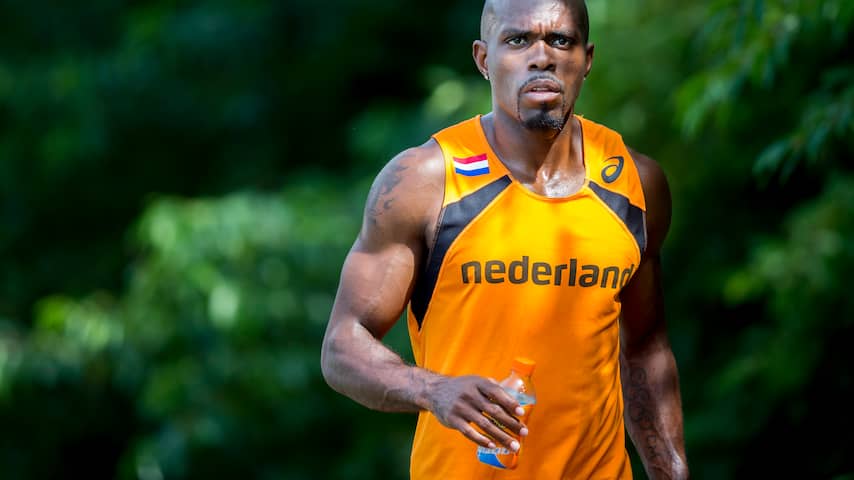
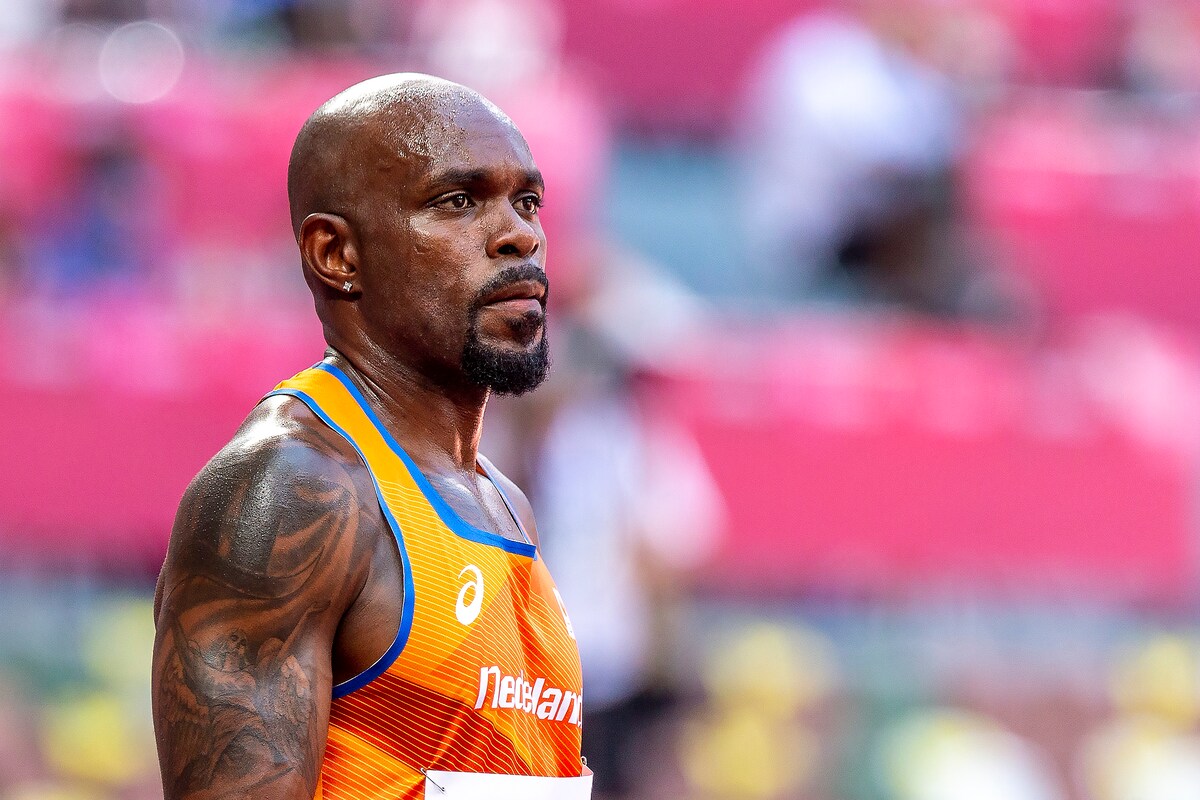
On the track, Martina’s tattoos usually appear in glimpses. A sleeveless kit shows his arms, while the chest designs disappear under his uniform. Depending on the angle, a photo may catch the clock, one ring or part of the wings; another may show the opposite side.
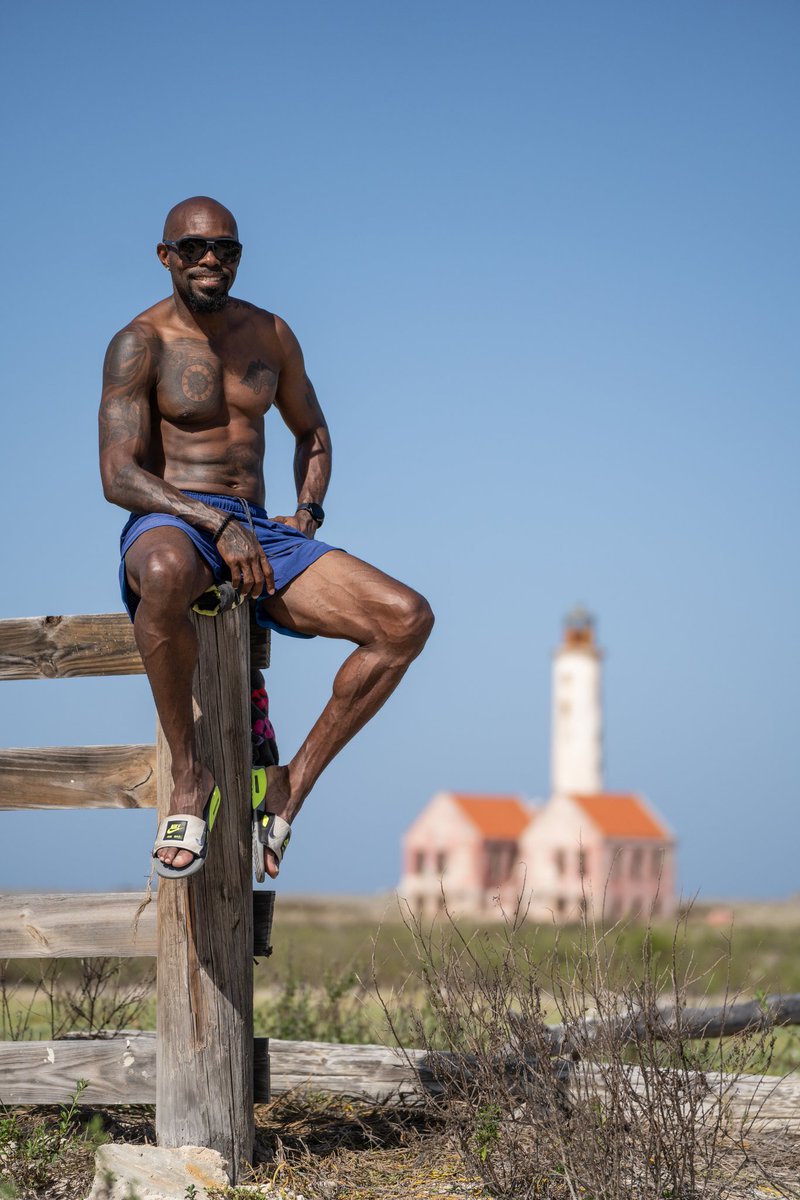
That’s why one photograph can give the wrong impression of the whole collection. Martina has been photographed in orange Netherlands kits, relay uniforms, training gear and shirtless portraits, and each setting reveals a different area. The pictures aren’t duplicates just because he’s in them; they show different parts of the layout.
There’s also a contrast between the serious look of the tattoos and Martina’s public personality. He’s known for smiling, joking and talking about enjoying the moment. The ink may look intense, but he doesn’t seem interested in acting intimidating all the time.
Six Olympic appearances changed the tattoo’s meaning
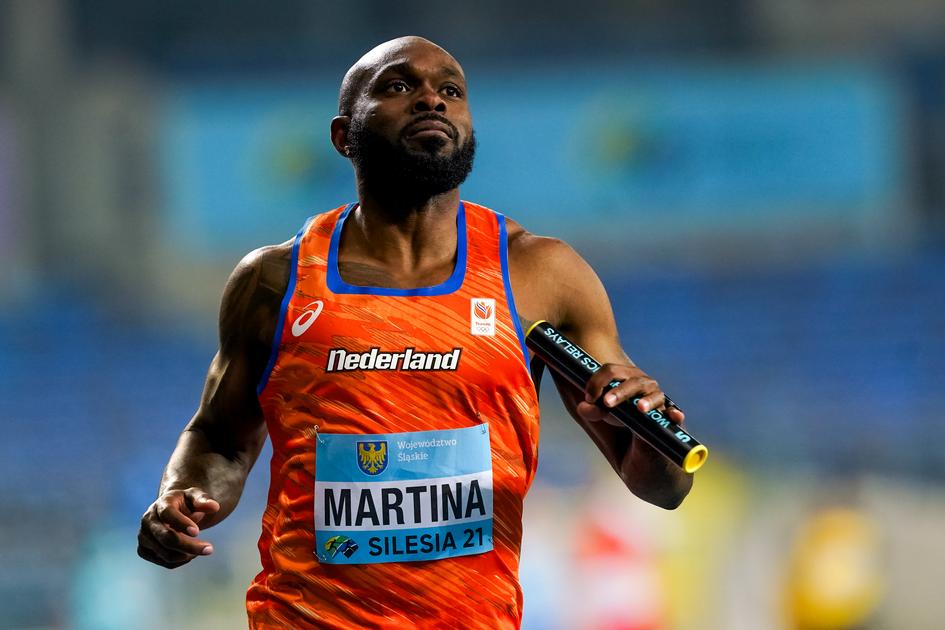
The Olympic tattoo means more because Martina’s career kept going. He debuted in Athens in 2004, then competed in Beijing, London, Rio, Tokyo and Paris. That’s an unusually long run for a sprinter, and the rings with their dates make his longevity visible.
Paris brought a disappointment: Martina didn’t get the relay result he wanted. Still, making the team for a sixth Games was an achievement in itself. He later called taking part the “cherry on the cake,” even though he didn’t get that final cherry. It’s a very Churandy response—frustrated about the result, but grateful for the whole experience.
That changes how the tattoo reads. It isn’t a trophy wall carved into skin; it includes successful meets, difficult ones and all the years he kept coming back. The tattoo records the work, not only the medals.
Some designs are visible, but their meanings stay private
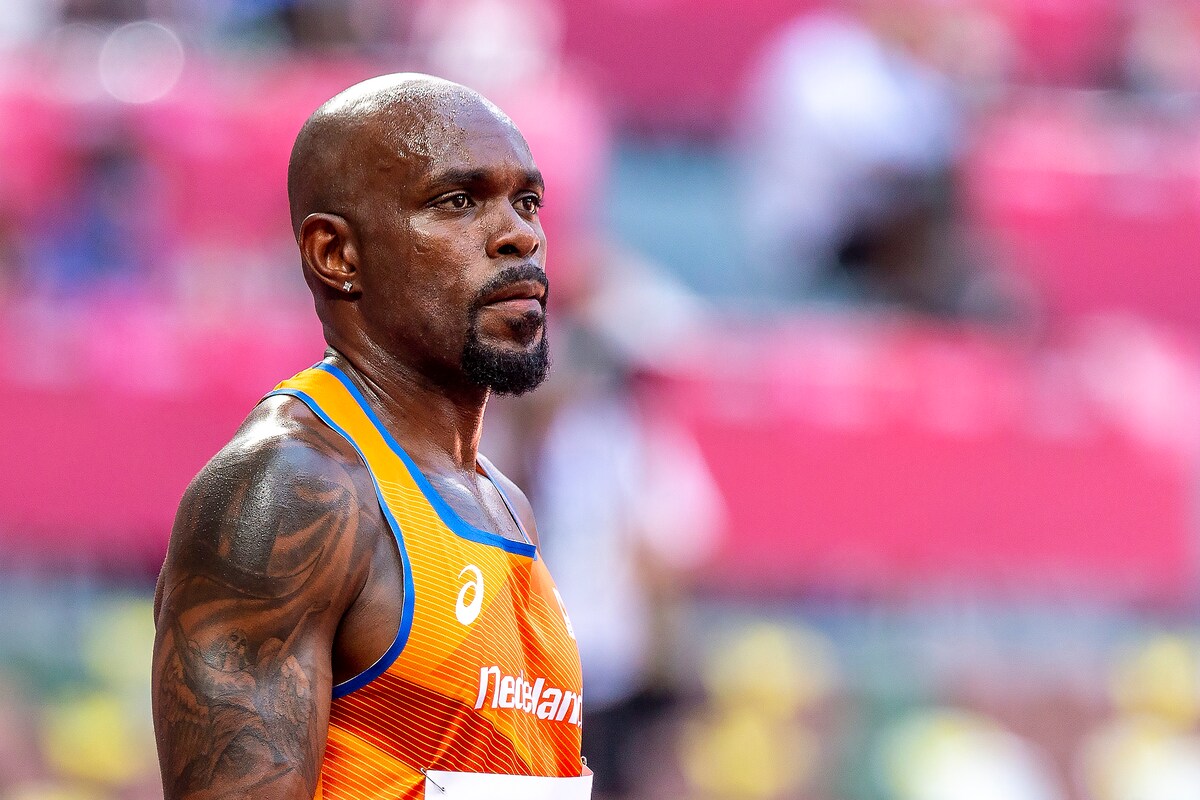
Martina clearly has more than rings, a clock and wings, but public sources don’t reliably name or explain every small piece. Some photos show additional script and decorative work on his arms and chest. It’s fair to describe what’s visible, but not to invent a tribute for every shape.
That’s especially important with older sports photos. Shadows, compression, sweat or a uniform can obscure the ink. A design that looks like a word in one image may turn out to be a pattern in another. Unless Martina or a dependable interview identifies it, it belongs in the “visible but unexplained” part of the inventory.
That doesn’t make the tattoos less interesting. The gaps make the collection feel human. People don’t always get ink so they can explain it years later. Some pieces are for family, some for a memory, and some are simply designs that felt right at the time.
The tattoos match Martina’s long view of sport
Martina has often sounded more interested in the life around athletics than in letting one result define him. He talks about loving sport, enjoying the chance to compete and staying young in spirit. His tattoos fit that outlook because they keep the past close without trapping him in it.
The rings hold the Olympic timeline. The clock suggests time passing. The wings bring movement and freedom. Smaller pieces fill out the story without needing a public explanation for every one. It doesn’t feel like a random checklist.
There’s a relaxed confidence in that. Martina doesn’t need to turn every tattoo into a grand statement. The designs can be bold and meaningful, and he can still laugh about needing help to find room for a sixth Olympic year. That mix of pride and humour may be the most Churandy part of the collection.
What is confirmed about Churandy Martina’s tattoos?
The clearest documented pieces are the Olympic rings with the years of his Games, the clock face and the winged chest emblem. Additional ink on his arms and chest appears in photos, but not every name or meaning has been explained publicly. The Olympic tattoo is the strongest confirmed story because Martina discussed its limited space and asked for suggestions after his sixth Games.
So the honest answer isn’t a forced list of twenty designs. It’s a collection with one clear centre: a sprinter who marked time by returning to the Olympics. The other tattoos add texture, but the rings carry the biggest story.