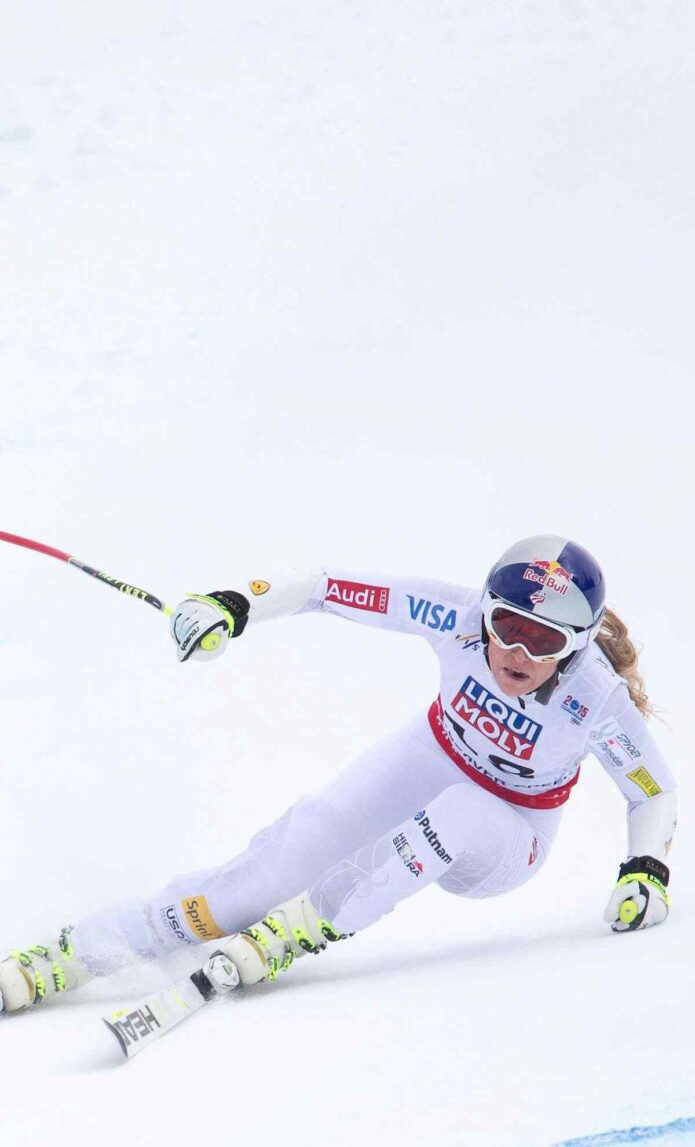
Lindsey Vonn’s tattoos are small, private, and very much tied to the way she lives. She isn’t covered in big sleeves or flashy work. Most of the ink people know about is tucked away on her fingers, which makes it easy to miss unless she deliberately shows it. That low-key approach suits her. Vonn built her career on tiny details: balance, timing, edge control, and the ability to keep moving when something hurts.
The tattoo that gets the most attention is a little shark on the inside of her ring finger. It isn’t an aggressive, cartoon shark. It’s a simple outline, small enough to disappear in a normal photo. Vonn has explained the idea behind it in a way that makes the design feel very personal. A shark has to keep moving to stay alive, and that became a neat shorthand for her own mindset. Even after injuries, surgery, retirement, and a comeback that most people would have considered unrealistic, she kept finding a way forward.
The shark tattoo on Lindsey Vonn’s finger
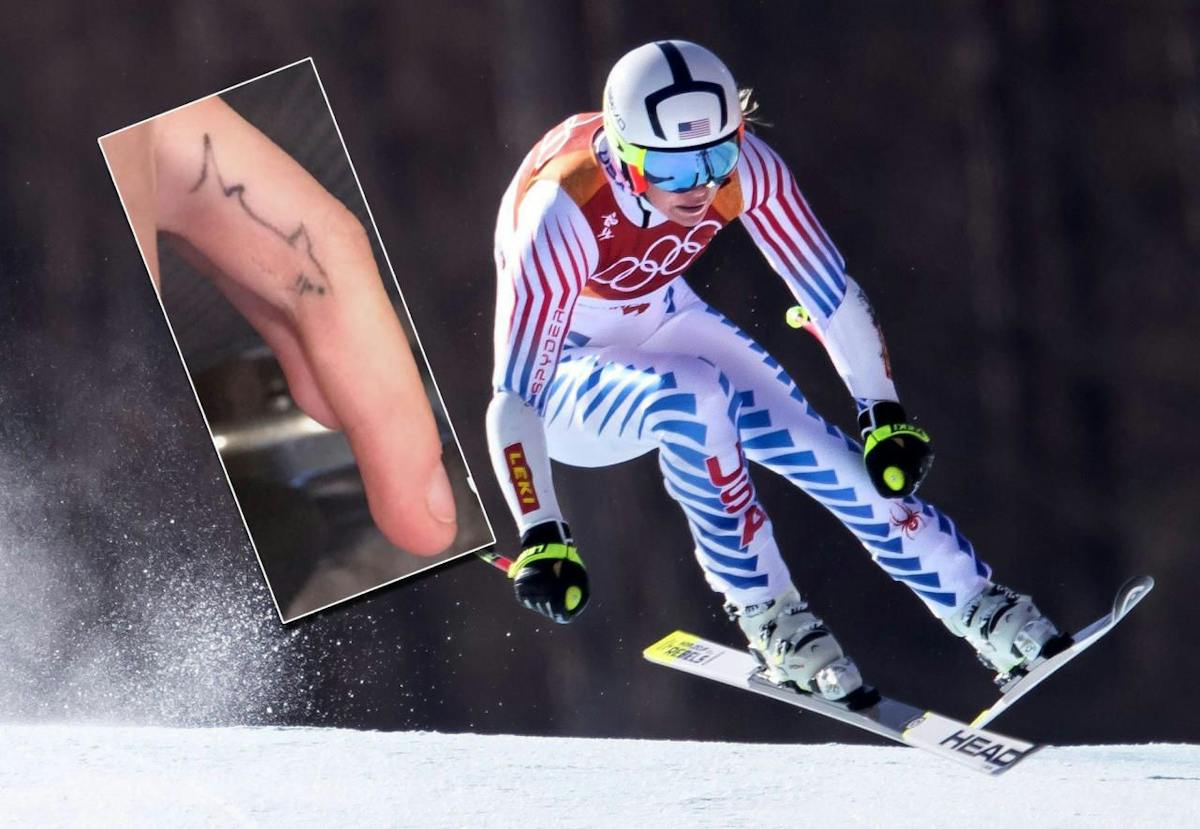
The shark is a clean black outline placed on the inside of Vonn’s ring finger. The placement matters as much as the drawing. A finger tattoo is visible when she wants it to be, but it doesn’t dominate her look. It also travels with her everywhere. She doesn’t need a tank top, a red carpet dress, or a particular training kit to show it off. Her hand is always there, whether she’s holding ski poles, signing something, or talking to a camera. The result is small but instantly readable.
The design is minimal, but the meaning isn’t. Vonn’s explanation connects the shark with motion and survival. That idea feels especially fitting for an athlete whose career kept being interrupted by injuries. A lot of comeback stories get turned into motivational wallpaper. This one works better because the image is so plain. It isn’t trying to look inspirational. It’s just a tiny reminder that stopping completely isn’t an option.
The shark also fits the rhythm of downhill skiing. From the outside, skiing can look like one long burst of speed, but elite racing is really a chain of constant adjustments. Vonn is always reading the snow, shifting her weight, correcting a line, and preparing for the next gate. The tattoo’s meaning lines up with that: keep moving, stay alert, don’t get stuck staring at the last mistake.
A quieter public image
Vonn has talked about keeping some of her tattoos hidden. That privacy is part of what makes the collection interesting. Plenty of celebrities use tattoos as a permanent part of their public image. Vonn’s pieces feel more like personal markers that happen to be photographed once in a while.
That doesn’t mean the tattoos are secret in a dramatic sense. It just means they aren’t the first thing she wants people to notice. Her career, her skiing, and the physical work behind both come first. When a small piece appears in a hand photo or an interview clip, it feels like a glimpse rather than a reveal campaign.
Her known ink includes the Greek word “πιστεύω,” commonly translated as “believe,” on the middle finger of her right hand. Vonn has connected the word with confidence and her Olympic ambitions. Like the shark, it is tiny and easy to overlook. The two designs sit in the same general world: short, direct reminders that don’t need much decoration.
Small choices and daily wear

Finger tattoos are practical in one sense and demanding in another. They are easy to see, but they also get a lot of wear. Hands are washed, scraped, flexed, and exposed to the sun more than most parts of the body. Fine lines can soften over time, and small lettering needs a tattooer who knows how much space ink really needs.
That makes Vonn’s choices feel deliberate. The shark is compact enough to read as a shape rather than a detailed illustration. The Greek lettering is short enough to remain legible without taking over the hand. There is no wasted ornament around either piece. The tattoos are doing one job: hold onto an idea.
The location also makes sense for someone who wants control over when the tattoos appear. A finger can be covered by gloves, hidden in a pocket, or turned away from a camera. It can also be placed right in view for a close-up. That gives Vonn a lot more control than a large tattoo on the shoulder or forearm would.
Returning to competition
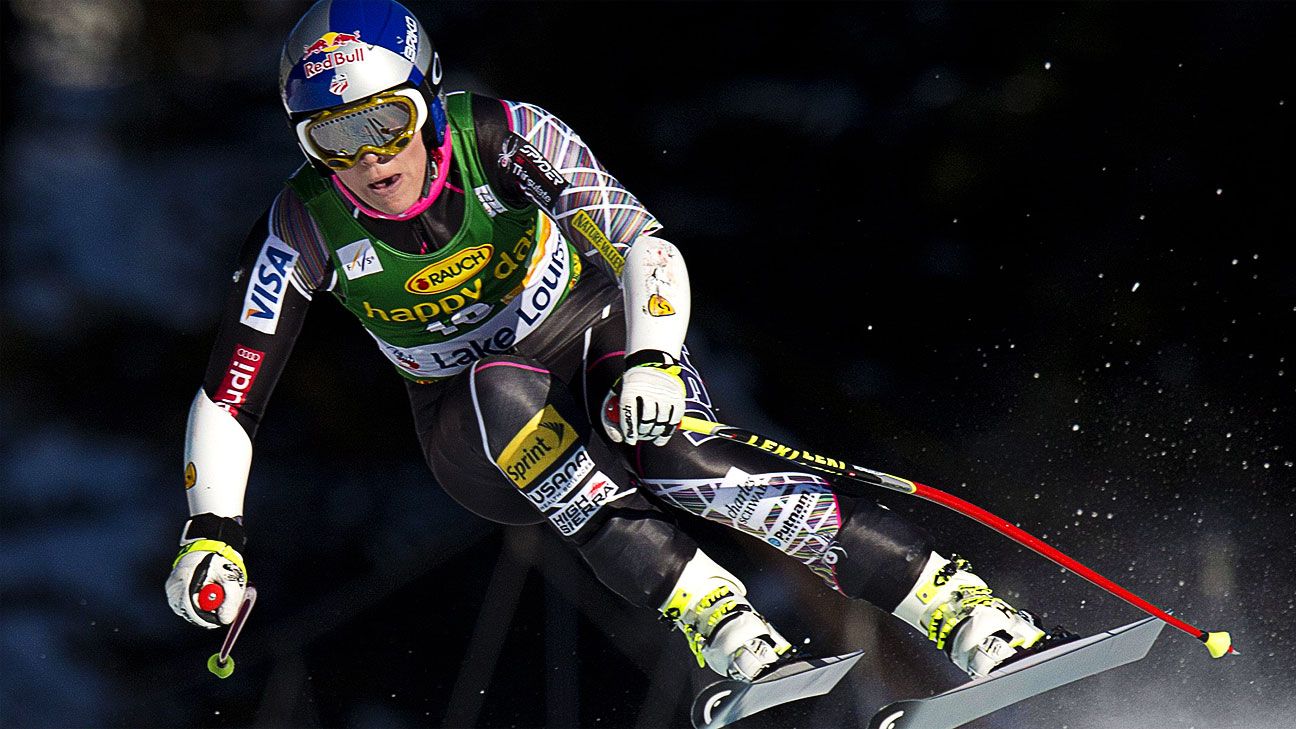
The timing of the shark tattoo helped people connect it with Vonn’s comeback. She returned to competitive skiing after stepping away from the sport, despite years of knee problems and major surgery. The tattoo doesn’t explain the comeback, and it shouldn’t be treated like a magic answer. It does, however, give a simple visual for the attitude she has described in interviews: keep going, even when the route changes.
That distinction matters. Tattoos don’t create resilience. They can act as reminders, though. A small design on a finger can become part of a daily routine, something that appears while tying boots, gripping poles, or checking a phone. It doesn’t have to be visible to an audience to be useful to the person wearing it. For Vonn, that makes the piece personal equipment in miniature.
Vonn’s other tattoo, the word “believe,” works in a similar way. It is not a long quote or a complicated symbol. It is one word that can be read in a second. The simplicity leaves room for the wearer to bring their own meaning to it. For Vonn, that meaning has been linked to competition, confidence, and the long process of getting back to a level she had already reached before.
The skiing context matters
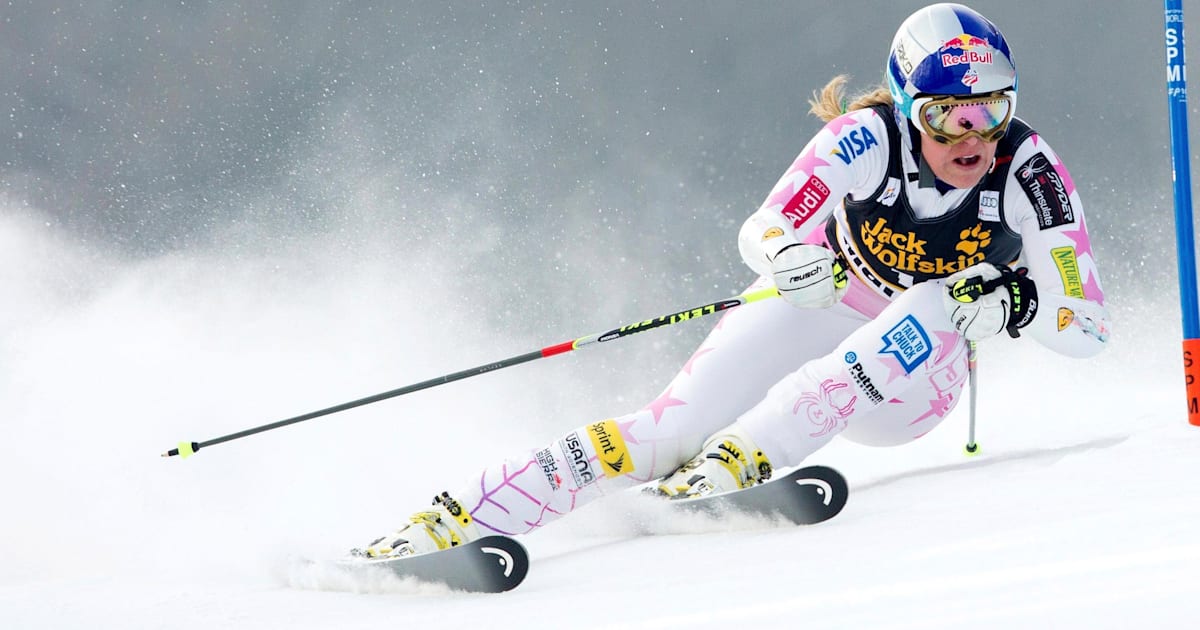
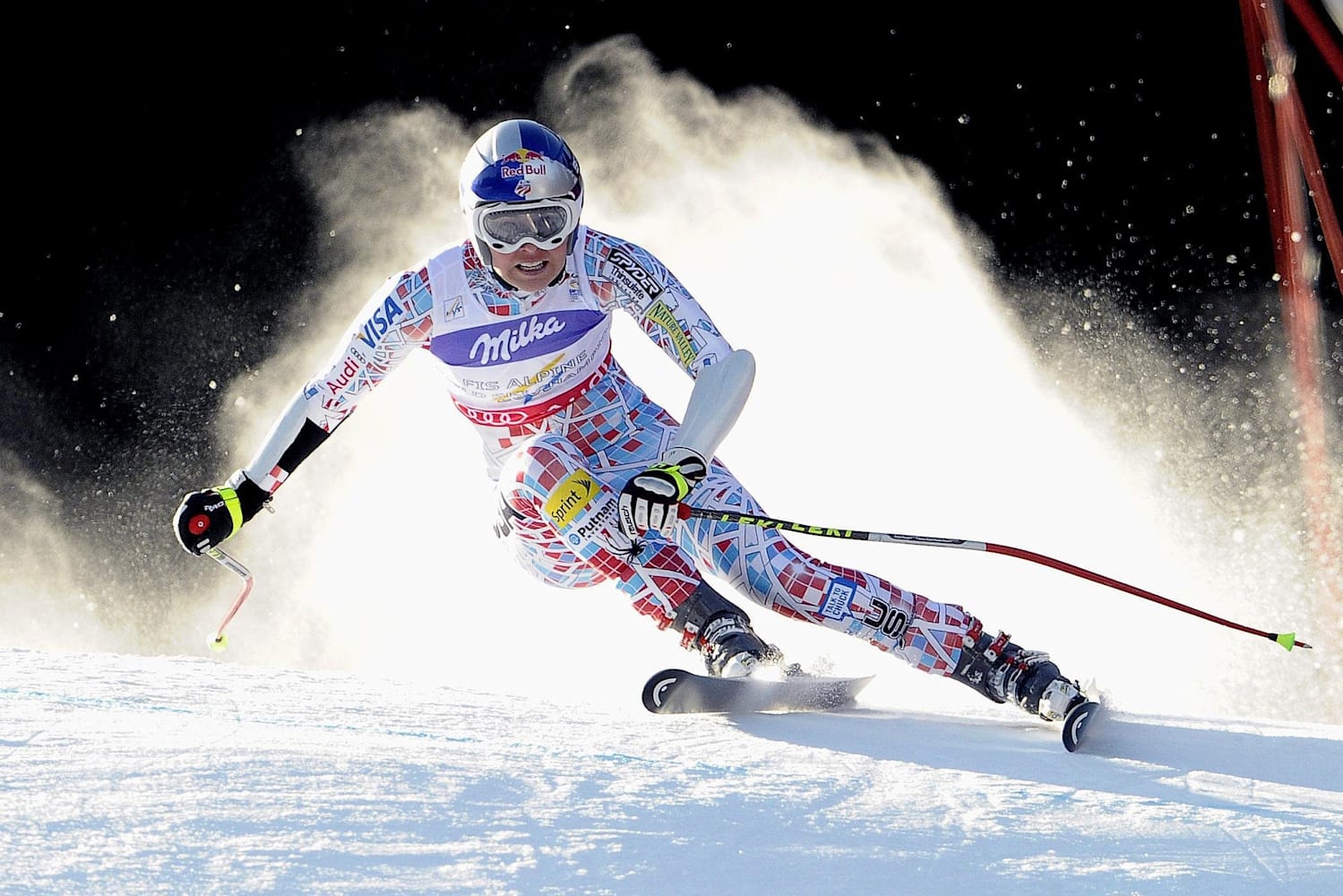
It would be easy to look at a finger tattoo on its own and miss why it suits Vonn so well. Her public image has always been connected to speed, risk, and the discipline behind both. The photographs that made her famous usually show a helmet, goggles, snow spray, and a body folded into a turn. The tattoos are much quieter, but they belong to the same person.
The shark is about motion. The word “believe” is about conviction. Those ideas sit underneath the more visible parts of her life. They also explain why the designs don’t need to be oversized. Vonn already has a very recognizable visual language through her sport. Her tattoos can stay small and still feel meaningful because the context around them is so strong.
Ideas worth borrowing
If you like the general idea behind Vonn’s tattoos, the best lesson is to keep the design honest to the meaning. A small shark outline can work for someone who sees movement, survival, or independence in the animal. It doesn’t need waves, a compass, or a full underwater scene unless those details genuinely matter to you.
The same goes for a single-word tattoo. “Believe” is powerful for Vonn because it connects to a real part of her life. Copying the word without that connection would make it feel generic. A better approach is to find the short word or phrase that you actually use when things get difficult. It could be a family expression, a private joke, or a word from a language that matters to you.
Placement deserves just as much thought. Fingers are visible and they age differently from other spots, so talk with an experienced tattooer before committing. Ask how the lines are likely to settle, whether the design needs to be simplified, and how often the area may need a touch-up. A tiny tattoo can still be technically demanding.
If you want the same discreet feeling without using the hands, the side of a rib, upper arm, ankle, or shoulder blade can give you more room while staying easy to cover. The key part of Vonn’s approach isn’t the exact body part. It’s the balance between a clear idea and a design that doesn’t need to shout. That quiet balance is what keeps the concept from feeling forced.
Why the choices feel personal
Vonn’s tattoos stand out because they don’t seem designed for maximum attention. They are small, placed where they can disappear, and connected to ideas she has carried through a very public career. Even the shark photo came from a moment where she chose to explain the meaning, not from a huge branding campaign.
That is a useful reminder for anyone planning their own tattoo. You don’t need a dramatic back piece to mark a turning point. You also don’t need to force a deep explanation onto a design that you simply like. The best tattoo is usually the one that still feels right after the announcement, the comments, and the first few weeks of excitement have passed.
Vonn’s collection leaves room for that. The shark is a small outline. “Believe” is a single word. Both can be seen quickly, but neither depends on a long caption. They work because the wearer already knows why they are there.
The simple takeaway
Lindsey Vonn’s tattoos are a good example of quiet symbolism done well. The shark on her finger points to movement and survival, while the Greek word for “believe” gives her another compact reminder of confidence. Her choice to keep much of the ink discreet makes the designs feel more like personal equipment than public decoration.
There is no need to turn the tattoos into a complete biography. They are just small pieces of ink. But they do line up with the way Vonn has approached skiing: stay focused, adjust when things change, and keep moving toward the next turn. That is probably why such simple designs have stuck with people. They leave enough space for the meaning to feel real.
Watch the video below for more Lindsey Vonn coverage.