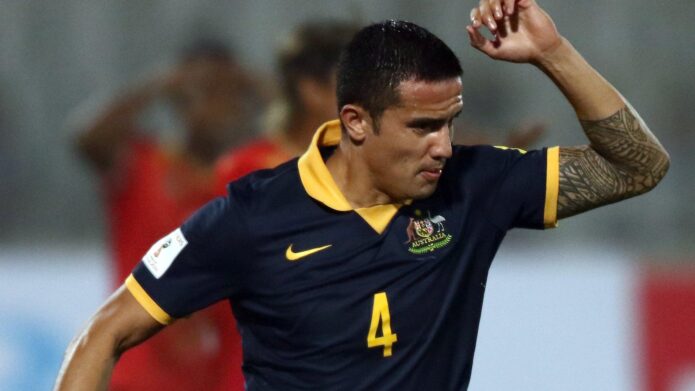
Tim Cahill has described the bold geometric sleeve on his left arm as a family timeline. It brings together his Samoan roots, relatives and the football clubs that shaped his life. He has explained its broad meaning over the years, while leaving the individual patterns without a public translation.
A Samoan family timeline, carried on his left arm
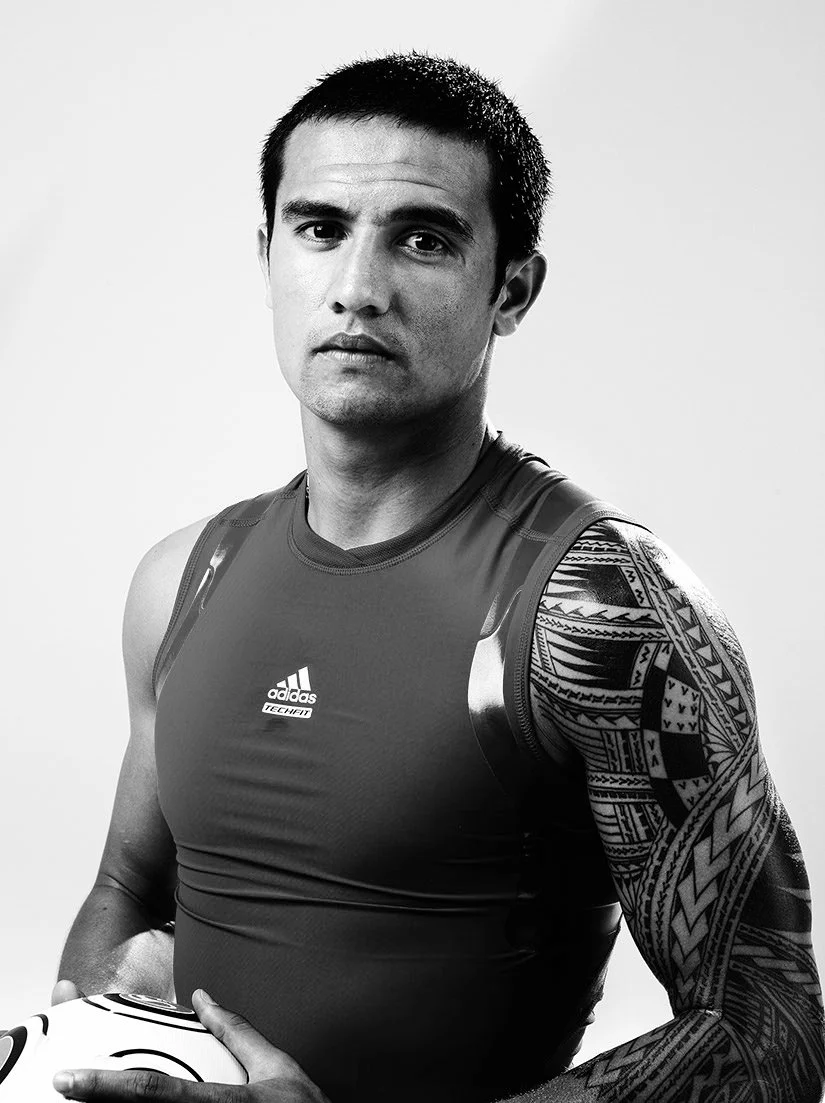
Cahill said the full sleeve followed the death of his maternal grandmother. In a 2024 ABC Pacific interview, he called the pattern a lifeline from her to his parents, children and wider family. He said it helps him feel protected, safe and grounded; for him, it keeps his family close.
He has spoken about his Samoan heritage on his mother’s side and said his upbringing taught him discipline and to stay close to family. The sleeve carries that connection through a long football career.
A 2010 report described the design as a family timeline running from the shoulder to below the elbow and dated it to summer 2008, when Cahill was recovering from a foot injury. That sets the timing; his later comments explain why it matters.
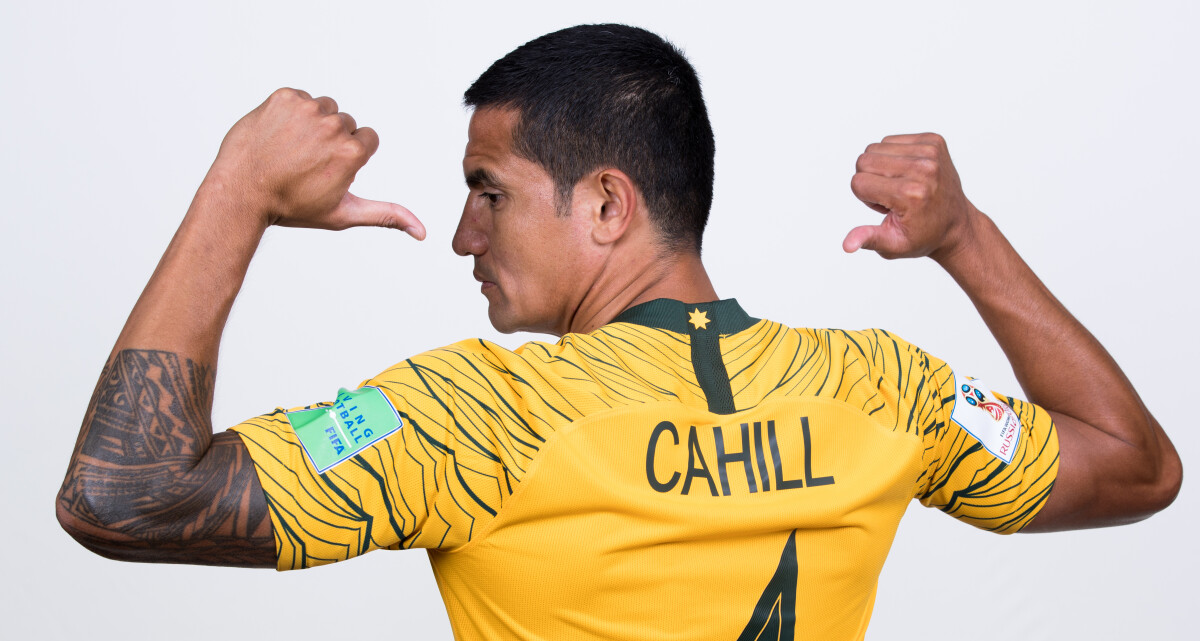
People may look for a meaning in every band or repeated line, but Cahill hasn’t provided a symbol-by-symbol guide. The photographs show one connected pattern from shoulder down the arm; his own description gives it a family story rather than a key for translating each shape.
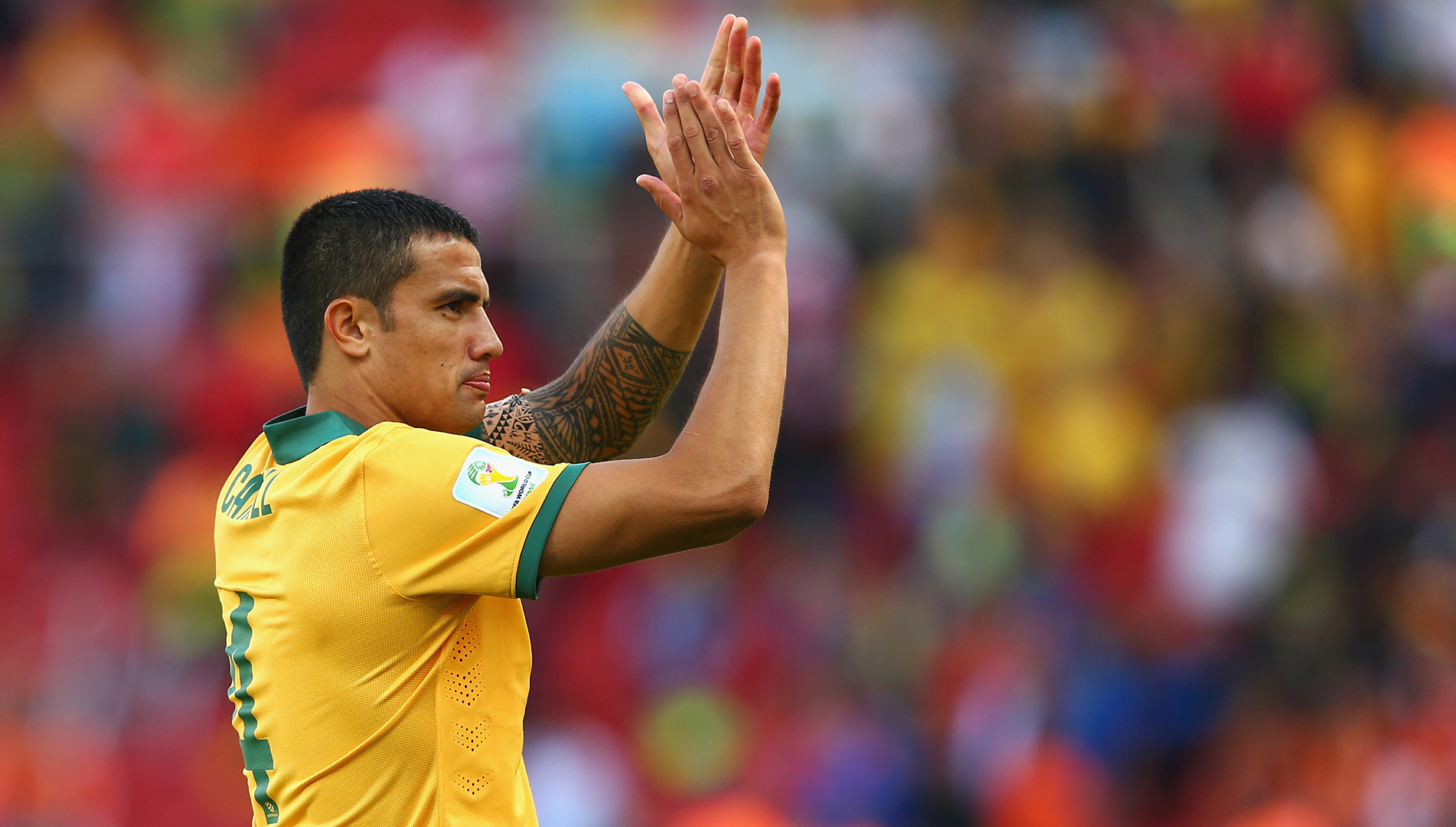
Reports describe the sleeve as Samoan or Polynesian in style, and Cahill has called it an expression of his Samoan roots. His interviews identify it as a family tribute; they don’t establish that it is a ceremonial tatau or explain an artist-led traditional process, so those details shouldn’t be assumed.
In the 2024 ABC Pacific interview, Cahill spoke about representing Samoans and Pacific communities in Australian football. He said he was proud of his mother’s heritage and wanted children from the islands to stay close to their traditions and family values.
The sleeve is visible in the short-sleeved kits he wore on the field, though that doesn’t mean it was made for an audience. The 2008 report places the work during his recovery from a foot injury; the injury itself isn’t the reason Cahill later gave for getting it.
The Millwall and Everton marks in Cahill’s tattoo
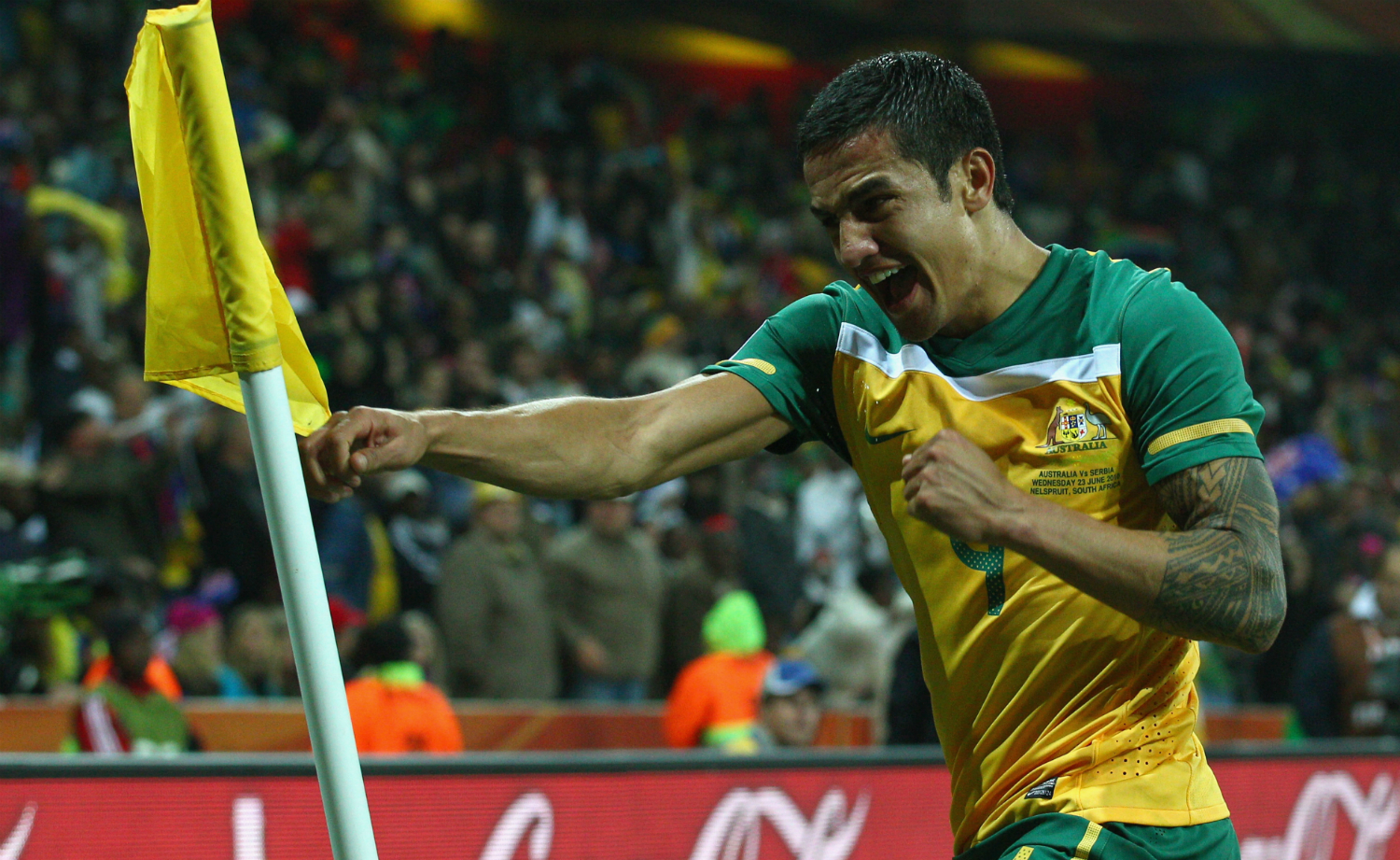
In a 2009 Guardian interview, Cahill explained the initials MFC and EFC on his arm: Millwall and Everton were the only clubs that meant a lot to him, and the marks showed his appreciation for what they had given him. He described the sleeve as a family tree with his football life woven into it. The initials sit inside the larger design rather than as stand-alone club crests.
Millwall later became a place he called home, while Everton was the club where he spent a major part of his playing career. Cahill didn’t rank one above the other; both belonged on the same arm as his family.
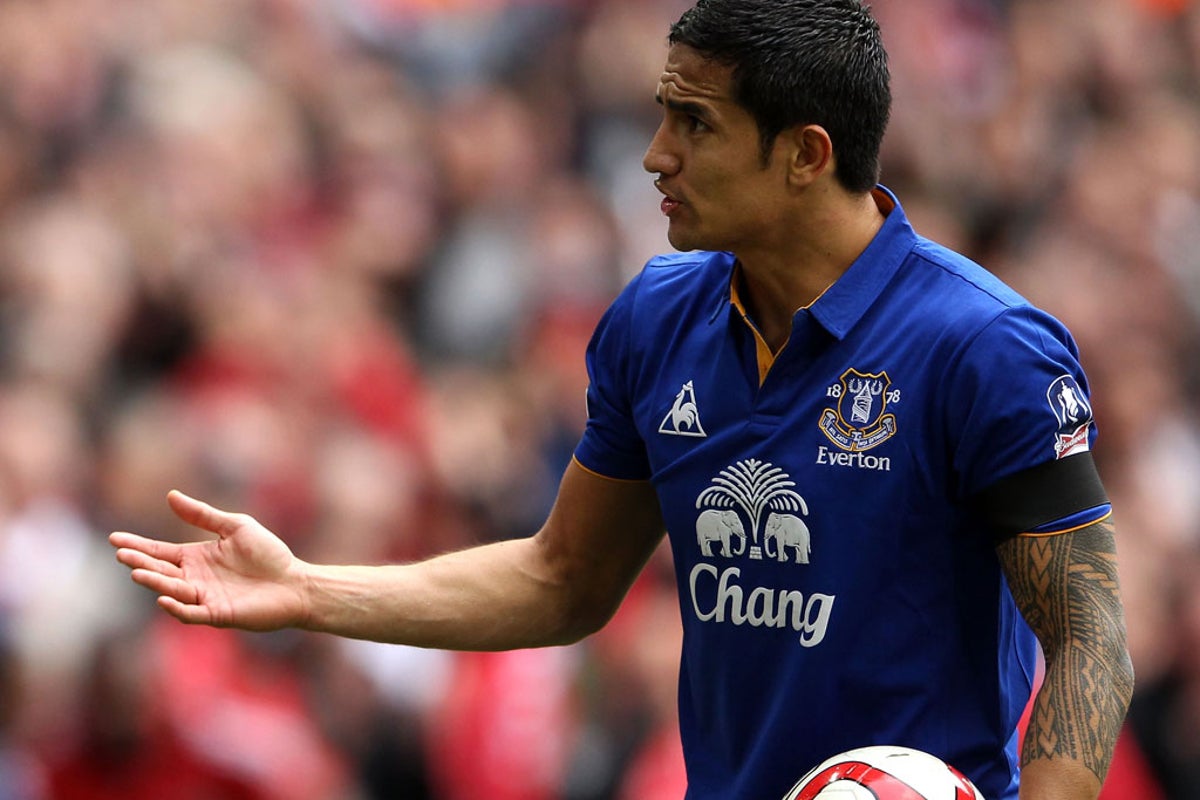
In 2009, while still playing for Everton, Cahill said the story wasn’t finished. By 2018, after years playing in different countries, he had returned to Millwall and said the clubs were part of his life and had helped mould him.
The 2024 ABC Pacific interview returned to his grandmother, children and the feeling of being grounded. Together, the accounts show how the sleeve connects football with family. Cahill has named the club marks, but hasn’t given a translation for every band or curve.