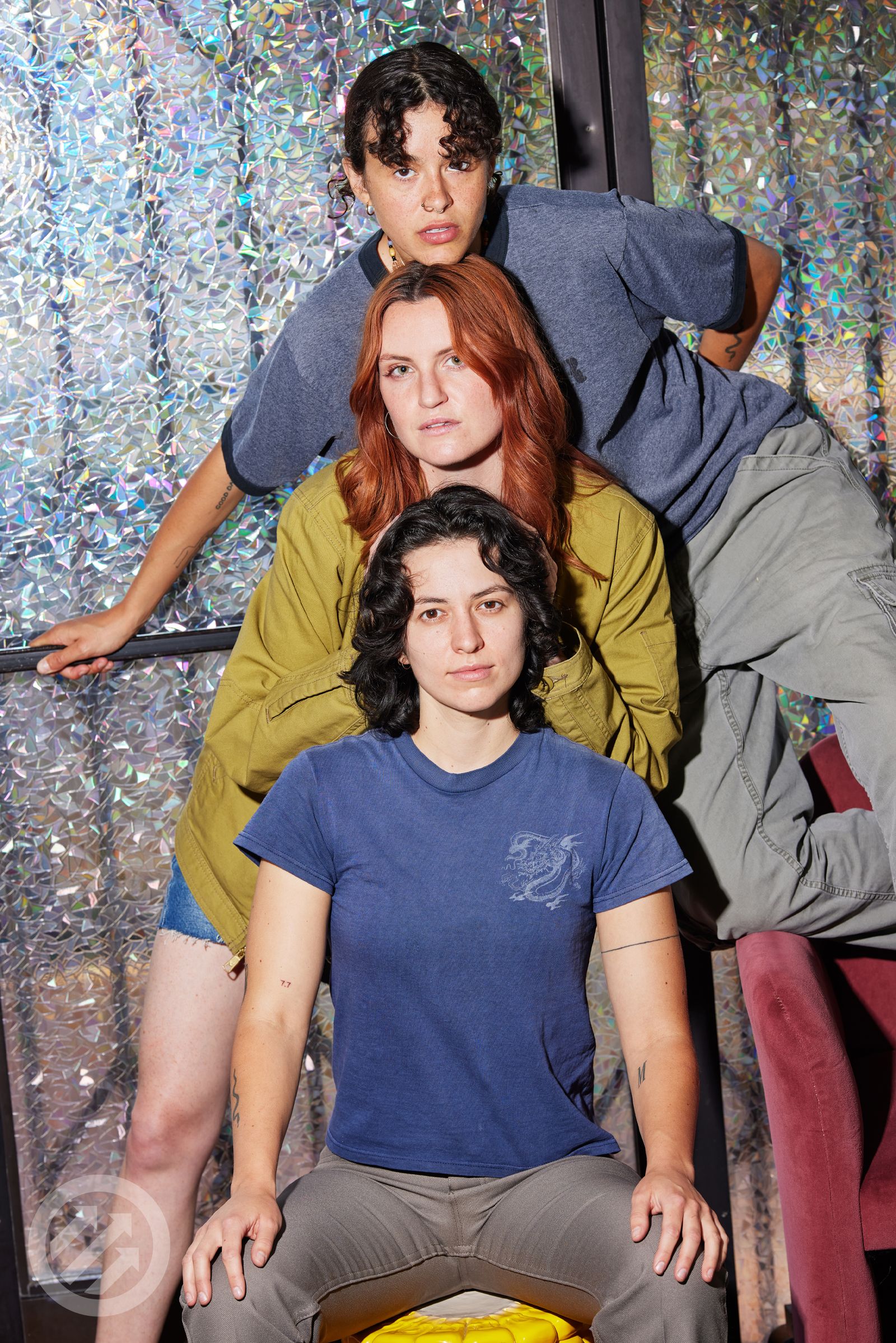
Pitchfork’s 2019 profile of MUNA documents two generations of matching ink: three “7.7” tattoos and an older M and swallow. The number is tied to the band’s album Saves the World; the other designs came first.
The matching 7.7 tattoos preserve an album-era joke
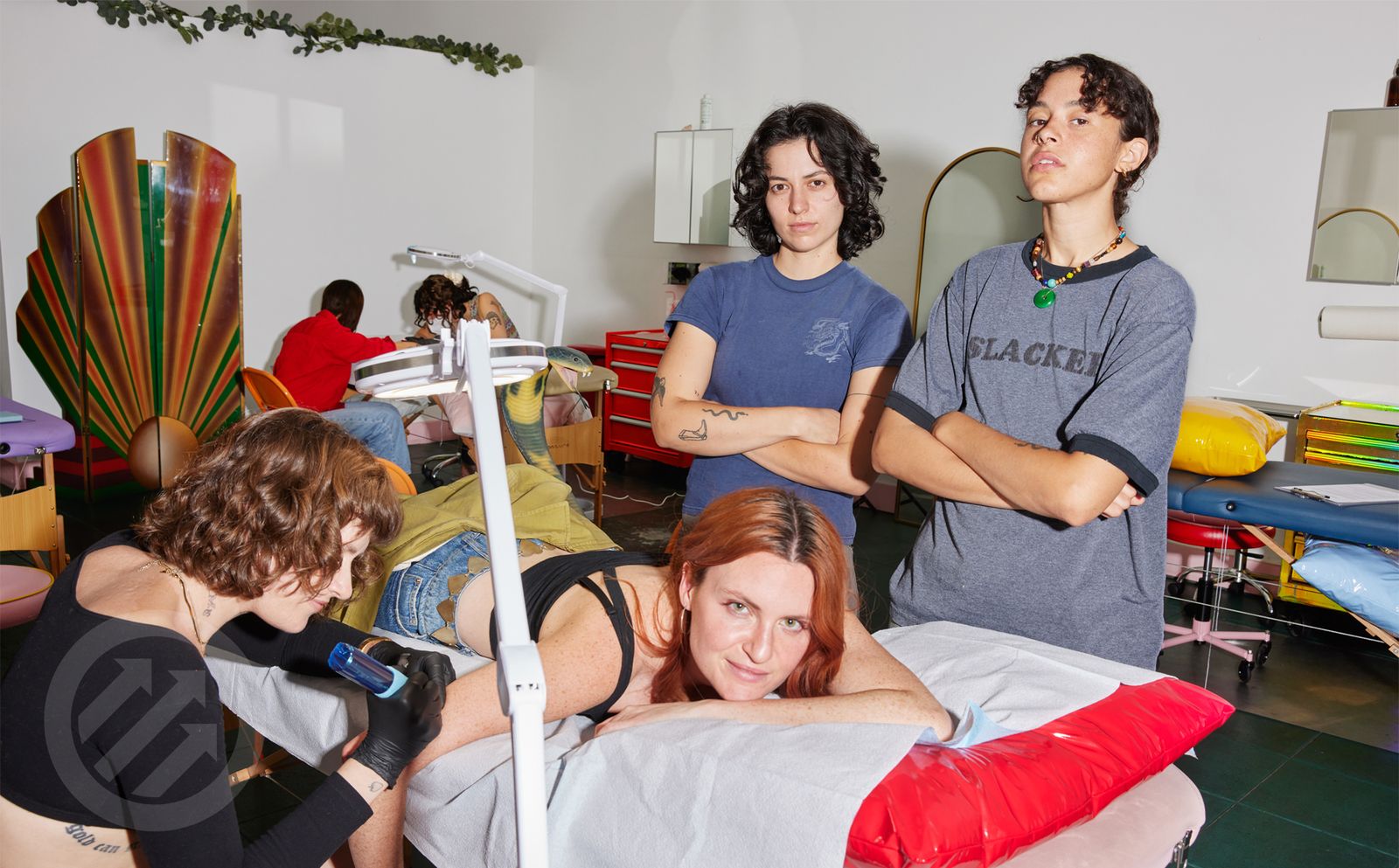
The 7.7 refers to the Pitchfork score for Saves the World, which had become a running joke and a queer-pop reference. At Jelly, a queer- and femme-owned tattoo shop in Los Angeles, the members compare sizes and talk through the design. They keep it to two numerals and a decimal point, without a date or extra image.
Pitchfork describes the appointment as a bonding moment. The tattoos preserve that album-era joke in a plain form that doesn’t need a caption to explain the number.
Close-up photographs show the small number on three bodies
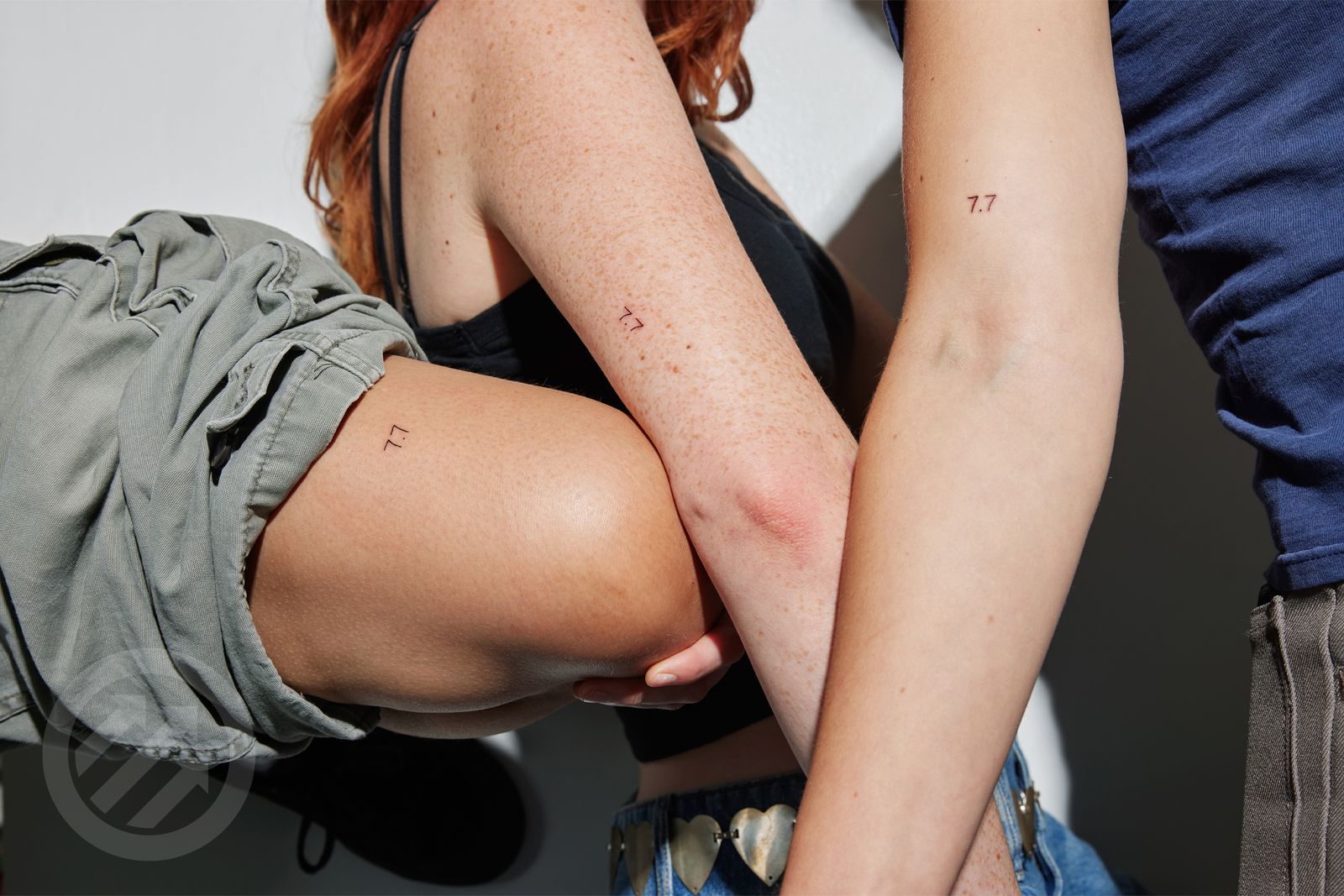
The close-up photos show the 7.7 as fresh, simple linework. The numerals stay the same, but angle and surrounding skin change how they appear in each frame.
MUNA’s older matching M and swallow tattoos came first
The M and swallow were matching tattoos before the 7.7. Pitchfork identifies them as part of the members’ earlier shared ink. One is a letter, the other a bird; the profile does not assign a more specific meaning to either design.
That older pair has a different look from the score. Their presence in the same profile makes clear the 7.7 was another chapter in a longer history of shared tattoos.
The body placement makes each 7.7 tattoo distinct
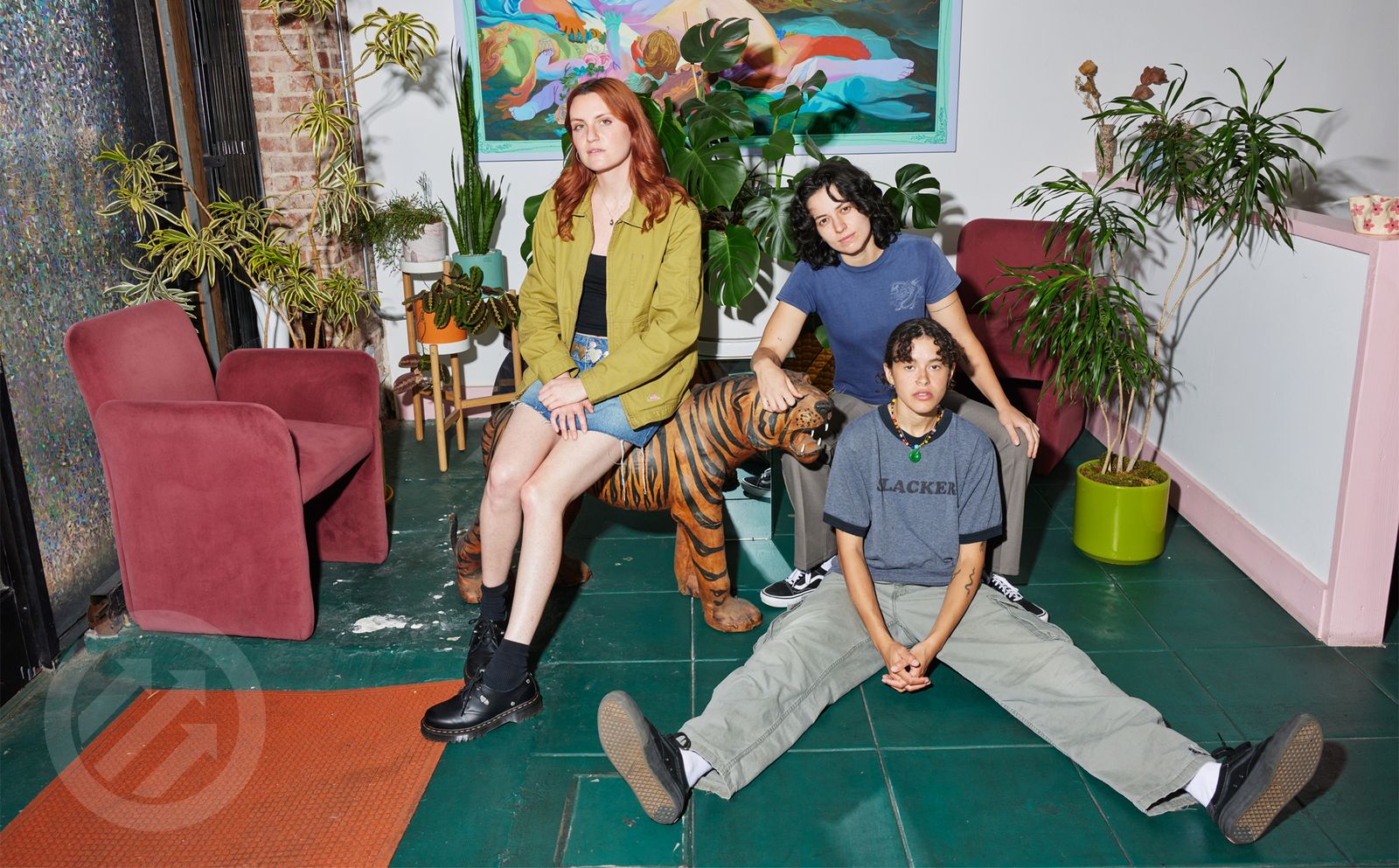
The members chose different placements: Naomi McPherson put the number on her thigh, Josette Maskin chose her forearm and Katie Gavin placed hers on her bicep. The profile says McPherson picked a middle size from the paper options, Maskin went smaller, and Gavin was cautious about choosing somewhere too visible.
They share the same reference, but not the same level of exposure. The placement choices keep each tattoo tied to the person wearing it.
The photographs preserve a shared moment
The photographs preserve the group together around the new tattoos, not only the finished marks. The conversation and reactions make the 7.7 part of a band moment as well as a reference to one record.
A small record of the band’s history
The profile supplies a clear timeline: the older M and swallow came first, followed by the 7.7 tattoos connected to Saves the World. It names the three members, records their placements and shows the appointment at Jelly, leaving little need to guess at the designs’ documented context.
Why the matching marks stayed personal
What the account establishes is specific: a shared score, earlier matching designs and three individual placement choices. It doesn’t claim that the tattoos mean the same thing to each member; that leaves the shared reference personal rather than turning it into a band logo.