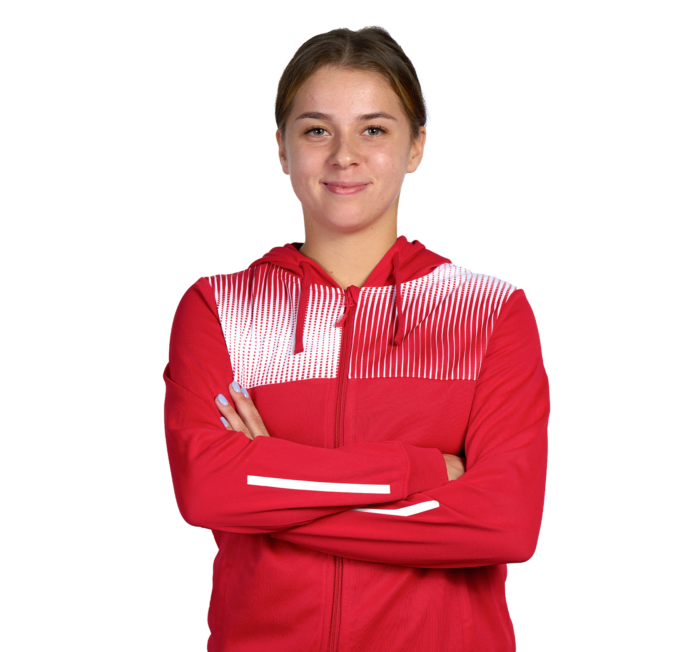
Maja Chwalinska’s tattoos are small enough to disappear in match photos: “Free” on her left hand, a flower near her wrist, “Courage” on her forearm and a few symbols on her right hand. They form a scattered collection rather than one large design.
At a 2026 press conference, a journalist asked about “Free.” Chwalinska declined to explain it and said people could make up their own minds. She has confirmed she has several tattoos, but their meanings are not all public.
The small tattoos Maja has actually discussed
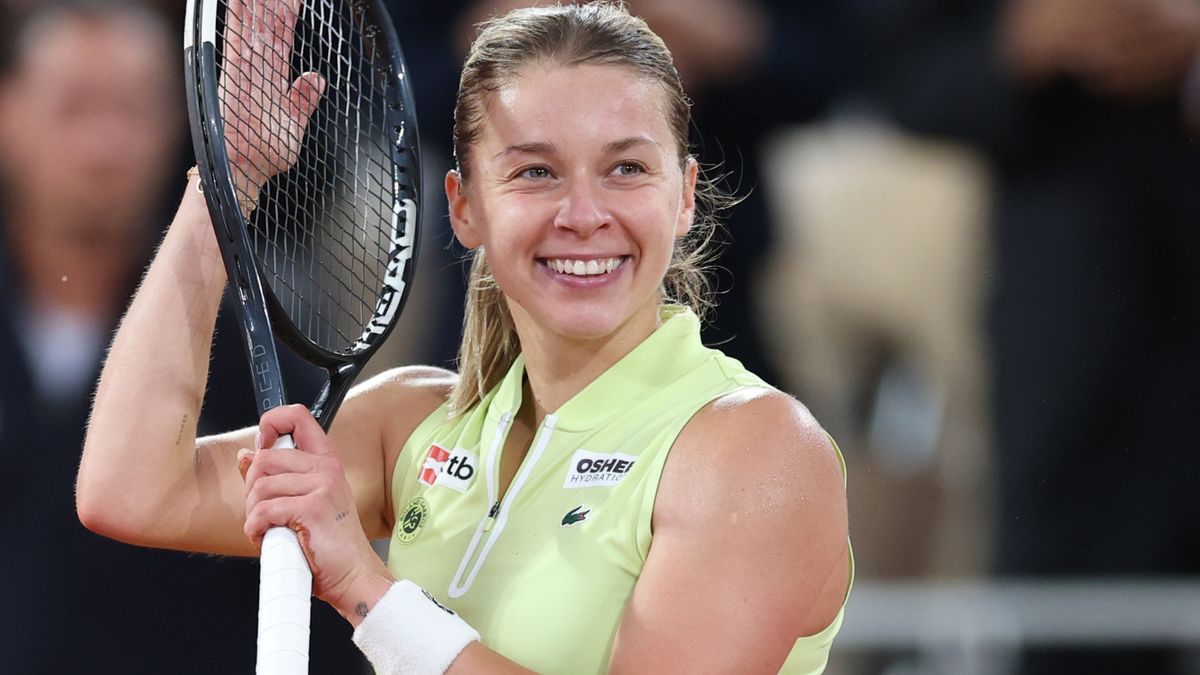
The word “Free” is on Chwalinska’s left hand. It can show in close-up match or interview photos, then disappear when she grips her racket or wears a wristband. Reports also identify a group of small symbols on her right hand, though they are difficult to make out in most match pictures.
Chwalinska hasn’t said what “Free” means to her. She has spoken about a difficult period away from competition, but published reporting doesn’t connect that period to the tattoo. The word is visible; its meaning remains hers.
A small arm tattoo appears in match photos
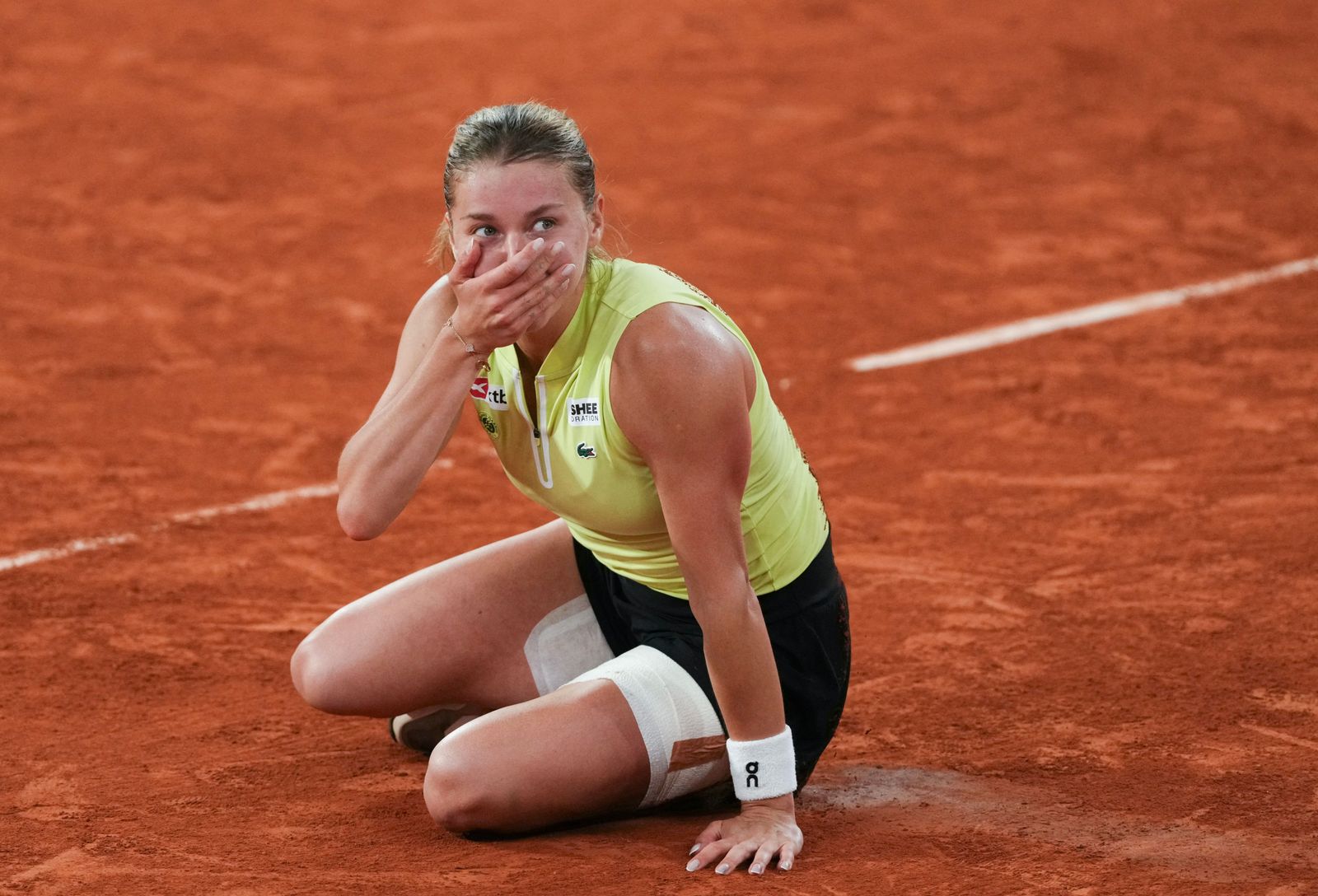
A WTA match photo shows a small, dark tattoo on Chwalinska’s upper arm. The published coverage doesn’t identify the design, so the image can confirm its size and placement, not its subject or meaning. It appears compact and can be covered by a sleeve or sports top.
Match photos can distort small details through lighting, sweat, shadows and fabric. This image is a useful reference for where the tattoo sits, but not a clear enough view to identify its motif.
Why “Free” stays a little mysterious
Chwalinska didn’t set out to turn “Free” into a public puzzle; she simply chose not to explain it. There’s no basis for assigning it a specific message. A tattoo can have a private meaning without needing a caption for other people.
If you’re considering lettering, look at the word at its actual size and in more than one font. Hands move and bend, and fine spacing can become hard to read as a tattoo ages. An artist can help adjust the line weight and placement.
Roland-Garros gave fans a closer look
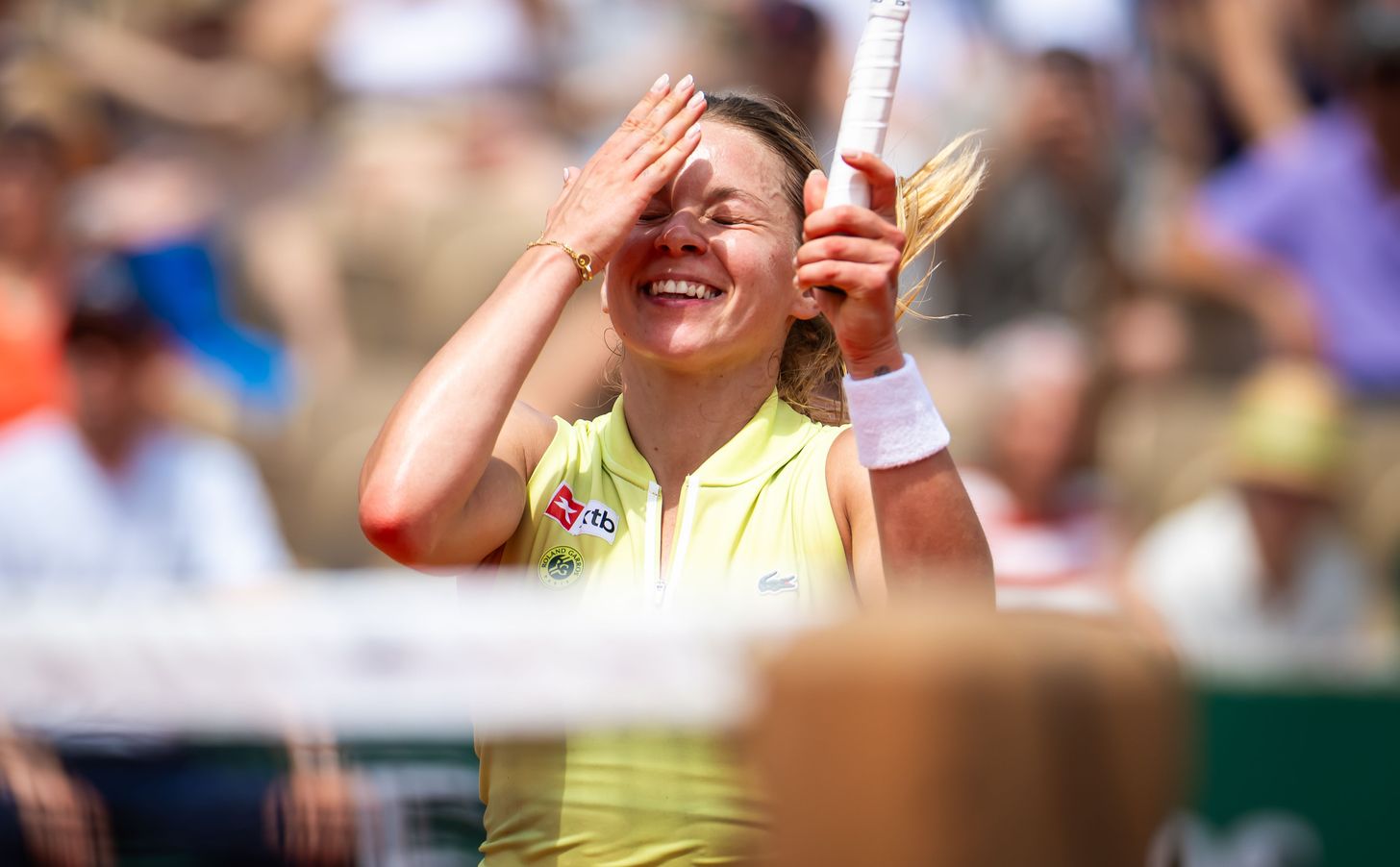
Chwalinska came through qualifying and reached the 2026 Roland-Garros final, bringing more interviews and close-up photos than a normal tournament run. Match images catch details in passing: “Free” when she raises a hand, the flower when a wristband shifts, or the forearm lettering from the side. None gives a full view of the collection.
The flower is reported to sit partly beneath a terry wristband. It appears when the band moves, so it is often hidden. That placement is a reminder that not every tattoo is meant to be on display all the time.
Her game has its own rhythm
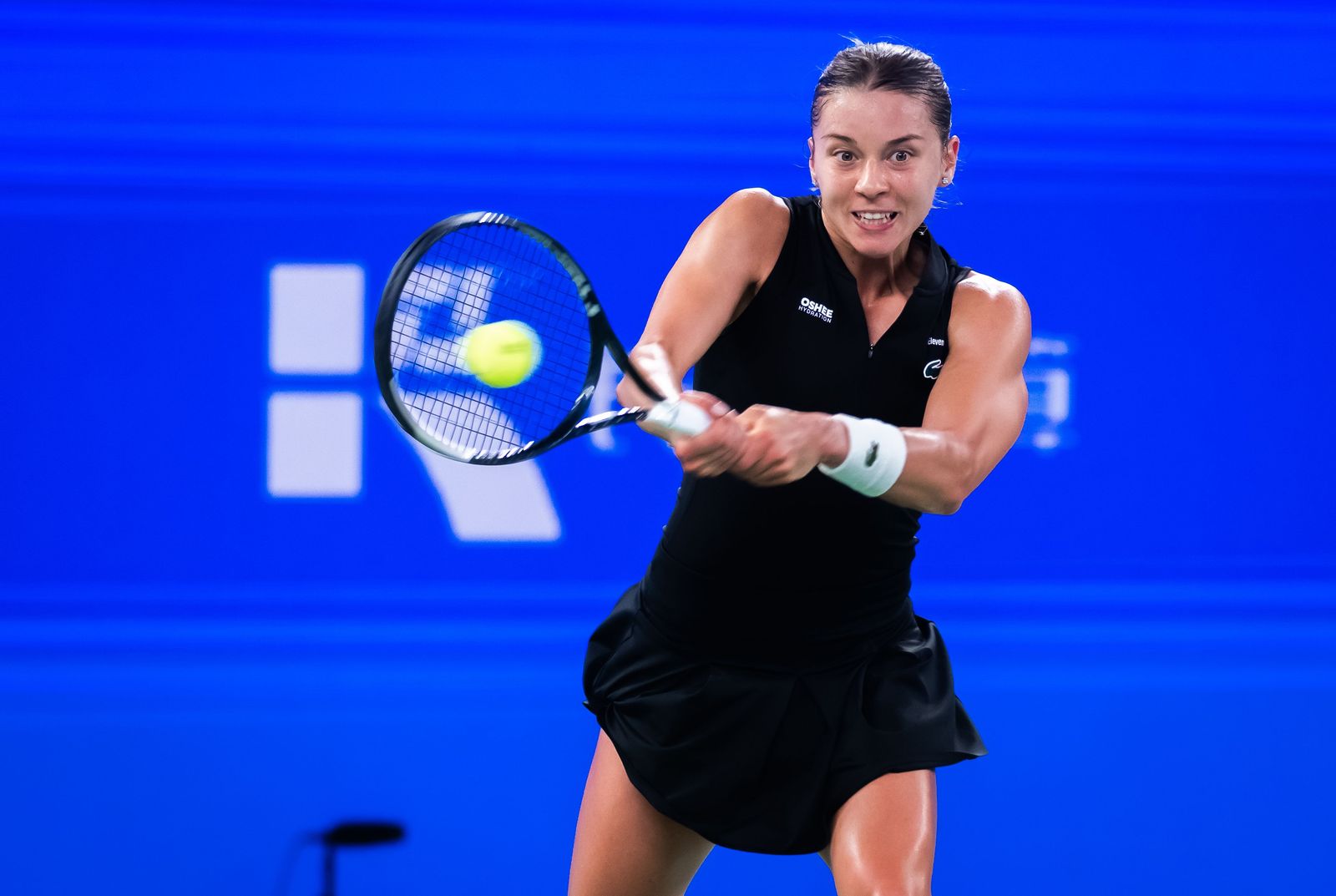
Chwalinska uses slices, changes of height and soft hands to disrupt an opponent’s rhythm. She absorbs pace, changes direction and makes opponents play another ball. Her tattoos are similarly varied: a word, a flower, “Courage” on the forearm and symbols on the right hand. They sit together without forming one declared theme.
The pieces are spread across her hands, wrist, forearm and upper arm. Each has room around it, so the smaller designs don’t crowd one another.
The French Open images that put her in focus
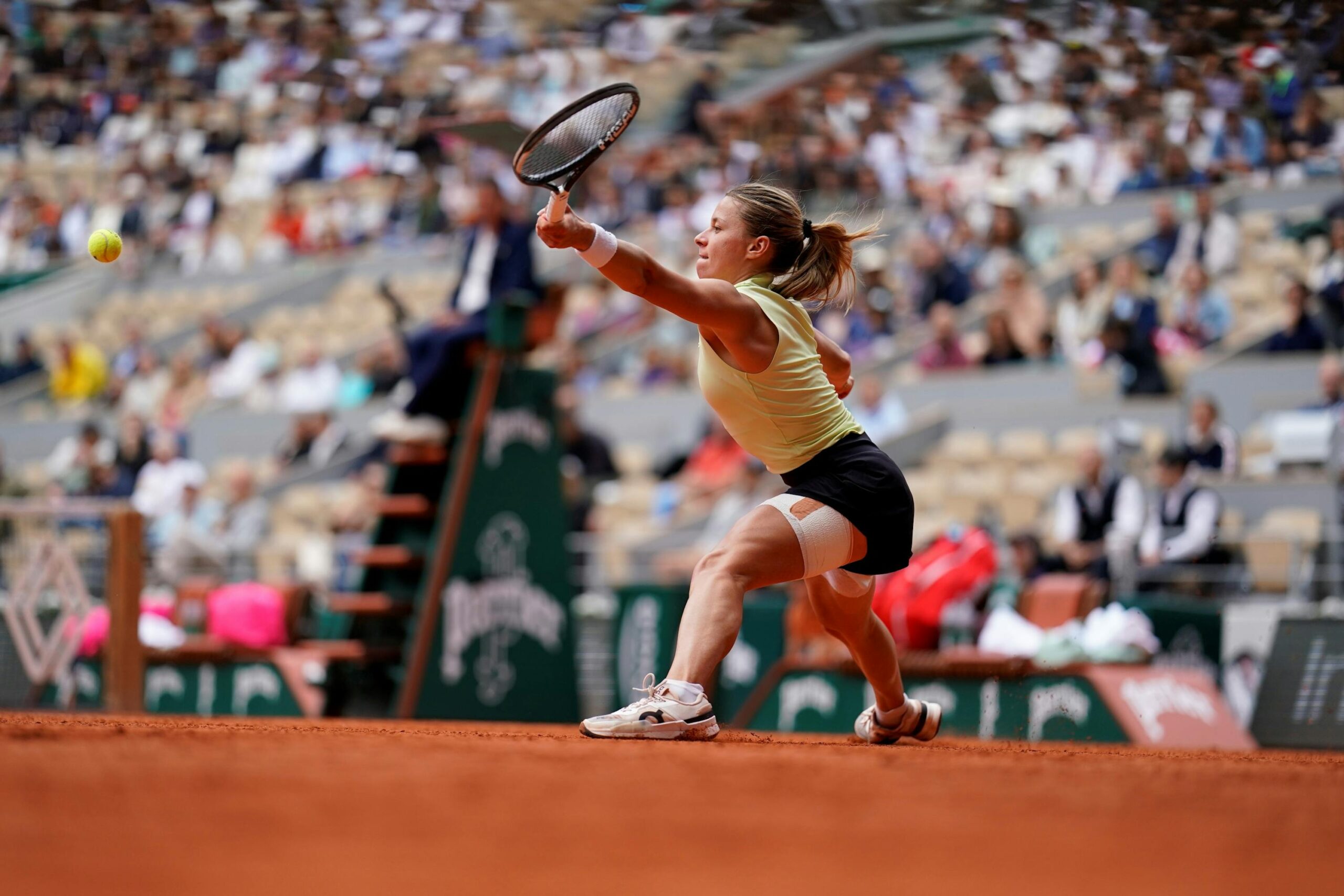
In 2026, Chwalinska became the first qualifier to reach the Roland-Garros final, with wins over higher-ranked opponents along the way. The run brought a much larger audience to her matches and interviews. Fans were seeing familiar small tattoos in more photographs; the collection hadn’t suddenly appeared.
A hand word or small flower can become part of someone’s public image simply because it recurs in close-up photos. The image here gives tournament context, not a new tattoo detail.
A new chapter on hard courts
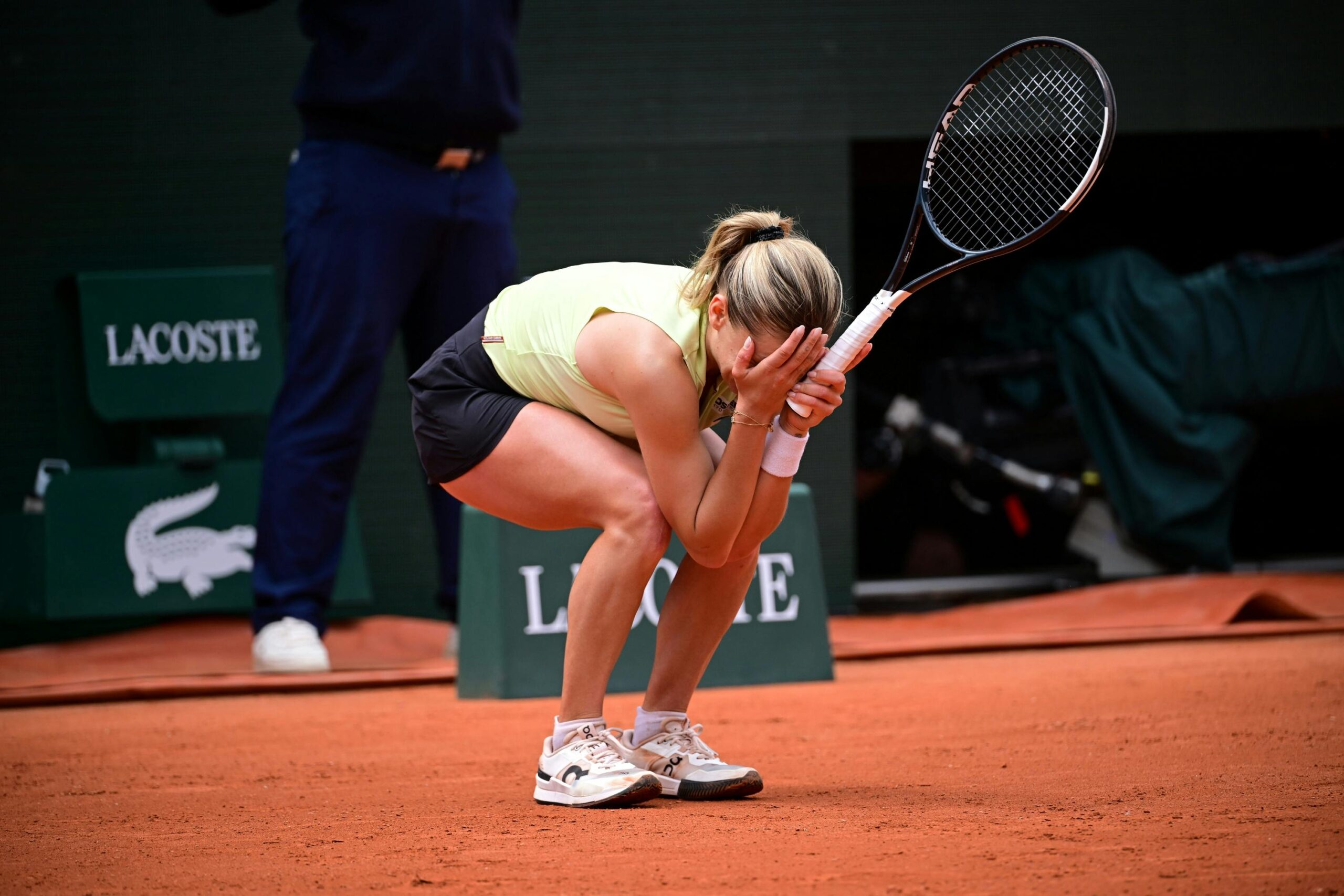
Her later 2026 results brought more photos from hard-court events. Different outfits and lighting can make the same small tattoo easier or harder to see; a mark that stands out in a sleeveless top may be covered in another match kit.
For a tattoo reference, it helps to compare images from more than one setting. A still photograph can’t show exactly how a design looks in motion, or how often clothes cover it.
Ideas to borrow
Chwalinska’s “Free,” “Courage,” flower and hand symbols offer different lettering and small-design references. If one appeals to you, use the photo to show an artist the scale or placement you like; don’t ask them to copy a blurry match image as an exact stencil.
Test lettering in several fonts at actual size, and choose a placement that fits how you move and dress. A small group of symbols can share a visual weight without copying someone else’s personal choices. A flower can be fine-line, bold or more abstract depending on the design.
Let the meaning stay yours
Chwalinska has left the meaning of “Free” private. The flower is often hidden under a wristband, and the small symbols are visible without becoming a public statement. The reported “Courage” lettering is direct; the photographs don’t tell us what it means to her.
A tattoo can be personal without an explanation for everyone who notices it. The wearer gets to decide what to share.