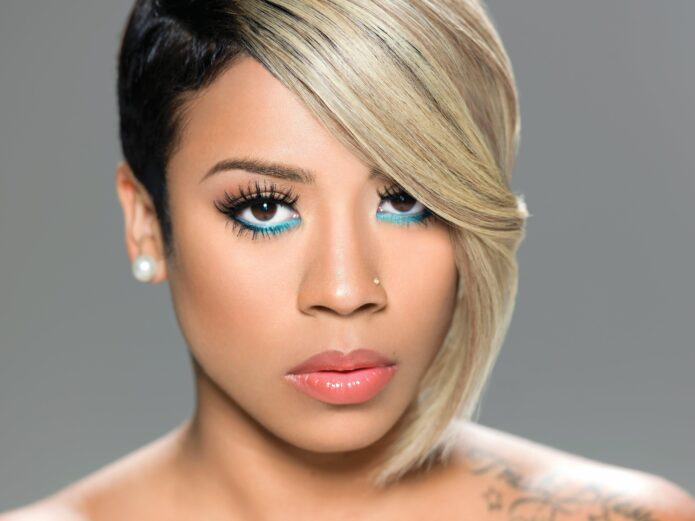
Keyshia Cole’s tattoos feel like a scrapbook with the volume turned up. There are pieces for faith, family, old relationships, new chapters, and a few designs that are just unmistakably hers. Some are easy to spot when she’s onstage. Others only show when a neckline, sleeve, or camera angle happens to cooperate.
That mix makes her collection more interesting than a simple list of celebrity ink. Cole has never treated tattoos like background decoration. The designs are tied to people she loves, parts of her life she wants close, and moments she has had to rethink later. A name tattoo can become a cover-up. A small word behind the ear can carry more weight than a much larger piece. And an arm tattoo can say a lot without needing a paragraph of explanation.
There is also plenty here for anyone looking for practical tattoo ideas. Cole’s ink shows how different placements change the mood of a design. A heart on the arm reads boldly. Short script near the neck feels private. Initials on the wrist can be personal without taking over the whole hand. Even the more complicated pieces leave room for skin, jewelry, and clothing to do some of the styling work.
What stands out about Keyshia Cole’s collection
The easiest way to understand Cole’s tattoos is to look at the balance between traditional symbols and very specific memories. She has a large heart design, faith-based script, initials, family references, and relationship tattoos. The collection isn’t built around one strict style, but it does have a consistent emotional center.
Several of the older pieces use black-and-gray linework with small touches of color. That keeps the designs readable without making every tattoo feel loud. Her neck piece is more like a small inscription. Her arm work has more movement, with outlines, shading, stars, smoke, and lettering working together. Those differences matter if you’re planning your own collection. You don’t need every tattoo to match perfectly for the overall look to feel connected.
Placement does a lot of the organizing for her. The arm pieces can be seen together when she wears something sleeveless, while the smaller wrist and neck details can disappear under everyday clothes. That gives her control over how much of the collection is on display at a given moment. It’s a useful reminder that a personal tattoo doesn’t have to be permanently public just because it is permanently on your skin.
The large heart-and-stake arm tattoo
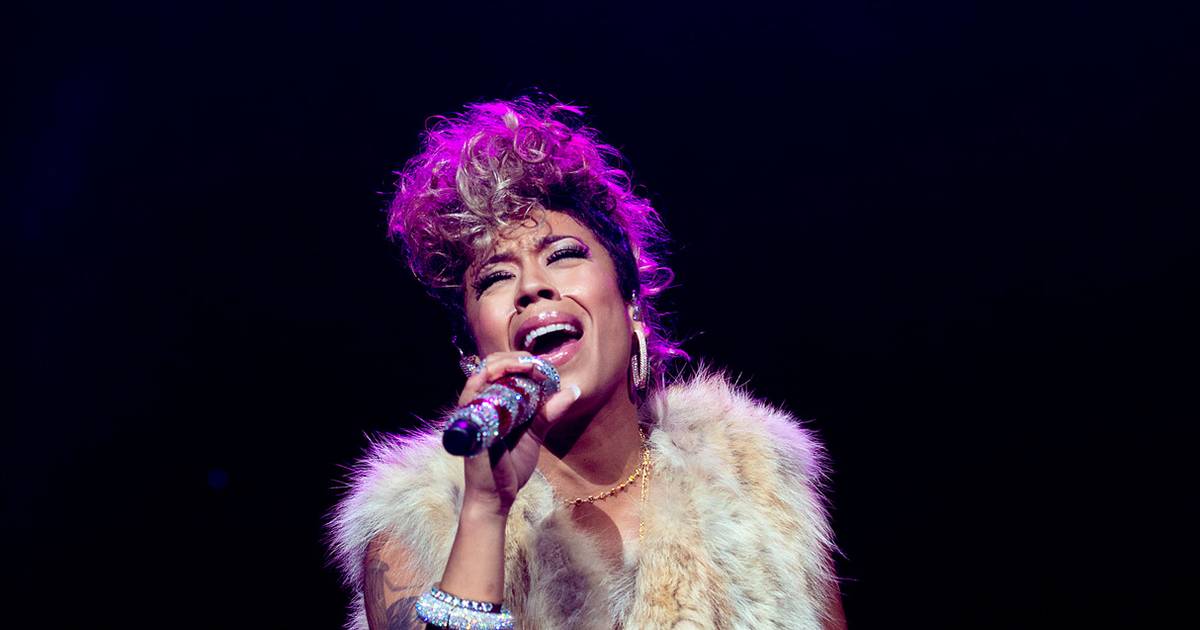
One of Cole’s most recognizable tattoos is the large heart on her upper left arm. The design has a wooden stake running through the heart, drops of blood, and a star-shaped outline around the main image. It has a slightly gothic look at first glance, but the reported meaning is much warmer: love and faith.
The heart is big enough to read from a distance, which is part of why it works so well on the upper arm. There is room for the outline, the stake, and the small details to breathe. A design like this can get muddy if it is squeezed into a smaller placement, especially once the shading settles. On the arm, the main silhouette stays clear even when the tattoo is photographed under stage lights.
That contrast between the image and the meaning is a nice detail. A heart with a stake through it can look like a heartbreak tattoo, but Cole has connected it with faith rather than just romantic pain. That’s a good example of why tattoo symbolism isn’t fixed. The same object can mean loss, devotion, resilience, or a private joke depending on the person wearing it.
If you’re pulling ideas from this piece, pay attention to the way the star frame keeps the tattoo contained. The border gives the artist a visual stopping point and helps the heart sit neatly on a curved section of the upper arm. You could use the same approach with a flower, portrait, animal, or religious symbol without copying the actual design.
The small “Have Faith” tattoo near her neck
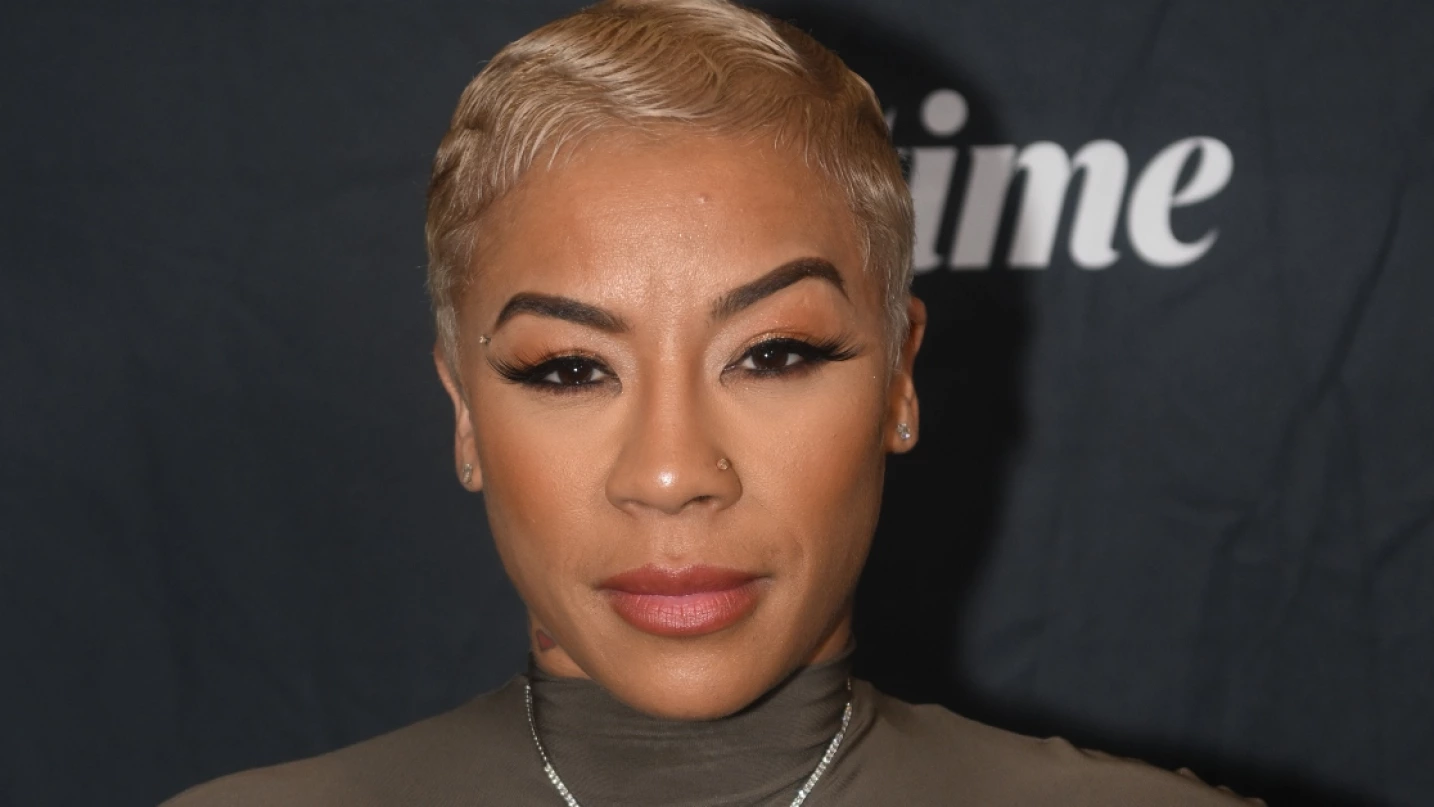
Cole also has a small red heart with the words “Have Faith” near the right side of her neck, just below the ear. The design is much quieter than the large arm tattoo, but the message is direct. In an Urban Ink quote reproduced by later coverage, Cole tied the piece to her belief that faith played a major part in getting her where she is.
Short script like this needs a little more planning than people sometimes expect. The letters have to be large enough to stay legible, and the placement has to work with the natural movement of the neck. Going too tiny can make a phrase look perfect on the day it is done and fuzzy a few years later. The little heart gives the words a visual anchor without crowding the area.
Behind-the-ear and side-of-neck tattoos also have a different kind of visibility. They can show with pulled-back hair, a high neckline, or a simple turn of the head, then disappear again when the hair is down. That makes the spot a good choice for a message you want to keep close without turning it into the first thing everyone notices.
The red ink is another reason the tattoo catches the eye. It doesn’t need a large size or heavy shading to stand out. A small color accent can do the work of a much bigger design when the surrounding skin is left open.
Why her older arm and neck tattoos still feel connected
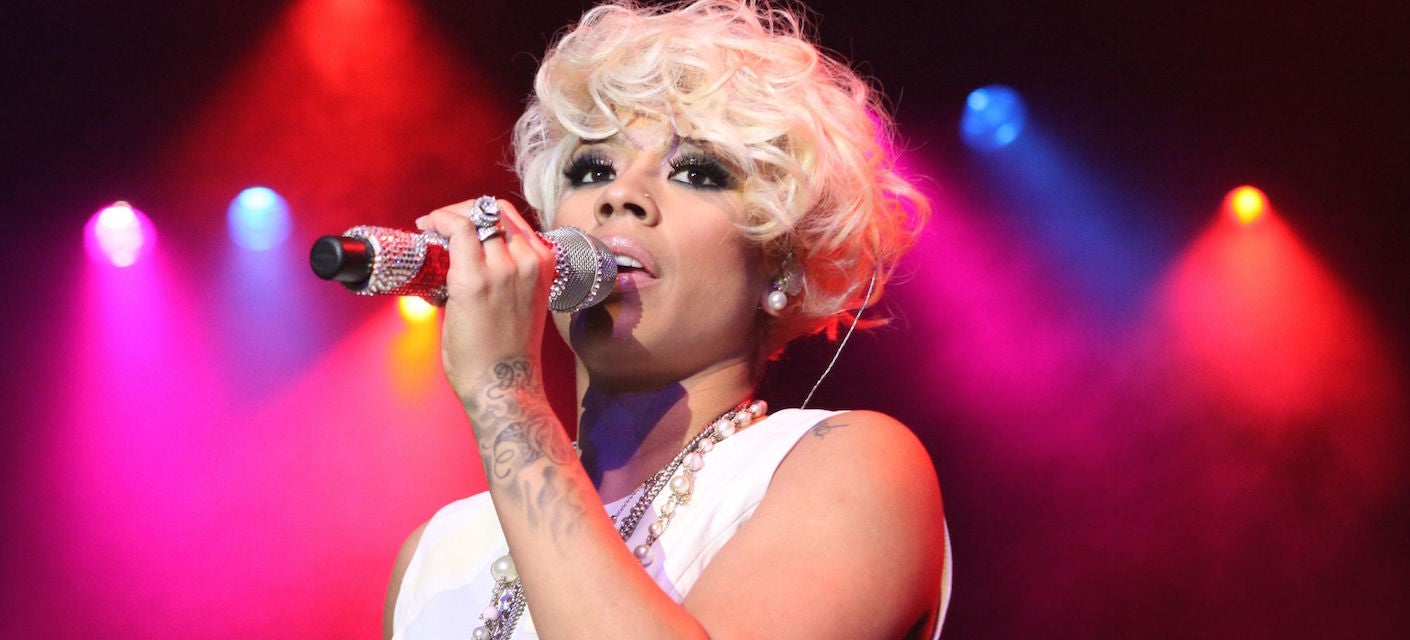
When Cole performs, you can see how the collection comes together. Neck, shoulder, and arm tattoos appear at different points depending on the outfit, but the overall effect feels layered rather than random. There is enough open skin for each tattoo to remain readable, and the black-and-gray work gives the collection a common visual language even when the subjects change.
Her left wrist initials are another good example. Cole has described the “KC” design as a personal statement, with a rose and clouds or smoke around the lettering. Some versions of the description mention flames as part of the surrounding design. Either way, the idea is simple: initials can be turned into a proper tattoo composition instead of looking like plain block letters.
She has also been reported to have a small teddy bear on the outside of her right ankle, inspired by a bear she loved. That kind of tattoo is easy to miss in event photos, which is probably part of its appeal. The ankle is a natural spot for a small character or symbol because it can stay private under trousers and still be shown when the wearer wants to share it.
Family-related ink shows up too, including a forearm piece connected with her firstborn son, Daniel Gibson Jr. The exact visual details are less consistently documented than the heart or neck tattoo, so it makes sense to keep the description careful. What is clear is the pattern: Cole’s collection keeps circling back to love, family, and the people who have shaped her life.
The Hunxho name tattoo and the later “Love” cover-up
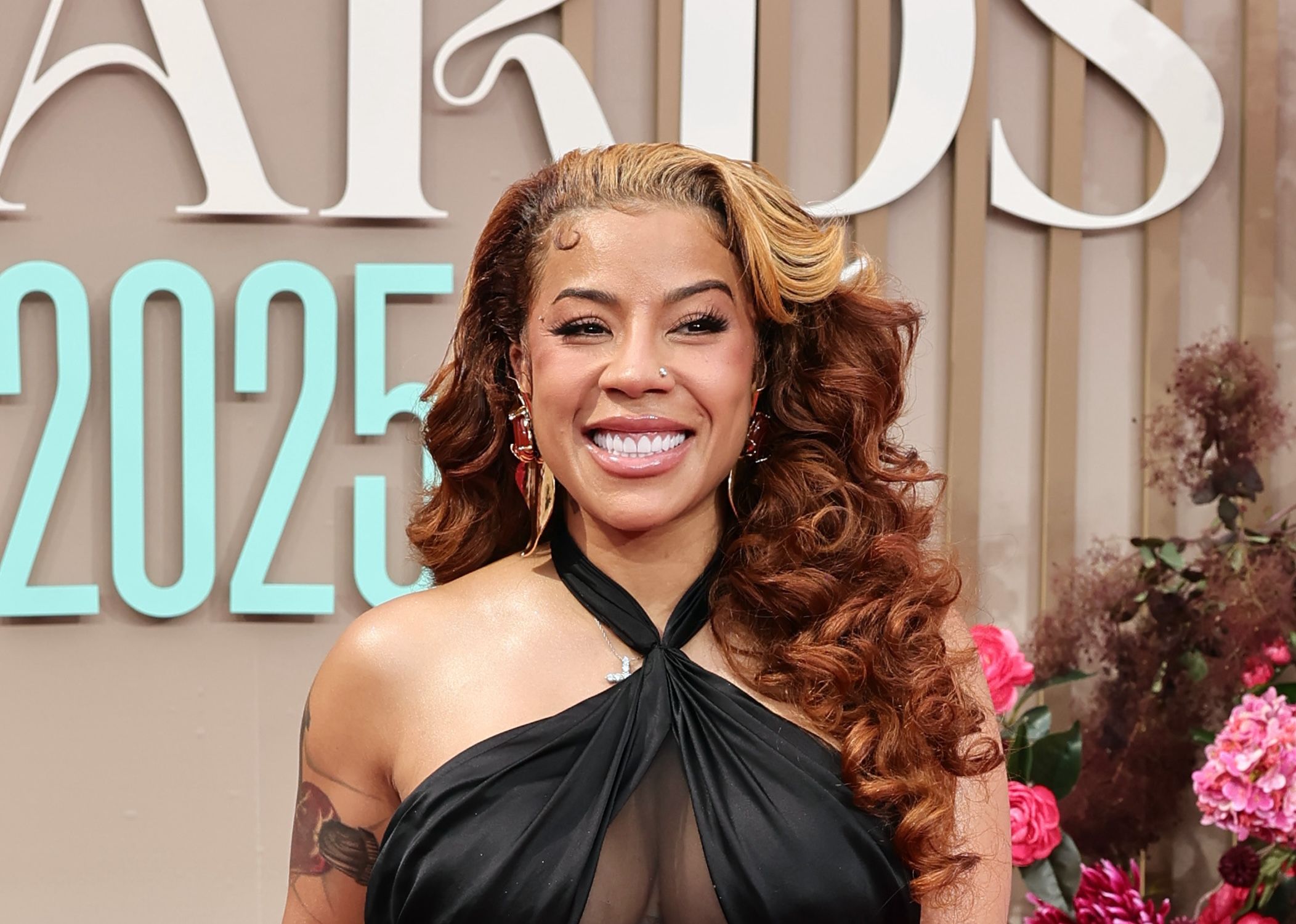
The most talked-about recent chapter in Cole’s tattoo history involved a name tattoo for Hunxho. In a 2025 interview, she confirmed that she still had the tattoo on her chest and said she wasn’t rushing to remove or cover it. The moment was unusually candid because the tattoo was tied to a relationship that had become a public conversation.
Later coverage showed Cole with a red “Love” design across the chest area, reported as a cover-up of the earlier name. That makes the tattoo a useful case study in how cover-ups actually work. The new design doesn’t have to pretend the old one never existed. It can acknowledge the same emotional territory while changing the message and the visual direction.
There is a practical lesson here too: names are high-stakes tattoos. Even when a relationship feels permanent, the tattoo is the part that stays after the situation changes. Cole’s story doesn’t make name tattoos automatically wrong, but it does show why people often choose a cover-up that speaks to themselves rather than keeping someone else’s name at the center.
The reported “Love” design is also a smart cover-up concept because the word is broad enough to work on its own. It can refer to self-respect, family, music, faith, or a relationship. That’s a lot more flexible than another person’s name. If you are considering a cover-up, a word with room for your meaning to change can be a better long-term choice than a design that locks you into one old story.
How to borrow the useful ideas
Cole’s collection gives you several directions to play with. A large arm piece can carry a layered symbol like the heart and stake. A small neck tattoo can hold a short phrase. Initials can be softened with a rose, smoke, or clouds. A favorite animal can become a tiny ankle tattoo that feels personal without needing a dramatic reveal.
The common thread is specificity. “A heart tattoo” is a starting point, not a finished idea. What kind of heart? What should it sit beside? Do you want the design to look sweet, damaged, dramatic, or calm? Cole’s arm tattoo works because the stake, star outline, and shading turn a familiar symbol into something with its own shape.
Placement should follow the idea. A short message can work behind the ear or along the neck if you want it close and easy to hide. A detailed image needs a flatter, wider area such as the upper arm or forearm. Small ankle tattoos can be charming, but they need strong outlines because that area gets a lot of movement and friction.
And if the meaning is changing, don’t rush the cover-up. Cole’s shift from a partner’s name to “Love” shows how much better a design can feel when it gives the wearer their own center of gravity again. A good artist can help you preserve what still matters, hide what no longer fits, and build a piece that looks intentional instead of simply placed over old ink.
A quick guide to the main Keyshia Cole ideas
If you want the short version, these are the pieces and themes that come up most often in reliable coverage:
- Heart and stake: a large upper-arm design connected with love and faith.
- Have Faith: small red heart and script near the right side of the neck.
- KC initials: wrist lettering surrounded by rose, smoke, clouds, or flame details.
- Family references: smaller pieces tied to her children and the people close to her.
- Teddy bear: an ankle tattoo inspired by a bear she loved.
- Relationship ink: a Hunxho name tattoo that was later discussed alongside a reported “Love” cover-up.
What makes the collection memorable isn’t just the number of tattoos. It is the way the meanings keep changing as Cole’s life changes. The older pieces still belong to her, even when the circumstances around them are different. That’s probably the best takeaway for anyone planning a tattoo: choose something that can keep meaning something to you, even after the original moment has passed.
For a tattoo artist, that leaves plenty of room to work. The reference can be traditional, fine-line, script, illustrative, or completely custom. The important part is knowing what the design needs to say, where it needs to sit, and whether you still want to see it five years from now. Cole’s tattoos are personal without being locked into one look, and that is exactly why they keep giving people ideas.
Concert style and placement
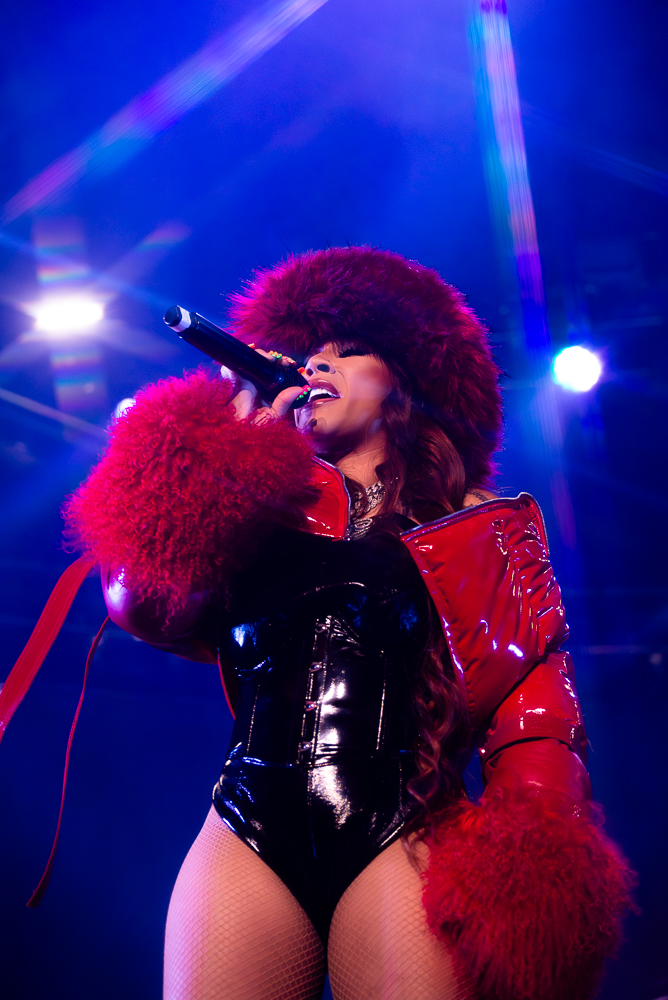
Her live-show styling also makes the placement choices easy to see. Some pieces disappear beneath sleeves or a neckline, while others become part of the look when she performs. That push and pull is useful if you want ink that can be shown on your terms.