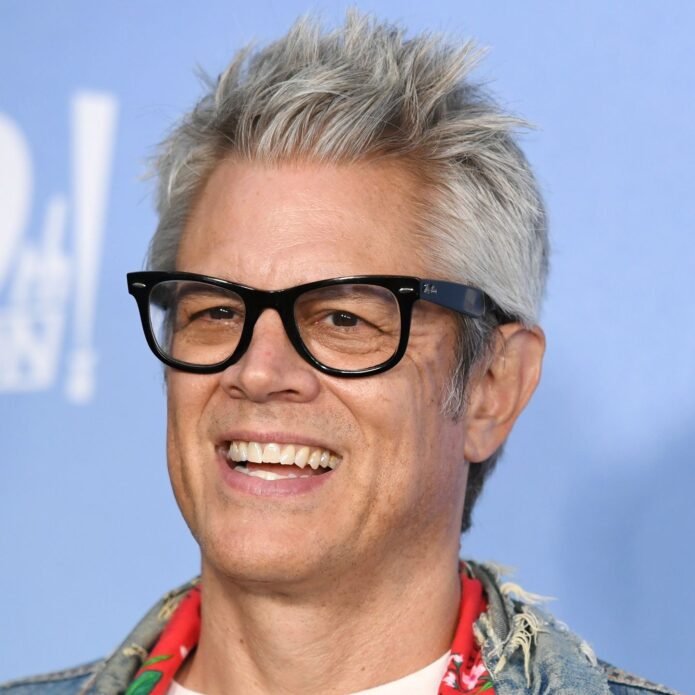
Johnny Knoxville’s tattoos share the offbeat humour of Jackass, but the collection includes family pieces as well as jokes. Documented designs include a blue cursive “Madison” across his left chest, a Wawa logo on his shoulder, a globe with three stars on his inner right wrist, and a small tattoo based on a drawing by his son Jack.
Older references also mention tattoos on his back and right shoulder, along with a “Leon” design that may have been removed. Photos don’t always show those marks clearly, so it helps to keep the well-documented pieces separate from the uncertain ones.
Madison is the most personal name in Knoxville’s collection
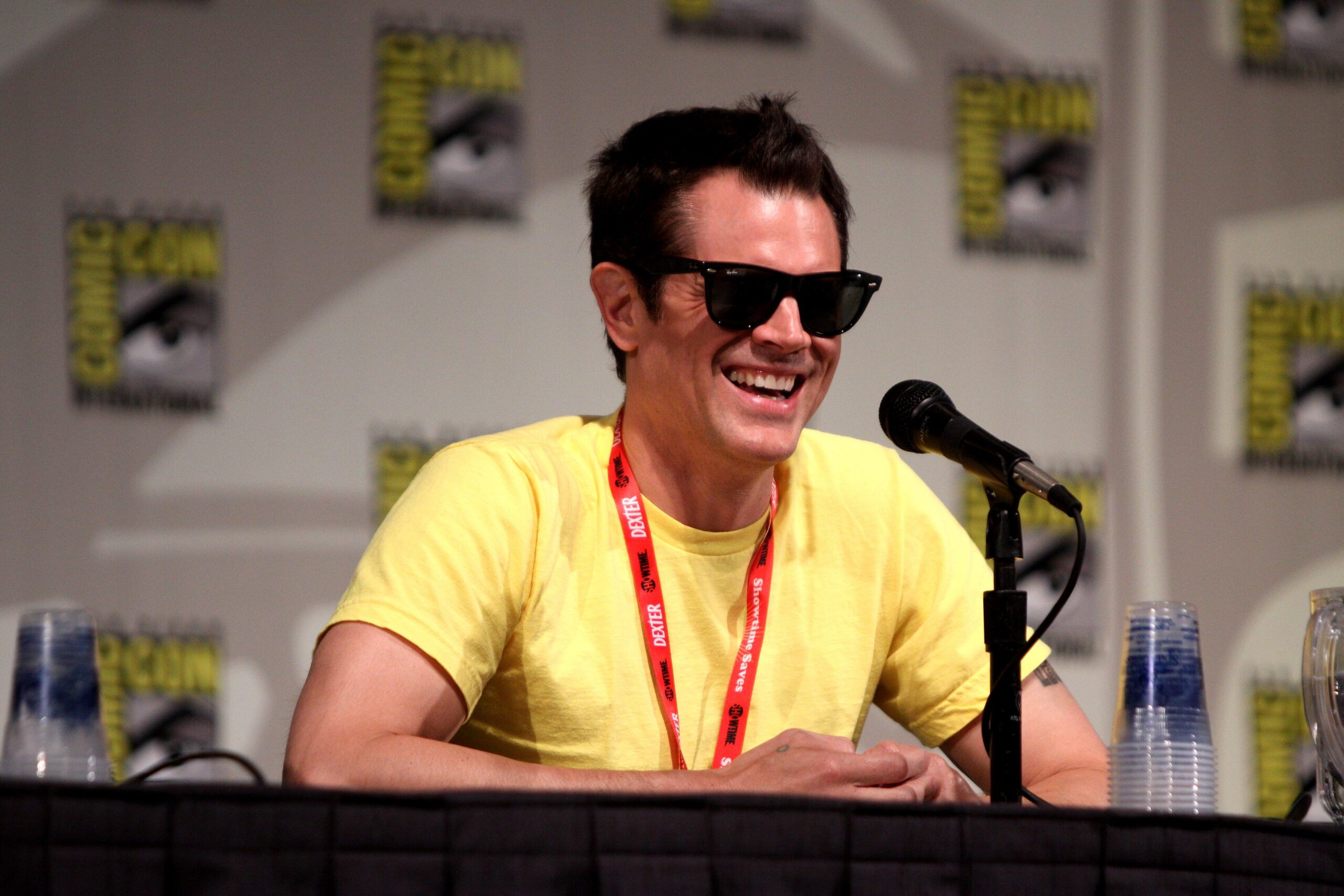
The clearest family tattoo in Knoxville’s collection is the blue cursive name “Madison” across his left chest. Public tattoo references link it to his daughter, Madison Clapp, who was born in 1996. The name is simple, but its placement keeps it close rather than tucked away on a wrist or ankle.
There’s no complicated story needed for a name tattoo: it marks a relationship. Knoxville is known for the reckless stunts and dry humour of Jackass, while the Madison tattoo shows a family dedication. Both sides of his public life are on the same body.
The script is usually described as blue and cursive, which distinguishes it from the smaller symbols elsewhere in the collection. Clothes and body position can partly hide it in photos, but the name is consistently identified.
It also shows that Knoxville’s tattoos aren’t all stunts or jokes. One of his most visible pieces honours his daughter; the humour in other designs doesn’t make them meaningless.
He wears his daughter’s name in blue ink across his chest.
The Wawa shoulder tattoo is exactly as strange as it sounds
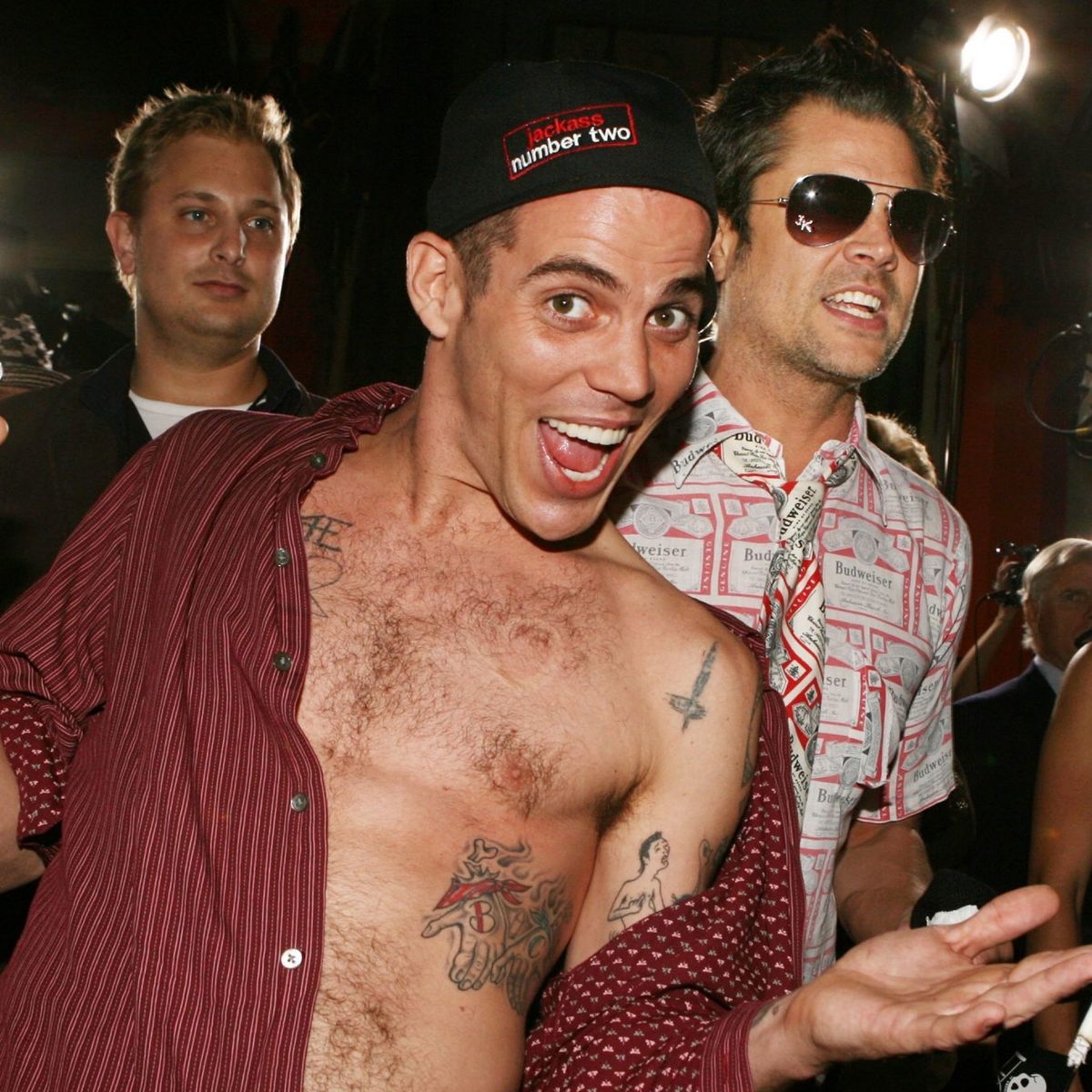
Knoxville is also known for a Wawa logo on his shoulder. The convenience-store tattoo became part of Jackass lore because it turns an everyday brand into permanent body art. It has been linked to the crew’s time filming in West Chester, Pennsylvania. One tattoo artist’s post says he did the piece roughly 24 years earlier.
The logo is funny, but it also recalls a place and a period in the crew’s life. Knoxville made a passing joke into a tattoo and kept the memory on his shoulder.
Brand tattoos can look different as the years pass. The Wawa logo is memorable partly because it sits outside Knoxville’s other public work, and partly because it fits his willingness to commit to a bit.
Not every tattoo needs a deep explanation. This one is specific: a convenience-store logo from a time and place associated with the crew.
It’s visible without dominating the collection. Madison’s name is on his chest; Wawa is on his shoulder.
The globe and three stars sit on his inner right wrist
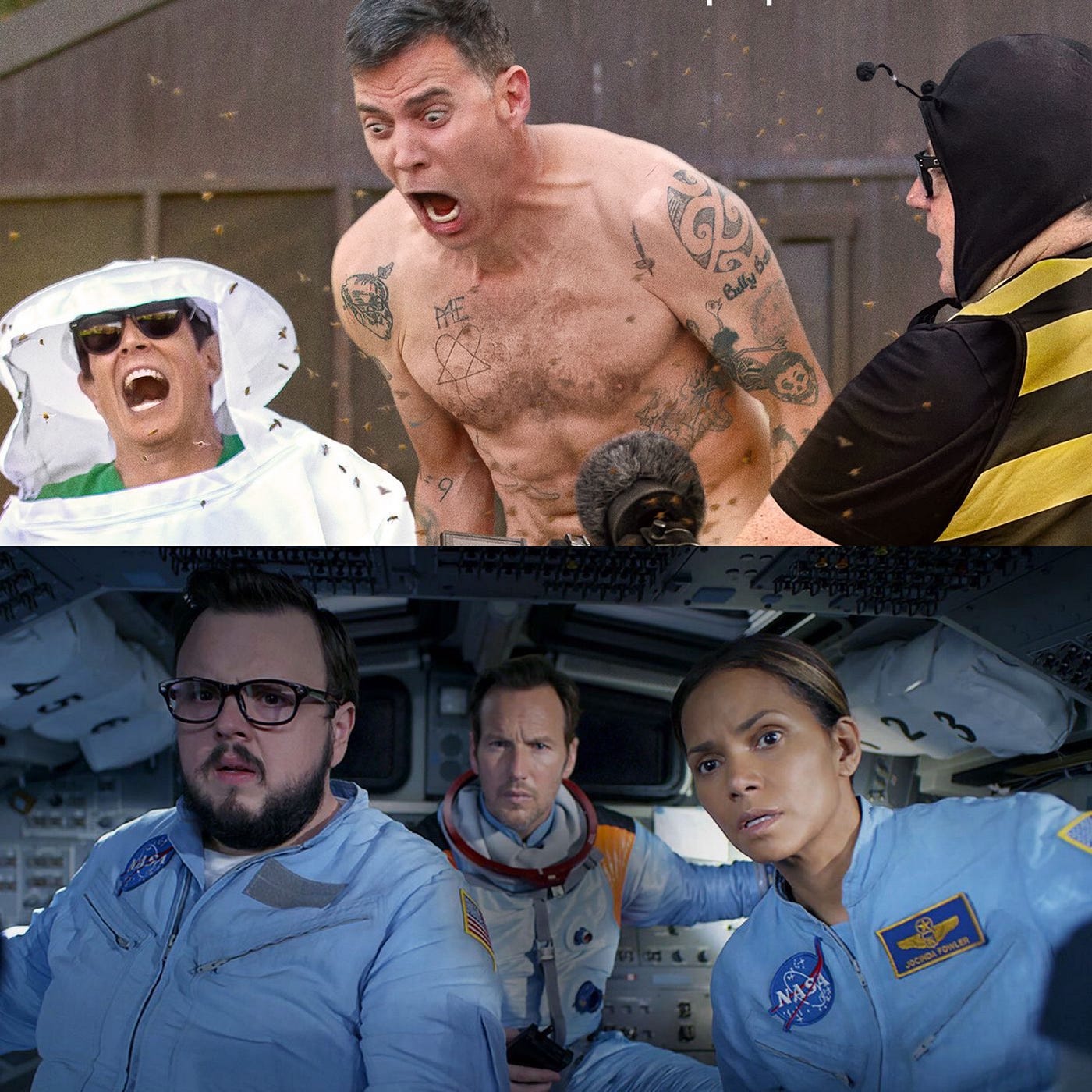
Older tattoo references describe a globe with three stars on Knoxville’s inner right wrist. It’s smaller and more graphic than the Madison name or Wawa logo. A watch or sleeve can cover the wrist, which may help explain why the design appears less often in photos.
The globe is easy to identify, but the public descriptions don’t give a confirmed meaning. It may relate to travel, a worldview or simply an image Knoxville liked. Sources place the three stars alongside it but don’t establish every detail of the design.
That uncertainty is worth keeping. Without Knoxville’s explanation, it’s safest to describe a globe and three stars without assigning them a story.
The wrist placement is less showy than the Wawa tattoo. A shoulder logo can be shown as a punchline; the wrist piece is easier to keep out of view.
Alongside Madison’s name, the globe shows the range in Knoxville’s collection: one tattoo names a person, another uses a small image and stars.
A drawing by his son Jack became another family tattoo
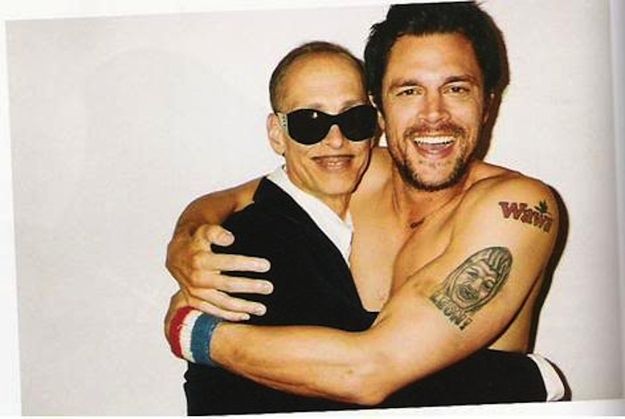
Another documented piece on Knoxville’s upper left arm is based on a drawing by his son Jack. Reports say the tattoo was done at Southside Tattoo in Austin. Its importance comes from who drew it, rather than from the image being a familiar symbol.
Photos don’t always show the design clearly. What’s been reported is that Jack’s drawing became permanent ink on his father’s upper left arm. The story behind the image is clearer than the image itself.
Madison’s name and Jack’s drawing are two different ways Knoxville has put family into his tattoos: one is lettering, the other a child’s artwork.
A child’s drawing can be uneven or unexpected. The tattoo keeps it that way instead of turning it into a polished emblem.
It’s a small piece, but the connection is easy to understand. It came from his son.
The other shoulder and back marks are harder to date
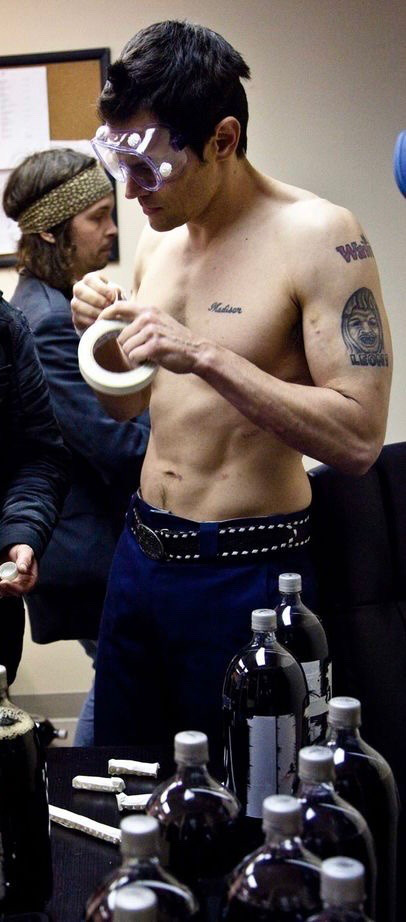
Older galleries and fan discussions mention other tattoos on Knoxville’s back and right shoulder. They suggest his collection extends beyond the Madison name, Wawa logo, globe and stars, and Jack’s drawing. Many of the photos are cropped, blurry or undated, so they don’t support a complete inventory.
One tattoo-tour discussion mentions a “Leon” design and suggests it may have been removed. That remains uncertain without a clear current photo or Knoxville’s own account. Older images can be hard to compare after fading or removal.
Some small marks on the right shoulder could be separate tattoos or parts of a larger design. The available photos don’t make that clear, and there are already several confirmed pieces to describe.
Because Jackass is known for spontaneous stunts, it’s easy to assume every tattoo was a dare. The Madison name and Jack’s drawing show that family is part of the collection too. Some pieces are jokes; others have a more personal source.
What Knoxville’s tattoos say about the Jackass years
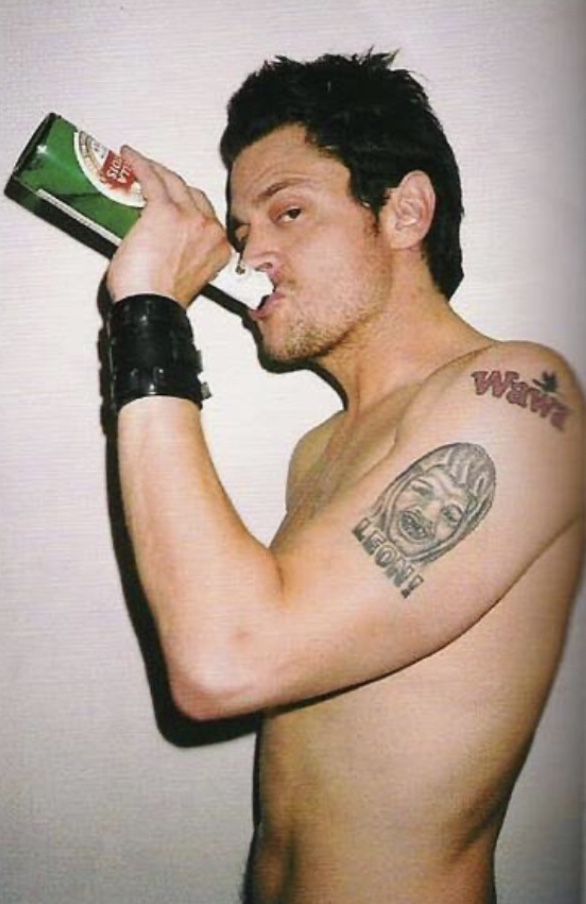
The Wawa logo is a small time capsule. It connects Knoxville to a place, the Jackass crew and a particular joke. The story helps explain why he chose an ordinary store logo.
The family tattoos tell a different story. Madison’s name and Jack’s drawing make clear that Knoxville’s ink isn’t one long prank. The collection moves between jokes and family.
The globe and stars add a design whose meaning hasn’t been explained, and the “Leon” tattoo may have been removed. Tattoos can fade, be covered or disappear from view under clothing, so old photos don’t always show what’s there now.
There isn’t one signature style to Knoxville’s collection. It includes his daughter’s name, a Wawa logo, a globe and stars, a child’s drawing and other marks that are harder to document. It reads more like a record of family and jokes than a coordinated portfolio.
Watch the Johnny Knoxville and Steve-O tattoo story
This clip features Knoxville and Steve-O in the Jackass world behind many of the stories connected to his tattoos.