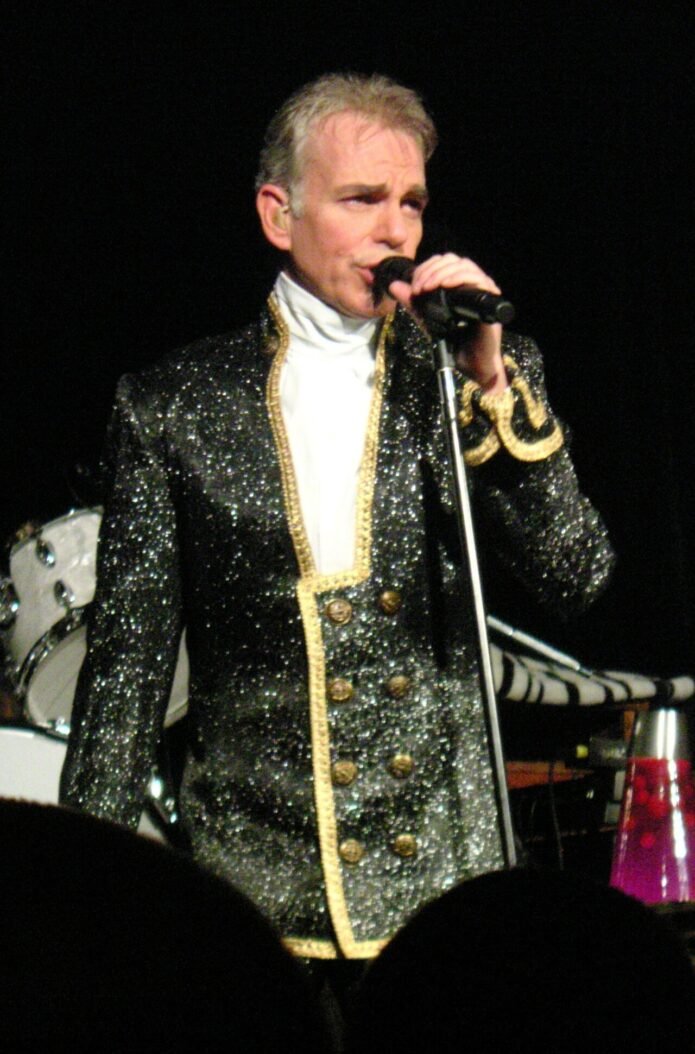
Thornton’s tattoos span several decades. His first piece, a small heart and arrow, dates to 1973; later work includes a cross, an Om, family names, a mushroom linked to the Allman Brothers and an Alamo tattoo tied to a film. Thornton has explained some designs himself. Others appear in photographs and references where the design is visible but its meaning is unclear.
Jolie’s name tattoo is often mentioned alongside Thornton’s, but they were on different bodies: she wore his name on her arm; he had a separate tattoo connected with her, which he later covered. The cover-up changed what his later photographs showed.
The heart and arrow was Thornton’s first tattoo
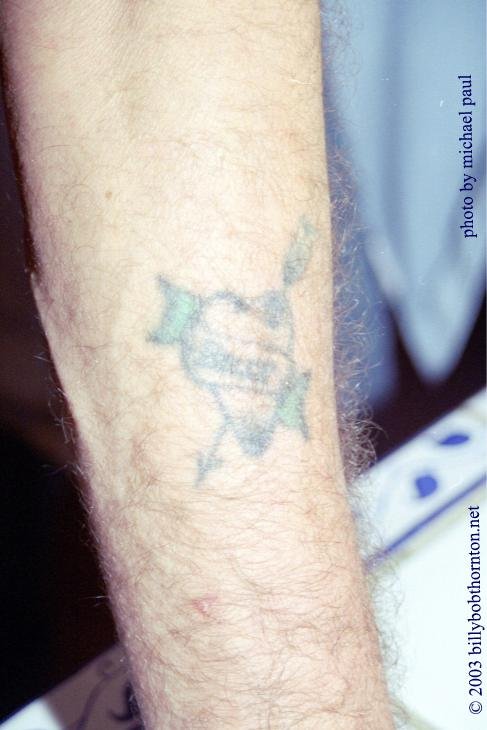
Thornton’s first tattoo was a heart and arrow on the outer right forearm, chosen from flash in 1973. Vanishing Tattoo records it as the starting point and preserves an image of the design. The lines have softened with age; it is a piece he has worn for decades.
The heart is sometimes read as a clue to Thornton’s later relationship tattoos, but its documented story is simpler: it was his first. Its forearm placement also makes it easy to see in short sleeves and in photographs of his arms.
Cross, Om and family names appear on his arms

Tattoo references place a winged cross on Thornton’s right arm and an Om on his left, dated to 1999 in some published lists. A separate Bella tattoo refers to his daughter, Connie Angland. The cross and Om are recognizable symbols; Bella is a family name.
Photographs do not always show every line clearly. Sleeveless portraits can reveal the arm placement while hiding the lower edge, and close views can distort scale. The cross is on one arm, the Om on the other, with family lettering among the smaller designs.
The names add a quieter note to the collection. They sit alongside larger images without competing with them, and remain legible even in older, lower-contrast photographs.
The Allman Brothers connection behind the mushroom tattoo
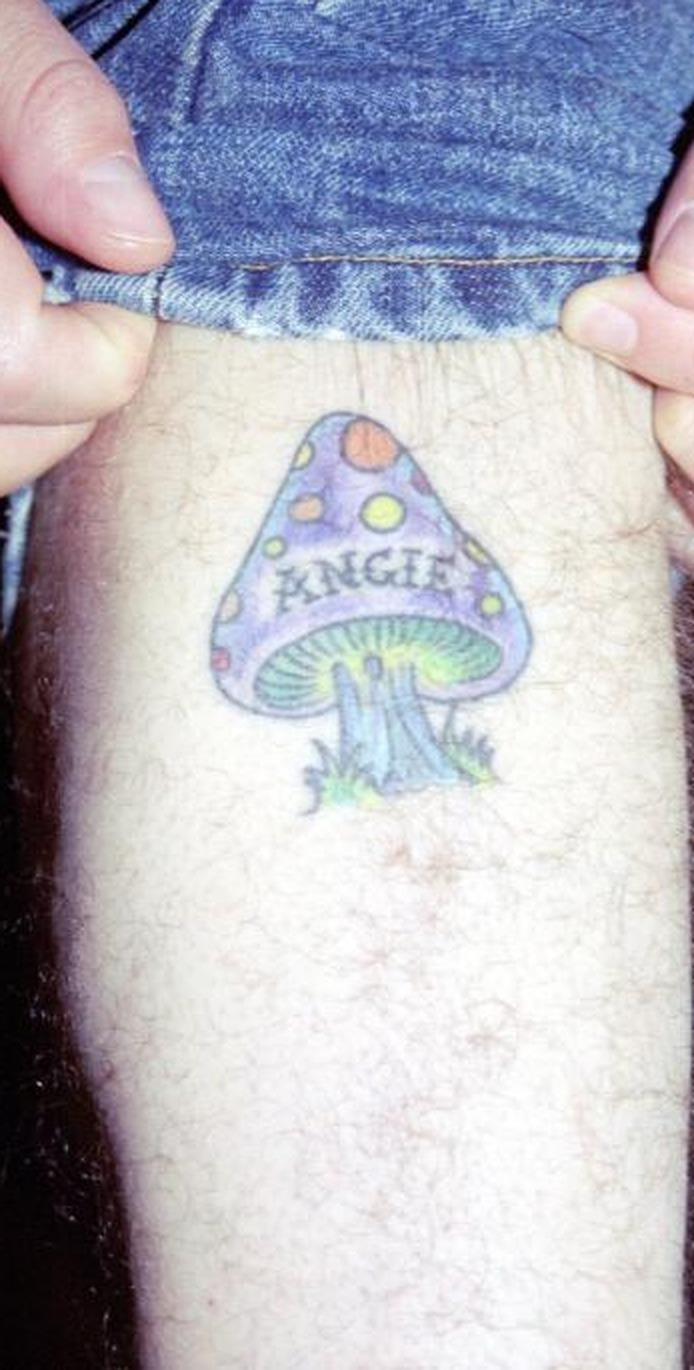
Thornton has described a magic mushroom tattoo on his calf and connected it to the Allman Brothers, noting that the musicians had similar mushroom tattoos. Music Recall Magazine preserves his first-person account, giving this design a clearer story than its shape alone could.
Leg tattoos are easy to miss in interviews, when trousers cover them and photos show only the upper body. Thornton calls it a calf tattoo; if a particular photo does not show the side clearly, the placement is best described as lower leg.
A personal reference can stay private until an interview gives it context. Thornton’s Allman Brothers connection is one of the meanings he has shared directly.
The back lettering and Alamo tattoo connect family and film
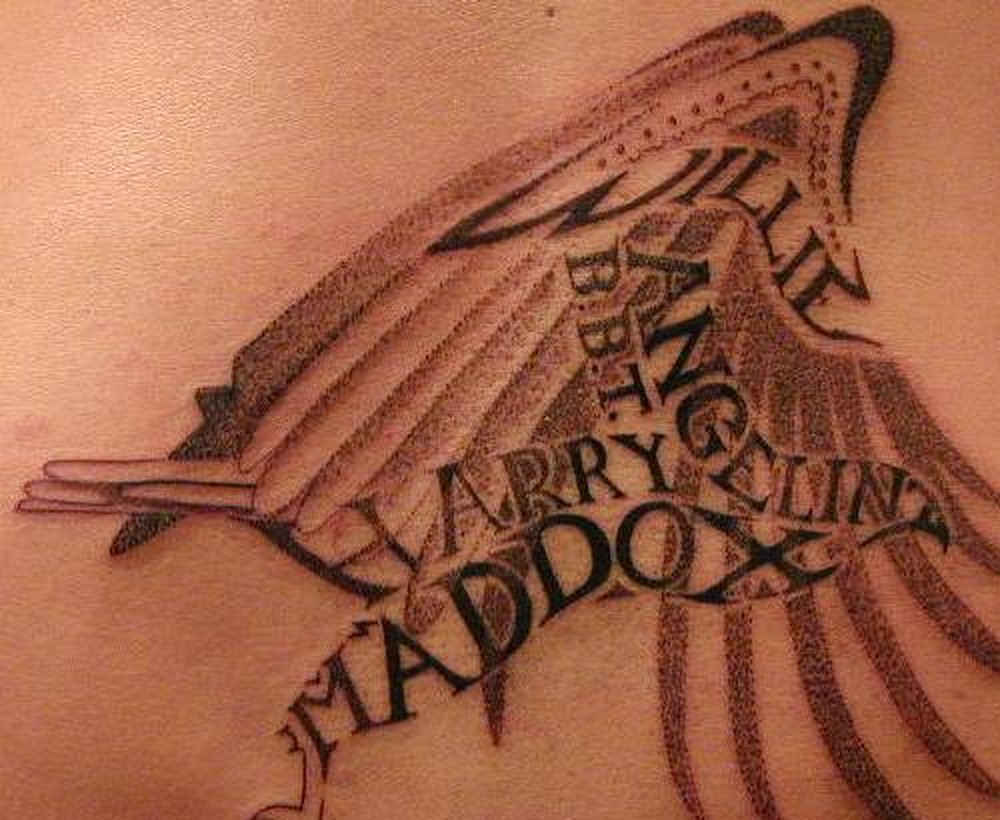
Thornton’s back has been described as carrying family names and other work by tattoo artist Daemon Rowanchilde. UPI reported that Thornton and his Alamo co-stars got tattoos in Texas after filming. Thornton also discussed a Texas flag on his back with the words Remember the Alamo. Together, the reports connect the back work with family and a film memory.
The available photos do not make every line of back lettering clear enough to transcribe. The Alamo story is supported by reporting, but a distant image cannot confirm every word.
Jolie and the arm tattoo Thornton later covered

In 2003, the Irish Examiner reported that Thornton covered an arm tattoo connected with Angelina Jolie. Jolie’s own former Billy Bob tattoo was on her body. The two tattoos are separate: his was a cover-up, while hers was his name on her arm.
What the photographs can show
Thornton’s tattoo collection includes an early heart, arm symbols, family lettering, an Allman Brothers mushroom, back work and an Alamo connection. Interviews and contemporary reports provide the clearest meanings; photographs show placement and appearance, but not every date or private reason.
The stories do not all have the same shape. The heart goes back to 1973, the mushroom has a music connection Thornton shared himself, and the Angelina-related tattoo is known through its cover-up. Family, music and film all appear in the collection, without one symbol explaining the rest.
4 thoughts on “Billy Bob Thornton’s Tattoos Tell Stories in Hearts, Ink and Memory”