Shemar Moore’s tattoos mark different parts of his life rather than one planned sleeve. He has linked a lion to a childhood trip with his mother, an eagle to his career and the lettering across his back to people he admired. In 2025, he added two half sleeves that include tributes to his daughter Frankie and his late mother. The newer work extends the collection; it does not replace those earlier pieces.
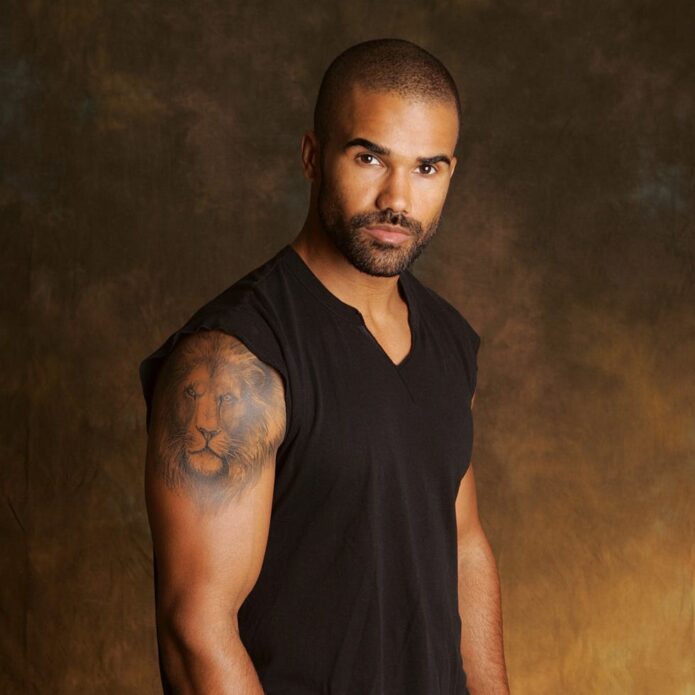
The tattoos can be hard to make out in photos. One shoulder portrait shows the lion from a distance; a CBS still crops close on the forearm eagle; and a People photograph gives a rare front-and-back view of the back piece. Each image shows a different tattoo, and the details below follow Moore’s comments or what the photo makes visible.
The lion on his shoulder began with a childhood safari
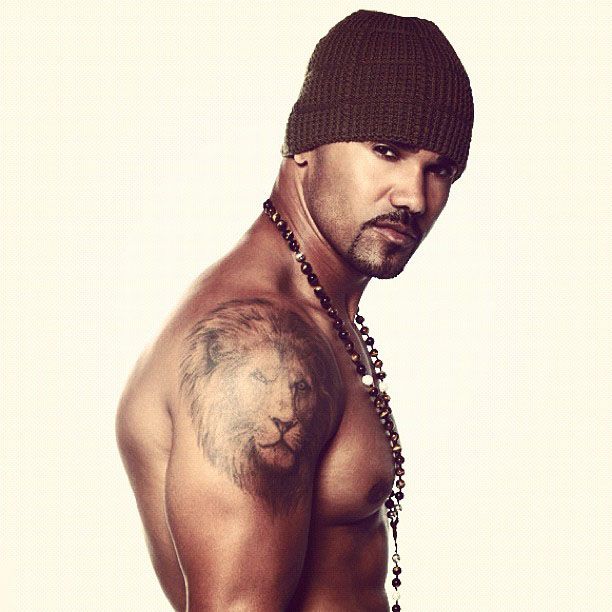
Moore has described the lion on his shoulder as a memory from a trip to Ghana with his mother. He told People he was four when they went on safari and became captivated by the animal. He later connected the lion with strength and with how he wants to show up for the people he loves. That explanation comes from Moore himself, not a stock meaning assigned to a lion tattoo.
In the portrait, the tattoo sits high on Moore’s shoulder and upper arm, where the rounded shape of the body gives the lion’s face a broad area of skin. The studio-style photo confirms the subject and placement, but it is not a close-up. Lighting and distance soften the fine lines; Moore’s interview supplies the personal context.
The story is unusually specific. Moore did not just say he likes lions or that the design stands for courage. He tied it to a childhood encounter with his mother and said the fascination stayed with him as he grew older. The tattoo carries a family memory as well as a personal emblem, rooted in one trip rather than a general idea of strength.
Moore’s interview records what he said the lion meant to him then; it does not make the tattoo a permanent summary of his personality. The photo shows where it sits, and his words explain why it mattered. Nothing in the account defines what the design means to him today.
The S.W.A.T. eagle marks a career turning point
The eagle on Moore’s left forearm is tied to S.W.A.T. In a 2018 CBS interview, he said the role inspired the tattoo, though the bird meant more to him than television branding. He associated it with rising, reaching and continuing to work toward a goal. The CBS still gives a close look at the forearm, where the eagle’s spread wings fill most of the frame.
The eagle marked a specific career moment: becoming the lead of a major show after decades in the business. Moore described the opportunity as an achievement and said he was grateful for it. In his account, the tattoo also stands for persistence and possibility beyond S.W.A.T.
Moore has said the eagle was not just for his S.W.A.T. character; it also reflected his outlook beyond the show. That distinction is easy to miss when the role dominates the story. Because CBS recorded his comments at the time, there is more to the design’s meaning than later guesses in tattoo lists.
The CBS still shows the eagle’s placement and dark outline, but crops off its lower edge. It documents the tattoo during the S.W.A.T. period, before Moore revealed much fuller sleeves years later; it cannot map every design now covering his forearms.
Carpe Diem spans the upper back with portraits in the lettering
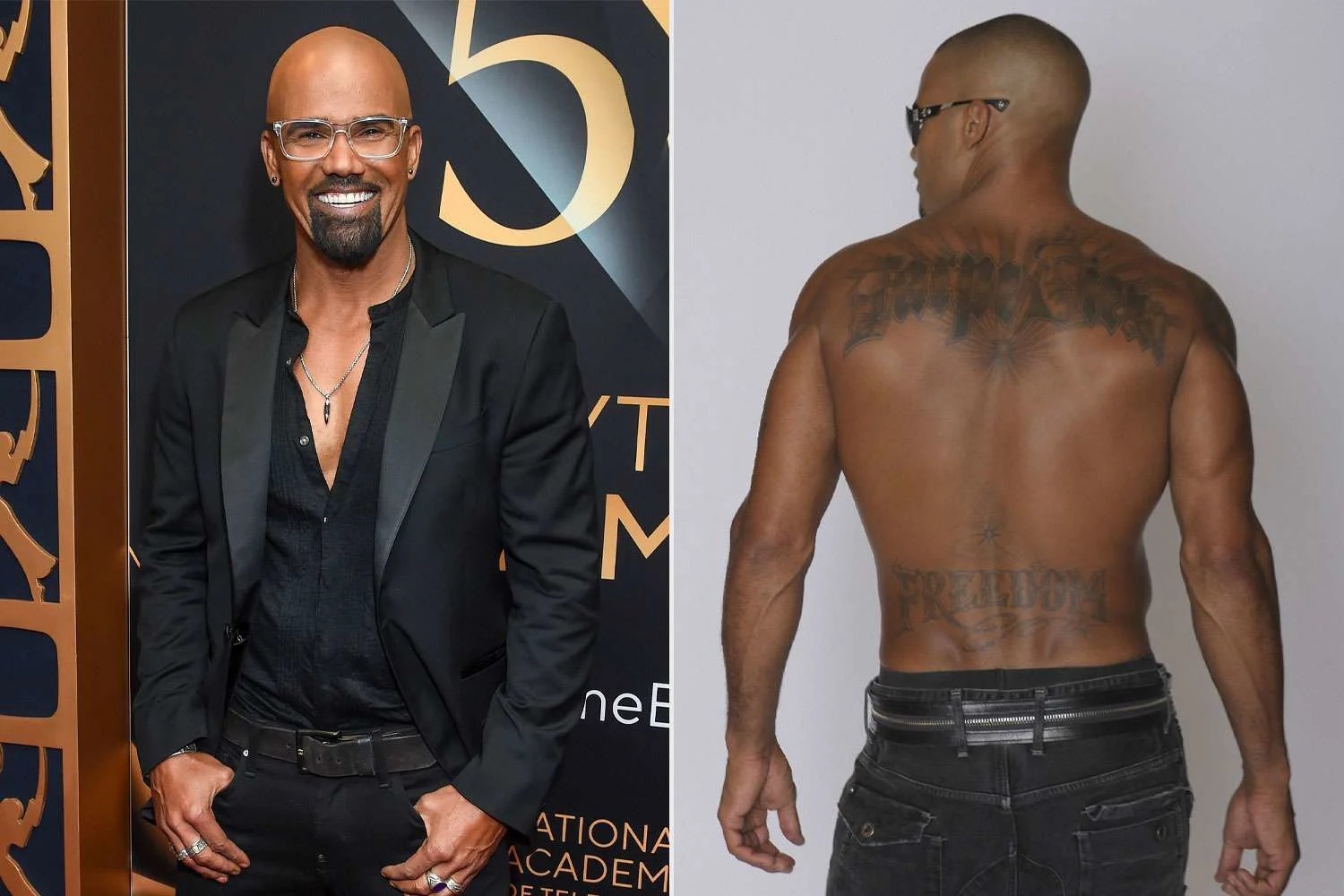
Moore’s largest older piece is the “Carpe Diem” lettering across his upper back. On X, he explained that the phrase means “seize the day,” and said portraits of Barack Obama, Martin Luther King Jr. and Malcolm X appear within the letters. People reported his view that the choice was not simply political. A paired photo shows the design across his shoulders, though the dark exposure makes the small portraits harder to distinguish.
Moore has called the three men among his heroes. Their portraits sit inside the letters, so the back reads first as a broad phrase and then as a collection of figures. The available photograph is soft and low in contrast; Moore’s description, rather than the image alone, identifies the portraits.
People also reported a second word, Freedom, across Moore’s lower back in its 2024 account. The available photo does not show it clearly, so the reported location is all that can be confirmed visually.
There is a clear difference between the phrase’s literal translation and its personal context: “Seize the day” is straightforward Latin, and Moore has named the men as heroes. The sources do not establish one political or biographical message for every part of the design. His interview explains his respect for them; photos show the scale and placement.
Later sleeves add family tributes without changing the older stories. Moore kept adding tattoos after those three. In 2025, he showed two nearly finished half sleeves made over four sessions with tattoo artists Saul Lira and Orks. Parade reported that one arm honored Frankie and his late mother Marilyn; the other represented his career and persistence. The descriptions included Frankie’s name and portrait, a butterfly, a flower, and the phrases Self Made and Live Laugh Love. These pieces extend the collection without changing the stories behind the lion, eagle or back lettering.
Moore said the two sleeves contained almost twenty pieces after four sessions. That is a count for the 2025 project, not an official total for every tattoo he has had. A single sleeve photo can show several designs, while a news story may count each one separately. Older interviews mentioned six tattoos at an earlier point; both counts describe different moments.
The lion is tied to a childhood trip with his mother, the eagle to work and ambition, and the back piece to a motto and historical figures he admired. The newer sleeves add family and career imagery in greater detail. Taken together, the tattoos read like chapters added over time, not one fixed visual theme.
The older pieces are easy to place: the lion sits on Moore’s shoulder, the eagle runs along his left forearm, and “Carpe Diem” crosses his upper back. His interviews supply the stories behind each one, while the 2025 sleeves add a separate layer of family and career imagery.
2 thoughts on “The Personal Stories Behind Shemar Moore’s Tattoos”