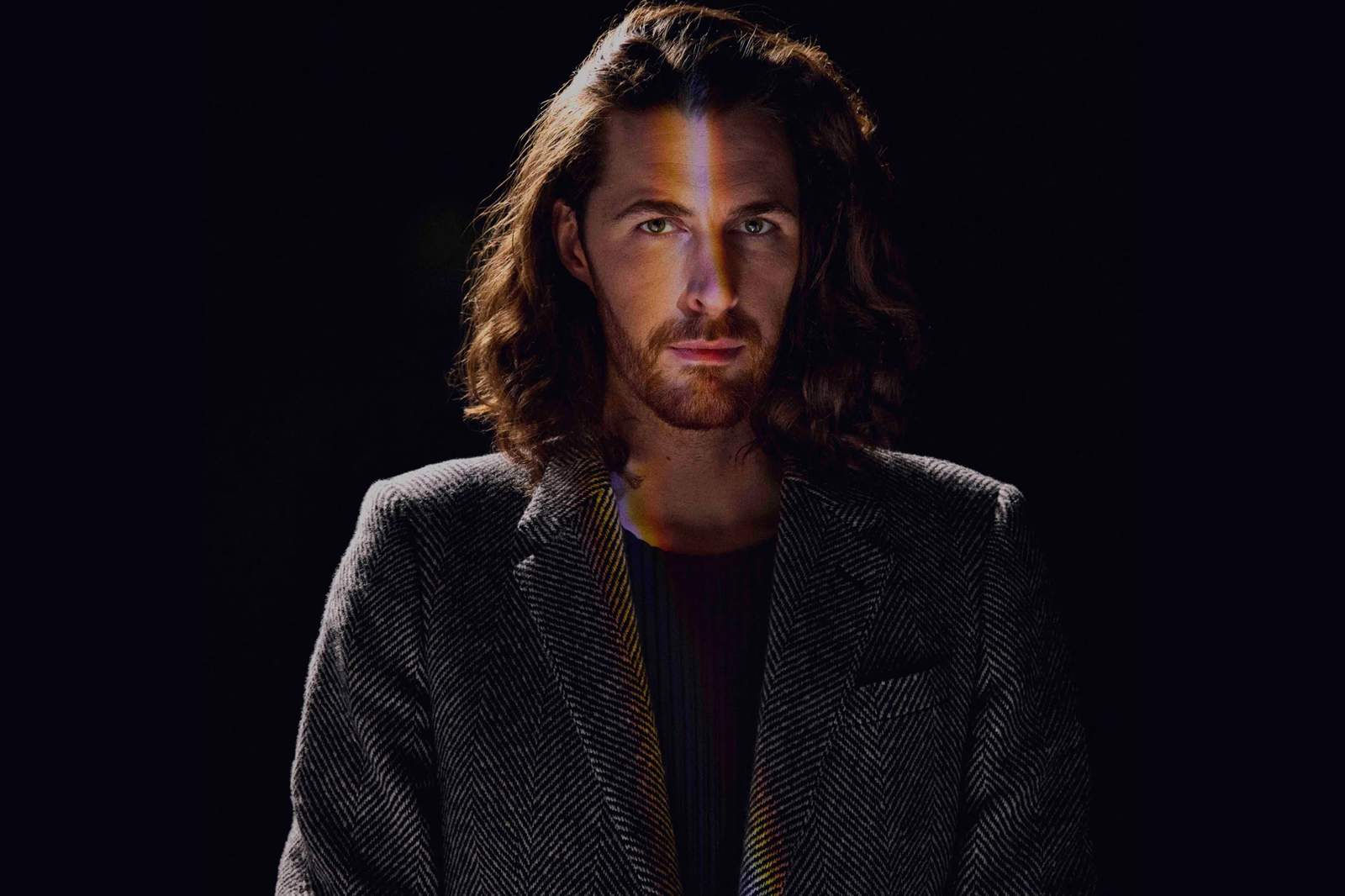
Hozier’s tattoos are small in number, but both have stories that reach well beyond the lettering on his skin. He has spoken about two Latin phrases: “Noli timere,” connected to poet Seamus Heaney, and “sine qua non,” which he got with his father and brother. One is tied to a line from a poet’s final days; the other marks a family occasion.
The clearest public view is of “Noli timere” on Hozier’s left arm. He has also explained how the tattoo came about and why its source matters to him. The second phrase is documented in his own account too, although its exact placement and appearance have not been publicly established in the same way. That distinction matters: the story is well documented, but not every detail people might want to know is.
“Noli timere”: the words on Hozier’s left arm
“Noli timere” is Latin for “do not be afraid.” Hozier has identified it as the last words Seamus Heaney sent to his wife, Marie, in a text message before he died. The phrase is brief, but its meaning is inseparable from that account. It is not simply a line Hozier borrowed from a poem or a lyric from one of his own songs; it is a message associated with a real, intimate moment in Heaney’s life.
Hozier has said he is a devoted reader of Heaney, and the poet’s attention to place, memory and the natural world has often been discussed alongside Hozier’s writing. That broader literary connection helps explain why this particular phrase stayed with him. Still, Hozier’s explanation is the strongest guide to the tattoo’s meaning: he chose the words because of their source and the emotional weight he attaches to them.
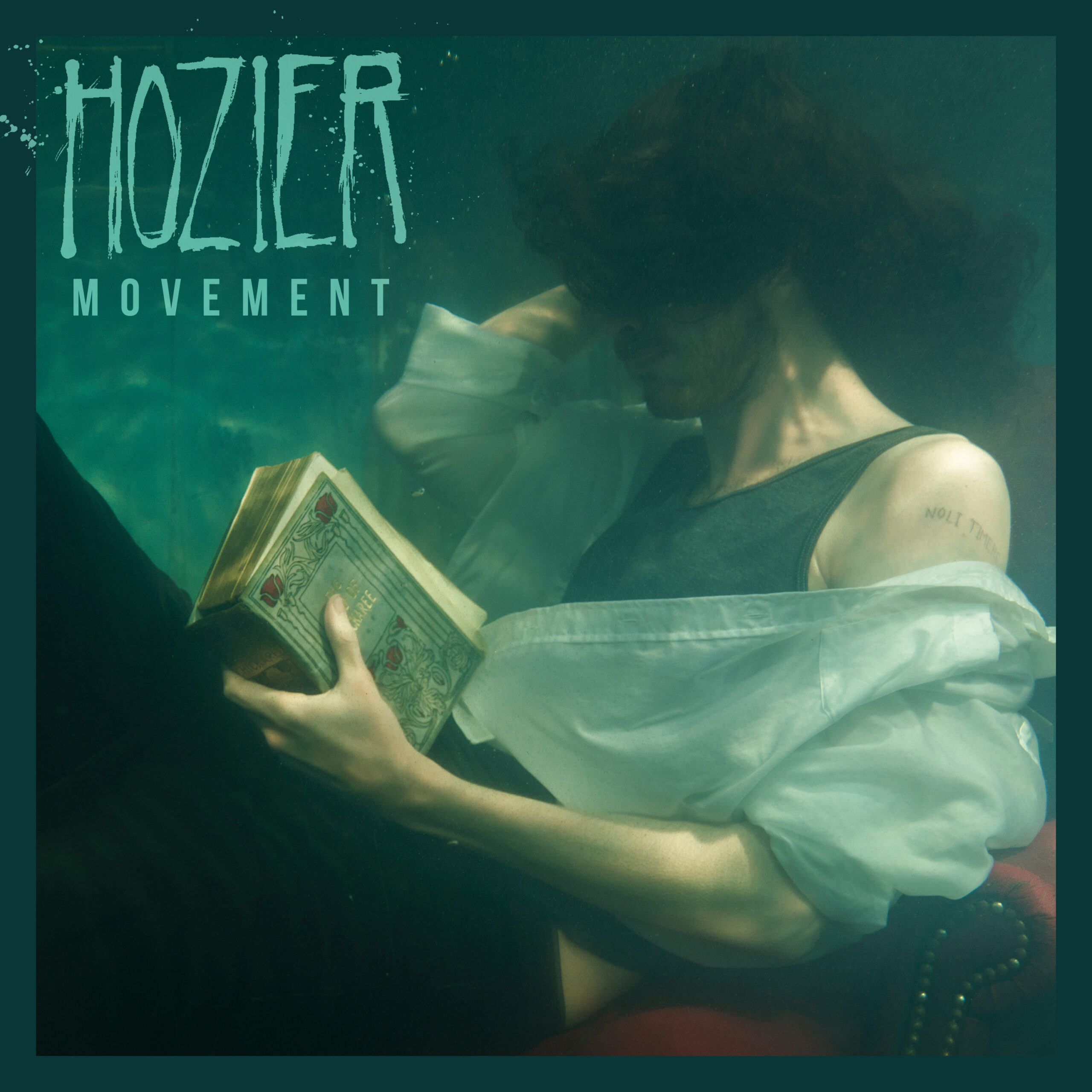
The placement is on his left arm, as he has stated in an interview. The Movement single artwork offers a particularly clear public glimpse of the lettering near his shoulder. It is a useful visual reference, but it should not be mistaken for a full account of the tattoo’s design. Hozier has not, in the interviews reviewed here, described a detailed font, exact dimensions or a formal design process. The visible image supports what can be said plainly: it is a small text tattoo, and the words are legible in that artwork.
There is also a personal detail in how he got it. Hozier said the first tattoo was done by Stevie Appleby, a close friend who is a writer, musician and artist. It was a stick-and-poke tattoo, made during Hozier’s first tour. After he returned home, he and a friend spent a long evening doing another tattoo with a needle, thread and ink. In a separate Q&A, he described choosing someone he liked for a mark intended to stay with him. His account makes the occasion feel personal and informal, not like a planned celebrity tattoo reveal.
That origin is part of the story, not a reason to romanticize the technique. Hozier was describing a memory with a friend; he was not offering a how-to or recommending an approach. The lasting significance he describes comes from the people and words attached to the moment. The tattoo’s appeal is in that personal chain of meaning: a friend made it, the phrase came from Heaney, and Hozier chose to carry it with him.
A phrase from Heaney, not a Hozier lyric
It is easy for a fan to connect any meaningful line on a musician’s skin to their songs. Here, though, Hozier has explained a different source. “Noli timere” comes from Heaney’s message to his wife. It is not identified as a lyric, an album title or a line Hozier wrote. Keeping that distinction clear makes the story more interesting, not less: the tattoo points outward to a poet whose work mattered to him.
The phrase also carries two tones at once. On its own, “do not be afraid” can sound like a simple note of encouragement. Knowing the circumstances Hozier described gives it a much more specific tenderness. It was a message between partners, remembered after Heaney’s death. Hozier has called the story beautiful and tragic, and that balance is central to why the phrase resonates.
There is no need to turn that into a grand claim about what the tattoo means in every part of Hozier’s life. He has shared the source and his response to it; anything beyond that would be interpretation. The most accurate reading is also the most human one: he admired Heaney, the story of the message moved him, and he chose to keep those two Latin words close.
Movement as a visual frame
The Movement artwork is one of the strongest visual records because the phrase is visible on Hozier’s shoulder while he reclines beneath the water holding a book. The image places the tattoo in a striking, dreamlike scene, but the art direction does not change the tattoo’s documented meaning. It is still Heaney’s phrase, and Hozier’s account remains the source for why he chose it.
That cover image is also why the tattoo is sometimes described as being on his shoulder, while Hozier has referred to it more generally as being on his left arm. The two descriptions are compatible: the image shows the lettering high on the arm near the shoulder. A photograph can help locate a tattoo, but it cannot establish every detail about when it was made or what it means. For those, Hozier’s own interviews provide the clearest account.

A family milestone behind “sine qua non”
Hozier has also said he has a second small Latin tattoo: “sine qua non.” He got it with his brother and father to mark his father’s 60th birthday. That shared occasion gives the phrase a different kind of meaning from “Noli timere.” One is linked to a poet and a message to a spouse; the other is tied to a family celebration.
Hozier glossed “sine qua non” as “without this, nothing follows.” The expression is also commonly used for something essential, or a necessary condition. His own wording is worth retaining because it is how he chose to explain it. The family context is equally important: the tattoo was not described as a private solo gesture, but as something he shared with his father and brother.
There is less public visual information about this tattoo. Hozier has confirmed the phrase and the occasion, but the sources reviewed here do not establish its exact placement, size, lettering or whether all three family members chose identical designs. So it is fair to call it a small Latin phrase tattoo and explain its birthday connection. It would go too far to assign it a precise location or claim that the three tattoos match.

A pair of personal stories
Put together, Hozier’s two confirmed tattoos make a compact pair. Both use Latin, but the available accounts connect them to different relationships. “Noli timere” carries the weight of Heaney’s final message to his wife and Hozier’s admiration for the poet. “Sine qua non” marks his father’s 60th birthday and a moment shared with his father and brother.
That contrast is more grounded than trying to build a larger tattoo mythology around him. Hozier has not presented himself as someone with a large, publicly catalogued collection of body art. In the interviews cited here, he speaks of two small tattoos. The record is specific, personal and limited. It is better to leave it that way than to repeat fan guesses as fact or mistake a fan’s tribute tattoo for one of his own.
The pieces are also different in how much viewers can verify. The words “Noli timere” can be seen in the Movement artwork, and Hozier has identified its location and origin. The second phrase is confirmed in his interview, but its appearance is not comparably documented in the sources consulted. That makes the two stories complementary rather than interchangeable: one can be followed through both words and image, while the other is best understood through Hozier’s explanation.

What is confirmed, and what remains unknown
The reliable outline is straightforward. Hozier has described two small tattoos in Latin. The first is “Noli timere,” on his left arm, made by his friend Stevie Appleby during Hozier’s first tour. He connected it to Seamus Heaney’s final message to his wife, Marie. The second is “sine qua non,” which he got with his father and brother for his father’s 60th birthday.
Beyond that, some details remain unconfirmed in the public accounts used for this guide. There is no dependable description here of the second tattoo’s placement or exact visual style, and no confirmed statement that the family members’ versions are identical. Hozier has not described a full catalogue of additional tattoos in these interviews. Those gaps are not invitations to fill in the blanks; they are useful boundaries for separating what he has said from what people might assume.
That is what makes the tattoos worth looking at. They are not presented as a set of elaborate designs or a changing collection. They are two small phrases with clear personal connections: one to a poet and a moving story, the other to Hozier’s family. The visible lettering on his left arm gives one of those stories a memorable image, while his own words preserve the context behind both.