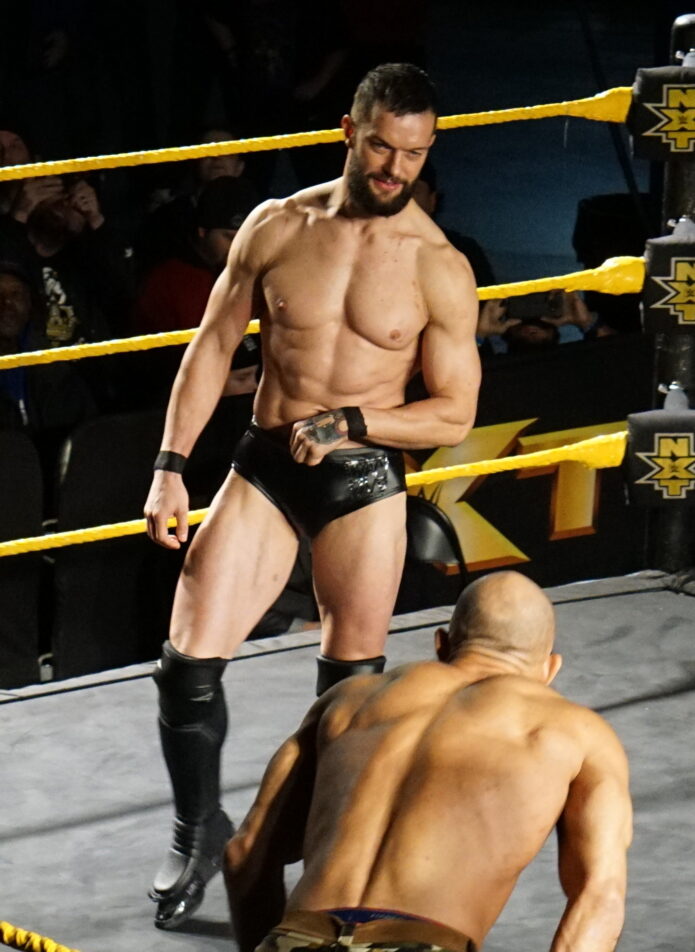
Finn Bálor’s tattoos started with a small astronaut on his hand and grew into a playful mix of drawings, plants, birds and personal lettering. Family and home show up in several of the stories he has shared. Photos show the shape and placement; Bálor’s explanation gives a tattoo its personal meaning.
The astronaut looking toward the moon
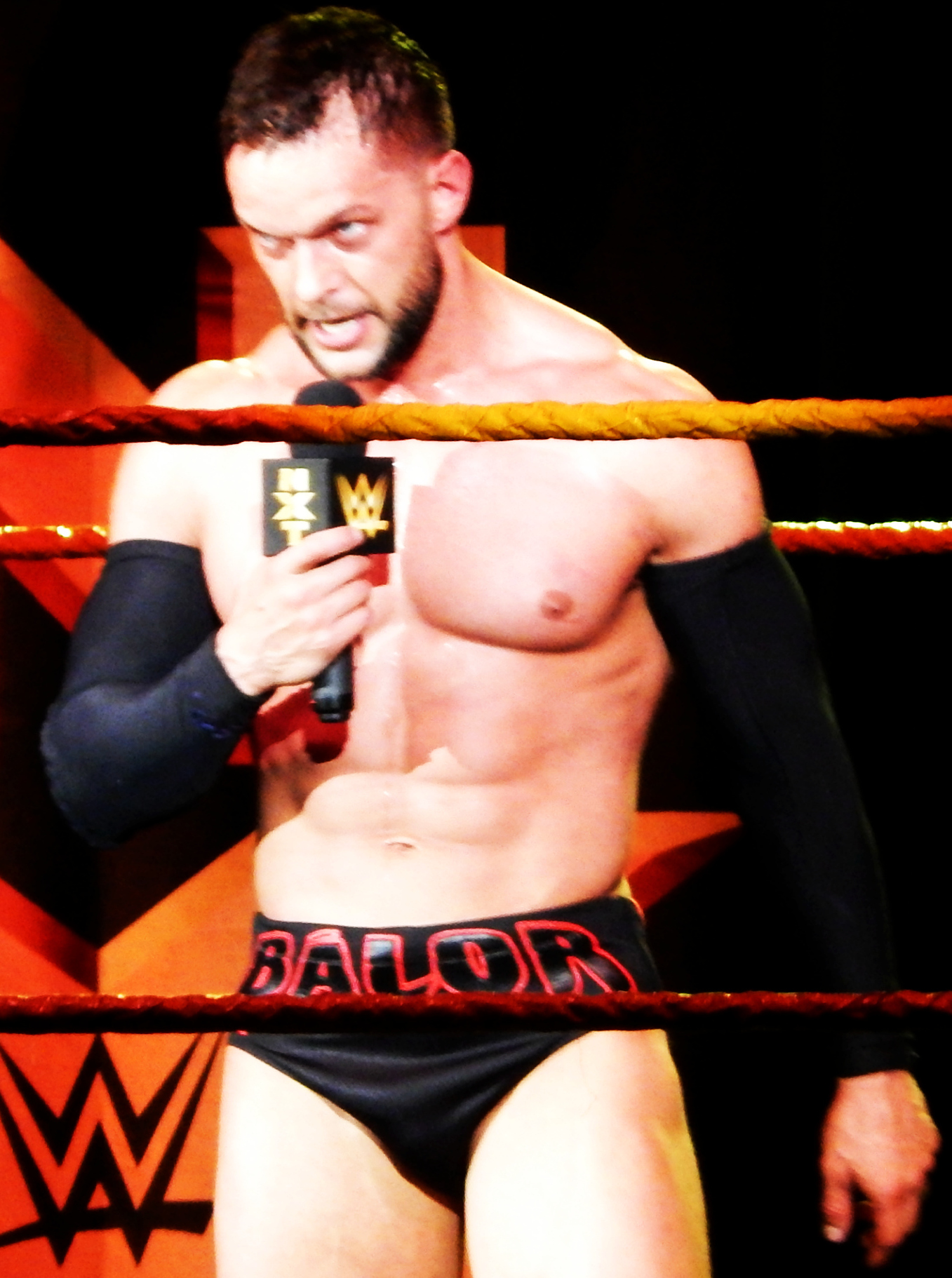
The little astronaut on the top of Bálor’s left hand is the design that started the public story of his tattoos. In a WWE feature, he described himself holding a space helmet and looking toward the moon. He linked it to the idea of “following your dreams.”
A hand tattoo is hard to hide during a match or interview, but this one is a compact, finely drawn scene. Early ring shots barely show it; a close-up brings out the moon, helmet and tiny figure. Bálor had thought about getting ink for years but worried he might change his mind. As he got older, he became less concerned about permanence, and the astronaut opened the way for a larger collection.
The dinosaur Veronica drew for him
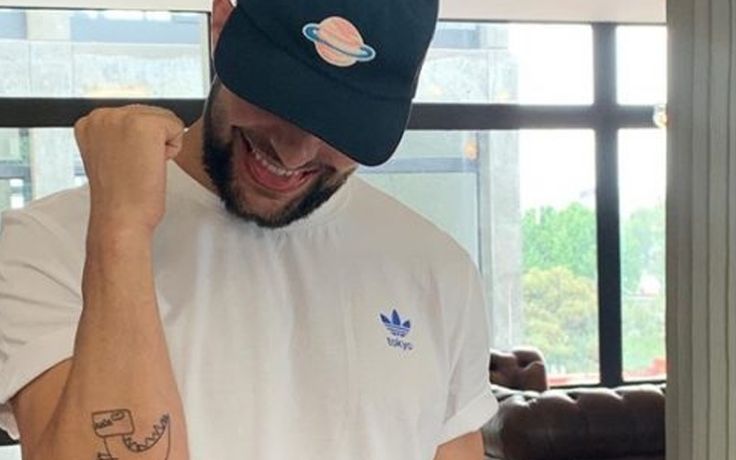
The cartoon dinosaur near Bálor’s right elbow was drawn by his wife, Veronica. He chose to have her doodle tattooed on his arm, keeping its oversized head and loose outline. Its charm is in that personal origin and sketch-like look.
The elbow bends around the design, so a still photo can flatten it; in a moving clip its shape reads more clearly. The astronaut is finely drawn, while the dinosaur has a looser, hand-sketched feel. That contrast adds to Bálor’s tattoo collection.
Dandelion, cactus and seagull beside the dinosaur
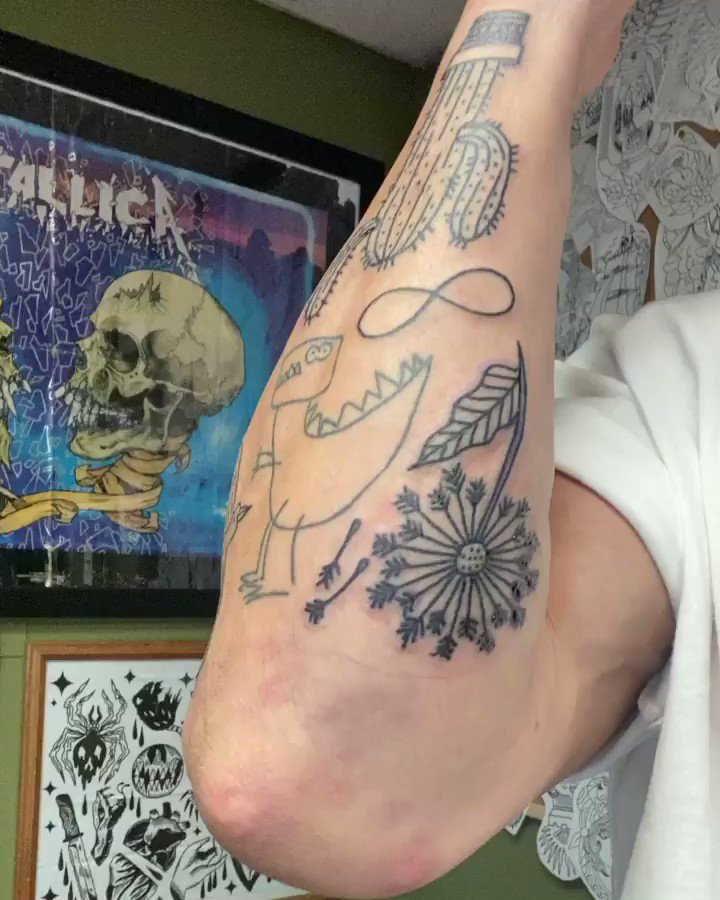
In August 2020, Bálor showed a dandelion, a cactus and a seagull beside the dinosaur. They sit close together on his forearm but read as separate doodles: a round seed head with fine lines, a short upright cactus and a recognizable bird. Together, they make that patch of skin look like a sketchbook page.
Bálor has explained the seagull: it represents his hometown, a small fishing village in Ireland. He hasn’t given the dandelion or cactus a separate meaning. The other two can simply be named and described as visible tattoos, without borrowing internet symbolism about wishes, resilience or survival.
The three additions came after the dinosaur and filled out the same arm. Their scale and linework work well together, but nothing suggests the whole forearm was planned as one composition. Of this group, the seagull is the only design Bálor has publicly connected to a specific meaning.
The matching date and coordinates with Vero Rodríguez
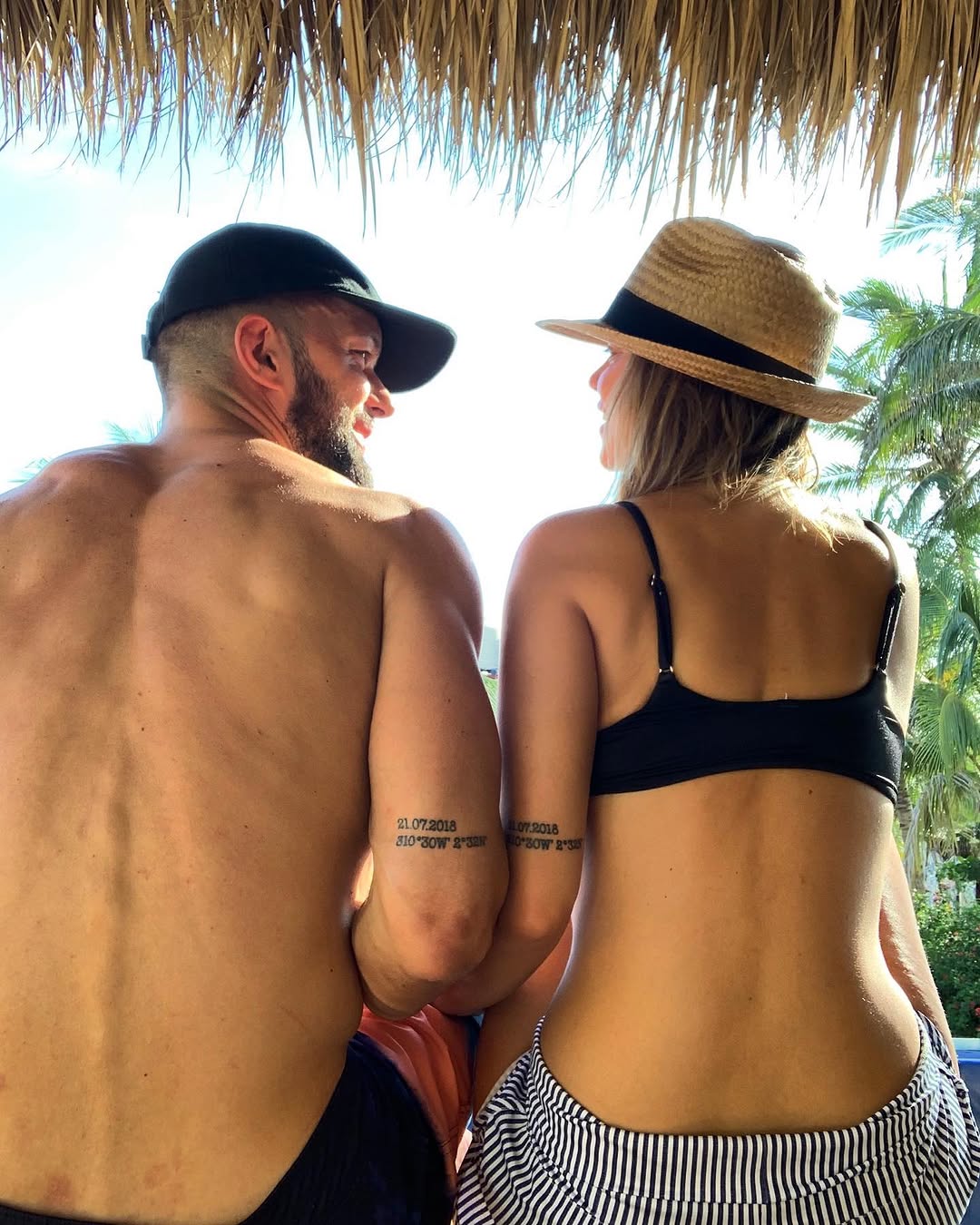
Bálor and Vero Rodríguez have matching tattoos on the backs of their arms, just above the elbows. The close-up shows a date and coordinates on each. The date reads 21.07.2018; the coordinate line is smaller, and some digits blur in compressed images.
Reports covered the matching ink in July 2019, before their wedding that August. Some linked the numbers to when and where the couple met, but Bálor hasn’t confirmed that. The reports don’t establish a specific anniversary or proposal; the exact reference remains theirs to explain. The writing is understated on the back of the arm, a different look from the cartoon designs.
His wife’s name on his hand
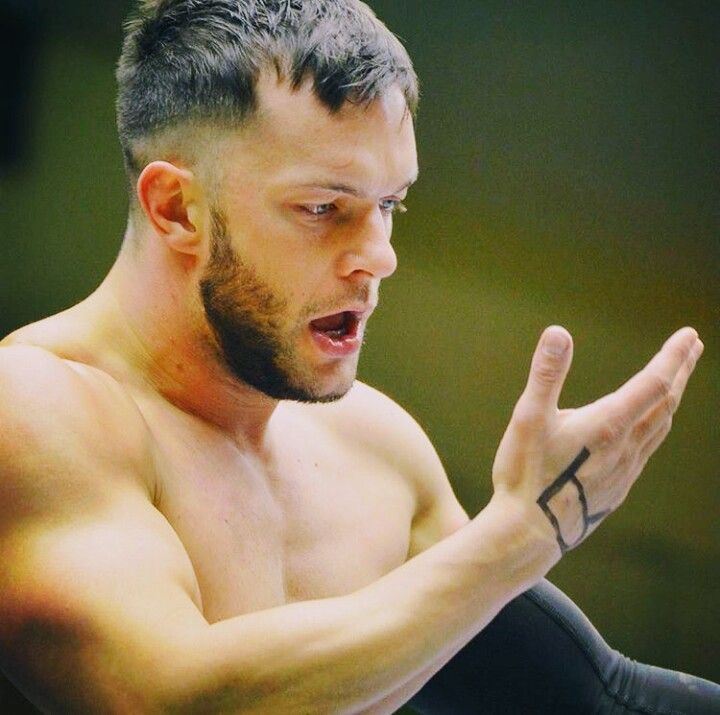
Bálor has also put his wife’s name on his hand. He calls it the tattoo that opened the floodgates: after getting it, he felt more comfortable adding other designs. It sits naturally in the timeline between the matching couple tattoo and the later illustrated pieces.
The photo shows where the lettering sits; Bálor’s comments explain why it mattered in the timeline. He chose his wife’s name and says that tattoo changed how readily he approached the next ones.
How the collection grew
Bálor has said he was artistic at school and nearly went to art college. He admired tattoos for years but hesitated, worried that his tastes would change after making a permanent choice. With age, he became more relaxed about it. That helps explain the mix on his skin: a dreamlike astronaut, Veronica’s dinosaur, a hometown bird, small plants and personal lettering don’t need to share one style.
Reports placed the matching date and coordinates in 2019; the astronaut and dinosaur followed that year, and the dandelion, cactus and seagull appeared the next summer. In 2021, Bálor described the collection as still growing, not as a finished sleeve. He may have added tattoos since then, so these public reveals aren’t a complete count of what he wears today.
What can be said with confidence
The stories Bálor has shared are the clearest ones: the astronaut is about pursuing dreams, Veronica drew the dinosaur, and the seagull points to his Irish hometown. The matching date and coordinates, along with his wife’s name, document relationship tattoos, though their exact private meaning hasn’t been confirmed. The dandelion and cactus are identifiable, but he hasn’t given them a meaning.
Together, they make a personal tattoo map: an astronaut on the hand, drawings down the forearm, his wife’s name and a shared date-and-coordinate design. The pieces don’t need one grand theme. Bálor has shared the stories behind some of them and left the others as drawings he liked enough to keep.