Musician Dorothy Martin has talked about religious imagery in her tattoos, ankle lettering and a sunset-and-flowers design she is having removed. She has also mentioned wanting a traditional Japanese-style sleeve; that plan is still ahead, not finished.
Photos show ink on her forearms, hands and lower legs, but not every mark is readable. Inked has reported names and placements that fill in some of the picture. Keeping those accounts separate from what the photos show makes the limits clear.
Dorothy Martin’s visible forearm and ankle tattoos
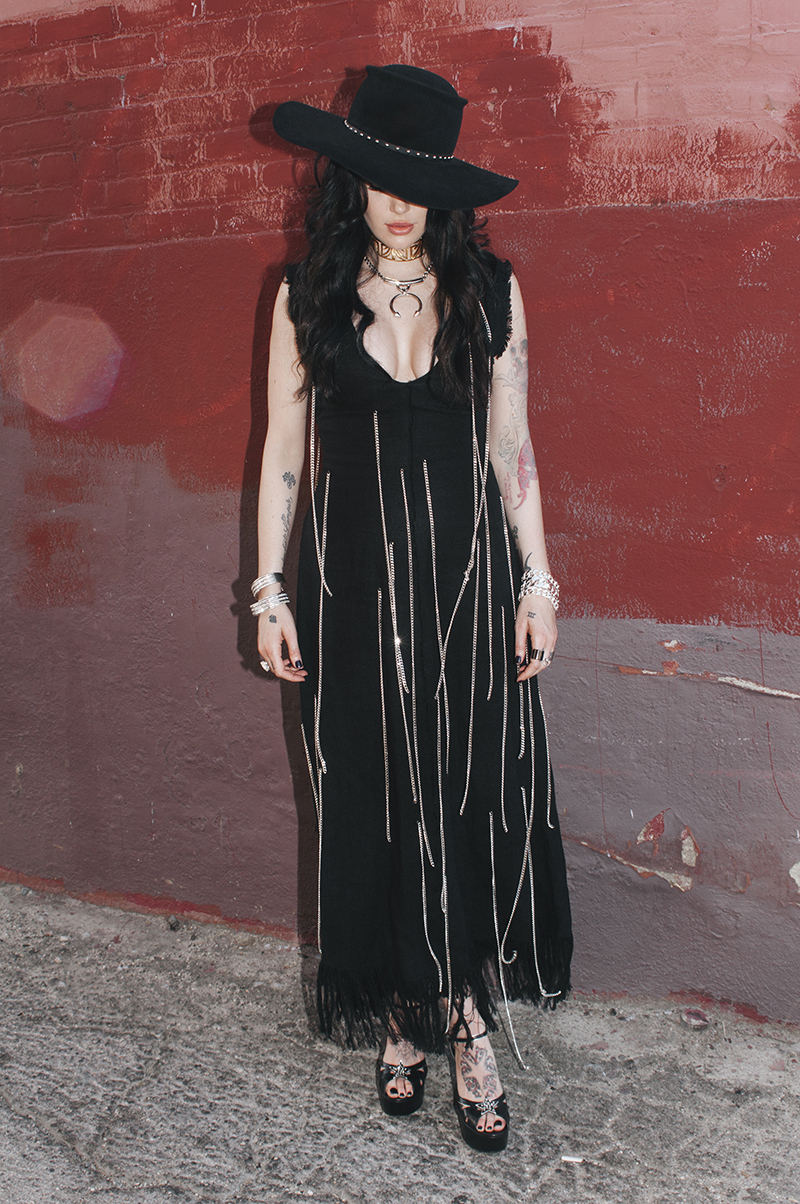
A full-body portrait shows tattoos across Martin’s forearms, hands and lower legs. It’s useful for seeing how widely the ink is spread, but it isn’t close enough to identify every small mark.
Inked has reported “Holy Ghost” lettering on her ankles, a Jesus tattoo behind her leather pants and angels on her back. The photo shows her ankle and leg ink in general; those specific names and placements come from the reporting.
The religious imagery she’s talked about
Martin has described an early sunset with flowers as a bad tattoo and said she has been lasering it away. She plans to cover that area with a sleeve. The cover-up is a larger project than a touch-up, and the new design will have to work with whatever ink remains.
She has mentioned traditional Japanese sleeves as a style she’d like to explore. Until the old tattoo is treated and a sleeve is actually done, that remains her intended direction rather than a completed design.
The old design she plans to cover

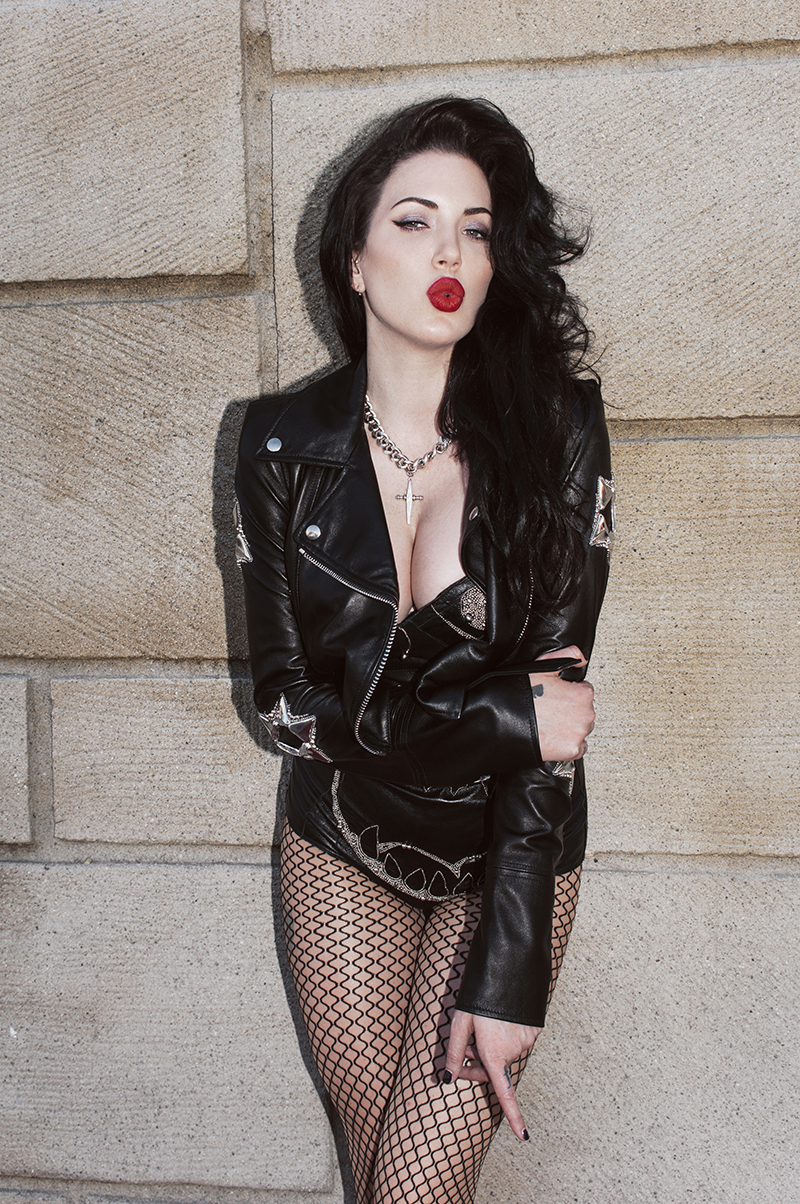
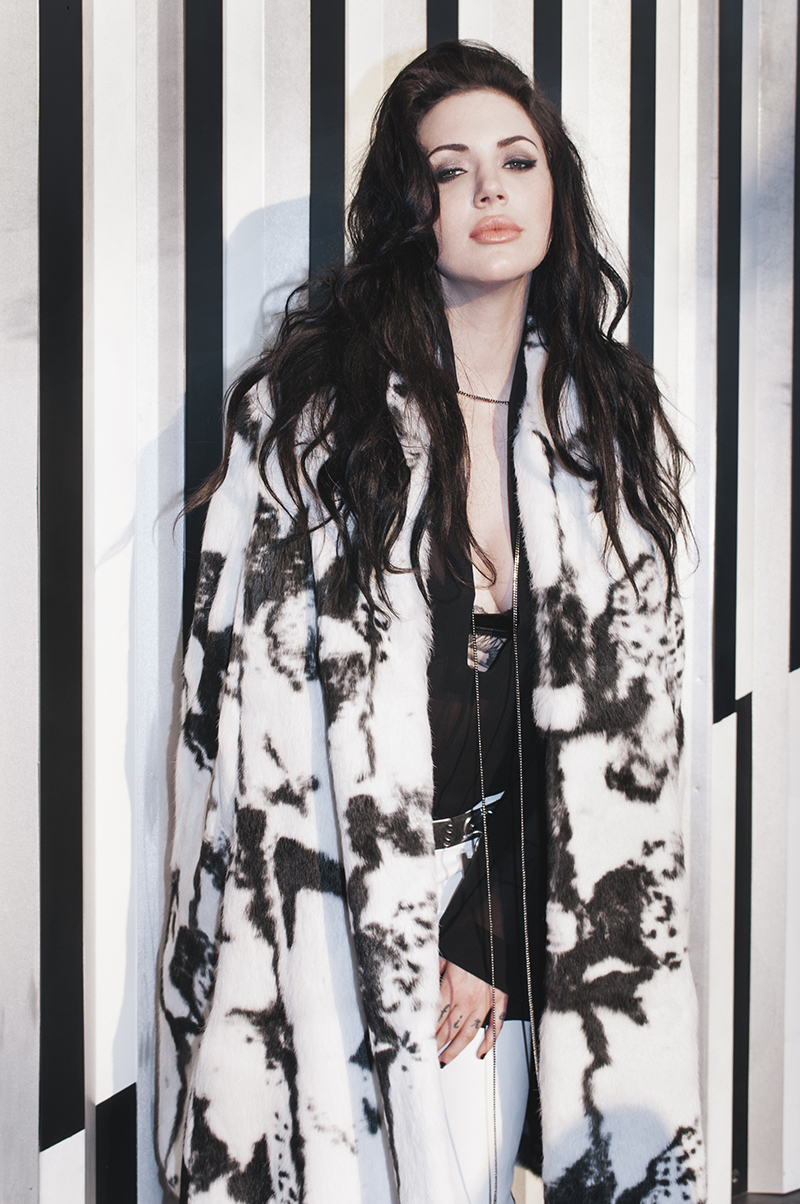
Martin’s leather, fur, vintage references and dramatic black clothes fit naturally beside the visible ink. The photo here is a fashion portrait, not tattoo evidence; it shows the setting and clothing rather than a close view of her designs.
Clothes also change which tattoos are visible. Boots and a longer hem can hide ankle lettering; sleeveless looks and a hand on the microphone bring other pieces forward. One portrait can’t show the whole collection.
A rock wardrobe with room for leather
Martin has said she likes traditional Japanese sleeve work. A sleeve is planned around the arm as it bends and turns, rather than treated as a row of unrelated designs. With existing ink and a cover-up to consider, that kind of planning could help the new work connect across the arm.
Japanese tattooing has its own history and visual language. The photos don’t show a finished design for Martin, so there’s no basis for guessing which symbols or background she’ll choose. Her public comments identify the style she likes, not the sleeve itself.
Why a future Japanese sleeve could work
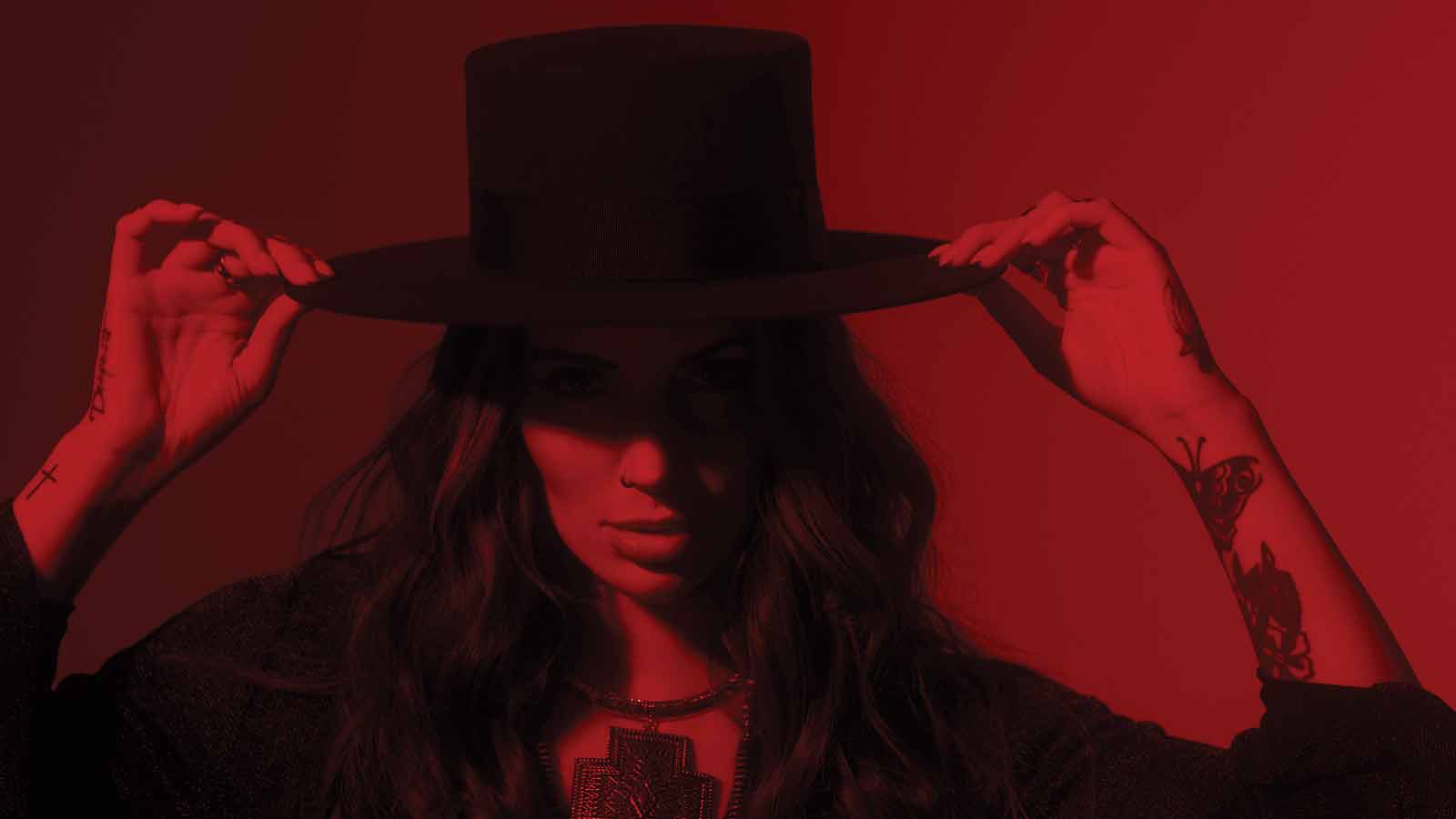
A clean portrait gives a clearer view of the small black spade on Martin’s hand. It’s a simple shape that reads quickly in the close-up, unlike the finer details that blur in wider photos.
Hand tattoos are exposed to movement, washing and friction, so scale matters. The spade’s uncluttered outline suits the small area; adding more detail would change how easily it reads.
The small spade on her hand

Martin’s tattoos are easier to identify when a photo is framed for them. A full-body image shows the spread of the ink but not the fine lines; a close portrait can show the hand or neck while leaving the arms and legs out of frame.
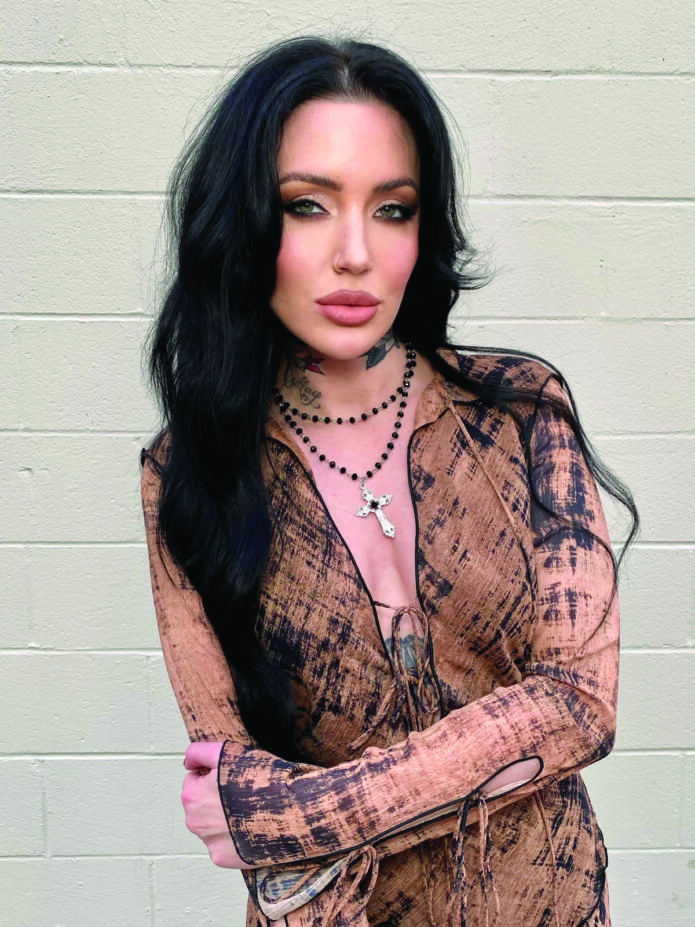
The Inked headshot works as a portrait and shows her neck ink. The separate photos provide views of the forearms, hand and lower legs. None of them supplies a complete inventory, and unclear shapes should stay unnamed.
What the photos reveal, and what they don’t
The sunset-and-flowers tattoo is the piece Martin has said she wants removed before a cover-up. Laser treatment and new tattooing take time, with the skin needing to heal between stages. It’s a process, not a quick correction.
If she still wants a sleeve, it makes sense to tell the artist that before planning the first cover-up session. The old design, any ink left after treatment and the arm’s existing tattoos all affect what can be built next. Her plan may change as the work progresses.
When an old idea stops fitting
Martin’s collection includes visible forearm and hand ink, reported ankle lettering and religious designs, plus an old tattoo she is removing. A Japanese-style sleeve is a plan she has discussed, not a finished addition.
The photos show only parts of the collection. The reported details add context, but there’s no need to fill in the pieces that remain unclear.
Final take on Dorothy Martin’s style
Dorothy Martin’s tattoos have the same tension as her music and styling: dramatic, personal, and still willing to get a little messy. The visible forearm, hand, and ankle ink gives her photos a strong edge. The reported Holy Ghost lettering, Jesus tattoo, and angels add a religious thread. Then there’s the old sunset with flowers, which she’s having removed before building toward a larger sleeve.
The collection isn’t finished, and that’s the point. A tattoo can be a favorite design, a private reference, an old mistake, or the first layer of something much bigger. Martin’s story includes all of those possibilities. If you’re looking for ideas, take the useful parts: choose a placement that works with the way you dress, give a cover-up room to breathe, and let the design grow from your own history instead of copying a photo. That long view matters more than a quick flash of inspiration.
Most of all, look closely before making a claim. Some of Dorothy’s ink is easy to see. Some of the named pieces come from her own reported descriptions. Some details disappear in the frame. Keeping those categories clear makes the collection feel more real, not less. Her tattoos don’t need a made-up explanation or a forced grand meaning. The visible ink, the planned rework, and the choices still ahead already give the story plenty of shape.