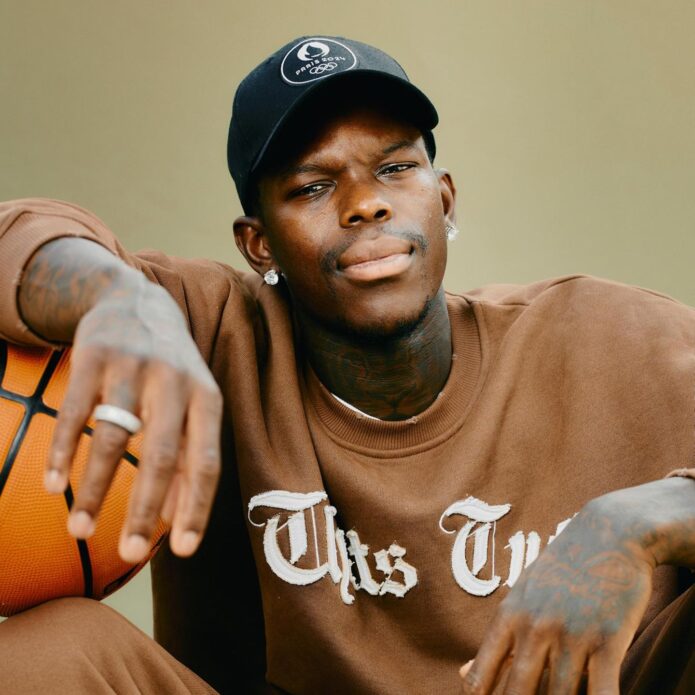
Dennis Schröder’s tattoos extend well beyond his arms. The German point guard has ink across his chest, shoulders, neck, hands, legs and stomach. Each area holds a different kind of design: some show with a basketball jersey, others only in shorts or a vest.
Dennis Schröder tattoos read like a timeline more than a single planned sleeve. Family tributes, religious words, portraits, card symbols, roses and basketball references sit beside one another. The styles vary, but many pieces point back to people, places and turning points in his life.
Schröder has talked about ink as part of his story. His first tattoo was connected to his father, and later designs returned to family, faith and the sport that took him from Braunschweig to the NBA. The strongest thread is his life, not one matching visual style.
His arm tattoos use heavy shading and clear lettering
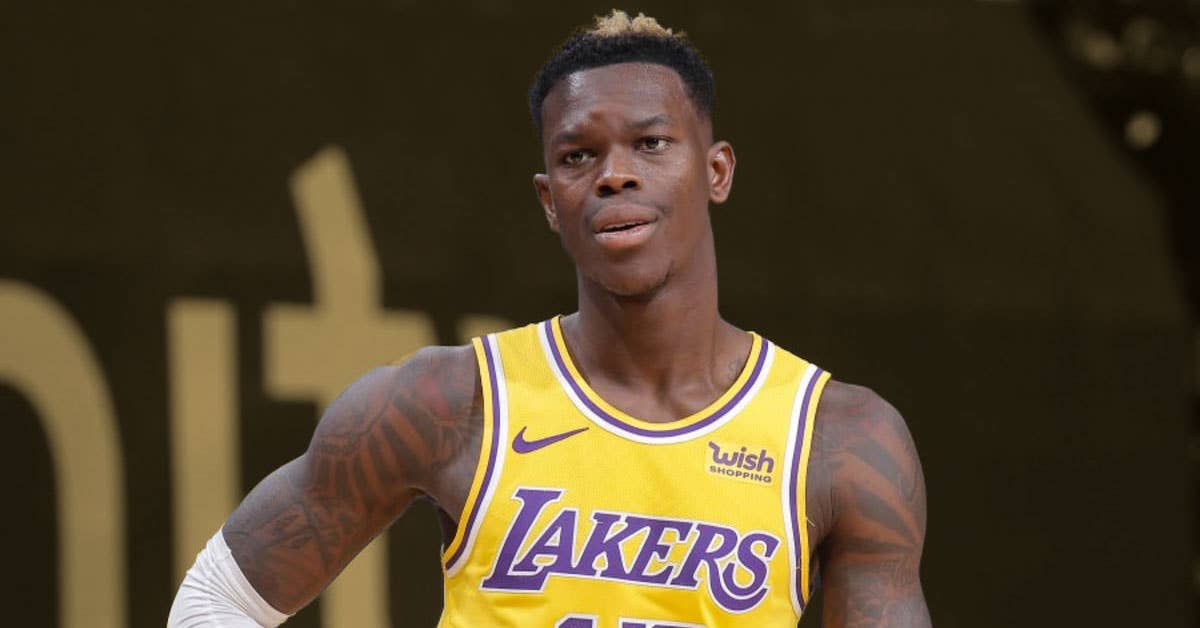
In game photos, the upper-arm coverage is hard to miss. Dark bands, lettering and shaded shapes run from the shoulders toward the elbows. Even when a jersey hides some details, the arm keeps a strong outline. The blackwork is bold, but it isn’t just blank filler.
Open skin between denser areas gives the words and symbols room. That also helps the designs stay distinct as the arm moves. A sleeve can hold many details and still read clearly when each major piece has its own space.
For an upper-arm project, decide which design should lead. A name, portrait or symbol can anchor the sleeve; shading can build around it later. Choose the focal point before the filler. That leaves room to add more without losing the idea you started with.
Card and dice tattoos add a personal street-style detail
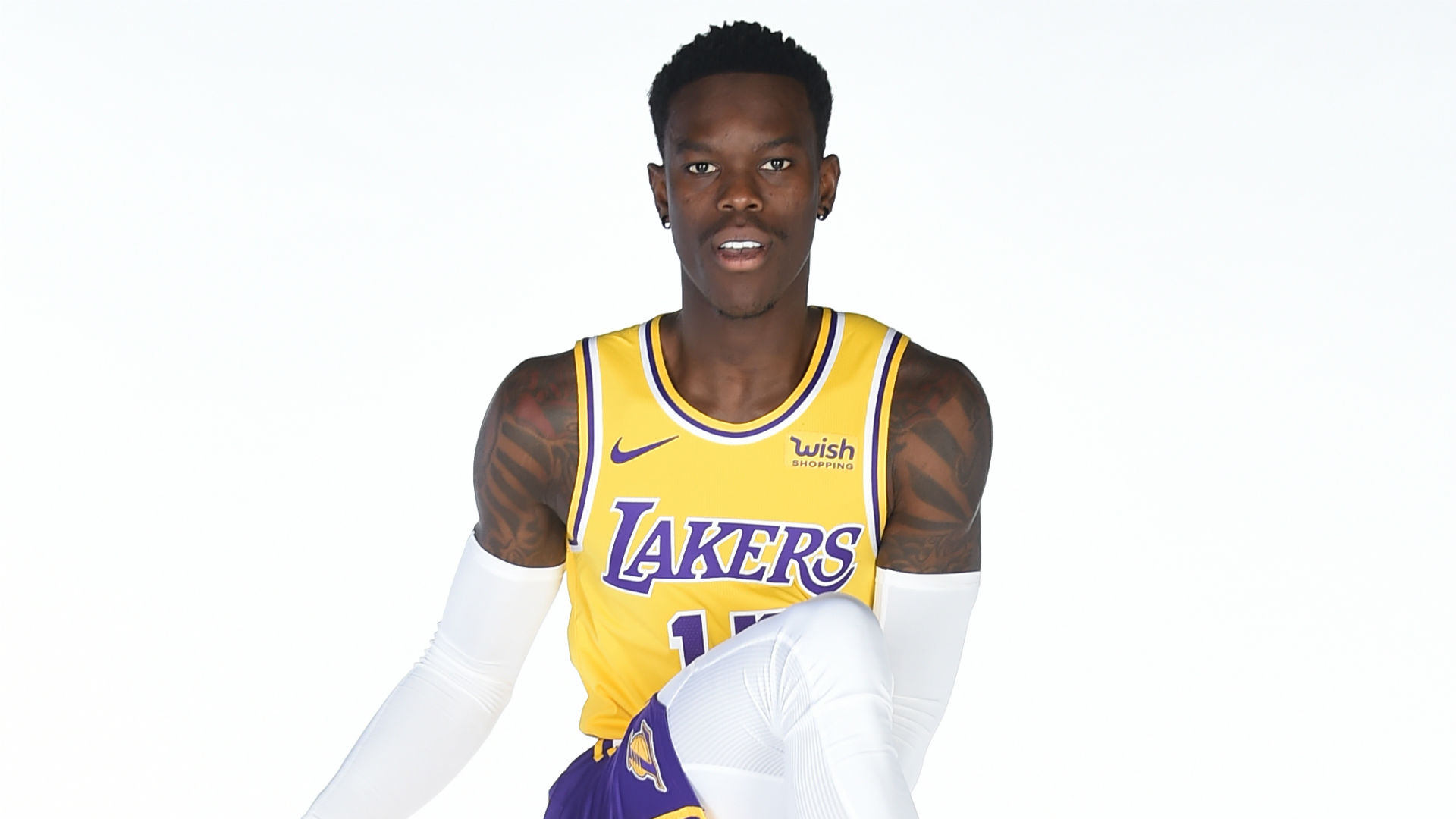
Card and dice tattoos bring a different note to Schröder’s arm. Cards can suggest luck or risk; dice make chance part of the design. The symbols sit among his other tattoos without taking over the whole collection.
Game imagery can be drawn in several ways: an ace in sharp lettering, traditional flash or heavier blackwork; dice can be simple or more shaded. The style matters, but first decide what the card or number means to you. A personal reason gives a small symbol more weight than surface detail alone.
Placement changes the feel too. A small mark on the bicep reads differently from the same symbol on the hand or forearm. Keep it large enough for the lines to remain clear, and give nearby pieces room. Meaning can make a small tattoo matter; clean spacing helps it stay sharp.
Family portraits bring the emotional weight
Family portraits are among the more personal pieces in Schröder’s collection. Images connected to his children and family don’t need a team logo or a slogan to explain their place. A face, name or date can carry a lot when the reference is chosen with care.
Portraits need enough space for the features to stay recognisable. The eyes, nose and mouth can lose their character when squeezed into a small area, so placement comes before final size. An upper arm or leg may offer a smoother surface than a wrist; the chest and back can take a larger composition.
If you’re planning a family portrait, bring several photos to your consultation. Your artist can compare the lighting, expression and angle to find one that will translate to skin. A portrait needs a strong reference as well as a personal connection. Good contrast and clear facial structure still matter.
His leg tattoos show that the collection does not stop at the sleeves
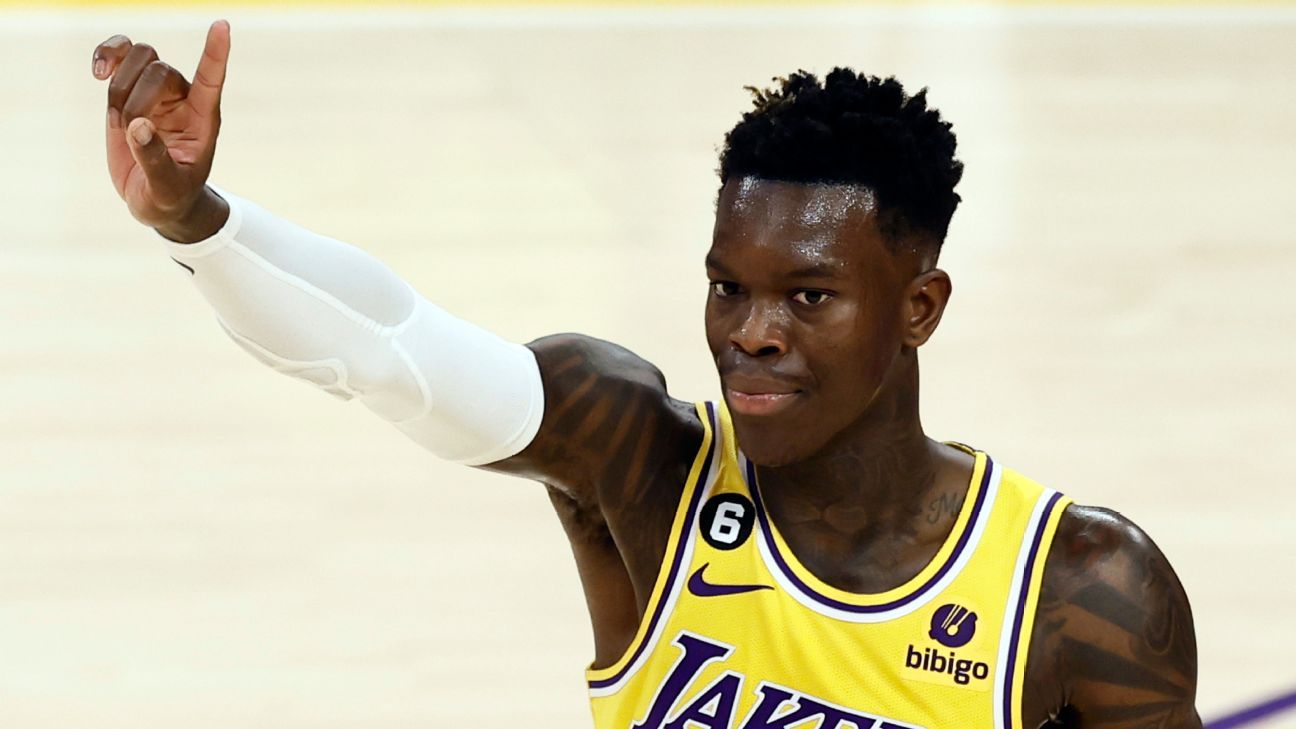
Leg tattoos are easy to miss in game photos, but they add another part to Schröder’s collection. The longer area can hold portraits and larger shapes without competing with the arm pieces. It also offers room for a design that would crowd a forearm.
A leg changes shape as you sit, walk or bend your knee. A portrait centred while standing may shift when the muscle folds, so check the stencil in different positions. The knee can interrupt a design and affect how its lines age.
The leg can be a useful place for a larger project if your arms already carry visible work. It can tell a separate story instead of forcing everything into one sleeve. Schröder’s placements show how a collection can spread across the body while each area keeps its own character.
Words such as Blessed and Mashallah make the ink feel direct
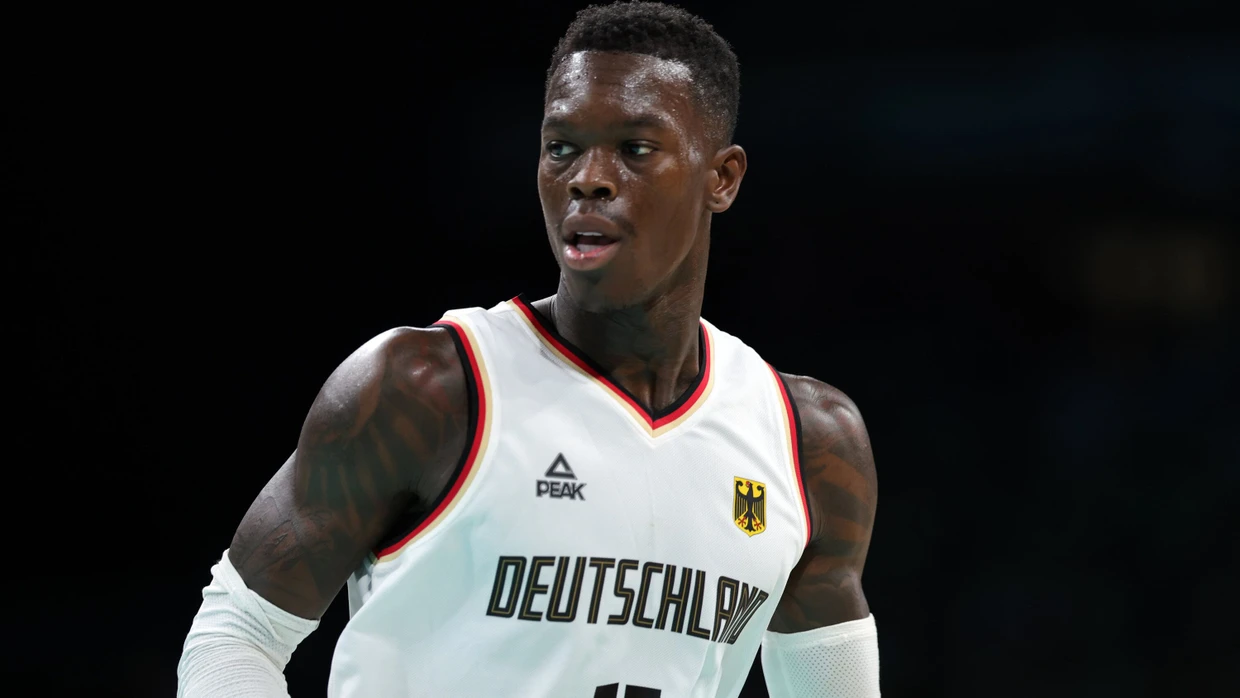
Lettering gives Schröder’s tattoos a direct voice. Words such as “Blessed” and “Mashallah” sit alongside heavier shaded designs. In a photo, a short word reads quickly; for the person wearing it, it can hold a quieter meaning.
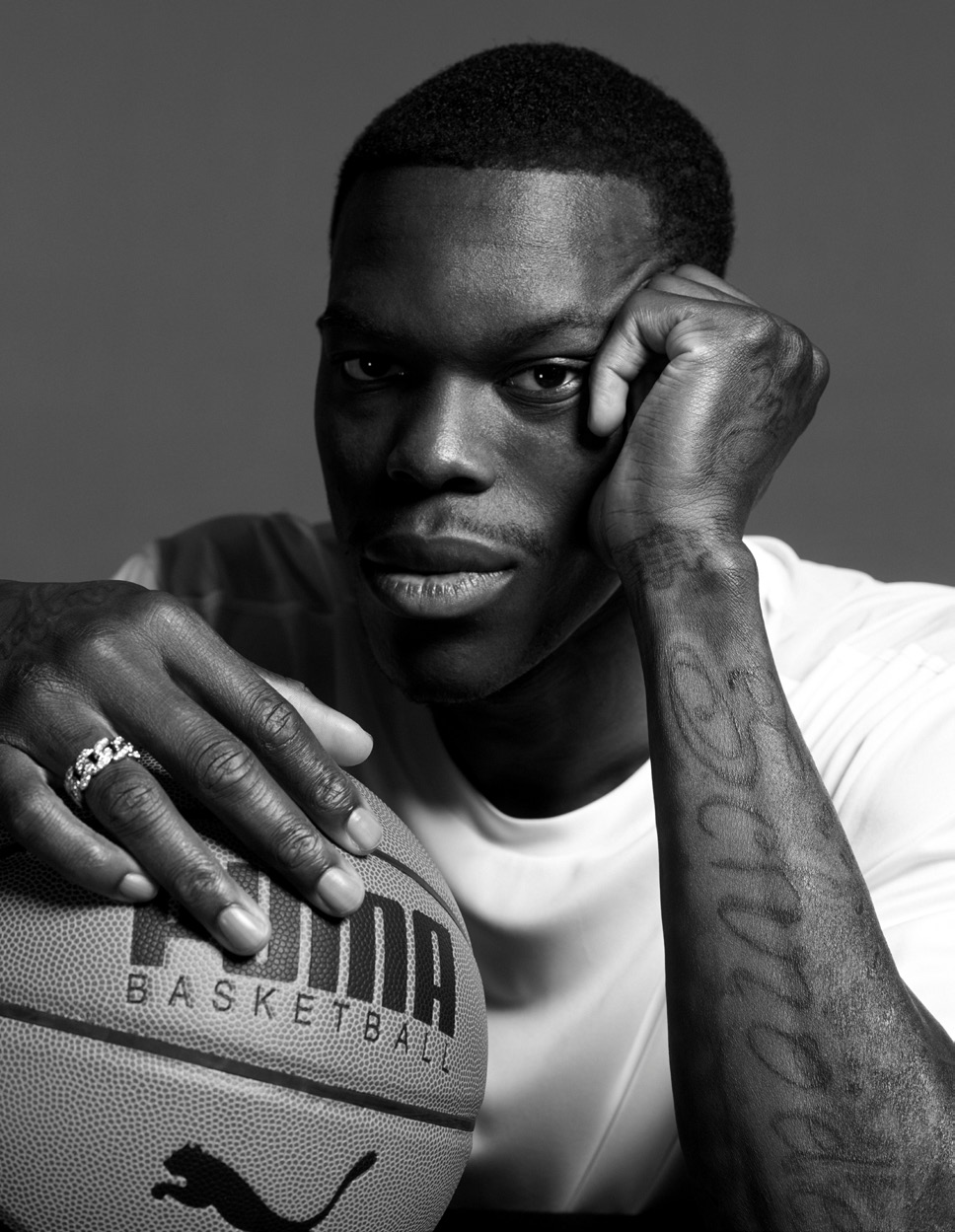
Short script can be harder to place than it looks. Leave enough room for every letter, and choose a style that suits the body area. Flowing script may fit an arm; a blockier font can hold better on a chest or shoulder. Check how it reads from a few feet away, not only up close.
Religious words deserve care beyond their appearance. Check the spelling, language and intended meaning, then review the final stencil at its actual size. Make the text readable before choosing a decorative font, especially when it carries spiritual or personal weight.
The upper-body tattoos balance chest, neck and shoulders
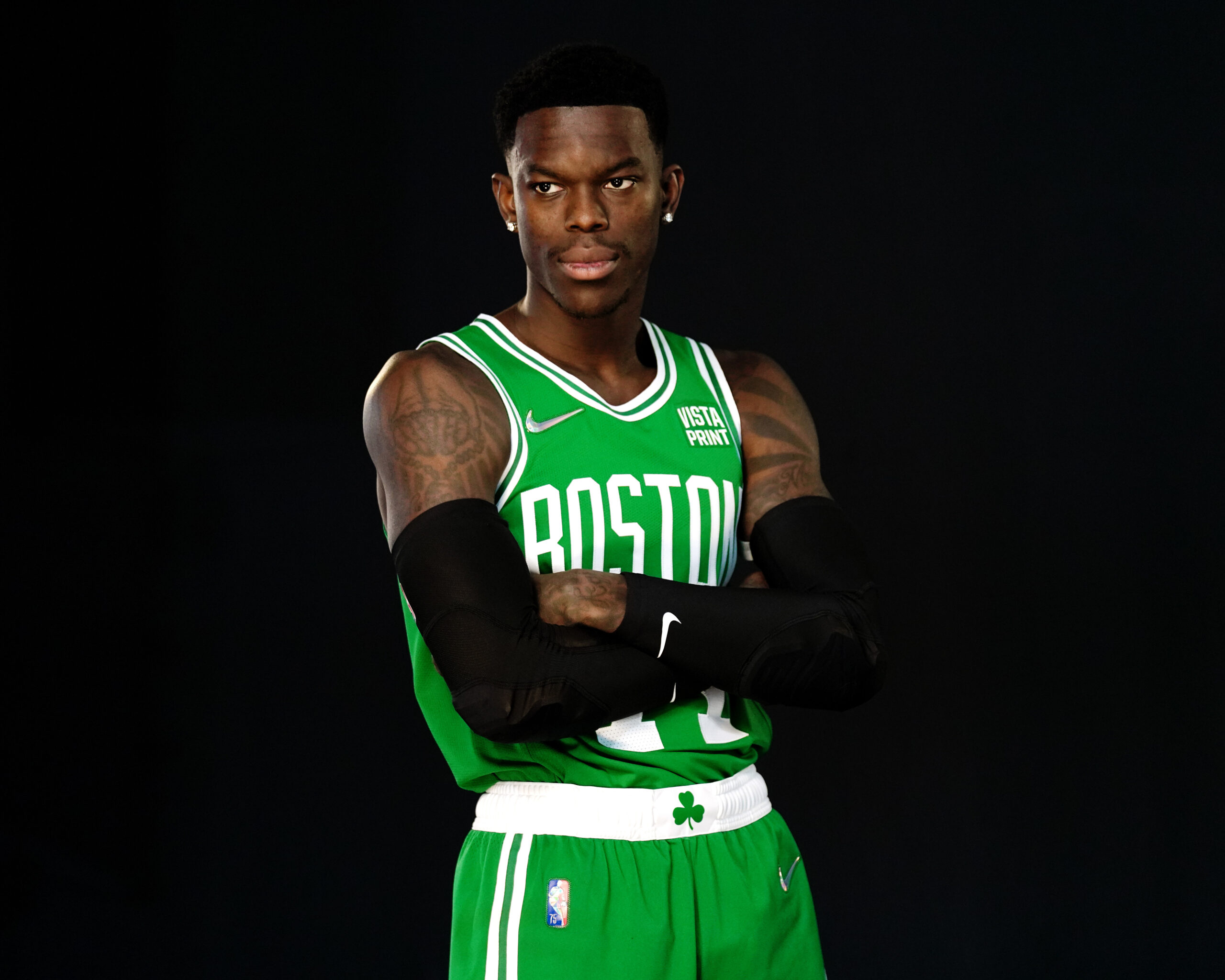
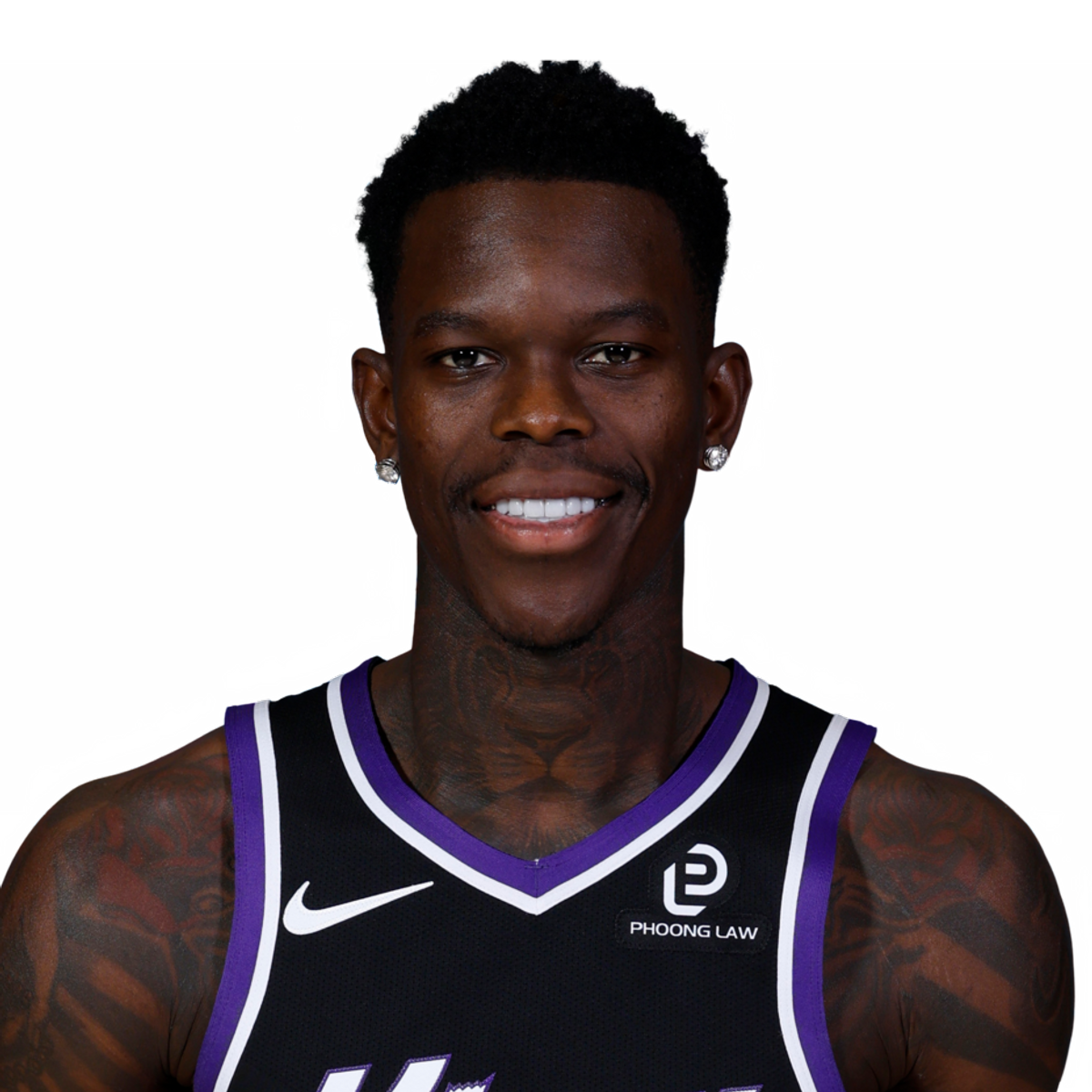
Photos from Schröder’s playing career show the shoulders and neck meeting the arm ink. Dark shapes remain visible under arena lights and frame the jersey neckline. Chest and neck designs also show when a sleeve covers the lower arm.
This layout takes more planning than one tattoo. The neck is visible and turns constantly; shoulders stretch when the arms lift. A piece can look balanced with arms down, then pull in another direction during a shot. Check the stencil at rest and while making familiar movements.
The upper body can vary its weight. A broad shoulder design can sit beside fine script, while a small mark on the neck gives the eye a pause between chest and arm work. Contrast helps a full collection feel organised without making every tattoo look alike.
How to plan a Dennis Schröder inspired tattoo collection
Start with the parts of your life you want to remember. Schröder’s tattoos point to family, faith, basketball and the trip from Germany to the NBA. Your own collection might centre on a hometown, a parent, a child, a belief or a milestone. Begin with that story before choosing a style or colour palette.
Plan by body area next. Keep the most visible pieces readable, and save larger or more private ideas for the chest, back or legs. Consider work, sport, sun and how often you want each tattoo to show. A collection can be bold without putting every important idea on the forearm.
Give the collection time to develop. Schröder’s tattoos feel personal because they carry different chapters rather than one rushed design. Leave space for additions, find an artist who can work with what’s already there, and don’t fill every gap just to finish an area.
Dennis Schröder’s tattoos stand out because they tell a story from head to toe. The lettering is direct, the portraits carry family meaning, and the basketball pieces sit beside faith and personal history. Choose what matters first, give each tattoo room, and let the larger collection take shape over time.