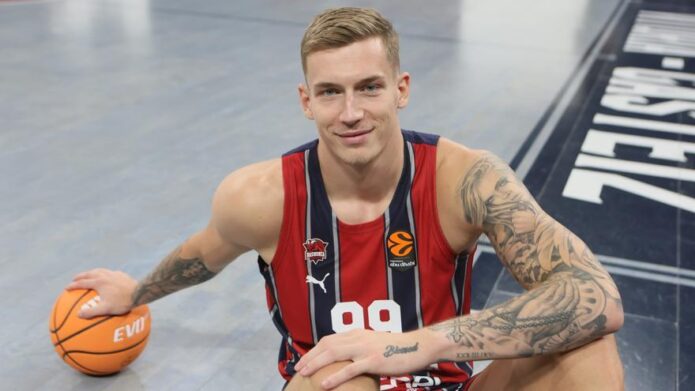
Luka Samanic’s tattoos are hard to miss on a basketball court. The Croatian forward has a full-looking arm collection built from portraits, animals, lettering, religious symbols and small family dates. It has the detail of a Japanese-inspired sleeve, but it still feels personal rather than built from one trend board.
That is what makes Luka Samanic tattoos worth a closer look. The designs move between soft portrait work, darker black-and-gray shading and small marks that only show up when he rolls up a sleeve or reaches for a rebound. Samanic has said that tattoos are art for him, and he has connected several pieces to family, memory and the people who helped him get where he is.
Here’s a relaxed tour of the ink that stands out most. The goal isn’t to copy his arm line for line. It’s to see how the collection handles scale, meaning and movement, then borrow the useful ideas for your own sleeve, shoulder piece or sports-inspired tattoo.
Luka Samanic’s Japanese-inspired sleeve mixes faces, animals and movement
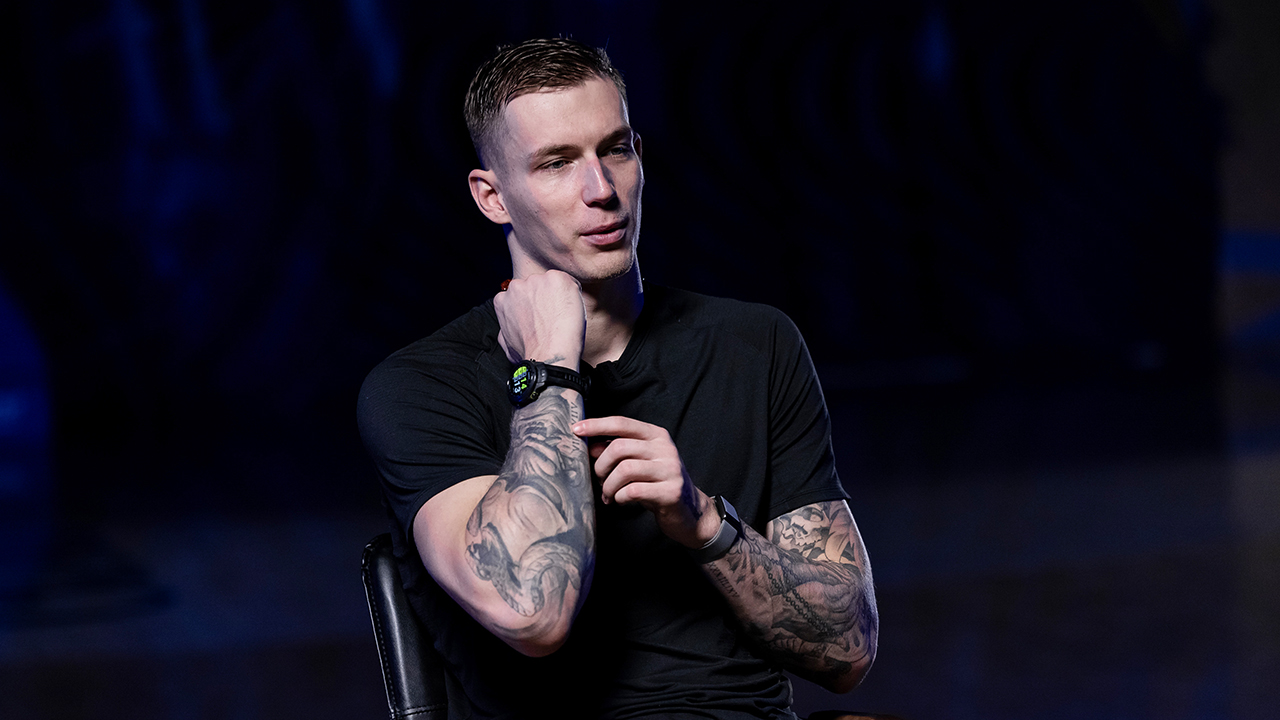
The first thing you notice is the density of Samanic’s sleeve. The arm carries several images that overlap through shading and flow, so it reads as one collection even when you look at individual pieces. A Hannya-style mask, a woman’s face, animal imagery and darker ornamental shapes all have room to appear without turning the arm into a flat wall of black.
This kind of sleeve depends on movement. The lines travel around the bicep and forearm instead of stopping at the front of the arm. When Samanic bends his elbow or raises both hands, different parts of the tattoo come forward. That is a smart way to design body art for an athlete, because the arm is almost never viewed in one fixed pose.
A sleeve feels more finished when the shapes guide the eye from one area to the next. You don’t need every image to match perfectly. You need enough shared contrast, spacing and direction for the pieces to speak to each other. Samanic’s arm gets that balance from repeated black-and-gray shading and the way the larger portraits sit between smaller details.
If you’re planning a sleeve, start with the image that matters most and let the rest grow around it. Ask your artist to draw the flow on the full arm, not only the flat front view. A design that looks good on paper can feel awkward when it crosses the elbow, so test it while your arm is relaxed, bent and reaching overhead.
His angel and portrait tattoos give the arm a soft focal point
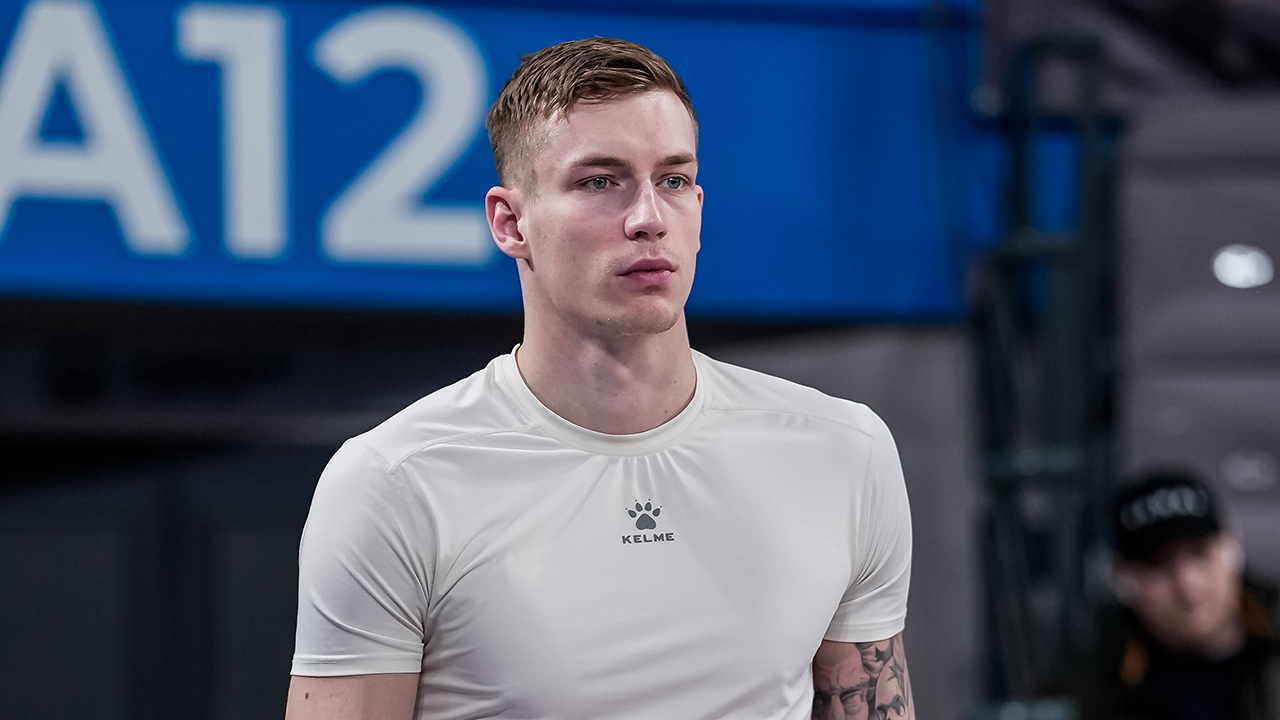
Samanic’s portrait work brings a softer mood to an arm that could easily become all skulls, masks and heavy shadows. The faces have a calm, almost watchful quality. They pull your attention because portrait tattoos carry expression, even when the surrounding details are dark.
Portraits are also useful for breaking up a busy sleeve. A face creates an obvious focal point, while flowers, smoke, lettering and linework can act as support around it. In Samanic’s collection, the larger portrait areas make the arm feel layered instead of crowded. Your eye lands on a face first, then starts finding the smaller marks around it.
Good portrait work needs scale more than bravado. The artist needs enough room to keep the eyes, nose and mouth clear after the tattoo heals. If the face is squeezed into a narrow space, the expression can disappear into the shading. A larger upper arm or outer forearm gives the image space to breathe and lets the artist build softer transitions.
Think carefully about the person or character you choose. It could be a family member, a historical figure, a fictional hero or an image that carries a private feeling. The reason matters more than making the portrait look intimidating. Samanic’s arm shows how a calm face can give a heavily tattooed collection some emotional balance.
The small family dates keep Luka Samanic’s tattoos close to home
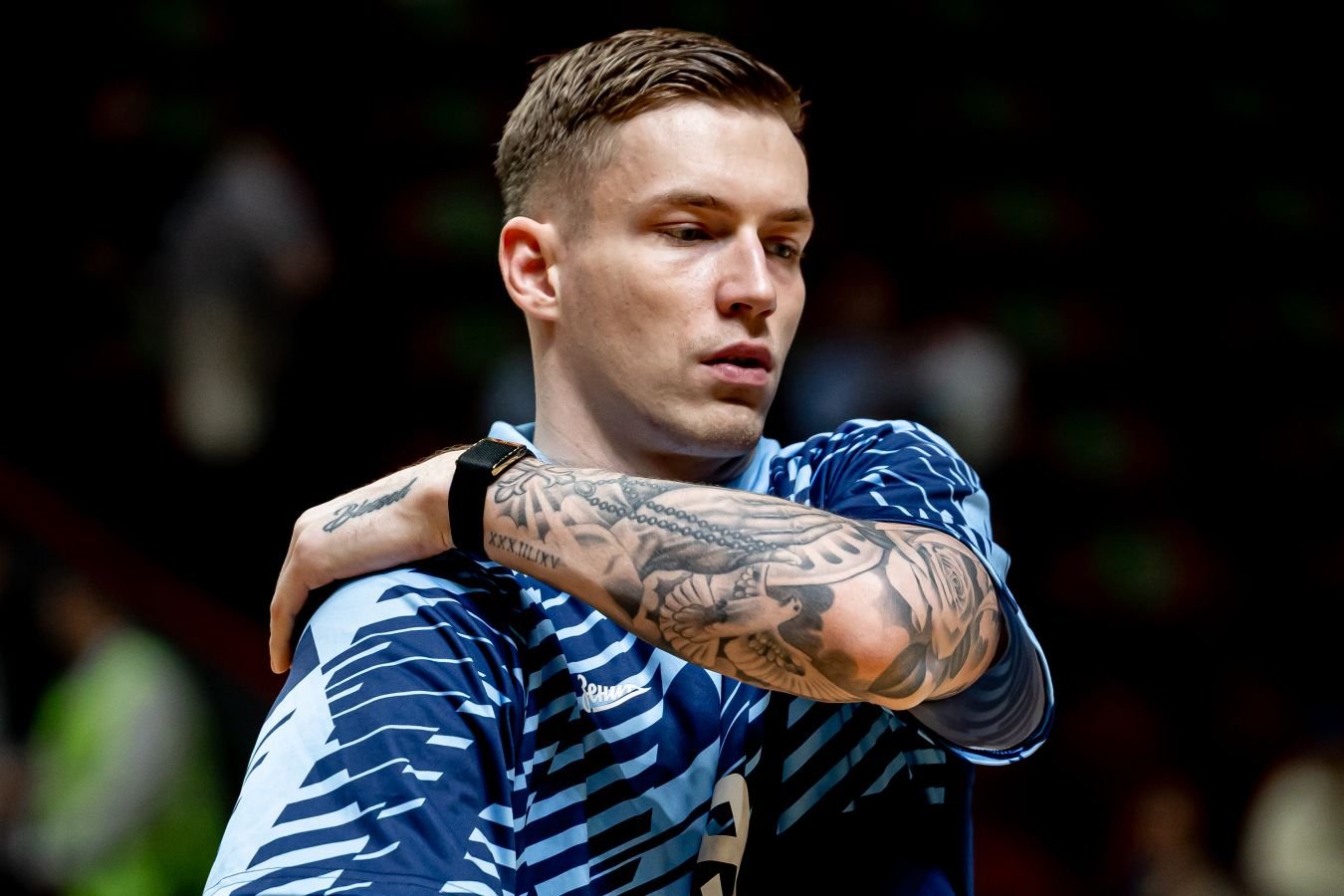
Not every important tattoo on Samanic’s body is a huge picture. He has talked about getting small dates connected to his mother and sister, and those marks are a good reminder that meaningful tattoos can be quiet. A short line of numbers may not catch the eye from across the court, but it can carry more weight than a larger design chosen only for style.
Dates work well inside a larger collection because they create a change of pace. A portrait or mask asks people to look at the image. Numbers ask them to wonder about the story. They also fit naturally into narrow areas such as the wrist, ribs, inner arm or behind the ear.
The practical part is getting the spacing right. Roman numerals and small numbers need room between each character so they don’t blur together. Show your artist how the tattoo will look at its real size, not enlarged on a phone. A tiny design should be simple enough to stay readable when the skin has softened around it.
You can take the same idea in a few directions. Use a date for a birth, a move, a first season, a family milestone or the day you made a decision that changed your life. If you want the tattoo to stay private, choose a placement that is visible only when you turn your body a certain way. That gives a small mark a sense of purpose without making it a public announcement.
His religious and symbolic tattoos add a deeper layer to the sleeve
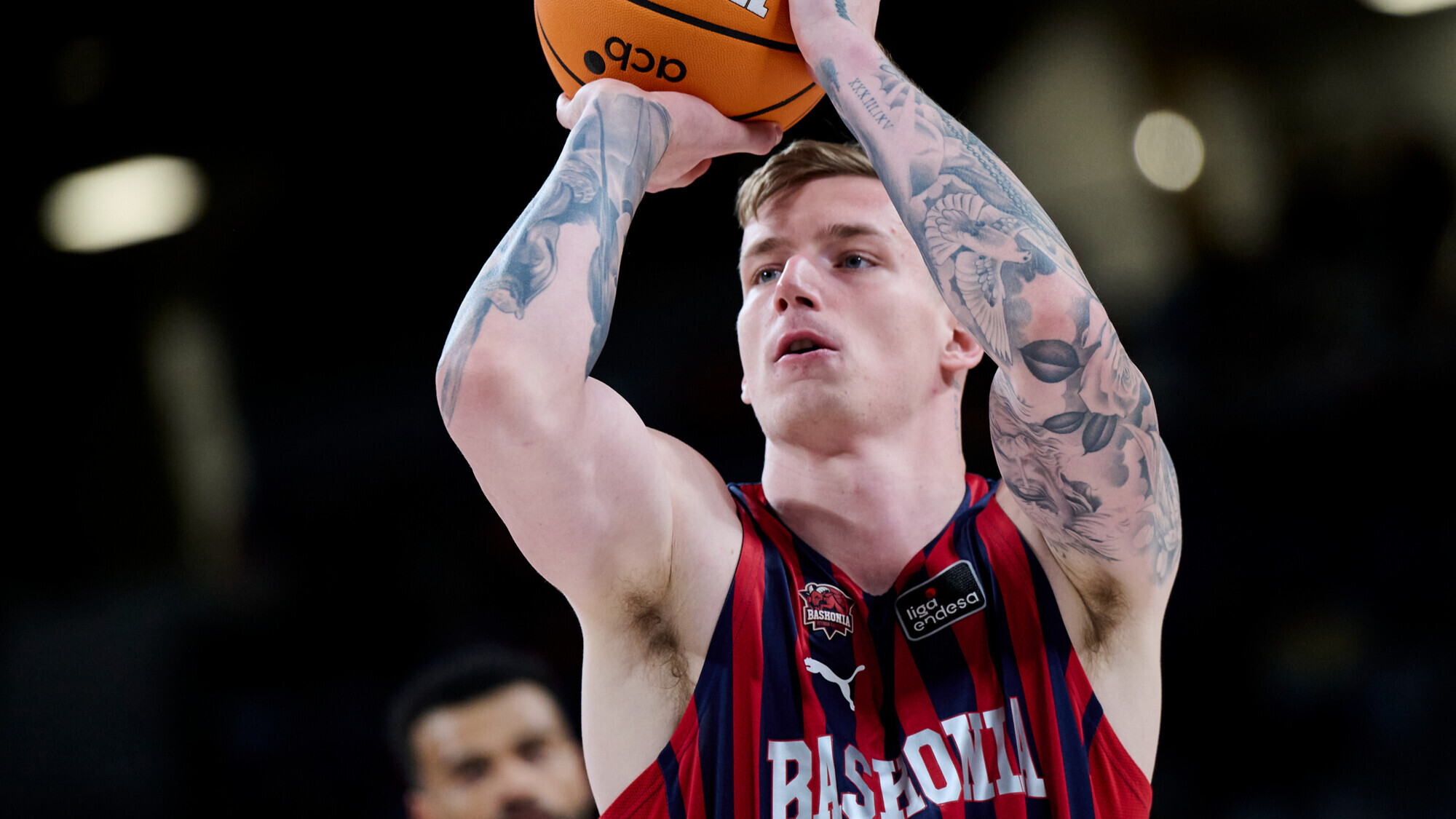
Alongside the faces and animals, Samanic’s arm includes religious and symbolic imagery. Some details are easy to spot in game photos, while others show up more clearly in close-up portraits. The mix gives the sleeve a storybook feeling. You move from a face to a symbol, then from a symbol to a darker shape that changes the mood again.
Religious tattoos can be direct, personal or both. An angel may suggest protection, faith, family or a moment when somebody needed strength. A symbol can be a reminder of a belief, while an image such as a wolf or a powerful figure can stand for independence, loyalty or resilience. The meaning doesn’t have to be obvious to strangers to be real for the person wearing it.
The design lesson is to give symbolic images a clear job. If everything in a sleeve is meant to represent strength, the collection can start to feel repetitive. Put softer ideas next to harder ones. Let a small piece of lettering sit near a large portrait. Contrast makes personal imagery easier to feel and easier to read.
If you want religious or mythological imagery, spend time with the references before you book. Learn what the symbols mean in their original context and talk honestly with your artist about what they mean to you. That conversation usually leads to a better design than picking the first dramatic image that appears in a search.
Luka Samanic’s basketball photos show how a sleeve moves with the body
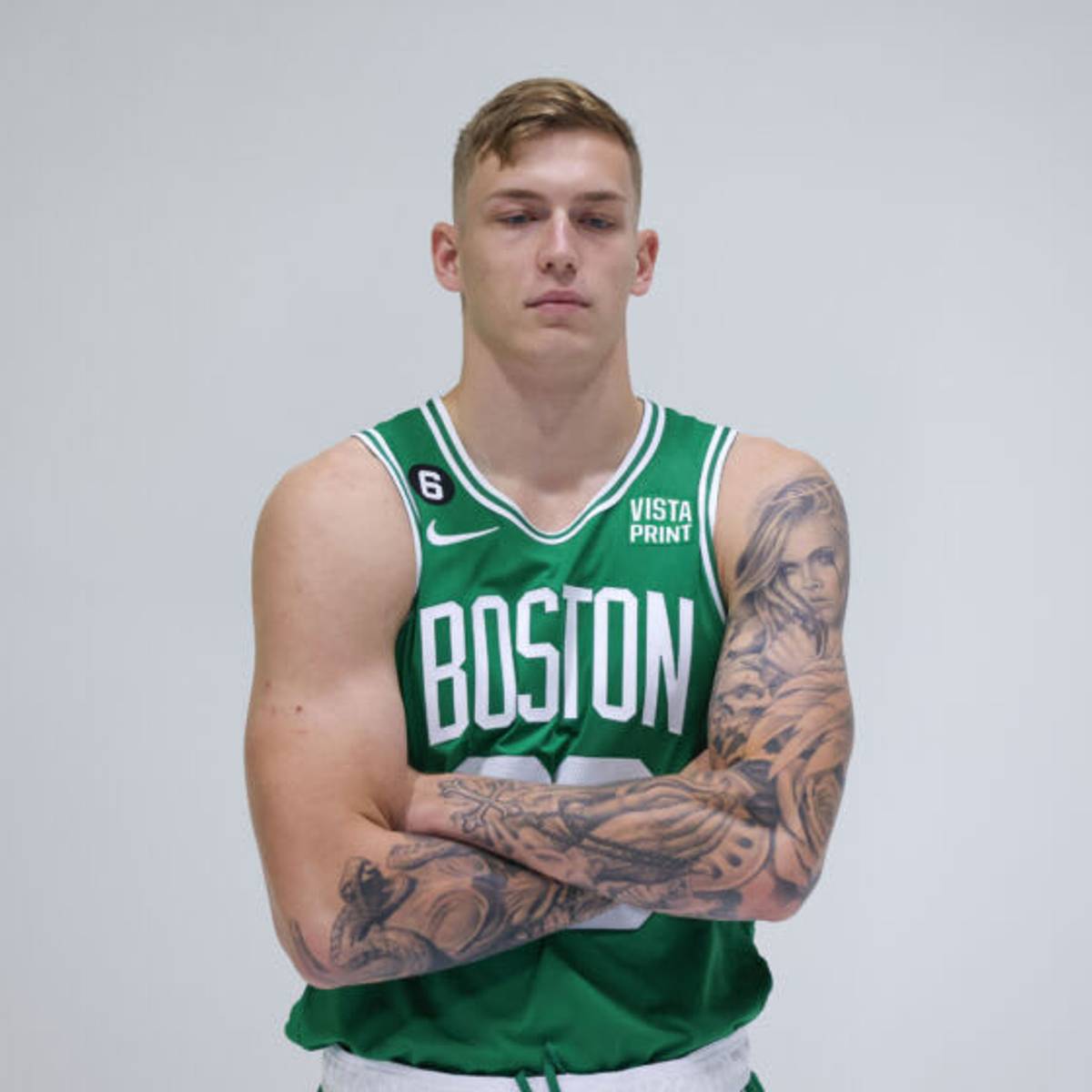
Basketball photography gives us a useful view of Samanic’s tattoos because his arms are constantly changing position. A warmup shot can show the outer forearm. A free throw image can reveal the inner arm. A media-day portrait makes the shoulder and upper bicep easier to study. The same tattoo looks different in each setting, which is exactly what a good sleeve should do.
Movement also explains why some of the pieces are designed with long vertical lines. The shapes can travel from shoulder to wrist and keep their direction when the arm stretches. Shorter images sit between those paths, creating breaks without making the sleeve feel chopped into separate boxes.
For athletes, placement needs to survive more than a mirror check. Think about sweat, friction, repeated movement and the way uniforms cover or reveal the design. A tattoo that looks great when the arm is flexed may feel off when it is hanging by your side. Samanic’s collection works in both kinds of pictures because it follows the anatomy instead of fighting it.
Take photos of your stencil in motion before the tattoo starts. Bend the elbow, raise the arm, turn the wrist and look at the design from the side. Small adjustments can make a large sleeve feel much more natural once you are back in everyday clothes.
Luka Samanic’s full-body tattoo ideas leave room for the next chapter
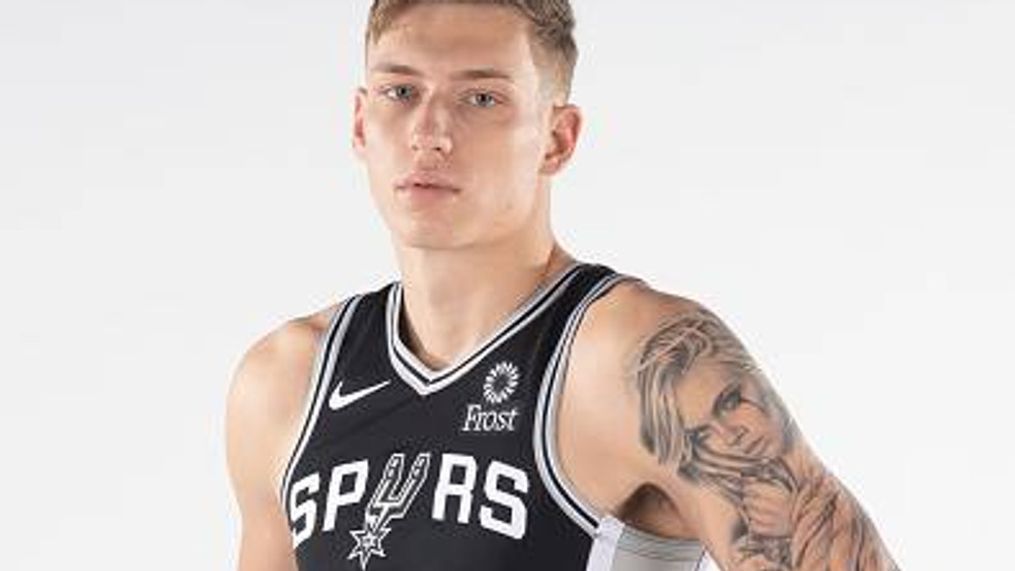
Samanic has spoken about wanting to keep going, including ideas for a large Archangel Michael on his back, a lion connected to his team and possibly a trophy design tied to a future championship. Those ideas show how a collection can stay open without feeling unfinished. The next tattoo doesn’t have to fill an empty gap just because the skin is there.
A back piece is a different commitment from an arm sleeve. It gives an artist a broad canvas and lets a central figure become much larger. Archangel Michael, a family scene or a dramatic animal can use that space in a way that would be impossible on the forearm. The challenge is making sure the image still feels like part of your existing story.
The lion idea also shows how sports tattoos can move beyond team logos. A symbol can represent pride, loyalty, pressure or the identity you carry into competition. If you want a sports piece, ask what the team or season changed in you. That answer will usually lead to a stronger image than simply placing a jersey number on the skin.
Leave some space for future meaning. The best long-term tattoo plan has structure, but it still lets life add new chapters. Samanic’s sleeve already carries family, faith, art and basketball. The designs he has discussed for his back and future seasons would extend that story without erasing what came before.
Looking at Luka Samanic’s tattoos as a whole, the collection works because it has both a visual language and a personal reason behind it. The sleeve uses movement and contrast. The portraits provide emotion. The family dates keep the story close. Religious and symbolic pieces add depth, while the basketball photos show how the art behaves in motion.
You can borrow that structure without copying his images. Start with one design that carries a real memory, then build around it with shapes that suit your body. Choose your artist for the style you need, give portraits enough room and don’t rush to fill every blank patch. A sleeve gets better when each new piece adds something instead of just taking up space.
For a quick visual tour of Samanic’s ink, the video below gives the collection another angle. It is a nice reminder that tattoos are not flat pictures. They move, fold and change as the body moves.
One thought on “Luka Samanic Tattoos: Japanese Sleeve, Angel Portrait and Basketball Ink”