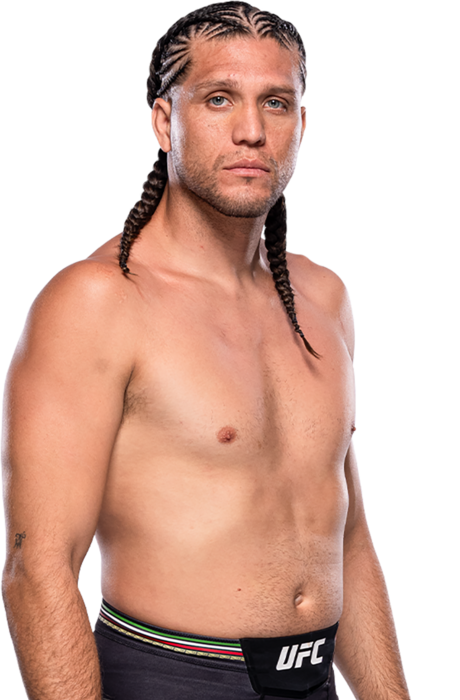
Brian Ortega tattoos are most clearly documented when the image source and the visible ink are kept together. The best-known example is the word Tracy placed inside his lower lip, a Valentine’s Day gesture reported by MMA Weekly and MiddleEasy in February 2022. The story is unusually specific: the placement is visible, the name is readable and the surrounding reporting identifies the recipient as Tracy Cortez.
The rest of Ortega’s public tattoo record is more visual than verbal. Official UFC portraits show smaller arm marks at different points in his career, while later editorial photography returns to the lip tattoo in close profile. Those photographs do not justify a complete private catalogue, but they do provide a useful set of distinct originals. The sequence below puts the clearest tattoo evidence first and keeps the featured identity image separate from the inline evidence.
The Tracy lip tattoo documented by MMA Weekly
The clearest piece of tattoo reporting concerns the inside of Ortega’s lower lip. MMA Weekly says that on February 14, 2022, he shared a video of a new tattoo reading “Tracy” and paired it with the message, “All I can say is … I LOVE HER.” The report places the lettering inside the mouth rather than on the face or neck, which explains why the mark is absent from most standard portraits.
The close-up itself shows fresh black lettering on the inner lower lip, with a small dark heart beside the name. The skin is visibly irritated because the photograph was made around the appointment, so the image should be read as a record of a new tattoo rather than as a polished healed portrait. MiddleEasy independently describes the same name and heart, giving the visual claim a second editorial source.
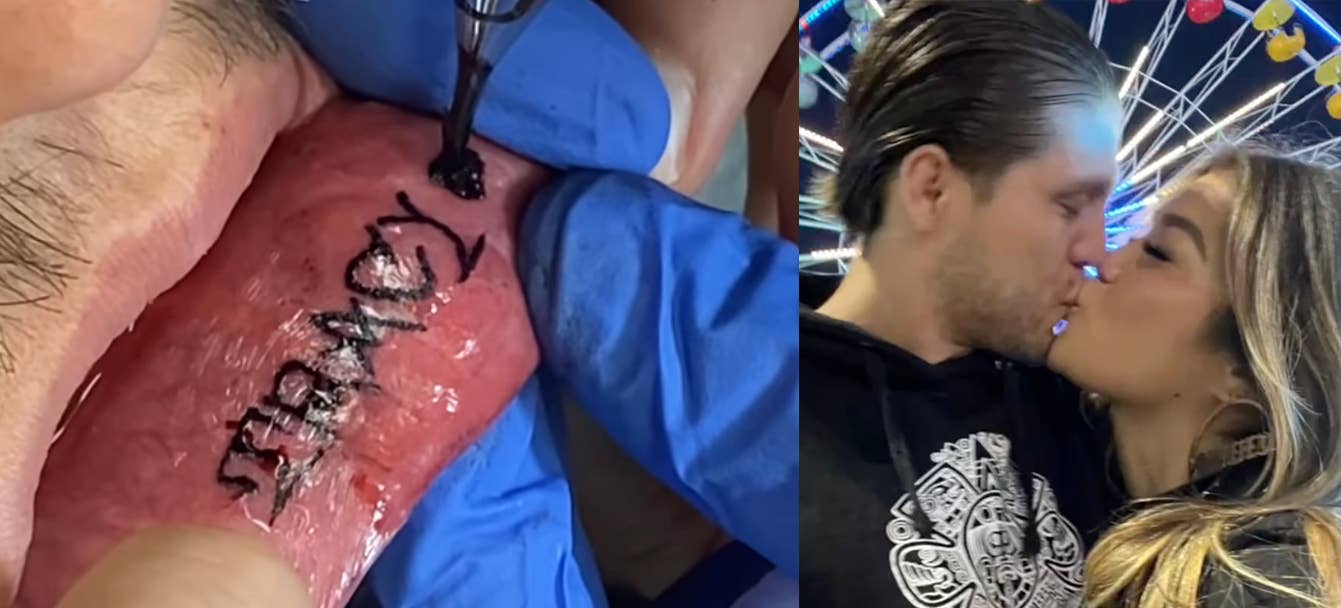
The design is simple, but the location changes its visual effect. A name on an arm or chest would be easy to display in an ordinary photograph. A lip tattoo appears only when Ortega chooses to open his mouth or when a camera catches a close profile. That private-to-public movement is part of what makes the image memorable.
It is also important to separate the documented gesture from later relationship speculation. The sources establish the name, the placement, the date and the romantic context reported at the time. They do not provide a complete account of how long the design remained visible or whether the lettering changed later, so those questions remain open.
The lip tattoo in a wider relationship image
The MiddleEasy image is a different original, not a duplicate of the MMA Weekly file. It combines a relationship photograph with a close view of the tattoo appointment, making the emotional context and the physical mark appear in one horizontal frame. The composition is useful because the tattoo is still legible while the surrounding image identifies the people involved.
The right-hand panel preserves the same essential evidence: black “Tracy” lettering on the inner lip and a small heart nearby. The left-hand panel is not used to claim another tattoo. It simply explains why the design became a news item. The pairing supports a narrow conclusion: Ortega publicly presented the name tattoo as a gesture connected with Cortez.
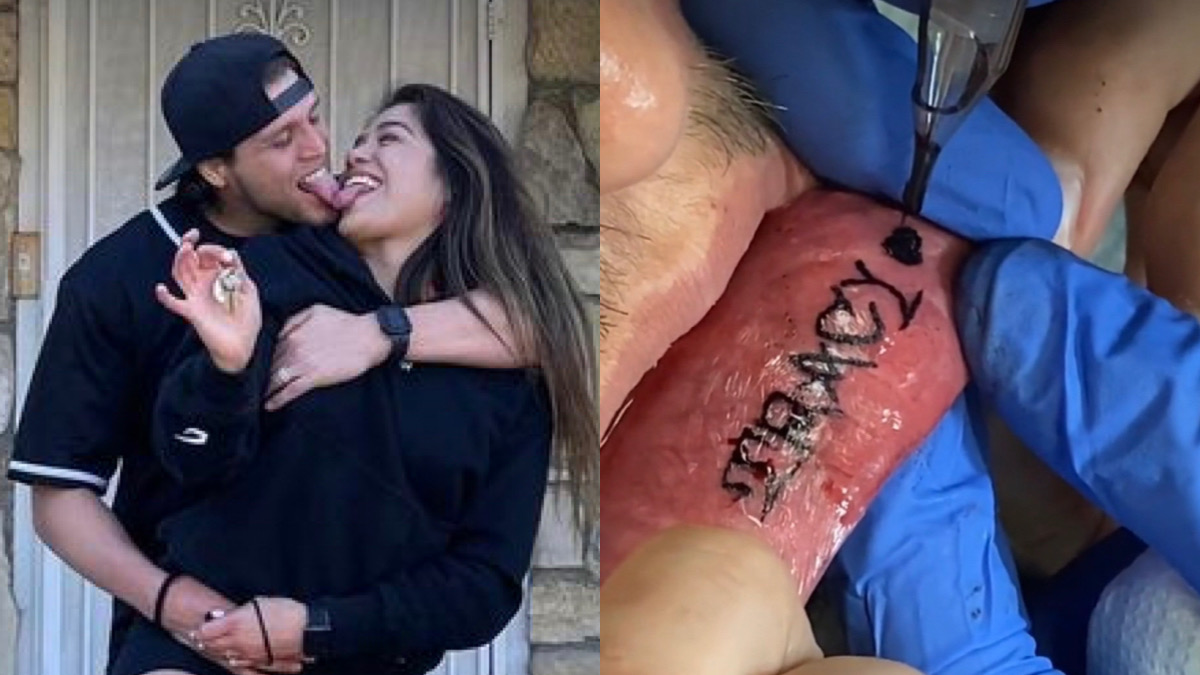
A split image also shows why different originals matter. The MMA Weekly file is tighter on the tattoo, while the MiddleEasy version gives more room to the relationship setting. They answer different visual questions and are therefore mapped to separate sections, even though both derive from the same moment in the public story.
The restrained reading is the strongest one. There is no need to invent a larger symbol system around the heart, and there is no reliable basis for treating the tattoo as a general brand statement. It is a small, personal inscription whose meaning was made clear by the reporting surrounding its reveal.
The 2022 UFC portrait and visible arm ink
The 2022 official UFC portrait broadens the record beyond the lip. Ortega stands shirtless in the high-resolution fighter profile, so the frame preserves the relationship between his face, shoulders, torso and arms. Small dark marks are visible on the exposed arm, although the image is not a close tattoo session and does not resolve every shape or boundary.
That limitation is useful rather than frustrating. A full-body portrait establishes that the ink belongs to the fighter’s body and shows how it sits in relation to the arm, glove and shorts. It does not license a detailed list of motifs that the pixels cannot separate. The safest description is visible arm tattoo coverage, with exact design names reserved for images that truly support them.
The portrait also records an earlier presentation of Ortega’s appearance. His hair is pulled back, the face is clean-shaven and the official background is neutral. Those details make the source easy to identify and distinguish from the later UFC originals, which show different grooming and clothing choices.
For tattoo research, this kind of comparison is valuable. A design can remain in the same area while the surrounding presentation changes. The body portrait therefore functions as a dated visual checkpoint, not as a replacement for the lip close-up. It adds a different angle and a different scale to the evidence set.
The later UFC portrait and changing presentation
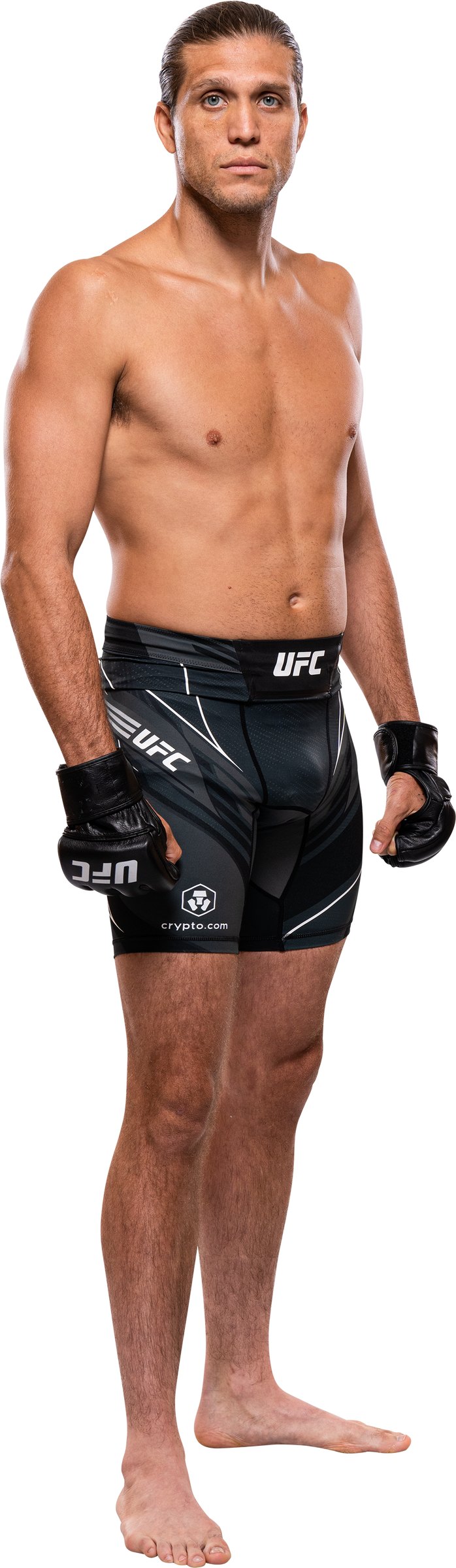
The later UFC portrait shows Ortega in a distinct official setup. His facial hair, shorts and pose differ from the 2022 source, and the high-resolution original gives the exposed arms enough scale for comparison. The tattoos remain subtle in the studio lighting, but the marks are still visible as part of the body portrait rather than as printed clothing or background detail.
Reading the 2024 image beside the 2022 portrait makes the chronology more honest. The photographs do not prove that every mark was added between the sessions, and they do not show the entire body at once. They do show that Ortega’s public image has been photographed with the arms uncovered more than once, giving viewers distinct evidence rather than a single repeated promotional file.
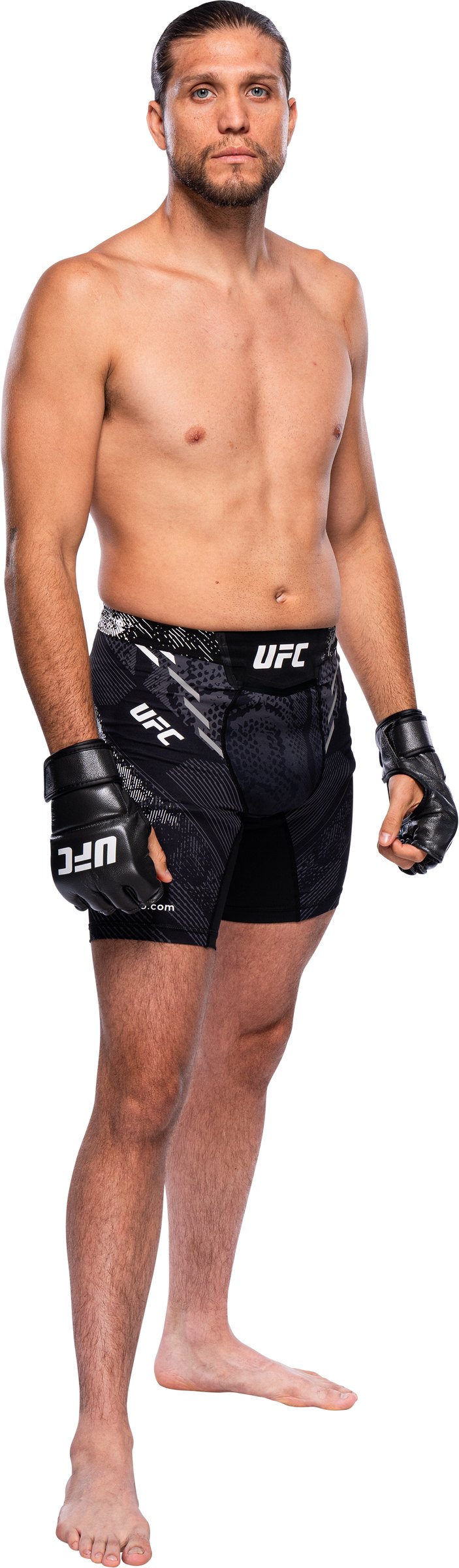
The change in styling also affects tattoo visibility. A different pair of shorts changes the lower frame, while posture moves the arm closer to or farther from the camera. In one photograph the forearm is more readable; in another the shoulder and torso carry more of the visual weight. That is why a body map should be built from separate originals instead of from repeated crops.
The image belongs in a tattoo article because the ink is visible, but its wording should stay modest. It is an official fighter portrait with arm marks, not a written catalogue of every design. The responsible caption describes what can be seen and leaves uncertain symbols unnamed.
The close-up UFC portrait where the lip ink is visible
The UFC editorial close-up returns to the most distinctive tattoo in the dossier. Ortega is shown in profile, with his mouth slightly open and the inside-lip lettering visible against the darker arena background. The photograph is not the same file as the 2022 tattoo collage, and its tighter facial framing makes the placement easier to understand as part of his expression and profile.
The visible mark is the same documented idea reported by MMA Weekly: the name “Tracy” accompanied by a heart on the inner lower lip. The close-up does not add a new tattoo claim, but it supplies a different original and a different viewing condition. The earlier collage shows the appointment and the relationship context; this portrait shows how the ink appears in a later UFC setting.
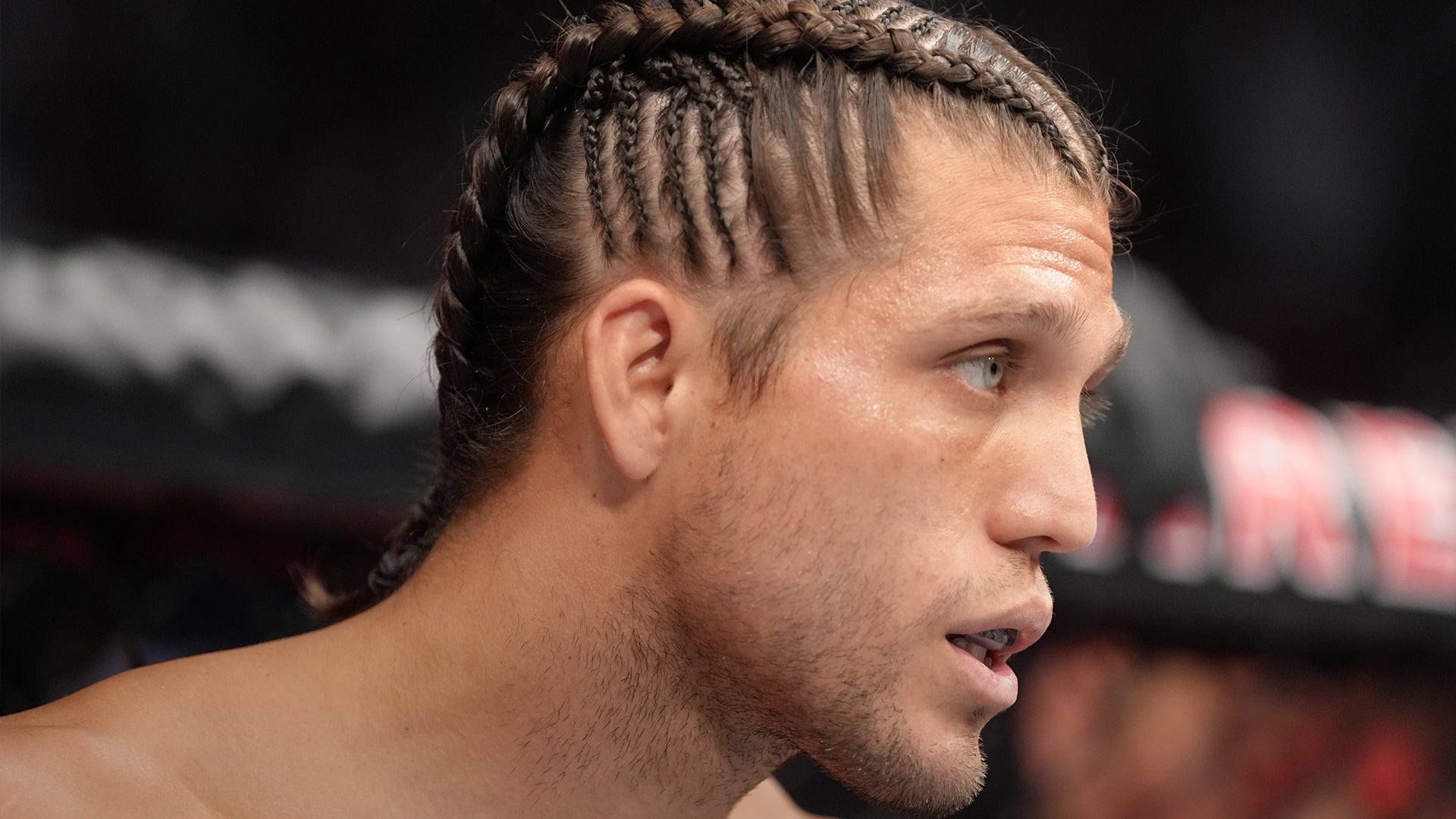
That distinction matters for an image-led page. A single file cannot demonstrate both the tattoo’s origin story and its later visibility. The two originals are complementary, not interchangeable. One is a source for the February 2022 reveal, while the other shows the mark as part of Ortega’s public face during fight coverage.
The profile also reinforces the unusual placement. The name is hidden until the mouth opens, which makes the tattoo more dependent on gesture than on clothing. It is a design that can disappear from a neutral headshot and become unmistakable in a candid or close editorial frame.
Confirmed facts and visual limits
The strongest confirmed detail is the inner-lip “Tracy” tattoo and the small heart described by MMA Weekly and MiddleEasy. That claim has both a written source and multiple distinct photographs. The arm portraits are different in character. They visually document tattoo marks on exposed skin, but they do not publish a definitive list of every symbol, artist or appointment.
That difference should guide the wording of the page. A reader can be told where the lip tattoo sits, when it was reported and what the surrounding message said. The arm images can be described by placement and visibility. A more elaborate catalogue would require closer first-party photographs or reporting that names the designs directly.
Why the photographs need different roles
The five inline originals are not interchangeable. The first two preserve the tattoo reveal and its relationship context. The next two show Ortega’s uncovered arms in distinct official UFC portraits. The final close-up returns to the lip tattoo from a different date and angle. Together they create a sequence with changing scale, rather than five versions of one frame.
The separate featured portrait serves a narrower purpose. It gives the page a face-visible identity route without consuming one of the tattoo evidence slots. That separation protects the visual logic of the article: tattoos are mapped to photographs that actually show ink, while identity context remains available through its own source.
What remains uncertain about Brian Ortega’s ink
The public coverage does not establish a complete body map. The available images do not resolve every small arm mark, and the cited reports focus on the lip tattoo rather than on a full inventory. There is also no need to turn every shadow or line in an official portrait into a named motif. Uncertainty is part of an accurate visual record.
Future interviews, training photographs or first-party posts may clarify more. Until then, the defensible account is already specific: Ortega has a documented “Tracy” name tattoo inside the lower lip with a heart, and separate UFC photographs show additional visible arm ink at different points in his public career. The images support those claims without pretending to reveal private details that have not been published.
A concise visual record
Brian Ortega’s tattoo story is strongest when its unusual centerpiece is allowed to remain unusual. The inner-lip name is personal, physically specific and well documented. The arm photographs add broader visual context, showing that the lip mark is not the only ink visible in his public image, while still leaving the exact catalogue open.
The result is a compact archive built from distinct originals: a close tattoo reveal, a wider relationship image, two official full-body portraits and a later face-visible UFC close-up. The featured identity image stays separate. That structure makes it possible to study placement, timing and visibility without padding the page with repeated or generic portraits.