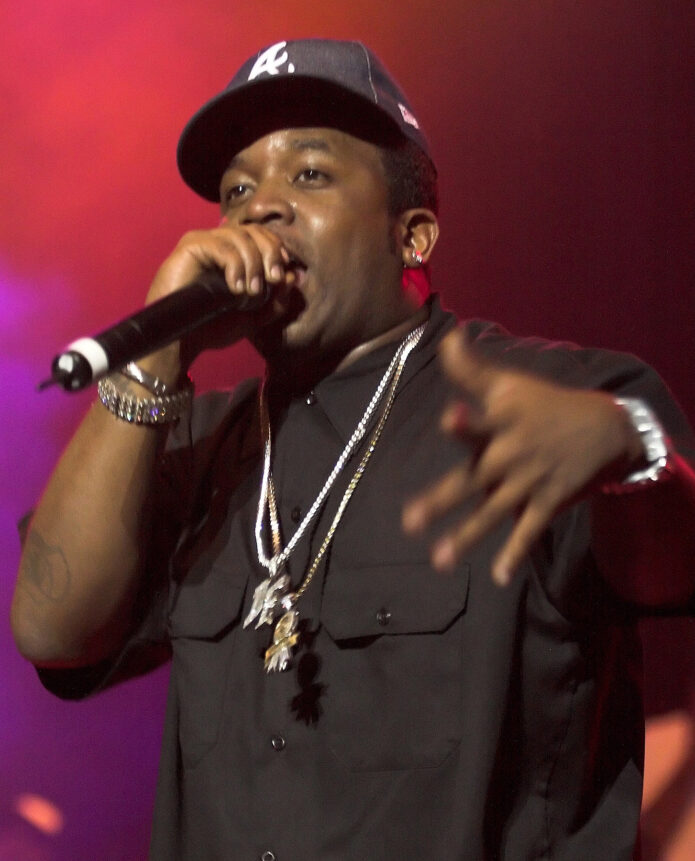
Big Boi’s tattoos are tied to the names and places that have shaped his life: his Southern roots, OutKast and the Dungeon Family, his family, faith and personal memories. He has talked about several designs himself, which makes their stories easier to follow than a list built from blurry photographs.
The collection mixes lettering, a heart banner, a lion, handcuffs, crew references, family names, religious wording, cherubs and a portrait of his first pit bull, Carlito. The tattoos do not look like one giant sleeve planned in advance. They appear to have grown alongside his life and career.
The first tattoo was a heart banner built around “Twan”
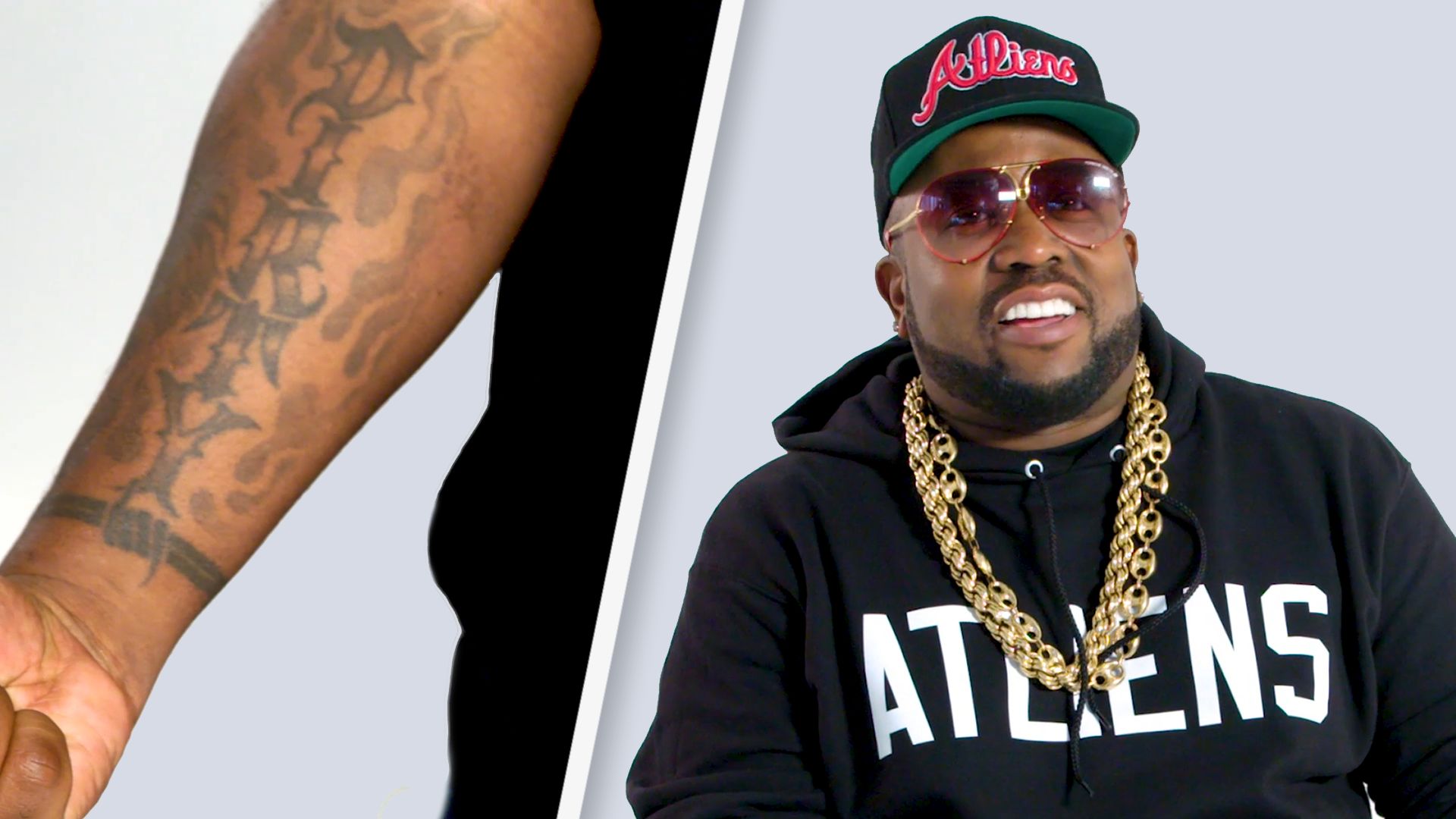
Big Boi has said his first tattoo arrived when he was 17. It is a heart-and-banner design with the name “Twan”, the nickname he used at the time. Unlike the pieces he added later, after music became his full-time world, it began as a personal name rather than a branding idea.
The heart gives the lettering a familiar old-school frame. The name remains the focus, but the banner gives the design more weight than plain script would have on its own.
A lion followed the first tattoo, bringing an animal image into the early collection. It marks a shift from a name toward larger symbols. A lion can invite speculation about strength or status, but Big Boi has not attached an elaborate theory to every design. The useful timeline is simpler: the heart banner came first, and the lion arrived after it.
That order matters. The tattoos were not all created in one polished session. Smaller pieces were already there before the larger work appeared. In photographs, they can look like parts of a finished plan, but Big Boi’s account suggests a more natural process: he added designs as different parts of his life became important.
The banner also shows how the collection can feel personal and public at once. A nickname carries private meaning, while its placement makes it visible to anyone looking closely. That balance returns throughout the tattoos: some speak to music or home, others to people and beliefs he wanted close.
There is no need to turn the first tattoo into a hidden code. “Twan” is the name, the heart is the frame, and the design marks the beginning of the tattoo story. The lion adds a stronger image, but the original piece keeps its personal feel.
Southern pride and the Dungeon Family sit close to the music
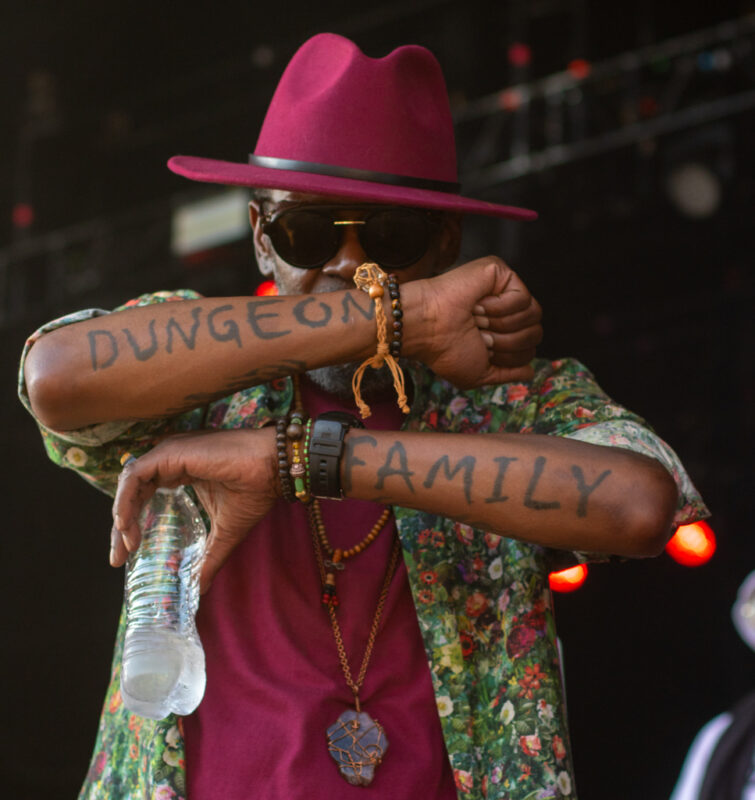
The words “Dirty South” make one of the clearest links between Big Boi’s tattoos and where he comes from. The phrase gives the collection a regional stamp, but it is not detached from the rest of his story. It sits alongside Atlanta music, OutKast and the Dungeon Family circle that shaped his career.
The lettering is direct; it does not need a mystery attached to it. “Dirty South” is a plain statement of identity, pointing to the culture and sound Big Boi helped bring to a much wider audience while keeping the phrase tied to its Southern home.
Open handcuffs appear among the designs, adding a harder visual note than the heart banner or family lettering. They can look like a symbol of release, but the photograph only confirms what they look like. Without a clear explanation from Big Boi, the broader meaning can stay open.
The Dungeon Family tattoo points to a more specific musical connection. The collective brought together OutKast and other Atlanta artists, so the mark recalls the people and environment around the records. It says something different from “Dirty South”: one is about a region and its culture, the other about a particular creative circle.
That distinction is worth keeping. The Southern lettering can stand for home, the Dungeon Family design for collaborators, and the handcuffs can remain a striking image without a definite explanation. Not every tattoo needs to fit one theme.
Good photographs help with small lettering and symbols. Compressed images can blur a word or hide a mark beside it. A clear close-up lets readers see the lines, spacing and placement instead of relying on a vague description.
These designs sit between the personal and the public. They show where Big Boi comes from and who he worked with, while also carrying parts of his own history. That makes the collection feel lived-in rather than carefully branded.
Carlito gives the collection its most personal portrait
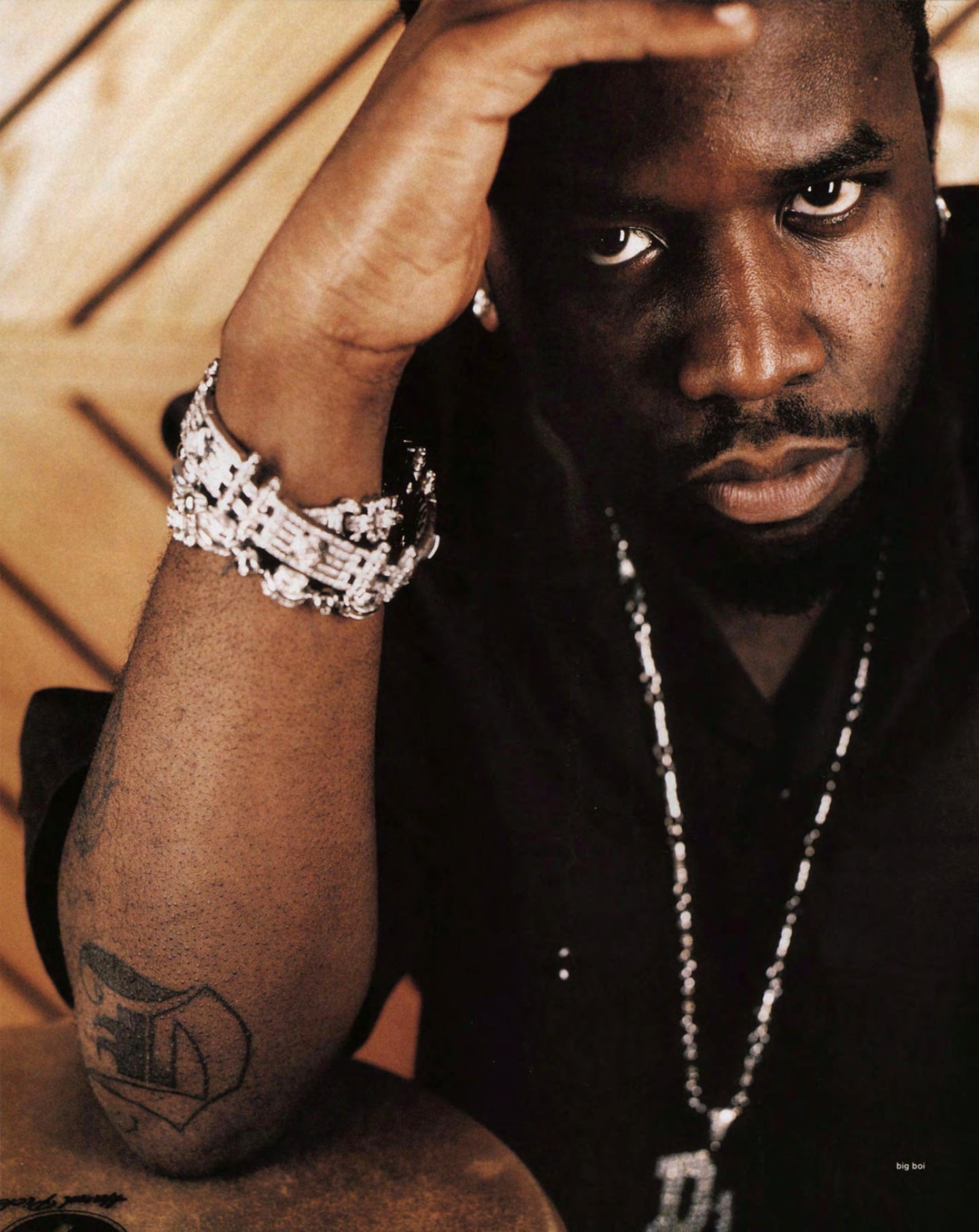
The portrait of Carlito, Big Boi’s first pit bull, brings a personal memory into the collection. It is not just an animal chosen for its looks. Carlito was part of his life, and the tattoo gives the portrait a memorial quality distinct from the music-related designs.
Animal portraits can lose detail in a distant photo. A stage image may show only the outline; a close-up brings out the expression and shading. The portrait deserves to be shown on its own rather than treated as a small detail in a generic photo of Big Boi.
It also adds a quieter note. “Dirty South” and the Dungeon Family mark speak to public identity; Carlito points to a relationship away from the stage and music business. That contrast makes the collection feel more personal.
Other symbols, including the handcuffs and smaller arm tattoos, appear around it. They should not be folded into the portrait or assigned meanings Big Boi has not given them. The portrait is Carlito’s tattoo, and its strongest supported story is the connection to his first pit bull.
Different photos can change the way the piece looks. Lighting shifts the contrast, and the curve of the arm can make the portrait seem flatter or darker from one angle. That does not mean the tattoo changed; the camera is showing a rounded surface differently.
This is easy to miss when people try to count tattoos from red-carpet photos. A jacket, chain or shirt can cover part of a design, while a tattoo-tour close-up may show much more. The clearest view is the best evidence; one image cannot prove the entire collection.
Carlito’s portrait sits naturally beside the family names and faith lettering, though each group says something different. The dog represents a memory, the names represent family, and the scripture is a statement of belief and protection. Keeping them distinct gives each piece room to make sense.
Family names bring the focus back home
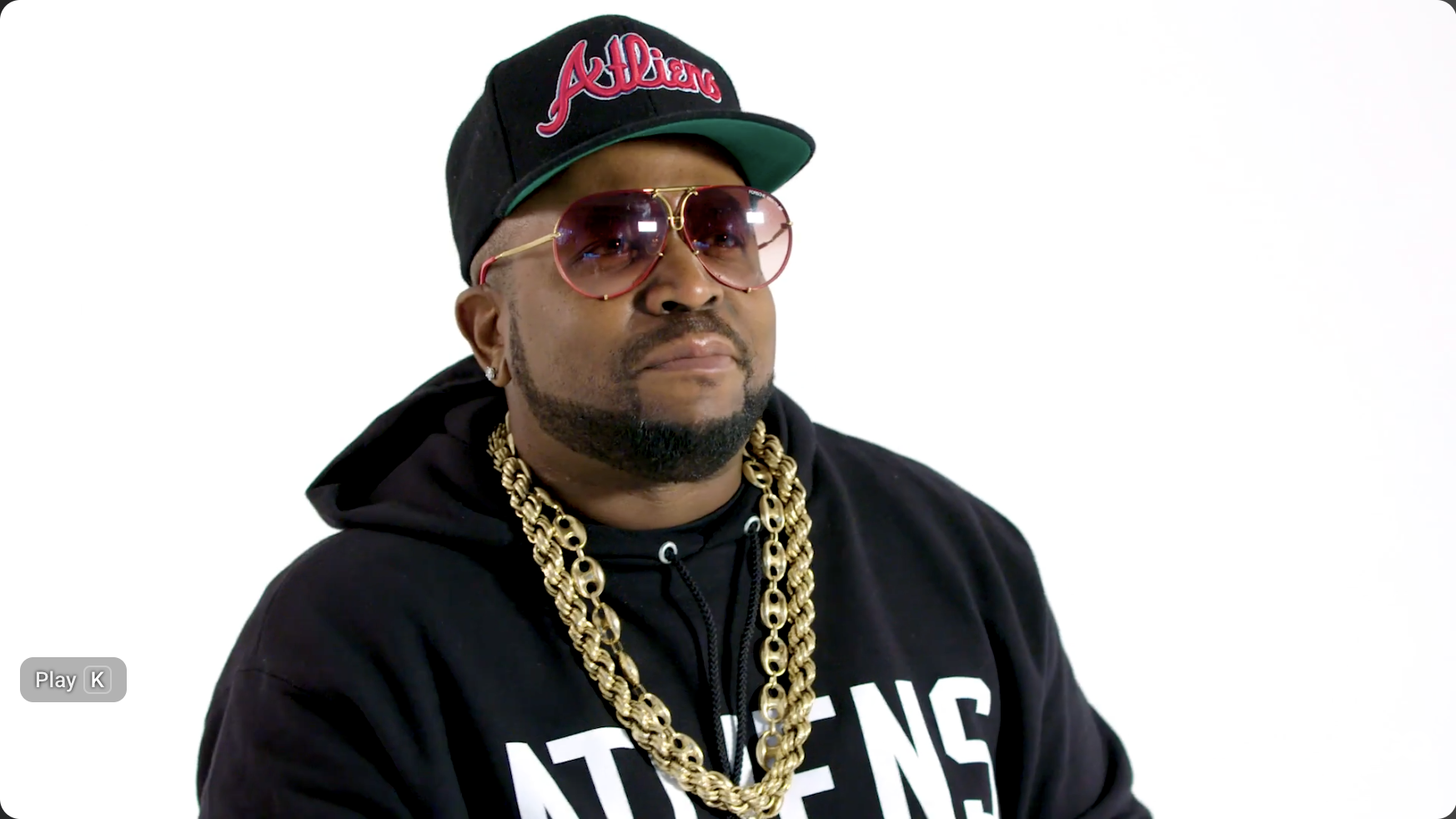
Big Boi’s children’s names add another layer to the neck and chest tattoos. The names do not need an elaborate explanation, but a clear image matters: the spelling, direction and exact placement can be hard to see when a collar or chain gets in the way.
Family lettering differs from the Dungeon Family mark, even though both refer to people. One points to a creative circle and shared music history; the other to the people closest to him at home. Keeping that distinction prevents every name from being flattened into the same broad idea of “family.”
The neck tattoos can look inconsistent across photos from different years. Big Boi may have a different collar on, stand at another angle or show only one side. A later picture may reveal more than an earlier one without indicating that a new tattoo was added. Sometimes the view is simply better.
Cherub or angel imagery also appears among the larger collection, adding a softer note beside darker symbols and strong lettering. It can be described as part of the visible work, but a specific private meaning should not be attached unless Big Boi has explained it.
The names bring the focus away from the stage and back toward the people Big Boi wanted to carry with him. Clothing can still hide part of the design, so more than one photo helps show how the names sit on his body.
The timeline offers another way to read the pieces. The heart banner and lion belong to the early years; the Southern and Dungeon Family tattoos connect to his music career; the children’s names show the collection continuing as his life changed. The designs need not form a perfect chronology for that progression to be clear.
A guide should also say when it cannot read a detail. If fabric covers a letter or a low-resolution image blurs it, describing the visible placement is better than guessing. That keeps the family section accurate without leaving it empty.
Isaiah 54:17 is the clearest protective statement
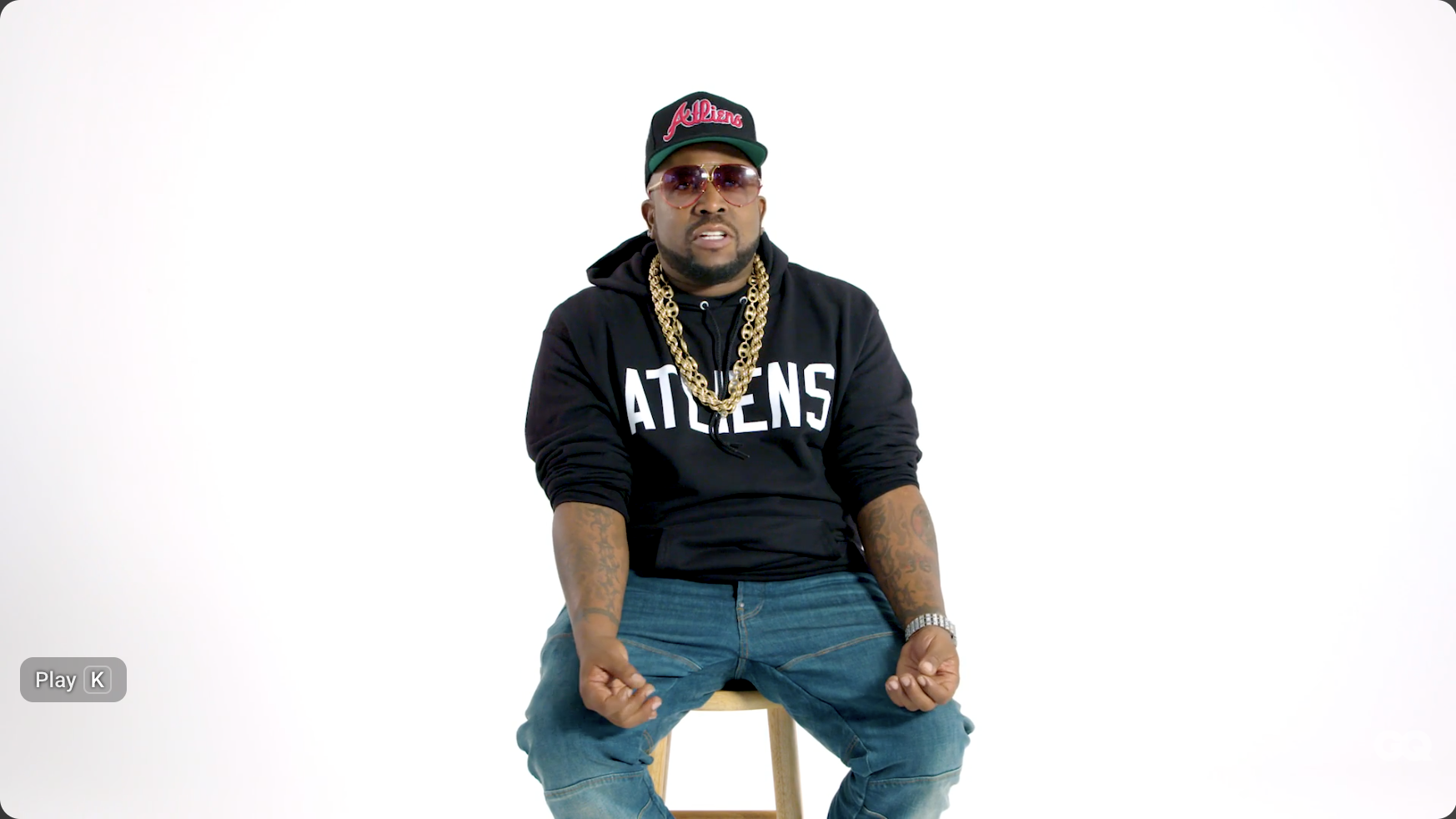
The Isaiah 54:17 tattoo is one of the clearest pieces to explain because Big Boi has shared both the reference and its purpose. The verse is associated with “no weapon formed against me shall prosper”, and he has described the tattoo as a form of protection.
Here the words carry the meaning. Placement and lettering still matter, but the scripture is the heart of the design. It sits beside the personal banner, music references and family names while making a direct statement of faith.
The verse also marks how the collection has changed over time. It began with a nickname, then expanded to Southern identity, collaborators, children and belief. Isaiah 54:17 feels like a tattoo about protection, not performance, even though it is part of a very visible collection.
Big Boi has also spoken about facial tattoos and how they can affect his appearance and work. It is easy to over-name small marks in distant portraits, so the safer list is the set of designs that can be seen and discussed: the heart banner, lion, “Dirty South,” handcuffs, Dungeon Family mark, Carlito, his children’s names, cherubs and the Isaiah verse.
Together, the tattoos tell a pretty straightforward story: a first nickname, Southern identity, a music family, a much-loved dog, his children and a verse he sees as protection. The details are enough without a grand theory.
The photos need to appear beside the sections they support. One image cannot show the lettering clearly, give the dog portrait room, establish where family names sit and reveal the full verse all at once. Each section needs its own visual evidence.
That is the clearest way to read Big Boi’s tattoos: start with what the photo shows, add meanings he has actually shared and leave uncertain details open. It gives the collection its full story without turning it into a legend.