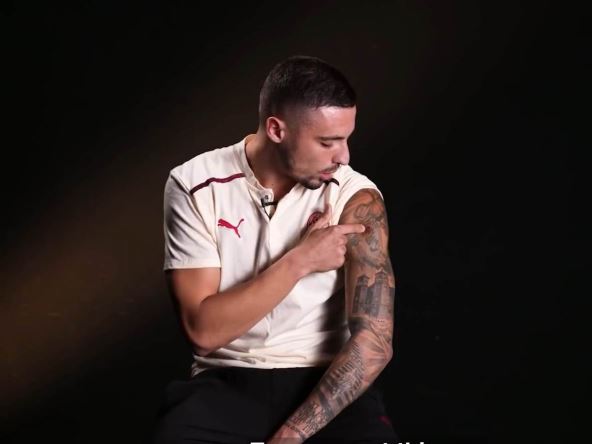
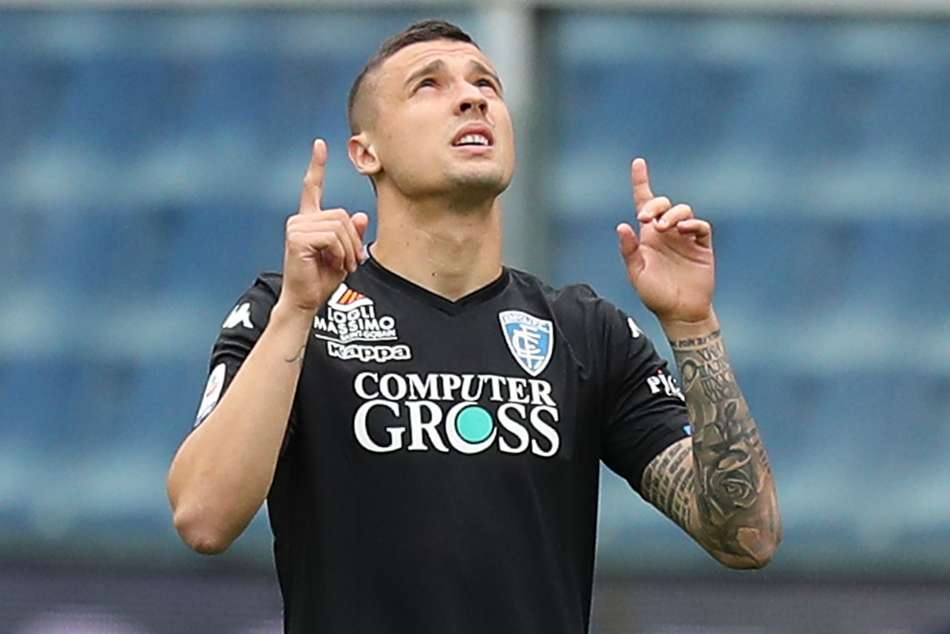
Rade Krunić’s tattoos are more personal than they might first appear. The Bosnia and Herzegovina midfielder has a full-looking right arm, but the pieces do not seem to be there just to fill space. Initials for his sisters, a prayer in Cyrillic, a church from his hometown, a warrior before a cross, family dates, a compass and a Joker all have a place.
That mix says a lot about what matters to him: family, faith, Bosnia and a few ideas he likes. Krunić has explained several designs in Milan TV’s Under My Skin feature, which offers more than the guesses people make from a single match photo.
As a kid, he admired tattooed footballers, especially David Beckham. His parents did not want him getting tattoos, so he waited until he had moved out. Once he started, he added pieces gradually instead of trying to complete the sleeve in one session.
Rade Krunić’s sisters’ initials were his first truly important tattoos
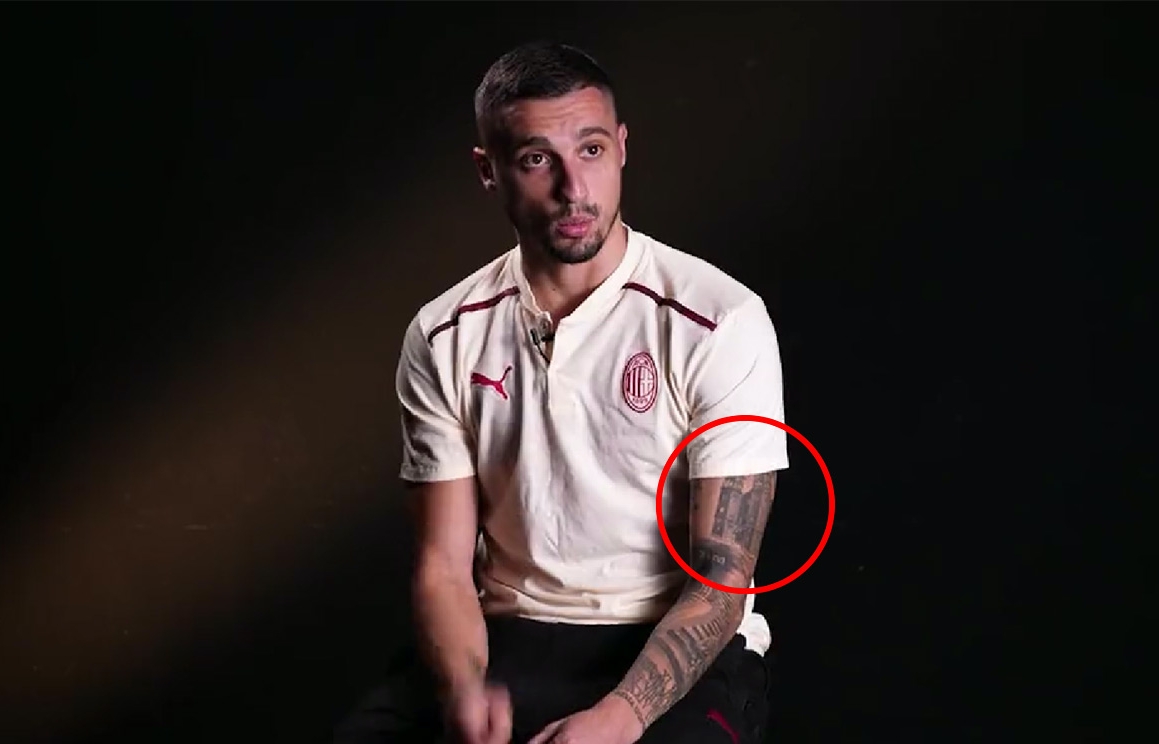
Krunić has said he got his sisters’ initials, Aleksandra and Milica, when he was 20. He calls those tattoos especially important because his sisters are the most important people in his life. They give the sleeve a deeply personal starting point.
Initials can be easy to miss beside a large image, but they may carry more weight than a dramatic picture. For Krunić, they are a direct tribute to the people he grew up with and help explain why the sleeve is not just a collection of designs he thought looked good.
His parents did not have tattoos, and he has said his father worried he might go too far. That family connection still shapes the finished work. Even from a distance, the sleeve is built around people and memories rather than a passing style.
The Lord’s Prayer in Cyrillic is one of Krunić’s most painful pieces
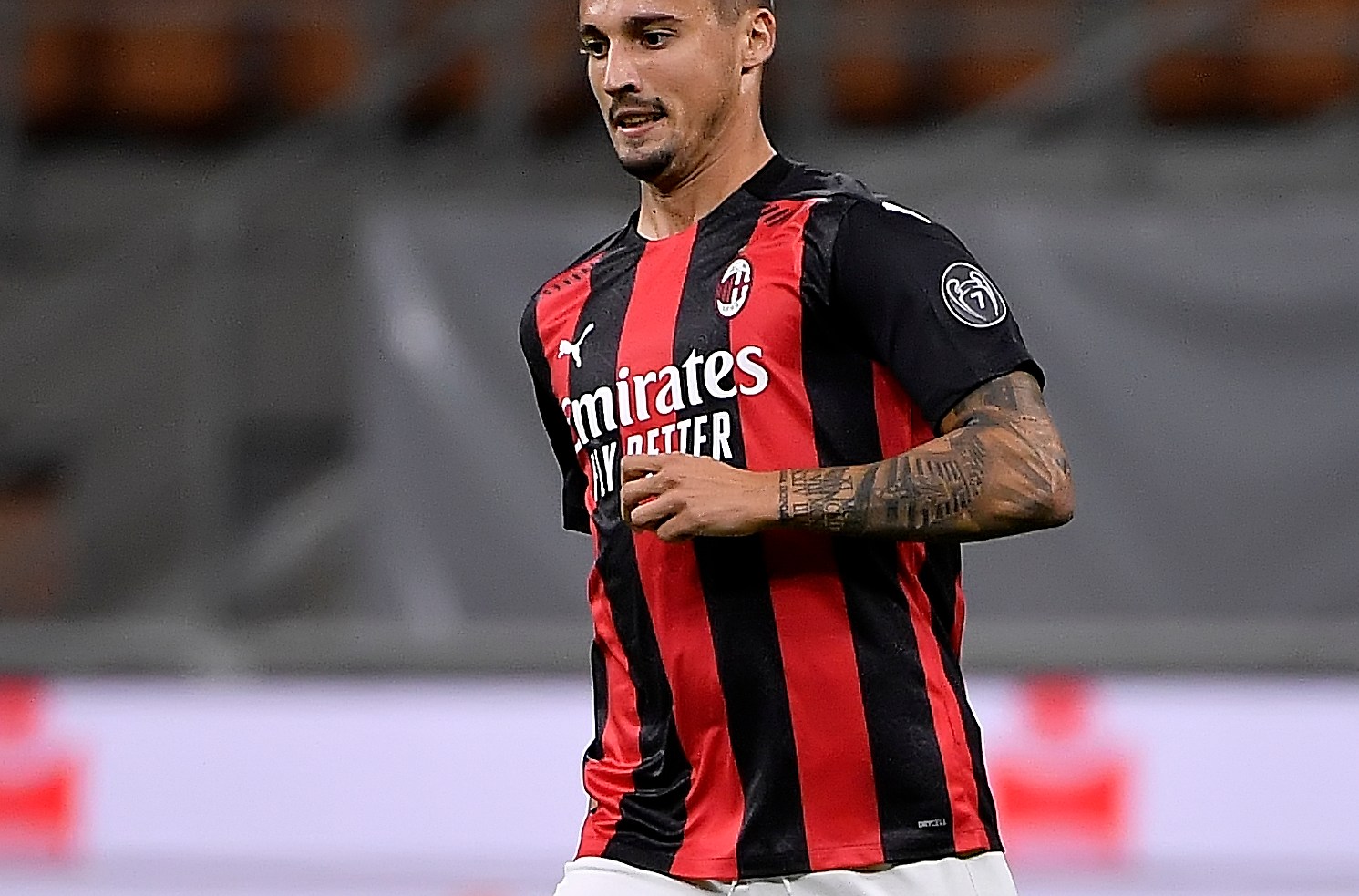
One of the largest text designs on Krunić’s arm is the Lord’s Prayer, written in Cyrillic, his own language and script. He has said it was one of his most painful tattoos and took close to three hours. A long stretch of lettering on the arm sounds like a tough session.
The prayer is more than a visual centrepiece. Krunić has spoken about being an Orthodox Christian, which links the words to both faith and identity. Keeping the prayer in Cyrillic makes it personal to home; the script itself is part of the choice.
Text tattoos depend on spacing and clear lines, especially beside darker sleeve work. In photographs, the prayer breaks up the surrounding images and gives the arm a line for the eye to follow.
His warrior kneeling before a cross is about Bosnia and suffering
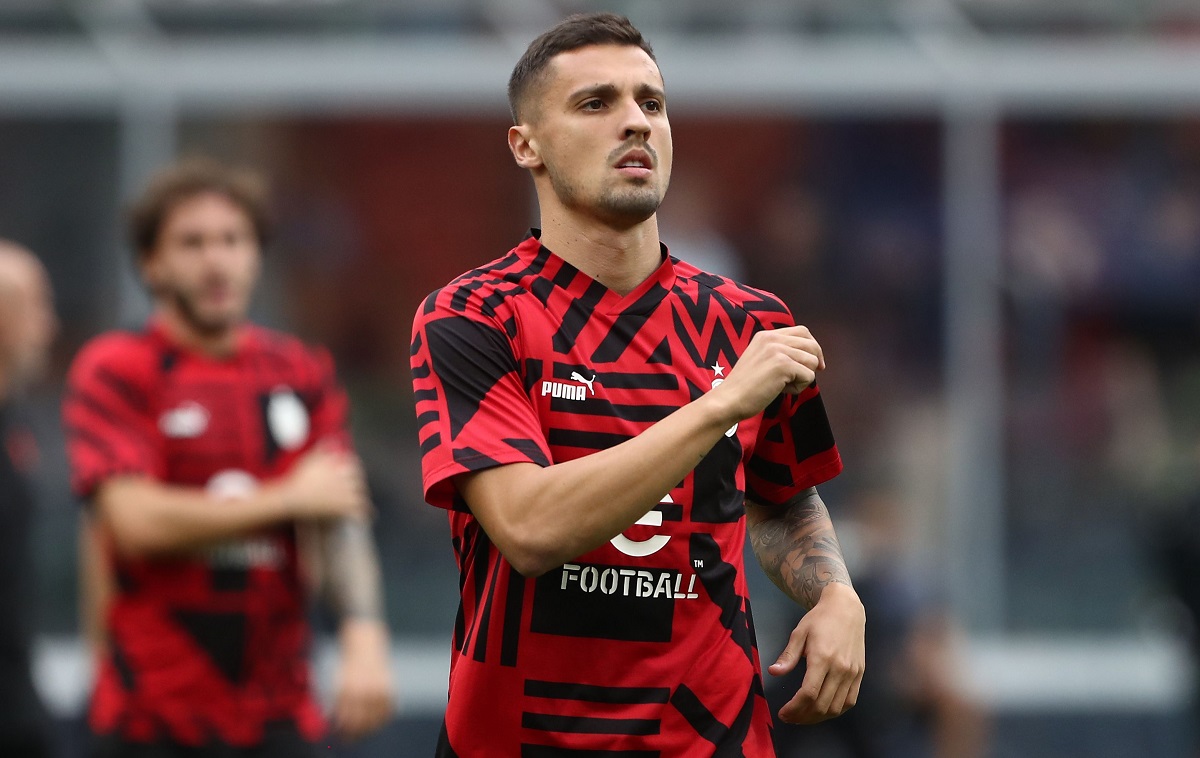
Krunić has given one of the clearest explanations for the warrior design. He says it represents what happened to his country and the suffering people went through. The figure kneels in front of a cross, bringing strength and faith into the same image.
It would be easy to read a warrior tattoo as a simple sign of toughness, but Krunić’s explanation carries a heavier history. The figure is not only fighting; he has paused to pray and remember what came before.
The artwork can be hard to pick out among the other dark designs in match photos. Close-ups show the arm more clearly, and make the kneeling pose and cross—rather than just another patch of black and grey—easier to see.
The church tattoo is a link to Krunić’s hometown Foča
Another meaningful piece is a church from Krunić’s hometown, Foča. His parents still live there, so the building is not just a general religious image. It connects the tattoo to home, family and the part of Bosnia where his story began.
That can be grounding for a player who has spent years moving between clubs and countries. Krunić has played in Bosnia, Italy and Serbia, while the church holds one particular place close. It works like a small landmark on his arm.
Seen with the warrior and prayer, the pieces form a connected story: hardship, faith and a return to his hometown. They do not need to be separated to make sense.
Dates, a compass and a clover fill out the family side of his sleeve
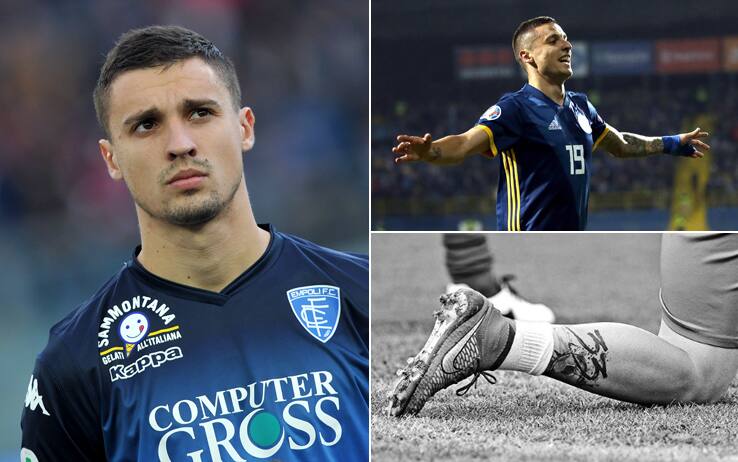
Krunić has also talked about family birth dates in Roman numerals. The dates belong to his parents and sisters, continuing the family theme begun by their initials. They are quieter designs, but add a private layer to the larger sleeve.
Nearby are a four-leaf clover and a compass. The clover is an obvious nod to luck, while the compass can suggest direction and steadiness. Krunić has connected this group more broadly to faith, football, family and friends.
He has said his family is his life and that they made sacrifices to help him reach professional football. That gives the dates extra weight: they are not numbers to fill space, but reminders of the people who helped him go from Foča to the biggest stages in Europe.
Krunić’s Joker tattoo is the playful part of the collection
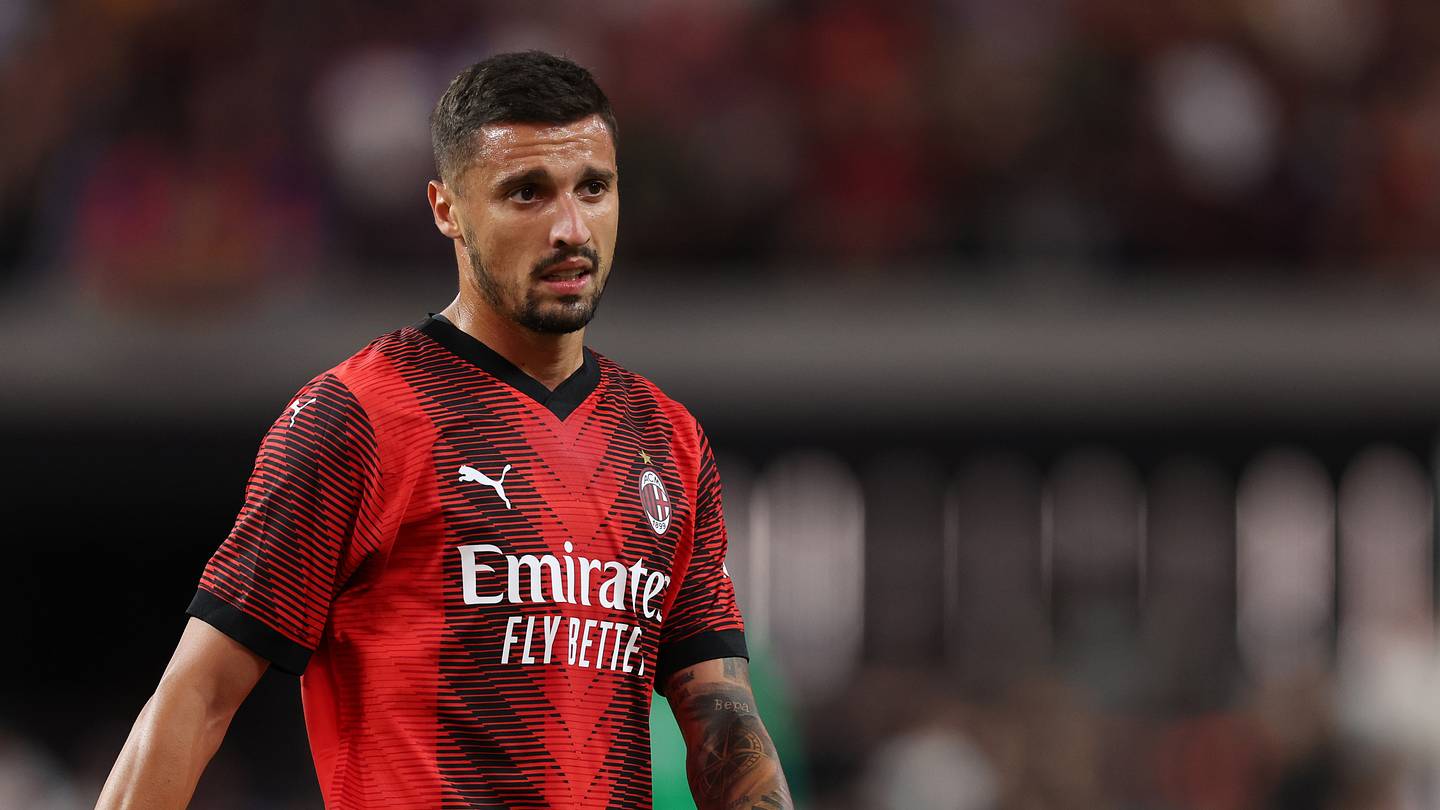
The Joker is the design Krunić says falls outside his usual style. He got it because he liked the character and the way the Joker thinks. His short version of the message is simple: you live once, so do not spend too much time worrying about what other people think.
It gives the sleeve a lighter moment. Many of the other pieces tie directly to family, faith, hardship or personal history; the Joker is more about attitude. It adds a little mischief to a collection that could otherwise feel very serious.
Krunić has compared getting tattoos to an addiction: the sessions hurt, but he enjoys seeing the finished work. The Joker seems to be a choice made for the pleasure of it, while still carrying an idea he relates to.
The word “Trust” comes with a warning about people
Another design Krunić has discussed pairs the word “Trust” with an image of two hands. One hand has a snake where a finger would normally be, turning what might look like a friendship slogan into a more cautious message.
He says you have to be careful with people and cannot be friends with everyone. It is practical advice from someone who has spent a career in competitive dressing rooms and changing football environments. The tattoo is not telling him to trust blindly; it is a reminder to think before letting someone close.
The hand and snake also add a different texture to the sleeve. The design is more symbolic than the church, less direct than the Roman numerals. Together, the tattoos make the arm feel like a personal notebook, with each image holding a different lesson.
Why Rade Krunić’s tattoos stand out
Krunić can explain the story behind much of his ink. His sisters’ initials honour family; the prayer and church connect faith with home; the warrior carries a memory of Bosnia; and the dates mark the people who supported him. The compass, clover and “Trust” design add smaller ideas, while the Joker keeps the collection from becoming too heavy.
There is no one style holding every tattoo together, and that is part of the appeal. The sleeve grew over about five years, one piece at a time. It feels like a record of things Krunić wanted close, not a design planned in one afternoon.
That gradual pace gives each new tattoo room to keep its own story.
If you like footballers whose tattoos have a clear story behind them, see our guide to Virat Kohli’s tattoos. Kohli’s collection leans into cricket, family and spirituality; Krunić’s is rooted in Bosnia, his sisters and the places that shaped him.
Watch Rade Krunić explain his tattoos:
2 thoughts on “Rade Krunić’s tattoos: the family, faith and Bosnia stories on his sleeve”