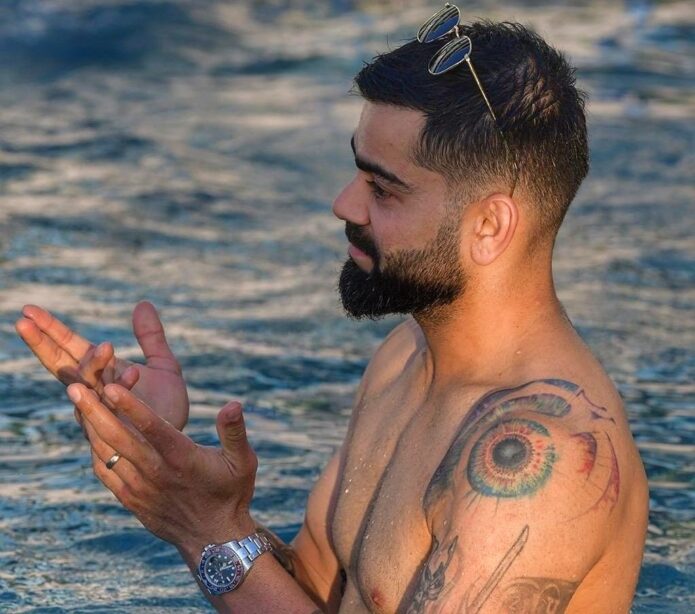
Virat Kohli’s tattoos are not a random collection of decoration. Family names, spiritual symbols, cricket numbers and a few pieces chosen because they look good all sit across his arms and body. He has added to them over the years, so the ink reads more like a timeline than one sleeve planned all at once.
That is part of the appeal. One design points back to his parents, another marks his place in Indian cricket, and others reflect faith and ideas he keeps close. Some are easy to spot during a match; others only appear in training photos or when he sits for a new session.
Here is a closer look at the main designs, their reported meanings and how they have become part of Kohli’s off-field image as well.
Virat Kohli’s God’s eye tattoo watches over his shoulder
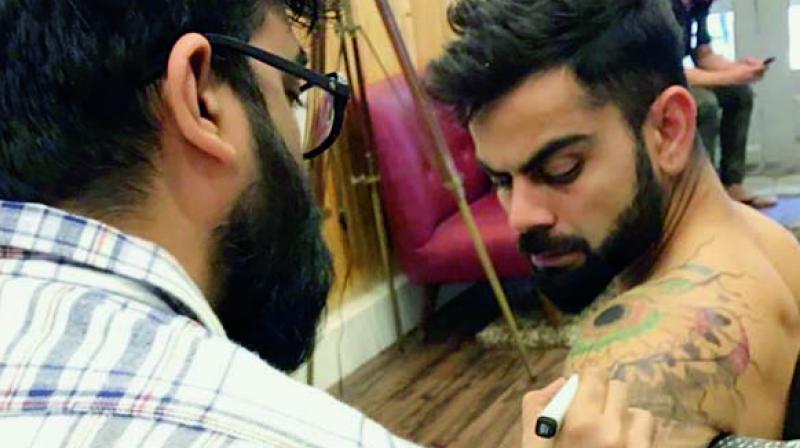
The large eye on Kohli’s left shoulder is one of his most noticeable tattoos. It sits inside a bright circular design, with lines radiating outward. In interviews, he has said it reminds him that everything in the universe is being watched and counted.
The placement gives the idea extra weight. A sleeveless training top can reveal the shoulder, while his cricket shirt covers it. The tattoo can travel with him onto the field and stay less visible when he prefers.
The 175 tattoo marks Virat Kohli’s ODI beginning
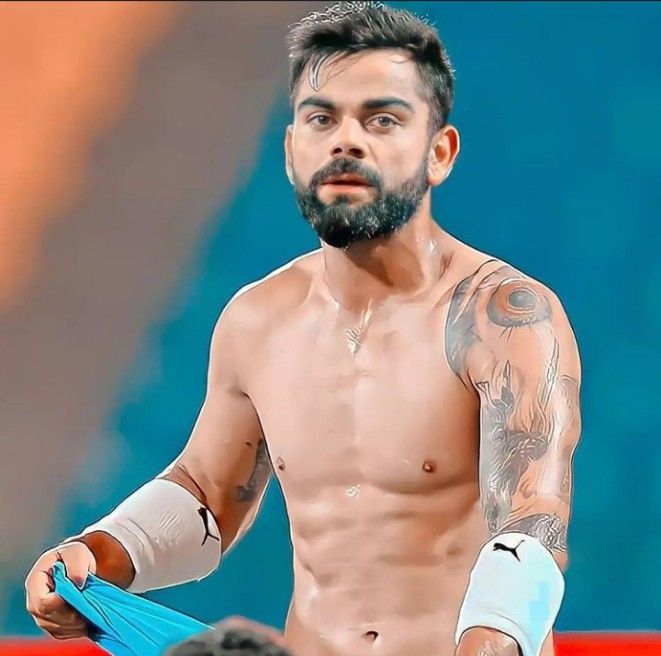
Kohli’s number tattoos are simple, but they carry a lot of cricket history. The 175 refers to his One Day International cap number. He made his ODI debut for India in 2008, so the number marks the start of that part of his career.
It is a personal milestone rather than a general lucky number. When the tattoo appears in a close-up, it points back to the first step of a career that would grow far beyond that moment.
His 269 ink records his Test cricket cap number
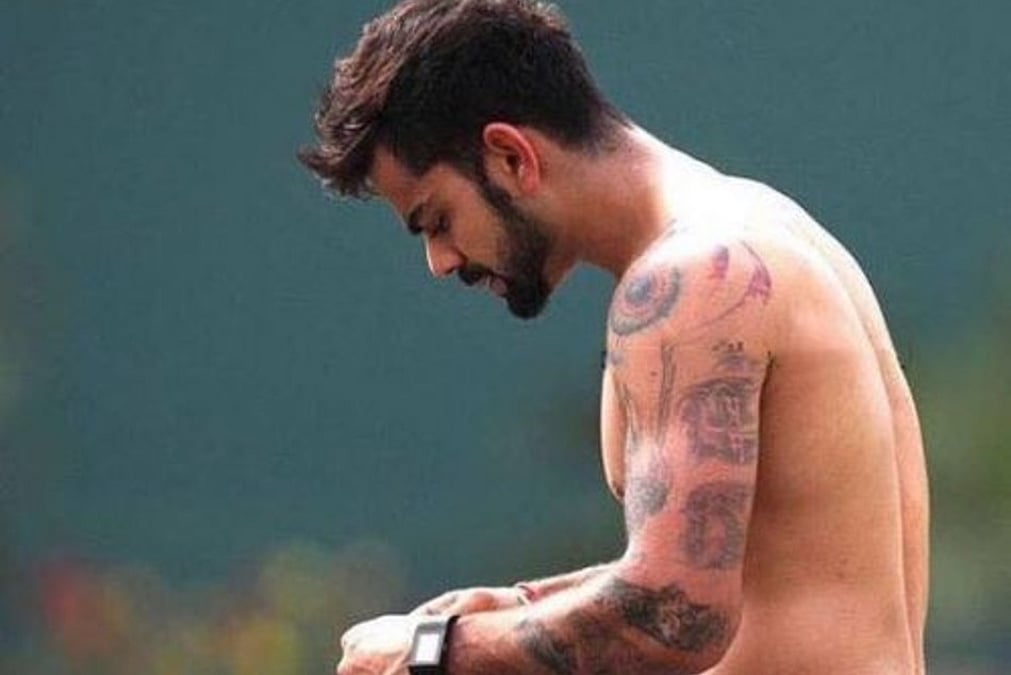
The other cricket number often noted in discussions of Kohli’s ink is 269, his Test cap number. It sits alongside 175, linking two major parts of his international career.
These tattoos show that not every meaningful piece needs to be large or elaborate. A small number can hold as much history as a detailed sleeve. For Kohli, both numbers connect the player he was when he entered international cricket to the one he became.
Virat’s samurai tattoo brings a tougher edge to the sleeve
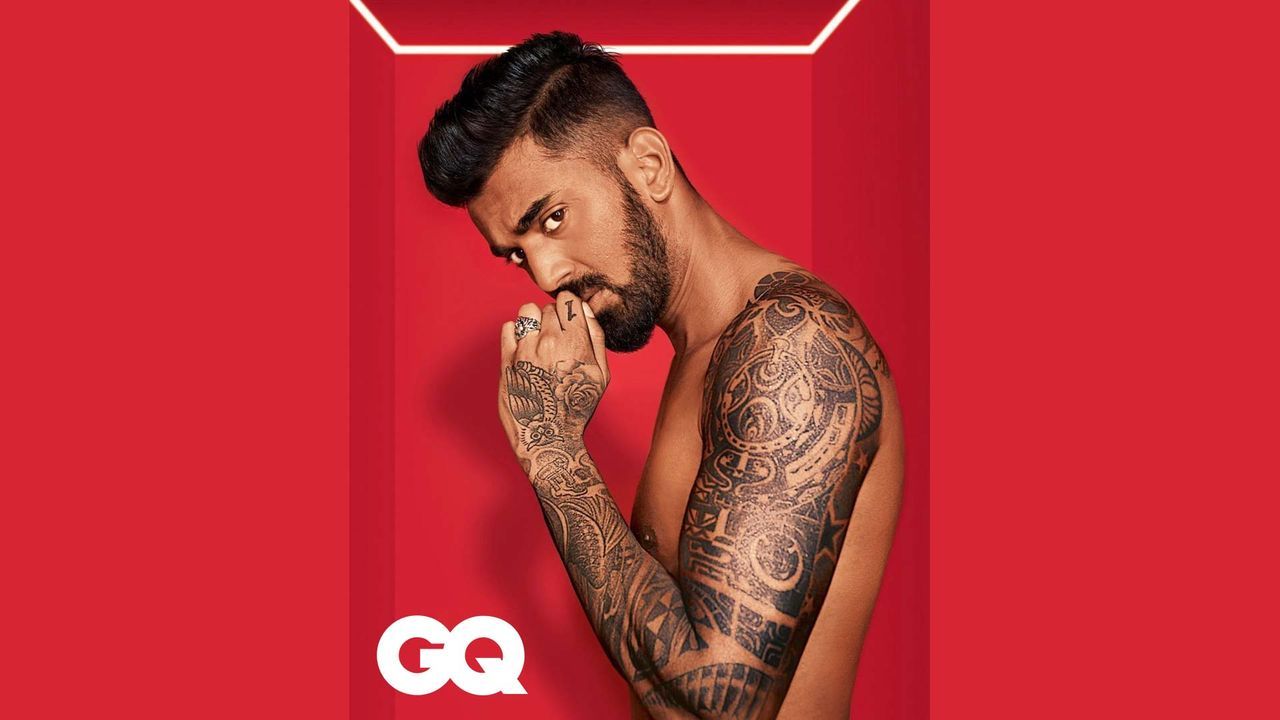
The samurai gives Kohli’s arm a different feel from the clean number tattoos. It is a detailed black-and-grey design, with the helmet, face and armour worked into a larger sleeve. In photos, it reads as a character rather than a small symbol.
Samurai imagery is often associated with discipline, courage and a personal code, and those themes fit Kohli’s public image as a competitor. Still, it is useful to separate common associations from a confirmed account: the design is clear, but he has not publicly explained every part of its personal meaning.
Shiva and the Om symbol show Virat’s spiritual side
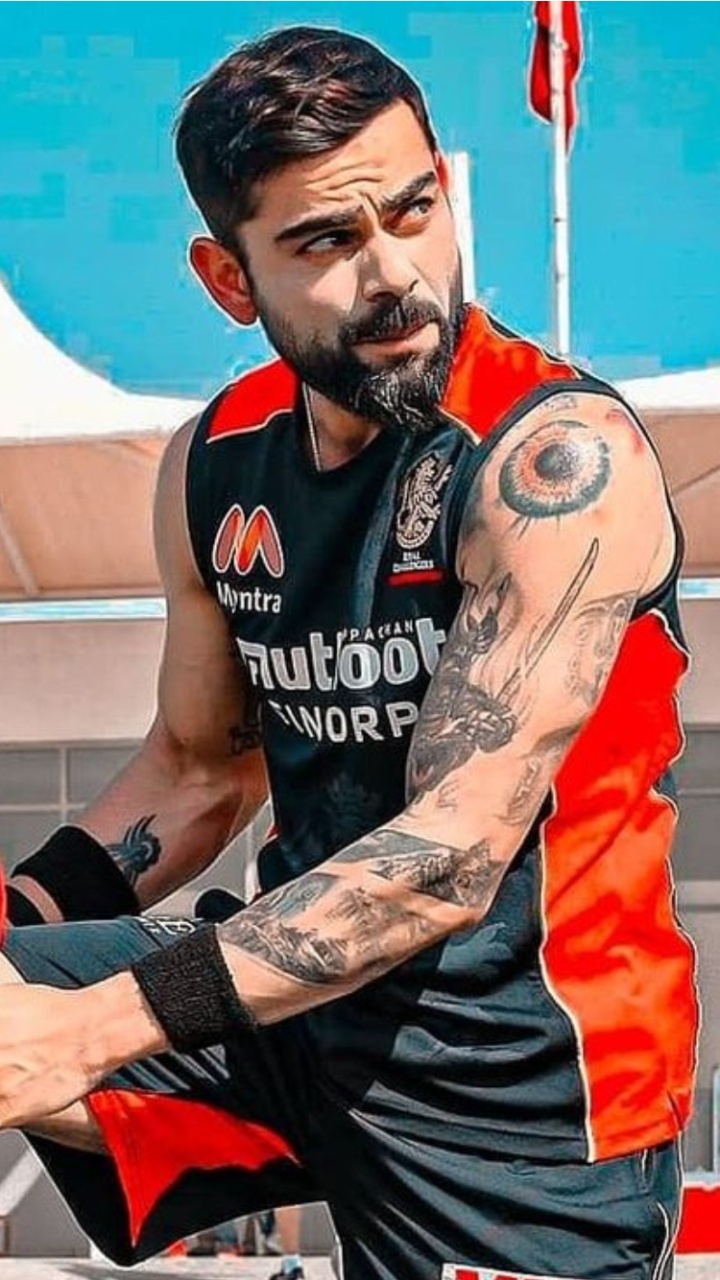
Kohli’s arm also carries tattoos associated with Hindu belief, including Shiva and the Om symbol. At a distance, the pieces can blend into the denser sleeve around them.
Om is commonly associated with the sound and idea of ultimate reality in Hinduism, while Shiva has a distinct religious and cultural place. Kohli has spoken about faith and spirituality in his life, so these designs fit the personal side of the collection: reminders as much as visual flourishes.
The names of his parents are some of his most personal tattoos
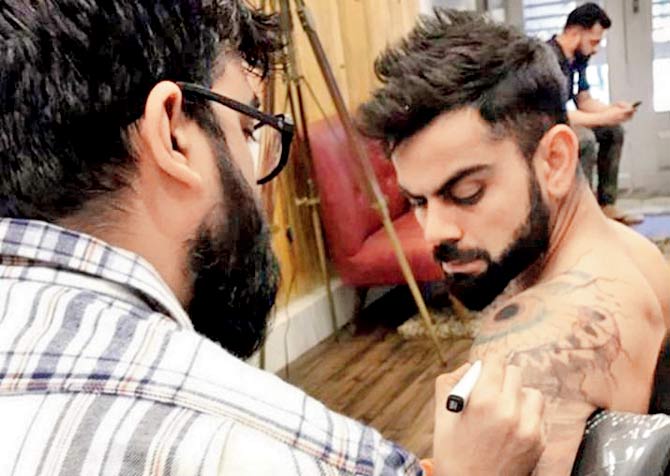
Among the images and numbers, Kohli’s parents’ names are some of the most direct tattoos. His mother Saroj’s name is on his left triceps, while his late father Prem is represented on the other arm. There is not much to decode.
Kohli’s father died while he was still building his career. A parent’s name can be a quiet way to keep someone close, especially for a player who spends so much time travelling. These may not be the loudest designs, but they carry a strong personal pull.
Virat’s first tattoo story was much less serious than the later ink
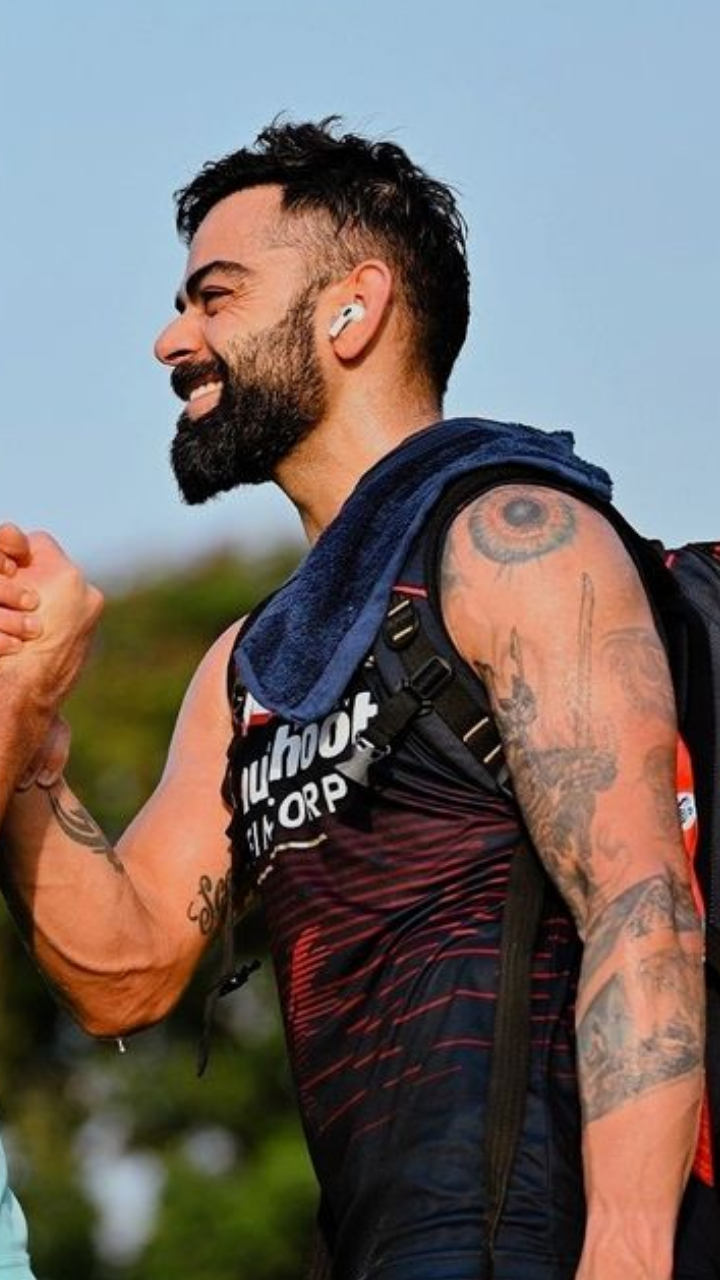
Kohli has told a lighter story about his first tattoo: an F-shaped design. When people began asking what the letter meant, he later joked that it stood for faith. The real origin was more casual than that.
It makes the rest of his collection feel more human. Not every tattoo begins with a grand plan; some start as a spur-of-the-moment choice and become part of a person’s history. Later, Kohli became more deliberate, choosing designs connected to family, belief and his career.
The new lotus tattoo adds another layer to his changing sleeve

More recent coverage has focused on a lotus tattoo by Aliens Tattoo India. Lotuses are often associated with growth, calm and rising above difficult surroundings. On Kohli’s arm, the flower joins an existing group of religious and symbolic designs rather than standing on its own.
New ink can change the balance of an older collection: lines meet, empty spaces close and a sleeve begins to feel more connected. Kohli has treated his body art as an ongoing project, adding a piece when a symbol or idea feels right.
His back tattoos connect cricket milestones with memory
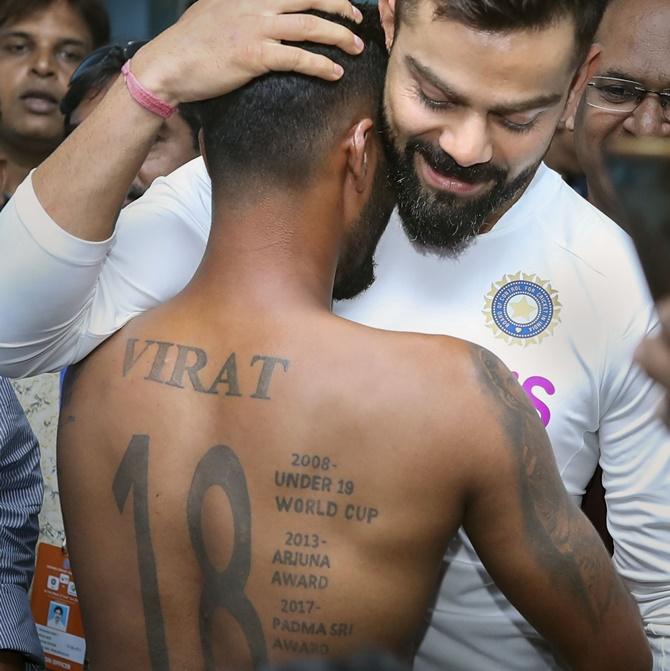
Kohli’s back tattoo is harder to see in ordinary cricket coverage, but it has a clear place in his story. Large lettering and milestone references include the Under-19 World Cup, the Arjuna Award and the Padma Shri: achievements that marked important shifts in how Indian cricket saw him.
A back piece gives a large design room while keeping it out of view day to day. When Kohli reveals it, the work reads like a personal record. His arm tattoos are more visible and decorative; the back feels closer to a page in a scrapbook.
Why Virat Kohli’s tattoos still feel personal
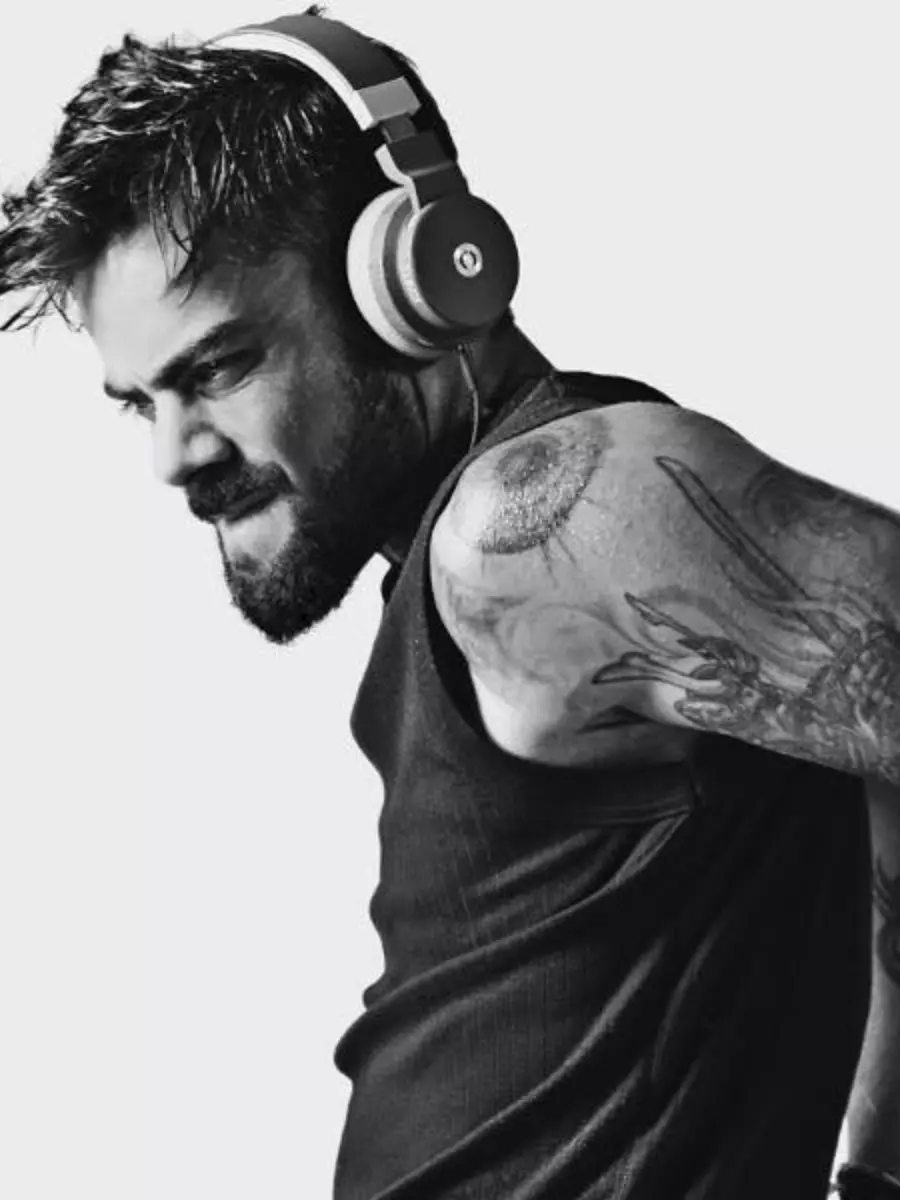
It is easy to treat a famous athlete’s tattoos as a checklist: the eye, the numbers, family names, the samurai and religious symbols. But Kohli’s collection makes more sense as a record of different versions of him.
Some pieces belong to a young player just starting out; others mark milestones or hold on to family and faith, things that matter whatever the scoreboard says. That mix keeps the tattoos from looking too polished or too planned.
Separate pieces have accumulated side by side over time. A shoulder design becomes part of the sleeve, a number gets surrounded by shading, and a small family tribute can be overlooked beside a larger image. One clear training photo can show more than a dozen cropped match shots.
That change over time is part of the appeal. Kohli has kept moving, and older designs are no longer the whole story. They do not have to match perfectly; the collection carries its early choices, serious milestones and later additions together.
For anyone planning a meaningful sleeve, the idea is simple: start with memories you truly want to keep, then let the style grow around them. Numbers, names and symbols can share space when each has a reason to be there.
If you like tattoo stories tied to real milestones, you might also enjoy our guide to Brad Pitt’s tattoos. Kohli’s collection is louder and more athletic, but both show how personal ink can become part of a public image.
Watch Virat Kohli talk about his tattoos:
2 thoughts on “Virat Kohli’s tattoos: the numbers, family ink and spiritual sleeve”