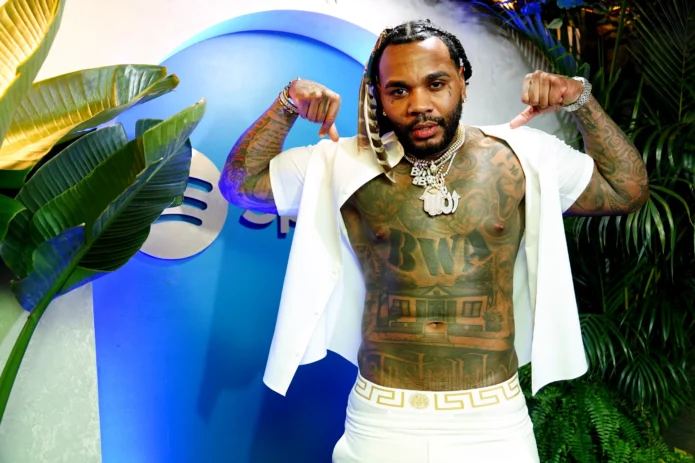
Waka Flocka Flame’s tattoos have been discussed in a few different videos, and he’s been open about liking some pieces more than others. His GQ tattoo tour is the clearest guide: he talks about the good, the bad and the beautiful, including his nickname, his career and a tattoo he regrets.
Other clips fill in parts of the story, from his first tattoo to the “World’s Baddest Bitch” piece documented by Pitchfork. They don’t provide a complete list of every tattoo, but they do show how Waka has talked about several of the designs.
The collection starts with a paperclip and a lot of nerve
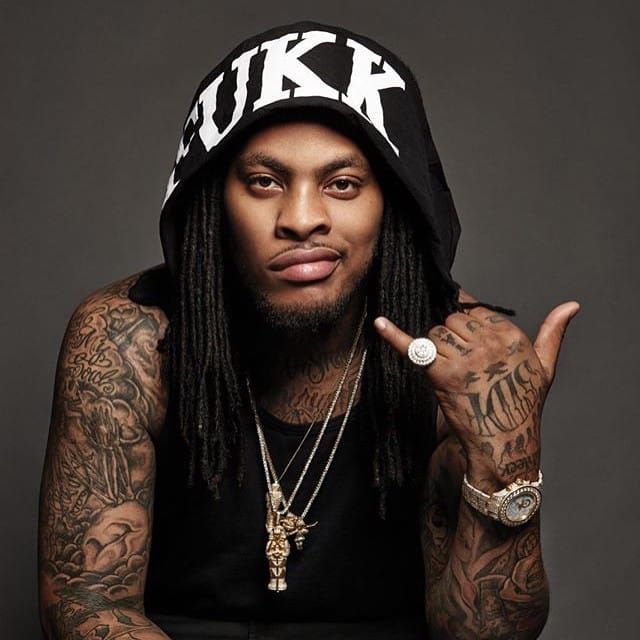
In a clip titled “The Backwash with DB: Waka Flocka Speaks on Getting his First Tattoo with a Paperclip,” Waka describes his first tattoo as a paperclip job. It’s a brief account, but it gives the collection an early chapter: his first piece came through an improvised method, before the later tattoo-tour interviews.
The clip’s title is the source for the paperclip detail. There’s no need to fill in the scene around it or guess what Waka was thinking at the time. What he has shared is enough to place the tattoo in the history of his collection.
His tattoos were added over time, so they don’t all come from one plan or one period. The different styles are visible in the collection; the paperclip story is one specific memory he has chosen to tell.
His name became one of the tattoos he questioned
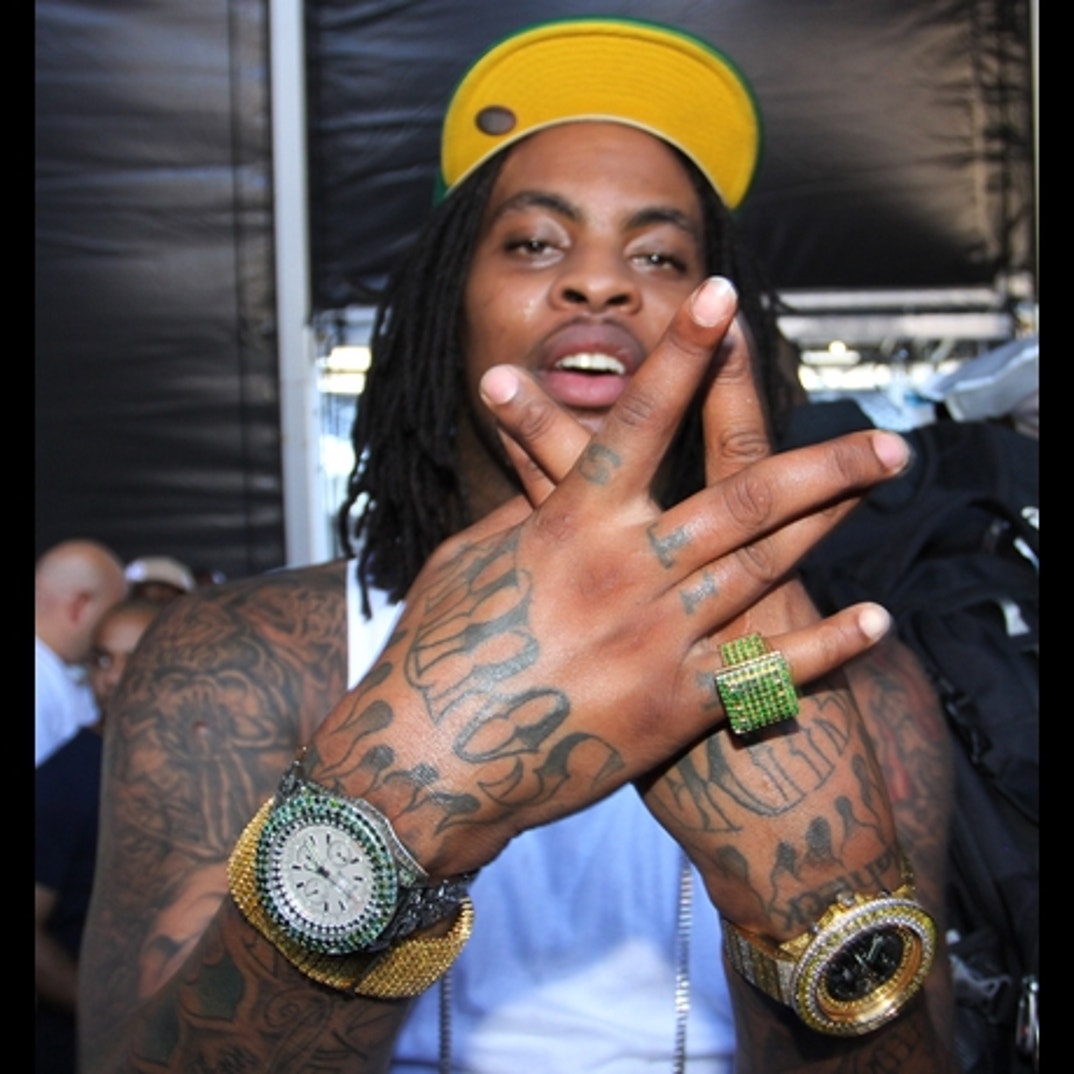
GQ has described the tattoo of Waka’s own name as his most regretted tattoo. He has spoken about it as a piece he would rethink, a candid answer from someone whose body art is a visible part of his public image.
A tattoo of your own name can be read in more than one way, but Waka’s explanation is the useful part here: he no longer feels the same about this one. That doesn’t erase its place in the collection. It records an earlier choice that he now sees differently.
The name is direct. Unlike a symbol or a design with a story that needs explaining, it identifies him plainly. GQ’s account doesn’t give a fuller explanation for why he regrets it, so the reason should stay with Waka.
His comments also show that a tattoo can remain part of someone’s history even after the person’s feelings about it change. The own-name tattoo is notable because he has publicly singled it out, not because he still considers it a favorite.
The nickname became permanent in more than one way
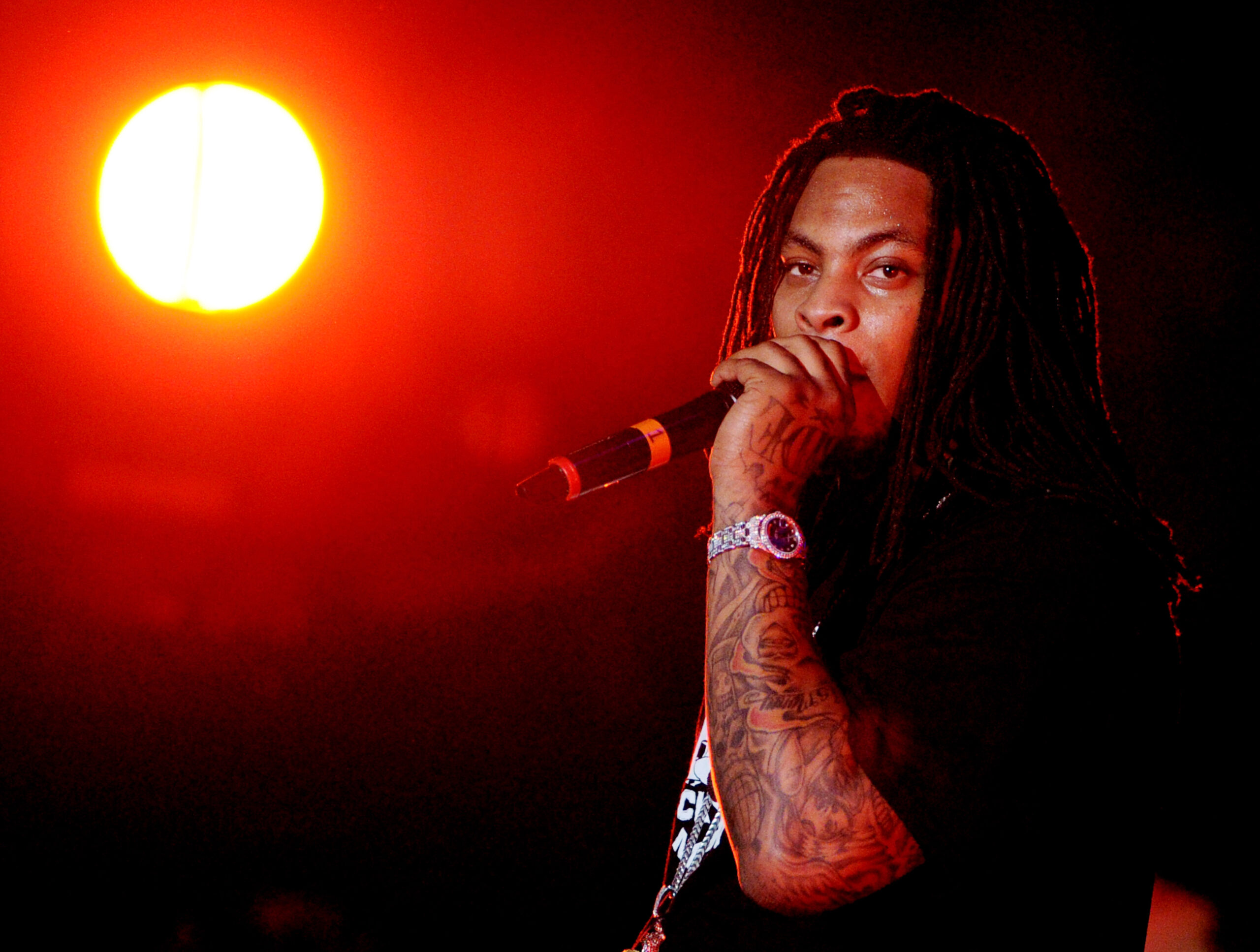
In the GQ tour, Waka talks about how he got the name Waka Flocka Flame. His tattoos are part of the public image built around that name, though the interview doesn’t assign a single meaning to every flame-like mark.
The connection to his stage name is clear. The exact meaning of each design is less so. It’s safer to describe the tattoos as part of the image Waka has built around his name than to give every one a fixed interpretation.
Photos from performances show the ink alongside his clothes and jewelry. In the GQ video, he can discuss pieces directly and say which ones he likes or regrets. Those settings show different things: the photos capture how the tattoos appear onstage, while the interview gives some of his own context.
Waka links his tattoos to his name and career, but not every design comes with a public explanation. That leaves some parts of the collection open to view without a confirmed story behind them.
The “World’s Baddest Bitch” tattoo was a whole event
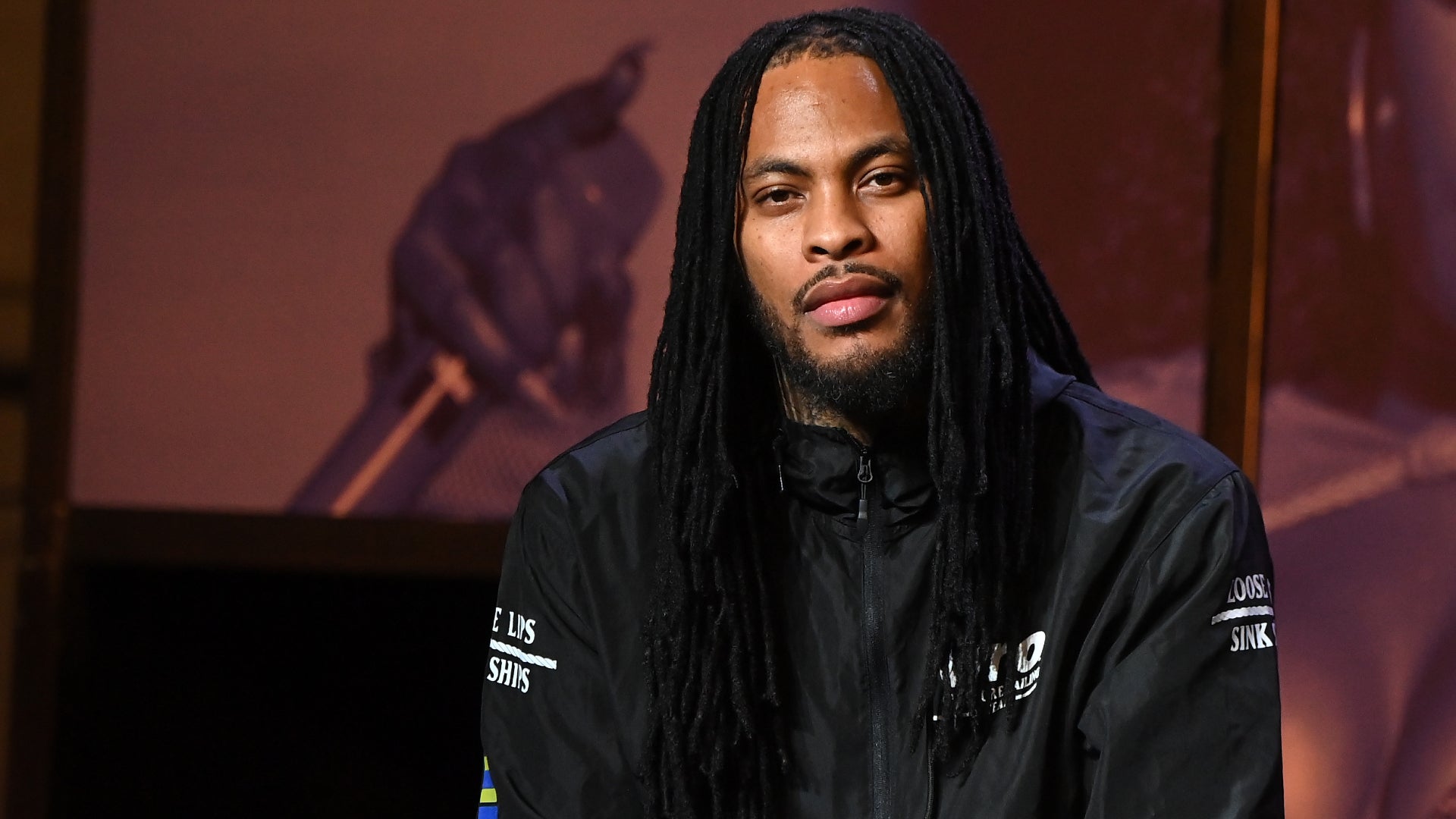
Pitchfork documented Waka getting a “World’s Baddest Bitch” tattoo. The wording is blunt and draws attention, which is part of why the piece stands out in coverage of his tattoos.
The footage shows the tattoo being done, rather than only the finished design in a later photograph. That gives the piece a little more context: viewers can see Waka choosing the phrase and sitting for the session. The article doesn’t need to assign a deeper meaning to it than the one the words state.
The tattoo fits alongside other parts of Waka’s collection that he has discussed in public, including pieces he likes and one he regrets. The Pitchfork video captures this particular choice at the time he made it; it doesn’t tell us how he feels about it now.
The best pieces are the ones he still claims
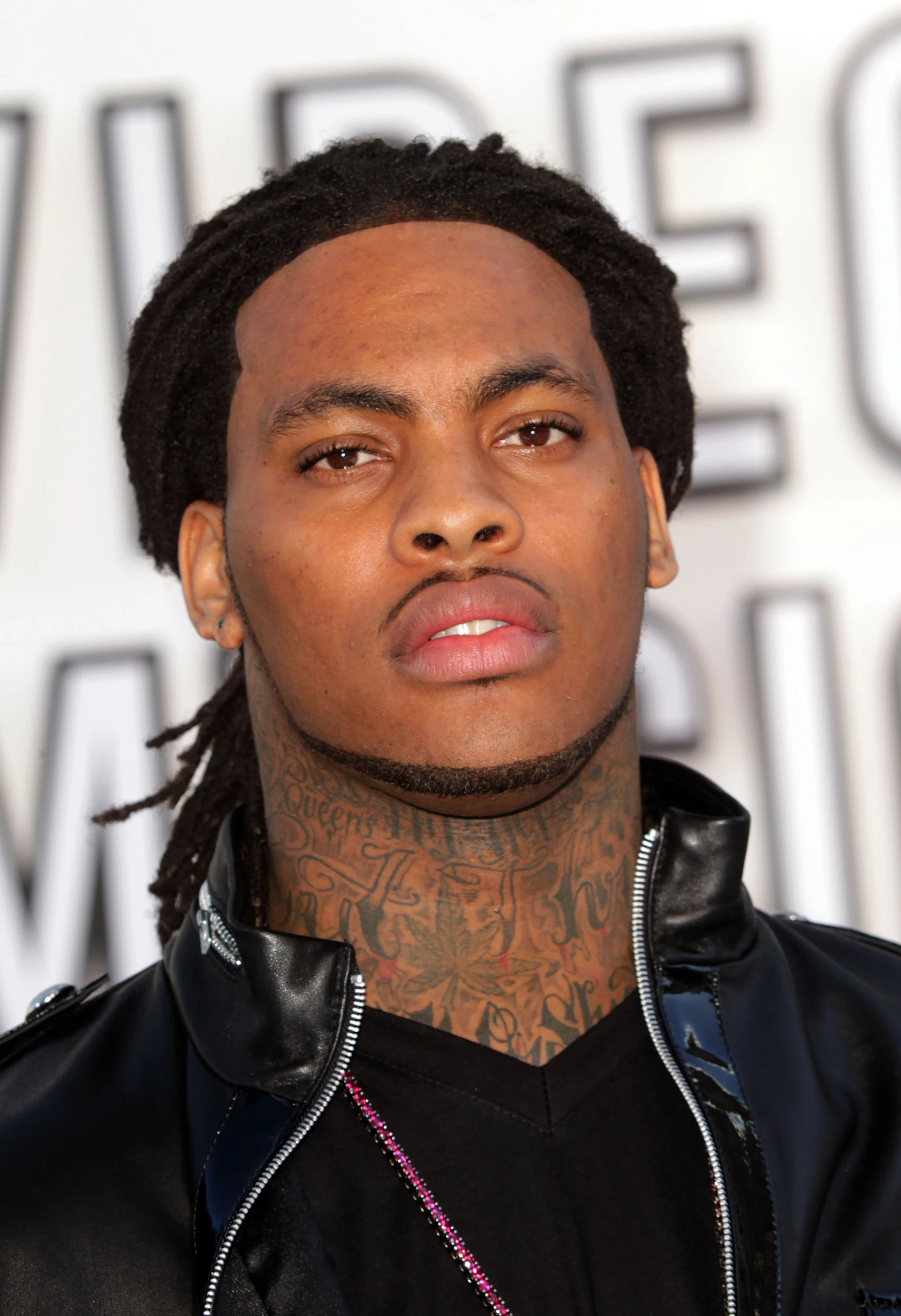
GQ’s “good, bad and beautiful” framing leaves room for Waka to talk about tattoos differently. Some are favorites, some are regrets, and others are simply part of the record of his career. He doesn’t present every design as equally important to him.
That range is useful when looking at a collection built over time. A tattoo can stay because it matters to someone, even if it isn’t the most elaborate piece. Waka’s comments tell us which one he regrets; the video also gives him space to discuss designs he still likes.
The collection includes the paperclip first-tattoo story, the own-name tattoo he questions, pieces connected with his stage name and the phrase documented by Pitchfork. They belong to different moments, and the public accounts don’t suggest that Waka planned them as one coordinated set.
The details make the collection more specific than a count of how many tattoos he has. Waka has shared a few stories about particular designs, while others remain visible without a confirmed explanation.
What Waka’s tattoo history says about regret
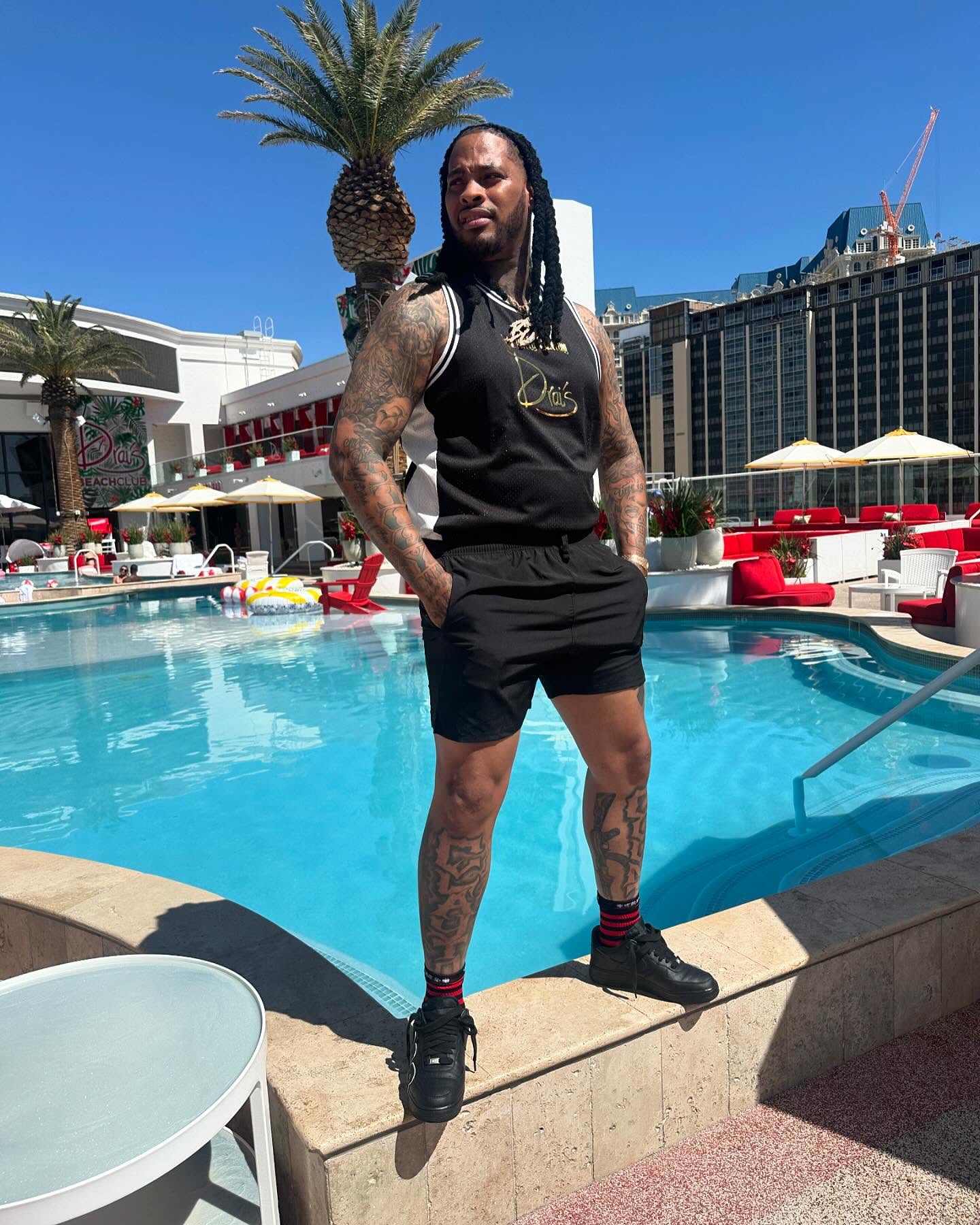
Waka’s own-name tattoo is the clearest example in the public record of him regretting a piece. He has looked back at it differently, but the tattoo remains part of his collection and the story he tells about it.
That’s a more grounded view of tattoo regret than treating it as a verdict on the whole collection. One design can stop feeling right while others still matter. In Waka’s case, the GQ tour gives him a chance to talk about both sides.
The meaning of an old tattoo can change as the person does. Waka has shared that he would rethink his name tattoo; he hasn’t said that every piece now feels the same way. The distinction matters when describing the collection.
Watch Waka Flocka Flame break down his tattoos
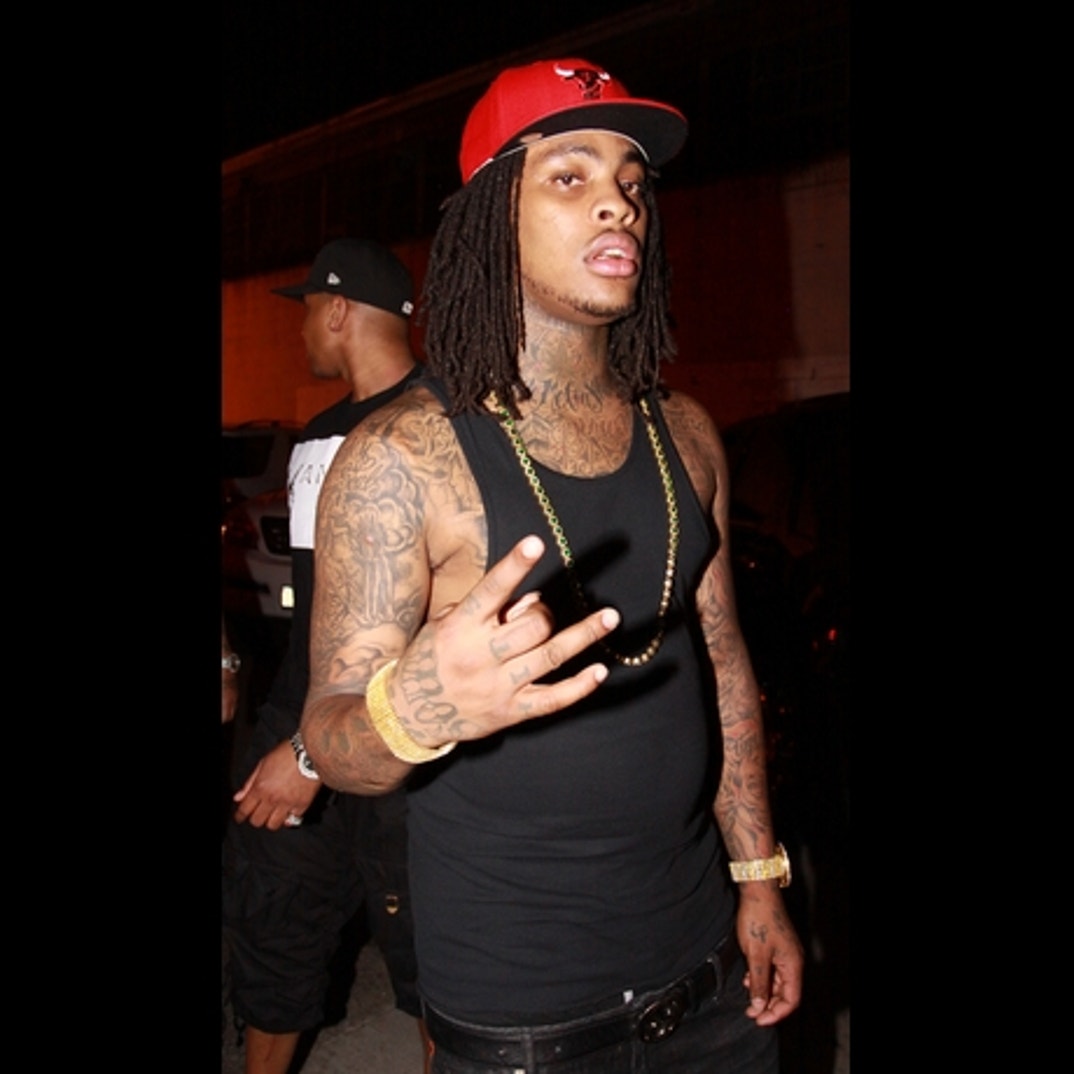
Waka’s GQ tattoo tour is the best place to hear him talk about the pieces he likes, the tattoo he regrets and how his stage name came about.