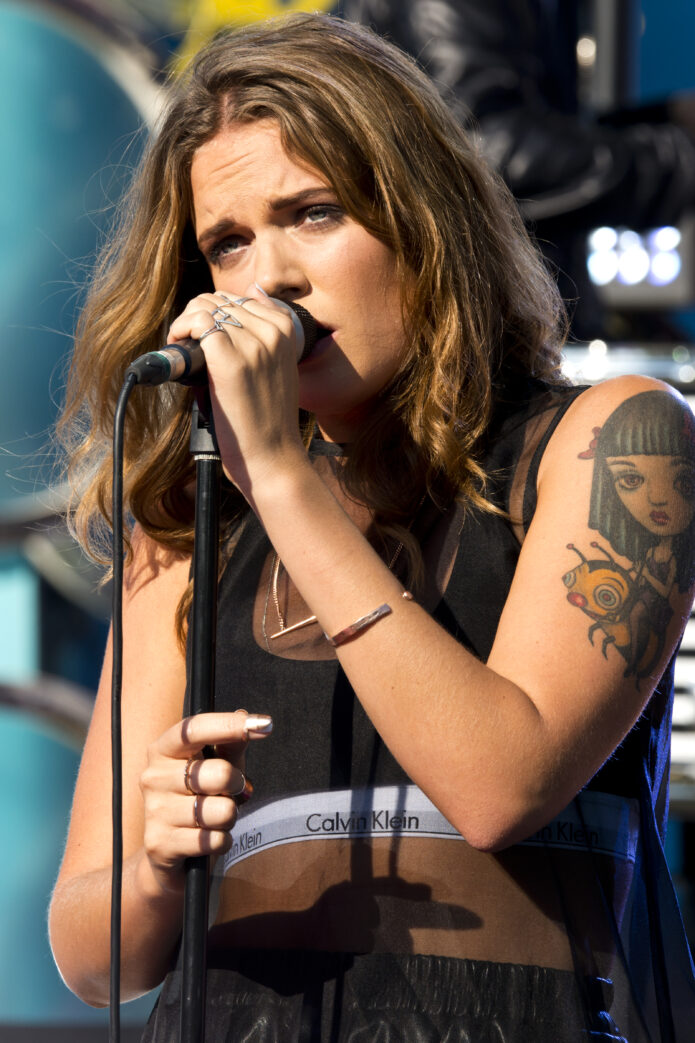
Tove Lo’s tattoos are a bit like her songs: direct, funny, sometimes provocative and often more personal than they first seem. The Swedish singer’s small but recognisable collection covers her chest, arms and hand. Some designs mark a particular point in her career; others go back to childhood, her first band or an animal she has loved since she was young.
At least five pieces are clearly documented: a scorpion under her right collarbone, a girl riding a bee on her upper arm, a flaming heart with an eye on her forearm, a vagina symbol on her upper arm and a large lynx on the back of her microphone hand. The stories behind them make the collection more than a list of pictures.
Here’s what the sources say, with confirmed details kept separate from guesses.
The scorpion was her first tattoo
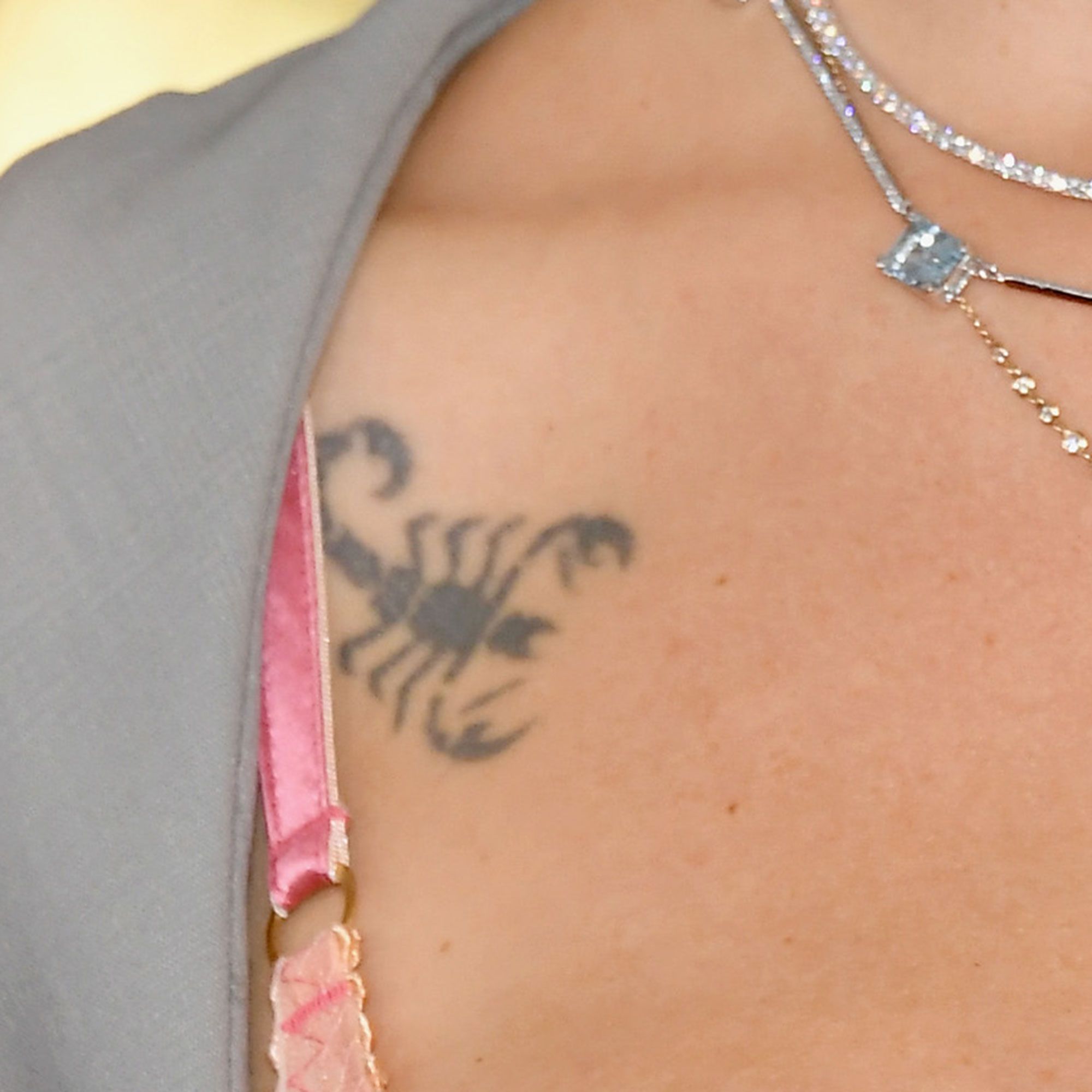
Tove Lo got her first tattoo at 17: a scorpion beneath her right collarbone. It has never been her favourite. In an interview cited in tattoo coverage, she called it a “little super ugly scorpion” and said she wasn’t sure what to do with it now that it was part of her.
There’s something refreshing about that honesty. Celebrity tattoo stories often turn every design into a meaningful emblem, but Tove Lo is happy to say that an early choice didn’t age well in her eyes. The scorpion matters simply because it was first. It marks the moment she decided to make something permanent.
The placement keeps it fairly contained. It shows in lower-cut clothing and close-up photos without taking over her chest, and sits apart from the much larger arm pieces she got later. It feels like a reminder of an earlier Tove Lo, not a polished logo for who she became.
Her father was reportedly upset when she got it, which became part of the story. Whether she still finds it embarrassing or it has simply become familiar, the scorpion has stayed with her throughout her career.
The girl riding a bee connects to her first band

One of Tove Lo’s biggest early tattoos is a girl riding a bumblebee on her upper arm. The image comes from a painting by Mark Ryden and dates back to her first band, Tremblebee. She has said the group mattered to her because it was where she played her first gigs.
There’s a twist to the picture’s history. It was created for the cover of Jack Off Jill’s album Clear Hearts, Grey Flowers, though Tove Lo says she didn’t know that when she chose it. She was responding to the image itself and what it stirred in her, not setting out to pay tribute to the album.
She has described finding the painting and feeling that it went straight to her heart. Moving from the small scorpion to an image across her arm was a big leap. In a vlog, she remembered seeing the finished scale and thinking, “Fuck. What did I just do? It’s over my whole arm.” Years later, it had become part of her.
That change over time is worth noticing. It started as a dramatic decision and became familiar through years of living with it. The bee and rider hold memories of Tremblebee, early gigs and a younger creative life; the size shows she was ready to make a bold commitment before knowing exactly how it would feel years later.
The flaming heart came from Mark Ryden paintings
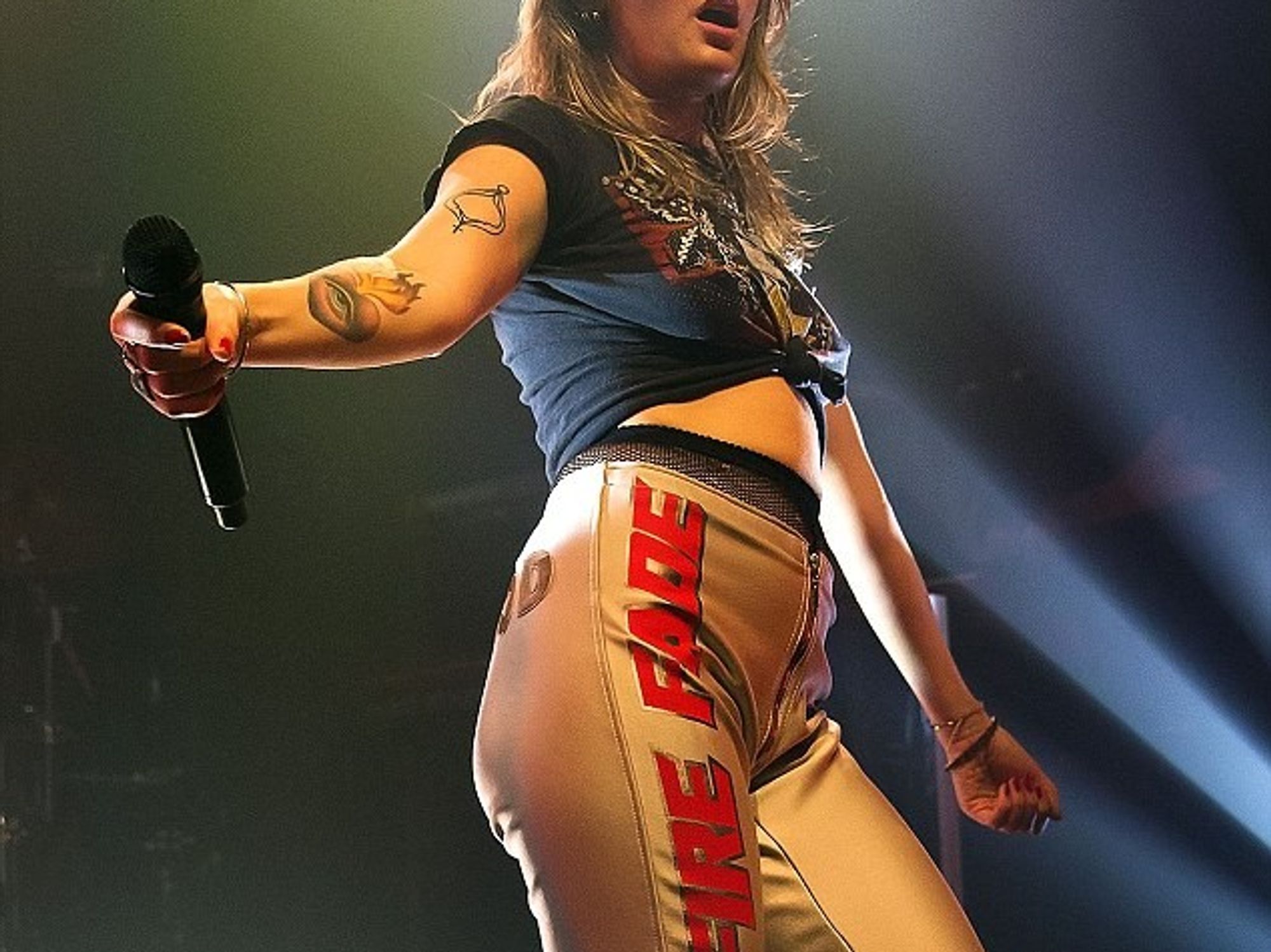
On Tove Lo’s right forearm is a heart with an eye in the middle and flames rising from the top. She has said the design draws on Mark Ryden’s paintings: the eye comes from Sophia’s Mercurial Waters, and the flames resemble details from Swap Meet Man.
That makes it more specific than a generic heart-and-flames tattoo. The design combines images she already loved and turns them into something that can stand on its own. She has said the eye looked small in the paintings, so she made it much bigger because she liked it.
The tattoo was done at Infamous Studio in Stockholm. It’s busy but easy to read: the heart sits at the centre, the eye draws focus and the flames push upward. From a distance it might look romantic; closer up, the eye makes it feel surreal.
The piece has been visible for much of her career. It appeared in an Instagram photo in 2012, though the exact date she got it isn’t certain. It bridges familiar pop imagery with the odd, unsettling details she enjoys.
The vagina symbol belongs to the Lady Wood era
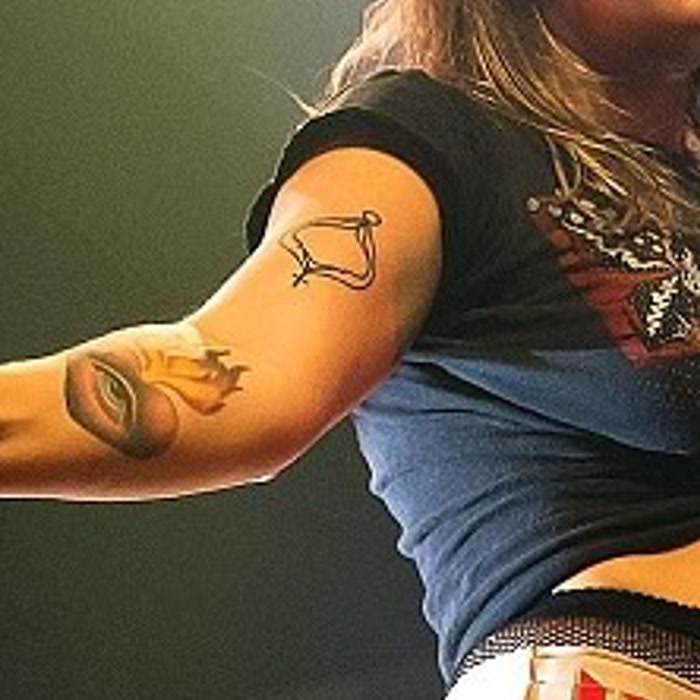
During the Lady Wood album cycle, Tove Lo got a minimalist vagina symbol on her upper arm. Tattoo artist Mark Lonsdale drew the outline from the album’s logo, where it stood in for the letter O. Her tour crew wore matching vagina jackets too.
Tove Lo has explained the meaning herself. She said the tattoo reminds her not to make herself smaller, especially when women are expected to be quiet or agreeable. For her, it’s about claiming space and pursuing things that are frightening as well as exciting.
That context changes how the simple outline reads. It carries a direct message about confidence, sexuality and refusing to soften herself for other people. Although it began as an album symbol, it also works as a personal reminder beyond the campaign.
Unlike the scorpion, this isn’t a tattoo she has described with regret. It’s deliberate, graphic and tied to a time when she made her body part of the conversation around the music. It’s branding, autobiography and a feminist message in one small image.
The lynx on her microphone hand has a personal origin
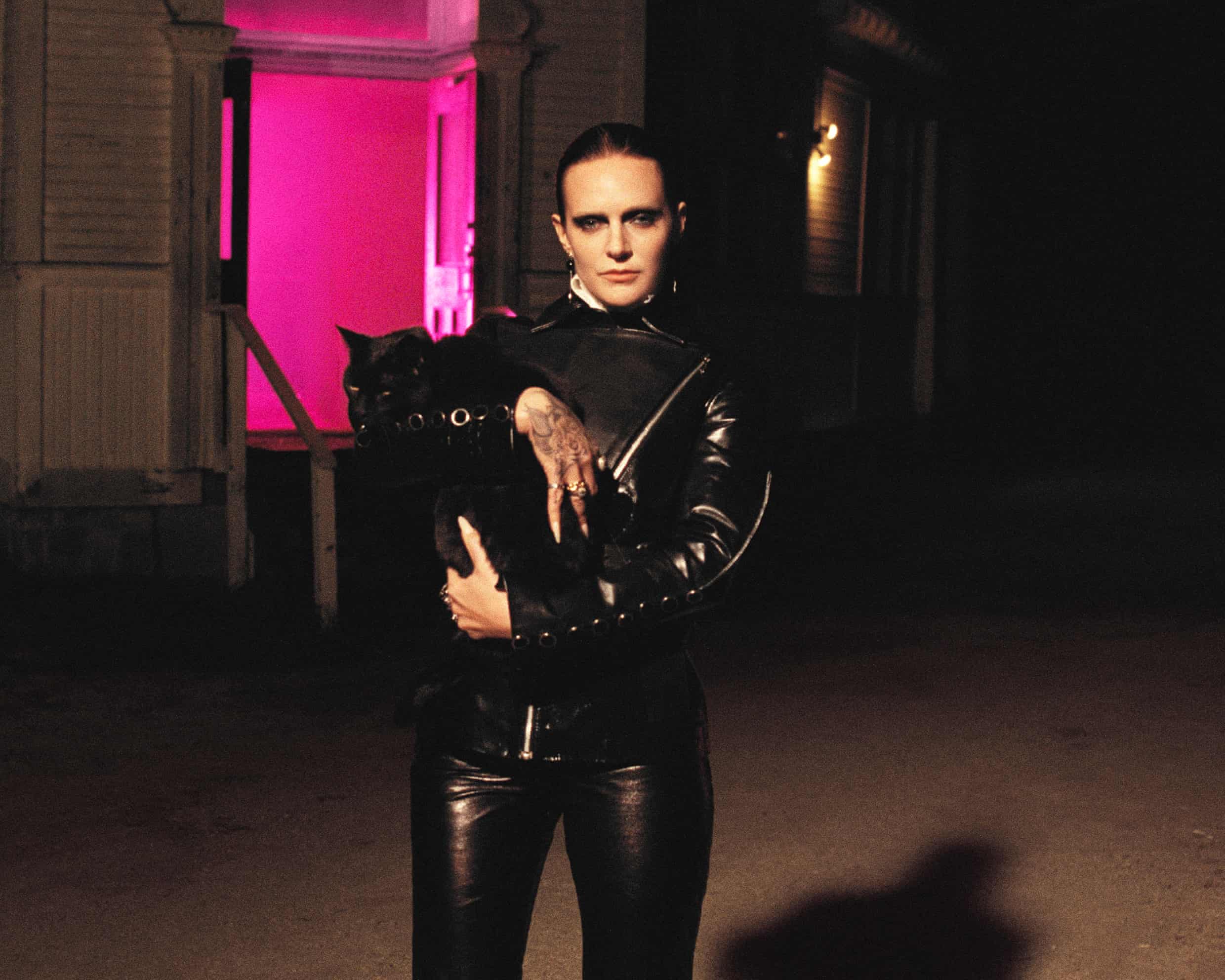
Tove Lo’s large lynx on the back of her microphone hand is one of the most personal pieces in her collection. Lynxes are her favourite animal, and “Lo” connects to the Swedish word for lynx. As a child, she was struck by a lynx named Tova at a zoo; her family began calling her Tove Lo because of it.
The name stayed with her as a writer and solo artist, making the animal more than a striking image. She has described the lynx as a kind of spirit animal because it has been a favourite since she was little. The design is tied to her identity, not just a passing aesthetic.
In September 2016, while touring with Maroon 5, she visited Alex McWatt, founder of Three Kings Tattoo in New York City. The placement was practical as well as symbolic: she wanted it on the hand that holds her microphone so it would show when she performs.
She has also said she didn’t overthink the finer details. The tassels on the animal’s ears were enough to make the design feel right. That easygoing approach differs from the grand meanings often attached to tattoos afterward. She knew the animal mattered, knew where she wanted it, and let the artist build the image.
Taken together, the tattoos mark different eras. The scorpion goes back to being 17 and making an early permanent choice. The girl on the bee recalls Tremblebee and those first gigs. The flaming heart draws on Mark Ryden, while the Lady Wood symbol turns an album logo into a message about taking up space.
The lynx brings the story back to her name and childhood. It’s personal, but placing it on the microphone hand also makes it part of the performance. That combination runs through the collection: private history set somewhere the public can see it.
There’s no need to pretend these tattoos were planned as one unified sleeve. They come from different times, artists and moods. Some are provocative, some sentimental, and one she has openly called ugly. That mix is what makes the collection believable. Real collections hold both the tattoo you’d choose again and the one you simply learned to live with.
Tove Lo’s best-known pieces stand out because their stories are unusually specific: a first band, an accidental album-art connection, a feminist symbol, a childhood animal and an early scorpion all share the same body. The result is messy in the best way: honest, memorable and unmistakably hers.
For a look at Tove Lo discussing tattoo work in Melbourne, watch this tattoo-focused video: