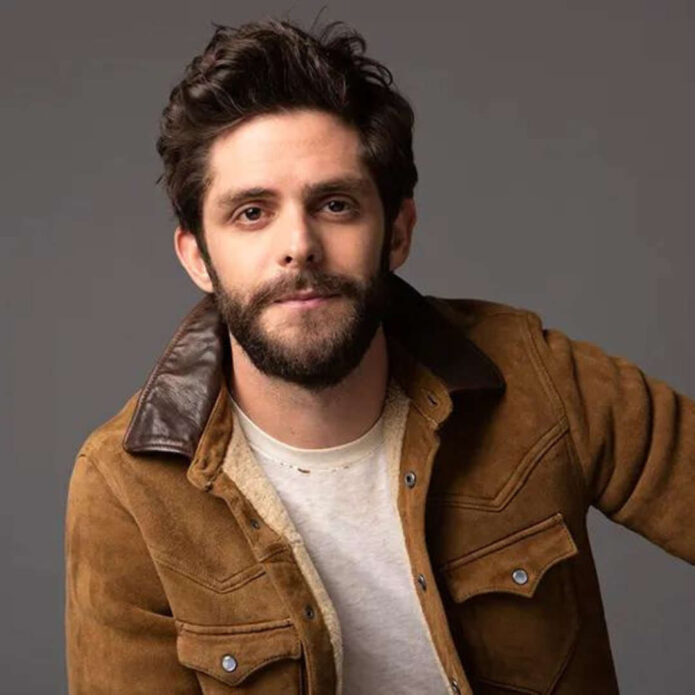
Thomas Rhett’s tattoo story has one very loud chapter and a quieter one that’s easy to miss. The loud chapter is the clip where a tattoo artist appears to write Lauren across his cheek while he sings along to one of his own songs. The quieter chapter is a 2015 report about Rhett getting his first tattoo, back when he was still introducing himself to a much bigger audience.
Those two moments make a better tattoo story than a made-up list of designs. One is a highly shareable stunt that looked permanent for a few seconds. The other is a real first appointment, but the public report doesn’t identify the design in a way we can verify now. That distinction matters. Celebrity tattoo coverage gets sloppy when a photograph, a joke and a confirmed piece all get treated as the same thing.
So, if you’re looking for Thomas Rhett tattoo ideas, start with what the photos actually support. There’s a temporary face-tattoo gag, a documented first tattoo, and plenty of useful thinking about placement, visibility and the difference between a tattoo reference and a tattoo you should copy.
A familiar look with one sharp surprise
Rhett doesn’t have the kind of public tattoo catalogue that comes with a numbered map of his entire body. He’s better known for a clean country-star look, and much of the available coverage focuses on one funny piece of video rather than a lifelong collection. That makes the face-tattoo clip interesting for a different reason: it shows how quickly a design can change the way a familiar face reads.
The apparent lettering is big enough to register immediately. It runs across the cheek in loose script, which is exactly the sort of placement that makes people stop scrolling. A tiny symbol near the wrist can stay private or disappear under a watch. A name on the face does neither. Even when it’s temporary, the choice creates instant tension because the viewer knows how serious that placement would be if the ink were real.
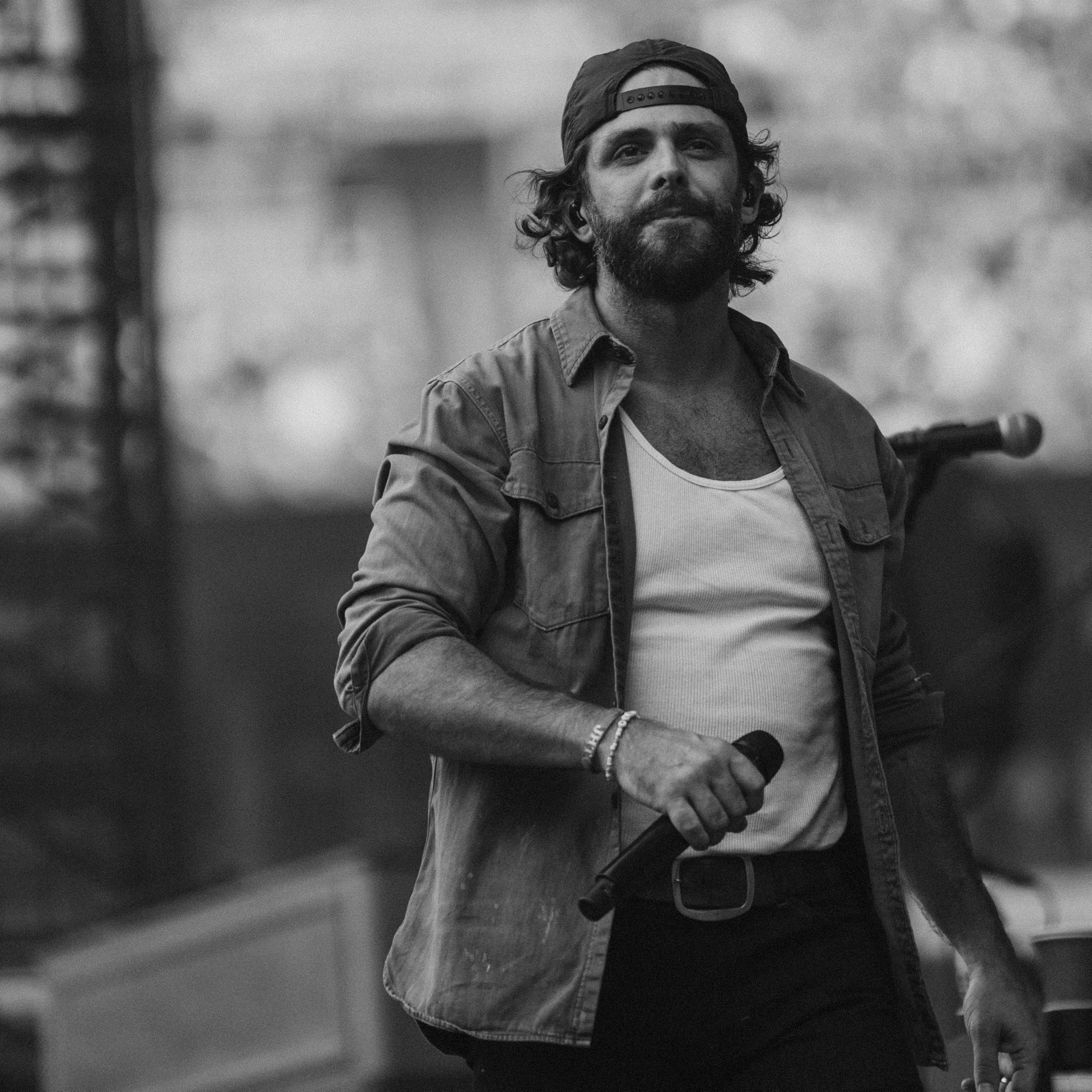
The rest of Rhett’s visual style is more relaxed. Concert photos show him in open shirts, caps, denim and stage clothes, with the focus usually landing on the performance rather than body art. That contrast is useful. A bold tattoo will always be the headline when it sits on the face, while an arm or rib piece can live alongside a person’s clothes and movement without taking over the whole image.
The Lauren face tattoo was a stunt, not a confirmed permanent tattoo
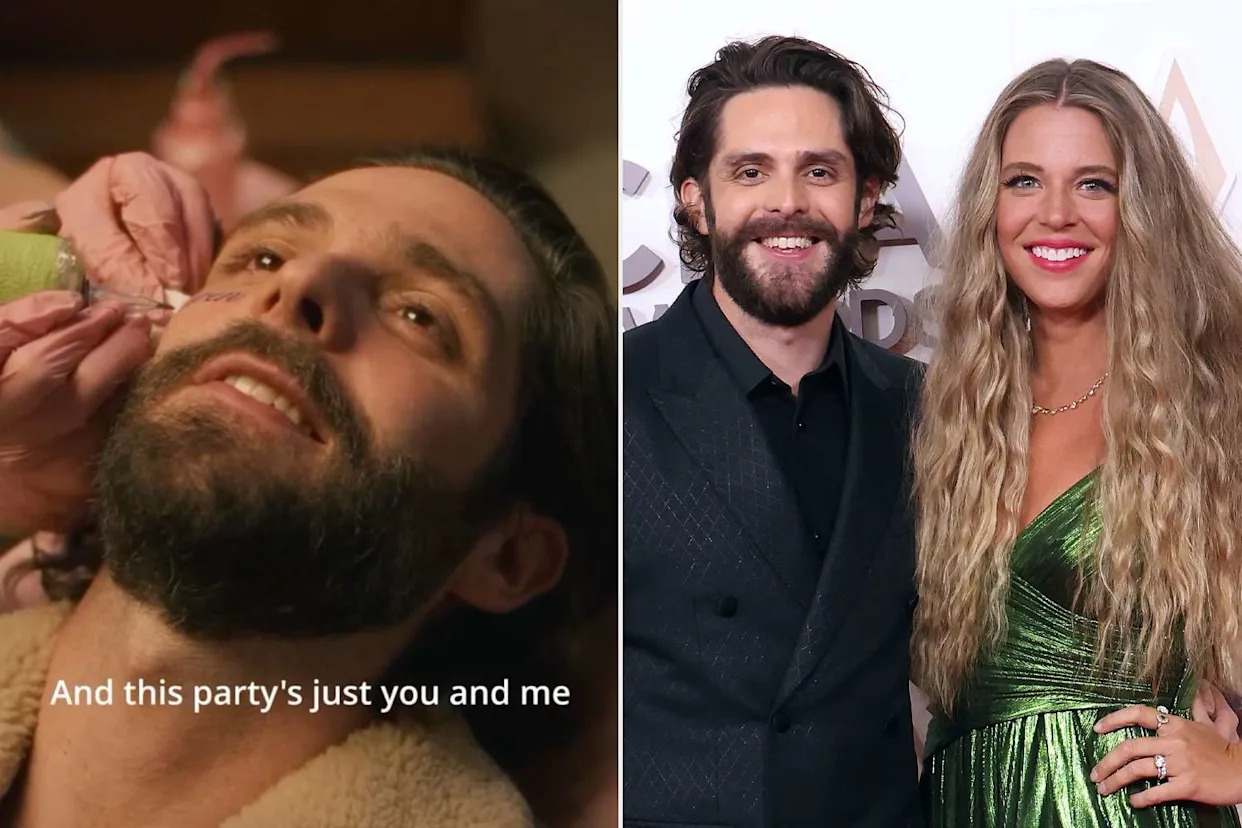
The February 2025 clip is the piece everyone remembers. Rhett reclines in a pink chair while a tattoo artist works on his right cheek. The lettering spells Lauren, referring to his wife, Lauren Akins. He mouths along to the chorus of All the Bars Are Closed, and the video is framed like a quick behind-the-scenes reveal.
Then there’s the caption: they said we needed content. That line changes the whole read. The clip was designed to look alarming for a moment and funny once the joke landed. Several reports described the tattoo as temporary or playful, and there was no solid confirmation that Rhett had permanently tattooed his wife’s name on his face. In other words, it’s safer to call it a face-tattoo stunt than to write that he permanently got Lauren inked on his cheek.
That bit of caution is part of the design lesson. A face tattoo isn’t only a drawing. It changes how every expression, photograph and conversation is read. Script can soften a placement, but the location still carries more visual weight than the same word on an upper arm. The lettering also has to work at several distances. Up close, viewers want to see the line quality. Across a room, they’ll mostly see the shape and the balance of the word against the face.
If you like the idea but not the commitment, the practical takeaway is obvious: test the placement first. A temporary version can show how the design sits while you smile, talk, turn your head and wear your usual clothes. It can also reveal whether the lettering feels like you or only feels exciting because everyone else is reacting to it.
Why a name in plain sight gets such a big reaction
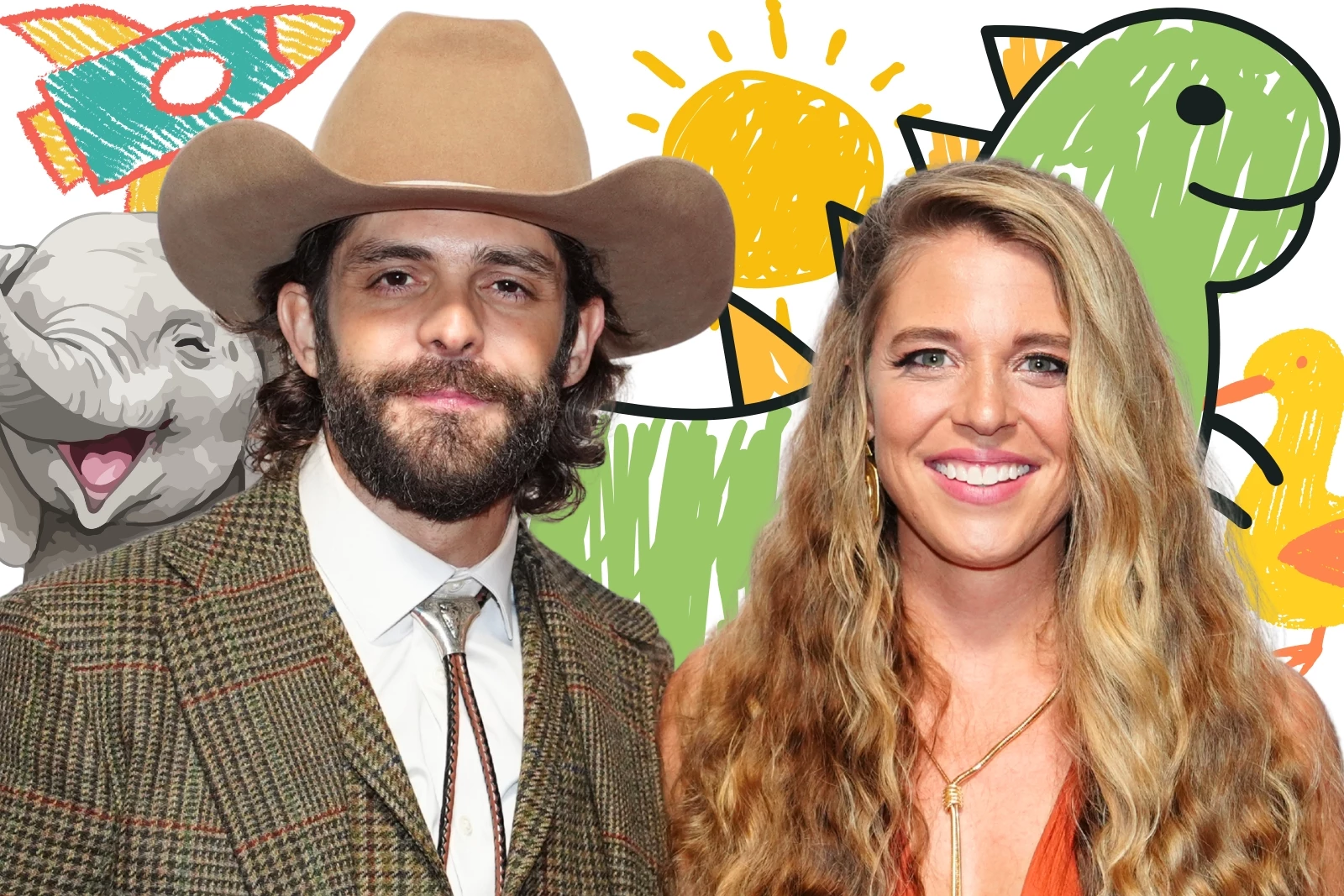
Names are already loaded tattoo subjects. A name can point to a partner, a child, a parent, a friend or a chapter that changed someone’s life. Put that name on the face and the tattoo becomes impossible to ignore. The design doesn’t need elaborate shading or a complicated symbol to carry emotional weight. The word itself does most of the work.
That’s why the Rhett clip landed so quickly. Fans didn’t need to know anything about the lettering style. They understood the risk of the placement. They also knew enough about his public image to see the joke: the country singer who normally appears polished and approachable suddenly seemed to be making an extreme declaration in permanent ink.
There’s a good consultation question hiding in that reaction. Ask yourself whether you like the design or the surprise. Those aren’t always the same thing. A dramatic placement can make an ordinary word feel more meaningful for a minute, but the tattoo still has to work after the attention fades. If the answer is no, move the design somewhere with a little more room to breathe.
Script needs the right amount of space, too. Letters pressed too close together can blur as they heal and age. A name should be legible without being stretched into a shape that fights the body. On the face, the artist also has to work around expressions, hair, facial contours and the way the skin moves. That’s a lot to solve for what looks like a simple word.
Rhett’s first appointment matters more
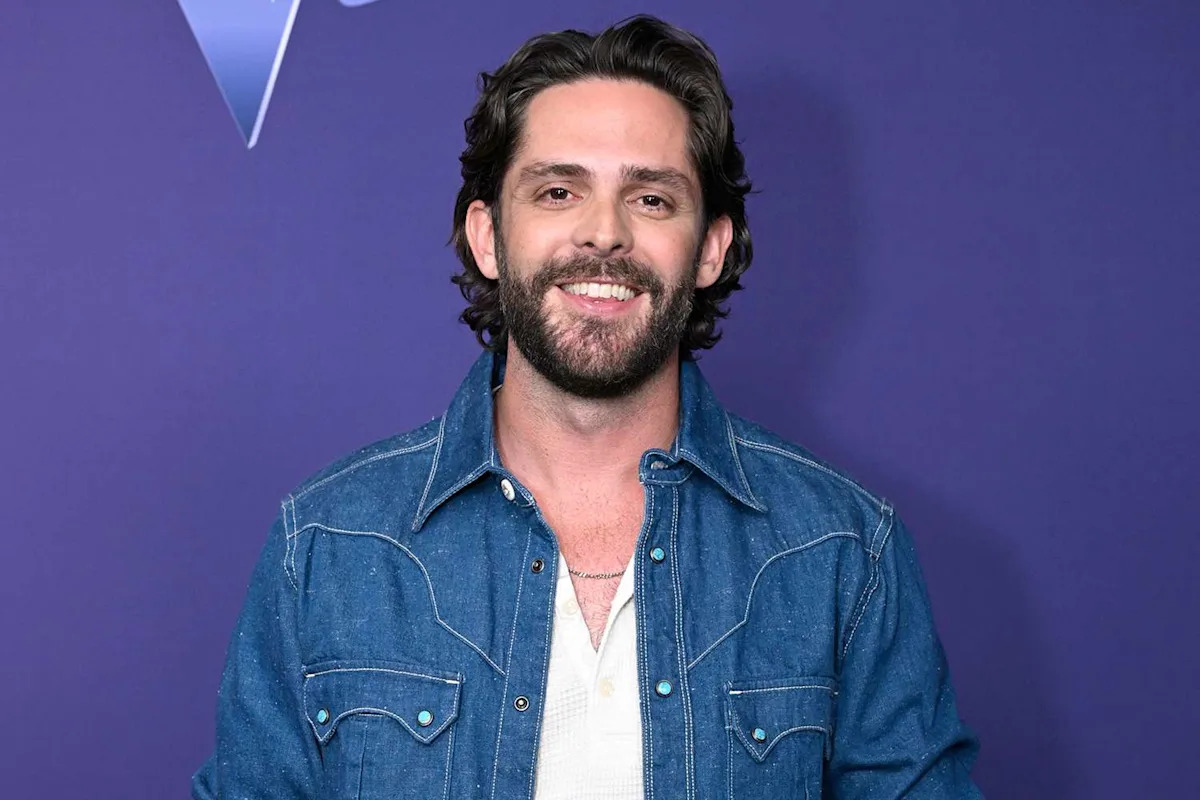
A 2015 report from WKDQ documents Rhett getting his first tattoo. The story quotes his Instagram caption thanking the artist for not hurting him too badly and mentions that Lauren was up next. It’s a small moment, but it tells us more about the reality of getting tattooed than the viral face clip does.
First tattoos are usually a mix of excitement and nerves. The person getting the work may have spent weeks choosing a design, or they may still be figuring out what kind of tattoo client they want to be. The first session teaches the basics: how long the appointment feels, how the skin reacts, how much the placement affects the experience and how different a healed tattoo looks from a fresh one.
The public report doesn’t give us enough verified detail to name Rhett’s first design. That’s okay. Not every blank space needs to be filled with a guess. If you’re using his early tattoo story as inspiration, borrow the process instead. Choose an artist whose healed work you trust, talk through size and placement, and don’t let the pressure to have a clever meaning push you into a design you haven’t lived with long enough.
It’s also worth noticing how different the two stories feel. The first tattoo is a private decision that happened to be shared. The face tattoo is built for an audience and uses surprise as part of the entertainment. Both can be real parts of someone’s tattoo history, but they serve different purposes. One records a choice. The other creates a moment.
Context matters more than a single close-up
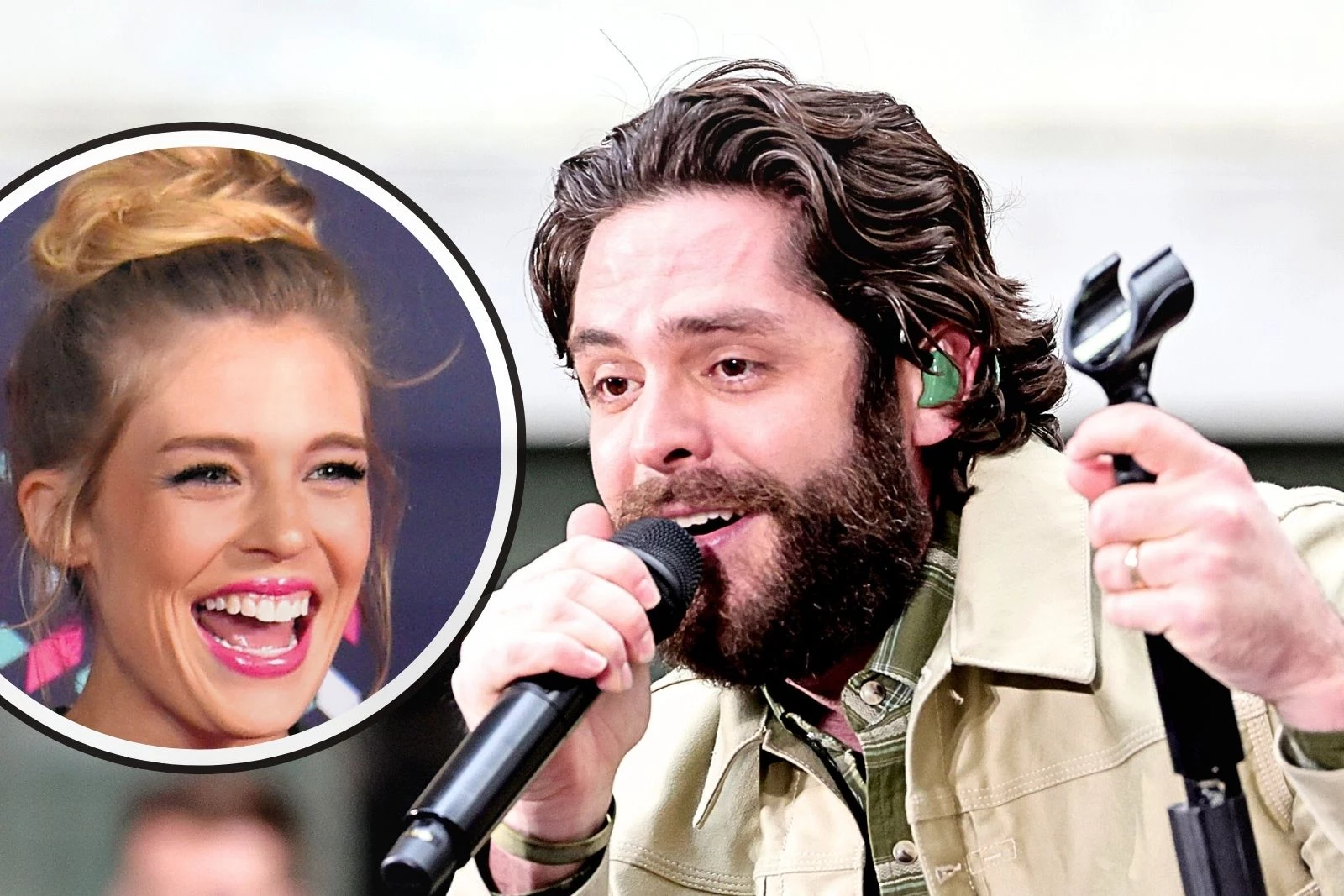
Context beats a single screenshot. Performance photos are useful when you’re trying to understand how a tattoo reads in real life. A close-up can make a small mark look huge. A stage photo shows how the body moves, how clothes cover or reveal the work, and whether the design competes with the person’s face. Rhett’s live images also underline how much of his public identity is tied to movement: a microphone, an open shirt, a backward cap, a grin, a crowd.
That’s why a tattoo reference should never be judged from one screenshot alone. Look for more than the design. Check the angle, the light, the distance and whether the mark is actually permanent. A picture from a music video may show makeup. A social clip may show a temporary piece. A red-carpet image may hide an arm under a jacket. Those differences can change the whole conclusion.
For anyone planning a country-inspired tattoo, the strongest ideas usually come from the details around the image rather than a literal copy of a singer’s look. Think about worn leather, handwritten set lists, stage lights, old microphones, road maps or the shape of a guitar pick. Then let your artist turn the reference into something that fits your own story. That gives you the atmosphere without pretending the tattoo belongs to someone else.
What to borrow from the temporary stunt
The best thing to borrow from Rhett’s face-tattoo stunt is the willingness to test an idea before treating it as permanent. You can try a temporary transfer, use a washable marker with an artist’s stencil, or ask for a digital mock-up that shows the placement from more than one angle. None of those tests perfectly predict healing, but they can expose a bad size or awkward position before the needle comes out.
Pay attention to the word itself. A name can look elegant in one script and cramped in another. Ask to see the lettering at the actual size, not blown up on a phone. Check it in a mirror and in a photograph. If it only looks good when your head is tilted toward the light, the placement needs more work.
Also decide whether the tattoo is meant to be seen every day. Face ink affects work, family events, travel and the way strangers approach you. That doesn’t mean nobody should get it. It means the decision deserves more than the excitement of a viral clip. A temporary joke can be funny precisely because it can disappear. Permanent ink asks a different question.
The real Thomas Rhett takeaway
Thomas Rhett’s tattoo coverage is a good reminder to separate confirmed ink from entertainment. The Lauren lettering was shown in a convincing video, but the available reporting treats it as a temporary stunt. His first tattoo is documented, while the accessible account leaves the design itself undescribed. Those are the facts we can stand behind.
The creative lesson is still strong. Placement can do as much work as the drawing. A name on the cheek becomes a headline. A smaller piece on the arm can grow with the rest of a collection. A first tattoo can matter even when nobody online knows exactly what it looks like. Meaning doesn’t become more real because a caption explains it.
If you’re planning a Thomas Rhett-inspired tattoo, take the mood and leave the copy. Use a script style that belongs to you, choose a placement you can live with, and ask your artist to show how the design moves on your body. If the idea is bold enough for the face, test it longer than you think you need to. If it still feels right after the novelty wears off, you’ll have a much better conversation at the appointment.
That’s the useful part of this story. The image may have been made for content, but it opens up real questions about visibility, permanence and how quickly a tattoo can change someone’s whole look. Good tattoo planning starts when the joke ends and you’re still interested in the design.