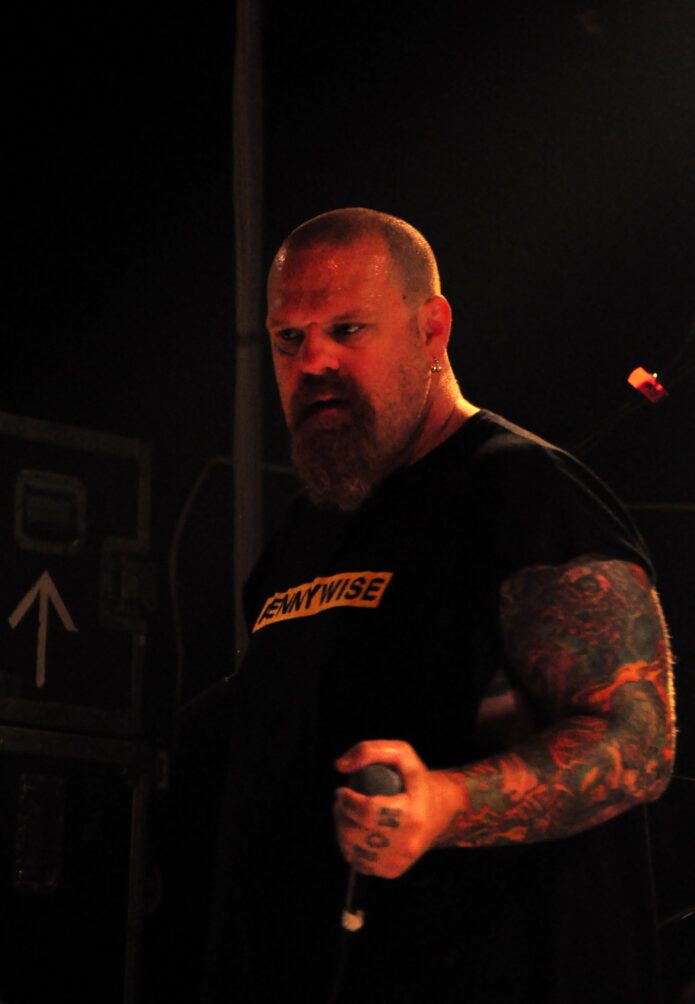
Rob Dukes’ tattoos date back to his teens. He told Eddie Trunk that his first piece was a reaper he got at 17 and later covered. Photos from his years as Exodus vocalist show dense colour across both arms and lettering on his hands and fingers. A 2026 Whiplash report adds that he was being tattooed when he was invited to audition for the band.
The documented full-sleeve evidence
Dukes’ interview and the photographs give different kinds of evidence. In the Eddie Trunk interview, he also said he wanted to get heavily tattooed before he knew much about tattoo etiquette. Whiplash places him in a tattoo chair around the time of his Exodus audition. The images, meanwhile, show colour running from the upper arms toward the wrists, with smaller marks on the hands.
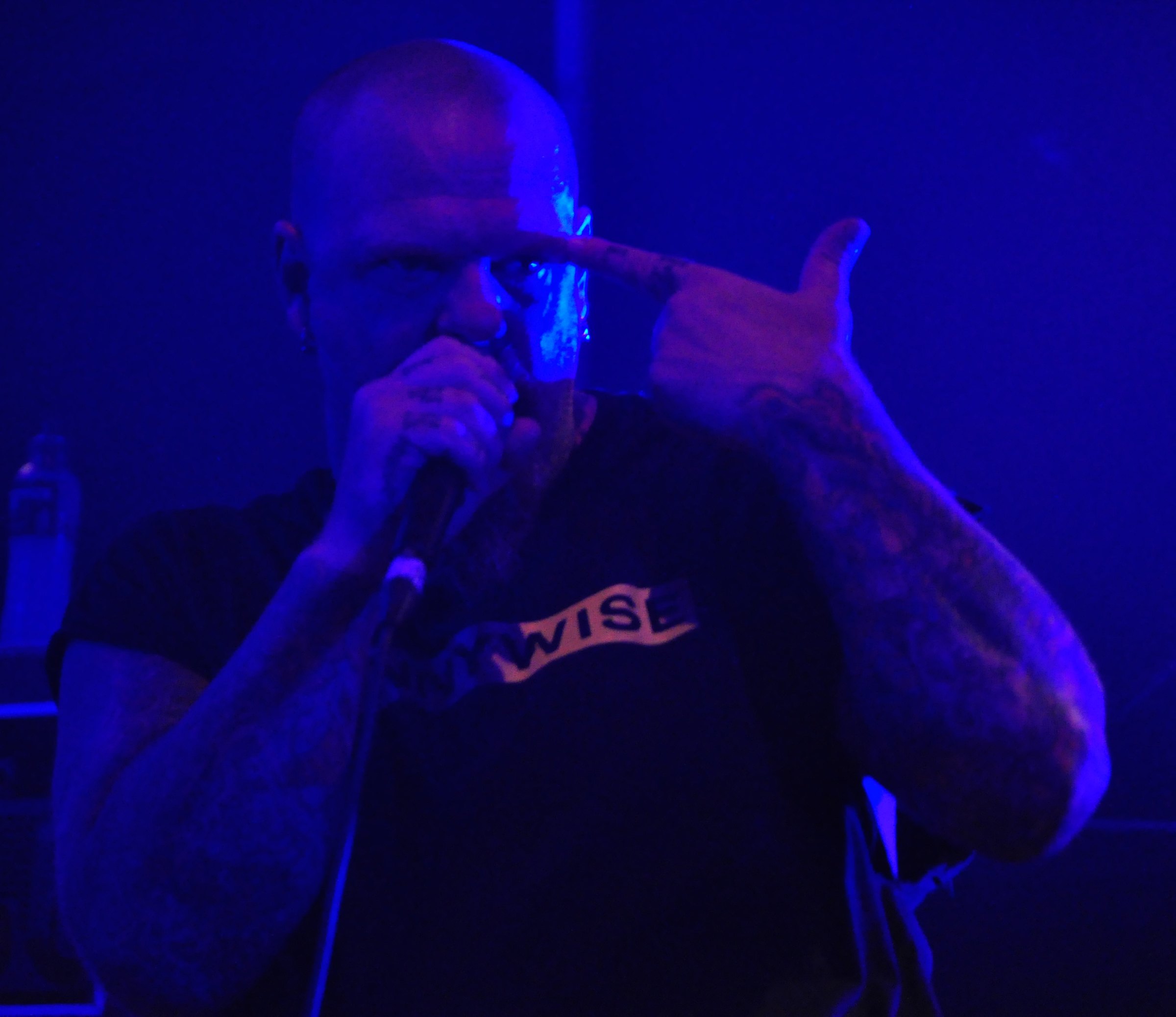
The wide performance shot shows the overall coverage; a closer view makes the layers of colour easier to see. Together, they support “full sleeves” as a description without identifying every motif.
What Dukes has said about his first tattoo
The first reaper is one of the few designs tied to Dukes’ own account. He said it was later covered, so it shouldn’t be labelled as a visible part of the current sleeve. His comments establish a start at 17 and a later cover-up, but they don’t identify the design or artist beneath the present work.
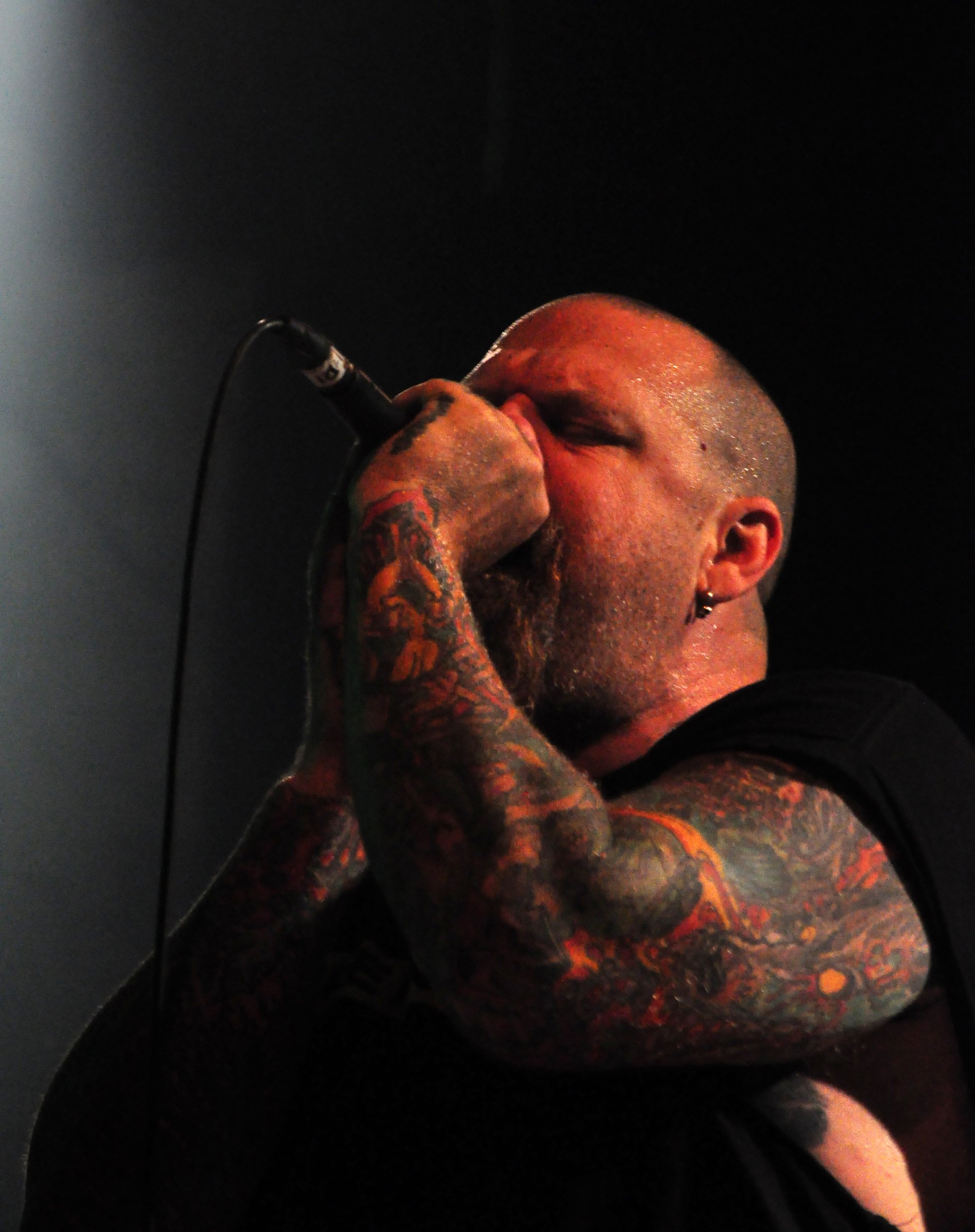
That short timeline is more useful than guessing how the full collection developed. The photographs show the sleeves as they look now; the interview supplies the earlier detail.
How the sleeve reads under stage light
Stage light changes how tattoo colour reads. In a red-lit frame, warm shades can blend together and darker areas can look heavier; a brighter or more neutral image separates them differently. The set of photographs gives a better sense of placement than one concert shot could.
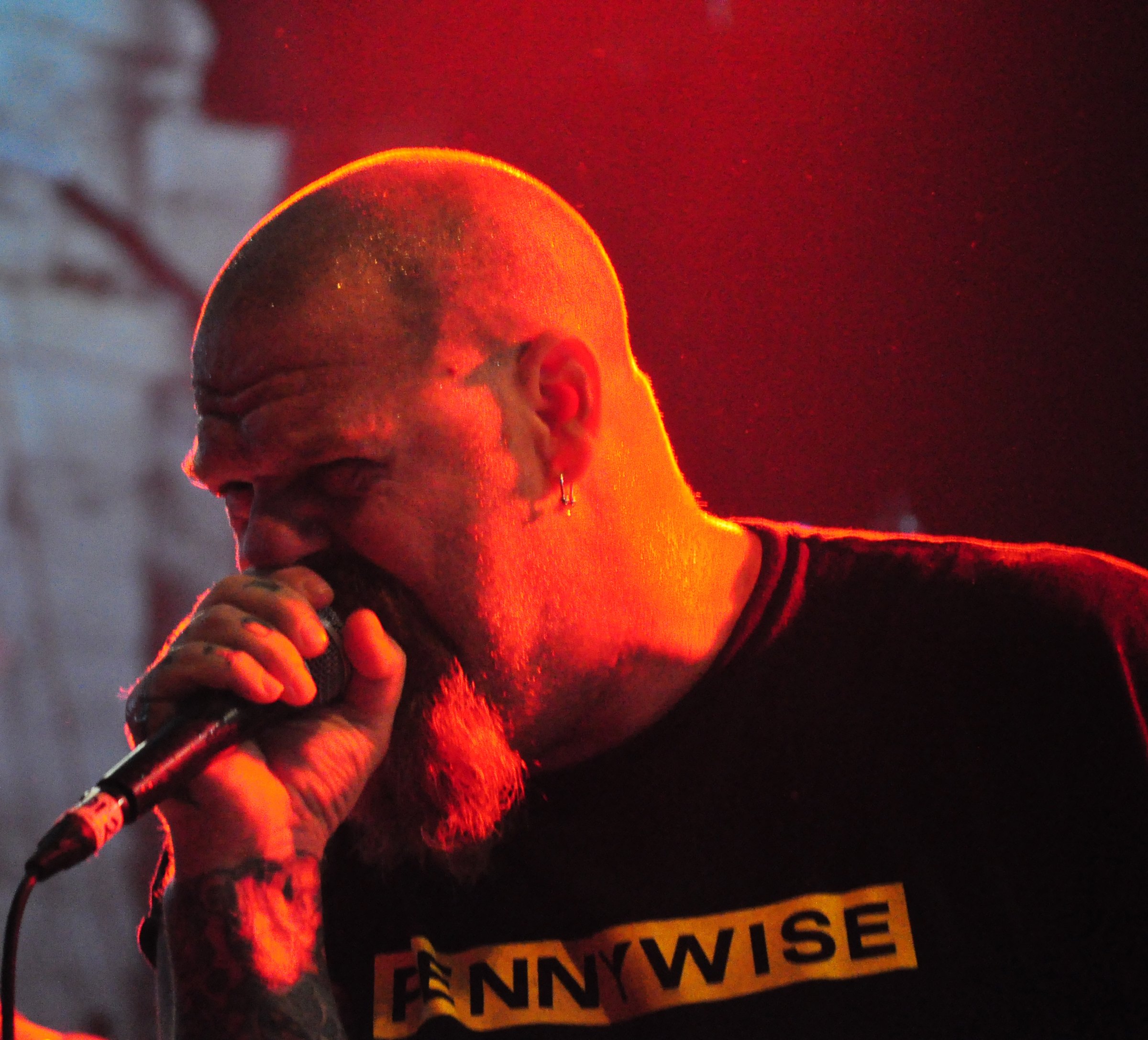
In this side view, the forearm and hand remain visible as Dukes sings, while the sleeve disappears under the shirt near the upper arm. The photo shows where the ink sits during a performance. It can’t establish the original pigment, the artist or the date of the work.
The hand tattoos and personal timeline
The lettering on Dukes’ fingers is small beside the larger arm pieces, but it stays in view when he performs. A front-facing photograph shows the hand and sleeve together, with the microphone partly crossing the arm.
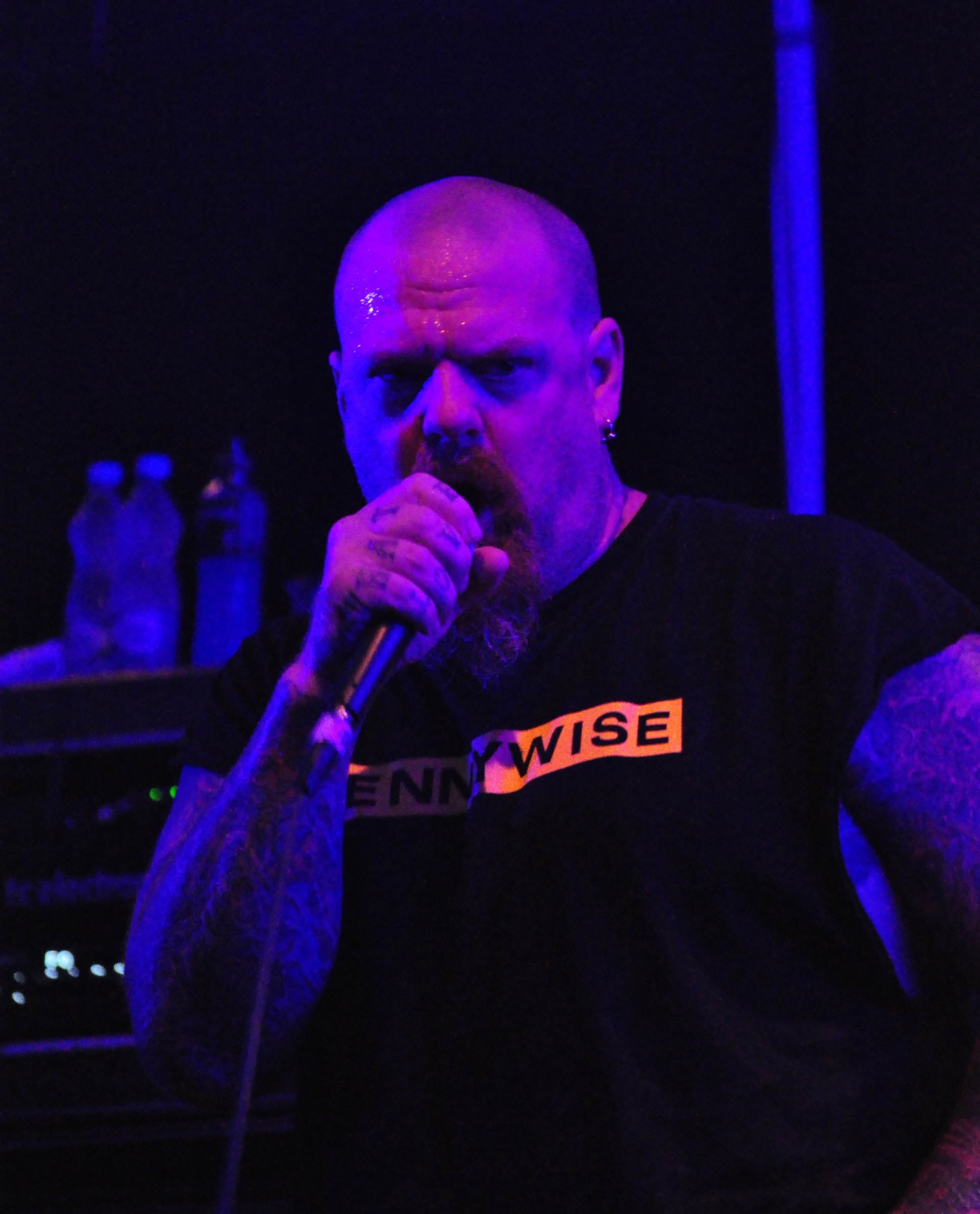
That placement makes the lettering part of his public image, whether he is onstage or pictured with the band. The photographs don’t explain what each letter means, so the visible detail is as far as the evidence goes.
A later return with Rob Dukes’ tattoos
Dukes returned to Exodus in 2025 after years away. A photograph from a later performance shows the same broad pattern of visible arm coverage, now in a different point in his career. His shaved head, beard and microphone help identify the setting; the tattoos are visible in their own right.

Before and after that return, Dukes also worked with Generation Kill. The photographs place the tattoos across those career periods, but they don’t prove that the sleeves stayed exactly the same or were never altered.
What the images can and cannot prove
The evidence supports a few clear statements: both arms carry extensive colour work, lettering appears on the hands and fingers, and Dukes has described a first reaper tattoo at 17 that he later covered. Whiplash reports that he was being tattooed when the Exodus audition invitation came. None of these sources provides a full design list, a confirmed roster of tattoo artists or meanings for every shape.
Concert pictures were made for performances, not as a catalogue. Lighting and cropping can hide details, while a wider frame can show where a sleeve ends or how it looks beside the hand. A face may identify Dukes without adding anything about a tattoo. Keeping those distinctions clear prevents a cropped or shadowed area from turning into an invented design.
Why the collection fits his music career
The article places the tattoos alongside the demands of touring and other parts of Dukes’ story, including sobriety, friendships and his history with Exodus. The ink fits the visual force of his work in thrash metal, but that comparison is about stage presence; it doesn’t explain the meaning of any individual piece.
Reading the photographs responsibly
His own account gives the clearest personal detail: a first tattoo at 17, later covered. The stage photographs show the sleeves and hand lettering that are visible now. Beyond those points, the source material leaves the individual designs and their meanings open.
A careful description can stay with what the sources establish: the early reaper and cover-up in Dukes’ interview, the audition-era tattooing reported by Whiplash, and the placement shown in the photographs. Where a design hasn’t been identified, it’s better to describe its visible colour or position than assign it a name.