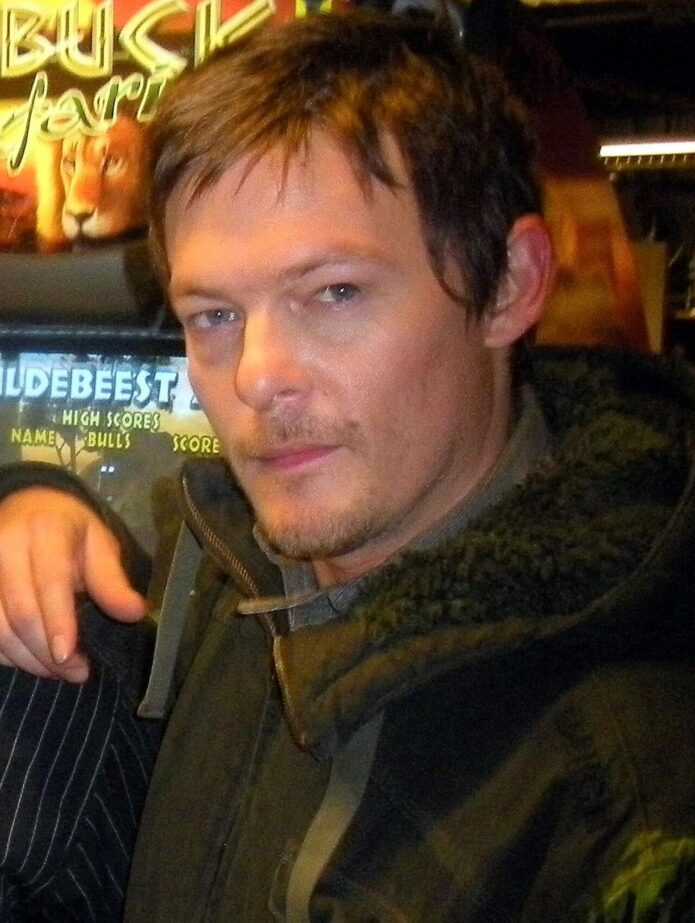
Norman Reedus has several tattoos that are easy to identify but few public explanations for what they mean. The clearest are the name Norman on his chest, Mingus in red on his forearm, dark demon figures on his back and a small Lemmy tribute he got during a motorcycle-and-music shoot. Photos also show smaller pieces on his hand, wrist and leg.
His role as Daryl Dixon on The Walking Dead can make the back designs look like character references. Reedus has described the tattoos as his own, separate from Daryl. He has explained the Lemmy piece, while leaving many of the other images without a public story.
Norman on his chest is a tribute to his father
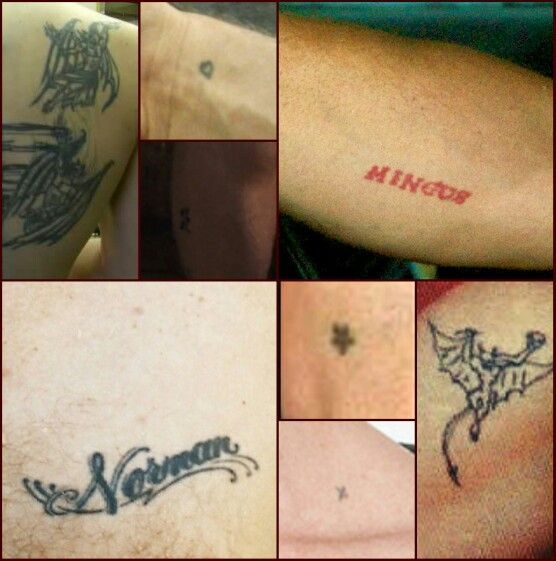
The script tattoo reading Norman appears on Reedus’s left chest in widely circulated photographs. Tattoo references connect the name to his father, Norman Reedus Sr. The lettering and placement are clear; Reedus has not shared a longer story about it.
A name tattoo on the chest stays close to the heart without needing a large composition. A shirt, leather vest or shoulder angle can partly hide it; over-the-shoulder and mirror photos show the lettering better than distant event shots.
It stays understated in size, but the family connection is plain when the lettering comes into view.
Mingus in red on Reedus’s forearm
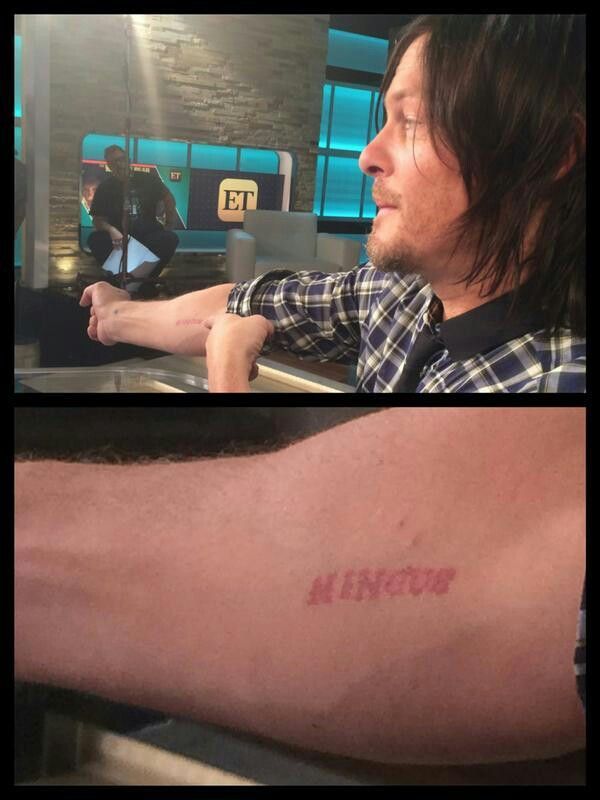
The red script Mingus on Reedus’s forearm refers to his son. Interview footage shows him rolling up his sleeve to reveal the lettering, and reference coverage places it in the same spot. Its red ink stands out against the darker line work elsewhere.
Reedus has told the story of showing the tattoo to Mingus and his son recognizing his own name on his father’s arm. It is a rare glimpse of the family connection behind one of the designs.
The lettering is easy to spot in short sleeves or motorcycle photos and just as easy to cover with a jacket. Its color and repeated appearance in photos make it one of his more recognizable tattoos.
The demon figures across Reedus’s back
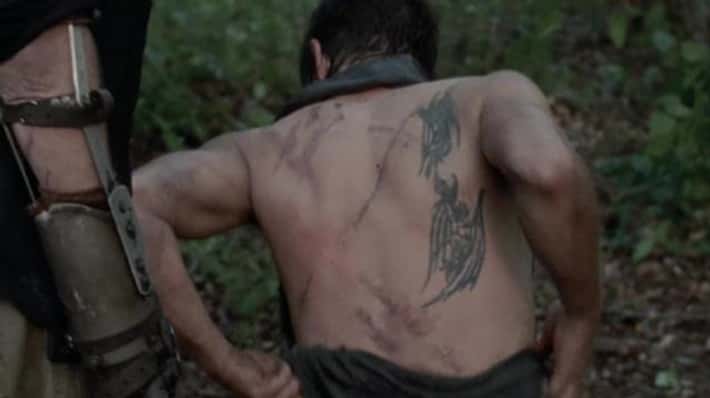
Photographs show dark, demon-like figures across Reedus’s back and shoulder blades. Inked Magazine and fan archives list them among his tattoos, and many viewers first noticed them in Walking Dead-era photos. The figures have wings or horns, depending on the view.
Reedus has tended to keep their meaning private. The tattoos’ symbolism is not established in the available interviews, and the designs are separate from Daryl Dixon’s story.
A front-facing portrait may hide the back ink completely. Shirtless mirror photos show where the figures sit, though the angle can flatten their detail.
A quick Lemmy tattoo became a music tribute
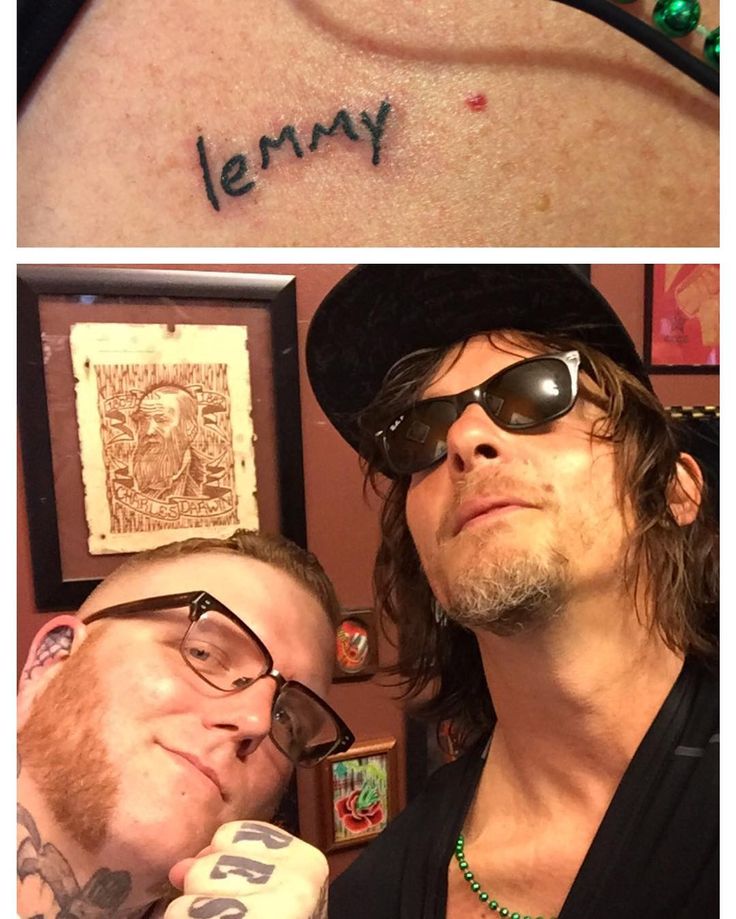
The Lemmy tattoo is one of the few pieces Reedus has explained in detail. While filming Ride with Norman Reedus in New Orleans with Mastodon’s Brent Hinds, he heard that Motörhead frontman Lemmy Kilmister had died. Reedus recalled that they had only a few minutes, ran into a tattoo shop and asked for a tribute. Blabbermouth and Men’s Journal preserve his account.
The story behind the design is part of its meaning. It was a quick response to the news, their friendship and the music; Reedus described the mark as small. That sets it apart from the larger demon figures on his back.
The tribute tattoo is small, but Reedus’s account pins it to a particular day in New Orleans. The short window in which he got it is part of the story.
Small tattoos on his hand, wrist and leg
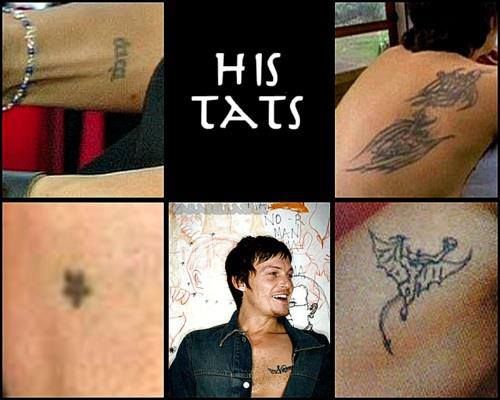
Reference coverage lists a small star on Reedus’s hand and a snake on his left thigh, along with other marks around the wrist and arms. They are easy to miss and seldom come with a public explanation.
The star and snake can be described by their shape and placement. Reedus has not publicly explained these smaller pieces, so their personal meanings remain unknown.
They tend to appear in gestures, motorcycle photos and close-up interviews. A sleeve, pose or camera angle can hide one tattoo while revealing another.
Why Reedus’s tattoos don’t share a single story
The collection spans family names, a music tribute, dark figures and small symbols. The clearest stories belong to the chest name for his father, Mingus on his forearm and the Lemmy tribute. Reedus has left the back figures and smaller marks unexplained.
A name can stay small and close to the body; red lettering sets a family tribute apart from darker work. The Lemmy tattoo carries the story of a particular day, while the back designs keep their mystery. Reedus’s collection is most revealing in the few places where he has chosen to speak.
3 thoughts on “Norman Reedus’s Tattoos Keep Family, Music and Mystery Close”