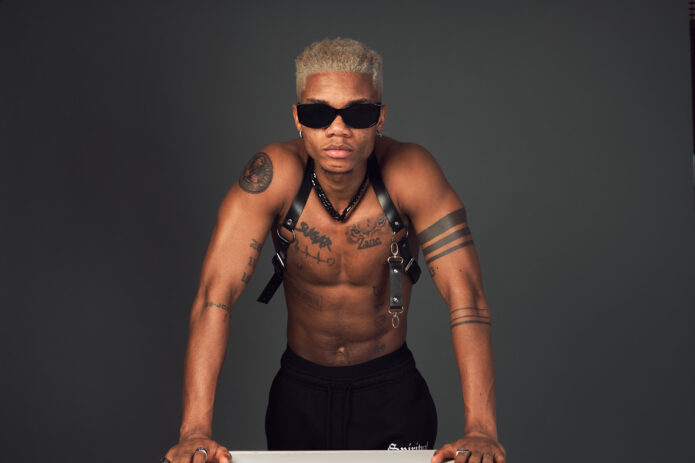
KiDi’s tattoos are easy to notice because they sit right in the middle of his public image. The Ghanaian singer has never treated his ink like random decoration. His chest carries personal references, his arms hold family and faith-related pieces, and a cluster of small symbols connects his stage life to the emotions he brings into a room. Put together, the collection feels more like a private scrapbook drawn across his body than one fixed tattoo style.
What makes KiDi’s ink especially interesting is how clearly he has explained it. He has spoken about the crucifix on his arm, the tattoo connected to his son Zane, his mother Beatrice Thompson’s name, the words “Breathe, it is well,” and the five chest emojis that represent different moods he can bring to a concert. The designs are visible, but the stories behind them give the tattoos their shape.
KiDi’s Chest Tattoos and Their Personal Details
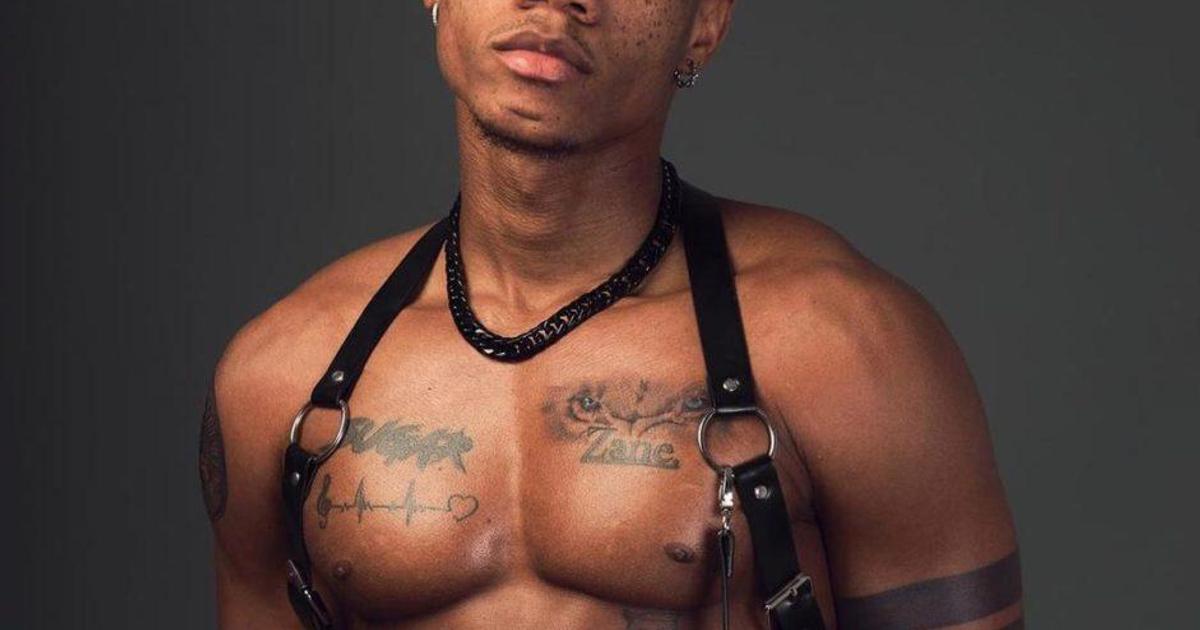
The clearest view of KiDi’s upper body shows several different ideas sharing the same space. On the left side of his chest, a heartbeat line runs into a small heart. Close by, dark lettering crosses the chest, while the right side carries the name Zane with a date-based design tied to his son. His upper arms add another layer: thick bands, script and larger illustrated work break up the chest pieces and give the whole collection a lived-in look.
There is no single visual language across all of these tattoos. Some are heavy and shaded, some are fine enough to read as lettering, and some are simple symbols. That mix suits KiDi’s explanation of the collection. The tattoos mark people, beliefs and feelings rather than following one fashionable theme. Even the placement feels personal: the chest pieces stay close to the heart, while the arms make the more visible statements when he performs or wears sleeveless clothes.
The Arm Tattoos That Build KiDi’s Sleeves
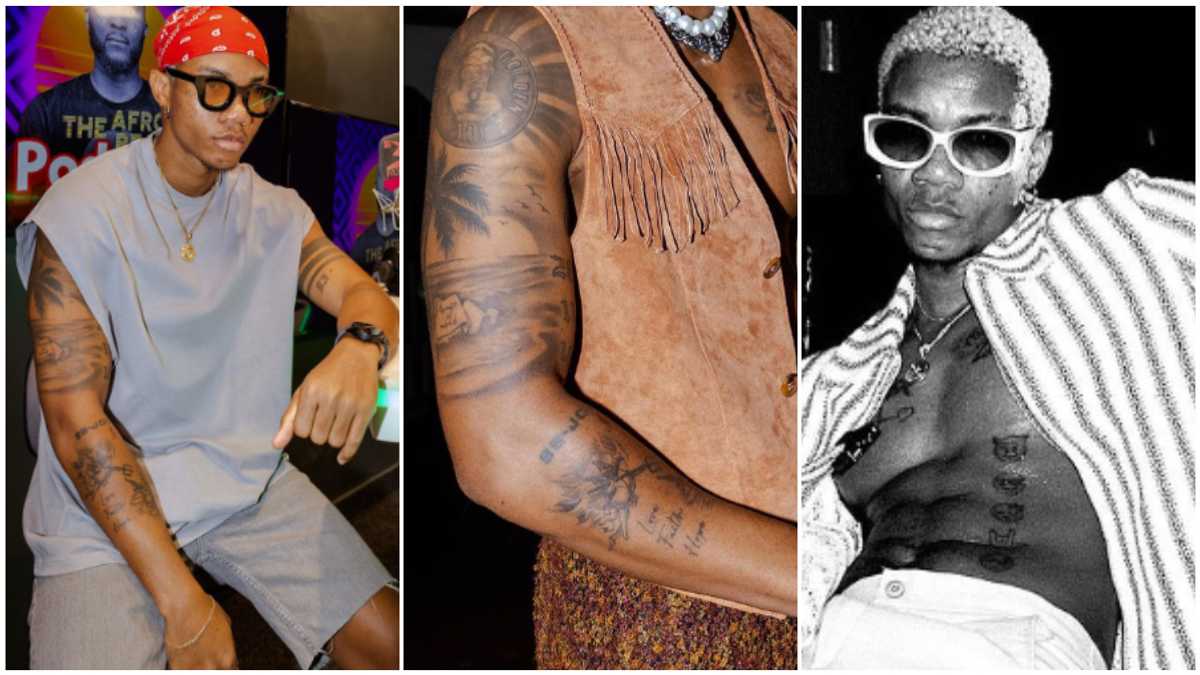
KiDi’s arm tattoos are the busiest part of the collection. A wider photo shows ink running from the shoulders down toward the forearms, with bands, script and darker graphic shapes appearing at different points. The pieces don’t read as a perfectly uniform sleeve. Instead, there are gaps, changes in scale and separate designs that have accumulated over time. The result is a personal record built in layers.
One arm carries the name of his mother, Beatrice Thompson. That detail gives the arm work a family centre, even though the surrounding tattoos have different shapes and weights. The name is not presented as a vague tribute; KiDi has specifically identified it as his mother’s name. In the middle of a larger sleeve, that kind of lettering can be easy to miss, but it is one of the most direct family tributes in his tattoo collection.
The arm images also show why KiDi’s tattoos look different from one photo to the next. A T-shirt can hide the upper portion, a jacket can cover nearly everything, and a stage outfit can make the ink appear bolder than it does in a close portrait. The visible lines shift with his posture, too. A forearm mark can look compact when his arm is bent and much longer when he reaches for a microphone.
KiDi’s Most Personal Details
The chest pieces carry the most obvious family and emotional references. KiDi has described the tattoo for his son, Zane Dwamena, as a record of Zane’s birthday. In photographs, the name stands out in large lettering on the right side of his chest. It is one of the first details people notice because the letters are broad and the placement leaves them open to the camera.
Across the other side, the heartbeat line finishes in a small heart. The line gives the chest a sense of movement, especially beside the heavier script. It also makes a visual bridge between the more literal name tattoo and the smaller symbols scattered over his body. The tattoo is simple enough to read immediately, but its position makes it feel connected to the personal pieces around it.
KiDi’s chest script is harder to read in every photograph, which is part of what makes the imagery useful. One view catches the lettering under strong studio light; another shows how the ink sits beneath clothing and harness straps. The exact visual impression changes with the angle, but the design remains recognisable as bold, dark chest lettering rather than a tiny hidden mark.
Faith, Family and the Details KiDi Has Explained
KiDi has also explained a crucifix tattoo as a reference to his Christian faith. He connects the three nails with the crucifixion, so the piece is not just a generic religious symbol in his account. It carries a specific meaning that ties the image to his beliefs and to the way he understands that part of his identity. It is one of the clearest links between faith and family in the collection’s wider history.
The crucifix belongs to the same collection as the family names and mood symbols, but it has a different tone. The Zane tattoo records a relationship inside his family. The crucifix points outward to faith. Seen together on his arms and chest, they show how KiDi uses tattoos to keep important parts of his life close, even while the designs remain visible as part of his stage style.
In photos, the religious piece can be less immediately obvious than the large chest lettering because it sits among other marks. That is typical of KiDi’s overall tattoo layout: the body is not divided into one symbol per area. Several ideas share the same visual field, and the meaning of one piece becomes clearer when his own explanation is added to the photograph.
The Five Moods Behind His Stage Persona
The five emoji tattoos on KiDi’s chest are probably the most playful part of his ink. He has said they represent five moods connected to his concerts: demon, bubbly, emotional, shy and celebrity. That list gives the symbols a clear link to performance. They are not just five small faces chosen because they looked good; they stand for the different versions of KiDi that can come out onstage. Together, they mark five concert moods in a compact visual set.
He has also explained the idea through the way people communicate now. Emojis can make a feeling obvious without a long explanation, and the five symbols let him place those shifts directly across his chest. Their small scale contrasts with the larger name and script tattoos around them. The result is a set of tiny marks that carries a surprisingly large amount of information.
Visually, the emojis help break up the heavier work. KiDi’s chest includes dark lettering, the heartbeat line and the Zane tattoo, so the smaller icons create pockets of space between those stronger shapes. They also add a little humour to an otherwise serious group of tattoos centred on family, faith and emotional wellbeing.
KiDi’s Arm Bands, Script and Lower-Torso Ink
Below the chest, KiDi has smaller tattoos that appear in flashes depending on the photograph. A blocky mark sits across the upper abdomen, while other small symbols and lettering run down toward the waist. The arm bands are more consistent visually: dark horizontal lines wrap around the upper arms and create a strong contrast with the looser script nearby.
Those bands give the collection a graphic edge. They are straightforward shapes, but they change how the more personal tattoos read. The chest names and heartbeat line feel intimate; the bands make the silhouette sharper. This balance is part of why the tattoos work so well with KiDi’s fashion. A sleeveless top reveals the family lettering and the bands at once, while a jacket can reduce the look to only a few glimpses of ink.
The lower-torso tattoos are not always clear enough to describe confidently, so the strongest reading comes from the pieces KiDi has actually explained. The photographs can document where the smaller marks sit, but they do not automatically tell us what every symbol means. His stated explanations matter more than guesses based on a cropped image.
A Short Phrase About Anxiety
Among KiDi’s most direct messages is the phrase “Breathe, it is well.” He has connected it with anxiety, which gives the lettering a different kind of weight from the more celebratory chest emojis. It reads like a reminder kept close to the body, but the important point is the meaning he has attached to it: the phrase reflects his experience of dealing with anxious feelings.
The wording is calm and short, and that simplicity helps it sit naturally beside the more detailed tattoos. A heartbeat line already brings the idea of breath, nerves and emotion into KiDi’s tattoo layout. The phrase adds language to that same emotional territory. Together, they make the chest and arm work feel less like a collection of disconnected graphics and more like a record of how he thinks about himself.
The Visual Mix in KiDi’s Tattoo Collection

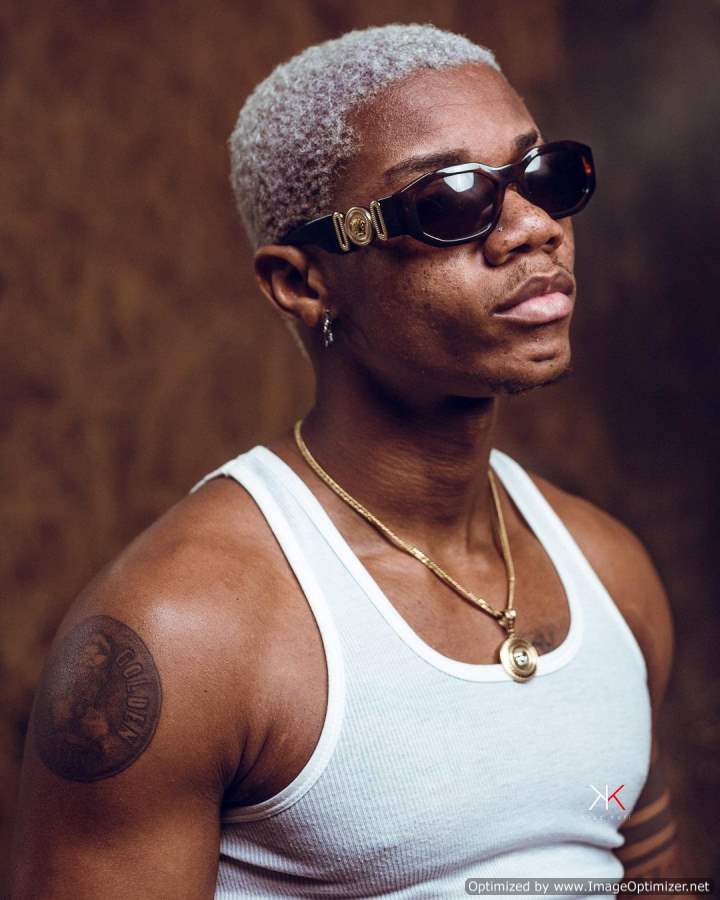
KiDi’s tattoos now sit comfortably alongside the platinum hair, sunglasses, jewellery and leather-heavy styling that have become familiar parts of his image. The clothes change, but the ink keeps the look connected. A bare chest brings out the personal details. A tank top makes the arms and bands more prominent. A jacket leaves only partial glimpses, which can make the tattoos feel like details hidden inside the outfit rather than the whole point of it.
That flexibility is useful when looking at photographs from different stages of his career. Some images emphasise the chest and the name Zane. Others focus on the arms, where the bands, script and larger pieces create a stronger sleeve effect. None of those views cancels out the others. They are different windows onto the same collection, and each one makes a different part of the tattoo history easier to see.
The most reliable way to understand KiDi’s ink is to keep the visual evidence and his own explanations together. The photos show the placement and the changing scale of the designs. His comments explain the crucifix, the family names, the anxiety phrase and the five concert moods. Without that second layer, it would be easy to mistake a personal symbol for a random graphic or to assign a meaning that KiDi has never given it.
KiDi’s tattoo collection feels personal without being precious. There are serious pieces, playful ones, bold bands, small marks and lettering that stays close to the chest. They cover the parts of his life he has spoken about most clearly: faith, family, performance and mental wellbeing. That combination is why the tattoos stand out. They are visible in a photo, but they become memorable because each important piece is tied to a real part of KiDi’s life.
How KiDi’s Tattoo Collection Has Become Part of His Look
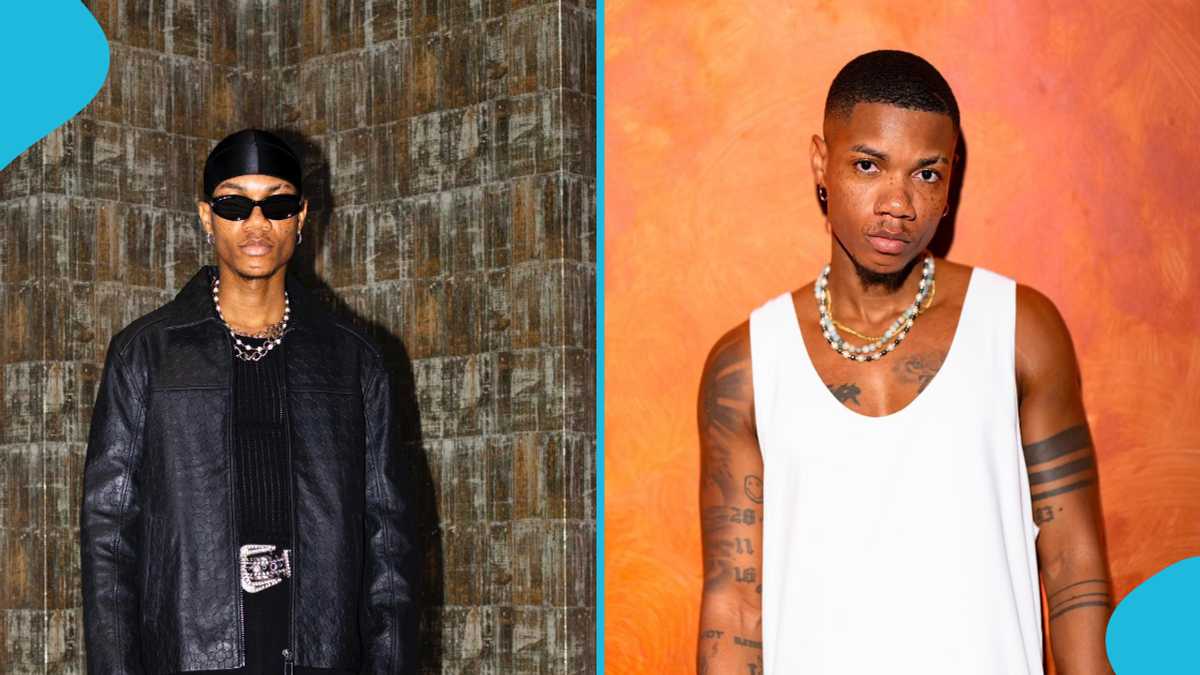
Album-era portraits make the overall pattern easier to see. The tattoos don’t sit apart from KiDi’s clothes, hair or jewellery; they move with all of it. The same collection can look sharp and graphic under a leather harness, softer in a close studio portrait, or more casual when the arms are partly covered. The ink changes the balance of each photograph without needing to be the only thing in frame.