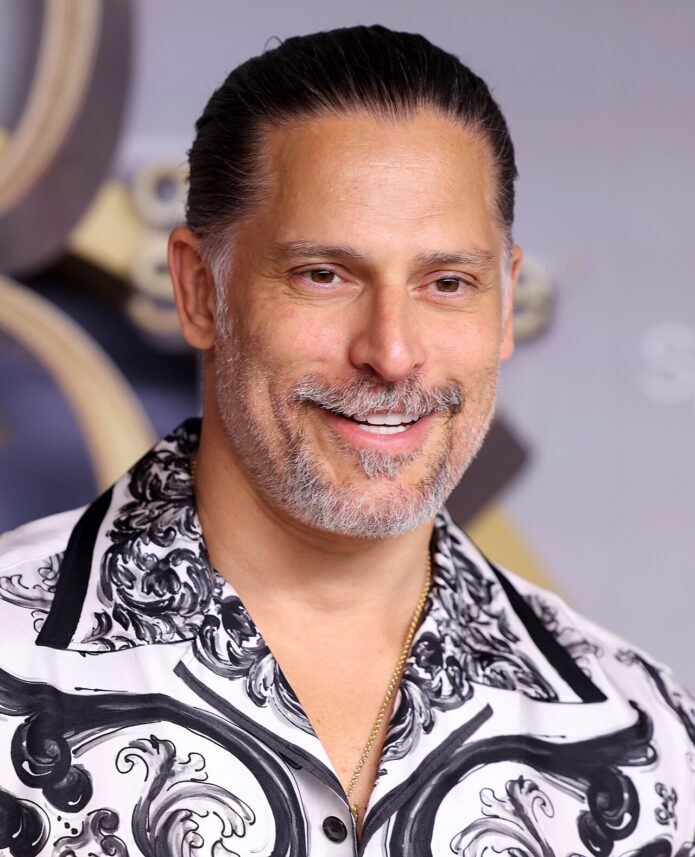
Joe Manganiello’s tattoos range from colorful dragon work across his shoulders and arms to a new, roughly three-foot dragon down his right side. He said the latest piece covers surgery scars and draws on a story from his memoir, Bloodlines.
The photos show large scales, lettering and shapes that follow his body. Some pieces have a clear personal account; others are easier to describe than to interpret.
The huge dragon tattoo on Joe Manganiello’s right side
The red-and-black dragon runs from near Manganiello’s navel toward the top of his knee. He described it as about three feet long. Its size lets the image cover a broad area along his right side rather than sit as a small emblem.
In Bloodlines, Manganiello wrote about imagining his body sending knights to fight a western dragon that wasn’t there. When they found no enemy, they punched holes through him. He connected the tattoo to that image, but described the eastern dragon as himself. The design turns the metaphor around: the dragon over the scars is no longer an outside enemy.
The dragon work across his shoulders and arms
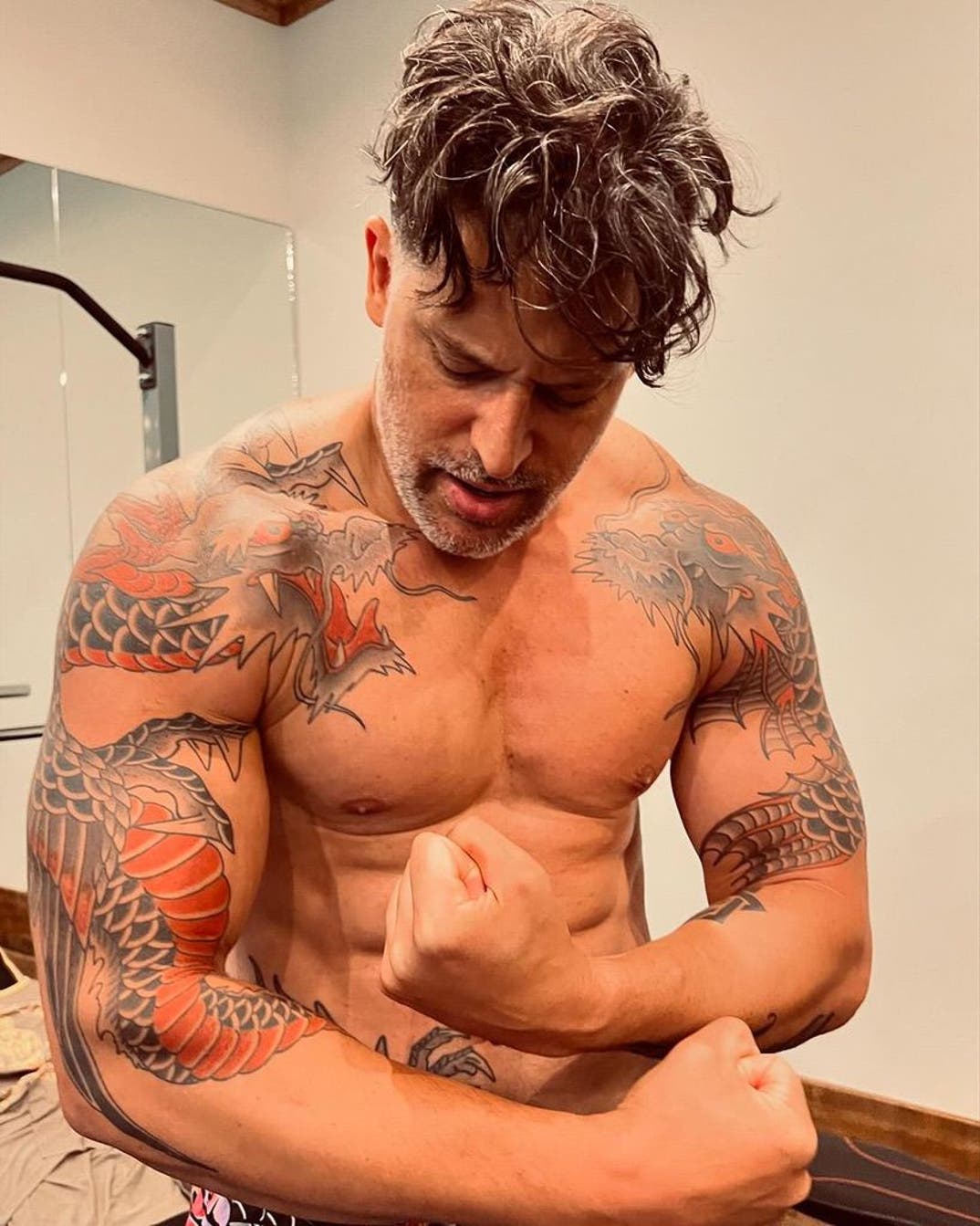
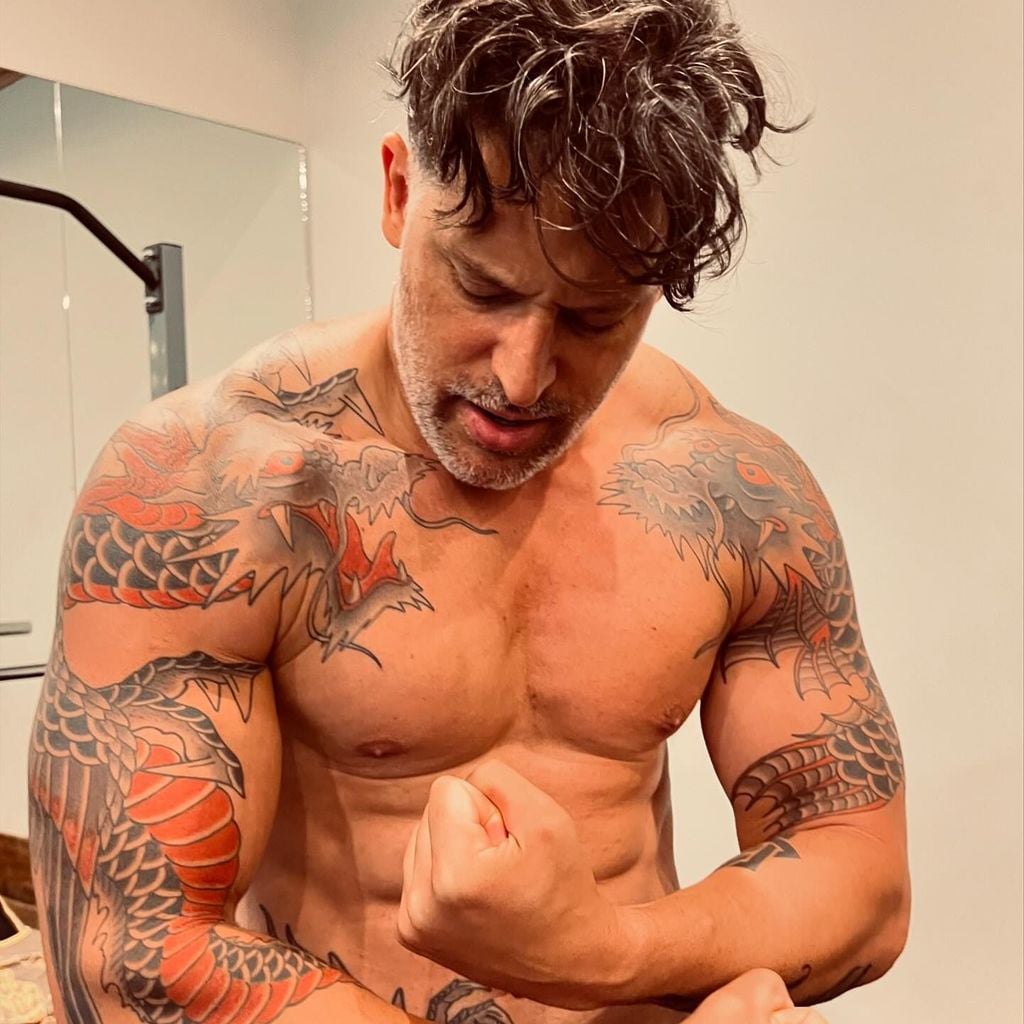
The newer dragon isn’t his first. Older photos show colorful creature designs across his shoulders, upper arms and chest, with rounded scales, warm red sections, dark outlines, layered shading and bold lettering.
The patterns curve over the shoulder and down the arms, so they shift when he bends or turns. Some lines continue across the upper torso, making the collection read as connected work rather than separate pieces placed side by side.
How the sleeves read in a real-world photo
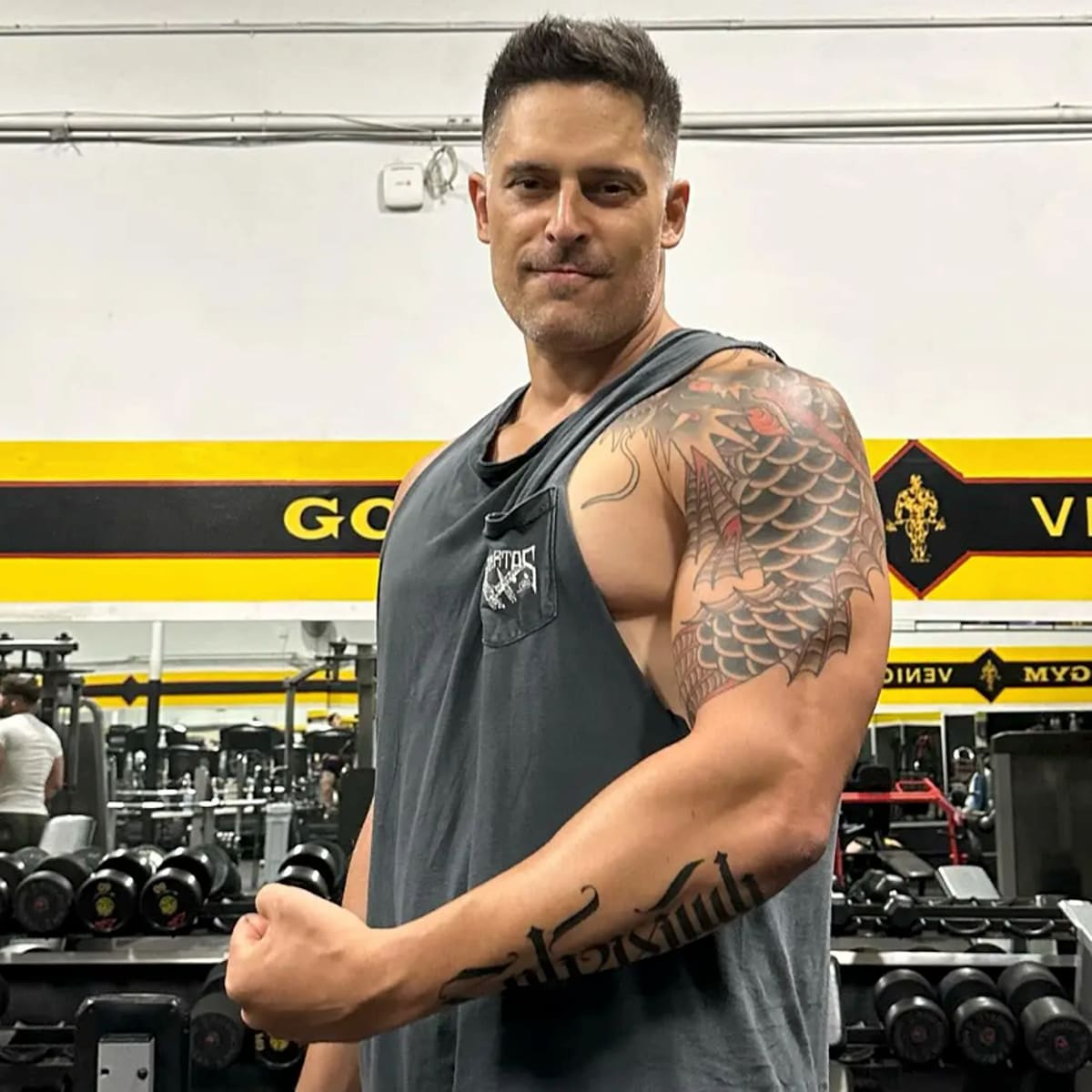
A public gym or street photo gives a less controlled view than a posed reveal. Clothing hides parts of the design, and the angle changes what can be seen. The red sections and dark scale patterns still give the arms a clear outline.
Several photos of the same sleeve don’t mean several different tattoos. The ink stays in place; distance, clothing and the position of his arm change how much of it the camera catches.
The Armenian script on his forearm
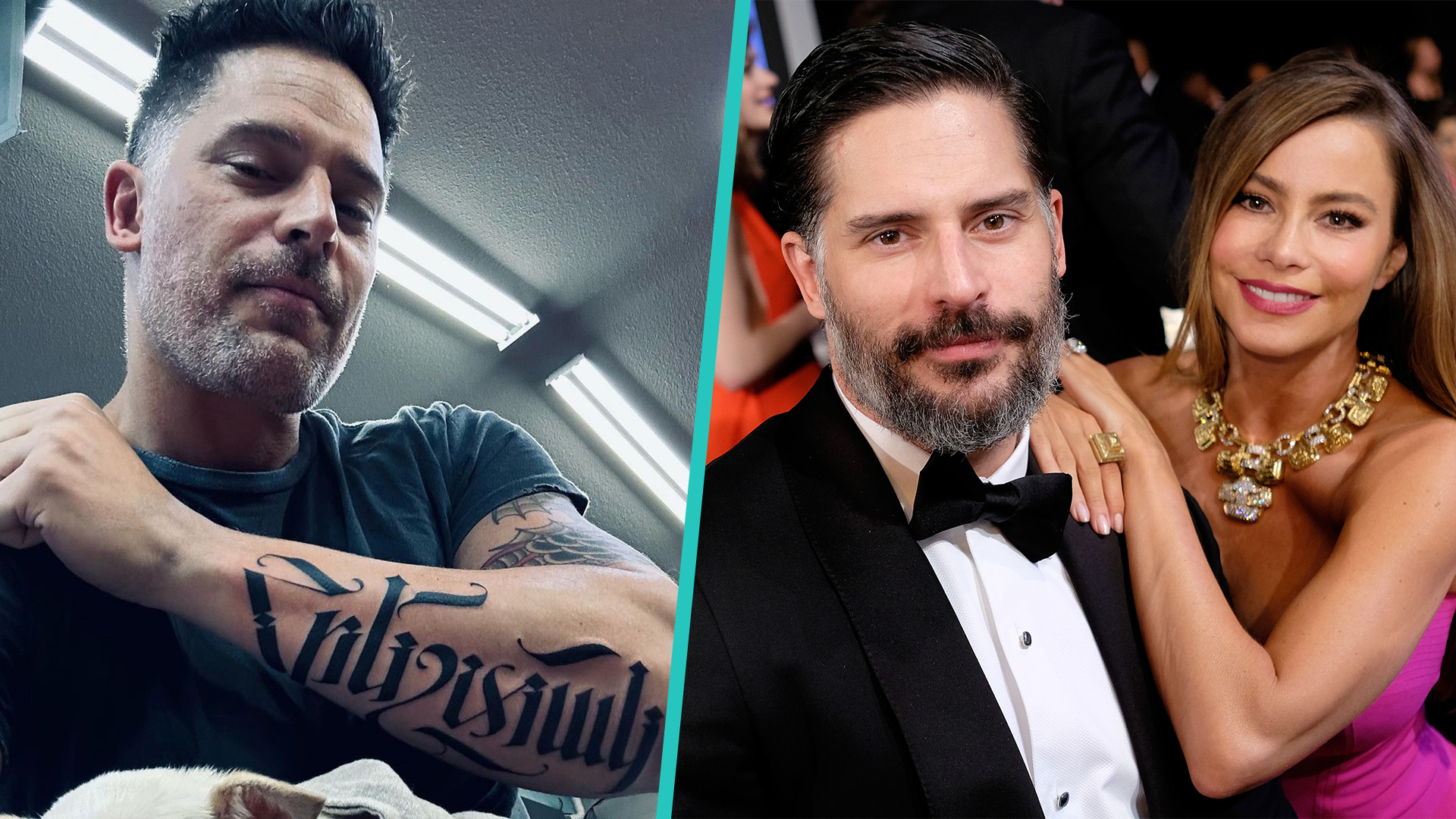
A forearm tattoo in Armenian script has been reported as the word “angel.” Coverage links it to Manganiello’s maternal Armenian heritage and the family history he has discussed publicly.
The lettering is quieter than the dragons: dark characters along the forearm, without the larger illustrated shapes or color. If you’re considering a tattoo in a language you don’t read, check the wording and letter forms with a fluent speaker before it goes on your skin.
The personal context behind the new dragon
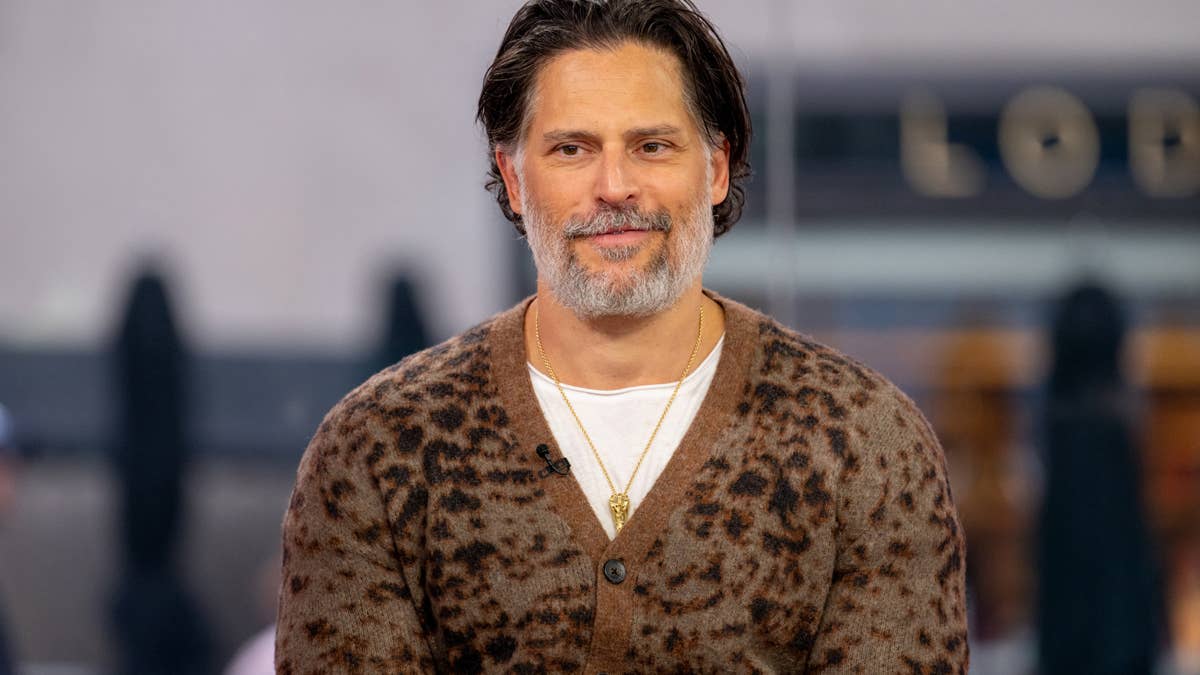
Manganiello has described collapsing on a film set in 2016, emergency surgery, long stretches of pain and a difficult search for a diagnosis. This portrait provides context, not evidence of the tattoo itself. The dragon story comes from his account of the scars and the illness behind them.
He has framed the tattoo as a way to reclaim some control after a period when his body felt beyond his control. Covering the scars changes how the area looks; it doesn’t erase what happened. The size follows the area he wanted covered and gives the image room to read as one composition.
A collection that changes with the wearer
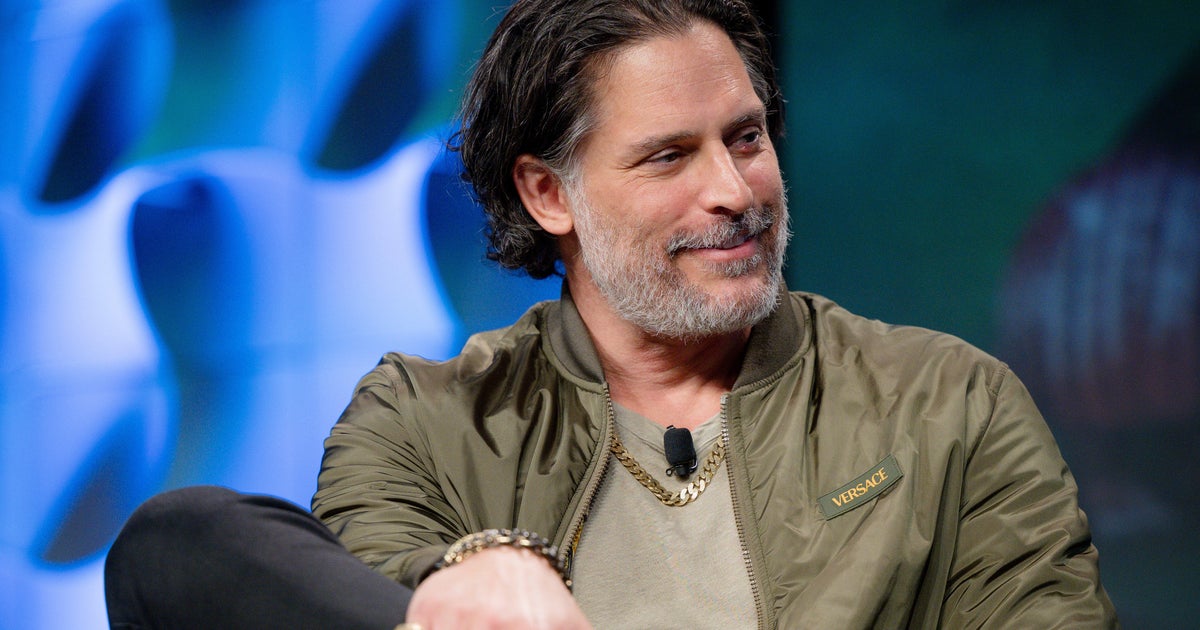
In portraits, shirts and jackets often cover Manganiello’s tattoos. At the gym, more of the sleeves may be visible. The same collection can be prominent or mostly private, depending on what he wears and where he is.
His large pieces follow the shoulders, arms and torso instead of sitting on flat patches of skin. That’s worth considering when planning body art: the design will shift as you move, and clothing can hide or reveal parts of it.
What to take from Joe Manganiello’s tattoo style
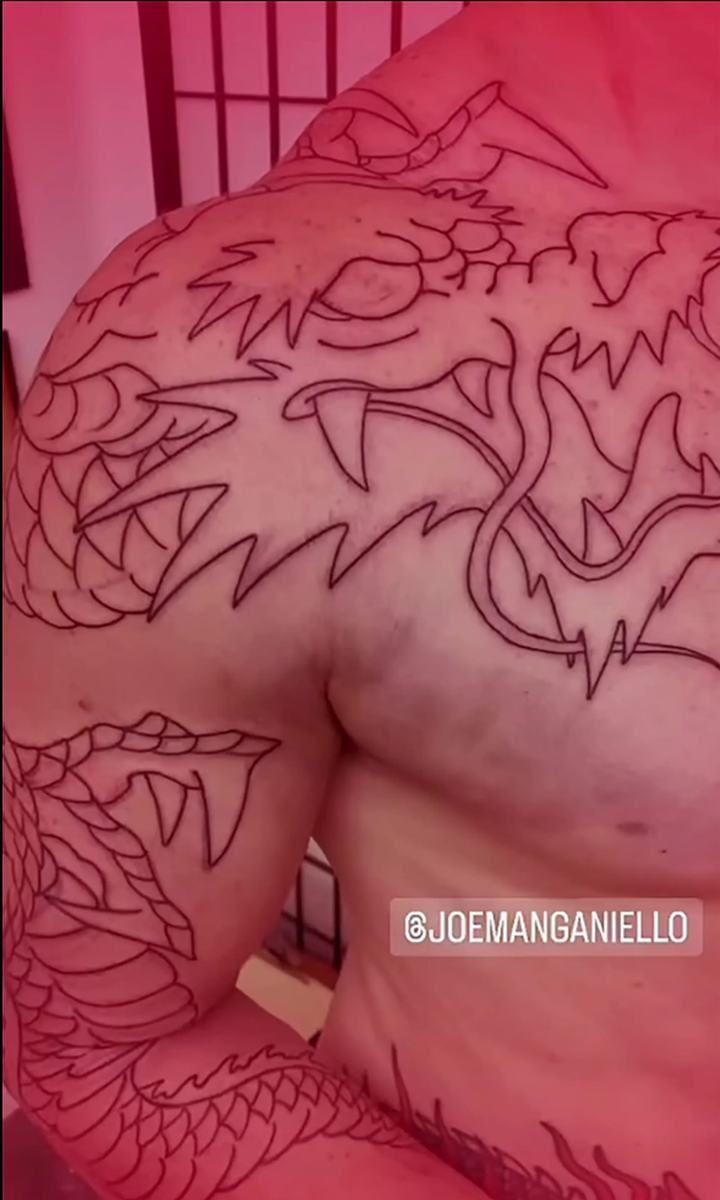
Repeated reds, dark outlines and dragon imagery help the shoulder and arm work feel connected without making every tattoo identical. The Armenian lettering provides a quieter contrast to the larger illustrations.
Manganiello’s story also shows why the meaning belongs to the wearer. A dragon doesn’t automatically stand for recovery, and Armenian script doesn’t carry the same family connection for everyone. The documented explanation is what makes these specific tattoos personal.
Why the story matters more than the spectacle
His Dungeons & Dragons interests sit alongside two more personal stories: the Armenian word linked to family heritage and a side dragon he connected to illness and surgery scars. The tattoos don’t need one theme to make sense as a collection.
The short version
Manganiello’s older tattoos include colorful dragon work across his shoulders, chest and arms, plus Armenian script reported as “angel.” His newest piece is a red-and-black dragon along his right side, covering surgery scars and drawing on his account of a serious illness.