The black iron cross that became part of the look
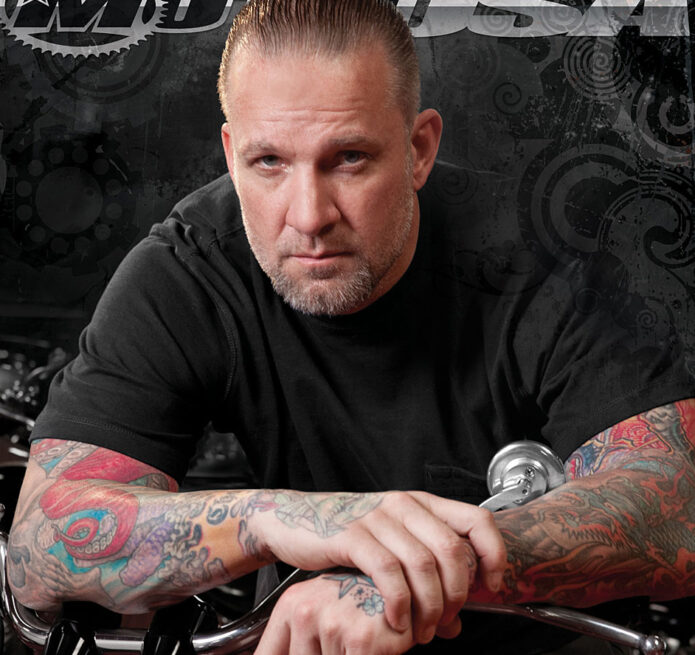
Jesse James’s tattoos draw on the same world as his motorcycles and metalwork. The clearest recurring image is the black iron cross, which is tied to West Coast Choppers and the custom-bike scene James helped popularise. You can see it in photos and in the graphics around his business. It’s useful to keep the tattoo separate from the shop logo and from fan designs based on it.
The cross is simple enough to recognise from a distance. It can go on a motorcycle part, a shirt or someone’s skin, which helped make it shorthand for the shop’s style. James’s tattoos sit among the skulls, machinery and biker references that shape that look.
Online pages often give the cross one fixed meaning. James has spoken more about its place in the shop’s design culture than about a single definition. It works as an emblem and as part of his visual style.
Chest work, skulls and the biker vocabulary
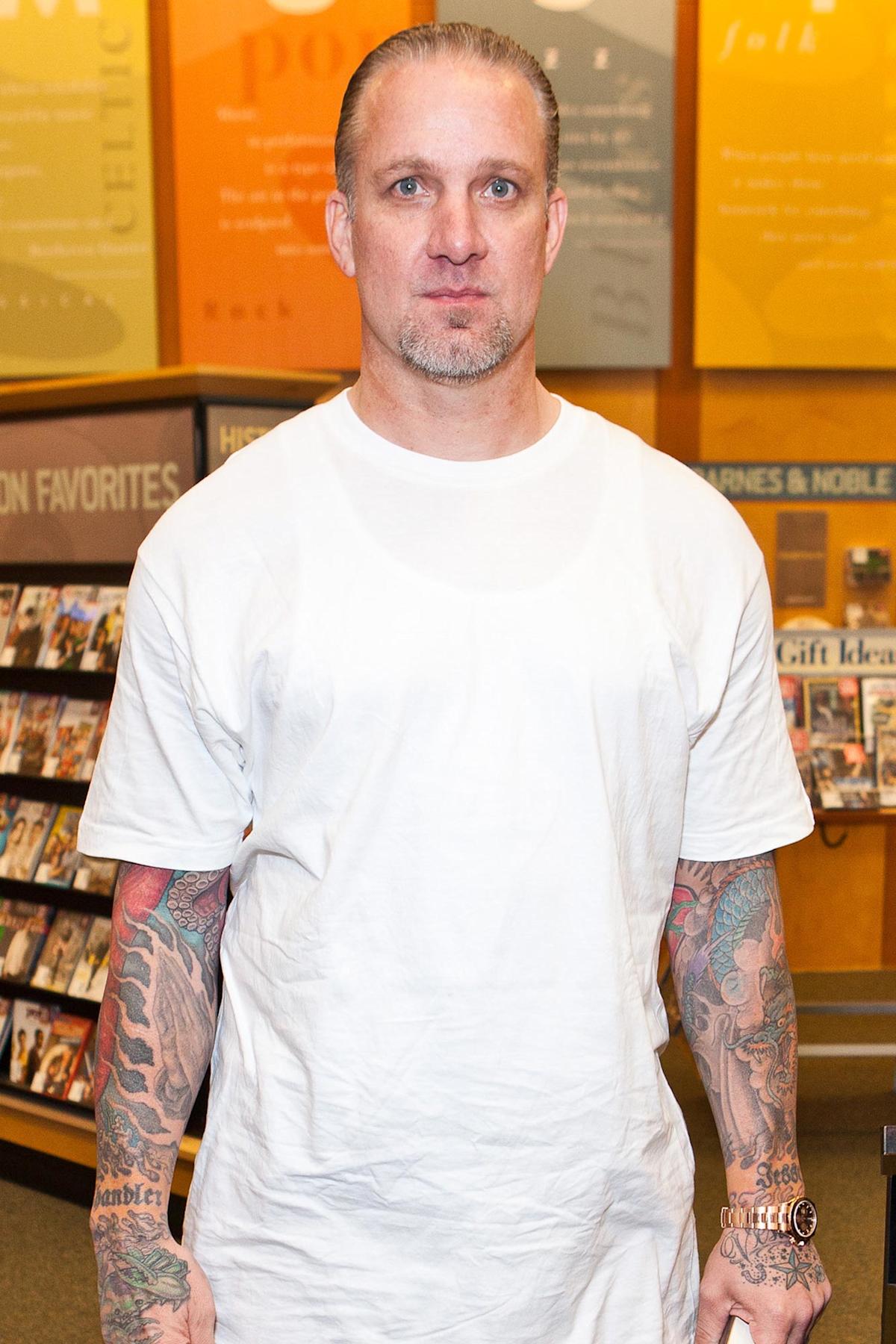
Photos show extensive tattoos across James’s chest and upper body, including dark lettering and skull imagery. It’s hard to list every design because many pictures are cropped, blurry or taken while he’s working around motorcycles. The chest is clearly a major part of the collection, but not every symbol has a confirmed name.
Skulls have a long history in biker and tattoo culture. They can suggest mortality, danger or resilience, or simply appeal as strong graphic shapes. In James’s photos, the imagery sits alongside custom metalwork, engines and the workshop where he works. It belongs to the same hands-on world.
The tattoos look different depending on the setting. A magazine portrait makes them part of a public image; a shop photo shows them in the middle of daily work. Both are useful views of a collection that has changed over time.
Arms, lettering and the people behind the image
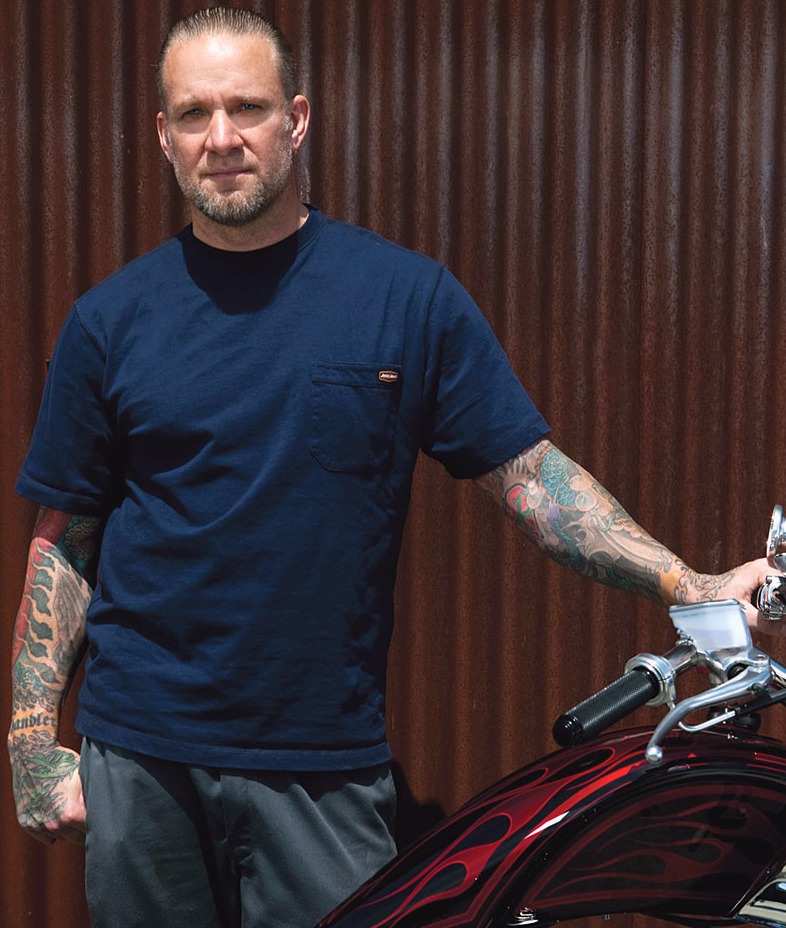
James also has lettering and symbols on his arms. Online summaries sometimes mix his tattoos with work by tattoo artists who share his name. Searches can also bring up Jesse James the historical outlaw. That leaves several different people in the results, so it’s worth checking who a photograph actually shows. Start with the person, then identify the tattoo.
Ranker and older lifestyle coverage describe some of James’s tattoos as tributes to people close to him and markers of his progress in entertainment and motorcycle culture. The visible names and symbols may fit that account, but a precise list needs a clear photo or a direct explanation. With lettering, the wearer’s account matters more than a caption.
The arms carry smaller, more legible marks than the broad chest work, at least in some photos. A vest or a day in the shop can leave them in plain view. The black ink and mechanical setting have become part of the silhouette people associate with James and West Coast Choppers.
Tattoos and the West Coast Choppers identity
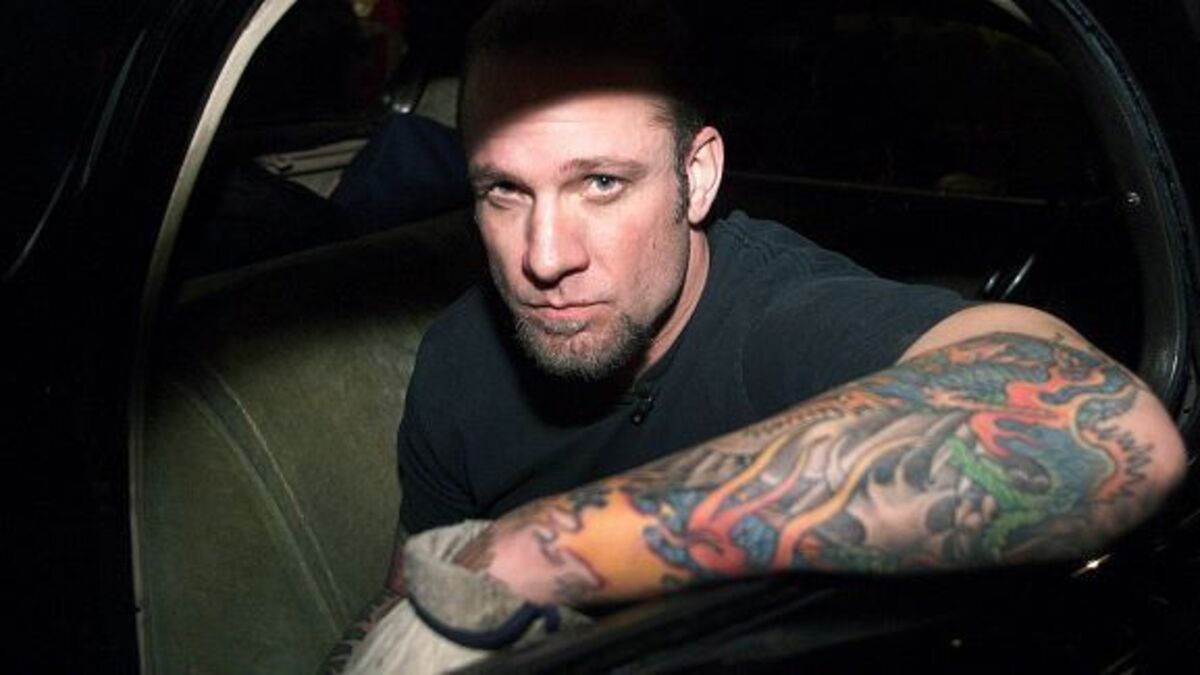
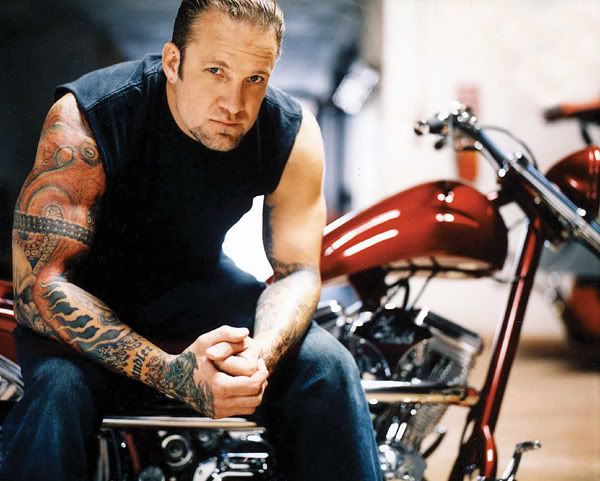
West Coast Choppers became known for tall handlebars, rigid frames and a black iron cross logo. James’s tattoos share that visual world. Photos of him often include motorcycle parts, shop signs, skull graphics or custom paint. The ink echoes the work around him.
Context matters when naming a tattoo. A skull doesn’t automatically signal a prison tattoo, and an iron cross doesn’t prove every political meaning people attach to the symbol. The available coverage connects James’s ink to biker design, custom fabrication and his business. A more specific claim needs better evidence.
In interviews, James has talked about working with his hands and avoiding corporate polish. His tattoos look at home in that setting: direct, durable and a little rough. They have more in common with shop signs and old flash than a carefully coordinated celebrity sleeve.
The photos clearly show heavy coverage on his arms, with skulls, mechanical shapes and lettering. Some smaller pieces are hidden by sleeves or too blurred to identify, so there’s no reliable way to name every design.
What can be documented with confidence
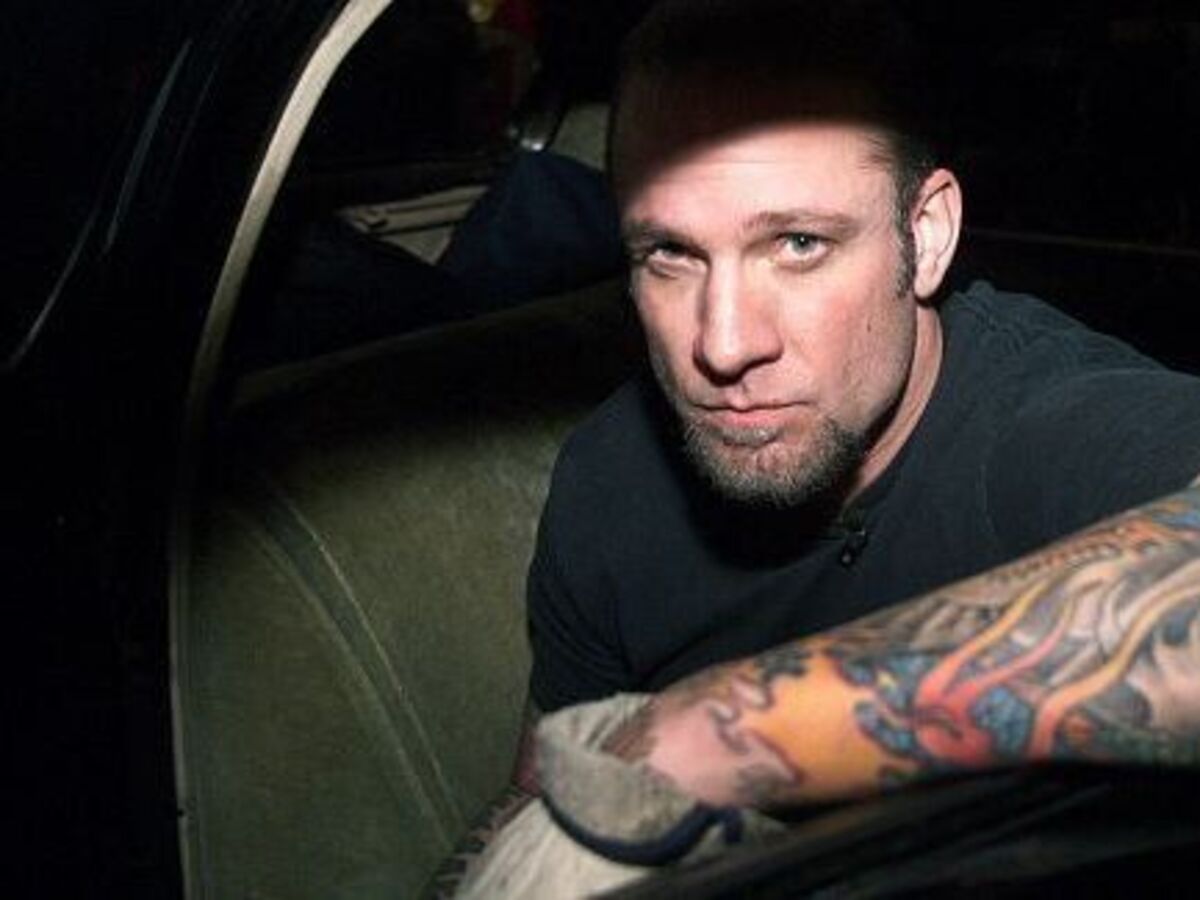
The clearest account is that Jesse James has extensive tattoos across his chest and arms, including black iron-cross imagery, lettering and skull designs. These have repeatedly been linked to his public image and West Coast Choppers. Exact names and meanings are harder to establish, in part because searches confuse the celebrity with the historical outlaw and tattoo artists who share his name. The ink is also discussed alongside Iman Shumpert’s tattoos.
Keeping that distinction clear helps. A tattoo guide should identify what’s visible without turning every patch of dark ink into a story that the wearer hasn’t told. The broad picture here is already clear: handmade work, motorcycles, personal ties and a style outside ordinary celebrity fashion.
When you compare photos, look at the chest and both arms, and note which motifs appear in more than one image. Clothes and camera angles hide details; a dark shape can look like a symbol in one photo and lettering in another. Where James hasn’t explained a design, it’s better to describe what the image shows.
Watch Jesse James talk about his working world
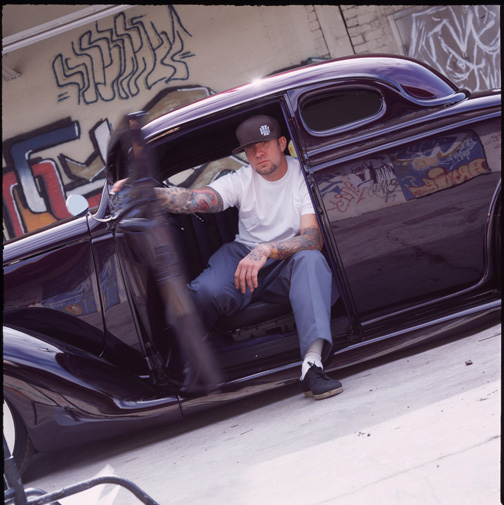
We didn’t find a dedicated tattoo tour, so this interview from James’s shop offers a look at the working world around his tattoos.