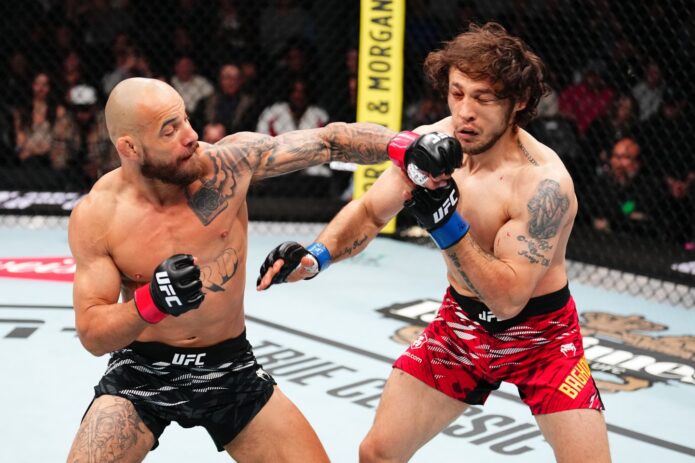
Jean Silva’s chest tattoo is easy to spot, but the idea behind it is a little more personal than a quick fight photo suggests. The UFC featherweight has a lock tattooed across his chest, with a diamond worked into the design and his mother’s name underneath. He has described it as an old Nordic-era lock, the kind of lock that only real emotions and real people can open.
That explanation gives the tattoo a clear centre without pretending we know more than Jean has actually said. It isn’t just random chest filler, and it isn’t a symbol we need to decode from scratch. He tied it to his mother and to a difficult childhood, so the design reads as a private family reference that happens to be visible whenever he fights shirtless.
The lock on Jean Silva’s chest
The main piece is a lock with a diamond at its centre. In the clearest fight photographs, it sits high on Jean’s chest and is surrounded by heavier black-and-grey work. The lock has a solid, old-world feel rather than looking like a tiny padlock dropped into an otherwise empty space. His chest also carries large outlined lettering lower down, while more ink runs over the shoulder and arm.
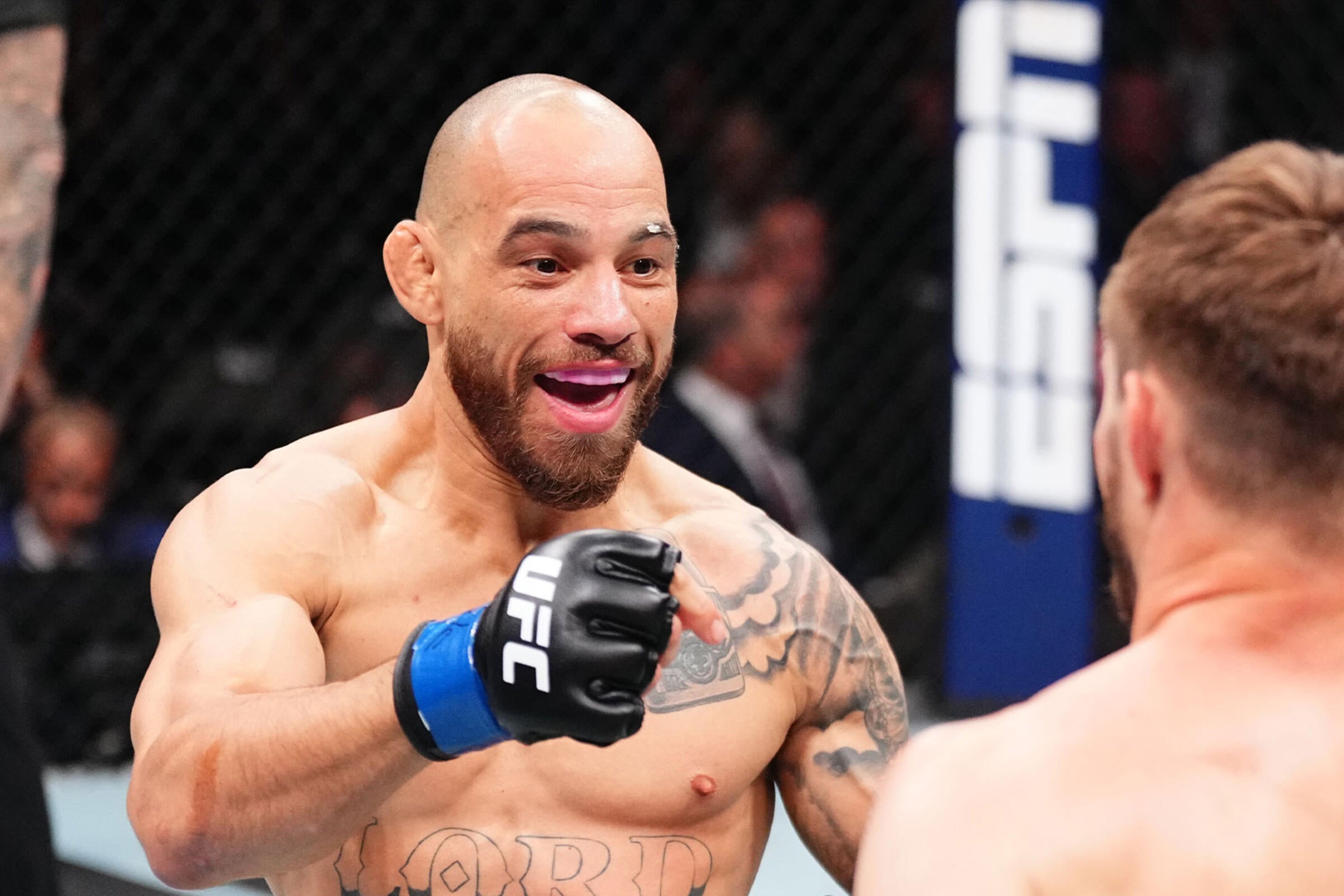
The lock is the tattoo Jean has actually explained in public. Speaking to MMA Fighting, he said the design represents something that cannot be opened by just anyone. The people who can get through are the ones connected to real emotion and real life. He then linked that idea to his mother, which makes the placement feel deliberate: the piece sits close to the heart and stays visible in the middle of the chaos of a fight.
There’s no need to turn that into a grander legend. Jean didn’t say the tattoo represents a particular Nordic god, a specific historical artifact, or a hidden code. The useful detail is his own description of the lock and what it means to him. That is enough to make the design interesting without filling in gaps with guesses.
The lock tattoo’s diamond
The diamond is part of the lock design. Jean’s comments connect the whole image to the people and feelings he keeps protected. A diamond can easily get overloaded with invented symbolism in tattoo writing, but Jean’s explanation is more focused than that.
The important point is the relationship behind the tattoo, not a made-up dictionary meaning for every shape. The lock is about access. The diamond sits inside it as part of the design Jean chose for that idea. Underneath, his mother’s name makes the dedication much more direct.
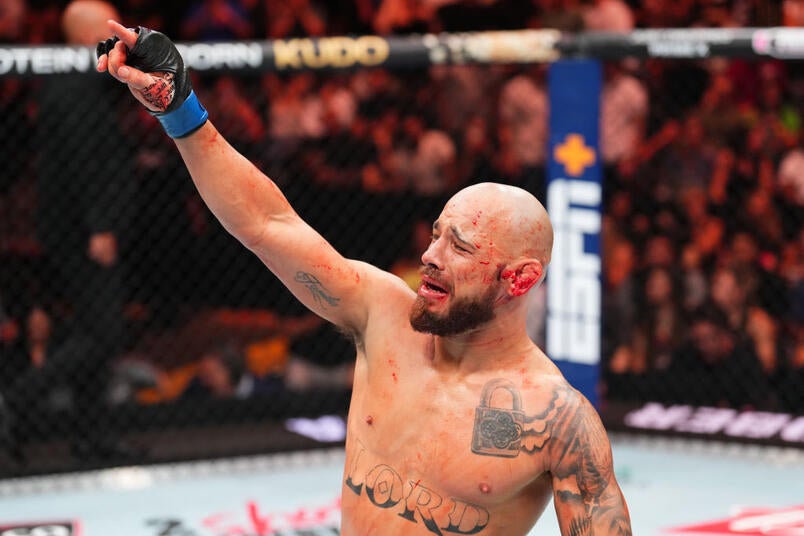
That combination gives the tattoo two layers. From across the cage, it looks like a bold chest emblem. Up close, the name and the lock explain why it belongs to Jean specifically. It’s the kind of piece that can look tough in a photograph while still carrying a soft, personal reason for being there.
The available images don’t show every line with the same clarity. Sweat, movement, gloves, lighting, and the angle of Jean’s body all change what is visible. The lock itself is clear enough to identify, but this isn’t a complete catalogue of every tattoo he has. It’s better to describe what the photos and reporting support than to claim a full inventory.
Family context
Jean has said his mother’s name is written underneath the lock. That lettering is important because it keeps the tattoo grounded. The chest design isn’t only an abstract image about being difficult to understand. There is a person at the centre of it, and Jean has connected that person to his childhood and the emotions he carries with him.
In a sport where fighters are often reduced to records, nicknames, and highlight clips, a name tattoo can work as a quiet reminder of the life outside the cage. Jean’s public comments about his past include painful family experiences, including the loss of his brother and seeing his mother assaulted. Those details are part of the context reported by UFC, but the tattoo itself should still be described carefully: Jean explained the lock through his mother and his childhood; he did not publish a full line-by-line biography of the lettering.
The position also matters. A chest tattoo is visible in every shirtless fight, weigh-in, and post-fight interview, but it can disappear completely under normal clothes. That makes it public in one part of Jean’s life and private in another. The lock can face the cameras on fight night without needing to be displayed all the time.
There’s a nice contrast in that. The design is large enough to read as a strong visual mark, yet the meaning is about keeping certain people and emotions close. It doesn’t need a slogan around it. The name underneath does more work than an extra paragraph of lettering would.
The work around the centre
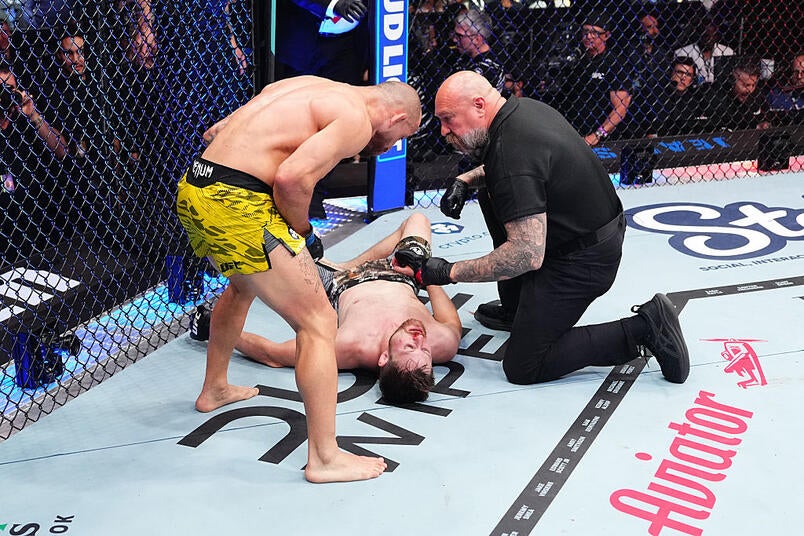
The lock is not the only ink visible in Jean’s fight photos. Large outlined letters run across the lower chest, and both shoulders and arms carry additional designs. Some of those pieces appear in one frame and vanish behind a glove or an opponent in the next. That is why the lock is the safest starting point: it has a clear report behind it and is visible from more than one useful angle.
The surrounding work gives the chest tattoo a fuller, heavier look. The lock doesn’t sit like a tiny isolated icon. It is part of a collection that covers the upper body and makes the centre of the chest feel busy even when the camera only catches a quick glimpse.
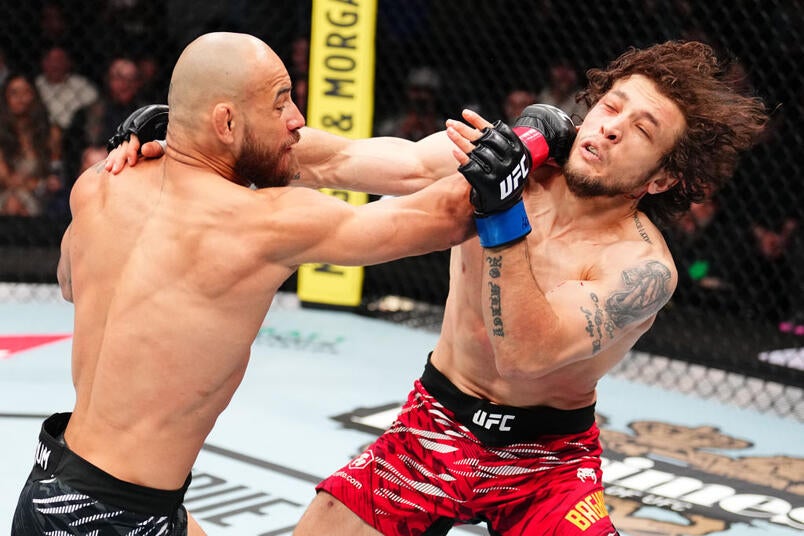
Jean’s large lettering is visible in the MMA Fighting image, but the public reporting used for this piece does not explain what every letter means. It would be easy to zoom in, decide a word must say something, and then build a story around it. That would be doing the image more work than the evidence allows. The fair description is simply that bold outlined lettering is visible across the lower chest.
The same caution applies to the arm and shoulder tattoos. They’re clearly present, and the photographs show that Jean has more than one tattoo, but not every visible shape has a confirmed name or meaning. A good tattoo article can leave a few blanks. In fact, leaving them blank is more useful than pretending a guess came from Jean himself.
One clear idea
A lock is a strong tattoo subject because it says something immediately without spelling everything out. It can suggest privacy, loyalty, protection, or a boundary. Jean’s explanation gives it a specific direction: the people who matter and the emotions that are real are the ones that can open it.
That makes the design feel less like a generic tough-guy symbol. The tattoo isn’t about being closed off from everybody. It’s about deciding who gets access. Put the name of his mother underneath, and the image becomes a family tribute rather than a vague statement about being hard to reach.
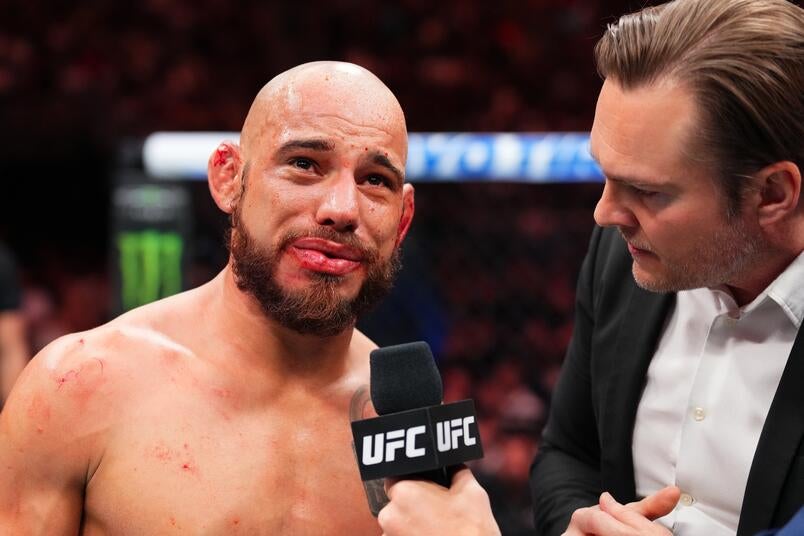
It also fits the way the tattoo appears during a fight. Jean can look intense, covered in sweat and blood, with the lock sitting in the middle of the frame. The photograph might make the piece look like armour. His own explanation adds the more personal side: it protects something emotional instead of simply advertising aggression.
That contrast is probably why the tattoo sticks in the mind. The design is bold enough for a sports photograph, but the story underneath is about his mother and his past. It has a clear shape, a clear placement, and a meaning that belongs to Jean rather than to a trend list.
Fight-night context
Jean’s tattoos have become part of his visual identity because so much of his professional life happens with his upper body uncovered. The lock, the lettering, and the arm work appear in walkouts, exchanges, celebrations, and interviews. A single frame can show the centre of his chest clearly, while another catches the shoulder or the side of his arm.
That doesn’t mean the tattoos define his fighting style. They’re part of the look people remember, not an explanation for the way he moves or the results he gets. UFC’s profiles focus on his run of finishes, his Fighting Nerds team, and the personal road that brought him into the spotlight. The tattoo adds another window into that background, especially because Jean has explained the family connection himself.
When a tattoo is seen mostly in sports photography, the viewing conditions are always changing. A photographer might catch it under bright arena lights one night and deep shadows the next. The skin stretches as Jean punches or twists. A glove can cover the centre completely. Those changes are why the two clearer chest views matter: they show the lock in different moments and make the basic design easier to recognise.
What the reporting confirms
The confirmed part is straightforward. Jean Silva has a lock tattoo on his chest, a diamond is built into the design, and his mother’s name is underneath. He has described the lock as an old Nordic-era design and said that only real emotions and people can open it. He connected the piece to his mother and his difficult childhood.
We can also say the public images show additional chest, shoulder, and arm work. We can describe the broad lettering and the placement shown in the photographs. What we can’t do responsibly is name every symbol, assign a meaning to every line, or claim that the lock is a complete map of Jean’s life. The published evidence doesn’t go that far.
That limit doesn’t make the tattoo story weaker. It keeps the article honest and leaves room for Jean to explain more if he ever chooses to. Tattoos can be personal without coming with a public press release. The lock already says plenty through its design, and Jean’s comments give it the one detail that matters most: the people he truly cares about are the ones who can open it.
One clear idea
If you like the visual side of Jean’s tattoo, the useful lesson isn’t to copy a lock and add a random diamond. It’s to start with the relationship or boundary the image needs to represent. A lock can stand for family, privacy, trust, or a memory you don’t want treated casually. The symbol only becomes personal when the reason behind it is personal too.
Placement is worth thinking about as well. The chest gives a design room to breathe and lets a central image work with surrounding pieces. It’s also a spot that can be covered easily, which may suit a tattoo with a private meaning. If you want lettering underneath a symbol, leave enough space for the words to stay readable as the body moves and the tattoo settles.
Jean’s example also shows why a tattoo doesn’t need a complicated explanation. The lock has a strong silhouette. The diamond gives it a focal point. The name underneath makes the dedication clear. Everything else comes from the story he attached to it. That’s a solid formula for a meaningful design: one image people can recognise, one detail that makes it yours, and a reason you don’t have to over-explain.
For now, the chest lock is the Jean Silva tattoo with the clearest public story. His other ink is visible in fight photos, but its details and meanings haven’t been explained with the same confidence. So the best reading is the simplest one: a bold lock, his mother’s name beneath it, and a personal idea about who, and what, can get through.