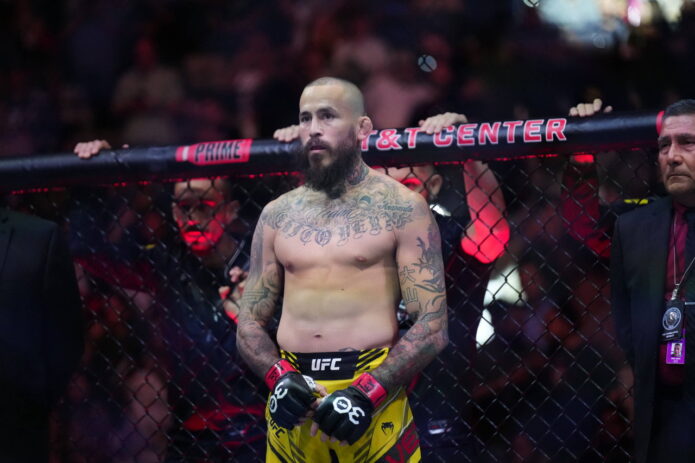
Marlon Vera’s tattoos are hard to miss when the UFC bantamweight takes off his shirt. The Ecuadorian fighter’s collection feels less like a random assortment than a scrapbook built over time: a colorful black panther on the back of his head, a huge Mister Cartoon mural tied to Chone, bold chest lettering, religious images, family names, roses, script and smaller designs across his arms and legs.
Vera hasn’t described the collection as a perfectly planned catalogue. In interviews, he has talked about trusting the people around him and letting the tattoo artist shape an idea. That easygoing approach is part of the appeal. Some pieces clearly connect to family or his hometown; others are images he liked enough to wear. Together, they show a fighter comfortable with putting his history, faith and humor on display.
Here’s a closer look at the pieces people recognize most and the stories Vera has shared.
Marlon Vera’s panther head tattoo is impossible to miss
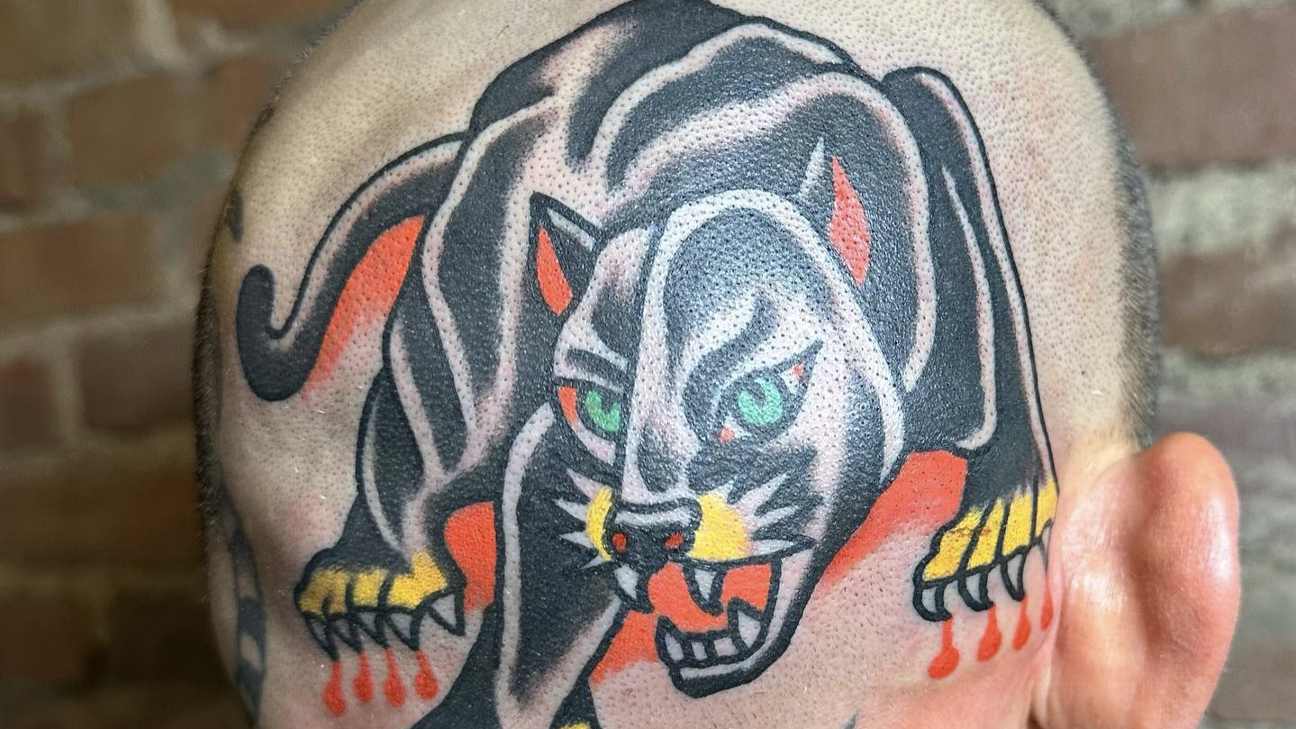
The most striking tattoo sits across the back of Vera’s shaved head: a black panther with vivid green eyes, yellow claws and red accents like drops of blood. The design follows the curve of his skull, so it shifts as he moves. From afar it reads as a dark animal; up close, the eyes, teeth, claws and sharp blocks of color give it an almost comic-book quality.
Vera has said he didn’t arrive at the shop with a finished drawing in mind. He knew he wanted a head tattoo, then trusted his friends and the artist with the final panther design. That’s helpful context for fans looking for a deep meaning behind each piece: Vera has said there wasn’t one single explanation for this one, even if it says plenty about his taste. It’s aggressive and loud, with a playful edge that suits his public fighting persona.
The placement is part of what makes it memorable. Unless Vera wears a hat, the tattoo is visible at fight camp, weigh-ins and interviews. It has become part of his recognizable outline, alongside his beard and scars. It’s also one of the few designs viewers can identify without knowing much about his personal story.
The Mister Cartoon back piece starts with Chone
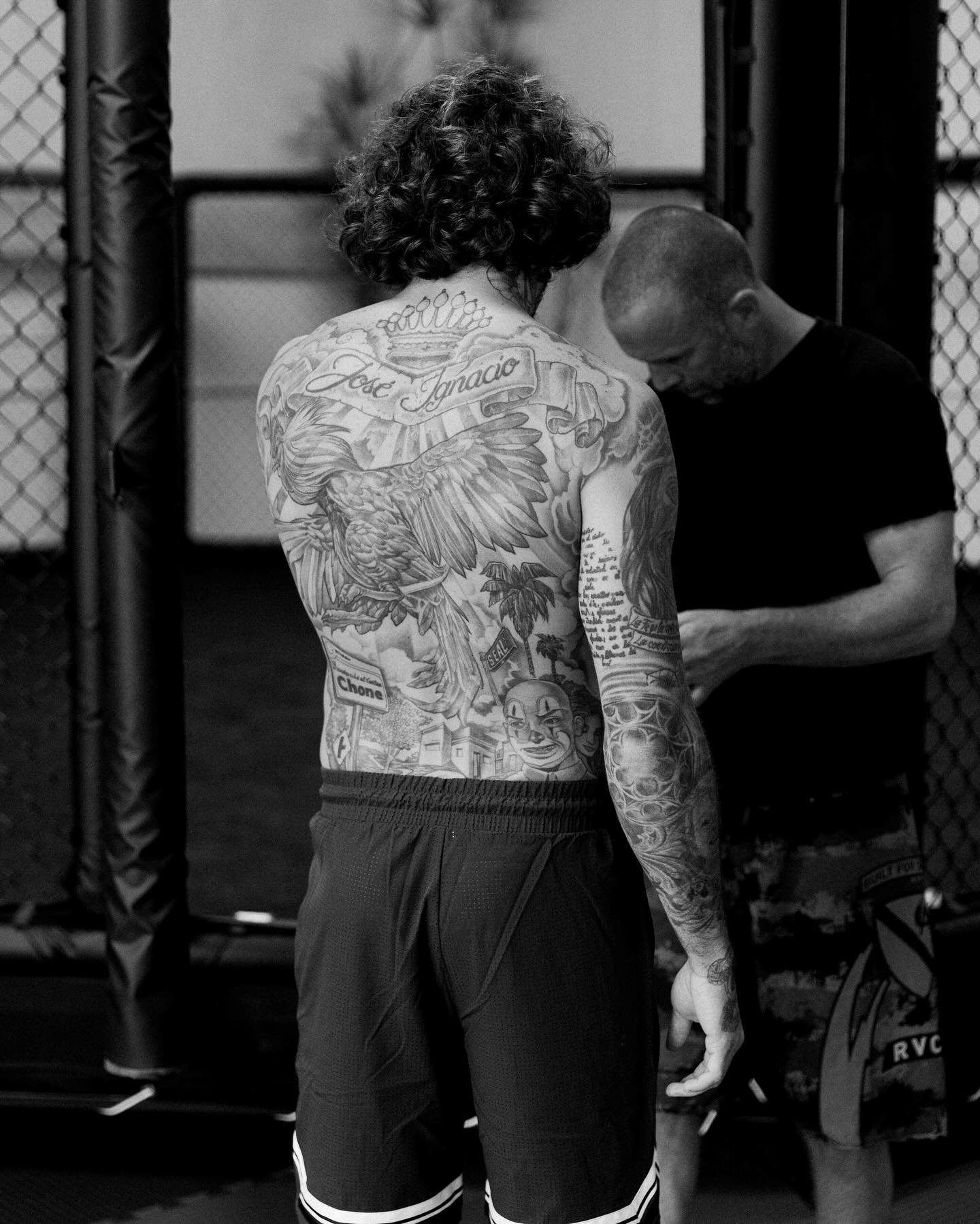
A huge tattoo by Los Angeles artist Mister Cartoon covers Vera’s back from the shoulders toward the waist. The scene brings together a banner, a crowned bird, palm trees, clouds, buildings and character details. “Jose Ignacio” appears in script near the top, while signs lower down refer to Chone, the Ecuadorian city tied to Vera’s childhood.
There’s a lot in the design, but it doesn’t feel haphazard. Mister Cartoon is known for narrative scenes in black and grey, and that gives Vera’s back a strong sense of place. The eye can move from the lettering to the wings and down through the palms and signs. The details are varied in scale, so they don’t all compete for attention at once.
Vera has spoken with real excitement about Mister Cartoon’s reputation and the well-known people he has tattooed. That admiration is part of the story: he wanted more than technical skill; he chose an artist whose visual style already has a place in tattoo culture. The finished piece brings Vera’s memories together with Cartoon’s way of building a scene.
The rooster connects the tattoo to Vera’s childhood
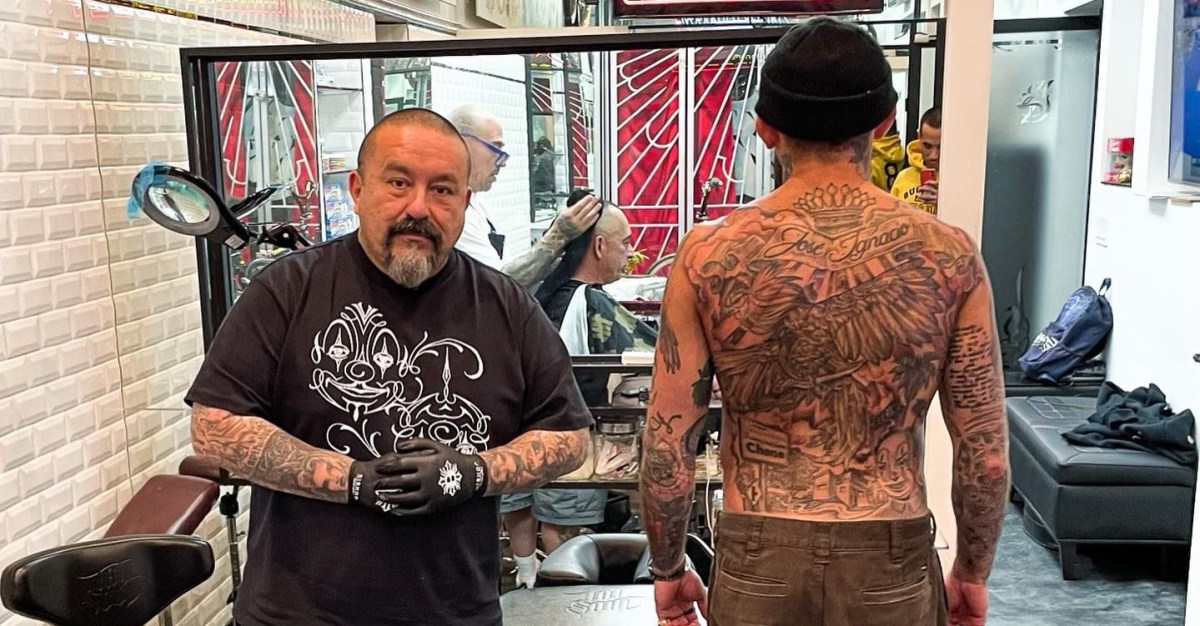
The rooster at the center gives the back piece its emotional focus. Vera has connected it to childhood memories of cockfighting and to the fighting spirit that took him from Ecuador to the UFC. It isn’t a simple team logo or mascot. The bird sits within a larger landscape of home references and the tattoo’s rough, theatrical energy.
That mix makes it more personal than a generic animal design. The rooster can suggest a fighter, but it also points back to the world Vera knew before international arenas and pay-per-view events. “Welcome to Chone” gives the mural a specific place. This is more than a dramatic back tattoo; it’s a map of where Vera comes from.
Other details create contrast. A clown mask and a woman appear in the scene, alongside clouds and light that keep the composition moving. The clown imagery adds a mischievous edge, while the buildings and palms ground the piece. Heavy shading brings all the elements together as one mural instead of a group of unrelated flash designs.
Roses, lettering and family names fill the front
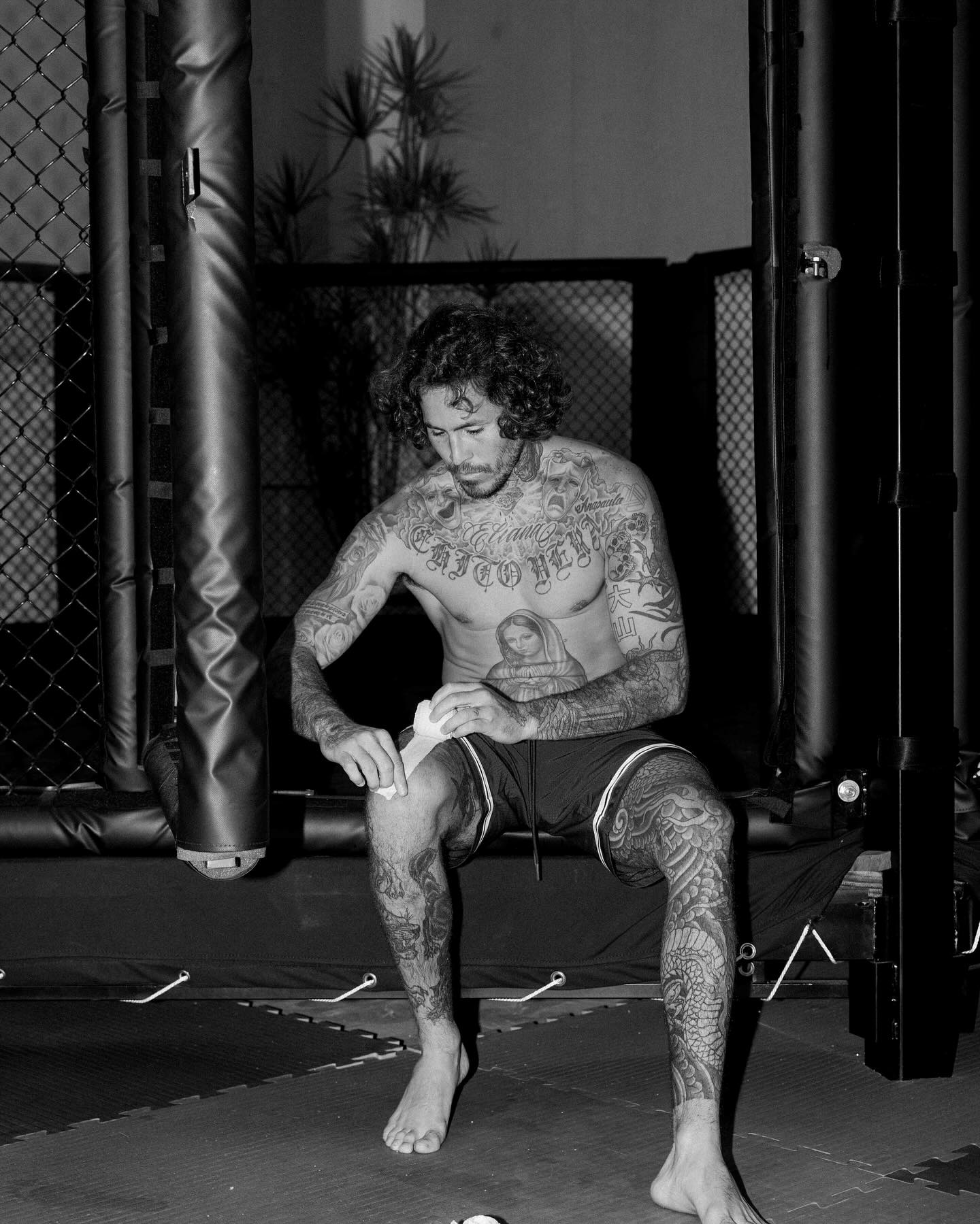
Vera’s chest and torso have a different feel from the mural on his back. Large, stylized “CHITO VERA” lettering sits across his chest, surrounded by roses, leaves and theatrical masks. “Anapaula” is also visible near the upper chest. These designs are easy to see at face-offs, just below the neckline of a fight kit.
Farther down his torso is a portrait of the Virgin Mary, one of the clearest signs of the collection’s religious side. It creates a calmer focal point beneath the bolder lettering. His arms add further details: a rose and Chinese characters on the left, a spiderweb at the left elbow, and bands of script and shading around the forearms.
The designs pull in different directions. The chest lettering is direct, almost like a ring name on a poster; the Virgin Mary feels softer and more devotional. Roses connect the two, while the masks and heavy script keep the overall look grounded in tattoo culture. Vera’s ink isn’t one single style—it brings together family, faith, identity and images he likes seeing on his body.
The smaller tattoos show the collection is still growing
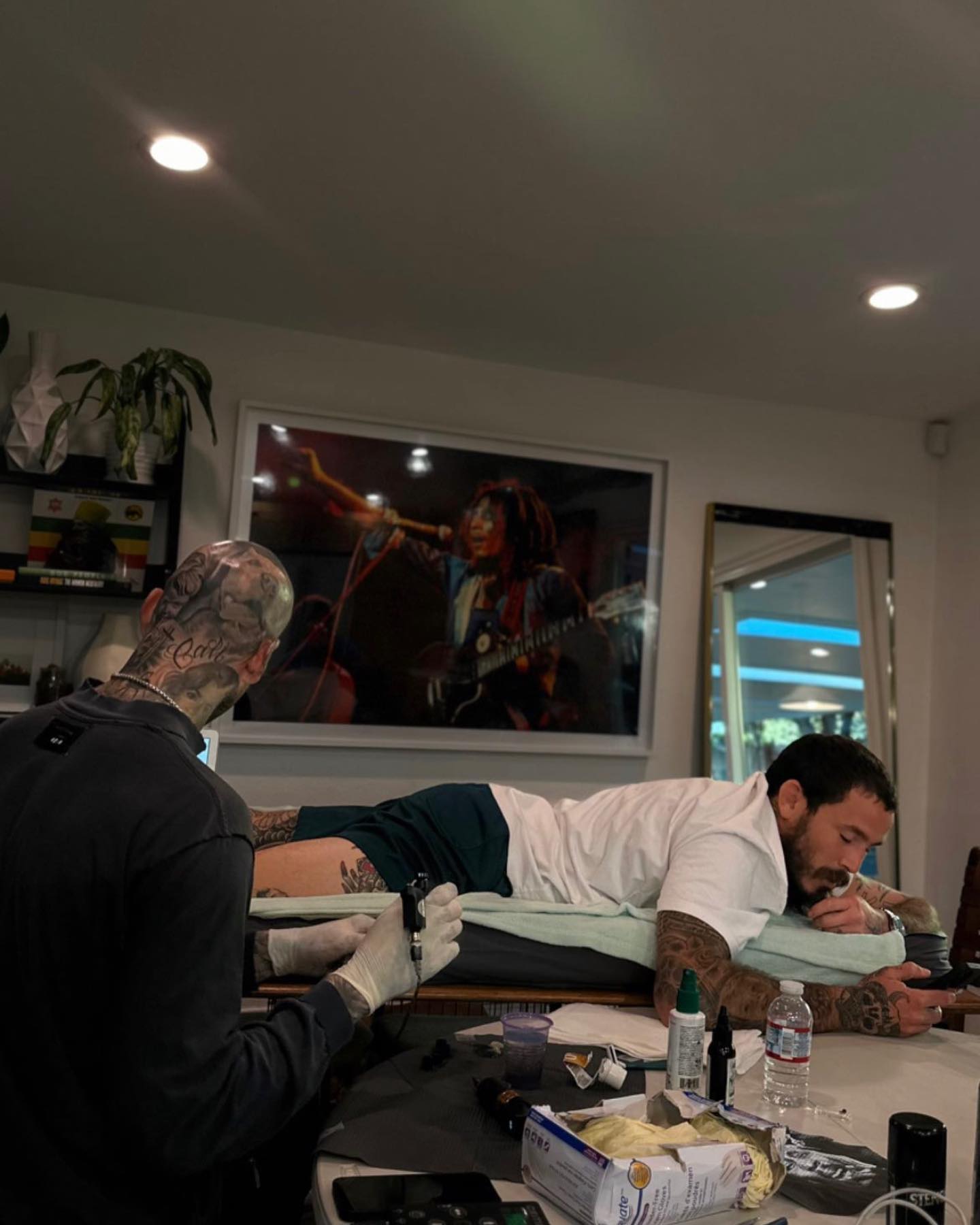
The head and back pieces draw the most attention, but the smaller tattoos count too. Vera has ink on his legs, wrists, forearms and around his elbows. A photo from a tattoo session shows how much of his lower body is covered already, and how comfortably he moves between large projects and smaller additions.
One of the leg tattoos people talk about most is a Bob Marley design near the back of his knee. It fits the variety in Vera’s collection: a musician, a religious portrait, hometown lettering and a fighting animal can all belong to the same visual story. The common thread isn’t a single theme; each piece offers another clue about what Vera values or remembers.
Smaller tattoos also change how the larger work sits. They fill spaces around the main pieces, give the eye somewhere to pause and make the collection feel lived in rather than assembled for a photo shoot. Vera’s body art looks like something he’s added over time, not a one-off branding exercise.
Why Vera’s tattoo collection works as a visual history
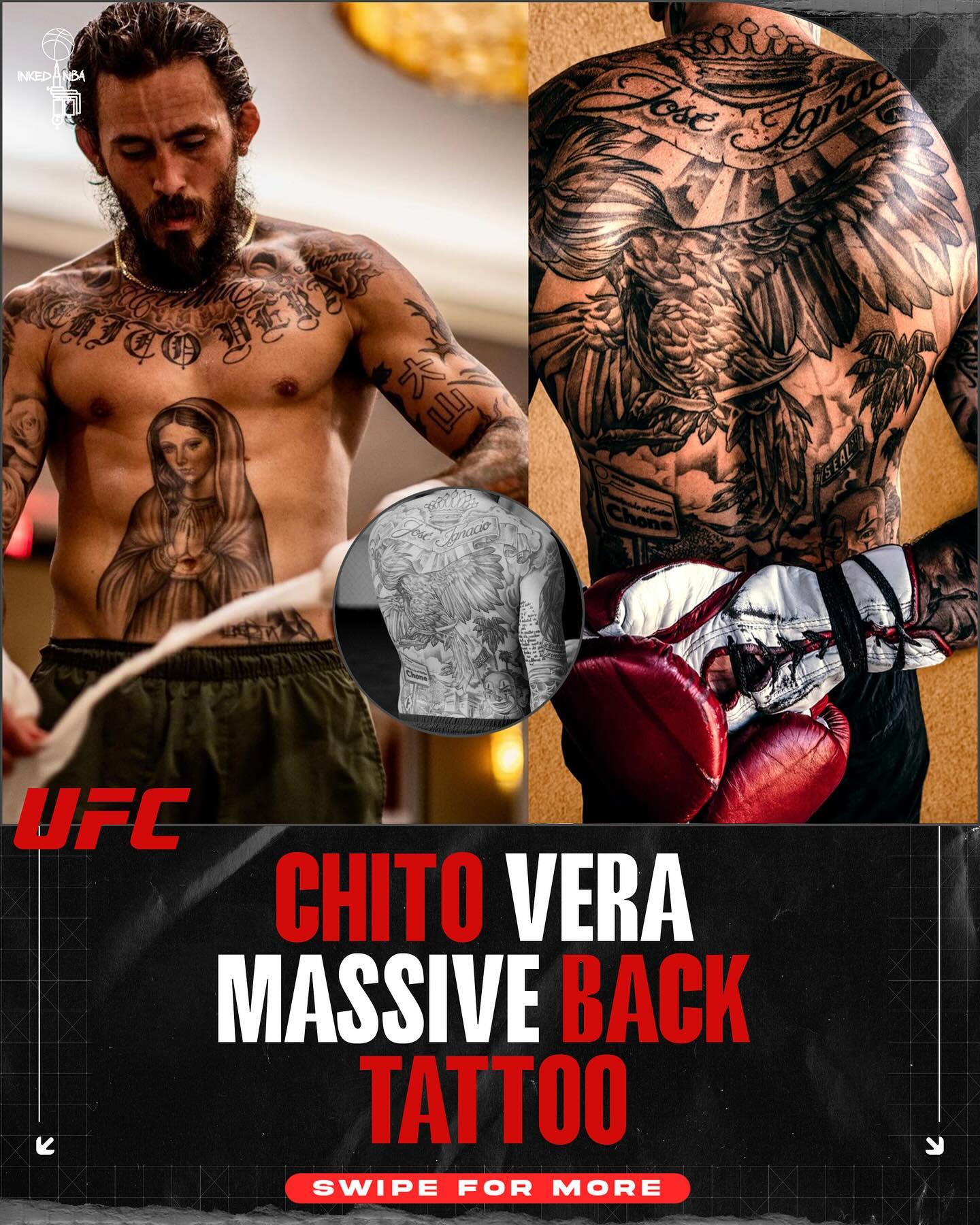
Together, the tattoos tell a visual story about Vera’s career and personality. The panther is the immediate statement piece. The back mural points to Chone, family and childhood. The chest lettering carries the name he made in combat sports; the Virgin Mary adds faith, while roses, masks, script and leg tattoos fill out the picture.
Vera’s relaxed approach to tattooing is as interesting as the finished designs. He has talked about trusting friends and artists, and he seems willing to leave room for surprise. Not every tattoo needs a long explanation. Some matter because of the person involved, the place where it was done or the moment he chose it. Others may simply appeal to him and help the collection feel like his own.
That mix is on display during UFC fight weeks. The tattoos aren’t just background details in a weigh-in photo; they give fans something to read before the bell. Ecuador, family, religion, music, humor and fight culture all show up on the same body.
For another athlete whose tattoos work like a visual history, see our Odell Beckham Jr. tattoos guide. Beckham’s collection is more colorful, but the same idea applies: a good tattoo story shows how individual pieces become a personal archive.
Vera’s collection is still growing. The next addition might reference family, come from an artist he trusts or appear without warning. That unpredictability is part of the appeal. He’s already shown he’ll make bold choices, and there’s no sign this is the final chapter.
Watch Vera talk about an awkward tattoo experience and getting tattooed by Mister Cartoon below.
One thought on “Marlon Vera Tattoos: Chito’s Panther, Back Piece and UFC Story”