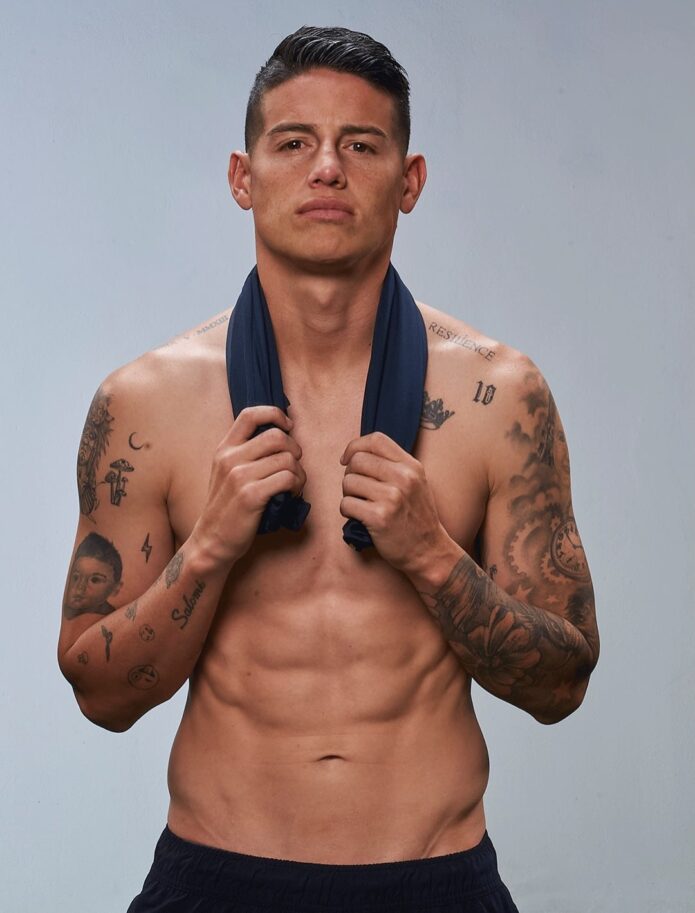
James Rodríguez’s tattoos are mostly hidden under a football shirt. In clearer training and holiday photos, the collection opens up: names and portraits on his arms, a small crown near his collarbone, and larger images on his legs. The flower sleeve is the most visible piece, but the lettering and portraits give the tattoos their personal thread.
The work has built up over time, so no single photo shows everything. Some meanings have been reported alongside the tattoos; others are only visible as shapes in a photograph. I’ll keep those apart and describe the design where Rodríguez hasn’t explained it publicly.
James Rodríguez’s flower sleeve brings his arm tattoos together
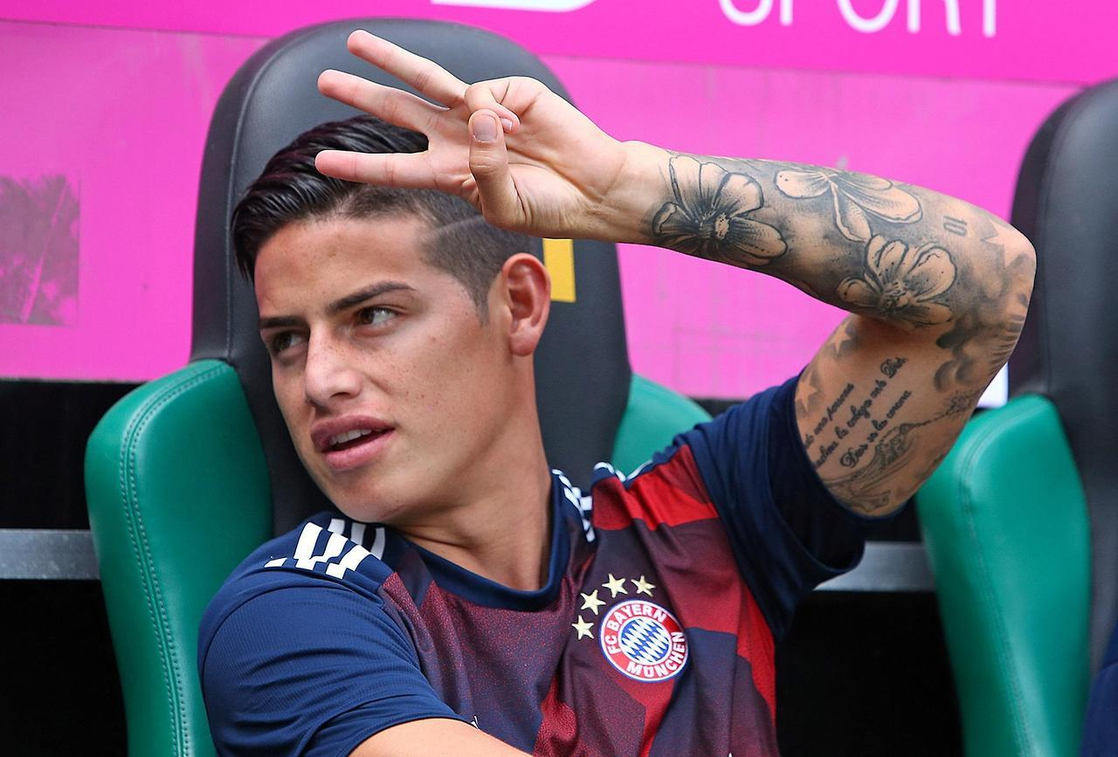
The flower sleeve runs from Rodríguez’s upper arm toward his forearm. Broad petals and dark outlines sit among softer shading, leaves and filler. The flowers are distinct, but the darker work links them and follows the shape of his arm.
It’s easiest to see when he raises his arm or rests a hand behind his head. In those poses, the light separates the blooms. Smaller lettering and symbols sit among the larger work, so it looks like a sleeve built from connected pieces rather than one uniform panel.
The photographs show a black-and-grey floral design. They don’t establish why Rodríguez chose those particular flowers, so there’s no need to assign them a meaning. The sleeve’s scale also sets it apart from the names and smaller marks nearby.
The flowers wrap around the arm instead of forming a narrow strip. That gives them room to move with the muscles and leaves space for the smaller tattoos to stay visible when his elbow bends.
The Pilar, Daniela and Juana lettering keeps family close
The lettering on Rodríguez’s arm reads “Pilar Dani Juana”. The names refer to his mother Pilar, his former wife Daniela Ospina and his sister Juana. It became visible in match photos when he lifted his shirt to celebrate, and it remains one of the collection’s clearest family references.
The script sits along the inner arm. It’s simple and readable, which helps it stand out against the denser shading around it. Even in a photo where the sleeve falls into shadow, the names make a clear line.
Rodríguez still wears the tattoo after his relationship with Daniela ended. The names can remain part of his family story without needing a bigger explanation; the visible detail is that the lettering is still there.
Its narrow placement keeps the words from competing with the flowers. Anyone considering script can see how much the open space around a tattoo matters: the letters have room to read beside the larger work.
His chest crown is a small tattoo with a strong outline
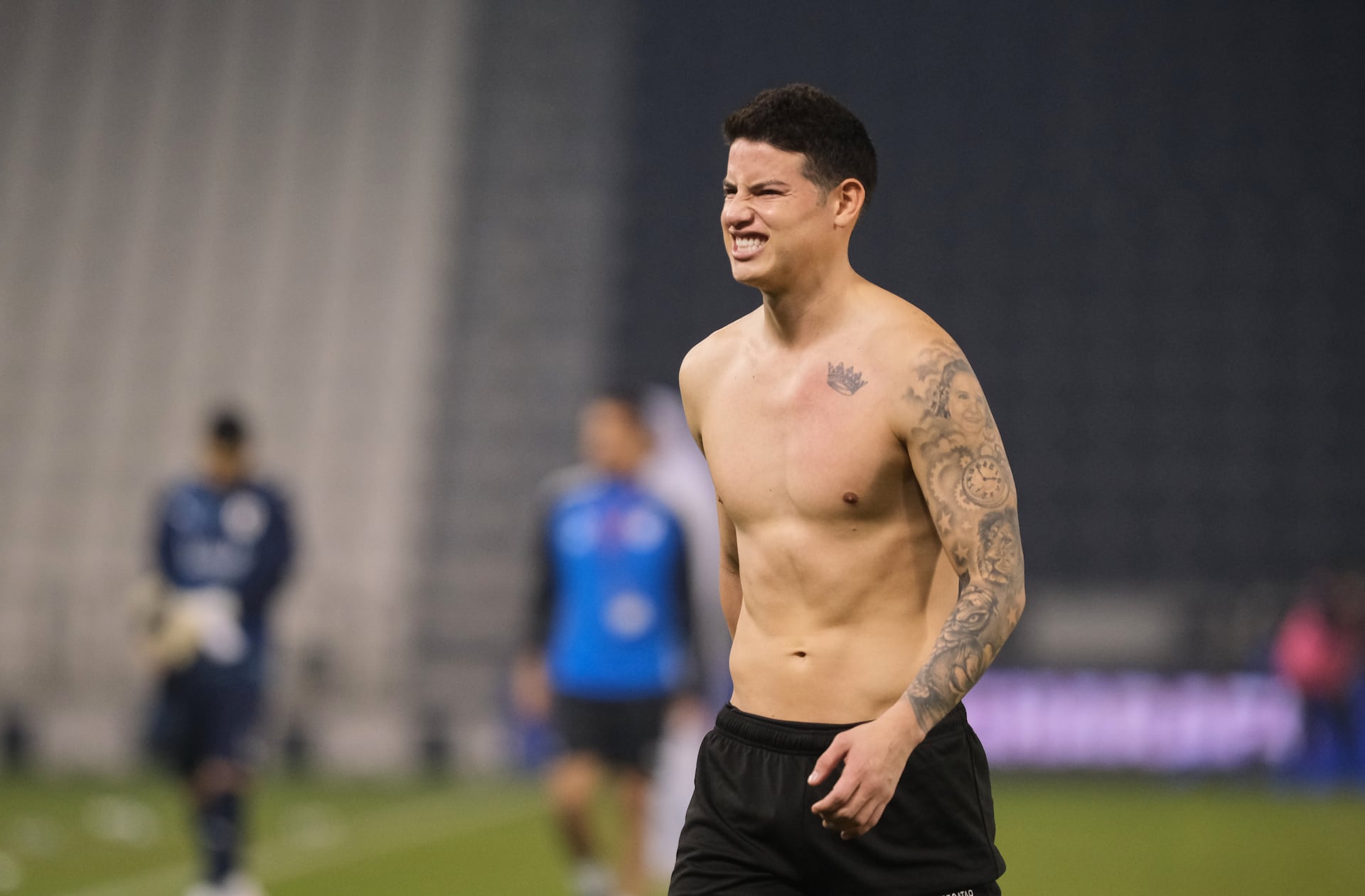
A small crown sits high on Rodríguez’s chest, close to the collarbone. Its dark outline and compact shape make it easy to pick out in shirtless photos, especially against the open skin around it.
The crown is much smaller than the portraits and symbols on his arms. That breathing room helps it hold its own without adding another large panel across his chest.
Crown tattoos can suggest many things, but Rodríguez hasn’t given a definitive public explanation for this one. The image confirms its shape and placement; it doesn’t tell us what he had in mind.
It shows how a small mark can anchor a part of a collection. The crown gives the chest a point of focus while leaving the heavier work to his arms.
Portrait and clock details cover the upper arm
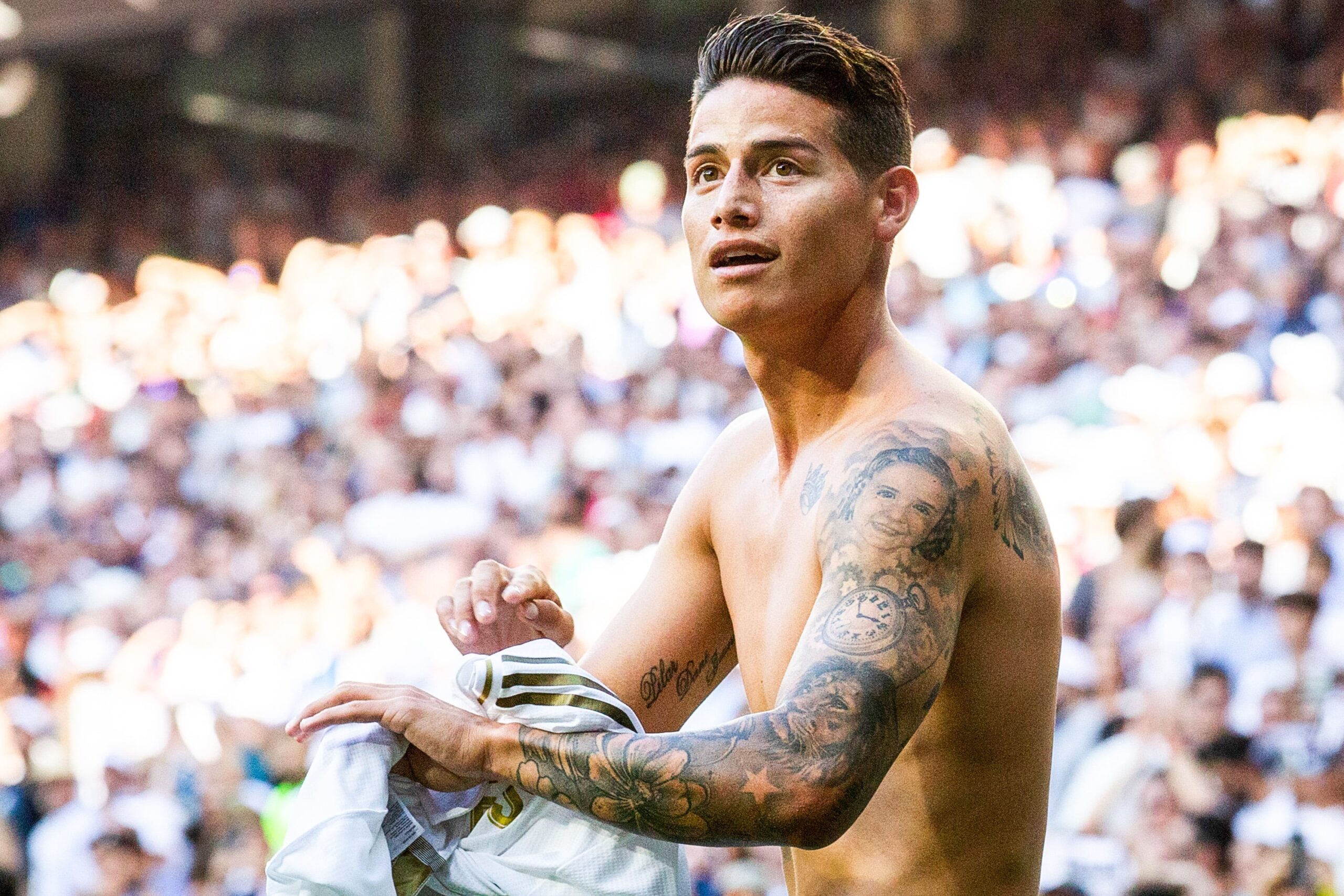
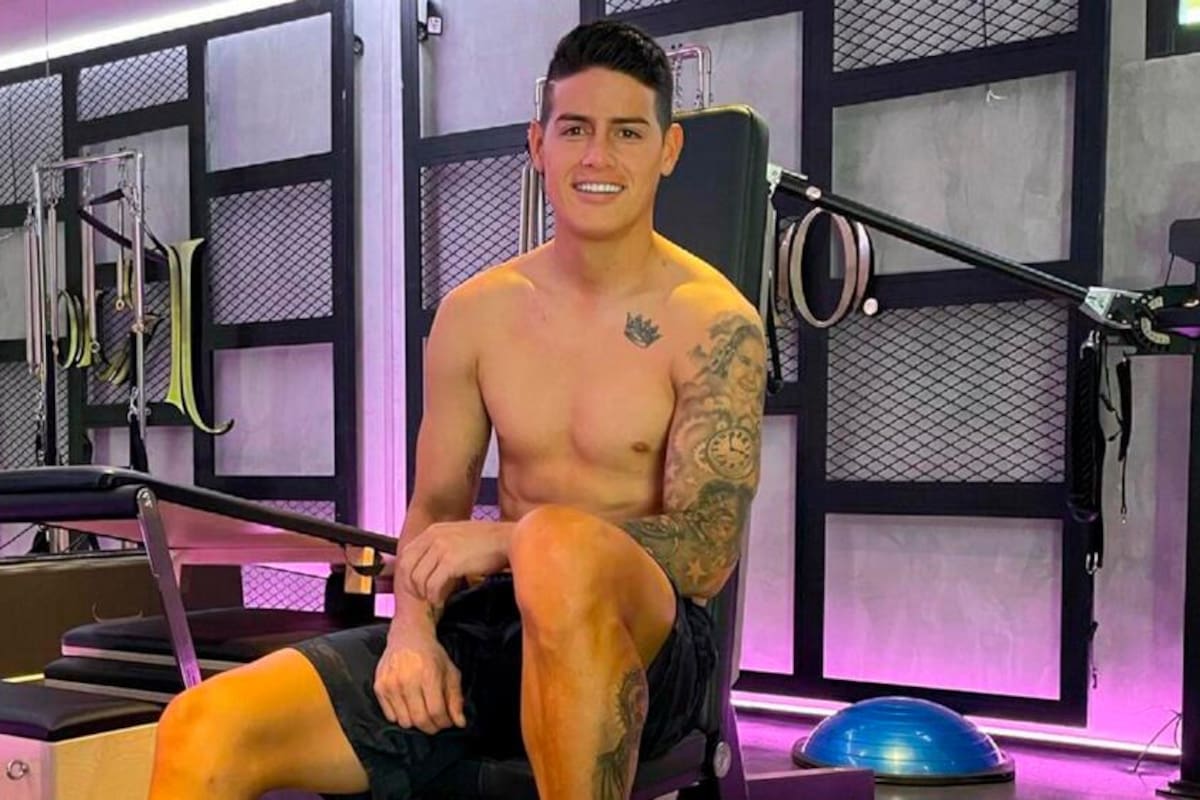
A face appears within the darker work on Rodríguez’s upper arm, with a clock or circular timepiece lower down. The portrait gives the sleeve a vertical shape; the clock adds a round one beside the softer lines of the flowers.
The face is hard to make out from a distance. In the closer view, you can see the eyes, hairline and surrounding shade. The piece relies on black-and-grey contrast rather than bright colour.
A clock can mark a date or memory, but Rodríguez hasn’t confirmed a specific story for this one. It’s safest to describe what the image shows and leave the meaning open.
The sleeve brings several shapes together: portrait, clock, flowers, stars and script. Darker shading ties them into the arm, while the smaller marks fill some of the gaps.
Stars and script fill the spaces around the sleeve
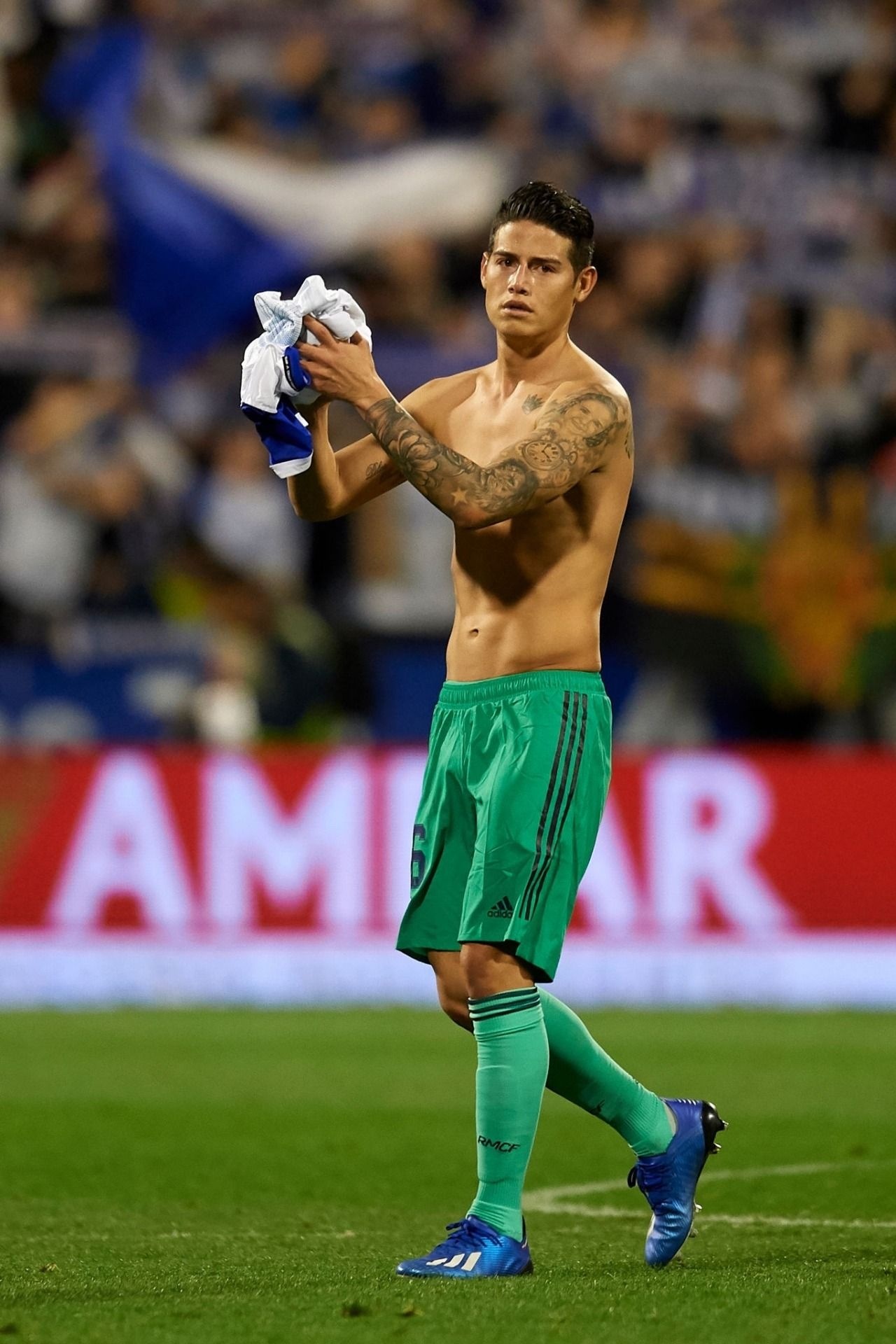
Smaller stars, words and fine lines sit around the larger tattoos on both arms. They’re easy to miss in a full-length photo, but they keep the sleeve from reading as a handful of separate images.
Some script runs along the inner arm, where it bends with the body. The stars add brief points of contrast against the black-and-grey shading. This is one way a sleeve can grow over time: larger pieces first, with smaller designs added around them.
The photographs don’t always show enough detail to transcribe every word or explain each star. What they do show is a mix of script and small motifs around the portraits, clock and flowers.
Those lines change shape as the arm moves. A mark that looks straight at rest curves around the muscle when Rodríguez bends his elbow, so the placement is part of how the sleeve reads.
Rodríguez’s Jesus calf tattoo is his clearest faith image
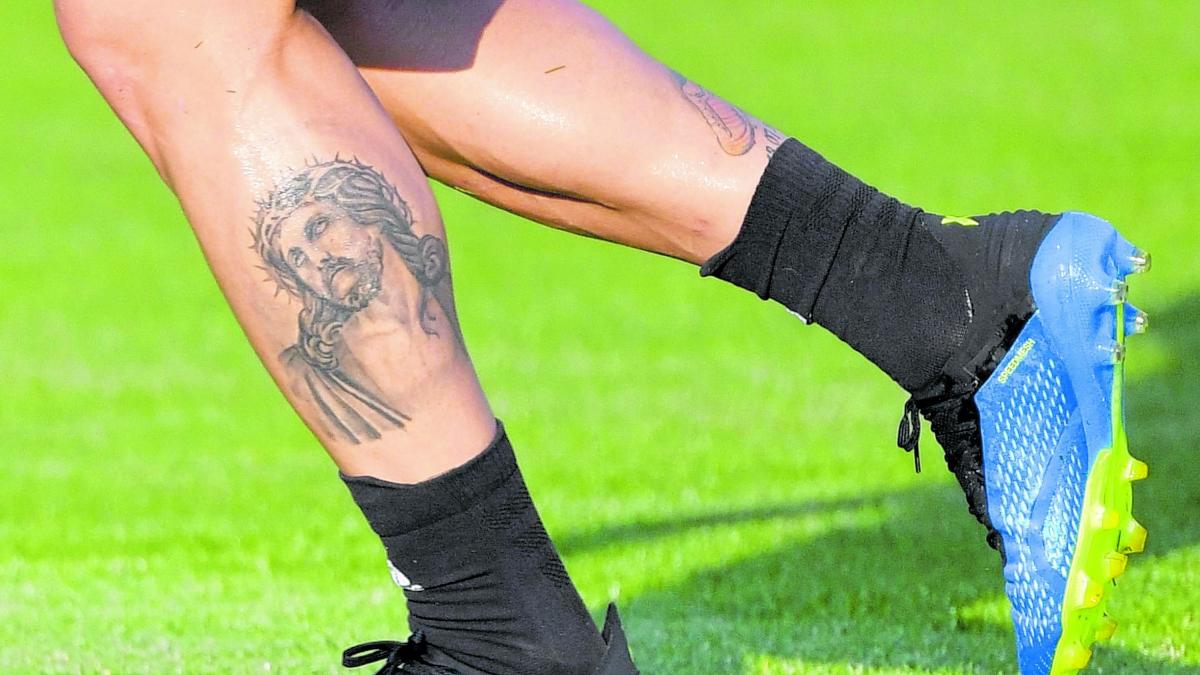
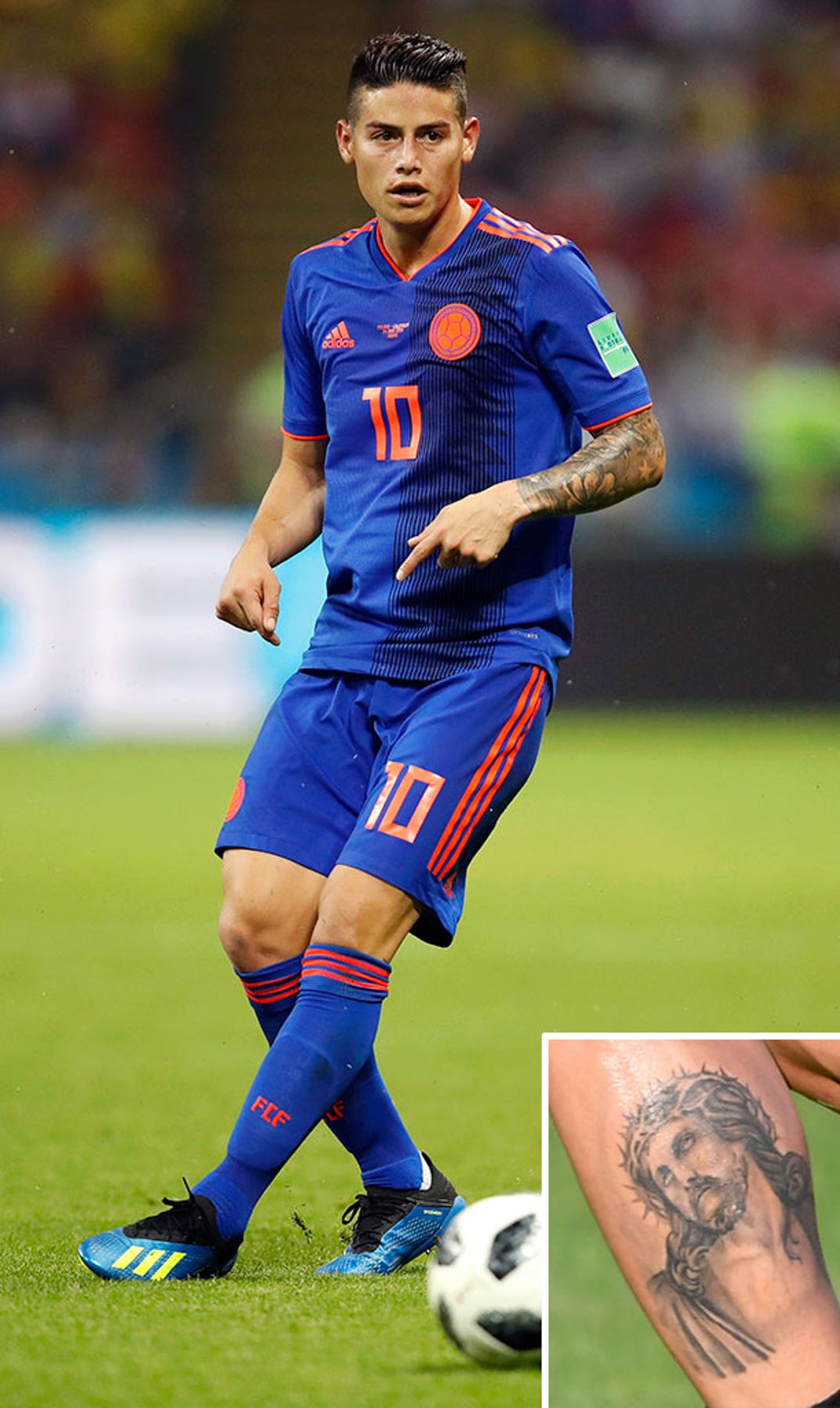
A portrait of Jesus covers much of Rodríguez’s calf. The face, crown of thorns and shaded forms below it are clear in the close-up. It’s one of the larger religious images in the collection and shows when his lower legs are uncovered.
The calf gives the portrait a tall space, with the face above the longer forms and shading. Football socks usually cover it during a match; training and holiday photos show more of the design.
The subject is clear, but that alone doesn’t explain Rodríguez’s personal beliefs or the reason he chose the image. It’s fair to call it a religious portrait and leave the rest to what he has said publicly.
The mood differs from the arm work. The calf portrait has space around the face, while the upper-arm pieces are layered with flowers, lettering and a clock.
Golden boot tattoo and football memories appear on his lower leg
Rodríguez also has a golden-boot design on his lower leg, a reference to his 2014 World Cup Golden Boot. He scored six goals for Colombia at the tournament, so the tattoo points to a specific career milestone.
Match and training photos sometimes show it near the Jesus portrait. They’re separate designs, but both sit on the lower leg and make that part of the collection a record of football and faith.
The boot’s outline makes the reference readable even in a less clear photograph. The career connection is public; there’s no need to read a hidden message into every line around it.
The lower-leg pieces complete a collection spread across his body: names and portraits on the arms, a crown by the collarbone, and religious and football images on the legs. One photo rarely catches it all.
How James Rodríguez’s style has changed over time
Earlier photos show names, small symbols and portraits. Later ones show the fuller flower sleeve and darker shading connecting more of the arm. The older pieces are still there; the newer work fills in around them.
The collection mixes small marks with larger projects. A crown or star can sit on open skin, while a portrait or sleeve needs more room. The contrast is part of what makes the tattoos work together as they’ve accumulated.
Some references have a public explanation, including the family names and the Golden Boot tattoo. Other designs are visible without a confirmed story. That distinction is worth keeping: a tattoo can matter to the person wearing it even when they haven’t explained it publicly.
For someone planning a similar mix, the photos offer practical details: script needs room to be read, portrait shading needs contrast, and floral work can follow the shape of an arm. Rodríguez’s pieces have come together over time, with enough space for each one to remain visible.
James Rodríguez’s tattoos bring family, faith, football and personal style together. The flower sleeve, family lettering, chest crown, portraits and lower-leg designs each have a different scale and feel. As the collection has grown, the newer work has joined the older pieces without erasing them.
For more athlete ink, browse the athletes tattoo archive for other footballers and sports figures.
Video reference: