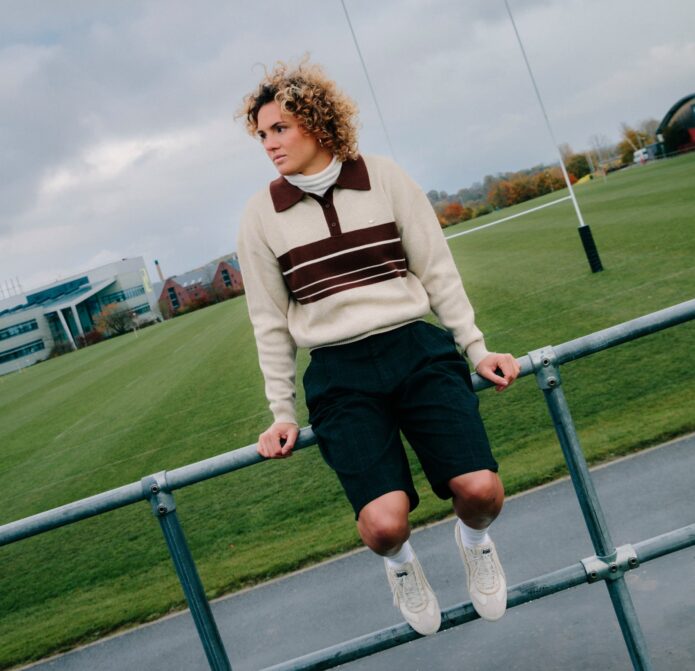
Ellie Kildunne is usually seen at full speed, breaking through a line or celebrating with England. Away from rugby, she has a much less polished hobby: she bought an inexpensive tattoo gun online, marked herself with tiny designs and started tattooing friends and teammates. In a Guardian interview, she spoke about family dots on her fingers and a rough heart on her ankle. Other coverage showed the tattoo she gave England coach John Mitchell after the 2025 World Cup.
Kildunne is open about the results being rough. That honesty is part of the story. The family marks, ankle heart and team tattoos are personal experiments, not a carefully built celebrity image. Here’s what she has said about them, and what the available photos do—and don’t—show.
The team tattoo that made the story real
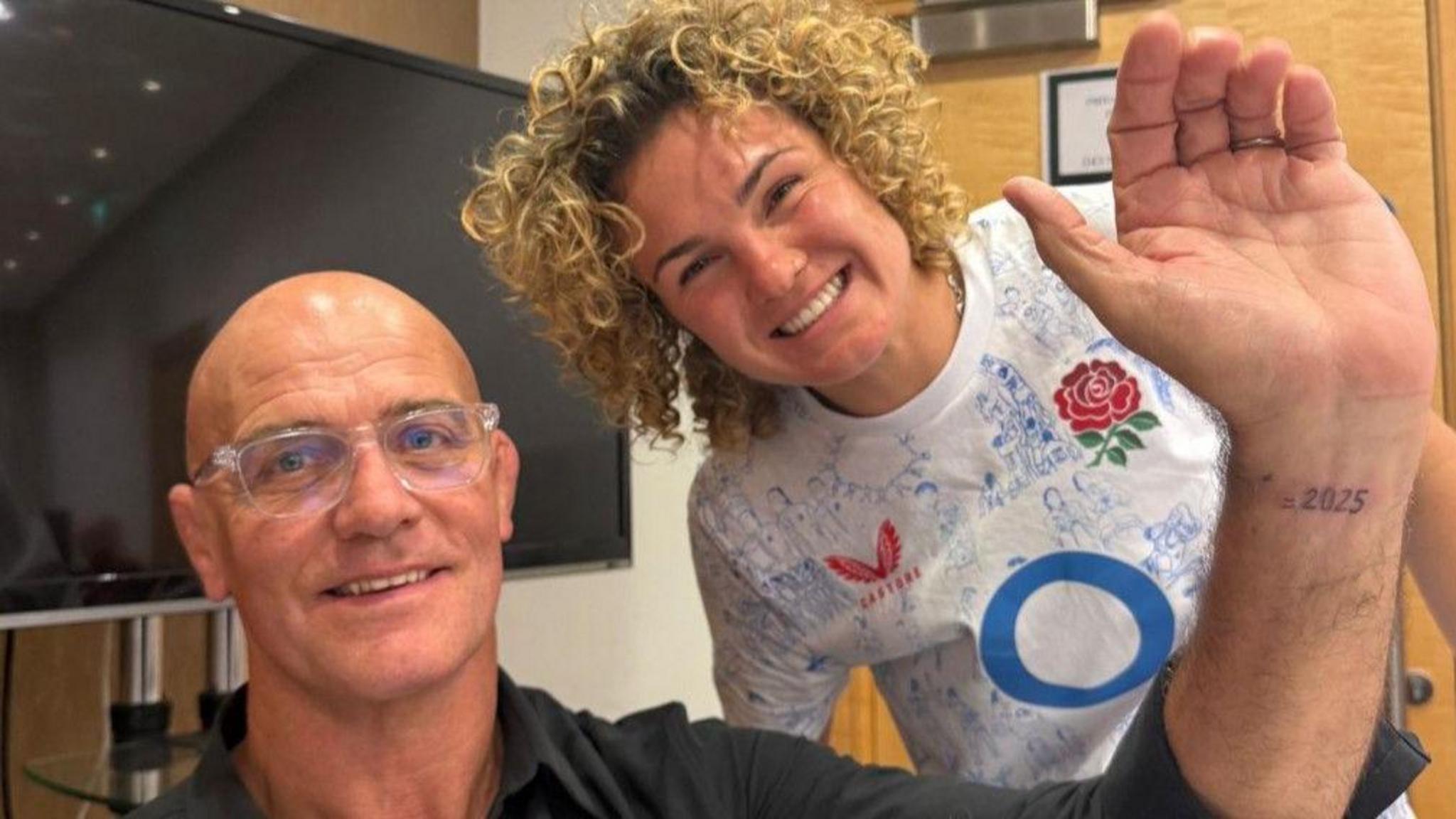
The clearest photo shows Mitchell’s inner wrist with the small “= 2025” tattoo Kildunne gave him after England won the World Cup. The mark is simple, but the date ties it to a specific night and a team celebration. It also gives the story a concrete detail: this was a tattoo she actually gave someone, not a rumor about an unseen design.
The moment is more useful than the design as inspiration. A date or small sign can hold a memory when it points to something real. Before borrowing the idea, decide what the mark would mean to you and whether you’ll still want it after the occasion has passed.
Family meaning can stay tiny
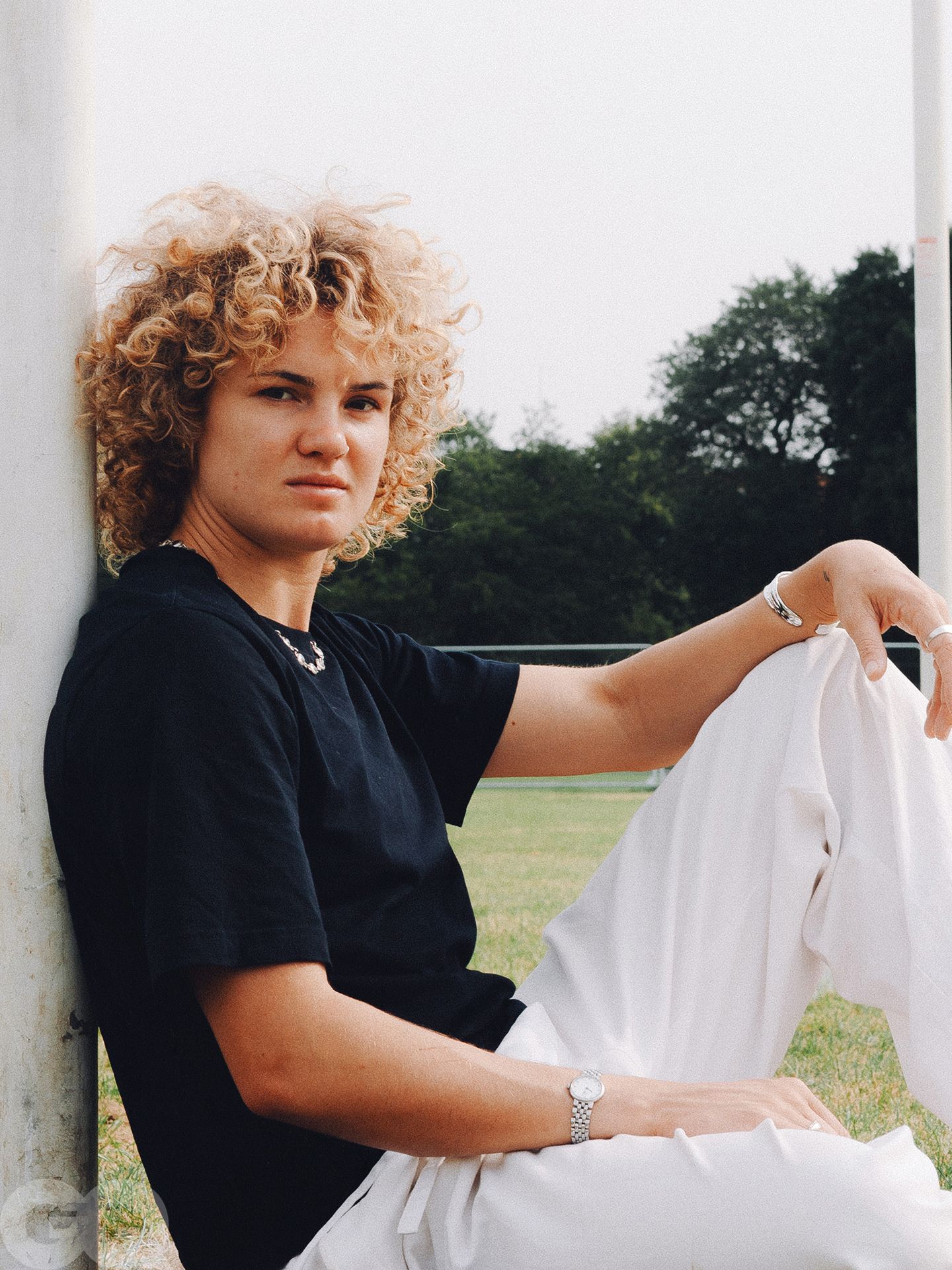
Kildunne says one dot on a finger represents her brother, while two dots on another stand for her mum and dad. The available editorial photos aren’t close-ups of her tattoos, so they don’t support guesses about their shape or placement. The meaning comes from her own explanation.
That’s enough. A tiny mark can have a complete meaning to the person who wears it, even if nobody else recognizes it. You don’t need to add detail just to make a personal symbol look more important.
Why a rough idea can still matter
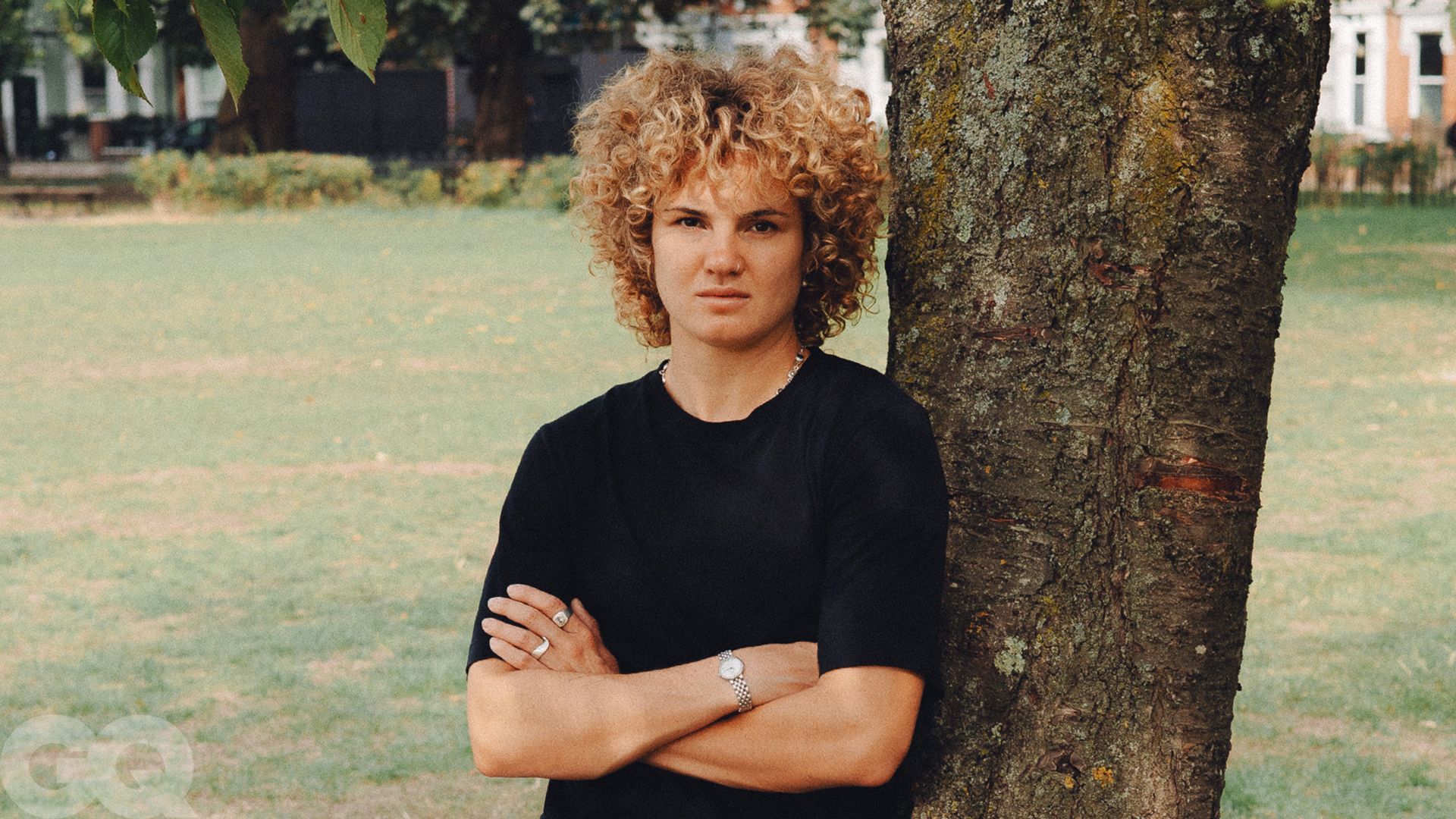
Kildunne says she tattooed a heart on her ankle and admits it didn’t turn out very well. There’s no need to pretend the result is secretly polished. It’s a rough first attempt that she chose to keep and talk about.
A heart is familiar; her story gives this one its own context. If you’re drawn to a simple symbol, consider what personal detail could shape it—a handwritten line, an unusual outline or a small reference to someone close to you.
The contrast is the whole point
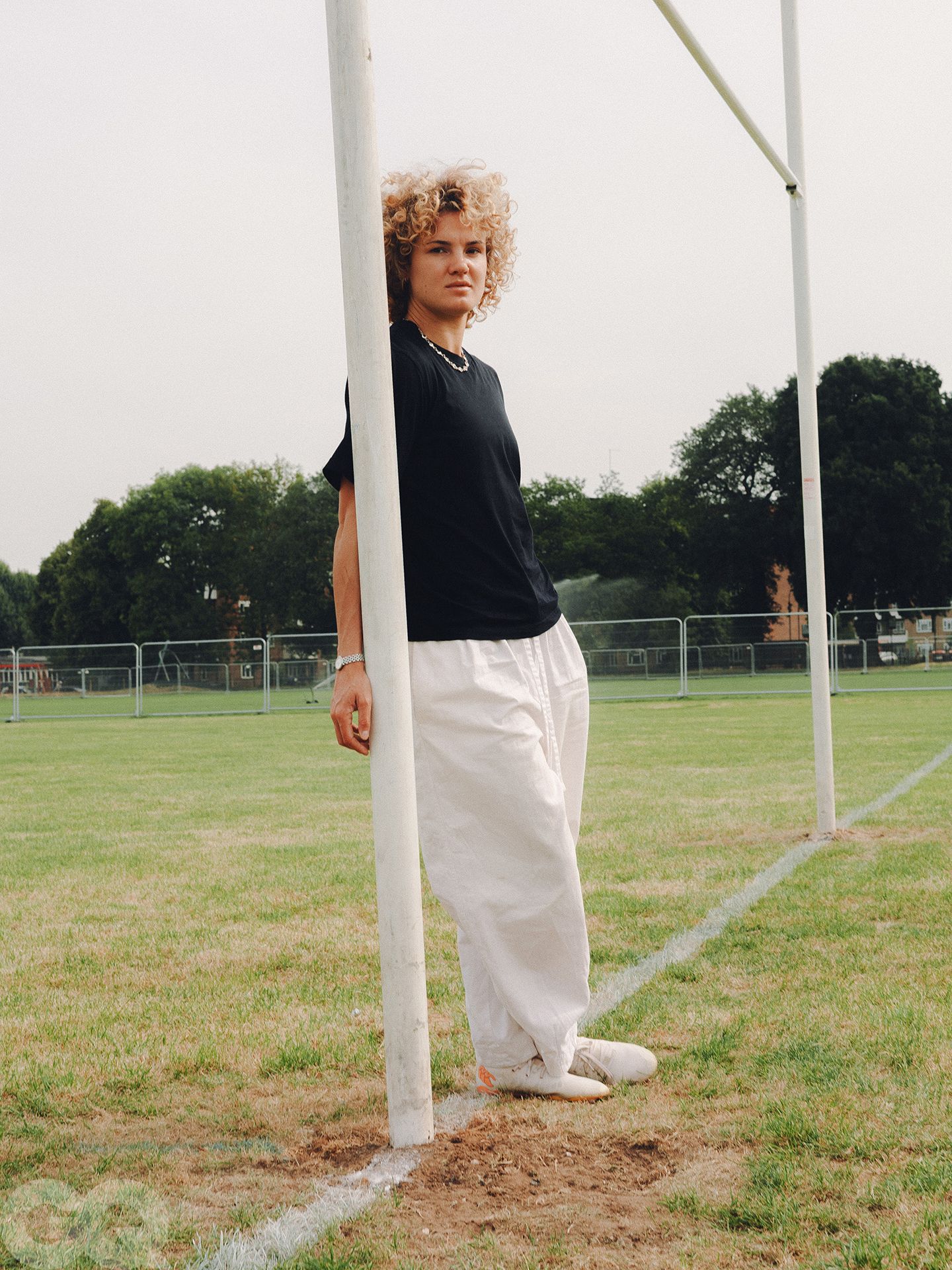
Most photos of Kildunne show her in motion, playing or celebrating. The tattoos she has described are small and personal. They don’t explain her career or act as a costume; they sit alongside the public image built around rugby.
She has also talked about trying photography, painting, music and tattooing. There isn’t one fixed style tying those interests together. Curiosity seems to be the common thread, and the tattoos read like another experiment she decided to keep.
A good memory can be simple
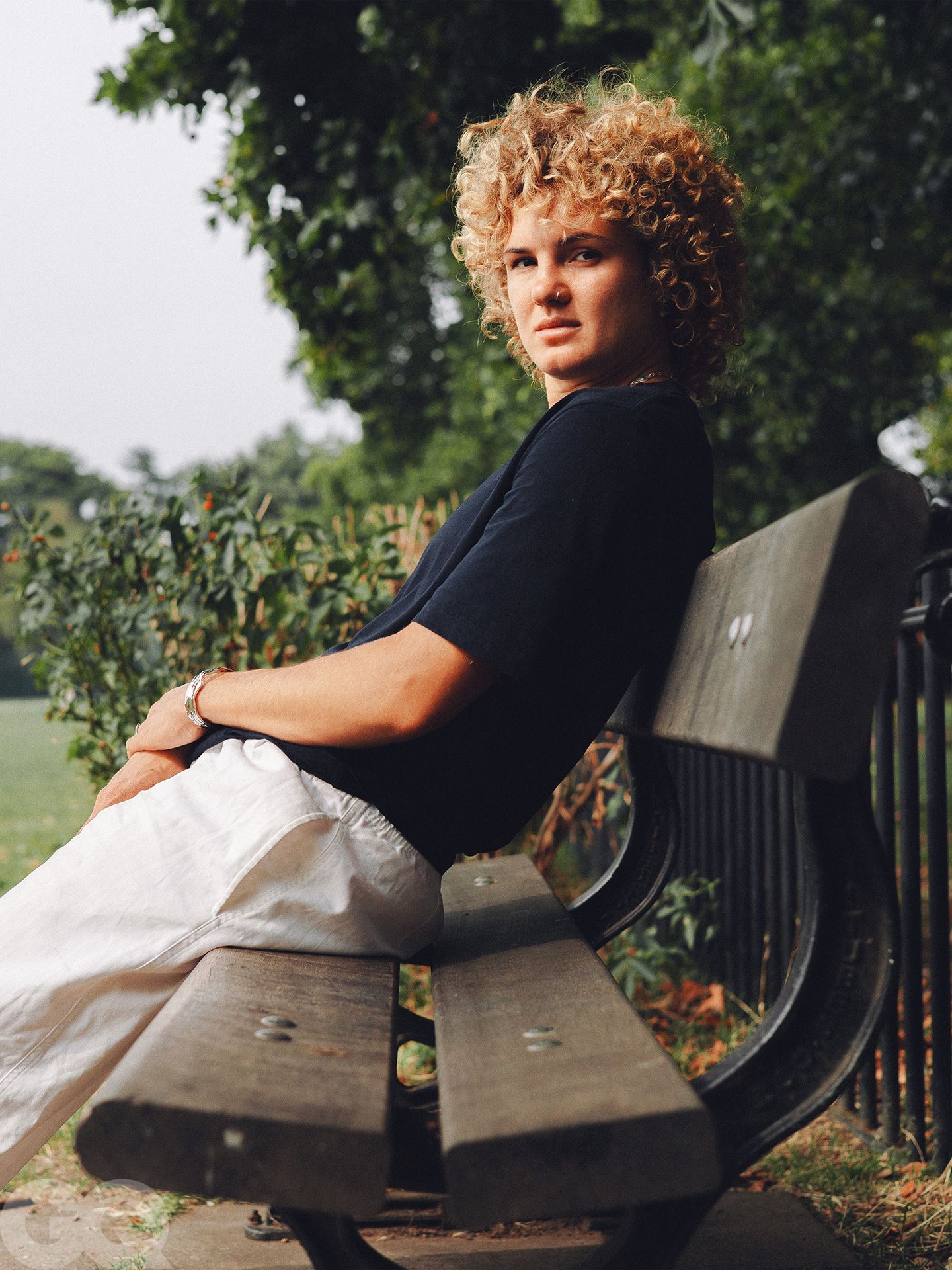
Kildunne says she has tattooed several Red Roses and GB sevens players. Mitchell’s post-World Cup mark came out of a shared celebration, rather than a long design process. Reports said it was his first tattoo, which made the moment stand out even more.
A group tattoo can begin with a spontaneous memory, but the decision is still permanent. Anyone planning one with friends should agree on the design and placement before the appointment; the story behind it can be informal without leaving the choice unclear.
Context completes the story
These tattoos make more sense when their occasions stay in view: the dots are about family, the ankle heart came from Kildunne’s own experimentation, and the wrist mark recalls England’s 2025 World Cup win. The designs don’t need a bigger mythology to be worth discussing.
That’s a useful way to look at tattoo inspiration generally. Start with the person or moment you want to remember, then think about a design that can carry it. The reason can be simple, as long as it’s yours.
The personal scale works best when it has a reason
The scale of Kildunne’s tattoos is part of their appeal. Dots can stand for family, a heart can keep the story of a rough first attempt, and a team mark can recall a win. Small can still be specific.
Placement changes how often a tattoo is seen. Finger and wrist marks show during ordinary gestures; an ankle design can stay more private. Think about visibility and how your work or sport might affect the choice. Placement is part of the meaning.
Keep the idea personal and the process professional
Kildunne’s DIY tattooing is candid, but it shouldn’t be treated as a how-to. Her small symbols and team tattoos can inspire a personal idea; they don’t make a cheap machine or home setup a safe substitute for training and sterile equipment.
If you want to make the idea permanent, take the personal part to a qualified tattoo artist and give the design and placement proper thought. Safety is part of the design. The personal part can be chaotic; the safety part should not be.