
Monty Ioane is an Australian-born rugby winger who became an Italy international. In interviews, he has described tattoos for his daughters, a phoenix on his neck, a religious design on his stomach and portraits of people he admires.
Six published photographs show his ink in rugby and editorial settings. His face-visible featured portrait identifies him; the inline images show the tattooed areas.
Monty Ioane’s body art starts with family
RugbyPass reports that tattoos are common in Ioane’s family. He started with a piece during a trip to Thailand, then added more. He says much of his body represents his daughters, including their birth times, two angels and portrait faces.

The shirtless post-match photo shows ink across his neck, chest and arms. Ioane’s interview supplies the family context; the image shows where some of the work sits.
The neck tattoo became an early statement
Ioane says he got his first tattoo at 18 and soon added a full neck piece. He has identified it as a phoenix. In match photos, the dark work frames his face and meets the collar of his jersey.
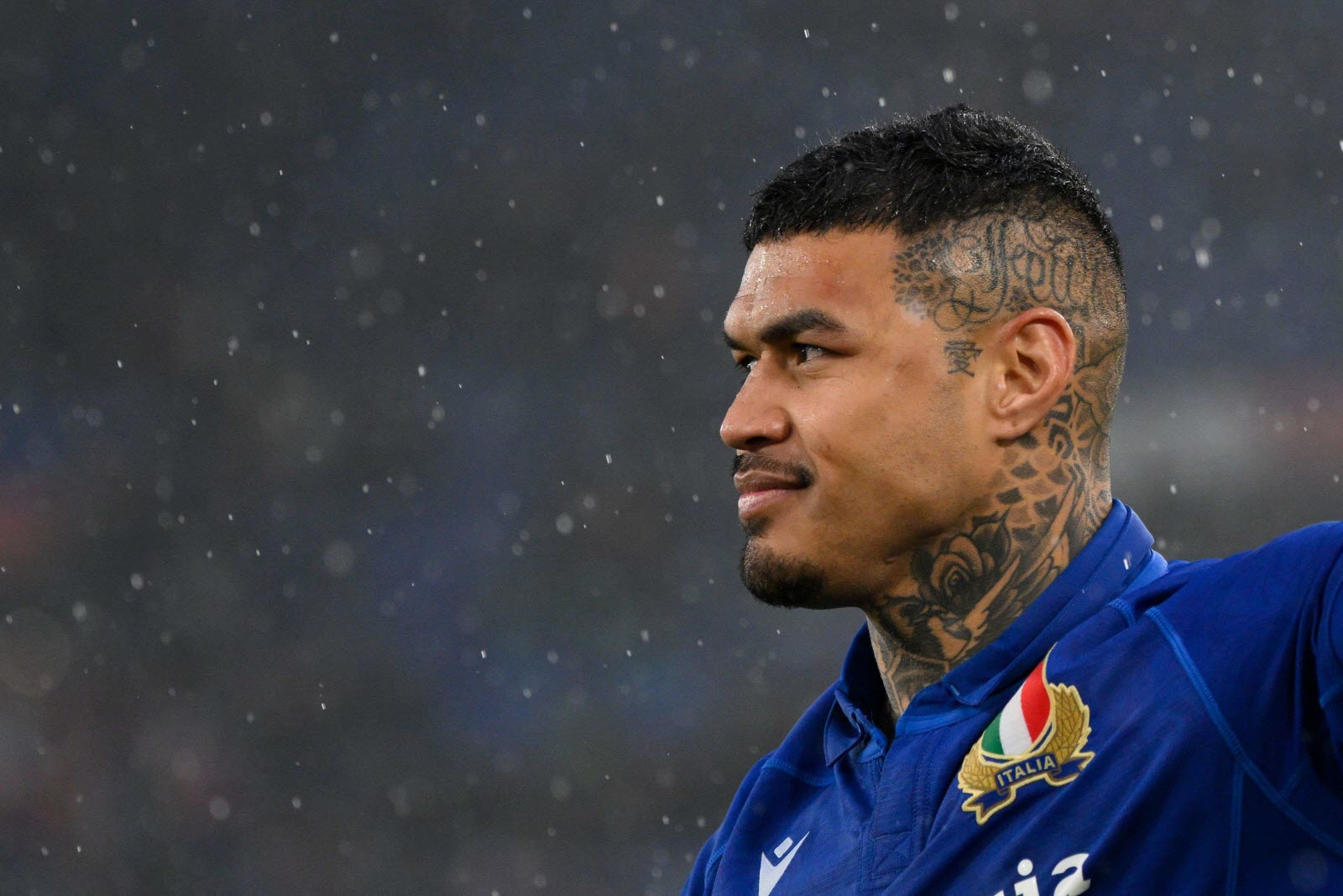
The profile view shows the neck beneath the Italy shirt. Its outline looks different in a headshot than in a moving match photo, where the collar and posture change what can be seen.
The left leg carries his daughters’ portraits
In an interview with Rugby World, Ioane says his left leg carries portraits of his daughters and an image of them in front of Milan Cathedral. That specific detail comes from his account; a rugby photo doesn’t show the leg clearly enough to identify the portraits.
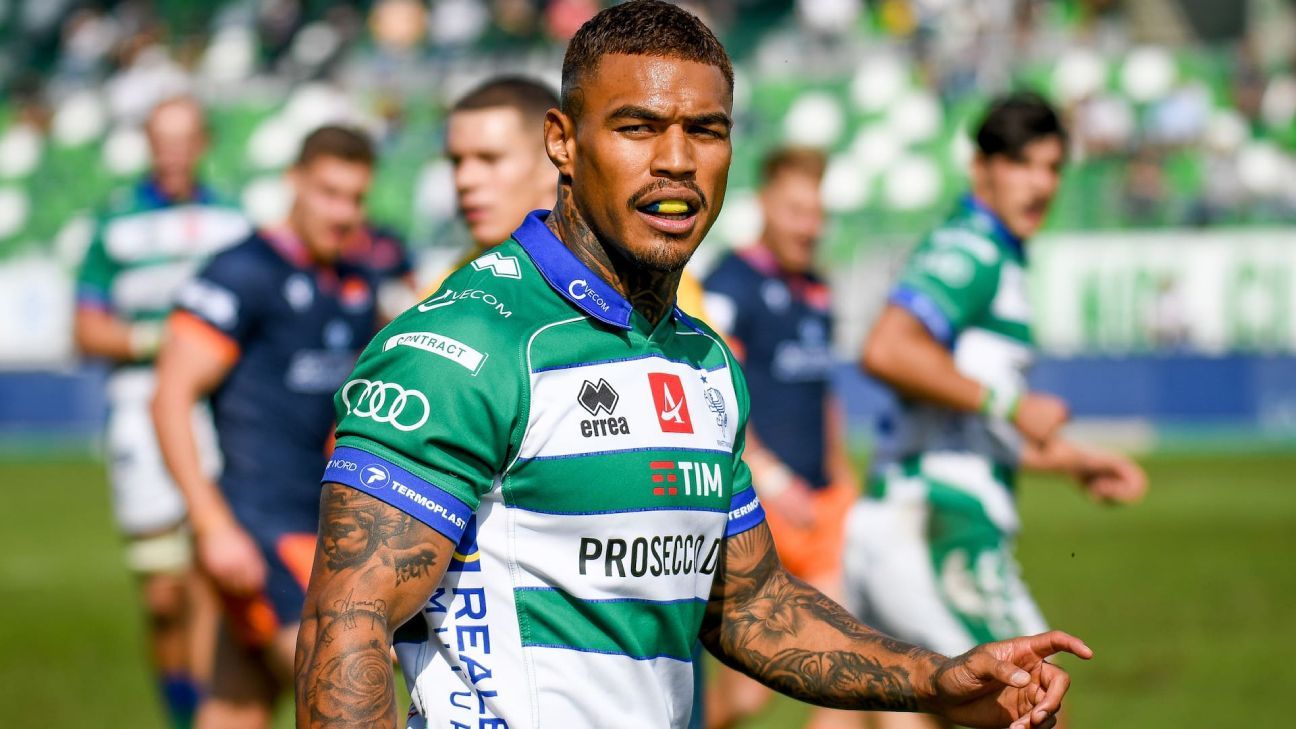
The selected sports image gives a wider view of his body art, while the interview explains the leg design.
The birth times turn memory into lettering
Ioane says the times his daughters were born are tattooed on his right leg. The numbers record specific moments, but the available match photos don’t show the lettering closely enough to match each one to a birth time.
The arms mix family symbols with open space
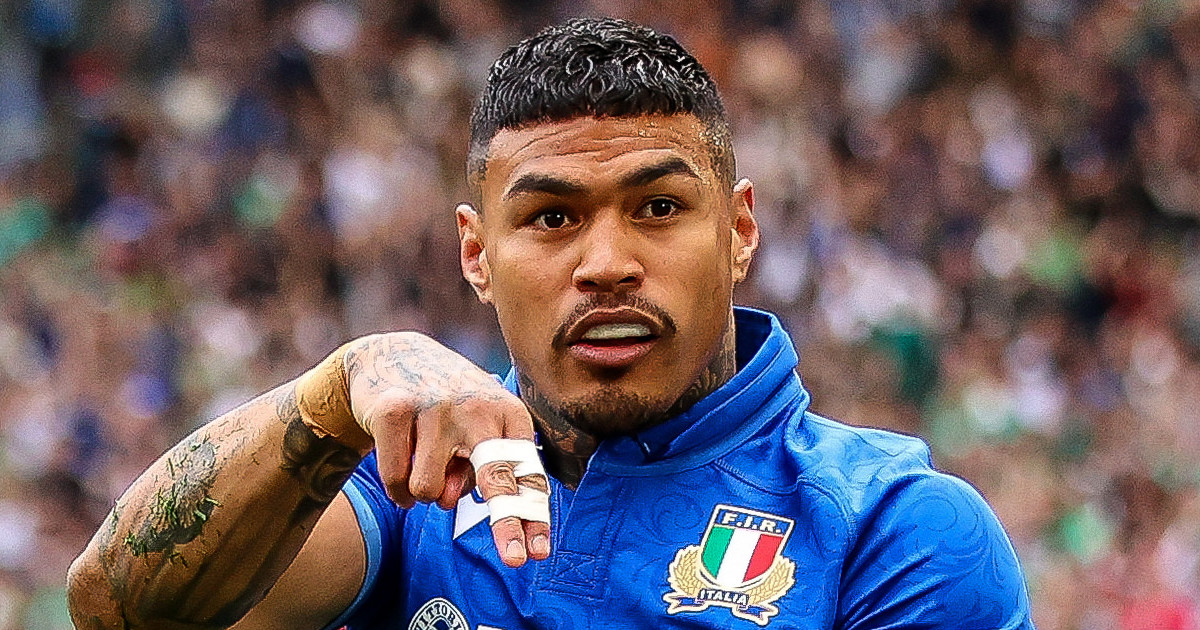
The ESPN warm-up photo shows detailed tattoos across Ioane’s arms in Benetton colours. The coverage is varied, with denser areas and visible space between designs, rather than one uniform sleeve.

The images show the arms from different angles, but don’t assign a meaning to every mark.
The full-body collection includes portraits of heroes
RugbyPass reports that Ioane’s right leg also carries portraits of Bruce Lee, Elvis, Michael Jordan and Al Pacino. He mentions a Bruce Lee quote, a family connection to Elvis and a sporting link to Jordan. The source names the people; the match photo doesn’t show each portrait clearly enough to identify it.

How the collection changed with his rugby journey
Ioane’s career has taken him through Australian, New Zealand and French rugby, then to Benetton in Italy and Lyon. Photos show him in club and Italy kits, where clothing determines which tattoos remain visible.
A shirtless or warm-up photo exposes more of the collection than a match jersey. Those differences help explain why the same tattoos can appear to change across photographs.
The collection is personal without being a complete catalogue
His interviews describe selected designs, not a numbered catalogue. They cover his daughters, birth times, a neck phoenix, a religious stomach piece and portraits of people he admired. His estimates also vary: one interview places the count in the low teens, while later coverage shows a larger collection.
That gap doesn’t need resolving into a fixed total. The tattoos continued to grow, and casual interview estimates weren’t a formal inventory.
Why different angles matter
The neck changes shape in profile; an elbow bend can bunch arm designs together; and a shirtless celebration reveals more of the torso than an official portrait. Comparing separate original photos gives a fuller sense of placement than repeating one dramatic frame.
The six images here show different distances and body areas. For leg and stomach meanings that the sports photos can’t confirm, Ioane’s interviews provide the context.
The wider story behind the body art
Ioane has spoken about family, faith, migration and finding his place in professional rugby. The portraits of his daughters point to home; his hero tattoos reflect people he admired; and the phoenix and religious stomach piece add other references he has described.
A source-led way to read Monty Ioane’s collection
RugbyPass and Rugby World provide the clearest first-person accounts of the family tattoos, birth times, neck phoenix and admired figures. Read those alongside the six ink-bearing photos: interviews establish the named meanings, while images show placement. The separate featured portrait serves only to identify Ioane.