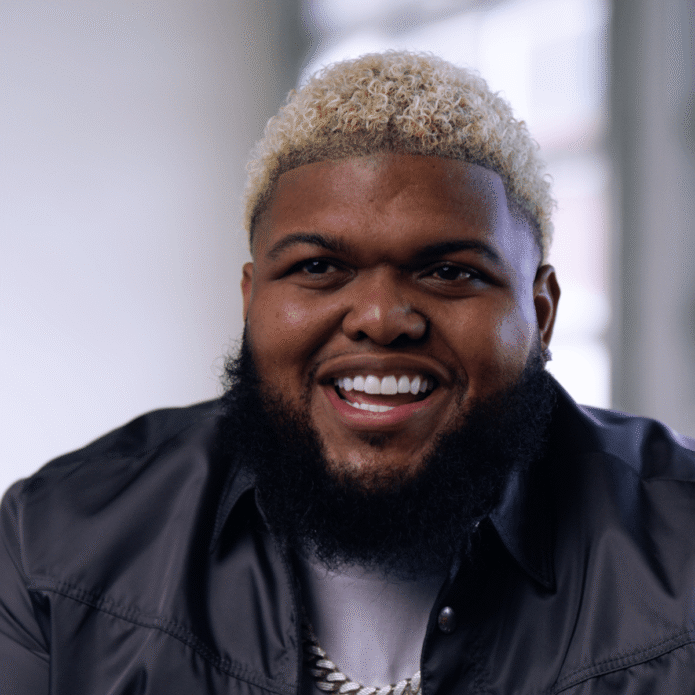
Druski’s tattoo tour opens with the piece he would rather leave in the past. In GQ’s Tattoo Tour, he laughs about his first tattoo, then walks viewers through the ink on his legs. He doesn’t pretend every design comes with a deep backstory: some are personal, some belong to a particular chapter of his life, and some simply mark the route from Atlanta comedy sketches to sold-out shows.
There still isn’t much reliable detail about the full collection. GQ offers the clearest tattoo-specific account, while photos from public events help show where the ink sits. A few designs are easy to make out; others are obscured by clothing, shadows or distance. The guide sticks to what Druski has said and what the pictures actually show.
That mix of self-mockery and selective detail feels right for him. He is willing to talk about early choices without turning every tattoo into a grand statement. The ink sits between private history and public persona, a familiar place for a comedian’s ink.
The first tattoo is the one Druski is least proud of
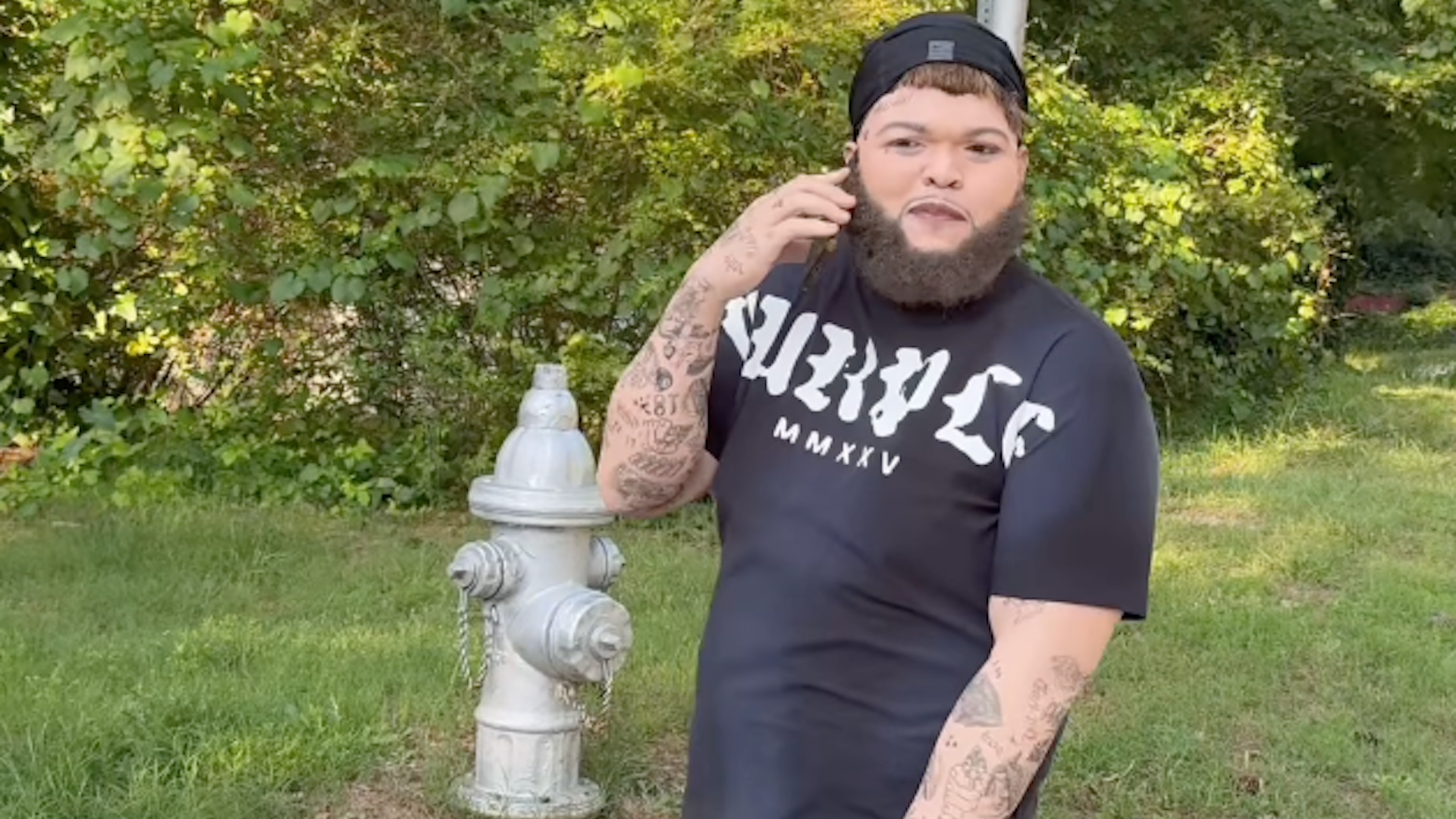
Druski starts his tour by poking fun at his younger self. The official GQ description quotes him saying, “I’m not proud of my first tattoo!” It sounds like an early decision he made with less confidence than he has now, and he is happy to laugh about it.
He also draws a line around anything from before the money, saying he will not show those pieces. That does not tell us exactly what is hidden, but it gives the collection a little context: some of his earlier years remain private, while the GQ video focuses on the tattoos he is comfortable showing today.
The first tattoo still has a place in the story, even though public sources do not clearly identify its design. It is an awkward beginning and an easy setup for a joke. Druski’s willingness to laugh at that choice tells us more than a made-up explanation ever could.
His legs are the main canvas viewers can actually follow
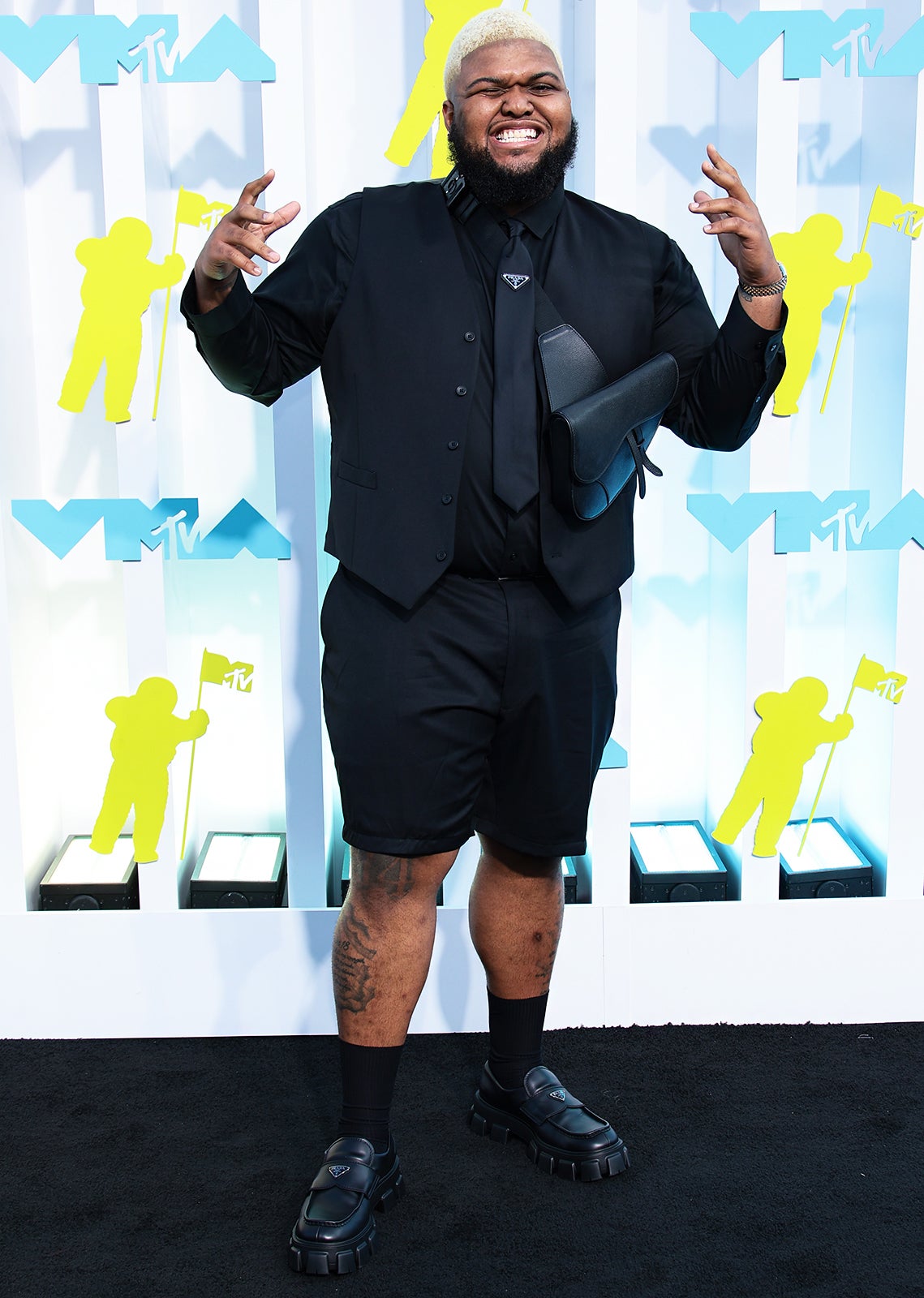
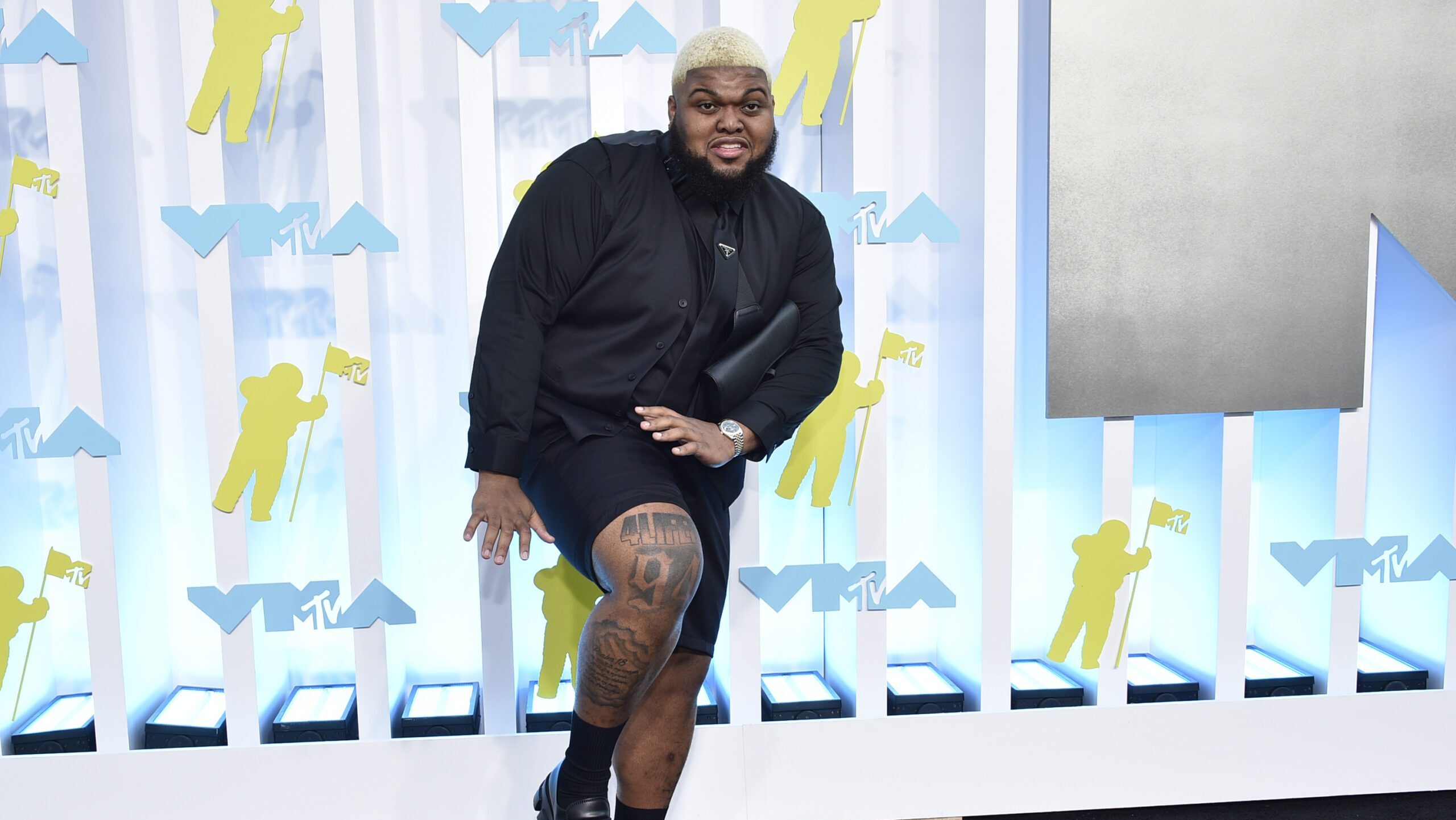
The most consistent feature in the available coverage is Druski’s leg ink. GQ says he spends time discussing the tattoos on his legs, and photos from events often show the work when he wears shorts. It is the clearest centre of the collection that viewers can follow.
Stage and red-carpet photos reveal several pieces across his lower body, but lighting and distance make it hard to identify every design. A dark patch in a picture is not enough to name a tattoo. What the images do support is a growing collection of leg pieces, seen from different angles and at different points in time.
The placement also lets Druski change how much of the collection he shows. Trousers keep the ink covered for a polished appearance; shorts bring it into view at a performance or photo call. The tattoos move easily between the formal celebrity setting and his more playful comedy persona.
“If you ain’t first, you’re last” connects the ink to his ambition
One of the few tattoos with a clearly reported meaning is the line “If you ain’t first, you’re last.” Druski told XXL that he had the quote from Ricky Bobby tattooed on his body. It is a joke from a movie, but it also matches the competitive energy he brings to his career.
This is not a quiet tribute or an abstract symbol. It is an over-the-top motto borrowed from a fictional driver and made permanent. That combination feels very Druski: a motivational line delivered with a wink, while still reflecting how much he wants to keep moving forward.
The sources used here do not consistently identify where the quote sits, so its placement is best left open. The phrase and its connection to the film are clear; attaching it to a particular body part would go beyond what has been documented. Tattoos can carry meaning without sounding solemn.
The red-carpet photos show how the collection looks in motion
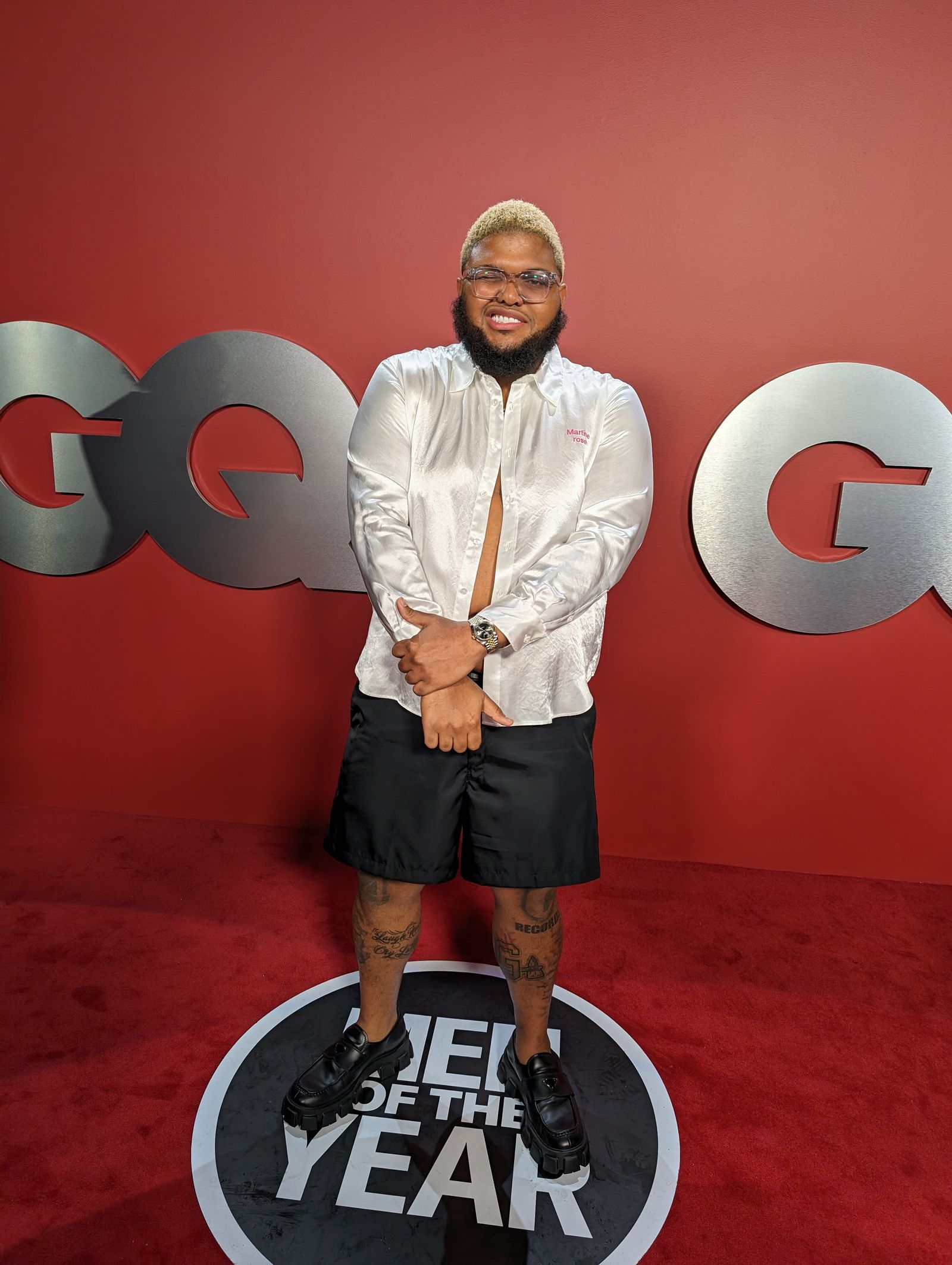
Photos from public appearances catch Druski’s tattoos as part of an outfit, rather than as isolated close-ups. Shorts and loafers reveal the leg work while he stands, sits or turns for photographers. The ink becomes part of his silhouette.
The GQ event pictures are a good example. His clothes are sharp, but the exposed legs keep the look relaxed. Bleached hair, glasses and his comic expressions already make him easy to recognise; the tattoos add another detail without taking over the frame.
The images also show why a careful inventory matters. A photo can confirm ink on a calf or thigh without revealing the design itself. Shadows, fabric and resolution hide details, so the pictures help document where the tattoos appear without giving us license to guess what they are.
Some tattooed looks belong to characters, not the real collection
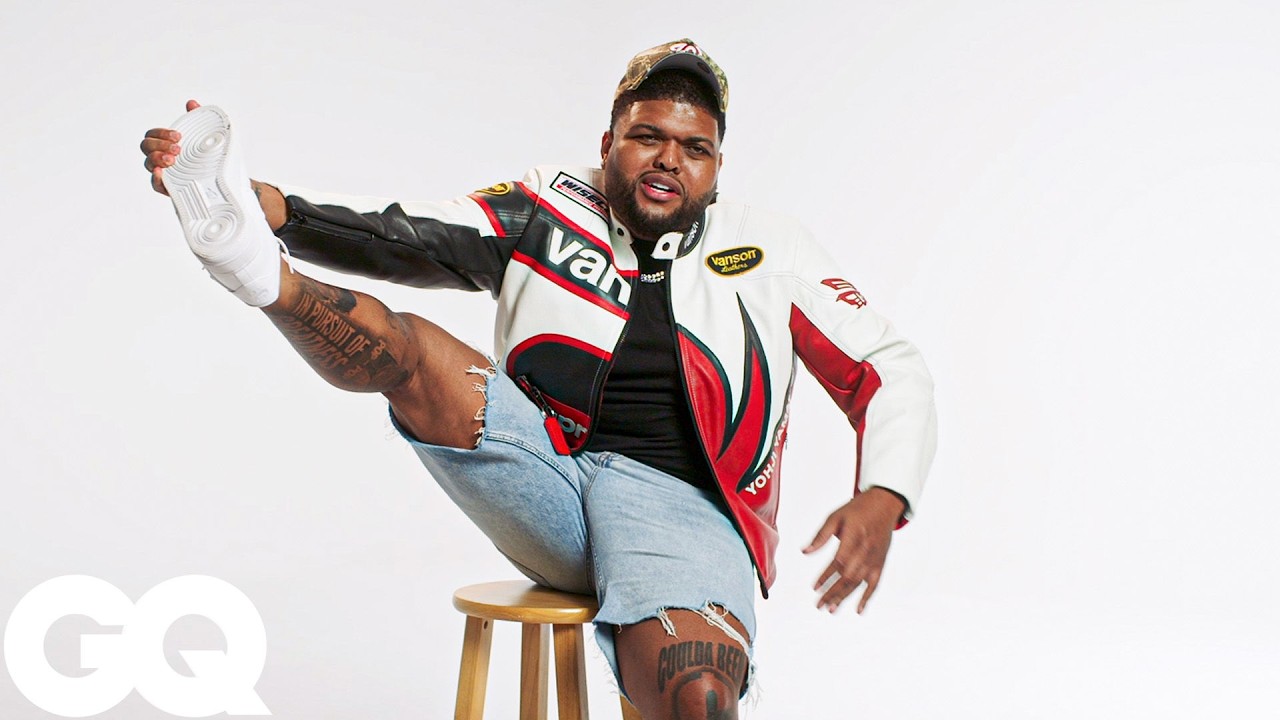
Druski’s sketches often involve costumes and different characters, which can make tattoo research tricky. A character may have extra ink on the arms or chest, but that does not mean Druski has those designs permanently.
It helps to keep documented personal ink separate from character styling. The GQ tour is useful because Druski speaks as himself and shows his own collection. Repeat appearances in event photos can also confirm that an area of ink is part of his real look. Sketches, makeup and temporary tattoos need to be identified as such before they belong in an inventory.
That distinction explains why his tattoos can look very different from one image to another. A character may have a separate pattern, while a photograph of Druski himself may show only a small section of his legs. The shifts are part of the comedy, but they should not be mistaken for changes to his permanent collection.
What the tattoos say about Druski’s public image
Druski’s tattoos fit the playful, ambitious image he has built. He can joke about an early mistake and still be open about the rest of the collection. He can dress formally with leg ink on show, or turn a movie gag into a permanent motto without treating it like a solemn declaration.
The contrast between the private early pieces and the tattoos he discusses now hints at how his life has changed. He says the pieces from before the money will stay hidden; today, he is a comedian who has built Coulda Been Records, headlined tours and stepped into bigger entertainment spaces. The ink offers a small glimpse of that timeline.
It is not a full biography. A visible calf cannot explain a whole life, and a movie quote cannot stand in for everything about the person who wears it. The public evidence gives us a more modest picture: a growing collection most visible on his legs, one quote with a clear story behind it, and a comedian who can laugh at his earlier choices.
Druski’s tattoo timeline is still being written
The collection is still changing, which may be the most honest place to leave the story. GQ frames the tour as a look at a lifetime of tattoos, but its description leaves room for the phrase “almost.” Druski’s career is still moving, and his ink can keep growing with it.
For now, the public record includes an early tattoo he jokes about and does not want to celebrate, visible work across his legs, and the “If you ain’t first, you’re last” quote tied to his competitive, movie-loving humour. Other designs may show up in photos, but unclear images and unconfirmed details should stay undescribed.
That restraint leaves room for the known details to stand on their own. This is not a finished display; it is a story with jokes, awkward beginnings, new confidence and a few choices Druski would rather leave behind. It is a fitting way for him to approach a tattoo tour.
Anyone looking for every design should remember that a tattoo tour is only a snapshot. New pieces can appear, old ones can be covered, and Druski may choose to keep his least polished work private. This guide counts the tattoos and placements that the available reporting and images can support, and leaves uncertain details open.
That approach keeps the collection in perspective. Druski is not building a serious mythology around his ink. He is cracking jokes, admitting that some early decisions were questionable and showing enough for viewers to follow the story. His tattoos add to that story without having to explain all of it.