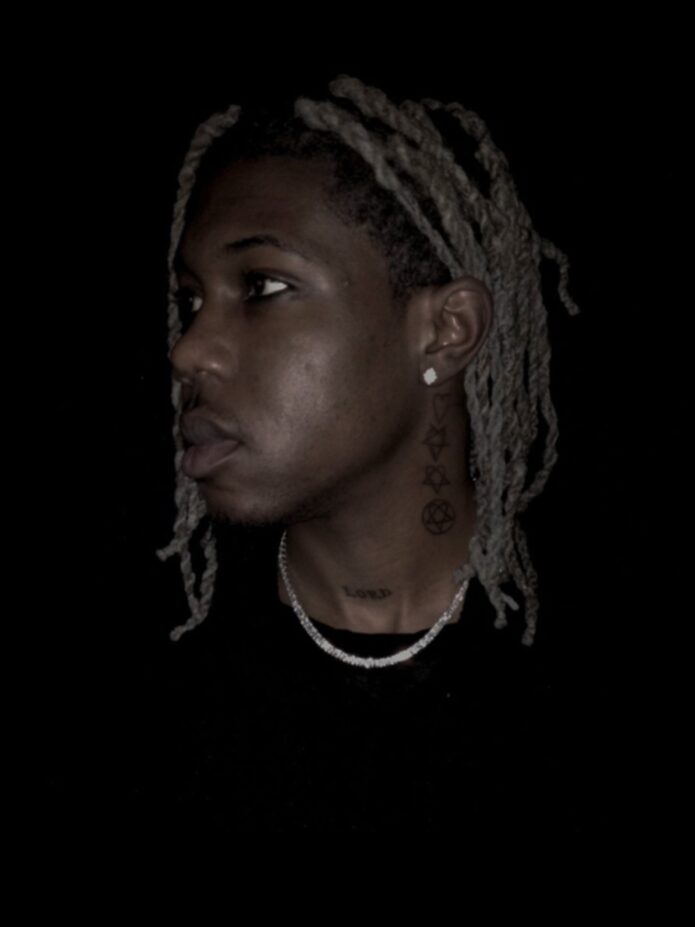
Destroy Lonely’s tattoos share the dark, fashion-focused feel of his music and visuals. The ink covers his chest, arms, hands and neck, with large black areas alongside thin symbols and short lettering. Some pieces are bold; others leave more of the skin visible.
That mix makes Destroy Lonely tattoos useful to look at if you’re drawn to gothic, cyber-sigil or underground-inspired designs. A full-body photo shows the scale of his torso and back work. A close shot reveals the hand script, while a profile puts the neck tattoos in focus.
His style also plays with contrast. Dark clothes and bright jewelry frame black ink against lighter skin. From a distance, some pieces look simple; close up, the lines and smaller symbols become easier to see.
The neck marks are especially recognizable. Symbols run up the side of the neck, and “LORD” sits near the collarbone. His arms and hands have more flowing lines, giving the collection a clear center with movement around it.
Clothing changes what stands out. A sleeveless top shows the shoulders and arms; a hoodie hides much of that work and draws attention to the neck. A shirtless photo shows how the pieces line up across the body. Consider all those views when planning tattoos of your own.
The chest and back work make Destroy Lonely’s tattoos feel cinematic

The chest and back give Destroy Lonely’s collection its broadest coverage. In a shirtless portrait, the ink spreads across the front and continues around the shoulders. The back piece is much denser than the small neck symbols, so it reads as one large area.
From the front, the eye moves across the chest and stomach toward the arms. From behind, the darker work creates a strong outline. The designs look different from each side, but the bold shapes tie them together across the body.
Large torso tattoos also move with the body. The chest expands, the shoulders turn and the stomach bends; a design can look different once the wearer moves. His photos show why it’s useful to check placement from more than one pose.
Use one large torso piece as the visual anchor if you want this kind of impact. It doesn’t have to cover the full chest or back at once. A central design can leave room for later work around it.
His forearm tattoos lean into sharp, futuristic linework
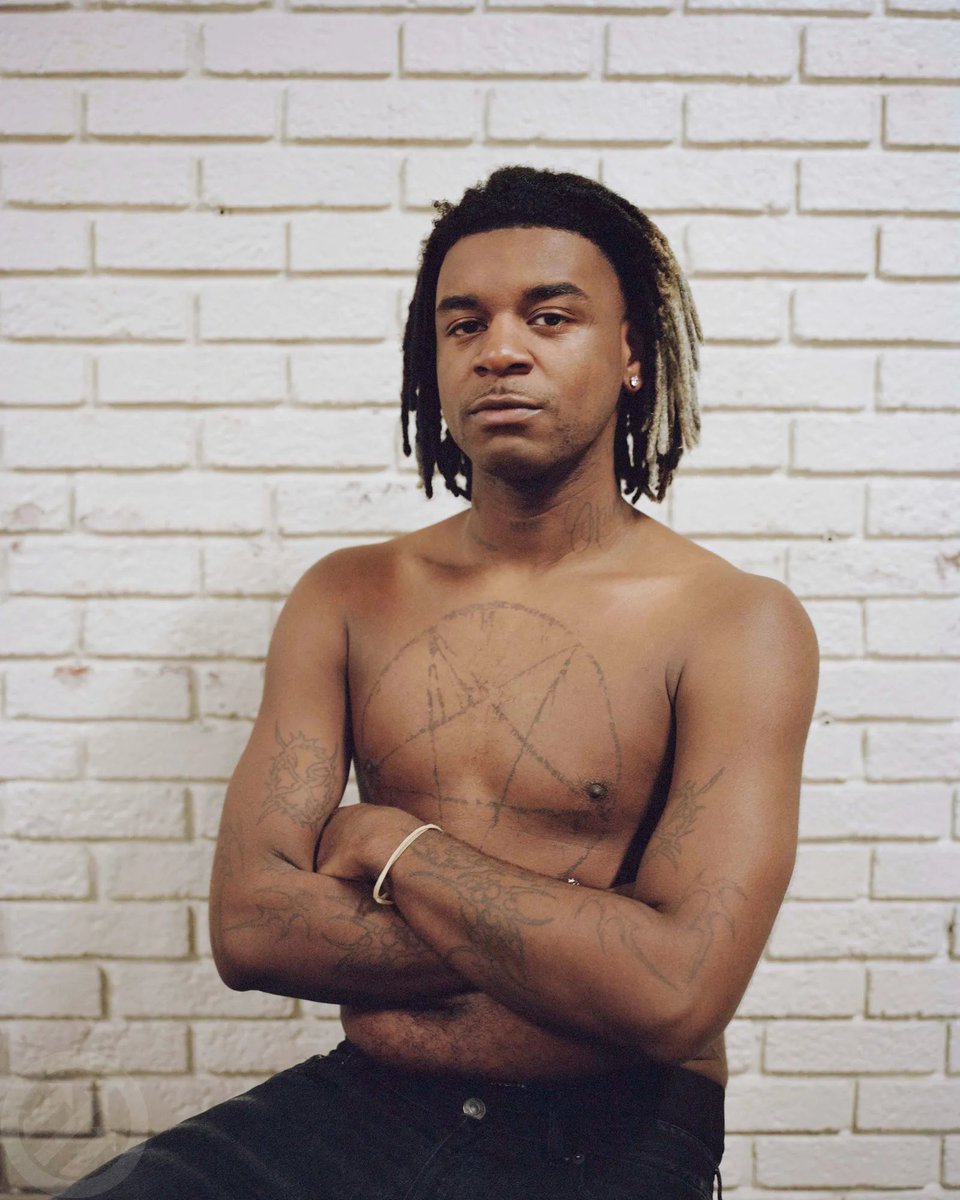
The forearm tattoos bring a sharper rhythm to the collection. Long, narrow shapes and pointed ends follow the arms, with thin lines that give some pieces an illustrated look. The forearm’s length naturally draws the eye from elbow to wrist.
The designs use fine linework alongside darker patches, so they look detailed without relying on heavy shading. In a black sleeveless shirt, the contrast between skin and ink makes the arm tattoos especially clear.
Related designs on both arms can create balance without being exact mirror images. One side might have a longer piece, the other a smaller symbol or word. Similar linework can make them feel connected.
Ask your artist to check the forearm from the front, side and palm-up positions. The skin turns when the wrist moves, and a thin design can disappear into a crease if it’s placed without testing. A little open skin can help the lines remain clear from different angles.
Hand tattoos add a personal detail to the darker styling
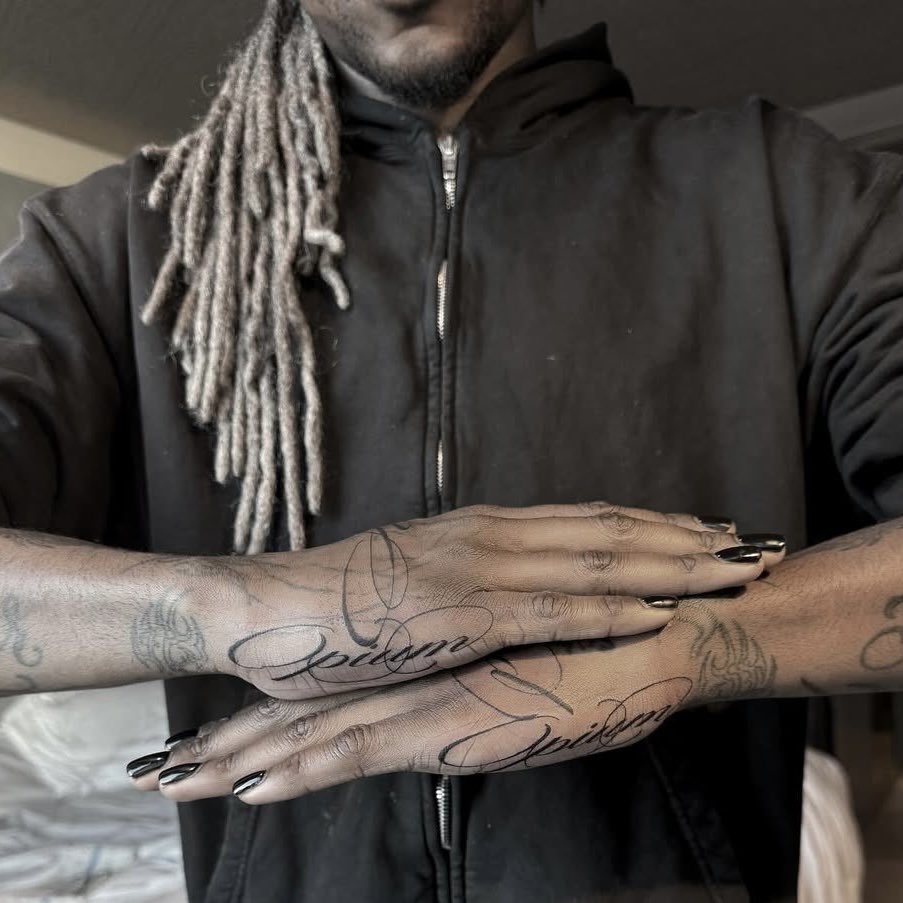
Script across the backs of Destroy Lonely’s hands is among the collection’s more personal-looking work. The letters follow the fingers and tendons, so they shift when his hands cross or rest near his chest.
The hand script softens the darker torso tattoos. The chest and back carry a heavier look; the flowing letters add movement. It’s a small detail, but it changes the collection when his hands are in view.
Hands get a lot of wear, so fine lines there may need more care or touch-ups than tattoos on the upper arm. The lettering should be clear enough to age well, with enough space between the words.
Keep hand lettering short, clean and easy to read. One word can have more impact than a crowded sentence. If you like the look but want a less exposed placement, the wrist or lower forearm offers more room.
Neck tattoos keep the face and body connected

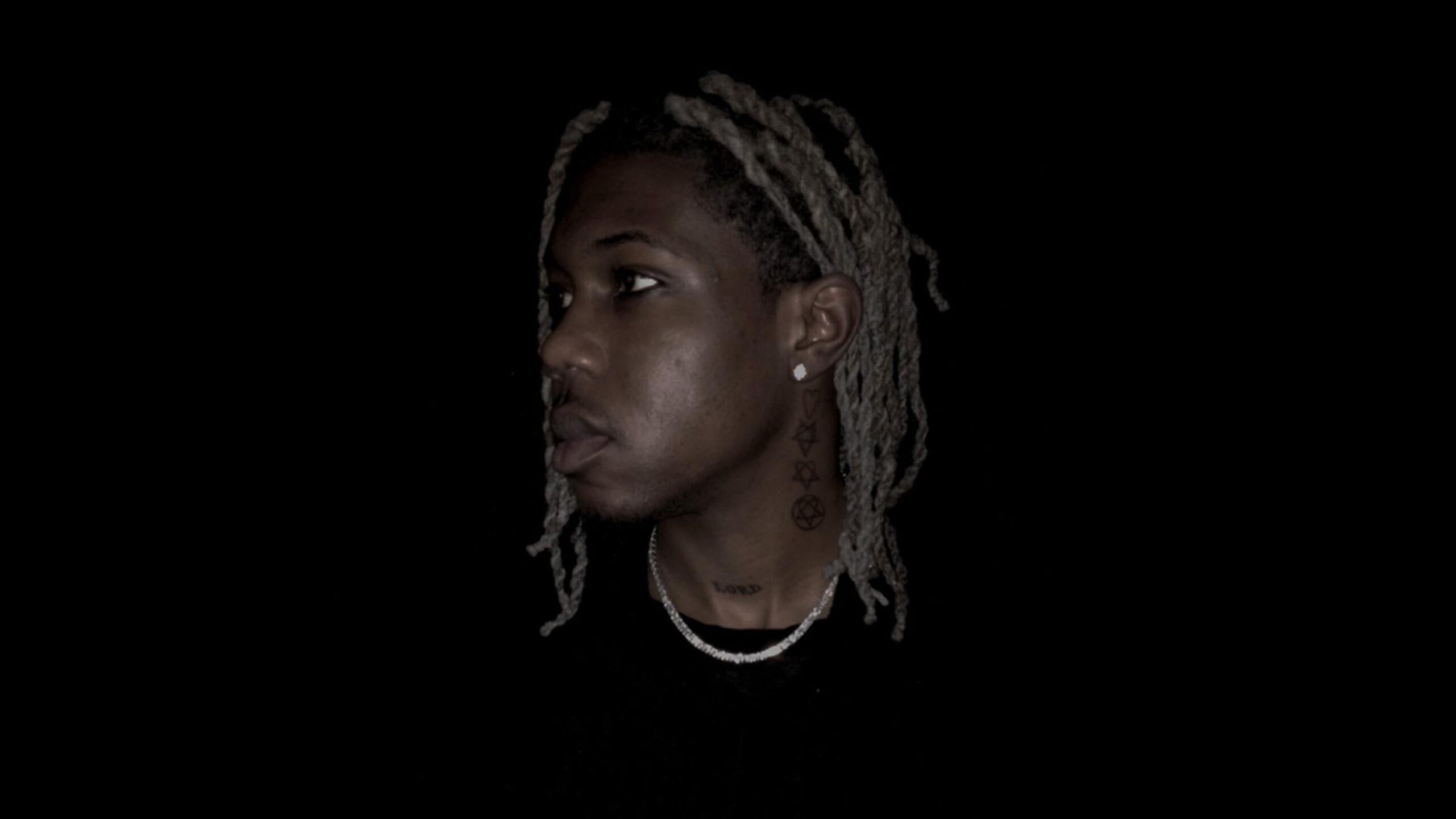
The neck tattoos connect Destroy Lonely’s face to the rest of his body art. A vertical row of small symbols sits along one side of the neck, while “LORD” is placed near the collarbone. The close spacing makes a clear column that remains visible when his chest is covered.
The hearts, stars and pentagram-like shapes form a simple sequence that’s easy to follow in profile photos. They add a graphic edge without turning the neck into one solid dark panel.
The placement changes how the tattoos read in a portrait. A turned head brings the vertical row into view and pulls the eye toward the neck; from the front, the word near the collarbone looks more like a small signature.
Place neck symbols with the head relaxed before you decide on the final height. The skin shifts when the jaw turns, which can change where lettering appears. A clear stencil and room between the marks help the design stay legible.
How to use the Destroy Lonely tattoo layout in your own plan
One idea to take from Destroy Lonely’s layout is the contrast between large and delicate work. Let one area carry the biggest image, then use thin symbols, script or short lettering nearby. The body gets a clear focal point without every tattoo needing to be dark.
His tattoos also move in vertical lines. The neck symbols point toward the collarbone; a long forearm design leads toward the hand; the hand lettering gives that line an endpoint. Different designs can still feel related when their placement carries the eye across the body.
Clothes change which tattoos are visible. A hoodie can hide the arms and bring the neck to the front; a sleeveless shirt shows the shoulders and forearms. Plan for the way you dress most days as well as for a dramatic photo.
Leave space for the collection to evolve. New linework can sit beside older symbols without filling every patch of skin. Open areas keep the strongest designs visible and give future work somewhere to go.
Destroy Lonely’s collection pairs large, dark areas across the chest and back with smaller designs that show up in close shots. The forearms add sharp linework, the hands carry script, and the neck ties the face to the rest of the tattoos.
If you’re using Destroy Lonely tattoos for ideas, follow the way the pieces connect instead of copying one symbol. Notice how the neck row, long arm designs and hand script carry the eye in different directions while sharing a similar visual style. You can use that kind of planning to shape your own collection.
Here’s a Destroy Lonely interview that fits the mood around his music and visual style: