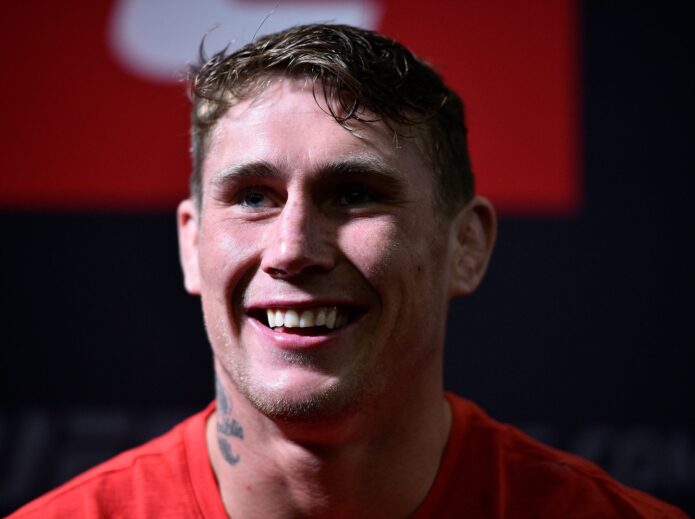
Darren Till’s tattoos have shifted along with his career. The Liverpool fighter first drew attention for a large portrait on his upper arm, visible neck ink and a dark piece across his upper back. Later, the portrait became part of a gorilla cover-up, tying the arm to his nickname and giving it a heavier look.
The change is what makes the collection more than a list of designs. The same arm appears in photos before and after the cover-up: first with a portrait that prompted questions, then with a darker piece built around The Gorilla. Placement shapes the view too. A close crop can make one image look small; turn the arm and the work reads more like a sleeve.
Most of the ink is black and gray, with lighter skin breaks that help the larger shapes stay legible. The finish has a rough edge that suits an active fighter. Across different photos, the main themes remain visible: family, identity, toughness and a willingness to wear his choices openly.
The original arm portrait is the tattoo everyone noticed
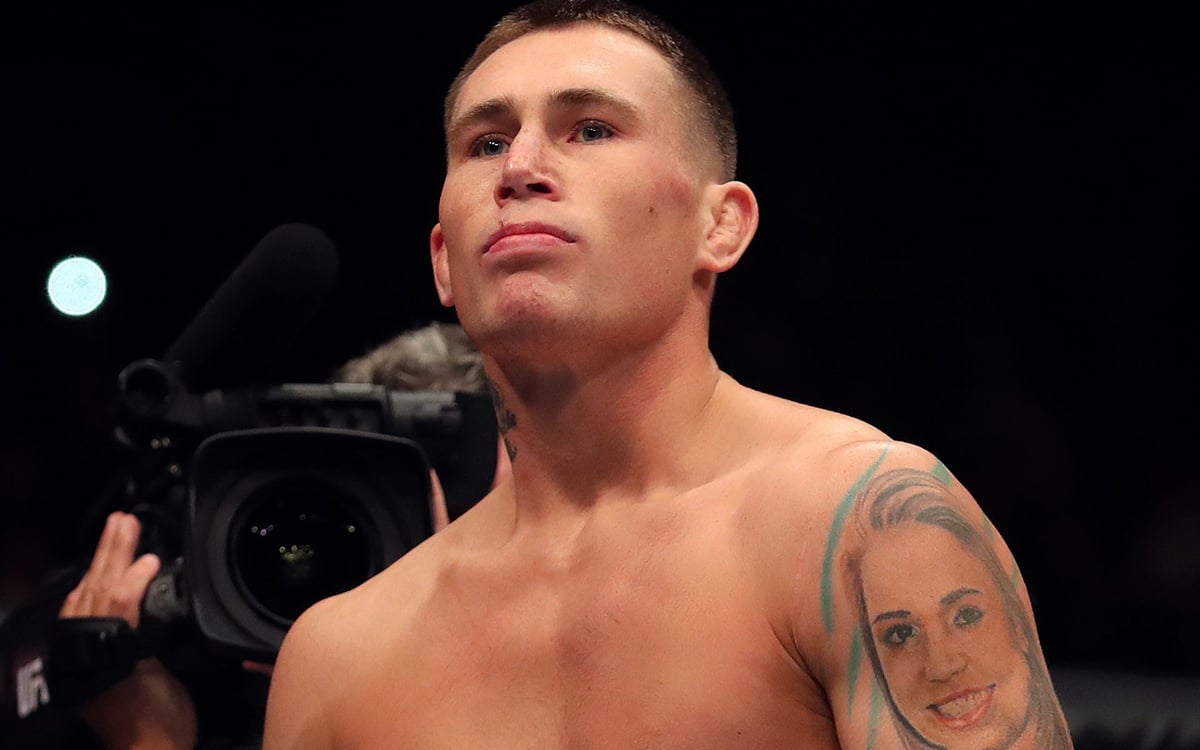
The portrait on Till’s upper arm was the tattoo people kept asking about. In close photos, a woman’s face fills the shoulder area, with loose lines and a name beneath it. Fans often guessed it was Paige VanZant, but Till said the portrait was of his girlfriend, Gisella. It was personal before it became famous.
The high placement made it easy to spot in a fight kit or sleeveless training top. The shoulder gives the face a natural frame, and the image shifts as Till lifts or turns his arm. From the side, other marks start to connect it to a larger composition.
Portraits leave little room for error: a small change to the eyes or mouth can alter the expression. Till’s image was not a polished studio reproduction. It was a personal gesture, and its rough finish became part of why people remembered it.
The portrait takes up the shoulder and gives the upper arm a clear focal point. The name and loose lines carry the design toward the biceps, making it feel like a memory on the skin rather than a piece of decorative flash.
If you’re planning a portrait tattoo, find the artist before deciding on the size. A face needs a clear reference, room for shading and a placement that works from more than one angle. Take photos with the arm relaxed and raised before settling on the final position.
A different angle shows how the ink wraps around the body
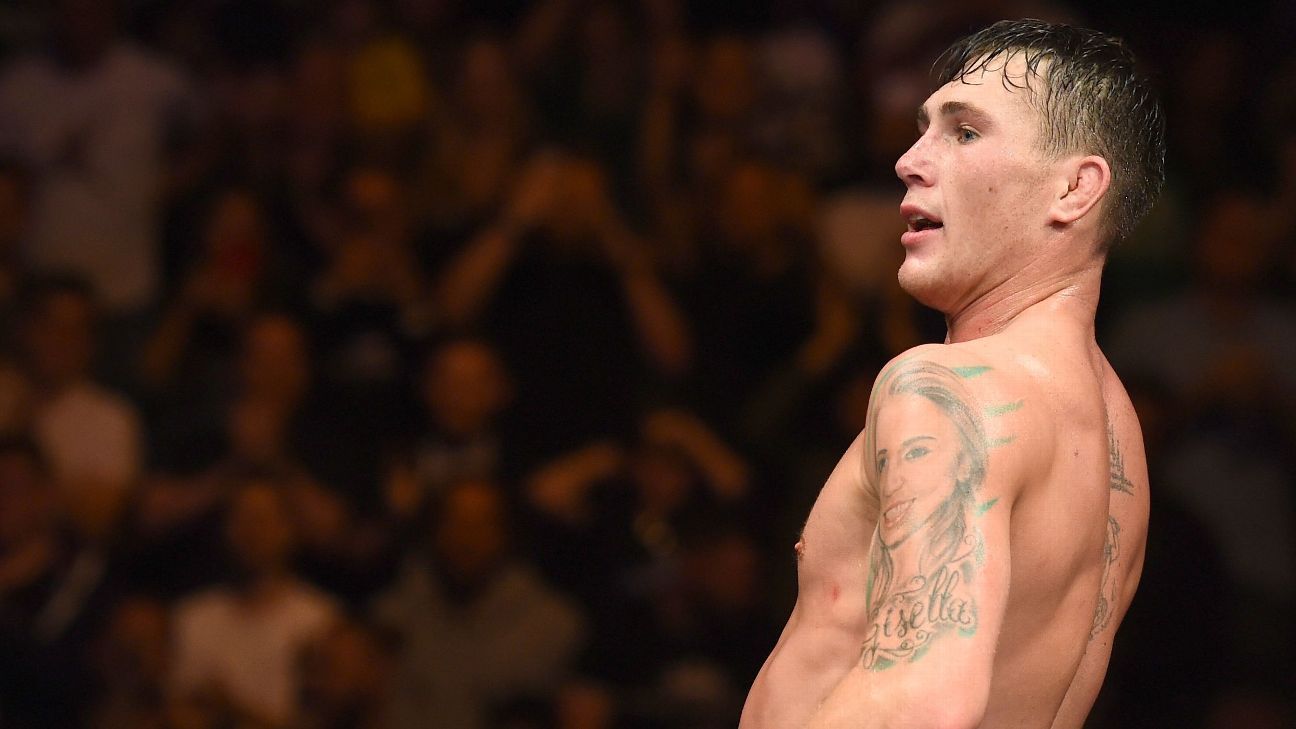
A side or back view changes what stands out. The portrait is the focus from the front; from behind, it sits beside a larger upper-back piece, with the neck tattoo linking the head, shoulder and torso. Those connections keep the designs from looking like separate stickers.
The upper-back tattoo is harder to make out in a fast fight photo, but its broad shape gives the back a dark center. It spreads across the shoulder blades, while the arm work carries the eye around the side of the body.
Movement changes how a back tattoo reads. The design looks different when Till stands square, twists for a face-off or leans over after a round. Photos from those angles make the lines seem to shift with him.
Placement can make a small collection feel larger. Rather than filling every inch, let one piece lead into the next. The neck detail meets the shoulder, the shoulder turns into the portrait, and the portrait frames the upper-back work from the side.
For a back or shoulder piece, take photos while moving instead of relying on a mirror alone. Check how the design looks with your arm relaxed, raised and turned. A tattoo that works in one pose may lose its shape when you move through the day.
Fight photos make the old portrait look like a full sleeve
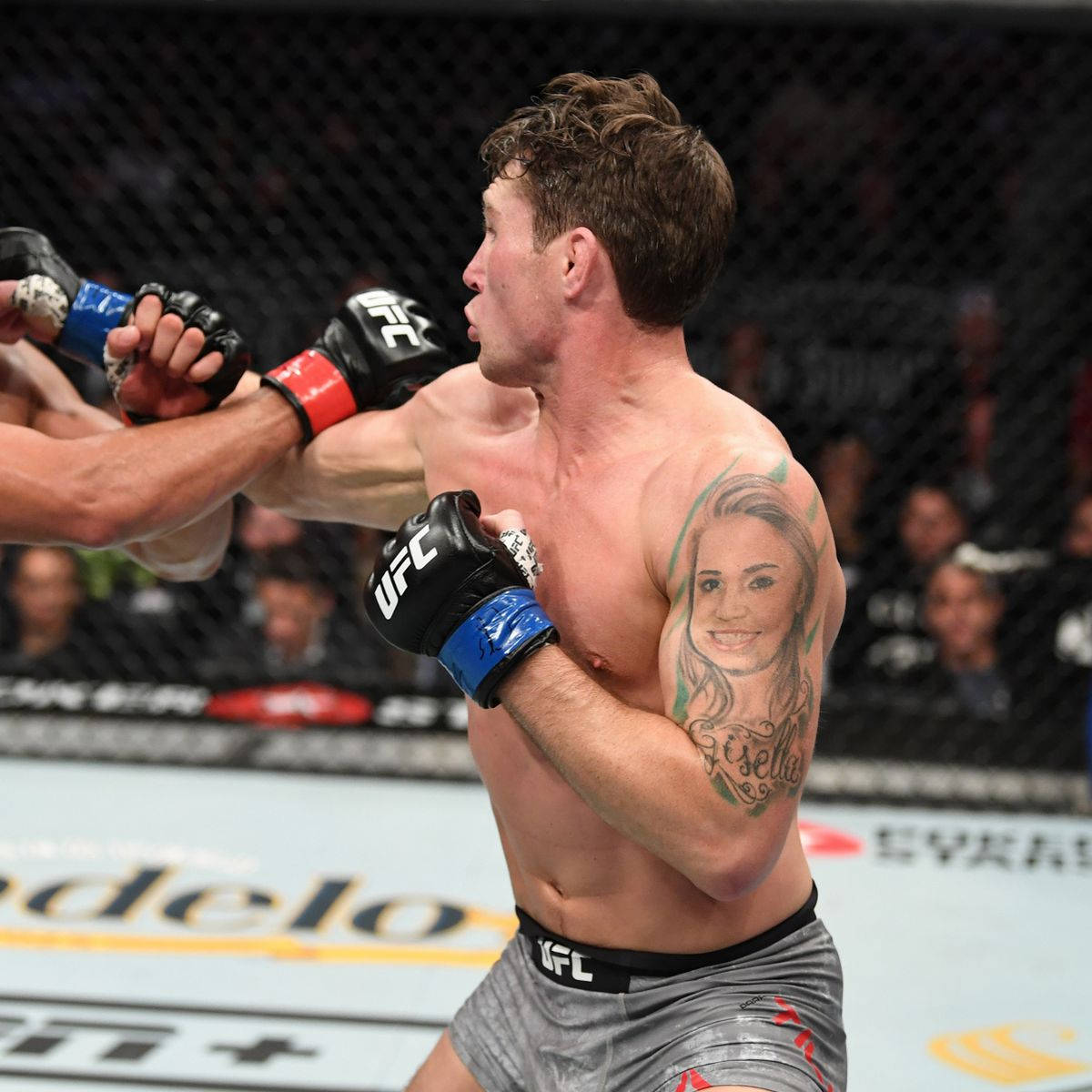
In a still portrait, you can study the face and lettering. A fight photo adds another view: the arm bends, the skin stretches, and more of the surrounding ink appears. The portrait starts to read as the front of a larger design rather than a single picture.
That is useful when planning a sleeve. The main image needs space, but the surrounding shapes help the whole arm feel finished. Till’s arm has darker edges, lighter gaps and smaller marks around the portrait. They support the face without replacing it.
The neck tattoo also links the head and torso. It is small, but it shows in many shirtless photos. A short line of text or a simple symbol can do similar work in a sleeve, connecting two larger areas without competing with them.
An arm tattoo has to work when the elbow bends, not only when the arm is straight. Till’s fight photos are a reminder to check the shape around the joint, especially when a portrait sits near the shoulder and upper biceps.
Contrast matters as well. Black-and-gray portrait work needs open skin or lighter shading around it to remain clear. Pack every gap with dark ink and the face can disappear from a distance. The lighter areas around Till’s older tattoo help it read.
The gorilla cover-up changed the whole arm story
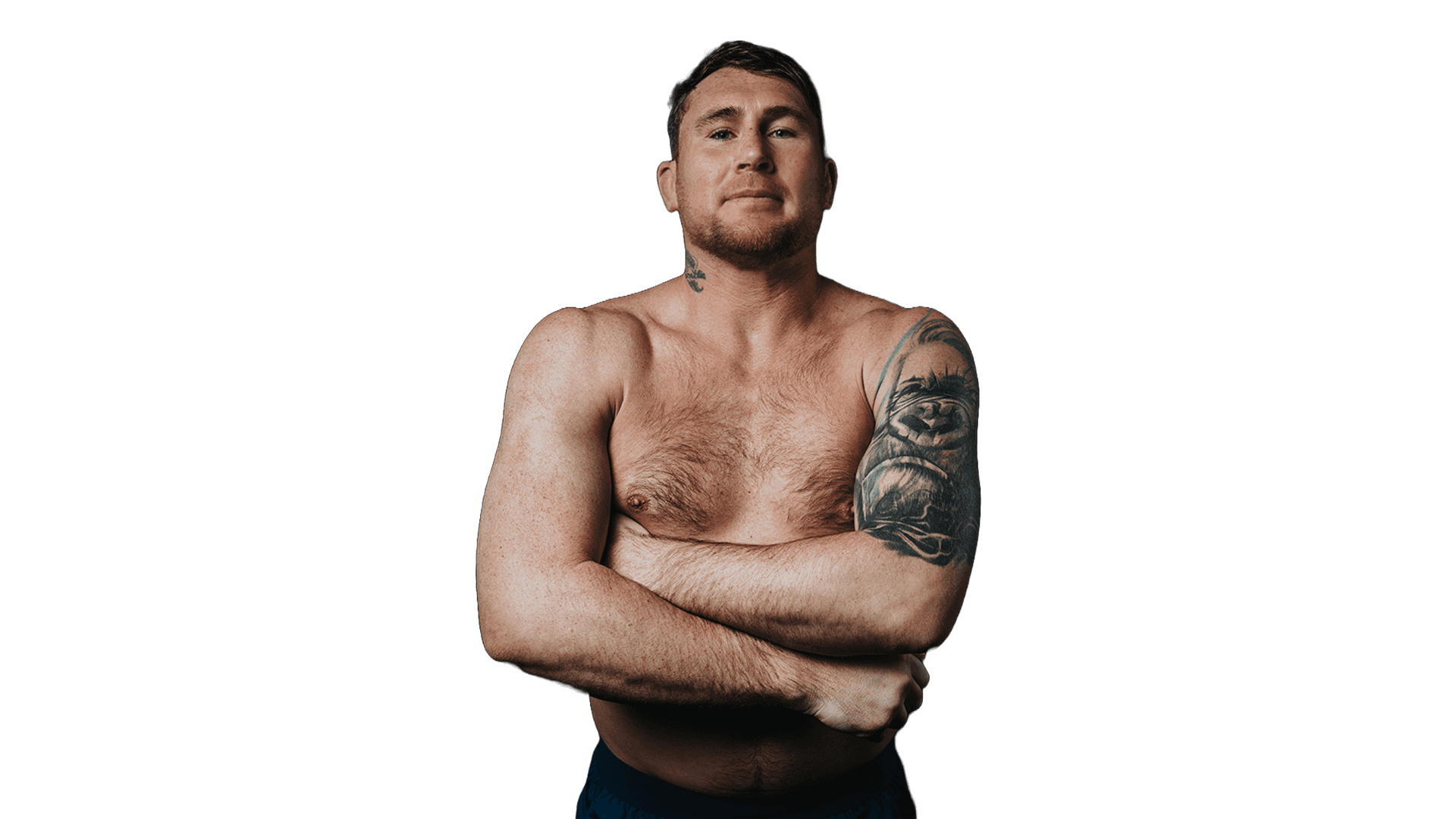
Later photos show the biggest change: Till covered the old portrait with a gorilla. The new subject connects to his nickname and shifts the arm’s tone. What began as a personal portrait becomes a fighter’s symbol, closer to the public identity he built as The Gorilla.
A cover-up has to work with the lines and shading already on the skin. Fur, shadow and a strong face give a gorilla enough texture to take in much of that older work. The final piece is denser and darker because the new image has to cover what was there.
The DAZN portrait shows the newer design from the front. The arm reads as a dark sleeve with an animal face at its center, while the neck lettering still links it to older photos. The later close-up makes the scale of the change clear: this is a new direction for the whole arm.
A cover-up should solve the old problem while acknowledging the tattoo underneath. That takes planning. The artist needs to see the existing work, decide what can be softened and choose a new subject that can carry the amount of ink required.
If you’re considering a cover-up, bring a few possible subjects and stay open to a larger design. Darker work can look strong, but it needs enough space and contrast for the main face or figure to remain clear.
The cover-up is a snapshot of how tattoos change over time
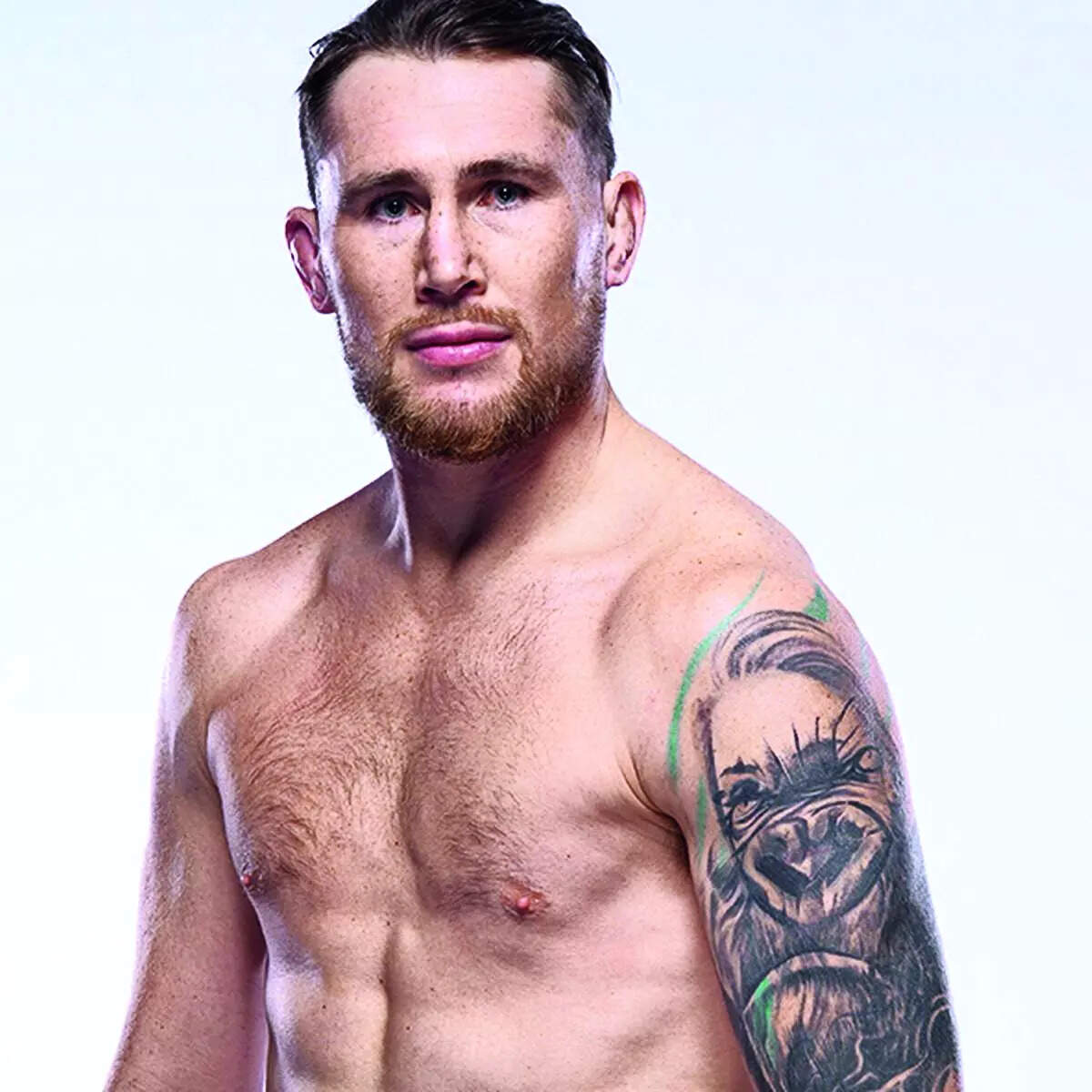
The close-up shows how much the gorilla changed the arm’s identity. It is larger, darker and closely tied to Till’s fighting persona. The old portrait is no longer the first thing you see, but it explains why the new work has such visual weight—and why fans remember the earlier version.
Tattoos can change with the person wearing them. People add new work, cover old pieces, move on from relationships or build a different public image. Till’s before-and-after photos make that process easy to see because the original portrait appeared so often.
The gorilla also has a clear silhouette. Even in uneven light, its brow, nose and mouth give the arm an immediate shape. That’s useful in a large cover-up: the main image should read before the viewer gets close enough to inspect the shading.
A large tattoo needs one strong idea more than a pile of small details. The gorilla has a recognizable face and a reason to use deep shading. The extra lines support that subject instead of competing with it.
The rest of Till’s collection follows a similar balance. The neck piece is compact; the upper-back work gives the torso a center; and the arm moves from portrait to gorilla. Each looks different when he is still, turning for a camera or fighting under arena lights.
The tattoos don’t form a perfectly matched set, and they don’t need to. They mark different chapters, from family and relationships to the tougher identity of The Gorilla. The changes are part of the story the collection tells.
For a similar look, start with the story you want your tattoos to carry, then choose placements that can grow. Leave room around large pieces, consider how movement changes the view, and find an artist with experience in the style and any cover-up work you need.
Darren Till’s tattoos are memorable because they connect his public image with personal history. The arm portrait drew questions, the neck and back work filled out the composition, and the gorilla cover-up gave the sleeve a new direction. Each photo catches a different moment in that evolution.