
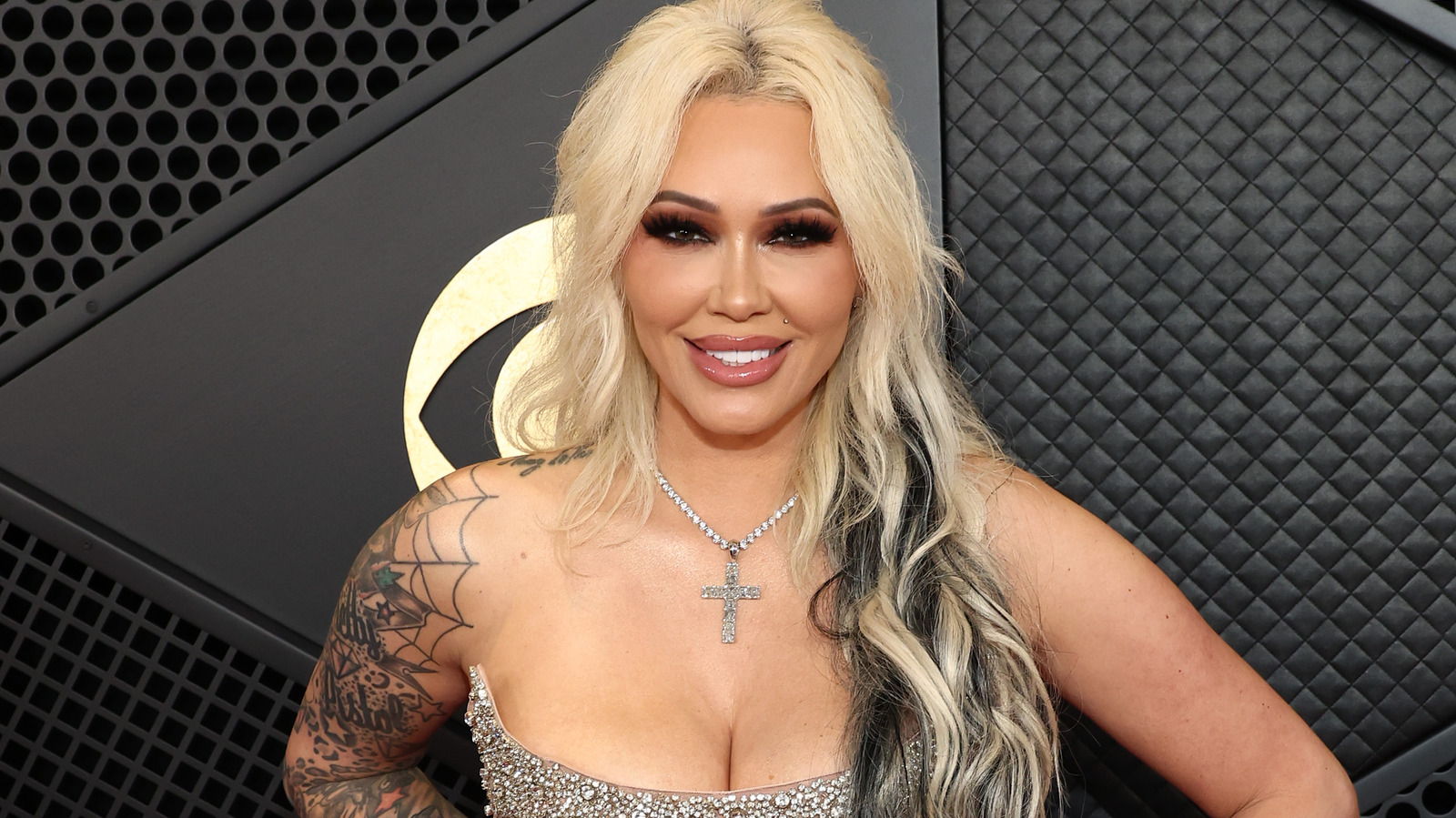
Bunnie XO’s tattoos are hard to miss. Her arms are covered in layered black-and-gray work, and she’s added smaller pieces tied to faith, music, friendship, and the people who’ve shaped her life. There isn’t one tidy theme running through the collection. It feels more like a visual diary: some designs are bold and easy to spot, while others only make sense once you know the story behind them.
That mix is part of what makes her look recognizable. The tattoos aren’t tucked away as occasional accents; they sit alongside her clothes, jewelry, and on-camera style. A sleeveless dress can show a whole stretch of the sleeve, while a close crop may bring out a tiny symbol or a line of script. Photos don’t always show the same pieces, so it helps to separate what’s clearly visible from what Bunnie has explained in interviews or videos. The collection reads like a visual diary, not a set of symbols with one universal translation.
One of the newest additions is a line of cursive on her left forearm: “Time cast a spell on you,” from Fleetwood Mac’s Silver Springs. The lyric got plenty of attention in 2026 because of the timing, but Bunnie pushed back on the breakup-tattoo reading. She said the group of friends who got the same words chose them because the song meant something to them together. That detail matters. The tattoo can be about a favorite song and a shared memory without being a message to anyone else.
A growing sleeve with a mix of styles
The biggest part of Bunnie’s tattoo look is the coverage on her arms. In red-carpet photos, you can see a dense mix of black-and-gray motifs running from her shoulders down toward her hands. There are larger shaded pieces, smaller symbols, and plenty of line work packed together. It reads as a collection built over time rather than one single design planned all at once, with several distinct pieces sharing the same space.
That layered quality is a big part of why her ink stands out. From a few steps away, the sleeve makes a strong dark outline against a strapless or sleeveless outfit. Up close, the arm breaks into separate pieces, each with its own scale and spacing. Some areas are filled in heavily; others leave more skin open, so the whole thing doesn’t become one solid block.
The different photos also show why it’s tricky to read a large sleeve from one image alone. A turn of the shoulder, a bracelet, or a hand resting at the waist can hide part of the work. Across several appearances, the recurring black-and-gray palette and crowded placement are easier to spot than any supposed single “theme.” That’s a visual description, not a claim that every piece shares one meaning.
There’s also a contrast between the busy areas and the quieter stretches of skin. The larger shapes do most of the work from a distance, then finer lines and small symbols reward a closer look. It gives the tattoos a collage-like feel without making every piece compete for attention. The overall effect comes from placement and repetition as much as from any one subject.

She has also talked about the practical side of sitting for long sessions. One leg-piece appointment ran for hours, and she’s joked that she doesn’t enjoy the actual getting-tattooed part. That’s a familiar split for anyone who loves the finished result but could do without the needle time. Large work takes patience, and a sleeve or leg piece usually comes together across more than one visit.
In one of her posts about a larger session, she described the bloodline an artist uses to map an unfinished design so the placement can be picked up later. It’s a small behind-the-scenes detail, but it explains why a piece can look different from one appointment to the next. The first sitting may establish the outline and flow; later visits fill in the shading and bring the separate parts together.


Personal pieces, shared stories
Some of Bunnie’s best-known pieces have a connection to Jelly Roll, but they’re only one part of a much bigger collection. The two have shared a handful of tattoos over the years. A 2018 tattoo-shop vlog showed them getting matching crosses, with Bunnie choosing her rib cage rather than the face placement Jelly Roll tried to talk her into. They also have small matching marks near their ears: “II Die IV” on one side and their initials on the other.
There’s a matching rose tattoo on the back of each of their hands, too. The rose is a familiar tattoo subject, but matching it turns the design into a private reference between two people. Jelly Roll’s version has a tiny bunny tucked into the petals, a playful detail that nods to Bunnie’s name. That hidden bunny is part of his tattoo; it shouldn’t be mistaken for a detail in hers.
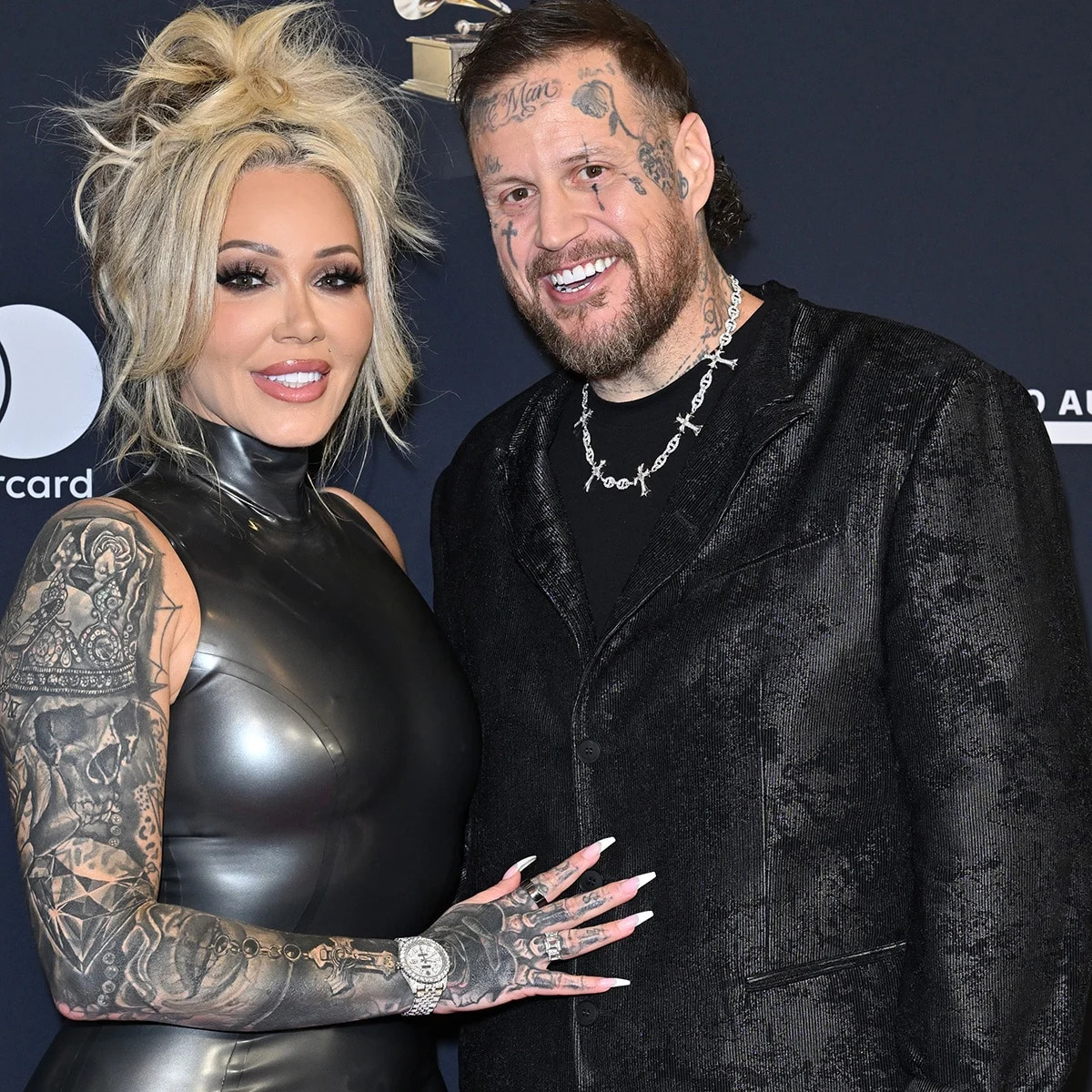
Another tattoo links Bunnie to Jelly Roll’s music persona in a more direct way. He has “Music Man” across his forehead, while Bunnie has “Married a Music Man” on her leg, a line drawn from Elton John’s “Tiny Dancer.” It’s an unusual place for a phrase, and the wording works like a little in-joke as much as a tribute. The reference is specific to their story, not a general statement about her whole collection.
That distinction is useful when reading celebrity tattoos. Matching designs can carry a shared meaning, but they don’t automatically explain every other tattoo someone has. Bunnie has described many crosses as part of her Pentecostal faith, and her newer lyric tattoo came from a group memory with friends. Those are separate pieces with separate reasons behind them.
Even the matching tattoos don’t have to be read as a single, permanent statement. A shared design can mark a moment or a bond at the time it was chosen. The meaning stays personal, and public viewers only get the parts the wearer decides to share. Bunnie’s own explanations are more useful than guessing from the date or trying to turn every piece into a clue.
Faith, memory, and the way a collection changes
Bunnie’s tattoos aren’t all polished, carefully coordinated work with a neat origin story. In her memoir, she has described a much earlier tattoo session that went badly and left her with a serious infection. She has connected that period of her life with substance use and risky choices. It’s a heavy part of the story, and it’s worth treating it as a personal account rather than turning it into a sensational cautionary tale.
Her more recent tattoos sit in a very different context: long appointments, planned pieces, and stories she’s comfortable sharing. She has talked about having many crosses because of her faith. The older marks, matching designs, and lyric script all show how a tattoo collection can carry several chapters at once. A sleeve can be a style choice; a small symbol can be a private reminder; a matching piece can belong to a friendship or a relationship that has changed over time.
It also helps to keep the visible design separate from the story attached to it. A photograph can show placement, scale, and style; it can’t tell you whether a cross is religious, whether a lyric is meant for a particular person, or why a friend group chose the same words. Those details come from the person wearing the tattoo. In Bunnie’s case, she has shared some explanations and left others private, so the gaps should stay gaps.
The line on her forearm is a good example of why attribution matters. The lyric can sound like a pointed message when it’s pulled out of context, especially when news about a relationship is already circulating. But Bunnie’s own explanation was that it was a shared tattoo with friends. That is the account to use unless she offers a different one. It leaves room for the song to matter to her without inventing a private meaning she hasn’t claimed.
There’s no need to decide that one tattoo explains all the others. Bunnie’s visible ink is varied, and she’s given different reasons for different pieces. That variety is what makes the collection interesting: it mixes large-scale body art with small details, shared references with personal beliefs, and fresh work with tattoos that have been part of her look for years. Her matching designs are personal, but they don’t make every other tattoo about a relationship.
Some of the most noticeable work is also the hardest to summarize in a single sentence. An arm sleeve can include designs collected years apart, and a small phrase can carry a very specific story that won’t be obvious from a photograph. Bunnie’s explanations make the collection feel less like a set of symbols for strangers to decode and more like a record of things that mattered to her at different times. Keeping those stories distinct makes the guide more honest: one tattoo can be about faith, another about friendship, and another may simply be art she liked enough to keep. The best reading is the one grounded in what she has actually shared.
If you’re looking at her tattoos for inspiration, the clearest takeaway is how she uses placement. Her sleeves give her collection a strong visual base, while smaller writing and symbols add personal details. It’s a good reminder that a tattoo doesn’t need to be huge to matter, and a matching design doesn’t have to define someone forever. The best stories are the ones the person wearing the ink chooses to tell.
Watch Bunnie XO’s tattoo-focused video below.